#dusk @Dusk $DUSK
$SUI
$X
Tôi đang đứng đây và nghĩ về đã bao nhiêu lần tôi nghe các bản “privacy blockchain for finance” trong suốt những năm qua, và Dusk Network là cái tên cứ âm thầm nổi lên trở lại trong các cuộc trò chuyện không nằm trên bất kỳ sân khấu nào.
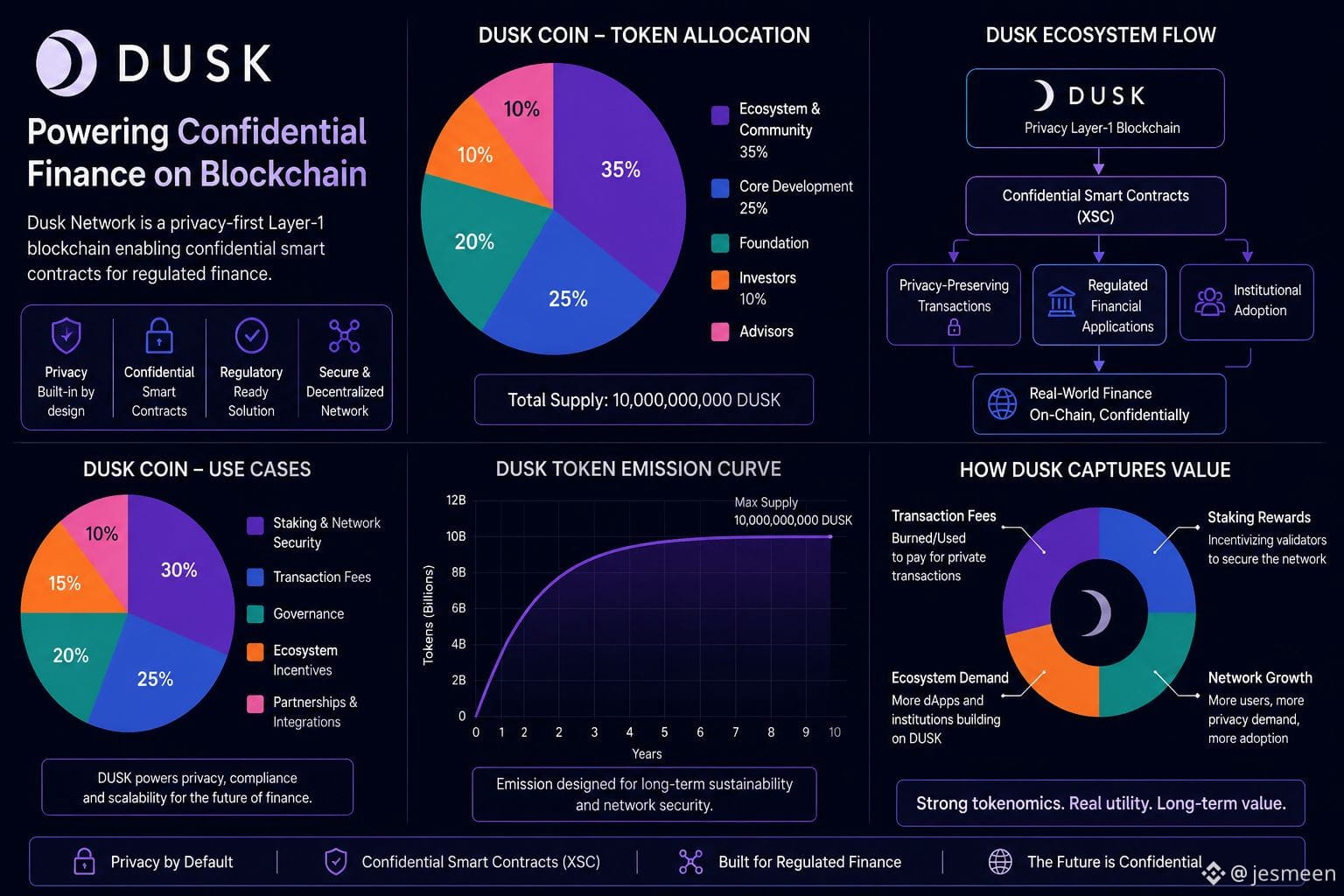
Ý tưởng tự thân không hề phức tạp. XSC cho phép các smart contract (hợp đồng thông minh) được giữ bí mật trong khi vẫn chứng minh rằng chúng đã tuân thủ đúng các quy tắc. Ban đầu nghe có vẻ đơn giản: che giấu dữ liệu, giữ nguyên sự tuân thủ. Nhưng thực tế khác đi khi bạn nhận ra rằng cơ quan quản lý không thực sự muốn “mù mờ”, họ muốn “nhìn thấy có kiểm soát”. Đây là một bài toán kỹ thuật khó hơn nhiều so với chỉ là quyền riêng tư thuần túy.
Chỗ này mới là phần rắc rối cho hầu như mọi dự án trong nhóm đó. Các tổ chức muốn quyền riêng tư khỏi đối thủ cạnh tranh, chứ không phải khỏi các cơ quan quản lý, và việc xây dựng một hệ thống có thể phân biệt được điều đó mới là công việc thực sự. Không phải phần toán học zero-knowledge (chủ yếu đã được giải quyết). Cái quyết định liệu một đội ngũ tuân thủ có bao giờ ký duyệt hay không chính là cơ chế quản trị: ai được xem gì, xem khi nào, và vì sao.
Tôi vẫn chưa thực sự tin rằng nó có thể mở rộng theo cách mà tài liệu mô tả, và tôi cũng chưa thấy đủ khối lượng giao dịch thực để đánh giá chi phí chứng minh khi chịu tải. Việc được các tổ chức trong tài chính áp dụng cũng vốn dĩ diễn ra chậm, không phải vì do do dự, mà vì việc chuyển đổi hệ thống thanh toán là một rủi ro pháp lý có thật đối với bất kỳ ai đi đầu.
Điều tôi có thể nói là Dusk không đuổi theo “cơn sốt bán lẻ” như hầu hết các L1 đã làm ở chu kỳ trước. Nó đi theo hướng hẹp. Cho dù đó là kỷ luật hay chỉ là tham vọng hạn chế, thật sự tôi vẫn chưa thể kết luận. Việc triển khai sẽ quyết định tất cả, không phải whitepaper.
#BitcoinBestWeekSinceMarch2023
#USRefinersFaceLoomingCrudeSupplyDrop
#GoldReboundsNearly5%
#GrayscaleFilesFifthZECETFAmendment
$SUI
$X
Tôi đang đứng đây và nghĩ về đã bao nhiêu lần tôi nghe các bản “privacy blockchain for finance” trong suốt những năm qua, và Dusk Network là cái tên cứ âm thầm nổi lên trở lại trong các cuộc trò chuyện không nằm trên bất kỳ sân khấu nào.
Ý tưởng tự thân không hề phức tạp. XSC cho phép các smart contract (hợp đồng thông minh) được giữ bí mật trong khi vẫn chứng minh rằng chúng đã tuân thủ đúng các quy tắc. Ban đầu nghe có vẻ đơn giản: che giấu dữ liệu, giữ nguyên sự tuân thủ. Nhưng thực tế khác đi khi bạn nhận ra rằng cơ quan quản lý không thực sự muốn “mù mờ”, họ muốn “nhìn thấy có kiểm soát”. Đây là một bài toán kỹ thuật khó hơn nhiều so với chỉ là quyền riêng tư thuần túy.
Chỗ này mới là phần rắc rối cho hầu như mọi dự án trong nhóm đó. Các tổ chức muốn quyền riêng tư khỏi đối thủ cạnh tranh, chứ không phải khỏi các cơ quan quản lý, và việc xây dựng một hệ thống có thể phân biệt được điều đó mới là công việc thực sự. Không phải phần toán học zero-knowledge (chủ yếu đã được giải quyết). Cái quyết định liệu một đội ngũ tuân thủ có bao giờ ký duyệt hay không chính là cơ chế quản trị: ai được xem gì, xem khi nào, và vì sao.
Tôi vẫn chưa thực sự tin rằng nó có thể mở rộng theo cách mà tài liệu mô tả, và tôi cũng chưa thấy đủ khối lượng giao dịch thực để đánh giá chi phí chứng minh khi chịu tải. Việc được các tổ chức trong tài chính áp dụng cũng vốn dĩ diễn ra chậm, không phải vì do do dự, mà vì việc chuyển đổi hệ thống thanh toán là một rủi ro pháp lý có thật đối với bất kỳ ai đi đầu.
Điều tôi có thể nói là Dusk không đuổi theo “cơn sốt bán lẻ” như hầu hết các L1 đã làm ở chu kỳ trước. Nó đi theo hướng hẹp. Cho dù đó là kỷ luật hay chỉ là tham vọng hạn chế, thật sự tôi vẫn chưa thể kết luận. Việc triển khai sẽ quyết định tất cả, không phải whitepaper.
#BitcoinBestWeekSinceMarch2023
#USRefinersFaceLoomingCrudeSupplyDrop
#GoldReboundsNearly5%
#GrayscaleFilesFifthZECETFAmendment