Hết hạn Bản ghi nhớ (MOU) Mỹ–Iran — Vì sao thị trường đang theo dõi
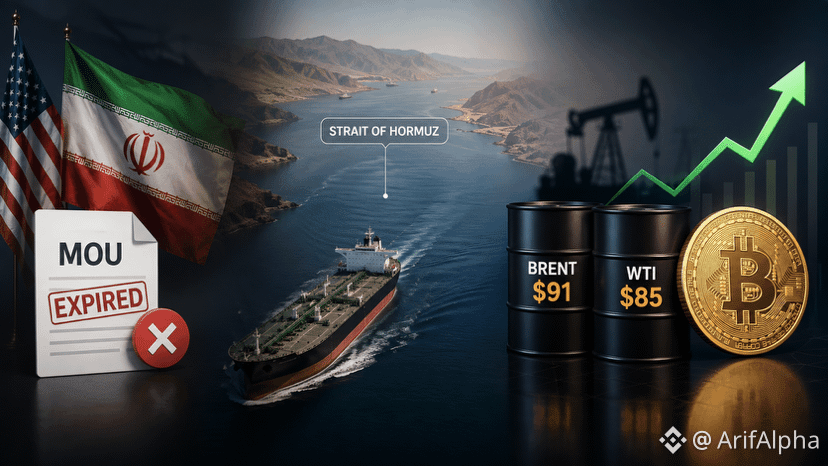
Bản ghi nhớ Islamabad hết hạn vào ngày 17 tháng 8 mà không có gia hạn, khiến các cuộc đàm phán giữa Mỹ và Iran rơi vào thế bế tắc nghiêm trọng.
🛢️ Dầu: Rủi ro nguồn cung quay trở lại
• Brent: ~91 USD
• WTI: ~85 USD
• Tuần này trước đó: Brent ở mức giữa 87 USD, WTI ở mức đầu 80 USD
Vấn đề then chốt không chỉ là việc gia hạn thất bại — mà là tình trạng tiếp tục hạn chế vận chuyển qua eo biển Hormuz, một trong những tuyến đường trung chuyển dầu mỏ quan trọng nhất thế giới.
Nếu các hạn chế kéo dài, thị trường có thể định giá thêm mức “phần bù rủi ro địa chính trị” cao hơn.
📈 Vì sao dầu cao hơn lại quan trọng
Dầu giá cao hơn → chi phí năng lượng tăng → áp lực lạm phát mạnh hơn.
Điều này có thể tạo ra một môi trường khó khăn cho các ngân hàng trung ương, vì lạm phát năng lượng kéo dài có thể khiến việc nới lỏng tiền tệ trở nên khó hơn.
₿ Còn Bitcoin thì sao?
BTC tăng nhẹ khoảng +0,55%, nhưng câu hỏi lớn hơn là thị trường sẽ phản ứng thế nào nếu giá dầu tiếp tục đi lên.
Tích cực cho BTC:
→ Bất ổn địa chính trị tăng làm nhu cầu đối với tài sản thay thế cao hơn
→ Kỳ vọng thanh khoản được cải thiện
Tiêu cực cho BTC:
→ Dầu cao hơn → lo ngại về lạm phát
→ Lợi suất cao hơn / điều kiện tài chính thắt chặt hơn
→ Tài sản rủi ro chịu áp lực
🎯 Kết luận
Bản thân việc hết hạn MOU chưa chắc đã là chất xúc tác trực tiếp cho BTC.
Rủi ro thực sự của thị trường là sự gián đoạn kéo dài ở Hormuz + áp lực giá dầu duy trì.
Với các nhà giao dịch crypto, hãy theo dõi đồng thời dầu + lợi suất Kho bạc Mỹ + thanh khoản BTC, thay vì chỉ nhìn riêng BTC.
#Bitcoin #CryptoMarket #ArifAlpha
Bản ghi nhớ Islamabad hết hạn vào ngày 17 tháng 8 mà không có gia hạn, khiến các cuộc đàm phán giữa Mỹ và Iran rơi vào thế bế tắc nghiêm trọng.
🛢️ Dầu: Rủi ro nguồn cung quay trở lại
• Brent: ~91 USD
• WTI: ~85 USD
• Tuần này trước đó: Brent ở mức giữa 87 USD, WTI ở mức đầu 80 USD
Vấn đề then chốt không chỉ là việc gia hạn thất bại — mà là tình trạng tiếp tục hạn chế vận chuyển qua eo biển Hormuz, một trong những tuyến đường trung chuyển dầu mỏ quan trọng nhất thế giới.
Nếu các hạn chế kéo dài, thị trường có thể định giá thêm mức “phần bù rủi ro địa chính trị” cao hơn.
📈 Vì sao dầu cao hơn lại quan trọng
Dầu giá cao hơn → chi phí năng lượng tăng → áp lực lạm phát mạnh hơn.
Điều này có thể tạo ra một môi trường khó khăn cho các ngân hàng trung ương, vì lạm phát năng lượng kéo dài có thể khiến việc nới lỏng tiền tệ trở nên khó hơn.
₿ Còn Bitcoin thì sao?
BTC tăng nhẹ khoảng +0,55%, nhưng câu hỏi lớn hơn là thị trường sẽ phản ứng thế nào nếu giá dầu tiếp tục đi lên.
Tích cực cho BTC:
→ Bất ổn địa chính trị tăng làm nhu cầu đối với tài sản thay thế cao hơn
→ Kỳ vọng thanh khoản được cải thiện
Tiêu cực cho BTC:
→ Dầu cao hơn → lo ngại về lạm phát
→ Lợi suất cao hơn / điều kiện tài chính thắt chặt hơn
→ Tài sản rủi ro chịu áp lực
🎯 Kết luận
Bản thân việc hết hạn MOU chưa chắc đã là chất xúc tác trực tiếp cho BTC.
Rủi ro thực sự của thị trường là sự gián đoạn kéo dài ở Hormuz + áp lực giá dầu duy trì.
Với các nhà giao dịch crypto, hãy theo dõi đồng thời dầu + lợi suất Kho bạc Mỹ + thanh khoản BTC, thay vì chỉ nhìn riêng BTC.
#Bitcoin #CryptoMarket #ArifAlpha