#dusk $DUSK @Dusk
Điều cứ lặp lại trong tôi khi nhìn vào DUSK là việc áp dụng blockchain có lẽ sẽ không được quyết định chỉ bằng số lượng giao dịch.
Nhiều hoạt động hơn có thể chứng minh rằng một mạng đang được sử dụng. Nhưng điều đó không nhất thiết chứng minh rằng mạng phù hợp với cách các hệ thống tài chính thực sự vận hành.
Tài chính truyền thống được xây dựng dựa trên tính minh bạch có chọn lọc. Một công ty có thể cần quyền riêng tư, một kiểm toán viên cần khả năng xác minh, một cơ quan quản lý cần có sự giám sát, và các bên đối tác có thể chỉ cần xem một số phần thông tin cụ thể.
Điều đó khiến sự đánh đổi thường thấy của blockchain trở nên thú vị.
Mặc định công khai giúp việc xác minh dễ hơn, nhưng có thể phơi bày những thông tin mà các tổ chức không thể thực tế công bố. Tổng quyền riêng tư bảo vệ dữ liệu nhạy cảm, nhưng lại có thể làm cho việc tuân thủ và niềm tin trở nên khó khăn hơn nhiều.
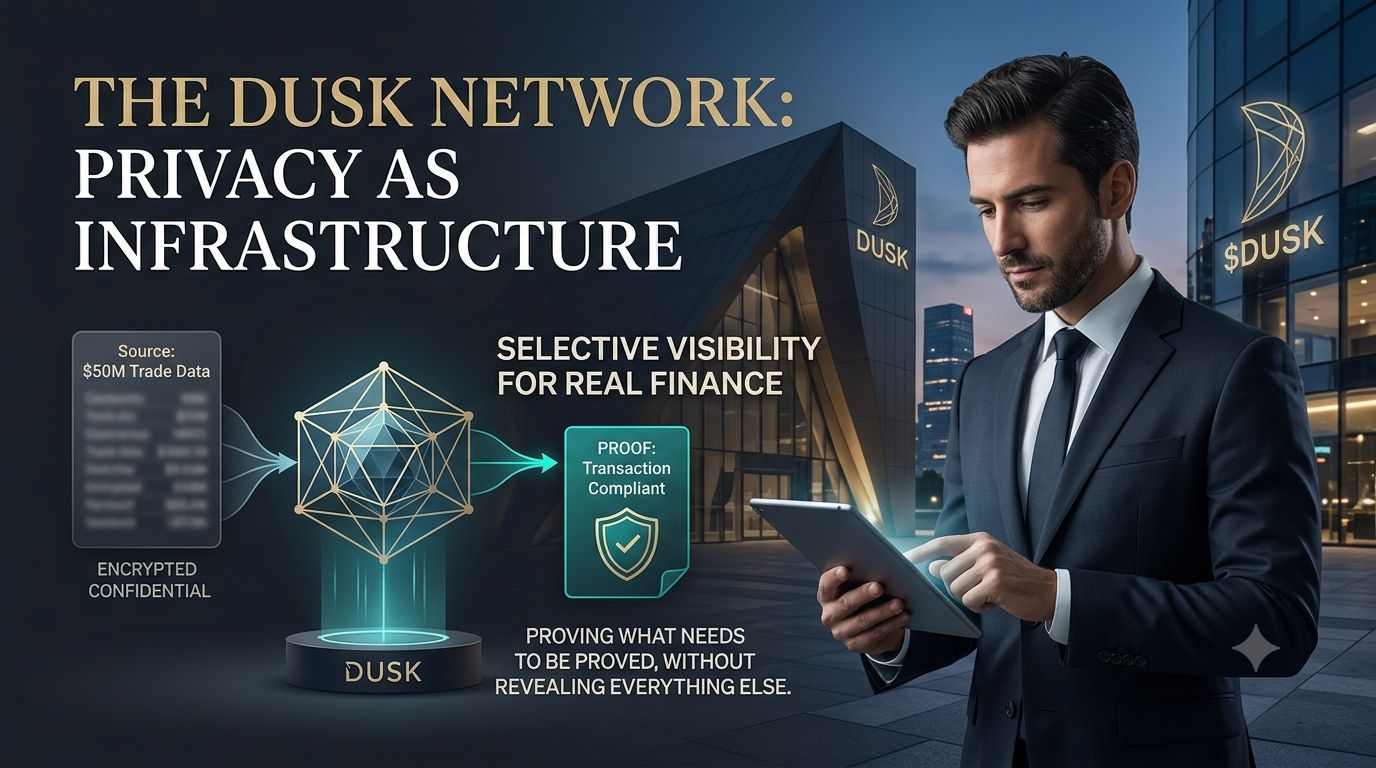
DUSK thật sự thú vị vì họ tiếp cận quyền riêng tư như một phần của hạ tầng, thay vì coi quyền riêng tư là thứ phải tồn tại tách biệt với tính minh bạch.
Câu hỏi lớn hơn đối với tôi là liệu thế hệ mạng blockchain tiếp theo sẽ cạnh tranh dựa trên việc họ có thể xử lý bao nhiêu dữ liệu, hay dựa trên mức độ thông minh mà họ có thể kiểm soát ai được xem những gì.
Có lẽ bước đột phá thực sự không nằm ở việc đưa thêm nhiều thông tin lên chuỗi.
Có lẽ đó là việc chứng minh chính xác điều gì cần phải chứng minh mà không tiết lộ mọi thứ còn lại.
#dusk $DUSK @Dusk
Điều cứ lặp lại trong tôi khi nhìn vào DUSK là việc áp dụng blockchain có lẽ sẽ không được quyết định chỉ bằng số lượng giao dịch.
Nhiều hoạt động hơn có thể chứng minh rằng một mạng đang được sử dụng. Nhưng điều đó không nhất thiết chứng minh rằng mạng phù hợp với cách các hệ thống tài chính thực sự vận hành.
Tài chính truyền thống được xây dựng dựa trên tính minh bạch có chọn lọc. Một công ty có thể cần quyền riêng tư, một kiểm toán viên cần khả năng xác minh, một cơ quan quản lý cần có sự giám sát, và các bên đối tác có thể chỉ cần xem một số phần thông tin cụ thể.
Điều đó khiến sự đánh đổi thường thấy của blockchain trở nên thú vị.
Mặc định công khai giúp việc xác minh dễ hơn, nhưng có thể phơi bày những thông tin mà các tổ chức không thể thực tế công bố. Tổng quyền riêng tư bảo vệ dữ liệu nhạy cảm, nhưng lại có thể làm cho việc tuân thủ và niềm tin trở nên khó khăn hơn nhiều.
DUSK thật sự thú vị vì họ tiếp cận quyền riêng tư như một phần của hạ tầng, thay vì coi quyền riêng tư là thứ phải tồn tại tách biệt với tính minh bạch.
Câu hỏi lớn hơn đối với tôi là liệu thế hệ mạng blockchain tiếp theo sẽ cạnh tranh dựa trên việc họ có thể xử lý bao nhiêu dữ liệu, hay dựa trên mức độ thông minh mà họ có thể kiểm soát ai được xem những gì.
Có lẽ bước đột phá thực sự không nằm ở việc đưa thêm nhiều thông tin lên chuỗi.
Có lẽ đó là việc chứng minh chính xác điều gì cần phải chứng minh mà không tiết lộ mọi thứ còn lại.
#dusk $DUSK @Dusk