#dusk $DUSK @Dusk Lúc đầu, tôi nghĩ rằng quyền riêng tư trên blockchain chủ yếu là để che giấu số dư hoặc chi tiết giao dịch.
Càng tìm hiểu về Dusk, vấn đề càng trở nên thú vị: điều gì xảy ra khi ngay cả “logic” tài chính cũng cần phải được giữ riêng tư?
Một ứng dụng tài chính có thể cần chứng minh rằng điều gì đó là hợp lệ mà không phải tiết lộ mọi chi tiết nền tảng. Đó là một ý tưởng rất khác so với việc chỉ đơn giản đặt mọi thứ đằng sau một địa chỉ riêng tư.
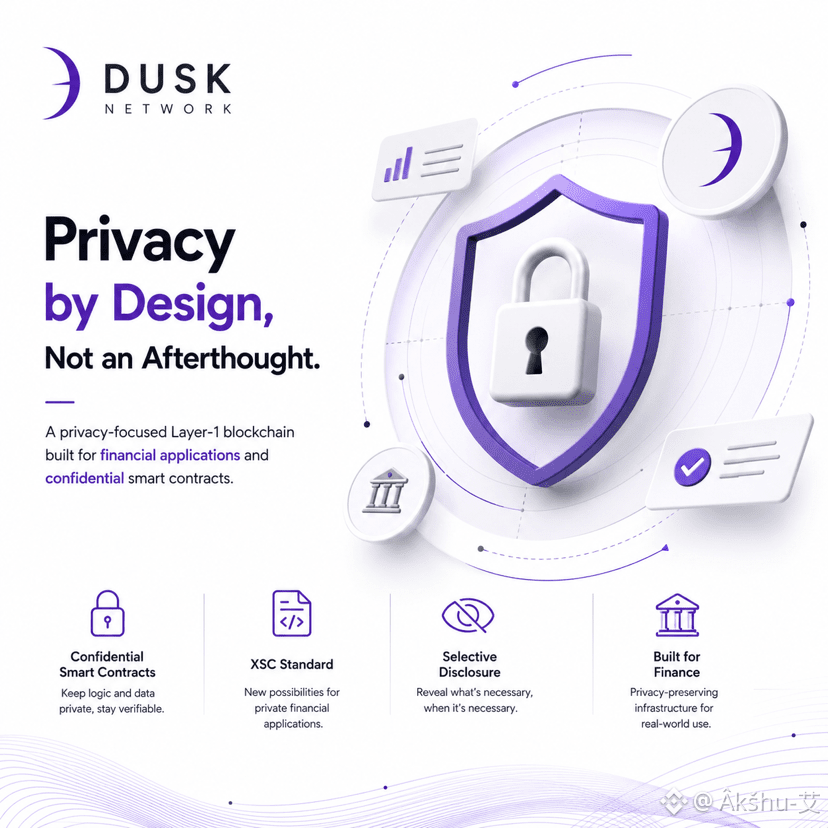
Điều khiến tôi chú ý là cách Dusk tiếp cận vấn đề này thông qua các smart contract (hợp đồng thông minh) bảo mật và chuẩn Confidential Security Contract (XSC). Phần quan trọng đối với tôi là khả năng giữ bí mật logic kinh doanh nhạy cảm, đồng thời vẫn cho phép nó vận hành trong một hệ thống on-chain.
Điều đó khiến tôi nghĩ về tài chính blockchain theo một cách khác.
Có lẽ thách thức thực sự không phải là đưa thêm nhiều hoạt động tài chính lên on-chain. Mà là làm cho các hệ thống on-chain tương thích với những thông tin mà doanh nghiệp không thể công khai tiết lộ.
Điểm thú vị đối với tôi là ở đây, quyền riêng tư bắt đầu trông giống như một phần hạ tầng (infrastructure) hơn là một tính năng.
Càng tìm hiểu về Dusk, vấn đề càng trở nên thú vị: điều gì xảy ra khi ngay cả “logic” tài chính cũng cần phải được giữ riêng tư?
Một ứng dụng tài chính có thể cần chứng minh rằng điều gì đó là hợp lệ mà không phải tiết lộ mọi chi tiết nền tảng. Đó là một ý tưởng rất khác so với việc chỉ đơn giản đặt mọi thứ đằng sau một địa chỉ riêng tư.
Điều khiến tôi chú ý là cách Dusk tiếp cận vấn đề này thông qua các smart contract (hợp đồng thông minh) bảo mật và chuẩn Confidential Security Contract (XSC). Phần quan trọng đối với tôi là khả năng giữ bí mật logic kinh doanh nhạy cảm, đồng thời vẫn cho phép nó vận hành trong một hệ thống on-chain.
Điều đó khiến tôi nghĩ về tài chính blockchain theo một cách khác.
Có lẽ thách thức thực sự không phải là đưa thêm nhiều hoạt động tài chính lên on-chain. Mà là làm cho các hệ thống on-chain tương thích với những thông tin mà doanh nghiệp không thể công khai tiết lộ.
Điểm thú vị đối với tôi là ở đây, quyền riêng tư bắt đầu trông giống như một phần hạ tầng (infrastructure) hơn là một tính năng.