


Chapter 2's Resource Management Overhaul in Pixels Is the Biggest Systemic Change Yet But Will It Hold the Economy Together or Tear It Apart?Pixels just dropped one of the most structurally significant updates in its history and it's not about a new quest or cosmetic. Chapter 2 fundamentally changed how resources are generated, collected, and consumed inside the entire economy.
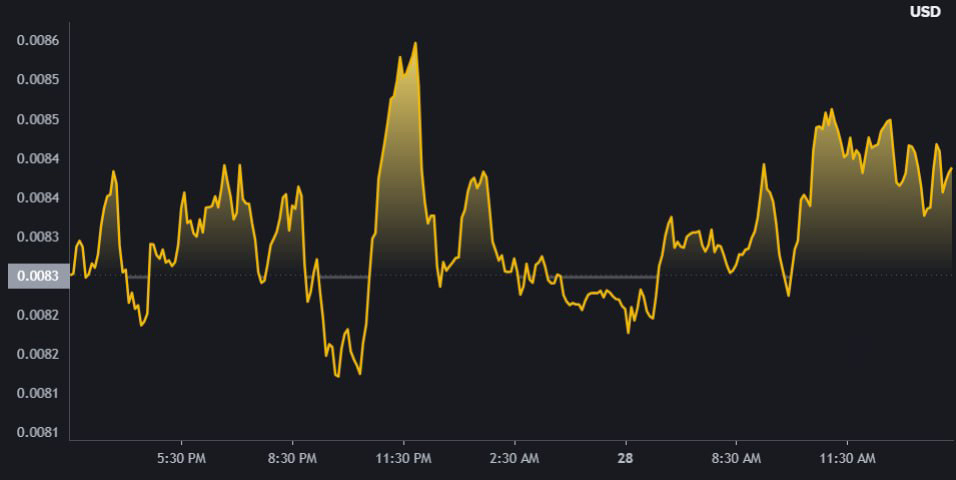
$PIXEL is currently trading at $0.0076, with a circulating supply of 770 million tokens and a 24-hour volume of $7.68M. Every one of Chapter 2's resource mechanics changes directly impacts how much PIXEL gets spent or extracted daily. That's not a small detail.

What Exactly Are We "Analyzing" About Chapter 2?
Chapter 2 introduced the RORS (Return on Reward Spend) framework a system designed to ensure every $PIXEL distributed as a reward generates at least $1.00 in protocol revenue through fees and economic sinks, building a self-sustaining loop rather than an inflationary spiral.
That's the metric worth tracking. Not just DAU. Not just price. RORS tells you whether the economy is net-positive or quietly bleeding. Most players don't even know this metric exists which is exactly why most players are surprised when token prices don't react the way they expect.
What Are the Specific Chapter 2 Mechanics That Changed the Economy?
Chapter 2 introduced a four-tier categorization system for resources and crafting recipes with strict limitations on the number of energy-producing resources per tier to ensure all resources serve a purpose. No more junk-tier resources clogging up supply. Every material now has a role in a specific tier of production.
Crafting industries including Farming, Cooking, Woodworking, Metalworking, Stone Shaping, Mining, and Lumberjacking were given multiple tiers, with over 100 new recipes added. More recipes means more resource consumption pathways. That's the kind of structural sink the economy needed.
What Are the Specific Resource Management Updates Introduced?
The most fundamental change in Chapter 2 is the shift from player-tied resource generation to land-based resource allocation with a global cap on daily resource generation to foster a more balanced and strategic approach to resource management.
This is the change most people underestimated. A global cap means the total resource supply entering the economy each day is controlled regardless of how many players are online. That's exactly how you prevent an inflationary flood during peak player periods.
Could These Changes Actually "Break" Anything?
Honestly? The breakage risk isn't from Chapter 2's design it's from the transition. Chapter 2 also made personal crafting stations exclusive to a single user, removing shared access a change that upset some collaborative play styles and temporarily disrupted established player workflows.
the ecosystem moved away from the hyper-inflationary pitfalls of early GameFi toward a model focused on sustainable revenue and player retention. Whether it holds long-term depends on one thing: can Pixels keep enough active players cycling through those resource tiers every single day?
What's your read has Chapter 2 stabilized the economy, or just delayed the same problems?