

#security
security
1.9M lượt xem
5,338 đang thảo luận
Phổ biến
Mới nhất

Xem bản dịch
$ZQRA We stand by what we’ve said. We continue to grow—transparently, reliably, and with a focus on our community.
ZQORA is undergoing a full audit by Cyberscope
https://app.cyberscope.io/audits/zqra#security #cyberscope #zqora
$ZQRA We stand by what we’ve said. We continue to grow—transparently, reliably, and with a focus on our community.
ZQORA is undergoing a full audit by Cyberscope
https://app.cyberscope.io/audits/zqra#security #cyberscope #zqora
ZQORA is undergoing a full audit by Cyberscope
https://app.cyberscope.io/audits/zqra#security #cyberscope #zqora


77

·
--
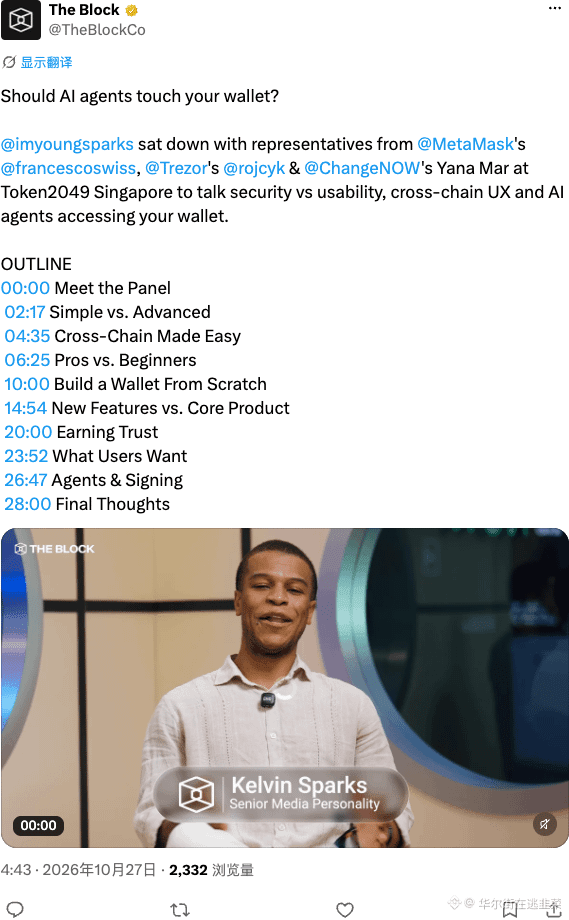
MetaMask, Trezor và ChangeNOW đã tranh cãi nảy lửa tại Token2049. Câu hỏi cốt lõi rất đơn giản: Liệu các tác nhân AI có thể thao tác ví của bạn không?
Nói thật nhé, giao khóa riêng cho tác nhân AI nghe chẳng khác nào chơi trò cò quay Nga. Một khi các tập lệnh bắt đầu tự động ký giao dịch, có lẽ chẳng mấy chốc chúng ta sẽ chứng kiến những vụ “tấn công mạng” trên diện rộng, chứ không phải cái gọi là “nâng cấp tính năng”.
#AI #Web3 #Security #Meme
MetaMask, Trezor và ChangeNOW đã tranh cãi nảy lửa tại Token2049. Câu hỏi cốt lõi rất đơn giản: Liệu các tác nhân AI có thể thao tác ví của bạn không?
Nói thật nhé, giao khóa riêng cho tác nhân AI nghe chẳng khác nào chơi trò cò quay Nga. Một khi các tập lệnh bắt đầu tự động ký giao dịch, có lẽ chẳng mấy chốc chúng ta sẽ chứng kiến những vụ “tấn công mạng” trên diện rộng, chứ không phải cái gọi là “nâng cấp tính năng”.
#AI #Web3 #Security #Meme
Nói thật nhé, giao khóa riêng cho tác nhân AI nghe chẳng khác nào chơi trò cò quay Nga. Một khi các tập lệnh bắt đầu tự động ký giao dịch, có lẽ chẳng mấy chốc chúng ta sẽ chứng kiến những vụ “tấn công mạng” trên diện rộng, chứ không phải cái gọi là “nâng cấp tính năng”.
#AI #Web3 #Security #Meme
3
·
--
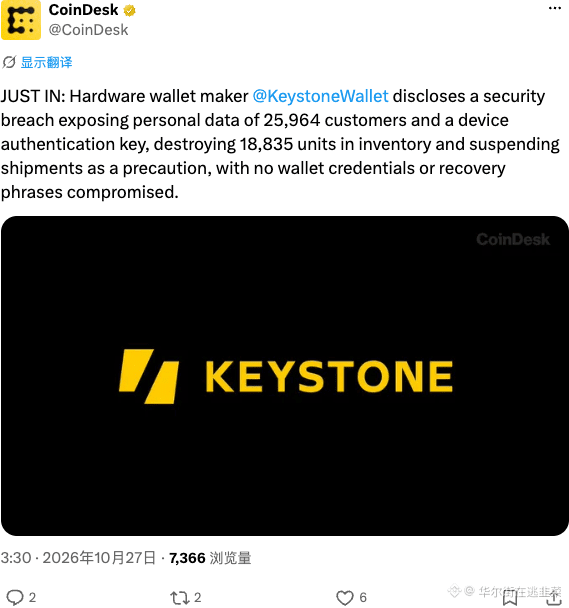
Nhà sản xuất ví phần cứng Keystone phát hiện lỗ hổng bảo mật, khiến dữ liệu của 25.000 khách hàng và khóa thiết bị bị rò rỉ. Để phòng ngừa rủi ro, công ty đã tiêu hủy 18.000 thiết bị chưa giao hàng và tạm ngừng vận chuyển, nhưng khóa riêng tư không bị đe dọa.
Đợt xử lý này của Keystone thật quyết liệt: họ thẳng tay phá hủy 18.000 thiết bị chưa giao hàng. Dù khóa riêng tư vẫn an toàn, biện pháp khắc phục bằng cách “tiêu hủy vật lý” cho thấy mức độ nghiêm trọng của sự cố vượt xa tưởng tượng. Uy tín thương hiệu bị giáng đòn nặng nề, tâm lý thị trường sẽ chịu áp lực trong ngắn hạn. Nhưng nhìn về dài hạn, ví lạnh phần cứng vẫn là pháo đài cuối cùng — chỉ có điều quyền lựa chọn đã thay đổi.
#Keystone #HardwareWallet #Security
Nhà sản xuất ví phần cứng Keystone phát hiện lỗ hổng bảo mật, khiến dữ liệu của 25.000 khách hàng và khóa thiết bị bị rò rỉ. Để phòng ngừa rủi ro, công ty đã tiêu hủy 18.000 thiết bị chưa giao hàng và tạm ngừng vận chuyển, nhưng khóa riêng tư không bị đe dọa.
Đợt xử lý này của Keystone thật quyết liệt: họ thẳng tay phá hủy 18.000 thiết bị chưa giao hàng. Dù khóa riêng tư vẫn an toàn, biện pháp khắc phục bằng cách “tiêu hủy vật lý” cho thấy mức độ nghiêm trọng của sự cố vượt xa tưởng tượng. Uy tín thương hiệu bị giáng đòn nặng nề, tâm lý thị trường sẽ chịu áp lực trong ngắn hạn. Nhưng nhìn về dài hạn, ví lạnh phần cứng vẫn là pháo đài cuối cùng — chỉ có điều quyền lựa chọn đã thay đổi.
#Keystone #HardwareWallet #Security
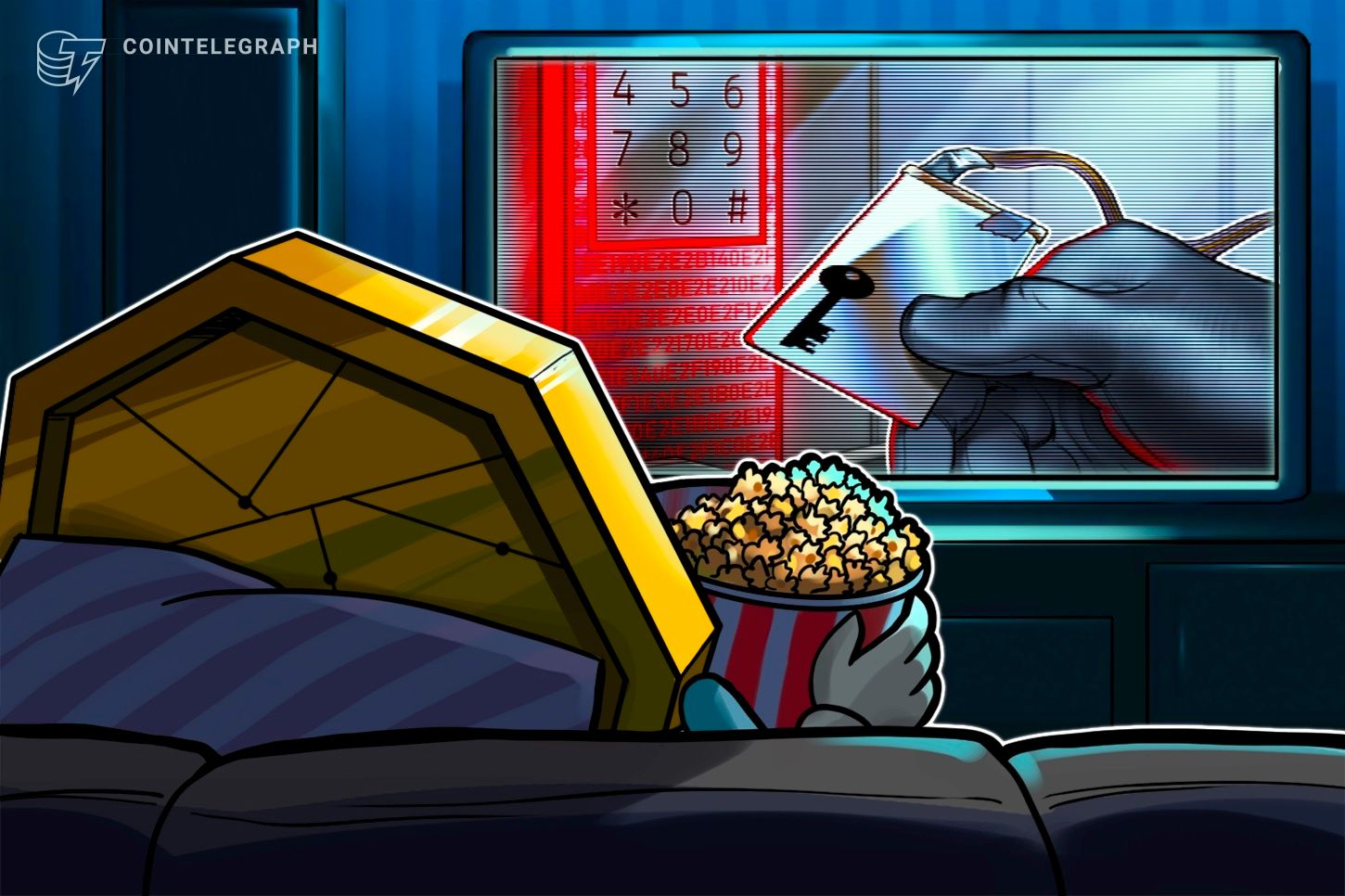
Đợt xử lý này của Keystone thật quyết liệt: họ thẳng tay phá hủy 18.000 thiết bị chưa giao hàng. Dù khóa riêng tư vẫn an toàn, biện pháp khắc phục bằng cách “tiêu hủy vật lý” cho thấy mức độ nghiêm trọng của sự cố vượt xa tưởng tượng. Uy tín thương hiệu bị giáng đòn nặng nề, tâm lý thị trường sẽ chịu áp lực trong ngắn hạn. Nhưng nhìn về dài hạn, ví lạnh phần cứng vẫn là pháo đài cuối cùng — chỉ có điều quyền lựa chọn đã thay đổi.
#Keystone #HardwareWallet #Security
3

·
--
⚠️ KHẨN CẤP: Bản vá bảo mật cho ví Electrum! Tin tặc đang chuyển hướng BTC của bạn vào ví của chúng. HÃY CẬP NHẬT NGAY nếu bạn đang sử dụng ví này! #Bitcoin #BảoMật
⚠️ Cảnh báo khẩn cấp: Đã có bản vá lỗ hổng bảo mật của ví Electrum! Tin tặc đang tìm cách chuyển Bitcoin của bạn vào ví của chúng. Nếu bạn đang sử dụng ví này, hãy cập nhật ngay! #比特币 #BảoMật
$BTC
⚠️ KHẨN CẤP: Bản vá bảo mật cho ví Electrum! Tin tặc đang chuyển hướng BTC của bạn vào ví của chúng. HÃY CẬP NHẬT NGAY nếu bạn đang sử dụng ví này! #Bitcoin #BảoMật
⚠️ Cảnh báo khẩn cấp: Đã có bản vá lỗ hổng bảo mật của ví Electrum! Tin tặc đang tìm cách chuyển Bitcoin của bạn vào ví của chúng. Nếu bạn đang sử dụng ví này, hãy cập nhật ngay! #比特币 #BảoMật
$BTC
⚠️ Cảnh báo khẩn cấp: Đã có bản vá lỗ hổng bảo mật của ví Electrum! Tin tặc đang tìm cách chuyển Bitcoin của bạn vào ví của chúng. Nếu bạn đang sử dụng ví này, hãy cập nhật ngay! #比特币 #BảoMật
$BTC
142

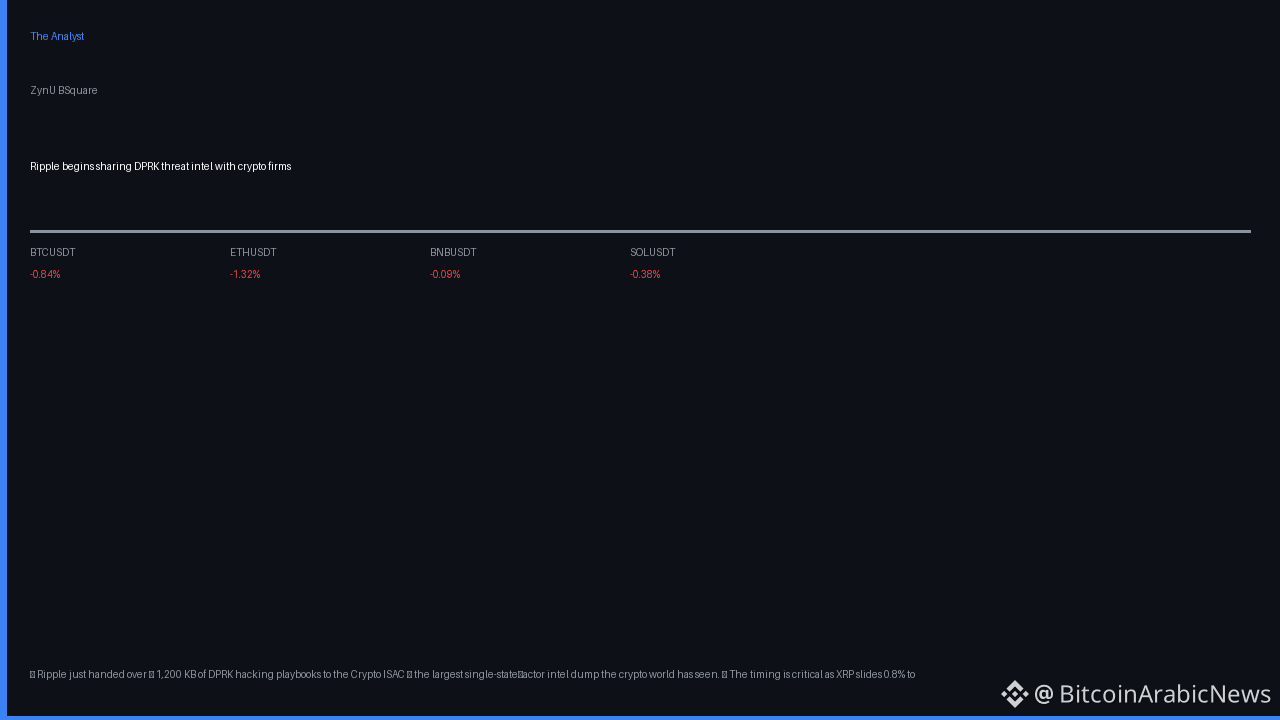
🔥 Ripple vừa bàn giao khoảng 1.200 KB tài liệu hướng dẫn tấn công mạng của Triều Tiên cho Crypto ISAC — vụ rò rỉ thông tin tình báo về một tác nhân cấp nhà nước lớn nhất mà thế giới tiền mã hóa từng chứng kiến.
📊 Thời điểm này rất quan trọng khi XRP giảm 0,8% xuống còn 1,2877 USD với RSI giảm giá ở mức 44,1, trong khi thị trường chung ở trạng thái trung lập (50/100), đồng nghĩa với việc bất kỳ sự cố an ninh nào cũng có thể khiến tâm lý thị trường đảo chiều mạnh.
💡 Các nhà đầu tư lớn đang điều chỉnh chiến lược: những trader hàng đầu vẫn giữ vị thế mua ròng BTC (65,7%) và ETH (64,1%) bất chấp tín hiệu MACD giảm giá, nhưng ví on-chain đang cho thấy làn sóng gia tăng vị thế phòng thủ đối với #XRP, còn #CryptoISAC cảnh báo đang thúc đẩy dòng tiền đổ vào các token chú trọng #Security trên BSC tăng 12%. Tỷ lệ tài trợ vẫn dương (+0,0100% BTC, +0,0066% ETH), cho thấy phe mua sẵn sàng trả phí để được bảo vệ.
🚀 Hãy theo dõi ngưỡng kháng cự 1,30 USD của XRP – nếu giá đóng cửa vững chắc trên ngưỡng này, XRP có thể bật tăng 15% khi các tổ chức quay lại mua vào; ngược lại, nếu giảm xuống dưới 1,25 USD, dòng tiền rút ra có thể tăng tốc và đẩy thị trường sâu hơn vào trạng thái né tránh rủi ro. #XRPWatch
❓ Nếu thông tin tình báo cấp nhà nước bất ngờ xác nhận kịch bản an ninh tồi tệ nhất của bạn, bạn sẽ tăng gấp đôi khoản đầu tư vào tài sản phòng thủ hay rút hoàn toàn khỏi thị trường tiền mã hóa?
🔥 Ripple vừa bàn giao khoảng 1.200 KB tài liệu hướng dẫn tấn công mạng của Triều Tiên cho Crypto ISAC — vụ rò rỉ thông tin tình báo về một tác nhân cấp nhà nước lớn nhất mà thế giới tiền mã hóa từng chứng kiến.
📊 Thời điểm này rất quan trọng khi XRP giảm 0,8% xuống còn 1,2877 USD với RSI giảm giá ở mức 44,1, trong khi thị trường chung ở trạng thái trung lập (50/100), đồng nghĩa với việc bất kỳ sự cố an ninh nào cũng có thể khiến tâm lý thị trường đảo chiều mạnh.
💡 Các nhà đầu tư lớn đang điều chỉnh chiến lược: những trader hàng đầu vẫn giữ vị thế mua ròng BTC (65,7%) và ETH (64,1%) bất chấp tín hiệu MACD giảm giá, nhưng ví on-chain đang cho thấy làn sóng gia tăng vị thế phòng thủ đối với #XRP, còn #CryptoISAC cảnh báo đang thúc đẩy dòng tiền đổ vào các token chú trọng #Security trên BSC tăng 12%. Tỷ lệ tài trợ vẫn dương (+0,0100% BTC, +0,0066% ETH), cho thấy phe mua sẵn sàng trả phí để được bảo vệ.
🚀 Hãy theo dõi ngưỡng kháng cự 1,30 USD của XRP – nếu giá đóng cửa vững chắc trên ngưỡng này, XRP có thể bật tăng 15% khi các tổ chức quay lại mua vào; ngược lại, nếu giảm xuống dưới 1,25 USD, dòng tiền rút ra có thể tăng tốc và đẩy thị trường sâu hơn vào trạng thái né tránh rủi ro. #XRPWatch
❓ Nếu thông tin tình báo cấp nhà nước bất ngờ xác nhận kịch bản an ninh tồi tệ nhất của bạn, bạn sẽ tăng gấp đôi khoản đầu tư vào tài sản phòng thủ hay rút hoàn toàn khỏi thị trường tiền mã hóa?
📊 Thời điểm này rất quan trọng khi XRP giảm 0,8% xuống còn 1,2877 USD với RSI giảm giá ở mức 44,1, trong khi thị trường chung ở trạng thái trung lập (50/100), đồng nghĩa với việc bất kỳ sự cố an ninh nào cũng có thể khiến tâm lý thị trường đảo chiều mạnh.
💡 Các nhà đầu tư lớn đang điều chỉnh chiến lược: những trader hàng đầu vẫn giữ vị thế mua ròng BTC (65,7%) và ETH (64,1%) bất chấp tín hiệu MACD giảm giá, nhưng ví on-chain đang cho thấy làn sóng gia tăng vị thế phòng thủ đối với #XRP, còn #CryptoISAC cảnh báo đang thúc đẩy dòng tiền đổ vào các token chú trọng #Security trên BSC tăng 12%. Tỷ lệ tài trợ vẫn dương (+0,0100% BTC, +0,0066% ETH), cho thấy phe mua sẵn sàng trả phí để được bảo vệ.
🚀 Hãy theo dõi ngưỡng kháng cự 1,30 USD của XRP – nếu giá đóng cửa vững chắc trên ngưỡng này, XRP có thể bật tăng 15% khi các tổ chức quay lại mua vào; ngược lại, nếu giảm xuống dưới 1,25 USD, dòng tiền rút ra có thể tăng tốc và đẩy thị trường sâu hơn vào trạng thái né tránh rủi ro. #XRPWatch
❓ Nếu thông tin tình báo cấp nhà nước bất ngờ xác nhận kịch bản an ninh tồi tệ nhất của bạn, bạn sẽ tăng gấp đôi khoản đầu tư vào tài sản phòng thủ hay rút hoàn toàn khỏi thị trường tiền mã hóa?
10

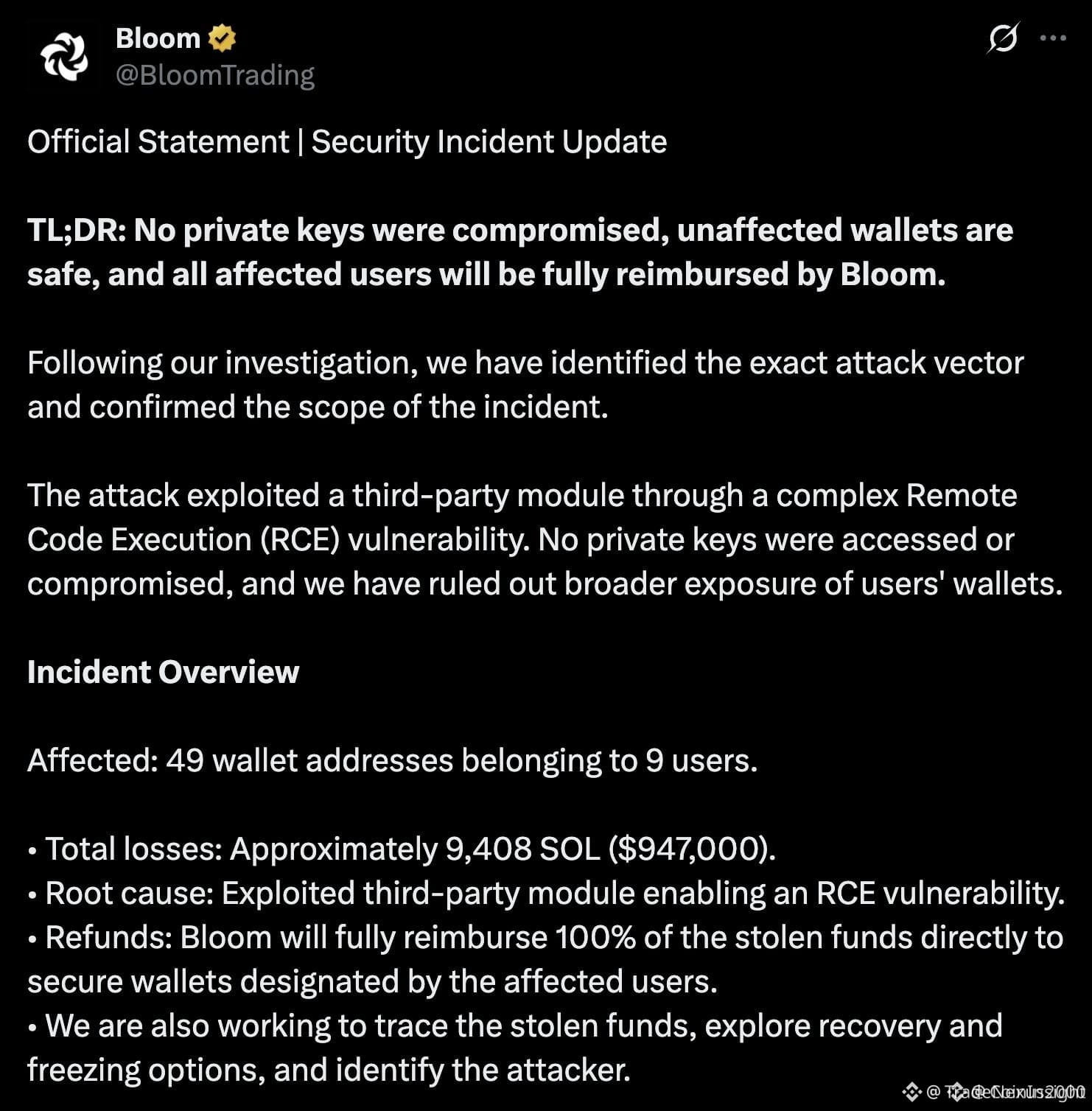
🚨 $SOL LỖ HỔNG BẢO MẬT LÀM LỘ RỦI RO TỪ BÊN THỨ BA – 9,408 SOL BỊ ĐÁNH CẮP 🛡️
📊 BloomTrading tiết lộ một lỗ hổng thực thi mã từ xa trong mô-đun của bên thứ ba, dẫn đến việc đánh cắp 9,408 SOL (~947.000 USD). 🔍 Vụ tấn công đã qua mặt khóa riêng của ví, cho thấy chuỗi cung ứng phần mềm có thể là mắt xích yếu nhất. 💡 Bloom cam kết hoàn trả toàn bộ thông qua các ví mới được tăng cường bảo mật, nhưng sự cố này đặt ra câu hỏi lớn hơn về các biện pháp bảo vệ mang tính hệ thống. 🦈 Khi dòng tiền thông minh chú trọng đến tính toàn vẹn của nền tảng, mọi lỗ hổng còn tồn tại đều có thể kích hoạt làn sóng rút thanh khoản.
💬 Bạn có nghĩ các biện pháp bảo mật tiền mã hóa hiện nay đủ để ngăn chặn những vụ khai thác lỗ hổng từ bên thứ ba như vậy không? 👇
⚠️ Đây không phải lời khuyên tài chính. Hãy luôn quản lý rủi ro của bạn. 🛡️
🏷️ #SOL #Security #CryptoRisk #BloomTrading
🔥 🛡️
🚨 $SOL LỖ HỔNG BẢO MẬT LÀM LỘ RỦI RO TỪ BÊN THỨ BA – 9,408 SOL BỊ ĐÁNH CẮP 🛡️
📊 BloomTrading tiết lộ một lỗ hổng thực thi mã từ xa trong mô-đun của bên thứ ba, dẫn đến việc đánh cắp 9,408 SOL (~947.000 USD). 🔍 Vụ tấn công đã qua mặt khóa riêng của ví, cho thấy chuỗi cung ứng phần mềm có thể là mắt xích yếu nhất. 💡 Bloom cam kết hoàn trả toàn bộ thông qua các ví mới được tăng cường bảo mật, nhưng sự cố này đặt ra câu hỏi lớn hơn về các biện pháp bảo vệ mang tính hệ thống. 🦈 Khi dòng tiền thông minh chú trọng đến tính toàn vẹn của nền tảng, mọi lỗ hổng còn tồn tại đều có thể kích hoạt làn sóng rút thanh khoản.
💬 Bạn có nghĩ các biện pháp bảo mật tiền mã hóa hiện nay đủ để ngăn chặn những vụ khai thác lỗ hổng từ bên thứ ba như vậy không? 👇
⚠️ Đây không phải lời khuyên tài chính. Hãy luôn quản lý rủi ro của bạn. 🛡️
🏷️ #SOL #Security #CryptoRisk #BloomTrading
🔥 🛡️
📊 BloomTrading tiết lộ một lỗ hổng thực thi mã từ xa trong mô-đun của bên thứ ba, dẫn đến việc đánh cắp 9,408 SOL (~947.000 USD). 🔍 Vụ tấn công đã qua mặt khóa riêng của ví, cho thấy chuỗi cung ứng phần mềm có thể là mắt xích yếu nhất. 💡 Bloom cam kết hoàn trả toàn bộ thông qua các ví mới được tăng cường bảo mật, nhưng sự cố này đặt ra câu hỏi lớn hơn về các biện pháp bảo vệ mang tính hệ thống. 🦈 Khi dòng tiền thông minh chú trọng đến tính toàn vẹn của nền tảng, mọi lỗ hổng còn tồn tại đều có thể kích hoạt làn sóng rút thanh khoản.
💬 Bạn có nghĩ các biện pháp bảo mật tiền mã hóa hiện nay đủ để ngăn chặn những vụ khai thác lỗ hổng từ bên thứ ba như vậy không? 👇
⚠️ Đây không phải lời khuyên tài chính. Hãy luôn quản lý rủi ro của bạn. 🛡️
🏷️ #SOL #Security #CryptoRisk #BloomTrading
🔥 🛡️
14
·
--
Nhà sản xuất ví phần cứng Keystone cho biết trang web bị tấn công, làm lộ dữ liệu khách hàng. Sau những vụ rò rỉ như vậy, rủi ro thường gặp là lừa đảo qua mạng: kẻ gian gửi email giả danh công ty, yêu cầu bạn «xác minh» ví. Không ai ngoài bạn được yêu cầu cung cấp cụm từ seed. Hãy kiểm tra từng email và liên kết, đặc biệt nếu bạn lưu trữ lạnh $BTC và $ETH .
Bạn có sử dụng ví phần cứng không? 👇
#Security
Nhà sản xuất ví phần cứng Keystone cho biết trang web bị tấn công, làm lộ dữ liệu khách hàng. Sau những vụ rò rỉ như vậy, rủi ro thường gặp là lừa đảo qua mạng: kẻ gian gửi email giả danh công ty, yêu cầu bạn «xác minh» ví. Không ai ngoài bạn được yêu cầu cung cấp cụm từ seed. Hãy kiểm tra từng email và liên kết, đặc biệt nếu bạn lưu trữ lạnh $BTC và $ETH .
Bạn có sử dụng ví phần cứng không? 👇
#Security
Bạn có sử dụng ví phần cứng không? 👇
#Security
84

🔴 $BTC LỖ HỔNG BẢO MẬT MỞ RA CON ĐƯỜNG TẤN CÔNG BẰNG PHÍ CAO – ĐÃ TRIỂN KHAI BẢN VÁ! 🚨
📊 Các nút độc hại đã chiếm quyền kiểm soát quy trình tăng phí, thay thế giao dịch hợp lệ bằng giao dịch giả mạo rồi chờ người dùng phê duyệt mức phí bị đội lên — về cơ bản là cho phép chuyển tiền bí mật. 🦈 Chiêu trò “bơm phí” này lợi dụng chính cơ chế mà các nhà giao dịch dùng để tăng tốc xác nhận giao dịch, rồi quay lại chống chính họ.
💡 Các nhà phát triển đã vá lỗ hổng, nhưng sự việc này cho thấy rủi ro tiềm ẩn khi sử dụng các tính năng ví do máy chủ bên ngoài kiểm soát. Hãy luôn cảnh giác, kiểm tra cài đặt tăng phí và cân nhắc ký giao dịch ngoại tuyến đối với các giao dịch quan trọng. 💬 Sau sự cố này, bạn đang tăng cường bảo mật ví như thế nào? 👇
⚠️ Đây không phải lời khuyên tài chính. Hãy luôn quản lý rủi ro của bạn. 🛡️
🏷️ #BTC #Security #WalletRisk #Crypto
🛡️ 🔥
🔴 $BTC LỖ HỔNG BẢO MẬT MỞ RA CON ĐƯỜNG TẤN CÔNG BẰNG PHÍ CAO – ĐÃ TRIỂN KHAI BẢN VÁ! 🚨
📊 Các nút độc hại đã chiếm quyền kiểm soát quy trình tăng phí, thay thế giao dịch hợp lệ bằng giao dịch giả mạo rồi chờ người dùng phê duyệt mức phí bị đội lên — về cơ bản là cho phép chuyển tiền bí mật. 🦈 Chiêu trò “bơm phí” này lợi dụng chính cơ chế mà các nhà giao dịch dùng để tăng tốc xác nhận giao dịch, rồi quay lại chống chính họ.
💡 Các nhà phát triển đã vá lỗ hổng, nhưng sự việc này cho thấy rủi ro tiềm ẩn khi sử dụng các tính năng ví do máy chủ bên ngoài kiểm soát. Hãy luôn cảnh giác, kiểm tra cài đặt tăng phí và cân nhắc ký giao dịch ngoại tuyến đối với các giao dịch quan trọng. 💬 Sau sự cố này, bạn đang tăng cường bảo mật ví như thế nào? 👇
⚠️ Đây không phải lời khuyên tài chính. Hãy luôn quản lý rủi ro của bạn. 🛡️
🏷️ #BTC #Security #WalletRisk #Crypto
🛡️ 🔥
📊 Các nút độc hại đã chiếm quyền kiểm soát quy trình tăng phí, thay thế giao dịch hợp lệ bằng giao dịch giả mạo rồi chờ người dùng phê duyệt mức phí bị đội lên — về cơ bản là cho phép chuyển tiền bí mật. 🦈 Chiêu trò “bơm phí” này lợi dụng chính cơ chế mà các nhà giao dịch dùng để tăng tốc xác nhận giao dịch, rồi quay lại chống chính họ.
💡 Các nhà phát triển đã vá lỗ hổng, nhưng sự việc này cho thấy rủi ro tiềm ẩn khi sử dụng các tính năng ví do máy chủ bên ngoài kiểm soát. Hãy luôn cảnh giác, kiểm tra cài đặt tăng phí và cân nhắc ký giao dịch ngoại tuyến đối với các giao dịch quan trọng. 💬 Sau sự cố này, bạn đang tăng cường bảo mật ví như thế nào? 👇
⚠️ Đây không phải lời khuyên tài chính. Hãy luôn quản lý rủi ro của bạn. 🛡️
🏷️ #BTC #Security #WalletRisk #Crypto
🛡️ 🔥
9
·
--
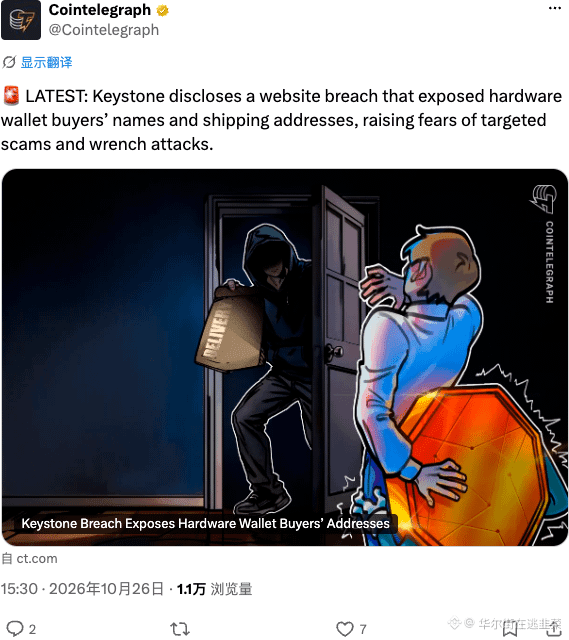
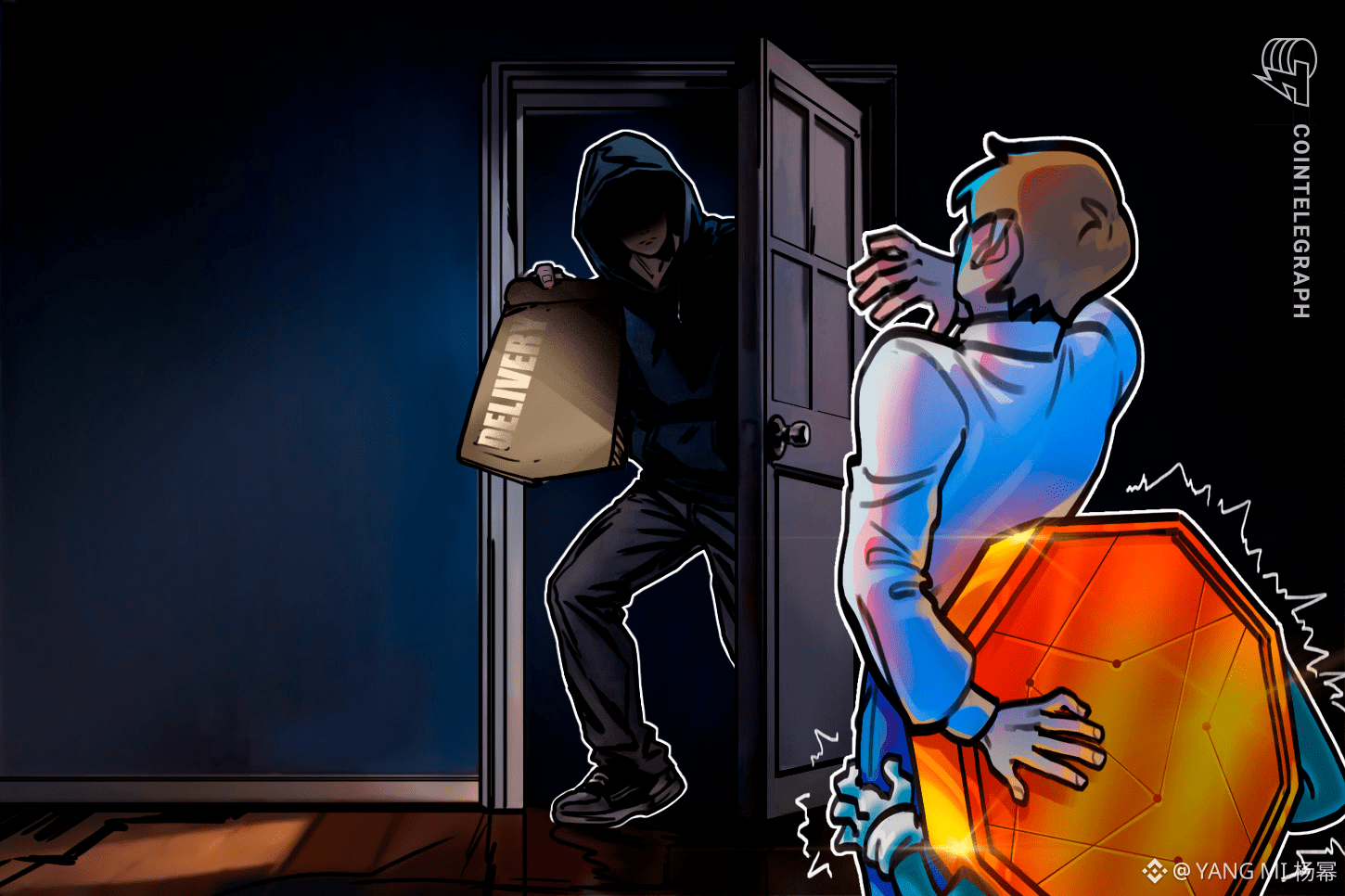
Keystone tiêu rồi, website bị hack và bán sạch tên cùng địa chỉ nhận hàng của người mua. Đây chẳng khác nào giao tận tay hacker thông tin để gửi hàng, khiến nguy cơ lừa đảo nhắm mục tiêu và tấn công bằng cờ lê tăng vọt. Khóa riêng vẫn được bảo vệ, nhưng có khi người đã gặp nạn trước.
$KEY #HARDWARE #SECURITY
Keystone tiêu rồi, website bị hack và bán sạch tên cùng địa chỉ nhận hàng của người mua. Đây chẳng khác nào giao tận tay hacker thông tin để gửi hàng, khiến nguy cơ lừa đảo nhắm mục tiêu và tấn công bằng cờ lê tăng vọt. Khóa riêng vẫn được bảo vệ, nhưng có khi người đã gặp nạn trước.
$KEY #HARDWARE #SECURITY
$KEY #HARDWARE #SECURITY
3

·
--
Keystone tiết lộ vụ xâm nhập làm lộ thông tin vận chuyển của người mua ví phần cứng
Tên, địa chỉ và dữ liệu đơn hàng đã bị truy cập thông qua một lỗ hổng API của Shopify, cùng với cảnh báo từ nhà nghiên cứu về lừa đảo qua phishing và các cuộc tấn công vật lý. Các khách hàng bị ảnh hưởng đã báo cáo các cuộc gọi lừa đảo giả danh cơ quan thực thi pháp luật.
Bạn đã được Keystone thông báo chưa?
#Security #HardwareWallet $BTC
Nguồn: cointelegraph.com
Keystone tiết lộ vụ xâm nhập làm lộ thông tin vận chuyển của người mua ví phần cứng
Tên, địa chỉ và dữ liệu đơn hàng đã bị truy cập thông qua một lỗ hổng API của Shopify, cùng với cảnh báo từ nhà nghiên cứu về lừa đảo qua phishing và các cuộc tấn công vật lý. Các khách hàng bị ảnh hưởng đã báo cáo các cuộc gọi lừa đảo giả danh cơ quan thực thi pháp luật.
Bạn đã được Keystone thông báo chưa?
#Security #HardwareWallet $BTC
Nguồn: cointelegraph.com
Tên, địa chỉ và dữ liệu đơn hàng đã bị truy cập thông qua một lỗ hổng API của Shopify, cùng với cảnh báo từ nhà nghiên cứu về lừa đảo qua phishing và các cuộc tấn công vật lý. Các khách hàng bị ảnh hưởng đã báo cáo các cuộc gọi lừa đảo giả danh cơ quan thực thi pháp luật.
Bạn đã được Keystone thông báo chưa?
#Security #HardwareWallet $BTC
Nguồn: cointelegraph.com
121
·
--
⚠️ Cảnh báo khẩn cấp! Ví Bitcoin có lỗ hổng, cho phép tin tặc thay thế giao dịch và đánh cắp tiền của bạn! Khi bạn cố tăng phí để thanh toán nhanh hơn, bạn sẽ gặp nguy hiểm. Đã có người dùng mất Bitcoin vì lỗ hổng này. Dù nhà phát triển đã khắc phục, mọi người vẫn phải hết sức cảnh giác!
⚠️ Cảnh báo khẩn cấp! Lỗi trong ví Bitcoin cho phép tin tặc thay thế giao dịch và đánh cắp tiền của bạn! Khi bạn cố tăng phí để thanh toán nhanh hơn, bạn sẽ gặp nguy hiểm. Ít nhất một người dùng đã mất BTC, dù lỗ hổng đã được vá. Hãy luôn cảnh giác!
#Bitcoin #Security $BTC
⚠️ Cảnh báo khẩn cấp! Ví Bitcoin có lỗ hổng, cho phép tin tặc thay thế giao dịch và đánh cắp tiền của bạn! Khi bạn cố tăng phí để thanh toán nhanh hơn, bạn sẽ gặp nguy hiểm. Đã có người dùng mất Bitcoin vì lỗ hổng này. Dù nhà phát triển đã khắc phục, mọi người vẫn phải hết sức cảnh giác!
⚠️ Cảnh báo khẩn cấp! Lỗi trong ví Bitcoin cho phép tin tặc thay thế giao dịch và đánh cắp tiền của bạn! Khi bạn cố tăng phí để thanh toán nhanh hơn, bạn sẽ gặp nguy hiểm. Ít nhất một người dùng đã mất BTC, dù lỗ hổng đã được vá. Hãy luôn cảnh giác!
#Bitcoin #Security $BTC
⚠️ Cảnh báo khẩn cấp! Lỗi trong ví Bitcoin cho phép tin tặc thay thế giao dịch và đánh cắp tiền của bạn! Khi bạn cố tăng phí để thanh toán nhanh hơn, bạn sẽ gặp nguy hiểm. Ít nhất một người dùng đã mất BTC, dù lỗ hổng đã được vá. Hãy luôn cảnh giác!
#Bitcoin #Security $BTC
59
🚨 CÚ SỐC AN NINH PHẦN CỨNG: LEDGER ĐỐI MẶT VỚI NGUY CƠ BỊ KIỆN 500 TRIỆU USD, ĐE DỌA NIỀM TIN VÀO HỆ SINH THÁI $ETH ! 💥
Giới đầu tư sành sỏi hiểu rằng lưu trữ lạnh là nền tảng của tiền mã hóa, nhưng những cuộc chiến pháp lý đang phơi bày các lỗ hổng nghiêm trọng trong các biện pháp bảo vệ phần cứng lâu đời. 🔒 Ledger vừa phải đối mặt với vụ kiện tập thể khổng lồ trị giá 500 triệu USD liên quan đến các vụ khai thác lỗ hổng trong quá khứ và những vụ rò rỉ thông tin lừa đảo dai dẳng, khiến những người nắm giữ $ETH mất hàng triệu đô la. ⚠️
Khi niềm tin của người dùng rạn nứt, thanh khoản sẽ phản ứng nhanh chóng, khi các cá voi chú trọng bảo mật đánh giá lại nơi lưu trữ những khoản đầu tư quy mô tổ chức. 🏦 Thói quen bảo mật thông minh không còn là lựa chọn; đó là lợi thế tối thượng để trụ vững trên thị trường này. 🔍
💬 Bạn vẫn giữ phần lớn tài sản trong ví phần cứng hay đang chuyển sang thiết lập đa chữ ký? 👇
⚠️ Đây không phải lời khuyên tài chính. Hãy luôn quản lý rủi ro của bạn. 🛡️
🏷️ #ETH #Security #HardwareWallet #CryptoNews
🛡️ 👁️
🚨 CÚ SỐC AN NINH PHẦN CỨNG: LEDGER ĐỐI MẶT VỚI NGUY CƠ BỊ KIỆN 500 TRIỆU USD, ĐE DỌA NIỀM TIN VÀO HỆ SINH THÁI $ETH ! 💥
Giới đầu tư sành sỏi hiểu rằng lưu trữ lạnh là nền tảng của tiền mã hóa, nhưng những cuộc chiến pháp lý đang phơi bày các lỗ hổng nghiêm trọng trong các biện pháp bảo vệ phần cứng lâu đời. 🔒 Ledger vừa phải đối mặt với vụ kiện tập thể khổng lồ trị giá 500 triệu USD liên quan đến các vụ khai thác lỗ hổng trong quá khứ và những vụ rò rỉ thông tin lừa đảo dai dẳng, khiến những người nắm giữ $ETH mất hàng triệu đô la. ⚠️
Khi niềm tin của người dùng rạn nứt, thanh khoản sẽ phản ứng nhanh chóng, khi các cá voi chú trọng bảo mật đánh giá lại nơi lưu trữ những khoản đầu tư quy mô tổ chức. 🏦 Thói quen bảo mật thông minh không còn là lựa chọn; đó là lợi thế tối thượng để trụ vững trên thị trường này. 🔍
💬 Bạn vẫn giữ phần lớn tài sản trong ví phần cứng hay đang chuyển sang thiết lập đa chữ ký? 👇
⚠️ Đây không phải lời khuyên tài chính. Hãy luôn quản lý rủi ro của bạn. 🛡️
🏷️ #ETH #Security #HardwareWallet #CryptoNews
🛡️ 👁️
Giới đầu tư sành sỏi hiểu rằng lưu trữ lạnh là nền tảng của tiền mã hóa, nhưng những cuộc chiến pháp lý đang phơi bày các lỗ hổng nghiêm trọng trong các biện pháp bảo vệ phần cứng lâu đời. 🔒 Ledger vừa phải đối mặt với vụ kiện tập thể khổng lồ trị giá 500 triệu USD liên quan đến các vụ khai thác lỗ hổng trong quá khứ và những vụ rò rỉ thông tin lừa đảo dai dẳng, khiến những người nắm giữ $ETH mất hàng triệu đô la. ⚠️
Khi niềm tin của người dùng rạn nứt, thanh khoản sẽ phản ứng nhanh chóng, khi các cá voi chú trọng bảo mật đánh giá lại nơi lưu trữ những khoản đầu tư quy mô tổ chức. 🏦 Thói quen bảo mật thông minh không còn là lựa chọn; đó là lợi thế tối thượng để trụ vững trên thị trường này. 🔍
💬 Bạn vẫn giữ phần lớn tài sản trong ví phần cứng hay đang chuyển sang thiết lập đa chữ ký? 👇
⚠️ Đây không phải lời khuyên tài chính. Hãy luôn quản lý rủi ro của bạn. 🛡️
🏷️ #ETH #Security #HardwareWallet #CryptoNews
🛡️ 👁️
1

·
--
CoinDCX xác nhận khoản thất thoát 15,99 triệu USDT sau khi trước đó phủ nhận ví bị xâm phạm.
Sàn giao dịch phát hiện hoạt động bất thường vào ngày 21 tháng 10 và ban đầu đã bảo vệ ví đang hoạt động cùng cơ sở hạ tầng giao dịch.
Cuộc điều tra sau đó phát hiện một ví vận hành đã ngừng sử dụng, chứa các lỗ hổng chưa từng được biết đến trước đây, là mục tiêu của vụ tấn công. Dịch vụ tự động chuyển tiền đã gặp sự cố, khiến tiền gửi của người dùng dồn lại tại địa chỉ cũ và gây thất thoát 15,99 triệu USDT. Công ty đã tự gánh chịu khoản lỗ này.
CoinDCX cho biết các ví đang hoạt động, hệ thống giao dịch, hoạt động nạp và rút tiền vẫn vận hành bình thường, đồng thời số dư của khách hàng được ghi nhận đầy đủ. Người dùng gửi tiền đến địa chỉ đã ngừng sử dụng được hoàn tiền ngay lập tức.
Bạn nghĩ các sàn giao dịch nên duy trì quy trình riêng cho những địa chỉ cũ hay hợp nhất hoàn toàn chúng?
#Crypto #FinTech #Blockchain #BảoMật
CoinDCX xác nhận khoản thất thoát 15,99 triệu USDT sau khi trước đó phủ nhận ví bị xâm phạm.
Sàn giao dịch phát hiện hoạt động bất thường vào ngày 21 tháng 10 và ban đầu đã bảo vệ ví đang hoạt động cùng cơ sở hạ tầng giao dịch.
Cuộc điều tra sau đó phát hiện một ví vận hành đã ngừng sử dụng, chứa các lỗ hổng chưa từng được biết đến trước đây, là mục tiêu của vụ tấn công. Dịch vụ tự động chuyển tiền đã gặp sự cố, khiến tiền gửi của người dùng dồn lại tại địa chỉ cũ và gây thất thoát 15,99 triệu USDT. Công ty đã tự gánh chịu khoản lỗ này.
CoinDCX cho biết các ví đang hoạt động, hệ thống giao dịch, hoạt động nạp và rút tiền vẫn vận hành bình thường, đồng thời số dư của khách hàng được ghi nhận đầy đủ. Người dùng gửi tiền đến địa chỉ đã ngừng sử dụng được hoàn tiền ngay lập tức.
Bạn nghĩ các sàn giao dịch nên duy trì quy trình riêng cho những địa chỉ cũ hay hợp nhất hoàn toàn chúng?
#Crypto #FinTech #Blockchain #BảoMật
Sàn giao dịch phát hiện hoạt động bất thường vào ngày 21 tháng 10 và ban đầu đã bảo vệ ví đang hoạt động cùng cơ sở hạ tầng giao dịch.
Cuộc điều tra sau đó phát hiện một ví vận hành đã ngừng sử dụng, chứa các lỗ hổng chưa từng được biết đến trước đây, là mục tiêu của vụ tấn công. Dịch vụ tự động chuyển tiền đã gặp sự cố, khiến tiền gửi của người dùng dồn lại tại địa chỉ cũ và gây thất thoát 15,99 triệu USDT. Công ty đã tự gánh chịu khoản lỗ này.
CoinDCX cho biết các ví đang hoạt động, hệ thống giao dịch, hoạt động nạp và rút tiền vẫn vận hành bình thường, đồng thời số dư của khách hàng được ghi nhận đầy đủ. Người dùng gửi tiền đến địa chỉ đã ngừng sử dụng được hoàn tiền ngay lập tức.
Bạn nghĩ các sàn giao dịch nên duy trì quy trình riêng cho những địa chỉ cũ hay hợp nhất hoàn toàn chúng?
#Crypto #FinTech #Blockchain #BảoMật
1

🚨 UKRAINE TRIỆT PHÁ MẠNG LƯỚI LỪA ĐẢO TIỀN MÃ HÓA KIẾM 1 TRIỆU USD MỖI THÁNG, NHẮM VÀO CÔNG DÂN EU $CRYPTO 🛑
🔒 Nhà chức trách Ukraine vừa triệt phá một mạng lưới lừa đảo tinh vi có trụ sở tại Kyiv, thu về tới 1 triệu USD mỗi tháng từ các nhà đầu tư EU cả tin. Việc loại bỏ những kẻ xấu chính là quá trình thanh lọc cấu trúc mà loại tài sản này cần để mở đường cho dòng vốn tổ chức. 📊
🔍 Công nghệ phân tích truy dấu blockchain ngày càng tinh vi, một lần nữa chứng minh rằng dòng vốn bất chính rồi cũng sẽ đi vào ngõ cụt. Mỗi kẻ xấu bị loại khỏi cuộc chơi đều củng cố niềm tin vào thanh khoản và bảo vệ dòng lệnh của nhà đầu tư cá nhân trên các thị trường toàn cầu. 🛡️
🤔 Bạn có nghĩ những hành động thực thi pháp luật quyết liệt như thế này sẽ thúc đẩy việc chấp nhận rộng rãi, hay tạo ra trở ngại pháp lý tạm thời? 👇
⚠️ Đây không phải lời khuyên tài chính. Hãy luôn quản lý rủi ro của bạn. 🛡️
🏷️ #CRYPTO #CryptoNews #Security #Blockchain
🛡️ ⚡
🚨 UKRAINE TRIỆT PHÁ MẠNG LƯỚI LỪA ĐẢO TIỀN MÃ HÓA KIẾM 1 TRIỆU USD MỖI THÁNG, NHẮM VÀO CÔNG DÂN EU $CRYPTO 🛑
🔒 Nhà chức trách Ukraine vừa triệt phá một mạng lưới lừa đảo tinh vi có trụ sở tại Kyiv, thu về tới 1 triệu USD mỗi tháng từ các nhà đầu tư EU cả tin. Việc loại bỏ những kẻ xấu chính là quá trình thanh lọc cấu trúc mà loại tài sản này cần để mở đường cho dòng vốn tổ chức. 📊
🔍 Công nghệ phân tích truy dấu blockchain ngày càng tinh vi, một lần nữa chứng minh rằng dòng vốn bất chính rồi cũng sẽ đi vào ngõ cụt. Mỗi kẻ xấu bị loại khỏi cuộc chơi đều củng cố niềm tin vào thanh khoản và bảo vệ dòng lệnh của nhà đầu tư cá nhân trên các thị trường toàn cầu. 🛡️
🤔 Bạn có nghĩ những hành động thực thi pháp luật quyết liệt như thế này sẽ thúc đẩy việc chấp nhận rộng rãi, hay tạo ra trở ngại pháp lý tạm thời? 👇
⚠️ Đây không phải lời khuyên tài chính. Hãy luôn quản lý rủi ro của bạn. 🛡️
🏷️ #CRYPTO #CryptoNews #Security #Blockchain
🛡️ ⚡
🔒 Nhà chức trách Ukraine vừa triệt phá một mạng lưới lừa đảo tinh vi có trụ sở tại Kyiv, thu về tới 1 triệu USD mỗi tháng từ các nhà đầu tư EU cả tin. Việc loại bỏ những kẻ xấu chính là quá trình thanh lọc cấu trúc mà loại tài sản này cần để mở đường cho dòng vốn tổ chức. 📊
🔍 Công nghệ phân tích truy dấu blockchain ngày càng tinh vi, một lần nữa chứng minh rằng dòng vốn bất chính rồi cũng sẽ đi vào ngõ cụt. Mỗi kẻ xấu bị loại khỏi cuộc chơi đều củng cố niềm tin vào thanh khoản và bảo vệ dòng lệnh của nhà đầu tư cá nhân trên các thị trường toàn cầu. 🛡️
🤔 Bạn có nghĩ những hành động thực thi pháp luật quyết liệt như thế này sẽ thúc đẩy việc chấp nhận rộng rãi, hay tạo ra trở ngại pháp lý tạm thời? 👇
⚠️ Đây không phải lời khuyên tài chính. Hãy luôn quản lý rủi ro của bạn. 🛡️
🏷️ #CRYPTO #CryptoNews #Security #Blockchain
🛡️ ⚡
8
·
--
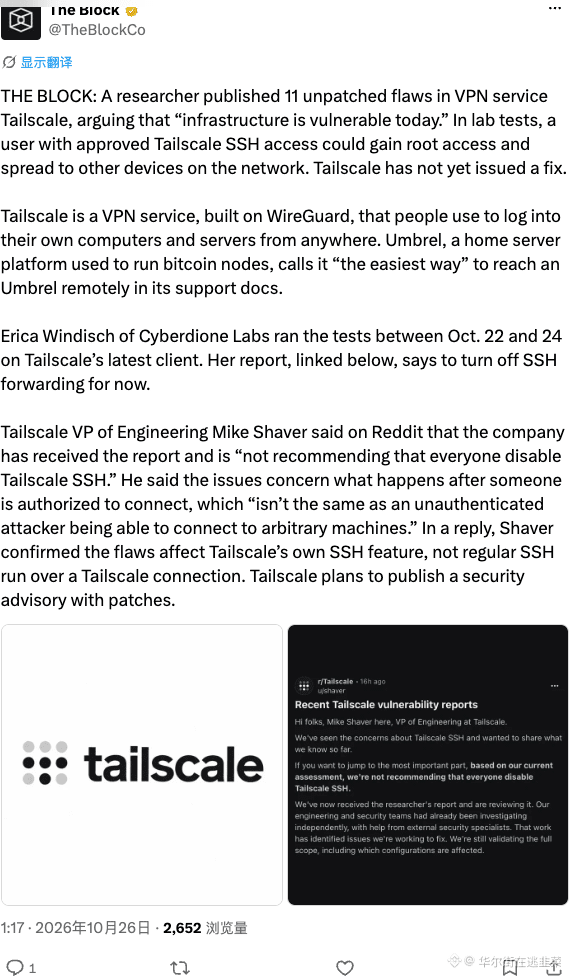
Tailscale lộ 11 lỗ hổng nghiêm trọng, người dùng đã được cấp quyền có thể leo thang đặc quyền và chiếm quyền trên Umbrel, nền tảng lưu trữ node Bitcoin.
Hạ tầng cốt lõi còn thủng lỗ chỗ, DePIN còn chơi kiểu gì đây?
Phía chính thức vẫn khăng khăng rằng đây không phải kiểu tấn công từ kẻ chưa xác thực, đồng thời khuyến nghị tắt SSH trước — chậm chân là tiêu thật.
$TAILSCALE $BTC #Security #DePIN
Tailscale lộ 11 lỗ hổng nghiêm trọng, người dùng đã được cấp quyền có thể leo thang đặc quyền và chiếm quyền trên Umbrel, nền tảng lưu trữ node Bitcoin.
Hạ tầng cốt lõi còn thủng lỗ chỗ, DePIN còn chơi kiểu gì đây?
Phía chính thức vẫn khăng khăng rằng đây không phải kiểu tấn công từ kẻ chưa xác thực, đồng thời khuyến nghị tắt SSH trước — chậm chân là tiêu thật.
$TAILSCALE $BTC #Security #DePIN
Hạ tầng cốt lõi còn thủng lỗ chỗ, DePIN còn chơi kiểu gì đây?
Phía chính thức vẫn khăng khăng rằng đây không phải kiểu tấn công từ kẻ chưa xác thực, đồng thời khuyến nghị tắt SSH trước — chậm chân là tiêu thật.
$TAILSCALE $BTC #Security #DePIN
158

·
--
🚨 $DOGE CẢNH BÁO RÒ RỈ BẢO MẬT: DỮ LIỆU KEYSTONE BỊ LỘ CÓ THỂ KÍCH HOẠT ĐỢT QUÉT THANH KHOẢN 🦈
Vụ xâm nhập Keystone đã làm lộ một lượng khóa riêng tư, biến cộng đồng $DOGE thành mục tiêu hàng đầu của các chiến dịch lừa đảo. Các tổ chức đầu tư lớn luôn theo dõi sát những sự kiện này; một đợt bán tháo đột ngột có thể tạo ra khoảng trống thanh khoản để những người chơi nhạy bén tận dụng. 📊⚡
Lời kêu gọi tăng cường bảo mật ví của Mishaboar phù hợp với mô hình quét thanh khoản kinh điển — ngay khi vụ rò rỉ được công khai, kẻ tấn công tràn vào thị trường bằng các lời chào mời giả mạo, khiến mọi người hoảng loạn thoát khỏi thị trường. 🦈 Hãy cảnh giác, xác minh mọi liên kết và cân nhắc chuyển tài sản sang ví lạnh có bảo vệ đa chữ ký. 💡
💬 Bạn đang bảo vệ số tài sản $DOGE của mình như thế nào trong bối cảnh vụ rò rỉ này? 👇
⚠️ Đây không phải lời khuyên tài chính. Hãy luôn tự quản lý rủi ro. 🛡️
🏷️ #DOGE #Security #Phishing #Crypto
🔥 💎
🚨 $DOGE CẢNH BÁO RÒ RỈ BẢO MẬT: DỮ LIỆU KEYSTONE BỊ LỘ CÓ THỂ KÍCH HOẠT ĐỢT QUÉT THANH KHOẢN 🦈
Vụ xâm nhập Keystone đã làm lộ một lượng khóa riêng tư, biến cộng đồng $DOGE thành mục tiêu hàng đầu của các chiến dịch lừa đảo. Các tổ chức đầu tư lớn luôn theo dõi sát những sự kiện này; một đợt bán tháo đột ngột có thể tạo ra khoảng trống thanh khoản để những người chơi nhạy bén tận dụng. 📊⚡
Lời kêu gọi tăng cường bảo mật ví của Mishaboar phù hợp với mô hình quét thanh khoản kinh điển — ngay khi vụ rò rỉ được công khai, kẻ tấn công tràn vào thị trường bằng các lời chào mời giả mạo, khiến mọi người hoảng loạn thoát khỏi thị trường. 🦈 Hãy cảnh giác, xác minh mọi liên kết và cân nhắc chuyển tài sản sang ví lạnh có bảo vệ đa chữ ký. 💡
💬 Bạn đang bảo vệ số tài sản $DOGE của mình như thế nào trong bối cảnh vụ rò rỉ này? 👇
⚠️ Đây không phải lời khuyên tài chính. Hãy luôn tự quản lý rủi ro. 🛡️
🏷️ #DOGE #Security #Phishing #Crypto
🔥 💎
Vụ xâm nhập Keystone đã làm lộ một lượng khóa riêng tư, biến cộng đồng $DOGE thành mục tiêu hàng đầu của các chiến dịch lừa đảo. Các tổ chức đầu tư lớn luôn theo dõi sát những sự kiện này; một đợt bán tháo đột ngột có thể tạo ra khoảng trống thanh khoản để những người chơi nhạy bén tận dụng. 📊⚡
Lời kêu gọi tăng cường bảo mật ví của Mishaboar phù hợp với mô hình quét thanh khoản kinh điển — ngay khi vụ rò rỉ được công khai, kẻ tấn công tràn vào thị trường bằng các lời chào mời giả mạo, khiến mọi người hoảng loạn thoát khỏi thị trường. 🦈 Hãy cảnh giác, xác minh mọi liên kết và cân nhắc chuyển tài sản sang ví lạnh có bảo vệ đa chữ ký. 💡
💬 Bạn đang bảo vệ số tài sản $DOGE của mình như thế nào trong bối cảnh vụ rò rỉ này? 👇
⚠️ Đây không phải lời khuyên tài chính. Hãy luôn tự quản lý rủi ro. 🛡️
🏷️ #DOGE #Security #Phishing #Crypto
🔥 💎
5

·
--
📰 Mạng botnet dùng thơ để đào tiền mã hóa từ hơn 3.000 máy chủ — Đây là cách chúng hoạt động
Nghe có vẻ khó tin, nhưng một mạng botnet gần đây đã dùng thơ — đúng vậy, THƠ CA! — để tấn công hơn 3.000 máy chủ và sử dụng chúng để đào tiền mã hóa. Đây là cách chúng hoạt động.
Nguồn : Bgr
Thời gian: 2026-10-24 15:32:00
Tác giả : briley kenney
#bảomật
$DOT $ONE $KEEP
Hãy chia sẻ ý kiến của bạn trong phần bình luận bên dưới
📰 Mạng botnet dùng thơ để đào tiền mã hóa từ hơn 3.000 máy chủ — Đây là cách chúng hoạt động
Nghe có vẻ khó tin, nhưng một mạng botnet gần đây đã dùng thơ — đúng vậy, THƠ CA! — để tấn công hơn 3.000 máy chủ và sử dụng chúng để đào tiền mã hóa. Đây là cách chúng hoạt động.
Nguồn : Bgr
Thời gian: 2026-10-24 15:32:00
Tác giả : briley kenney
#bảomật
$DOT $ONE $KEEP
Hãy chia sẻ ý kiến của bạn trong phần bình luận bên dưới
Nghe có vẻ khó tin, nhưng một mạng botnet gần đây đã dùng thơ — đúng vậy, THƠ CA! — để tấn công hơn 3.000 máy chủ và sử dụng chúng để đào tiền mã hóa. Đây là cách chúng hoạt động.
Nguồn : Bgr
Thời gian: 2026-10-24 15:32:00
Tác giả : briley kenney
#bảomật
$DOT $ONE $KEEP
Hãy chia sẻ ý kiến của bạn trong phần bình luận bên dưới
1
120

·
--
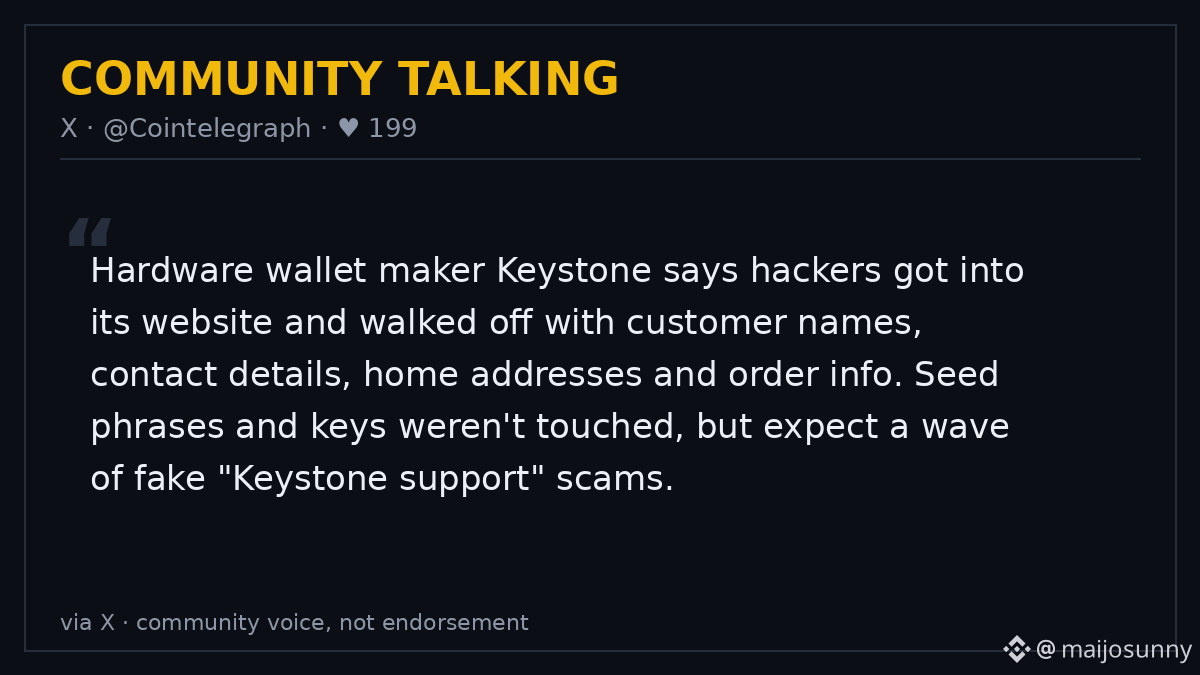
Các nhà giao dịch trên X đang cảnh báo về làn sóng lừa đảo sau khi Keystone tiết lộ trang web của họ bị xâm nhập.
Tin tặc đã lấy cắp tên, địa chỉ nhà riêng và thông tin đơn hàng. Cụm từ khôi phục, khóa riêng tư và thông tin thanh toán KHÔNG bị ảnh hưởng (Cointelegraph).
Vì sao điều này quan trọng: ví chưa bao giờ là điểm yếu, mà là cửa hàng trực tuyến. Ledger, Trezor và Coldcard cũng đều gặp sự cố trong năm 2026 (Bitcoin.com).
Rủi ro thực sự là hành vi giả mạo. Kẻ lừa đảo sẽ mạo danh Keystone để đề nghị hoàn tiền. Keystone không bao giờ yêu cầu cụm từ khôi phục của bạn. Nếu có tin nhắn “hỗ trợ” nào yêu cầu điều đó, thì đó chính là lừa đảo.
Bạn đã từng mua ví phần cứng trực tuyến chưa? 👇
Đây không phải lời khuyên tài chính. Hãy tự nghiên cứu.
#crypto #security
Các nhà giao dịch trên X đang cảnh báo về làn sóng lừa đảo sau khi Keystone tiết lộ trang web của họ bị xâm nhập.
Tin tặc đã lấy cắp tên, địa chỉ nhà riêng và thông tin đơn hàng. Cụm từ khôi phục, khóa riêng tư và thông tin thanh toán KHÔNG bị ảnh hưởng (Cointelegraph).
Vì sao điều này quan trọng: ví chưa bao giờ là điểm yếu, mà là cửa hàng trực tuyến. Ledger, Trezor và Coldcard cũng đều gặp sự cố trong năm 2026 (Bitcoin.com).
Rủi ro thực sự là hành vi giả mạo. Kẻ lừa đảo sẽ mạo danh Keystone để đề nghị hoàn tiền. Keystone không bao giờ yêu cầu cụm từ khôi phục của bạn. Nếu có tin nhắn “hỗ trợ” nào yêu cầu điều đó, thì đó chính là lừa đảo.
Bạn đã từng mua ví phần cứng trực tuyến chưa? 👇
Đây không phải lời khuyên tài chính. Hãy tự nghiên cứu.
#crypto #security
Tin tặc đã lấy cắp tên, địa chỉ nhà riêng và thông tin đơn hàng. Cụm từ khôi phục, khóa riêng tư và thông tin thanh toán KHÔNG bị ảnh hưởng (Cointelegraph).
Vì sao điều này quan trọng: ví chưa bao giờ là điểm yếu, mà là cửa hàng trực tuyến. Ledger, Trezor và Coldcard cũng đều gặp sự cố trong năm 2026 (Bitcoin.com).
Rủi ro thực sự là hành vi giả mạo. Kẻ lừa đảo sẽ mạo danh Keystone để đề nghị hoàn tiền. Keystone không bao giờ yêu cầu cụm từ khôi phục của bạn. Nếu có tin nhắn “hỗ trợ” nào yêu cầu điều đó, thì đó chính là lừa đảo.
Bạn đã từng mua ví phần cứng trực tuyến chưa? 👇
Đây không phải lời khuyên tài chính. Hãy tự nghiên cứu.
#crypto #security
51
·
--
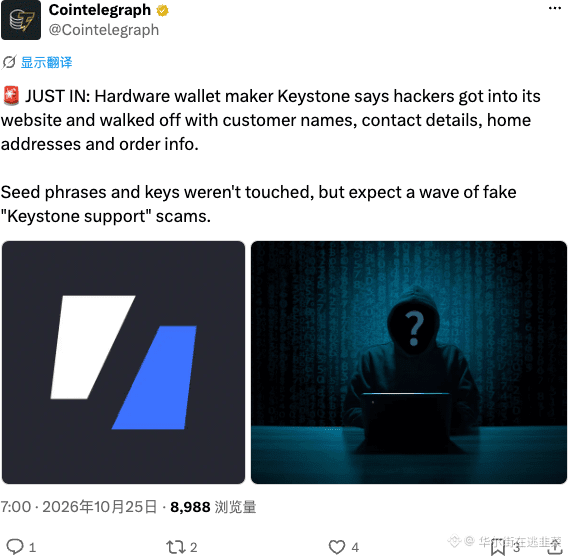
Trang web Keystone bị hack, danh bạ và địa chỉ của cả gia đình khách hàng đều bị phơi bày, trở thành trò cười. Nhưng điều quan trọng là khóa riêng không bị mất, tài sản không bị ảnh hưởng. Nếu hacker thực sự có ý đồ thì họ đã nhắm vào tiền từ lâu rồi; giờ lại chơi trò “giăng bẫy bắt tội phạm” kiểu này chẳng khác nào dâng đầu cho bọn lừa đảo. Hãy cảnh giác với lừa đảo, đừng tin bất kỳ số điện thoại chăm sóc khách hàng chính thức nào.
$KEystone #Security #Scam
Trang web Keystone bị hack, danh bạ và địa chỉ của cả gia đình khách hàng đều bị phơi bày, trở thành trò cười. Nhưng điều quan trọng là khóa riêng không bị mất, tài sản không bị ảnh hưởng. Nếu hacker thực sự có ý đồ thì họ đã nhắm vào tiền từ lâu rồi; giờ lại chơi trò “giăng bẫy bắt tội phạm” kiểu này chẳng khác nào dâng đầu cho bọn lừa đảo. Hãy cảnh giác với lừa đảo, đừng tin bất kỳ số điện thoại chăm sóc khách hàng chính thức nào.
$KEystone #Security #Scam
$KEystone #Security #Scam
9
Đăng nhập để khám phá thêm nội dung
Tham gia cùng người dùng tiền mã hóa toàn cầu trên Binance Square
⚡️ Nhận thông tin mới nhất và hữu ích về tiền mã hóa.
💬 Được tin cậy bởi sàn giao dịch tiền mã hóa lớn nhất thế giới.
👍 Khám phá những thông tin chuyên sâu thực tế từ những nhà sáng tạo đã xác minh.
Email / Số điện thoại
Chủ đề thịnh hành
1
#TheoDõiFOMC
295,257 lượt xem
1,246 đang thảo luận
2
#TinFed
352,656 lượt xem
964 đang thảo luận
3
#EthereumDropsBelow$2300
1,722 lượt xem
75 đang thảo luận
4
#BitcoinSlipsBelow$80KAgain
3,623 lượt xem
44 đang thảo luận
5
#ThailandLaunchesWORPTStablecoinToQRPaymentApp
6,020 lượt xem
152 đang thảo luận
6
#StrategySkipsBitcoinPurchasesSpends$205MOnSTRCBuybacks
3,892 lượt xem
73 đang thảo luận
7
#BitmineAdds10452ETH
42,428 lượt xem
625 đang thảo luận
8
#SouthKoreaConsidersEducationTaxOnCryptoExchanges
23,796 lượt xem
482 đang thảo luận
9
#OCCUrgesCommunityBanksToEnterStablecoinPayments
18,381 lượt xem
315 đang thảo luận
10
#RippleWinsFullApprovalAsNationalTrustBank
25,483 lượt xem
310 đang thảo luận