

#metafaces
metafaces
295 lượt xem
9 đang thảo luận
Phổ biến
Mới nhất

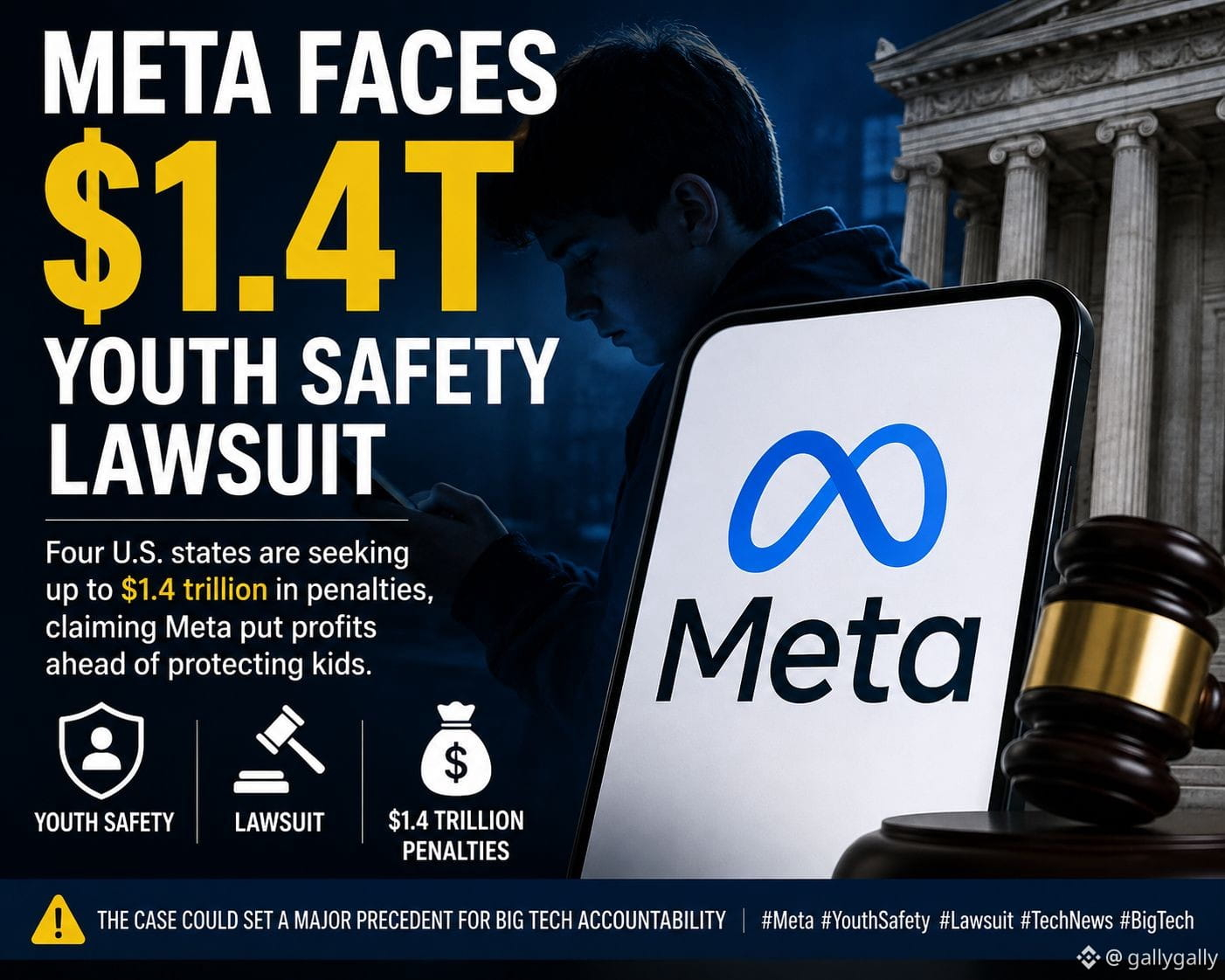
Meta đối mặt với một vụ kiện về an toàn cho thanh thiếu niên trị giá 1,4T USD.
Điều này không chỉ là một tiêu đề của công ty — mà là một cú sốc về quy định và tâm lý.
Các thị trường giờ đây có thể tập trung vào:
giám sát chặt chẽ hơn,
gia tăng rủi ro tuân thủ,
và sức ép rộng hơn lên các mô hình kinh doanh của nền tảng số.
Khi rủi ro pháp lý lớn đến vậy, thị trường không chỉ định giá vụ việc — thị trường còn định giá nỗi sợ.
Đây là một câu chuyện riêng lẻ hay là khởi đầu của một kịch bản quy định lớn hơn nhiều?
#MetaFaces $1.4TYouthSafetyLawsuit
#Meta #YouthSafety #TechRegulation
Meta đối mặt với một vụ kiện về an toàn cho thanh thiếu niên trị giá 1,4T USD.
Điều này không chỉ là một tiêu đề của công ty — mà là một cú sốc về quy định và tâm lý.
Các thị trường giờ đây có thể tập trung vào:
giám sát chặt chẽ hơn,
gia tăng rủi ro tuân thủ,
và sức ép rộng hơn lên các mô hình kinh doanh của nền tảng số.
Khi rủi ro pháp lý lớn đến vậy, thị trường không chỉ định giá vụ việc — thị trường còn định giá nỗi sợ.
Đây là một câu chuyện riêng lẻ hay là khởi đầu của một kịch bản quy định lớn hơn nhiều?
#MetaFaces $1.4TYouthSafetyLawsuit
#Meta #YouthSafety #TechRegulation
Điều này không chỉ là một tiêu đề của công ty — mà là một cú sốc về quy định và tâm lý.
Các thị trường giờ đây có thể tập trung vào:
giám sát chặt chẽ hơn,
gia tăng rủi ro tuân thủ,
và sức ép rộng hơn lên các mô hình kinh doanh của nền tảng số.
Khi rủi ro pháp lý lớn đến vậy, thị trường không chỉ định giá vụ việc — thị trường còn định giá nỗi sợ.
Đây là một câu chuyện riêng lẻ hay là khởi đầu của một kịch bản quy định lớn hơn nhiều?
#MetaFaces $1.4TYouthSafetyLawsuit
#Meta #YouthSafety #TechRegulation

71

#MetaFaces
💥 1,4 nghìn tỷ đô la?! Đây thực sự là tổng vốn hóa thị trường! 💸
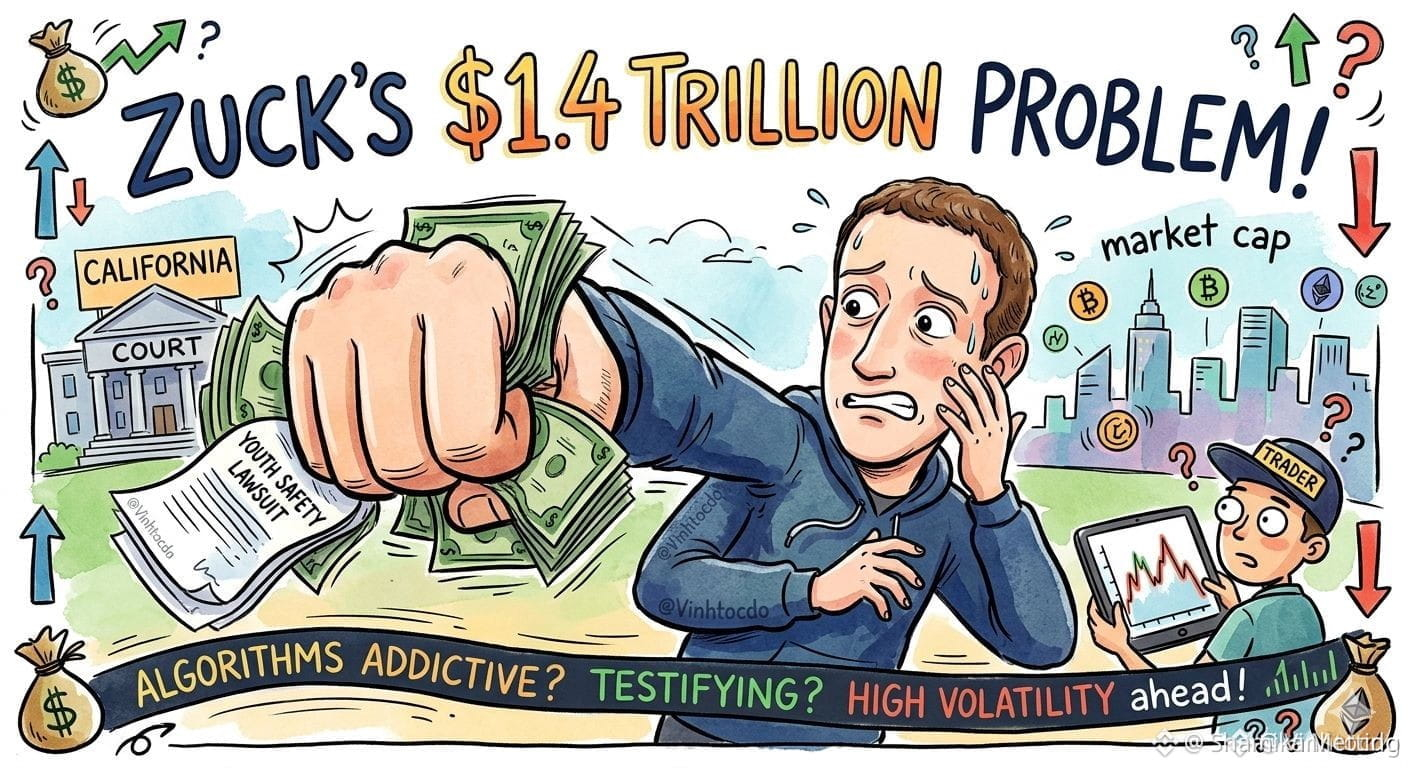
Meta đang đối mặt với một vụ kiện khổng lồ trị giá 1,4 nghìn tỷ đô la tại California liên quan đến an toàn cho giới trẻ. Con số này tương đương gần như toàn bộ giá trị thị trường của ngành tiền mã hóa! Các bang cho rằng các thuật toán gây nghiện quá mức, và có thể ông Zuck sẽ phải ra làm chứng. Meta phủ nhận điều đó, nhưng các con số thì thật đáng kinh ngạc!
📈 Các trader nên làm gì?
1️⃣ Theo dõi META: Dự kiến sẽ có biến động lớn ở cổ phiếu công nghệ.
2️⃣ Quản lý rủi ro: Hãy cẩn trọng với tác động lên thị trường rộng hơn.
3️⃣ Luôn cập nhật: Theo dõi sát lịch các phiên tòa.
Đây không phải là lời khuyên tài chính.
Mời theo dõi
#Meta #TechLawsuit #MarketCap
$METAB
{spot}(METABUSDT)
#MetaFaces
💥 1,4 nghìn tỷ đô la?! Đây thực sự là tổng vốn hóa thị trường! 💸
Meta đang đối mặt với một vụ kiện khổng lồ trị giá 1,4 nghìn tỷ đô la tại California liên quan đến an toàn cho giới trẻ. Con số này tương đương gần như toàn bộ giá trị thị trường của ngành tiền mã hóa! Các bang cho rằng các thuật toán gây nghiện quá mức, và có thể ông Zuck sẽ phải ra làm chứng. Meta phủ nhận điều đó, nhưng các con số thì thật đáng kinh ngạc!
📈 Các trader nên làm gì?
1️⃣ Theo dõi META: Dự kiến sẽ có biến động lớn ở cổ phiếu công nghệ.
2️⃣ Quản lý rủi ro: Hãy cẩn trọng với tác động lên thị trường rộng hơn.
3️⃣ Luôn cập nhật: Theo dõi sát lịch các phiên tòa.
Đây không phải là lời khuyên tài chính.
Mời theo dõi
#Meta #TechLawsuit #MarketCap
$METAB
💥 1,4 nghìn tỷ đô la?! Đây thực sự là tổng vốn hóa thị trường! 💸
Meta đang đối mặt với một vụ kiện khổng lồ trị giá 1,4 nghìn tỷ đô la tại California liên quan đến an toàn cho giới trẻ. Con số này tương đương gần như toàn bộ giá trị thị trường của ngành tiền mã hóa! Các bang cho rằng các thuật toán gây nghiện quá mức, và có thể ông Zuck sẽ phải ra làm chứng. Meta phủ nhận điều đó, nhưng các con số thì thật đáng kinh ngạc!
📈 Các trader nên làm gì?
1️⃣ Theo dõi META: Dự kiến sẽ có biến động lớn ở cổ phiếu công nghệ.
2️⃣ Quản lý rủi ro: Hãy cẩn trọng với tác động lên thị trường rộng hơn.
3️⃣ Luôn cập nhật: Theo dõi sát lịch các phiên tòa.
Đây không phải là lời khuyên tài chính.
Mời theo dõi
#Meta #TechLawsuit #MarketCap
$METAB
1
20

·
--
Ai cũng nghĩ #MetaFaces chỉ là một xu hướng NFT/metaverse “nhanh gọn” khác, nhưng thực ra rủi ro lớn hơn nằm ở việc mua theo câu chuyện trước khi kiểm tra “sàn” bên dưới nó.
Khi một chủ đề bắt đầu được chú ý, FOMO khiến người ta coi mọi cây nến xanh như tấm vé lên máy bay. Đó là cách các trader đổi $USDT có chất lượng sang cơn sốt, rồi tự hỏi vì sao thanh khoản biến mất khi họ cố thoát ra.
Dưới đây là 3 sai lầm cần để ý: 1) đuổi theo lượt nhắc thay vì khối lượng, vì thảo luận không phải lúc nào cũng đồng nghĩa với nhu cầu; 2) bỏ qua thanh khoản, giống như nhìn thấy một cửa hàng đông khách nhưng lại chẳng có nhân viên thu ngân ở trong; 3) cho rằng mọi câu chuyện “Meta” đều sẽ kéo các mã liên quan lên như $ENJ hoặc $BLUR một cách tương ứng, trong khi thị trường thường thưởng cho setup mạnh nhất, không phải cái tên ồn ào nhất.
Khi Fear & Greed đang ở vùng sợ hãi, sự chú ý có thể tăng rất nhanh nhưng niềm tin vẫn mong manh. Điều đó có nghĩa là các cú bơm đột ngột có thể giống tia lửa trên cỏ khô hơn là một đám cháy thật sự. Nếu bạn vào trễ, kế hoạch thoát lệnh của bạn quan trọng hơn nhiều so với câu chuyện lúc vào.
Cách làm thông minh không phải hoảng loạn hay mù quáng “ape theo”. Hãy coi #MetaFaces như bất kỳ câu chuyện nóng nào: kiểm tra khối lượng, hành vi của holder, các đợt unlock, và liệu người mua có thực sự ở lại sau làn sóng đầu tiên không. Bạn đánh giá thế nào về xu hướng này từ đây? #MetaFaces #KoreaApprovesTighterCryptoExchangeRules #BlackRockCanadaLaunchesBitcoinLinkedETF
Ai cũng nghĩ #MetaFaces chỉ là một xu hướng NFT/metaverse “nhanh gọn” khác, nhưng thực ra rủi ro lớn hơn nằm ở việc mua theo câu chuyện trước khi kiểm tra “sàn” bên dưới nó.
Khi một chủ đề bắt đầu được chú ý, FOMO khiến người ta coi mọi cây nến xanh như tấm vé lên máy bay. Đó là cách các trader đổi $USDT có chất lượng sang cơn sốt, rồi tự hỏi vì sao thanh khoản biến mất khi họ cố thoát ra.
Dưới đây là 3 sai lầm cần để ý: 1) đuổi theo lượt nhắc thay vì khối lượng, vì thảo luận không phải lúc nào cũng đồng nghĩa với nhu cầu; 2) bỏ qua thanh khoản, giống như nhìn thấy một cửa hàng đông khách nhưng lại chẳng có nhân viên thu ngân ở trong; 3) cho rằng mọi câu chuyện “Meta” đều sẽ kéo các mã liên quan lên như $ENJ hoặc $BLUR một cách tương ứng, trong khi thị trường thường thưởng cho setup mạnh nhất, không phải cái tên ồn ào nhất.
Khi Fear & Greed đang ở vùng sợ hãi, sự chú ý có thể tăng rất nhanh nhưng niềm tin vẫn mong manh. Điều đó có nghĩa là các cú bơm đột ngột có thể giống tia lửa trên cỏ khô hơn là một đám cháy thật sự. Nếu bạn vào trễ, kế hoạch thoát lệnh của bạn quan trọng hơn nhiều so với câu chuyện lúc vào.
Cách làm thông minh không phải hoảng loạn hay mù quáng “ape theo”. Hãy coi #MetaFaces như bất kỳ câu chuyện nóng nào: kiểm tra khối lượng, hành vi của holder, các đợt unlock, và liệu người mua có thực sự ở lại sau làn sóng đầu tiên không. Bạn đánh giá thế nào về xu hướng này từ đây? #MetaFaces #KoreaApprovesTighterCryptoExchangeRules #BlackRockCanadaLaunchesBitcoinLinkedETF
Khi một chủ đề bắt đầu được chú ý, FOMO khiến người ta coi mọi cây nến xanh như tấm vé lên máy bay. Đó là cách các trader đổi $USDT có chất lượng sang cơn sốt, rồi tự hỏi vì sao thanh khoản biến mất khi họ cố thoát ra.
Dưới đây là 3 sai lầm cần để ý: 1) đuổi theo lượt nhắc thay vì khối lượng, vì thảo luận không phải lúc nào cũng đồng nghĩa với nhu cầu; 2) bỏ qua thanh khoản, giống như nhìn thấy một cửa hàng đông khách nhưng lại chẳng có nhân viên thu ngân ở trong; 3) cho rằng mọi câu chuyện “Meta” đều sẽ kéo các mã liên quan lên như $ENJ hoặc $BLUR một cách tương ứng, trong khi thị trường thường thưởng cho setup mạnh nhất, không phải cái tên ồn ào nhất.
Khi Fear & Greed đang ở vùng sợ hãi, sự chú ý có thể tăng rất nhanh nhưng niềm tin vẫn mong manh. Điều đó có nghĩa là các cú bơm đột ngột có thể giống tia lửa trên cỏ khô hơn là một đám cháy thật sự. Nếu bạn vào trễ, kế hoạch thoát lệnh của bạn quan trọng hơn nhiều so với câu chuyện lúc vào.
Cách làm thông minh không phải hoảng loạn hay mù quáng “ape theo”. Hãy coi #MetaFaces như bất kỳ câu chuyện nóng nào: kiểm tra khối lượng, hành vi của holder, các đợt unlock, và liệu người mua có thực sự ở lại sau làn sóng đầu tiên không. Bạn đánh giá thế nào về xu hướng này từ đây? #MetaFaces #KoreaApprovesTighterCryptoExchangeRules #BlackRockCanadaLaunchesBitcoinLinkedETF
89

🚀 Hãy cùng đi vào so sánh trực diện giữa hai đồng coin đang được chú ý: $RAD và $LUNA!
$RAD tăng ấn tượng 34,8% trong 24 giờ qua, trong khi $LUNA không kém với mức tăng 20,4%. Như bạn có thể thấy bên dưới trong biểu đồ, cả hai đều cho thấy đà tăng mạnh, nhưng bạn nghĩ đồng nào có tiềm năng hơn? 💰
Tham gia cuộc trò chuyện nhé! #MetaFaces$1.4TYouthSafetyLawsuit #LUNA
🔔 Theo dõi chúng tôi để cập nhật những thông tin crypto hằng ngày — còn nhiều điều hơn nữa đang đến!
🚀 Hãy cùng đi vào so sánh trực diện giữa hai đồng coin đang được chú ý: $RAD và $LUNA !
$RAD tăng ấn tượng 34,8% trong 24 giờ qua, trong khi $LUNA không kém với mức tăng 20,4%. Như bạn có thể thấy bên dưới trong biểu đồ, cả hai đều cho thấy đà tăng mạnh, nhưng bạn nghĩ đồng nào có tiềm năng hơn? 💰
Tham gia cuộc trò chuyện nhé! #MetaFaces$1.4TYouthSafetyLawsuit #LUNA
🔔 Theo dõi chúng tôi để cập nhật những thông tin crypto hằng ngày — còn nhiều điều hơn nữa đang đến!
$RAD tăng ấn tượng 34,8% trong 24 giờ qua, trong khi $LUNA không kém với mức tăng 20,4%. Như bạn có thể thấy bên dưới trong biểu đồ, cả hai đều cho thấy đà tăng mạnh, nhưng bạn nghĩ đồng nào có tiềm năng hơn? 💰
Tham gia cuộc trò chuyện nhé! #MetaFaces$1.4TYouthSafetyLawsuit #LUNA
🔔 Theo dõi chúng tôi để cập nhật những thông tin crypto hằng ngày — còn nhiều điều hơn nữa đang đến!

58

·
--
#MetaFaces $1.4TVụ kiện an toàn thanh thiếu niên$1.4T đang là con số thu hút sự chú ý trong cuộc chiến pháp lý về an toàn thanh thiếu niên của Meta.
{future}(METAUSDT)
Khoản tiền phạt khổng lồ được yêu cầu cho thấy áp lực pháp lý và quản lý xung quanh vấn đề an toàn trên mạng xã hội đã trở nên nghiêm trọng đến mức nào. 💵⚖️
#Meta #META #YouthSafety #Lawsuit #BigTech #FinanceSector
#MetaFaces $1.4TVụ kiện an toàn thanh thiếu niên$1.4T đang là con số thu hút sự chú ý trong cuộc chiến pháp lý về an toàn thanh thiếu niên của Meta.
Khoản tiền phạt khổng lồ được yêu cầu cho thấy áp lực pháp lý và quản lý xung quanh vấn đề an toàn trên mạng xã hội đã trở nên nghiêm trọng đến mức nào. 💵⚖️
#Meta #META #YouthSafety #Lawsuit #BigTech #FinanceSector
Khoản tiền phạt khổng lồ được yêu cầu cho thấy áp lực pháp lý và quản lý xung quanh vấn đề an toàn trên mạng xã hội đã trở nên nghiêm trọng đến mức nào. 💵⚖️
#Meta #META #YouthSafety #Lawsuit #BigTech #FinanceSector
82
Đăng nhập để khám phá thêm nội dung
Tham gia cùng người dùng tiền mã hóa toàn cầu trên Binance Square
⚡️ Nhận thông tin mới nhất và hữu ích về tiền mã hóa.
💬 Được tin cậy bởi sàn giao dịch tiền mã hóa lớn nhất thế giới.
👍 Khám phá những thông tin chuyên sâu thực tế từ những nhà sáng tạo đã xác minh.
Email / Số điện thoại
Chủ đề thịnh hành
1
#TheoDõiFOMC
106,614 lượt xem
630 đang thảo luận
2
#TinFed
88,720 lượt xem
432 đang thảo luận
3
#NvidiaApproves$150BBuyback
966 lượt xem
29 đang thảo luận
4
#OpenAIDelaysGPT6.1OverSafetyIssues
4,405 lượt xem
217 đang thảo luận
5
#AMDToAcquireWorldLabsFor$8.2B
739 lượt xem
28 đang thảo luận
6
#AnthropicIPOProspectusCouldValueItOver$2T
2,564 lượt xem
55 đang thảo luận
7
#HackersDrainOver12.4MXRPFromDCENTWallets
16,805 lượt xem
401 đang thảo luận
8
#SECSaysDecentralizedTokenBuybacksNotInvestmentContracts
1,427 lượt xem
30 đang thảo luận
9
#UKFCAWinsCourtOrderToRecover851400Pounds
73,022 lượt xem
1,280 đang thảo luận
10
#ChainlinkLaunchesCCIP2WithEnterpriseVerification
80,206 lượt xem
1,398 đang thảo luận