

#ecdsa
ecdsa
2,244 lượt xem
8 đang thảo luận
Phổ biến
Mới nhất

Bài viết
Xem bản dịch
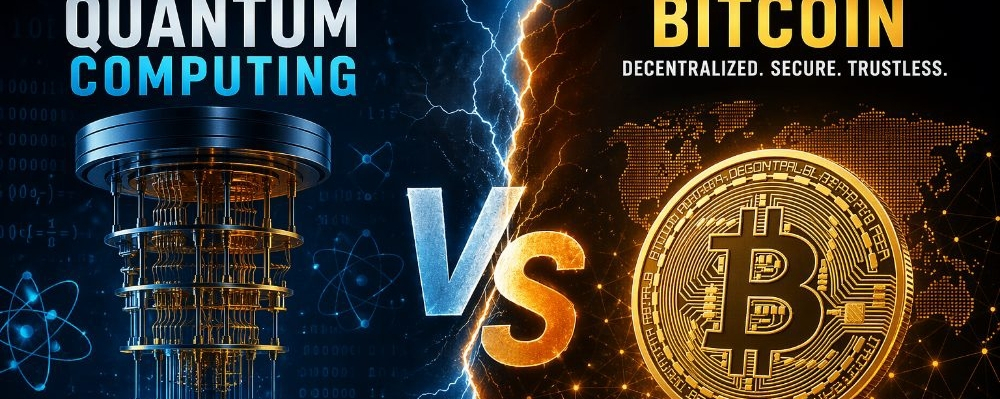
Quantum Computing Could Reshape Crypto Security 🔐Quantum computing is one of the long-term challenges facing modern digital assets, including Bitcoin.
Bitcoin currently relies on cryptographic signatures such as ECDSA. A sufficiently powerful, fault-tolerant quantum computer could potentially use Shor’s algorithm to break elliptic-curve cryptography much faster than classical computers.
But there’s an important point: today’s quantum computers are not yet capable of breaking Bitcoin’s cryptography. The threat is considered a future risk, which is why researchers are already working on Post-Quantum Cryptography (PQC) .
⚙️ The Real Challenge: Performance
Quantum-resistant cryptography can require larger keys, signatures, or significantly more computation than traditional systems.
For blockchains, the goal is not simply to become quantum-resistant. The solution must also remain:
✅ Secure
✅ Scalable
✅ Fast
✅ Cost-efficient
Where AI Could Help
AI can assist developers and researchers by optimizing code, identifying computational bottlenecks, and exploring more efficient implementations of complex cryptographic systems.
However, AI itself is not a quantum-resistant security layer. Its potential role is helping engineers build and optimize the technologies that could protect blockchain networks in a post-quantum era.
🔮 What Comes Next?
The race toward quantum-resistant blockchain infrastructure has already begun.
Future upgrades could involve post-quantum signatures, new cryptographic schemes, optimized zero-knowledge systems, and Layer-2 solutions designed to maintain security without sacrificing scalability.
Bitcoin’s quantum challenge may still be years away — but preparing before the threat becomes practical could be one of the most important security upgrades for the crypto industry. 🚀
#Bitcoinsecurity #QuantumComputing #PostQuantumCryptography #ECDSA #Cryptography
Quantum Computing Could Reshape Crypto Security 🔐
Quantum computing is one of the long-term challenges facing modern digital assets, including Bitcoin.
Bitcoin currently relies on cryptographic signatures such as ECDSA. A sufficiently powerful, fault-tolerant quantum computer could potentially use Shor’s algorithm to break elliptic-curve cryptography much faster than classical computers.
But there’s an important point: today’s quantum computers are not yet capable of breaking Bitcoin’s cryptography. The threat is considered a future risk, which is why researchers are already working on Post-Quantum Cryptography (PQC) .
⚙️ The Real Challenge: Performance
Quantum-resistant cryptography can require larger keys, signatures, or significantly more computation than traditional systems.
For blockchains, the goal is not simply to become quantum-resistant. The solution must also remain:
✅ Secure
✅ Scalable
✅ Fast
✅ Cost-efficient
Where AI Could Help
AI can assist developers and researchers by optimizing code, identifying computational bottlenecks, and exploring more efficient implementations of complex cryptographic systems.
However, AI itself is not a quantum-resistant security layer. Its potential role is helping engineers build and optimize the technologies that could protect blockchain networks in a post-quantum era.
🔮 What Comes Next?
The race toward quantum-resistant blockchain infrastructure has already begun.
Future upgrades could involve post-quantum signatures, new cryptographic schemes, optimized zero-knowledge systems, and Layer-2 solutions designed to maintain security without sacrificing scalability.
Bitcoin’s quantum challenge may still be years away — but preparing before the threat becomes practical could be one of the most important security upgrades for the crypto industry. 🚀
#Bitcoinsecurity #QuantumComputing #PostQuantumCryptography #ECDSA #Cryptography
Bitcoin currently relies on cryptographic signatures such as ECDSA. A sufficiently powerful, fault-tolerant quantum computer could potentially use Shor’s algorithm to break elliptic-curve cryptography much faster than classical computers.
But there’s an important point: today’s quantum computers are not yet capable of breaking Bitcoin’s cryptography. The threat is considered a future risk, which is why researchers are already working on Post-Quantum Cryptography (PQC) .
⚙️ The Real Challenge: Performance
Quantum-resistant cryptography can require larger keys, signatures, or significantly more computation than traditional systems.
For blockchains, the goal is not simply to become quantum-resistant. The solution must also remain:
✅ Secure
✅ Scalable
✅ Fast
✅ Cost-efficient
Where AI Could Help
AI can assist developers and researchers by optimizing code, identifying computational bottlenecks, and exploring more efficient implementations of complex cryptographic systems.
However, AI itself is not a quantum-resistant security layer. Its potential role is helping engineers build and optimize the technologies that could protect blockchain networks in a post-quantum era.
🔮 What Comes Next?
The race toward quantum-resistant blockchain infrastructure has already begun.
Future upgrades could involve post-quantum signatures, new cryptographic schemes, optimized zero-knowledge systems, and Layer-2 solutions designed to maintain security without sacrificing scalability.
Bitcoin’s quantum challenge may still be years away — but preparing before the threat becomes practical could be one of the most important security upgrades for the crypto industry. 🚀
#Bitcoinsecurity #QuantumComputing #PostQuantumCryptography #ECDSA #Cryptography
323

·
--
Bài viết
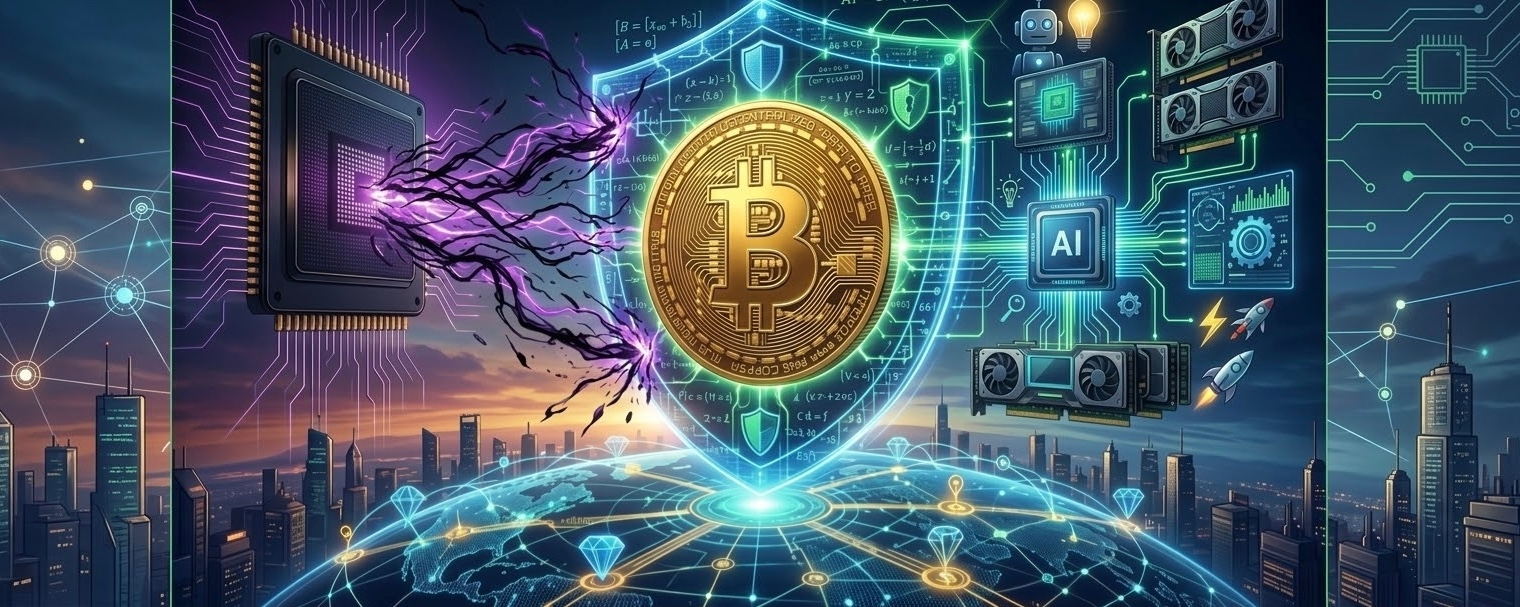
𝐀𝐈 𝐯𝐚̀ 𝐭𝐡𝐞 𝐐𝐮𝐚𝐧𝐭𝐮𝐦 𝐋𝐞𝐚𝐩: Bảo vệ tương lai của Bitcoin 🪙⚡Sự phát triển nhanh chóng của điện toán lượng tử đặt ra một trong những mối đe dọa lý thuyết quan trọng nhất đối với các tài sản kỹ thuật số hiện đại, đặc biệt là với các mạng phi tập trung như Bitcoin 🔐. Các thuật toán mã hóa khóa công khai truyền thống, chẳng hạn như 𝐄𝐂𝐃𝐒𝐀, dựa trên các bài toán toán học có thể cuối cùng được giải trong vài giây bởi các bộ xử lý lượng tử công suất cao. Để bảo vệ tương lai của của cải kỹ thuật số toàn cầu, các nhà mật mã và nhà phát triển blockchain đang tích cực thiết kế các giải pháp 𝐂𝐡𝐢𝐚𝐧 𝐏𝐨𝐬𝐭-𝐐𝐮𝐚𝐧𝐭𝐮𝐦 𝐂𝐫𝐲𝐩𝐭𝐨𝐠𝐫𝐚𝐩𝐡𝐲 (𝐏𝐐𝐂), đồng thời các công nghệ chứng minh không kiến thức—cụ thể là 𝐒𝐓𝐀𝐑𝐊𝐬—đang dẫn đầu như lớp phòng thủ kiên cường nhất 🛡️.
𝐀𝐈 𝐯𝐚̀ 𝐭𝐡𝐞 𝐐𝐮𝐚𝐧𝐭𝐮𝐦 𝐋𝐞𝐚𝐩: Bảo vệ tương lai của Bitcoin 🪙⚡
Sự phát triển nhanh chóng của điện toán lượng tử đặt ra một trong những mối đe dọa lý thuyết quan trọng nhất đối với các tài sản kỹ thuật số hiện đại, đặc biệt là với các mạng phi tập trung như Bitcoin 🔐. Các thuật toán mã hóa khóa công khai truyền thống, chẳng hạn như 𝐄𝐂𝐃𝐒𝐀, dựa trên các bài toán toán học có thể cuối cùng được giải trong vài giây bởi các bộ xử lý lượng tử công suất cao. Để bảo vệ tương lai của của cải kỹ thuật số toàn cầu, các nhà mật mã và nhà phát triển blockchain đang tích cực thiết kế các giải pháp 𝐂𝐡𝐢𝐚𝐧 𝐏𝐨𝐬𝐭-𝐐𝐮𝐚𝐧𝐭𝐮𝐦 𝐂𝐫𝐲𝐩𝐭𝐨𝐠𝐫𝐚𝐩𝐡𝐲 (𝐏𝐐𝐂), đồng thời các công nghệ chứng minh không kiến thức—cụ thể là 𝐒𝐓𝐀𝐑𝐊𝐬—đang dẫn đầu như lớp phòng thủ kiên cường nhất 🛡️.
3
1.1k
Đăng nhập để khám phá thêm nội dung
Tham gia cùng người dùng tiền mã hóa toàn cầu trên Binance Square
⚡️ Nhận thông tin mới nhất và hữu ích về tiền mã hóa.
💬 Được tin cậy bởi sàn giao dịch tiền mã hóa lớn nhất thế giới.
👍 Khám phá những thông tin chuyên sâu thực tế từ những nhà sáng tạo đã xác minh.
Email / Số điện thoại
Chủ đề thịnh hành
1
#TinFed
88,803 lượt xem
432 đang thảo luận
2
#TheoDõiFOMC
106,719 lượt xem
631 đang thảo luận
3
#BitgetHackerFailsToMoveStolenFunds
116 lượt xem
52 đang thảo luận
4
#BitMineETHHoldingsTop6Million
3,428 lượt xem
213 đang thảo luận
5
#StrategyAdds1666BTCHoldingsReach847666
2,449 lượt xem
161 đang thảo luận
6
#NvidiaApproves$150BBuyback
2,485 lượt xem
57 đang thảo luận
7
#OpenAIDelaysGPT6.1OverSafetyIssues
14,137 lượt xem
486 đang thảo luận
8
#AMDToAcquireWorldLabsFor$8.2B
1,272 lượt xem
47 đang thảo luận
9
#AnthropicIPOProspectusCouldValueItOver$2T
4,302 lượt xem
73 đang thảo luận
10
#HackersDrainOver12.4MXRPFromDCENTWallets
29,239 lượt xem
593 đang thảo luận