
#container
container
105 lượt xem
7 đang thảo luận
Phổ biến
Mới nhất

🐳 BẢO MẬT CONTAINER: TỪ HÌNH ẢNH ĐẾN TRIỂN KHAI SẢN XUẤT 🔐
Container giúp việc triển khai phần mềm hiện đại nhanh hơn và nhất quán hơn—nhưng chúng không tự động an toàn.
Một image (hình ảnh) có lỗ hổng có thể mang các vấn đề bảo mật vào môi trường sản xuất.
Vì vậy, bảo mật cần theo suốt toàn bộ vòng đời:
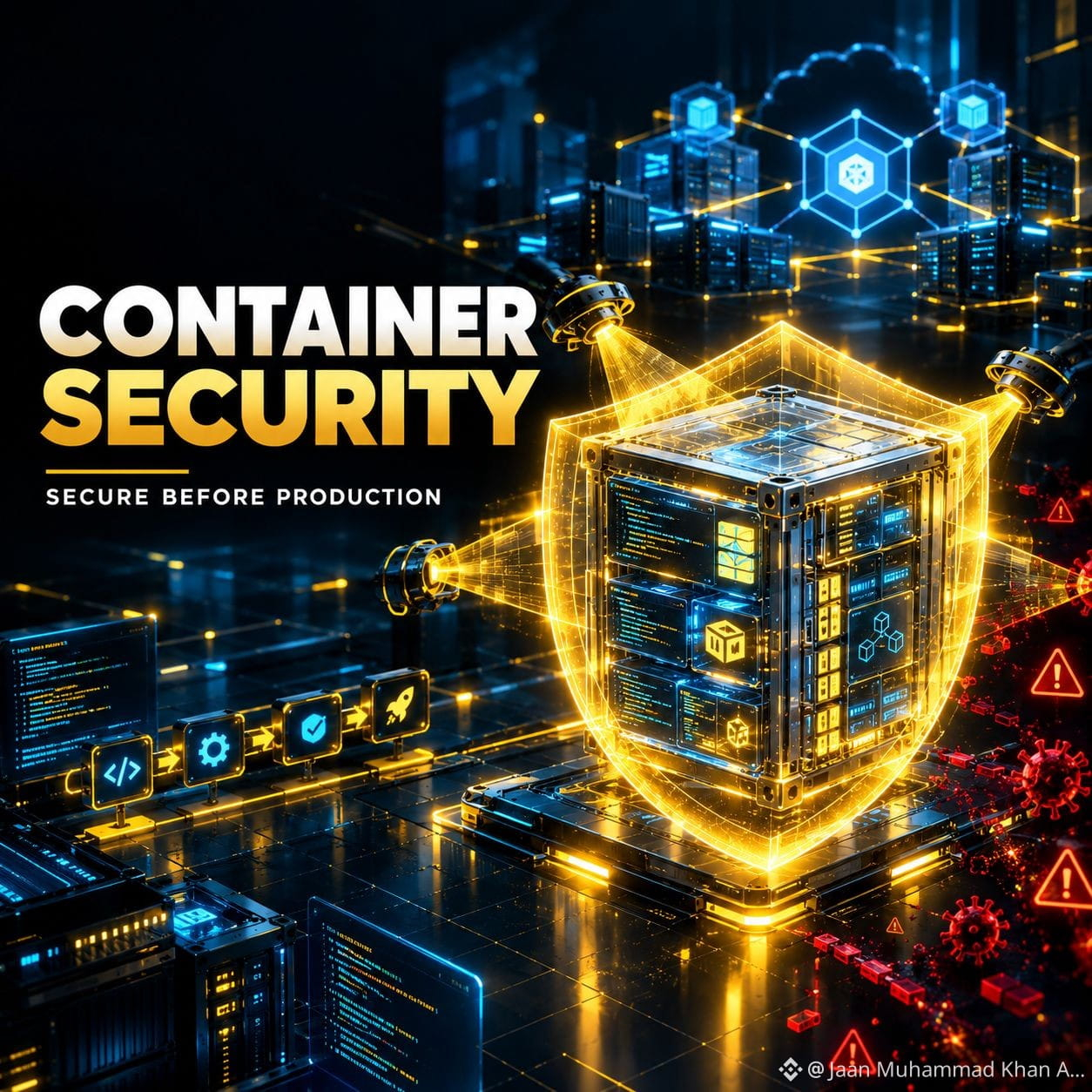
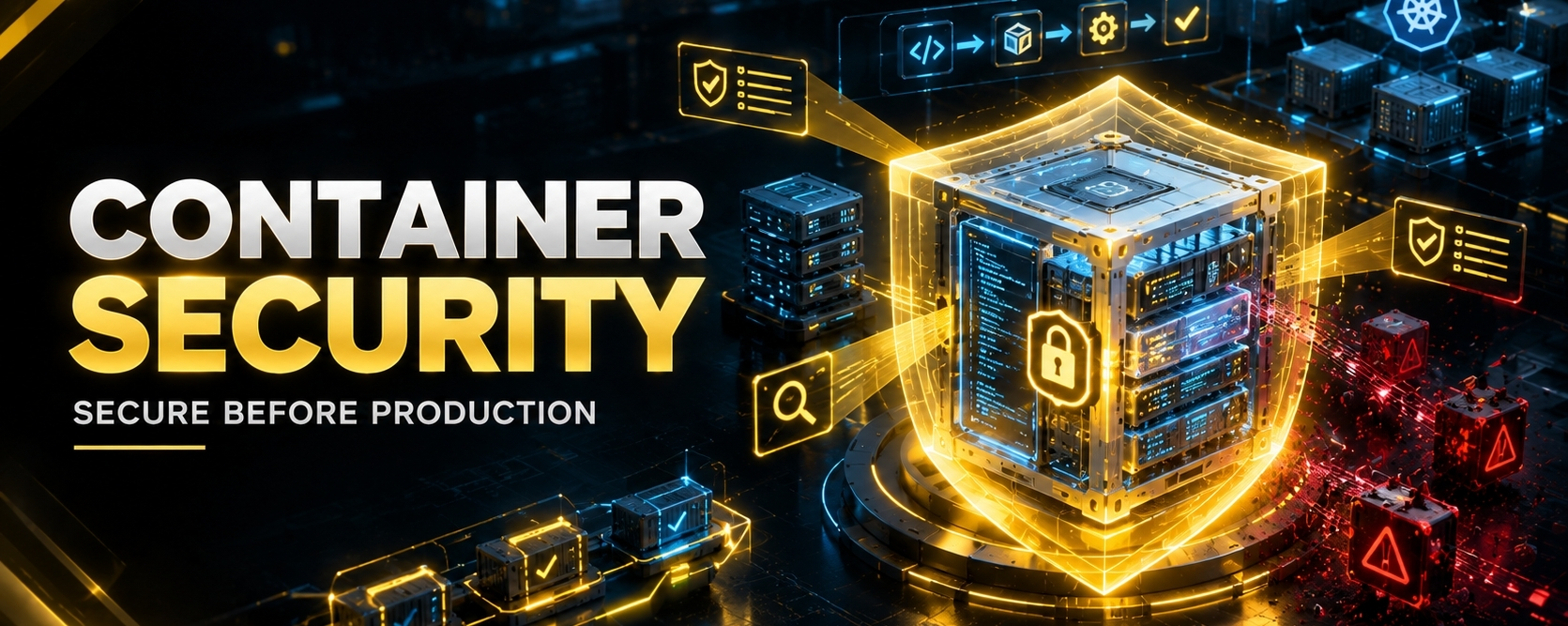
Code → Dependencies → Image → Registry → Deployment → Runtime
🔍 5 KHU VỰC CẦN THEO DÕI
1️⃣ Dependencies (Phụ thuộc)
Các gói đã lỗi thời hoặc có lỗ hổng có thể tồn tại trong image container. Hãy quét các dependency trong quá trình phát triển và CI/CD.
2️⃣ Base Images (Image nền)
Dùng các base image đáng tin cậy, tối giản và được cập nhật thường xuyên. Hãy quét chúng để phát hiện các lỗ hổng đã biết.
3️⃣ Secrets (Thông tin bí mật)
Tránh nhúng API key, mật khẩu, token hoặc thông tin đăng nhập đám mây vào image. Hãy quản lý các thông tin nhạy cảm riêng biệt.
4️⃣ Privileges (Quyền hạn)
Chỉ cấp cho container những quyền mà chúng thực sự cần. Nguyên tắc đặc quyền tối thiểu có thể giảm mức độ ảnh hưởng khi workload bị xâm nhập.
5️⃣ Image Sources (Nguồn image)
Đừng triển khai mù quáng các image không đáng tin. Hãy sử dụng nguồn và registry image được kiểm soát và tin cậy.
🛡️ BẢO MẬT THÔNG QUA CẢ QUY TRÌNH
Một quy trình thực tế có thể là:
Code → SAST → Dependency Scan → Build → Image Scan → SBOM → Registry Controls → Deployment → Runtime Monitoring
Điều này giúp bảo mật trở thành một quá trình liên tục thay vì chỉ là một mốc kiểm tra cuối cùng.
☁️ CONTAINER + KUBERNETES
Khi container chạy trên Kubernetes, các biện pháp kiểm soát bổ sung trở nên quan trọng, bao gồm:
🔐 Danh tính & phân quyền
🌐 Chính sách mạng (Network policies)
🔑 Quản lý secrets
⚙️ Bảo mật workload
📊 Theo dõi runtime
💡 GÓC NHÌN CỦA TÔI
Bảo mật container không chỉ là quét một lần cho một image.
Mà là bảo đảm an toàn cho toàn bộ vòng đời:
Build an toàn → Quét liên tục → Triển khai cẩn thận → Giám sát thường xuyên.
Khu vực nào xứng đáng được chú ý nhiều nhất?
🐳 Images
🔐 Secrets
👤 Privileges
📊 Runtime security
#container
🐳 BẢO MẬT CONTAINER: TỪ HÌNH ẢNH ĐẾN TRIỂN KHAI SẢN XUẤT 🔐
Container giúp việc triển khai phần mềm hiện đại nhanh hơn và nhất quán hơn—nhưng chúng không tự động an toàn.
Một image (hình ảnh) có lỗ hổng có thể mang các vấn đề bảo mật vào môi trường sản xuất.
Vì vậy, bảo mật cần theo suốt toàn bộ vòng đời:
Code → Dependencies → Image → Registry → Deployment → Runtime
🔍 5 KHU VỰC CẦN THEO DÕI
1️⃣ Dependencies (Phụ thuộc)
Các gói đã lỗi thời hoặc có lỗ hổng có thể tồn tại trong image container. Hãy quét các dependency trong quá trình phát triển và CI/CD.
2️⃣ Base Images (Image nền)
Dùng các base image đáng tin cậy, tối giản và được cập nhật thường xuyên. Hãy quét chúng để phát hiện các lỗ hổng đã biết.
3️⃣ Secrets (Thông tin bí mật)
Tránh nhúng API key, mật khẩu, token hoặc thông tin đăng nhập đám mây vào image. Hãy quản lý các thông tin nhạy cảm riêng biệt.
4️⃣ Privileges (Quyền hạn)
Chỉ cấp cho container những quyền mà chúng thực sự cần. Nguyên tắc đặc quyền tối thiểu có thể giảm mức độ ảnh hưởng khi workload bị xâm nhập.
5️⃣ Image Sources (Nguồn image)
Đừng triển khai mù quáng các image không đáng tin. Hãy sử dụng nguồn và registry image được kiểm soát và tin cậy.
🛡️ BẢO MẬT THÔNG QUA CẢ QUY TRÌNH
Một quy trình thực tế có thể là:
Code → SAST → Dependency Scan → Build → Image Scan → SBOM → Registry Controls → Deployment → Runtime Monitoring
Điều này giúp bảo mật trở thành một quá trình liên tục thay vì chỉ là một mốc kiểm tra cuối cùng.
☁️ CONTAINER + KUBERNETES
Khi container chạy trên Kubernetes, các biện pháp kiểm soát bổ sung trở nên quan trọng, bao gồm:
🔐 Danh tính & phân quyền
🌐 Chính sách mạng (Network policies)
🔑 Quản lý secrets
⚙️ Bảo mật workload
📊 Theo dõi runtime
💡 GÓC NHÌN CỦA TÔI
Bảo mật container không chỉ là quét một lần cho một image.
Mà là bảo đảm an toàn cho toàn bộ vòng đời:
Build an toàn → Quét liên tục → Triển khai cẩn thận → Giám sát thường xuyên.
Khu vực nào xứng đáng được chú ý nhiều nhất?
🐳 Images
🔐 Secrets
👤 Privileges
📊 Runtime security
#container
Container giúp việc triển khai phần mềm hiện đại nhanh hơn và nhất quán hơn—nhưng chúng không tự động an toàn.
Một image (hình ảnh) có lỗ hổng có thể mang các vấn đề bảo mật vào môi trường sản xuất.
Vì vậy, bảo mật cần theo suốt toàn bộ vòng đời:
Code → Dependencies → Image → Registry → Deployment → Runtime
🔍 5 KHU VỰC CẦN THEO DÕI
1️⃣ Dependencies (Phụ thuộc)
Các gói đã lỗi thời hoặc có lỗ hổng có thể tồn tại trong image container. Hãy quét các dependency trong quá trình phát triển và CI/CD.
2️⃣ Base Images (Image nền)
Dùng các base image đáng tin cậy, tối giản và được cập nhật thường xuyên. Hãy quét chúng để phát hiện các lỗ hổng đã biết.
3️⃣ Secrets (Thông tin bí mật)
Tránh nhúng API key, mật khẩu, token hoặc thông tin đăng nhập đám mây vào image. Hãy quản lý các thông tin nhạy cảm riêng biệt.
4️⃣ Privileges (Quyền hạn)
Chỉ cấp cho container những quyền mà chúng thực sự cần. Nguyên tắc đặc quyền tối thiểu có thể giảm mức độ ảnh hưởng khi workload bị xâm nhập.
5️⃣ Image Sources (Nguồn image)
Đừng triển khai mù quáng các image không đáng tin. Hãy sử dụng nguồn và registry image được kiểm soát và tin cậy.
🛡️ BẢO MẬT THÔNG QUA CẢ QUY TRÌNH
Một quy trình thực tế có thể là:
Code → SAST → Dependency Scan → Build → Image Scan → SBOM → Registry Controls → Deployment → Runtime Monitoring
Điều này giúp bảo mật trở thành một quá trình liên tục thay vì chỉ là một mốc kiểm tra cuối cùng.
☁️ CONTAINER + KUBERNETES
Khi container chạy trên Kubernetes, các biện pháp kiểm soát bổ sung trở nên quan trọng, bao gồm:
🔐 Danh tính & phân quyền
🌐 Chính sách mạng (Network policies)
🔑 Quản lý secrets
⚙️ Bảo mật workload
📊 Theo dõi runtime
💡 GÓC NHÌN CỦA TÔI
Bảo mật container không chỉ là quét một lần cho một image.
Mà là bảo đảm an toàn cho toàn bộ vòng đời:
Build an toàn → Quét liên tục → Triển khai cẩn thận → Giám sát thường xuyên.
Khu vực nào xứng đáng được chú ý nhiều nhất?
🐳 Images
🔐 Secrets
👤 Privileges
📊 Runtime security
#container
55
Bài viết
Xem bản dịch
📦 CONTAINER SECURITY🐳 Container Security: Securing Applications From Image to Production
Containers have transformed modern software development.
They allow developers to package applications and dependencies into portable environments that can run consistently across systems.
But containers aren't automatically secure.
A vulnerable container image can carry security problems directly into production.
That's why container security should begin before deployment.
🔍 Where Can Container Security Fail?
Think about the container lifecycle:
Code → Dependencies → Image → Registry → Deployment → Runtime
Security needs to follow the entire path.
1️⃣ Vulnerable Dependencies
An application may depend on outdated packages containing known vulnerabilities.
Building a container doesn't remove those vulnerabilities.
It packages them.
That's why dependency scanning should happen during development and CI/CD.
2️⃣ Insecure Base Images
Containers commonly start from base images.
If the base image contains unnecessary packages or known vulnerabilities, every application built on top of it inherits the problem.
Use:
Trusted base images
Minimal images
Regular updates
Vulnerability scanning
3️⃣ Secrets Inside Images
One of the most dangerous mistakes is placing credentials directly inside container images.
Examples include:
API keys
Passwords
Tokens
Cloud credentials
Private keys
If the image is pushed to a registry, those secrets may travel with it.
Secrets should be managed separately from application images.
4️⃣ Running With Excessive Privileges
Containers should receive only the permissions they actually need.
Running everything with unnecessary privileges increases potential impact if an application becomes compromised.
This connects directly to the principle of:
Least Privilege.
5️⃣ Untrusted Container Images
A production environment shouldn't blindly trust every image available online.
Organizations should establish trusted image sources and security controls around their registries.
🛡️ Building a Container Security Pipeline
A mature container security workflow can look like:
Developer Code
↓
SAST
↓
Dependency Scan
↓
Container Build
↓
Image Scan
↓
SBOM Generation
↓
Registry Controls
↓
Deployment Security
↓
Runtime Monitoring
This turns security into a continuous process instead of a final checkpoint.
☁️ Containers + Kubernetes
Containers are often deployed through orchestration platforms such as Kubernetes.
That introduces additional security layers:
Cluster security
Identity and access control
Network policies
Secrets management
Workload security
Admission controls
Runtime monitoring
So container security shouldn't be treated as a single scanner.
It's an ecosystem.
🚀 Final Thought
Containers make software delivery faster.
But speed without security can also make vulnerabilities move faster.
The goal isn't:
“Scan the container once.”
The goal is:
Build securely → Scan continuously → Deploy safely → Monitor constantly.
That's the foundation of modern container security.
#container
📦 CONTAINER SECURITY
🐳 Container Security: Securing Applications From Image to Production
Containers have transformed modern software development.
They allow developers to package applications and dependencies into portable environments that can run consistently across systems.
But containers aren't automatically secure.
A vulnerable container image can carry security problems directly into production.
That's why container security should begin before deployment.
🔍 Where Can Container Security Fail?
Think about the container lifecycle:
Code → Dependencies → Image → Registry → Deployment → Runtime
Security needs to follow the entire path.
1️⃣ Vulnerable Dependencies
An application may depend on outdated packages containing known vulnerabilities.
Building a container doesn't remove those vulnerabilities.
It packages them.
That's why dependency scanning should happen during development and CI/CD.
2️⃣ Insecure Base Images
Containers commonly start from base images.
If the base image contains unnecessary packages or known vulnerabilities, every application built on top of it inherits the problem.
Use:
Trusted base images
Minimal images
Regular updates
Vulnerability scanning
3️⃣ Secrets Inside Images
One of the most dangerous mistakes is placing credentials directly inside container images.
Examples include:
API keys
Passwords
Tokens
Cloud credentials
Private keys
If the image is pushed to a registry, those secrets may travel with it.
Secrets should be managed separately from application images.
4️⃣ Running With Excessive Privileges
Containers should receive only the permissions they actually need.
Running everything with unnecessary privileges increases potential impact if an application becomes compromised.
This connects directly to the principle of:
Least Privilege.
5️⃣ Untrusted Container Images
A production environment shouldn't blindly trust every image available online.
Organizations should establish trusted image sources and security controls around their registries.
🛡️ Building a Container Security Pipeline
A mature container security workflow can look like:
Developer Code
↓
SAST
↓
Dependency Scan
↓
Container Build
↓
Image Scan
↓
SBOM Generation
↓
Registry Controls
↓
Deployment Security
↓
Runtime Monitoring
This turns security into a continuous process instead of a final checkpoint.
☁️ Containers + Kubernetes
Containers are often deployed through orchestration platforms such as Kubernetes.
That introduces additional security layers:
Cluster security
Identity and access control
Network policies
Secrets management
Workload security
Admission controls
Runtime monitoring
So container security shouldn't be treated as a single scanner.
It's an ecosystem.
🚀 Final Thought
Containers make software delivery faster.
But speed without security can also make vulnerabilities move faster.
The goal isn't:
“Scan the container once.”
The goal is:
Build securely → Scan continuously → Deploy safely → Monitor constantly.
That's the foundation of modern container security.
#container
Containers have transformed modern software development.
They allow developers to package applications and dependencies into portable environments that can run consistently across systems.
But containers aren't automatically secure.
A vulnerable container image can carry security problems directly into production.
That's why container security should begin before deployment.
🔍 Where Can Container Security Fail?
Think about the container lifecycle:
Code → Dependencies → Image → Registry → Deployment → Runtime
Security needs to follow the entire path.
1️⃣ Vulnerable Dependencies
An application may depend on outdated packages containing known vulnerabilities.
Building a container doesn't remove those vulnerabilities.
It packages them.
That's why dependency scanning should happen during development and CI/CD.
2️⃣ Insecure Base Images
Containers commonly start from base images.
If the base image contains unnecessary packages or known vulnerabilities, every application built on top of it inherits the problem.
Use:
Trusted base images
Minimal images
Regular updates
Vulnerability scanning
3️⃣ Secrets Inside Images
One of the most dangerous mistakes is placing credentials directly inside container images.
Examples include:
API keys
Passwords
Tokens
Cloud credentials
Private keys
If the image is pushed to a registry, those secrets may travel with it.
Secrets should be managed separately from application images.
4️⃣ Running With Excessive Privileges
Containers should receive only the permissions they actually need.
Running everything with unnecessary privileges increases potential impact if an application becomes compromised.
This connects directly to the principle of:
Least Privilege.
5️⃣ Untrusted Container Images
A production environment shouldn't blindly trust every image available online.
Organizations should establish trusted image sources and security controls around their registries.
🛡️ Building a Container Security Pipeline
A mature container security workflow can look like:
Developer Code
↓
SAST
↓
Dependency Scan
↓
Container Build
↓
Image Scan
↓
SBOM Generation
↓
Registry Controls
↓
Deployment Security
↓
Runtime Monitoring
This turns security into a continuous process instead of a final checkpoint.
☁️ Containers + Kubernetes
Containers are often deployed through orchestration platforms such as Kubernetes.
That introduces additional security layers:
Cluster security
Identity and access control
Network policies
Secrets management
Workload security
Admission controls
Runtime monitoring
So container security shouldn't be treated as a single scanner.
It's an ecosystem.
🚀 Final Thought
Containers make software delivery faster.
But speed without security can also make vulnerabilities move faster.
The goal isn't:
“Scan the container once.”
The goal is:
Build securely → Scan continuously → Deploy safely → Monitor constantly.
That's the foundation of modern container security.
#container
78

Salim al-Hamdani-BTC
·
--
https://app.binance.com/uni-qr/pay-events_FKKx5zfV?utm_medium=web_share_copy
#افتح_الرابط_واحصل_على_المكافأة
#ظرفك_الأحمر
BPL7R0PEKT
#افتح_الرابط_واحصل_على_المكافأة
#ظرفك_الأحمر
BPL7R0PEKT
2
154

Đăng nhập để khám phá thêm nội dung
Tham gia cùng người dùng tiền mã hóa toàn cầu trên Binance Square
⚡️ Nhận thông tin mới nhất và hữu ích về tiền mã hóa.
💬 Được tin cậy bởi sàn giao dịch tiền mã hóa lớn nhất thế giới.
👍 Khám phá những thông tin chuyên sâu thực tế từ những nhà sáng tạo đã xác minh.
Email / Số điện thoại
Chủ đề thịnh hành
1
#45NgayTuDoTaiChinh
908,460 lượt xem
3,121 đang thảo luận
2
#TinFed
75,873 lượt xem
359 đang thảo luận
3
#TheoDõiFOMC
83,809 lượt xem
553 đang thảo luận
4
#BTCBreaks80K
178,183 lượt xem
2,913 đang thảo luận
5
#比特币突破8万
118,719 lượt xem
350 đang thảo luận
6
#BitcoinMarketCapTopsTesla
8,323 lượt xem
354 đang thảo luận
7
#SOLJumpsAbout10%
16,962 lượt xem
449 đang thảo luận
8
#EthereumReclaims$2600
1,912 lượt xem
65 đang thảo luận
9
#LineraShutsDownAfterFundraisingFallsShort
2,316 lượt xem
84 đang thảo luận
10
#SECReceivesAmendedInjectiveETFFiling
13,063 lượt xem
358 đang thảo luận