
#cryptomining!
cryptomining!
53,061 lượt xem
93 đang thảo luận
Phổ biến
Mới nhất

·
--

Bài viết
Xem bản dịch
crypto mining1. The Core Purpose of Mining
Since Bitcoin operates without a central authority like a bank, miners serve as the auditors and caretakers of the network. Mining achieves two primary goals:
Transaction Verification: Legitimate transfers are permanently grouped and locked into public ledger blocks.Sustained Issuance: Minting new Bitcoins into circulation without relying on an issuing agency.
2. The Step-by-Step Architecture
The journey of a transaction from a user's wallet to the permanent blockchain follows a decentralized process:
The Mempool (Waiting Room): A transaction is signed by a user and broadcasted to a network of global nodes, where it sits in a temporary queue called the Mempool.Constructing a Block: Active mining units gather thousands of unconfirmed transactions from the Mempool and organize them into a potential "block" candidate.The Proof-of-Work Puzzle: Every block requires a unique cryptographic signature. Miners compete using computation power to solve a one-way mathematical function called Proof-of-Work (PoW).Brute-Forcing the Nonce: Computers generate trillions of cryptographic guesses per second by changing a tiny variable inside the block called a Nonce. They race to hit a target value known as a Hash.Global Settlement: The first miner to hit the target broadcasts the solved block to the rest of the decentralized nodes. Once validated by consensus, the block permanently welds onto the blockchain ledger.
3. Economic Incentives: How Miners Get Paid
Miners are financially motivated through two built-in payment streams inside every successfully processed block:
Block Rewards: Newly generated Bitcoins natively issued by the system protocol. In 2026, this sits at 3.125 BTC per block following the April 2024 halving event.Transaction Fees: Optional but highly critical priority fees paid by users to speed up their transaction approvals. As block rewards diminish over time, transaction fees will eventually become the primary engine keeping miners profitable.
4. Built-in Programmatic Controls
The Bitcoin algorithm uses two automated self-correcting mechanisms to preserve long-term scarcity and operational stability:
[Halving Cycle] ------------> Triggers every 210,000 blocks (~4 years) ---> Cuts BTC issuance by 50%
[Difficulty Adjustment] ----> Recalibrates every 2,016 blocks (~2 weeks) -> Keeps block time target at ~10 mins
The Halving: The total supply cap of Bitcoin is strictly hard-coded at 21 million coins. To enforce scarcity, the block reward slashes in half every 210,000 blocks (roughly every 4 years). The next halving is projected for early 2028.Difficulty Adjustment: To prevent high-speed hardware or an influx of new miners from instantly mining all remaining coins, the network automatically adjusts its cryptographic puzzle difficulty. This ensures new blocks are settled every 10 minutes on average.
5. The Hardware Reality
Mining is no longer viable for consumer-grade devices like everyday home PCs or laptops due to institutional-level scaling.
ASICs: Industrial setups require hyper-specialized chips called ASICs (Application-Specific Integrated Circuits) designed for the sole purpose of hashing Bitcoin data.Mining Pools: The statistical probability of an individual mining rig solving a block independently is incredibly low. Miners join forces via Mining Pools, aggregating their combined computing power to earn consistent, fractional shares of rewards based on their contribution.#BinanceReopensWithdrawalsForMoreAssets #CryptoMining!
crypto mining
1. The Core Purpose of Mining
Since Bitcoin operates without a central authority like a bank, miners serve as the auditors and caretakers of the network. Mining achieves two primary goals:
Transaction Verification: Legitimate transfers are permanently grouped and locked into public ledger blocks.Sustained Issuance: Minting new Bitcoins into circulation without relying on an issuing agency.
2. The Step-by-Step Architecture
The journey of a transaction from a user's wallet to the permanent blockchain follows a decentralized process:
The Mempool (Waiting Room): A transaction is signed by a user and broadcasted to a network of global nodes, where it sits in a temporary queue called the Mempool.Constructing a Block: Active mining units gather thousands of unconfirmed transactions from the Mempool and organize them into a potential "block" candidate.The Proof-of-Work Puzzle: Every block requires a unique cryptographic signature. Miners compete using computation power to solve a one-way mathematical function called Proof-of-Work (PoW).Brute-Forcing the Nonce: Computers generate trillions of cryptographic guesses per second by changing a tiny variable inside the block called a Nonce. They race to hit a target value known as a Hash.Global Settlement: The first miner to hit the target broadcasts the solved block to the rest of the decentralized nodes. Once validated by consensus, the block permanently welds onto the blockchain ledger.
3. Economic Incentives: How Miners Get Paid
Miners are financially motivated through two built-in payment streams inside every successfully processed block:
Block Rewards: Newly generated Bitcoins natively issued by the system protocol. In 2026, this sits at 3.125 BTC per block following the April 2024 halving event.Transaction Fees: Optional but highly critical priority fees paid by users to speed up their transaction approvals. As block rewards diminish over time, transaction fees will eventually become the primary engine keeping miners profitable.
4. Built-in Programmatic Controls
The Bitcoin algorithm uses two automated self-correcting mechanisms to preserve long-term scarcity and operational stability:
[Halving Cycle] ------------> Triggers every 210,000 blocks (~4 years) ---> Cuts BTC issuance by 50%
[Difficulty Adjustment] ----> Recalibrates every 2,016 blocks (~2 weeks) -> Keeps block time target at ~10 mins
The Halving: The total supply cap of Bitcoin is strictly hard-coded at 21 million coins. To enforce scarcity, the block reward slashes in half every 210,000 blocks (roughly every 4 years). The next halving is projected for early 2028.Difficulty Adjustment: To prevent high-speed hardware or an influx of new miners from instantly mining all remaining coins, the network automatically adjusts its cryptographic puzzle difficulty. This ensures new blocks are settled every 10 minutes on average.
5. The Hardware Reality
Mining is no longer viable for consumer-grade devices like everyday home PCs or laptops due to institutional-level scaling.
ASICs: Industrial setups require hyper-specialized chips called ASICs (Application-Specific Integrated Circuits) designed for the sole purpose of hashing Bitcoin data.Mining Pools: The statistical probability of an individual mining rig solving a block independently is incredibly low. Miners join forces via Mining Pools, aggregating their combined computing power to earn consistent, fractional shares of rewards based on their contribution.#BinanceReopensWithdrawalsForMoreAssets #CryptoMining!
1
7

·
--
Tăng giá
🚀 Cổ phiếu Crypto Bùng Nổ khi $BTC Tích Lũy Gần Mốc 80K!
Bitcoin vững chắc quanh mức lịch sử 80.000 USD đang kích hoạt làn sóng vốn lớn đổ vào các cổ phiếu ngành crypto! Hôm nay các cổ phiếu khai thác đang dẫn đầu khi nhà đầu tư đặt cược mạnh vào hạ tầng quy mô tổ chức.
📈 Các mã biến động nổi bật:
CleanSpark ($CLSK): Tăng +7% nhờ khối lượng giao dịch lớn.
BitMine: Tăng +4% khi các nền tảng mạng lưới được siết chặt.
💡 Điều gì đang xảy ra?
Khi Bitcoin ổn định ở các mốc tâm lý cao, các thợ đào công khai thường hoạt động tốt hơn so với thị trường giao ngay. Nhà đầu tư đang coi cổ phiếu khai thác như một đòn bẩy beta cao cho bước đi tiếp theo của BTC.
Bạn đang nắm giữ BTC giao ngay, hay đang đi theo làn sóng với các cổ phiếu khai thác? Hãy cho mình biết bên dưới!
#CryptoMining! #Bitcoin #CleanSpark #CryptoStocks #BullRun

SHARE & MORE 🎉
Từ Crypto__Today
5
15
370

$BTC
{future}(BTCUSDT)
$BITCOIN
{alpha}(10x72e4f9f808c49a2a61de9c5896298920dc4eeea9)
#crypto HUGE: 🇴🇲 OMAN RA MẮT MỘT QUỸ ĐÀO BITCOIN ĐƯỢC NHÀ NƯỚC HỖ TRỢ
Đây là một dấu hiệu nữa cho thấy vốn chủ quyền đang chuyển từ việc theo dõi #Bitcoin sang tham gia vào mạng lưới.
Một lực đẩy tâm lý tích cực thực sự cho các thợ đào và cho việc #BTC được chấp nhận dài hạn 🙌
#CryptoMining!
#cryotocurrency
#IEAForecasts5MbdOilOverhang2027
#YenSlidesToFourDecadeLow
$BTC
$BITCOIN
#crypto HUGE: 🇴🇲 OMAN RA MẮT MỘT QUỸ ĐÀO BITCOIN ĐƯỢC NHÀ NƯỚC HỖ TRỢ
Đây là một dấu hiệu nữa cho thấy vốn chủ quyền đang chuyển từ việc theo dõi #Bitcoin sang tham gia vào mạng lưới.
Một lực đẩy tâm lý tích cực thực sự cho các thợ đào và cho việc #BTC được chấp nhận dài hạn 🙌
#CryptoMining!
#cryotocurrency
#IEAForecasts5MbdOilOverhang2027
#YenSlidesToFourDecadeLow

1
113

·
--
Bài viết
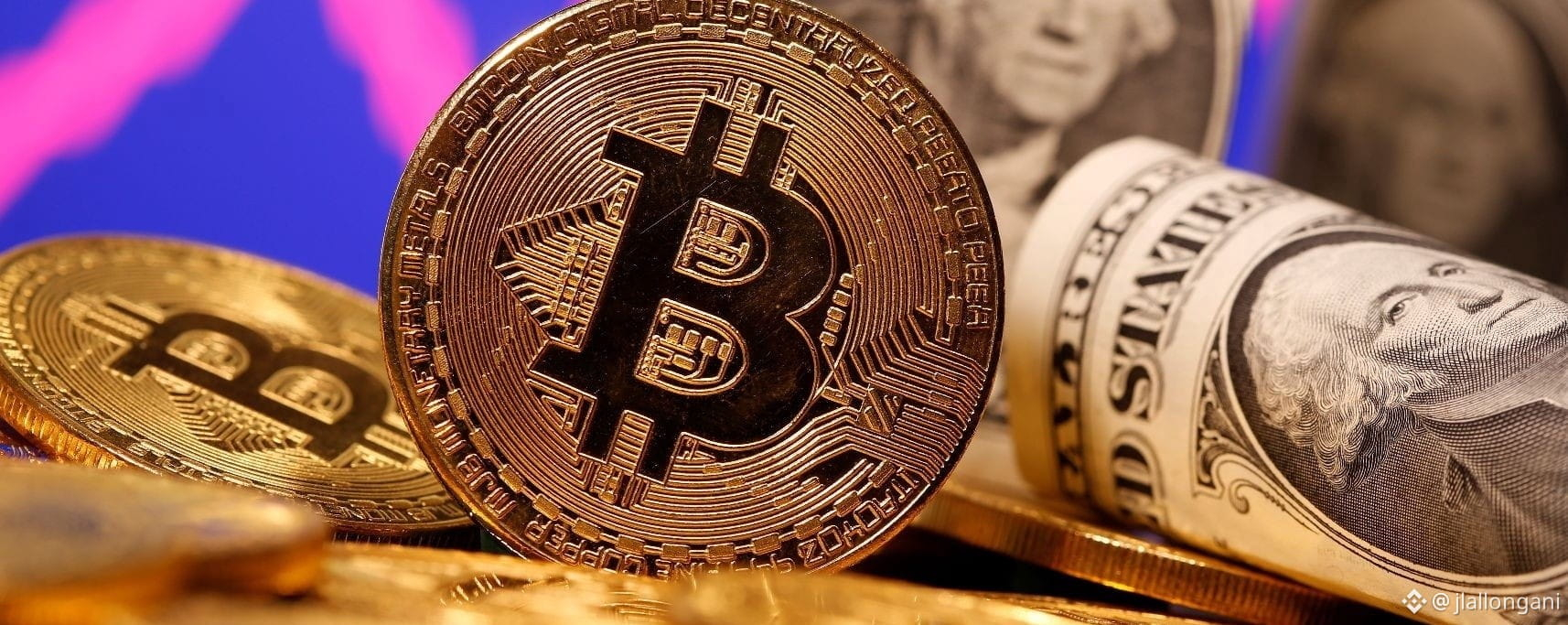
₿ Tin tức mới nhất và phân tích thị trường Bitcoin (BTC) ngày 3 tháng 11 năm 2026🌍 1. Cập nhật thị trường Bitcoin toàn cầu
Bitcoin vẫn nhạy cảm với các diễn biến kinh tế và chính trị toàn cầu. Sau đây là những yếu tố chính ảnh hưởng đến thị trường tiền mã hóa:
🇺🇸 Diễn biến chính trị tại Mỹ
Cuộc bầu cử giữa nhiệm kỳ tại Mỹ đang thu hút sự chú ý của các nhà đầu tư.
Bất ổn chính trị có thể ảnh hưởng đến thị trường tài chính.
Các nhà đầu tư đang theo dõi những thay đổi tiềm năng trong quy định về tiền mã hóa.
🔴 Những lo ngại về bảo mật của Binance
Các báo cáo gần đây đã làm dấy lên lo ngại về những vấn đề bảo mật liên quan đến Binance và dòng tiền lớn rút khỏi sàn giao dịch.
₿ Tin tức mới nhất và phân tích thị trường Bitcoin (BTC) ngày 3 tháng 11 năm 2026
🌍 1. Cập nhật thị trường Bitcoin toàn cầu
Bitcoin vẫn nhạy cảm với các diễn biến kinh tế và chính trị toàn cầu. Sau đây là những yếu tố chính ảnh hưởng đến thị trường tiền mã hóa:
🇺🇸 Diễn biến chính trị tại Mỹ
Cuộc bầu cử giữa nhiệm kỳ tại Mỹ đang thu hút sự chú ý của các nhà đầu tư.
Bất ổn chính trị có thể ảnh hưởng đến thị trường tài chính.
Các nhà đầu tư đang theo dõi những thay đổi tiềm năng trong quy định về tiền mã hóa.
🔴 Những lo ngại về bảo mật của Binance
Các báo cáo gần đây đã làm dấy lên lo ngại về những vấn đề bảo mật liên quan đến Binance và dòng tiền lớn rút khỏi sàn giao dịch.
96

·
--
Tăng giá
Quy Tắc Vàng Trong Giao Dịch Crypto 💡
1️⃣ Tự Nghiên Cứu (DYOR): Đừng bao giờ đầu tư chỉ dựa vào sự cường điệu hoặc FOMO. Hiểu rõ dự án trước.
2️⃣ Quản Lý Rủi Ro: Luôn sử dụng lệnh dừng lỗ và chỉ đầu tư những gì bạn có thể thoải mái chấp nhận mất.
3️⃣ Kiên Nhẫn Là Chìa Khóa: Thị trường crypto rất biến động. Đây là một cuộc marathon, không phải một cuộc chạy nước rút.
Quy tắc số 1 của bạn cho giao dịch là gì? Chia sẻ kinh nghiệm của bạn bên dưới! 🚀
#CryptoMining! $XRP
{spot}(XRPUSDT)
#LearntoEarn #CryptoCommunity
Quy Tắc Vàng Trong Giao Dịch Crypto 💡
1️⃣ Tự Nghiên Cứu (DYOR): Đừng bao giờ đầu tư chỉ dựa vào sự cường điệu hoặc FOMO. Hiểu rõ dự án trước.
2️⃣ Quản Lý Rủi Ro: Luôn sử dụng lệnh dừng lỗ và chỉ đầu tư những gì bạn có thể thoải mái chấp nhận mất.
3️⃣ Kiên Nhẫn Là Chìa Khóa: Thị trường crypto rất biến động. Đây là một cuộc marathon, không phải một cuộc chạy nước rút.
Quy tắc số 1 của bạn cho giao dịch là gì? Chia sẻ kinh nghiệm của bạn bên dưới! 🚀
#CryptoMining! $XRP
#LearntoEarn #CryptoCommunity
199

⚡ Ethereum đang thức dậy…
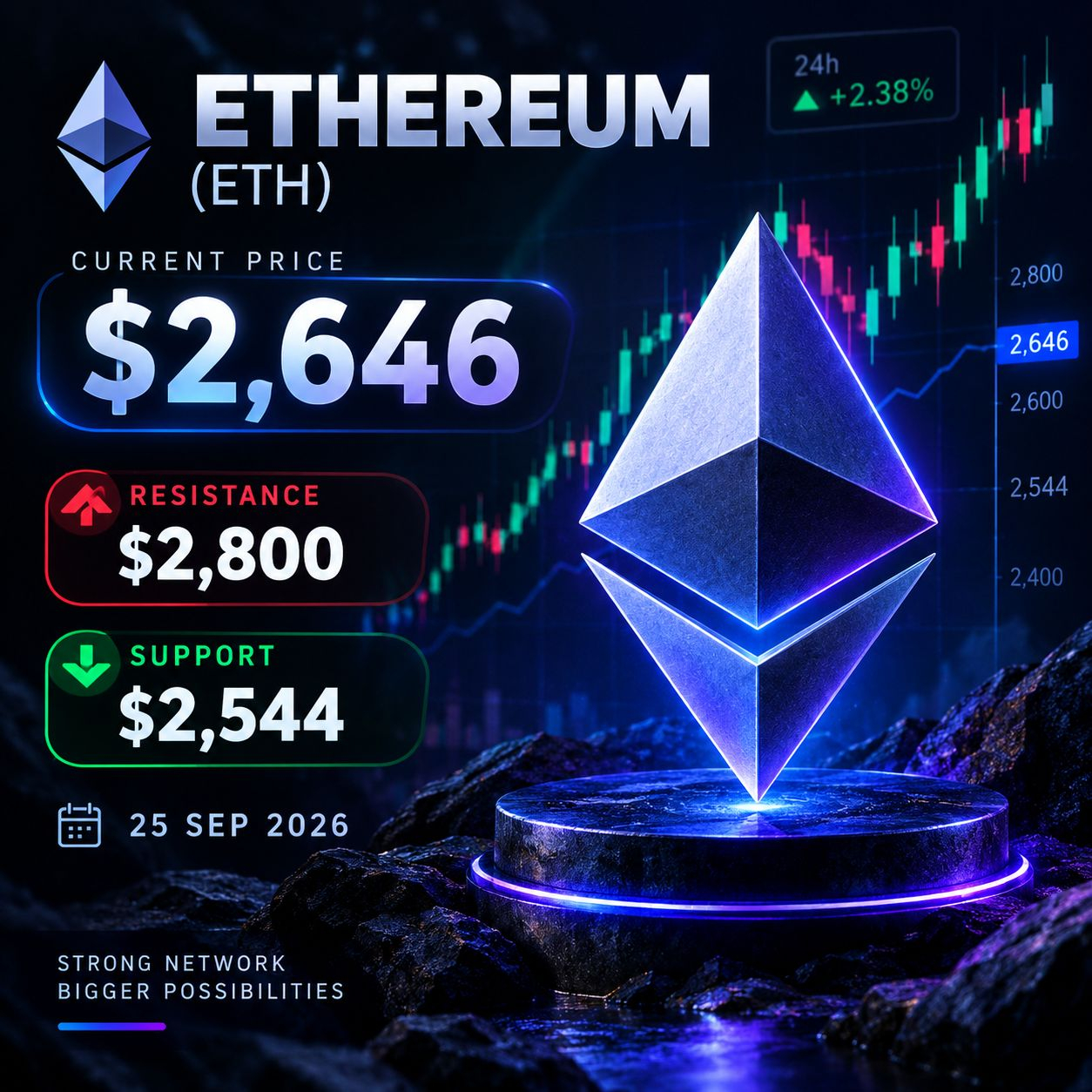
$ETH hiện đang dao động quanh mức $2,646. Vùng $2,800 là mốc quan trọng cần theo dõi, trong khi $2,544 vẫn là khu vực hỗ trợ quan trọng. 📊
Nếu ETH vượt qua kháng cự, thị trường có thể chứng kiến sự thay đổi động lượng mạnh mẽ. 👀🔥
Bước đi tiếp theo có thể còn lớn hơn dự kiến.
#Ethereum
{spot}(ETHUSDT)
#CryptoMining! #ETHUSDT #CryptoNewss #altcoins
⚡ Ethereum đang thức dậy…
$ETH hiện đang dao động quanh mức $2,646. Vùng $2,800 là mốc quan trọng cần theo dõi, trong khi $2,544 vẫn là khu vực hỗ trợ quan trọng. 📊
Nếu ETH vượt qua kháng cự, thị trường có thể chứng kiến sự thay đổi động lượng mạnh mẽ. 👀🔥
Bước đi tiếp theo có thể còn lớn hơn dự kiến.
#Ethereum
#CryptoMining! #ETHUSDT #CryptoNewss #altcoins
1
78

·
--

Bài viết
Hướng dẫn từng bước để hoàn tất xác minh KYC của Pi Network và mở khóa toàn bộ lợi ích🚀 Hoàn thành KYC trên Pi Network của bạn như một chuyên gia! 🚀
Sẵn sàng để mở khóa toàn bộ tiềm năng của tài khoản Pi Network của bạn? 🌐 Sau đây là hướng dẫn từng bước để dễ dàng hoàn tất Xác minh KYC (Biết khách hàng của bạn) của Pi Network:
⭐ Điều kiện tiên quyết
✅ Chuẩn bị sẵn giấy tờ tùy thân hợp lệ do chính phủ cấp
✅ Đảm bảo số điện thoại Pi Network của bạn đã được xác minh
Các bước xác minh KYC:
👉 Bước 1: Truy cập mục KYC
1️⃣ Mở ứng dụng Pi Network
2️⃣ Nhấn vào "KYC"
3️⃣ Nhấp vào "Bắt đầu xác minh KYC"
👉 Bước 2: Chọn Loại ID
Hướng dẫn từng bước để hoàn tất xác minh KYC của Pi Network và mở khóa toàn bộ lợi ích
🚀 Hoàn thành KYC trên Pi Network của bạn như một chuyên gia! 🚀
Sẵn sàng để mở khóa toàn bộ tiềm năng của tài khoản Pi Network của bạn? 🌐 Sau đây là hướng dẫn từng bước để dễ dàng hoàn tất Xác minh KYC (Biết khách hàng của bạn) của Pi Network:
⭐ Điều kiện tiên quyết
✅ Chuẩn bị sẵn giấy tờ tùy thân hợp lệ do chính phủ cấp
✅ Đảm bảo số điện thoại Pi Network của bạn đã được xác minh
Các bước xác minh KYC:
👉 Bước 1: Truy cập mục KYC
1️⃣ Mở ứng dụng Pi Network
2️⃣ Nhấn vào "KYC"
3️⃣ Nhấp vào "Bắt đầu xác minh KYC"
👉 Bước 2: Chọn Loại ID
6
28
7.6k

·
--
Sự Sụt Giảm Vào Thứ Sáu So Với Hiệu Suất Năm 2026: Sự Phân Kỳ Lớn Của Các Thợ Mỏ Bitcoin
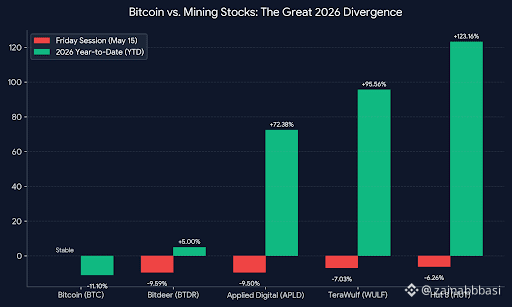
Các thợ mỏ Bitcoin niêm yết công khai đã chịu một cú đòn mạnh vào thứ Sáu (15 tháng 5, 2026), với các cổ phiếu lớn giảm từ 2.52% đến 9.59% chỉ trong một phiên giao dịch.
Tuy nhiên, nhìn vào bức tranh tổng thể, lợi nhuận từ đầu năm (YTD) của họ vẫn hoàn toàn vượt trội so với hiệu suất của Bitcoin.
Dưới đây là những gì đang diễn ra bên dưới bề mặt:
🔹 Sự Điều Chỉnh Vào Thứ Sáu: Các nhà lãnh đạo ngành đã chịu thiệt hại, với Bitdeer ($BTDR) giảm 9.59%, Applied Digital ($APLD) giảm 9.50%, và Hut 8 ($HUT) giảm 6.26%.
🔹 Chiến Thắng Vĩ Mô: Dù có sự sụt giảm ngắn hạn, các cổ phiếu khai thác hàng đầu vẫn là những người chiến thắng lớn trong năm 2026. Trong khi Bitcoin ($BTC) đang lùi lại với hiệu suất YTD âm -11.10% (giao dịch quanh mức $77,849), các công ty như Hut 8 (+123.16% YTD) và TeraWulf (+95.56% YTD) đang ở trong vùng xanh vững chắc.
🔹 Tại Sao Có Sự Tách Biệt? Các thợ mỏ hàng đầu không còn chỉ là những kẻ chơi crypto thuần túy nữa. Sự vượt trội YTD lớn này được thúc đẩy bởi sự chuyển hướng chiến lược của họ vào cơ sở hạ tầng AI, Tính Toán Hiệu Suất Cao (HPC), và công nghệ đám mây.
Dưới Đây Là Kết Luận: Biến động ngắn hạn là điều bình thường trong thị trường chứng khoán, nhưng sự đa dạng hóa hoạt động vào AI đang mang lại cho các thợ mỏ hiện đại một hướng tăng trưởng hoàn toàn khác so với các chu kỳ halving truyền thống.
Bạn đang giữ BTC giao ngay hay đặt cược vào lớp hạ tầng trong chu kỳ này? Hãy thảo luận dưới đây. 👇
#CryptoMining! #AIInvestments frastructure #HPC #Web3 #FinancialGrowth nce2026 #BitcoinMiners
{spot}(BTCUSDT)
Sự Sụt Giảm Vào Thứ Sáu So Với Hiệu Suất Năm 2026: Sự Phân Kỳ Lớn Của Các Thợ Mỏ Bitcoin
Các thợ mỏ Bitcoin niêm yết công khai đã chịu một cú đòn mạnh vào thứ Sáu (15 tháng 5, 2026), với các cổ phiếu lớn giảm từ 2.52% đến 9.59% chỉ trong một phiên giao dịch.
Tuy nhiên, nhìn vào bức tranh tổng thể, lợi nhuận từ đầu năm (YTD) của họ vẫn hoàn toàn vượt trội so với hiệu suất của Bitcoin.
Dưới đây là những gì đang diễn ra bên dưới bề mặt:
🔹 Sự Điều Chỉnh Vào Thứ Sáu: Các nhà lãnh đạo ngành đã chịu thiệt hại, với Bitdeer ($BTDR) giảm 9.59%, Applied Digital ($APLD) giảm 9.50%, và Hut 8 ($HUT) giảm 6.26%.
🔹 Chiến Thắng Vĩ Mô: Dù có sự sụt giảm ngắn hạn, các cổ phiếu khai thác hàng đầu vẫn là những người chiến thắng lớn trong năm 2026. Trong khi Bitcoin ($BTC) đang lùi lại với hiệu suất YTD âm -11.10% (giao dịch quanh mức $77,849), các công ty như Hut 8 (+123.16% YTD) và TeraWulf (+95.56% YTD) đang ở trong vùng xanh vững chắc.
🔹 Tại Sao Có Sự Tách Biệt? Các thợ mỏ hàng đầu không còn chỉ là những kẻ chơi crypto thuần túy nữa. Sự vượt trội YTD lớn này được thúc đẩy bởi sự chuyển hướng chiến lược của họ vào cơ sở hạ tầng AI, Tính Toán Hiệu Suất Cao (HPC), và công nghệ đám mây.
Dưới Đây Là Kết Luận: Biến động ngắn hạn là điều bình thường trong thị trường chứng khoán, nhưng sự đa dạng hóa hoạt động vào AI đang mang lại cho các thợ mỏ hiện đại một hướng tăng trưởng hoàn toàn khác so với các chu kỳ halving truyền thống.
Bạn đang giữ BTC giao ngay hay đặt cược vào lớp hạ tầng trong chu kỳ này? Hãy thảo luận dưới đây. 👇
#CryptoMining! #AIInvestments frastructure #HPC #Web3 #FinancialGrowth nce2026 #BitcoinMiners
183

·
--
2️⃣ Ủy ban Đổi mới của CFTC — 20/8
3️⃣ Luật tiền mã hóa của Nga — 1/9
⚖️ CFTC có thể ban hành quy định tạm thời nếu Quốc hội chậm trễ
🌍 Nga đưa thị trường “xám” vào quy định đầy đủ
Cả hai = rõ ràng hơn & nhu cầu mang tính thể chế
#CryptoMining!
2️⃣ Ủy ban Đổi mới của CFTC — 20/8
3️⃣ Luật tiền mã hóa của Nga — 1/9
⚖️ CFTC có thể ban hành quy định tạm thời nếu Quốc hội chậm trễ
🌍 Nga đưa thị trường “xám” vào quy định đầy đủ
Cả hai = rõ ràng hơn & nhu cầu mang tính thể chế
#CryptoMining!
3️⃣ Luật tiền mã hóa của Nga — 1/9
⚖️ CFTC có thể ban hành quy định tạm thời nếu Quốc hội chậm trễ
🌍 Nga đưa thị trường “xám” vào quy định đầy đủ
Cả hai = rõ ràng hơn & nhu cầu mang tính thể chế
#CryptoMining!

81
Đăng nhập để khám phá thêm nội dung
Tham gia cùng người dùng tiền mã hóa toàn cầu trên Binance Square
⚡️ Nhận thông tin mới nhất và hữu ích về tiền mã hóa.
💬 Được tin cậy bởi sàn giao dịch tiền mã hóa lớn nhất thế giới.
👍 Khám phá những thông tin chuyên sâu thực tế từ những nhà sáng tạo đã xác minh.
Email / Số điện thoại
Chủ đề thịnh hành
1
#TheoDõiFOMC
317,080 lượt xem
1,361 đang thảo luận
2
#TinFed
389,149 lượt xem
1,085 đang thảo luận
3
#BinanceReopensWithdrawalsForMoreAssets
46,574 lượt xem
988 đang thảo luận
4
#AppleReportsMixedResults
27,082 lượt xem
682 đang thảo luận
5
#BinanceHourlyDepositsExceedWithdrawals
13,661 lượt xem
334 đang thảo luận
6
#PalantirSlides3PercentOn$2BRevenue
1,059 lượt xem
21 đang thảo luận
7
#FrenchAssemblyRejectsTwoCryptoExitTaxProposals
75 lượt xem
15 đang thảo luận
8
#USMidtermElections
754,580 lượt xem
4,110 đang thảo luận
9
#ThailandSECProposesDerivativesLicensesForDigitalAssetOperators
70 lượt xem
6 đang thảo luận
10
#Nasdaq100EntersCorrection
2,247 lượt xem
65 đang thảo luận