

#blockchain
blockchain
34.8M lượt xem
163,120 đang thảo luận
Phổ biến
Mới nhất
Xem bản dịch
تعتبر تقنية البلوكشين (Blockchain) العمود الفقري للعملات الرقمية، حيث توفر بيئة تداول آمنة وشفافة دون الحاجة إلى وسيط.
💡 من أهم مميزات البلوكشين:
اللامركزية: عدم وجود سلطة مركزية تتحكم في البيانات.
الأمان العالي: صعوبة التلاعب بالسجلات والتغيير فيها.
الشفافية: إمكانية التحقق من جميع المعاملات بشكل علني.
ما هو رأيك في مستقبل تقنية البلوكشين وتأثيرها على الأسواق المالية؟ شاركونا آراءكم! 👇
#Crypto #blockchain #BinanceSquareTalks
#SquareFamilly
تعتبر تقنية البلوكشين (Blockchain) العمود الفقري للعملات الرقمية، حيث توفر بيئة تداول آمنة وشفافة دون الحاجة إلى وسيط.
💡 من أهم مميزات البلوكشين:
اللامركزية: عدم وجود سلطة مركزية تتحكم في البيانات.
الأمان العالي: صعوبة التلاعب بالسجلات والتغيير فيها.
الشفافية: إمكانية التحقق من جميع المعاملات بشكل علني.
ما هو رأيك في مستقبل تقنية البلوكشين وتأثيرها على الأسواق المالية؟ شاركونا آراءكم! 👇
#Crypto #blockchain #BinanceSquareTalks
#SquareFamilly
💡 من أهم مميزات البلوكشين:
اللامركزية: عدم وجود سلطة مركزية تتحكم في البيانات.
الأمان العالي: صعوبة التلاعب بالسجلات والتغيير فيها.
الشفافية: إمكانية التحقق من جميع المعاملات بشكل علني.
ما هو رأيك في مستقبل تقنية البلوكشين وتأثيرها على الأسواق المالية؟ شاركونا آراءكم! 👇
#Crypto #blockchain #BinanceSquareTalks
#SquareFamilly
47
·
--
Blockchain Cần Khả Năng Thay Thế Mật MãBảo mật blockchain hậu lượng tử không phải là một lần chuyển đổi bằng một cú nhấp chuột. Đó là một quá trình di cư được phối hợp trên mọi nơi cấp quyền cho giá trị hoặc dùng để chứng minh trạng thái.
Lớp bề mặt hiển nhiên chính là chữ ký của ví, nhưng đó chỉ mới là bước đầu. Các khóa của trình xác thực, ủy ban cầu nối (bridge), người ký oracle, multisig của DAO, bộ sequencer của rollup, ví phần cứng, HSM lưu trữ (custody) và các smart contract tồn tại lâu dài đều có thể phụ thuộc vào mật mã truyền thống. Một chuỗi có thể củng cố lớp nền của mình trong khi một cầu nối cũ hoặc tập người ký vẫn còn bị lộ.
Blockchain Cần Khả Năng Thay Thế Mật Mã
Bảo mật blockchain hậu lượng tử không phải là một lần chuyển đổi bằng một cú nhấp chuột. Đó là một quá trình di cư được phối hợp trên mọi nơi cấp quyền cho giá trị hoặc dùng để chứng minh trạng thái.
Lớp bề mặt hiển nhiên chính là chữ ký của ví, nhưng đó chỉ mới là bước đầu. Các khóa của trình xác thực, ủy ban cầu nối (bridge), người ký oracle, multisig của DAO, bộ sequencer của rollup, ví phần cứng, HSM lưu trữ (custody) và các smart contract tồn tại lâu dài đều có thể phụ thuộc vào mật mã truyền thống. Một chuỗi có thể củng cố lớp nền của mình trong khi một cầu nối cũ hoặc tập người ký vẫn còn bị lộ.
Lớp bề mặt hiển nhiên chính là chữ ký của ví, nhưng đó chỉ mới là bước đầu. Các khóa của trình xác thực, ủy ban cầu nối (bridge), người ký oracle, multisig của DAO, bộ sequencer của rollup, ví phần cứng, HSM lưu trữ (custody) và các smart contract tồn tại lâu dài đều có thể phụ thuộc vào mật mã truyền thống. Một chuỗi có thể củng cố lớp nền của mình trong khi một cầu nối cũ hoặc tập người ký vẫn còn bị lộ.
82
·
--
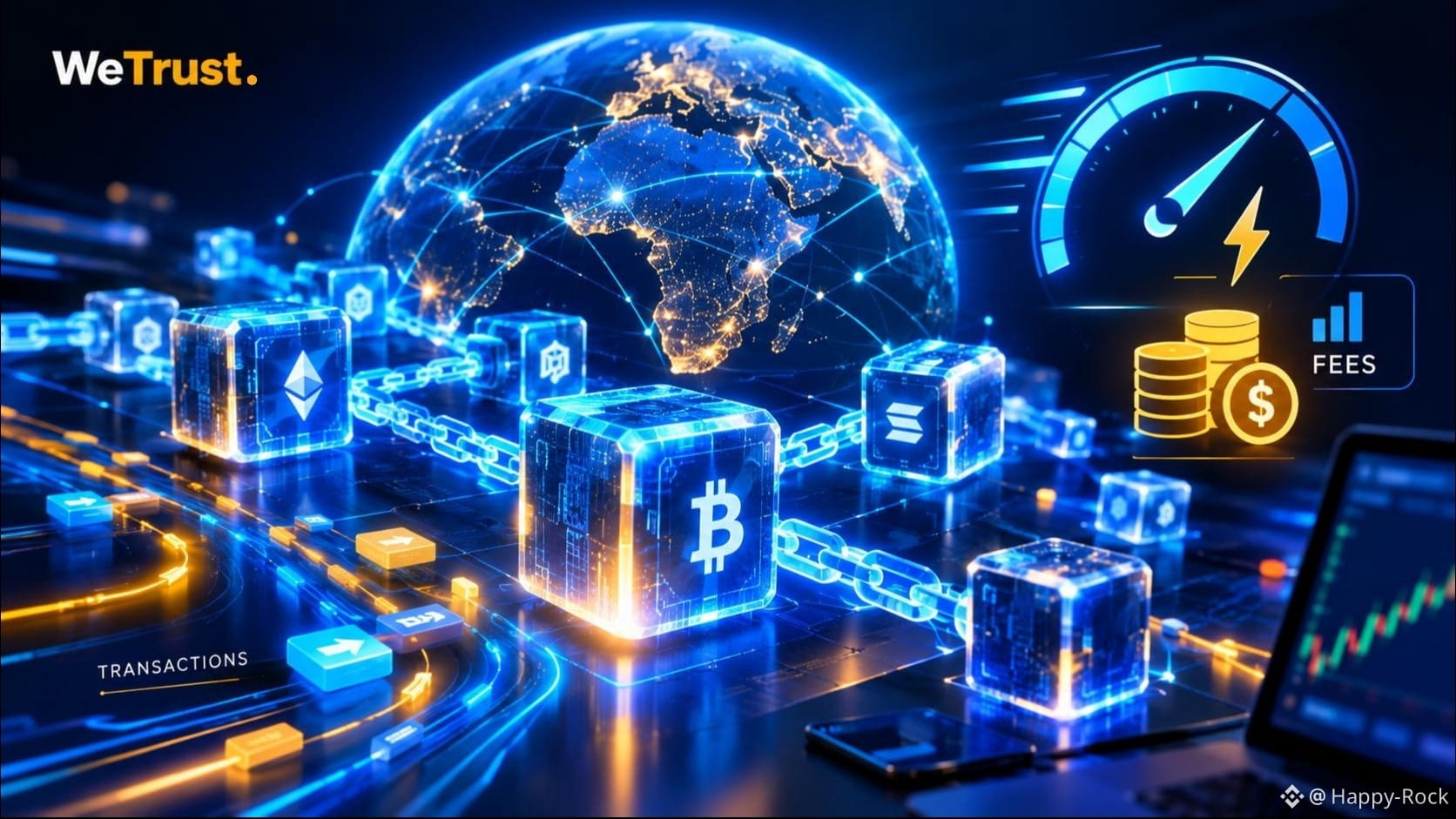
⚙️ Tại sao một blockchain nhanh có thể lại trở nên đắt đỏ?
Người ta thường nghe câu: « Blockchain này nhanh, vậy giao dịch hẳn phải có chi phí thấp. »
Không hẳn.
Một blockchain có thể xác nhận giao dịch chỉ trong vài giây đồng thời vẫn hiển thị mức phí cao.
Vì sao vậy?
Bởi vì tốc độ và năng lực không phải là một.
Mỗi mạng lưới đều có nguồn lực giới hạn: dung lượng trong các khối (block), năng lực xử lý và các tài nguyên cần thiết cho các trình xác thực (validator).
Khi nhu cầu tăng mạnh, người dùng có thể phải cạnh tranh với nhau để được ghi nhận giao dịch của mình.
Kết quả: một blockchain có thể vẫn rất nhanh nhưng lại trở nên đắt hơn khi sử dụng.
👉 Vì vậy, “nhanh” không nhất thiết đồng nghĩa với “rẻ”.
Đây là một trong những khái niệm quan trọng cần hiểu trước khi so sánh các blockchain.
Theo bạn, điều gì quan trọng hơn: tốc độ hay phí?
#blockchain #Crypto #Web3 #education
⚙️ Tại sao một blockchain nhanh có thể lại trở nên đắt đỏ?
Người ta thường nghe câu: « Blockchain này nhanh, vậy giao dịch hẳn phải có chi phí thấp. »
Không hẳn.
Một blockchain có thể xác nhận giao dịch chỉ trong vài giây đồng thời vẫn hiển thị mức phí cao.
Vì sao vậy?
Bởi vì tốc độ và năng lực không phải là một.
Mỗi mạng lưới đều có nguồn lực giới hạn: dung lượng trong các khối (block), năng lực xử lý và các tài nguyên cần thiết cho các trình xác thực (validator).
Khi nhu cầu tăng mạnh, người dùng có thể phải cạnh tranh với nhau để được ghi nhận giao dịch của mình.
Kết quả: một blockchain có thể vẫn rất nhanh nhưng lại trở nên đắt hơn khi sử dụng.
👉 Vì vậy, “nhanh” không nhất thiết đồng nghĩa với “rẻ”.
Đây là một trong những khái niệm quan trọng cần hiểu trước khi so sánh các blockchain.
Theo bạn, điều gì quan trọng hơn: tốc độ hay phí?
#blockchain #Crypto #Web3 #education
Người ta thường nghe câu: « Blockchain này nhanh, vậy giao dịch hẳn phải có chi phí thấp. »
Không hẳn.
Một blockchain có thể xác nhận giao dịch chỉ trong vài giây đồng thời vẫn hiển thị mức phí cao.
Vì sao vậy?
Bởi vì tốc độ và năng lực không phải là một.
Mỗi mạng lưới đều có nguồn lực giới hạn: dung lượng trong các khối (block), năng lực xử lý và các tài nguyên cần thiết cho các trình xác thực (validator).
Khi nhu cầu tăng mạnh, người dùng có thể phải cạnh tranh với nhau để được ghi nhận giao dịch của mình.
Kết quả: một blockchain có thể vẫn rất nhanh nhưng lại trở nên đắt hơn khi sử dụng.
👉 Vì vậy, “nhanh” không nhất thiết đồng nghĩa với “rẻ”.
Đây là một trong những khái niệm quan trọng cần hiểu trước khi so sánh các blockchain.
Theo bạn, điều gì quan trọng hơn: tốc độ hay phí?
#blockchain #Crypto #Web3 #education
98

·
--
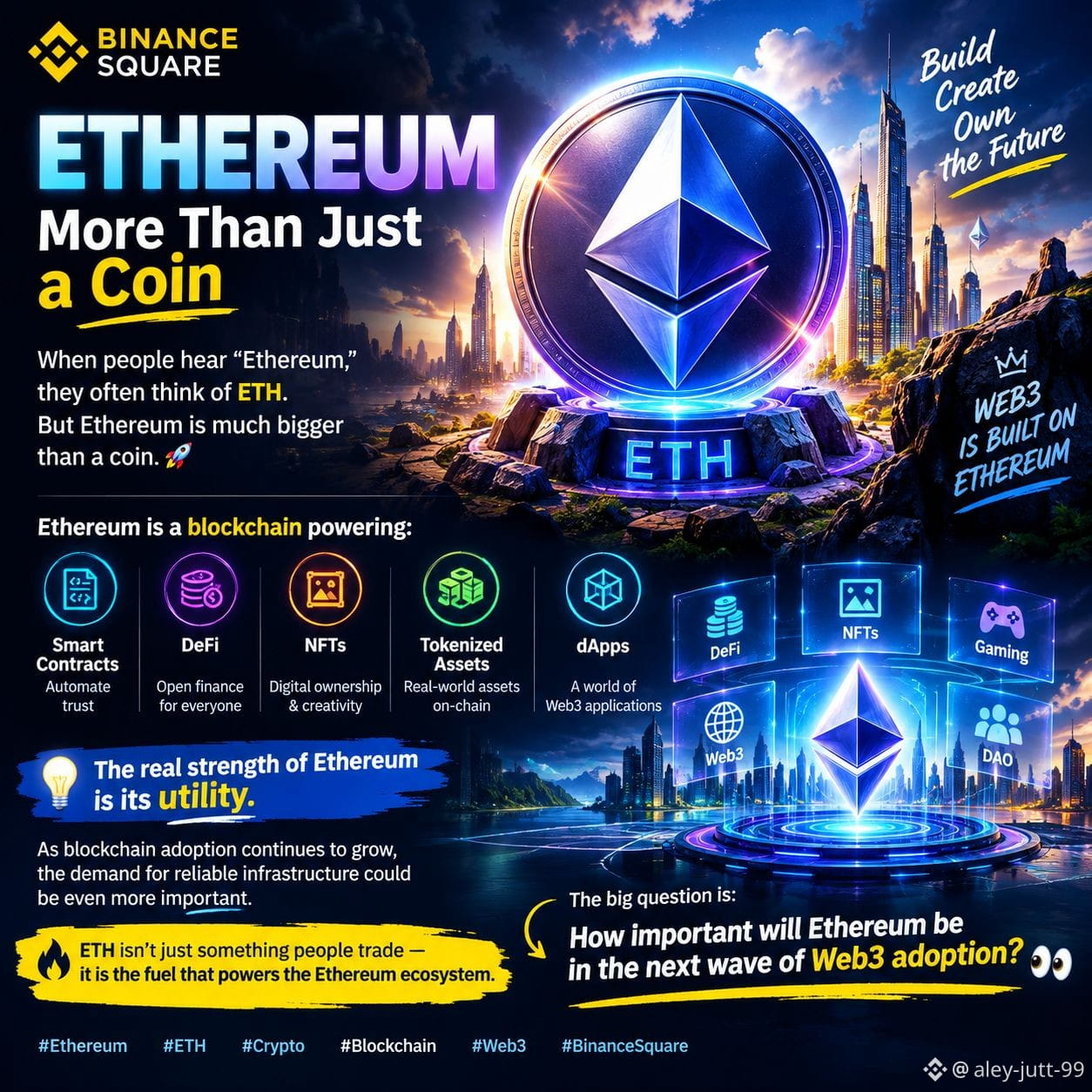
🚀 Ethereum không chỉ là một loại tiền mã hóa
Khi mọi người nghe “Ethereum”, họ thường nghĩ đến $ETH .
Nhưng Ethereum còn lớn hơn một đồng xu rất nhiều. 🌐
Nó là một blockchain hỗ trợ hợp đồng thông minh, DeFi, NFT, tài sản được mã hóa và cả một hệ sinh thái ứng dụng.
Sức mạnh thực sự của Ethereum nằm ở tính hữu dụng.
Khi việc ứng dụng blockchain tiếp tục phát triển, nhu cầu về hạ tầng tin cậy có thể còn trở nên quan trọng hơn.
💡 $ETH không chỉ là thứ người ta giao dịch — đó là nhiên liệu vận hành hệ sinh thái Ethereum.
Câu hỏi lớn là:
Ethereum sẽ quan trọng đến mức nào trong làn sóng tiếp theo của việc áp dụng Web3? 👀
#Ethereum #crypto #blockchain #Web3 #BinanceSquare
{spot}(ETHUSDT)
🚀 Ethereum không chỉ là một loại tiền mã hóa
Khi mọi người nghe “Ethereum”, họ thường nghĩ đến $ETH .
Nhưng Ethereum còn lớn hơn một đồng xu rất nhiều. 🌐
Nó là một blockchain hỗ trợ hợp đồng thông minh, DeFi, NFT, tài sản được mã hóa và cả một hệ sinh thái ứng dụng.
Sức mạnh thực sự của Ethereum nằm ở tính hữu dụng.
Khi việc ứng dụng blockchain tiếp tục phát triển, nhu cầu về hạ tầng tin cậy có thể còn trở nên quan trọng hơn.
💡 $ETH không chỉ là thứ người ta giao dịch — đó là nhiên liệu vận hành hệ sinh thái Ethereum.
Câu hỏi lớn là:
Ethereum sẽ quan trọng đến mức nào trong làn sóng tiếp theo của việc áp dụng Web3? 👀
#Ethereum #crypto #blockchain #Web3 #BinanceSquare
Khi mọi người nghe “Ethereum”, họ thường nghĩ đến $ETH .
Nhưng Ethereum còn lớn hơn một đồng xu rất nhiều. 🌐
Nó là một blockchain hỗ trợ hợp đồng thông minh, DeFi, NFT, tài sản được mã hóa và cả một hệ sinh thái ứng dụng.
Sức mạnh thực sự của Ethereum nằm ở tính hữu dụng.
Khi việc ứng dụng blockchain tiếp tục phát triển, nhu cầu về hạ tầng tin cậy có thể còn trở nên quan trọng hơn.
💡 $ETH không chỉ là thứ người ta giao dịch — đó là nhiên liệu vận hành hệ sinh thái Ethereum.
Câu hỏi lớn là:
Ethereum sẽ quan trọng đến mức nào trong làn sóng tiếp theo của việc áp dụng Web3? 👀
#Ethereum #crypto #blockchain #Web3 #BinanceSquare
Hay Thar2026:
eth
33
1
2
33

📊 Dữ liệu DeFiLlama cho thấy những thách thức trong việc tạo phí giao dịch trên blockchain
Dữ liệu mới từ nền tảng DeFiLlama cho thấy phần lớn các blockchain, cụ thể là 71% trong số đó, đã không ghi nhận bất kỳ khoản phí giao dịch nào trong khoảng thời gian 24 giờ. Cách phân bổ không đồng đều về việc tạo phí cho thấy một số lượng hạn chế các mạng đang thống trị hoạt động kinh tế trong lĩnh vực blockchain, qua đó làm nổi bật những thách thức mà các dự án ít được sử dụng phải đối mặt.
━━━━━━━━━━━━━━
📊 Tác động: 📈 Cao
🏷️ DEFI
#Blockchain #DeFi #CryptoFees #MarketAnalysis #Decentralization
📰 Nguồn: cryptobriefing.com
📊 Dữ liệu DeFiLlama cho thấy những thách thức trong việc tạo phí giao dịch trên blockchain
Dữ liệu mới từ nền tảng DeFiLlama cho thấy phần lớn các blockchain, cụ thể là 71% trong số đó, đã không ghi nhận bất kỳ khoản phí giao dịch nào trong khoảng thời gian 24 giờ. Cách phân bổ không đồng đều về việc tạo phí cho thấy một số lượng hạn chế các mạng đang thống trị hoạt động kinh tế trong lĩnh vực blockchain, qua đó làm nổi bật những thách thức mà các dự án ít được sử dụng phải đối mặt.
━━━━━━━━━━━━━━
📊 Tác động: 📈 Cao
🏷️ DEFI
#Blockchain #DeFi #CryptoFees #MarketAnalysis #Decentralization
📰 Nguồn: cryptobriefing.com
Dữ liệu mới từ nền tảng DeFiLlama cho thấy phần lớn các blockchain, cụ thể là 71% trong số đó, đã không ghi nhận bất kỳ khoản phí giao dịch nào trong khoảng thời gian 24 giờ. Cách phân bổ không đồng đều về việc tạo phí cho thấy một số lượng hạn chế các mạng đang thống trị hoạt động kinh tế trong lĩnh vực blockchain, qua đó làm nổi bật những thách thức mà các dự án ít được sử dụng phải đối mặt.
━━━━━━━━━━━━━━
📊 Tác động: 📈 Cao
🏷️ DEFI
#Blockchain #DeFi #CryptoFees #MarketAnalysis #Decentralization
📰 Nguồn: cryptobriefing.com
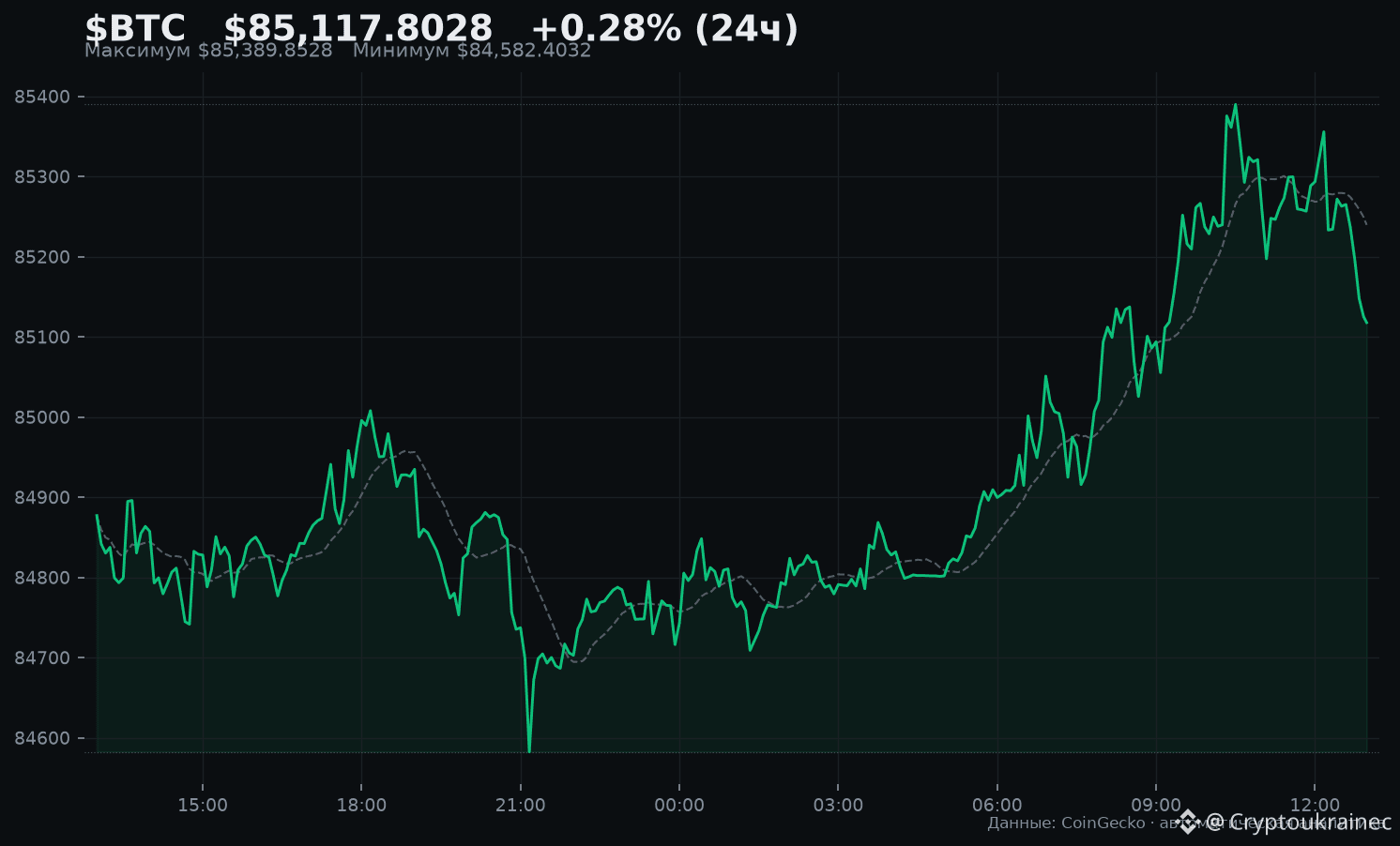
ECB đã giới thiệu ba mô hình chuyển tiền của ngân hàng trung ương lên blockchain. Đó là việc token hóa các dự trữ tiền, thực chất có nghĩa là sự thừa nhận mang tính thể chế đối với DLT như một cơ sở hạ tầng tài chính. Đây là tín hiệu trực tiếp: TradFi đang được tích hợp vào blockchain không phải như một thử nghiệm, mà như một chiến lược. BTC — $85,102.
$BTC #Blockchain #RWA
ECB đã giới thiệu ba mô hình chuyển tiền của ngân hàng trung ương lên blockchain. Đó là việc token hóa các dự trữ tiền, thực chất có nghĩa là sự thừa nhận mang tính thể chế đối với DLT như một cơ sở hạ tầng tài chính. Đây là tín hiệu trực tiếp: TradFi đang được tích hợp vào blockchain không phải như một thử nghiệm, mà như một chiến lược. BTC — $85,102.
$BTC #Blockchain #RWA
$BTC #Blockchain #RWA
12

·
--
CÂU HỎI CRYPTO MÀ KHÔNG AI HỎI #07
⚡🌐 BLOCKCHAIN CÓ THỂ TRỞ THÀNH MỘT CÔNG TY TIỆN ÍCH KHÔNG?
Khi hầu hết mọi người nghe đến “blockchain”, họ nghĩ đến:
Bitcoin.
Ethereum.
Giao dịch.
DeFi.
Nhưng nếu công nghệ blockchain có thể điều phối cơ sở hạ tầng vật lý thì sao?
Hãy tưởng tượng hàng nghìn người vận hành các thiết bị vật lý:
📡 Điểm phát Wi‑Fi (hotspot) internet
🛰️ Mạng không dây
💾 Thiết bị lưu trữ
⚡ Hạ tầng năng lượng
🚗 Cảm biến và phương tiện kết nối
Những thiết bị này cung cấp dịch vụ ngoài đời thực.
Blockchain có thể được dùng để phối hợp các bên tham gia, ghi nhận đóng góp và phân phối phần thưởng số theo các quy tắc được đặt trước.
Khái niệm này thường được gọi là:
DePIN — Mạng lưới Hạ tầng Vật lý Phi tập trung.
Điểm thú vị là sản phẩm không nhất thiết phải là token.
Sản phẩm có thể chính là dịch vụ ngoài đời thực.
Ví dụ:
Một người cung cấp phủ sóng không dây.
Người khác cung cấp dung lượng lưu trữ.
Người khác đóng góp tài nguyên tính toán.
Người dùng tiêu thụ các dịch vụ đó.
Mạng lưới ghi lại hoạt động và các bên tham gia có thể nhận ưu đãi số.
Vì vậy thay vì:
“Buy token này vì có thể nó sẽ tăng giá.”
Câu hỏi quan trọng hơn trở thành:
“Có ai thực sự đang sử dụng hạ tầng đó không?”
Điểm khác biệt này rất quan trọng.
Một dự án có thể có một token thú vị nhưng vẫn thiếu nhu cầu thực tế ngoài đời.
Nhưng nếu mọi người thực sự trả tiền cho một dịch vụ hữu ích, thì nền kinh tế sẽ trở nên đáng chú ý hơn nhiều.
Do đó, DePIN đặt ra một câu hỏi lớn hơn về crypto:
Mạng lưới phi tập trung có thể cạnh tranh với các công ty truyền thống trong việc xây dựng hạ tầng vật lý không?
Có lẽ tương lai của crypto không chỉ nằm ở tài sản kỹ thuật số.
Có lẽ một phần của nó là dùng các ưu đãi số để điều phối các nguồn lực ngoài đời thực.
👇 Bạn muốn thấy hạ tầng vật lý nào được phi tập trung nhất?
Internet, điện, lưu trữ, điện toán hay thứ khác?
#CryptoQuestions #DePIN #Blockchain #Infrastructure
CÂU HỎI CRYPTO MÀ KHÔNG AI HỎI #07
⚡🌐 BLOCKCHAIN CÓ THỂ TRỞ THÀNH MỘT CÔNG TY TIỆN ÍCH KHÔNG?
Khi hầu hết mọi người nghe đến “blockchain”, họ nghĩ đến:
Bitcoin.
Ethereum.
Giao dịch.
DeFi.
Nhưng nếu công nghệ blockchain có thể điều phối cơ sở hạ tầng vật lý thì sao?
Hãy tưởng tượng hàng nghìn người vận hành các thiết bị vật lý:
📡 Điểm phát Wi‑Fi (hotspot) internet
🛰️ Mạng không dây
💾 Thiết bị lưu trữ
⚡ Hạ tầng năng lượng
🚗 Cảm biến và phương tiện kết nối
Những thiết bị này cung cấp dịch vụ ngoài đời thực.
Blockchain có thể được dùng để phối hợp các bên tham gia, ghi nhận đóng góp và phân phối phần thưởng số theo các quy tắc được đặt trước.
Khái niệm này thường được gọi là:
DePIN — Mạng lưới Hạ tầng Vật lý Phi tập trung.
Điểm thú vị là sản phẩm không nhất thiết phải là token.
Sản phẩm có thể chính là dịch vụ ngoài đời thực.
Ví dụ:
Một người cung cấp phủ sóng không dây.
Người khác cung cấp dung lượng lưu trữ.
Người khác đóng góp tài nguyên tính toán.
Người dùng tiêu thụ các dịch vụ đó.
Mạng lưới ghi lại hoạt động và các bên tham gia có thể nhận ưu đãi số.
Vì vậy thay vì:
“Buy token này vì có thể nó sẽ tăng giá.”
Câu hỏi quan trọng hơn trở thành:
“Có ai thực sự đang sử dụng hạ tầng đó không?”
Điểm khác biệt này rất quan trọng.
Một dự án có thể có một token thú vị nhưng vẫn thiếu nhu cầu thực tế ngoài đời.
Nhưng nếu mọi người thực sự trả tiền cho một dịch vụ hữu ích, thì nền kinh tế sẽ trở nên đáng chú ý hơn nhiều.
Do đó, DePIN đặt ra một câu hỏi lớn hơn về crypto:
Mạng lưới phi tập trung có thể cạnh tranh với các công ty truyền thống trong việc xây dựng hạ tầng vật lý không?
Có lẽ tương lai của crypto không chỉ nằm ở tài sản kỹ thuật số.
Có lẽ một phần của nó là dùng các ưu đãi số để điều phối các nguồn lực ngoài đời thực.
👇 Bạn muốn thấy hạ tầng vật lý nào được phi tập trung nhất?
Internet, điện, lưu trữ, điện toán hay thứ khác?
#CryptoQuestions #DePIN #Blockchain #Infrastructure
⚡🌐 BLOCKCHAIN CÓ THỂ TRỞ THÀNH MỘT CÔNG TY TIỆN ÍCH KHÔNG?
Khi hầu hết mọi người nghe đến “blockchain”, họ nghĩ đến:
Bitcoin.
Ethereum.
Giao dịch.
DeFi.
Nhưng nếu công nghệ blockchain có thể điều phối cơ sở hạ tầng vật lý thì sao?
Hãy tưởng tượng hàng nghìn người vận hành các thiết bị vật lý:
📡 Điểm phát Wi‑Fi (hotspot) internet
🛰️ Mạng không dây
💾 Thiết bị lưu trữ
⚡ Hạ tầng năng lượng
🚗 Cảm biến và phương tiện kết nối
Những thiết bị này cung cấp dịch vụ ngoài đời thực.
Blockchain có thể được dùng để phối hợp các bên tham gia, ghi nhận đóng góp và phân phối phần thưởng số theo các quy tắc được đặt trước.
Khái niệm này thường được gọi là:
DePIN — Mạng lưới Hạ tầng Vật lý Phi tập trung.
Điểm thú vị là sản phẩm không nhất thiết phải là token.
Sản phẩm có thể chính là dịch vụ ngoài đời thực.
Ví dụ:
Một người cung cấp phủ sóng không dây.
Người khác cung cấp dung lượng lưu trữ.
Người khác đóng góp tài nguyên tính toán.
Người dùng tiêu thụ các dịch vụ đó.
Mạng lưới ghi lại hoạt động và các bên tham gia có thể nhận ưu đãi số.
Vì vậy thay vì:
“Buy token này vì có thể nó sẽ tăng giá.”
Câu hỏi quan trọng hơn trở thành:
“Có ai thực sự đang sử dụng hạ tầng đó không?”
Điểm khác biệt này rất quan trọng.
Một dự án có thể có một token thú vị nhưng vẫn thiếu nhu cầu thực tế ngoài đời.
Nhưng nếu mọi người thực sự trả tiền cho một dịch vụ hữu ích, thì nền kinh tế sẽ trở nên đáng chú ý hơn nhiều.
Do đó, DePIN đặt ra một câu hỏi lớn hơn về crypto:
Mạng lưới phi tập trung có thể cạnh tranh với các công ty truyền thống trong việc xây dựng hạ tầng vật lý không?
Có lẽ tương lai của crypto không chỉ nằm ở tài sản kỹ thuật số.
Có lẽ một phần của nó là dùng các ưu đãi số để điều phối các nguồn lực ngoài đời thực.
👇 Bạn muốn thấy hạ tầng vật lý nào được phi tập trung nhất?
Internet, điện, lưu trữ, điện toán hay thứ khác?
#CryptoQuestions #DePIN #Blockchain #Infrastructure
89
Viết
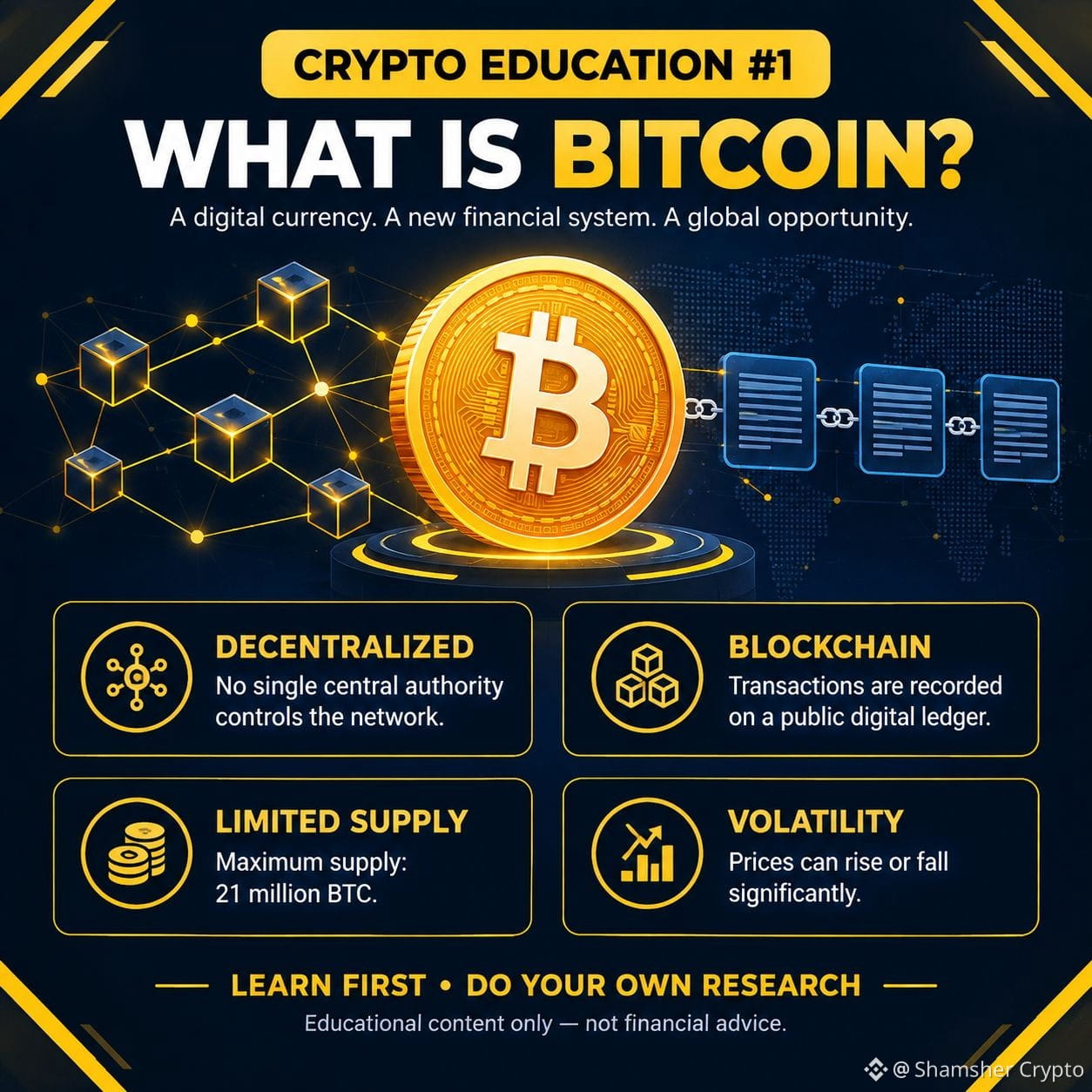
📚 GIÁO DỤC CRYPTO #1: BITCOIN LÀ GÌ?
🟠 Bitcoin ($BTC) là loại tiền mã hóa phi tập trung nổi tiếng rộng rãi đầu tiên trên thế giới.
🔹 Phi tập trung: Hoạt động mà không có một ngân hàng trung ương nào kiểm soát mạng lưới. 🔹 Blockchain: Các giao dịch được ghi lại trên một sổ cái số công khai. 🔹 Nguồn cung giới hạn: Bitcoin có tổng cung tối đa là 21 triệu coin. 🔹 Biến động: Giá thị trường của nó có thể tăng hoặc giảm đáng kể. 🔹 Bảo mật: Hãy luôn bảo vệ ví của bạn và không bao giờ chia sẻ cụm từ khôi phục.
💡 Mẹo cho người mới: Hãy học những kiến thức cơ bản trước khi đưa ra quyết định tài chính. Không bao giờ đầu tư số tiền mà bạn không thể mất.
📚 Chỉ mang tính giáo dục — không phải lời khuyên tài chính. Luôn DYOR (Tự nghiên cứu của bạn).
Theo dõi Shamsher Crypto để học thêm về crypto!
#bitcoin #BTC走势分析 #cryptoeducation #blockchain #BinanceSquare
Viết
📚 GIÁO DỤC CRYPTO #1: BITCOIN LÀ GÌ?
🟠 Bitcoin ($BTC) là loại tiền mã hóa phi tập trung nổi tiếng rộng rãi đầu tiên trên thế giới.
🔹 Phi tập trung: Hoạt động mà không có một ngân hàng trung ương nào kiểm soát mạng lưới. 🔹 Blockchain: Các giao dịch được ghi lại trên một sổ cái số công khai. 🔹 Nguồn cung giới hạn: Bitcoin có tổng cung tối đa là 21 triệu coin. 🔹 Biến động: Giá thị trường của nó có thể tăng hoặc giảm đáng kể. 🔹 Bảo mật: Hãy luôn bảo vệ ví của bạn và không bao giờ chia sẻ cụm từ khôi phục.
💡 Mẹo cho người mới: Hãy học những kiến thức cơ bản trước khi đưa ra quyết định tài chính. Không bao giờ đầu tư số tiền mà bạn không thể mất.
📚 Chỉ mang tính giáo dục — không phải lời khuyên tài chính. Luôn DYOR (Tự nghiên cứu của bạn).
Theo dõi Shamsher Crypto để học thêm về crypto!
#bitcoin #BTC走势分析 #cryptoeducation #blockchain #BinanceSquare
📚 GIÁO DỤC CRYPTO #1: BITCOIN LÀ GÌ?
🟠 Bitcoin ($BTC) là loại tiền mã hóa phi tập trung nổi tiếng rộng rãi đầu tiên trên thế giới.
🔹 Phi tập trung: Hoạt động mà không có một ngân hàng trung ương nào kiểm soát mạng lưới. 🔹 Blockchain: Các giao dịch được ghi lại trên một sổ cái số công khai. 🔹 Nguồn cung giới hạn: Bitcoin có tổng cung tối đa là 21 triệu coin. 🔹 Biến động: Giá thị trường của nó có thể tăng hoặc giảm đáng kể. 🔹 Bảo mật: Hãy luôn bảo vệ ví của bạn và không bao giờ chia sẻ cụm từ khôi phục.
💡 Mẹo cho người mới: Hãy học những kiến thức cơ bản trước khi đưa ra quyết định tài chính. Không bao giờ đầu tư số tiền mà bạn không thể mất.
📚 Chỉ mang tính giáo dục — không phải lời khuyên tài chính. Luôn DYOR (Tự nghiên cứu của bạn).
Theo dõi Shamsher Crypto để học thêm về crypto!
#bitcoin #BTC走势分析 #cryptoeducation #blockchain #BinanceSquare
85

🔗 Blockchain là gì?
Blockchain là một hệ thống ghi chép kỹ thuật số lưu trữ các giao dịch trong các khối được liên kết.
Hãy hình dung nó như một sổ cái kỹ thuật số dùng chung có thể được xác minh trên một mạng lưới.
💡 Bitcoin sử dụng công nghệ blockchain để ghi lại các giao dịch.
Bạn có muốn tìm hiểu thêm về crypto bằng ngôn ngữ đơn giản không?
Theo dõi để học crypto hằng ngày. 🚀
⚠️ Chỉ nội dung giáo dục. Crypto có rủi ro.
#Bitcoin #blockchain #cryptoeducation #crypto
🔗 Blockchain là gì?
Blockchain là một hệ thống ghi chép kỹ thuật số lưu trữ các giao dịch trong các khối được liên kết.
Hãy hình dung nó như một sổ cái kỹ thuật số dùng chung có thể được xác minh trên một mạng lưới.
💡 Bitcoin sử dụng công nghệ blockchain để ghi lại các giao dịch.
Bạn có muốn tìm hiểu thêm về crypto bằng ngôn ngữ đơn giản không?
Theo dõi để học crypto hằng ngày. 🚀
⚠️ Chỉ nội dung giáo dục. Crypto có rủi ro.
#Bitcoin #blockchain #cryptoeducation #crypto
Blockchain là một hệ thống ghi chép kỹ thuật số lưu trữ các giao dịch trong các khối được liên kết.
Hãy hình dung nó như một sổ cái kỹ thuật số dùng chung có thể được xác minh trên một mạng lưới.
💡 Bitcoin sử dụng công nghệ blockchain để ghi lại các giao dịch.
Bạn có muốn tìm hiểu thêm về crypto bằng ngôn ngữ đơn giản không?
Theo dõi để học crypto hằng ngày. 🚀
⚠️ Chỉ nội dung giáo dục. Crypto có rủi ro.
#Bitcoin #blockchain #cryptoeducation #crypto
59
·
--
Tăng giá
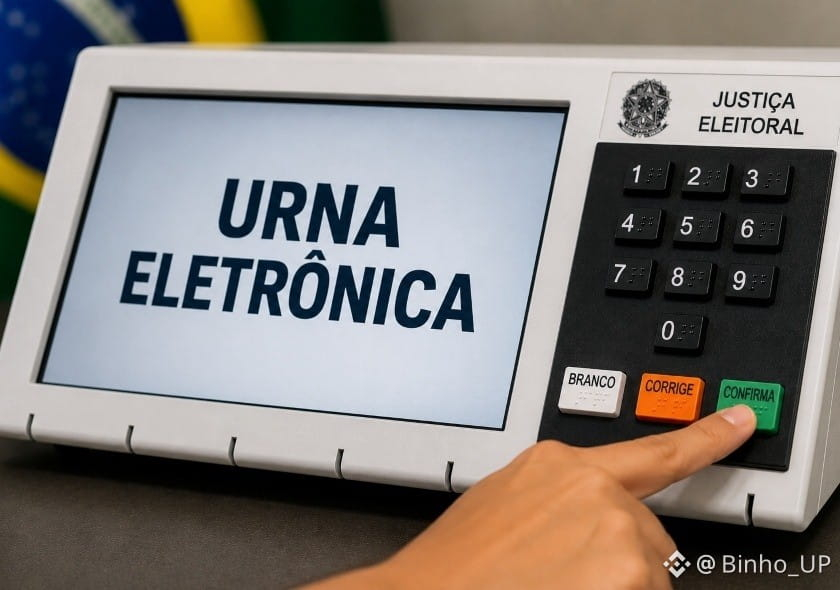
🗳️️ Phiếu Bỏ Điện Tử vs. Blockchain: Tương Lai của Quản Trị
Brazil đã tiên phong trong việc số hóa quy trình bầu cử bằng phiếu bầu điện tử, đảm bảo tốc độ và an toàn khi không cần internet. Nhưng điều đó so với hệ sinh thái crypto như thế nào?
Tập trung vs. Phi tập trung: Phiếu bầu hoạt động với việc xác thực theo hướng tập trung và không kết nối internet. Blockchain phân phối việc xác thực giữa hàng nghìn nút trên toàn cầu.
Mật mã học: Cả hai đều sử dụng hash và chữ ký số để ngăn chặn việc thay đổi. Điểm khác biệt nằm ở hỗ trợ: an ninh vật lý của phần cứng vs. sự đồng thuận của mạng peer-to-peer.
Quản trị: Lô-gic của phiếu bầu truyền cảm hứng cho quản trị on-chain trong các DAO, cho phép các quyết định minh bạch và có thể kiểm chứng thông qua token.
Khi Web3 ngày càng phát triển, bạn có nghĩ rằng tương lai của các cuộc bầu cử quốc gia sẽ được tích hợp vào blockchain không?
👇 Hãy để lại ý kiến của bạn trong phần bình luận!
#crypto #blockchain #governance #Web3 #Brazil $BTC $ETH $SOL
🗳️️ Phiếu Bỏ Điện Tử vs. Blockchain: Tương Lai của Quản Trị
Brazil đã tiên phong trong việc số hóa quy trình bầu cử bằng phiếu bầu điện tử, đảm bảo tốc độ và an toàn khi không cần internet. Nhưng điều đó so với hệ sinh thái crypto như thế nào?
Tập trung vs. Phi tập trung: Phiếu bầu hoạt động với việc xác thực theo hướng tập trung và không kết nối internet. Blockchain phân phối việc xác thực giữa hàng nghìn nút trên toàn cầu.
Mật mã học: Cả hai đều sử dụng hash và chữ ký số để ngăn chặn việc thay đổi. Điểm khác biệt nằm ở hỗ trợ: an ninh vật lý của phần cứng vs. sự đồng thuận của mạng peer-to-peer.
Quản trị: Lô-gic của phiếu bầu truyền cảm hứng cho quản trị on-chain trong các DAO, cho phép các quyết định minh bạch và có thể kiểm chứng thông qua token.
Khi Web3 ngày càng phát triển, bạn có nghĩ rằng tương lai của các cuộc bầu cử quốc gia sẽ được tích hợp vào blockchain không?
👇 Hãy để lại ý kiến của bạn trong phần bình luận!
#crypto #blockchain #governance #Web3 #Brazil $BTC $ETH $SOL
Brazil đã tiên phong trong việc số hóa quy trình bầu cử bằng phiếu bầu điện tử, đảm bảo tốc độ và an toàn khi không cần internet. Nhưng điều đó so với hệ sinh thái crypto như thế nào?
Tập trung vs. Phi tập trung: Phiếu bầu hoạt động với việc xác thực theo hướng tập trung và không kết nối internet. Blockchain phân phối việc xác thực giữa hàng nghìn nút trên toàn cầu.
Mật mã học: Cả hai đều sử dụng hash và chữ ký số để ngăn chặn việc thay đổi. Điểm khác biệt nằm ở hỗ trợ: an ninh vật lý của phần cứng vs. sự đồng thuận của mạng peer-to-peer.
Quản trị: Lô-gic của phiếu bầu truyền cảm hứng cho quản trị on-chain trong các DAO, cho phép các quyết định minh bạch và có thể kiểm chứng thông qua token.
Khi Web3 ngày càng phát triển, bạn có nghĩ rằng tương lai của các cuộc bầu cử quốc gia sẽ được tích hợp vào blockchain không?
👇 Hãy để lại ý kiến của bạn trong phần bình luận!
#crypto #blockchain #governance #Web3 #Brazil $BTC $ETH $SOL
GABGCX:
Fiz um questionamento sincero a cerca do tema
2
3
647

·
--
📚 **Khối Genesis: “Big Bang” Kỹ Thuật Số** Bạn đã bao giờ tự hỏi mọi thứ bắt đầu từ đâu chưa? Trước giao dịch đầu tiên, trước mọi cơn sốt, đã có một khối dữ liệu duy nhất. Khối Genesis là nền tảng của mọi blockchain, một “mỏ neo” kỹ thuật số chứng minh sự tồn tại của mạng lưới. **Nó là gì?** Đây chính là khối đầu tiên trong một blockchain. Khác với các khối sau đó, nó không được khai thác hay xác thực theo cách truyền thống. Giá trị hash của nó được “cài cứng” vào phần mềm của mạng. Với Bitcoin, nó được Satoshi Nakamoto tạo ra vào ngày 3 tháng 1 năm 2009, chứa tiêu đề: "Thủ tướng bên bờ vực gói cứu trợ lần thứ hai cho các ngân hàng." **Cách nó hoạt động** Khối Genesis thiết lập các quy tắc ban đầu của sổ cái. Nó xác định nguồn cung khởi điểm, cơ chế đồng thuận và các tham số mật mã. Trong Bitcoin, nguồn cung ban đầu là 50 BTC, dù những đồng này không thể chi tiêu. Nó đóng vai trò là gốc của cây Merkle, đảm bảo rằng mọi giao dịch trong tương lai đều được liên kết mật mã trở lại với điểm khởi nguồn này. Nếu không có nó, sẽ không có “chuỗi” — chỉ là các mẩu dữ liệu rời rạc. **Tại sao nó quan trọng** 1. **Tính bất biến:** Nó cung cấp một mốc tham chiếu cố định. Nếu Khối Genesis bị thay đổi, toàn bộ chuỗi sẽ bị “gãy”. 2. **Xác minh không cần tin tưởng:** Các node có thể xác minh lịch sử của mạng mà không cần tin vào một cơ quan trung ương. 3. **Bản ghi lịch sử:** Nó lưu giữ ý định và nguồn gốc của giao thức. **Những sai lầm phổ biến** Nhiều người mới bắt đầu nghĩ rằng Khối Genesis là "trống" hoặc chỉ là một trình giữ chỗ. Thực tế, nó là một cấu trúc dữ liệu phức tạp, chứa dấu thời gian, nonce và hash của khối trước đó (là bằng không).
$BTC $ETH
#Blockchain #CryptoEducation
📚 **Khối Genesis: “Big Bang” Kỹ Thuật Số** Bạn đã bao giờ tự hỏi mọi thứ bắt đầu từ đâu chưa? Trước giao dịch đầu tiên, trước mọi cơn sốt, đã có một khối dữ liệu duy nhất. Khối Genesis là nền tảng của mọi blockchain, một “mỏ neo” kỹ thuật số chứng minh sự tồn tại của mạng lưới. **Nó là gì?** Đây chính là khối đầu tiên trong một blockchain. Khác với các khối sau đó, nó không được khai thác hay xác thực theo cách truyền thống. Giá trị hash của nó được “cài cứng” vào phần mềm của mạng. Với Bitcoin, nó được Satoshi Nakamoto tạo ra vào ngày 3 tháng 1 năm 2009, chứa tiêu đề: "Thủ tướng bên bờ vực gói cứu trợ lần thứ hai cho các ngân hàng." **Cách nó hoạt động** Khối Genesis thiết lập các quy tắc ban đầu của sổ cái. Nó xác định nguồn cung khởi điểm, cơ chế đồng thuận và các tham số mật mã. Trong Bitcoin, nguồn cung ban đầu là 50 BTC, dù những đồng này không thể chi tiêu. Nó đóng vai trò là gốc của cây Merkle, đảm bảo rằng mọi giao dịch trong tương lai đều được liên kết mật mã trở lại với điểm khởi nguồn này. Nếu không có nó, sẽ không có “chuỗi” — chỉ là các mẩu dữ liệu rời rạc. **Tại sao nó quan trọng** 1. **Tính bất biến:** Nó cung cấp một mốc tham chiếu cố định. Nếu Khối Genesis bị thay đổi, toàn bộ chuỗi sẽ bị “gãy”. 2. **Xác minh không cần tin tưởng:** Các node có thể xác minh lịch sử của mạng mà không cần tin vào một cơ quan trung ương. 3. **Bản ghi lịch sử:** Nó lưu giữ ý định và nguồn gốc của giao thức. **Những sai lầm phổ biến** Nhiều người mới bắt đầu nghĩ rằng Khối Genesis là "trống" hoặc chỉ là một trình giữ chỗ. Thực tế, nó là một cấu trúc dữ liệu phức tạp, chứa dấu thời gian, nonce và hash của khối trước đó (là bằng không).
$BTC $ETH
#Blockchain #CryptoEducation
$BTC $ETH
#Blockchain #CryptoEducation
18
·
--
Blockchain là gì?
Blockchain là một công nghệ số lưu trữ thông tin trong các khối được kết nối.
📚 Hoạt động như thế nào?
🔹 Thông tin được ghi lại dưới dạng số.
🔹 Các giao dịch được nhóm vào các khối.
🔹 Các khối được liên kết với nhau để tạo thành một chuỗi.
🔹 Mạng lưới giúp xác minh các giao dịch.
💡 Tại sao nó quan trọng?
Blockchain được dùng trong các loại tiền điện tử như Bitcoin và trong nhiều ứng dụng khác. Nó có thể giúp các bản ghi trở nên minh bạch và khó bị thay đổi.
⚠️ Hãy nhớ: Crypto có rủi ro tài chính. Hãy tìm hiểu những kiến thức cơ bản trước khi đưa ra bất kỳ quyết định tài chính nào.
#Blockchain #Bitcoin #CryptoEducation #BinanceSquare #learncrypto #GreekPoliceBustCryptoScamRingArrest17 #NvidiaHitsRecordHighUp2.4% $NVDAB
Blockchain là gì?
Blockchain là một công nghệ số lưu trữ thông tin trong các khối được kết nối.
📚 Hoạt động như thế nào?
🔹 Thông tin được ghi lại dưới dạng số.
🔹 Các giao dịch được nhóm vào các khối.
🔹 Các khối được liên kết với nhau để tạo thành một chuỗi.
🔹 Mạng lưới giúp xác minh các giao dịch.
💡 Tại sao nó quan trọng?
Blockchain được dùng trong các loại tiền điện tử như Bitcoin và trong nhiều ứng dụng khác. Nó có thể giúp các bản ghi trở nên minh bạch và khó bị thay đổi.
⚠️ Hãy nhớ: Crypto có rủi ro tài chính. Hãy tìm hiểu những kiến thức cơ bản trước khi đưa ra bất kỳ quyết định tài chính nào.
#Blockchain #Bitcoin #CryptoEducation #BinanceSquare #learncrypto #GreekPoliceBustCryptoScamRingArrest17 #NvidiaHitsRecordHighUp2.4% $NVDAB
Blockchain là một công nghệ số lưu trữ thông tin trong các khối được kết nối.
📚 Hoạt động như thế nào?
🔹 Thông tin được ghi lại dưới dạng số.
🔹 Các giao dịch được nhóm vào các khối.
🔹 Các khối được liên kết với nhau để tạo thành một chuỗi.
🔹 Mạng lưới giúp xác minh các giao dịch.
💡 Tại sao nó quan trọng?
Blockchain được dùng trong các loại tiền điện tử như Bitcoin và trong nhiều ứng dụng khác. Nó có thể giúp các bản ghi trở nên minh bạch và khó bị thay đổi.
⚠️ Hãy nhớ: Crypto có rủi ro tài chính. Hãy tìm hiểu những kiến thức cơ bản trước khi đưa ra bất kỳ quyết định tài chính nào.
#Blockchain #Bitcoin #CryptoEducation #BinanceSquare #learncrypto #GreekPoliceBustCryptoScamRingArrest17 #NvidiaHitsRecordHighUp2.4% $NVDAB
75

·
--
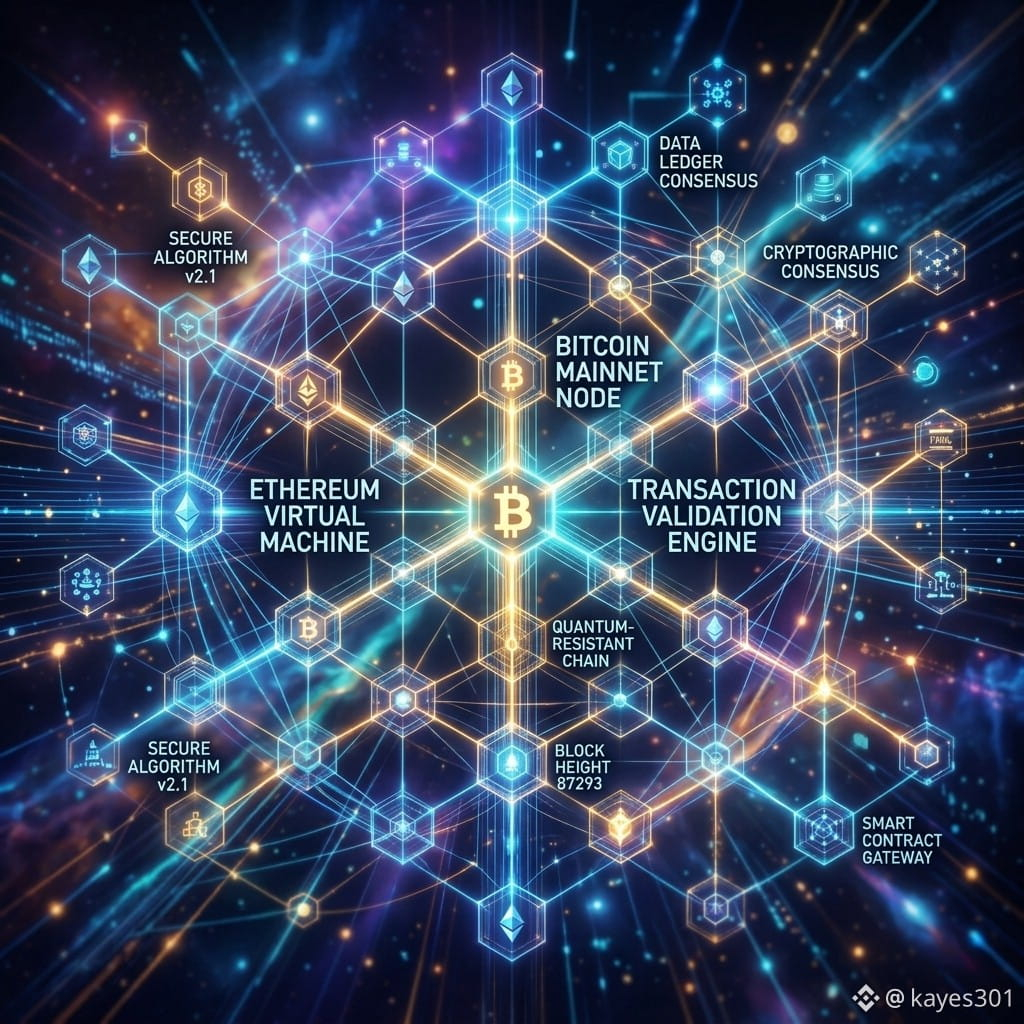
Blockchain chỉ là một sổ ghi chép được chia sẻ mà hàng nghìn máy tính cùng lúc lưu giữ bản sao. Khi ai đó thêm một mục ghi mới, mạng lưới phải thống nhất rằng nội dung đó là hợp lệ trước khi được khóa lại. Không ai có thể lặng lẽ chỉnh sửa quá khứ.
Điều này khác với cơ sở dữ liệu của ngân hàng, nơi một công ty kiểm soát sổ cái và bạn phải tin rằng họ sẽ giữ nó trung thực. Trên blockchain của $BTC
, sự tin cậy đến từ toán học và mạng lưới, không phải từ một tổ chức.
Đó là lý do Bitcoin đã vận hành mà không cần một người vận hành trung tâm kể từ năm 2009, vượt qua các sự cố, lệnh cấm và hiện nay là việc các tổ chức bắt đầu áp dụng. Bản thân sổ cái không bao giờ cần ai cho phép để tiếp tục hoạt động.
#blockchain #crypto101_ #bitcoin
Không phải lời khuyên tài chính.
{spot}(BTCUSDT)
Blockchain chỉ là một sổ ghi chép được chia sẻ mà hàng nghìn máy tính cùng lúc lưu giữ bản sao. Khi ai đó thêm một mục ghi mới, mạng lưới phải thống nhất rằng nội dung đó là hợp lệ trước khi được khóa lại. Không ai có thể lặng lẽ chỉnh sửa quá khứ.
Điều này khác với cơ sở dữ liệu của ngân hàng, nơi một công ty kiểm soát sổ cái và bạn phải tin rằng họ sẽ giữ nó trung thực. Trên blockchain của $BTC
, sự tin cậy đến từ toán học và mạng lưới, không phải từ một tổ chức.
Đó là lý do Bitcoin đã vận hành mà không cần một người vận hành trung tâm kể từ năm 2009, vượt qua các sự cố, lệnh cấm và hiện nay là việc các tổ chức bắt đầu áp dụng. Bản thân sổ cái không bao giờ cần ai cho phép để tiếp tục hoạt động.
#blockchain #crypto101_ #bitcoin
Không phải lời khuyên tài chính.
Điều này khác với cơ sở dữ liệu của ngân hàng, nơi một công ty kiểm soát sổ cái và bạn phải tin rằng họ sẽ giữ nó trung thực. Trên blockchain của $BTC
, sự tin cậy đến từ toán học và mạng lưới, không phải từ một tổ chức.
Đó là lý do Bitcoin đã vận hành mà không cần một người vận hành trung tâm kể từ năm 2009, vượt qua các sự cố, lệnh cấm và hiện nay là việc các tổ chức bắt đầu áp dụng. Bản thân sổ cái không bao giờ cần ai cho phép để tiếp tục hoạt động.
#blockchain #crypto101_ #bitcoin
Không phải lời khuyên tài chính.
41
·
--
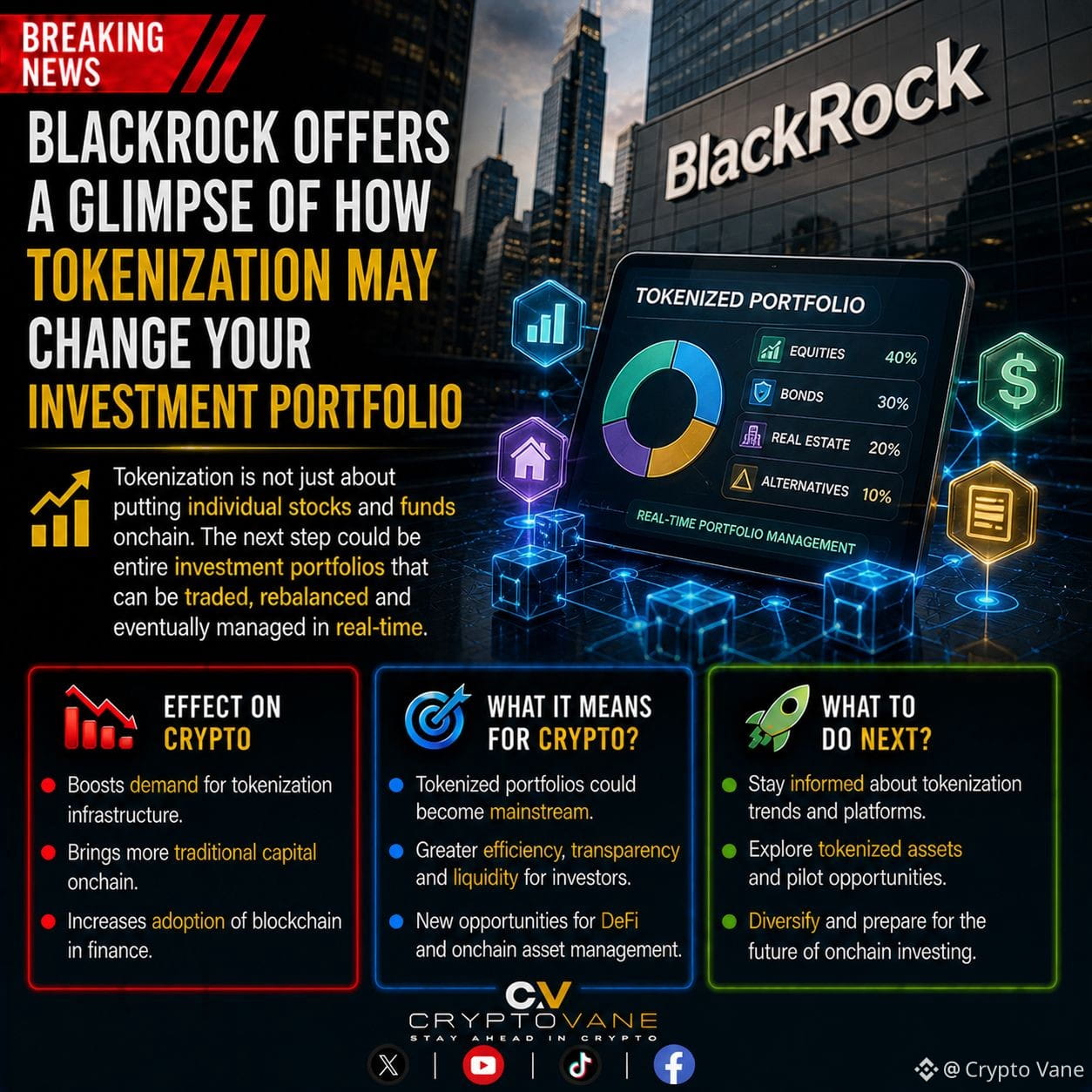
Tầm nhìn Token hóa của BlackRock: Tương lai của danh mục đầu tư đi lên onchain
Tầm nhìn token hóa của BlackRock làm nổi bật cách toàn bộ danh mục đầu tư có thể chuyển sang onchain, cho phép giao dịch theo thời gian thực, tái cân bằng và quản lý danh mục. Xu hướng mới nổi này có thể mở rộng việc áp dụng blockchain, kết nối tài chính truyền thống với tài sản kỹ thuật số và tạo ra những cơ hội mới trên khắp các thị trường crypto.
#Tokenization #BlackRock #CryptoNews #RealWorldAssets #blockchain
{spot}(BTCUSDT)
Tầm nhìn Token hóa của BlackRock: Tương lai của danh mục đầu tư đi lên onchain
Tầm nhìn token hóa của BlackRock làm nổi bật cách toàn bộ danh mục đầu tư có thể chuyển sang onchain, cho phép giao dịch theo thời gian thực, tái cân bằng và quản lý danh mục. Xu hướng mới nổi này có thể mở rộng việc áp dụng blockchain, kết nối tài chính truyền thống với tài sản kỹ thuật số và tạo ra những cơ hội mới trên khắp các thị trường crypto.
#Tokenization #BlackRock #CryptoNews #RealWorldAssets #blockchain
Tầm nhìn token hóa của BlackRock làm nổi bật cách toàn bộ danh mục đầu tư có thể chuyển sang onchain, cho phép giao dịch theo thời gian thực, tái cân bằng và quản lý danh mục. Xu hướng mới nổi này có thể mở rộng việc áp dụng blockchain, kết nối tài chính truyền thống với tài sản kỹ thuật số và tạo ra những cơ hội mới trên khắp các thị trường crypto.
#Tokenization #BlackRock #CryptoNews #RealWorldAssets #blockchain
70

🚀 Bitcoin: Điều gì làm nó khác biệt?
Bitcoin không chỉ là một loại tiền mã hóa. Đây là một tài sản kỹ thuật số phi tập trung được thiết kế để hoạt động mà không cần một cơ quan quản lý trung ương truyền thống.
🔹 Nguồn cung giới hạn: Bitcoin có tổng số tối đa là 21 triệu đồng.
🔹 Phi tập trung: Mạng lưới được duy trì bởi các thành viên trên khắp thế giới.
🔹 Minh bạch: Các giao dịch Bitcoin được ghi lại trên một blockchain công khai.
🔹 Toàn cầu: Bitcoin có thể được chuyển qua biên giới mà không cần dựa vào các hệ thống ngân hàng truyền thống.
📚 Điều quan trọng: Việc hiểu cách Bitcoin hoạt động quan trọng hơn nhiều so với việc chỉ theo dõi giá của nó.
💡 Trước khi đầu tư vào bất kỳ tài sản crypto nào, hãy luôn tự nghiên cứu và hiểu rõ các rủi ro.
#BTC☀️ #Crypto #BinanceSquare #blockchain #CryptoEducation2026
🚀 Bitcoin: Điều gì làm nó khác biệt?
Bitcoin không chỉ là một loại tiền mã hóa. Đây là một tài sản kỹ thuật số phi tập trung được thiết kế để hoạt động mà không cần một cơ quan quản lý trung ương truyền thống.
🔹 Nguồn cung giới hạn: Bitcoin có tổng số tối đa là 21 triệu đồng.
🔹 Phi tập trung: Mạng lưới được duy trì bởi các thành viên trên khắp thế giới.
🔹 Minh bạch: Các giao dịch Bitcoin được ghi lại trên một blockchain công khai.
🔹 Toàn cầu: Bitcoin có thể được chuyển qua biên giới mà không cần dựa vào các hệ thống ngân hàng truyền thống.
📚 Điều quan trọng: Việc hiểu cách Bitcoin hoạt động quan trọng hơn nhiều so với việc chỉ theo dõi giá của nó.
💡 Trước khi đầu tư vào bất kỳ tài sản crypto nào, hãy luôn tự nghiên cứu và hiểu rõ các rủi ro.
#BTC☀️ #Crypto #BinanceSquare #blockchain #CryptoEducation2026
Bitcoin không chỉ là một loại tiền mã hóa. Đây là một tài sản kỹ thuật số phi tập trung được thiết kế để hoạt động mà không cần một cơ quan quản lý trung ương truyền thống.
🔹 Nguồn cung giới hạn: Bitcoin có tổng số tối đa là 21 triệu đồng.
🔹 Phi tập trung: Mạng lưới được duy trì bởi các thành viên trên khắp thế giới.
🔹 Minh bạch: Các giao dịch Bitcoin được ghi lại trên một blockchain công khai.
🔹 Toàn cầu: Bitcoin có thể được chuyển qua biên giới mà không cần dựa vào các hệ thống ngân hàng truyền thống.
📚 Điều quan trọng: Việc hiểu cách Bitcoin hoạt động quan trọng hơn nhiều so với việc chỉ theo dõi giá của nó.
💡 Trước khi đầu tư vào bất kỳ tài sản crypto nào, hãy luôn tự nghiên cứu và hiểu rõ các rủi ro.
#BTC☀️ #Crypto #BinanceSquare #blockchain #CryptoEducation2026
84

·
--
🔥 Một thứ tưởng còn rất xa lại đang tăng tốc ngay trước mắt
Tokenization đang bắt đầu chen chân vào thị trường cổ phiếu.
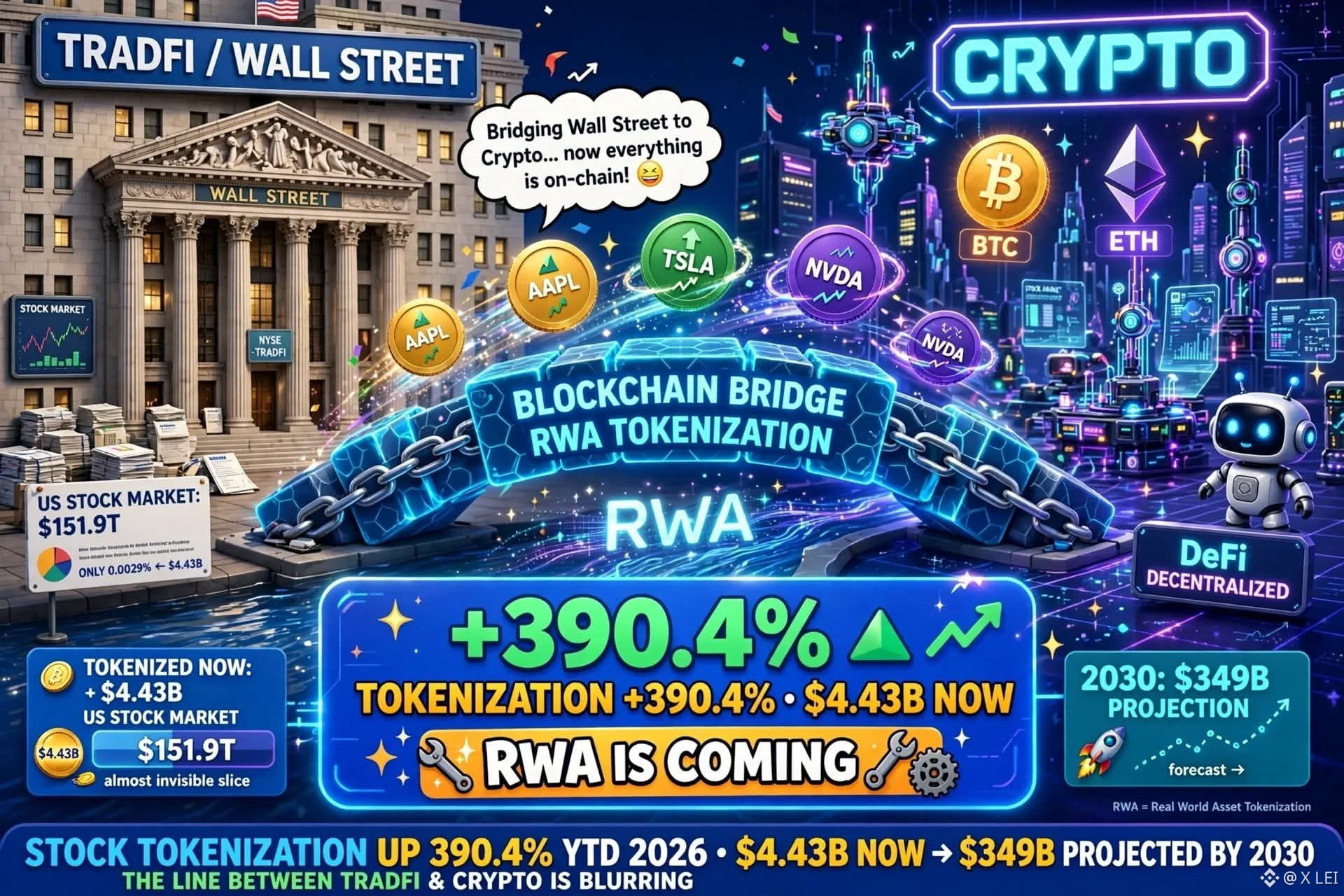
Theo Binance Research, giá trị cổ phiếu được token hóa đã tăng tới 390,4% từ đầu năm 2026, hiện đạt khoảng 4,43 tỷ USD.
Nghe 4,43 tỷ USD có vẻ khổng lồ, nhưng đặt cạnh thị trường cổ phiếu niêm yết Mỹ trị giá khoảng 151,9 nghìn tỷ USD thì con số này mới chỉ chiếm 0,0029%.
Và đây mới là phần thú vị 👀
Kịch bản cơ sở của Binance Research dự phóng thị trường cổ phiếu token hóa có thể đạt khoảng 349 tỷ USD vào năm 2030.
Tức là câu chuyện không chỉ nằm ở việc đưa cổ phiếu lên blockchain.
Nếu xu hướng này tiếp tục, ranh giới giữa TradFi và crypto có thể ngày càng mờ đi.
$RWA có lẽ đang bắt đầu có “đất diễn” thật rồi.
#Tokenization #RWA #Crypto #Blockchain #BinanceSquare
🔥 Một thứ tưởng còn rất xa lại đang tăng tốc ngay trước mắt
Tokenization đang bắt đầu chen chân vào thị trường cổ phiếu.
Theo Binance Research, giá trị cổ phiếu được token hóa đã tăng tới 390,4% từ đầu năm 2026, hiện đạt khoảng 4,43 tỷ USD.
Nghe 4,43 tỷ USD có vẻ khổng lồ, nhưng đặt cạnh thị trường cổ phiếu niêm yết Mỹ trị giá khoảng 151,9 nghìn tỷ USD thì con số này mới chỉ chiếm 0,0029%.
Và đây mới là phần thú vị 👀
Kịch bản cơ sở của Binance Research dự phóng thị trường cổ phiếu token hóa có thể đạt khoảng 349 tỷ USD vào năm 2030.
Tức là câu chuyện không chỉ nằm ở việc đưa cổ phiếu lên blockchain.
Nếu xu hướng này tiếp tục, ranh giới giữa TradFi và crypto có thể ngày càng mờ đi.
$RWA có lẽ đang bắt đầu có “đất diễn” thật rồi.
#Tokenization #RWA #Crypto #Blockchain #BinanceSquare
Tokenization đang bắt đầu chen chân vào thị trường cổ phiếu.
Theo Binance Research, giá trị cổ phiếu được token hóa đã tăng tới 390,4% từ đầu năm 2026, hiện đạt khoảng 4,43 tỷ USD.
Nghe 4,43 tỷ USD có vẻ khổng lồ, nhưng đặt cạnh thị trường cổ phiếu niêm yết Mỹ trị giá khoảng 151,9 nghìn tỷ USD thì con số này mới chỉ chiếm 0,0029%.
Và đây mới là phần thú vị 👀
Kịch bản cơ sở của Binance Research dự phóng thị trường cổ phiếu token hóa có thể đạt khoảng 349 tỷ USD vào năm 2030.
Tức là câu chuyện không chỉ nằm ở việc đưa cổ phiếu lên blockchain.
Nếu xu hướng này tiếp tục, ranh giới giữa TradFi và crypto có thể ngày càng mờ đi.
$RWA có lẽ đang bắt đầu có “đất diễn” thật rồi.
#Tokenization #RWA #Crypto #Blockchain #BinanceSquare
69
🚀 Cú chuyển mình lớn đang đến: Khi các đợt phát hành lần đầu ra công chúng (IPO) di chuyển lên blockchain! 🌐
Bạn đã bao giờ nghĩ rằng các thị trường tài chính truyền thống sẽ thay đổi như thế nào khi công nghệ Web 3 và thế giới chuỗi (On-Chain) đi vào cuộc sống chưa?
Khi chúng tôi tiếp tục giải mã từng ngày những thách thức của "Từ vựng của hôm nay" (WOTD) trên Binance, chúng tôi nhận ra rằng công nghệ blockchain không còn chỉ là nơi giao dịch tiền mã hóa—mà đã trở thành hạ tầng tương lai cho mọi loại tài sản tài chính, bao gồm cổ phiếu và các đợt phát hành lần đầu ra công chúng (IPOs)!
💡 Tại sao bước đi này mang tính cách mạng?
Minh bạch tuyệt đối: Theo dõi tài sản và quyền sở hữu ngay lập tức, không qua những trung gian phức tạp.
Tiếp cận toàn cầu: Cơ hội đầu tư công bằng cho các nhà giao dịch trên khắp thế giới, 24/7.
Hiệu suất cao: Thanh toán nhanh chóng và an toàn nhờ các hợp đồng thông minh.
Hãy chia sẻ quan điểm của bạn trong phần bình luận:
💬 Bạn có nghĩ rằng việc các công ty lớn niêm yết tài sản của mình lên blockchain sẽ sớm xóa bỏ hoàn toàn các sàn giao dịch truyền thống không?
Đừng quên tương tác và theo dõi tài khoản để biết thêm các cập nhật hằng ngày và những bí mật tài chính! 📈✨
#Binance #Write2Earn #CryptoGuide_Ar #Web3 #Blockchain
🚀 Cú chuyển mình lớn đang đến: Khi các đợt phát hành lần đầu ra công chúng (IPO) di chuyển lên blockchain! 🌐
Bạn đã bao giờ nghĩ rằng các thị trường tài chính truyền thống sẽ thay đổi như thế nào khi công nghệ Web 3 và thế giới chuỗi (On-Chain) đi vào cuộc sống chưa?
Khi chúng tôi tiếp tục giải mã từng ngày những thách thức của "Từ vựng của hôm nay" (WOTD) trên Binance, chúng tôi nhận ra rằng công nghệ blockchain không còn chỉ là nơi giao dịch tiền mã hóa—mà đã trở thành hạ tầng tương lai cho mọi loại tài sản tài chính, bao gồm cổ phiếu và các đợt phát hành lần đầu ra công chúng (IPOs)!
💡 Tại sao bước đi này mang tính cách mạng?
Minh bạch tuyệt đối: Theo dõi tài sản và quyền sở hữu ngay lập tức, không qua những trung gian phức tạp.
Tiếp cận toàn cầu: Cơ hội đầu tư công bằng cho các nhà giao dịch trên khắp thế giới, 24/7.
Hiệu suất cao: Thanh toán nhanh chóng và an toàn nhờ các hợp đồng thông minh.
Hãy chia sẻ quan điểm của bạn trong phần bình luận:
💬 Bạn có nghĩ rằng việc các công ty lớn niêm yết tài sản của mình lên blockchain sẽ sớm xóa bỏ hoàn toàn các sàn giao dịch truyền thống không?
Đừng quên tương tác và theo dõi tài khoản để biết thêm các cập nhật hằng ngày và những bí mật tài chính! 📈✨
#Binance #Write2Earn #CryptoGuide_Ar #Web3 #Blockchain
Bạn đã bao giờ nghĩ rằng các thị trường tài chính truyền thống sẽ thay đổi như thế nào khi công nghệ Web 3 và thế giới chuỗi (On-Chain) đi vào cuộc sống chưa?
Khi chúng tôi tiếp tục giải mã từng ngày những thách thức của "Từ vựng của hôm nay" (WOTD) trên Binance, chúng tôi nhận ra rằng công nghệ blockchain không còn chỉ là nơi giao dịch tiền mã hóa—mà đã trở thành hạ tầng tương lai cho mọi loại tài sản tài chính, bao gồm cổ phiếu và các đợt phát hành lần đầu ra công chúng (IPOs)!
💡 Tại sao bước đi này mang tính cách mạng?
Minh bạch tuyệt đối: Theo dõi tài sản và quyền sở hữu ngay lập tức, không qua những trung gian phức tạp.
Tiếp cận toàn cầu: Cơ hội đầu tư công bằng cho các nhà giao dịch trên khắp thế giới, 24/7.
Hiệu suất cao: Thanh toán nhanh chóng và an toàn nhờ các hợp đồng thông minh.
Hãy chia sẻ quan điểm của bạn trong phần bình luận:
💬 Bạn có nghĩ rằng việc các công ty lớn niêm yết tài sản của mình lên blockchain sẽ sớm xóa bỏ hoàn toàn các sàn giao dịch truyền thống không?
Đừng quên tương tác và theo dõi tài khoản để biết thêm các cập nhật hằng ngày và những bí mật tài chính! 📈✨
#Binance #Write2Earn #CryptoGuide_Ar #Web3 #Blockchain
1
66

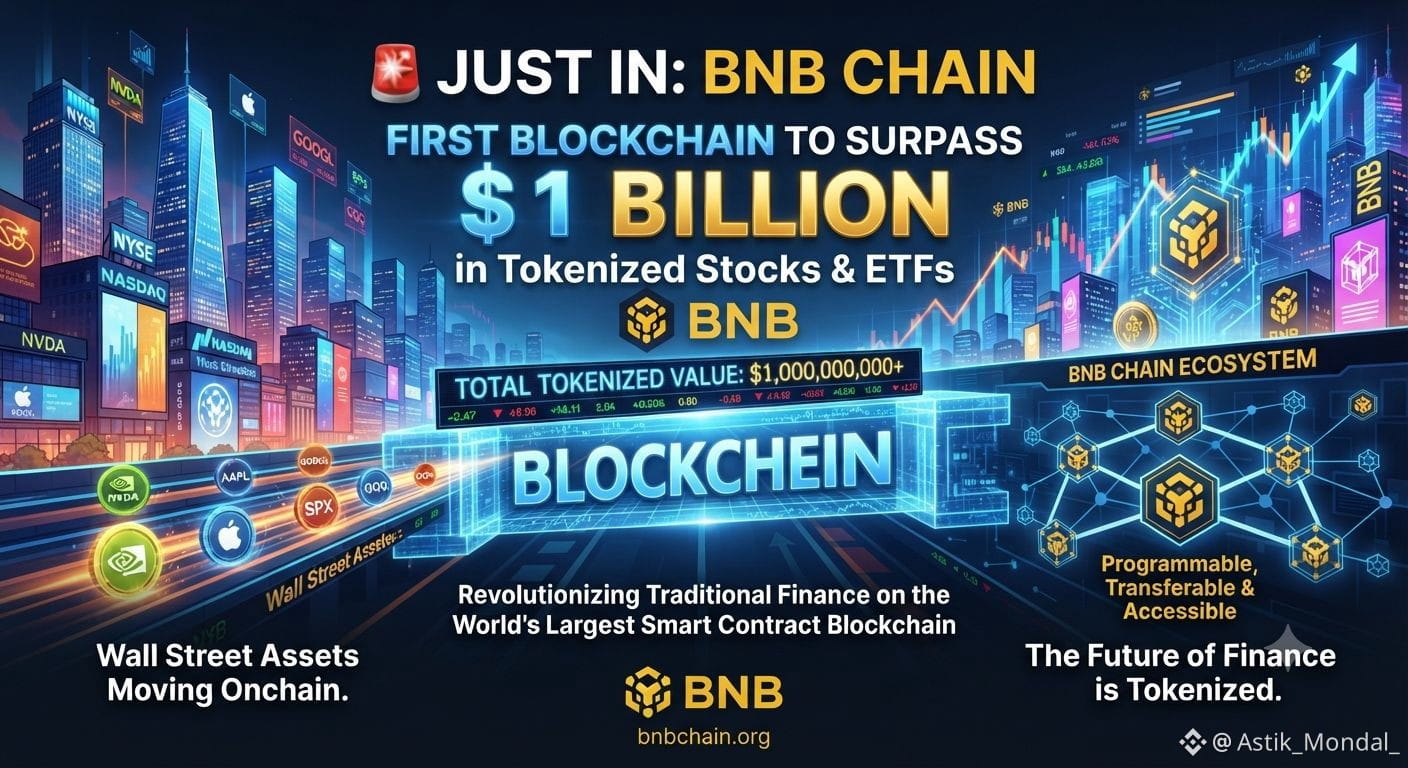
🚨 CẬP NHẬT NGAY: BNB Chain trở thành BLOCKCHAIN ĐẦU TIÊN vượt mốc $1 TỶ trong cổ phiếu và ETF được token hóa.
Đây là một cột mốc quan trọng cho việc token hóa tài chính truyền thống.
Hơn $1B giá trị cổ phiếu và ETF hiện đã được thể hiện trên chuỗi thông qua BNB Chain.
Tài sản của Phố Wall đang chuyển sang cơ sở hạ tầng blockchain.
Và nếu các cổ phiếu được token hóa tiếp tục tăng trưởng với tốc độ này, ranh giới giữa tài chính truyền thống và crypto có thể sẽ mờ đi đáng kể.
Câu chuyện lớn không chỉ là cột mốc $1B.
Mà là điều gì xảy ra khi hàng nghìn tỷ đô la tài sản truyền thống bắt đầu trở nên có thể lập trình, chuyển nhượng và tiếp cận được trên blockchain.
Cuộc đua cho tài chính được token hóa đang tăng tốc.
#BNB #Crypto #Tokenization #DeFi #Blockchain $BNB
🚨 CẬP NHẬT NGAY: BNB Chain trở thành BLOCKCHAIN ĐẦU TIÊN vượt mốc $1 TỶ trong cổ phiếu và ETF được token hóa.
Đây là một cột mốc quan trọng cho việc token hóa tài chính truyền thống.
Hơn $1B giá trị cổ phiếu và ETF hiện đã được thể hiện trên chuỗi thông qua BNB Chain.
Tài sản của Phố Wall đang chuyển sang cơ sở hạ tầng blockchain.
Và nếu các cổ phiếu được token hóa tiếp tục tăng trưởng với tốc độ này, ranh giới giữa tài chính truyền thống và crypto có thể sẽ mờ đi đáng kể.
Câu chuyện lớn không chỉ là cột mốc $1B.
Mà là điều gì xảy ra khi hàng nghìn tỷ đô la tài sản truyền thống bắt đầu trở nên có thể lập trình, chuyển nhượng và tiếp cận được trên blockchain.
Cuộc đua cho tài chính được token hóa đang tăng tốc.
#BNB #Crypto #Tokenization #DeFi #Blockchain $BNB
Đây là một cột mốc quan trọng cho việc token hóa tài chính truyền thống.
Hơn $1B giá trị cổ phiếu và ETF hiện đã được thể hiện trên chuỗi thông qua BNB Chain.
Tài sản của Phố Wall đang chuyển sang cơ sở hạ tầng blockchain.
Và nếu các cổ phiếu được token hóa tiếp tục tăng trưởng với tốc độ này, ranh giới giữa tài chính truyền thống và crypto có thể sẽ mờ đi đáng kể.
Câu chuyện lớn không chỉ là cột mốc $1B.
Mà là điều gì xảy ra khi hàng nghìn tỷ đô la tài sản truyền thống bắt đầu trở nên có thể lập trình, chuyển nhượng và tiếp cận được trên blockchain.
Cuộc đua cho tài chính được token hóa đang tăng tốc.
#BNB #Crypto #Tokenization #DeFi #Blockchain $BNB
1
13

·
--
Xây dựng trên blockchain cũng là lựa chọn hạ tầng của mình.
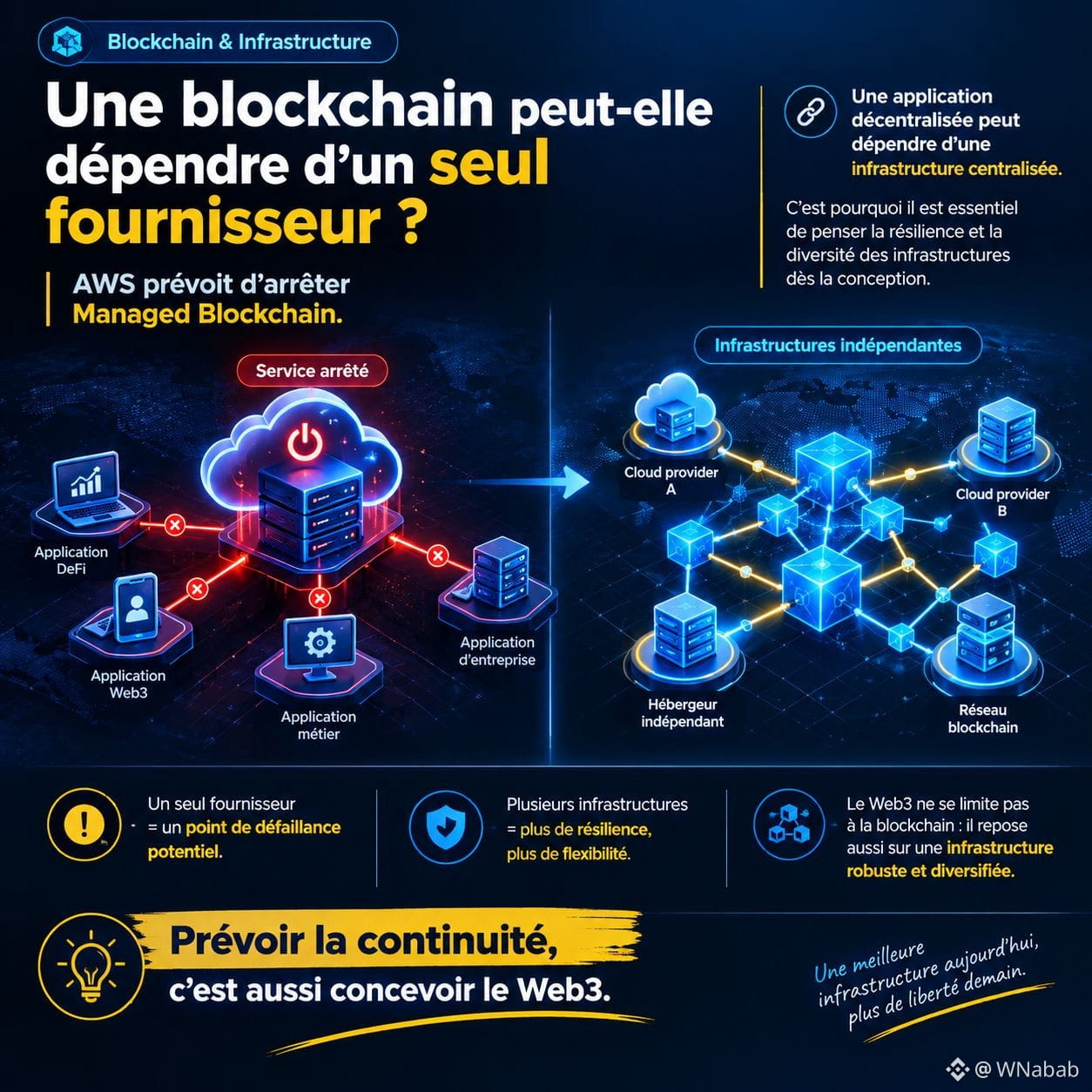
Amazon Web Services dự kiến sẽ đóng dịch vụ Managed Blockchain: việc đăng ký mới phải dừng lại vào ngày 29 tháng 10 năm 2026, và dịch vụ hiện có sẽ kết thúc vào tháng 9 năm 2027.
Điều này nhắc lại một thực tế thường bị bỏ quên: một ứng dụng được gọi là phi tập trung vẫn có thể phụ thuộc vào một nhà cung cấp tập trung cho một phần trong hoạt động của nó.
Câu hỏi thực sự là: điều gì sẽ xảy ra nếu hạ tầng mà một dự án phụ thuộc biến mất?
#Blockchain #Web3 #Infrastructure
$BTC $USDT
Xây dựng trên blockchain cũng là lựa chọn hạ tầng của mình.
Amazon Web Services dự kiến sẽ đóng dịch vụ Managed Blockchain: việc đăng ký mới phải dừng lại vào ngày 29 tháng 10 năm 2026, và dịch vụ hiện có sẽ kết thúc vào tháng 9 năm 2027.
Điều này nhắc lại một thực tế thường bị bỏ quên: một ứng dụng được gọi là phi tập trung vẫn có thể phụ thuộc vào một nhà cung cấp tập trung cho một phần trong hoạt động của nó.
Câu hỏi thực sự là: điều gì sẽ xảy ra nếu hạ tầng mà một dự án phụ thuộc biến mất?
#Blockchain #Web3 #Infrastructure
$BTC $USDT
Amazon Web Services dự kiến sẽ đóng dịch vụ Managed Blockchain: việc đăng ký mới phải dừng lại vào ngày 29 tháng 10 năm 2026, và dịch vụ hiện có sẽ kết thúc vào tháng 9 năm 2027.
Điều này nhắc lại một thực tế thường bị bỏ quên: một ứng dụng được gọi là phi tập trung vẫn có thể phụ thuộc vào một nhà cung cấp tập trung cho một phần trong hoạt động của nó.
Câu hỏi thực sự là: điều gì sẽ xảy ra nếu hạ tầng mà một dự án phụ thuộc biến mất?
#Blockchain #Web3 #Infrastructure
$BTC $USDT
1
382
·
--
Giải thích về Tiết lộ Có Chọn LọcViệc các tổ chức áp dụng blockchain ở cấp độ thể chế tạo ra một sự mâu thuẫn khó khăn. Các tổ chức cần chứng minh rằng một giao dịch được ủy quyền và tuân thủ chính sách, nhưng họ cũng có thể cần bảo vệ các đối tác, các tuyến quản lý ngân quỹ, chiến lược giao dịch, điều khoản thương mại và các quy tắc rủi ro nội bộ.
Công bố tất cả không giống với việc chịu trách nhiệm giải trình.
Tiết lộ có chọn lọc mang lại một cách tiếp cận chính xác hơn. Thay vì tiết lộ toàn bộ hồ sơ danh tính hoặc toàn bộ lịch sử giao dịch, người dùng hoặc tổ chức chứng minh một sự kiện cụ thể, hẹp chỉ cần cho một quyết định nhất định. Sự kiện đó có thể là người tham gia đã vượt qua quy trình xác minh đã được phê duyệt, được phép sử dụng một dịch vụ, đáp ứng điều kiện về thẩm quyền pháp lý hoặc nắm giữ đúng thẩm quyền ký kết.
Giải thích về Tiết lộ Có Chọn Lọc
Việc các tổ chức áp dụng blockchain ở cấp độ thể chế tạo ra một sự mâu thuẫn khó khăn. Các tổ chức cần chứng minh rằng một giao dịch được ủy quyền và tuân thủ chính sách, nhưng họ cũng có thể cần bảo vệ các đối tác, các tuyến quản lý ngân quỹ, chiến lược giao dịch, điều khoản thương mại và các quy tắc rủi ro nội bộ.
Công bố tất cả không giống với việc chịu trách nhiệm giải trình.
Tiết lộ có chọn lọc mang lại một cách tiếp cận chính xác hơn. Thay vì tiết lộ toàn bộ hồ sơ danh tính hoặc toàn bộ lịch sử giao dịch, người dùng hoặc tổ chức chứng minh một sự kiện cụ thể, hẹp chỉ cần cho một quyết định nhất định. Sự kiện đó có thể là người tham gia đã vượt qua quy trình xác minh đã được phê duyệt, được phép sử dụng một dịch vụ, đáp ứng điều kiện về thẩm quyền pháp lý hoặc nắm giữ đúng thẩm quyền ký kết.
Công bố tất cả không giống với việc chịu trách nhiệm giải trình.
Tiết lộ có chọn lọc mang lại một cách tiếp cận chính xác hơn. Thay vì tiết lộ toàn bộ hồ sơ danh tính hoặc toàn bộ lịch sử giao dịch, người dùng hoặc tổ chức chứng minh một sự kiện cụ thể, hẹp chỉ cần cho một quyết định nhất định. Sự kiện đó có thể là người tham gia đã vượt qua quy trình xác minh đã được phê duyệt, được phép sử dụng một dịch vụ, đáp ứng điều kiện về thẩm quyền pháp lý hoặc nắm giữ đúng thẩm quyền ký kết.
87
Đăng nhập để khám phá thêm nội dung
Tham gia cùng người dùng tiền mã hóa toàn cầu trên Binance Square
⚡️ Nhận thông tin mới nhất và hữu ích về tiền mã hóa.
💬 Được tin cậy bởi sàn giao dịch tiền mã hóa lớn nhất thế giới.
👍 Khám phá những thông tin chuyên sâu thực tế từ những nhà sáng tạo đã xác minh.
Email / Số điện thoại
Chủ đề thịnh hành
1
#TinFed
105,408 lượt xem
488 đang thảo luận
2
#TheoDõiFOMC
121,043 lượt xem
684 đang thảo luận
3
#ADAGains10%Above$0.27
1,894 lượt xem
85 đang thảo luận
4
#ETHUp70%InQ3ButLiquidityFalls
26,749 lượt xem
383 đang thảo luận
5
#EthStakingExitQueueHits2026High
9,136 lượt xem
348 đang thảo luận
6
#FedOctoberHoldOdds82.3%
11,610 lượt xem
324 đang thảo luận
7
#Nikkei225Jumps2.5%ToThreeMonthHigh
46,759 lượt xem
739 đang thảo luận
8
#CircleMints$2.75BUSDCOnSolanaIn7Days
485 lượt xem
22 đang thảo luận
9
#DriftHackVictimsBeginClaims
126,609 lượt xem
1,388 đang thảo luận
10
#SolanaTokenizedStockVolumeTops$4.4BInSeptember
10,865 lượt xem
123 đang thảo luận