
数链空间
14 Posts
数链空间
它涨任它涨,清风过山岗~
29 Following
53 Followers
17 Liked
Posts
All
Quotes
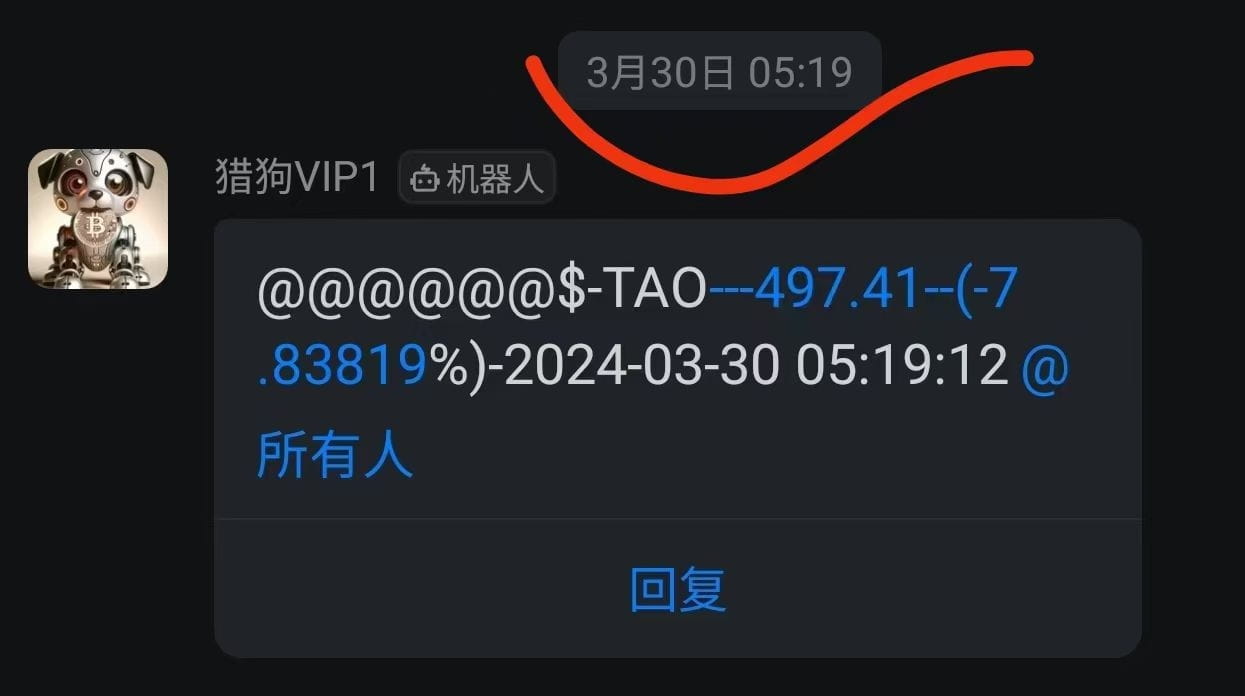
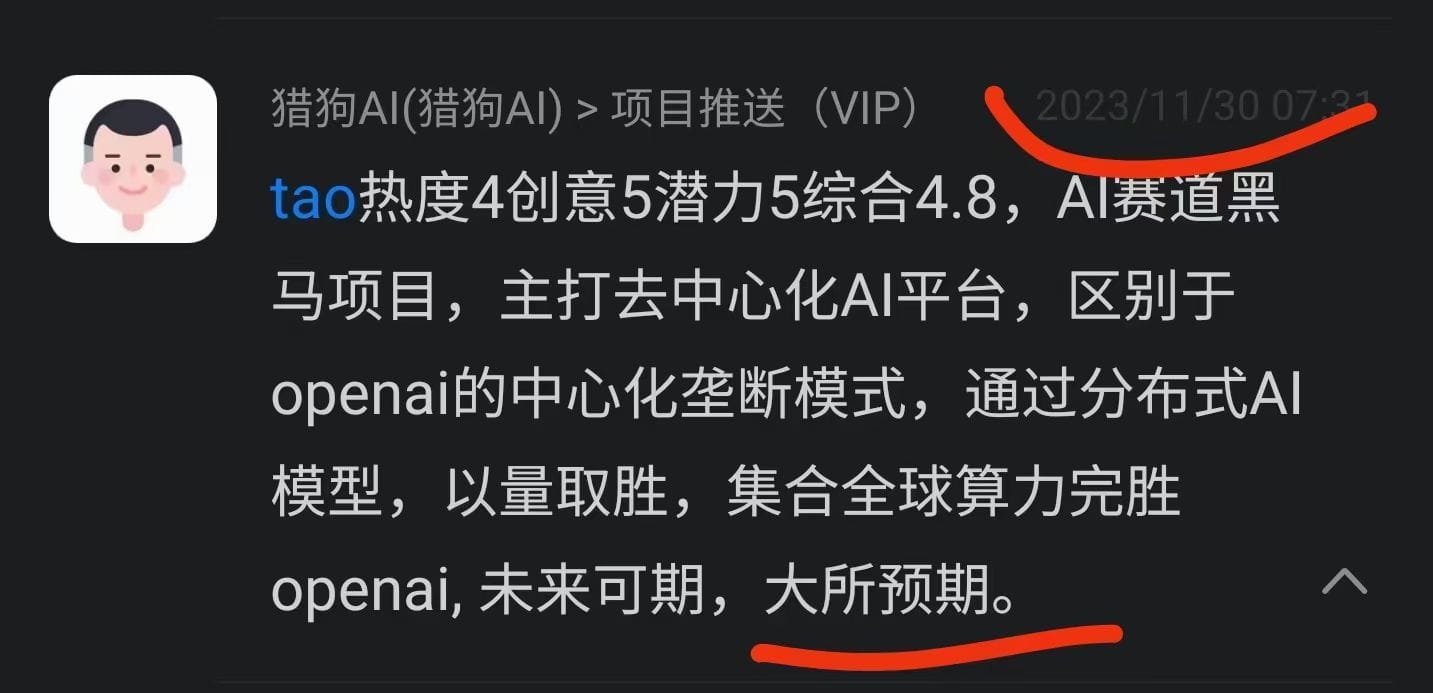
Buying low and selling high is an unchanging law in business. In the currency circle, can it be understood as: Am I doing business in the currency circle or selling junk? ? ?
The emergence of inscriptions has diverted most of the market funds. A good concept requires a consensus mechanism. The sooner you enter the market, the sooner it will double. But opportunities are always reserved for those who have the opportunity. The blockchain market is cruel, and winning or losing depends on it. In your own hands, what you need to do now is to stick to your heart, follow your own trading model, don't rush into the market, and always remember: if you don't rush into money, the compound interest effect will always be reflected slowly! #BONK #sats
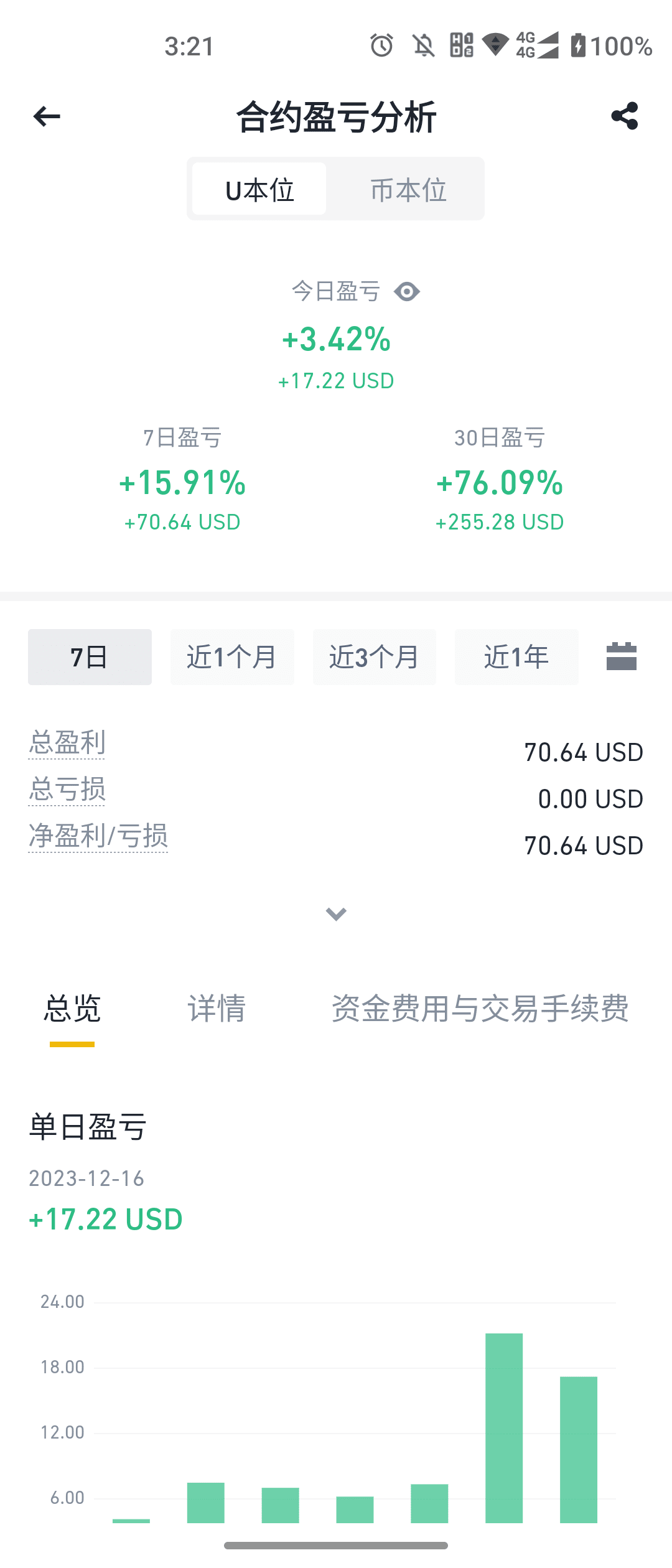
Follow the rhythm and take advantage of the trend!
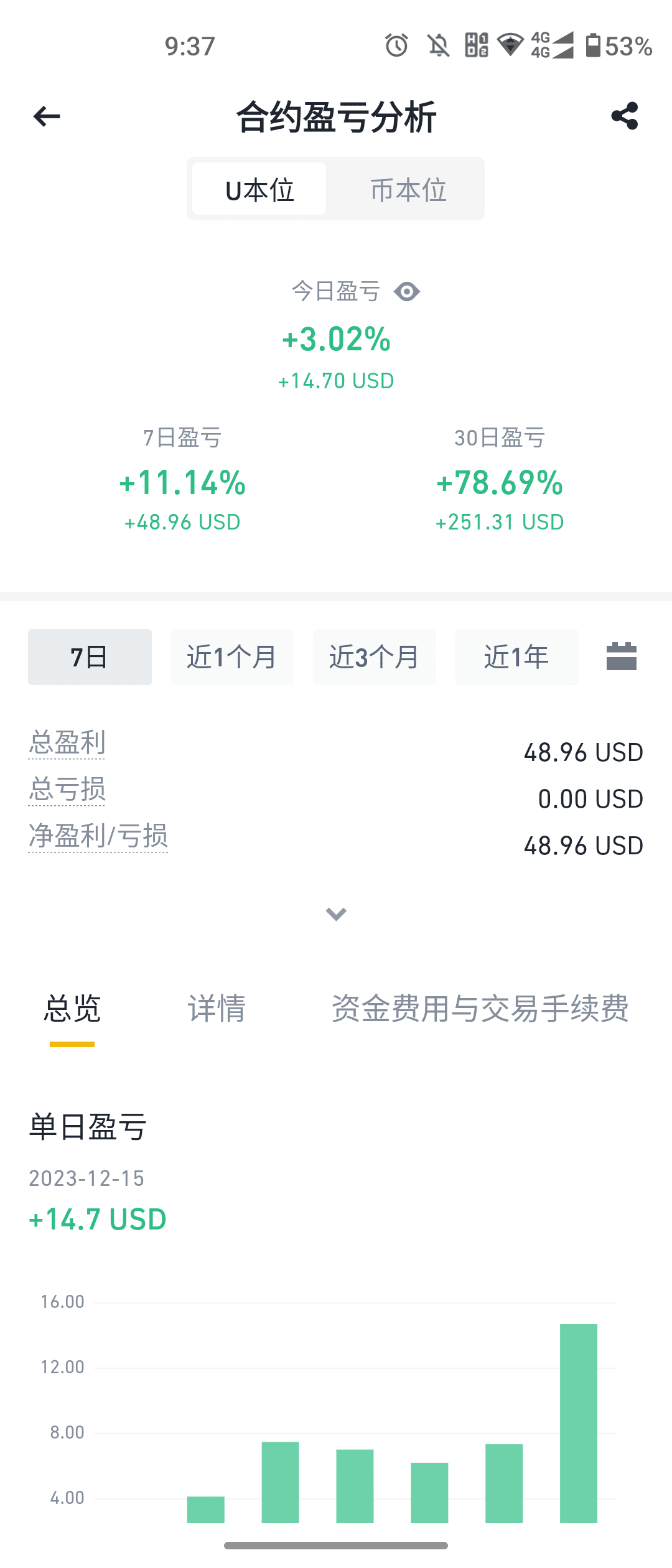

If wealth does not enter the urgent door, sand will accumulate to form a tower, and water will accumulate to form a gulf.
Keep your mentality stable, we will definitely win!
Keep your mentality stable, we will definitely win!
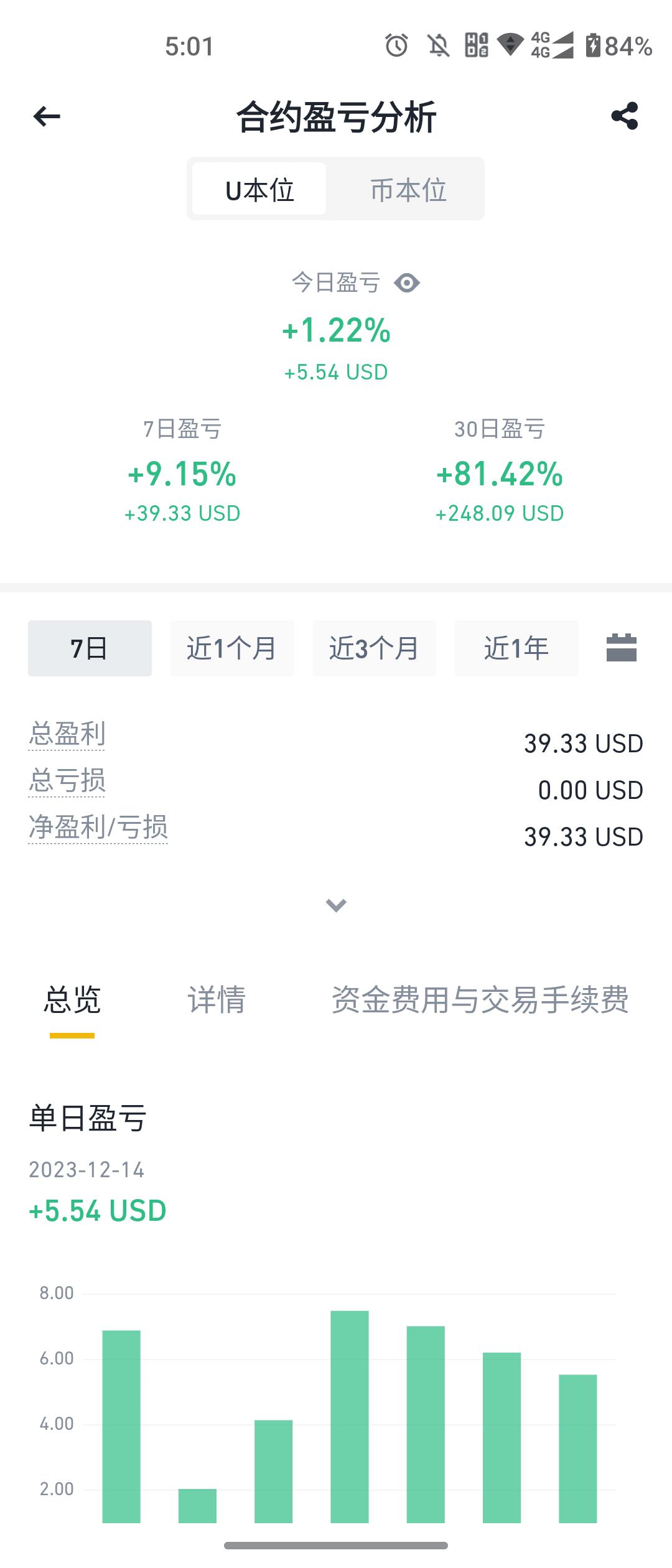
After N times of liquidation, the cumulative loss was 2,900 dollars. Now I started to operate light positions. If I make a little profit, I will run away. If I lose, I will keep calm and continue to hold on. Follow the rules. As long as I don’t lose, I will make a profit. Mosquitoes are still meat even when they are small. If you don’t make money, Urgent door!
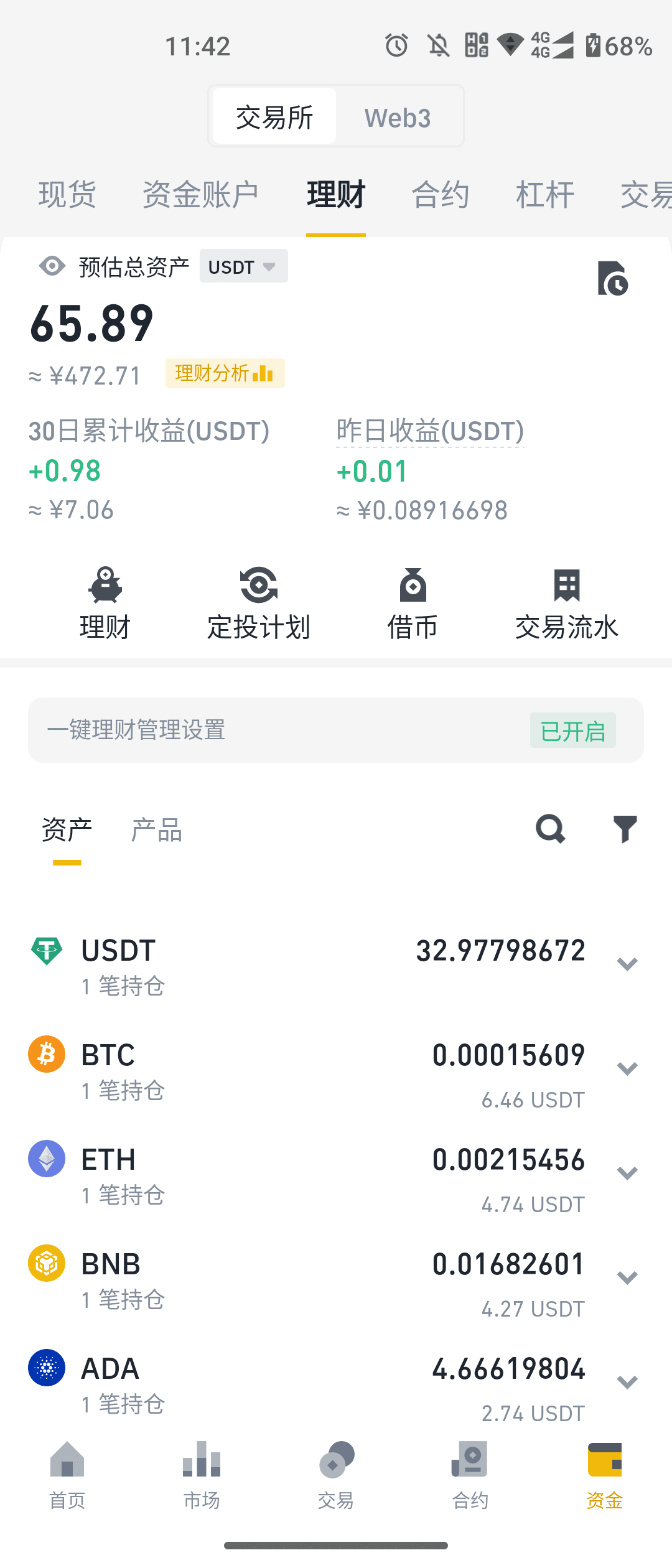
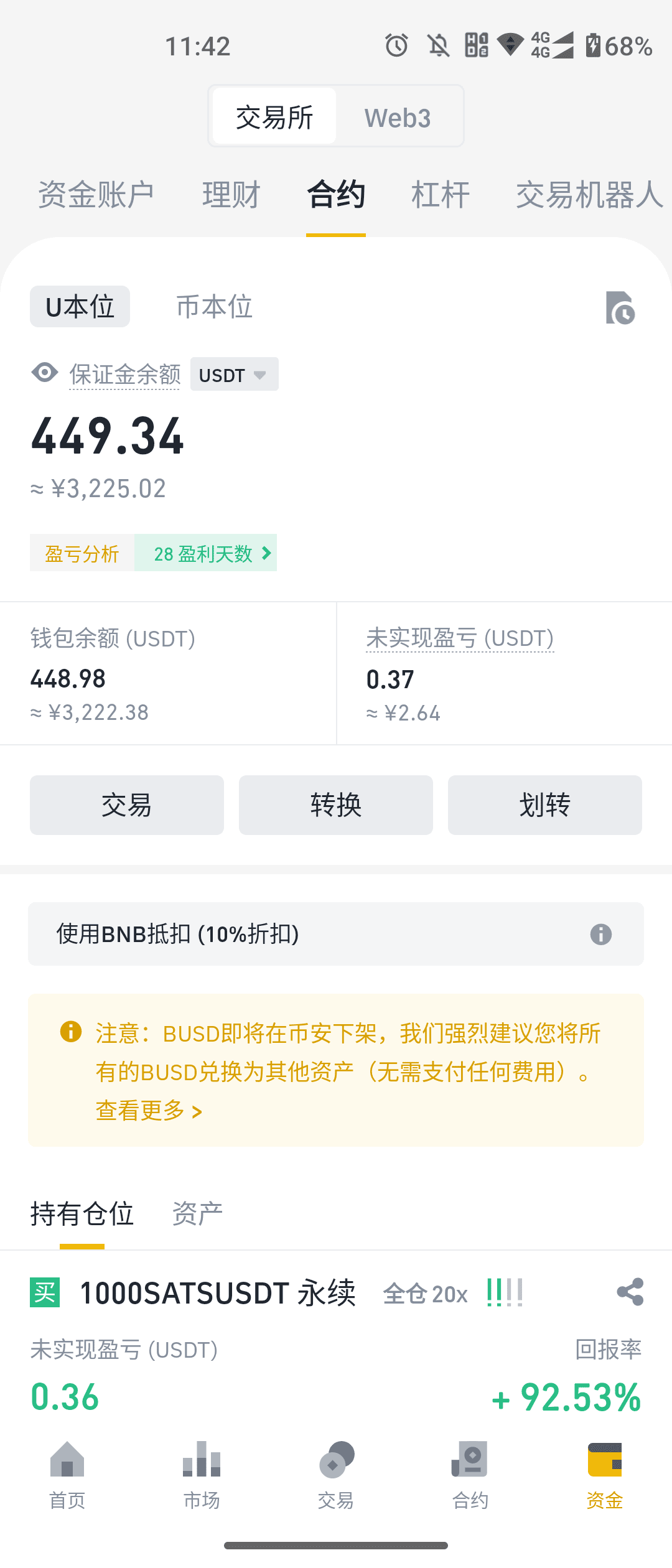
The most important thing in currency speculation is to be disciplined and strictly abide by your inner trading principles. No matter how good the fundamentals are, a currency with a P/E ratio of 60 to 70 times is always expensive. In the past three years, many core asset stocks have plummeted from a P/E ratio of 60 to 70 times (or even more than 100 times) to a P/E ratio of 30 times, and their stock prices have been cut in half, although their competitive advantages are still very strong. However, the financial market has its own internal logic. Just because the media hype and professionals are optimistic about it will not necessarily support its high stock price. Expensive things will definitely fall in price, and things that fall in price excessively will definitely rise in price and rebound in the future. This is an eternal law of economics.
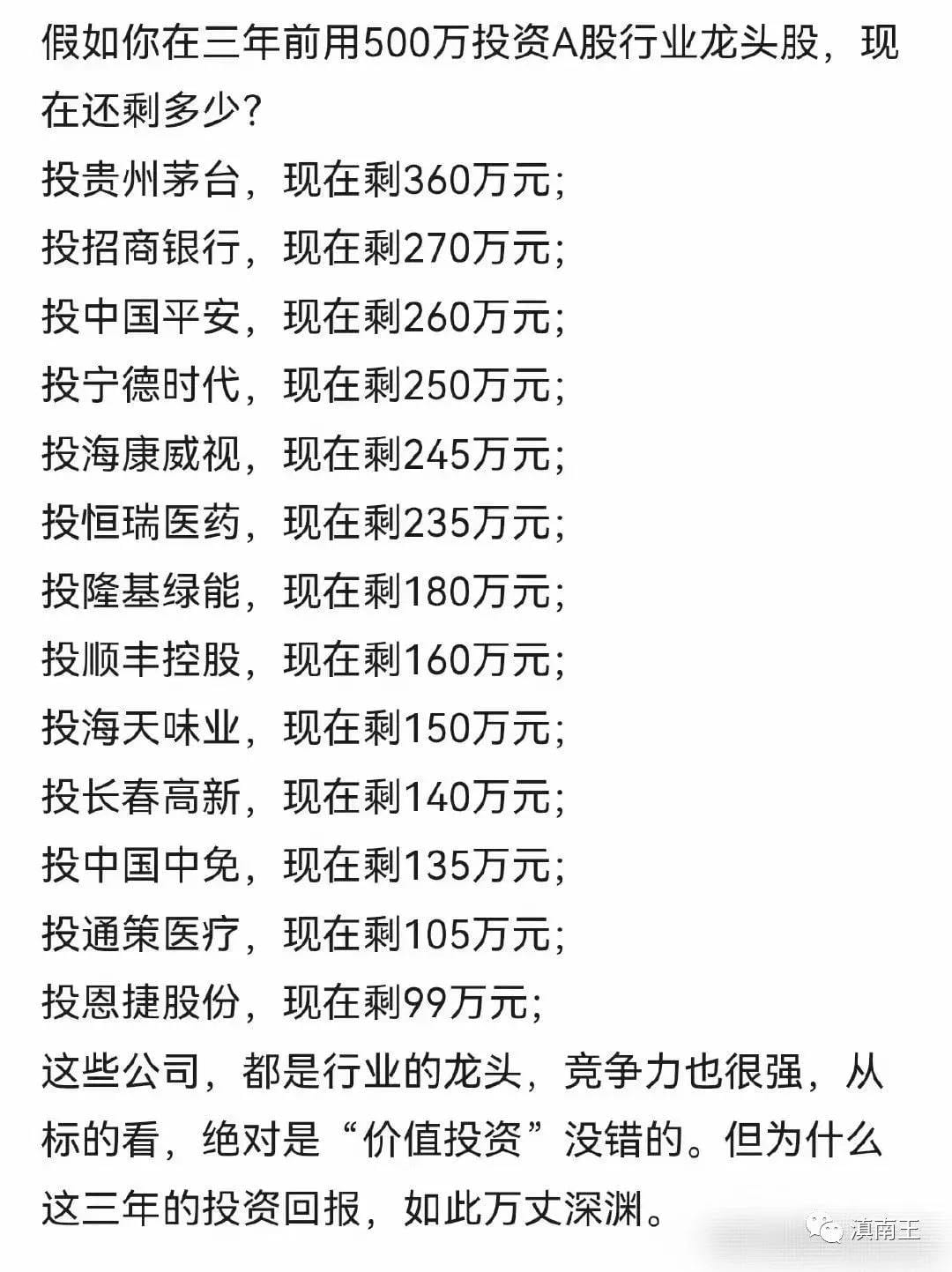
A thorough understanding requires self-enlightenment!

K线人生飞哥
·
--
An investor's thoughts on the next decade amid the Sino-US game
There is no need to miss the past, China's best era has just begun. In the past year, in the process of communicating with many friends, I have felt some big differences about China's next ten years. There are also many friends who have a lot of confusion about future development. Some of these differences are based on value systems, and some are based on judgments about the macroeconomic itself. We also want to share some of our thoughts on some big issues at this moment. Understanding these issues may help us give deep confidence and determination to investing in China in the uncertain years ahead. China's economy, which used to be prosperous and prosperous, benefited from two engines: one was foreign trade and the other was urbanization. Foreign trade mainly relies on China's low cost (manpower, environment, land) to undertake foreign demand (the United States and Europe). Urbanization mainly meets the demand for infrastructure construction (roads, bridges, airports) and commercial housing caused by industrialization in the process of external demand. In a sense, China's economic organizational model in the past thirty years has been mainly structured around these two themes, with coastal cities relying on foreign trade and inland cities relying on real estate. County-level administration is the intersection between the state and society and the basic unit for local implementation of central policies. The county party committee secretary is the "CEO" of each unit, responsible for integrating resources to achieve goals. This goal, in the past three decades, has mainly been economic growth. Corruption, to a certain extent, may play a disguised role in giving equity incentives to "CEOs". However, thirty years later, as China's demographic dividend has almost disappeared and environmental protection has become more important, China's simple low-cost labor advantage has given way to Southeast Asia. Urbanization has also come to an end with the slowdown of the Great Migration. When the infrastructure construction was completed in stages, the "CEOs" of this period also completed their historical mission. With the advent of the post-urbanization era, today, when the new population is gradually decreasing and the total population is declining, many people cannot see the future direction - especially the beneficiaries who have adapted to and understood China's growth logic over the past three decades. them. For many people, the road ahead is foggy. Some people will also use Japan's economic development in the late 1990s as an analogy to understand the current dilemma that China may face: After the real estate bubble burst, the Japanese economic growth stagnated - on the one hand, the United States lost Japan's foreign trade and currency advantages through the Plaza Accord. , thereby puncturing Japan’s real estate bubble;On the other hand, through the blockade of the Japanese semiconductor industry, the Japanese chip semiconductor industry has given way to the Netherlands and Taiwan. These plots seem somewhat similar today. Therefore, when the United States began to block Chinese technology in 2018, a sense of pessimism began to spread. After experiencing some uncertainty, many elites chose to immigrate to Singapore or other countries as soon as the epidemic was reopened. Due to the uncertainty of the economic outlook and considerations of war and other factors, many foreign long-term funds have also chosen to reduce their allocation to China at this time. As an investor, when the big growth logic changes, macro issues cannot be avoided. Understanding macro issues is like a person's values. After thinking about these things clearly, it will give you stability and confidence in the turbulent years of the next ten years. Choice is more important than effort, and this is also true for investing. I have always believed that simple linear extrapolation and analogy cannot effectively understand and answer these questions. To understand these issues and see the future clearly. We may need to discuss it from three aspects: 1. The formation and evolution of the international order; 2. The cultural and spiritual core of the Chinese people; 3. The intergenerational transformation under the intersection of Eastern and Western cultures. Understanding these things may help us understand some of our top-level design arrangements in the post-urbanization era. As well as the position and mission of our generation in the next new narrative in the next twenty years. 01 The Formation and Evolution of the International Order War and Peace From the perspective of "heaven and earth regard all things as stupid dogs", war is not just an object of humanitarian criticism, but a way of forming a new order. In other words, war is a tool for the spiral of human society. Just as the order of China's feudal era was formed during the Warring States Period, today's international order was constructed by two world wars. After the two world wars, three important changes occurred in the international order: 1. The rise of the United States. 2. The formation of the Soviet Union. 3. The silence of the East. Behind the war was economic strength, and the industrialization of the United States starting in the eighteenth century supported the overall victory of this war. On the one hand, after the victory of the United States, with the support of European countries, it began to dominate international affairs through monetary, military, and economic means.In terms of currency, White defeated Keynes and established the Bretton Woods system dominated by the U.S. dollar. Militarily, the United States has used its nuclear power to become the military leader of many countries (such as Japan). Economically, the Marshall Plan helped Europe rebuild, and Japan and the Four East Asian Tigers also became a part of the U.S. economy through foreign trade. Generally speaking, friends of the United States have basically achieved peace and economic growth after the war. The Soviet Union, on the other hand, chose a different institutional path after World War II, backed by military strength. We now see that the military and economic strength of Russia and Eastern Europe have completely fallen behind. However, during the Great Depression in the United States in the 1930s, Americans also wanted to immigrate to the Soviet Union. However, due to a series of economic and political mistakes in the later period, the Soviet Union collapsed in the early 1990s. Today's Russia has inherited the political and military legacy of the Soviet Union. For China, after World War II, China was still an agricultural society, and its per capita economic strength was far inferior to Japan and the Soviet Union. It’s just that the Chinese people are relatively stubborn, and they still rely on Xiaomi and rifles to achieve political independence—neither attached to the Soviet Union nor the United States. In other words, it is always drifting between the two largest political economies. If China is the representative of Eastern civilization, then at this stage, Eastern civilization is basically silent on the world stage. Although politically, China chooses to be independent. But economically, in the second half of the last century, China relied on entering the international order constructed by the United States and achieved industrialization within a few decades. In the 1970s, in response to the Soviet Union's political demands to win over China, Kissinger facilitated Nixon's visit to China, breaking the ice in Sino-US diplomacy. The pragmatic Deng Xiaoping discovered a pattern after inspecting Southeast Asia and Japan: people who are friends with the United States have become rich. Therefore, after 1978, China chose to fully embrace the United States economically. Therefore, the 1980s when many county party committee secretaries went to college, and the 1990s when Liu Qiangdong, Ma Huateng, etc. went to college, was a period when Chinese culture and order were comprehensively learning from the West. Chinese people wear clothes designed by Europeans, watch movies shot by Hollywood, learn management from Drucker, and use operating systems from Bill Gates. The best place for university elites is to study in the United States. Teacher Yu Minhong of New Oriental is through This stock style achieved its first glory in life.At that time, China's economic development path could be "copied". To be precise, it was copied from the work of the Four East Asian Tigers - engaging in foreign trade and urbanization. It was easy to invest at that time. Look at what happened in those first-mover countries and what will happen in China. China's choice is: copycat economically and hide its capabilities and bide its time politically. The Chinese people's choice is also very simple: engage in foreign trade along the coast, engage in resources inland where there are resources, and engage in engineering and real estate if there are no resources; invest in buying a house, or put it in a bank and turn it into a deposit. Therefore, under this background of unanimously focusing on "money", China has spent a vigorous and simple thirty years. These thirty years are also the golden age of those born in the 1960s and 1970s. They have grown from their twenties to their fifties and sixties, and their wealth and political resources have also accumulated in the process. That generation was the first generation to become generally wealthy in China in hundreds of years. It is not difficult to understand that many elitists of that generation heartily identified with Western culture. The international order in this process is also simple. The United States is the only pole in the world. For the United States itself, the political economy of those thirty years was dominated by the East and West coasts. The West Coast dominates technology, and the East Coast dominates military and finance. Under the control of elites on both sides of the Taiwan Strait, there are no major conflicts in the world, only local wars caused by energy and other disputes (which are basically won by the United States); the world is becoming more and more flat, global trade is smooth; science and technology are developing rapidly, and the information industry has swept the world. The entire world has also formed a clear division of labor: the United States and Western Europe formulate order and dominate technology and culture; China uses its population advantage to become a manufacturing power; the Middle East and Russia provide energy. Other countries or regions are embedded in this system (Japan, South Korea, Singapore) or excluded from it (North Korea, Cuba, Iran) according to their endowments. Of course, the prerequisite for being embedded in this system is that it must be politically recognized by the United States. We can understand this global architecture from the perspective of the global division of labor in the communications industry chain. The technology and standard setting of the communications industry are in the hands of the United States and Northern Europe (Qualcomm, Apple, Google, Nokia, Motorola). China has the largest market (China Mobile) and is responsible for manufacturing base station equipment (Huawei).Of course, it also occupies a position in the design, manufacturing and sales of mid- to low-end mobile phones (Xiaomi, OPPO). However, after thirty years of rapid development, today, this system seems to have some problems. The gap between rich and poor caused by globalization and technological development is growing, and the pressure on the environment and resources is increasing day by day. From a domestic perspective, the beneficiaries of this order appear to be elites on the east and west coasts. Driven by the pursuit of profit and cost optimization, a large number of factories and low-end labor have moved from the United States to China or Vietnam, where costs are lower. The collapse of manufacturing in the central region formed the Rust Belt. After the subprime crisis in 2008, in order to absorb its debt, the United States chose to use its dollar status to export inflation to the world, exacerbating inequality in economic development. Then came the rise of populist governments on behalf of the poor. Trump was also elected President of the United States on the support of blue-collar Americans. In short, ordinary people, both in the United States and in other countries, are dissatisfied with the previous division of labor system, and the balance of history once again tilts towards fairness. In addition, for China, with the demographic dividend almost disappearing and urbanization reaching the mid-to-late stage, China has a large amount of idle infrastructure production capacity. The pan-tech field also has a natural desire to extend the industrial chain upward—not just manufacturing and sales, but into more core areas such as chips and operating systems. For the former, Chinese companies need to go overseas to absorb excess production capacity and compete directly with multinational companies such as the United States and Europe in overseas markets; for the latter, this touches on the core competitiveness of the American and European business groups. As a result, the United States began to impose comprehensive sanctions on ZTE and Huawei in 2018. Some people believe that the United States' hostility to China comes from politics or culture. But I think this is more often a rational economic behavior. Relaxing time to two hundred and fifty years ago, the War of Independence broke out between the United States and Britain. When it comes to political culture, the United States inherits many ideas from Europe. But still chose to declare independence through war. Under the capitalist Protestant ethic, financial gain is the ticket to heaven. In the past, the relationship between the United States and China was similar to that between Nike Adidas and Shenzhou International.If one day, Shenzhou International wants to launch its own clothing and footwear brand, the company's customers (Uniqlo, Nike, etc.) will most likely part ways with Shenzhou (and this is true). Shenzhou will also have its own difficulties, because it knows that if it does not make progress, it may one day be replaced by Vietnamese OEMs. Therefore, at this time, if you were Shen Zhou, what would you do? You can choose to continue to be a foundry and move the factory to Vietnam where the cost is lower. You can also choose to set up your own brand. Decades ago, the founder of Nike chose to switch from an agent to his own brand under pressure from Onitsuka Tiger and Adidas, and imbued the brand with the American spirit. Both choices are understandable. Apart from economic interests, there is also an inner recognition: do you choose to continue to live as a vassal of other people's order, or build your own order. Behind this choice, in addition to inner pursuit, it also needs the support of strength. This is also the choice facing China's economic development in the post-urbanization era - the way to integrate into the world, whether to continue to be a vassal under the Western order, or to issue its own independent propositions from the perspective of its own values and economic interests. 02 What is the cultural and spiritual core of the Chinese people? History has proven that among politics, economy, and culture, culture is the most anti-fragile. The inheritance of culture constitutes the aesthetic and mainstream values of a country, which is the spiritual core of civilization rooted in written symbols. In the past hundred years, there is no doubt that among the civilizations that still exist today, the dominant civilization is Western civilization. Ancient Greece was the birthplace of Western civilization; the British Newton and Darwin built science, rationality, and commercial civilization during the Industrial Revolution and sown it around the world; after the United States cleared out the indigenous peoples of the American continent, it retained the British respect for science and business and removed It got rid of the fixed class thinking of the British aristocracy and brought Western civilization and capitalism to a new height within two hundred years. Western civilization is an expansionary maritime civilization. Whether it is the United Kingdom, which is surrounded by the sea, or Greece, which is a combination of city-states, the local economy cannot support a large economy.Respect for trade and commerce fostered a spirit of contract and the concept of the rule of law. The emergence of Christianity and the Protestant Reformation also gave birth to the idea of equality for all, which in turn became the spiritual pursuit of freedom for the Western people. Personal heroism is admired by Western civilization. It is not difficult to understand that in the history of Western civilization, people such as Columbus and Newton, who were the founders, often changed an era with their genius and extraordinary courage. However, marine civilization also has its natural drawbacks. A country that focuses on commerce, trade, and finance means that part of its value is not created by itself, but requires plundering resources or cheap labor from other countries. This makes the process of profit-seeking expansion of Western civilization accompanied by the output of war (inflation). The Americas 300 years ago and the Middle East today are examples. For China, the Yellow River Basin in the Central Plains is the birthplace of Chinese civilization. Over thousands of years, there have been several important nodes that have built the core of Chinese civilization. The first node is the Spring and Autumn Period and the Warring States Period and the subsequent Han Dynasty. Hundreds of years of war and subsequent peace established the status of Legalism and Confucianism in Chinese governance. The next few thousand years will see more expansion and continuation of this order. The second node is the more than one hundred years after 1840. Western culture entered China in a powerful way based on its absolute strength, triggering "changes unprecedented in a century." Although Chinese civilization integrated with the nomadic peoples in the north, generally speaking, China's past mainstream civilization was based on the inland farming economy. The agricultural economy takes the family as the basic organizational unit, and the culture emphasizes diligence and frugality, and is more restrained, conservative, and advocating collectivism. Promote production (manufacturing) and love peace rather than trade wars. It can be seen from this that China's emphasis on agriculture and manufacturing has its cultural roots. Chinese civilization has lasted for thousands of years, and despite many wars and dynasties, it has always presented itself as an independent entity with a complete narrative system. This narrative system of written symbols has been passed down to this day like an operating system. This operating system was formed in the Han Dynasty and underwent a major architectural modification in the one hundred years after the end of the Qing Dynasty - humiliation and self-denial are the best source codes.However, after the operating system is modified, maintaining national unity and stability are still the two most important political cornerstones of this system. Some people think that in 2018, when China faced US technology sanctions, why could it not choose to bow its head like Japan, or continue to hide its capabilities and bide its time? I think this is like two people with independent personality and one without independent personality. Since the founding of Japan, Japan has survived under the strong influence of the culture and civilization of other countries. The foundation of Japanese culture is "empty". Empty does not mean a lack of culture, but a gesture of acceptance and tolerance. Therefore, when the American fleet arrived, the Japanese emperor quickly abandoned what he had learned from China in the past and turned fully to the West. But it is difficult for Chinese civilization to achieve this. Chinese civilization is colorful. Like Iran, color means independence, and independence also means that change requires stronger pain and longer time. It also means that after the change, it does not lose its own personality, but rebuilds the operating system in a new way. China is not Japan, Australia or Canada. The power of culture is strong, which allows China to choose its own path to integrate into the world - not to be arrogant and closed, nor to blindly identify with the West and lose itself. Therefore, we have seen that despite facing US sanctions in recent years, China has chosen to follow its own path as its strength allows. In terms of technology, China chose to invest in semiconductors, chips, operating systems and other fields; in terms of culture, after experiencing negation, it began to identify with its own culture, and symbols such as Hanfu and Chinese poetry began to revive. However, the construction of a new operating system that has experienced negation of negation may take a generation to complete. 03 Intergenerational changes in Eastern and Western cultures We turn our attention to Chongqing in the western region. Many people have said that Chongqing’s consumption is booming. The central neighborhood is crowded with people. Even in Shanghai, it is rare to see such a scene. After 12 o'clock in the evening, there are still young people coming out to get manicures on the streets. The shadow of the epidemic seems to have never appeared in Chongqing. Apart from consumption, Chongqing's industrial clusters are also well formed. A series of new energy vehicle companies such as Huawei, Avita, and DeepBlue are gathered in Chongqing, and some software companies have also landed in Chongqing.When asking why Chongqing is so dynamic, a common answer is: Chongqing’s housing prices are low. In Chongqing, commercial housing usually only costs 1.5 million, and the best houses by the river only cost 20,000. Young people don't have much pressure to buy a house. Moreover, there are many universities in Chongqing, and young people are willing to stay and dare to spend money. When walking through the center of Chongqing, I discovered a phenomenon. The center of Chongqing has retained many old towns and transformed them into hierarchical commercial centers through some transformation methods. These commercial centers that retain the memory of Chongqing’s old city have attracted some cafes, bars, and small shops to set up shop. Chongqing did not rely on large-scale demolition and construction to collect such high urban construction taxes. Instead, it chose to protect some old urban areas to make the operation of a city more economical and reasonable, and to preserve the memory of the city. Therefore, through Chongqing, we may see a version of the city in the post-urbanization era, and even the stamina and appearance of a country. Without real estate, high housing prices, demolition and construction, a city's economy can still develop very well. Young people are energetic and cities are more vital. The vitality of young people is the source of China's next growth curve. Perhaps, the thirty years of urbanization and foreign trade economy led by those born in the 1960s and 1970s have helped China achieve industrialization and build basic infrastructure. When the infrastructure is completed, new characters adapting to the new era will appear. Yang Guoqiang and Xu Jiayin appeared on the scene during China's vigorous urbanization period. They cooperated to complete the process of China's infrastructure construction and also called their curtains at the end of this process. In the next stage, there may also be government figures and entrepreneurs who adapt to the new era. One rainy day this spring, I went to have lunch with my college classmates next to the Zhejiang Provincial Government. After graduating from college, my classmate worked briefly in a local sales department and then went to work in the Finance Office of the Zhejiang Provincial Government. In these years of taking office, she has dealt with many thunderstorms involving private equity funds' clear shares and actual debts, and also experienced changes in the government functions of local financial offices in the listing process after the transformation of the registration system. She described to me how she felt at work: she did not feel like an official, but more like a civil servant, the kind who helped companies solve problems.A similar thing also happened in Nanchang, Jiangxi. As the last stop of my one-month research last year, I went to Nanchang City. The night I stayed, I stayed at the home of a college senior sister. My senior sister’s husband was born in 1981 and serves as the director of the Provincial Development and Reform Commission. Through getting along and chatting with him, I can feel the difference between him and the previous generation of division-level officials in Jiangxi that I knew before. He seems more open and willing to learn from others. I am not sure whether these two cases are isolated cases or a relatively common phenomenon. However, in my life and work over the years, I have discovered a phenomenon: the intergenerational gap in China is very large. There are significant differences between before 60 years and after 60 years. People from 1960 to 1975 were even closer. People from 1975 to 1985 are one generation, and people from 1985 to 1995 are even more similar. Generally speaking, psychologically speaking, people born before 1975 were generally poor in childhood and had memories of hunger. This sense of deprivation formed in adolescence will make this generation as a whole regard material things as more important. When this generation came of age, it was also the era when China began to form a sharp gap between rich and poor. Many of them think that having a net worth means having everything. People in this era are relatively materialistic in their value considerations. The differences between people born between 1975 and 1985 and those born after 1985 often come from their families of origin. For those born between 1975 and 1985, many of their parents were delayed a generation by the Cultural Revolution. Therefore, economically, many people born during this period did not have the material foundation provided by their parents, nor did they have as good opportunities as those before them. During the period when they need to get married and buy a house, house prices also generally rise. Many people in this generation are burdened with heavy mortgage loans. Compared with those before 1985, the situation of some people born after 1985 has changed. They have no memory of material poverty, and their parents are well-educated. This generation is still the one-child generation, and parents will focus their educational resources on one child. A childhood full of love will make this generation more secure and more willing to believe. The sense of security itself is the source of long-termism and creativity. Moreover, they grew up in an era of globalization and rapid technological development, and learned to absorb a wide range of information from abroad and domestically from their teenage years.Many of them have smoothed the information gap between the East and the West as they grew up. They naturally understand China and the West, and have an international perspective. We can see that important positions in government and enterprises are currently undergoing intergenerational changes. The difference in the underlying structure will allow these people to make different choices when moving to decision-making positions. Although young people of this generation and those in the future are unwilling to enter factories to work hard for low-price products, they may invent industrial robots to replace labor. They may not just want to immigrate abroad after making money, but like Wang Huiwen, use their savings to nurture the next entrepreneurial venture in the field of artificial intelligence. They may not go to the Gan River to build a Jinshi Museum with 680 million, but think about how to move the working methodology of Suzhou Industrial Park to Ganzhou, Jiangxi, so that enterprises from Guangdong moving inland can get better services. Because, this generation of young people is actually no longer so lacking in creativity and patience. The elite among them respect science more and are more tolerant. However, this country still needs to give more encouragement and tolerance to basic disciplines and innovation in universities and other institutions. Innovation requires risk-taking, idealism, and capital with a long-term spirit. These underlying cultural connotations need to be constructed in China in the urbanization era in the next twenty years. China will also see companies and entrepreneurs with the connotations of this period emerge in all walks of life. This is part of the source of the structural opportunities facing our investors over the next decade. 04 Conclusion The foundation of language culture sometimes determines the foundation of a national values. When changes come, these backgrounds determine the choices you will make in the next ten years when facing many uncertainties: What do you believe? What do you want to happen? These judgments are difficult to derive from linear extrapolation. Only by deeply understanding the connotation of this nation, the changes of more than a hundred years, and understanding the hard work and resilience of ordinary people around us, can we inject heartfelt confidence at this moment: just like thousands of years ago, the nomadic people in the north gave the people of the Central Plains a tolerant character. It brings blood. Likewise, the development and westernization of the past thirty years and the development of the southeastern coast have also injected the seeds of adventure, openness and innovation into the Chinese character.With the injection of this culture, China will usher in a renaissance after negation. The process of negation is bound to face turmoil in the process of order transformation. Compared with the past thirty years, social values in the future will be more diverse and things will be more complex. But generally speaking, as an investor, you are lucky to have the best years in this era. The future will still be a decade in which good companies and entrepreneurs emerge fully. While seeing risks, we should also see opportunities. There is no need to miss the past. China's best era has just begun.


Log in to explore more content