
Bw冰糖橙-星球实验室
5.6k Posts

Bw冰糖橙-星球实验室
Report
Block User
星球实验室
行业顶级交易员,kol,资本聚集地
专业-精准-靠谱@BinanceFeed 内容创作者详细内容同步 公众号:冰糖研习社 全网同名!
Occasional Trader
3.9 Years
34 Following
4.7K+ Followers
25.1K+ Liked
Posts
All
Quotes
Videos
PINNED
·
--
The Ace kol Bw - The chat room for Rock Candy Orange is open. If you want to join the fun, come in quickly! The strength of Rock Candy is beyond doubt, currently on a winning streak, so it's all about stability. Welcome!
More wealth codes (open VPN and copy to browser to access): [冰糖研习社](https://www.binance.com/zh-CN/service-group-landing?channelToken=XfSbDwBOm-J3qPU9pAwGKQ&type=1)
The Ace kol Bw - The chat room for Rock Candy Orange is open. If you want to join the fun, come in quickly! The strength of Rock Candy is beyond doubt, currently on a winning streak, so it's all about stability. Welcome!
More wealth codes (open VPN and copy to browser to access): 冰糖研习社
More wealth codes (open VPN and copy to browser to access): 冰糖研习社
1
1
2
380
PINNED
·
--

Article
How do you place orders in such a market? (Pure practical information sharing)Do a single oral decision
When entering the currency circle, prepare first; it is better to enter less than to advance rashly.
If it trades sideways at a low level, it will reach a new low; it is a good time to buy heavily.
Sell high and dive in; try not to trade sideways.
Always trading sideways means to use sideways to replace the decline. You must hold your currency firmly, as it may rise at any time.
When prices are rising rapidly, you must always be prepared to sell, as prices may plummet at any time.
When it slowly declines, it’s time to cover your position bit by bit.
Consolidate high and low, wait a moment.
When the price is trading sideways at a high level, it surges higher again. Seize the opportunity and sell quickly; when it is trading sideways at a low level and reaches a new low, it is a good time to buy the whole position.
How do you place orders in such a market? (Pure practical information sharing)
Do a single oral decision
When entering the currency circle, prepare first; it is better to enter less than to advance rashly.
If it trades sideways at a low level, it will reach a new low; it is a good time to buy heavily.
Sell high and dive in; try not to trade sideways.
Always trading sideways means to use sideways to replace the decline. You must hold your currency firmly, as it may rise at any time.
When prices are rising rapidly, you must always be prepared to sell, as prices may plummet at any time.
When it slowly declines, it’s time to cover your position bit by bit.
Consolidate high and low, wait a moment.
When the price is trading sideways at a high level, it surges higher again. Seize the opportunity and sell quickly; when it is trading sideways at a low level and reaches a new low, it is a good time to buy the whole position.
When entering the currency circle, prepare first; it is better to enter less than to advance rashly.
If it trades sideways at a low level, it will reach a new low; it is a good time to buy heavily.
Sell high and dive in; try not to trade sideways.
Always trading sideways means to use sideways to replace the decline. You must hold your currency firmly, as it may rise at any time.
When prices are rising rapidly, you must always be prepared to sell, as prices may plummet at any time.
When it slowly declines, it’s time to cover your position bit by bit.
Consolidate high and low, wait a moment.
When the price is trading sideways at a high level, it surges higher again. Seize the opportunity and sell quickly; when it is trading sideways at a low level and reaches a new low, it is a good time to buy the whole position.
6
5
38
313
·
--
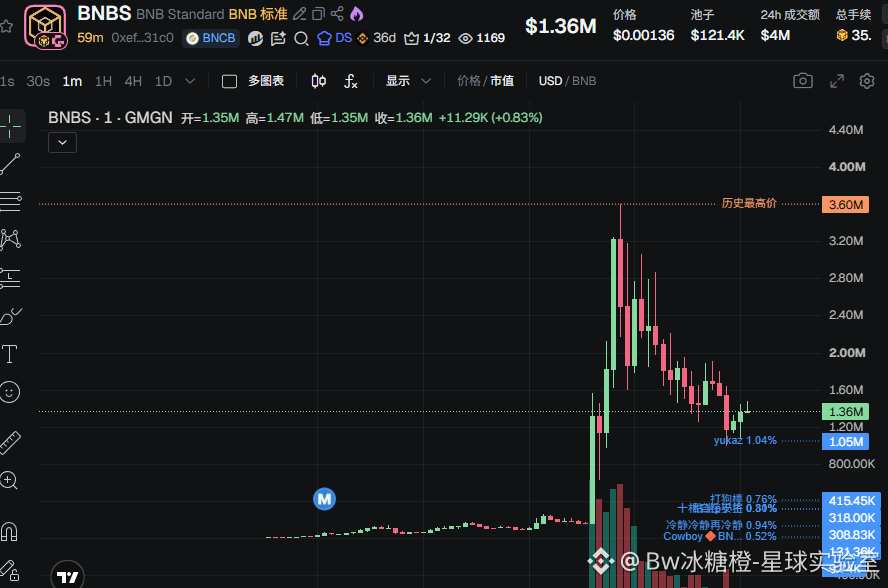
bnbs This coin from the CZ platform’s launch pad has gained support
Now when it dips, it’s time to buy the dip! Brothers, go harder and spread it out early!
Get in now! Just by doing this one CZ shout, the floor has to be 10m
0xefd9440be6f0e612daaa2be235fbe9654c3c31c0
bnbs This coin from the CZ platform’s launch pad has gained support
Now when it dips, it’s time to buy the dip! Brothers, go harder and spread it out early!
Get in now! Just by doing this one CZ shout, the floor has to be 10m
0xefd9440be6f0e612daaa2be235fbe9654c3c31c0
Now when it dips, it’s time to buy the dip! Brothers, go harder and spread it out early!
Get in now! Just by doing this one CZ shout, the floor has to be 10m
0xefd9440be6f0e612daaa2be235fbe9654c3c31c0
278
·
--
Crypto market updates for today (September 18), $BTC -$ETH -$SOL
How is the situation...
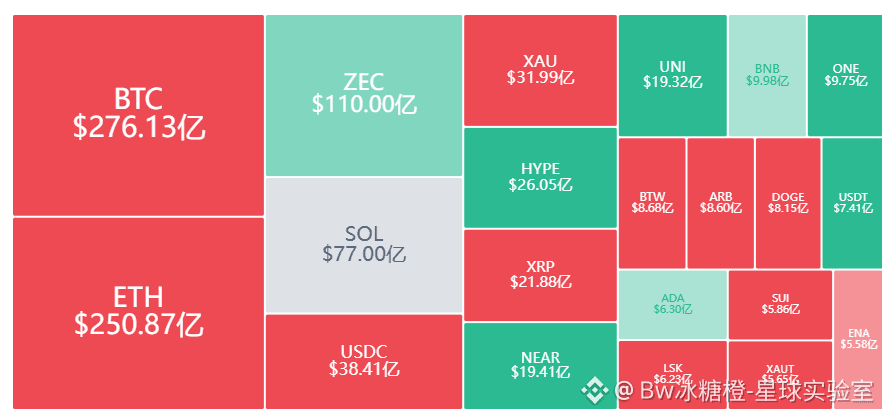
The core is one word: “disaster.” The U.S. Senate rejected the “Digital Asset Market Structure Clarity Act,” dealing the market a one-two punch from both macro and policy. Major coins like Bitcoin and Ethereum all plunged together, and a large number of leveraged long positions were liquidated.
Specifically, in the early hours of September 16, the market was hit across the board. Bitcoin briefly crashed by more than 5%, Ethereum fell by more than 8%, and XRP and SOL also saw sharp declines. In just 24 hours, more than 115,000 people were liquidated globally. By September 17, the Fear and Greed Index dropped from 69 (Greed) to 51 (Neutral). Bitcoin spot ETFs saw a net outflow of $450 million in a single day. Across the entire market, futures and perpetual liquidations totaled $666 million, with longs accounting for over 85% of liquidations.
Regulatory negative news: The “Digital Asset Market Structure Clarity Act” (Clarity Act)—seen as the most systematic crypto legislative attempt in recent years—failed to pass in a procedural vote in the Senate, with 49 votes in favor and 50 against, falling short of the 60-vote threshold. This extends the regulatory vacuum period for the crypto industry, making compliance pathways and capital allocation for institutions even more uncertain.
Macro headwinds: The yield on the 10-year U.S. Treasury rose to above 5% at one point, the highest level since 2007; the U.S. Dollar Index broke above the 100 mark. Tightening liquidity keeps the opportunity cost of holding Bitcoin rising, pushing funds to move away from risk assets.
#比特币ETF流出4.5亿美元
Crypto market updates for today (September 18), $BTC -$ETH -$SOL
How is the situation...
The core is one word: “disaster.” The U.S. Senate rejected the “Digital Asset Market Structure Clarity Act,” dealing the market a one-two punch from both macro and policy. Major coins like Bitcoin and Ethereum all plunged together, and a large number of leveraged long positions were liquidated.
Specifically, in the early hours of September 16, the market was hit across the board. Bitcoin briefly crashed by more than 5%, Ethereum fell by more than 8%, and XRP and SOL also saw sharp declines. In just 24 hours, more than 115,000 people were liquidated globally. By September 17, the Fear and Greed Index dropped from 69 (Greed) to 51 (Neutral). Bitcoin spot ETFs saw a net outflow of $450 million in a single day. Across the entire market, futures and perpetual liquidations totaled $666 million, with longs accounting for over 85% of liquidations.
Regulatory negative news: The “Digital Asset Market Structure Clarity Act” (Clarity Act)—seen as the most systematic crypto legislative attempt in recent years—failed to pass in a procedural vote in the Senate, with 49 votes in favor and 50 against, falling short of the 60-vote threshold. This extends the regulatory vacuum period for the crypto industry, making compliance pathways and capital allocation for institutions even more uncertain.
Macro headwinds: The yield on the 10-year U.S. Treasury rose to above 5% at one point, the highest level since 2007; the U.S. Dollar Index broke above the 100 mark. Tightening liquidity keeps the opportunity cost of holding Bitcoin rising, pushing funds to move away from risk assets.
#比特币ETF流出4.5亿美元
How is the situation...
The core is one word: “disaster.” The U.S. Senate rejected the “Digital Asset Market Structure Clarity Act,” dealing the market a one-two punch from both macro and policy. Major coins like Bitcoin and Ethereum all plunged together, and a large number of leveraged long positions were liquidated.
Specifically, in the early hours of September 16, the market was hit across the board. Bitcoin briefly crashed by more than 5%, Ethereum fell by more than 8%, and XRP and SOL also saw sharp declines. In just 24 hours, more than 115,000 people were liquidated globally. By September 17, the Fear and Greed Index dropped from 69 (Greed) to 51 (Neutral). Bitcoin spot ETFs saw a net outflow of $450 million in a single day. Across the entire market, futures and perpetual liquidations totaled $666 million, with longs accounting for over 85% of liquidations.
Regulatory negative news: The “Digital Asset Market Structure Clarity Act” (Clarity Act)—seen as the most systematic crypto legislative attempt in recent years—failed to pass in a procedural vote in the Senate, with 49 votes in favor and 50 against, falling short of the 60-vote threshold. This extends the regulatory vacuum period for the crypto industry, making compliance pathways and capital allocation for institutions even more uncertain.
Macro headwinds: The yield on the 10-year U.S. Treasury rose to above 5% at one point, the highest level since 2007; the U.S. Dollar Index broke above the 100 mark. Tightening liquidity keeps the opportunity cost of holding Bitcoin rising, pushing funds to move away from risk assets.
#比特币ETF流出4.5亿美元
815
·
--
I’m not going to say what day it is today, 918
1. $BTC
Now we’ll see if it can keep pushing higher— even the SEC has started approving the on-chain listing of U.S. stocks;
2.
$ETH
Following the market, but its performance is actually quite strong;
3.
$SOL
It’s back above 100— let’s see how it performs;
4. In one week, total cash recovery was about $407 million, and HypeStrat bought 1.8 million HYPE coins;
The only profitable DAT company;
5. Ondo’s inherited crisis escalates— the founder’s mother is accused by her daughter of dementia and alcoholism;
This story is kind of interesting;
6. BitMEX settles and delists XBTUSD, ending a decade-long run of perpetual contracts;
A historic moment;
7. The SEC rolls out a pilot plan for an on-exchange trading sandbox for tokenized assets;
8. The world’s largest gold ETF, SPDR Gold Trust, increases holdings by 0.856 tons;
9. Trump confirms meetings with Gulf states— oil prices fall for the streak, and gold prices hit 4380;
10. Anchorage Digital Bank begins custody of physical uranium tokens, with xU3O8 market cap around $9 million;
I’m not going to say what day it is today, 918
1. $BTC
Now we’ll see if it can keep pushing higher— even the SEC has started approving the on-chain listing of U.S. stocks;
2.
$ETH
Following the market, but its performance is actually quite strong;
3.
$SOL
It’s back above 100— let’s see how it performs;
4. In one week, total cash recovery was about $407 million, and HypeStrat bought 1.8 million HYPE coins;
The only profitable DAT company;
5. Ondo’s inherited crisis escalates— the founder’s mother is accused by her daughter of dementia and alcoholism;
This story is kind of interesting;
6. BitMEX settles and delists XBTUSD, ending a decade-long run of perpetual contracts;
A historic moment;
7. The SEC rolls out a pilot plan for an on-exchange trading sandbox for tokenized assets;
8. The world’s largest gold ETF, SPDR Gold Trust, increases holdings by 0.856 tons;
9. Trump confirms meetings with Gulf states— oil prices fall for the streak, and gold prices hit 4380;
10. Anchorage Digital Bank begins custody of physical uranium tokens, with xU3O8 market cap around $9 million;
1. $BTC
Now we’ll see if it can keep pushing higher— even the SEC has started approving the on-chain listing of U.S. stocks;
2.
$ETH
Following the market, but its performance is actually quite strong;
3.
$SOL
It’s back above 100— let’s see how it performs;
4. In one week, total cash recovery was about $407 million, and HypeStrat bought 1.8 million HYPE coins;
The only profitable DAT company;
5. Ondo’s inherited crisis escalates— the founder’s mother is accused by her daughter of dementia and alcoholism;
This story is kind of interesting;
6. BitMEX settles and delists XBTUSD, ending a decade-long run of perpetual contracts;
A historic moment;
7. The SEC rolls out a pilot plan for an on-exchange trading sandbox for tokenized assets;
8. The world’s largest gold ETF, SPDR Gold Trust, increases holdings by 0.856 tons;
9. Trump confirms meetings with Gulf states— oil prices fall for the streak, and gold prices hit 4380;
10. Anchorage Digital Bank begins custody of physical uranium tokens, with xU3O8 market cap around $9 million;

1
1.2k
·
--
Today let’s talk about three coins—each one follows a completely different playbook.
$ZEC
This one is a long-term whale building a trend. The pump has basically been going on for nearly a year. Relying on the privacy-coin narrative, plus the ETF expectations gradually being pushed upward. It’s not the kind of sudden, aggressive pump—pumping and then washing along the way—where money trickles in all at once. Instead, it’s a long-term trend.
$RAVE
This is more like a prop-trader’s short-term trade. The whole rally takes only about 4 to 6 days. It rockets upward fast, purely driven by market sentiment. After topping, it dumps decisively—pump fast, sell fast. Make a profit and then leave.
$LAB
This falls into a swing-trader whale style. The full rally cycle is about a bit over two months. They time it around the news window: pump a segment, wash a segment, keep going back and forth, and then gradually move higher.
I’ve summarized a rule for this: the smaller the float and the more flimsy the story, the shorter the rally duration. Only coins with narrative and logic to support them can sustain this kind of long-lasting trend.
Now specifically, when is ZEC more likely to dump?
First, when all the key positive catalysts have fully played out. The main players use the news to exit and directly realize profits.
Second, on-chain you see a large amount of holdings concentratedly transferring out. The whale starts distributing and offloading in batches.
Third, as the price keeps rising, the volume becomes huge, but the price doesn’t actually move higher. Then a single very long bearish candle appears—this is a very obvious signal that they’re preparing to leave.
As long as these signals haven’t appeared, the trend is still temporarily intact. But once any one of them triggers, even a long-term whale can still dump—don’t get overconfident. Don’t rush to go short; wait for the timing.
Today let’s talk about three coins—each one follows a completely different playbook.
$ZEC
This one is a long-term whale building a trend. The pump has basically been going on for nearly a year. Relying on the privacy-coin narrative, plus the ETF expectations gradually being pushed upward. It’s not the kind of sudden, aggressive pump—pumping and then washing along the way—where money trickles in all at once. Instead, it’s a long-term trend.
$RAVE
This is more like a prop-trader’s short-term trade. The whole rally takes only about 4 to 6 days. It rockets upward fast, purely driven by market sentiment. After topping, it dumps decisively—pump fast, sell fast. Make a profit and then leave.
$LAB
This falls into a swing-trader whale style. The full rally cycle is about a bit over two months. They time it around the news window: pump a segment, wash a segment, keep going back and forth, and then gradually move higher.
I’ve summarized a rule for this: the smaller the float and the more flimsy the story, the shorter the rally duration. Only coins with narrative and logic to support them can sustain this kind of long-lasting trend.
Now specifically, when is ZEC more likely to dump?
First, when all the key positive catalysts have fully played out. The main players use the news to exit and directly realize profits.
Second, on-chain you see a large amount of holdings concentratedly transferring out. The whale starts distributing and offloading in batches.
Third, as the price keeps rising, the volume becomes huge, but the price doesn’t actually move higher. Then a single very long bearish candle appears—this is a very obvious signal that they’re preparing to leave.
As long as these signals haven’t appeared, the trend is still temporarily intact. But once any one of them triggers, even a long-term whale can still dump—don’t get overconfident. Don’t rush to go short; wait for the timing.
$ZEC
This one is a long-term whale building a trend. The pump has basically been going on for nearly a year. Relying on the privacy-coin narrative, plus the ETF expectations gradually being pushed upward. It’s not the kind of sudden, aggressive pump—pumping and then washing along the way—where money trickles in all at once. Instead, it’s a long-term trend.
$RAVE
This is more like a prop-trader’s short-term trade. The whole rally takes only about 4 to 6 days. It rockets upward fast, purely driven by market sentiment. After topping, it dumps decisively—pump fast, sell fast. Make a profit and then leave.
$LAB
This falls into a swing-trader whale style. The full rally cycle is about a bit over two months. They time it around the news window: pump a segment, wash a segment, keep going back and forth, and then gradually move higher.
I’ve summarized a rule for this: the smaller the float and the more flimsy the story, the shorter the rally duration. Only coins with narrative and logic to support them can sustain this kind of long-lasting trend.
Now specifically, when is ZEC more likely to dump?
First, when all the key positive catalysts have fully played out. The main players use the news to exit and directly realize profits.
Second, on-chain you see a large amount of holdings concentratedly transferring out. The whale starts distributing and offloading in batches.
Third, as the price keeps rising, the volume becomes huge, but the price doesn’t actually move higher. Then a single very long bearish candle appears—this is a very obvious signal that they’re preparing to leave.
As long as these signals haven’t appeared, the trend is still temporarily intact. But once any one of them triggers, even a long-term whale can still dump—don’t get overconfident. Don’t rush to go short; wait for the timing.
1.1k
·
--
Verified
@arc
It’s supposed to be a “superstar-level” public chain backed by Wall Street giants—so why, the moment it goes live, does the entire screen reek of cheap “dog” camera footage?
Yesterday, Arc chain’s mainnet launch livestream went live—and it really threw everyone into a frenzy.
After seeing blurry video call connections, and an Indian developer bro taking over the frame, the anti-rug instinct hardwired into the DNA of traders on CT instantly kicked in. Funds fled the scene, and within hours, Arc’s ecosystem—its Memes and platform tokens—saw drops ranging from 40% to 75%.
So how did this strong, “about to withdraw liquidity—this chain isn’t grand enough” vibe even come about?
Curiosity got the better of me, so I actually dug into Circle’s 6-hour online mainnet release event. Turns out, this really feels like a public-relations layout disaster...
The official team actually force-fitted random community call-ins and an upscale, institutional-grade venue into the same livestream feed—and shoved the most off-putting, worst-looking segment right at the very beginning.
So when people click in to watch, the first thing they see is the so-called Developer Pre-Show (developer preheating).
Naturally, the camera cuts to community builders from around the world—their rooms are a mess, the lighting is dim, the mic connections lag, and the whole thing gives off the vibe of a scam.
Then, the real headline segment arrives—quite late. The camera finally switches to a high-definition main stage in New York: well-dressed executives in suits, institutional big shots sitting under carefully arranged spotlights, talking endlessly about tokenization funds and macro finance...
In a crypto circle that cares so heavily about emotions and first impressions, the order of appearance may be everything.
In the end, once people form the impression of “a top half in couture, but the bottom half in ripped sandals,” the consensus can only be: “Something’s wrong—run.”
On-chain, as of now, among the projects on arc with a market cap exceeding 10M, it looks like only Argus
@arc
It’s supposed to be a “superstar-level” public chain backed by Wall Street giants—so why, the moment it goes live, does the entire screen reek of cheap “dog” camera footage?
Yesterday, Arc chain’s mainnet launch livestream went live—and it really threw everyone into a frenzy.
After seeing blurry video call connections, and an Indian developer bro taking over the frame, the anti-rug instinct hardwired into the DNA of traders on CT instantly kicked in. Funds fled the scene, and within hours, Arc’s ecosystem—its Memes and platform tokens—saw drops ranging from 40% to 75%.
So how did this strong, “about to withdraw liquidity—this chain isn’t grand enough” vibe even come about?
Curiosity got the better of me, so I actually dug into Circle’s 6-hour online mainnet release event. Turns out, this really feels like a public-relations layout disaster...
The official team actually force-fitted random community call-ins and an upscale, institutional-grade venue into the same livestream feed—and shoved the most off-putting, worst-looking segment right at the very beginning.
So when people click in to watch, the first thing they see is the so-called Developer Pre-Show (developer preheating).
Naturally, the camera cuts to community builders from around the world—their rooms are a mess, the lighting is dim, the mic connections lag, and the whole thing gives off the vibe of a scam.
Then, the real headline segment arrives—quite late. The camera finally switches to a high-definition main stage in New York: well-dressed executives in suits, institutional big shots sitting under carefully arranged spotlights, talking endlessly about tokenization funds and macro finance...
In a crypto circle that cares so heavily about emotions and first impressions, the order of appearance may be everything.
In the end, once people form the impression of “a top half in couture, but the bottom half in ripped sandals,” the consensus can only be: “Something’s wrong—run.”
On-chain, as of now, among the projects on arc with a market cap exceeding 10M, it looks like only Argus
It’s supposed to be a “superstar-level” public chain backed by Wall Street giants—so why, the moment it goes live, does the entire screen reek of cheap “dog” camera footage?
Yesterday, Arc chain’s mainnet launch livestream went live—and it really threw everyone into a frenzy.
After seeing blurry video call connections, and an Indian developer bro taking over the frame, the anti-rug instinct hardwired into the DNA of traders on CT instantly kicked in. Funds fled the scene, and within hours, Arc’s ecosystem—its Memes and platform tokens—saw drops ranging from 40% to 75%.
So how did this strong, “about to withdraw liquidity—this chain isn’t grand enough” vibe even come about?
Curiosity got the better of me, so I actually dug into Circle’s 6-hour online mainnet release event. Turns out, this really feels like a public-relations layout disaster...
The official team actually force-fitted random community call-ins and an upscale, institutional-grade venue into the same livestream feed—and shoved the most off-putting, worst-looking segment right at the very beginning.
So when people click in to watch, the first thing they see is the so-called Developer Pre-Show (developer preheating).
Naturally, the camera cuts to community builders from around the world—their rooms are a mess, the lighting is dim, the mic connections lag, and the whole thing gives off the vibe of a scam.
Then, the real headline segment arrives—quite late. The camera finally switches to a high-definition main stage in New York: well-dressed executives in suits, institutional big shots sitting under carefully arranged spotlights, talking endlessly about tokenization funds and macro finance...
In a crypto circle that cares so heavily about emotions and first impressions, the order of appearance may be everything.
In the end, once people form the impression of “a top half in couture, but the bottom half in ripped sandals,” the consensus can only be: “Something’s wrong—run.”
On-chain, as of now, among the projects on arc with a market cap exceeding 10M, it looks like only Argus
1.7k
·
--
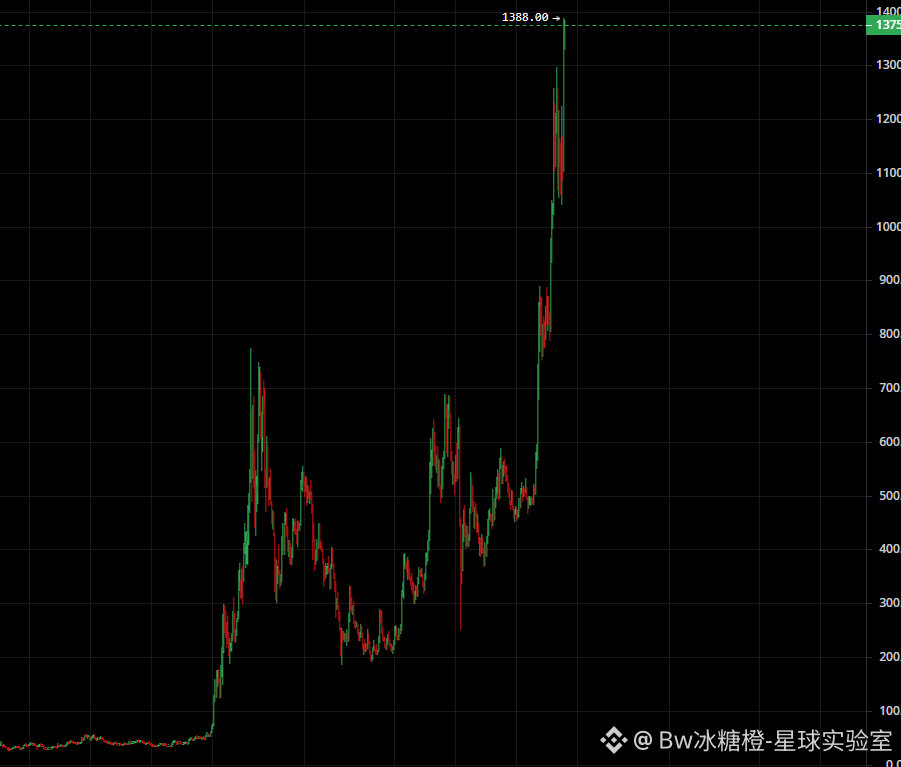
$BTC is grinding, $ETH is waiting, and $ZEC has already started playing on their own. A year—more than 20x. Note: more than 20x. Going from a few dozen Us all the way to today, no matter which coin you swap in, this kind of increase is already enough to make people question reality. But the most outrageous part about ZEC is: even after it has risen this much, the trend still hasn’t finished. When the market pulls back, it can hold. When the market is divided, it can still surge. Anonymous narratives, ETFs, scarcity—stack that with community upgrades—and the money that’s flowing into it is no longer being sold the old story. BTC is responsible for reopening the market’s direction. ETH is responsible for taking over the next round of capital rotation. And ZEC? It’s responsible for completely igniting sentiment. So I’m increasingly unwilling to guess the top. 1500? We can discuss it. Higher? It’s not like there’s no room for imagination either. Because when something can rise more than 20x in a year, it’s hard to use past prices to tell it: “You should stop here.” New highs aren’t the finish line. After new highs—that’s the truly exciting part.
$BTC is grinding, $ETH is waiting, and $ZEC has already started playing on their own. A year—more than 20x. Note: more than 20x. Going from a few dozen Us all the way to today, no matter which coin you swap in, this kind of increase is already enough to make people question reality. But the most outrageous part about ZEC is: even after it has risen this much, the trend still hasn’t finished. When the market pulls back, it can hold. When the market is divided, it can still surge. Anonymous narratives, ETFs, scarcity—stack that with community upgrades—and the money that’s flowing into it is no longer being sold the old story. BTC is responsible for reopening the market’s direction. ETH is responsible for taking over the next round of capital rotation. And ZEC? It’s responsible for completely igniting sentiment. So I’m increasingly unwilling to guess the top. 1500? We can discuss it. Higher? It’s not like there’s no room for imagination either. Because when something can rise more than 20x in a year, it’s hard to use past prices to tell it: “You should stop here.” New highs aren’t the finish line. After new highs—that’s the truly exciting part.
669
·
--
Damn! $ZEC
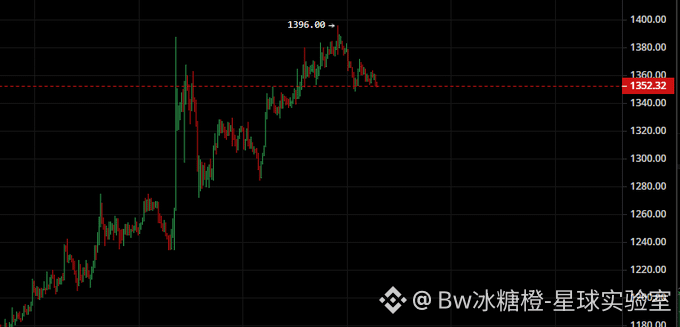
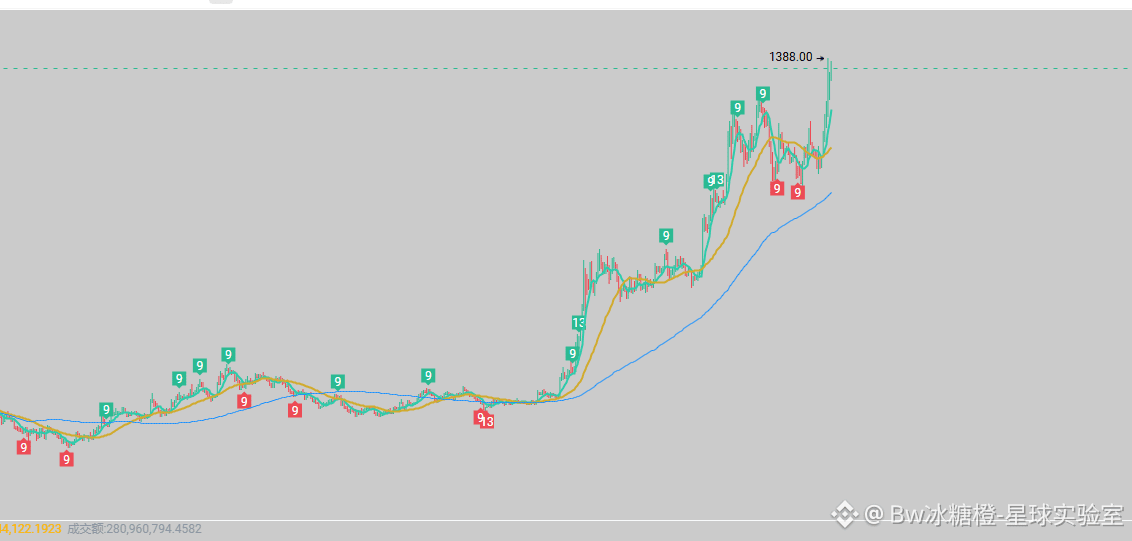
This move today is absolutely off the charts! After waking up from a nap, how many people must have banged their heads against the wall! From 1,101 all the way up, it has been surging crazily to 1,399—current price at 1,334, yet it still managed to unleash a brutal rally that only a bull market can pull off!
Why is it so strong? The core engine is the Grayscale Zcash ETF, which has been listed for only three weeks—the asset size has blasted straight through the $600 million mark. Institutional money is aggressively sweeping in, and the privacy track has been fully ignited. This is a no-BS independent行情 forged by real money, not empty talk.
Technically, on the 1-hour timeframe, the moving averages show a perfect bullish alignment. MA5 (1,310) and MA10 (1,289) provide strong support. But RSI is nearing 67, entering the overbought zone—so in the short term, don’t blindly chase high!
In terms of strategy: the dog-whale (market maker) is shaking people out aggressively. It’s recommended to wait for a pullback and buy lightly only after it stabilizes around 1,300–1,310. Targets: 1,380 → 1,400. As long as the daily chart doesn’t break 1,280, the uptrend won’t die.
Didn’t expect you to be this strong. The privacy sector is really on a “rewrite your destiny” kind of trajectory? Hold your chips, brothers—drop a comment to show up!
Fight the dog-whale to the end!
#美联储加息是否已成定局
Damn! $ZEC
This move today is absolutely off the charts! After waking up from a nap, how many people must have banged their heads against the wall! From 1,101 all the way up, it has been surging crazily to 1,399—current price at 1,334, yet it still managed to unleash a brutal rally that only a bull market can pull off!
Why is it so strong? The core engine is the Grayscale Zcash ETF, which has been listed for only three weeks—the asset size has blasted straight through the $600 million mark. Institutional money is aggressively sweeping in, and the privacy track has been fully ignited. This is a no-BS independent行情 forged by real money, not empty talk.
Technically, on the 1-hour timeframe, the moving averages show a perfect bullish alignment. MA5 (1,310) and MA10 (1,289) provide strong support. But RSI is nearing 67, entering the overbought zone—so in the short term, don’t blindly chase high!
In terms of strategy: the dog-whale (market maker) is shaking people out aggressively. It’s recommended to wait for a pullback and buy lightly only after it stabilizes around 1,300–1,310. Targets: 1,380 → 1,400. As long as the daily chart doesn’t break 1,280, the uptrend won’t die.
Didn’t expect you to be this strong. The privacy sector is really on a “rewrite your destiny” kind of trajectory? Hold your chips, brothers—drop a comment to show up!
Fight the dog-whale to the end!
#美联储加息是否已成定局
This move today is absolutely off the charts! After waking up from a nap, how many people must have banged their heads against the wall! From 1,101 all the way up, it has been surging crazily to 1,399—current price at 1,334, yet it still managed to unleash a brutal rally that only a bull market can pull off!
Why is it so strong? The core engine is the Grayscale Zcash ETF, which has been listed for only three weeks—the asset size has blasted straight through the $600 million mark. Institutional money is aggressively sweeping in, and the privacy track has been fully ignited. This is a no-BS independent行情 forged by real money, not empty talk.
Technically, on the 1-hour timeframe, the moving averages show a perfect bullish alignment. MA5 (1,310) and MA10 (1,289) provide strong support. But RSI is nearing 67, entering the overbought zone—so in the short term, don’t blindly chase high!
In terms of strategy: the dog-whale (market maker) is shaking people out aggressively. It’s recommended to wait for a pullback and buy lightly only after it stabilizes around 1,300–1,310. Targets: 1,380 → 1,400. As long as the daily chart doesn’t break 1,280, the uptrend won’t die.
Didn’t expect you to be this strong. The privacy sector is really on a “rewrite your destiny” kind of trajectory? Hold your chips, brothers—drop a comment to show up!
Fight the dog-whale to the end!
#美联储加息是否已成定局
2
1
1.2k
·
--
I don’t know how everyone in Arc Mining’s brothers have been doing after a day—judging from what people are saying on Twitter, it’s like every guy is picking up money. But why does it feel like the brothers in the group are all making donations?
1.
$BTC
{future}(BTCUSDT)
Case closed. With the rate hikes piling on and the bill failing to pass, we can only take our own path;
2.
$ETH
Will the big whales have another chance to get on the train again?
3.
$SOL
Still haven’t figured out whether to pull the market up or not—what to do with the ecosystem;
4. The market pricing has been raised: expectations of two rate hikes this year by the Federal Reserve;
5. Reportedly, Saudi Arabia plans to restore about half the capacity of a key pipeline within a few days. Secret contacts between the U.S. and the Houthi forces have also come to light;
6. “The new bond king”: If I were a Fed commissioner, today I would support a 50-basis-point rate hike;
One hawk after another.
7. The situation in the Middle East remains tense. Oil daily throughput at the Strait of Hormuz has reached 18 million barrels;
8. Trump said he hopes the U.S.-Iran conflict is nearing an end;
Is it really just another golden pit?
9. The Federal Reserve raises rates to 4%, while Trump wants it down to 1%.
Trump said he still has confidence in Fed Chair Waller;
10. The U.S. House of Representatives passed a Russia sanctions bill and will send it to Trump for signature;
The peace envoy can’t succeed.
I don’t know how everyone in Arc Mining’s brothers have been doing after a day—judging from what people are saying on Twitter, it’s like every guy is picking up money. But why does it feel like the brothers in the group are all making donations?
1.
$BTC
Case closed. With the rate hikes piling on and the bill failing to pass, we can only take our own path;
2.
$ETH
Will the big whales have another chance to get on the train again?
3.
$SOL
Still haven’t figured out whether to pull the market up or not—what to do with the ecosystem;
4. The market pricing has been raised: expectations of two rate hikes this year by the Federal Reserve;
5. Reportedly, Saudi Arabia plans to restore about half the capacity of a key pipeline within a few days. Secret contacts between the U.S. and the Houthi forces have also come to light;
6. “The new bond king”: If I were a Fed commissioner, today I would support a 50-basis-point rate hike;
One hawk after another.
7. The situation in the Middle East remains tense. Oil daily throughput at the Strait of Hormuz has reached 18 million barrels;
8. Trump said he hopes the U.S.-Iran conflict is nearing an end;
Is it really just another golden pit?
9. The Federal Reserve raises rates to 4%, while Trump wants it down to 1%.
Trump said he still has confidence in Fed Chair Waller;
10. The U.S. House of Representatives passed a Russia sanctions bill and will send it to Trump for signature;
The peace envoy can’t succeed.
1.
$BTC
Case closed. With the rate hikes piling on and the bill failing to pass, we can only take our own path;
2.
$ETH
Will the big whales have another chance to get on the train again?
3.
$SOL
Still haven’t figured out whether to pull the market up or not—what to do with the ecosystem;
4. The market pricing has been raised: expectations of two rate hikes this year by the Federal Reserve;
5. Reportedly, Saudi Arabia plans to restore about half the capacity of a key pipeline within a few days. Secret contacts between the U.S. and the Houthi forces have also come to light;
6. “The new bond king”: If I were a Fed commissioner, today I would support a 50-basis-point rate hike;
One hawk after another.
7. The situation in the Middle East remains tense. Oil daily throughput at the Strait of Hormuz has reached 18 million barrels;
8. Trump said he hopes the U.S.-Iran conflict is nearing an end;
Is it really just another golden pit?
9. The Federal Reserve raises rates to 4%, while Trump wants it down to 1%.
Trump said he still has confidence in Fed Chair Waller;
10. The U.S. House of Representatives passed a Russia sanctions bill and will send it to Trump for signature;
The peace envoy can’t succeed.

436
·
--
Brothers, there are a lot of key things to watch this week on the macro front. The core focus is still the FOMC; next come retail sales, initial jobless claims, the Philadelphia Fed data, and other releases.
On September 16, the Federal Reserve will publish its interest rate decision and economic projections.
On the 17th, there will be employment and manufacturing data. The market can easily reprice ahead of time based on the data.
Currently, the market’s expectation for a 25bp rate hike is already very high, so the hike itself may not be the biggest downside risk. What we really need to guard against is Powell and the dot plot coming in more hawkish than expected. In addition, both oil prices and the 10-year U.S. Treasury yield are at elevated levels, so the short-term pressure on risk assets remains relatively high.
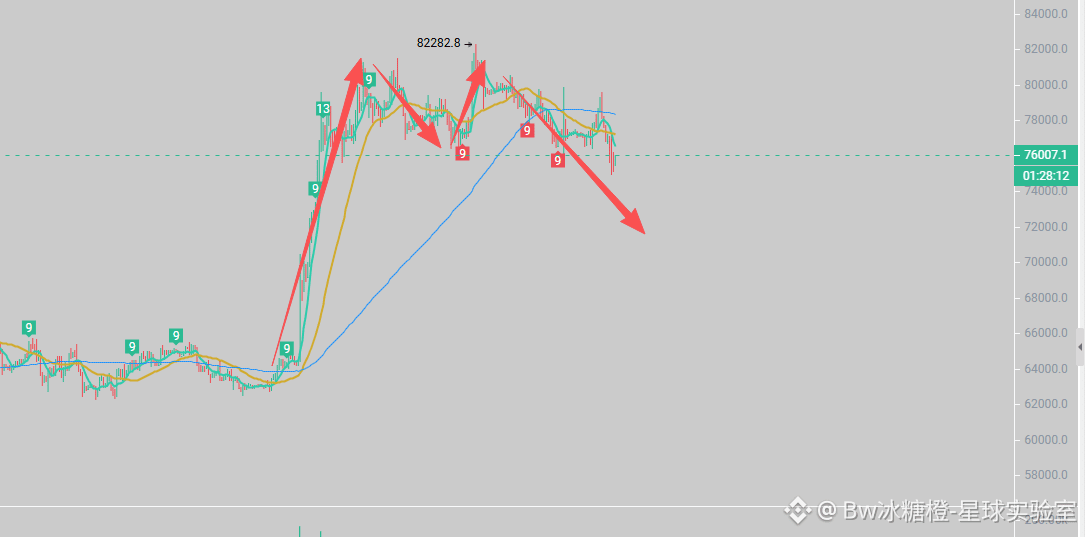
$BTC : If it breaks below 75,000: it means the support at today’s low has failed; don’t rush to bottom-fish. First, watch for further downside. Recover back above 77,000–78,000: that would indicate the pressure from shorts is starting to ease—then you can consider going long after a pullback and confirmation. Break above 78,000 and hold: that would be more like a real repair; short positions should be treated with much more caution.
$ETH : If it breaks below around 2,350: the structure remains on the weaker side—don’t try to catch it there. If it reclaims 2,450–2,500: that would suggest the repair effort is clearly strengthening. Only if it breaks above 2,500 and holds can we say the short-term weakness has truly been turned around. Personally, I won’t be fixated on one direction all week. Before the FOMC, we may continue to see choppy “washout” action; only after the FOMC will the market truly choose a direction.
At this kind of level, the easiest thing to happen is: “it looks like it’s going down but suddenly rallies,” or “it looks like it’s going up but suddenly sells off.” Position control matters more than guessing the direction.
Brothers, there are a lot of key things to watch this week on the macro front. The core focus is still the FOMC; next come retail sales, initial jobless claims, the Philadelphia Fed data, and other releases.
On September 16, the Federal Reserve will publish its interest rate decision and economic projections.
On the 17th, there will be employment and manufacturing data. The market can easily reprice ahead of time based on the data.
Currently, the market’s expectation for a 25bp rate hike is already very high, so the hike itself may not be the biggest downside risk. What we really need to guard against is Powell and the dot plot coming in more hawkish than expected. In addition, both oil prices and the 10-year U.S. Treasury yield are at elevated levels, so the short-term pressure on risk assets remains relatively high.
$BTC : If it breaks below 75,000: it means the support at today’s low has failed; don’t rush to bottom-fish. First, watch for further downside. Recover back above 77,000–78,000: that would indicate the pressure from shorts is starting to ease—then you can consider going long after a pullback and confirmation. Break above 78,000 and hold: that would be more like a real repair; short positions should be treated with much more caution.
$ETH : If it breaks below around 2,350: the structure remains on the weaker side—don’t try to catch it there. If it reclaims 2,450–2,500: that would suggest the repair effort is clearly strengthening. Only if it breaks above 2,500 and holds can we say the short-term weakness has truly been turned around. Personally, I won’t be fixated on one direction all week. Before the FOMC, we may continue to see choppy “washout” action; only after the FOMC will the market truly choose a direction.
At this kind of level, the easiest thing to happen is: “it looks like it’s going down but suddenly rallies,” or “it looks like it’s going up but suddenly sells off.” Position control matters more than guessing the direction.
On September 16, the Federal Reserve will publish its interest rate decision and economic projections.
On the 17th, there will be employment and manufacturing data. The market can easily reprice ahead of time based on the data.
Currently, the market’s expectation for a 25bp rate hike is already very high, so the hike itself may not be the biggest downside risk. What we really need to guard against is Powell and the dot plot coming in more hawkish than expected. In addition, both oil prices and the 10-year U.S. Treasury yield are at elevated levels, so the short-term pressure on risk assets remains relatively high.
$BTC : If it breaks below 75,000: it means the support at today’s low has failed; don’t rush to bottom-fish. First, watch for further downside. Recover back above 77,000–78,000: that would indicate the pressure from shorts is starting to ease—then you can consider going long after a pullback and confirmation. Break above 78,000 and hold: that would be more like a real repair; short positions should be treated with much more caution.
$ETH : If it breaks below around 2,350: the structure remains on the weaker side—don’t try to catch it there. If it reclaims 2,450–2,500: that would suggest the repair effort is clearly strengthening. Only if it breaks above 2,500 and holds can we say the short-term weakness has truly been turned around. Personally, I won’t be fixated on one direction all week. Before the FOMC, we may continue to see choppy “washout” action; only after the FOMC will the market truly choose a direction.
At this kind of level, the easiest thing to happen is: “it looks like it’s going down but suddenly rallies,” or “it looks like it’s going up but suddenly sells off.” Position control matters more than guessing the direction.
359
·
--
The whole semiconductor stack-up with AI is a bit brutal; last time it was this bad was when Iran first started fighting back in March. Will this be a new starting point?
1.
$BTC The bill failed to pass and the price dropped 📉, but it’s probably a misfire, because nobody expected it could pass;
2.
$ETH Brought down by the big cake/bread.
3.
$SOL
It dropped below 100 again—things aren’t going well;
4. The situation in the Middle East escalated. A tanker in the Strait of Hormuz was attacked, and two people are missing;
5. Aave Labs proposal: Build an isolated Hub for V4; managed assets can serve as collateral for stablecoin borrowings;
6. NVIDIA’s Jensen Huang: AI safety can be solved through market self-regulation and doesn’t require new oversight;
7. While Trump pushes for the trading ban, he makes more stock trades than all of Congress combined;
8. BlackRock CEO warns: Opposition to AI could make the technology a domain exclusive to big companies;
9. Chair of the U.S. Senate Banking Committee: The CLARITY Act didn’t pass because of Democrats’ obstruction;
As expected;
10.arc went live—so you can only say reactions vary, whether up or down;
11.x launched the Cashtag partner program in the U.S., adding a “trade” option to Cashtag;
12. SK hynix and the union reached an agreement: 50% of performance bonuses paid in stock;
13. The probability of Fed rate hikes rose to 94%;
Anyone doing 6% wealth management?
14. Over the past two weeks, hedge funds bought U.S. tech stocks at the fastest pace since mid-2025;
—————-
They say if you go to arc early, you might find the house is almost gone?
Money comes fast on-chain, but losing money is just as fast!
#美联储加息是否已成定局
The whole semiconductor stack-up with AI is a bit brutal; last time it was this bad was when Iran first started fighting back in March. Will this be a new starting point?
1.
$BTC The bill failed to pass and the price dropped 📉, but it’s probably a misfire, because nobody expected it could pass;
2.
$ETH Brought down by the big cake/bread.
3.
$SOL
It dropped below 100 again—things aren’t going well;
4. The situation in the Middle East escalated. A tanker in the Strait of Hormuz was attacked, and two people are missing;
5. Aave Labs proposal: Build an isolated Hub for V4; managed assets can serve as collateral for stablecoin borrowings;
6. NVIDIA’s Jensen Huang: AI safety can be solved through market self-regulation and doesn’t require new oversight;
7. While Trump pushes for the trading ban, he makes more stock trades than all of Congress combined;
8. BlackRock CEO warns: Opposition to AI could make the technology a domain exclusive to big companies;
9. Chair of the U.S. Senate Banking Committee: The CLARITY Act didn’t pass because of Democrats’ obstruction;
As expected;
10.arc went live—so you can only say reactions vary, whether up or down;
11.x launched the Cashtag partner program in the U.S., adding a “trade” option to Cashtag;
12. SK hynix and the union reached an agreement: 50% of performance bonuses paid in stock;
13. The probability of Fed rate hikes rose to 94%;
Anyone doing 6% wealth management?
14. Over the past two weeks, hedge funds bought U.S. tech stocks at the fastest pace since mid-2025;
—————-
They say if you go to arc early, you might find the house is almost gone?
Money comes fast on-chain, but losing money is just as fast!
#美联储加息是否已成定局
1.
$BTC The bill failed to pass and the price dropped 📉, but it’s probably a misfire, because nobody expected it could pass;
2.
$ETH Brought down by the big cake/bread.
3.
$SOL
It dropped below 100 again—things aren’t going well;
4. The situation in the Middle East escalated. A tanker in the Strait of Hormuz was attacked, and two people are missing;
5. Aave Labs proposal: Build an isolated Hub for V4; managed assets can serve as collateral for stablecoin borrowings;
6. NVIDIA’s Jensen Huang: AI safety can be solved through market self-regulation and doesn’t require new oversight;
7. While Trump pushes for the trading ban, he makes more stock trades than all of Congress combined;
8. BlackRock CEO warns: Opposition to AI could make the technology a domain exclusive to big companies;
9. Chair of the U.S. Senate Banking Committee: The CLARITY Act didn’t pass because of Democrats’ obstruction;
As expected;
10.arc went live—so you can only say reactions vary, whether up or down;
11.x launched the Cashtag partner program in the U.S., adding a “trade” option to Cashtag;
12. SK hynix and the union reached an agreement: 50% of performance bonuses paid in stock;
13. The probability of Fed rate hikes rose to 94%;
Anyone doing 6% wealth management?
14. Over the past two weeks, hedge funds bought U.S. tech stocks at the fastest pace since mid-2025;
—————-
They say if you go to arc early, you might find the house is almost gone?
Money comes fast on-chain, but losing money is just as fast!
#美联储加息是否已成定局

480
·
--
Brothers, are you still messing around on-chain everywhere lately?
The real on-chain opportunities have never been about waiting until they pump before you look.
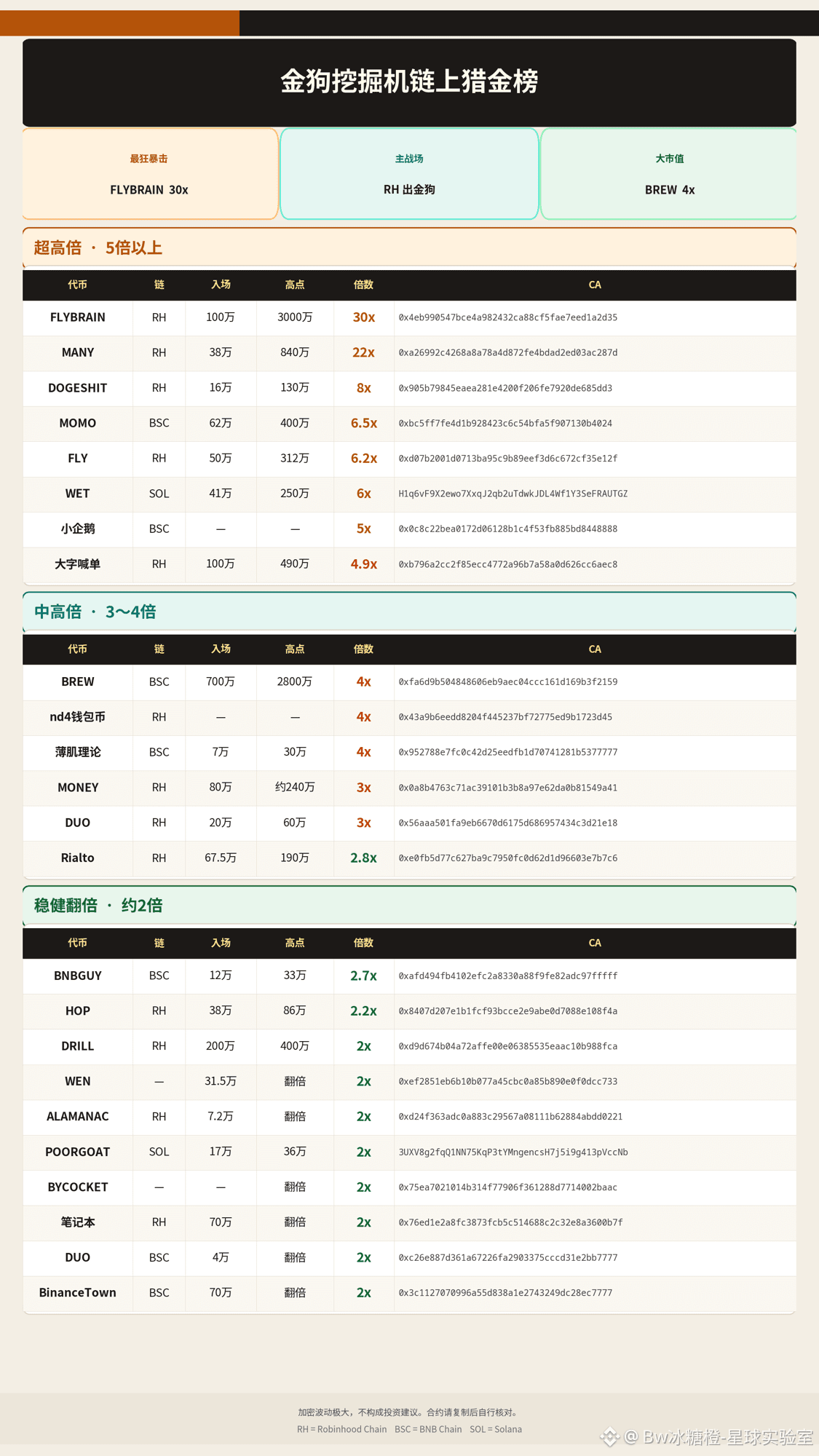
Just look at this “Golden Dog Mining Rig Gold Hunt Ranking”:
FLYBRAIN 30x
MANY 22x
DOGESHIT 8x
MOMO 6.5x
FLY 6.2x
BREW 4x…
A batch of low-market-cap projects, within just a few days, went straight from being ignored to getting all the attention across the internet.
But here’s the question:
If you can’t catch the one that already pumped 30x, then how do you find the next 30x one early?
That’s the real value of an on-chain mining rig.
It’s not about staring at what has already taken off—it’s about filtering in advance from on-chain data:
low market cap, fund movement anomalies, surging trading volume, smart money entering, community heat, and narrative shifts.
Especially now
#Robinhood Chain fund rotations are getting faster and faster; #Meme , #Launchpad , #Aİ , #RWA
keep switching continuously.
When you see a 30x move, it may already be the second half of the story.
The real money-making opportunities are often hidden in:
the moment before everyone else discovers it.
Find our Golden Dog Mining Rig and you’re set. Our Golden Dog Mining Rig has a professional team responsible for manually collecting information and helping everyone filter high-quality leads. The deeply analyzed and filtered information is absolutely the most reliable. With just a few orders’ worth of trading fees, you can experience the ultimate level of service—the ultimate pushback feeling.
Next FLYBRAIN, next MANY—who will it be?
The answer might be hidden in the very next chunk of on-chain capital flow.
Brothers, are you still messing around on-chain everywhere lately?
The real on-chain opportunities have never been about waiting until they pump before you look.
Just look at this “Golden Dog Mining Rig Gold Hunt Ranking”:
FLYBRAIN 30x
MANY 22x
DOGESHIT 8x
MOMO 6.5x
FLY 6.2x
BREW 4x…
A batch of low-market-cap projects, within just a few days, went straight from being ignored to getting all the attention across the internet.
But here’s the question:
If you can’t catch the one that already pumped 30x, then how do you find the next 30x one early?
That’s the real value of an on-chain mining rig.
It’s not about staring at what has already taken off—it’s about filtering in advance from on-chain data:
low market cap, fund movement anomalies, surging trading volume, smart money entering, community heat, and narrative shifts.
Especially now
#Robinhood Chain fund rotations are getting faster and faster; #Meme , #Launchpad , #Aİ , #RWA
keep switching continuously.
When you see a 30x move, it may already be the second half of the story.
The real money-making opportunities are often hidden in:
the moment before everyone else discovers it.
Find our Golden Dog Mining Rig and you’re set. Our Golden Dog Mining Rig has a professional team responsible for manually collecting information and helping everyone filter high-quality leads. The deeply analyzed and filtered information is absolutely the most reliable. With just a few orders’ worth of trading fees, you can experience the ultimate level of service—the ultimate pushback feeling.
Next FLYBRAIN, next MANY—who will it be?
The answer might be hidden in the very next chunk of on-chain capital flow.
The real on-chain opportunities have never been about waiting until they pump before you look.
Just look at this “Golden Dog Mining Rig Gold Hunt Ranking”:
FLYBRAIN 30x
MANY 22x
DOGESHIT 8x
MOMO 6.5x
FLY 6.2x
BREW 4x…
A batch of low-market-cap projects, within just a few days, went straight from being ignored to getting all the attention across the internet.
But here’s the question:
If you can’t catch the one that already pumped 30x, then how do you find the next 30x one early?
That’s the real value of an on-chain mining rig.
It’s not about staring at what has already taken off—it’s about filtering in advance from on-chain data:
low market cap, fund movement anomalies, surging trading volume, smart money entering, community heat, and narrative shifts.
Especially now
#Robinhood Chain fund rotations are getting faster and faster; #Meme , #Launchpad , #Aİ , #RWA
keep switching continuously.
When you see a 30x move, it may already be the second half of the story.
The real money-making opportunities are often hidden in:
the moment before everyone else discovers it.
Find our Golden Dog Mining Rig and you’re set. Our Golden Dog Mining Rig has a professional team responsible for manually collecting information and helping everyone filter high-quality leads. The deeply analyzed and filtered information is absolutely the most reliable. With just a few orders’ worth of trading fees, you can experience the ultimate level of service—the ultimate pushback feeling.
Next FLYBRAIN, next MANY—who will it be?
The answer might be hidden in the very next chunk of on-chain capital flow.
186
·
--
A rare scene in 20 years: the U.S., Europe, and Japan all enter the rate-hiking cycle at the same time.
It’s no longer just the United States drawing in liquidity alone—global liquidity tightens its “main valve” together.
✅ One-sentence core logic
Over the past decades, Japan’s yen has been at near-zero interest rates for a long time, continuously exporting cheap arbitrage capital to the world.
Now Japan has also started raising rates. Cheap U.S. dollars, cheap euros, and cheap yen all disappear.
The cost for the world to borrow money collectively gets higher.
📌 What it means for major assets
▪ BTC (risk assets)
In a high-interest-rate environment, hot money is unwilling to stay in highly volatile assets.
Leveraged positions start getting liquidated passively.
Only when the market is trading the “expectation of future rate cuts” will the big pizza have a big, large-scale rally.
In the short term, ranging, wicks/spikes, and high volatility are the norm.
▪ Gold
A tough tug-of-war:
When rates rise, the opportunity cost of holding gold increases (bearish).
Rate hikes can’t suppress oil prices, and worries about stagflation remain—so safe-haven buying enters (bullish).
It won’t move in only one direction; large oscillations dominate.
▪ U.S. dollar
It doesn’t necessarily mean a mindless, straight-up surge.
When Europe and Japan raise rates at the same time, the interest-rate differential narrows, weakening the strength of the dollar’s one-way rally.
But global risk appetite declines.
⚠️ Two truths you must understand
1. This round isn’t rate hikes caused by economic overheating—it’s passive rate hikes forced by oil prices.
Energy inflation rebounds, and central banks have no choice but to act to curb prices.
2. Expectations for rate cuts have already been pushed far into the future.
Don’t fantasize about quickly returning to the era of low rates and endless liquidity flooding.
Brothers, what do you think about how to handle the situation going forward? Let’s discuss it—🈳 or maybe more
$XAU
A rare scene in 20 years: the U.S., Europe, and Japan all enter the rate-hiking cycle at the same time.
It’s no longer just the United States drawing in liquidity alone—global liquidity tightens its “main valve” together.
✅ One-sentence core logic
Over the past decades, Japan’s yen has been at near-zero interest rates for a long time, continuously exporting cheap arbitrage capital to the world.
Now Japan has also started raising rates. Cheap U.S. dollars, cheap euros, and cheap yen all disappear.
The cost for the world to borrow money collectively gets higher.
📌 What it means for major assets
▪ BTC (risk assets)
In a high-interest-rate environment, hot money is unwilling to stay in highly volatile assets.
Leveraged positions start getting liquidated passively.
Only when the market is trading the “expectation of future rate cuts” will the big pizza have a big, large-scale rally.
In the short term, ranging, wicks/spikes, and high volatility are the norm.
▪ Gold
A tough tug-of-war:
When rates rise, the opportunity cost of holding gold increases (bearish).
Rate hikes can’t suppress oil prices, and worries about stagflation remain—so safe-haven buying enters (bullish).
It won’t move in only one direction; large oscillations dominate.
▪ U.S. dollar
It doesn’t necessarily mean a mindless, straight-up surge.
When Europe and Japan raise rates at the same time, the interest-rate differential narrows, weakening the strength of the dollar’s one-way rally.
But global risk appetite declines.
⚠️ Two truths you must understand
1. This round isn’t rate hikes caused by economic overheating—it’s passive rate hikes forced by oil prices.
Energy inflation rebounds, and central banks have no choice but to act to curb prices.
2. Expectations for rate cuts have already been pushed far into the future.
Don’t fantasize about quickly returning to the era of low rates and endless liquidity flooding.
Brothers, what do you think about how to handle the situation going forward? Let’s discuss it—🈳 or maybe more
$XAU
It’s no longer just the United States drawing in liquidity alone—global liquidity tightens its “main valve” together.
✅ One-sentence core logic
Over the past decades, Japan’s yen has been at near-zero interest rates for a long time, continuously exporting cheap arbitrage capital to the world.
Now Japan has also started raising rates. Cheap U.S. dollars, cheap euros, and cheap yen all disappear.
The cost for the world to borrow money collectively gets higher.
📌 What it means for major assets
▪ BTC (risk assets)
In a high-interest-rate environment, hot money is unwilling to stay in highly volatile assets.
Leveraged positions start getting liquidated passively.
Only when the market is trading the “expectation of future rate cuts” will the big pizza have a big, large-scale rally.
In the short term, ranging, wicks/spikes, and high volatility are the norm.
▪ Gold
A tough tug-of-war:
When rates rise, the opportunity cost of holding gold increases (bearish).
Rate hikes can’t suppress oil prices, and worries about stagflation remain—so safe-haven buying enters (bullish).
It won’t move in only one direction; large oscillations dominate.
▪ U.S. dollar
It doesn’t necessarily mean a mindless, straight-up surge.
When Europe and Japan raise rates at the same time, the interest-rate differential narrows, weakening the strength of the dollar’s one-way rally.
But global risk appetite declines.
⚠️ Two truths you must understand
1. This round isn’t rate hikes caused by economic overheating—it’s passive rate hikes forced by oil prices.
Energy inflation rebounds, and central banks have no choice but to act to curb prices.
2. Expectations for rate cuts have already been pushed far into the future.
Don’t fantasize about quickly returning to the era of low rates and endless liquidity flooding.
Brothers, what do you think about how to handle the situation going forward? Let’s discuss it—🈳 or maybe more
$XAU
421
·
--
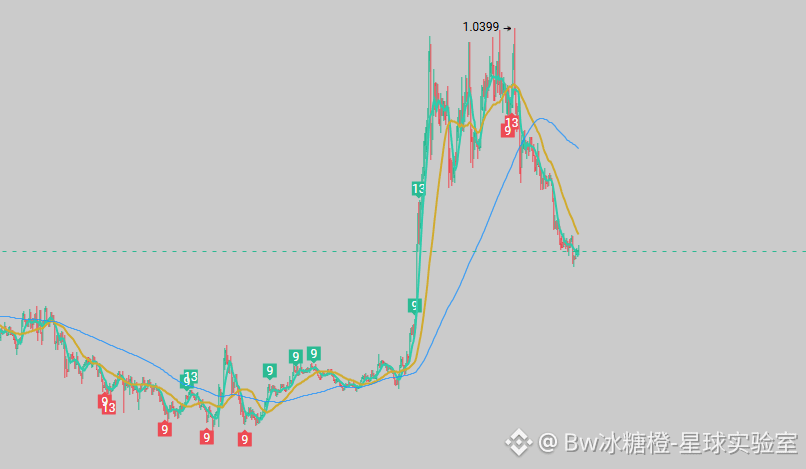
$FIL
The story on the supply side just reached the most exciting part—originally, it was supposed to showcase a strong resurgence.
But then AI cooled off. Even Japanese exchanges came to take a jab: they delisted FIL. So, in the short term, it will definitely drop for one to two weeks.
Brothers who hold spot in the long run don’t panic. Its fundamentals are a pretty great story:
(1) The project team’s linear release ends completely by the 15th of next month, and future新增供给 (new supply) will be cut by 75%, sharply shrinking;
(2) Community vote FIP-0118 has already passed, and any portion of ecosystem incentives that doesn’t meet the paid targets will be directly burned;
(3) The ecosystem fundamentals have also improved significantly in terms of numbers—annualized revenue rose from $663 in January to $60,000 by the end of August.
But unfortunately, the AI executives can’t be pushed any further in their “race.” They’ve collectively cooled AI down, and even <$SNDK > is down 5%. The FIL that’s merely riding the storage narrative will definitely fall even more. Especially since it’s inherently high beta—when it drops, it will drop harder.
On top of that, Japanese exchange GMO is adding fuel to the fire. It announced that on the 24th of next month, it will delist FIL, citing somewhat flimsy reasons: poor liquidity and lack of project continuity. But regardless of whether the reasons are convincing or not, the JPN/KR retail on-ramps will definitely get narrower—so everyone should run.
It’s very likely to keep falling over the next two weeks. Everyone should watch the support level at 0.85. However, spot holders can keep their core positions for now. Short-term delisting is noise; long-term deflation is the main logic, and the long-term opportunity is huge.
$FIL
The story on the supply side just reached the most exciting part—originally, it was supposed to showcase a strong resurgence.
But then AI cooled off. Even Japanese exchanges came to take a jab: they delisted FIL. So, in the short term, it will definitely drop for one to two weeks.
Brothers who hold spot in the long run don’t panic. Its fundamentals are a pretty great story:
(1) The project team’s linear release ends completely by the 15th of next month, and future新增供给 (new supply) will be cut by 75%, sharply shrinking;
(2) Community vote FIP-0118 has already passed, and any portion of ecosystem incentives that doesn’t meet the paid targets will be directly burned;
(3) The ecosystem fundamentals have also improved significantly in terms of numbers—annualized revenue rose from $663 in January to $60,000 by the end of August.
But unfortunately, the AI executives can’t be pushed any further in their “race.” They’ve collectively cooled AI down, and even <$SNDK > is down 5%. The FIL that’s merely riding the storage narrative will definitely fall even more. Especially since it’s inherently high beta—when it drops, it will drop harder.
On top of that, Japanese exchange GMO is adding fuel to the fire. It announced that on the 24th of next month, it will delist FIL, citing somewhat flimsy reasons: poor liquidity and lack of project continuity. But regardless of whether the reasons are convincing or not, the JPN/KR retail on-ramps will definitely get narrower—so everyone should run.
It’s very likely to keep falling over the next two weeks. Everyone should watch the support level at 0.85. However, spot holders can keep their core positions for now. Short-term delisting is noise; long-term deflation is the main logic, and the long-term opportunity is huge.
The story on the supply side just reached the most exciting part—originally, it was supposed to showcase a strong resurgence.
But then AI cooled off. Even Japanese exchanges came to take a jab: they delisted FIL. So, in the short term, it will definitely drop for one to two weeks.
Brothers who hold spot in the long run don’t panic. Its fundamentals are a pretty great story:
(1) The project team’s linear release ends completely by the 15th of next month, and future新增供给 (new supply) will be cut by 75%, sharply shrinking;
(2) Community vote FIP-0118 has already passed, and any portion of ecosystem incentives that doesn’t meet the paid targets will be directly burned;
(3) The ecosystem fundamentals have also improved significantly in terms of numbers—annualized revenue rose from $663 in January to $60,000 by the end of August.
But unfortunately, the AI executives can’t be pushed any further in their “race.” They’ve collectively cooled AI down, and even <$SNDK > is down 5%. The FIL that’s merely riding the storage narrative will definitely fall even more. Especially since it’s inherently high beta—when it drops, it will drop harder.
On top of that, Japanese exchange GMO is adding fuel to the fire. It announced that on the 24th of next month, it will delist FIL, citing somewhat flimsy reasons: poor liquidity and lack of project continuity. But regardless of whether the reasons are convincing or not, the JPN/KR retail on-ramps will definitely get narrower—so everyone should run.
It’s very likely to keep falling over the next two weeks. Everyone should watch the support level at 0.85. However, spot holders can keep their core positions for now. Short-term delisting is noise; long-term deflation is the main logic, and the long-term opportunity is huge.
312
·
--
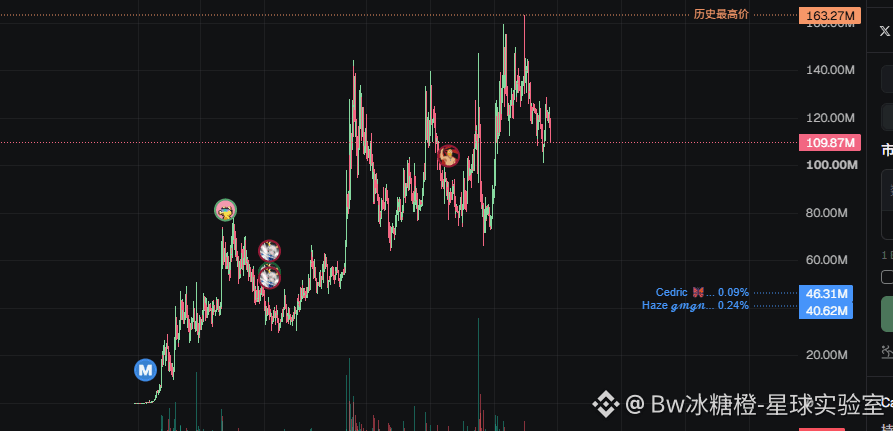
$牛来 I think when the market is falling, buy the bull, and then wait for the bull to come. When a bull market arrives, it’s definitely bullish. What do you think?
Add some faith in yourself!
$牛来 I think when the market is falling, buy the bull, and then wait for the bull to come. When a bull market arrives, it’s definitely bullish. What do you think?
Add some faith in yourself!
Add some faith in yourself!
436
·
--
Bearish
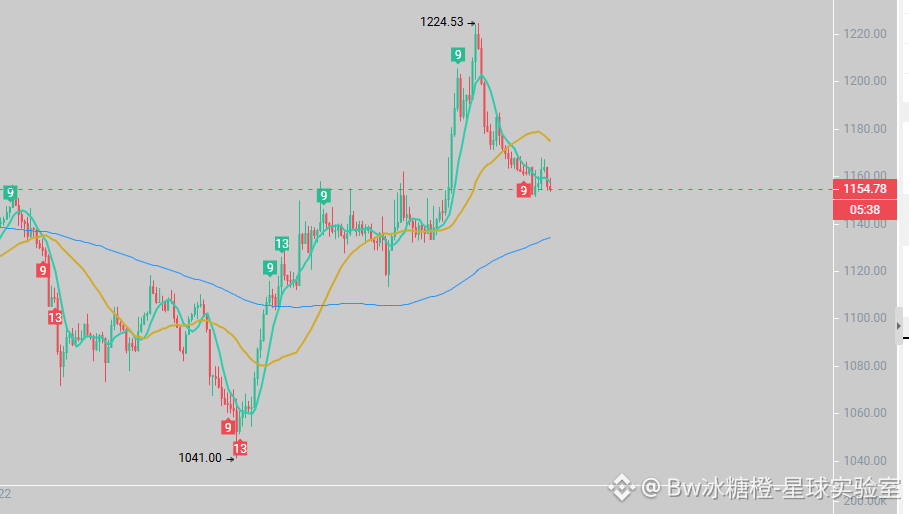
$ZEC
The bill is dead. 120,000 people got liquidated. The long side fed $200 million to the insiders.
I’ve said it how many times: procedural voting isn’t the final vote. The 60-vote threshold can’t possibly be met, and the Democrats have zero support. You just don’t listen.
Rate hike tomorrow. The bill dies today. Double kill.
Retail investors always have the most confidence at the lowest-probability moment—and at the highest-probability moment, they’re already liquidated and out of the game.
That’s the food chain.
BTC and ETH both drop together
$ZEC
The bill is dead. 120,000 people got liquidated. The long side fed $200 million to the insiders.
I’ve said it how many times: procedural voting isn’t the final vote. The 60-vote threshold can’t possibly be met, and the Democrats have zero support. You just don’t listen.
Rate hike tomorrow. The bill dies today. Double kill.
Retail investors always have the most confidence at the lowest-probability moment—and at the highest-probability moment, they’re already liquidated and out of the game.
That’s the food chain.
BTC and ETH both drop together
The bill is dead. 120,000 people got liquidated. The long side fed $200 million to the insiders.
I’ve said it how many times: procedural voting isn’t the final vote. The 60-vote threshold can’t possibly be met, and the Democrats have zero support. You just don’t listen.
Rate hike tomorrow. The bill dies today. Double kill.
Retail investors always have the most confidence at the lowest-probability moment—and at the highest-probability moment, they’re already liquidated and out of the game.
That’s the food chain.
BTC and ETH both drop together
1.1k
·
--
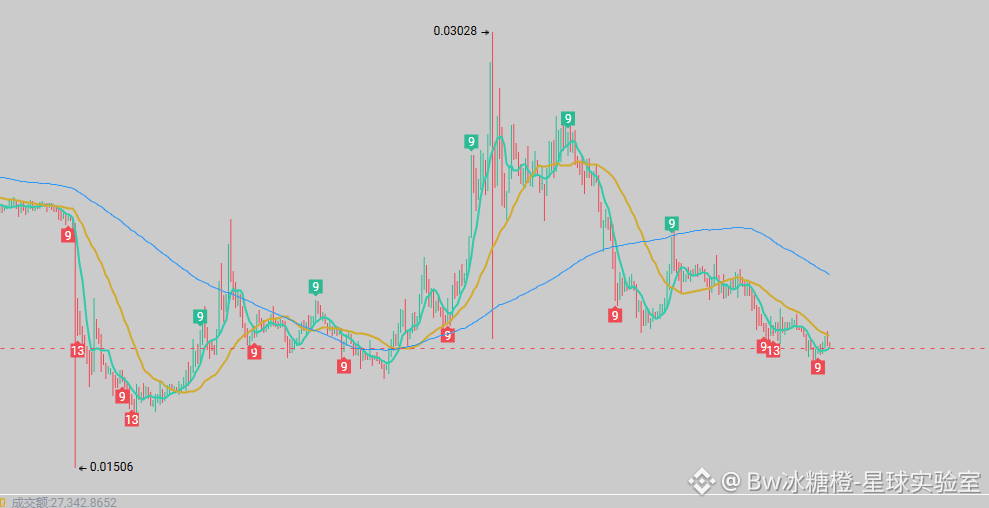
core
It seems like another phenomenon is being played out again—do you remember? Back then, when other coins on the market were having their prices pulled up and down, rotating between rising and falling, and the price kept climbing.
But core was, just like it is today, lifeless and struggling. While the whole market saw all the other coins疯狂涨(surge),only it barely rose. When it did rise, it was only a little. If the overall market dropped, it was the one that fell the fastest and the most.
It’s always the one that rises the least and falls the fastest.
Look—doesn’t it seem like it’s happening again, like back then? In a bull market, holding on to it like that not only doesn’t make money, but you’ll very likely lose money too. Not only does it fail to make money, you lose money—and you also miss the bull market. Tell me, how infuriating is that? 😂
core
It seems like another phenomenon is being played out again—do you remember? Back then, when other coins on the market were having their prices pulled up and down, rotating between rising and falling, and the price kept climbing.
But core was, just like it is today, lifeless and struggling. While the whole market saw all the other coins疯狂涨(surge),only it barely rose. When it did rise, it was only a little. If the overall market dropped, it was the one that fell the fastest and the most.
It’s always the one that rises the least and falls the fastest.
Look—doesn’t it seem like it’s happening again, like back then? In a bull market, holding on to it like that not only doesn’t make money, but you’ll very likely lose money too. Not only does it fail to make money, you lose money—and you also miss the bull market. Tell me, how infuriating is that? 😂
It seems like another phenomenon is being played out again—do you remember? Back then, when other coins on the market were having their prices pulled up and down, rotating between rising and falling, and the price kept climbing.
But core was, just like it is today, lifeless and struggling. While the whole market saw all the other coins疯狂涨(surge),only it barely rose. When it did rise, it was only a little. If the overall market dropped, it was the one that fell the fastest and the most.
It’s always the one that rises the least and falls the fastest.
Look—doesn’t it seem like it’s happening again, like back then? In a bull market, holding on to it like that not only doesn’t make money, but you’ll very likely lose money too. Not only does it fail to make money, you lose money—and you also miss the bull market. Tell me, how infuriating is that? 😂
429
·
--
Verified
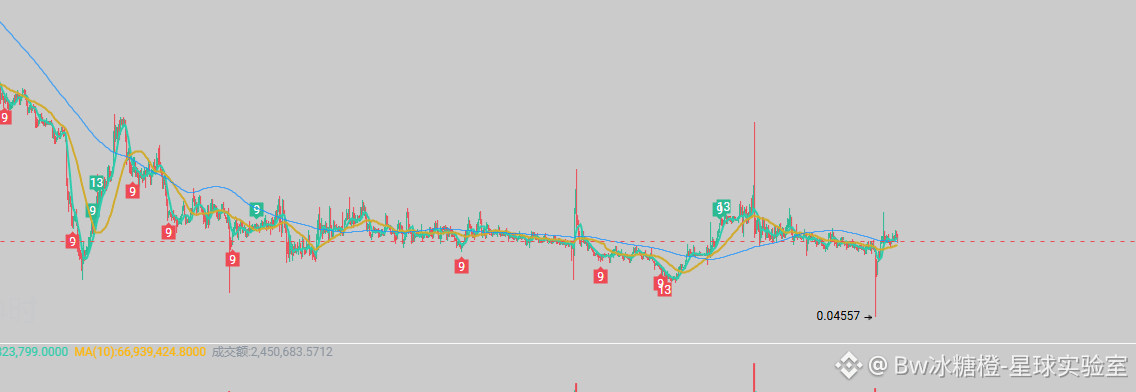
Dōng Wáng Huangmao has these 2+ billion coins—$WLFI —finally, there’s going to be a timeline.
Wallets allegedly related to Trump and his family are suspected to have transferred more than 20 billion WLFI coins into a new assigned contract.
When people see a transfer, their first reaction is: “Are they going to dump?”
But I think, at least for now, they are not.
These coins can’t be sold yet. First, under the new rules, 10% is destroyed; the rest is locked for two years, and then released gradually over three years.
So my judgment is very clear:
In the short term, it’s more bullish. There’s no immediate selling pressure, and with the expectation of burn, the market is more likely to trade the sentiment first.
The medium term isn’t as comfortable. Once the timetable is confirmed, the market will eventually trade ahead of time to deal with the unlocking pressure.
For the long term, what really matters is whether WLFI can hold up against the release of such a large amount of supply.
The project team also denies that they’re preparing for a sale.
So this time, I won’t short just because “Huangmao transferred coins.” If anything, if it’s going to be pumped first, I’ll be watching the subsequent settlement/sell orders.
Because the most worth being afraid of has never been selling today—it’s when the market starts pricing the future unlocks in advance.
#特朗普就CLARITY法案条款存疑
Dōng Wáng Huangmao has these 2+ billion coins—$WLFI —finally, there’s going to be a timeline.
Wallets allegedly related to Trump and his family are suspected to have transferred more than 20 billion WLFI coins into a new assigned contract.
When people see a transfer, their first reaction is: “Are they going to dump?”
But I think, at least for now, they are not.
These coins can’t be sold yet. First, under the new rules, 10% is destroyed; the rest is locked for two years, and then released gradually over three years.
So my judgment is very clear:
In the short term, it’s more bullish. There’s no immediate selling pressure, and with the expectation of burn, the market is more likely to trade the sentiment first.
The medium term isn’t as comfortable. Once the timetable is confirmed, the market will eventually trade ahead of time to deal with the unlocking pressure.
For the long term, what really matters is whether WLFI can hold up against the release of such a large amount of supply.
The project team also denies that they’re preparing for a sale.
So this time, I won’t short just because “Huangmao transferred coins.” If anything, if it’s going to be pumped first, I’ll be watching the subsequent settlement/sell orders.
Because the most worth being afraid of has never been selling today—it’s when the market starts pricing the future unlocks in advance.
#特朗普就CLARITY法案条款存疑
Wallets allegedly related to Trump and his family are suspected to have transferred more than 20 billion WLFI coins into a new assigned contract.
When people see a transfer, their first reaction is: “Are they going to dump?”
But I think, at least for now, they are not.
These coins can’t be sold yet. First, under the new rules, 10% is destroyed; the rest is locked for two years, and then released gradually over three years.
So my judgment is very clear:
In the short term, it’s more bullish. There’s no immediate selling pressure, and with the expectation of burn, the market is more likely to trade the sentiment first.
The medium term isn’t as comfortable. Once the timetable is confirmed, the market will eventually trade ahead of time to deal with the unlocking pressure.
For the long term, what really matters is whether WLFI can hold up against the release of such a large amount of supply.
The project team also denies that they’re preparing for a sale.
So this time, I won’t short just because “Huangmao transferred coins.” If anything, if it’s going to be pumped first, I’ll be watching the subsequent settlement/sell orders.
Because the most worth being afraid of has never been selling today—it’s when the market starts pricing the future unlocks in advance.
#特朗普就CLARITY法案条款存疑
1.2k
·
--
This market is getting interesting. The US stock market is even more brutal. I wonder when the volatility in US stocks became this extreme—it’s quite interesting. As long as there is volatility, there’s money to be made!
1.
$BTC
Today, we’ll get a clear plan: take off directly, don’t fly by stepping into a pit.
2.
$ETH
It’s truly strong—so strong it’s scary.
3.
$SOL
Is the power of the foundation really only this much?
4. Robinhood CEO: Physical redemptions and voting features are soon to support Robinhood stock tokens;
5. Eight banks industry associations: The Clarity Act’s circuit-breaker mechanism is not a guarantee;
6. Bessent: If stablecoins harm community banks, we will use CLARITY tools;
7. Cynthia Lummis says Democrats will continue to demand that the crypto bill provide details;
Is the bill apparently going to be voted on today?
8. Balancer forum launches a liquidation proposal, aiming to distribute the treasury to BAL holders;
9. Semiconductors collectively plunge hard—don’t know if it’s a good time to bottom-fish. I did buy a little on the dip;
10. UK regulators will set a tokenization roadmap after industry feedback.
This market is getting interesting. The US stock market is even more brutal. I wonder when the volatility in US stocks became this extreme—it’s quite interesting. As long as there is volatility, there’s money to be made!
1.
$BTC
Today, we’ll get a clear plan: take off directly, don’t fly by stepping into a pit.
2.
$ETH
It’s truly strong—so strong it’s scary.
3.
$SOL
Is the power of the foundation really only this much?
4. Robinhood CEO: Physical redemptions and voting features are soon to support Robinhood stock tokens;
5. Eight banks industry associations: The Clarity Act’s circuit-breaker mechanism is not a guarantee;
6. Bessent: If stablecoins harm community banks, we will use CLARITY tools;
7. Cynthia Lummis says Democrats will continue to demand that the crypto bill provide details;
Is the bill apparently going to be voted on today?
8. Balancer forum launches a liquidation proposal, aiming to distribute the treasury to BAL holders;
9. Semiconductors collectively plunge hard—don’t know if it’s a good time to bottom-fish. I did buy a little on the dip;
10. UK regulators will set a tokenization roadmap after industry feedback.
1.
$BTC
Today, we’ll get a clear plan: take off directly, don’t fly by stepping into a pit.
2.
$ETH
It’s truly strong—so strong it’s scary.
3.
$SOL
Is the power of the foundation really only this much?
4. Robinhood CEO: Physical redemptions and voting features are soon to support Robinhood stock tokens;
5. Eight banks industry associations: The Clarity Act’s circuit-breaker mechanism is not a guarantee;
6. Bessent: If stablecoins harm community banks, we will use CLARITY tools;
7. Cynthia Lummis says Democrats will continue to demand that the crypto bill provide details;
Is the bill apparently going to be voted on today?
8. Balancer forum launches a liquidation proposal, aiming to distribute the treasury to BAL holders;
9. Semiconductors collectively plunge hard—don’t know if it’s a good time to bottom-fish. I did buy a little on the dip;
10. UK regulators will set a tokenization roadmap after industry feedback.

239
Log in to explore more content
Join global crypto users on Binance Square
⚡️ Get latest and useful information about crypto.
💬 Trusted by the world’s largest crypto exchange.
👍 Discover real insights from verified creators.
Email / Phone number
Trending Topics
BTCBreaks80K
176,552 views
2,892 Discussing
🚨₿ $BTC RECLAIMS $80K — BUT THE REAL BATTLE STARTS NOW! 🔥👀
#Bitcoin has pushed above $80,000, reaching around $80,703 in recent trading as market sentiment recovered despite rate-hike and regulatory concerns.
MarketWatch
+1
💥 BREAKOUT OR TRAP?
The $80K level is now a key area for traders to watch. Strong follow-through could sustain momentum, while profit-taking, leverage, and macroeconomic uncertainty may fuel sharp reversals.
🌊 THE RIPPLE EFFECT:
₿ BTC momentum may influence ETH and altcoin sentiment, but a broad rally isn't guaranteed.
🎯 THE BIG QUESTION: Is Bitcoin preparing for its next major move, or will the market demand a deeper correction first?
🔥 DON'T CHASE THE CANDLE — WATCH VOLUME, LIQUIDITY & MARKET STRUCTURE!
👑 MFI CRYPTO 🚀
💬 BTC ABOVE $85K NEXT? OR A SURPRISE PULLBACK?
#Bitcoin #BTC #Crypto #Altcoins #Ethereum #Trading #Binance #MFiCrypto
#btcbreaks80k
MFI crypto
·5 Likes
·2.9k views
比特币突破8万
118,719 views
350 Discussing
BitcoinMarketCapTopsTesla
8,323 views
354 Discussing