
Walrus is a decentralized data storage protocol. The main goal of this protocol is that storing and sharing files will become more secure, fault-tolerant, and even less subject to censorship. Walrus achieves this by storing data with a series of independent data storage providers, thus eliminating points of failure.
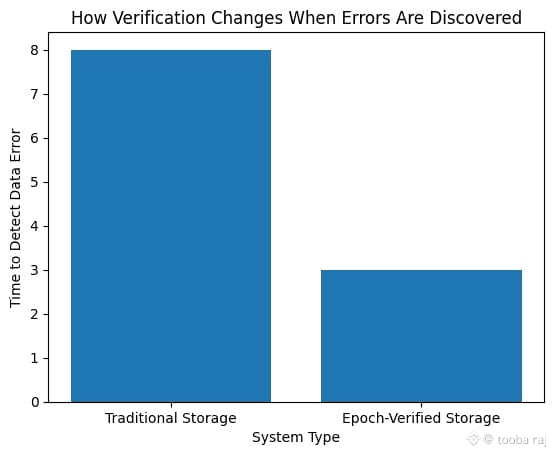
How Walrus Works
The Fundamentally, Walrus is a technique for sharding files, where files will be broken up into smaller pieces and distributed across several nodes. Modern cryptography together with data availability is employed, meaning that files can be reassembled notwithstanding some nodes being offline.
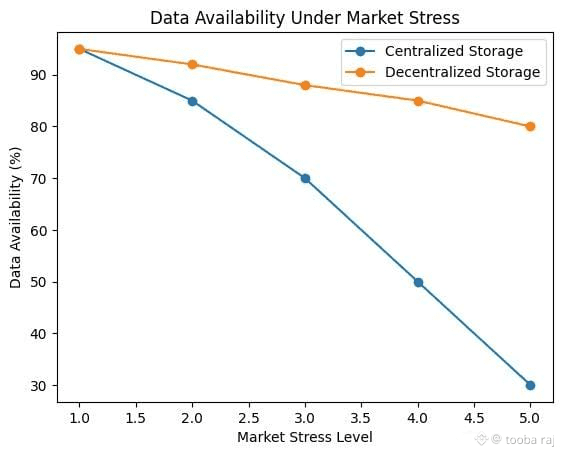
Key FeaturesDecentralization: There is no central control of information, thereby increasing censorship resistance.High Availability: The redundant storage is spread across the nodes.Scalability: Built to accommodate large files, hence suitable for actual usage.
On-chain Verification: This enables users to check whether data is stored correctly.
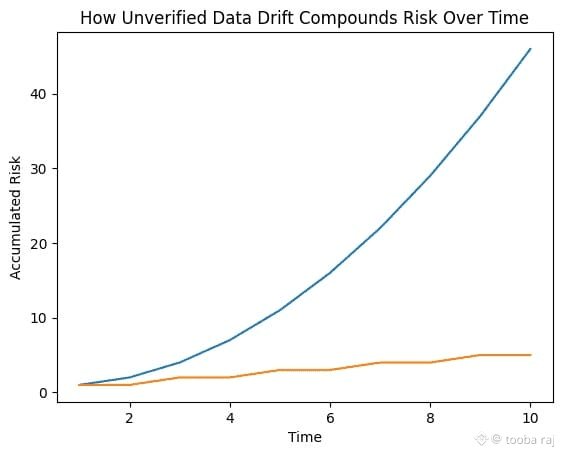
Use Cases
Walrus is specifically good for Web3 development projects that require robust data storage capacity, like NFTs, social media, games, data archives, or even artificial intelligence models. This is to make Web3 development more efficient by isolating the storage of data from the rest of the operations.

