
Ever noticed how the market pumps after you sell?
That’s not bad luck.
That’s design.
You trade on Emotions but Whales Trade On you 😈
Here's how to stop being exit liquidity🧵👇
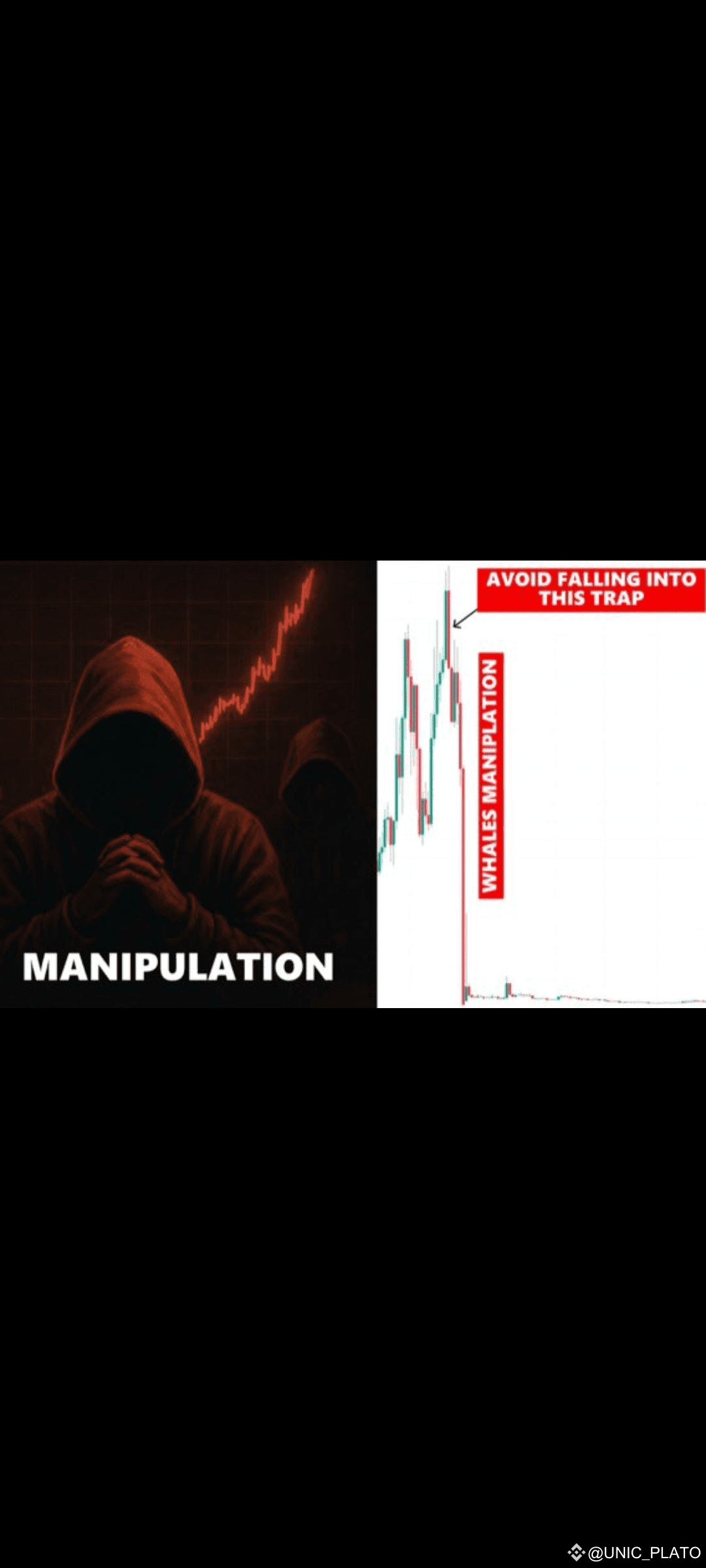
Whales and insiders have a huge impact on the market and they manipulate it more than most people realize.
Traders lose money every day by becoming their exit liquidity.
That’s why I started digging into how they do it and it’s time to expose their tactics.
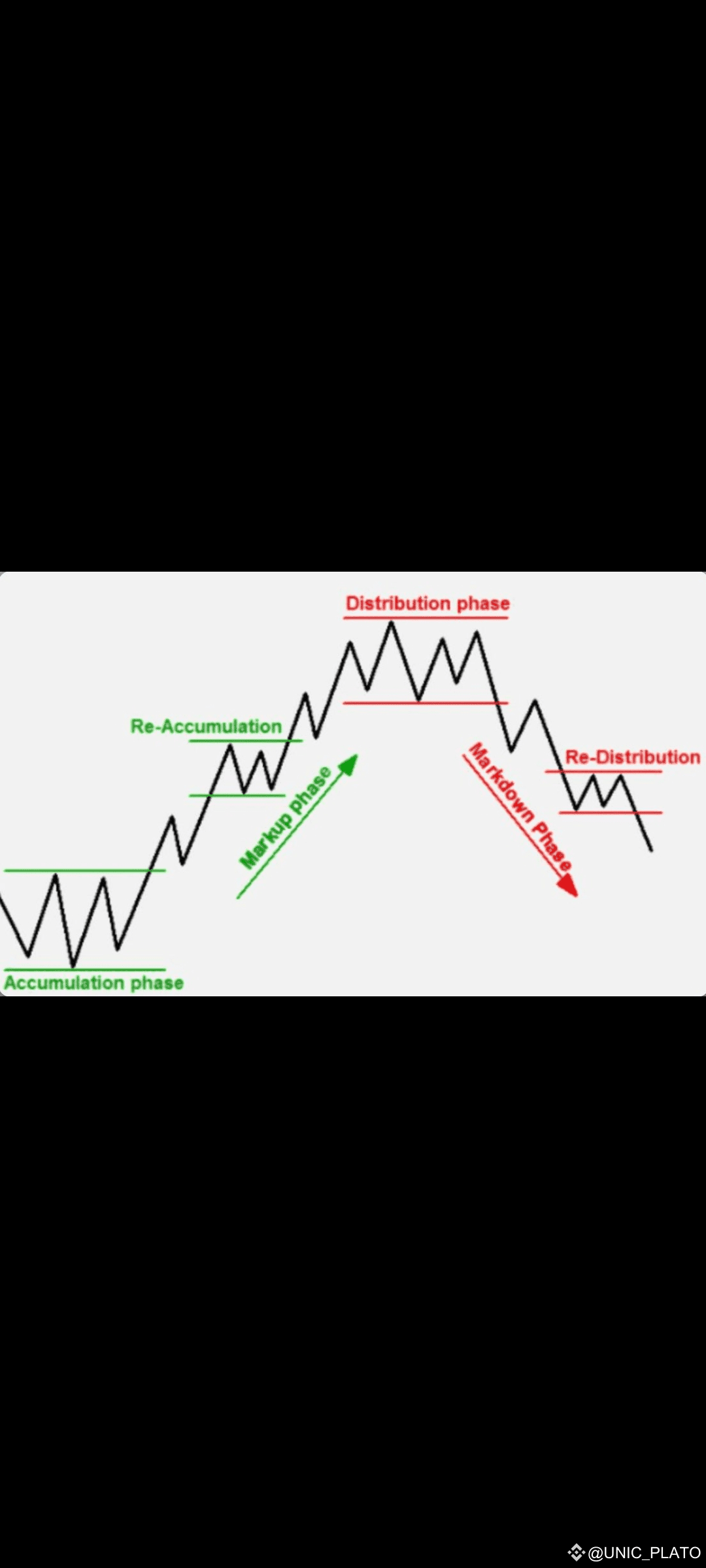
Whales like to stay hidden, but they often follow the same steps:
1.Buy a lot without anyone noticing
2.Push the price up
3.Buy more during small dips
4.Pump it again
5.Start selling to late buyers
6.Drop the price
7.Buy back lower
8.Dump again
If you learn this pattern, you’ll start to see how they control the market.
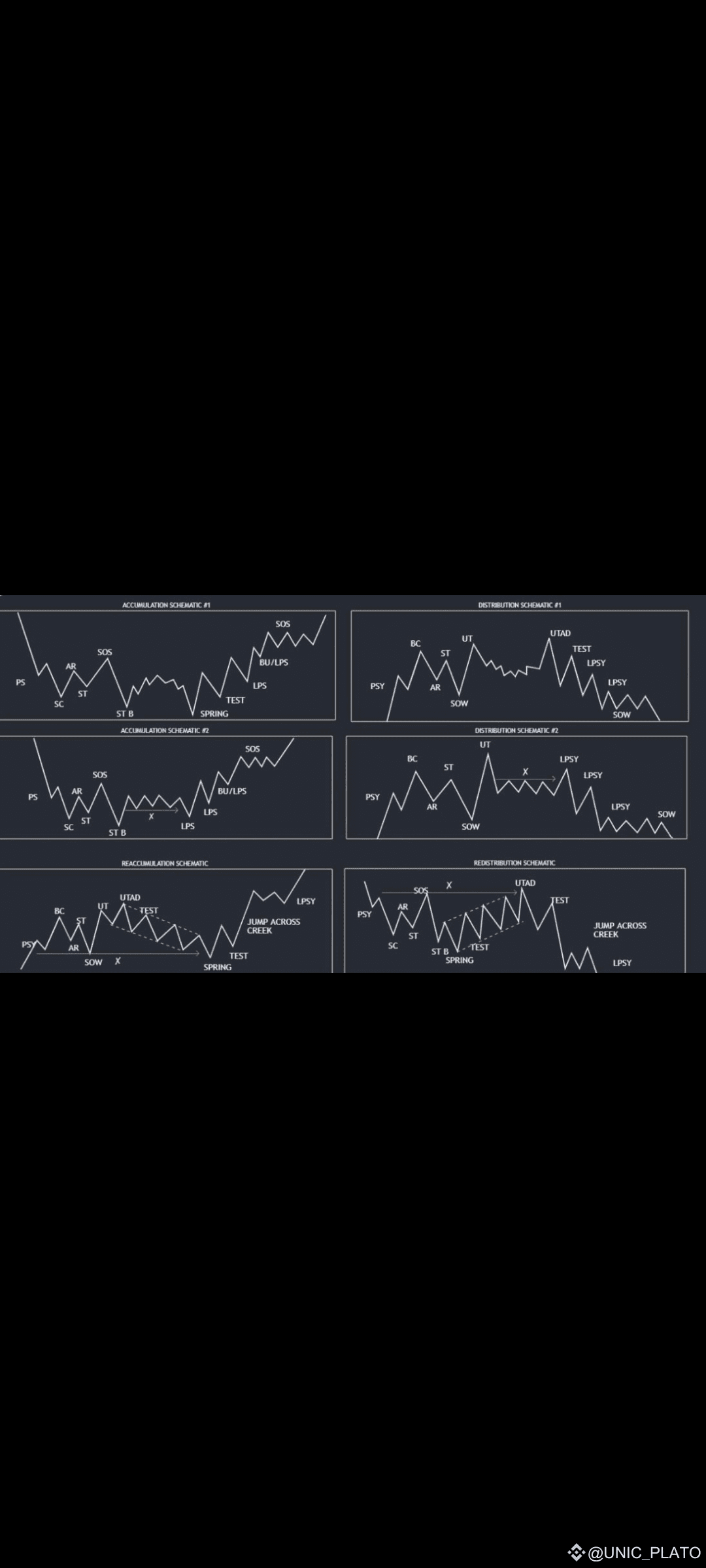
Faking patterns
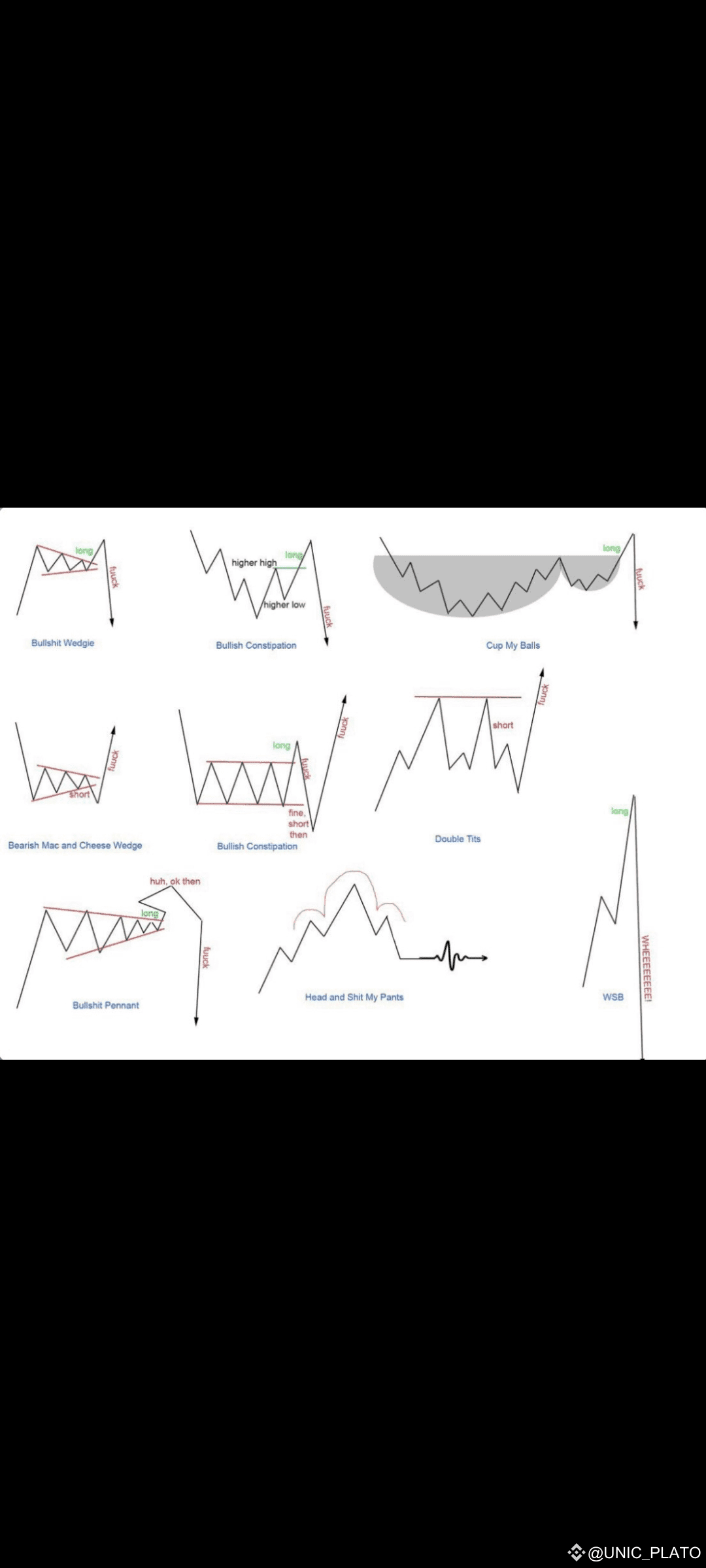
Whales often buy at resistance or sell during bounces to create fake chart patterns.
This tricks retail traders who rely on those patterns, making them believe certain levels are real, when they’re not.
It’s all done to mislead and control the market.
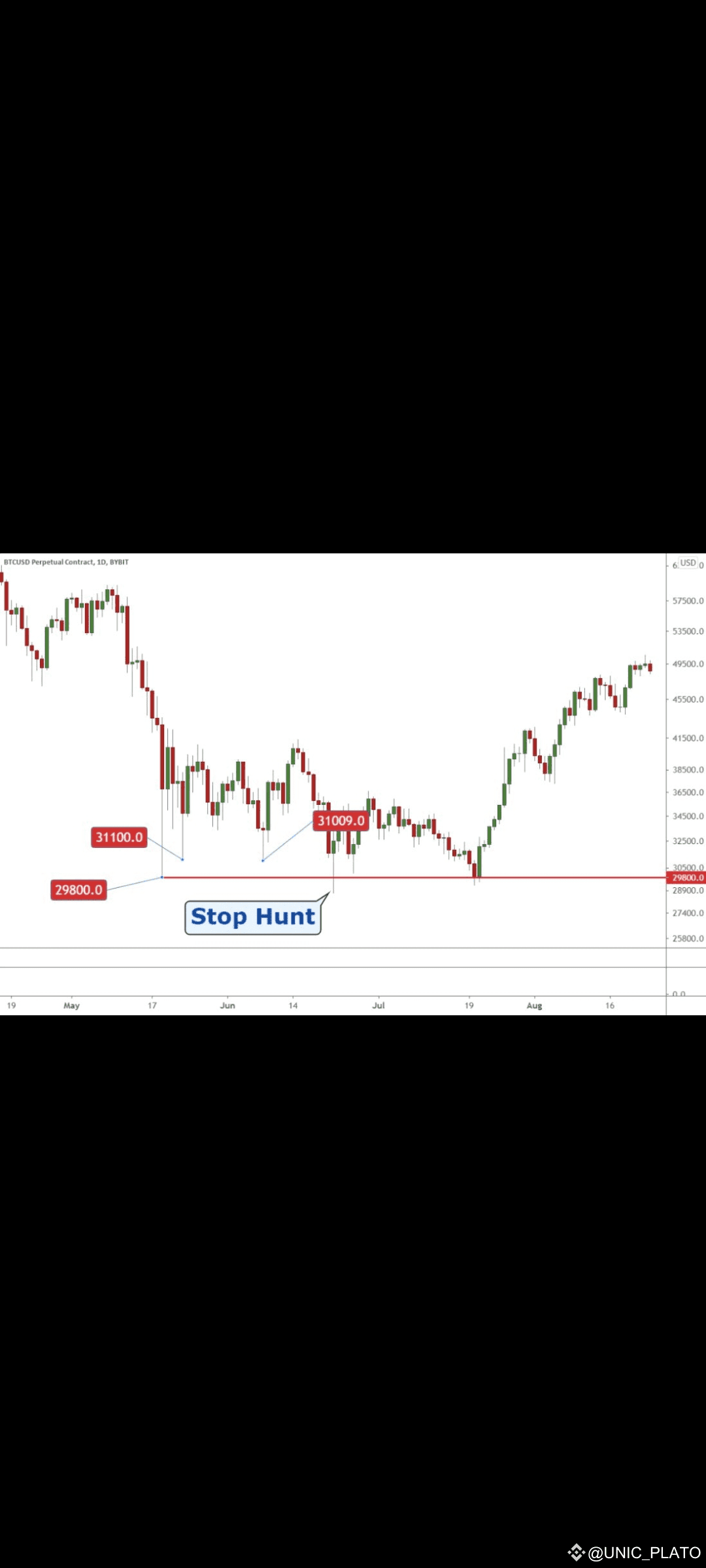
2. Stop-loss hunting
Whales look for areas where lots of traders have placed their stop-losses.
Then they push the price to those levels using big buy or sell orders, triggering those stops.
This causes sharp moves in price — and lets them buy or sell at better prices.
3. Range manipulation
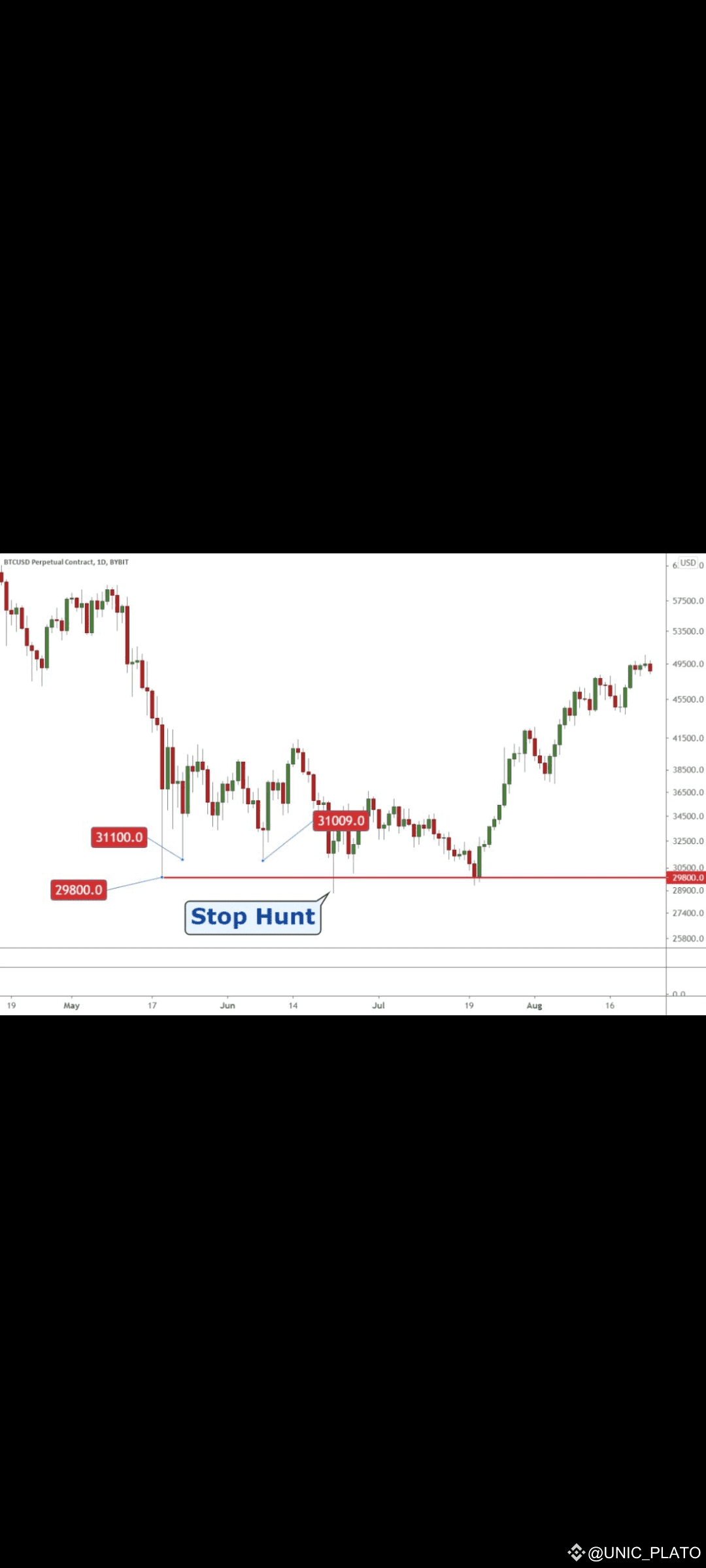
Whales push the price up or down during sideways moves to shake out weak hands and get cheap entries
Most ranges break after 4–5 touches on support or resistance
If the price breaks out but quickly reverses, it's usually a trap and a sign of manipulation
4. Fair Value Gap (FVG)
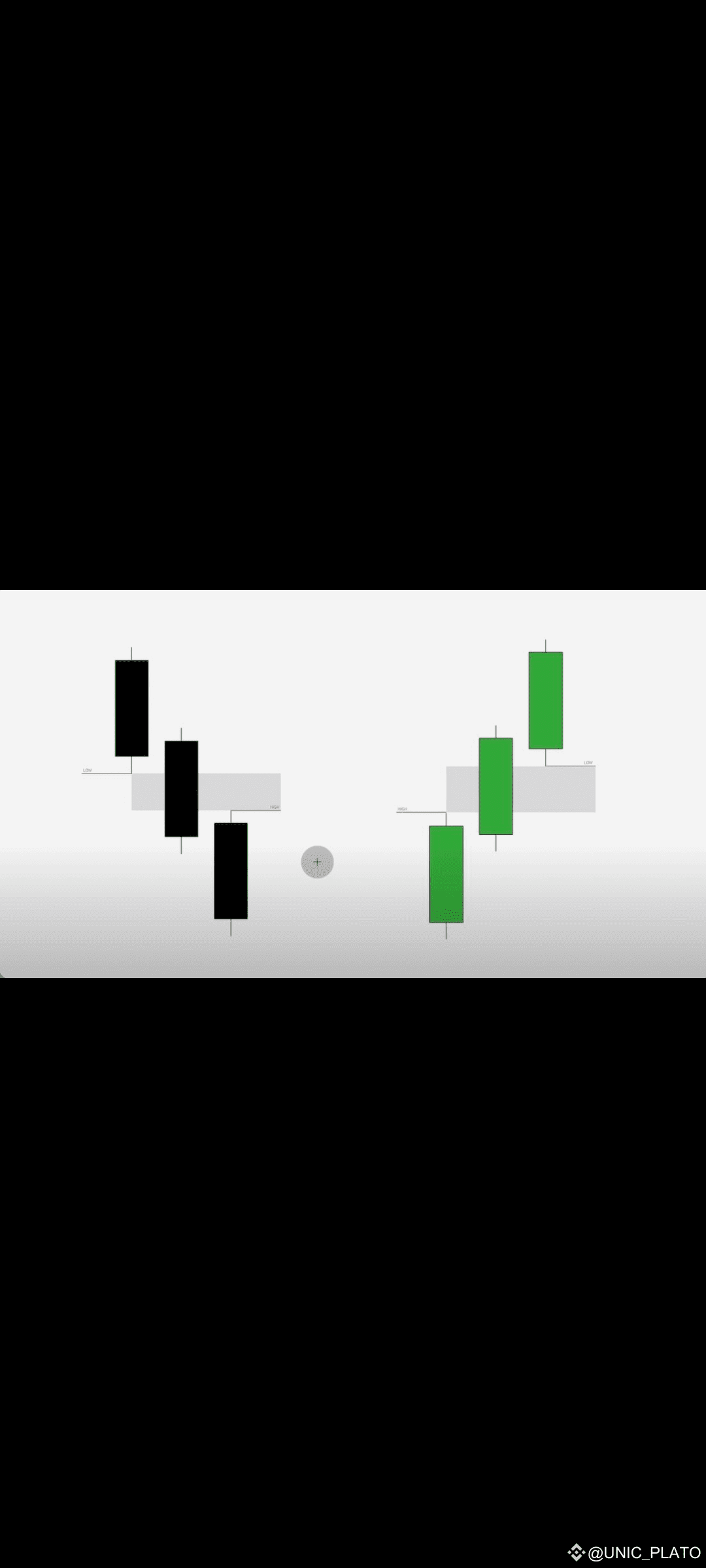
FVGs show up when there’s strong buying or selling that causes a sudden price move, leaving a gap on the chart.
After a big pump, price often pulls back into this gap letting whales buy cheaper and shaking out late traders who entered too high.
5. Stop runs
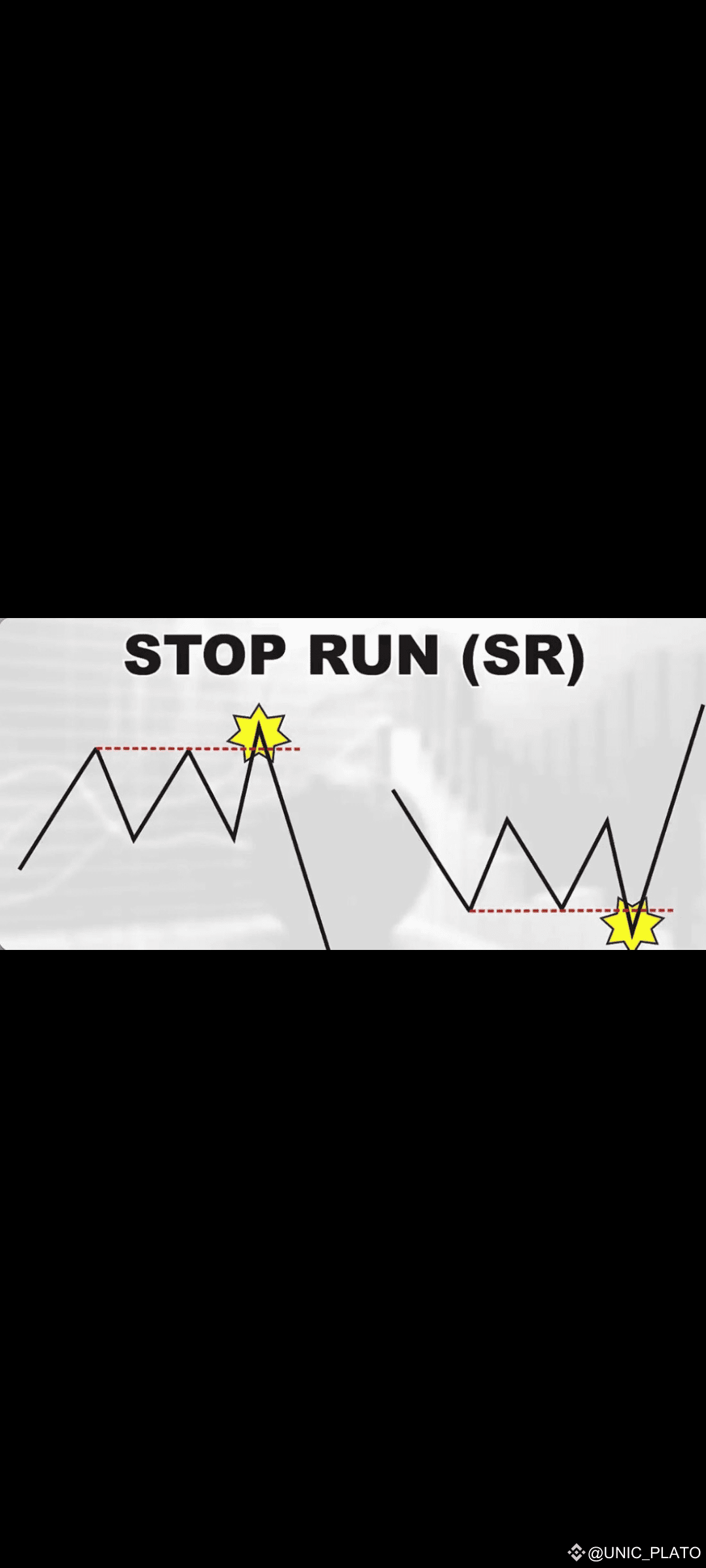
Whales push the price above resistance or below support to trigger stop-losses.
This causes a fast move then they quickly reverse it back into the range.
It lets them profit from liquidations while most traders get caught off guard.
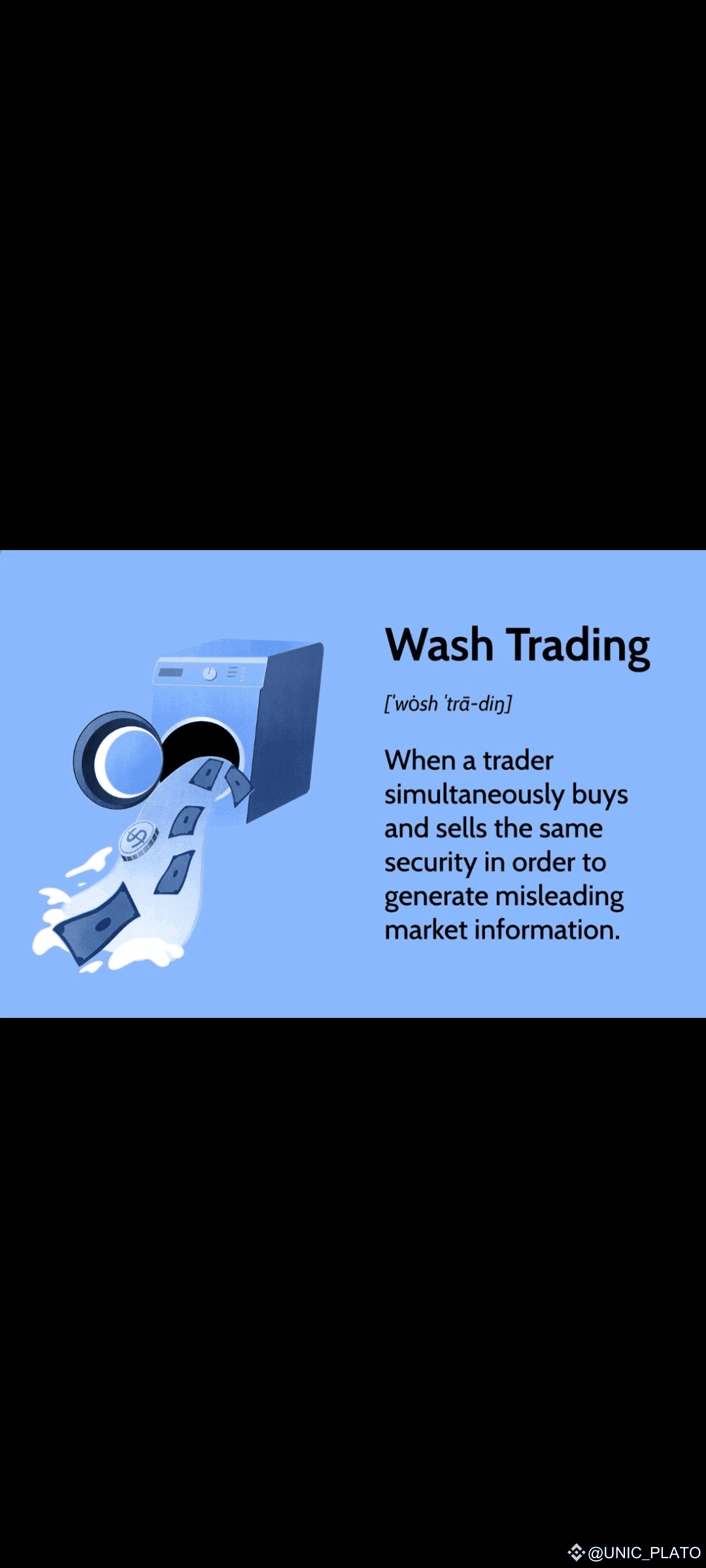
6. Wash trading
Wash trading is when whales or insiders trade with themselves to fake volume.
They move crypto between their own wallets or accounts to make it look like there’s lots of buying and demand.
It tricks others into thinking the asset is popular when it’s not.
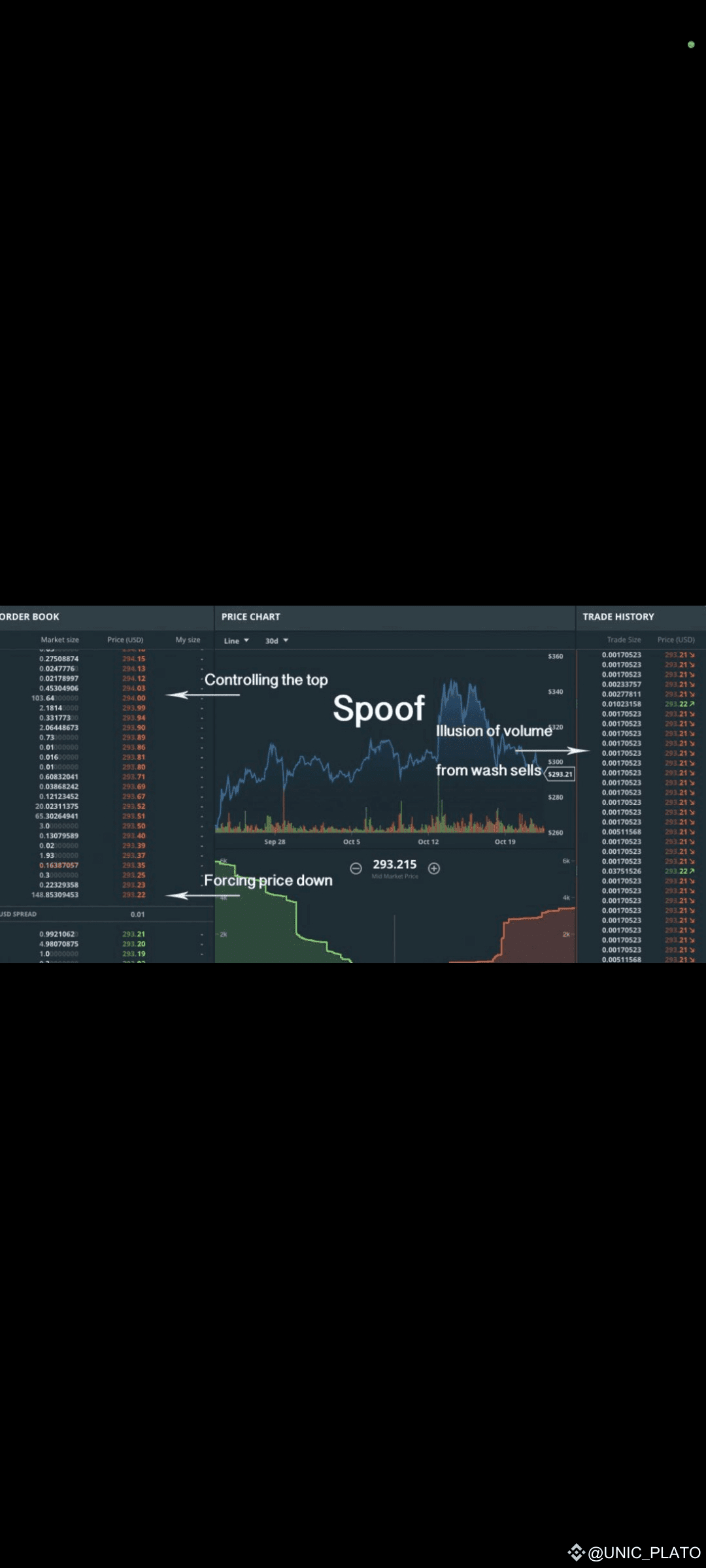
7. Spoofing market orders
Big players place huge fake orders to fake out the market then cancel them.
It tricks bots & traders into reacting.
Avoid getting trapped:
Use limit orders & ignore order book walls that vanish.
8. “Closing the jaws”
Whales stack big buy/sell orders near close to shape the market.
They trap longs by squeezing price into a tight range then dump it.
Momentum shifts, and they profit on the short. Sneaky but effective.
9. Two-sided market
Whales drop big buy and sell orders at once.
They sell into pumps or buy into dumps faking moves both ways.
Retail reacts late and gets caught in the whiplash.
Bonus:
Here’s a quick cheatsheet to avoid getting played by whales:
- Don’t place stop-losses at obvious levels
- Always wait for confirmation before jumping in
- Let key support or resistance break fully before acting
- Don’t chase sudden pumps or low-volume moves
- Watch the bid/ask spread for signs of manipulation
- Be patient, trust your plan, and wait for the right setup
Stay smart. Trade like a sniper, not a crowd.
WRITTEN BY @MasterOfCrypto Official
Published by @UNIC_PLATO
Using platform @Binance CIS
Ensures you have to follow and share
#BTCNextATH


