

These pointers are not iron-clad rules, but will definitely help you in making an unclouded judgment in regard to your investments.
It is hard to earn money but very easy to lose it.
Guard yours with care by following these steps! 🧵 👇
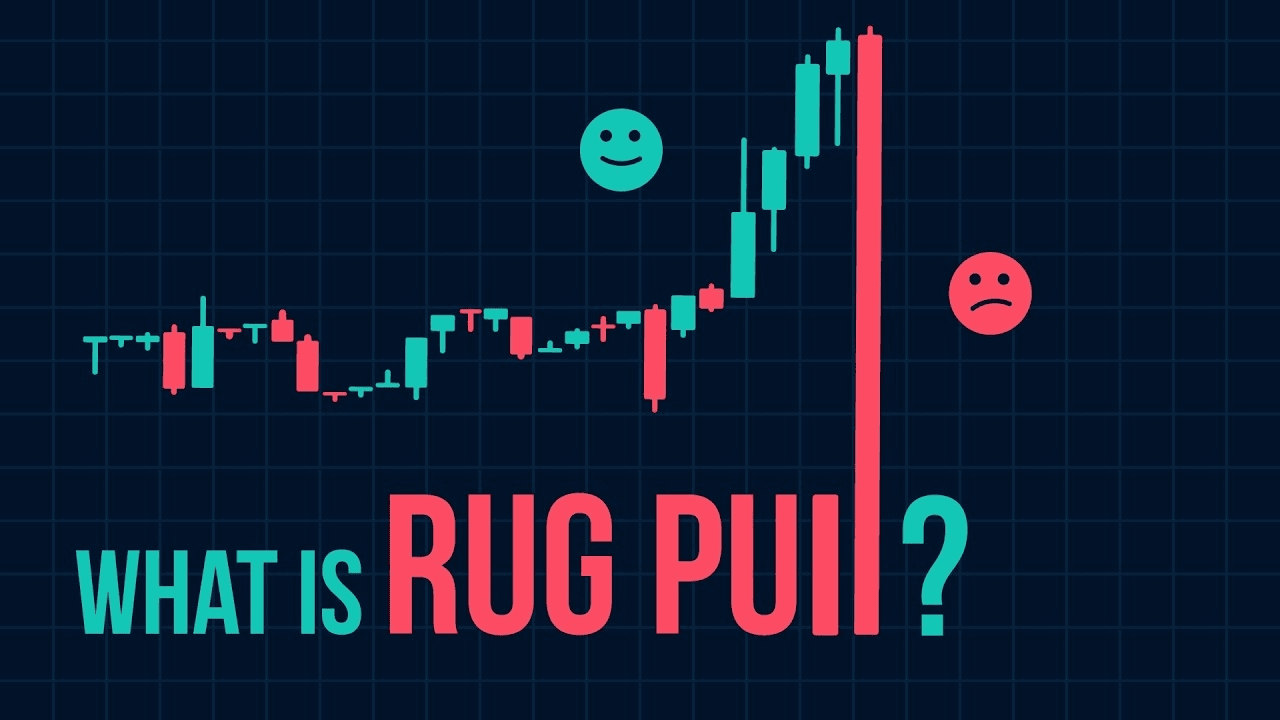
1. Skim Through their Website
The most conspicuous and the first sign to watch out for would be the website. Something that doesn’t look right, a copy of another similar-looking web page, grammatical errors, something that does not instil confidence. As you would concur with me, only if a scammer is in a hurry to launch would he make such silly mistakes. If a developer needs his project to be a successful one, he should double-check everything.
2. Social Media Visibility
The project you are willing to invest in should have a social media presence, a Twitter account, Telegram, etc. There should always be a way to connect, if you are unable to do so, it is a red flag. Using their social media platforms, you should be able to ask questions, and if you do get dubious replies, do yourself a favour and stay away.
3. Project Synergy
“Teamwork makes the dream work” and if it truly is a dream project, the team will never shy away from sharing their credentials. DYOR (Do your own research) on the team behind the project, the internet is a wonderful tool, use it to your advantage. If you find anything in the background search which is suspicious, like a Linkedin profile that may have been created just days back, you would want to steer clear of the project.
4. Cryptic Whitepaper
Any project developer who wants investors to put in their money will really work diligently to put his thought process forward. Explaining the technology, the path forward, the financials, the SWOT analysis, and the entire blueprint to be precise. If the master plan is dubious, you know what to do, AVOID!!
5. Project Scrutiny by an Arbiter
If an unbiased observer, especially a reputable one, audits a project and puts his views forward, it instills a level of confidence in the integrity of the smart contract. So ensure any project you are willing to invest in is audited by a reputable arbiter like CertiK.
6. Marketing and Publicity
Advertising and marketing are legalised lies. So, of course, any project which is highly marketed and promoted need not always be a scam, but everything goes hand in hand. Project developers do rely on marketing but if a project is highly advertised, you would want to analyse the project more closely considering the other risks mentioned above. Do not be blinded by false hopes that the marketing campaigns invoke.
7. Realistic Remuneration
Always trust your gut instincts, if any project promises unrealistic returns (Annual percentage yield) that seem too good to be true, be wary of the project. If every project would give such unrealistic returns, all of us would be millionaires by now. You might earn a 1000% return on the project you would have invested in otherwise, but if in the initial launch, the developer promises these returns. It definitely is a wake-up call. Remain vigilant
8. Keep an Eye on Liquidity
If you really want to know if a token is legit, keep an eye on its liquidity. The higher the liquidity, the lower the chances of it going down. Legitimate projects tend to have liquidity to the tune of millions. So keep an eye on the liquidity.
9. Surging values in Coin Price
The project developers are smart and use the psychological trigger FOMO (Fear of missing out) to market their projects well. So if a small project abruptly shoots up in value, there are definitely some apprehensions. But, of course, not all projects are scams. So research and know the trigger for the surge, and if there is a reasonable explanation for the surge, you are good to go. Otherwise your cynicism towards the project is correct.
10. Staking Period
The bedrock of any DeFi project is the liquidity pool, or else the functions like crypto mining, token swapping can’t take place at all. So any well-founded project will lock up a certain amount of tokens for a stipulated time, the vesting period as termed. This not only protects and safeguards the interest of the investors but also boosts the confidence of the investor to invest in a legitimate project. So it is important to watch out for the vesting schedule of the tokens. Project developers generally use services like ExLocker to lock the liquidity.
11. Developer’s Asset
You should also scan through the asset holdings of the project developers. A particular amount of tokens are kept in reserve for the developer’s team. Look them up via the smart contract and ensure they will only be released over a period of time. This is basically to ensure that the supply of tokens is not centralized. If you observe that a huge portion of the tokens is in possession of the developers, you should fluster away. Most of the projects make their token distribution chart public, imperative to watch out for that too.
12. Decentralised Exchange Listings
I am sure you all have heard about Etherscan. It’s a block explorer tool via which you can verify the number of token holders. Apart from this, you have platforms where any new project is traded. Though it doesn’t get listed immediately, a quick search on these platforms will help any investor get more info on the coin. Most of the legitimate tokens are listed on centralised exchanges.
13. Scrutiny of the Smart Contract
Any project being launched in the DeFi space is bound by a smart contract. The authenticity of the smart contract and also the probable loopholes could be explored if the smart contract is made public.
14. Evaluating the Code
If you are nerdy and computer savvy enough to know the programming languages that are used in smart contracts, you are competent enough to make a wise decision in regard to your investment. You have absolutely nothing to worry about. But if you are an average Joe, like most of us, you have no option but to rely on other factors like auditors and track records.
That's all folks, I really hope you made it all the way to the end. Retweet and like, so I know you did.
If you found value in this :
1. Follow me for more educational threads. ❤️