

OGSun
37 Posts

OGSun
Report
Block User
Crypto OG trader and analyst dropping alpha on market trends. Been in the game since day one. Follow me for no-BS insights to help you moon your portfolio. LFG!
0 Following
237 Followers
298 Liked
Posts
·
--

Article
Beware of Scammer VCs: The New Wave of Phishing in Crypto🚨 Beware of Scammer VCs: The New Wave of Phishing in Crypto
Crypto founders, beware: not every “VC” sliding into your inbox is who they say they are.
In the fast-paced world of Web3, where funding rounds and partnerships happen over Telegram and Zoom calls, it’s easy to get caught up in the momentum. But recently, a new kind of scam has emerged — one that mimics the behavior and language of legitimate venture capitalists. The goal? To trick you into giving them access to your device.
🎭 Step 1: The Perfect Intro
It all starts with a message that seems completely legit.
Hi, I’m Kazushi Okamoto, founding Partner at Nonagon Capital. We’re an investment firm focused on early-stage Web3 and crypto projects…
He continues with details that sound familiar to anyone in crypto:
Offers of strategy supportHelp with KOLs and expansion in AsiaA quick intro call to "explore synergies"
It’s professional. Warm. It reads like dozens of real investor intros. That’s the trap.
🍭 Step 2: Sweetening the Deal
Once trust is built, the next message introduces names:
Just wanted to intro you to Jordi (Selini Capital CIO) and Taiki (HFA)...
They "love your project" and want to meet. A call is scheduled in a “private investor group.” It feels like an exclusive opportunity. Your guard is down.
🧑💻 Step 3: The Phishing Link
Shortly before the meeting, the scammer sends a fake Zoom link:
https://zoom.us****web.us/zoom/join?mn=434583&pwd=t45LvS
At a glance, it looks like Zoom. But it’s a malicious site designed to imitate the real thing.
Critical Red Flags:
Suspicious links with typos or odd domains (e.g., “zoom.us**web.us”).Requests to download/install unverified software.Urgency to bypass standard security practices.
Once opened, it prompts you with a fake message:
“⚠️ Your audio device needs repair to join this meeting. Please run the script below to fix it.”
The script, of course, is malware. And the moment you run it, they have access to your system — including wallets, private keys, passwords, and files.
🧠 Why It Works: The Psychology Behind the Scam
This scam works not because victims are naive, but because it’s engineered to exploit human psychology:
Authority bias: The scammer poses as a VC — someone you naturally trust or look up to in Web3.Social proof: Fake intros to well-known names create the illusion of credibility.Urgency and exclusivity: “We scheduled a private call.” You feel you’re getting privileged access.Technical confusion: You’re in a rush, under pressure, and just want to fix the “audio” issue and not miss the meeting.
Combined, these elements override rational caution — even for experienced founders.
🔒 Final Words: Stay Paranoid, Stay Safe
Scammers evolve fast. Today, it’s “VC phishing.” Tomorrow, it’ll be something else. But a few golden rules can keep you safe:
Never install anything from a meeting link.Always verify the domain — real Zoom links never ask you to run scripts.Join meetings manually by ID if you’re unsure.Use only trusted apps on your phone or protected environments like sandboxed browsers.
When in doubt, assume it’s a scam. The worst that can happen is you miss a fake meeting — not your private keys.
⚠️ Beware of scammers. Not every investor is legit. In Web3, trust must be earned, not assumed.
#CryptoSecurity #ScamAlert #Phishing #Web3Safety #VCScam #BinanceSquare
P.S.
Have you encountered similar scams? Share your story in the comments to help others stay safe.
Beware of Scammer VCs: The New Wave of Phishing in Crypto
🚨 Beware of Scammer VCs: The New Wave of Phishing in Crypto
Crypto founders, beware: not every “VC” sliding into your inbox is who they say they are.
In the fast-paced world of Web3, where funding rounds and partnerships happen over Telegram and Zoom calls, it’s easy to get caught up in the momentum. But recently, a new kind of scam has emerged — one that mimics the behavior and language of legitimate venture capitalists. The goal? To trick you into giving them access to your device.
🎭 Step 1: The Perfect Intro
It all starts with a message that seems completely legit.
Hi, I’m Kazushi Okamoto, founding Partner at Nonagon Capital. We’re an investment firm focused on early-stage Web3 and crypto projects…
He continues with details that sound familiar to anyone in crypto:
Offers of strategy supportHelp with KOLs and expansion in AsiaA quick intro call to "explore synergies"
It’s professional. Warm. It reads like dozens of real investor intros. That’s the trap.
🍭 Step 2: Sweetening the Deal
Once trust is built, the next message introduces names:
Just wanted to intro you to Jordi (Selini Capital CIO) and Taiki (HFA)...
They "love your project" and want to meet. A call is scheduled in a “private investor group.” It feels like an exclusive opportunity. Your guard is down.
🧑💻 Step 3: The Phishing Link
Shortly before the meeting, the scammer sends a fake Zoom link:
https://zoom.us****web.us/zoom/join?mn=434583&pwd=t45LvS
At a glance, it looks like Zoom. But it’s a malicious site designed to imitate the real thing.
Critical Red Flags:
Suspicious links with typos or odd domains (e.g., “zoom.us**web.us”).Requests to download/install unverified software.Urgency to bypass standard security practices.
Once opened, it prompts you with a fake message:
“⚠️ Your audio device needs repair to join this meeting. Please run the script below to fix it.”
The script, of course, is malware. And the moment you run it, they have access to your system — including wallets, private keys, passwords, and files.
🧠 Why It Works: The Psychology Behind the Scam
This scam works not because victims are naive, but because it’s engineered to exploit human psychology:
Authority bias: The scammer poses as a VC — someone you naturally trust or look up to in Web3.Social proof: Fake intros to well-known names create the illusion of credibility.Urgency and exclusivity: “We scheduled a private call.” You feel you’re getting privileged access.Technical confusion: You’re in a rush, under pressure, and just want to fix the “audio” issue and not miss the meeting.
Combined, these elements override rational caution — even for experienced founders.
🔒 Final Words: Stay Paranoid, Stay Safe
Scammers evolve fast. Today, it’s “VC phishing.” Tomorrow, it’ll be something else. But a few golden rules can keep you safe:
Never install anything from a meeting link.Always verify the domain — real Zoom links never ask you to run scripts.Join meetings manually by ID if you’re unsure.Use only trusted apps on your phone or protected environments like sandboxed browsers.
When in doubt, assume it’s a scam. The worst that can happen is you miss a fake meeting — not your private keys.
⚠️ Beware of scammers. Not every investor is legit. In Web3, trust must be earned, not assumed.
#CryptoSecurity #ScamAlert #Phishing #Web3Safety #VCScam #BinanceSquare
P.S.
Have you encountered similar scams? Share your story in the comments to help others stay safe.
Crypto founders, beware: not every “VC” sliding into your inbox is who they say they are.
In the fast-paced world of Web3, where funding rounds and partnerships happen over Telegram and Zoom calls, it’s easy to get caught up in the momentum. But recently, a new kind of scam has emerged — one that mimics the behavior and language of legitimate venture capitalists. The goal? To trick you into giving them access to your device.
🎭 Step 1: The Perfect Intro
It all starts with a message that seems completely legit.
Hi, I’m Kazushi Okamoto, founding Partner at Nonagon Capital. We’re an investment firm focused on early-stage Web3 and crypto projects…
He continues with details that sound familiar to anyone in crypto:
Offers of strategy supportHelp with KOLs and expansion in AsiaA quick intro call to "explore synergies"
It’s professional. Warm. It reads like dozens of real investor intros. That’s the trap.
🍭 Step 2: Sweetening the Deal
Once trust is built, the next message introduces names:
Just wanted to intro you to Jordi (Selini Capital CIO) and Taiki (HFA)...
They "love your project" and want to meet. A call is scheduled in a “private investor group.” It feels like an exclusive opportunity. Your guard is down.
🧑💻 Step 3: The Phishing Link
Shortly before the meeting, the scammer sends a fake Zoom link:
https://zoom.us****web.us/zoom/join?mn=434583&pwd=t45LvS
At a glance, it looks like Zoom. But it’s a malicious site designed to imitate the real thing.
Critical Red Flags:
Suspicious links with typos or odd domains (e.g., “zoom.us**web.us”).Requests to download/install unverified software.Urgency to bypass standard security practices.
Once opened, it prompts you with a fake message:
“⚠️ Your audio device needs repair to join this meeting. Please run the script below to fix it.”
The script, of course, is malware. And the moment you run it, they have access to your system — including wallets, private keys, passwords, and files.
🧠 Why It Works: The Psychology Behind the Scam
This scam works not because victims are naive, but because it’s engineered to exploit human psychology:
Authority bias: The scammer poses as a VC — someone you naturally trust or look up to in Web3.Social proof: Fake intros to well-known names create the illusion of credibility.Urgency and exclusivity: “We scheduled a private call.” You feel you’re getting privileged access.Technical confusion: You’re in a rush, under pressure, and just want to fix the “audio” issue and not miss the meeting.
Combined, these elements override rational caution — even for experienced founders.
🔒 Final Words: Stay Paranoid, Stay Safe
Scammers evolve fast. Today, it’s “VC phishing.” Tomorrow, it’ll be something else. But a few golden rules can keep you safe:
Never install anything from a meeting link.Always verify the domain — real Zoom links never ask you to run scripts.Join meetings manually by ID if you’re unsure.Use only trusted apps on your phone or protected environments like sandboxed browsers.
When in doubt, assume it’s a scam. The worst that can happen is you miss a fake meeting — not your private keys.
⚠️ Beware of scammers. Not every investor is legit. In Web3, trust must be earned, not assumed.
#CryptoSecurity #ScamAlert #Phishing #Web3Safety #VCScam #BinanceSquare
P.S.
Have you encountered similar scams? Share your story in the comments to help others stay safe.
23
·
--

Article
DeepSeek AI Revolution’s Tipping Point: How a AI Breakthrough Could Redefine Global Tech EconomicsA seismic shift is unfolding in the artificial intelligence (AI) industry—one that threatens to dismantle the dominance of incumbents like OpenAI and destabilize the trillion-dollar infrastructure built around AI development. Recent reports indicate that a Chinese company has achieved a milestone with staggering implications: ChatGPT-level performance at 1/100th of the cost. This breakthrough challenges the foundational assumptions of modern AI, exposing systemic overinvestment and signaling a potential market correction reminiscent of the dot-com bubble. Beyond AI, this disruption could also send shockwaves through the crypto market, reshaping the intersection of decentralized technologies and artificial intelligence.
From Scarcity to Accessibility: A Paradigm Collapse
For years, the AI industry operated under a core belief: cutting-edge models required massive capital, compute power, and centralized infrastructure. OpenAI’s $18 billion investment in data centers and talent exemplified this model. But the emergence of highly efficient, low-cost alternatives in China has shattered this assumption, proving that algorithmic innovation and localized optimization—not brute-force compute—can deliver comparable results.
The implications ripple across the tech ecosystem:
1. Data center investments, often justified by the need for centralized compute, face obsolescence as edge-based processing gains traction.
2. Hardware giants like NVIDIA may confront shrinking demand if leaner, specialized models reduce reliance on premium GPUs.
3. The economic model of AI, built on artificial scarcity and monopolized resources, risks collapse as cost barriers evaporate.
A Dot-Com Reckoning: Lessons for the AI Era
The parallels to the 2000 dot-com crash are striking. Just as Webvan and Pets.com collapsed after overinvesting in speculative infrastructure, today’s AI sector faces a reckoning. Consider the math:
- Analysts estimate the industry needs $600 billion in annual revenue to justify current valuations—yet it generates less than $60 billion.
- The Chinese breakthrough exposes a “speculative chasm” between infrastructure spending and actual demand, suggesting much of today’s compute capacity is redundant.
A market correction appears inevitable. Trillions in valuations could evaporate, startups built on inflated compute requirements may fail, and investor confidence could plunge into a “trough of disillusionment.” Yet history shows such crises birth transformative innovations. The post-dot-com era gave rise to Amazon and Google; the AI crash may catalyze a new wave of decentralized, human-centric platforms.
The Crypto Connection: How AI Disruption Could Reshape Decentralized Markets
The ripple effects of this AI breakthrough extend beyond traditional tech sectors—crypto markets are also poised for disruption. Here’s how:
1. Decentralized Compute Networks Gain Traction
The AI industry’s reliance on centralized data centers has long been a bottleneck. The Chinese breakthrough underscores the viability of decentralized compute networks, where processing power is distributed across devices rather than concentrated in hyperscale facilities. Crypto projects like Render Network (RNDR) and Akash Network (AKT), which enable peer-to-peer GPU sharing, stand to benefit as demand shifts toward cost-efficient, decentralized solutions.
2. AI-Driven Crypto Projects Face a Reckoning
Many crypto projects have positioned themselves as AI innovators, leveraging buzzwords to attract investment. However, as the AI industry pivots toward efficiency and affordability, projects without clear utility or scalable use cases may collapse. This could lead to a market shakeout, where only the most robust, application-driven tokens survive.
3. Tokenized AI Models and Data Marketplaces
The rise of efficient, localized AI models could accelerate the adoption of tokenized AI ecosystems. Platforms like Ocean Protocol (OCEAN) and Fetch.ai (FET), which enable the monetization of data and AI services via blockchain, could see increased demand as businesses seek to leverage high-quality, decentralized datasets.
4. Impact on GPU-Dependent Cryptos
Cryptocurrencies like Ethereum (ETH) and others that rely on GPU mining or staking could face indirect pressure. If the AI industry’s demand for GPUs declines due to more efficient models, the surplus hardware could flood secondary markets, driving down costs and altering the economics of GPU-dependent crypto operations.
The New Frontier: Efficiency, Edge Computing, and Real-World Impact
Three trends will define the next phase of AI innovation:
1. Edge Over Cloud: Decentralized processing on local devices—phones, sensors, IoT systems—will replace reliance on hyperscale data centers, enhancing speed, privacy, and energy efficiency.
2. Data Quality > Quantity: Smaller, meticulously curated datasets will outperform massive, noisy ones, reducing dependency on costly data-harvesting operations.
3. Utility Over Hype: Startups solving tangible problems (e.g., precision medicine, industrial automation) will outlast those chasing “viral demos” with no path to monetization.
This mirrors Amazon’s post-2000 pivot: abandoning grandiose infrastructure bets to focus on scalable, customer-driven solutions.
The Geopolitical Catalyst: China’s Strategic Play
The timing of China’s breakthrough is no accident. By proving that world-class AI can be built affordably, the nation positions itself to undercut Western tech dominance while destabilizing competitors reliant on bloated budgets. This aligns with broader shifts toward decentralized tech adoption, including open-source AI frameworks and blockchain-based compute networks.
The silence around this achievement is strategic. By avoiding premature publicity, China avoids triggering a defensive scramble from rivals—buying time to solidify its position as a leader in efficient, scalable AI.
Conclusion: Crisis as a Crucible for Innovation
While the coming correction may erase trillions in speculative value, it will also democratize access to AI development. The winners of this new era won’t be those with the deepest pockets, but those who:
- Prioritize algorithmic efficiency over compute brute force.
- Build domain-specific models with clear economic use cases.
- Leverage decentralized architectures to reduce costs and latency.
For entrepreneurs and crypto innovators, the message is clear: The AI arms race is no longer about who spends the most—it’s about who innovates the smartest. The trillion-dollar question isn’t if the bubble will burst, but who will survive to define what comes next.
DeepSeek AI Revolution’s Tipping Point: How a AI Breakthrough Could Redefine Global Tech Economics
A seismic shift is unfolding in the artificial intelligence (AI) industry—one that threatens to dismantle the dominance of incumbents like OpenAI and destabilize the trillion-dollar infrastructure built around AI development. Recent reports indicate that a Chinese company has achieved a milestone with staggering implications: ChatGPT-level performance at 1/100th of the cost. This breakthrough challenges the foundational assumptions of modern AI, exposing systemic overinvestment and signaling a potential market correction reminiscent of the dot-com bubble. Beyond AI, this disruption could also send shockwaves through the crypto market, reshaping the intersection of decentralized technologies and artificial intelligence.
From Scarcity to Accessibility: A Paradigm Collapse
For years, the AI industry operated under a core belief: cutting-edge models required massive capital, compute power, and centralized infrastructure. OpenAI’s $18 billion investment in data centers and talent exemplified this model. But the emergence of highly efficient, low-cost alternatives in China has shattered this assumption, proving that algorithmic innovation and localized optimization—not brute-force compute—can deliver comparable results.
The implications ripple across the tech ecosystem:
1. Data center investments, often justified by the need for centralized compute, face obsolescence as edge-based processing gains traction.
2. Hardware giants like NVIDIA may confront shrinking demand if leaner, specialized models reduce reliance on premium GPUs.
3. The economic model of AI, built on artificial scarcity and monopolized resources, risks collapse as cost barriers evaporate.
A Dot-Com Reckoning: Lessons for the AI Era
The parallels to the 2000 dot-com crash are striking. Just as Webvan and Pets.com collapsed after overinvesting in speculative infrastructure, today’s AI sector faces a reckoning. Consider the math:
- Analysts estimate the industry needs $600 billion in annual revenue to justify current valuations—yet it generates less than $60 billion.
- The Chinese breakthrough exposes a “speculative chasm” between infrastructure spending and actual demand, suggesting much of today’s compute capacity is redundant.
A market correction appears inevitable. Trillions in valuations could evaporate, startups built on inflated compute requirements may fail, and investor confidence could plunge into a “trough of disillusionment.” Yet history shows such crises birth transformative innovations. The post-dot-com era gave rise to Amazon and Google; the AI crash may catalyze a new wave of decentralized, human-centric platforms.
The Crypto Connection: How AI Disruption Could Reshape Decentralized Markets
The ripple effects of this AI breakthrough extend beyond traditional tech sectors—crypto markets are also poised for disruption. Here’s how:
1. Decentralized Compute Networks Gain Traction
The AI industry’s reliance on centralized data centers has long been a bottleneck. The Chinese breakthrough underscores the viability of decentralized compute networks, where processing power is distributed across devices rather than concentrated in hyperscale facilities. Crypto projects like Render Network (RNDR) and Akash Network (AKT), which enable peer-to-peer GPU sharing, stand to benefit as demand shifts toward cost-efficient, decentralized solutions.
2. AI-Driven Crypto Projects Face a Reckoning
Many crypto projects have positioned themselves as AI innovators, leveraging buzzwords to attract investment. However, as the AI industry pivots toward efficiency and affordability, projects without clear utility or scalable use cases may collapse. This could lead to a market shakeout, where only the most robust, application-driven tokens survive.
3. Tokenized AI Models and Data Marketplaces
The rise of efficient, localized AI models could accelerate the adoption of tokenized AI ecosystems. Platforms like Ocean Protocol (OCEAN) and Fetch.ai (FET), which enable the monetization of data and AI services via blockchain, could see increased demand as businesses seek to leverage high-quality, decentralized datasets.
4. Impact on GPU-Dependent Cryptos
Cryptocurrencies like Ethereum (ETH) and others that rely on GPU mining or staking could face indirect pressure. If the AI industry’s demand for GPUs declines due to more efficient models, the surplus hardware could flood secondary markets, driving down costs and altering the economics of GPU-dependent crypto operations.
The New Frontier: Efficiency, Edge Computing, and Real-World Impact
Three trends will define the next phase of AI innovation:
1. Edge Over Cloud: Decentralized processing on local devices—phones, sensors, IoT systems—will replace reliance on hyperscale data centers, enhancing speed, privacy, and energy efficiency.
2. Data Quality > Quantity: Smaller, meticulously curated datasets will outperform massive, noisy ones, reducing dependency on costly data-harvesting operations.
3. Utility Over Hype: Startups solving tangible problems (e.g., precision medicine, industrial automation) will outlast those chasing “viral demos” with no path to monetization.
This mirrors Amazon’s post-2000 pivot: abandoning grandiose infrastructure bets to focus on scalable, customer-driven solutions.
The Geopolitical Catalyst: China’s Strategic Play
The timing of China’s breakthrough is no accident. By proving that world-class AI can be built affordably, the nation positions itself to undercut Western tech dominance while destabilizing competitors reliant on bloated budgets. This aligns with broader shifts toward decentralized tech adoption, including open-source AI frameworks and blockchain-based compute networks.
The silence around this achievement is strategic. By avoiding premature publicity, China avoids triggering a defensive scramble from rivals—buying time to solidify its position as a leader in efficient, scalable AI.
Conclusion: Crisis as a Crucible for Innovation
While the coming correction may erase trillions in speculative value, it will also democratize access to AI development. The winners of this new era won’t be those with the deepest pockets, but those who:
- Prioritize algorithmic efficiency over compute brute force.
- Build domain-specific models with clear economic use cases.
- Leverage decentralized architectures to reduce costs and latency.
For entrepreneurs and crypto innovators, the message is clear: The AI arms race is no longer about who spends the most—it’s about who innovates the smartest. The trillion-dollar question isn’t if the bubble will burst, but who will survive to define what comes next.
From Scarcity to Accessibility: A Paradigm Collapse
For years, the AI industry operated under a core belief: cutting-edge models required massive capital, compute power, and centralized infrastructure. OpenAI’s $18 billion investment in data centers and talent exemplified this model. But the emergence of highly efficient, low-cost alternatives in China has shattered this assumption, proving that algorithmic innovation and localized optimization—not brute-force compute—can deliver comparable results.
The implications ripple across the tech ecosystem:
1. Data center investments, often justified by the need for centralized compute, face obsolescence as edge-based processing gains traction.
2. Hardware giants like NVIDIA may confront shrinking demand if leaner, specialized models reduce reliance on premium GPUs.
3. The economic model of AI, built on artificial scarcity and monopolized resources, risks collapse as cost barriers evaporate.
A Dot-Com Reckoning: Lessons for the AI Era
The parallels to the 2000 dot-com crash are striking. Just as Webvan and Pets.com collapsed after overinvesting in speculative infrastructure, today’s AI sector faces a reckoning. Consider the math:
- Analysts estimate the industry needs $600 billion in annual revenue to justify current valuations—yet it generates less than $60 billion.
- The Chinese breakthrough exposes a “speculative chasm” between infrastructure spending and actual demand, suggesting much of today’s compute capacity is redundant.
A market correction appears inevitable. Trillions in valuations could evaporate, startups built on inflated compute requirements may fail, and investor confidence could plunge into a “trough of disillusionment.” Yet history shows such crises birth transformative innovations. The post-dot-com era gave rise to Amazon and Google; the AI crash may catalyze a new wave of decentralized, human-centric platforms.
The Crypto Connection: How AI Disruption Could Reshape Decentralized Markets
The ripple effects of this AI breakthrough extend beyond traditional tech sectors—crypto markets are also poised for disruption. Here’s how:
1. Decentralized Compute Networks Gain Traction
The AI industry’s reliance on centralized data centers has long been a bottleneck. The Chinese breakthrough underscores the viability of decentralized compute networks, where processing power is distributed across devices rather than concentrated in hyperscale facilities. Crypto projects like Render Network (RNDR) and Akash Network (AKT), which enable peer-to-peer GPU sharing, stand to benefit as demand shifts toward cost-efficient, decentralized solutions.
2. AI-Driven Crypto Projects Face a Reckoning
Many crypto projects have positioned themselves as AI innovators, leveraging buzzwords to attract investment. However, as the AI industry pivots toward efficiency and affordability, projects without clear utility or scalable use cases may collapse. This could lead to a market shakeout, where only the most robust, application-driven tokens survive.
3. Tokenized AI Models and Data Marketplaces
The rise of efficient, localized AI models could accelerate the adoption of tokenized AI ecosystems. Platforms like Ocean Protocol (OCEAN) and Fetch.ai (FET), which enable the monetization of data and AI services via blockchain, could see increased demand as businesses seek to leverage high-quality, decentralized datasets.
4. Impact on GPU-Dependent Cryptos
Cryptocurrencies like Ethereum (ETH) and others that rely on GPU mining or staking could face indirect pressure. If the AI industry’s demand for GPUs declines due to more efficient models, the surplus hardware could flood secondary markets, driving down costs and altering the economics of GPU-dependent crypto operations.
The New Frontier: Efficiency, Edge Computing, and Real-World Impact
Three trends will define the next phase of AI innovation:
1. Edge Over Cloud: Decentralized processing on local devices—phones, sensors, IoT systems—will replace reliance on hyperscale data centers, enhancing speed, privacy, and energy efficiency.
2. Data Quality > Quantity: Smaller, meticulously curated datasets will outperform massive, noisy ones, reducing dependency on costly data-harvesting operations.
3. Utility Over Hype: Startups solving tangible problems (e.g., precision medicine, industrial automation) will outlast those chasing “viral demos” with no path to monetization.
This mirrors Amazon’s post-2000 pivot: abandoning grandiose infrastructure bets to focus on scalable, customer-driven solutions.
The Geopolitical Catalyst: China’s Strategic Play
The timing of China’s breakthrough is no accident. By proving that world-class AI can be built affordably, the nation positions itself to undercut Western tech dominance while destabilizing competitors reliant on bloated budgets. This aligns with broader shifts toward decentralized tech adoption, including open-source AI frameworks and blockchain-based compute networks.
The silence around this achievement is strategic. By avoiding premature publicity, China avoids triggering a defensive scramble from rivals—buying time to solidify its position as a leader in efficient, scalable AI.
Conclusion: Crisis as a Crucible for Innovation
While the coming correction may erase trillions in speculative value, it will also democratize access to AI development. The winners of this new era won’t be those with the deepest pockets, but those who:
- Prioritize algorithmic efficiency over compute brute force.
- Build domain-specific models with clear economic use cases.
- Leverage decentralized architectures to reduce costs and latency.
For entrepreneurs and crypto innovators, the message is clear: The AI arms race is no longer about who spends the most—it’s about who innovates the smartest. The trillion-dollar question isn’t if the bubble will burst, but who will survive to define what comes next.
1
198
·
--

Article
U.S. States Embrace Strategic Bitcoin Reserves: A Detailed OverviewThe adoption of Bitcoin by governments has long been a topic of debate, but several U.S. states are now actively taking steps to incorporate Bitcoin into their strategic financial plans. This marks a significant shift toward recognizing Bitcoin as a valuable, long-term asset for public funds. Let’s explore the initiatives state by state, with detailed insights into the numbers and plans.
1. Florida: Leading the Charge
Florida is positioning itself as a leader in Bitcoin adoption by preparing to establish a strategic Bitcoin reserve by 2025. The state has already demonstrated its commitment by investing $800 million in crypto assets through its pension fund. This bold move highlights the state's belief in Bitcoin’s potential as a hedge against inflation and a means of diversifying its financial portfolio.
Key Details:
Investment to Date: $800 million in crypto assets.Objective: Establish a Bitcoin reserve by 2025.Purpose: Diversification of state funds and inflation protection.
Florida's proactive approach could inspire other states to follow suit, leveraging Bitcoin’s growing acceptance as a store of value.
2. Pennsylvania: Aiming for 10% Allocation in Bitcoin
Pennsylvania is also exploring Bitcoin's potential through a proposed bill that would allow the state to invest up to 10% of its funds in Bitcoin. This proposal is designed to integrate Bitcoin into the state’s financial system, providing a modernized approach to public fund management.
Key Details:
Proposed Allocation: Up to 10% of state funds.Goal: Diversify investments and gain exposure to Bitcoin’s long-term growth potential.Status: Bill under consideration.
If passed, this initiative would mark one of the largest percentage-based Bitcoin investments by any U.S. state.
3. Texas: Building a Bitcoin Reserve
Texas has introduced legislation to create a strategic Bitcoin reserve, reflecting its strong stance on supporting blockchain and cryptocurrency technologies. Known for its crypto-friendly policies, Texas aims to solidify its reputation as a hub for digital innovation.
Key Details:
Legislation Status: Bill introduced, awaiting approval.Objective: Establish a reserve to safeguard state funds and promote blockchain technology.
With Texas already hosting major Bitcoin mining operations, the introduction of a strategic reserve aligns with the state’s broader digital asset strategy.
4. Wyoming: A Pioneer in Crypto Regulation
Wyoming has been a trailblazer in creating a crypto-friendly environment. The state is now considering the establishment of a strategic Bitcoin reserve as part of its broader crypto adoption strategy. Wyoming has also announced plans to launch a U.S. dollar-backed stablecoin, called the Wyoming State Token (WST), in the first quarter of 2025.
Key Details:
Bitcoin Reserve: Under consideration.WST Launch Date: Q1 2025.Existing Framework: Comprehensive legal protections for digital assets and crypto companies.
Wyoming’s dual focus on Bitcoin reserves and stablecoins positions it as a leader in integrating digital assets into public financial systems.
5. Arizona: Long-Term Bitcoin Protection
Arizona lawmakers view Bitcoin as a tool for the long-term protection of state funds. Active discussions are underway to establish a reserve, with proponents highlighting Bitcoin’s resilience against economic instability.
Key Details:
Objective: Use Bitcoin to protect state funds from inflation and economic downturns.Legislative Status: Under discussion.
By exploring Bitcoin reserves, Arizona aims to safeguard its financial future while benefiting from Bitcoin’s potential appreciation.
6. Other States Joining the Movement
States like South Dakota, Oklahoma, Tennessee, Kentucky, and Alabama are also exploring the creation of strategic Bitcoin reserves. These states are working closely with organizations such as the Satoshi Action Fund to develop the necessary legislative frameworks.
Key Details:
Collaborating States: South Dakota, Oklahoma, Tennessee, Kentucky, Alabama.Organizations Involved: Satoshi Action Fund.Focus Areas: Legislative frameworks and financial diversification.
Although these states are in the early stages, their collective interest in Bitcoin indicates growing acceptance across the U.S.
Why Bitcoin Reserves?
Bitcoin offers several advantages as a strategic reserve:
Hedge Against Inflation: Bitcoin’s limited supply makes it resistant to inflationary pressures.Portfolio Diversification: Adding Bitcoin to state funds reduces reliance on traditional financial instruments.Decentralization: Bitcoin operates independently of central banks, providing financial sovereignty.
The Road Ahead
The establishment of Bitcoin reserves by U.S. states represents a transformative moment in public finance. If these initiatives gain traction, they could set a global precedent for integrating digital assets into government financial systems. As Bitcoin continues to mature, its role as a strategic asset for states is likely to expand, reshaping how governments manage public funds in the digital age.
By 2025, with Florida, Wyoming, and potentially other states leading the way, the United States could become a global example of Bitcoin's adoption at the governmental level. For crypto enthusiasts and newcomers alike, this trend underscores Bitcoin’s growing importance as a long-term investment.
U.S. States Embrace Strategic Bitcoin Reserves: A Detailed Overview
The adoption of Bitcoin by governments has long been a topic of debate, but several U.S. states are now actively taking steps to incorporate Bitcoin into their strategic financial plans. This marks a significant shift toward recognizing Bitcoin as a valuable, long-term asset for public funds. Let’s explore the initiatives state by state, with detailed insights into the numbers and plans.
1. Florida: Leading the Charge
Florida is positioning itself as a leader in Bitcoin adoption by preparing to establish a strategic Bitcoin reserve by 2025. The state has already demonstrated its commitment by investing $800 million in crypto assets through its pension fund. This bold move highlights the state's belief in Bitcoin’s potential as a hedge against inflation and a means of diversifying its financial portfolio.
Key Details:
Investment to Date: $800 million in crypto assets.Objective: Establish a Bitcoin reserve by 2025.Purpose: Diversification of state funds and inflation protection.
Florida's proactive approach could inspire other states to follow suit, leveraging Bitcoin’s growing acceptance as a store of value.
2. Pennsylvania: Aiming for 10% Allocation in Bitcoin
Pennsylvania is also exploring Bitcoin's potential through a proposed bill that would allow the state to invest up to 10% of its funds in Bitcoin. This proposal is designed to integrate Bitcoin into the state’s financial system, providing a modernized approach to public fund management.
Key Details:
Proposed Allocation: Up to 10% of state funds.Goal: Diversify investments and gain exposure to Bitcoin’s long-term growth potential.Status: Bill under consideration.
If passed, this initiative would mark one of the largest percentage-based Bitcoin investments by any U.S. state.
3. Texas: Building a Bitcoin Reserve
Texas has introduced legislation to create a strategic Bitcoin reserve, reflecting its strong stance on supporting blockchain and cryptocurrency technologies. Known for its crypto-friendly policies, Texas aims to solidify its reputation as a hub for digital innovation.
Key Details:
Legislation Status: Bill introduced, awaiting approval.Objective: Establish a reserve to safeguard state funds and promote blockchain technology.
With Texas already hosting major Bitcoin mining operations, the introduction of a strategic reserve aligns with the state’s broader digital asset strategy.
4. Wyoming: A Pioneer in Crypto Regulation
Wyoming has been a trailblazer in creating a crypto-friendly environment. The state is now considering the establishment of a strategic Bitcoin reserve as part of its broader crypto adoption strategy. Wyoming has also announced plans to launch a U.S. dollar-backed stablecoin, called the Wyoming State Token (WST), in the first quarter of 2025.
Key Details:
Bitcoin Reserve: Under consideration.WST Launch Date: Q1 2025.Existing Framework: Comprehensive legal protections for digital assets and crypto companies.
Wyoming’s dual focus on Bitcoin reserves and stablecoins positions it as a leader in integrating digital assets into public financial systems.
5. Arizona: Long-Term Bitcoin Protection
Arizona lawmakers view Bitcoin as a tool for the long-term protection of state funds. Active discussions are underway to establish a reserve, with proponents highlighting Bitcoin’s resilience against economic instability.
Key Details:
Objective: Use Bitcoin to protect state funds from inflation and economic downturns.Legislative Status: Under discussion.
By exploring Bitcoin reserves, Arizona aims to safeguard its financial future while benefiting from Bitcoin’s potential appreciation.
6. Other States Joining the Movement
States like South Dakota, Oklahoma, Tennessee, Kentucky, and Alabama are also exploring the creation of strategic Bitcoin reserves. These states are working closely with organizations such as the Satoshi Action Fund to develop the necessary legislative frameworks.
Key Details:
Collaborating States: South Dakota, Oklahoma, Tennessee, Kentucky, Alabama.Organizations Involved: Satoshi Action Fund.Focus Areas: Legislative frameworks and financial diversification.
Although these states are in the early stages, their collective interest in Bitcoin indicates growing acceptance across the U.S.
Why Bitcoin Reserves?
Bitcoin offers several advantages as a strategic reserve:
Hedge Against Inflation: Bitcoin’s limited supply makes it resistant to inflationary pressures.Portfolio Diversification: Adding Bitcoin to state funds reduces reliance on traditional financial instruments.Decentralization: Bitcoin operates independently of central banks, providing financial sovereignty.
The Road Ahead
The establishment of Bitcoin reserves by U.S. states represents a transformative moment in public finance. If these initiatives gain traction, they could set a global precedent for integrating digital assets into government financial systems. As Bitcoin continues to mature, its role as a strategic asset for states is likely to expand, reshaping how governments manage public funds in the digital age.
By 2025, with Florida, Wyoming, and potentially other states leading the way, the United States could become a global example of Bitcoin's adoption at the governmental level. For crypto enthusiasts and newcomers alike, this trend underscores Bitcoin’s growing importance as a long-term investment.
1. Florida: Leading the Charge
Florida is positioning itself as a leader in Bitcoin adoption by preparing to establish a strategic Bitcoin reserve by 2025. The state has already demonstrated its commitment by investing $800 million in crypto assets through its pension fund. This bold move highlights the state's belief in Bitcoin’s potential as a hedge against inflation and a means of diversifying its financial portfolio.
Key Details:
Investment to Date: $800 million in crypto assets.Objective: Establish a Bitcoin reserve by 2025.Purpose: Diversification of state funds and inflation protection.
Florida's proactive approach could inspire other states to follow suit, leveraging Bitcoin’s growing acceptance as a store of value.
2. Pennsylvania: Aiming for 10% Allocation in Bitcoin
Pennsylvania is also exploring Bitcoin's potential through a proposed bill that would allow the state to invest up to 10% of its funds in Bitcoin. This proposal is designed to integrate Bitcoin into the state’s financial system, providing a modernized approach to public fund management.
Key Details:
Proposed Allocation: Up to 10% of state funds.Goal: Diversify investments and gain exposure to Bitcoin’s long-term growth potential.Status: Bill under consideration.
If passed, this initiative would mark one of the largest percentage-based Bitcoin investments by any U.S. state.
3. Texas: Building a Bitcoin Reserve
Texas has introduced legislation to create a strategic Bitcoin reserve, reflecting its strong stance on supporting blockchain and cryptocurrency technologies. Known for its crypto-friendly policies, Texas aims to solidify its reputation as a hub for digital innovation.
Key Details:
Legislation Status: Bill introduced, awaiting approval.Objective: Establish a reserve to safeguard state funds and promote blockchain technology.
With Texas already hosting major Bitcoin mining operations, the introduction of a strategic reserve aligns with the state’s broader digital asset strategy.
4. Wyoming: A Pioneer in Crypto Regulation
Wyoming has been a trailblazer in creating a crypto-friendly environment. The state is now considering the establishment of a strategic Bitcoin reserve as part of its broader crypto adoption strategy. Wyoming has also announced plans to launch a U.S. dollar-backed stablecoin, called the Wyoming State Token (WST), in the first quarter of 2025.
Key Details:
Bitcoin Reserve: Under consideration.WST Launch Date: Q1 2025.Existing Framework: Comprehensive legal protections for digital assets and crypto companies.
Wyoming’s dual focus on Bitcoin reserves and stablecoins positions it as a leader in integrating digital assets into public financial systems.
5. Arizona: Long-Term Bitcoin Protection
Arizona lawmakers view Bitcoin as a tool for the long-term protection of state funds. Active discussions are underway to establish a reserve, with proponents highlighting Bitcoin’s resilience against economic instability.
Key Details:
Objective: Use Bitcoin to protect state funds from inflation and economic downturns.Legislative Status: Under discussion.
By exploring Bitcoin reserves, Arizona aims to safeguard its financial future while benefiting from Bitcoin’s potential appreciation.
6. Other States Joining the Movement
States like South Dakota, Oklahoma, Tennessee, Kentucky, and Alabama are also exploring the creation of strategic Bitcoin reserves. These states are working closely with organizations such as the Satoshi Action Fund to develop the necessary legislative frameworks.
Key Details:
Collaborating States: South Dakota, Oklahoma, Tennessee, Kentucky, Alabama.Organizations Involved: Satoshi Action Fund.Focus Areas: Legislative frameworks and financial diversification.
Although these states are in the early stages, their collective interest in Bitcoin indicates growing acceptance across the U.S.
Why Bitcoin Reserves?
Bitcoin offers several advantages as a strategic reserve:
Hedge Against Inflation: Bitcoin’s limited supply makes it resistant to inflationary pressures.Portfolio Diversification: Adding Bitcoin to state funds reduces reliance on traditional financial instruments.Decentralization: Bitcoin operates independently of central banks, providing financial sovereignty.
The Road Ahead
The establishment of Bitcoin reserves by U.S. states represents a transformative moment in public finance. If these initiatives gain traction, they could set a global precedent for integrating digital assets into government financial systems. As Bitcoin continues to mature, its role as a strategic asset for states is likely to expand, reshaping how governments manage public funds in the digital age.
By 2025, with Florida, Wyoming, and potentially other states leading the way, the United States could become a global example of Bitcoin's adoption at the governmental level. For crypto enthusiasts and newcomers alike, this trend underscores Bitcoin’s growing importance as a long-term investment.
197
·
--
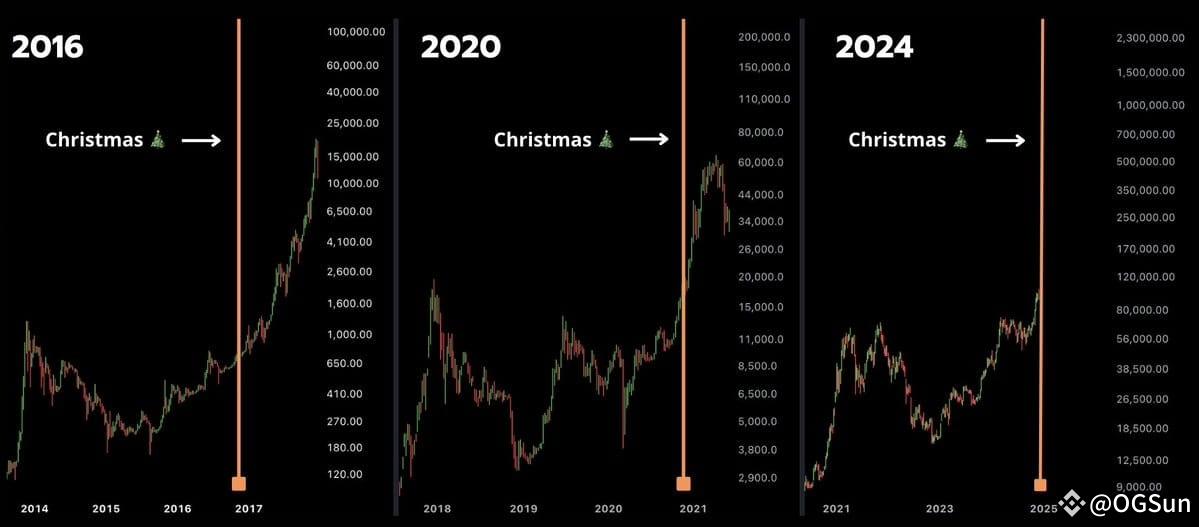
Today’s crypto market proves an important point: #Bitcoin staying just under $100K and moving slowly is actually better for #altcoins🚀
When Bitcoin grows too fast, it shakes up the whole market, and smaller coins often crash. But when Bitcoin moves steadily, altcoins get a chance to grow too. 🪙
Right now, Bitcoin is at $96,477, and altcoins are holding strong—showing that slow and steady wins the race. 💡 #altsesaon ASON
Today’s crypto market proves an important point: #Bitcoin staying just under $100K and moving slowly is actually better for #altcoins🚀
When Bitcoin grows too fast, it shakes up the whole market, and smaller coins often crash. But when Bitcoin moves steadily, altcoins get a chance to grow too. 🪙
Right now, Bitcoin is at $96,477, and altcoins are holding strong—showing that slow and steady wins the race. 💡 #altsesaon ASON
When Bitcoin grows too fast, it shakes up the whole market, and smaller coins often crash. But when Bitcoin moves steadily, altcoins get a chance to grow too. 🪙
Right now, Bitcoin is at $96,477, and altcoins are holding strong—showing that slow and steady wins the race. 💡 #altsesaon ASON
1.3k
·
--

Article
Why Bitcoin at $100K Could Crash the Party for AltcoinsBitcoin at $100,000 might sound like a dream for crypto fam, but in reality, such a milestone could bring turmoil to the market. Historically, Bitcoin's rapid growth to new all-time highs (ATHs) has triggered significant price corrections, sending shockwaves across the entire cryptocurrency ecosystem. Here's why this pattern plays out and why a steady, gradual growth might be better for everyone involved.
The Domino Effect of Bitcoin ATHs
Each time Bitcoin reaches a new ATH, it often faces a sharp correction. Even a modest drop in Bitcoin's price—say, 0.5% or 1%—can cause altcoins to tumble by 5-10%. This domino effect occurs because Bitcoin, being the market leader, heavily influences investor sentiment. A sudden surge to $100,000 is likely to prompt profit-taking from investors, leading to significant sell-offs that ripple through the market.
But the implications go deeper than just immediate price movements. A rapid rise and subsequent fall in Bitcoin's value destabilizes the entire market, leaving altcoins in a particularly vulnerable position.
The Classic Bullrun Cycle: How Money Flows
Crypto market cycles, especially during a Bullrun, follow a predictable pattern:
Bitcoin Pumps First
Major capital first flows into Bitcoin, driving its price upward. Investors view Bitcoin as the safest asset in the crypto market, making it the starting point for most Bullruns.Money Moves to High Cap Altcoins
As Bitcoin stabilizes or begins to correct, funds typically flow into high-cap tokens like Ethereum and Solana. These projects are considered relatively stable and are next in line to see growth.Mid Caps Take the Stage
With high caps slowing down, the attention shifts to mid-cap projects within the Top 100 rankings. These tokens are more volatile but promise higher returns.The Rise of Small-Cap Projects
Finally, funds make their way to low-cap and micro-cap projects, fueling speculative investments in smaller, riskier tokens. This is often the stage where the market becomes overheated.
The Risks of a Rapid $100,000 Bitcoin
A rapid spike to $100,000 would accelerate this cycle unnaturally, triggering chaotic transitions. For example:
High Volatility: Investors anticipating a correction might cash out, initiating sharp declines across all sectors of the market.Altcoin Crashes: Altcoins, especially small-cap tokens, could face double-digit losses in a matter of hours.Market Overextension: An overheated market often ends with a prolonged correction, hurting both institutional and retail investors.
Instead of a healthy flow of funds through the market, we would see erratic movements, creating uncertainty and panic.
Why a Steady Growth is Better
A gradual and sustained Bitcoin growth allows the market to mature naturally. It gives investors confidence and prevents the extreme volatility that comes with rapid price movements. More importantly, it enables the Bullrun cycle to play out smoothly, ensuring liquidity flows progressively from Bitcoin to altcoins, fostering a healthier market environment.
Conclusion: Slow and Steady Wins the Race
Bitcoin at $100,000 is more of a psychological milestone than an actual necessity. While it might mark the start of an altcoin season, the turbulence it brings is a high price to pay. A steady rise, rather than sharp spikes, benefits everyone—investors, traders, and projects alike. The key to a sustainable Bullrun is not just reaching milestones but doing so in a way that supports the entire market, not destabilizes it.
Why Bitcoin at $100K Could Crash the Party for Altcoins
Bitcoin at $100,000 might sound like a dream for crypto fam, but in reality, such a milestone could bring turmoil to the market. Historically, Bitcoin's rapid growth to new all-time highs (ATHs) has triggered significant price corrections, sending shockwaves across the entire cryptocurrency ecosystem. Here's why this pattern plays out and why a steady, gradual growth might be better for everyone involved.
The Domino Effect of Bitcoin ATHs
Each time Bitcoin reaches a new ATH, it often faces a sharp correction. Even a modest drop in Bitcoin's price—say, 0.5% or 1%—can cause altcoins to tumble by 5-10%. This domino effect occurs because Bitcoin, being the market leader, heavily influences investor sentiment. A sudden surge to $100,000 is likely to prompt profit-taking from investors, leading to significant sell-offs that ripple through the market.
But the implications go deeper than just immediate price movements. A rapid rise and subsequent fall in Bitcoin's value destabilizes the entire market, leaving altcoins in a particularly vulnerable position.
The Classic Bullrun Cycle: How Money Flows
Crypto market cycles, especially during a Bullrun, follow a predictable pattern:
Bitcoin Pumps First
Major capital first flows into Bitcoin, driving its price upward. Investors view Bitcoin as the safest asset in the crypto market, making it the starting point for most Bullruns.Money Moves to High Cap Altcoins
As Bitcoin stabilizes or begins to correct, funds typically flow into high-cap tokens like Ethereum and Solana. These projects are considered relatively stable and are next in line to see growth.Mid Caps Take the Stage
With high caps slowing down, the attention shifts to mid-cap projects within the Top 100 rankings. These tokens are more volatile but promise higher returns.The Rise of Small-Cap Projects
Finally, funds make their way to low-cap and micro-cap projects, fueling speculative investments in smaller, riskier tokens. This is often the stage where the market becomes overheated.
The Risks of a Rapid $100,000 Bitcoin
A rapid spike to $100,000 would accelerate this cycle unnaturally, triggering chaotic transitions. For example:
High Volatility: Investors anticipating a correction might cash out, initiating sharp declines across all sectors of the market.Altcoin Crashes: Altcoins, especially small-cap tokens, could face double-digit losses in a matter of hours.Market Overextension: An overheated market often ends with a prolonged correction, hurting both institutional and retail investors.
Instead of a healthy flow of funds through the market, we would see erratic movements, creating uncertainty and panic.
Why a Steady Growth is Better
A gradual and sustained Bitcoin growth allows the market to mature naturally. It gives investors confidence and prevents the extreme volatility that comes with rapid price movements. More importantly, it enables the Bullrun cycle to play out smoothly, ensuring liquidity flows progressively from Bitcoin to altcoins, fostering a healthier market environment.
Conclusion: Slow and Steady Wins the Race
Bitcoin at $100,000 is more of a psychological milestone than an actual necessity. While it might mark the start of an altcoin season, the turbulence it brings is a high price to pay. A steady rise, rather than sharp spikes, benefits everyone—investors, traders, and projects alike. The key to a sustainable Bullrun is not just reaching milestones but doing so in a way that supports the entire market, not destabilizes it.
The Domino Effect of Bitcoin ATHs
Each time Bitcoin reaches a new ATH, it often faces a sharp correction. Even a modest drop in Bitcoin's price—say, 0.5% or 1%—can cause altcoins to tumble by 5-10%. This domino effect occurs because Bitcoin, being the market leader, heavily influences investor sentiment. A sudden surge to $100,000 is likely to prompt profit-taking from investors, leading to significant sell-offs that ripple through the market.
But the implications go deeper than just immediate price movements. A rapid rise and subsequent fall in Bitcoin's value destabilizes the entire market, leaving altcoins in a particularly vulnerable position.
The Classic Bullrun Cycle: How Money Flows
Crypto market cycles, especially during a Bullrun, follow a predictable pattern:
Bitcoin Pumps First
Major capital first flows into Bitcoin, driving its price upward. Investors view Bitcoin as the safest asset in the crypto market, making it the starting point for most Bullruns.Money Moves to High Cap Altcoins
As Bitcoin stabilizes or begins to correct, funds typically flow into high-cap tokens like Ethereum and Solana. These projects are considered relatively stable and are next in line to see growth.Mid Caps Take the Stage
With high caps slowing down, the attention shifts to mid-cap projects within the Top 100 rankings. These tokens are more volatile but promise higher returns.The Rise of Small-Cap Projects
Finally, funds make their way to low-cap and micro-cap projects, fueling speculative investments in smaller, riskier tokens. This is often the stage where the market becomes overheated.
The Risks of a Rapid $100,000 Bitcoin
A rapid spike to $100,000 would accelerate this cycle unnaturally, triggering chaotic transitions. For example:
High Volatility: Investors anticipating a correction might cash out, initiating sharp declines across all sectors of the market.Altcoin Crashes: Altcoins, especially small-cap tokens, could face double-digit losses in a matter of hours.Market Overextension: An overheated market often ends with a prolonged correction, hurting both institutional and retail investors.
Instead of a healthy flow of funds through the market, we would see erratic movements, creating uncertainty and panic.
Why a Steady Growth is Better
A gradual and sustained Bitcoin growth allows the market to mature naturally. It gives investors confidence and prevents the extreme volatility that comes with rapid price movements. More importantly, it enables the Bullrun cycle to play out smoothly, ensuring liquidity flows progressively from Bitcoin to altcoins, fostering a healthier market environment.
Conclusion: Slow and Steady Wins the Race
Bitcoin at $100,000 is more of a psychological milestone than an actual necessity. While it might mark the start of an altcoin season, the turbulence it brings is a high price to pay. A steady rise, rather than sharp spikes, benefits everyone—investors, traders, and projects alike. The key to a sustainable Bullrun is not just reaching milestones but doing so in a way that supports the entire market, not destabilizes it.
8
5
20
80.5k
·
--
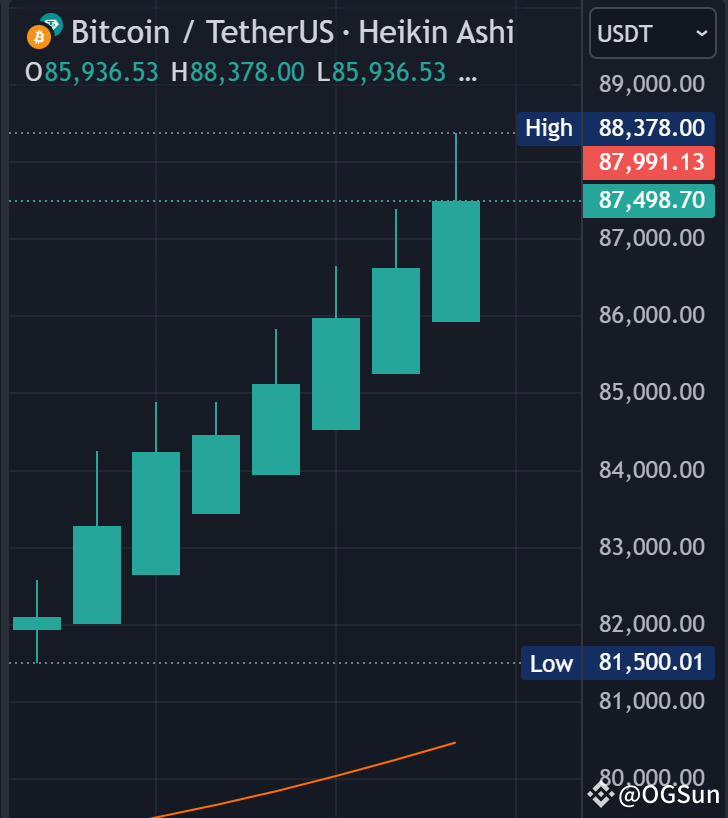
You can endlessly watch three things:
how water flows🌊
how fire burns🔥
and how #Bitcoin grows 📈
$BTC
{spot}(BTCUSDT)
You can endlessly watch three things:
how water flows🌊
how fire burns🔥
and how #Bitcoin grows 📈
$BTC
how water flows🌊
how fire burns🔥
and how #Bitcoin grows 📈
$BTC
977
·
--

Article
Periods When to Make Money: Fact-Checking Samuel Benner’s Timeless Market Cycle TheoryImagine losing everything you own in a devastating economic downturn. Most people would feel defeated, but Ohio farmer Samuel Benner decided to do something about it. Instead of trying to rebuild his farm the old-fashioned way, Benner became obsessed with understanding the market itself, meticulously analyzing historical data to uncover patterns. His tools? Pen, paper, and a strange mix of pig prices, iron, and grain data.
Benner’s Big Insight: Market Cycles
Benner envisioned the market as a kind of rhythm or pulse, a predictable dance of peaks, troughs, and plateaus. Here’s the gist of his discovery:
Peaks – Times to sell highTroughs – Opportunities to buy lowPlateaus – Moments to HODL (hold on for dear life)
He noticed these patterns followed a certain timeline, with boom cycles every 8-9 years, major busts every 16-18 years, and more stable periods in between. This idea was groundbreaking, as it suggested that markets weren’t entirely chaotic but moved in cycles that could, in theory, be predicted.
Fast Forward: Does Benner’s Cycle Still Hold True?
Fast forward to today. Benner’s theories have attracted financial enthusiasts who have tested his predictions against modern markets, particularly the S&P 500. Believe it or not, Benner’s cycle lines up surprisingly well with several major market events:
The Great Depression in the 1930s,The dot-com bubble burst in the early 2000s,And the 2008 financial crisis.
While the fit isn’t perfect—markets are far from flawless machines—the general trend in Benner’s cycles does align closely with significant financial downturns and recoveries.
Fact Check: Does Benner’s Cycle Really Work?
Before we dive deeper, let’s clear one thing up. I checked the facts, and Benner’s predictions aren’t just folk wisdom; they hold some weight.
By analyzing cycles in the S&P 500, modern analysts have found similar rhythms, especially around pivotal economic events. Although Benner’s cycle isn’t a foolproof market timer, it’s grounded in observable, real patterns. His insights are more than just a lucky guess—they’re a framework for spotting potential turning points in the market.
Why Benner’s Cycle Matters for Today’s Investors
Benner’s observations provide two major lessons for investors, especially beginners:
History Repeats Itself (Well, Sorta)
Markets, like fashion, tend to cycle. Understanding these patterns can help you anticipate market shifts. Benner’s insights suggest that if you can identify a peak or trough, you can make strategic decisions to maximize gains or minimize losses.The Past is a Powerful Teacher
Benner’s model isn’t a crystal ball, but studying historical trends can offer valuable clues about what might lie ahead. Knowing that downturns and recoveries occur in cycles, investors can approach the market with a level-headed, long-term view.
Final Thoughts: Timing the Market Like Benner
Samuel Benner’s market cycle theory, dating back to the 1870s, still resonates today. It’s a reminder that while no one can predict every market fluctuation, there are patterns that emerge over time. For beginner investors, Benner’s insights offer a perspective that turns market chaos into something more structured—a dance between boom and bust that has, more often than not, followed a similar beat. Understanding these cycles won’t make you a fortune overnight, but it may just give you an edge in navigating the unpredictable world of investing.
Periods When to Make Money: Fact-Checking Samuel Benner’s Timeless Market Cycle Theory
Imagine losing everything you own in a devastating economic downturn. Most people would feel defeated, but Ohio farmer Samuel Benner decided to do something about it. Instead of trying to rebuild his farm the old-fashioned way, Benner became obsessed with understanding the market itself, meticulously analyzing historical data to uncover patterns. His tools? Pen, paper, and a strange mix of pig prices, iron, and grain data.
Benner’s Big Insight: Market Cycles
Benner envisioned the market as a kind of rhythm or pulse, a predictable dance of peaks, troughs, and plateaus. Here’s the gist of his discovery:
Peaks – Times to sell highTroughs – Opportunities to buy lowPlateaus – Moments to HODL (hold on for dear life)
He noticed these patterns followed a certain timeline, with boom cycles every 8-9 years, major busts every 16-18 years, and more stable periods in between. This idea was groundbreaking, as it suggested that markets weren’t entirely chaotic but moved in cycles that could, in theory, be predicted.
Fast Forward: Does Benner’s Cycle Still Hold True?
Fast forward to today. Benner’s theories have attracted financial enthusiasts who have tested his predictions against modern markets, particularly the S&P 500. Believe it or not, Benner’s cycle lines up surprisingly well with several major market events:
The Great Depression in the 1930s,The dot-com bubble burst in the early 2000s,And the 2008 financial crisis.
While the fit isn’t perfect—markets are far from flawless machines—the general trend in Benner’s cycles does align closely with significant financial downturns and recoveries.
Fact Check: Does Benner’s Cycle Really Work?
Before we dive deeper, let’s clear one thing up. I checked the facts, and Benner’s predictions aren’t just folk wisdom; they hold some weight.
By analyzing cycles in the S&P 500, modern analysts have found similar rhythms, especially around pivotal economic events. Although Benner’s cycle isn’t a foolproof market timer, it’s grounded in observable, real patterns. His insights are more than just a lucky guess—they’re a framework for spotting potential turning points in the market.
Why Benner’s Cycle Matters for Today’s Investors
Benner’s observations provide two major lessons for investors, especially beginners:
History Repeats Itself (Well, Sorta)
Markets, like fashion, tend to cycle. Understanding these patterns can help you anticipate market shifts. Benner’s insights suggest that if you can identify a peak or trough, you can make strategic decisions to maximize gains or minimize losses.The Past is a Powerful Teacher
Benner’s model isn’t a crystal ball, but studying historical trends can offer valuable clues about what might lie ahead. Knowing that downturns and recoveries occur in cycles, investors can approach the market with a level-headed, long-term view.
Final Thoughts: Timing the Market Like Benner
Samuel Benner’s market cycle theory, dating back to the 1870s, still resonates today. It’s a reminder that while no one can predict every market fluctuation, there are patterns that emerge over time. For beginner investors, Benner’s insights offer a perspective that turns market chaos into something more structured—a dance between boom and bust that has, more often than not, followed a similar beat. Understanding these cycles won’t make you a fortune overnight, but it may just give you an edge in navigating the unpredictable world of investing.
Benner’s Big Insight: Market Cycles
Benner envisioned the market as a kind of rhythm or pulse, a predictable dance of peaks, troughs, and plateaus. Here’s the gist of his discovery:
Peaks – Times to sell highTroughs – Opportunities to buy lowPlateaus – Moments to HODL (hold on for dear life)
He noticed these patterns followed a certain timeline, with boom cycles every 8-9 years, major busts every 16-18 years, and more stable periods in between. This idea was groundbreaking, as it suggested that markets weren’t entirely chaotic but moved in cycles that could, in theory, be predicted.
Fast Forward: Does Benner’s Cycle Still Hold True?
Fast forward to today. Benner’s theories have attracted financial enthusiasts who have tested his predictions against modern markets, particularly the S&P 500. Believe it or not, Benner’s cycle lines up surprisingly well with several major market events:
The Great Depression in the 1930s,The dot-com bubble burst in the early 2000s,And the 2008 financial crisis.
While the fit isn’t perfect—markets are far from flawless machines—the general trend in Benner’s cycles does align closely with significant financial downturns and recoveries.
Fact Check: Does Benner’s Cycle Really Work?
Before we dive deeper, let’s clear one thing up. I checked the facts, and Benner’s predictions aren’t just folk wisdom; they hold some weight.
By analyzing cycles in the S&P 500, modern analysts have found similar rhythms, especially around pivotal economic events. Although Benner’s cycle isn’t a foolproof market timer, it’s grounded in observable, real patterns. His insights are more than just a lucky guess—they’re a framework for spotting potential turning points in the market.
Why Benner’s Cycle Matters for Today’s Investors
Benner’s observations provide two major lessons for investors, especially beginners:
History Repeats Itself (Well, Sorta)
Markets, like fashion, tend to cycle. Understanding these patterns can help you anticipate market shifts. Benner’s insights suggest that if you can identify a peak or trough, you can make strategic decisions to maximize gains or minimize losses.The Past is a Powerful Teacher
Benner’s model isn’t a crystal ball, but studying historical trends can offer valuable clues about what might lie ahead. Knowing that downturns and recoveries occur in cycles, investors can approach the market with a level-headed, long-term view.
Final Thoughts: Timing the Market Like Benner
Samuel Benner’s market cycle theory, dating back to the 1870s, still resonates today. It’s a reminder that while no one can predict every market fluctuation, there are patterns that emerge over time. For beginner investors, Benner’s insights offer a perspective that turns market chaos into something more structured—a dance between boom and bust that has, more often than not, followed a similar beat. Understanding these cycles won’t make you a fortune overnight, but it may just give you an edge in navigating the unpredictable world of investing.
3
2
164
162.3k
·
--
Article
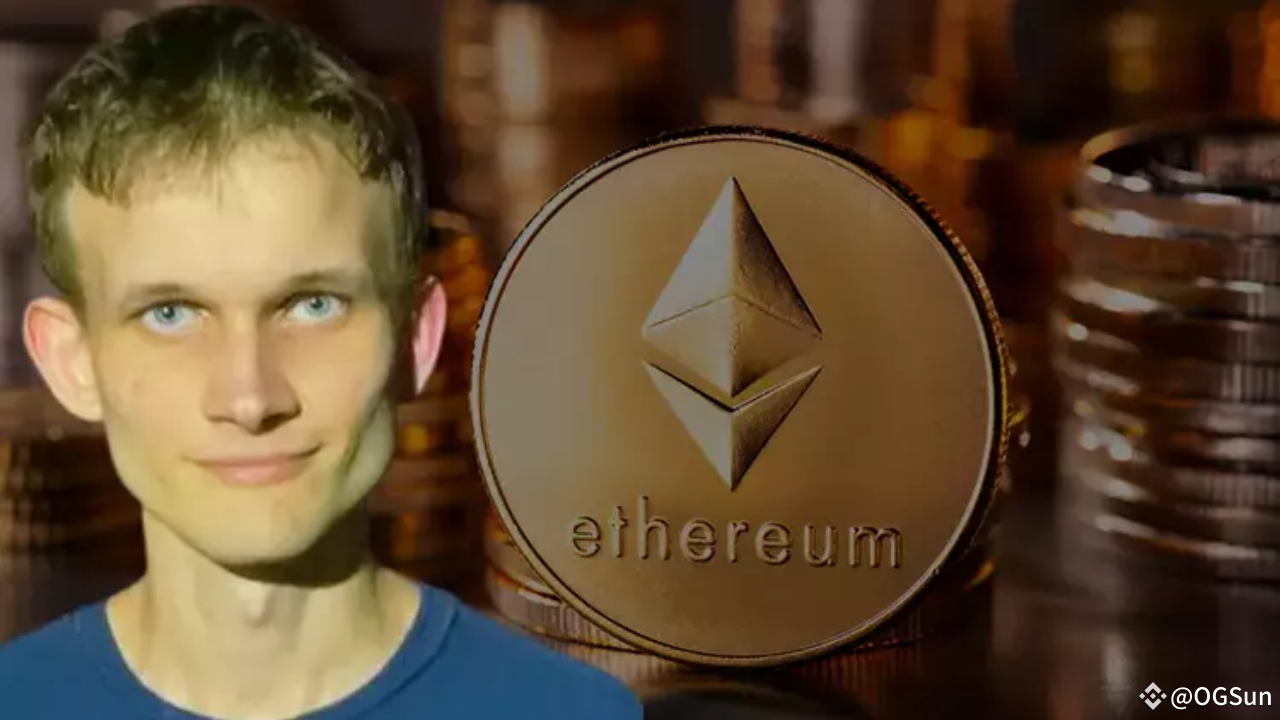
Understanding Ethereum's Future: Breaking Down Vitalik Buterin's RoadmapHey there! I just read Vitalik Buterin's latest series of articles on Ethereum's roadmap, and I'm here to break it down for you in simple terms. If you're new to crypto or just curious about where Ethereum is headed, this guide is for you. Let's dive into the six major upgrades that are shaping the future of Ethereum:
🔀 The Merge
📈 The Surge
🔥 The Scourge
✨ The Verge
📤 The Purge
🎉 The Splurge
1. 🔀 The Merge
Completed in 2022, but still evolving.
The Merge was a big deal because it changed how Ethereum works under the hood. Ethereum shifted from using Proof-of-Work (like Bitcoin) to Proof-of-Stake. This means that instead of miners using lots of energy to validate transactions, people can now "stake" their Ether (ETH) to help secure the network. This change reduced Ethereum's energy use by 99%!
What's next? Vitalik wants to make transactions confirm faster—aiming for just 4 seconds. Plus, they're looking to lower the staking requirement from 32 ETH to just 1 ETH. This means more people can participate in staking, making the network even more decentralized and secure.
2. 📈 The Surge
Making Ethereum faster and cheaper.
The Surge is all about scalability. Ethereum wants to handle over 100,000 transactions per second (that's a lot!). To get there, they're improving how data is stored and optimizing Layer 2 solutions (like rollups) that help process transactions off the main chain.
Key updates:
- EIP-4844 (Blobs): Introduced new ways to store data more efficiently.
- PeerDAS: Coming soon, this will further improve data handling, keeping costs low and speeds high.
- Data Compression: Making transactions smaller so they can be processed faster.
What does this mean for you? Faster transactions and lower fees!
3. 🔥 The Scourge
Keeping the network fair and decentralized.
Right now, big players have an advantage in how blocks (groups of transactions) are created, which can lead to delays or manipulation. The Scourge aims to level the playing field.
Solutions:
- Inclusion Lists: Allow smaller validators to ensure certain transactions are included in blocks.
- Encrypted Mempools: Hide transaction details until they're confirmed, preventing manipulation like MEV (Maximal Extractable Value).
- Reducing Staking Rewards for Big Validators: Prevents wealth from concentrating in the hands of a few.
Bottom line: These changes protect users and keep Ethereum decentralized.
4. ✨ The Verge
Making it easier for everyone to participate.
Running an Ethereum node currently requires storing a lot of data—hundreds of gigabytes! The Verge aims to change that with "stateless clients."
What's that?
- Stateless Clients: Nodes that don't need to store all the data. They use cryptographic proofs to verify transactions.
- Verkle Trees or STARKs: Advanced math that helps verify the blockchain without heavy storage needs.
- Quantum Resistance: Preparing Ethereum for future technologies like quantum computing.
Why it matters: Soon, even a smartphone could help run and secure the Ethereum network!
5. 📤 The Purge
Cleaning up and streamlining Ethereum.
Over time, Ethereum accumulates a lot of data, making it harder for new nodes to join. The Purge aims to lighten the load.
How?
- History Expiry: Old transaction data is stored in a distributed way, so not every node has to keep everything.
- State Expiry: Unused or old data gets archived or removed.
- Simplifying the Code: Getting rid of rarely-used features to make Ethereum more efficient.
The result: A leaner, more accessible network that's easier to maintain.
6. 🎉 The Splurge
Final touches and enhancements.
The Splurge is all about polishing Ethereum to make it the best it can be.
Key focuses:
- Optimizing the Ethereum Virtual Machine (EVM): Making it faster and more secure.
- Account Abstraction: Allowing for more flexible and user-friendly accounts with better security options.
- Improving Transaction Fees: Keeping costs fair and stable, even when the network is busy.
- Future-Proofing: Using advanced cryptography to protect against future tech challenges like quantum computing.
What's in it for you? A smoother, more secure experience when using Ethereum and its decentralized apps.
🔮 Looking Ahead
These six phases aren't just individual upgrades; they're interconnected steps toward making Ethereum more scalable, secure, and user-friendly. The ultimate goal is to create a platform that's ready for global-scale applications—both the ones we use today and those we haven't even imagined yet.
Why Should You Care?
- For Users: Faster transactions, lower fees, and better security.
- For Developers: A more robust and versatile platform to build on.
- For Everyone: A more decentralized and fair network that stays true to the original vision of blockchain technology.
Final Thoughts
Ethereum is evolving rapidly, and these upgrades are setting the stage for the next generation of blockchain technology. Whether you're new to crypto or have been around for a while, it's an exciting time to be part of the Ethereum community!
Understanding Ethereum's Future: Breaking Down Vitalik Buterin's Roadmap
Hey there! I just read Vitalik Buterin's latest series of articles on Ethereum's roadmap, and I'm here to break it down for you in simple terms. If you're new to crypto or just curious about where Ethereum is headed, this guide is for you. Let's dive into the six major upgrades that are shaping the future of Ethereum:
🔀 The Merge
📈 The Surge
🔥 The Scourge
✨ The Verge
📤 The Purge
🎉 The Splurge
1. 🔀 The Merge
Completed in 2022, but still evolving.
The Merge was a big deal because it changed how Ethereum works under the hood. Ethereum shifted from using Proof-of-Work (like Bitcoin) to Proof-of-Stake. This means that instead of miners using lots of energy to validate transactions, people can now "stake" their Ether (ETH) to help secure the network. This change reduced Ethereum's energy use by 99%!
What's next? Vitalik wants to make transactions confirm faster—aiming for just 4 seconds. Plus, they're looking to lower the staking requirement from 32 ETH to just 1 ETH. This means more people can participate in staking, making the network even more decentralized and secure.
2. 📈 The Surge
Making Ethereum faster and cheaper.
The Surge is all about scalability. Ethereum wants to handle over 100,000 transactions per second (that's a lot!). To get there, they're improving how data is stored and optimizing Layer 2 solutions (like rollups) that help process transactions off the main chain.
Key updates:
- EIP-4844 (Blobs): Introduced new ways to store data more efficiently.
- PeerDAS: Coming soon, this will further improve data handling, keeping costs low and speeds high.
- Data Compression: Making transactions smaller so they can be processed faster.
What does this mean for you? Faster transactions and lower fees!
3. 🔥 The Scourge
Keeping the network fair and decentralized.
Right now, big players have an advantage in how blocks (groups of transactions) are created, which can lead to delays or manipulation. The Scourge aims to level the playing field.
Solutions:
- Inclusion Lists: Allow smaller validators to ensure certain transactions are included in blocks.
- Encrypted Mempools: Hide transaction details until they're confirmed, preventing manipulation like MEV (Maximal Extractable Value).
- Reducing Staking Rewards for Big Validators: Prevents wealth from concentrating in the hands of a few.
Bottom line: These changes protect users and keep Ethereum decentralized.
4. ✨ The Verge
Making it easier for everyone to participate.
Running an Ethereum node currently requires storing a lot of data—hundreds of gigabytes! The Verge aims to change that with "stateless clients."
What's that?
- Stateless Clients: Nodes that don't need to store all the data. They use cryptographic proofs to verify transactions.
- Verkle Trees or STARKs: Advanced math that helps verify the blockchain without heavy storage needs.
- Quantum Resistance: Preparing Ethereum for future technologies like quantum computing.
Why it matters: Soon, even a smartphone could help run and secure the Ethereum network!
5. 📤 The Purge
Cleaning up and streamlining Ethereum.
Over time, Ethereum accumulates a lot of data, making it harder for new nodes to join. The Purge aims to lighten the load.
How?
- History Expiry: Old transaction data is stored in a distributed way, so not every node has to keep everything.
- State Expiry: Unused or old data gets archived or removed.
- Simplifying the Code: Getting rid of rarely-used features to make Ethereum more efficient.
The result: A leaner, more accessible network that's easier to maintain.
6. 🎉 The Splurge
Final touches and enhancements.
The Splurge is all about polishing Ethereum to make it the best it can be.
Key focuses:
- Optimizing the Ethereum Virtual Machine (EVM): Making it faster and more secure.
- Account Abstraction: Allowing for more flexible and user-friendly accounts with better security options.
- Improving Transaction Fees: Keeping costs fair and stable, even when the network is busy.
- Future-Proofing: Using advanced cryptography to protect against future tech challenges like quantum computing.
What's in it for you? A smoother, more secure experience when using Ethereum and its decentralized apps.
🔮 Looking Ahead
These six phases aren't just individual upgrades; they're interconnected steps toward making Ethereum more scalable, secure, and user-friendly. The ultimate goal is to create a platform that's ready for global-scale applications—both the ones we use today and those we haven't even imagined yet.
Why Should You Care?
- For Users: Faster transactions, lower fees, and better security.
- For Developers: A more robust and versatile platform to build on.
- For Everyone: A more decentralized and fair network that stays true to the original vision of blockchain technology.
Final Thoughts
Ethereum is evolving rapidly, and these upgrades are setting the stage for the next generation of blockchain technology. Whether you're new to crypto or have been around for a while, it's an exciting time to be part of the Ethereum community!
🔀 The Merge
📈 The Surge
🔥 The Scourge
✨ The Verge
📤 The Purge
🎉 The Splurge
1. 🔀 The Merge
Completed in 2022, but still evolving.
The Merge was a big deal because it changed how Ethereum works under the hood. Ethereum shifted from using Proof-of-Work (like Bitcoin) to Proof-of-Stake. This means that instead of miners using lots of energy to validate transactions, people can now "stake" their Ether (ETH) to help secure the network. This change reduced Ethereum's energy use by 99%!
What's next? Vitalik wants to make transactions confirm faster—aiming for just 4 seconds. Plus, they're looking to lower the staking requirement from 32 ETH to just 1 ETH. This means more people can participate in staking, making the network even more decentralized and secure.
2. 📈 The Surge
Making Ethereum faster and cheaper.
The Surge is all about scalability. Ethereum wants to handle over 100,000 transactions per second (that's a lot!). To get there, they're improving how data is stored and optimizing Layer 2 solutions (like rollups) that help process transactions off the main chain.
Key updates:
- EIP-4844 (Blobs): Introduced new ways to store data more efficiently.
- PeerDAS: Coming soon, this will further improve data handling, keeping costs low and speeds high.
- Data Compression: Making transactions smaller so they can be processed faster.
What does this mean for you? Faster transactions and lower fees!
3. 🔥 The Scourge
Keeping the network fair and decentralized.
Right now, big players have an advantage in how blocks (groups of transactions) are created, which can lead to delays or manipulation. The Scourge aims to level the playing field.
Solutions:
- Inclusion Lists: Allow smaller validators to ensure certain transactions are included in blocks.
- Encrypted Mempools: Hide transaction details until they're confirmed, preventing manipulation like MEV (Maximal Extractable Value).
- Reducing Staking Rewards for Big Validators: Prevents wealth from concentrating in the hands of a few.
Bottom line: These changes protect users and keep Ethereum decentralized.
4. ✨ The Verge
Making it easier for everyone to participate.
Running an Ethereum node currently requires storing a lot of data—hundreds of gigabytes! The Verge aims to change that with "stateless clients."
What's that?
- Stateless Clients: Nodes that don't need to store all the data. They use cryptographic proofs to verify transactions.
- Verkle Trees or STARKs: Advanced math that helps verify the blockchain without heavy storage needs.
- Quantum Resistance: Preparing Ethereum for future technologies like quantum computing.
Why it matters: Soon, even a smartphone could help run and secure the Ethereum network!
5. 📤 The Purge
Cleaning up and streamlining Ethereum.
Over time, Ethereum accumulates a lot of data, making it harder for new nodes to join. The Purge aims to lighten the load.
How?
- History Expiry: Old transaction data is stored in a distributed way, so not every node has to keep everything.
- State Expiry: Unused or old data gets archived or removed.
- Simplifying the Code: Getting rid of rarely-used features to make Ethereum more efficient.
The result: A leaner, more accessible network that's easier to maintain.
6. 🎉 The Splurge
Final touches and enhancements.
The Splurge is all about polishing Ethereum to make it the best it can be.
Key focuses:
- Optimizing the Ethereum Virtual Machine (EVM): Making it faster and more secure.
- Account Abstraction: Allowing for more flexible and user-friendly accounts with better security options.
- Improving Transaction Fees: Keeping costs fair and stable, even when the network is busy.
- Future-Proofing: Using advanced cryptography to protect against future tech challenges like quantum computing.
What's in it for you? A smoother, more secure experience when using Ethereum and its decentralized apps.
🔮 Looking Ahead
These six phases aren't just individual upgrades; they're interconnected steps toward making Ethereum more scalable, secure, and user-friendly. The ultimate goal is to create a platform that's ready for global-scale applications—both the ones we use today and those we haven't even imagined yet.
Why Should You Care?
- For Users: Faster transactions, lower fees, and better security.
- For Developers: A more robust and versatile platform to build on.
- For Everyone: A more decentralized and fair network that stays true to the original vision of blockchain technology.
Final Thoughts
Ethereum is evolving rapidly, and these upgrades are setting the stage for the next generation of blockchain technology. Whether you're new to crypto or have been around for a while, it's an exciting time to be part of the Ethereum community!
326
·
--
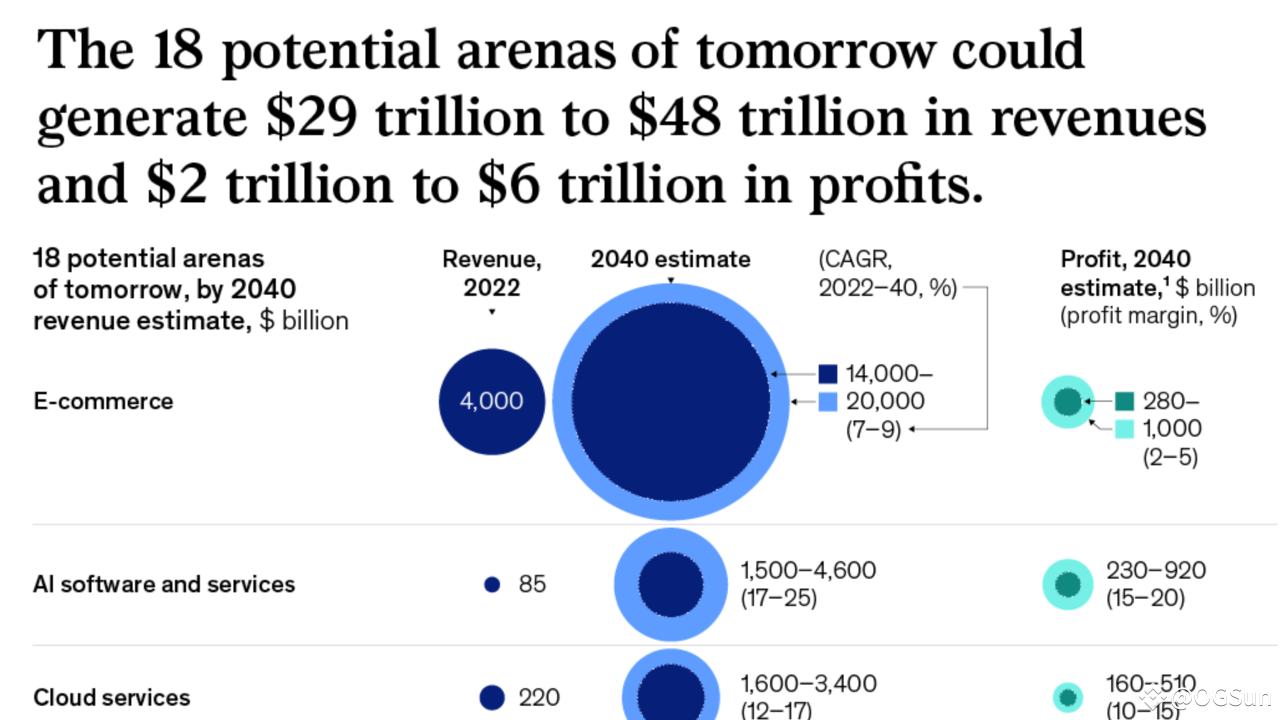
Article
The 18 Game-Changing Arenas for the Future – And Why We Might Not Survive Their ImpactSummary of the Report
The latest McKinsey report lays out 18 prospective arenas set to revolutionize industries, predicting a staggering combined revenue potential of $29 to $48 trillion by 2040. These arenas are expected to influence everything from AI to biotech, driving substantial shifts in GDP, projected to reach up to 16% of the global economy by 2040. Buckle up—this report forecasts an era where innovation and disruption are the new normal, and while the growth sounds dreamy, we may just need a survival manual for navigating these "game-changers."
Key Takeaways
The 18 Arenas of Tomorrow: Expect massive growth in e-commerce, AI, cybersecurity, and space among others, each arena thriving on digitization, sustainability, and prosperity-driven demand.Scale of Impact: Together, these sectors could add $2 to $6 trillion in global profits by 2040.A Shift in GDP Contribution: From a modest 4% share today, these arenas are projected to command 10-16% of GDP by 2040.
Breakdown of the 18 Future Arenas
E-commerce
Already an arena of today, but apparently, 20% of a $17 trillion market just isn’t enough. McKinsey sees e-commerce squeezing into every last corner of the globe, making our future selves more online-shop-dependent than ever.Artificial Intelligence Software and Services
AI is set to rake in up to $4.6 trillion by 2040. And while it’s charmingly versatile, from customer service bots to nuclear predictions, just wait until it learns to manage itself—then we’ll really be out of a job.Cloud Services
An oldie but a goodie, expected to hit between $1.6 and $3.4 trillion. Cloud services are projected to grow as companies transition to the cloud—basically, a giant game of hide-and-seek with data.Electric Vehicles (EVs)
Valued at $3.2 trillion by 2040, the EV market isn't just an ethical option anymore; it’s on the way to monopolizing streets worldwide. But who knows? By then, perhaps we’ll be nostalgic for the sweet smell of gasoline.Digital Advertising
Predicted to reach up to $2.9 trillion by 2040, the digital ads market has made us all walking billboards. And with “targeted ads” so precise, they’re practically psychic, expect our private thoughts to become profitable data.Semiconductors
The unsung heroes of tech, valued at a modest $2.4 trillion by 2040. Given every piece of hardware uses them, it’s shocking that supply chain issues haven’t led to tech-savvy protests.Shared Autonomous Vehicles
Fancy sharing your ride with robots? Shared AVs are valued between $610 billion and $2.3 trillion. While carpooling with a bot sounds futuristic, a glitch could lead to an interesting commute.Space
The space sector is poised to add $1.6 trillion. We're talking about a future where humans are annoyingly present everywhere, including Mars. Prepare for extraterrestrial branding and satellite spam.Cybersecurity
Expected to grow to $1.2 trillion, cybersecurity has gone from “nice-to-have” to a basic survival tool. Because what’s the point of digital utopia if it’s hacked by lunchtime?Batteries
Projected at $1.1 trillion by 2040, the battery market supports everything electric. Good thing too, as renewable energy makes batteries as valuable as gold. Just don’t drop one in water.Modular Construction
Valued up to $1.1 trillion, modular construction is set to revolutionize building. Think of it as IKEA housing, only hopefully with clearer instructions.Streaming Video
Set to reach $1 trillion, streaming is here to eat cable's lunch. The irony is, in a world of infinite choice, the only thing people are “watching” is their subscription costs skyrocket.Video Games
With a $910 billion market by 2040, games will be everywhere, including the office. Imagine future professionals leveling up their PowerPoint skills while fending off dragons.Robotics
Robots are projected to be a $910 billion industry. They might be taking over warehouses now, but let’s hope they don’t expand into “HR.”Industrial and Consumer Biotech
Expected to reach $900 billion, this field will bring biotech to the masses. In a future where lab-grown burgers are normal, this arena could make grocery shopping a scientific adventure.Future Air Mobility
Think drones and flying taxis, worth up to $340 billion. Imagine Uber in the air, where surge pricing includes the risk of minor turbulence.Drugs for Obesity and Related Conditions
Valued at $280 billion, expect more in the way of easy-to-take solutions for weight loss. In a world that treats ailments with apps, pills may still have some staying power.Nuclear Fission Power Plants
At $150 billion, nuclear fission could be our ace card in clean energy. Given recent disasters, let’s hope the industry has improved its track record.
Final Thoughts
These “arenas” are projected to transform daily life, the economy, and job markets. Whether you think these advancements are groundbreaking or grounds for concern, understanding and preparing for their arrival may be the key to future success—or at least, survival.
The 18 Game-Changing Arenas for the Future – And Why We Might Not Survive Their Impact
Summary of the Report
The latest McKinsey report lays out 18 prospective arenas set to revolutionize industries, predicting a staggering combined revenue potential of $29 to $48 trillion by 2040. These arenas are expected to influence everything from AI to biotech, driving substantial shifts in GDP, projected to reach up to 16% of the global economy by 2040. Buckle up—this report forecasts an era where innovation and disruption are the new normal, and while the growth sounds dreamy, we may just need a survival manual for navigating these "game-changers."
Key Takeaways
The 18 Arenas of Tomorrow: Expect massive growth in e-commerce, AI, cybersecurity, and space among others, each arena thriving on digitization, sustainability, and prosperity-driven demand.Scale of Impact: Together, these sectors could add $2 to $6 trillion in global profits by 2040.A Shift in GDP Contribution: From a modest 4% share today, these arenas are projected to command 10-16% of GDP by 2040.
Breakdown of the 18 Future Arenas
E-commerce
Already an arena of today, but apparently, 20% of a $17 trillion market just isn’t enough. McKinsey sees e-commerce squeezing into every last corner of the globe, making our future selves more online-shop-dependent than ever.Artificial Intelligence Software and Services
AI is set to rake in up to $4.6 trillion by 2040. And while it’s charmingly versatile, from customer service bots to nuclear predictions, just wait until it learns to manage itself—then we’ll really be out of a job.Cloud Services
An oldie but a goodie, expected to hit between $1.6 and $3.4 trillion. Cloud services are projected to grow as companies transition to the cloud—basically, a giant game of hide-and-seek with data.Electric Vehicles (EVs)
Valued at $3.2 trillion by 2040, the EV market isn't just an ethical option anymore; it’s on the way to monopolizing streets worldwide. But who knows? By then, perhaps we’ll be nostalgic for the sweet smell of gasoline.Digital Advertising
Predicted to reach up to $2.9 trillion by 2040, the digital ads market has made us all walking billboards. And with “targeted ads” so precise, they’re practically psychic, expect our private thoughts to become profitable data.Semiconductors
The unsung heroes of tech, valued at a modest $2.4 trillion by 2040. Given every piece of hardware uses them, it’s shocking that supply chain issues haven’t led to tech-savvy protests.Shared Autonomous Vehicles
Fancy sharing your ride with robots? Shared AVs are valued between $610 billion and $2.3 trillion. While carpooling with a bot sounds futuristic, a glitch could lead to an interesting commute.Space
The space sector is poised to add $1.6 trillion. We're talking about a future where humans are annoyingly present everywhere, including Mars. Prepare for extraterrestrial branding and satellite spam.Cybersecurity
Expected to grow to $1.2 trillion, cybersecurity has gone from “nice-to-have” to a basic survival tool. Because what’s the point of digital utopia if it’s hacked by lunchtime?Batteries
Projected at $1.1 trillion by 2040, the battery market supports everything electric. Good thing too, as renewable energy makes batteries as valuable as gold. Just don’t drop one in water.Modular Construction
Valued up to $1.1 trillion, modular construction is set to revolutionize building. Think of it as IKEA housing, only hopefully with clearer instructions.Streaming Video
Set to reach $1 trillion, streaming is here to eat cable's lunch. The irony is, in a world of infinite choice, the only thing people are “watching” is their subscription costs skyrocket.Video Games
With a $910 billion market by 2040, games will be everywhere, including the office. Imagine future professionals leveling up their PowerPoint skills while fending off dragons.Robotics
Robots are projected to be a $910 billion industry. They might be taking over warehouses now, but let’s hope they don’t expand into “HR.”Industrial and Consumer Biotech
Expected to reach $900 billion, this field will bring biotech to the masses. In a future where lab-grown burgers are normal, this arena could make grocery shopping a scientific adventure.Future Air Mobility
Think drones and flying taxis, worth up to $340 billion. Imagine Uber in the air, where surge pricing includes the risk of minor turbulence.Drugs for Obesity and Related Conditions
Valued at $280 billion, expect more in the way of easy-to-take solutions for weight loss. In a world that treats ailments with apps, pills may still have some staying power.Nuclear Fission Power Plants
At $150 billion, nuclear fission could be our ace card in clean energy. Given recent disasters, let’s hope the industry has improved its track record.
Final Thoughts
These “arenas” are projected to transform daily life, the economy, and job markets. Whether you think these advancements are groundbreaking or grounds for concern, understanding and preparing for their arrival may be the key to future success—or at least, survival.
The latest McKinsey report lays out 18 prospective arenas set to revolutionize industries, predicting a staggering combined revenue potential of $29 to $48 trillion by 2040. These arenas are expected to influence everything from AI to biotech, driving substantial shifts in GDP, projected to reach up to 16% of the global economy by 2040. Buckle up—this report forecasts an era where innovation and disruption are the new normal, and while the growth sounds dreamy, we may just need a survival manual for navigating these "game-changers."
Key Takeaways
The 18 Arenas of Tomorrow: Expect massive growth in e-commerce, AI, cybersecurity, and space among others, each arena thriving on digitization, sustainability, and prosperity-driven demand.Scale of Impact: Together, these sectors could add $2 to $6 trillion in global profits by 2040.A Shift in GDP Contribution: From a modest 4% share today, these arenas are projected to command 10-16% of GDP by 2040.
Breakdown of the 18 Future Arenas
E-commerce
Already an arena of today, but apparently, 20% of a $17 trillion market just isn’t enough. McKinsey sees e-commerce squeezing into every last corner of the globe, making our future selves more online-shop-dependent than ever.Artificial Intelligence Software and Services
AI is set to rake in up to $4.6 trillion by 2040. And while it’s charmingly versatile, from customer service bots to nuclear predictions, just wait until it learns to manage itself—then we’ll really be out of a job.Cloud Services
An oldie but a goodie, expected to hit between $1.6 and $3.4 trillion. Cloud services are projected to grow as companies transition to the cloud—basically, a giant game of hide-and-seek with data.Electric Vehicles (EVs)
Valued at $3.2 trillion by 2040, the EV market isn't just an ethical option anymore; it’s on the way to monopolizing streets worldwide. But who knows? By then, perhaps we’ll be nostalgic for the sweet smell of gasoline.Digital Advertising
Predicted to reach up to $2.9 trillion by 2040, the digital ads market has made us all walking billboards. And with “targeted ads” so precise, they’re practically psychic, expect our private thoughts to become profitable data.Semiconductors
The unsung heroes of tech, valued at a modest $2.4 trillion by 2040. Given every piece of hardware uses them, it’s shocking that supply chain issues haven’t led to tech-savvy protests.Shared Autonomous Vehicles
Fancy sharing your ride with robots? Shared AVs are valued between $610 billion and $2.3 trillion. While carpooling with a bot sounds futuristic, a glitch could lead to an interesting commute.Space
The space sector is poised to add $1.6 trillion. We're talking about a future where humans are annoyingly present everywhere, including Mars. Prepare for extraterrestrial branding and satellite spam.Cybersecurity
Expected to grow to $1.2 trillion, cybersecurity has gone from “nice-to-have” to a basic survival tool. Because what’s the point of digital utopia if it’s hacked by lunchtime?Batteries
Projected at $1.1 trillion by 2040, the battery market supports everything electric. Good thing too, as renewable energy makes batteries as valuable as gold. Just don’t drop one in water.Modular Construction
Valued up to $1.1 trillion, modular construction is set to revolutionize building. Think of it as IKEA housing, only hopefully with clearer instructions.Streaming Video
Set to reach $1 trillion, streaming is here to eat cable's lunch. The irony is, in a world of infinite choice, the only thing people are “watching” is their subscription costs skyrocket.Video Games
With a $910 billion market by 2040, games will be everywhere, including the office. Imagine future professionals leveling up their PowerPoint skills while fending off dragons.Robotics
Robots are projected to be a $910 billion industry. They might be taking over warehouses now, but let’s hope they don’t expand into “HR.”Industrial and Consumer Biotech
Expected to reach $900 billion, this field will bring biotech to the masses. In a future where lab-grown burgers are normal, this arena could make grocery shopping a scientific adventure.Future Air Mobility
Think drones and flying taxis, worth up to $340 billion. Imagine Uber in the air, where surge pricing includes the risk of minor turbulence.Drugs for Obesity and Related Conditions
Valued at $280 billion, expect more in the way of easy-to-take solutions for weight loss. In a world that treats ailments with apps, pills may still have some staying power.Nuclear Fission Power Plants
At $150 billion, nuclear fission could be our ace card in clean energy. Given recent disasters, let’s hope the industry has improved its track record.
Final Thoughts
These “arenas” are projected to transform daily life, the economy, and job markets. Whether you think these advancements are groundbreaking or grounds for concern, understanding and preparing for their arrival may be the key to future success—or at least, survival.
153
·
--

Article
Too Old for a Startup? Think Again.People seem to worship the myth of the prodigy—the 22-year-old in a hoodie who changes the world between college lectures and frat parties. But here's a dose of reality: the ideal age to start a startup isn't 22. It's not even 32. It's when you've spent enough years in the real world to know what's fundamentally broken.
Spoiler alert—that usually means you're 40 or older.
But who needs facts when you have fairy tales, right? Except numbers don't lie. The average age of founders with successful exits? 47. Fast-growing startups? Typically led by 45-year-olds.
Look at the heavyweights:
- Jeff Bezos was 30 when he founded Amazon. He didn't dream up online retail while cramming for finals.
- Elon Musk was 31 when he founded SpaceX. He wasn't tinkering with rockets in his dorm room.
- Musk became involved with Tesla at 32, investing early and eventually becoming CEO at 37. Electric cars weren't exactly a college side project.
- Reed Hastings was 37 when he co-founded Netflix. He wasn't fresh out of college binge-watching shows in his dorm.
- Robert Noyce and Gordon Moore founded Intel at 41 and 39, respectively. They didn't revolutionize computing on a whim.
Sure, you'll point to Mark Zuckerberg, who launched Facebook at 19, or Bill Gates, who started Microsoft at 20. But for every wunderkind, there are countless founders who hit their stride later.
After over a decade slogging through the startup world, here's the pattern:
The younger founder chirps, "I want to build the Uber for dog walking." How original.
The older founder states, "After two decades in accounting, I've noticed every small business struggles with this specific problem. Here's how we fix it." See the difference?
- Context matters as much as code.
- Lived experience beats market research.
- Industry expertise outweighs your ability to juggle programming languages.
History shows us that groundbreaking startups rarely sprout from naïve optimism tucked away in ivory towers. They emerge after decades of watching the same problems persist and deciding enough is enough.
So if you're hitting 40 and panicking that you haven't launched the next big app, relax. Maybe it's time to use that hard-earned experience to tackle real issues.
Because, contrary to popular belief, wisdom actually counts for something.
Too Old for a Startup? Think Again.
People seem to worship the myth of the prodigy—the 22-year-old in a hoodie who changes the world between college lectures and frat parties. But here's a dose of reality: the ideal age to start a startup isn't 22. It's not even 32. It's when you've spent enough years in the real world to know what's fundamentally broken.
Spoiler alert—that usually means you're 40 or older.
But who needs facts when you have fairy tales, right? Except numbers don't lie. The average age of founders with successful exits? 47. Fast-growing startups? Typically led by 45-year-olds.
Look at the heavyweights:
- Jeff Bezos was 30 when he founded Amazon. He didn't dream up online retail while cramming for finals.
- Elon Musk was 31 when he founded SpaceX. He wasn't tinkering with rockets in his dorm room.
- Musk became involved with Tesla at 32, investing early and eventually becoming CEO at 37. Electric cars weren't exactly a college side project.
- Reed Hastings was 37 when he co-founded Netflix. He wasn't fresh out of college binge-watching shows in his dorm.
- Robert Noyce and Gordon Moore founded Intel at 41 and 39, respectively. They didn't revolutionize computing on a whim.
Sure, you'll point to Mark Zuckerberg, who launched Facebook at 19, or Bill Gates, who started Microsoft at 20. But for every wunderkind, there are countless founders who hit their stride later.
After over a decade slogging through the startup world, here's the pattern:
The younger founder chirps, "I want to build the Uber for dog walking." How original.
The older founder states, "After two decades in accounting, I've noticed every small business struggles with this specific problem. Here's how we fix it." See the difference?
- Context matters as much as code.
- Lived experience beats market research.
- Industry expertise outweighs your ability to juggle programming languages.
History shows us that groundbreaking startups rarely sprout from naïve optimism tucked away in ivory towers. They emerge after decades of watching the same problems persist and deciding enough is enough.
So if you're hitting 40 and panicking that you haven't launched the next big app, relax. Maybe it's time to use that hard-earned experience to tackle real issues.
Because, contrary to popular belief, wisdom actually counts for something.
Spoiler alert—that usually means you're 40 or older.
But who needs facts when you have fairy tales, right? Except numbers don't lie. The average age of founders with successful exits? 47. Fast-growing startups? Typically led by 45-year-olds.
Look at the heavyweights:
- Jeff Bezos was 30 when he founded Amazon. He didn't dream up online retail while cramming for finals.
- Elon Musk was 31 when he founded SpaceX. He wasn't tinkering with rockets in his dorm room.
- Musk became involved with Tesla at 32, investing early and eventually becoming CEO at 37. Electric cars weren't exactly a college side project.
- Reed Hastings was 37 when he co-founded Netflix. He wasn't fresh out of college binge-watching shows in his dorm.
- Robert Noyce and Gordon Moore founded Intel at 41 and 39, respectively. They didn't revolutionize computing on a whim.
Sure, you'll point to Mark Zuckerberg, who launched Facebook at 19, or Bill Gates, who started Microsoft at 20. But for every wunderkind, there are countless founders who hit their stride later.
After over a decade slogging through the startup world, here's the pattern:
The younger founder chirps, "I want to build the Uber for dog walking." How original.
The older founder states, "After two decades in accounting, I've noticed every small business struggles with this specific problem. Here's how we fix it." See the difference?
- Context matters as much as code.
- Lived experience beats market research.
- Industry expertise outweighs your ability to juggle programming languages.
History shows us that groundbreaking startups rarely sprout from naïve optimism tucked away in ivory towers. They emerge after decades of watching the same problems persist and deciding enough is enough.
So if you're hitting 40 and panicking that you haven't launched the next big app, relax. Maybe it's time to use that hard-earned experience to tackle real issues.
Because, contrary to popular belief, wisdom actually counts for something.
3
11
8.2k
·
--
In 2005, a simple email from YouTube co-founder Jawed Karim sparked the creation of a platform that would change the digital world forever. What started as an idea for a video-only site evolved into one of the biggest internet giants.
For startup founders, YouTube’s story offers powerful insights into the importance of timing, focus, and vision. Want to know how a well-timed, focused idea turned into a global powerhouse—and what you can learn to take your startup to the next level?
[Read on to uncover the key lessons that could shape your journey to success.](https://app.binance.com/uni-qr/cart/15476348617913?l=en&r=74588148&uc=web_square_share_link&uco=MlSF4xn8QJcr60Mp3X8bgg&us=copylink)
In 2005, a simple email from YouTube co-founder Jawed Karim sparked the creation of a platform that would change the digital world forever. What started as an idea for a video-only site evolved into one of the biggest internet giants.
For startup founders, YouTube’s story offers powerful insights into the importance of timing, focus, and vision. Want to know how a well-timed, focused idea turned into a global powerhouse—and what you can learn to take your startup to the next level?
Read on to uncover the key lessons that could shape your journey to success.
For startup founders, YouTube’s story offers powerful insights into the importance of timing, focus, and vision. Want to know how a well-timed, focused idea turned into a global powerhouse—and what you can learn to take your startup to the next level?
Read on to uncover the key lessons that could shape your journey to success.
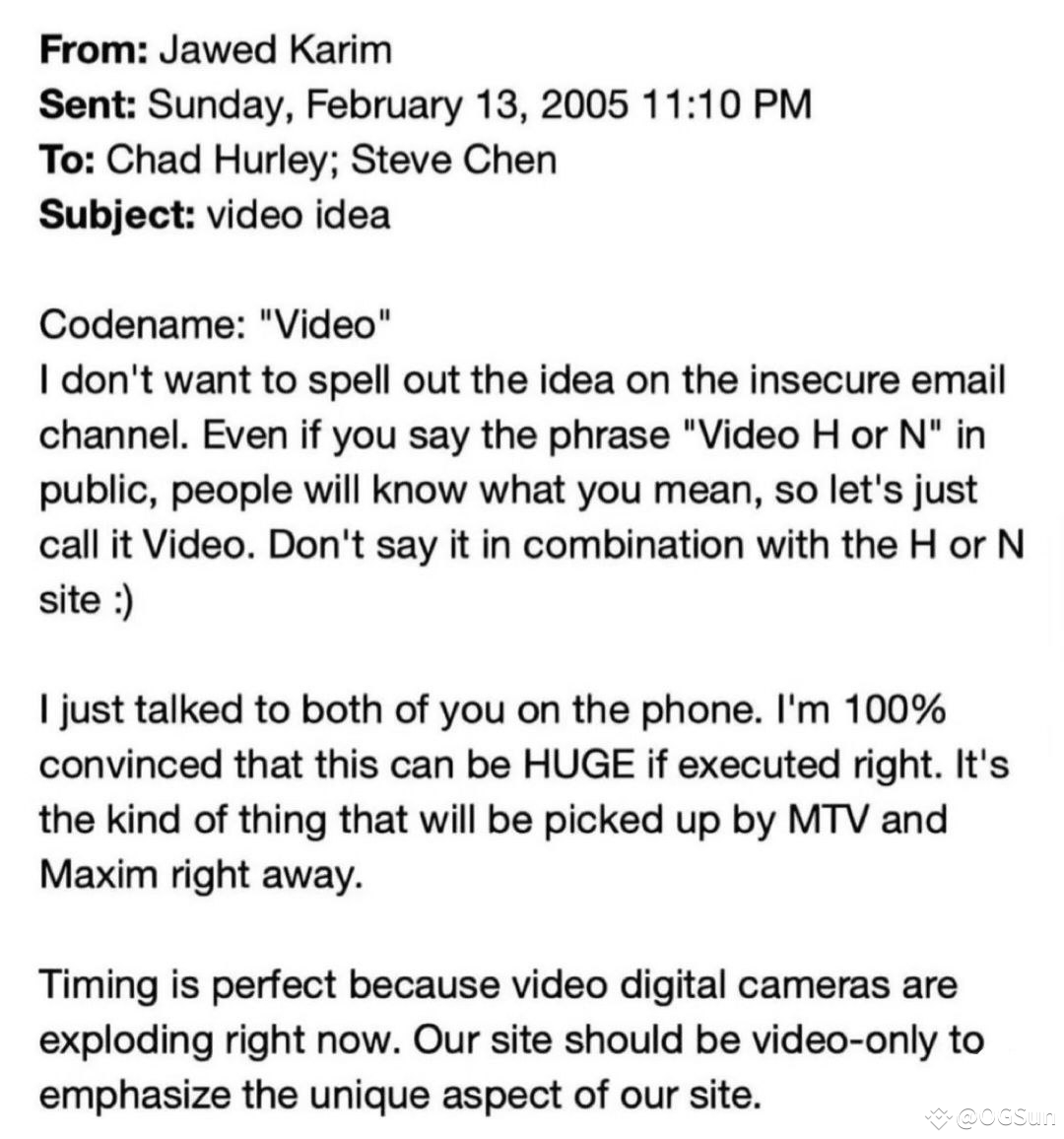
145
·
--

Article
From Email to Empire: How YouTube’s Bold Vision Became a RealityIn 2005, YouTube co-founder Jawed Karim sent an email that would set the stage for one of the biggest platforms in digital history. His idea was simple yet revolutionary: a platform dedicated solely to video content, with the potential to become “HUGE if executed right.” This email not only marked the beginning of YouTube but also exemplifies how the right idea, at the right time, can transform an industry.
For startup founders, the story behind YouTube offers powerful insights into timing, focus, and vision—elements that can determine a startup’s success or failure.
The Power of Timing
Karim’s proposal for YouTube came at a perfect moment. In 2005, digital cameras and video technology were becoming more accessible to the public, making it easier for people to create and share videos. Karim identified this trend and envisioned a platform to meet the rising demand for video-sharing, a concept that had not yet been fully explored online.
Lesson for Founders: Timing is everything in the world of startups. Spotting trends early and positioning your startup to take advantage of technological shifts can be the key to gaining a competitive edge. Observing industry trends, staying connected to consumer needs, and recognizing when an idea’s time has come are critical skills for any entrepreneur.
Focus on a Unique Vision
Karim emphasized that YouTube should remain video-only—a focused approach designed to differentiate it from other multimedia or text-based sites. At the time, the concept of an exclusive video platform was bold and unique, especially when most online content was still text or image-based. Karim also anticipated that YouTube’s focus on video would attract attention from media giants like MTV, as well as a broad user base.
Lesson for Founders: Startups often succeed when they focus on doing one thing exceptionally well. By keeping YouTube dedicated to video content, Karim and his team created a brand identity that set them apart. For founders, staying focused on a unique vision helps avoid distractions and builds a clear value proposition for users.
Vision and the Art of Thinking Big
Karim’s email shows he was thinking beyond just another website—he envisioned a platform that could capture mainstream attention. His focus on video-only content and emphasis on creating something groundbreaking demonstrated his willingness to think big. His vision was not just about following trends but setting them, as he imagined YouTube becoming as recognizable as MTV.
Lesson for Founders: Successful entrepreneurs are not just problem-solvers; they are visionary thinkers. Startup founders should strive to create something that doesn’t just meet today’s needs but could shape the future of an industry. Don’t be afraid to dream big and position your startup as a game-changer.
Building a Platform with Mass Appeal
YouTube’s initial idea centered around a platform where users could upload, watch, and share videos—something that quickly resonated with a broad audience. It was simple and accessible, enabling people from all backgrounds to share their stories and creativity with the world. This mass appeal helped YouTube grow at an astonishing rate, eventually transforming into the global powerhouse it is today.
Lesson for Founders: Startups that tap into universal needs—such as the desire for self-expression or connectivity—can scale faster and reach a wider audience. Building something that appeals to people beyond a niche market can provide a solid foundation for exponential growth.
Adapting and Growing with Users
While Karim’s vision focused on keeping YouTube as a video-only platform, YouTube’s adaptability over time also played a crucial role in its growth. As user preferences and technology evolved, YouTube expanded its features to include live streaming, monetization options, and various content formats. This flexibility allowed YouTube to remain relevant and appealing as the digital landscape changed.
Lesson for Founders: Staying true to your core vision is essential, but so is the ability to adapt as your users and market evolve. Listen to user feedback, stay open to new opportunities, and be prepared to expand or pivot if it aligns with your vision and market needs.
The Takeaway: Small Ideas Can Have Huge Potential
Jawed Karim’s email may have seemed simple, but it laid the groundwork for a platform that would change the digital landscape forever. What started as a focused idea turned into a global platform with billions of users, highlighting the power of well-timed, visionary thinking.
For startup founders, YouTube’s story is a powerful reminder that small, focused ideas—executed at the right moment—can evolve into world-changing platforms. As you build your startup, remember the value of timing, focus, big-picture thinking, and the willingness to adapt. You never know when your idea could become the next game-changer.
From Email to Empire: How YouTube’s Bold Vision Became a Reality
In 2005, YouTube co-founder Jawed Karim sent an email that would set the stage for one of the biggest platforms in digital history. His idea was simple yet revolutionary: a platform dedicated solely to video content, with the potential to become “HUGE if executed right.” This email not only marked the beginning of YouTube but also exemplifies how the right idea, at the right time, can transform an industry.
For startup founders, the story behind YouTube offers powerful insights into timing, focus, and vision—elements that can determine a startup’s success or failure.
The Power of Timing
Karim’s proposal for YouTube came at a perfect moment. In 2005, digital cameras and video technology were becoming more accessible to the public, making it easier for people to create and share videos. Karim identified this trend and envisioned a platform to meet the rising demand for video-sharing, a concept that had not yet been fully explored online.
Lesson for Founders: Timing is everything in the world of startups. Spotting trends early and positioning your startup to take advantage of technological shifts can be the key to gaining a competitive edge. Observing industry trends, staying connected to consumer needs, and recognizing when an idea’s time has come are critical skills for any entrepreneur.
Focus on a Unique Vision
Karim emphasized that YouTube should remain video-only—a focused approach designed to differentiate it from other multimedia or text-based sites. At the time, the concept of an exclusive video platform was bold and unique, especially when most online content was still text or image-based. Karim also anticipated that YouTube’s focus on video would attract attention from media giants like MTV, as well as a broad user base.
Lesson for Founders: Startups often succeed when they focus on doing one thing exceptionally well. By keeping YouTube dedicated to video content, Karim and his team created a brand identity that set them apart. For founders, staying focused on a unique vision helps avoid distractions and builds a clear value proposition for users.
Vision and the Art of Thinking Big
Karim’s email shows he was thinking beyond just another website—he envisioned a platform that could capture mainstream attention. His focus on video-only content and emphasis on creating something groundbreaking demonstrated his willingness to think big. His vision was not just about following trends but setting them, as he imagined YouTube becoming as recognizable as MTV.
Lesson for Founders: Successful entrepreneurs are not just problem-solvers; they are visionary thinkers. Startup founders should strive to create something that doesn’t just meet today’s needs but could shape the future of an industry. Don’t be afraid to dream big and position your startup as a game-changer.
Building a Platform with Mass Appeal
YouTube’s initial idea centered around a platform where users could upload, watch, and share videos—something that quickly resonated with a broad audience. It was simple and accessible, enabling people from all backgrounds to share their stories and creativity with the world. This mass appeal helped YouTube grow at an astonishing rate, eventually transforming into the global powerhouse it is today.
Lesson for Founders: Startups that tap into universal needs—such as the desire for self-expression or connectivity—can scale faster and reach a wider audience. Building something that appeals to people beyond a niche market can provide a solid foundation for exponential growth.
Adapting and Growing with Users
While Karim’s vision focused on keeping YouTube as a video-only platform, YouTube’s adaptability over time also played a crucial role in its growth. As user preferences and technology evolved, YouTube expanded its features to include live streaming, monetization options, and various content formats. This flexibility allowed YouTube to remain relevant and appealing as the digital landscape changed.
Lesson for Founders: Staying true to your core vision is essential, but so is the ability to adapt as your users and market evolve. Listen to user feedback, stay open to new opportunities, and be prepared to expand or pivot if it aligns with your vision and market needs.
The Takeaway: Small Ideas Can Have Huge Potential
Jawed Karim’s email may have seemed simple, but it laid the groundwork for a platform that would change the digital landscape forever. What started as a focused idea turned into a global platform with billions of users, highlighting the power of well-timed, visionary thinking.
For startup founders, YouTube’s story is a powerful reminder that small, focused ideas—executed at the right moment—can evolve into world-changing platforms. As you build your startup, remember the value of timing, focus, big-picture thinking, and the willingness to adapt. You never know when your idea could become the next game-changer.
For startup founders, the story behind YouTube offers powerful insights into timing, focus, and vision—elements that can determine a startup’s success or failure.
The Power of Timing
Karim’s proposal for YouTube came at a perfect moment. In 2005, digital cameras and video technology were becoming more accessible to the public, making it easier for people to create and share videos. Karim identified this trend and envisioned a platform to meet the rising demand for video-sharing, a concept that had not yet been fully explored online.
Lesson for Founders: Timing is everything in the world of startups. Spotting trends early and positioning your startup to take advantage of technological shifts can be the key to gaining a competitive edge. Observing industry trends, staying connected to consumer needs, and recognizing when an idea’s time has come are critical skills for any entrepreneur.
Focus on a Unique Vision
Karim emphasized that YouTube should remain video-only—a focused approach designed to differentiate it from other multimedia or text-based sites. At the time, the concept of an exclusive video platform was bold and unique, especially when most online content was still text or image-based. Karim also anticipated that YouTube’s focus on video would attract attention from media giants like MTV, as well as a broad user base.
Lesson for Founders: Startups often succeed when they focus on doing one thing exceptionally well. By keeping YouTube dedicated to video content, Karim and his team created a brand identity that set them apart. For founders, staying focused on a unique vision helps avoid distractions and builds a clear value proposition for users.
Vision and the Art of Thinking Big
Karim’s email shows he was thinking beyond just another website—he envisioned a platform that could capture mainstream attention. His focus on video-only content and emphasis on creating something groundbreaking demonstrated his willingness to think big. His vision was not just about following trends but setting them, as he imagined YouTube becoming as recognizable as MTV.
Lesson for Founders: Successful entrepreneurs are not just problem-solvers; they are visionary thinkers. Startup founders should strive to create something that doesn’t just meet today’s needs but could shape the future of an industry. Don’t be afraid to dream big and position your startup as a game-changer.
Building a Platform with Mass Appeal
YouTube’s initial idea centered around a platform where users could upload, watch, and share videos—something that quickly resonated with a broad audience. It was simple and accessible, enabling people from all backgrounds to share their stories and creativity with the world. This mass appeal helped YouTube grow at an astonishing rate, eventually transforming into the global powerhouse it is today.
Lesson for Founders: Startups that tap into universal needs—such as the desire for self-expression or connectivity—can scale faster and reach a wider audience. Building something that appeals to people beyond a niche market can provide a solid foundation for exponential growth.
Adapting and Growing with Users
While Karim’s vision focused on keeping YouTube as a video-only platform, YouTube’s adaptability over time also played a crucial role in its growth. As user preferences and technology evolved, YouTube expanded its features to include live streaming, monetization options, and various content formats. This flexibility allowed YouTube to remain relevant and appealing as the digital landscape changed.
Lesson for Founders: Staying true to your core vision is essential, but so is the ability to adapt as your users and market evolve. Listen to user feedback, stay open to new opportunities, and be prepared to expand or pivot if it aligns with your vision and market needs.
The Takeaway: Small Ideas Can Have Huge Potential
Jawed Karim’s email may have seemed simple, but it laid the groundwork for a platform that would change the digital landscape forever. What started as a focused idea turned into a global platform with billions of users, highlighting the power of well-timed, visionary thinking.
For startup founders, YouTube’s story is a powerful reminder that small, focused ideas—executed at the right moment—can evolve into world-changing platforms. As you build your startup, remember the value of timing, focus, big-picture thinking, and the willingness to adapt. You never know when your idea could become the next game-changer.
523
·
--

Article
7 Essential Tips for Bitcoin and Crypto BeginnersAs an expert in crypto and cybersecurity, I often consult with people who are new to the world of Bitcoin and cryptocurrencies. Starting with the basics is crucial, so I've decided to compile some of the most fundamental yet important points into this article. Whether you're just beginning your crypto journey or looking to solidify your understanding, these tips will set you on the right path.
1. Don't Trust, Verify
In the crypto space, it's important to do your own research. Don't take information at face value—double-check facts from reliable sources. This helps you avoid scams and make informed decisions about Bitcoin and other cryptocurrencies.
2. Not Your Keys, Not Your Coins
This phrase means that if you don't control the private keys to your crypto wallet, you don't truly own your coins. Keeping your cryptocurrencies on an exchange or online platform can be risky. To have full control, use a secure wallet where you hold the keys.
3. You Can Buy Part of a Bitcoin
Good news—you don't need to buy a whole Bitcoin or any entire coin to get started! Cryptocurrencies are divisible, so you can purchase fractions, like 0.001 BTC or portions of other coins. This makes it easy to invest whatever amount you're comfortable with.
4. HODL: Crypto Is Volatile
Cryptocurrency prices can swing up and down dramatically. "HODL" is crypto slang for "Hold On for Dear Life." It means keeping your crypto investments even when the market is volatile. If you believe in the long-term potential of Bitcoin or other cryptocurrencies, consider holding onto your coins through the ups and downs.
5. No One Knows Where the Price Will Go
Be cautious of anyone who claims they know where Bitcoin or other crypto prices are headed. The market is unpredictable, and prices can change rapidly. Invest wisely and don't put in more money than you can afford to lose.
6. Use a Metal Backup for Your Seed
When you set up a crypto wallet, you'll receive a seed phrase—a series of words that can recover your wallet if you lose access. Instead of writing it on paper, consider using a metal backup. Metal is durable and can withstand fire, water, and other potential disasters, keeping your seed phrase safe.
7. Never Type Your Seed into a Computer
Your seed phrase is the master key to your wallet. Never enter it into any computer, phone, or online form—even if prompted. Scammers often try to trick people into revealing their seed phrases. Keep it offline and secure to protect your cryptocurrencies.
Final Thoughts
Starting your journey with Bitcoin and cryptocurrencies is exciting! By following these tips, you'll be better prepared to navigate the crypto world confidently. Remember to stay informed, be cautious, and enjoy the ride.
Happy HODLing!
7 Essential Tips for Bitcoin and Crypto Beginners
As an expert in crypto and cybersecurity, I often consult with people who are new to the world of Bitcoin and cryptocurrencies. Starting with the basics is crucial, so I've decided to compile some of the most fundamental yet important points into this article. Whether you're just beginning your crypto journey or looking to solidify your understanding, these tips will set you on the right path.
1. Don't Trust, Verify
In the crypto space, it's important to do your own research. Don't take information at face value—double-check facts from reliable sources. This helps you avoid scams and make informed decisions about Bitcoin and other cryptocurrencies.
2. Not Your Keys, Not Your Coins
This phrase means that if you don't control the private keys to your crypto wallet, you don't truly own your coins. Keeping your cryptocurrencies on an exchange or online platform can be risky. To have full control, use a secure wallet where you hold the keys.
3. You Can Buy Part of a Bitcoin
Good news—you don't need to buy a whole Bitcoin or any entire coin to get started! Cryptocurrencies are divisible, so you can purchase fractions, like 0.001 BTC or portions of other coins. This makes it easy to invest whatever amount you're comfortable with.
4. HODL: Crypto Is Volatile
Cryptocurrency prices can swing up and down dramatically. "HODL" is crypto slang for "Hold On for Dear Life." It means keeping your crypto investments even when the market is volatile. If you believe in the long-term potential of Bitcoin or other cryptocurrencies, consider holding onto your coins through the ups and downs.
5. No One Knows Where the Price Will Go
Be cautious of anyone who claims they know where Bitcoin or other crypto prices are headed. The market is unpredictable, and prices can change rapidly. Invest wisely and don't put in more money than you can afford to lose.
6. Use a Metal Backup for Your Seed
When you set up a crypto wallet, you'll receive a seed phrase—a series of words that can recover your wallet if you lose access. Instead of writing it on paper, consider using a metal backup. Metal is durable and can withstand fire, water, and other potential disasters, keeping your seed phrase safe.
7. Never Type Your Seed into a Computer
Your seed phrase is the master key to your wallet. Never enter it into any computer, phone, or online form—even if prompted. Scammers often try to trick people into revealing their seed phrases. Keep it offline and secure to protect your cryptocurrencies.
Final Thoughts
Starting your journey with Bitcoin and cryptocurrencies is exciting! By following these tips, you'll be better prepared to navigate the crypto world confidently. Remember to stay informed, be cautious, and enjoy the ride.
Happy HODLing!
1. Don't Trust, Verify
In the crypto space, it's important to do your own research. Don't take information at face value—double-check facts from reliable sources. This helps you avoid scams and make informed decisions about Bitcoin and other cryptocurrencies.
2. Not Your Keys, Not Your Coins
This phrase means that if you don't control the private keys to your crypto wallet, you don't truly own your coins. Keeping your cryptocurrencies on an exchange or online platform can be risky. To have full control, use a secure wallet where you hold the keys.
3. You Can Buy Part of a Bitcoin
Good news—you don't need to buy a whole Bitcoin or any entire coin to get started! Cryptocurrencies are divisible, so you can purchase fractions, like 0.001 BTC or portions of other coins. This makes it easy to invest whatever amount you're comfortable with.
4. HODL: Crypto Is Volatile
Cryptocurrency prices can swing up and down dramatically. "HODL" is crypto slang for "Hold On for Dear Life." It means keeping your crypto investments even when the market is volatile. If you believe in the long-term potential of Bitcoin or other cryptocurrencies, consider holding onto your coins through the ups and downs.
5. No One Knows Where the Price Will Go
Be cautious of anyone who claims they know where Bitcoin or other crypto prices are headed. The market is unpredictable, and prices can change rapidly. Invest wisely and don't put in more money than you can afford to lose.
6. Use a Metal Backup for Your Seed
When you set up a crypto wallet, you'll receive a seed phrase—a series of words that can recover your wallet if you lose access. Instead of writing it on paper, consider using a metal backup. Metal is durable and can withstand fire, water, and other potential disasters, keeping your seed phrase safe.
7. Never Type Your Seed into a Computer
Your seed phrase is the master key to your wallet. Never enter it into any computer, phone, or online form—even if prompted. Scammers often try to trick people into revealing their seed phrases. Keep it offline and secure to protect your cryptocurrencies.
Final Thoughts
Starting your journey with Bitcoin and cryptocurrencies is exciting! By following these tips, you'll be better prepared to navigate the crypto world confidently. Remember to stay informed, be cautious, and enjoy the ride.
Happy HODLing!
1
1
307
·
--

Article
Switzerland Legalizes DAOs: A New Era for Crypto Decentralized OrganizationsSwitzerland has solidified its position as a global leader in blockchain technology and cryptocurrency by launching a comprehensive legal framework for Decentralized Autonomous Organizations (DAOs). This pioneering move provides legal recognition and clarity for DAOs, fostering innovation and attracting blockchain enterprises to the country.
The Blockchain Act: A Legislative Milestone
In August 2021, the Swiss government enacted the "Blockchain Act", a comprehensive set of legislative amendments aimed at integrating blockchain technology into the Swiss legal framework. This act is significant for several reasons:
Legal Recognition of DAOs: The Blockchain Act allows DAOs to be registered as legal entities in Switzerland, providing them with a clear legal status.Enhanced Legal Certainty: By defining the legal standing of DAOs, Switzerland reduces the ambiguity that has plagued decentralized organizations in other jurisdictions.Facilitation of Crypto Assets: The act includes provisions that recognize crypto assets as securities, enabling easier trading and investment.
Swiss Foundation as a Legal Wrapper for DAOs
One of the key components of Switzerland's approach is the use of the Swiss Foundation as a legal wrapper for DAOs. This structure offers several advantages:
Separate Legal Entity: A Swiss Foundation is an independent legal entity without owners or shareholders, which aligns well with the decentralized nature of DAOs.Flexible Governance: The foundation is managed by a board of trustees, allowing for flexible governance structures that can incorporate DAO mechanisms.Asset Holding: It can hold assets, enter into contracts, and act in its own name, which is essential for DAOs that manage significant resources.
Key Features of the Swiss Foundation for DAOs
Minimum Capital Requirement: Establishing a foundation requires a minimum capital of CHF 50,000 (approximately USD 55,000).Purpose-Driven: The foundation must have a specific purpose, which can be aligned with the DAO's objectives, whether they are charitable, commercial, or technological.Regulatory Oversight: Foundations are subject to supervision by Swiss authorities, ensuring compliance and fostering trust among participants and stakeholders.
Benefits of Switzerland's Legal Framework for DAOs
1. Legal Certainty and Protection
By providing a clear legal status for DAOs, Switzerland offers protection to the members and stakeholders involved. This reduces the risks associated with regulatory ambiguities, such as unforeseen liabilities or legal disputes.
2. Attracting Global Talent and Investment
Switzerland's progressive stance has already attracted numerous blockchain companies and organizations. The establishment of the "Crypto Valley" in Zug, hosting over 900 blockchain companies as of 2023, is a testament to this.
3. Facilitating Innovation
With a supportive legal environment, DAOs can focus on innovation without the hindrance of legal uncertainties. This encourages the development of new technologies and business models within the blockchain ecosystem.
Challenges and Considerations
While the legal framework presents numerous advantages, there are challenges and considerations:
Regulatory Compliance: DAOs must ensure compliance with Swiss regulations, including anti-money laundering (AML) and know-your-customer (KYC) requirements.Tax Implications: Understanding the tax obligations is crucial. While Switzerland offers favorable tax conditions, DAOs must navigate corporate taxes, VAT, and other levies.Operational Costs: Establishing a Swiss Foundation involves costs, including the minimum capital requirement and ongoing administrative expenses.
Case Studies: DAOs in Switzerland
Several DAOs have already taken advantage of Switzerland's legal framework:
The Aragon Association: Established in Zug, it utilizes the Swiss Foundation structure to govern its decentralized platform for creating and managing DAOs.The Web3 Foundation: Also based in Zug, it supports the development of decentralized web technologies and operates under Swiss law.
Conclusion
Switzerland's launch of a legal framework for DAOs marks a significant advancement in the integration of decentralized technologies into mainstream legal systems. By providing legal recognition, clear regulatory guidelines, and a supportive environment, Switzerland is fostering innovation and positioning itself as a global hub for blockchain and decentralized organizations.
For DAOs and blockchain innovators worldwide, Switzerland offers a stable, transparent, and conducive environment to build and grow. As the global landscape evolves, Switzerland's pioneering efforts provide a blueprint for other nations to consider in embracing decentralized technologies.
Switzerland Legalizes DAOs: A New Era for Crypto Decentralized Organizations
Switzerland has solidified its position as a global leader in blockchain technology and cryptocurrency by launching a comprehensive legal framework for Decentralized Autonomous Organizations (DAOs). This pioneering move provides legal recognition and clarity for DAOs, fostering innovation and attracting blockchain enterprises to the country.
The Blockchain Act: A Legislative Milestone
In August 2021, the Swiss government enacted the "Blockchain Act", a comprehensive set of legislative amendments aimed at integrating blockchain technology into the Swiss legal framework. This act is significant for several reasons:
Legal Recognition of DAOs: The Blockchain Act allows DAOs to be registered as legal entities in Switzerland, providing them with a clear legal status.Enhanced Legal Certainty: By defining the legal standing of DAOs, Switzerland reduces the ambiguity that has plagued decentralized organizations in other jurisdictions.Facilitation of Crypto Assets: The act includes provisions that recognize crypto assets as securities, enabling easier trading and investment.
Swiss Foundation as a Legal Wrapper for DAOs
One of the key components of Switzerland's approach is the use of the Swiss Foundation as a legal wrapper for DAOs. This structure offers several advantages:
Separate Legal Entity: A Swiss Foundation is an independent legal entity without owners or shareholders, which aligns well with the decentralized nature of DAOs.Flexible Governance: The foundation is managed by a board of trustees, allowing for flexible governance structures that can incorporate DAO mechanisms.Asset Holding: It can hold assets, enter into contracts, and act in its own name, which is essential for DAOs that manage significant resources.
Key Features of the Swiss Foundation for DAOs
Minimum Capital Requirement: Establishing a foundation requires a minimum capital of CHF 50,000 (approximately USD 55,000).Purpose-Driven: The foundation must have a specific purpose, which can be aligned with the DAO's objectives, whether they are charitable, commercial, or technological.Regulatory Oversight: Foundations are subject to supervision by Swiss authorities, ensuring compliance and fostering trust among participants and stakeholders.
Benefits of Switzerland's Legal Framework for DAOs
1. Legal Certainty and Protection
By providing a clear legal status for DAOs, Switzerland offers protection to the members and stakeholders involved. This reduces the risks associated with regulatory ambiguities, such as unforeseen liabilities or legal disputes.
2. Attracting Global Talent and Investment
Switzerland's progressive stance has already attracted numerous blockchain companies and organizations. The establishment of the "Crypto Valley" in Zug, hosting over 900 blockchain companies as of 2023, is a testament to this.
3. Facilitating Innovation
With a supportive legal environment, DAOs can focus on innovation without the hindrance of legal uncertainties. This encourages the development of new technologies and business models within the blockchain ecosystem.
Challenges and Considerations
While the legal framework presents numerous advantages, there are challenges and considerations:
Regulatory Compliance: DAOs must ensure compliance with Swiss regulations, including anti-money laundering (AML) and know-your-customer (KYC) requirements.Tax Implications: Understanding the tax obligations is crucial. While Switzerland offers favorable tax conditions, DAOs must navigate corporate taxes, VAT, and other levies.Operational Costs: Establishing a Swiss Foundation involves costs, including the minimum capital requirement and ongoing administrative expenses.
Case Studies: DAOs in Switzerland
Several DAOs have already taken advantage of Switzerland's legal framework:
The Aragon Association: Established in Zug, it utilizes the Swiss Foundation structure to govern its decentralized platform for creating and managing DAOs.The Web3 Foundation: Also based in Zug, it supports the development of decentralized web technologies and operates under Swiss law.
Conclusion
Switzerland's launch of a legal framework for DAOs marks a significant advancement in the integration of decentralized technologies into mainstream legal systems. By providing legal recognition, clear regulatory guidelines, and a supportive environment, Switzerland is fostering innovation and positioning itself as a global hub for blockchain and decentralized organizations.
For DAOs and blockchain innovators worldwide, Switzerland offers a stable, transparent, and conducive environment to build and grow. As the global landscape evolves, Switzerland's pioneering efforts provide a blueprint for other nations to consider in embracing decentralized technologies.
The Blockchain Act: A Legislative Milestone
In August 2021, the Swiss government enacted the "Blockchain Act", a comprehensive set of legislative amendments aimed at integrating blockchain technology into the Swiss legal framework. This act is significant for several reasons:
Legal Recognition of DAOs: The Blockchain Act allows DAOs to be registered as legal entities in Switzerland, providing them with a clear legal status.Enhanced Legal Certainty: By defining the legal standing of DAOs, Switzerland reduces the ambiguity that has plagued decentralized organizations in other jurisdictions.Facilitation of Crypto Assets: The act includes provisions that recognize crypto assets as securities, enabling easier trading and investment.
Swiss Foundation as a Legal Wrapper for DAOs
One of the key components of Switzerland's approach is the use of the Swiss Foundation as a legal wrapper for DAOs. This structure offers several advantages:
Separate Legal Entity: A Swiss Foundation is an independent legal entity without owners or shareholders, which aligns well with the decentralized nature of DAOs.Flexible Governance: The foundation is managed by a board of trustees, allowing for flexible governance structures that can incorporate DAO mechanisms.Asset Holding: It can hold assets, enter into contracts, and act in its own name, which is essential for DAOs that manage significant resources.
Key Features of the Swiss Foundation for DAOs
Minimum Capital Requirement: Establishing a foundation requires a minimum capital of CHF 50,000 (approximately USD 55,000).Purpose-Driven: The foundation must have a specific purpose, which can be aligned with the DAO's objectives, whether they are charitable, commercial, or technological.Regulatory Oversight: Foundations are subject to supervision by Swiss authorities, ensuring compliance and fostering trust among participants and stakeholders.
Benefits of Switzerland's Legal Framework for DAOs
1. Legal Certainty and Protection
By providing a clear legal status for DAOs, Switzerland offers protection to the members and stakeholders involved. This reduces the risks associated with regulatory ambiguities, such as unforeseen liabilities or legal disputes.
2. Attracting Global Talent and Investment
Switzerland's progressive stance has already attracted numerous blockchain companies and organizations. The establishment of the "Crypto Valley" in Zug, hosting over 900 blockchain companies as of 2023, is a testament to this.
3. Facilitating Innovation
With a supportive legal environment, DAOs can focus on innovation without the hindrance of legal uncertainties. This encourages the development of new technologies and business models within the blockchain ecosystem.
Challenges and Considerations
While the legal framework presents numerous advantages, there are challenges and considerations:
Regulatory Compliance: DAOs must ensure compliance with Swiss regulations, including anti-money laundering (AML) and know-your-customer (KYC) requirements.Tax Implications: Understanding the tax obligations is crucial. While Switzerland offers favorable tax conditions, DAOs must navigate corporate taxes, VAT, and other levies.Operational Costs: Establishing a Swiss Foundation involves costs, including the minimum capital requirement and ongoing administrative expenses.
Case Studies: DAOs in Switzerland
Several DAOs have already taken advantage of Switzerland's legal framework:
The Aragon Association: Established in Zug, it utilizes the Swiss Foundation structure to govern its decentralized platform for creating and managing DAOs.The Web3 Foundation: Also based in Zug, it supports the development of decentralized web technologies and operates under Swiss law.
Conclusion
Switzerland's launch of a legal framework for DAOs marks a significant advancement in the integration of decentralized technologies into mainstream legal systems. By providing legal recognition, clear regulatory guidelines, and a supportive environment, Switzerland is fostering innovation and positioning itself as a global hub for blockchain and decentralized organizations.
For DAOs and blockchain innovators worldwide, Switzerland offers a stable, transparent, and conducive environment to build and grow. As the global landscape evolves, Switzerland's pioneering efforts provide a blueprint for other nations to consider in embracing decentralized technologies.
160
·
--
UAE Eliminates VAT on Crypto Transactions: Corporate Tax Remains: 9%
Clearing Up the Confusion
While the news has generated excitement, it's essential to clarify what this VAT exemption means:
- VAT Exemption Specifics: The exemption applies only to crypto transactions and custody services. This means that the exchange, transfer of ownership, and conversion of digital assets are now VAT-free.
- Corporate Tax Remains: Corporate tax at 9% still applies to crypto businesses. Companies involved in crypto activities are still subject to corporate taxation.
- Free Zones Regulations: Free Zones remain subject to corporate tax rules, though they may have specific exemptions.
[Full article](https://app.binance.com/uni-qr/cart/15030047383105?l=en&r=74588148&uc=web_square_share_link&uco=MlSF4xn8QJcr60Mp3X8bgg&us=copylink)
UAE Eliminates VAT on Crypto Transactions: Corporate Tax Remains: 9%
Clearing Up the Confusion
While the news has generated excitement, it's essential to clarify what this VAT exemption means:
- VAT Exemption Specifics: The exemption applies only to crypto transactions and custody services. This means that the exchange, transfer of ownership, and conversion of digital assets are now VAT-free.
- Corporate Tax Remains: Corporate tax at 9% still applies to crypto businesses. Companies involved in crypto activities are still subject to corporate taxation.
- Free Zones Regulations: Free Zones remain subject to corporate tax rules, though they may have specific exemptions.
Full article
Clearing Up the Confusion
While the news has generated excitement, it's essential to clarify what this VAT exemption means:
- VAT Exemption Specifics: The exemption applies only to crypto transactions and custody services. This means that the exchange, transfer of ownership, and conversion of digital assets are now VAT-free.
- Corporate Tax Remains: Corporate tax at 9% still applies to crypto businesses. Companies involved in crypto activities are still subject to corporate taxation.
- Free Zones Regulations: Free Zones remain subject to corporate tax rules, though they may have specific exemptions.
Full article
34
·
--

Article
Dubai Eliminates VAT on Crypto Transactions: Corporate Tax Remains: 9%The United Arab Emirates (UAE) has taken a monumental step in solidifying its position as a global leader in crypto adoption. On October 2, 2024, the Federal Tax Authority (FTA) published amendments to the Executive Regulation of Federal Decree-Law No. 8 of 2017, effectively exempting crypto transactions from the 5% Value Added Tax (VAT). This change is retroactively effective from January 1, 2018, aligning digital assets with traditional financial services and marking a significant milestone in the UAE's vision to build the most crypto-friendly ecosystem on the planet.
Clearing Up the Confusion
While the news has generated excitement, it's essential to clarify what this VAT exemption means:
VAT Exemption Specifics: The exemption applies only to crypto transactions and custody services. This means that the exchange, transfer of ownership, and conversion of digital assets are now VAT-free.Corporate Tax Remains: Corporate tax at 9% still applies to crypto businesses. Companies involved in crypto activities are still subject to corporate taxation.Free Zones Regulations: Free Zones remain subject to corporate tax rules, though they may have specific exemptions.
Importantly, personal income and capital gains remain at 0%, but tax laws are complex. It's crucial to consult experts rather than rely on casual comments or social media posts.
Why This Matters
The VAT exemption is more than just a tax break; it signals a broader commitment to integrating digital assets into the mainstream economy:
Legitimization of Digital Assets: By treating virtual assets like traditional financial services, the UAE is legitimizing the crypto industry. This move places digital assets in the same category as other VAT-exempt financial services.Boosting Business Confidence: Aligning crypto services with financial industry norms enhances business confidence. It assures investors and companies that the UAE is serious about fostering a stable and supportive environment for crypto activities.Attracting Global Crypto Firms: The UAE's progressive stance makes it one of the most attractive destinations for crypto firms. With giants like OKX and Binance establishing a presence, the country is poised to lead the next wave of innovation.
Regulatory Enhancements and Industry Growth
The VAT exemption is part of a broader strategy to enhance the regulatory framework for virtual assets:
Unified Supervision of VASPs: On September 9, Dubai’s Virtual Asset Regulatory Authority (VARA) and the Securities and Commodities Authority (SCA) agreed on mutually supervising Virtual Asset Service Providers (VASPs). This streamlines the licensing process and expands operational capabilities across the UAE.Approval of AED Stablecoin: The UAE has approved the first-ever AED stablecoin, paving the way for more stable and secure digital transactions within the country.Marketing Regulations: VARA has tightened rules on crypto marketing, requiring firms to include prominent disclaimers about the risks associated with virtual assets. This ensures transparency and consumer protection.
Implications for Businesses and Investors
For businesses dealing with virtual assets, the VAT exemption offers several advantages:
Cost Savings: Companies can now save on the 5% VAT, reducing operational costs and potentially increasing profitability.Input Tax Recovery: Firms should analyze how the exemption affects their input tax recovery. Correcting historic returns may require voluntary disclosures to adjust past tax filings.Competitive Edge: The UAE's favorable tax environment gives companies a competitive edge in the global market, attracting more investment and talent.
Conclusion
The UAE's elimination of VAT on crypto transactions is a landmark decision that underscores the country's commitment to becoming a global crypto hub. By aligning virtual assets with traditional financial services and enhancing regulatory clarity, the UAE is fostering an environment ripe for innovation, investment, and growth in the crypto industry.
If you're looking to build, trade, and innovate in the crypto space, the UAE is the place to be. With its forward-thinking policies and strategic vision, the country is setting new standards for crypto adoption worldwide.
Stay informed, consult with experts, and seize the opportunities that the UAE's crypto-friendly ecosystem offers. If you're not paying attention, you're already behind.
Dubai Eliminates VAT on Crypto Transactions: Corporate Tax Remains: 9%
The United Arab Emirates (UAE) has taken a monumental step in solidifying its position as a global leader in crypto adoption. On October 2, 2024, the Federal Tax Authority (FTA) published amendments to the Executive Regulation of Federal Decree-Law No. 8 of 2017, effectively exempting crypto transactions from the 5% Value Added Tax (VAT). This change is retroactively effective from January 1, 2018, aligning digital assets with traditional financial services and marking a significant milestone in the UAE's vision to build the most crypto-friendly ecosystem on the planet.
Clearing Up the Confusion
While the news has generated excitement, it's essential to clarify what this VAT exemption means:
VAT Exemption Specifics: The exemption applies only to crypto transactions and custody services. This means that the exchange, transfer of ownership, and conversion of digital assets are now VAT-free.Corporate Tax Remains: Corporate tax at 9% still applies to crypto businesses. Companies involved in crypto activities are still subject to corporate taxation.Free Zones Regulations: Free Zones remain subject to corporate tax rules, though they may have specific exemptions.
Importantly, personal income and capital gains remain at 0%, but tax laws are complex. It's crucial to consult experts rather than rely on casual comments or social media posts.
Why This Matters
The VAT exemption is more than just a tax break; it signals a broader commitment to integrating digital assets into the mainstream economy:
Legitimization of Digital Assets: By treating virtual assets like traditional financial services, the UAE is legitimizing the crypto industry. This move places digital assets in the same category as other VAT-exempt financial services.Boosting Business Confidence: Aligning crypto services with financial industry norms enhances business confidence. It assures investors and companies that the UAE is serious about fostering a stable and supportive environment for crypto activities.Attracting Global Crypto Firms: The UAE's progressive stance makes it one of the most attractive destinations for crypto firms. With giants like OKX and Binance establishing a presence, the country is poised to lead the next wave of innovation.
Regulatory Enhancements and Industry Growth
The VAT exemption is part of a broader strategy to enhance the regulatory framework for virtual assets:
Unified Supervision of VASPs: On September 9, Dubai’s Virtual Asset Regulatory Authority (VARA) and the Securities and Commodities Authority (SCA) agreed on mutually supervising Virtual Asset Service Providers (VASPs). This streamlines the licensing process and expands operational capabilities across the UAE.Approval of AED Stablecoin: The UAE has approved the first-ever AED stablecoin, paving the way for more stable and secure digital transactions within the country.Marketing Regulations: VARA has tightened rules on crypto marketing, requiring firms to include prominent disclaimers about the risks associated with virtual assets. This ensures transparency and consumer protection.
Implications for Businesses and Investors
For businesses dealing with virtual assets, the VAT exemption offers several advantages:
Cost Savings: Companies can now save on the 5% VAT, reducing operational costs and potentially increasing profitability.Input Tax Recovery: Firms should analyze how the exemption affects their input tax recovery. Correcting historic returns may require voluntary disclosures to adjust past tax filings.Competitive Edge: The UAE's favorable tax environment gives companies a competitive edge in the global market, attracting more investment and talent.
Conclusion
The UAE's elimination of VAT on crypto transactions is a landmark decision that underscores the country's commitment to becoming a global crypto hub. By aligning virtual assets with traditional financial services and enhancing regulatory clarity, the UAE is fostering an environment ripe for innovation, investment, and growth in the crypto industry.
If you're looking to build, trade, and innovate in the crypto space, the UAE is the place to be. With its forward-thinking policies and strategic vision, the country is setting new standards for crypto adoption worldwide.
Stay informed, consult with experts, and seize the opportunities that the UAE's crypto-friendly ecosystem offers. If you're not paying attention, you're already behind.
Clearing Up the Confusion
While the news has generated excitement, it's essential to clarify what this VAT exemption means:
VAT Exemption Specifics: The exemption applies only to crypto transactions and custody services. This means that the exchange, transfer of ownership, and conversion of digital assets are now VAT-free.Corporate Tax Remains: Corporate tax at 9% still applies to crypto businesses. Companies involved in crypto activities are still subject to corporate taxation.Free Zones Regulations: Free Zones remain subject to corporate tax rules, though they may have specific exemptions.
Importantly, personal income and capital gains remain at 0%, but tax laws are complex. It's crucial to consult experts rather than rely on casual comments or social media posts.
Why This Matters
The VAT exemption is more than just a tax break; it signals a broader commitment to integrating digital assets into the mainstream economy:
Legitimization of Digital Assets: By treating virtual assets like traditional financial services, the UAE is legitimizing the crypto industry. This move places digital assets in the same category as other VAT-exempt financial services.Boosting Business Confidence: Aligning crypto services with financial industry norms enhances business confidence. It assures investors and companies that the UAE is serious about fostering a stable and supportive environment for crypto activities.Attracting Global Crypto Firms: The UAE's progressive stance makes it one of the most attractive destinations for crypto firms. With giants like OKX and Binance establishing a presence, the country is poised to lead the next wave of innovation.
Regulatory Enhancements and Industry Growth
The VAT exemption is part of a broader strategy to enhance the regulatory framework for virtual assets:
Unified Supervision of VASPs: On September 9, Dubai’s Virtual Asset Regulatory Authority (VARA) and the Securities and Commodities Authority (SCA) agreed on mutually supervising Virtual Asset Service Providers (VASPs). This streamlines the licensing process and expands operational capabilities across the UAE.Approval of AED Stablecoin: The UAE has approved the first-ever AED stablecoin, paving the way for more stable and secure digital transactions within the country.Marketing Regulations: VARA has tightened rules on crypto marketing, requiring firms to include prominent disclaimers about the risks associated with virtual assets. This ensures transparency and consumer protection.
Implications for Businesses and Investors
For businesses dealing with virtual assets, the VAT exemption offers several advantages:
Cost Savings: Companies can now save on the 5% VAT, reducing operational costs and potentially increasing profitability.Input Tax Recovery: Firms should analyze how the exemption affects their input tax recovery. Correcting historic returns may require voluntary disclosures to adjust past tax filings.Competitive Edge: The UAE's favorable tax environment gives companies a competitive edge in the global market, attracting more investment and talent.
Conclusion
The UAE's elimination of VAT on crypto transactions is a landmark decision that underscores the country's commitment to becoming a global crypto hub. By aligning virtual assets with traditional financial services and enhancing regulatory clarity, the UAE is fostering an environment ripe for innovation, investment, and growth in the crypto industry.
If you're looking to build, trade, and innovate in the crypto space, the UAE is the place to be. With its forward-thinking policies and strategic vision, the country is setting new standards for crypto adoption worldwide.
Stay informed, consult with experts, and seize the opportunities that the UAE's crypto-friendly ecosystem offers. If you're not paying attention, you're already behind.
164
·
--
Article
NEIROETH: From Memes to Millions – The New Meme Token Revolution?The Birth of NEIROETH
The meme coin space is buzzing again, and this time it’s all about NEIROETH. Inspired by the Shiba Inu legacy of Kabosu (the dog behind Dogecoin), NEIROETH launched in July 2024, capturing the attention of memecoin enthusiasts and traders alike. After Kabosu’s passing, her owner adopted Neiro, the new Shiba Inu, creating a heartfelt narrative that drove NEIROETH's popularity.
This emotional backstory fueled NEIROETH's rapid growth, with the token reaching a market cap of $200 million and soaring 4,400% shortly after its launch.
Key Milestones: NEIROETH’s Meteoric Rise
Since its debut, NEIROETH has made significant strides in the crypto market, driven by its strong narrative and community backing. Some highlights of NEIROETH's performance include:
Record High: The token hit an all-time high (ATH) of $0.20, marking an 81% price increase in a single day.Market Cap: The token reached $200 million in market capitalization soon after its launch, cementing its position as one of the fastest-growing meme coins in 2024.Circulation: With a total supply of 1 billion tokens, NEIROETH remains accessible for both small traders and large investors.
What Makes NEIROETH Different?
Emotional Connection: The heartfelt story behind Neiro, the new Shiba Inu, deeply resonates with the existing fanbase of DOGE and other Shiba Inu-themed tokens.Community Power: Like other successful meme coins, NEIROETH thrives on community engagement, which has been a significant driver of its rapid rise in popularity.Explosive Growth Potential: With its incredible 4,400% growth soon after launch, NEIROETH has drawn the attention of investors looking for high-growth opportunities.
Trading NEIROETH: Accessible on Multiple Platforms
As NEIROETH continues to gain momentum, it’s available for trading on various centralized exchanges (CEX) and decentralized exchanges (DEX). Whether you’re a seasoned crypto trader or a meme coin enthusiast, NEIROETH’s availability on multiple platforms ensures that you can easily participate in its trading.
The Future of NEIROETH
NEIROETH’s story is just beginning. With strong community support and a growing number of traders, the token shows great potential for continued growth. The token’s emotional narrative, tied to the legacy of Kabosu and the new journey of Neiro, gives it a unique position in the meme coin landscape. As memecoin culture continues to evolve, NEIROETH is poised to become a significant player in the space.
In the coming months, NEIROETH's developers are expected to roll out new features and collaborations, potentially expanding the token’s utility and further strengthening its market position.
Conclusion: NEIROETH’s Impact on the Meme Coin Space
For anyone looking to ride the next big meme coin wave, NEIROETH is one token to watch closely. Its rapid rise, community-driven narrative, and strong connection to Shiba Inu culture make it a standout in the crowded world of meme tokens. Whether you’re in it for the meme, the returns, or the story, NEIROETH offers something for everyone.
With its accessible trading on CEXs and DEXs, now is the perfect time to dive into this growing phenomenon and see where NEIROETH will go next. Keep an eye on this token as it continues to rise and possibly reshape the meme coin market in 2024.
NEIROETH: From Memes to Millions – The New Meme Token Revolution?
The Birth of NEIROETH
The meme coin space is buzzing again, and this time it’s all about NEIROETH. Inspired by the Shiba Inu legacy of Kabosu (the dog behind Dogecoin), NEIROETH launched in July 2024, capturing the attention of memecoin enthusiasts and traders alike. After Kabosu’s passing, her owner adopted Neiro, the new Shiba Inu, creating a heartfelt narrative that drove NEIROETH's popularity.
This emotional backstory fueled NEIROETH's rapid growth, with the token reaching a market cap of $200 million and soaring 4,400% shortly after its launch.
Key Milestones: NEIROETH’s Meteoric Rise
Since its debut, NEIROETH has made significant strides in the crypto market, driven by its strong narrative and community backing. Some highlights of NEIROETH's performance include:
Record High: The token hit an all-time high (ATH) of $0.20, marking an 81% price increase in a single day.Market Cap: The token reached $200 million in market capitalization soon after its launch, cementing its position as one of the fastest-growing meme coins in 2024.Circulation: With a total supply of 1 billion tokens, NEIROETH remains accessible for both small traders and large investors.
What Makes NEIROETH Different?
Emotional Connection: The heartfelt story behind Neiro, the new Shiba Inu, deeply resonates with the existing fanbase of DOGE and other Shiba Inu-themed tokens.Community Power: Like other successful meme coins, NEIROETH thrives on community engagement, which has been a significant driver of its rapid rise in popularity.Explosive Growth Potential: With its incredible 4,400% growth soon after launch, NEIROETH has drawn the attention of investors looking for high-growth opportunities.
Trading NEIROETH: Accessible on Multiple Platforms
As NEIROETH continues to gain momentum, it’s available for trading on various centralized exchanges (CEX) and decentralized exchanges (DEX). Whether you’re a seasoned crypto trader or a meme coin enthusiast, NEIROETH’s availability on multiple platforms ensures that you can easily participate in its trading.
The Future of NEIROETH
NEIROETH’s story is just beginning. With strong community support and a growing number of traders, the token shows great potential for continued growth. The token’s emotional narrative, tied to the legacy of Kabosu and the new journey of Neiro, gives it a unique position in the meme coin landscape. As memecoin culture continues to evolve, NEIROETH is poised to become a significant player in the space.
In the coming months, NEIROETH's developers are expected to roll out new features and collaborations, potentially expanding the token’s utility and further strengthening its market position.
Conclusion: NEIROETH’s Impact on the Meme Coin Space
For anyone looking to ride the next big meme coin wave, NEIROETH is one token to watch closely. Its rapid rise, community-driven narrative, and strong connection to Shiba Inu culture make it a standout in the crowded world of meme tokens. Whether you’re in it for the meme, the returns, or the story, NEIROETH offers something for everyone.
With its accessible trading on CEXs and DEXs, now is the perfect time to dive into this growing phenomenon and see where NEIROETH will go next. Keep an eye on this token as it continues to rise and possibly reshape the meme coin market in 2024.
The meme coin space is buzzing again, and this time it’s all about NEIROETH. Inspired by the Shiba Inu legacy of Kabosu (the dog behind Dogecoin), NEIROETH launched in July 2024, capturing the attention of memecoin enthusiasts and traders alike. After Kabosu’s passing, her owner adopted Neiro, the new Shiba Inu, creating a heartfelt narrative that drove NEIROETH's popularity.
This emotional backstory fueled NEIROETH's rapid growth, with the token reaching a market cap of $200 million and soaring 4,400% shortly after its launch.
Key Milestones: NEIROETH’s Meteoric Rise
Since its debut, NEIROETH has made significant strides in the crypto market, driven by its strong narrative and community backing. Some highlights of NEIROETH's performance include:
Record High: The token hit an all-time high (ATH) of $0.20, marking an 81% price increase in a single day.Market Cap: The token reached $200 million in market capitalization soon after its launch, cementing its position as one of the fastest-growing meme coins in 2024.Circulation: With a total supply of 1 billion tokens, NEIROETH remains accessible for both small traders and large investors.
What Makes NEIROETH Different?
Emotional Connection: The heartfelt story behind Neiro, the new Shiba Inu, deeply resonates with the existing fanbase of DOGE and other Shiba Inu-themed tokens.Community Power: Like other successful meme coins, NEIROETH thrives on community engagement, which has been a significant driver of its rapid rise in popularity.Explosive Growth Potential: With its incredible 4,400% growth soon after launch, NEIROETH has drawn the attention of investors looking for high-growth opportunities.
Trading NEIROETH: Accessible on Multiple Platforms
As NEIROETH continues to gain momentum, it’s available for trading on various centralized exchanges (CEX) and decentralized exchanges (DEX). Whether you’re a seasoned crypto trader or a meme coin enthusiast, NEIROETH’s availability on multiple platforms ensures that you can easily participate in its trading.
The Future of NEIROETH
NEIROETH’s story is just beginning. With strong community support and a growing number of traders, the token shows great potential for continued growth. The token’s emotional narrative, tied to the legacy of Kabosu and the new journey of Neiro, gives it a unique position in the meme coin landscape. As memecoin culture continues to evolve, NEIROETH is poised to become a significant player in the space.
In the coming months, NEIROETH's developers are expected to roll out new features and collaborations, potentially expanding the token’s utility and further strengthening its market position.
Conclusion: NEIROETH’s Impact on the Meme Coin Space
For anyone looking to ride the next big meme coin wave, NEIROETH is one token to watch closely. Its rapid rise, community-driven narrative, and strong connection to Shiba Inu culture make it a standout in the crowded world of meme tokens. Whether you’re in it for the meme, the returns, or the story, NEIROETH offers something for everyone.
With its accessible trading on CEXs and DEXs, now is the perfect time to dive into this growing phenomenon and see where NEIROETH will go next. Keep an eye on this token as it continues to rise and possibly reshape the meme coin market in 2024.
2
1.3k
·
--

Article
How a Calculator and a VW Bus Launched AppleAt age 21, Jobs sold his Volkswagen bus for $1,500, while Wozniak sold his Hewlett-Packard calculator for $500.
Together, the sales provided the funds for their initial venture.
With this capital, Jobs and Wozniak embarked on producing the Apple I, introduced on April Fools Day in 1976.
A local computer dealer placed a substantial order for 100 units for $50,000, a significant milestone for the fledgling company.
To meet this demand, they purchased parts on credit, giving them a tight timeframe of one month to fulfill the order.
Leveraging the support of family and friends, they completed the order, earning their first revenue and narrowly managing to pay off the parts suppliers with just a day to spare.
They later met Armas Clifford "Mike" Markkula, a former manager at Fairchild Semiconductor International and Intel, who played a crucial role in the company’s development.
Markkula assisted in crafting a business plan and invested $92,000, in addition to helping arrange a $250,000 credit line.
The Apple I, marketed for $666.66 each, earned the company around $774,000.
Following the launch of the Apple II, Apple’s sales skyrocketed to $139 million, three years after its release.
The pivotal moment for Apple came in 1980 when it became a publicly traded company.
On its first day of trading, Apple’s market value reached $1.2 billion.
By the end of the day, the market capitalization stood at $1.8 billion, a remarkable achievement considering the company started in Jobs' garage.
In 1983, Jobs recruited John Sculley from Pepsi-Cola to be CEO of Apple.
The following year, they released the Macintosh, marketing it as part of a counterculture lifestyle.
Despite its positive sales and superior performance to IBM's PCs, the Macintosh struggled with compatibility issues with IBM systems.
Because of internal disagreements and strategic differences, Jobs was eventually phased out of the company he co-founded and left Apple in 1985.
Jobs returned to Apple as CEO in 1997.
He played a pivotal role in reviving the company, which was facing financial turmoil and was said to be on the verge of bankruptcy.
Over the years, Apple transformed from a personal computer company to a leader in cutting-edge digital products.
By the time of Jobs’ death in 2011, Apple had achieved a market value of $391 billion.
Conclusion
The story of Apple is one of vision, risk, and resilience. From selling a Volkswagen bus and a calculator to fund their first venture, to building a multi-billion-dollar tech empire, Steve Jobs and Steve Wozniak’s journey is a testament to the power of entrepreneurship and innovation. With the critical support of individuals like Mike Markkula, the duo overcame obstacles and created a company that continues to change the world. Today, Apple stands as one of the most valuable and influential companies in history, but it all started with two friends in a garage.
How a Calculator and a VW Bus Launched Apple
At age 21, Jobs sold his Volkswagen bus for $1,500, while Wozniak sold his Hewlett-Packard calculator for $500.
Together, the sales provided the funds for their initial venture.
With this capital, Jobs and Wozniak embarked on producing the Apple I, introduced on April Fools Day in 1976.
A local computer dealer placed a substantial order for 100 units for $50,000, a significant milestone for the fledgling company.
To meet this demand, they purchased parts on credit, giving them a tight timeframe of one month to fulfill the order.
Leveraging the support of family and friends, they completed the order, earning their first revenue and narrowly managing to pay off the parts suppliers with just a day to spare.
They later met Armas Clifford "Mike" Markkula, a former manager at Fairchild Semiconductor International and Intel, who played a crucial role in the company’s development.
Markkula assisted in crafting a business plan and invested $92,000, in addition to helping arrange a $250,000 credit line.
The Apple I, marketed for $666.66 each, earned the company around $774,000.
Following the launch of the Apple II, Apple’s sales skyrocketed to $139 million, three years after its release.
The pivotal moment for Apple came in 1980 when it became a publicly traded company.
On its first day of trading, Apple’s market value reached $1.2 billion.
By the end of the day, the market capitalization stood at $1.8 billion, a remarkable achievement considering the company started in Jobs' garage.
In 1983, Jobs recruited John Sculley from Pepsi-Cola to be CEO of Apple.
The following year, they released the Macintosh, marketing it as part of a counterculture lifestyle.
Despite its positive sales and superior performance to IBM's PCs, the Macintosh struggled with compatibility issues with IBM systems.
Because of internal disagreements and strategic differences, Jobs was eventually phased out of the company he co-founded and left Apple in 1985.
Jobs returned to Apple as CEO in 1997.
He played a pivotal role in reviving the company, which was facing financial turmoil and was said to be on the verge of bankruptcy.
Over the years, Apple transformed from a personal computer company to a leader in cutting-edge digital products.
By the time of Jobs’ death in 2011, Apple had achieved a market value of $391 billion.
Conclusion
The story of Apple is one of vision, risk, and resilience. From selling a Volkswagen bus and a calculator to fund their first venture, to building a multi-billion-dollar tech empire, Steve Jobs and Steve Wozniak’s journey is a testament to the power of entrepreneurship and innovation. With the critical support of individuals like Mike Markkula, the duo overcame obstacles and created a company that continues to change the world. Today, Apple stands as one of the most valuable and influential companies in history, but it all started with two friends in a garage.
Together, the sales provided the funds for their initial venture.
With this capital, Jobs and Wozniak embarked on producing the Apple I, introduced on April Fools Day in 1976.
A local computer dealer placed a substantial order for 100 units for $50,000, a significant milestone for the fledgling company.
To meet this demand, they purchased parts on credit, giving them a tight timeframe of one month to fulfill the order.
Leveraging the support of family and friends, they completed the order, earning their first revenue and narrowly managing to pay off the parts suppliers with just a day to spare.
They later met Armas Clifford "Mike" Markkula, a former manager at Fairchild Semiconductor International and Intel, who played a crucial role in the company’s development.
Markkula assisted in crafting a business plan and invested $92,000, in addition to helping arrange a $250,000 credit line.
The Apple I, marketed for $666.66 each, earned the company around $774,000.
Following the launch of the Apple II, Apple’s sales skyrocketed to $139 million, three years after its release.
The pivotal moment for Apple came in 1980 when it became a publicly traded company.
On its first day of trading, Apple’s market value reached $1.2 billion.
By the end of the day, the market capitalization stood at $1.8 billion, a remarkable achievement considering the company started in Jobs' garage.
In 1983, Jobs recruited John Sculley from Pepsi-Cola to be CEO of Apple.
The following year, they released the Macintosh, marketing it as part of a counterculture lifestyle.
Despite its positive sales and superior performance to IBM's PCs, the Macintosh struggled with compatibility issues with IBM systems.
Because of internal disagreements and strategic differences, Jobs was eventually phased out of the company he co-founded and left Apple in 1985.
Jobs returned to Apple as CEO in 1997.
He played a pivotal role in reviving the company, which was facing financial turmoil and was said to be on the verge of bankruptcy.
Over the years, Apple transformed from a personal computer company to a leader in cutting-edge digital products.
By the time of Jobs’ death in 2011, Apple had achieved a market value of $391 billion.
Conclusion
The story of Apple is one of vision, risk, and resilience. From selling a Volkswagen bus and a calculator to fund their first venture, to building a multi-billion-dollar tech empire, Steve Jobs and Steve Wozniak’s journey is a testament to the power of entrepreneurship and innovation. With the critical support of individuals like Mike Markkula, the duo overcame obstacles and created a company that continues to change the world. Today, Apple stands as one of the most valuable and influential companies in history, but it all started with two friends in a garage.
2
43
44.9k
·
--

Article
FBI Issued Token to Expose Fraud at Gotbit, ZM, CLS Global, MyTrade, and Other Crypto FirmsIn a groundbreaking FBI operation, several prominent crypto firms—including Gotbit, ZM Quant, CLS Global, and MyTrade—have been charged with market manipulation and wash trading. The FBI created a fake token, NexFundAI, to uncover these firms’ deceptive practices, which involved artificially inflating token prices and tricking investors in a classic pump-and-dump scheme.
Over $25 million in crypto assets were seized, and multiple executives, including Gotbit’s CEO, face prosecution. The U.S. Attorney's Office stressed that this case highlights the dangers of unregulated market manipulation in crypto, urging investors to exercise caution.
Gotbit, known for its market-making services, allegedly played a central role in manipulating trading volumes, contributing to large-scale fraud. This is the first major prosecution for crypto market manipulation, marking a significant milestone in the U.S. government’s efforts to crack down on illegal activities in the space.
The operation, named “Operation Token Mirrors”, targeted firms that manipulated markets to create false trading volumes, luring investors into buying overhyped tokens. This case is a major victory for regulators, as it shows they can use sophisticated techniques to combat fraud even in the fast-moving world of cryptocurrency.
For more details, read the full press release from the U.S. Attorney’s Office
Key Takeaways:
- Gotbit, ZM Quant, CLS Global, and MyTrade are at the center of a market manipulation case.
- The FBI created NexFundAI to expose these firms' pump-and-dump tactics.
- $25 million in crypto assets were seized, and Gotbit’s CEO, along with several executives, faces charges.
- The operation serves as a wake-up call for crypto investors to be cautious about market manipulation schemes.
FBI Issued Token to Expose Fraud at Gotbit, ZM, CLS Global, MyTrade, and Other Crypto Firms
In a groundbreaking FBI operation, several prominent crypto firms—including Gotbit, ZM Quant, CLS Global, and MyTrade—have been charged with market manipulation and wash trading. The FBI created a fake token, NexFundAI, to uncover these firms’ deceptive practices, which involved artificially inflating token prices and tricking investors in a classic pump-and-dump scheme.
Over $25 million in crypto assets were seized, and multiple executives, including Gotbit’s CEO, face prosecution. The U.S. Attorney's Office stressed that this case highlights the dangers of unregulated market manipulation in crypto, urging investors to exercise caution.
Gotbit, known for its market-making services, allegedly played a central role in manipulating trading volumes, contributing to large-scale fraud. This is the first major prosecution for crypto market manipulation, marking a significant milestone in the U.S. government’s efforts to crack down on illegal activities in the space.
The operation, named “Operation Token Mirrors”, targeted firms that manipulated markets to create false trading volumes, luring investors into buying overhyped tokens. This case is a major victory for regulators, as it shows they can use sophisticated techniques to combat fraud even in the fast-moving world of cryptocurrency.
For more details, read the full press release from the U.S. Attorney’s Office
Key Takeaways:
- Gotbit, ZM Quant, CLS Global, and MyTrade are at the center of a market manipulation case.
- The FBI created NexFundAI to expose these firms' pump-and-dump tactics.
- $25 million in crypto assets were seized, and Gotbit’s CEO, along with several executives, faces charges.
- The operation serves as a wake-up call for crypto investors to be cautious about market manipulation schemes.
Over $25 million in crypto assets were seized, and multiple executives, including Gotbit’s CEO, face prosecution. The U.S. Attorney's Office stressed that this case highlights the dangers of unregulated market manipulation in crypto, urging investors to exercise caution.
Gotbit, known for its market-making services, allegedly played a central role in manipulating trading volumes, contributing to large-scale fraud. This is the first major prosecution for crypto market manipulation, marking a significant milestone in the U.S. government’s efforts to crack down on illegal activities in the space.
The operation, named “Operation Token Mirrors”, targeted firms that manipulated markets to create false trading volumes, luring investors into buying overhyped tokens. This case is a major victory for regulators, as it shows they can use sophisticated techniques to combat fraud even in the fast-moving world of cryptocurrency.
For more details, read the full press release from the U.S. Attorney’s Office
Key Takeaways:
- Gotbit, ZM Quant, CLS Global, and MyTrade are at the center of a market manipulation case.
- The FBI created NexFundAI to expose these firms' pump-and-dump tactics.
- $25 million in crypto assets were seized, and Gotbit’s CEO, along with several executives, faces charges.
- The operation serves as a wake-up call for crypto investors to be cautious about market manipulation schemes.
2
3
440
Log in to explore more content
Join global crypto users on Binance Square
⚡️ Get latest and useful information about crypto.
💬 Trusted by the world’s largest crypto exchange.
👍 Discover real insights from verified creators.
Email / Phone number