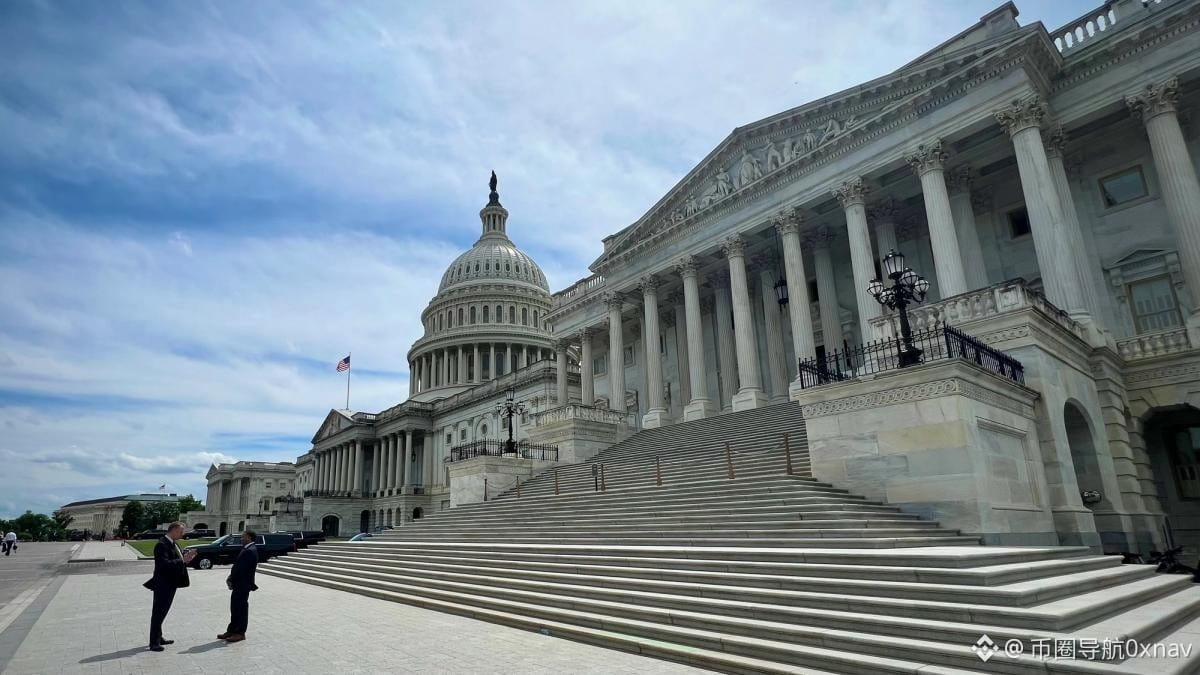
Only a few days until Election Day: The U.S. midterm elections take place on November 3 local time, and vote counts are expected to start coming in from the morning of November 4 Beijing time. For crypto, what really matters isn’t “who wins the spectacle,” but what happens next: “How will taxes work, and who will write the rules?”
A few points that directly affect everyday people 👇
🔹 Timeline: These are the first midterm elections of Trump’s second term. The official topic page also notes that the results could shape the future direction of taxes, tariffs, and regulation. Your exchange app won’t suddenly change its rules on Election Day, but the makeup of the next Congress will determine which crypto bills can move forward.
🔹 Tax proposals stuck halfway: In mid-September, the House Ways and Means Committee passed a draft related to digital asset taxation by a bipartisan vote of 38 to 5. It includes discussions of capital gains treatment for small stablecoin payments, among other things. But progress in the Senate has been slow. If control of the House changes hands, the window for deciding “whether this can become law, how much tax people pay, and whether small payments need to be reported” will narrow considerably.
🔹 Market structure bill hits a wall: The CLARITY Act failed to reach the 60-vote threshold in a Senate procedural vote on September 15, falling 49 to 50. The Block and other outlets reported that prediction markets at the time gave Democrats roughly a 90% chance of winning the House and a 60% chance of winning the Senate. If committee chairs change, the focus is more likely to shift from “advancing legislation” to “increased oversight and hearings.”
🔹 Don’t confuse what’s already law with what isn’t: The GENIUS Act, a federal framework for stablecoins, has become law. It’s not the same as the “market structure and tax proposals still being debated.” Don’t interpret “midterm elections” to mean withdrawal fees will change tomorrow.
🔹 How much the industry is spending: Reporting by Reuters and others shows that Fairshake and affiliated PACs had spent about $150.8 million by mid-October, with industry spending totaling around $176 million. Key races include those in Ohio. Spending all that money doesn’t guarantee prices will rise, but it shows how closely congressional seat battles are tied to regulatory fights.
Put simply, this week is about “who controls the congressional calendar and committees.” For crypto holders, that comes down to questions like whether small stablecoin payments will be taxed and whether exchanges and custodians will get clear rules to follow. Which matters more to you: whether the tax proposals become law, or whether the market structure bill gets another chance?
#U.S.MidtermElectionCountdown,IsTheU.S.StockMarketAtAPoliticalTurningPoint? #BTC #ETH