


Initially, you may have only traded major coins like Bitcoin and Ethereum. But as the market continues to expand and new tokens emerge, you will naturally start to encounter a wider range of cryptocurrencies.
In this process, one of the terms you are most likely to hear is "stablecoin." As you accumulate trading experience, you will gradually realize that understanding the types and characteristics of stablecoins is essential for stable financial management in futures trading.
When I first started trading futures, I thought I only needed to use Bitcoin as margin to open positions. But in actual operation, stablecoins repeatedly appeared every time I settled profits or temporarily stored assets.
A stablecoin, as the name suggests, is a type of digital asset designed to maintain a stable value. Most stablecoins are pegged to the US dollar and are extremely useful in the highly volatile crypto market, especially for short-term asset storage or locking in profits. In fact, converting profits into stablecoins after achieving them in futures trading is a core strategy.
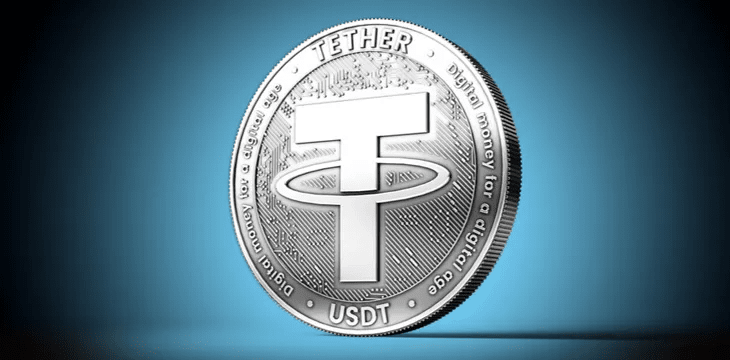
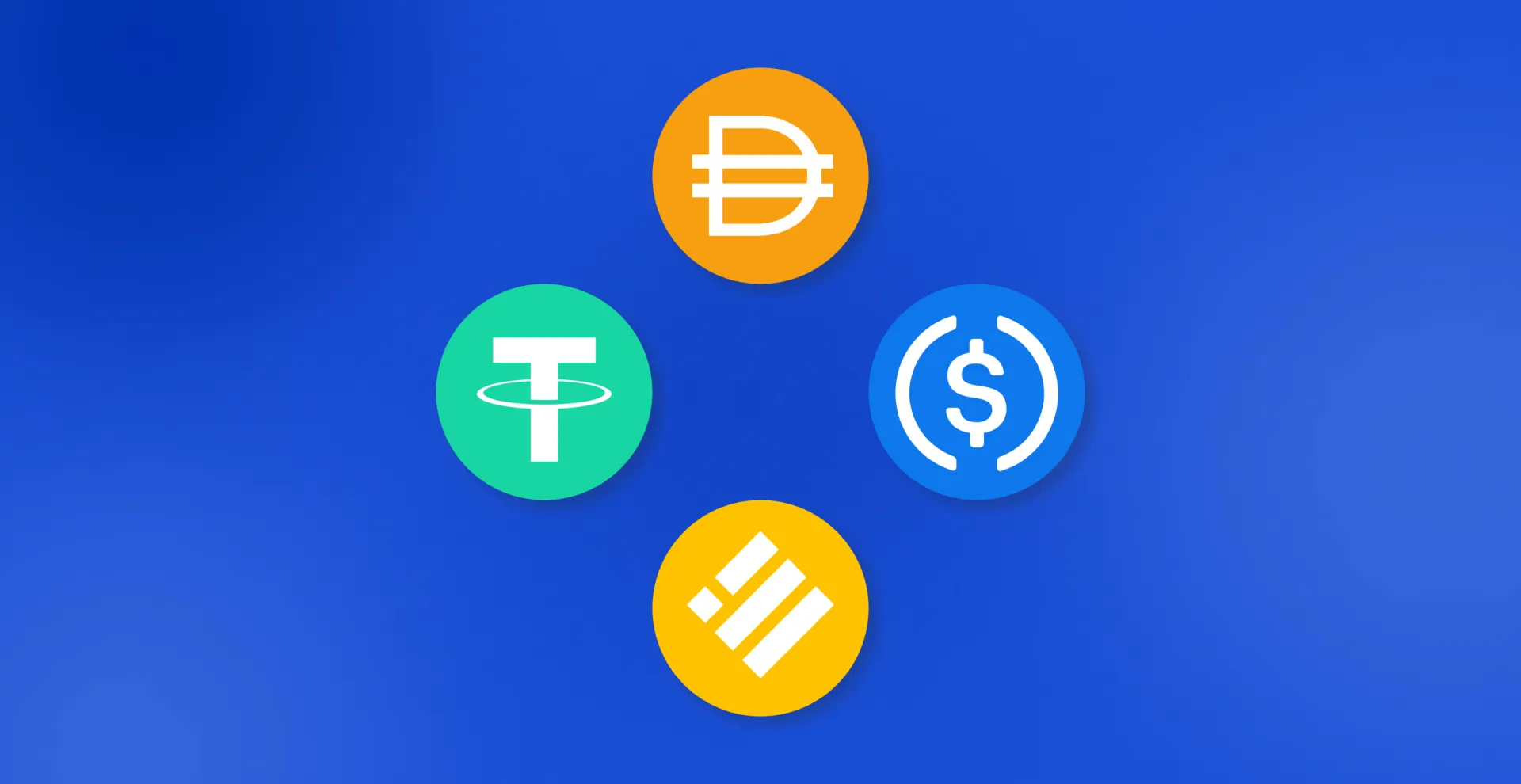
Currently, USDT (Tether) is the most widely used stablecoin, especially dominating the US market. Most of the trading volume in the entire crypto market is denominated in USDT, indicating its extremely high liquidity. Second is USDC, jointly issued by Coinbase and Circle, which is highly regarded for its compliance and transparency.
Another noteworthy stablecoin is DAI, which is decentralized and relies on algorithmic mechanisms to maintain its value. Each stablecoin has different issuers, operating methods, and trust mechanisms, and the choice depends on individual needs and preferences.
Even on Upbit, one of the leading exchanges in Korea, you can see stablecoins such as USDT, USDC, and DAI listed. Among them, USDT is the most actively traded, followed by USDC.
Although many Upbit users mainly focus on KRW trading pairs, stablecoins offer significant advantages in asset management and international fund transfers for investors who also engage in futures trading or use global exchanges.
From my personal experience, how you manage your stablecoins directly affects your risk control ability in futures trading.
In a volatile market, it is often a more flexible strategy to convert to stablecoins and observe market trends after closing a position instead of rushing to convert back to KRW. For example, if you judge that Bitcoin is about to fall, converting funds to USDT in advance can allow you to more calmly seize the next entry opportunity.
The key question is: which stablecoin should you choose? To develop a strategic financial operation plan, you need to consider liquidity, transaction fees, transfer speed, and the trust structure of each coin from multiple dimensions.
USDT is currently the most widely used and practical stablecoin, but it has been questioned due to issues with the transparency of its reserves.
USDC follows the US regulatory system and has relatively strong credibility and transparency.
DAI is a product of a decentralized protocol, maintaining value through algorithmic mechanisms, emphasizing user autonomy.
If you understand the background and mechanisms of each stablecoin, you can react more quickly and accurately even in the face of highly volatile markets.
Mastering the types and characteristics of stablecoins is not just about acquiring knowledge, but a core component of building a robust strategy for futures trading. You must also understand the dynamics of both US and Korean exchanges to more smoothly complete currency conversions, fund transfers, and position management.
Especially at sensitive market times like the present, the role of stablecoins is extremely crucial. They are very useful when you need to temporarily store assets or wait for the next entry opportunity.
Personally, I will continue to study the structure, market reaction, and related regulatory dynamics of stablecoins in the future, and actively use them in futures trading to achieve more stable and strategic operations.
If you are still considering which exchange to use for crypto investing, I recommend Binance. Register through the following link to enjoy a 20% discount on trading fees, which is not to be missed.
🔸 Click here to receive a 20% Binance trading fee discount
Even users with existing accounts can receive this 20% discount if they meet the following five conditions
You already have a Binance account
You have never been referred by anyone
You have not made any transactions or used any Binance products in the past 180 days
A binding confirmation window will pop up after logging in through the referral link
Click [Bind Now], and the binding will take effect immediately.