


At first, you probably only traded major coins like Bitcoin and Ethereum. But as the market grew and more tokens emerged, you naturally became familiar with a wider range of cryptocurrencies.
Among the terms you likely encountered most frequently during this process was “stablecoin.” And over time, you realize that understanding the types and characteristics of stablecoins is crucial for maintaining stability in futures trading.
When I first started trading futures, I thought it was as simple as depositing Bitcoin as margin and running a position. But in reality, it was stablecoins that repeatedly appeared when settling profits or temporarily storing assets.
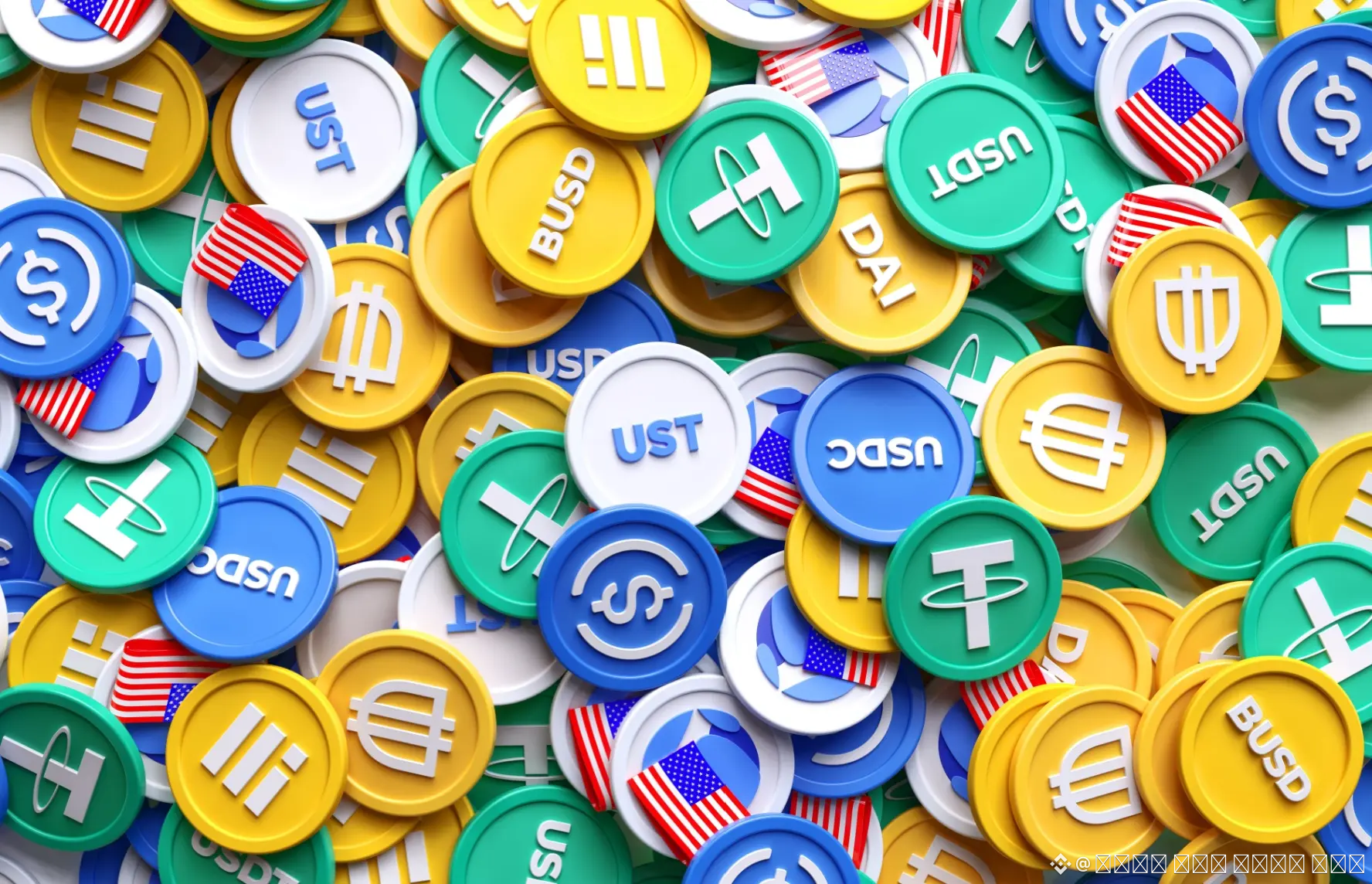
Stablecoins are, as the name suggests, digital assets designed to maintain a stable value. Most are pegged to the US dollar and are very useful in a volatile crypto market, especially for short-term asset storage or locking in profits. In fact, in futures trading, converting to stablecoins after realizing gains is one of the core strategies.
Currently, USDT (Tether) is by far the most widely used stablecoin, particularly in the U.S. market. A large portion of total crypto trading volume is conducted in USDT, indicating its high liquidity. Next is USDC, issued by Coinbase and Circle, which is highly rated for its regulatory compliance and transparency.
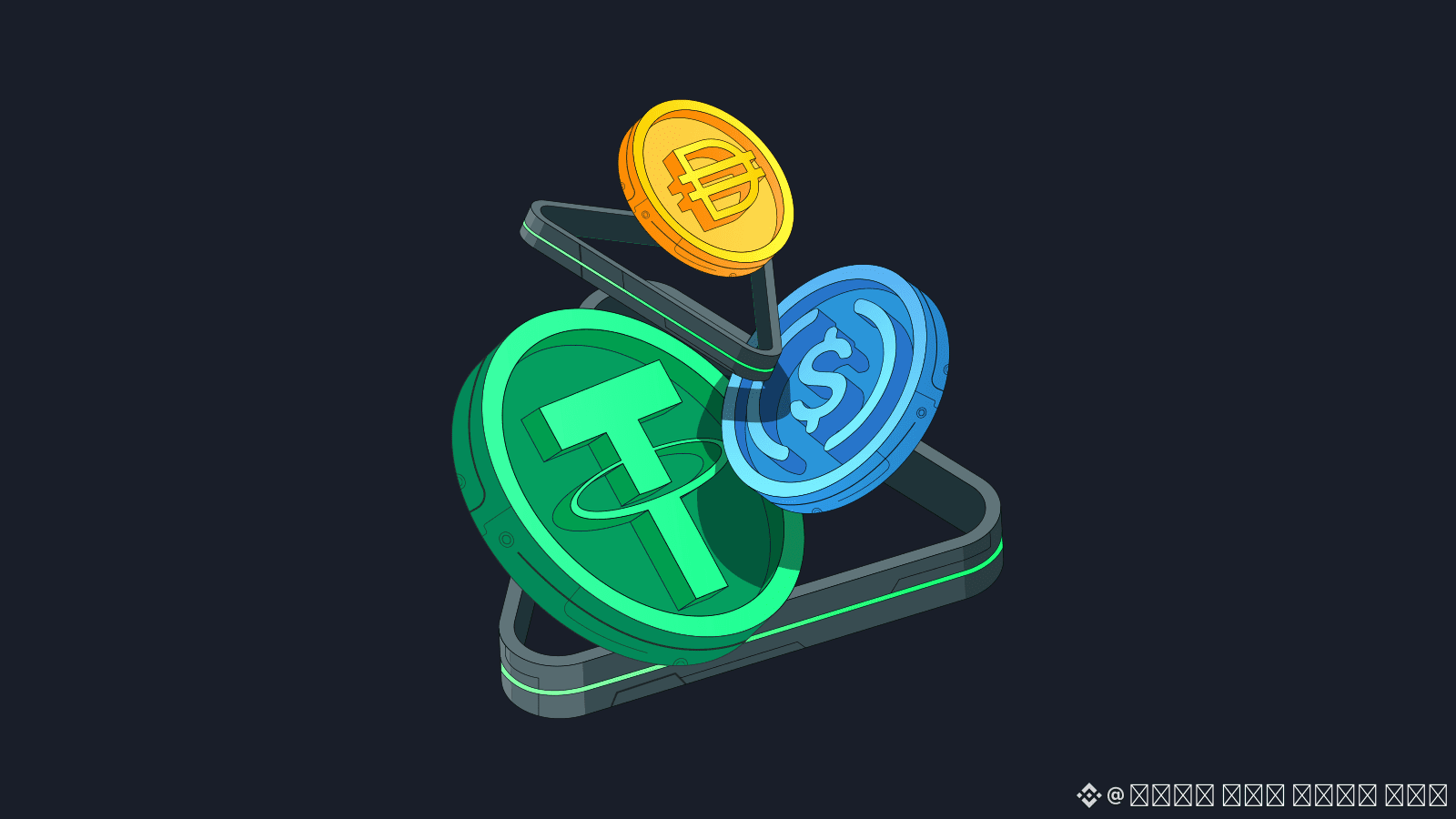
Another notable stablecoin is DAI, which operates in a decentralized manner and maintains its value through algorithmic mechanisms. Each stablecoin has different issuers, operating methods, and trust structures, making the choice dependent on individual needs and preferences.
Even on Upbit, one of the major Korean exchanges, stablecoins like USDT, USDC, and DAI are listed. Among these, USDT is the most actively traded, followed by USDC.
While many Upbit users focus on KRW pairs, investors who also trade futures or use global exchanges can benefit from using stablecoins to manage their assets and transfer funds internationally.
From my own experience, I’ve realized that how you manage stablecoins significantly affects your ability to control risk in futures trading.
In highly volatile markets, instead of immediately converting back to KRW after closing a position, it’s often better to convert to stablecoins and observe market conditions. For example, if Bitcoin seems poised for a downturn, converting to USDT in advance gives you more flexibility with timing.
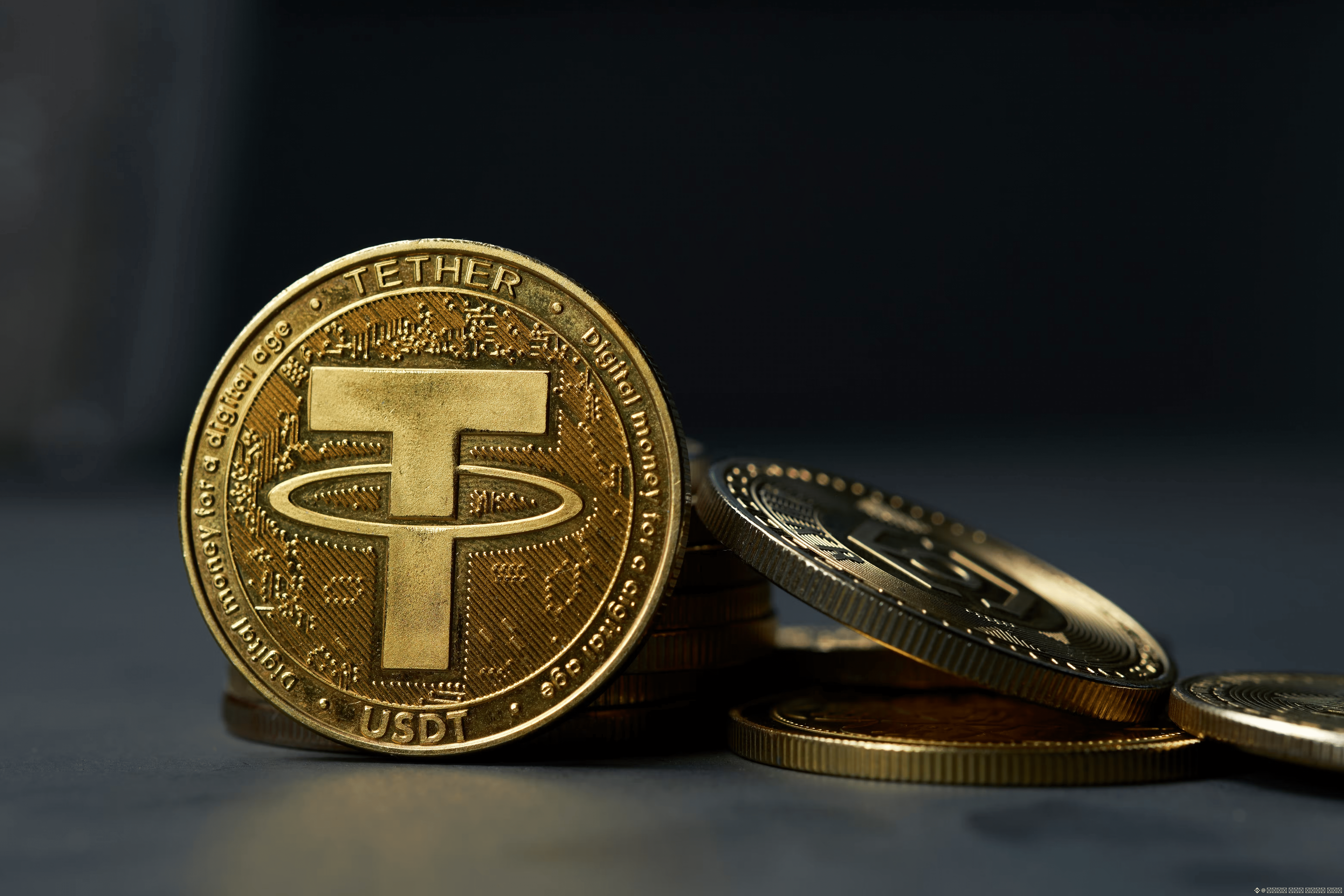
The key question here is: Which stablecoin should you choose? To move strategically, you need to consider liquidity, trading fees, transfer speed, and each coin’s credibility and structure.
USDT is the most widely used and highly practical, though it has faced some criticism over reserve transparency.
USDC is issued under U.S. regulations and is relatively strong in terms of trust and transparency.
DAI is based on a decentralized protocol and maintains value algorithmically, emphasizing user autonomy.
If you understand the background and mechanics of each coin, you can respond more quickly and accurately even in turbulent markets.
Knowing the types and characteristics of stablecoins isn’t just informational—it’s essential to a solid trading strategy in the futures market. You need to be aware of both the U.S. and Korean exchange dynamics to handle currency conversions, transfers, and position management smoothly.
Especially in sensitive market conditions like now, stablecoins play a critical role. They are incredibly useful when you want to temporarily store assets or wait for the next entry point.
Personally, I plan to continue studying the structure, market reactions, and regulatory changes related to stablecoins, and actively utilize them for more stable and strategic futures trading.
If you're still wondering where to invest in crypto, I recommend Binance. You can get a 20% trading fee discount by signing up through the link below. Don’t miss this benefit.
🔸Click here to receive a 20% Binance trading fee discount
Even existing Binance users can enjoy the 20% discount if they meet the following five conditions
You already have a Binance account.
You have not previously accepted any invitation.
Your account has not made any transactions or used any products on the Binance platform in the last 180 days.
After opening the referral link and logging in, a binding confirmation popup will appear.
Once you click [Bind Now], the binding takes effect immediately.