


If you are interested in DeFi (decentralized finance), you have likely at least heard of the name AAVE. It is a decentralized lending protocol built on Ethereum. In simple terms, it is a system that allows lending without the need for banks.
On the AAVE platform, when someone deposits cryptocurrency, others can borrow funds through collateral. All processes are automated through smart contracts—no credit assessment or bank staff is required.
The origin and current state of AAVE
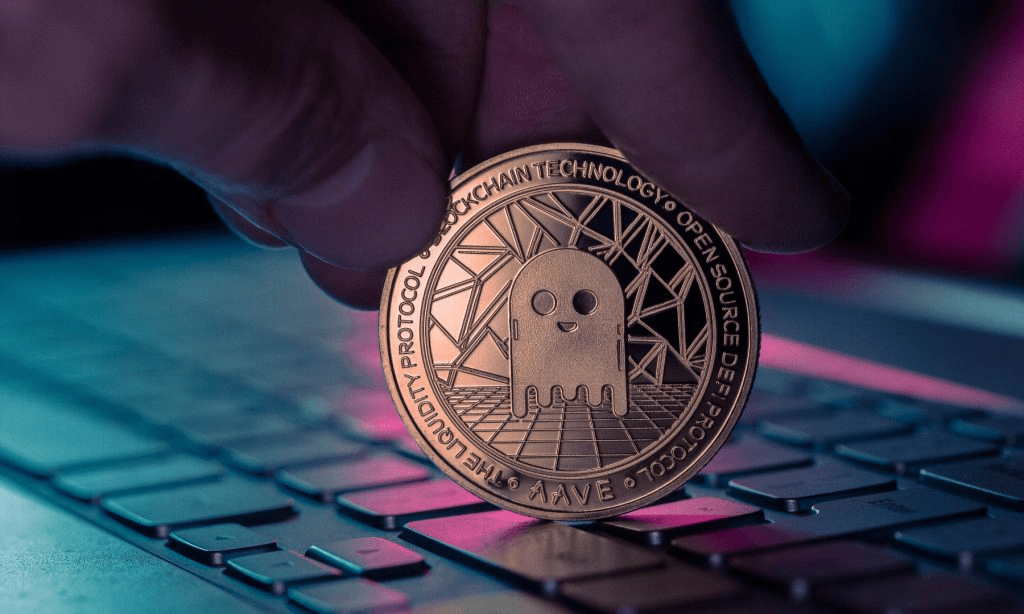
The AAVE project was created by Finnish developer Stani Kulechov in 2017, initially named 'ETHLend'. The project was renamed 'AAVE' in 2020 and quickly rose during the DeFi boom.
AAVE tokens are not just for trading; they are also utility tokens, allowing holders to participate in platform governance. By staking a certain amount of tokens, users can participate in the 'security module', which provides insurance functions in case of lending defaults. In other words, token holders are both shareholders and insurers for a decentralized bank.
As of June 2025, AAVE ranks in the top five in TVL (total value locked), with a market capitalization of about $1.5 billion.
Technical trends and market reactions
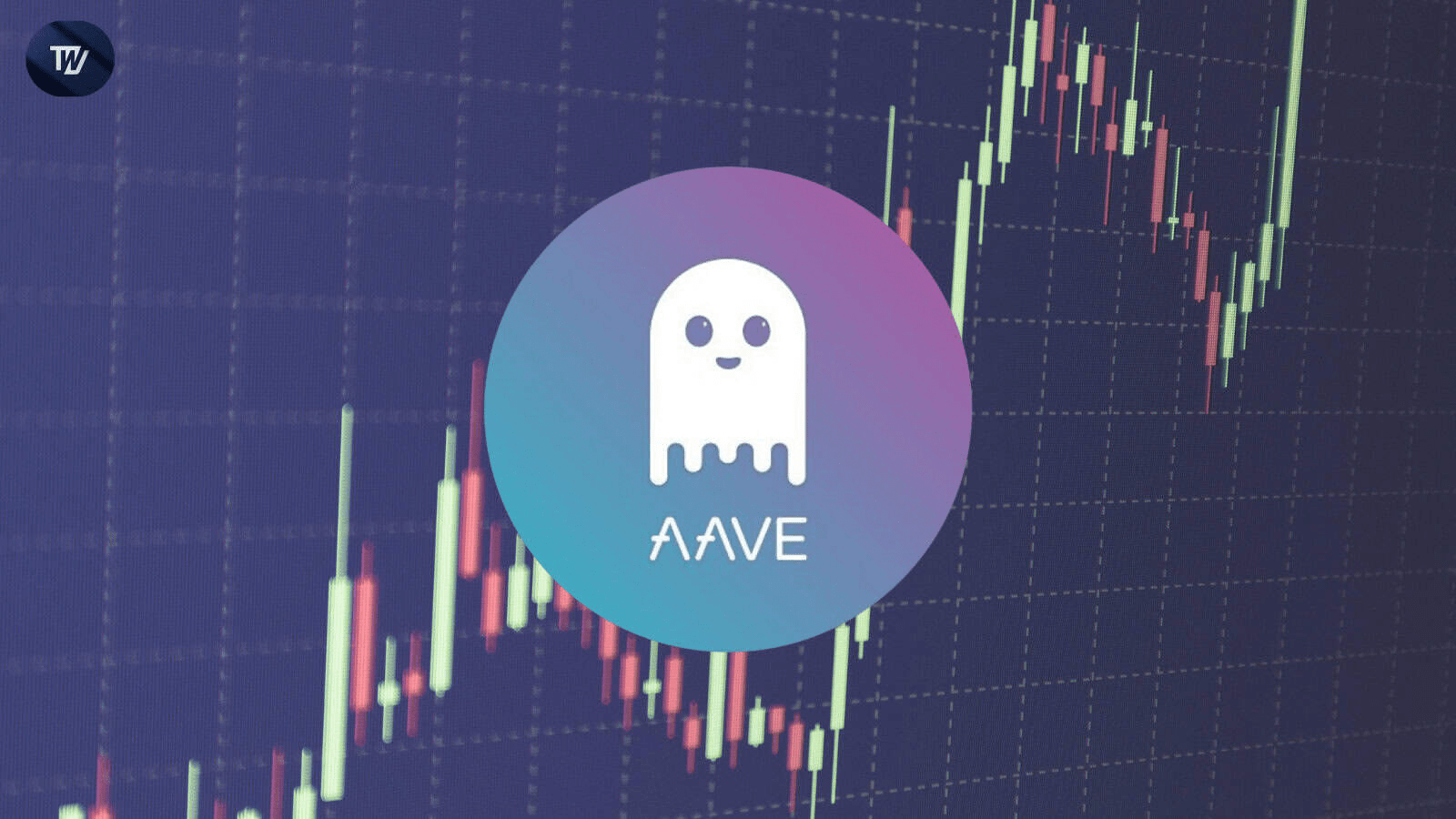
As of June 2025, AAVE shows signs of a short-term rebound after a significant decline. The RSI index is at 50.9, gradually recovering from the oversold area to the neutral line, indicating that the downward trend may be slowing.
From the MACD indicator, the long-term negative histogram has started to shorten, and the gap between the MACD line and the signal line is narrowing. Although a golden cross has not yet formed, the possibility of a rebound still exists.
Overall, this is more like a 'bottom-fishing' phase rather than a true upward trend.
On-chain data of AAVE

The rate of TVL decline has slowed
In the past 30 days, AAVE's TVL has decreased by about 4.2%, lower than the average decline in the DeFi market, indicating relatively stable performance.
Increase in GHO-related wallet numbers
The number of wallets associated with AAVE stablecoin 'GHO' has increased by 15% in the past week, indicating rising demand on the platform.
Exchange fund flows
According to Glassnode data, the amount of AAVE flowing into centralized exchanges has decreased by about 6% compared to two weeks ago. This indicates that selling pressure is easing, or accumulation is taking place.
Are there risks?
Of course, AAVE is not without risks:
Limited token utility: Holding AAVE does not generate direct income. Apart from participating in governance and staking in the 'security module', there is limited actual demand for the token.
Regulatory risk: Recently, the SEC in the United States has started cracking down on some DeFi projects, and AAVE, especially regarding the GHO stablecoin, may also face scrutiny.
Smart contract vulnerabilities: Although AAVE has not experienced any major hacking incidents, DeFi platforms inherently face higher security risks. The higher the TVL, the greater the attraction for attackers, so continuous monitoring is necessary.
If you haven't registered on Binance yet, you can register through the link below and get a 20% discount on trading fees:
🔸 [Click here to register and get a 20% transaction fee discount on Binance]
Whether you are a new or old user, as long as you meet the following 5 conditions, you can also enjoy a 20% discount:
Already have a Binance account
Never accepted a referral invitation
No trading or use of any products on Binance in the last 180 days
A confirmation pop-up will appear after logging in through the referral link
The discount will take effect after clicking 'Bind Now'