


Cryptocurrencies like Bitcoin are inherently difficult to use as actual currency due to their constantly fluctuating prices.
Of course, fiat currencies like the U.S. dollar also change in value (via exchange rates), but coins can swing by dozens of percentage points in a single day—the volatility is just too extreme.
This is where the concept of stable(pegging) comes in. A stablecoin refers to a cryptocurrency that is designed to track the value of one U.S. dollar. The most well-known examples are 1 USDT or 1 USDC, both of which are equivalent to $1.
By pegging 1 USDT or 1 USDC to $1, they serve a similar function to dollars while existing in digital form—almost like holding digital cash reserves in your account.
When needed, you can withdraw it—or use it to buy something like Bitcoin.
Now you might wonder, “Why not just hold actual U.S. dollars?” The reason is that many crypto exchanges don’t support direct connections to bank accounts. Trades typically occur only between coins.
That’s why a bridging asset is needed, and stablecoins serve exactly that role. This is where the term “stable” comes from—it reflects price stability.
How Is the Price Maintained?
Like other assets, coin prices are determined by supply and demand. If Bitcoin is seen as profitable, demand surges and the price rises.
However, stablecoins aren't meant for investment. Since their price is fixed at $1, there’s no incentive to buy and hold them for profit—because the value won’t go up.
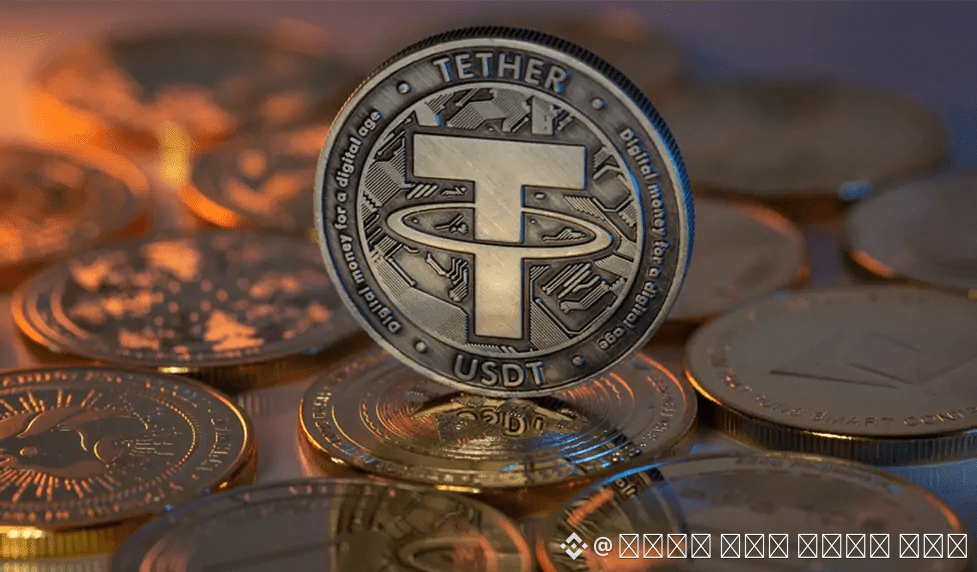
Let’s look at USDT and USDC, the two most well-known stablecoins. True to the word "stable," both maintain a fixed price of $1.
This stability is possible because the organizations that manage these coins act like banks by holding reserves to ensure redemption. The $1 peg holds because of trust in their ability to maintain 1:1 convertibility.
Both USDT and USDC officially state that they are backed 100% by reserves.
Tether (USDT) issues its own reports, while Circle (USDC) undergoes regular audits by Deloitte.
In the past, there were attempts to peg stablecoins to $1 using algorithms. However, these failed dramatically—most notably in the Luna crisis, where the peg broke and the token collapsed.
Can You Invest in Stablecoins?
You can’t aim for capital gains with stablecoins, since their value doesn’t fluctuate.
Rather, investing in stablecoins is similar to putting your money in a deposit account.
In some countries, regular savings accounts earn less than 1%, and time deposits offer only around 2–3%.
Stablecoins, however, often provide 3–4% yields. Here’s how: users deposit dollars, receive stablecoins in return, and the managing company invests the dollars into U.S. Treasury bonds or similar instruments. The returns are then shared with the users.
While these aren’t legally protected like traditional bank deposits, the interest rates can be about twice as high as those from commercial banks.
As long as the reserve backing is reliably secured, it can be a worthwhile investment. In fact, total funds held in stablecoins have reached approximately $255 billion.
With so many investors using stablecoins to enter and exit trades, massive amounts of capital are held in them.
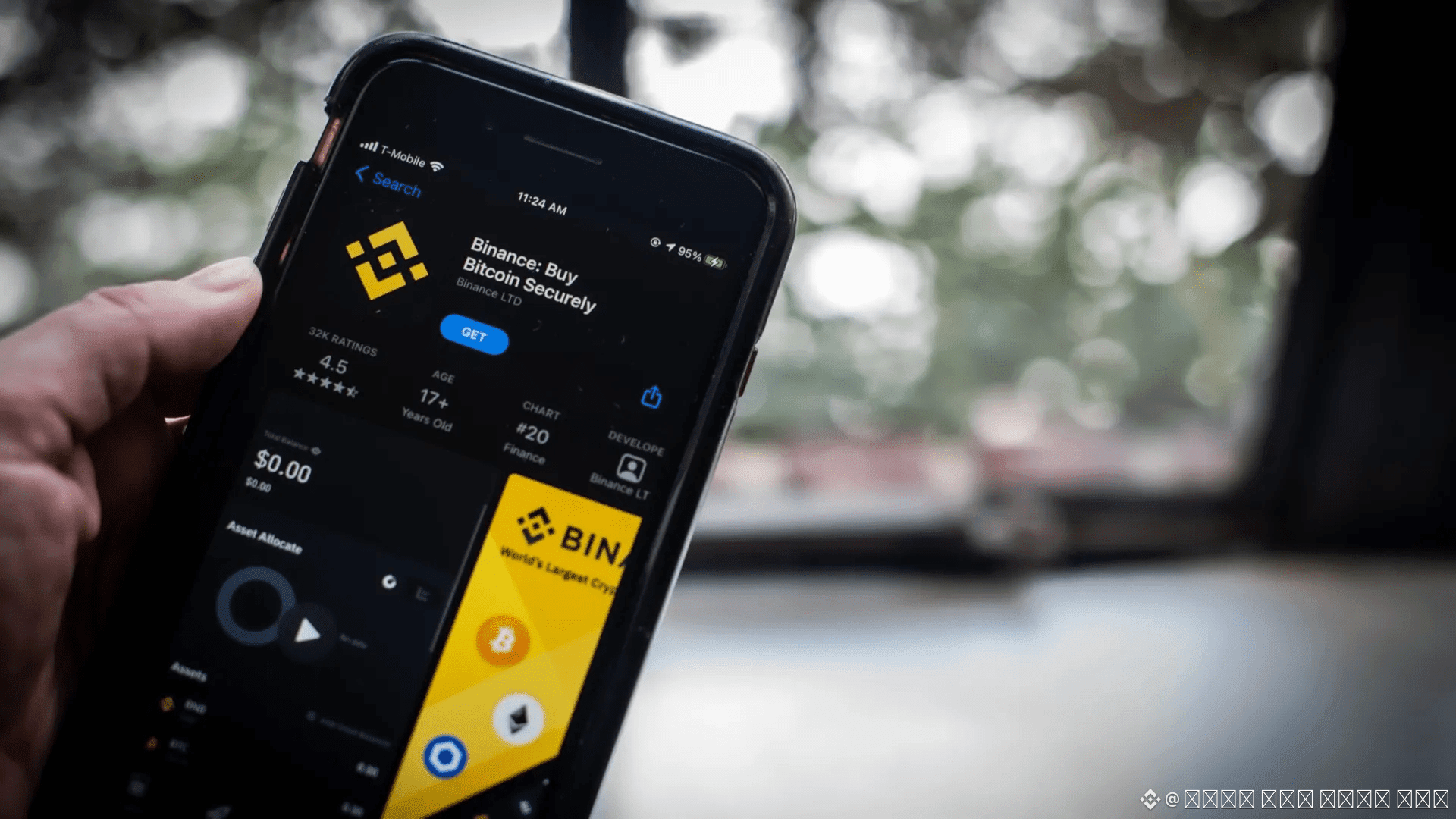
If you’re interested in investing in stablecoins like a deposit, I recommend signing up for Binance.
You can receive a 20% trading fee discount by using the referral link below:
⭐ Get 20% Off Binance Trading Fees
Even existing users can qualify for this 20% discount by meeting the five conditions below:
You already have a Binance account.
The invitee has never accepted a referral before.
The invitee has not traded or used any Binance services in the past 180 days.
The eligible invitee opens the referral link and logs in to see the confirmation screen.
The invitee clicks [Bind Now] to activate the discount.
In this post, we’ve explored what a stablecoin is and how to receive discounted fees on Binance.
Thank you for reading—I look forward to sharing more valuable content with you next time!