


In recent years, as digital assets have solidified their position as a major asset class in global finance, I've realized that approaching this knowledge purely from a professional standpoint has its limitations.
Against this backdrop, I began developing a personal interest in cryptocurrencies—centered around one keyword: “altcoins.” Referring to all cryptocurrencies other than Bitcoin, this term has become a core concept encompassing the entire market. For any investor, it is an essential area to understand.
The definition of altcoins is broad. They range from assets like Ethereum that function as blockchain platforms, to tokens that serve key roles in the DeFi (Decentralized Finance) ecosystem, and those that represent governance authority in specific projects.
Although altcoins initially emerged as attempts to overcome Bitcoin’s functional limitations, they have now evolved into independent structures with distinct purposes, technical foundations, and economic logics.
Beyond futures trading, the first thing that caught my eye was deposit-type products using stablecoins. These stood out in terms of their stable value maintenance mechanisms and practical usability within the market.
For example, Tether (USDT) and USD Coin (USDC) are pegged to the dollar, helping avoid dramatic price fluctuations. They can also serve as temporary cash alternatives.
My investment scope later expanded to include platform-based tokens supporting smart contracts, and Proof-of-Stake (PoS) crypto assets that operate not through mining, but by staking.
Staking involves locking a certain digital asset into a network for a specified period, during which the investor receives rewards for participating in validation. It resembles the interest structure of traditional bonds, but with the added variability of blockchain-driven technological security and project execution models.
This mechanism incentivizes long-term holding and sustains the token ecosystem. However, joining simply due to high rewards is a risky approach. It’s crucial to assess liquidity options and the security of smart contracts before participating.
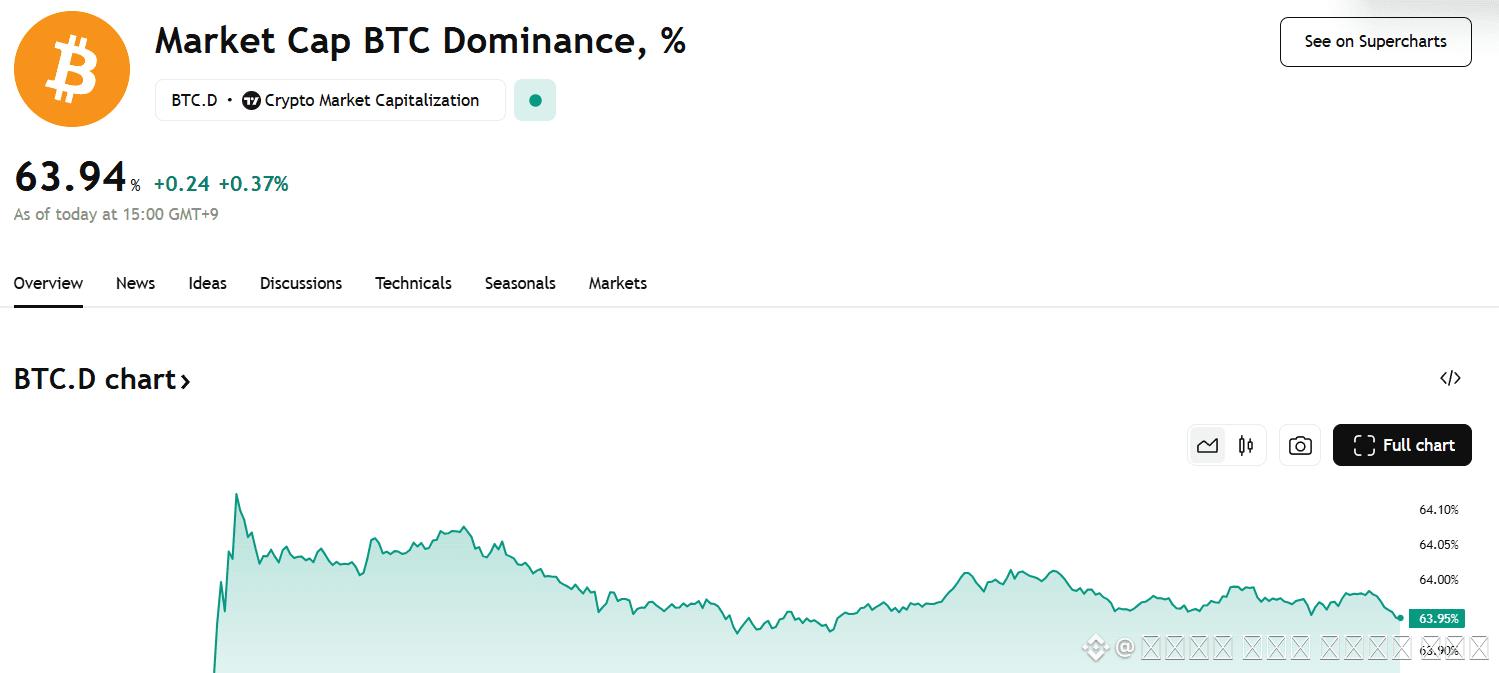
One of the key indicators I refer to when forming investment strategies is Bitcoin dominance. A drop in this metric can signal that funds are flowing into smaller assets—often a time when technically strong or practically usable “mid-cap” altcoins gain momentum.
Conversely, a sharp rise in dominance suggests the market is entering a risk-off phase. In such times, shifting to a more conservative portfolio is a reasonable approach. Personally, I analyze the technical nature of coins and relevant news in tandem with this trend and adjust my entry timing through a dollar-cost averaging method.
To execute such a strategy, a reliable intermediary platform is essential. After comparing several exchanges, I recommend Binance.
Binance’s fee structure is also noteworthy. For spot trading, both maker and taker fees are around 0.1%, while for futures, maker fees are 0.02% and taker fees 0.05%. Using a referral code upon registration can reduce these costs by nearly half—a benefit that can make a significant difference in the long term.
📌 Get 20% Off Binance Trading Fees
Not only new users, but existing members can receive a 20% fee discount if the following five conditions are met:
Already registered on Binance
The invited person has never accepted an invite before
No trading or product usage on Binance in the last 180 days
The eligible invitee must open the link and log in to see the confirmation
The invitee must click [Bind Now] for the binding to take effect
Even if you’re not new, you can still receive the fee discount, so don’t miss out.
Binance is also the undisputed number one in terms of trading volume. This level of liquidity supports fast order execution and minimizes slippage, which are definite advantages.
However, it's important to remember that favorable conditions do not guarantee profits. The digital asset market reacts extremely sensitively to shifts in technology, capital, and regulation.
Therefore, if you plan to invest in altcoins, a rational analysis of their core nature is essential. Evaluating both quantitative and qualitative indicators—such as the technical completeness of whitepapers, network traffic, developer activity, and major partnerships—is necessary to identify and categorize risks.
In conclusion, altcoins are no longer just speculative assets but represent structural elements of the evolving blockchain ecosystem. As a finance professional, I’m convinced of one thing: this market carries risks as large as its potential.
Yet with sufficient knowledge and analysis, altcoins can offer a viable route to higher returns compared to traditional assets. To withstand the inherent volatility, thorough research and strategic planning are essential.
And that journey doesn’t start with blind curiosity—it starts with understanding the structure and principles. Even now, countless projects are born and disappear. Whether you can spot the real opportunity among them depends entirely on how well-prepared you are.