


Binance derivatives trading is a trading method preferred by many traders in the digital asset market. In particular, fixed and market fee structures, the possibility of borrowing investments, and other factors present significant advantages.
This post will provide detailed guidance on the fee structure that occurs during Binance futures trading, the advantages and disadvantages of using leverage, and tips for saving on fees.
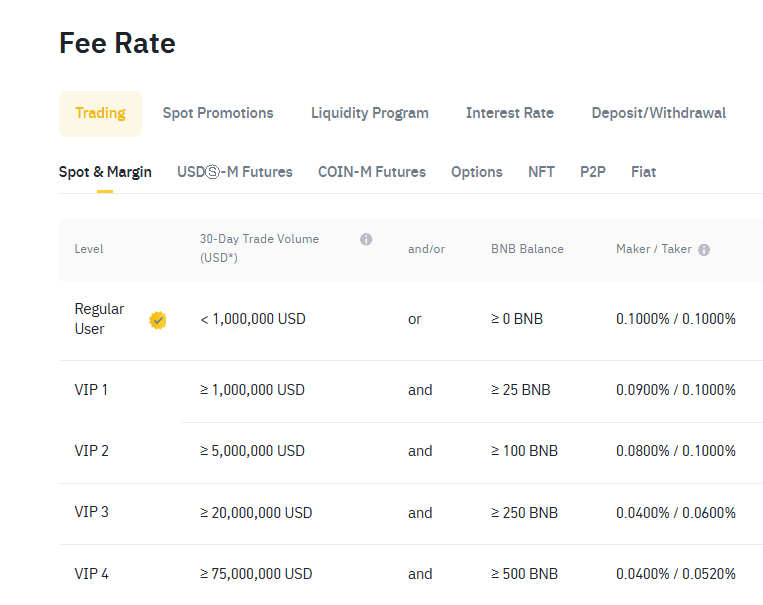
The fees for futures trading on Binance are categorized into two types. The first is the maker fee, which applies when a trader places an order and provides liquidity to the market. The second is the taker fee, which applies when an existing order is filled, removing liquidity from the market.
Usually, when you want to execute a trade quickly, you use the taker order method, and if you want to save on fees, you use the maker order method.
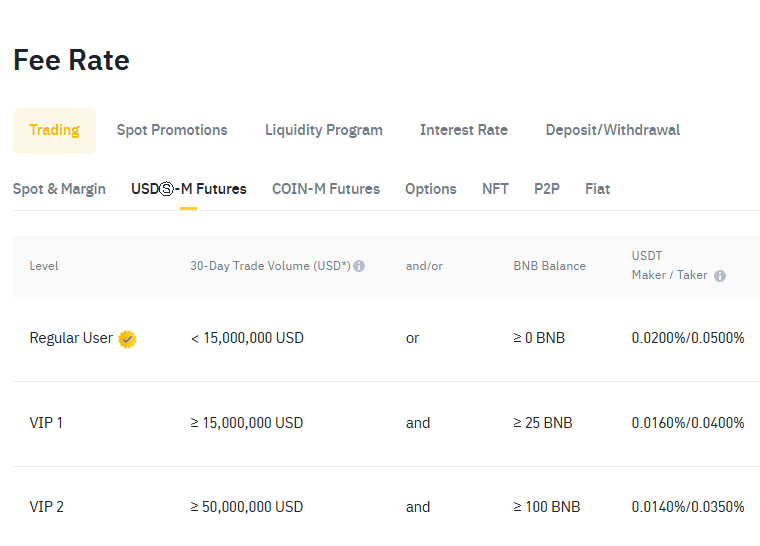
According to Binance's fee rate guide, the maker fee is 0.02% and the taker fee is 0.05%, depending on the type of futures trading order.
In cryptocurrency trading, unlike stocks, fees occur on both buying and selling sides. Therefore, when actually trading, you need to calculate the fees twice.
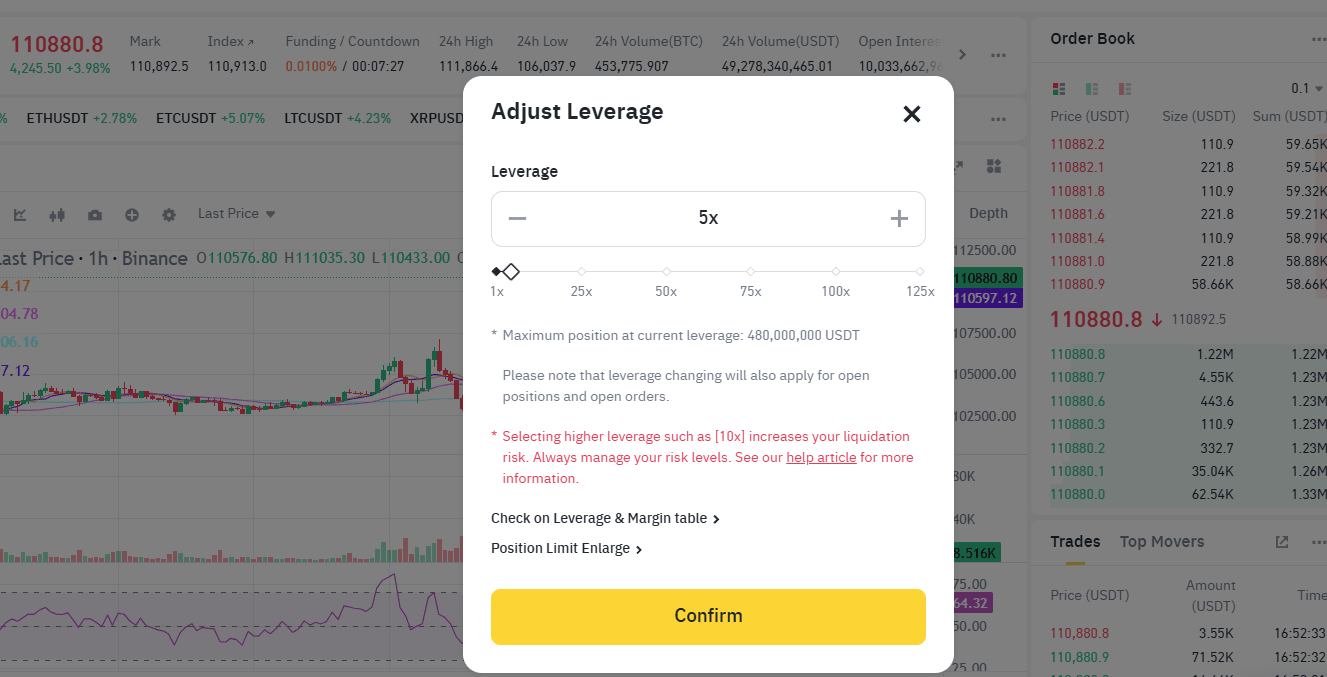
One of the advantages of Binance futures trading is the ability to use leverage.
Even if your account balance decreases due to Binance trading costs, it may be difficult to completely give up the interesting investment method of futures trading. I would like to share tips for saving on Binance trading costs.
For those who want to newly sign up for Binance, you can follow the steps below. First, go to the official Binance website. You can receive a 20% discount on fees by signing up through the link below.
✨20% fee discount benefit on Binance
Access Binance, click on 'Create Account' and start the registration process.
If you already have an account, you can click on the right. You can easily register for a Binance account using your email or phone number.
Once the registration process is completed, you must complete KYC verification. Once you receive this verification, you will be able to trade futures.
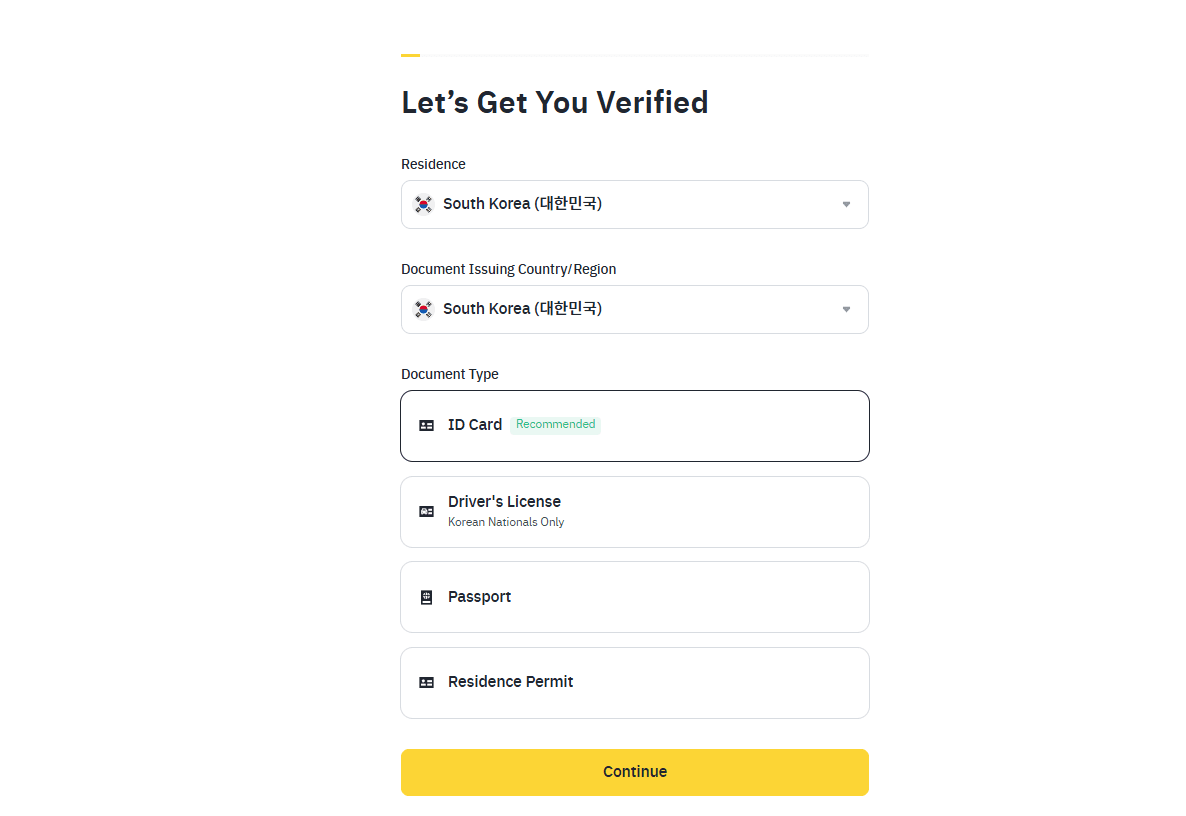
When KYC verification is performed, you must enter information exactly as stated in your ID, and the names on the domestic exchange and Binance account must match to prevent issues related to the travel rule. By submitting your ID and a facial photo for KYC verification, a 'Verified' label will appear on your account, completing the KYC process.
I have summarized the differences in fees for Binance futures trading and some useful tips. Be sure to take advantage of the 20% discount on fees through the prepared link.