

I believe everyone has seen some reports about NFT. This new thing has triggered revolutionary changes in the fields of art, technology and finance. From mysterious digital artworks to unique assets in the virtual world, NFT is redefining our understanding of value, ownership and creativity.
This article aims to help you understand NFT more deeply, reveal its nature, types, development history and implementation methods, and present you with a panoramic view of the application of NFT in the real world.
1. What is NFT? What are the types of NFT?
NFT, the full name of "Non-Fungible Token", is translated into Chinese as "Non-Fungible Token". It sounds very high-end, right? In fact, we can understand it as a unique digital collectible. Each NFT has a unique identification code that cannot be copied, as well as metadata that can be linked to various things to provide immutable proof of ownership.
Imagine if Mona Lisa's smile could be digitized and you could be the sole owner of this digital version, that's the magic of NFTs! In this regard, NFTs allow individuals to create, buy, and sell things in an easily verifiable manner using blockchain technology.
There are many types of NFTs, just like a digital treasure chest. The following are common types:
Digital Art
Still images: digital paintings, illustrations, photographs, etc.
Dynamic Art: GIF, 3D animation, short video artwork
Generative Art: Artworks created based on algorithms
Music NFTs
Single release: Singles released by independent musicians
Album: NFT version of a complete music album
Music copyright: partial or complete copyright of a musical work
Gaming NFTs
Game Characters: Unique characters that can be used in the game, such as virtual pets
Game props: weapons, equipment, clothing and other in-game items
Game Achievements: NFT badges representing specific game achievements
Virtual Real Estate
Metaverse Land: Virtual Land on Decentraland, Sandbox, and Other Platforms
Virtual architecture: A building or structure in a virtual world.
Sports Collectibles
Athlete Cards: Digital versions of athlete collectible cards
Virtual sneakers: virtual versions of physical sneaker brands
Fashion and Luxury NFTs
Digital fashion: Clothing that can be worn in the virtual world
Virtual accessories: digital versions of bags, jewelry, etc.
Limited Edition Digital Collectibles: Digital Collectibles Issued by Luxury Brands
Domain Name NFT
Decentralized domain names: such as .eth domain names
Identity Authentication NFT
Membership: NFTs that represent membership in a specific organization or club
Event Tickets: Digital tickets for various events, such as concerts
2. A brief history of NFT development
The history of NFT is longer than you think. Its story begins in 2014, when an artist named Kevin McCoy created the first NFT "Quantum". But it was not until 2017 that the emergence of CryptoKitties and CryptoPunks made NFT really popular, which really kicked off the crypto art movement.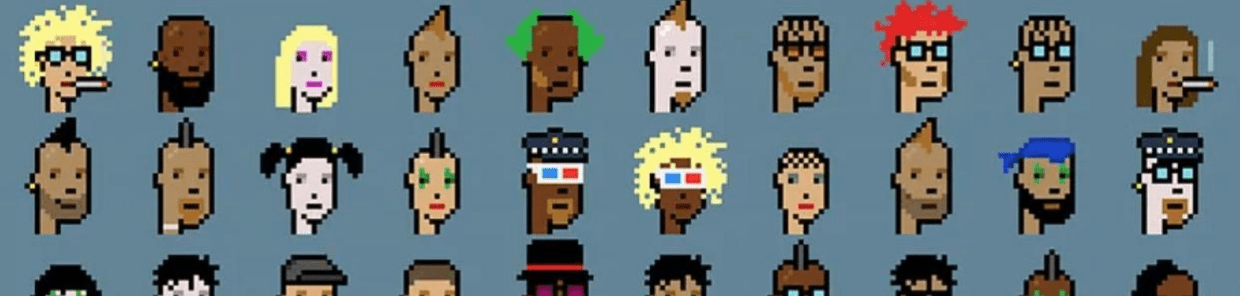
Imagine people spending millions of dollars to collect and trade virtual cats! That’s the beauty of NFTs.
Since then, NFT has been on a roller coaster ride, experiencing ups and downs. In 2021, NFT has experienced explosive growth, and Beeple's digital artwork (see the picture below) was sold for a sky-high price of $69.3 million, shocking the world.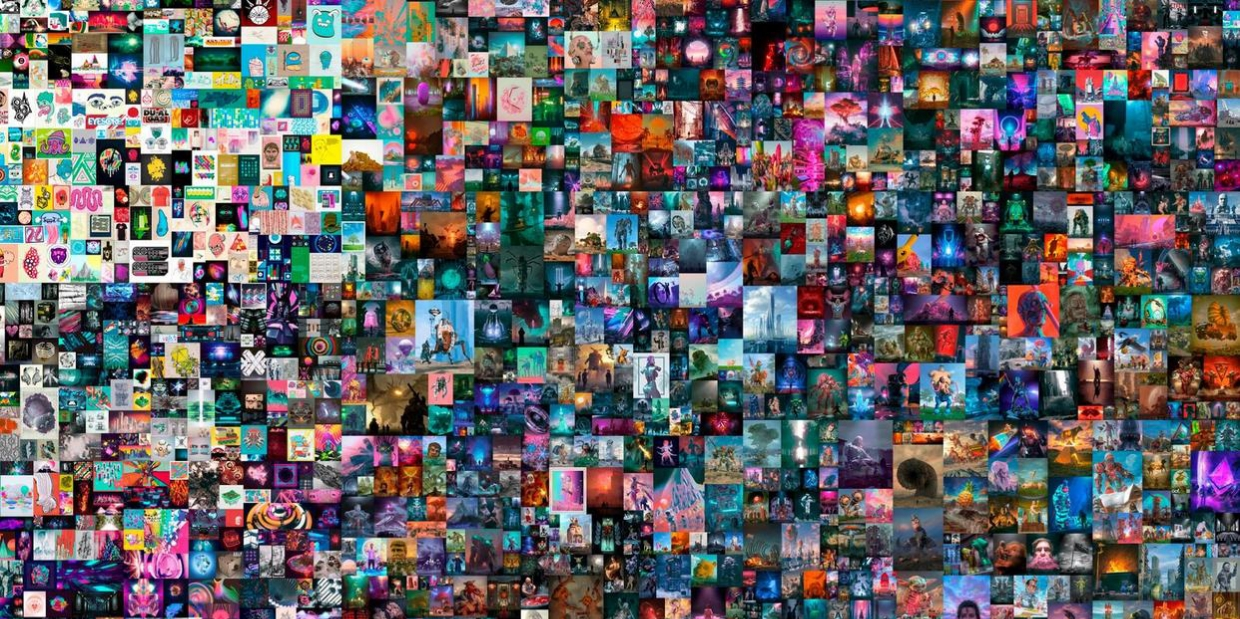 3. How are NFTs different from cryptocurrencies?
You use the money in your bank account to buy goods and services in the real world. Likewise, cryptocurrency is what you use for any and all transactions on the blockchain. Cryptocurrency can be purchased or converted into fiat currency (USD, EUR, JPY, etc.) or other cryptocurrencies (BTC, ETH, SOL, etc.). In contrast, an NFT is a unique and non-fungible asset that can also be purchased using cryptocurrency.
Cryptocurrency is like the paper money in your wallet, each of which is interchangeable. NFT is more like the limited edition star cards you collect, each of which is unique.
In simple terms:
- Cryptocurrency: fungible and divisible
- NFT: Irreplaceable, Complete
4. Why own NFTs?
You might ask, why would you spend money on a “digital collectible”? Here are some reasons:
- Collectible Value: Just like collecting art or antiques, NFTs may appreciate in value.
- Uniqueness: Isn’t it cool to have a unique digital asset?
- Support Creators: Directly support your favorite artists or musicians.
- Community belonging: Some NFT projects have their own communities, and owning NFTs is the ticket to join.
- Future Potential: NFTs may play an important role in the future digital world.
5. NFT Implementation and Ownership
How NFTs work might sound a bit complicated, but don’t worry, we can explain it with a simple analogy:
Imagine an NFT is a special digital box that contains your digital asset (such as a painting). This box has a unique lock that only you have the key to. Moreover, the location and ownership information of this box are recorded on a public ledger (blockchain).
When you want to transfer this NFT, you are actually handing over the key to the box to someone else. The whole process is recorded on the blockchain, so everyone can see the ownership history of this NFT. This is also the meaning of decentralization.
Owning an NFT is like owning a small piece of territory in the digital world. But here’s the interesting part: owning an NFT does not necessarily mean that you own the copyright to the original work.
For example: You may own the NFT of Mona Lisa, but this does not mean you can print her smile on a T-shirt and sell it. Unless the original creator explicitly grants you these rights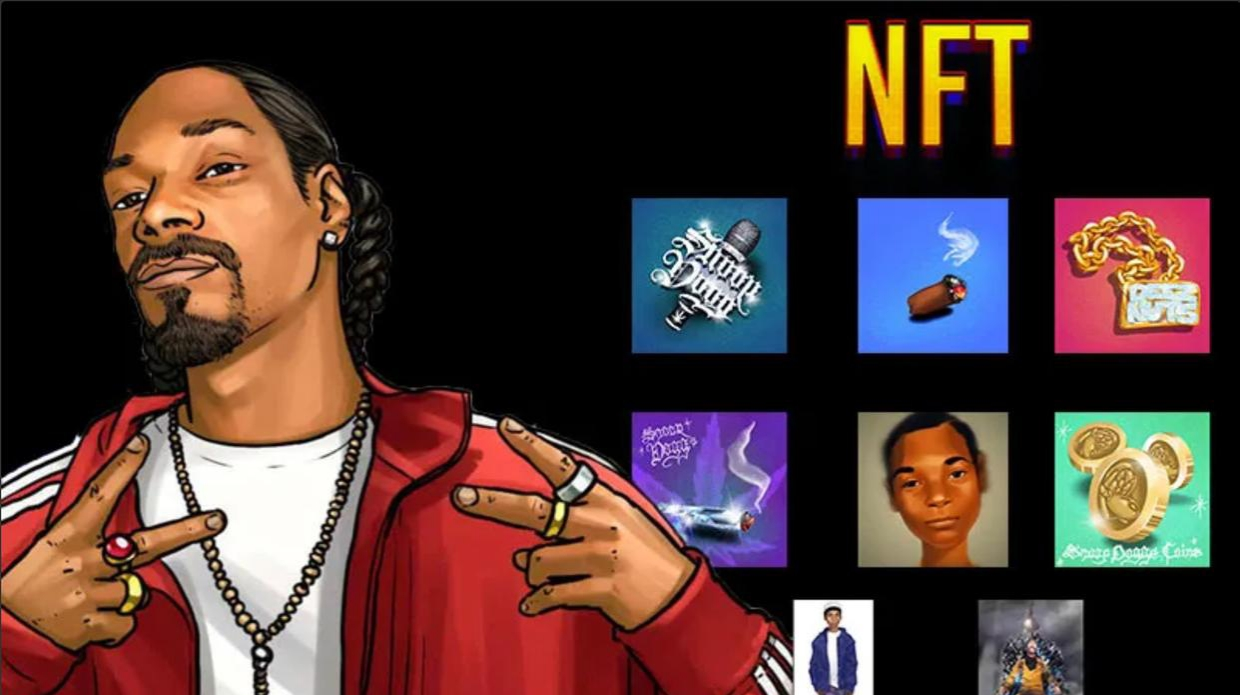 7. Profit opportunities of NFT
The profit opportunities of NFT are indeed diverse. Here are some of the more common ways to make money:
Creating and selling NFTs
Artistic creation: Digital artists can mint their works into NFTs and sell them.
Music NFT: Musicians can release limited edition music NFTs.
Virtual Goods Design: Design virtual items and gear for the Metaverse or game.
Photography: Convert unique photography into NFTs.
NFT Trading
Buy low, sell high: Identify potential projects, buy when the price is low, and sell after appreciation.
Rarity investment: Collect NFTs with high rarity and wait for them to appreciate in value.
Quick Flip: Buy hot projects when they are released and quickly sell them for a profit.
NFT Games
In-game asset trading: Raise and trade virtual pets in games like Axie Infinity.
Virtual Land Investment: Buying and selling virtual land on platforms such as Decentraland.
Game Item Trading: Collect and trade rare items in the game.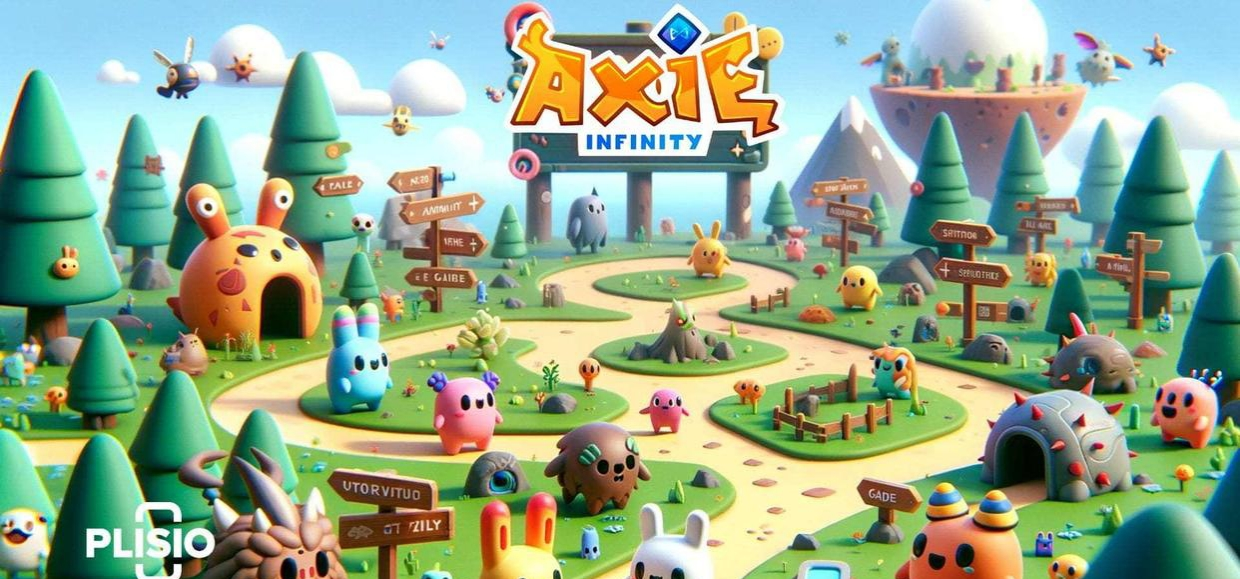 NFT Leasing
Renting game assets: Renting NFT assets in the game to other players for use.
Virtual land leasing: leasing virtual land in the metaverse to others for development.
NFT Staking
Some platforms or protocols allow users to stake NFTs to earn returns. NFT holders can enjoy NFT ownership while also earning passive income.
Conclusion
NFTs may be an important part of the future digital economy, or they may just be a passing fad. In any case, understanding NFTs can keep you ahead of the curve in this rapidly changing digital world.
Be rational when investing in NFT digital assets, do not invest more than you can afford, and be careful of potential scams. At the same time, maintain curiosity and enthusiasm for learning, because in this new field full of possibilities, who knows where the next big idea will come from?
#杰克逊霍尔年会 #Telegram创始人被捕 #NFT和收藏品 #nft