
Ghost Writer
7.1k Posts

Ghost Writer
Research & summarize the latest Crypto market news | BNB Holder | Web 3 Airdrop | X: @GhostxWriterx
Open Trade
High-Frequency Trader
5.6 Years
749 Following
14.1K+ Followers
22.6K+ Liked
Posts
Portfolio
All
Quotes
Videos
Live
Verified
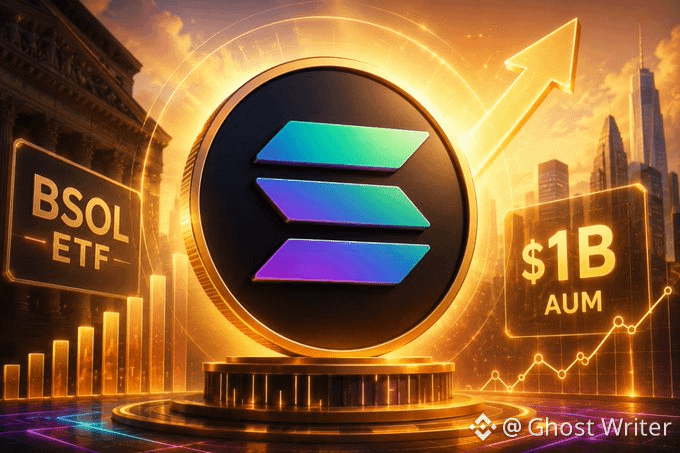
🚨Solana Just Hit a Major ETF Milestone
Bitwise’s BSOL just crossed $1B in AUM - becoming the first U.S.-listed Solana ETF to hit that mark.
Only 10 months after launch👀
Is this the start of bigger institutional demand for SOL?
#solana
Bitwise’s BSOL just crossed $1B in AUM - becoming the first U.S.-listed Solana ETF to hit that mark.
Only 10 months after launch👀
Is this the start of bigger institutional demand for SOL?
#solana
Verified
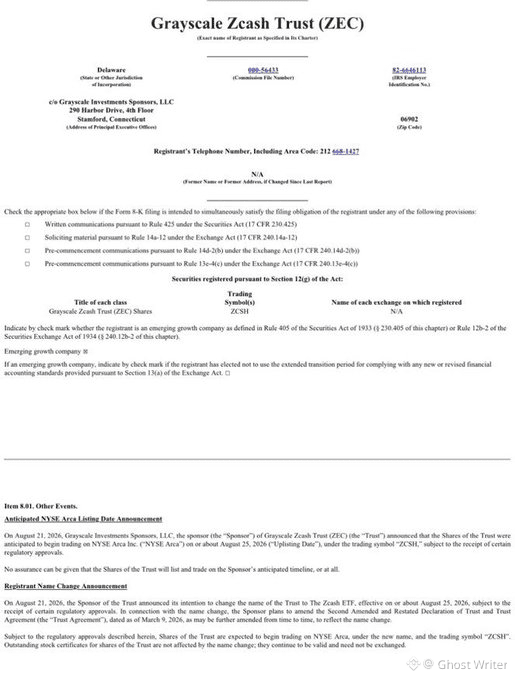
Zcash's on a bullish future!
Yesterday, Krista Lynch of Grayscale joined Bloomberg to break down the technicals of Zcash $ZEC :
↳ Same 21 million supply cap and halving schedule as Bitcoin
↳ Proof of Work mechanism, secured by miners
↳ Zero-knowledge proofs enabling private, verifiable transactions
↳ Financial privacy by choice, with shielded or transparent pools
The Zcash ETF ($ZCSH) offers exposure to ZEC, now available in brokerage and investment accounts.
#zec
Yesterday, Krista Lynch of Grayscale joined Bloomberg to break down the technicals of Zcash $ZEC :
↳ Same 21 million supply cap and halving schedule as Bitcoin
↳ Proof of Work mechanism, secured by miners
↳ Zero-knowledge proofs enabling private, verifiable transactions
↳ Financial privacy by choice, with shielded or transparent pools
The Zcash ETF ($ZCSH) offers exposure to ZEC, now available in brokerage and investment accounts.
#zec
Verified
🚨XRP FACT CHECK:
Bank of America has a long-standing relationship with Ripple and has had exposure to XRP through an ETF.
But claims that BofA is “fully committed to $XRP ” or runs 100% of its internal transactions on XRP are NOT officially confirmed.
The bullish case for XRP is real but don’t confuse speculation with confirmation👀
#xrp #Xrp🔥🔥
Bank of America has a long-standing relationship with Ripple and has had exposure to XRP through an ETF.
But claims that BofA is “fully committed to $XRP ” or runs 100% of its internal transactions on XRP are NOT officially confirmed.
The bullish case for XRP is real but don’t confuse speculation with confirmation👀
#xrp #Xrp🔥🔥
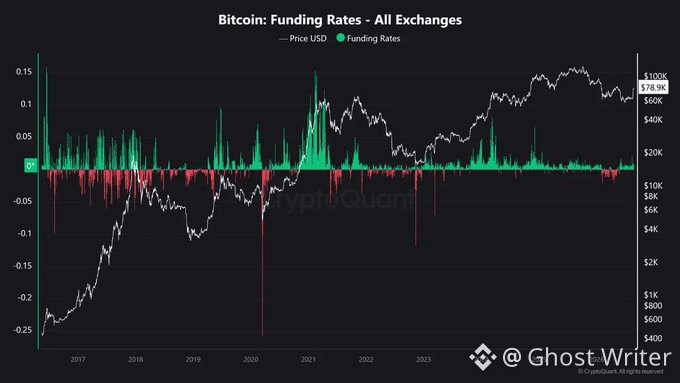
CRYPTOQUANT JUST CONFIRMED BITCOIN HAS ENTERED A NEW BULL MARKET REGIME - $BTC
Not approaching one.
Not showing early signs of one.
Entered one.
Spot demand turning decisively bullish.
ETF flows confirming institutional conviction.
Market momentum flipping completely.
CryptoQuant doesn't make this call lightly.
This is the same firm whose data called every major cycle shift in Bitcoin history.
Three pillars confirming simultaneously.
Spot. ETFs. Momentum.
The bear market is not ending.
According to the most respected on-chain data firm in the space it already ended.
#KoreaSingleStockLeveragedETFTradingFalls
#btc
#BitcoinSpotETFEnds9DayInflowStreak
Not approaching one.
Not showing early signs of one.
Entered one.
Spot demand turning decisively bullish.
ETF flows confirming institutional conviction.
Market momentum flipping completely.
CryptoQuant doesn't make this call lightly.
This is the same firm whose data called every major cycle shift in Bitcoin history.
Three pillars confirming simultaneously.
Spot. ETFs. Momentum.
The bear market is not ending.
According to the most respected on-chain data firm in the space it already ended.
#KoreaSingleStockLeveragedETFTradingFalls
#btc
#BitcoinSpotETFEnds9DayInflowStreak
🚨THE ROTATION IS HERE - $XRP
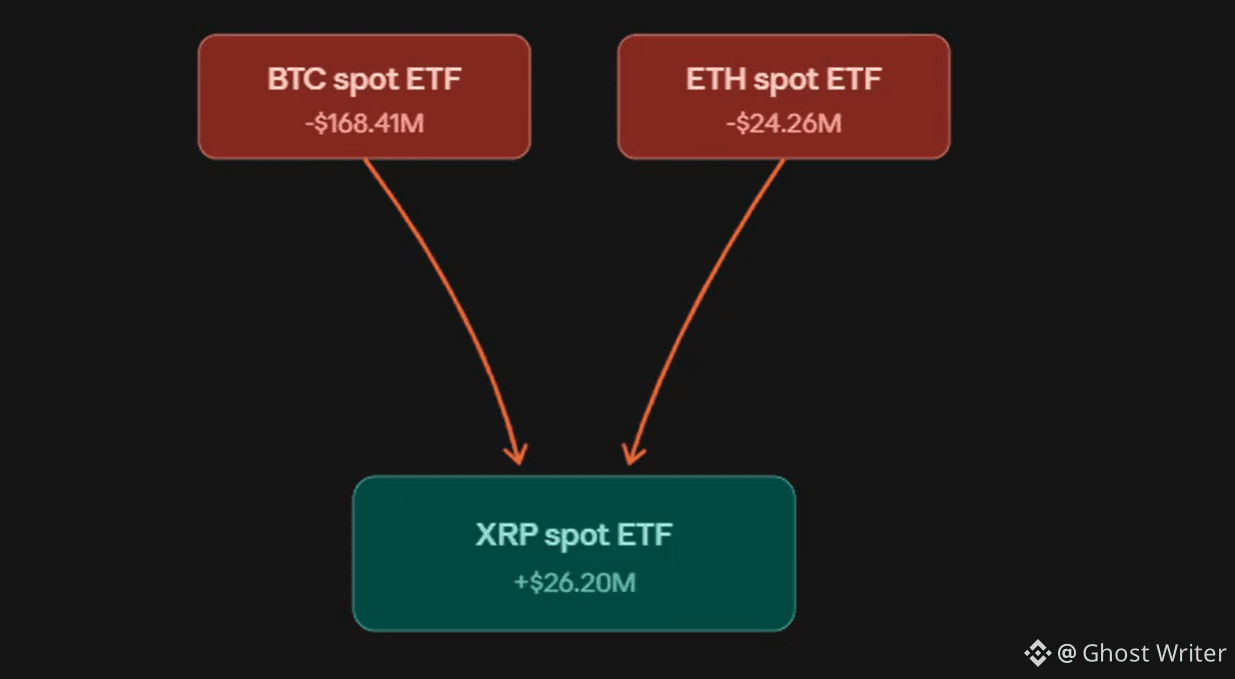
While everyone's watching BTC and ETH bleed out of ETFs. XRP is quietly soaking up every dollar leaving👀
📉BTC ETF: -$168.41M
📉ETH ETF: -$24.26M
📈XRP ETF: +$26.20M🎉
This is not a coincidence. This is capital rotation in real time.
#XRPETFsBiggestWeeklyHaulOf2026
#xrp
While everyone's watching BTC and ETH bleed out of ETFs. XRP is quietly soaking up every dollar leaving👀
📉BTC ETF: -$168.41M
📉ETH ETF: -$24.26M
📈XRP ETF: +$26.20M🎉
This is not a coincidence. This is capital rotation in real time.
#XRPETFsBiggestWeeklyHaulOf2026
#xrp
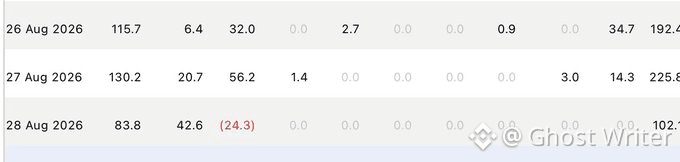
$ETH JUST HAD ITS STRONGEST ETF DAY IN 10 MONTHS
$225.8M flowed into U.S. spot ETH ETFs on Thursday.
BlackRock’s ETHA bought every session for 9 straight days, taking in $1.02B.
Then Friday:
🟣ETH ETFs: +$102.1M
🟠Bitcoin ETFs: -$201.9M
Same market. Different bid.
Monday’s ETF print gets posted here when it lands.
#BitcoinSpotETFEnds9DayInflowStreak
#ETH
$225.8M flowed into U.S. spot ETH ETFs on Thursday.
BlackRock’s ETHA bought every session for 9 straight days, taking in $1.02B.
Then Friday:
🟣ETH ETFs: +$102.1M
🟠Bitcoin ETFs: -$201.9M
Same market. Different bid.
Monday’s ETF print gets posted here when it lands.
#BitcoinSpotETFEnds9DayInflowStreak
#ETH
Verified
Time to buy gold $XAU
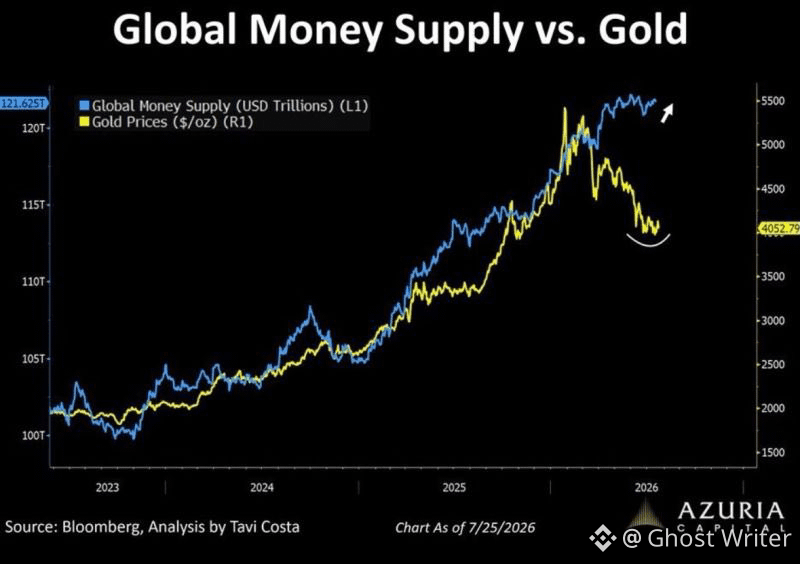
Thesis is simple: More money supply, higher gold prices.
They diverged earlier this year as markets expected a tighter policy under Kevin Warsh.
But nothing has changed and global money supply kept growing, so gold prices have some serious catching up to do.
#gold #BTCVSGOLD
Thesis is simple: More money supply, higher gold prices.
They diverged earlier this year as markets expected a tighter policy under Kevin Warsh.
But nothing has changed and global money supply kept growing, so gold prices have some serious catching up to do.
#gold #BTCVSGOLD
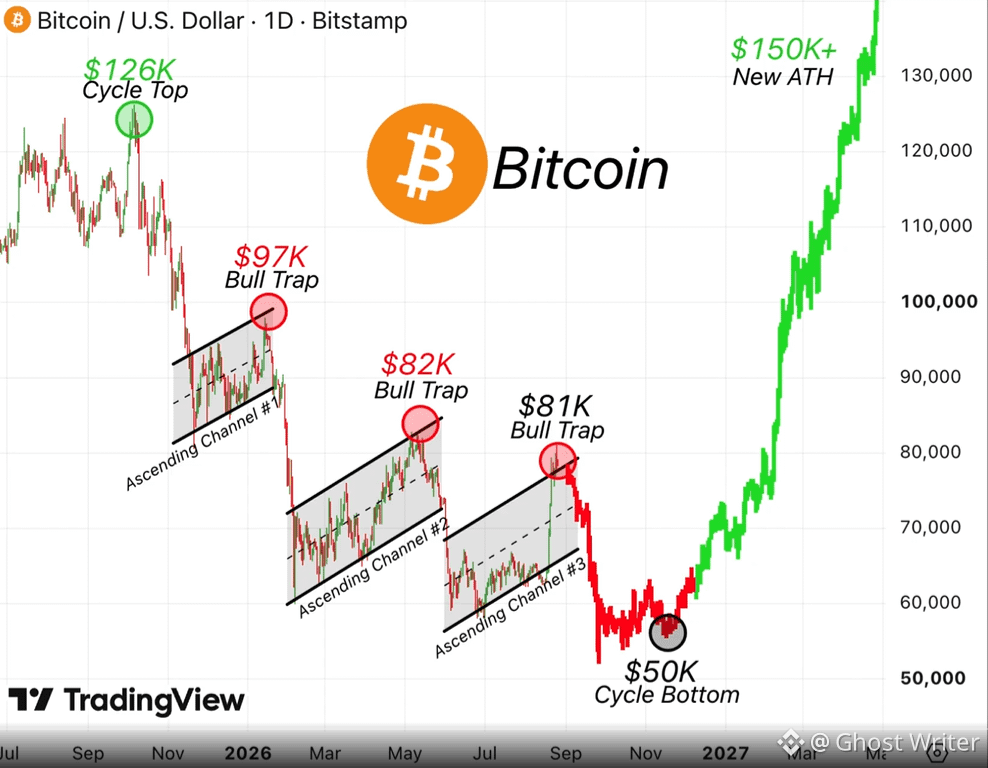
THE FINAL BITCOIN BULL TRAP JUST ENDED 🚀
$BTC rejected $80K, and the pattern is complete.
I warned you this was the last chance to sell before the real drop.
Most people still think we're going higher.
They're wrong.
Here's the roadmap from here:
$79K → $67K → $55K → New Bull Run
I called the $126K top in October 2025, the $15K bottom in November 2022, and the recent pump to $83K.
If you missed those calls, don't worry. Just follow @Ghost Writer
#BitcoinSpotETFEnds9DayInflowStreak
#BTCDrops3.4%To$77383
$BTC rejected $80K, and the pattern is complete.
I warned you this was the last chance to sell before the real drop.
Most people still think we're going higher.
They're wrong.
Here's the roadmap from here:
$79K → $67K → $55K → New Bull Run
I called the $126K top in October 2025, the $15K bottom in November 2022, and the recent pump to $83K.
If you missed those calls, don't worry. Just follow @Ghost Writer
#BitcoinSpotETFEnds9DayInflowStreak
#BTCDrops3.4%To$77383
Partly True
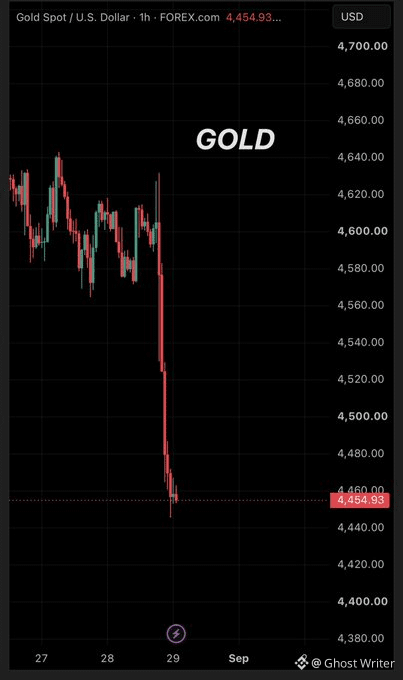
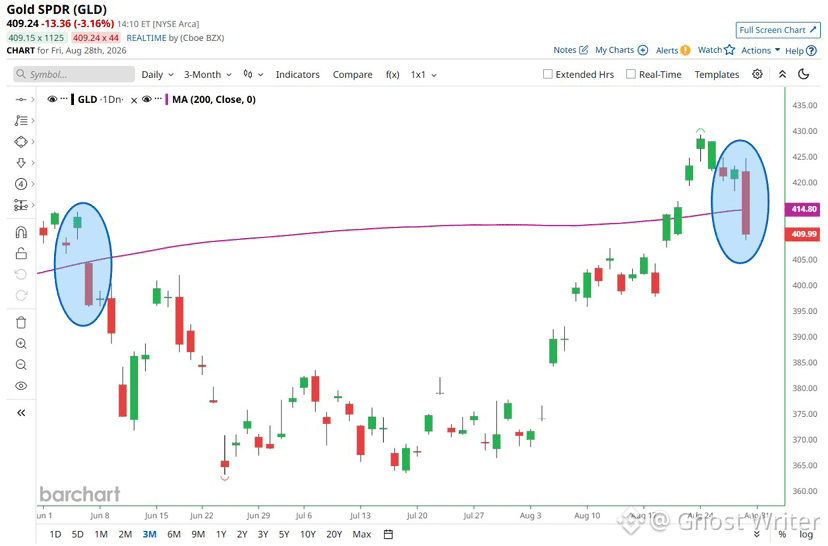
GOLD BREAKS BELOW $4,500 as Fed Chair Warsh says price stability is the “main focus.”
Core PCE is at 3.7%, while the six-month rate is 4.1% - both above the Fed’s 2% target.
The inflation fight started in 2021.
Five years of rate hikes, QT and hawkish talk later, inflation still hasn’t reached 2%.
Gold is still caught between inflation, interest rates and trust in the Fed.
#GOLD #XAU
Core PCE is at 3.7%, while the six-month rate is 4.1% - both above the Fed’s 2% target.
The inflation fight started in 2021.
Five years of rate hikes, QT and hawkish talk later, inflation still hasn’t reached 2%.
Gold is still caught between inflation, interest rates and trust in the Fed.
#GOLD #XAU
Verified
🚨HYPERLIQUID STRATEGIES DOUBLES HYPE TREASURY!
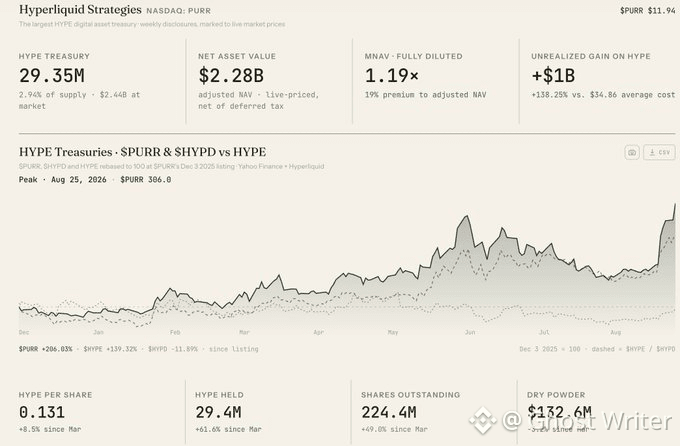
Hyperliquid Strategies ($PURR.US ) says it raised $647 million through an equity facility in the fiscal year ended June 30.
Its $HYPE holdings rose from 12.5 million to 29.3 million tokens, and it ended the year with $149.9 million in cash and no debt.
#hype #Hyperliquid
Hyperliquid Strategies ($PURR.US ) says it raised $647 million through an equity facility in the fiscal year ended June 30.
Its $HYPE holdings rose from 12.5 million to 29.3 million tokens, and it ended the year with $149.9 million in cash and no debt.
#hype #Hyperliquid
HYPE+4.82%
PURRUS+5.60%
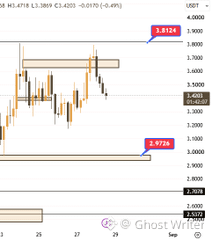
$LIT ON-CHAIN ALERT: SUSPICIOUS PRIVATE WALLET RELAYS DUMP $1.3M+ INTO $3.75 DOUBLE-TOP!
If you are wondering why LIT got rejected at $3.75 and pulled back to $3.42.
Whales used private intermediary wallets to funnel tokens off Layer-2 directly into centralized exchanges:
• Wallet 0x51F0... un-bridged 81,242 LIT ($285K) from ZkLighter and sent it straight to Bybit Deposit.
• Wallet 0x1E03... un-bridged 30,788 LIT ($108K) and dumped it into Gate. io.
• 200,000 LIT ($702K) moved from ZkLighter to whale "brookenzo" on Markets. xyz.
Over the last hour, Coinbase Prime and Bitget moved another 128K+
$LIT (~$444K) from cold storage into active hot wallets.
#Lıt #perp
If you are wondering why LIT got rejected at $3.75 and pulled back to $3.42.
Whales used private intermediary wallets to funnel tokens off Layer-2 directly into centralized exchanges:
• Wallet 0x51F0... un-bridged 81,242 LIT ($285K) from ZkLighter and sent it straight to Bybit Deposit.
• Wallet 0x1E03... un-bridged 30,788 LIT ($108K) and dumped it into Gate. io.
• 200,000 LIT ($702K) moved from ZkLighter to whale "brookenzo" on Markets. xyz.
Over the last hour, Coinbase Prime and Bitget moved another 128K+
$LIT (~$444K) from cold storage into active hot wallets.
#Lıt #perp
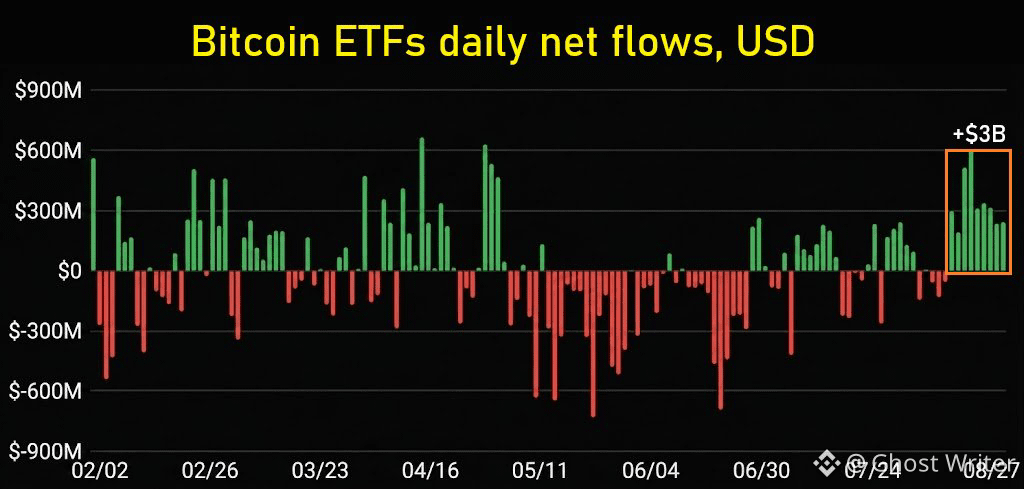
🚨 WALL STREET IS AGGRESSIVELY BUYING BITCOIN AGAIN.
Bitcoin ETFs have now recorded 8 straight trading days of net inflows.
Over $2.7 BILLION has flowed into the ETFs during that streak.
BlackRock alone bought another $277.6 MILLION worth yesterday.
This accumulation is insane!
#$6.4BBitcoinOptionsExpire #btc #etf
Bitcoin ETFs have now recorded 8 straight trading days of net inflows.
Over $2.7 BILLION has flowed into the ETFs during that streak.
BlackRock alone bought another $277.6 MILLION worth yesterday.
This accumulation is insane!
#$6.4BBitcoinOptionsExpire #btc #etf
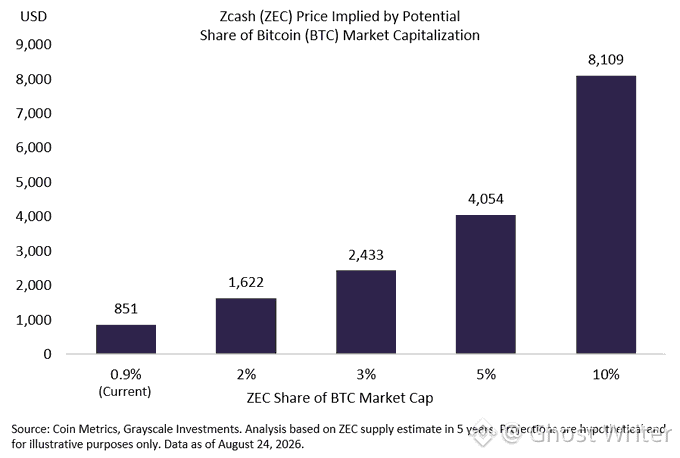
Grayscale Research believes Zcash $ZEC has a real shot at capturing Bitcoin $BTC market share.
Zcash has second mover advantages Bitcoin doesn't:
↳ Financial privacy in an era of AI-powered surveillance
↳ Cross-chain reach through NEAR Intents
↳ Active development against cybersecurity threats
Bitcoin and ZEC are complements.
#zec #zcash
Zcash has second mover advantages Bitcoin doesn't:
↳ Financial privacy in an era of AI-powered surveillance
↳ Cross-chain reach through NEAR Intents
↳ Active development against cybersecurity threats
Bitcoin and ZEC are complements.
#zec #zcash
Verified
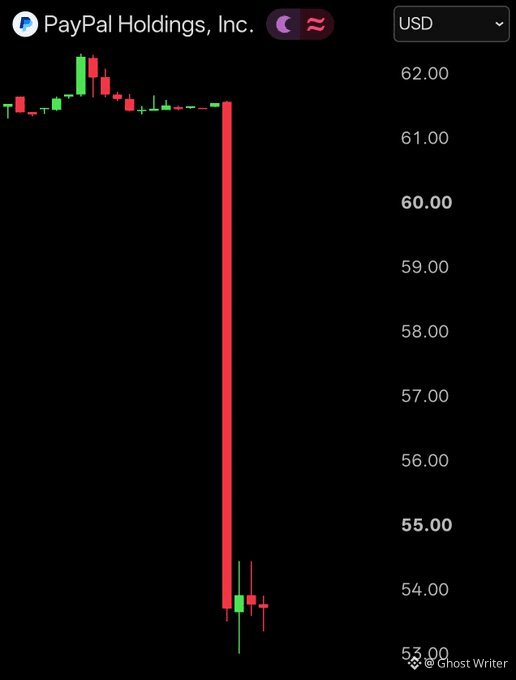
$PAYP BREAKING: PayPal crashes -12.5% in after-hours trading after Stripe and Advent abandon their pursuit of the company in a potential $50+ billion deal, per Bloomberg.
PayPal surged over +40% this quarter on takeover speculation and stronger Q2 earnings.
PayPal surged over +40% this quarter on takeover speculation and stronger Q2 earnings.
PAYP-0.46%
PAYPUS-0.94%
Verified
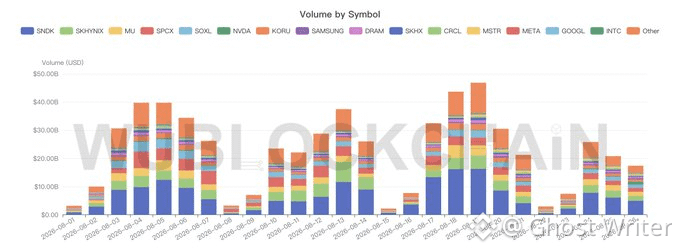
$SNDK Stock Perpetual Volume Hits 62.4% of U.S. Spot Turnover, Highest in Available Data
According to the tokenized equities panel on WuBlockchain Data, aggregate SNDK (SanDisk) stock perpetual volume across 32 tracked venues reached $16.291 billion on Aug. 19, versus roughly $26.1 billion in SNDK US spot turnover the same day (16.28 million shares at an average price of about $1,603). That puts the ratio at 62.4%, the highest reading on record.
The ratio stayed elevated for three consecutive sessions in mid-to-late August: 42.0% on Aug. 17 ($13.40B vs $31.94B), 52.6% on Aug. 18 ($16.19B vs $30.78B), and 62.4% on Aug. 19. It eased to 38.0% by Aug. 26 ($4.98B vs $13.10B).
SNDK ranks first on this metric among all equity-linked perpetuals, followed by CRCL (47.2% on Aug. 5), SOXL (38.1% on Aug. 6), MSTR (20.0%) and MU (14.6%). NVDA and Meta both came in below 3%.
#SNDK $SNDKB #NvidiaTrades$33.5BInFirst140Minutes
According to the tokenized equities panel on WuBlockchain Data, aggregate SNDK (SanDisk) stock perpetual volume across 32 tracked venues reached $16.291 billion on Aug. 19, versus roughly $26.1 billion in SNDK US spot turnover the same day (16.28 million shares at an average price of about $1,603). That puts the ratio at 62.4%, the highest reading on record.
The ratio stayed elevated for three consecutive sessions in mid-to-late August: 42.0% on Aug. 17 ($13.40B vs $31.94B), 52.6% on Aug. 18 ($16.19B vs $30.78B), and 62.4% on Aug. 19. It eased to 38.0% by Aug. 26 ($4.98B vs $13.10B).
SNDK ranks first on this metric among all equity-linked perpetuals, followed by CRCL (47.2% on Aug. 5), SOXL (38.1% on Aug. 6), MSTR (20.0%) and MU (14.6%). NVDA and Meta both came in below 3%.
#SNDK $SNDKB #NvidiaTrades$33.5BInFirst140Minutes
Summarize what @CZ roughly expressed in Hongkong this week:
🔸 Hong Kong has strong financial competitiveness Web3, RWA exceeds expectations, bringing stocks on the chain can break barriers and time zones, DEX has matured
🔸 BTC reaches 1 million is inevitable, and within the next 25 years. But more important is large-scale payment + retirement/reserve fund
🔸 BTC will be more important than gold, the difference is about 10 times, the next bull round can catch up, suggesting that countries allocate reserves according to the top 5 crypto capitalization, BTC usually exceeds 50%
🔸 Not using BTC is more dangerous than using, multi-chain is not zero-sum, stock tokenization will bring many people into the circle, eventually it will reach BTC
🔸 UAE leads in regulation, Hong Kong accelerates, suggests countries build a legal framework, reserve, issue national stablecoins, make tokenization
🔸 RWA and AI are the strongest. Do not exclude large AI companies that issue tokens. Later, agent AI will probably pioneer the use of stablecoin to trade
DYOR
#BitcoinHoldsNear$79400
#btc #CZ
🔸 Hong Kong has strong financial competitiveness Web3, RWA exceeds expectations, bringing stocks on the chain can break barriers and time zones, DEX has matured
🔸 BTC reaches 1 million is inevitable, and within the next 25 years. But more important is large-scale payment + retirement/reserve fund
🔸 BTC will be more important than gold, the difference is about 10 times, the next bull round can catch up, suggesting that countries allocate reserves according to the top 5 crypto capitalization, BTC usually exceeds 50%
🔸 Not using BTC is more dangerous than using, multi-chain is not zero-sum, stock tokenization will bring many people into the circle, eventually it will reach BTC
🔸 UAE leads in regulation, Hong Kong accelerates, suggests countries build a legal framework, reserve, issue national stablecoins, make tokenization
🔸 RWA and AI are the strongest. Do not exclude large AI companies that issue tokens. Later, agent AI will probably pioneer the use of stablecoin to trade
DYOR
#BitcoinHoldsNear$79400
#btc #CZ

Verified
TODAY: 🇺🇸 U.S. Initial Jobless Claims fell to 203,000 last week, below the 208,000 expected.
The previous week’s reading was revised slightly higher from 206,000 to 207,000, signaling that layoffs remain relatively low.
Combined with yesterday’s elevated PCE inflation data, the resilient labor market could strengthen the case for the Fed to keep interest rates higher for longer.
This is not good for Crypto or Stock $BTC $NVDAB
#BitcoinHoldsNear$79400
#BitcoinTops$80KThreeMonthHigh
The previous week’s reading was revised slightly higher from 206,000 to 207,000, signaling that layoffs remain relatively low.
Combined with yesterday’s elevated PCE inflation data, the resilient labor market could strengthen the case for the Fed to keep interest rates higher for longer.
This is not good for Crypto or Stock $BTC $NVDAB
#BitcoinHoldsNear$79400
#BitcoinTops$80KThreeMonthHigh


Log in to explore more content