
Crypto News Xrp
6.7k Posts

Crypto News Xrp
Noticias relevantes del mundo crypto y sus interacciónes con las bolsas de valores
Open Trade
Frequent Trader
6 Years
2 Following
675 Followers
3.8K+ Liked
Posts
Portfolio
All
Quotes
Videos
🚨🚨🚨BREAKING🚨🚨🚨
The United States has seized nearly $1 billion in cryptocurrency from Iran since May, as part of what Treasury Secretary Bessent calls an «economic D-Day».
Digital assets were identified as one of five Iranian lifelines being targeted by restrictive measures, along with gold, aviation, maritime shipping, and technology.
Monday’s sanctions specifically targeted Iranian Bitcoin wallets linked to sanctioned individuals.
The United States has seized nearly $1 billion in cryptocurrency from Iran since May, as part of what Treasury Secretary Bessent calls an «economic D-Day».
Digital assets were identified as one of five Iranian lifelines being targeted by restrictive measures, along with gold, aviation, maritime shipping, and technology.
Monday’s sanctions specifically targeted Iranian Bitcoin wallets linked to sanctioned individuals.



🚨🚨🚨BREAKING🚨🚨🚨
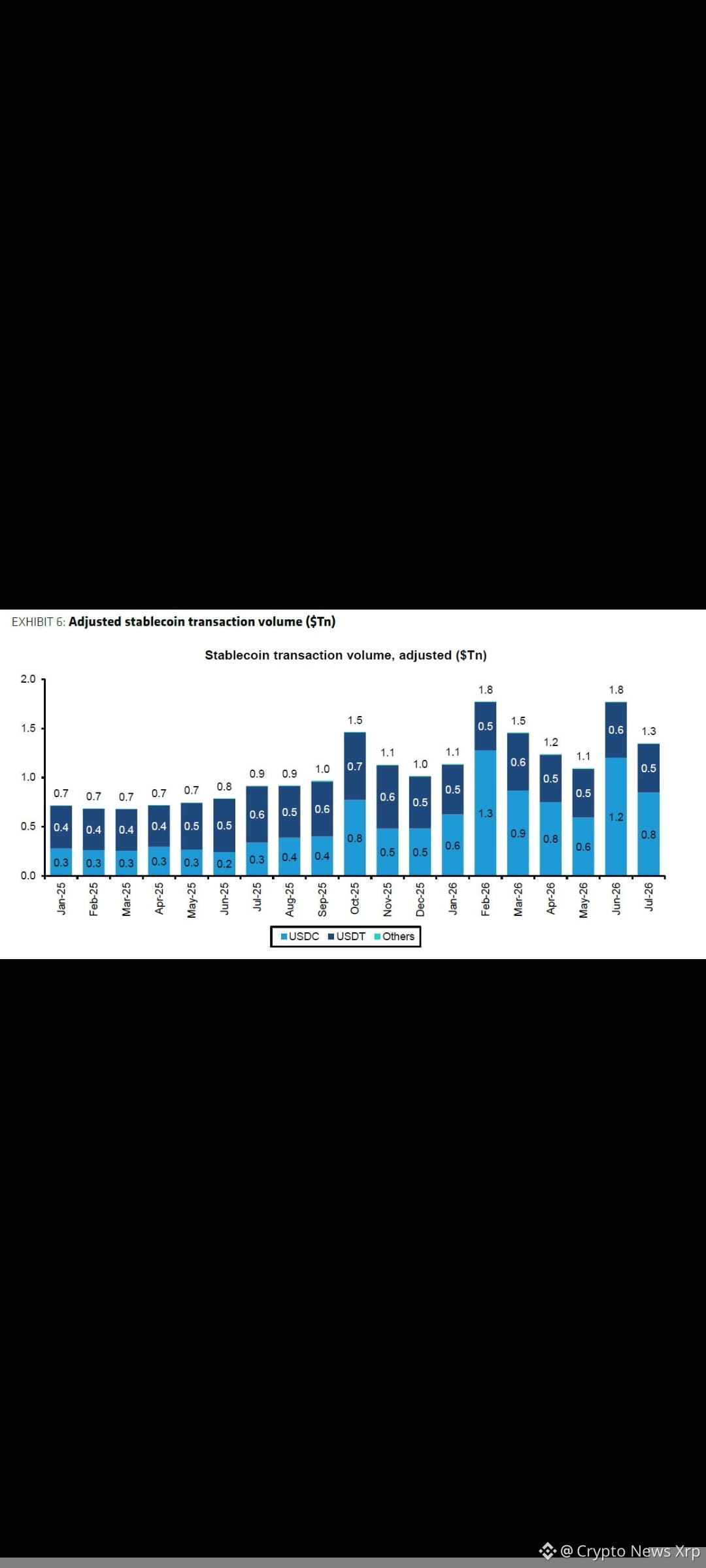
Bernstein set a $140 price target for Circle, while the USDC supply increased by $2 billion in one week.
Bernstein set a $140 price target for Circle, while the USDC supply increased by $2 billion in one week.
🚨🚨🚨BREAKING🚨🚨🚨
Five consecutive days of capital inflows have just injected $1.920 billion into US spot #Bitcoin ETFs: the largest weekly inflow since October 2025.
This is equivalent to more than 24,000 $BTC absorbed by the market.
Institutional demand is gaining momentum again.
The bulls are making their presence felt.
$BTC
Five consecutive days of capital inflows have just injected $1.920 billion into US spot #Bitcoin ETFs: the largest weekly inflow since October 2025.
This is equivalent to more than 24,000 $BTC absorbed by the market.
Institutional demand is gaining momentum again.
The bulls are making their presence felt.
$BTC

🚨🚨🚨BREAKING 🚨🚨🚨
The United States will impose sanctions this week on a «major financial institution», intensifying its economic campaign against Iran.
This measure is part of «Operation Economic Outcast» (*Operation Economic Outcast*), aimed at networks that help Tehran evade sanctions and finance the Quds Force of the IRGC.
The objective is to increase pressure on Tehran to reopen the Strait of Hormuz and end the war.
The United States will impose sanctions this week on a «major financial institution», intensifying its economic campaign against Iran.
This measure is part of «Operation Economic Outcast» (*Operation Economic Outcast*), aimed at networks that help Tehran evade sanctions and finance the Quds Force of the IRGC.
The objective is to increase pressure on Tehran to reopen the Strait of Hormuz and end the war.


🚨🚨🚨BREAKING🚨🚨🚨
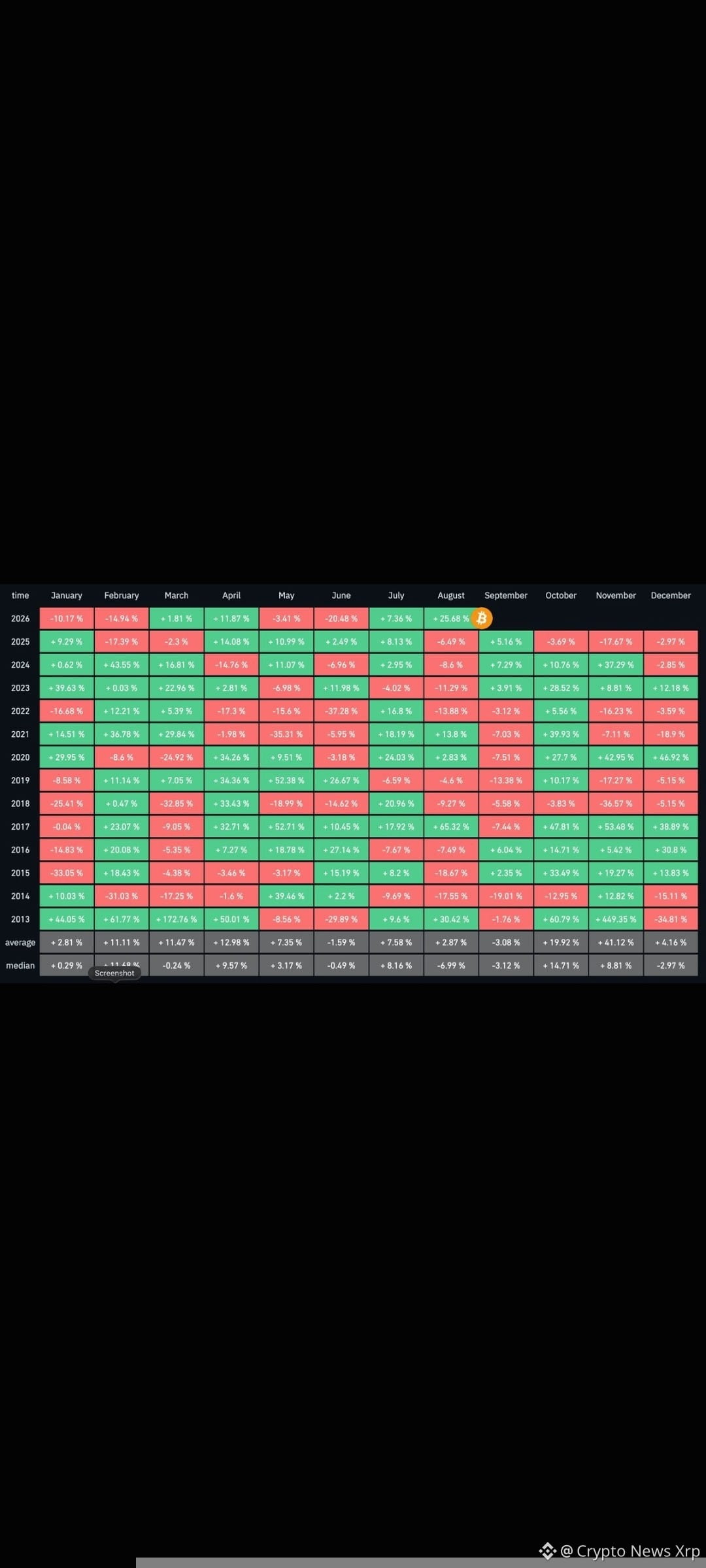
Bitcoin is currently recording its third-best August in history, up 25% year-to-date.
$BTC
Bitcoin is currently recording its third-best August in history, up 25% year-to-date.
$BTC
🚨🚨🚨BREAKING🚨🚨🚨
Bessent will roll out a $1 trillion arsenal to rescue the U.S. bond market.
This figure is 250 times higher than the $4 billion the Treasury has allocated to a single long-term bond repurchase operation.
According to CNBC, the Treasury could tap its General Account (which holds nearly $1 trillion) to fund an expansion of bond buybacks.
This move could boost bond prices and lower long-term yields without the need for the Federal Reserve to intervene.
This comes after the Treasury doubled its repurchases, moving from $2 billion to a minimum of $4 billion per operation.
However, the relief quickly faded and the 30-year bond yield moved back to around 5.25%, indicating that much greater support may be needed.
Using the Treasury’s cash reserves could also inject a large amount of liquidity into the markets, potentially benefiting stocks and cryptocurrencies.
Although the full $1 trillion has not been committed, the figure represents the Treasury’s potential intervention capacity.
The bond market has just discovered the reach of Bessent’s “bazooka”.
Bessent will roll out a $1 trillion arsenal to rescue the U.S. bond market.
This figure is 250 times higher than the $4 billion the Treasury has allocated to a single long-term bond repurchase operation.
According to CNBC, the Treasury could tap its General Account (which holds nearly $1 trillion) to fund an expansion of bond buybacks.
This move could boost bond prices and lower long-term yields without the need for the Federal Reserve to intervene.
This comes after the Treasury doubled its repurchases, moving from $2 billion to a minimum of $4 billion per operation.
However, the relief quickly faded and the 30-year bond yield moved back to around 5.25%, indicating that much greater support may be needed.
Using the Treasury’s cash reserves could also inject a large amount of liquidity into the markets, potentially benefiting stocks and cryptocurrencies.
Although the full $1 trillion has not been committed, the figure represents the Treasury’s potential intervention capacity.
The bond market has just discovered the reach of Bessent’s “bazooka”.

🚨🚨🚨BREAKING🚨🚨🚨
Wintermute, one of the world’s largest providers of liquidity for digital assets, maintains a significant short position in the market.
This market maker discreetly accumulates $190.8 million in short positions on Hyperliquid, led by:
- $53 million in $ETH
- $30.7 million in $BTC
- $22.6 million in SOL,
- $11.4 million in HYPE, and
- $10.2 million in $XRP
Currently, these positions show unrealized losses of $5.85 million; however, Wintermute has accumulated a historical net profit (PnL) of $203.6 million, according to Ochain Lens.
Wintermute, one of the world’s largest providers of liquidity for digital assets, maintains a significant short position in the market.
This market maker discreetly accumulates $190.8 million in short positions on Hyperliquid, led by:
- $53 million in $ETH
- $30.7 million in $BTC
- $22.6 million in SOL,
- $11.4 million in HYPE, and
- $10.2 million in $XRP
Currently, these positions show unrealized losses of $5.85 million; however, Wintermute has accumulated a historical net profit (PnL) of $203.6 million, according to Ochain Lens.

🚨🚨🚨BREAKING🚨🚨🚨
The crypto fear and greed index jumps to 73 (greed), a dramatic change from the fear zone just a week ago.
The crypto fear and greed index jumps to 73 (greed), a dramatic change from the fear zone just a week ago.

🚨🚨🚨BREAKING🚨🚨🚨
Ray Dalio on how the looming U.S. debt crisis will be addressed:
“We’ll do it the usual way. When countries, in essence, go bankrupt, they turn to a combination of currency devaluation and money printing.”
“They set interest rates artificially low, so that whoever holds the bonds receives artificially reduced interest. That’s how Japan has done it... and that’s how we’ll do it too.”
Ray Dalio on how the looming U.S. debt crisis will be addressed:
“We’ll do it the usual way. When countries, in essence, go bankrupt, they turn to a combination of currency devaluation and money printing.”
“They set interest rates artificially low, so that whoever holds the bonds receives artificially reduced interest. That’s how Japan has done it... and that’s how we’ll do it too.”



Verified
🚨🚨🚨BREAKING🚨🚨🚨
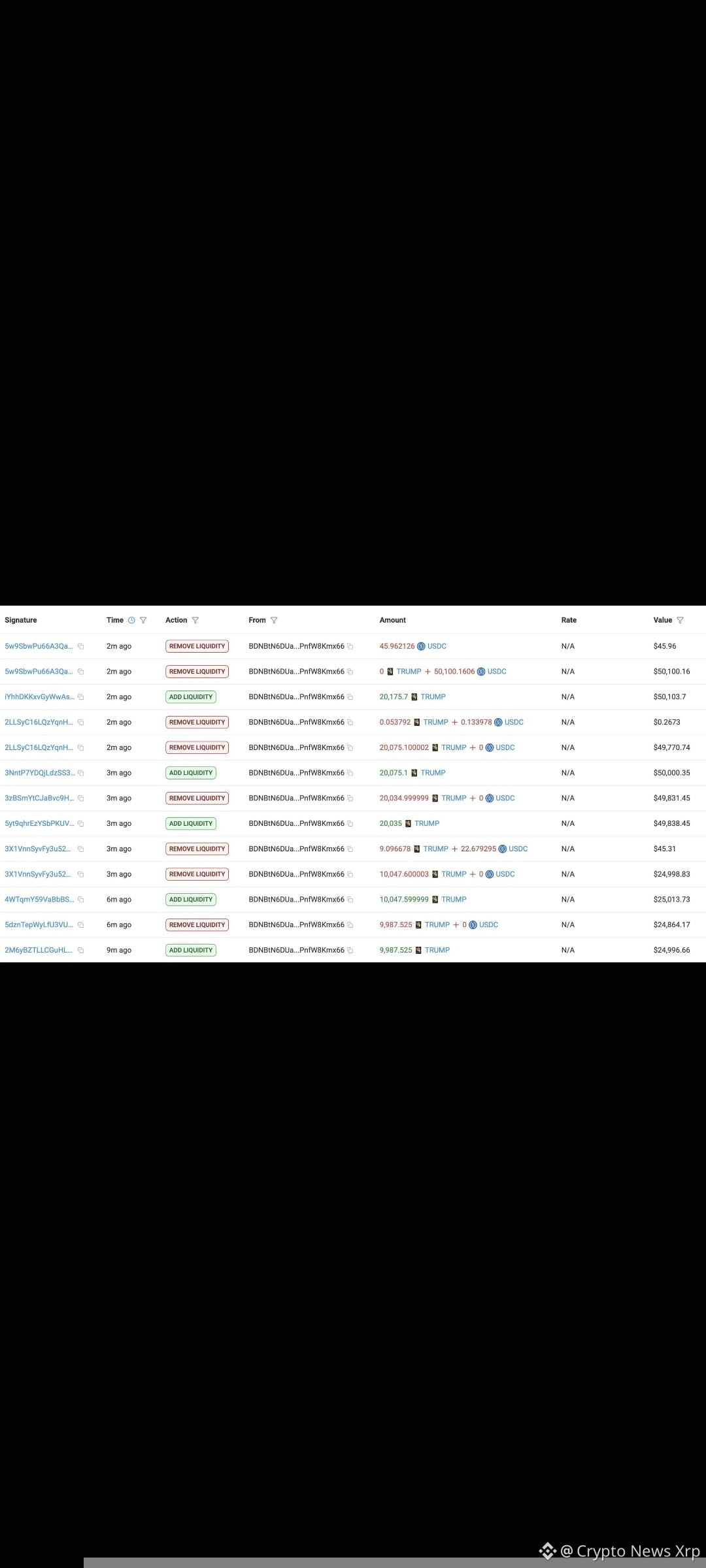
Trump’s team sells $TRUMP and receives 3.39 million $USDC after adding and removing liquidity.
Trump’s team sells $TRUMP and receives 3.39 million $USDC after adding and removing liquidity.
Verified
🚨🚨🚨BREAKING🚨🚨🚨
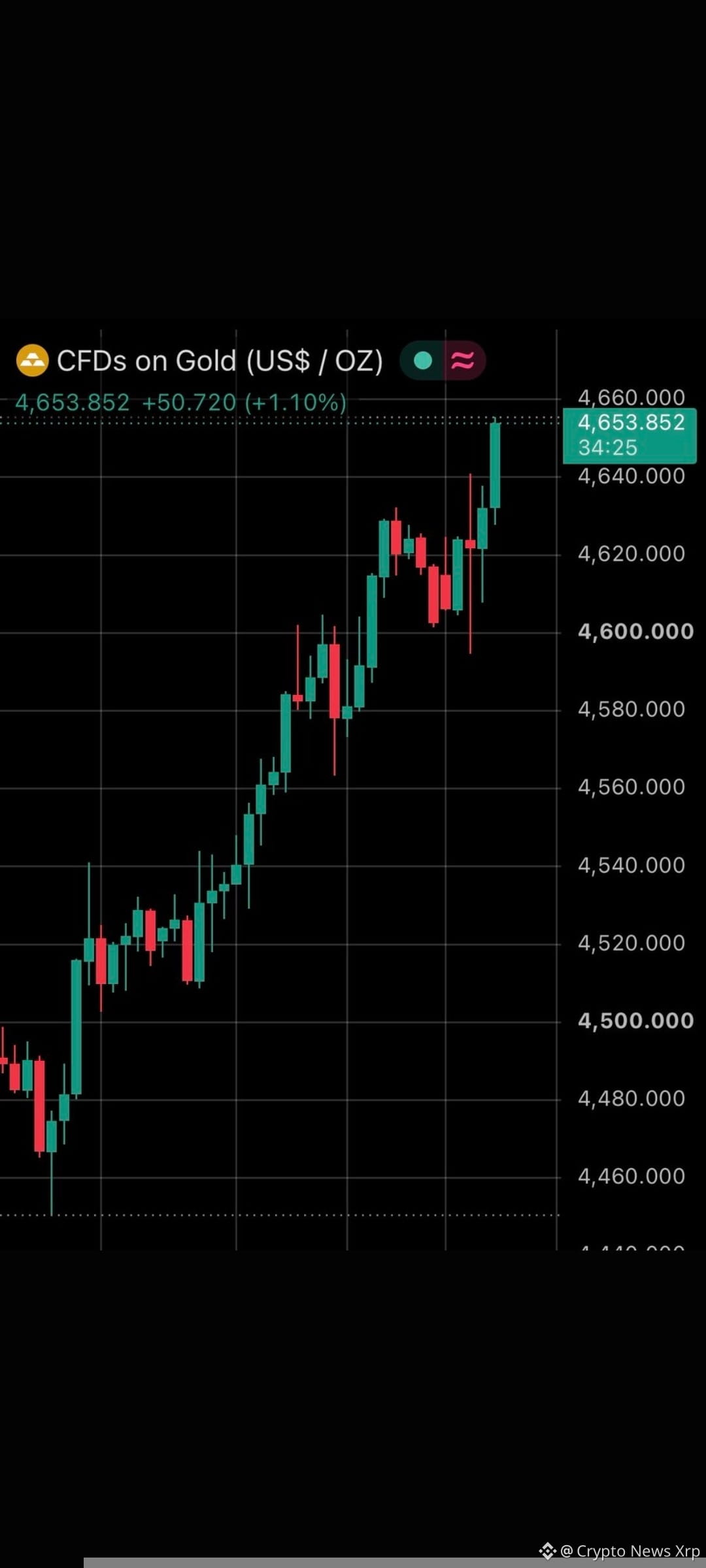
Gold rises above $4,650 per ounce for the first time since May, driven by renewed demand amid concerns about U.S. debt and a weakening dollar.
Gold rises above $4,650 per ounce for the first time since May, driven by renewed demand amid concerns about U.S. debt and a weakening dollar.
Verified
🚨🚨🚨BREAKING🚨🚨🚨
Phantom will stop supporting SUI on September 24, just 20 months after adding it, in a context where SUI’s total value locked (TVL) has fallen 82% since its October 2025 peak.
Phantom users will need to transfer their $SUI to another compatible wallet or swap it for an eligible asset before the deadline.
Sui’s TVL has dropped from an all-time high of $2.58 billion to $469 million, increasing concern over declining network activity.
Phantom will stop supporting SUI on September 24, just 20 months after adding it, in a context where SUI’s total value locked (TVL) has fallen 82% since its October 2025 peak.
Phantom users will need to transfer their $SUI to another compatible wallet or swap it for an eligible asset before the deadline.
Sui’s TVL has dropped from an all-time high of $2.58 billion to $469 million, increasing concern over declining network activity.



🚨🚨🚨BREAKING🚨🚨🚨
SoftBank plans a record bond issuance for retail investors in Japan worth $6.300 billion to finance its enormous investment commitments in OpenAI, according to Bloomberg.
SoftBank plans a record bond issuance for retail investors in Japan worth $6.300 billion to finance its enormous investment commitments in OpenAI, according to Bloomberg.


🚨🚨🚨BREAKIING🚨🚨🚨
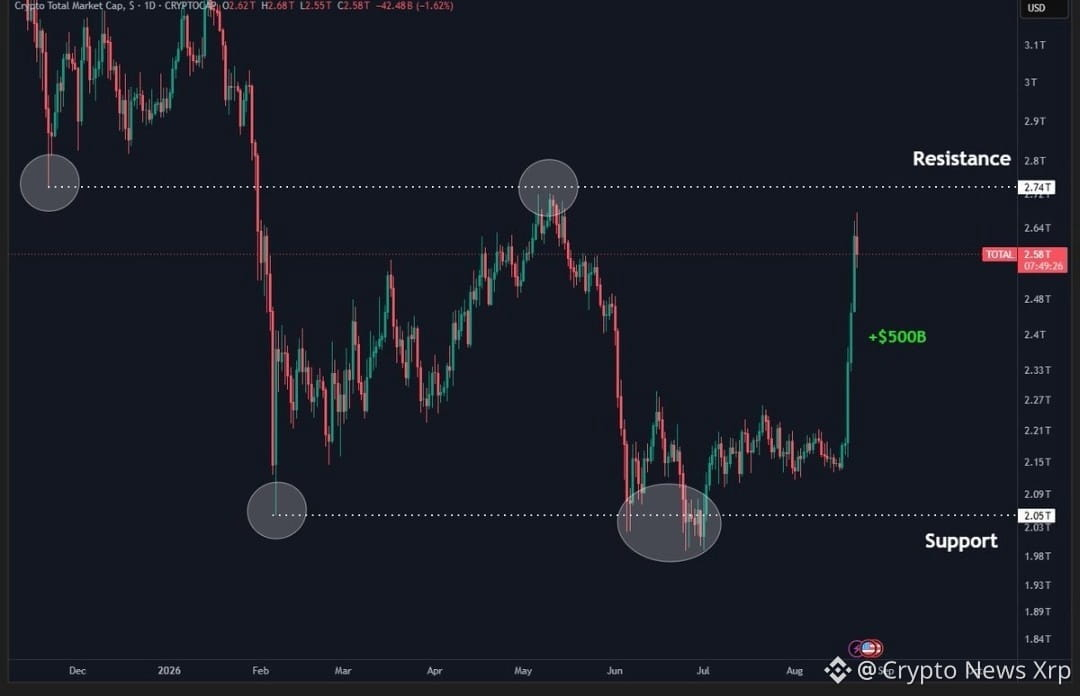
It's good to see that the cryptocurrency market is showing once again what it's capable of: recovering in a matter of days months of declines or sideways movement.
The total market capitalization of the cryptocurrency market quickly added up to 500.000 billion dollars.
Now it is approaching the May highs and the upper limit of the range in this zone.
$BTC
It's good to see that the cryptocurrency market is showing once again what it's capable of: recovering in a matter of days months of declines or sideways movement.
The total market capitalization of the cryptocurrency market quickly added up to 500.000 billion dollars.
Now it is approaching the May highs and the upper limit of the range in this zone.
$BTC
🚨🚨🚨BREAKING🚨🚨🚨
Tether’s $120 million bet on BTC mining in Uruguay has been put on hold.
A dispute over unpaid electricity bills and a review of the electricity supply contract led the state-owned company UTE to cut power to the facilities in July 2025, Reuters reported.
This outage derailed a project meant to serve as a base for the expansion of Tether’s Bitcoin mining operations in South America.
Tether’s $120 million bet on BTC mining in Uruguay has been put on hold.
A dispute over unpaid electricity bills and a review of the electricity supply contract led the state-owned company UTE to cut power to the facilities in July 2025, Reuters reported.
This outage derailed a project meant to serve as a base for the expansion of Tether’s Bitcoin mining operations in South America.


🚨🚨🚨BREAKING🚨🚨🚨
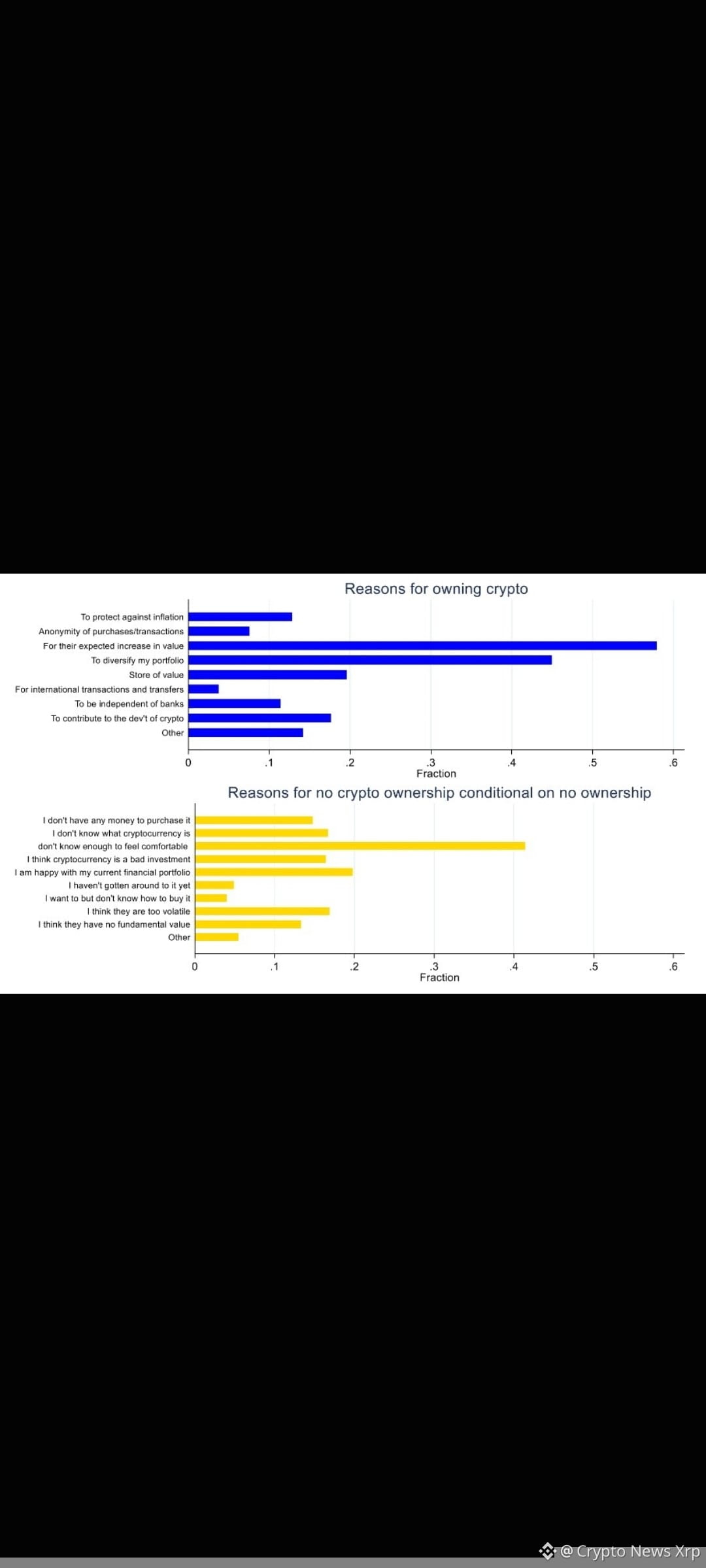
Cryptocurrency owners expect to achieve a return of 22% over the next year, compared with the 7% predicted by those who don’t own them.
Holding cryptocurrencies is driven more by expectations of return and risk than by demographic factors—unlike what happens with stocks, bonds, and gold.
Cryptocurrency owners expect to achieve a return of 22% over the next year, compared with the 7% predicted by those who don’t own them.
Holding cryptocurrencies is driven more by expectations of return and risk than by demographic factors—unlike what happens with stocks, bonds, and gold.
🚨🚨🚨BREAKING🚨🚨🚨
According to Bloomberg, Trump disclosed more than 1,000 transactions with values in June, totaling between $78.1 and $263.1 million.
Among them were major stock purchases of Berkshire, Visa, Mastercard, and Cintas, the sale of a Vanguard ETF valued between $5 and $25 million, and multiple trades involving Palantir shares before and after the peace agreement between the United States and Iran.
According to Bloomberg, Trump disclosed more than 1,000 transactions with values in June, totaling between $78.1 and $263.1 million.
Among them were major stock purchases of Berkshire, Visa, Mastercard, and Cintas, the sale of a Vanguard ETF valued between $5 and $25 million, and multiple trades involving Palantir shares before and after the peace agreement between the United States and Iran.


Log in to explore more content