
CryptoRaven 1
124 Posts

CryptoRaven 1
Crypto Investor || Enthusiast || Influencer || Blockchain || Web3|| $ETH $BSCPAD $AVAX $FEG $APE
0 Following
1 Followers
10 Liked
Posts
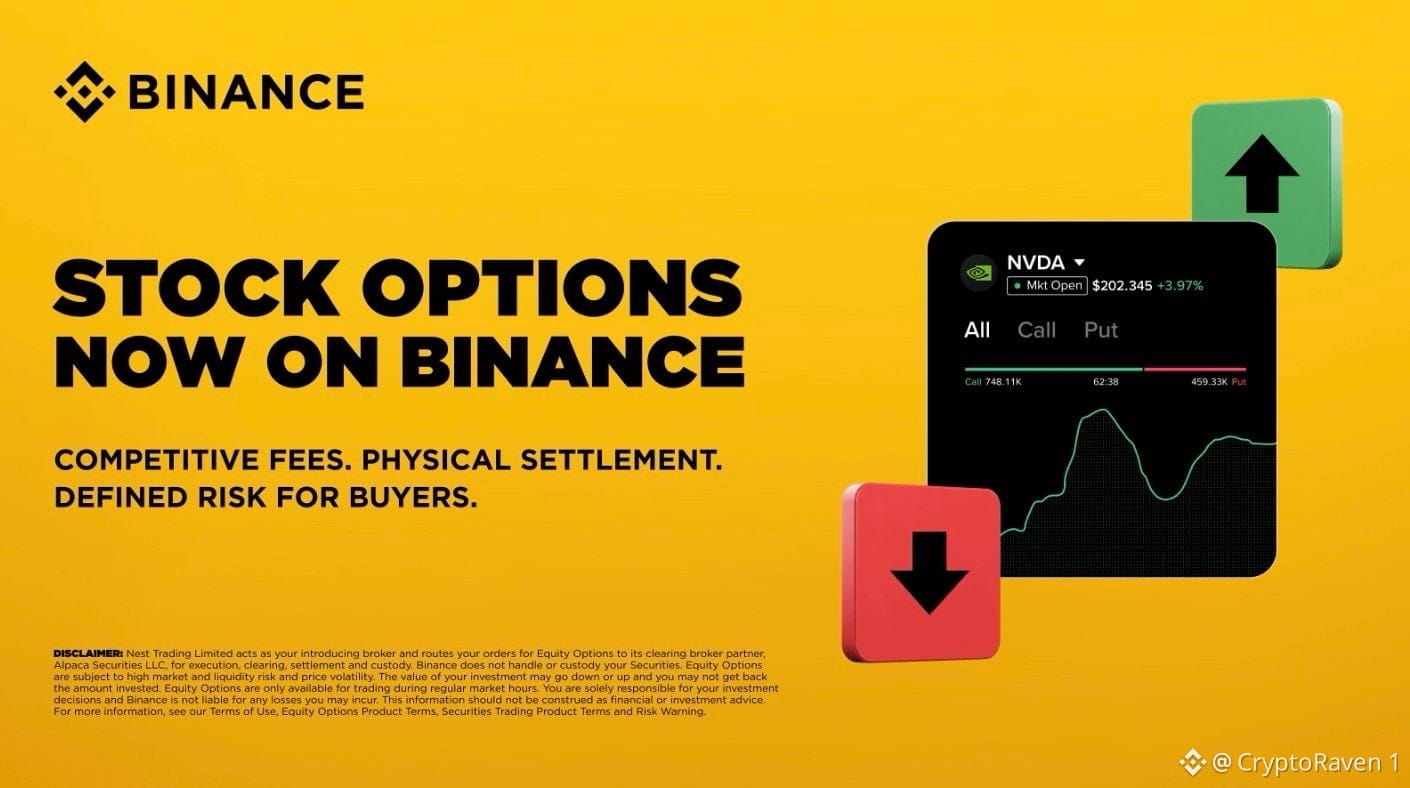
Binance just dropped stock options and it actually feels useful. The same account you already use for crypto can now buy calls or puts on 1,000+ US stocks and ETFs. These settle into real shares. Worst case for a buyer is the premium you paid, not some ugly liquidation. $BTC , stocks, bStocks, perps, and now options in one place. Not for everyone, not risk free, but the toolkit just got a lot more complete.
#Macro Insights# #Binance #TradFi
#Macro Insights# #Binance #TradFi
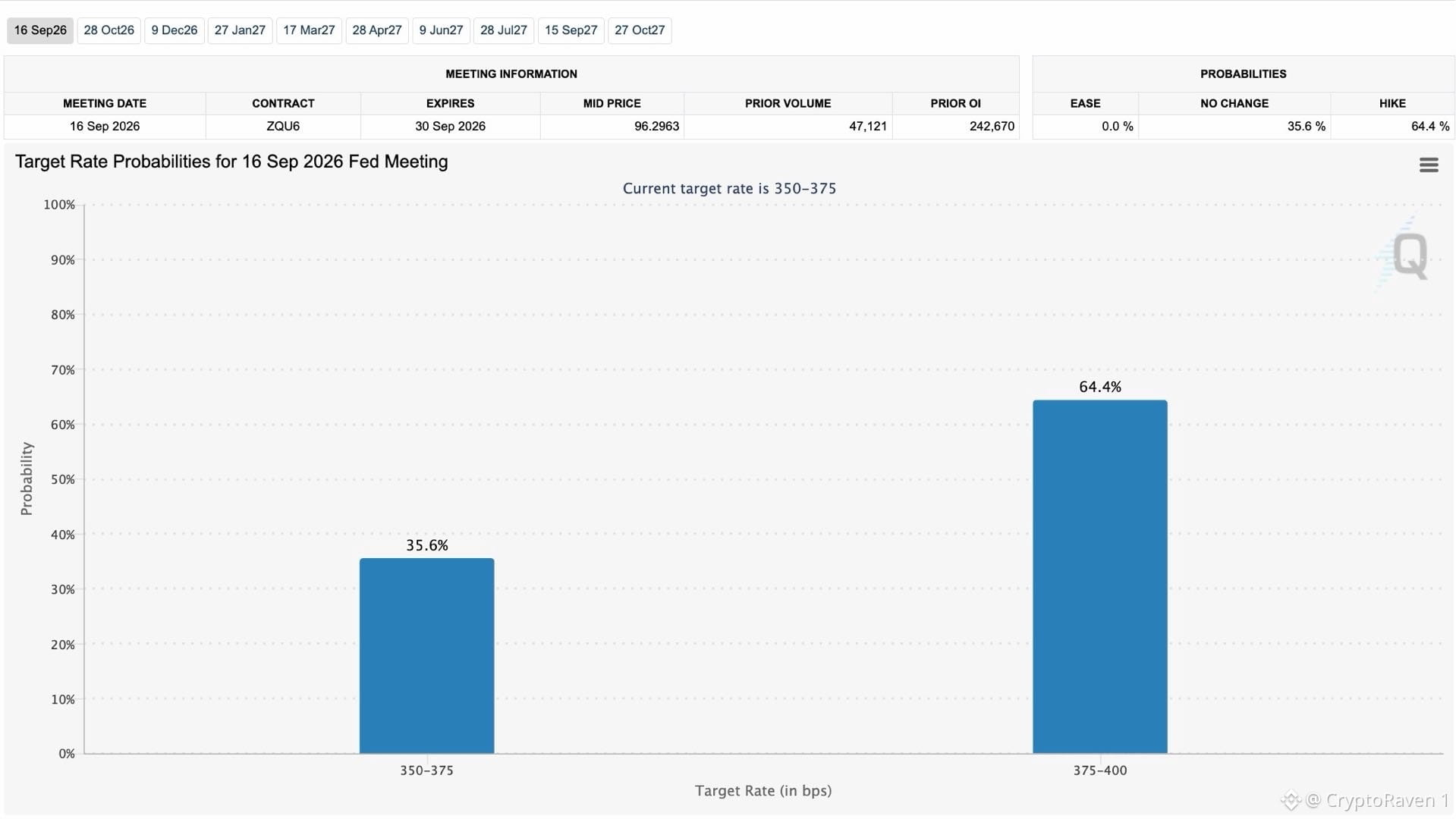
The chances of FED rate hike is increasing. I believe there will be on rate hike in this year. We will see that effect on $BTC and other assets.
#BTC Price Analysis# #FED
#BTC Price Analysis# #FED
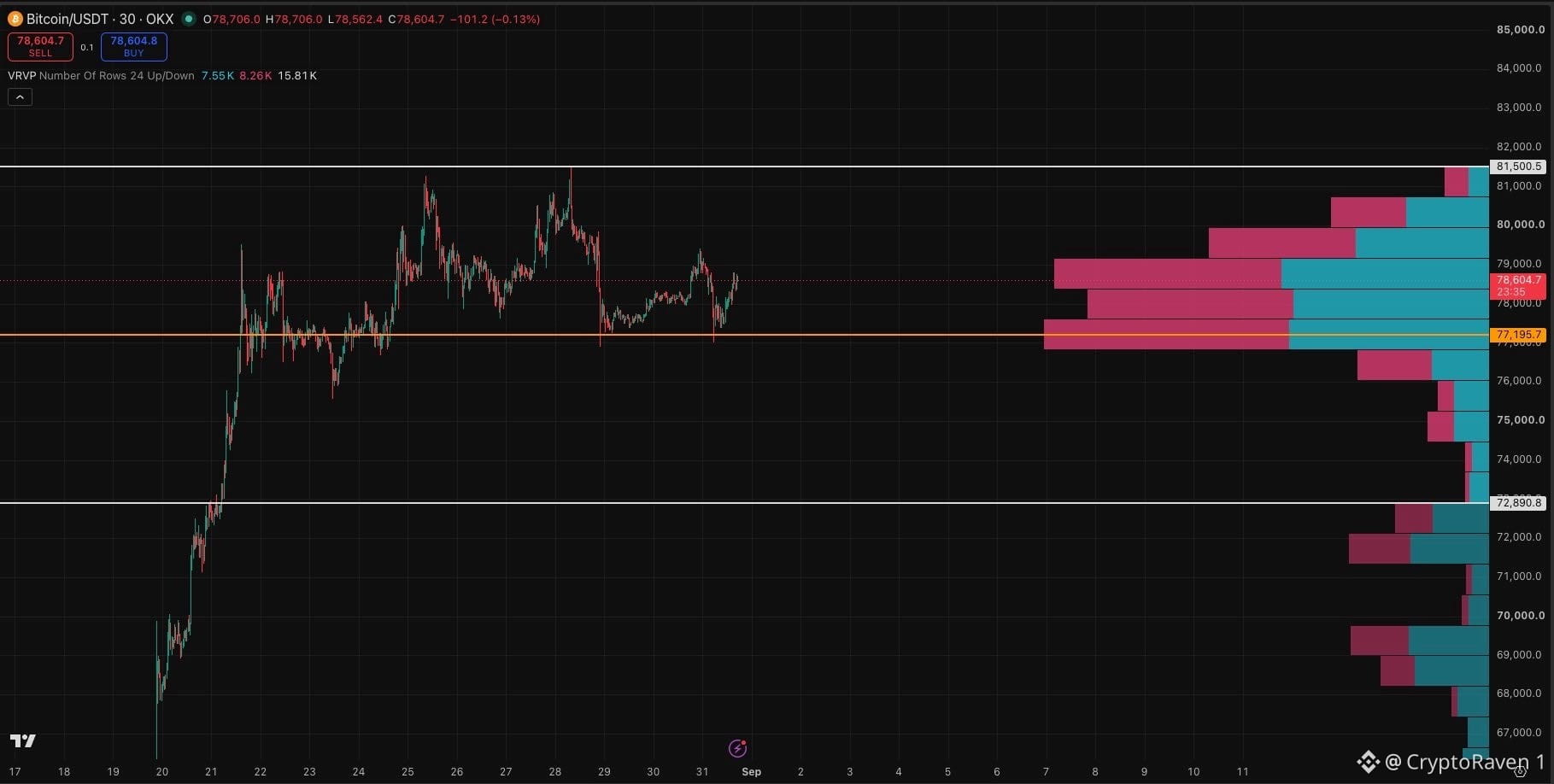
On a shorter time frame, if we look at the visible range volume profile on $BTC , a clear pattern keeps showing up. Every time Bitcoin taps the point of control (POC), it bounces and heads back up. That usually means most of the buying is clustered around that level, so price keeps trying to push back toward the value area high (VAH). POC is simply the price where the most volume traded in that range, so it often acts like support.
The picture changes if we lose the POC and then fail to reclaim it on a retest. That is when we start looking for a move to the downside.
#BTC Price Analysis#
The picture changes if we lose the POC and then fail to reclaim it on a retest. That is when we start looking for a move to the downside.
#BTC Price Analysis#
BITCOIN UPDATE and MY POV👇
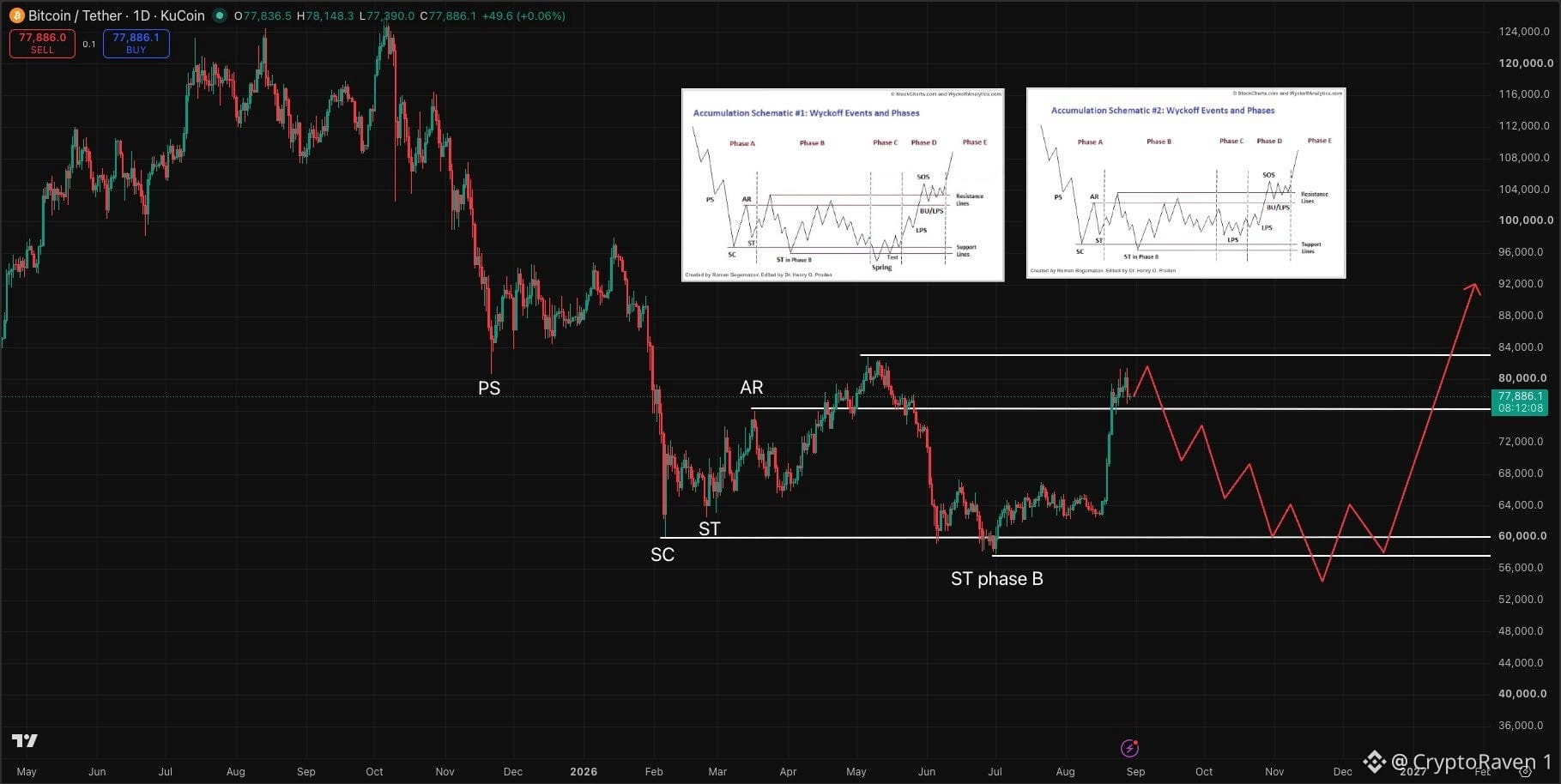
$BTC is pretty much following the Wyckoff accumulation phase. Either it can follow phase #1, where we will get another chance to buy at the bottom or it may follow phase #2, where it can make a higher high.
So far, I'm sticking to phase #1. That can change if market structure changes.
One thing to keep in mind. In a clean Wyckoff accumulation, Bitcoin should not take out the last major high around $82.8K. Even then, I would not be surprised if the market maker pokes that level. A move like that can make people think the bulls were right, then trap late buyers.
My plan is simple.
If price starts consolidating again in the $79K to $81K zone, I will look for a short.
For spot, I will start accumulating around $60K and use DCA if we get another bottom.
#BTC Price Analysis# #Macro Insights#
$BTC is pretty much following the Wyckoff accumulation phase. Either it can follow phase #1, where we will get another chance to buy at the bottom or it may follow phase #2, where it can make a higher high.
So far, I'm sticking to phase #1. That can change if market structure changes.
One thing to keep in mind. In a clean Wyckoff accumulation, Bitcoin should not take out the last major high around $82.8K. Even then, I would not be surprised if the market maker pokes that level. A move like that can make people think the bulls were right, then trap late buyers.
My plan is simple.
If price starts consolidating again in the $79K to $81K zone, I will look for a short.
For spot, I will start accumulating around $60K and use DCA if we get another bottom.
#BTC Price Analysis# #Macro Insights#
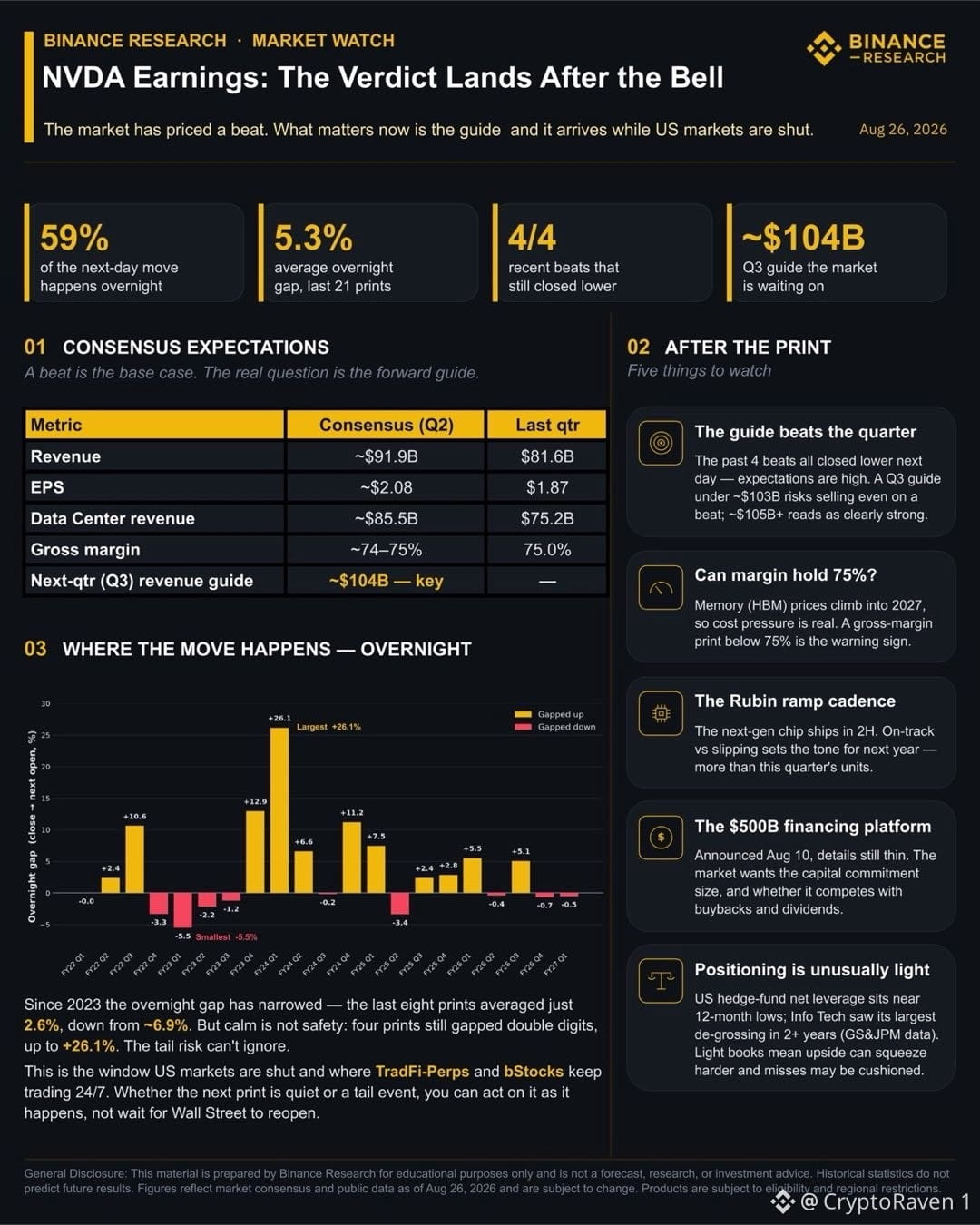
$NVDA dropped while Wall Street was closed and most people were in bed.
It fell 3.1% in two minutes, then Asia bought it back and Europe kept it going. Funny thing is, most of that move usually happens overnight anyway.
TradFi perps did about $1.6B that day and a lot of it went through Binance 🔥
If you trade the AI names, Perps and bStocks stay open. You do not have to sit around for New York!
#Macro Insights# #Binance #TradFi
It fell 3.1% in two minutes, then Asia bought it back and Europe kept it going. Funny thing is, most of that move usually happens overnight anyway.
TradFi perps did about $1.6B that day and a lot of it went through Binance 🔥
If you trade the AI names, Perps and bStocks stay open. You do not have to sit around for New York!
#Macro Insights# #Binance #TradFi
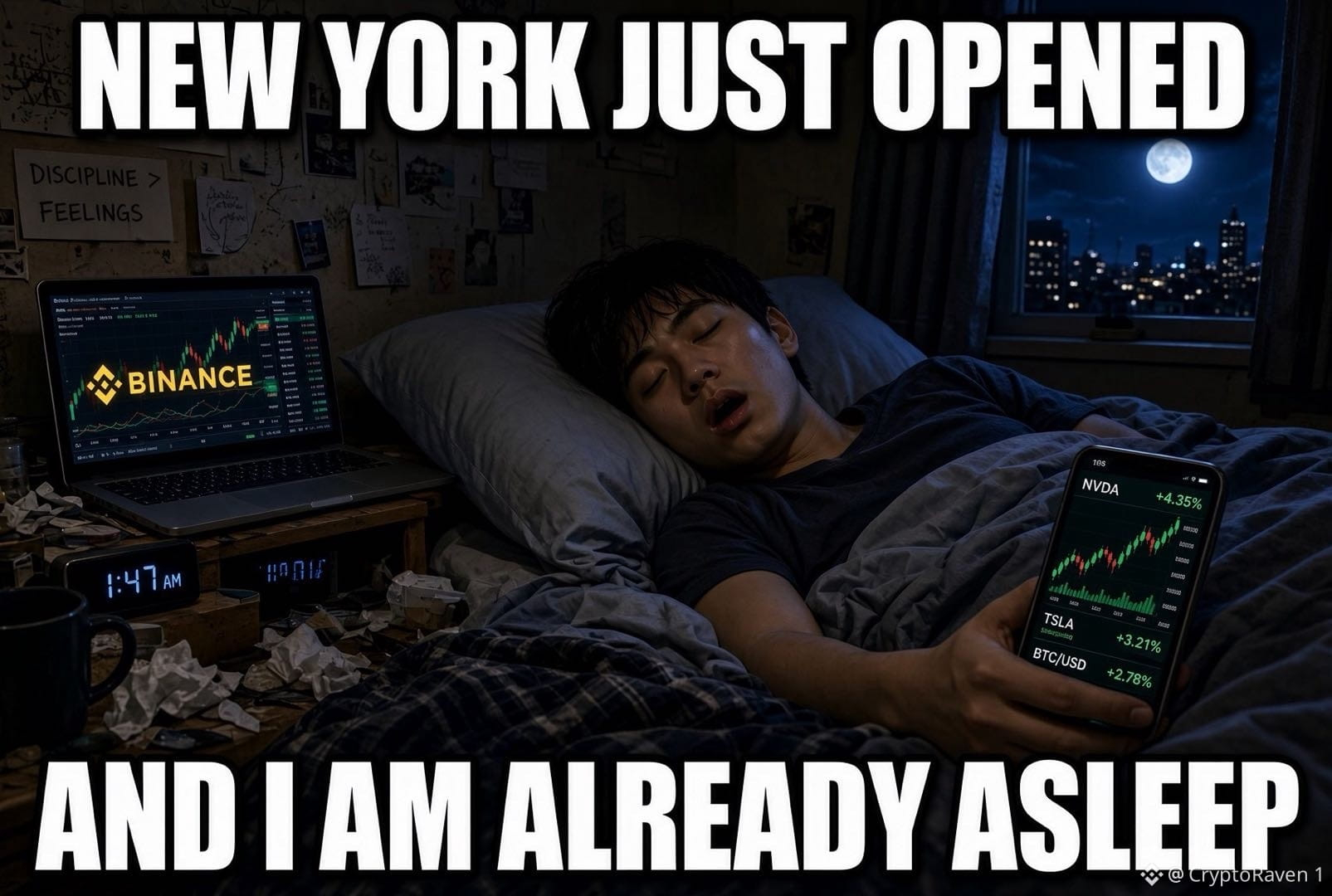
Wall Street is stretching toward 23 hours a day, 5 days a week.
But in July, 62% of Binance bStocks volume printed while US cash markets were closed. Activity was especially strong during Asian hours.
This is a huge win for Asian traders who want a good sleep and still want to trade without being stuck to New York hours. Like me lol 😂
#Macro Insights# #Binance #TradFi
But in July, 62% of Binance bStocks volume printed while US cash markets were closed. Activity was especially strong during Asian hours.
This is a huge win for Asian traders who want a good sleep and still want to trade without being stuck to New York hours. Like me lol 😂
#Macro Insights# #Binance #TradFi
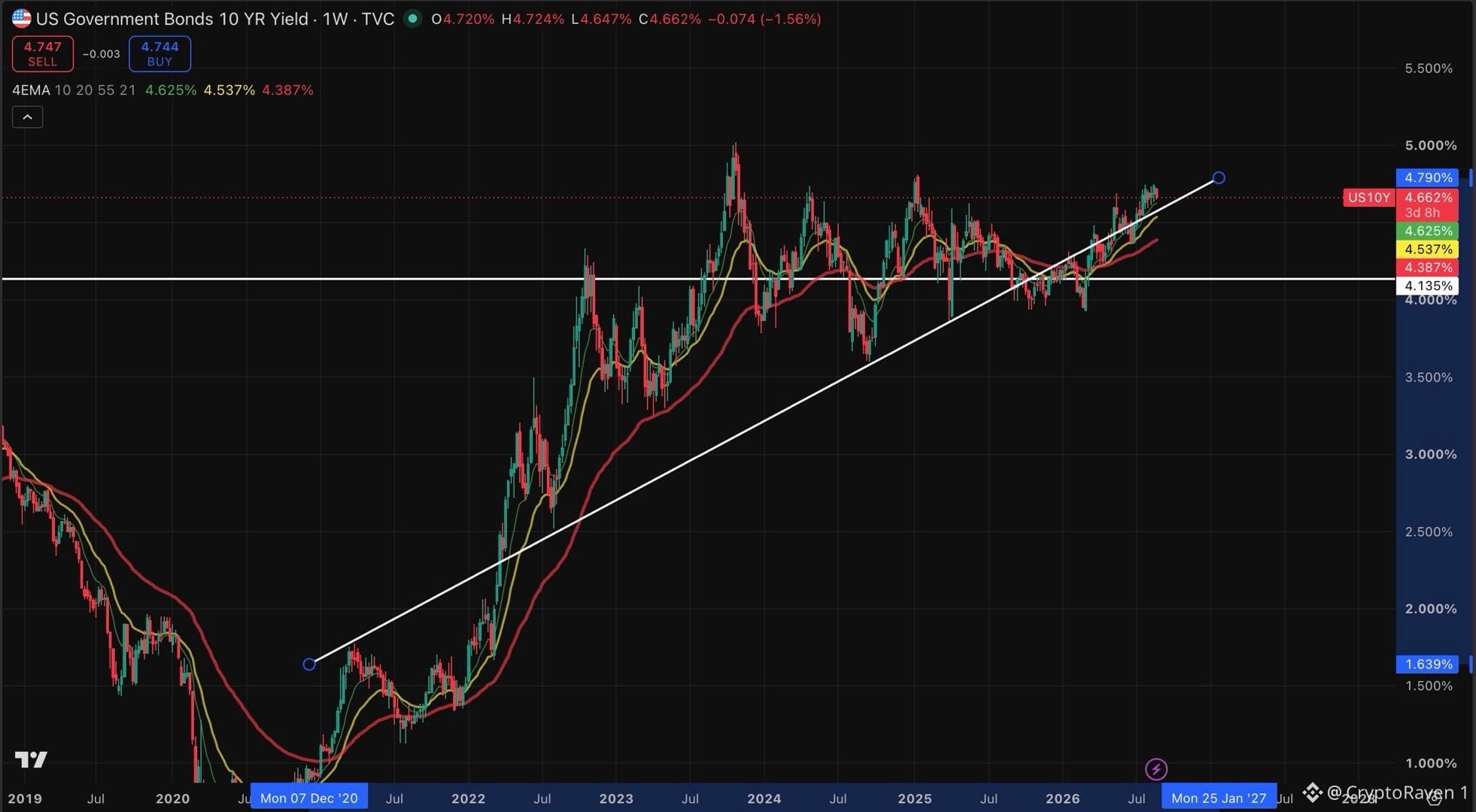
The US bond market doesn’t look good though. If they can’t keep it under control, $BTC ’s capitulation will be really painful. So far everything else looks solid, with millions of $USDT getting minted, but the bond market still isn’t showing any weakness and that feels pretty alarming. 🚨
#BTC Price Analysis#
#BTC Price Analysis#
There are a few important events this week that could affect $BTC ’s next movement.
• Core PCE / GDP data (26 Aug)
• Jackson Hole this week with Fed Chair Warsh keynote (28 Aug)
Keep your eyes on this!👀
#BTC Price Analysis# #PPIData
• Core PCE / GDP data (26 Aug)
• Jackson Hole this week with Fed Chair Warsh keynote (28 Aug)
Keep your eyes on this!👀
#BTC Price Analysis# #PPIData
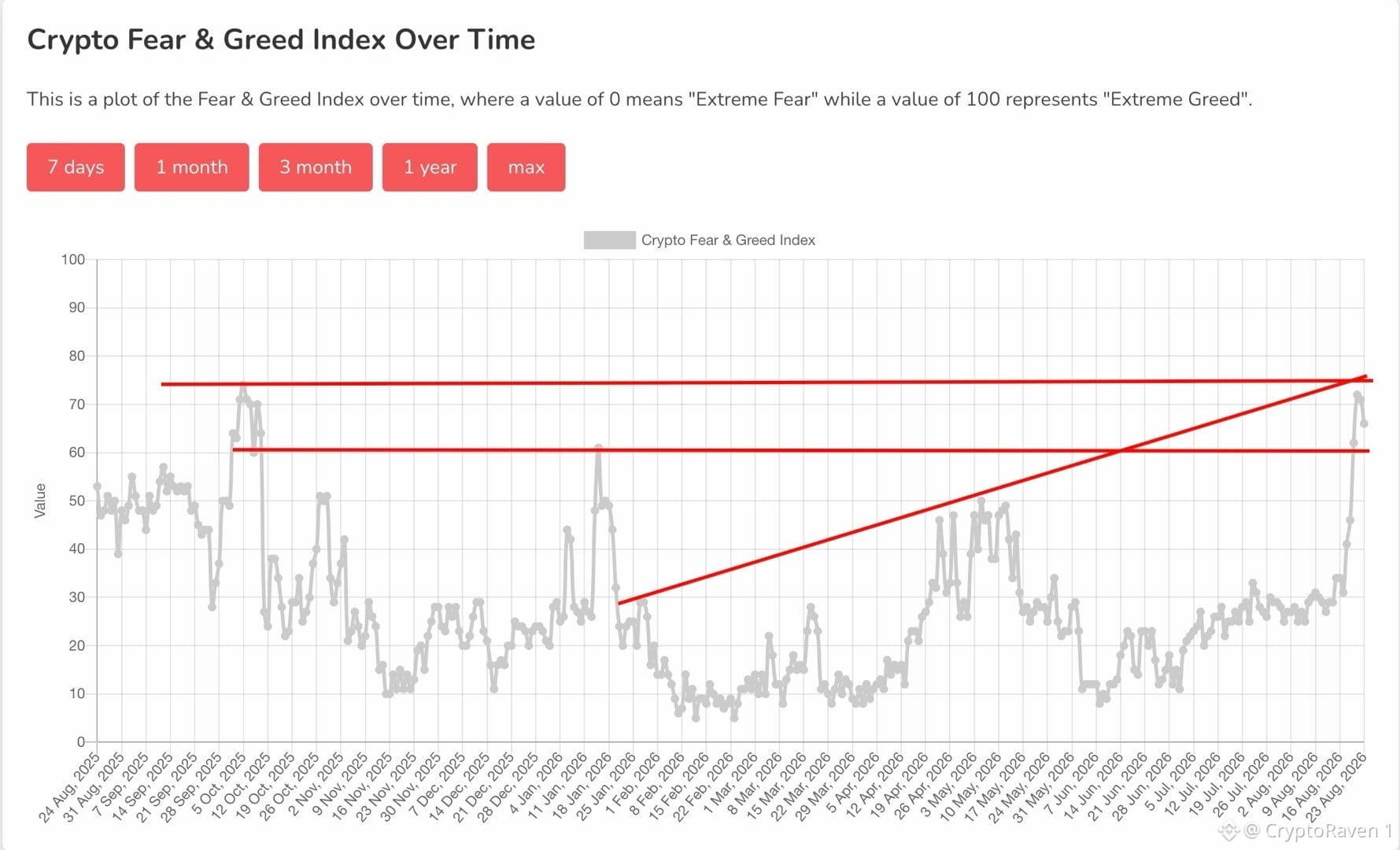
According to the $BTC Fear and Greed Index, it’s getting pretty close to the topping zone. Yes, we can still go up a little bit, but it needs to cool down soon.
#BTC Price Analysis#
#BTC Price Analysis#
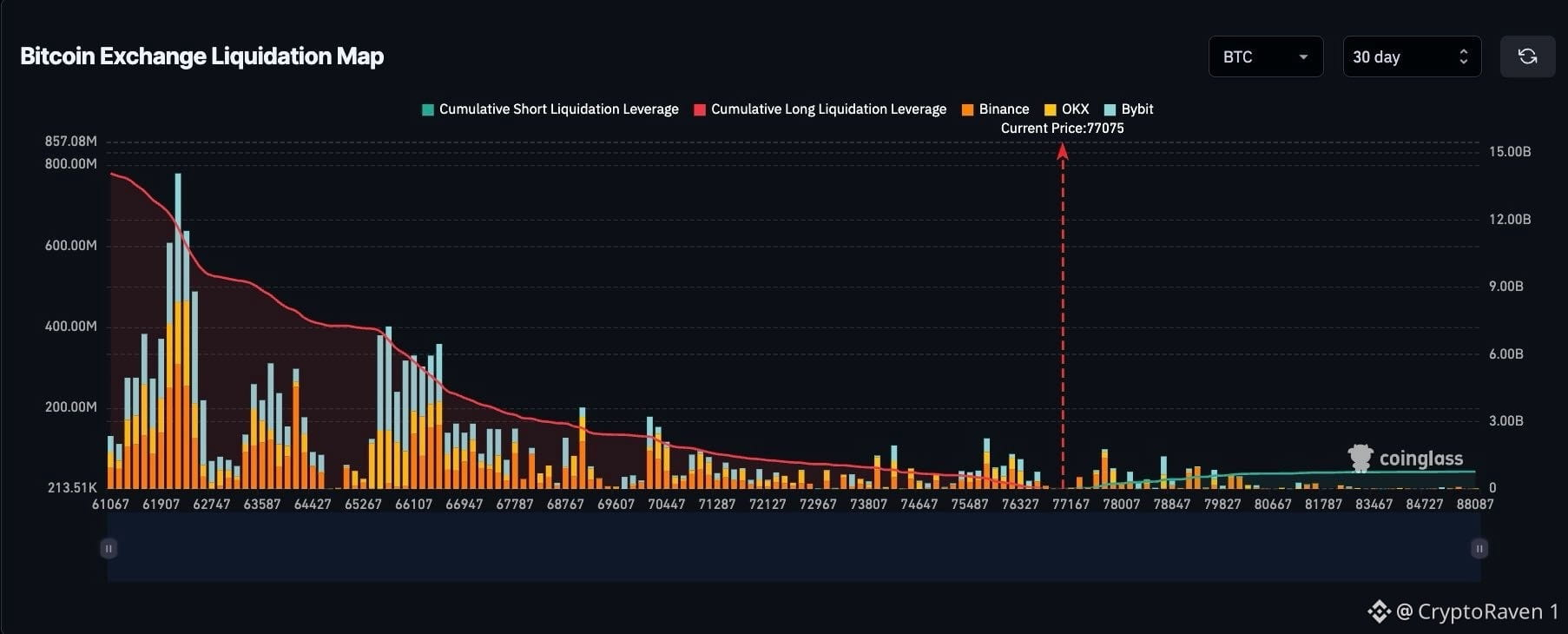
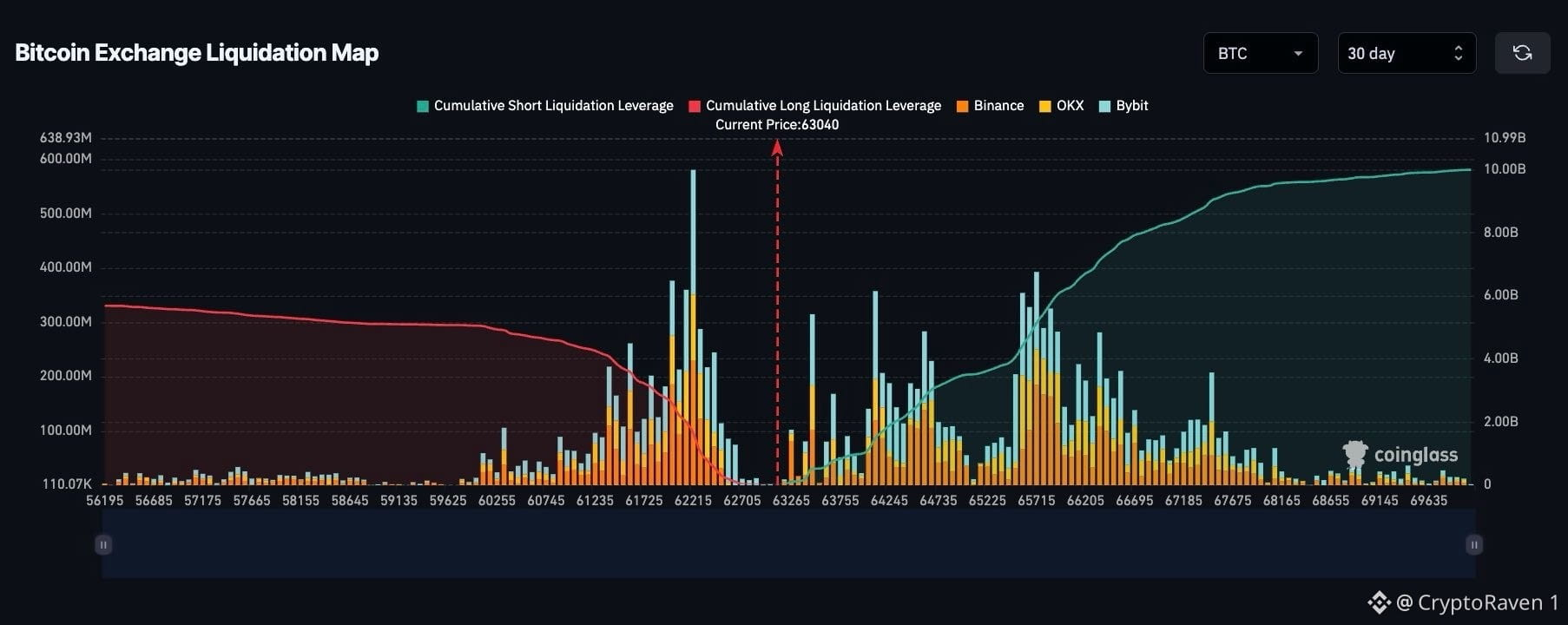
A few days ago I showed you this chart and told you $BTC did not have enough reason to drop much lower than 61k, because there was simply not enough liquidation pressure at that level. It dipped to around 62k and then bounced all the way back up to 79k.
Right now Bitcoin does not have enough fuel left for more upside. If we drop below 61k there is more than 13 billion dollars worth of liquidations waiting to get triggered. If you are thinking of going long, keep that in mind!
#BTC Price Analysis#
Right now Bitcoin does not have enough fuel left for more upside. If we drop below 61k there is more than 13 billion dollars worth of liquidations waiting to get triggered. If you are thinking of going long, keep that in mind!
#BTC Price Analysis#
Binance just launched Agent OS.🔥
Your AI agents (Claude, ChatGPT, Codex, Cursor and more) can now connect directly to Binance markets, trading, wallets and payments.
You stay in full control. Set permissions, use a dedicated sub account and revoke access anytime. Agents cannot withdraw funds externally.
This is Binance turning into the infrastructure layer for agentic finance.
Build. Analyze. Trade. With AI, under your rules.
Start here → binance.com/agent-os
#Macro Insights# #AI #Binance
Your AI agents (Claude, ChatGPT, Codex, Cursor and more) can now connect directly to Binance markets, trading, wallets and payments.
You stay in full control. Set permissions, use a dedicated sub account and revoke access anytime. Agents cannot withdraw funds externally.
This is Binance turning into the infrastructure layer for agentic finance.
Build. Analyze. Trade. With AI, under your rules.
Start here → binance.com/agent-os
#Macro Insights# #AI #Binance

Getting to VIP 6 normally takes serious volume. Right now, Binance is letting eligible users skip the climb and start at VIP 6 for up to six months.
Lowest fee tier, 0% institutional loans, higher APR on VIP Earn, Capital Connect, and a dedicated account manager.
👉 It just takes two simple paths. Check if you qualify: https://www.binance.com/en/support/announcement/detail/cf0f044736a045e6ae533cb299ec3556
#Macro Insights# #Binance
Lowest fee tier, 0% institutional loans, higher APR on VIP Earn, Capital Connect, and a dedicated account manager.
👉 It just takes two simple paths. Check if you qualify: https://www.binance.com/en/support/announcement/detail/cf0f044736a045e6ae533cb299ec3556
#Macro Insights# #Binance

The line between crypto and TradFi is getting thinner.
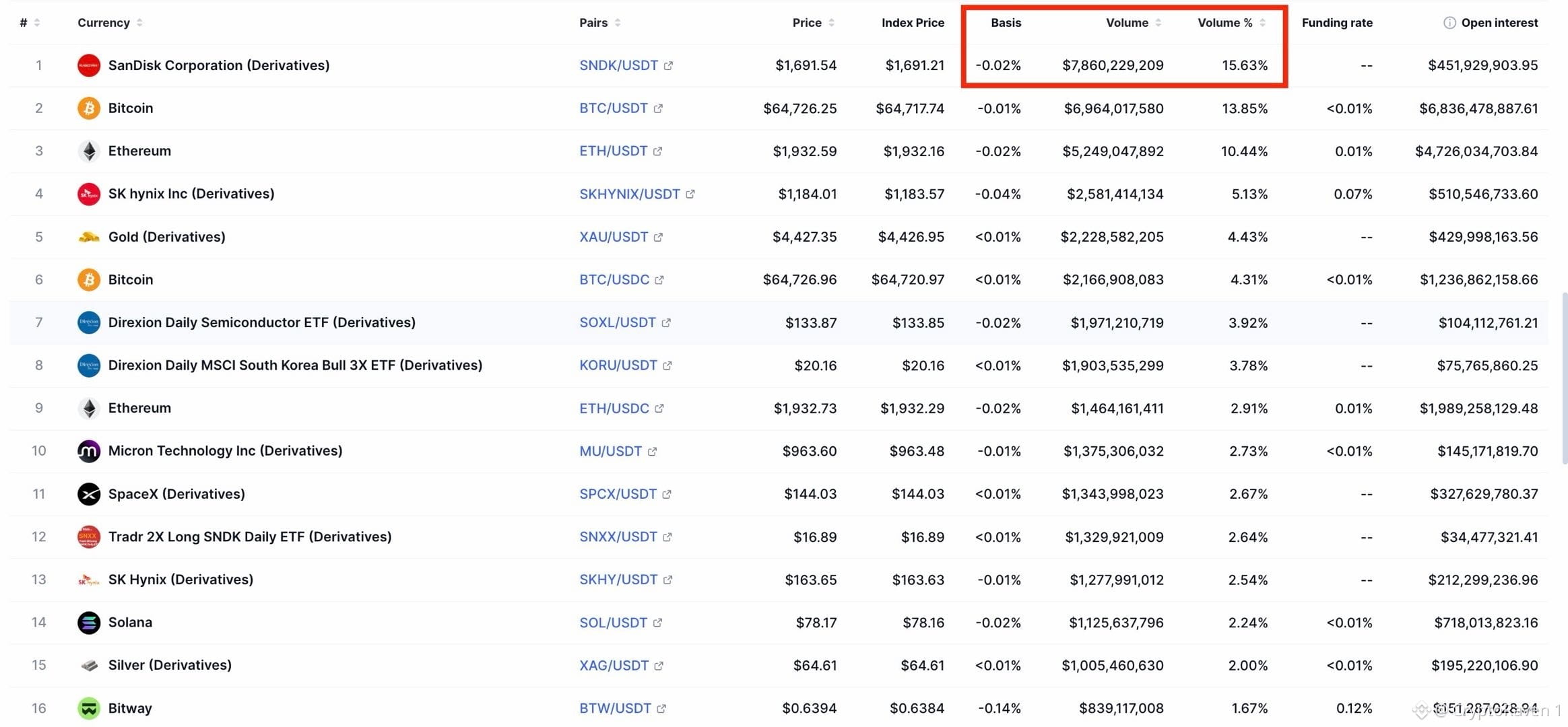
On Binance, 10 of the top 15 perpetual contracts by 24 hour volume are now TradFi ones covering equities ETFs and commodities. Crypto side still led by BTC and majors.
Weekly stock linked perpetual volume on centralized exchanges has surged roughly 79x since the start of 2026. Binance took about 76% of equity perpetual volume in July.
One number that stands out: SanDisk perpetual alone did approximately $7.86 billion in 24 hour volume about 22% of its Nasdaq volume.🤯
Crypto platforms are now being used to trade traditional assets and Binance is a key place where the two meet.🤝
#Macro Insights# #TradFi #Binance
On Binance, 10 of the top 15 perpetual contracts by 24 hour volume are now TradFi ones covering equities ETFs and commodities. Crypto side still led by BTC and majors.
Weekly stock linked perpetual volume on centralized exchanges has surged roughly 79x since the start of 2026. Binance took about 76% of equity perpetual volume in July.
One number that stands out: SanDisk perpetual alone did approximately $7.86 billion in 24 hour volume about 22% of its Nasdaq volume.🤯
Crypto platforms are now being used to trade traditional assets and Binance is a key place where the two meet.🤝
#Macro Insights# #TradFi #Binance
⚡️JUST IN: $2.8 trillion bank Citi just said it’s going live with $BTC custody later this year. This will be HUGE !
#BTC Price Analysis#
#BTC Price Analysis#
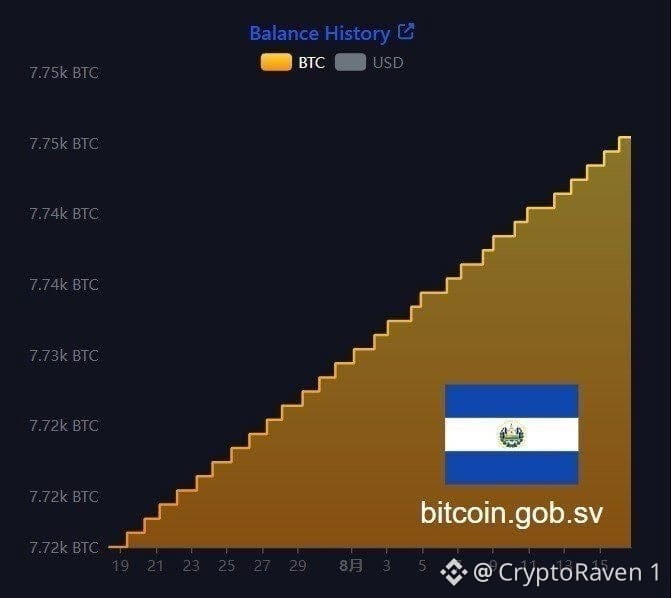
🇸🇻 EL SALVADOR IS STILL STACKING BITCOIN
El Salvador keeps adding $BTC , with its reserve standing above 7,700 BTC right now.
Despite market moves, the government still holding tight.
#BTC Price Analysis# #Macro Insights#
El Salvador keeps adding $BTC , with its reserve standing above 7,700 BTC right now.
Despite market moves, the government still holding tight.
#BTC Price Analysis# #Macro Insights#
$BTC doesn’t have enough liquidity on both sides in the longer timeframe, that’s why it’s just ranging. On the downside there’s no real reason for it to go below $61k, and the same applies to $67k on the upside.
From my point of view Bitcoin may drop first to take that $5 billion worth of liquidity, then head higher.
#BTC Price Analysis#
From my point of view Bitcoin may drop first to take that $5 billion worth of liquidity, then head higher.
#BTC Price Analysis#
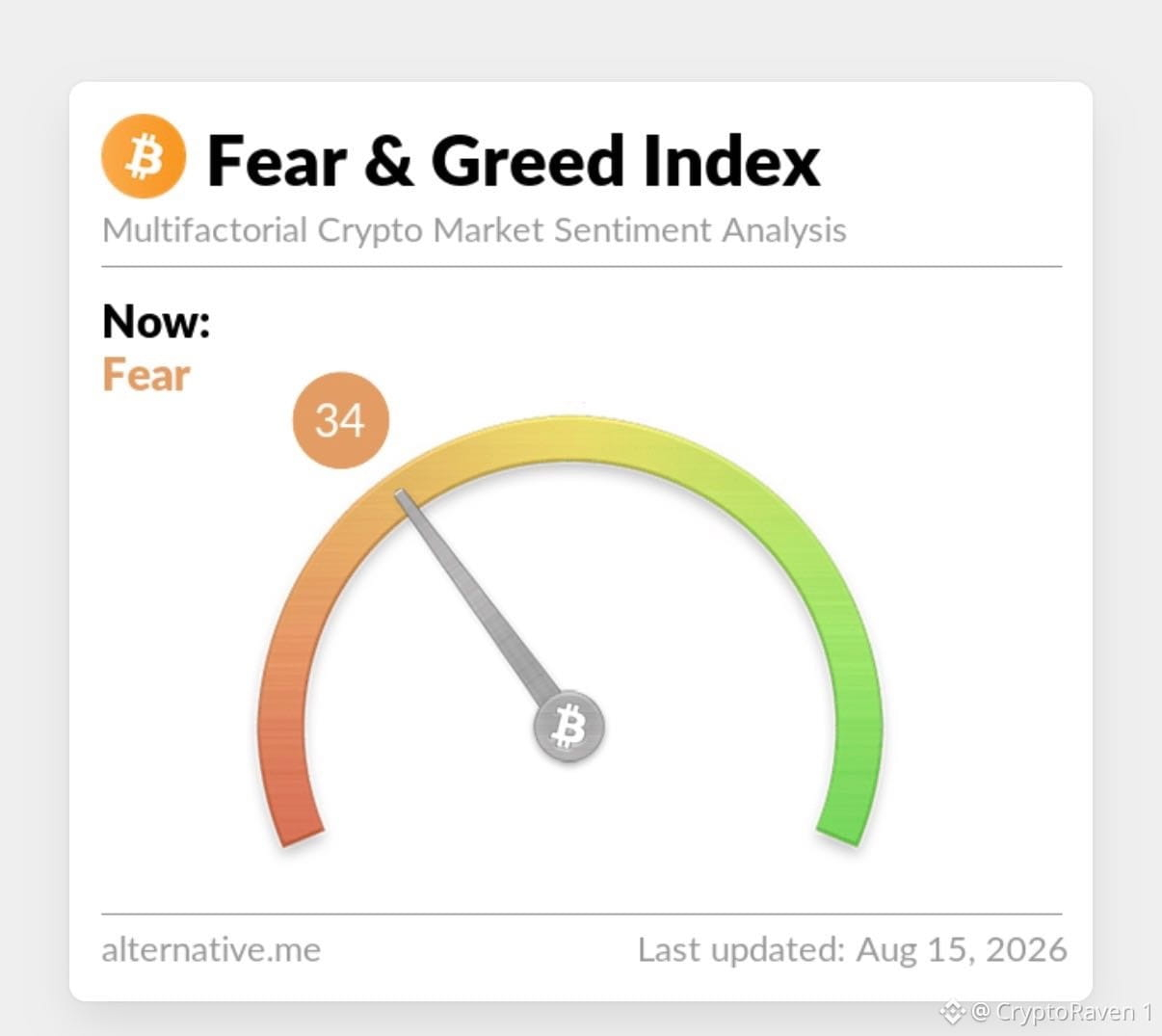
$BTC Fear & Greed Index is now in “FEAR”!
Still has room to go lower… but first we need to break that $62k support.
#BTC Price Analysis#
Still has room to go lower… but first we need to break that $62k support.
#BTC Price Analysis#
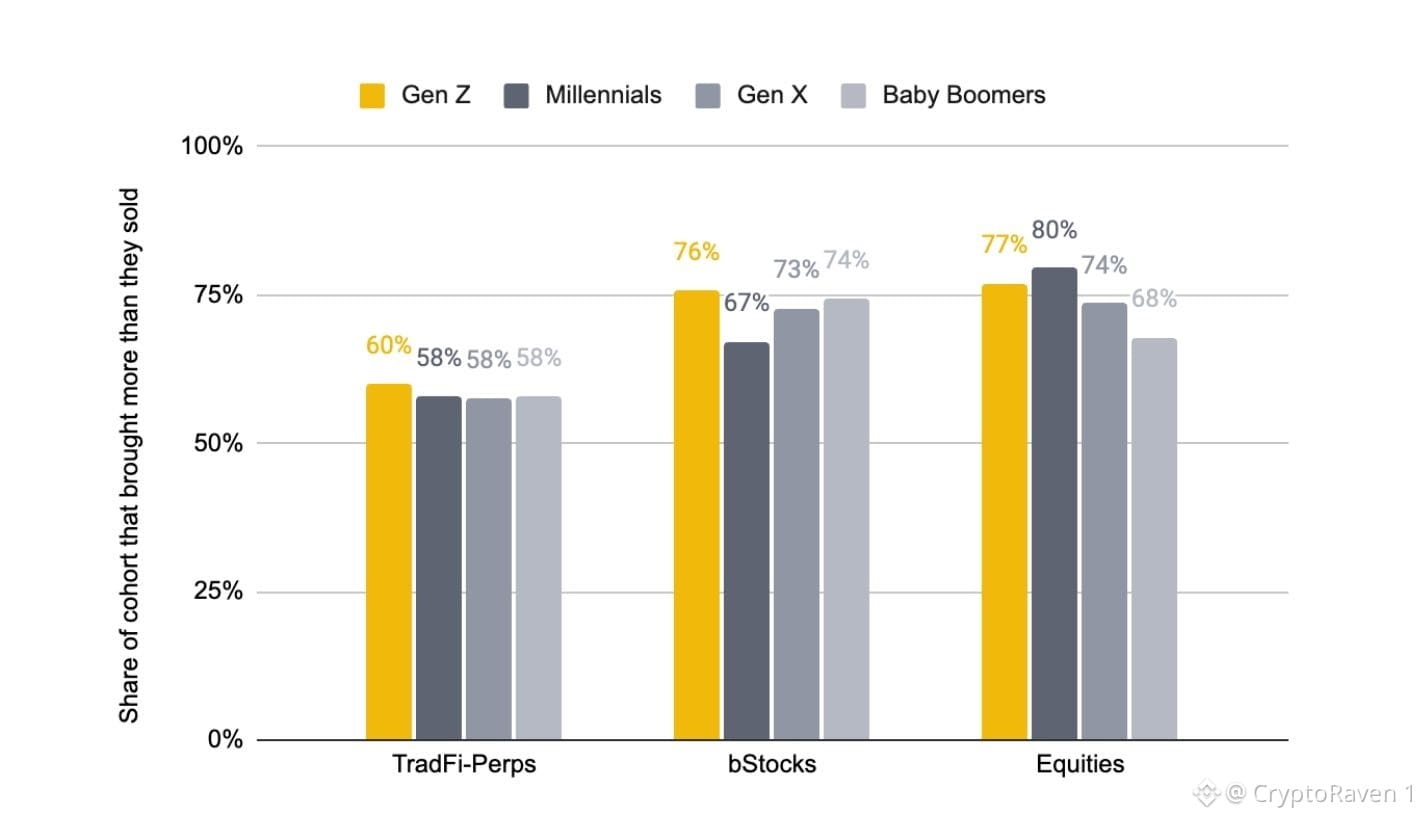
Everyone talks about Gen Z as hyperactive traders but Binance Research data says something different.👀
Gen Z is showing real accumulation behavior. In bStocks 76% of Gen Z accounts were net accumulators higher than any other generation.
They trade less than Millennials Gen X and Boomers. They reach for leverage less than expected. And they are rotating more into unleveraged ETFs.
Gen Z is not just trading. They are becoming long term investors.
#Macro Insights# #BinanceCEO
Gen Z is showing real accumulation behavior. In bStocks 76% of Gen Z accounts were net accumulators higher than any other generation.
They trade less than Millennials Gen X and Boomers. They reach for leverage less than expected. And they are rotating more into unleveraged ETFs.
Gen Z is not just trading. They are becoming long term investors.
#Macro Insights# #BinanceCEO
Everyone is talking about quantum computers stealing crypto. But are they actually capable of doing that today? No, and that distinction matters.
Binance Chief Security Officer Jimmy Su explains that current quantum computers are nowhere near the capability needed to break the cryptography protecting digital assets.
#Quantum
Binance Chief Security Officer Jimmy Su explains that current quantum computers are nowhere near the capability needed to break the cryptography protecting digital assets.
#Quantum
Log in to explore more content