
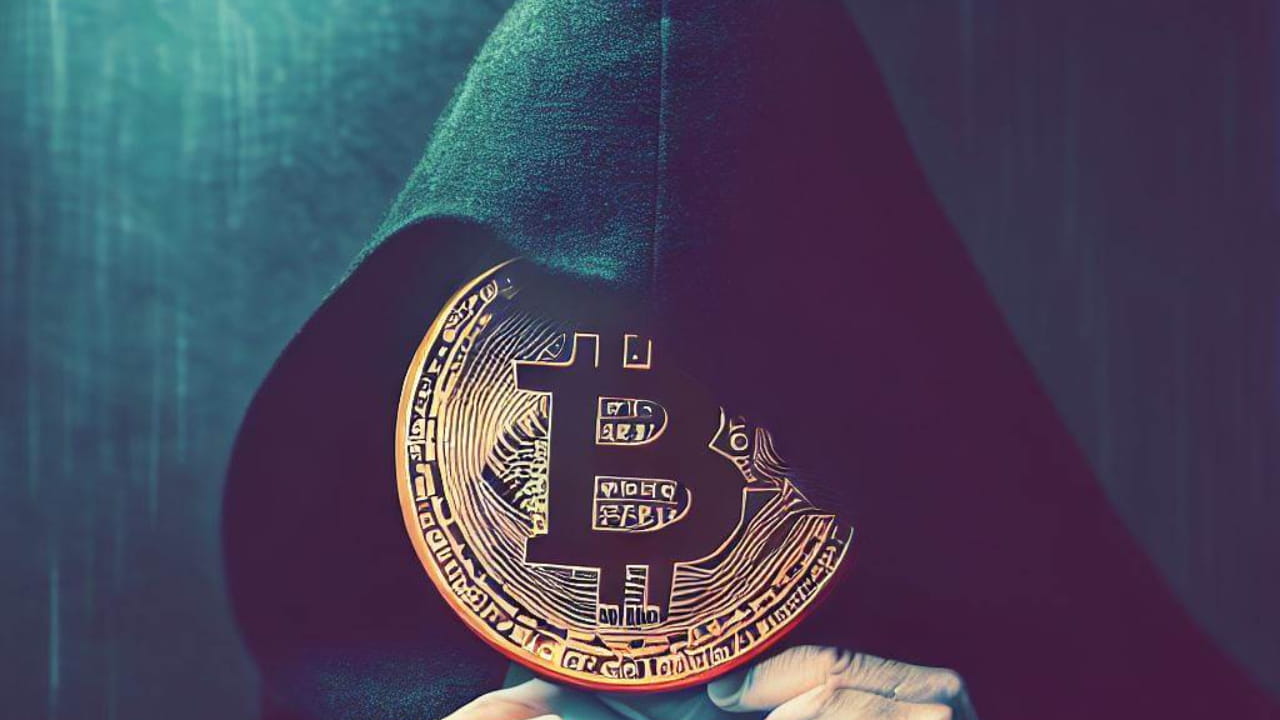
💡 Since the emergence of Bitcoin, the pioneering decentralized cryptocurrency, the world has been captivated by one unanswered question: Who is Satoshi Nakamoto? Despite the familiarity of the name, the true identity behind this pseudonym remains concealed, intriguing tech enthusiasts, economists, governments, and journalists alike. In this article, we embark on an exploration of the enigmatic figure known as Satoshi Nakamoto, delving into the clues, theories, and controversies that surround this elusive persona. The Birth of Bitcoin and the Enigmatic Figure: In October 2008, an individual using the name Satoshi Nakamoto released a whitepaper titled "Bitcoin: A Peer-to-Peer Electronic Cash System." This groundbreaking paper outlined a decentralized digital currency set to revolutionize the financial landscape. Just a few months later, in January 2009, Nakamoto unveiled the initial version of the Bitcoin software, marking the birth of both the cryptocurrency and the underlying blockchain technology. Following this milestone, Nakamoto actively engaged in online forums and mailing lists dedicated to Bitcoin. However, despite this involvement, no personal information about Nakamoto's true identity ever surfaced, fueling suspicions surrounding this mysterious figure. Speculations ranged from Nakamoto being an exceptionally skilled individual to the possibility of a collective effort or an organization operating under the pseudonym. Clues and Theories: As curiosity surrounding Satoshi Nakamoto's identity grew, researchers and journalists embarked on a quest to uncover the truth. Over the years, several potential candidates were proposed, each with varying degrees of plausibility. Noteworthy theories included:
1️⃣ Dorian Nakamoto: In 2014, Newsweek magazine published an article suggesting that Satoshi Nakamoto was a 64-year-old Japanese-American man named Dorian Nakamoto. The article gained significant attention but was later debunked when Dorian Nakamoto denied any involvement with Bitcoin.
2️⃣ Nick Szabo: Szabo, a computer scientist, and cryptographer, had been exploring digital currency concepts before Bitcoin's emergence. His writing style and technical expertise led some to speculate that he could be Satoshi Nakamoto. However, Szabo consistently refuted these claims.
3️⃣ Craig Wright: In 2016, Australian computer scientist Craig Wright publicly claimed to be Satoshi Nakamoto. Despite presenting cryptographic evidence to support his assertions, many experts and the broader cryptocurrency community remain skeptical of his claims.
4️⃣ Hal Finney: Finney, a renowned cypherpunk and cryptographic activist, was the recipient of the first Bitcoin transaction from Nakamoto. Some speculate that Finney's involvement in Bitcoin's early days, combined with his technical knowledge, make him a potential candidate. However, Finney passed away in 2014, and no concrete evidence supports this theory. The Legacy of Satoshi Nakamoto: Regardless of the true identity of Satoshi Nakamoto, the impact of Bitcoin and blockchain technology remains undeniable. Bitcoin sparked a global movement, inspiring the creation of countless cryptocurrencies and paving the way for decentralized finance, smart contracts, and other innovative applications of blockchain technology. Nakamoto's decision to remain anonymous has allowed Bitcoin to evolve organically, free from the influence of any single individual or organization. Although anonymity frustrates those seeking answers, it has preserved the core principles of decentralization and trustlessness that are fundamental to cryptocurrencies.
Final Thoughts: Satoshi Nakamoto, the pseudonymous creator of Bitcoin, continues to intrigue and captivate the world. Despite numerous theories and claims, the true identity remains veiled in mystery. Perhaps this anonymity is ultimately beneficial, as it has enabled Bitcoin to transcend the influence of any one person and become a truly decentralized phenomenon. As the cryptocurrency revolution unfolds, Satoshi Nak