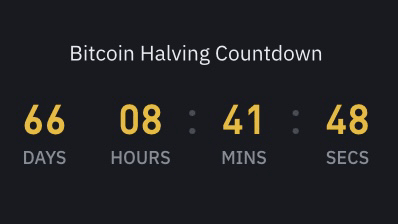
The highly anticipated Bitcoin halving of April 2024 looms large, poised to once again reduce the block reward for miners by 50%. This event, historically linked to significant price surges, has ignited a heated debate among analysts regarding its potential impact on the cryptocurrency's trajectory. While some envision a repeat of past glory, others paint a more cautious picture, highlighting the evolving landscape surrounding Bitcoin.
A Look Back: The Halving's Historical Footprint
Examining past halving events reveals an intriguing pattern:
2012: The inaugural halving witnessed a modest 4x increase in price within a year. Back then, Bitcoin was still in its nascent stages, lacking widespread recognition.
2016: This halving witnessed a meteoric 26x rise, propelling Bitcoin from $300 to $8,000 in just two years. The world was starting to take notice.
2020: Despite initial excitement, the 2020 halving delivered a "disappointing" 3x gain, reaching $40,000 within a year. Experts attribute this to the COVID-19 crash and China's mining crackdown.
Divergent Paths: Bullish Bets and Cautious Calls
Fast forward to 2024, and the predictions concerning the upcoming halving are as diverse as the analysts themselves:
The Bullish Outlook:
Charles Edwards, founder of Capriole Investments, predicts a significant upswing, envisioning a $280,000 Bitcoin by 2025. He cites quantitative easing, a weaker dollar,and the potential impact of spot Bitcoin ETFs as key drivers.
PlanB, a pseudonymous analyst known for his Stock-to-Flow model,forecasts a $1 million Bitcoin by 2025, based on historical halving cycles and the concept of increasing scarcity.
The Bearish Counterpoint:
Nouriel Roubini, a renowned Bitcoin critic, remains unconvinced. He argues that the halving's impact diminishes with each cycle and predicts a price correction instead of a surge.
Holger Zschaepitz, a Markets.com analyst, warns of a potential "post-halving hangover," citing regulatory concerns and competition from other cryptocurrencies as dampeners.
Beyond the Halving: Unveiling the True Compass
While the halving undoubtedly plays a role, analysts emphasize that other factors will heavily influence Bitcoin's post-halving trajectory:
Institutional Adoption: Increased involvement from financial institutions could fuel demand and price appreciation.
Regulatory Landscape: Clear and supportive regulations could bolster confidence and attract new investors.
Macroeconomic Factors: Global economic conditions and inflation could impact investor risk appetite.
Technological Advancements:Innovations within the Bitcoin ecosystem could unlock new use cases and drive adoption.
Conclusion: Embracing the Uncertainty
Predicting Bitcoin's future is notoriously difficult. While the halving has historically triggered price surges, the upcoming event unfolds in a vastly different landscape. Whether history repeats itself or a new narrative emerges, one thing is certain: the post-halving period will be a volatile and dynamic one for Bitcoin investors. So, it is crucial to approach this event with a nuanced understanding of both historical trends and the evolving factors shaping the cryptocurrency's ecosystem.