

If you look at the GAAP (Generally Accepted Accounting Principles) balance sheet of a major Bitcoin-holding corporation today, you might see a "Carrying Value" that suggests their Bitcoin is worth significantly less than the market price. To an untrained eye, it looks like a disaster.
In reality, it is the greatest tax shield in financial history.
1. The "Impairment" Trap: How Institutions Stay "Poor"
Before 2024, Bitcoin was classified as an "Indefinite-lived Intangible Asset." This meant if the price dropped even for one second, companies had to "impair" (write down) the value on their books. But if the price went up? They weren't allowed to write it back up.
While the new 2026 rules allow for Fair Value Accounting, many legacy institutions still use the "Cost-Minus-Impairment" model for tax optimization.
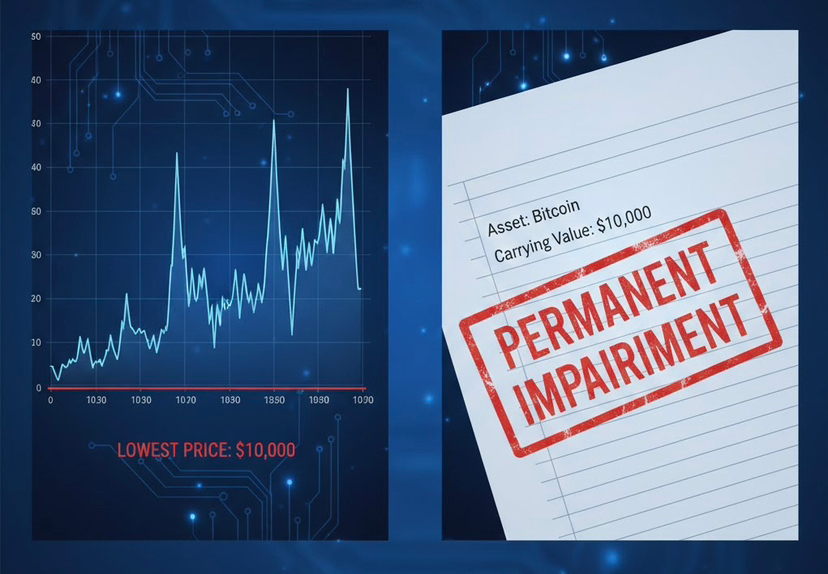
The Scam: By reporting $BTC at its lowest historical "Impairment" point, a company can report a massive net loss to the IRS/HMRC, paying $0 in corporate taxes, all while their actual treasury has increased in value by 400%.
2. The Math of the "Ghost Ledger"
To understand why your BTC is "worth $0" on a ledger, you have to understand the Market-to-Book Ratio
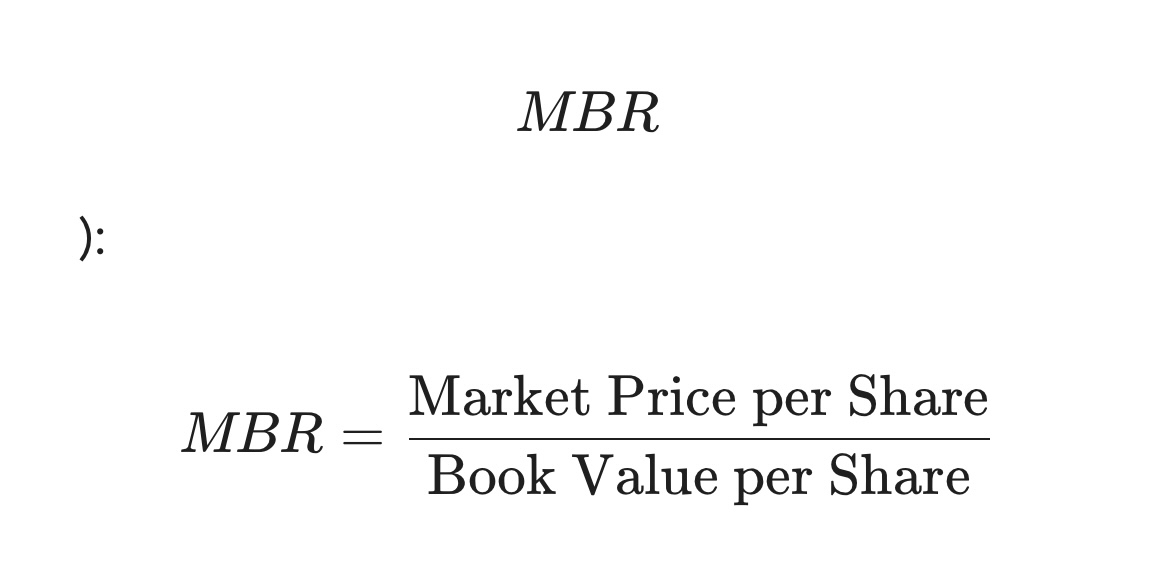
In the 2026 market, many BTC-heavy companies have an $MBR$ that is completely decoupled. Their "Book Value" (what the accountants say) is based on outdated "Carrying Costs," while their "Market Value" (what the world pays) reflects the $70k spot price.
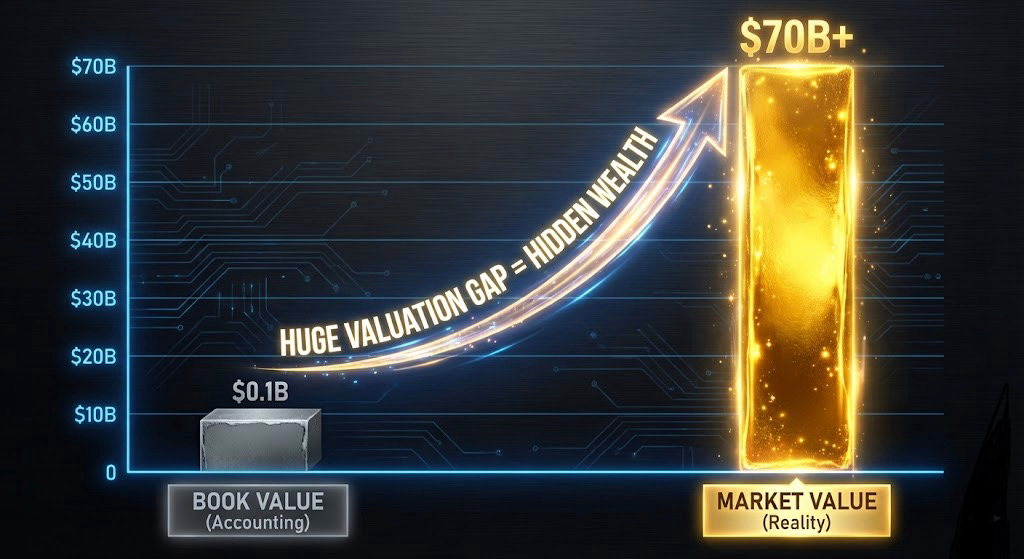
The Result: If you only trade based on "Earnings Reports" and "Book Value," you are trading a ghost. You are selling "undervalued" companies to institutions that know the real ledger.
3. The $1.2T Factor: Why 2026 is Different
With the $1.2 Trillion Consolidated Appropriations Act signed this month, the U.S. dollar is under immense pressure. Institutions aren't holding $BTC for "profit" anymore; they are holding it as Pristine Collateral.
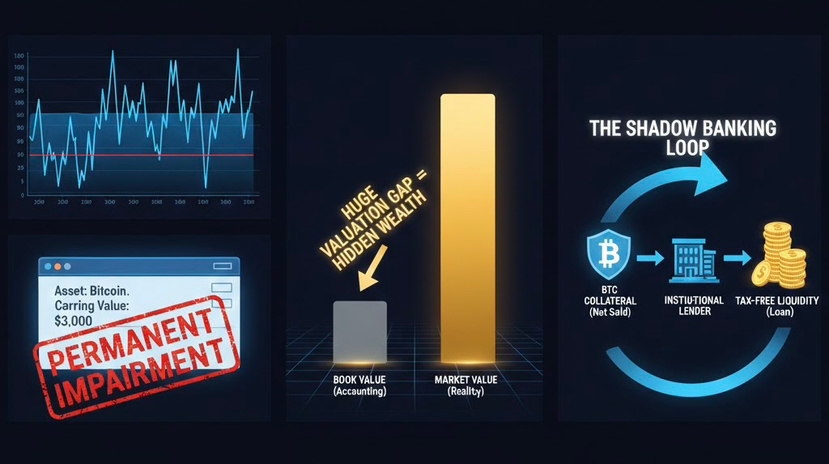
In the 2026 "Shadow Banking" system, big players don't sell their BTC. They borrow against it. Because the "Book Value" is so low due to previous years of impairment, the Loan-to-Value (LTV) ratios they get are mathematically insane. They are pulling "Tax-Free Cash" out of an asset that technically doesn't exist on their tax returns.
4. How to Spot the "Fair Value" Lie
As a trader, you have to look past the headlines. When a headline screams "Company X Reports $500M Loss due to Bitcoin Volatility," you need to check two things:
The Hash Rate: Is the network still secure?
2. The "Fair Value" Footnote: Look at the notes in the financial statement, not the "Net Income" line. The notes will show the Fair Value, the actual $70k reality.

Conclusion: The Ledger is a Lie, The Chain is the Truth
Bitcoin isn't a stock; it’s a decentralized ledger that doesn't care about GAAP or IFRS accounting rules. The "scam" isn't the Bitcoin; it’s the way the 20th-century accounting system tries to measure 21st-century magic internet money.
The next time you see a "Net Loss" report for a Bitcoin holder, don't panic-sell. Ask yourself: Are they losing money, or are they just winning at accounting?
Hope you learnt something new? Follow me for more informative contents.
