
BullifyX
9.8k Posts

BullifyX
 Square Verified+
Your Crypto Bestie | Educational Content | Be Creative, Experience and Discipline.

BTC Holder
Frequent Trader
3.9 Years
802 Following
38.8K+ Followers
55.3K+ Liked
Posts
All
Quotes
Videos
Live
PINNED
No one is ready for $XRP ’s next move.
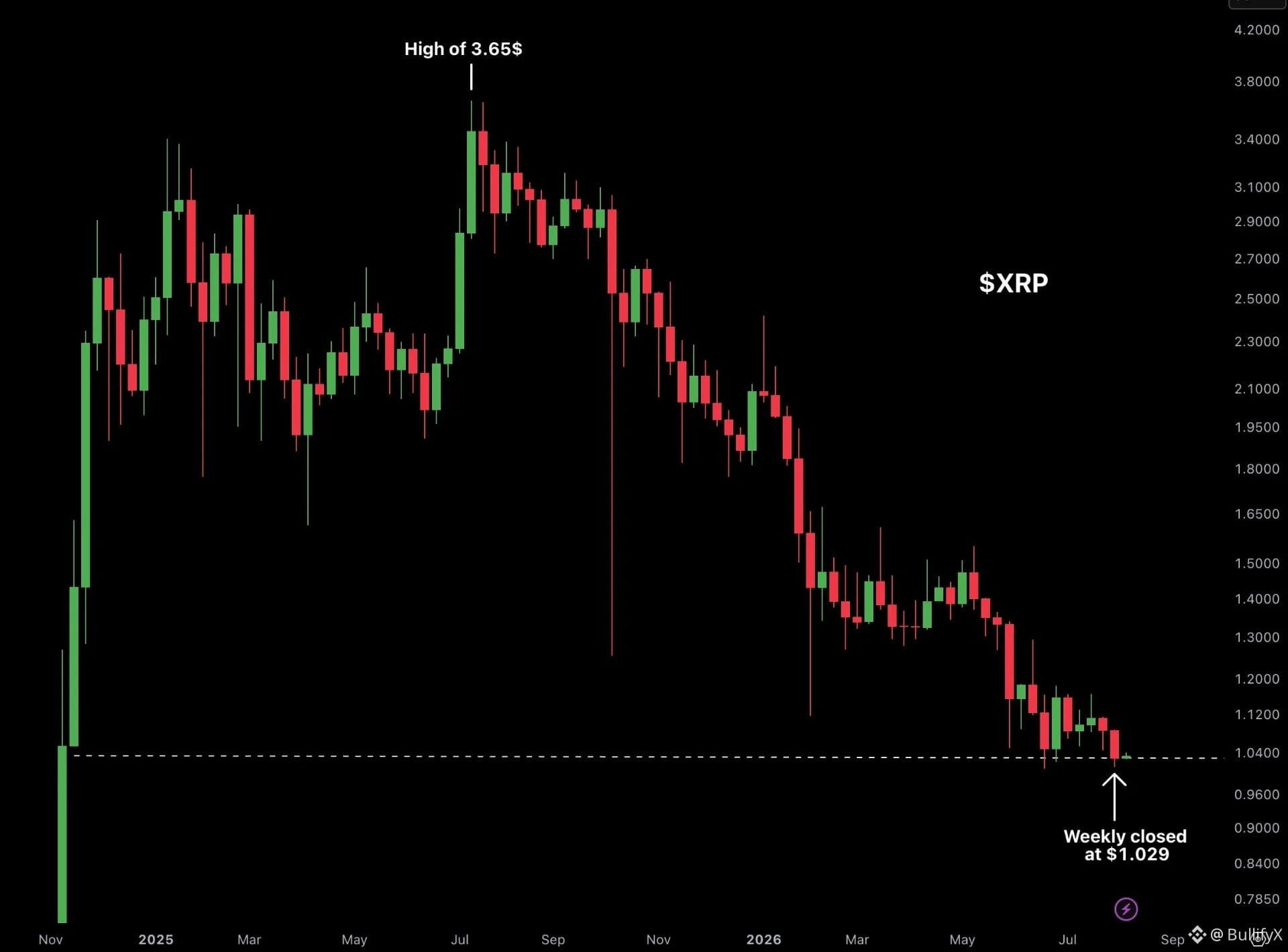
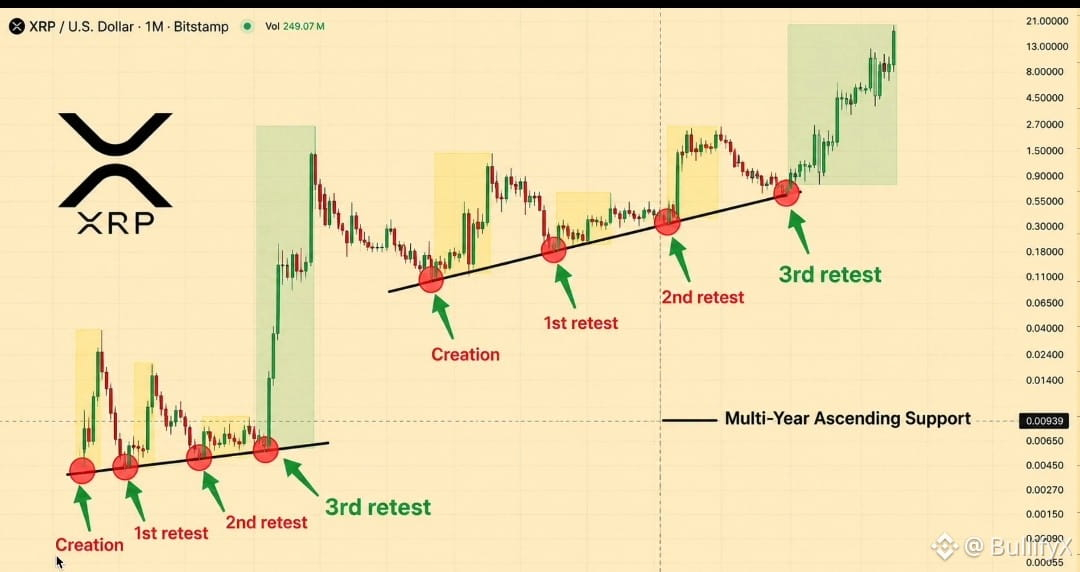
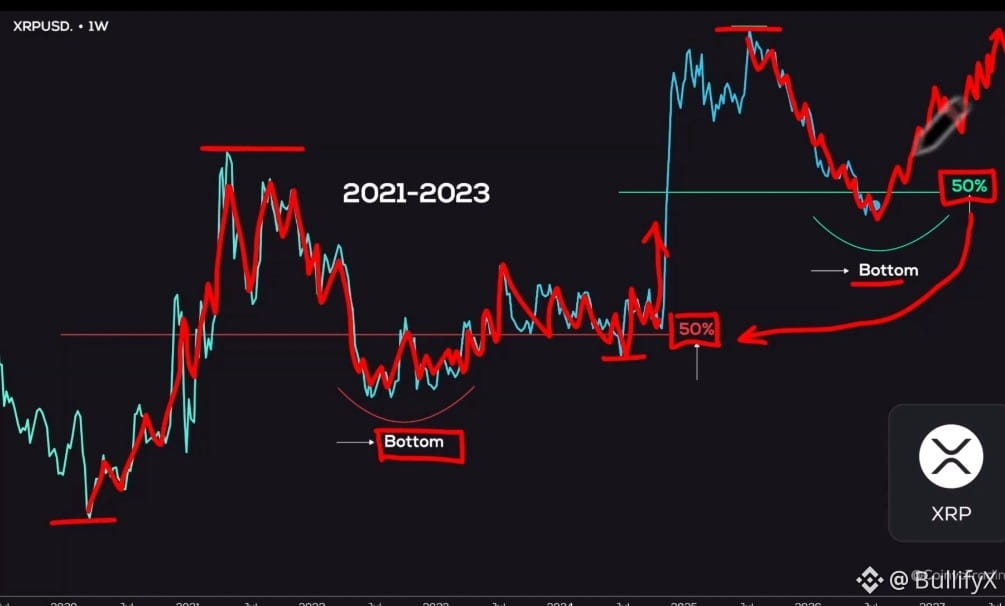
$XRP appears to be replicating the structure of its 2017 trend. The last time this support level held, price went on to surge by more than 60,000%.
My roadmap:
$1.10 → $0.97 → $1.80
$1.80 → $2.70 → $3.20
$3.20 → $6.50 → $13.00
If this support is confirmed for the third time, the next expansion could accelerate significantly.
Watch the levels. Watch the structure. 🚀
#XRP #Ripple #Crypto #Binance #Write2Earn
$XRP appears to be replicating the structure of its 2017 trend. The last time this support level held, price went on to surge by more than 60,000%.
My roadmap:
$1.10 → $0.97 → $1.80
$1.80 → $2.70 → $3.20
$3.20 → $6.50 → $13.00
If this support is confirmed for the third time, the next expansion could accelerate significantly.
Watch the levels. Watch the structure. 🚀
#XRP #Ripple #Crypto #Binance #Write2Earn
PINNED
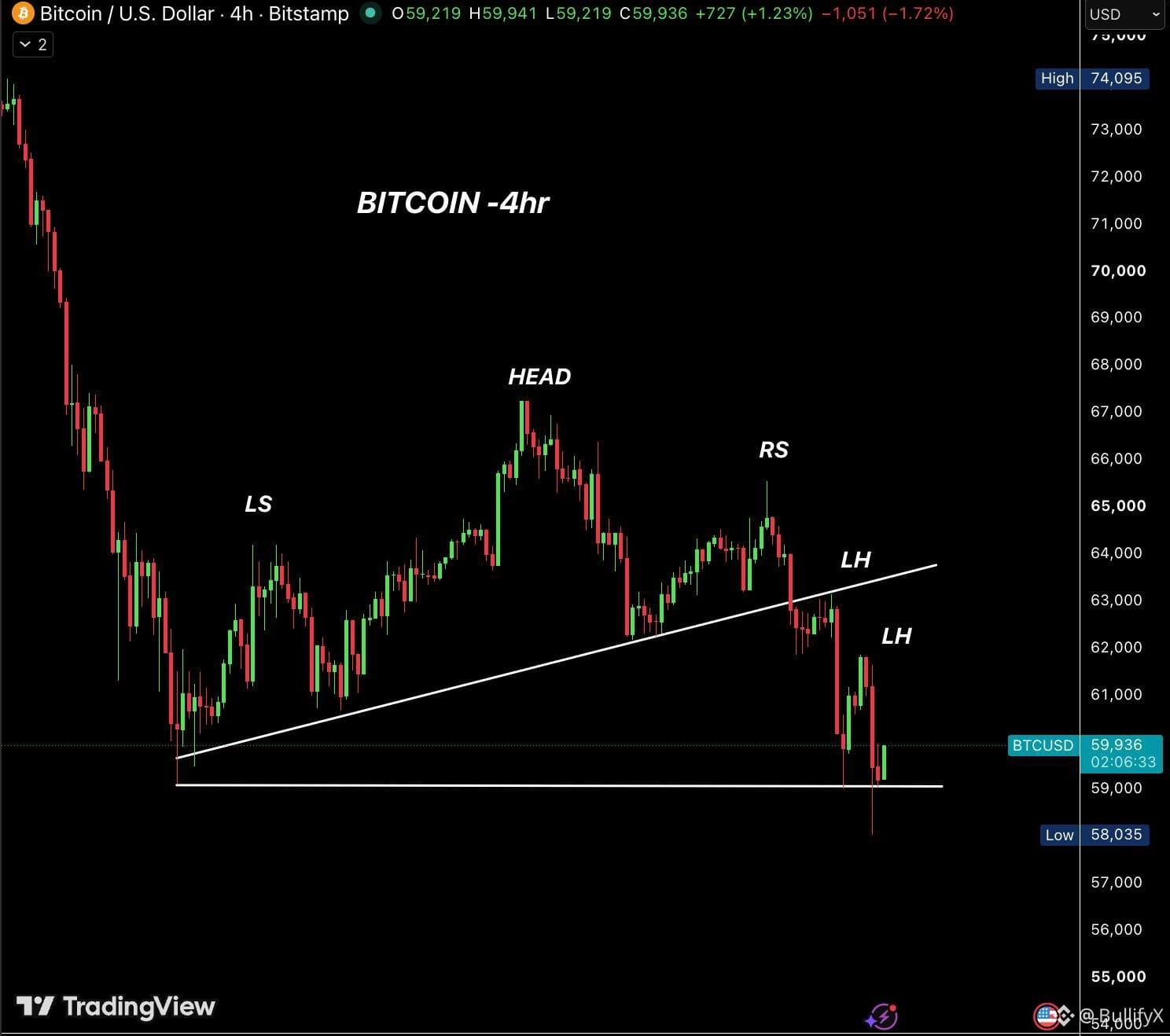
$BTC touched $60k and panic spread fast.
But here's what matters:
#BTC still closed above $61k support.
Bears have the edge for now, but a reclaim of $65.2k could turn this breakdown into a fakeout.
The next few daily closes will be key.
#BTC #Write2Earn #Binance
But here's what matters:
#BTC still closed above $61k support.
Bears have the edge for now, but a reclaim of $65.2k could turn this breakdown into a fakeout.
The next few daily closes will be key.
#BTC #Write2Earn #Binance
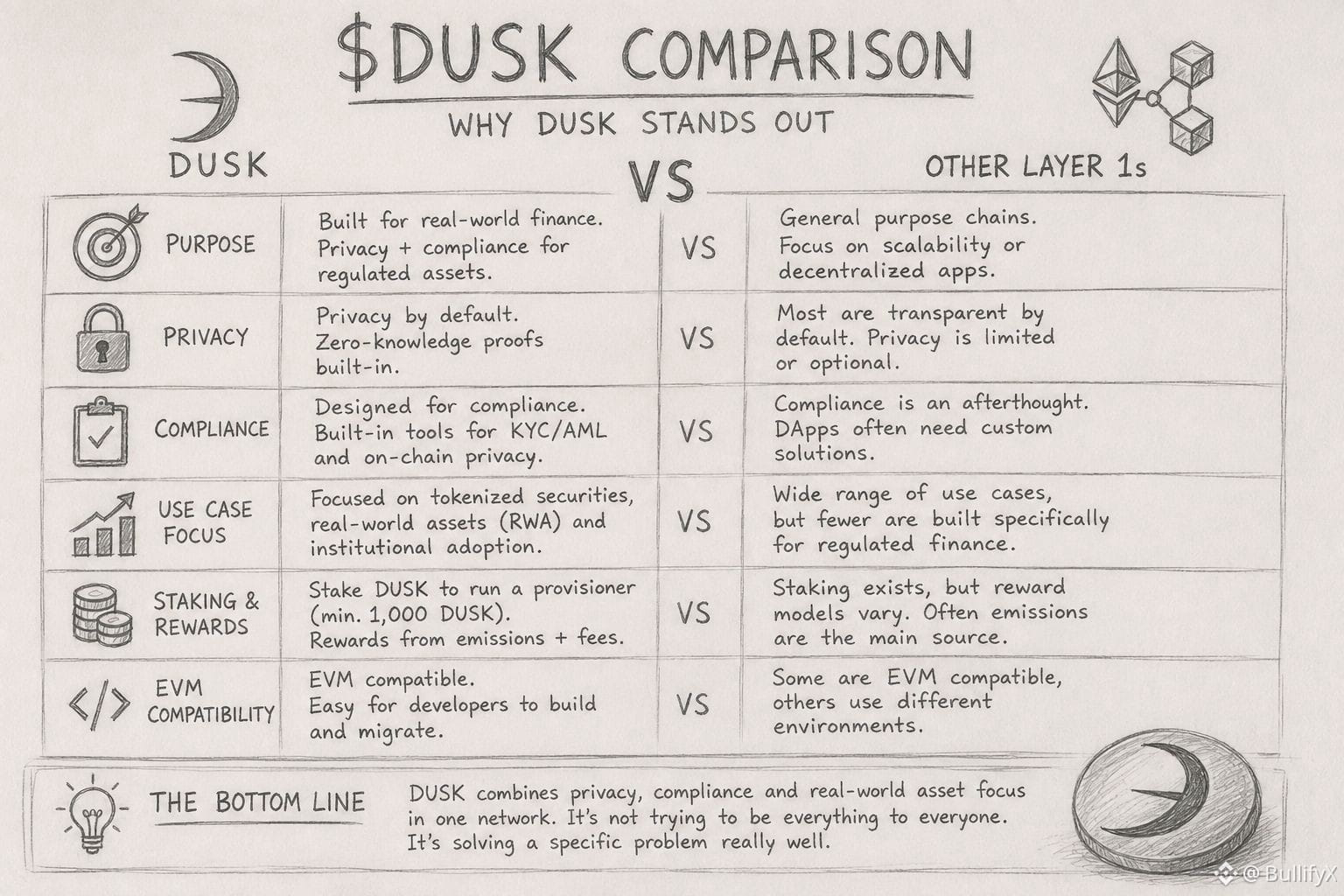
One thing I keep coming back to with $DUSK is how different the staking experience is once I look past the “APY” number. I used to see staking mostly as a way to park tokens and earn something, but Dusk makes the infrastructure side harder to ignore. Direct staking means running a provisioner that stays online and synced, with 1,000 DUSK as the minimum stake.
That actually makes me look at the token a bit differently. DUSK isn’t just sitting there as a reward asset. It has a role in consensus, gas and network security, so there’s some real utility behind the token. I also like that rewards come from both emissions and transaction fees. The fee part is what I’m more curious about.
Still, I don’t think staking numbers tell the whole story. Lots of tokens being staked can look impressive, but that doesn’t automatically mean people are using the network. I want to see consistent transactions, active applications and users who are actually doing something on Dusk.
The emission schedule matters too, because rewards reduce over time. Eventually, network activity has to carry more weight.
That’s the question I’m watching with $DUSK now: can real usage grow enough to support the network when emissions become less important?
#dusk @Dusk $DUSK #DUSK
That actually makes me look at the token a bit differently. DUSK isn’t just sitting there as a reward asset. It has a role in consensus, gas and network security, so there’s some real utility behind the token. I also like that rewards come from both emissions and transaction fees. The fee part is what I’m more curious about.
Still, I don’t think staking numbers tell the whole story. Lots of tokens being staked can look impressive, but that doesn’t automatically mean people are using the network. I want to see consistent transactions, active applications and users who are actually doing something on Dusk.
The emission schedule matters too, because rewards reduce over time. Eventually, network activity has to carry more weight.
That’s the question I’m watching with $DUSK now: can real usage grow enough to support the network when emissions become less important?
#dusk @Dusk $DUSK #DUSK
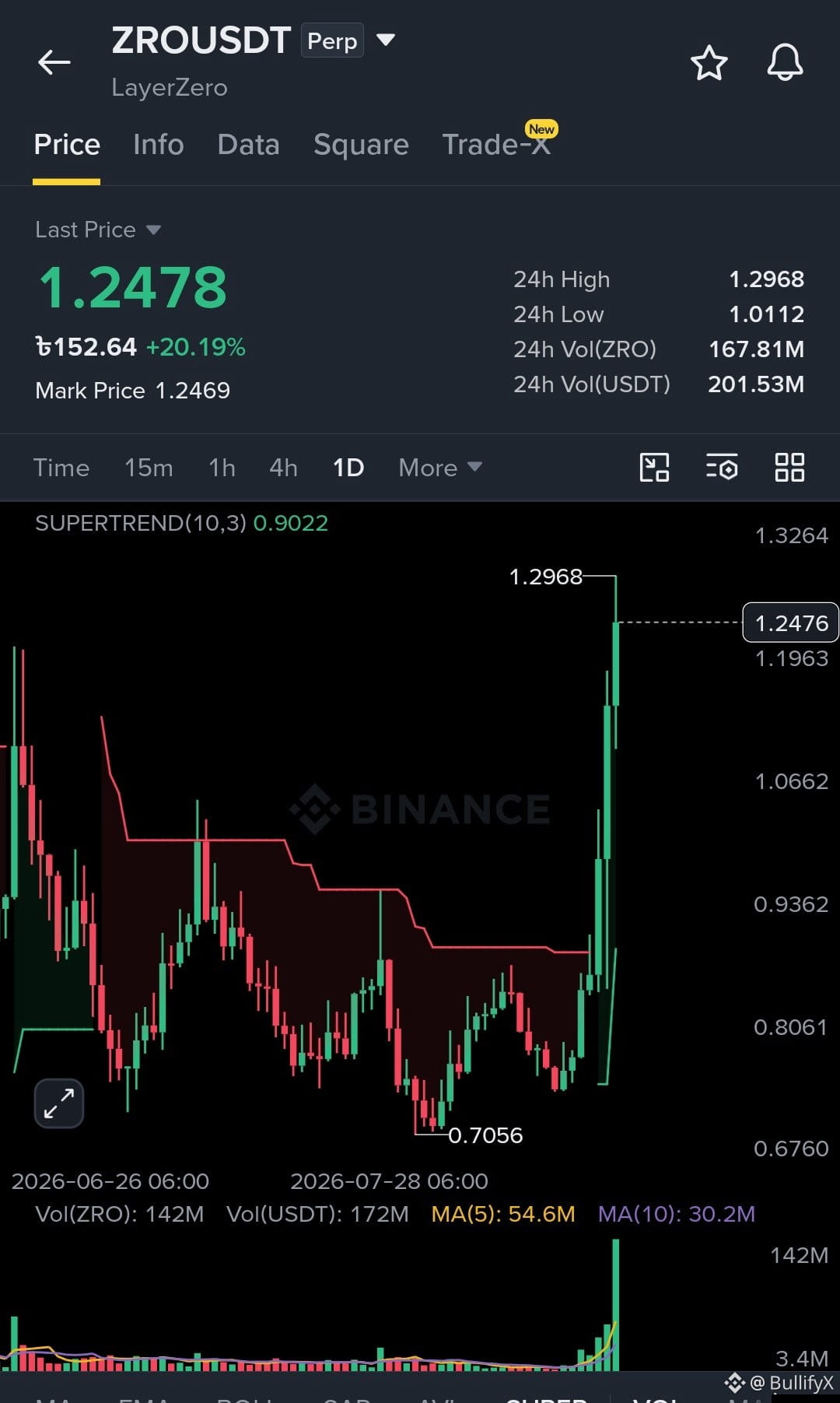
$ZRO is getting interesting again 👀
Price is showing signs of weakness, and I’m watching for a clean rejection before considering the short.
🎯 Downside levels:
1.21 → 1.19 → 1.17 → 1.15 → 1.13 → 1.11 → 1.09 → 1.07 → 1.05 → 1.02 → 0.99
No chasing. Let the setup come to us.
$BEAT & $BTW also deserve a spot on the watchlist… something feels close.
#ZRO #binance #crypto #Write2Earn
Price is showing signs of weakness, and I’m watching for a clean rejection before considering the short.
🎯 Downside levels:
1.21 → 1.19 → 1.17 → 1.15 → 1.13 → 1.11 → 1.09 → 1.07 → 1.05 → 1.02 → 0.99
No chasing. Let the setup come to us.
$BEAT & $BTW also deserve a spot on the watchlist… something feels close.
#ZRO #binance #crypto #Write2Earn
The more I look at #dusk the less I care about the short term $DUSK chart. What I’m watching instead is whether the network can turn its privacy features into something people actually use, not just something that sounds good in a project description.
That part is still a bit unclear to me. I like the idea of giving financial users more control over what information gets exposed, but good infrastructure only matters if applications build around it and users stick around. Crypto has plenty of projects with solid tech that never really got beyond the early crowd.
I’m also curious about the balance between privacy, usability, and compliance. Dusk is aiming at financial use cases, so I don’t think it can simply be “everything hidden, all the time.” There has to be some middle ground, and how well they handle that could matter a lot.
I’m not making a big call on it yet. I’d rather see consistent network activity and real users before getting too excited. If that starts showing up, then DUSK gets a lot more interesting to me.
#dusk $DUSK @Dusk
That part is still a bit unclear to me. I like the idea of giving financial users more control over what information gets exposed, but good infrastructure only matters if applications build around it and users stick around. Crypto has plenty of projects with solid tech that never really got beyond the early crowd.
I’m also curious about the balance between privacy, usability, and compliance. Dusk is aiming at financial use cases, so I don’t think it can simply be “everything hidden, all the time.” There has to be some middle ground, and how well they handle that could matter a lot.
I’m not making a big call on it yet. I’d rather see consistent network activity and real users before getting too excited. If that starts showing up, then DUSK gets a lot more interesting to me.
#dusk $DUSK @Dusk
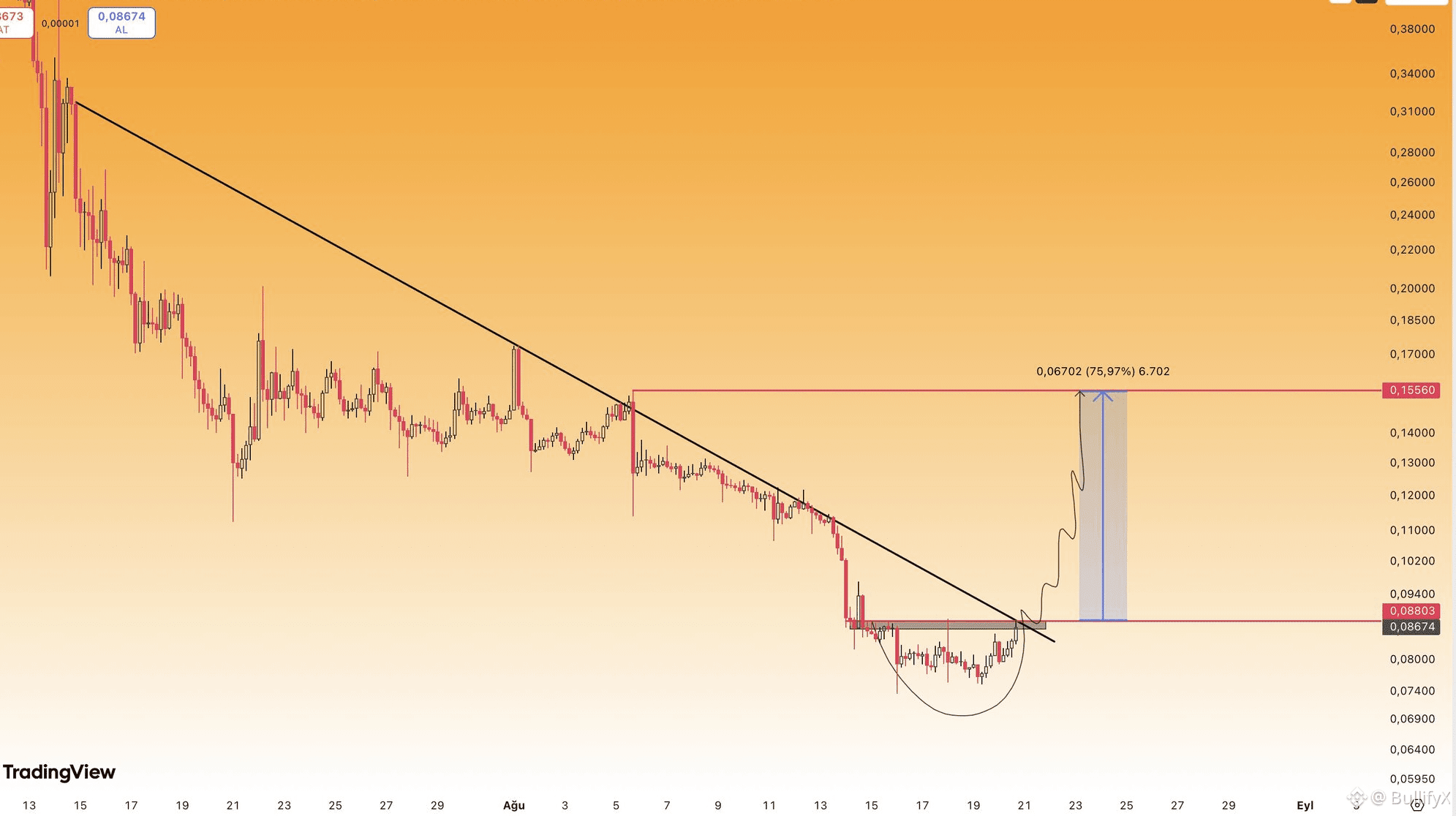
$LAB
I’m watching this setup for a short price is approaching a zone where sellers could step back in.
🔻 Entry: 0.07545 – 0.07615
🛑 SL: 0.08542
🎯 TP1: 0.06858
🎯 TP2: 0.06377
🎯 TP3: 0.05656
Confidence: 87%
The idea is simple: rejection from the entry zone could open the door toward the lower targets.
Don’t chase the move. Let price come to the zone, manage risk, and invalidate the setup if SL gets hit.
Not financial advice. DYOR.
#LAB #crypto #binance #Wtite2Earn
I’m watching this setup for a short price is approaching a zone where sellers could step back in.
🔻 Entry: 0.07545 – 0.07615
🛑 SL: 0.08542
🎯 TP1: 0.06858
🎯 TP2: 0.06377
🎯 TP3: 0.05656
Confidence: 87%
The idea is simple: rejection from the entry zone could open the door toward the lower targets.
Don’t chase the move. Let price come to the zone, manage risk, and invalidate the setup if SL gets hit.
Not financial advice. DYOR.
#LAB #crypto #binance #Wtite2Earn
One small thing I’ve been noticing with $DUSK is that the conversation around it makes more sense when I stop treating privacy as the whole story. The part I’ve been thinking about more is how DUSK approaches regulated financial assets and the infrastructure needed to put them on-chain.
That matters because financial institutions probably don’t need another chain simply because it uses blockchain. They need controlled access, compliance, privacy, and a way to interact with assets without exposing information that shouldn’t be public. DUSK seems to be building around that problem, which is a more practical angle than I first gave it credit for.
I’m still not fully convinced, though. There’s always a gap between building infrastructure for institutions and getting institutions to actually use it. That gap can take a long time, and network activity is what I’d rather watch than another polished announcement.
I’m also curious about how much demand comes organically from users and developers versus activity driven by specific integrations or incentives. That distinction matters to me because sustainable usage is harder to manufacture.
So I’m keeping DUSK on my radar, but I’m not rushing to a conclusion. If usage keeps expanding and real financial applications start becoming visible on-chain, I’ll probably become more confident. For now, I’m still trying to see whether the infrastructure is translating into actual behavior.
$DUSK #dusk @Dusk #DUSK
That matters because financial institutions probably don’t need another chain simply because it uses blockchain. They need controlled access, compliance, privacy, and a way to interact with assets without exposing information that shouldn’t be public. DUSK seems to be building around that problem, which is a more practical angle than I first gave it credit for.
I’m still not fully convinced, though. There’s always a gap between building infrastructure for institutions and getting institutions to actually use it. That gap can take a long time, and network activity is what I’d rather watch than another polished announcement.
I’m also curious about how much demand comes organically from users and developers versus activity driven by specific integrations or incentives. That distinction matters to me because sustainable usage is harder to manufacture.
So I’m keeping DUSK on my radar, but I’m not rushing to a conclusion. If usage keeps expanding and real financial applications start becoming visible on-chain, I’ll probably become more confident. For now, I’m still trying to see whether the infrastructure is translating into actual behavior.
$DUSK #dusk @Dusk #DUSK
Partly True
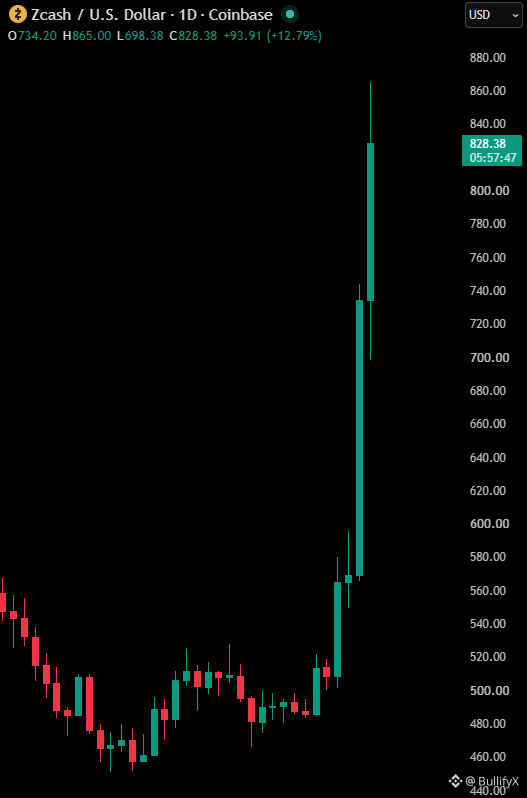
$ZEC is making a serious comeback.
#Zcash surged 47% to $865, reaching its highest level since 2018.
From its June low near $250, ZEC is now up more than 3x.
The rally gained momentum after Grayscale filed to convert its Zcash Trust into a U.S. spot ZEC ETF.
Still, $ZEC remains about 73% below its $3,191 all-time high.
Zcash is back on the radar. 👀
#Zcash #binance #crypto #Write2Earn
#Zcash surged 47% to $865, reaching its highest level since 2018.
From its June low near $250, ZEC is now up more than 3x.
The rally gained momentum after Grayscale filed to convert its Zcash Trust into a U.S. spot ZEC ETF.
Still, $ZEC remains about 73% below its $3,191 all-time high.
Zcash is back on the radar. 👀
#Zcash #binance #crypto #Write2Earn
Lately I’ve been looking at @Dusk from a slightly different angle. I initially saw $DUSK as another privacy focused blockchain and didn’t think much beyond that, but spending more time around the project made me pay closer attention to its focus on regulated assets and financial infrastructure.
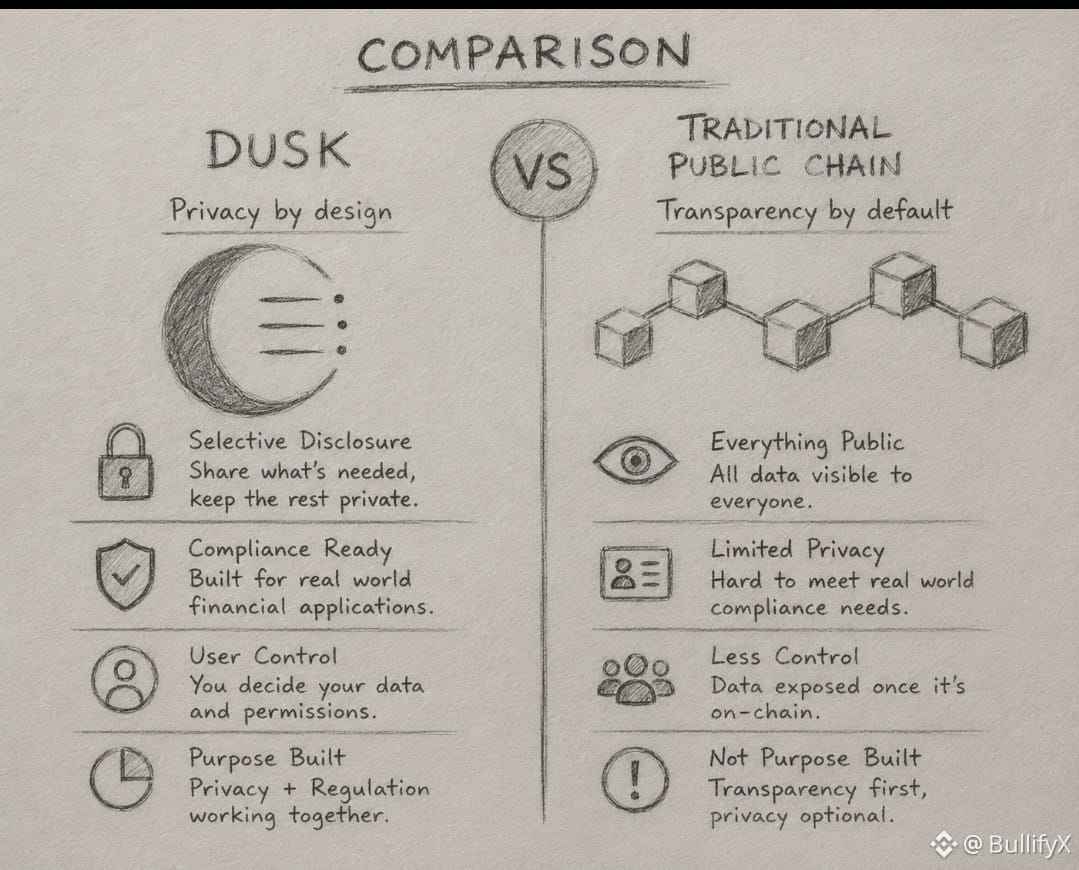
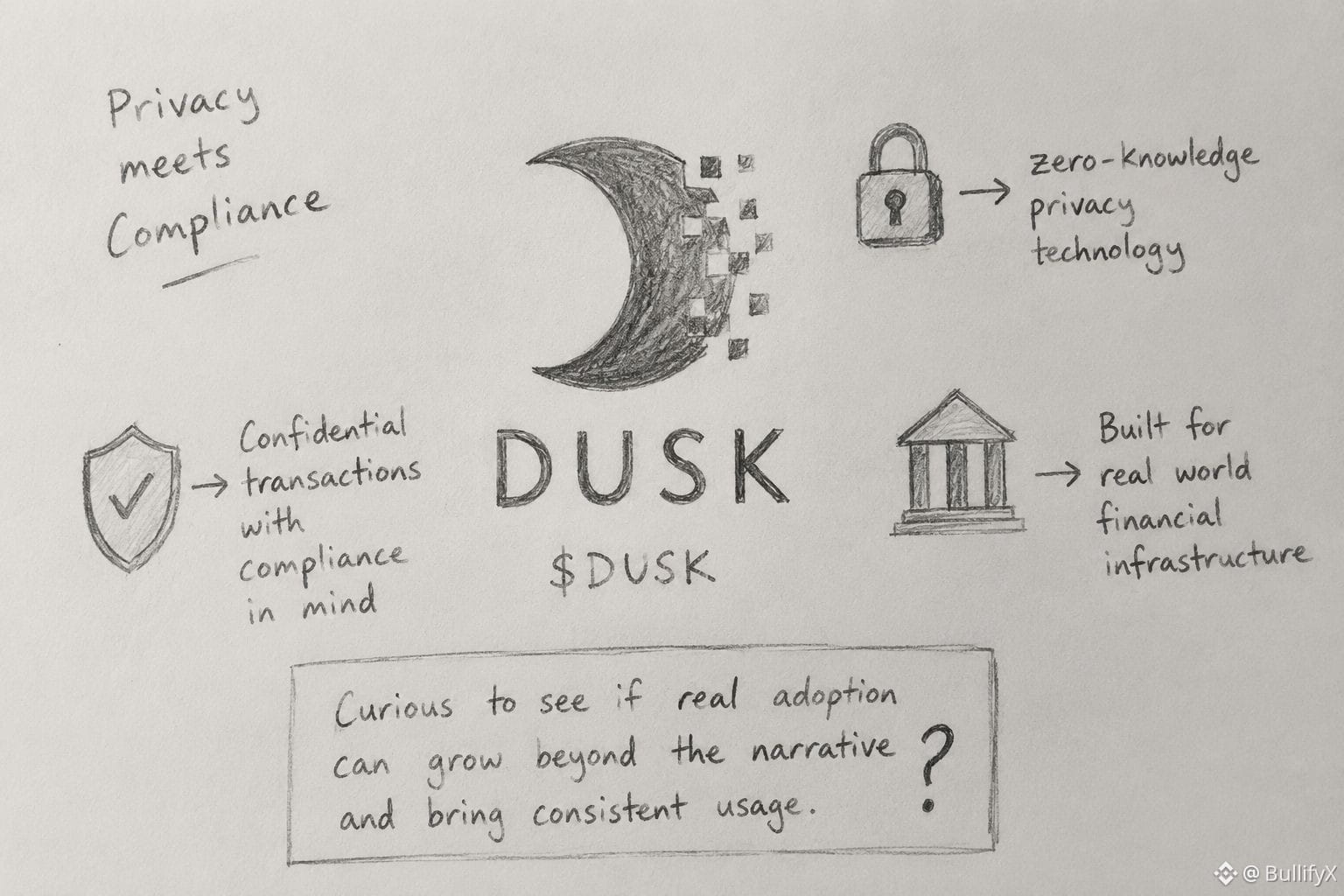
What I find practical is the attempt to combine privacy with compliance. In traditional finance, sensitive information can’t simply be exposed on a public ledger, but completely closed systems also make verification harder. Dusk is trying to sit somewhere between those two extremes, using zero-knowledge technology to keep certain information private while still allowing the network to verify what matters.
That sounds good on paper, but I’m more interested in whether people actually use it. Infrastructure only becomes meaningful when applications, institutions, and users consistently create activity around it. That’s where I’m still watching closely.
I also think there’s a trade-off here. Privacy can be a strong feature, but adoption depends on making the technology understandable and useful without forcing users to care about the underlying cryptography.
So my view of Dusk is still forming. I’m less interested in the narrative now and more curious about one thing: can actual usage grow enough to prove that this design solves a problem people genuinely have?#dusk $DUSK @Dusk
What I find practical is the attempt to combine privacy with compliance. In traditional finance, sensitive information can’t simply be exposed on a public ledger, but completely closed systems also make verification harder. Dusk is trying to sit somewhere between those two extremes, using zero-knowledge technology to keep certain information private while still allowing the network to verify what matters.
That sounds good on paper, but I’m more interested in whether people actually use it. Infrastructure only becomes meaningful when applications, institutions, and users consistently create activity around it. That’s where I’m still watching closely.
I also think there’s a trade-off here. Privacy can be a strong feature, but adoption depends on making the technology understandable and useful without forcing users to care about the underlying cryptography.
So my view of Dusk is still forming. I’m less interested in the narrative now and more curious about one thing: can actual usage grow enough to prove that this design solves a problem people genuinely have?#dusk $DUSK @Dusk
$10 $XRP sounds crazy…
Until you ask a better question:
What happens if XRP becomes core infrastructure for global on-chain payments?
Faster settlement.
Deep liquidity.
Institutional access.
Tokenized assets.
That combination can completely change how the market values XRP.
But here’s the catch 👇
Adoption alone isn’t enough.
The real catalyst is value flowing back into $XRP itself.
If that piece clicks, $10 stops being just a crypto Twitter prediction.
It becomes a valuation debate.
#XRP #BİNANCE #crypto #Write2Earn
Until you ask a better question:
What happens if XRP becomes core infrastructure for global on-chain payments?
Faster settlement.
Deep liquidity.
Institutional access.
Tokenized assets.
That combination can completely change how the market values XRP.
But here’s the catch 👇
Adoption alone isn’t enough.
The real catalyst is value flowing back into $XRP itself.
If that piece clicks, $10 stops being just a crypto Twitter prediction.
It becomes a valuation debate.
#XRP #BİNANCE #crypto #Write2Earn
I’ve been watching @TermMax for a few days, and honestly I came in more interested in the trading side than the infrastructure. But the more I looked at how the product handles fixed-term positions, the more I started thinking about the predictability it gives users.
In crypto, I’m used to positions being heavily influenced by changing funding rates, liquidity and market conditions. TermMax takes a different route by letting users work with fixed-term lending and borrowing structures. I find that useful because it makes the cost and maturity of a position easier to think about before putting capital to work.
What I’m still trying to figure out is how this behaves when market conditions get messy. Fixed terms sound straightforward when liquidity is healthy, but the real test for me is what happens during sharp volatility, especially around collateral management and secondary liquidity.
I also want to see more evidence of actual usage rather than just product features. Are users coming back? Are markets deepening? Is capital being used efficiently across different terms?
That’s probably where my attention stays for now. The design makes sense to me, but I’m still watching whether usage catches up with the mechanics.
#termmax @TermMax
In crypto, I’m used to positions being heavily influenced by changing funding rates, liquidity and market conditions. TermMax takes a different route by letting users work with fixed-term lending and borrowing structures. I find that useful because it makes the cost and maturity of a position easier to think about before putting capital to work.
What I’m still trying to figure out is how this behaves when market conditions get messy. Fixed terms sound straightforward when liquidity is healthy, but the real test for me is what happens during sharp volatility, especially around collateral management and secondary liquidity.
I also want to see more evidence of actual usage rather than just product features. Are users coming back? Are markets deepening? Is capital being used efficiently across different terms?
That’s probably where my attention stays for now. The design makes sense to me, but I’m still watching whether usage catches up with the mechanics.
#termmax @TermMax

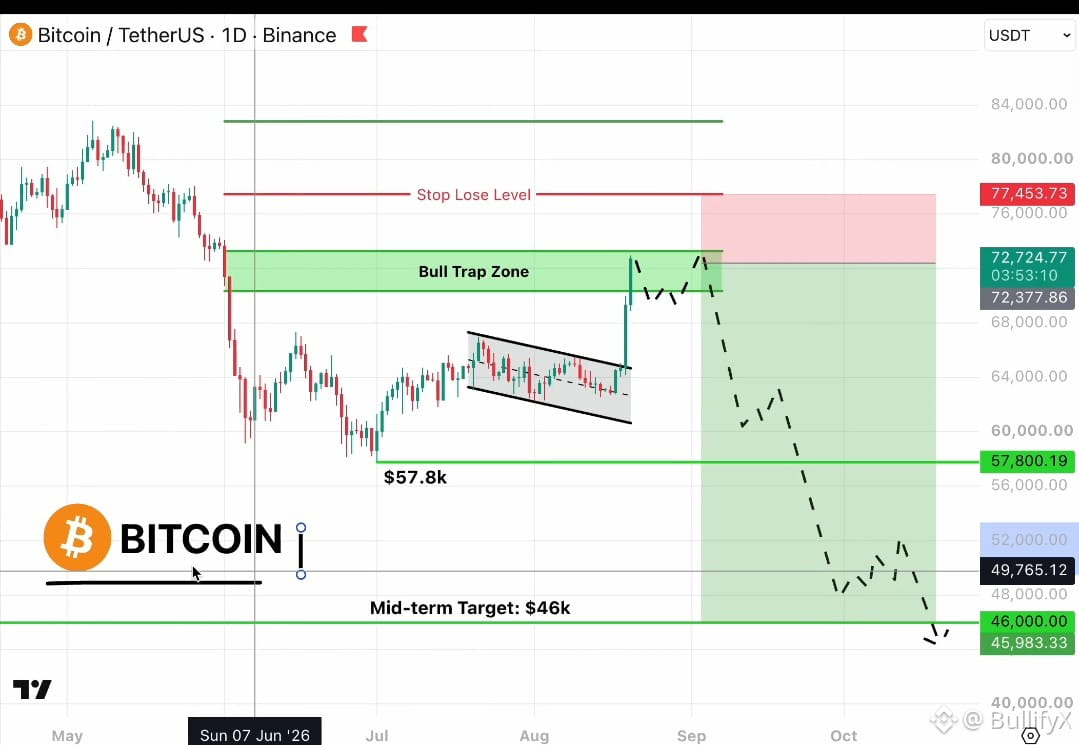
$BTC ’s $72K move may be the setup, not the breakout.
The structure still looks vulnerable to a deeper flush:
$72K → $63K → $57K → $48K
If the rally is being driven by FOMO rather than sustained demand, the downside could accelerate quickly.
Don’t chase the pump.
Watch the levels. Protect your capital. Let the market confirm the next move.
#BTC #crypto #binance #Write2Earn!
The structure still looks vulnerable to a deeper flush:
$72K → $63K → $57K → $48K
If the rally is being driven by FOMO rather than sustained demand, the downside could accelerate quickly.
Don’t chase the pump.
Watch the levels. Protect your capital. Let the market confirm the next move.
#BTC #crypto #binance #Write2Earn!
I kept seeing @TermMax mentioned around fixed-rate lending, but honestly, I didn’t pay much attention at first. Then I started looking at the way the token actually fits into the system, and that got me more curious than the APYs did.
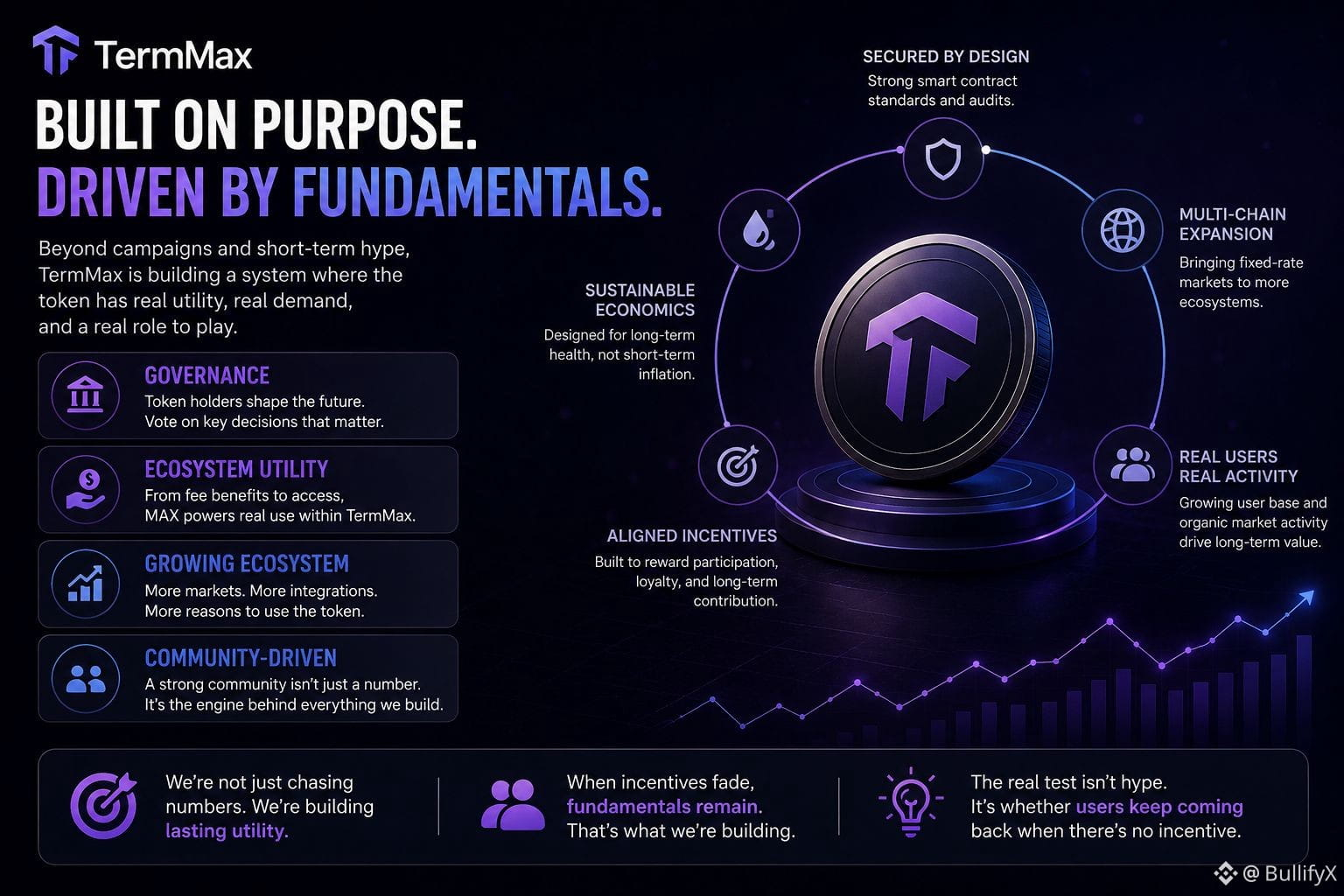
What I’m trying to understand now is whether MAX can become something people use because they need it, rather than something they hold because a campaign makes it attractive. There’s a difference. If governance, incentives, and ecosystem participation keep giving the token a reason to exist, that creates a much healthier loop in my head. But I also don’t want to confuse activity with adoption. Crypto can make a busy dashboard look convincing for a while.
I’m also watching how @TermMax expands across different markets. More integrations can mean more opportunities, but they also create more dependencies, and I’d rather see a few markets with genuine recurring users than a long list of integrations nobody touches twice. That’s the part I’m still trying to figure out from the outside.
For me, the interesting question isn’t whether TermMax can attract attention. It clearly can. I’m more curious whether users eventually come back when there’s no campaign, no points, and no extra incentive pushing them through the door. That’s usually where I start believing the numbers.
#termmax @TermMax
What I’m trying to understand now is whether MAX can become something people use because they need it, rather than something they hold because a campaign makes it attractive. There’s a difference. If governance, incentives, and ecosystem participation keep giving the token a reason to exist, that creates a much healthier loop in my head. But I also don’t want to confuse activity with adoption. Crypto can make a busy dashboard look convincing for a while.
I’m also watching how @TermMax expands across different markets. More integrations can mean more opportunities, but they also create more dependencies, and I’d rather see a few markets with genuine recurring users than a long list of integrations nobody touches twice. That’s the part I’m still trying to figure out from the outside.
For me, the interesting question isn’t whether TermMax can attract attention. It clearly can. I’m more curious whether users eventually come back when there’s no campaign, no points, and no extra incentive pushing them through the door. That’s usually where I start believing the numbers.
#termmax @TermMax
$XRP JUST FLIPPED THE SWITCH
The market was quiet… then XRP decided to wake everyone up.
A powerful push sent $XRP into the 1.07+ zone, and buyers are clearly making their presence felt.
But here’s the move I’m watching
I’m not chasing the breakout candle. I want to see whether XRP pulls back, holds support, and gives bulls another clean launch point.
Watch Zone: 1.045 – 1.058
TP1: 1.074
TP2: 1.090
TP3: 1.115
Risk Level: 1.025
The real battle is around 1.04.
Hold above it → bulls stay in control.
Lose it → momentum could cool off quickly.
The breakout got attention.
The next reaction could decide the bigger move.
#XRP #Ripple #crypto #binance #Write2Earn
The market was quiet… then XRP decided to wake everyone up.
A powerful push sent $XRP into the 1.07+ zone, and buyers are clearly making their presence felt.
But here’s the move I’m watching
I’m not chasing the breakout candle. I want to see whether XRP pulls back, holds support, and gives bulls another clean launch point.
Watch Zone: 1.045 – 1.058
TP1: 1.074
TP2: 1.090
TP3: 1.115
Risk Level: 1.025
The real battle is around 1.04.
Hold above it → bulls stay in control.
Lose it → momentum could cool off quickly.
The breakout got attention.
The next reaction could decide the bigger move.
#XRP #Ripple #crypto #binance #Write2Earn
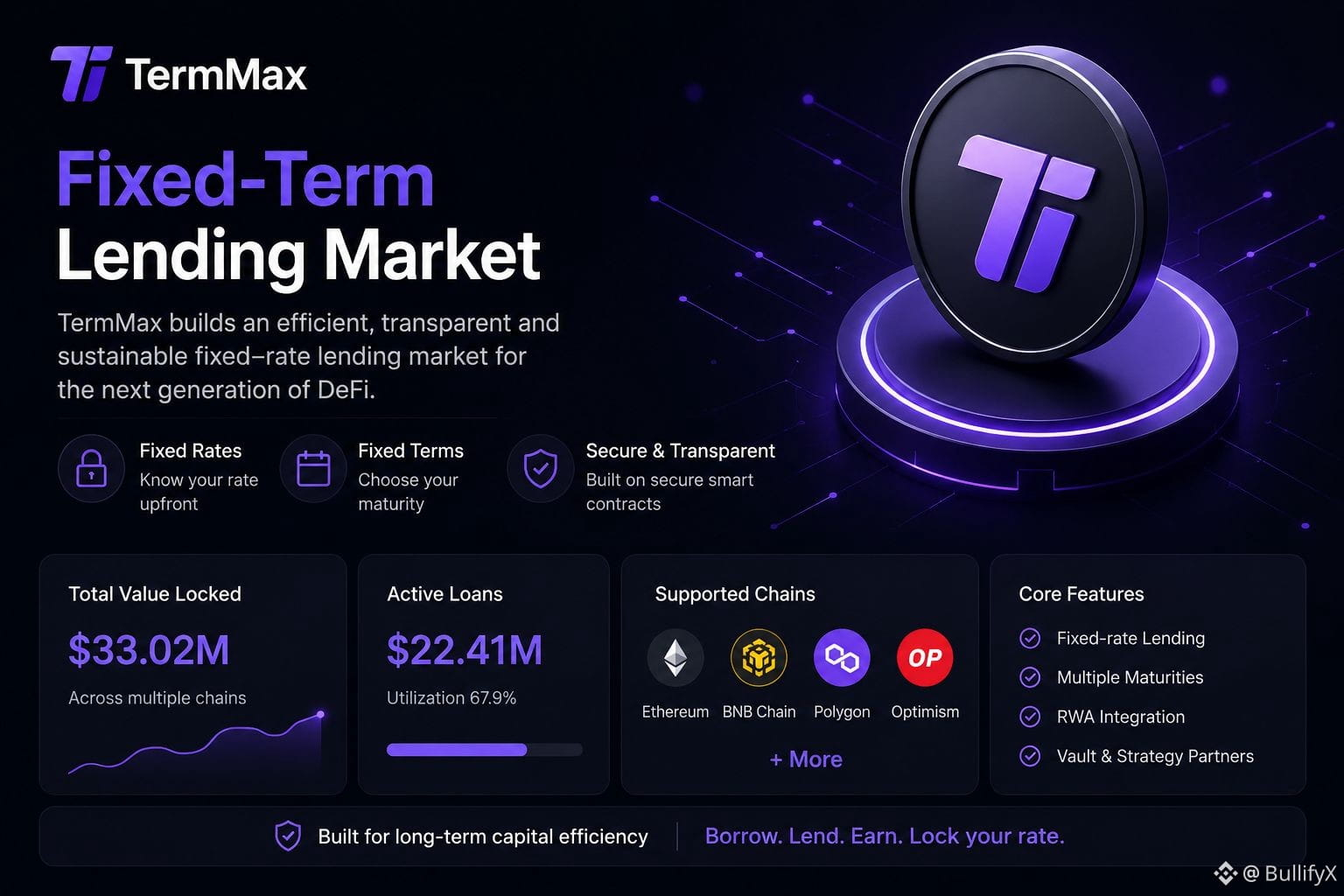
I’ve been looking at #TermMax a bit more closely lately, mostly trying to understand whether the fixed-term lending model is actually getting used or if I was just attracted to the idea of predictable rates. I’m starting to think there is something worth watching here.
The part I keep checking is the relationship between TVL and active loans. Current data puts #TermMax around $33M TVL and roughly $22M in active loans, which is a decent amount of capital actually being put to work rather than simply sitting in contracts. Ethereum also accounts for about 94% of the TVL, though, so the multi-chain story looks less evenly distributed than it might seem at first.
That concentration is probably my biggest question right now. If most liquidity and borrowing activity stays on Ethereum, I’m not sure how much the additional chain deployments really tell me about adoption.
I’m also watching fees. Recent 30-day protocol fees are around $16K, which is real usage, but still small enough that I wouldn’t draw big conclusions from it yet. I want to see whether borrowing demand stays consistent across different maturities when incentives matter less. That’s probably the number I’ll keep checking.
#termmax @TermMax
The part I keep checking is the relationship between TVL and active loans. Current data puts #TermMax around $33M TVL and roughly $22M in active loans, which is a decent amount of capital actually being put to work rather than simply sitting in contracts. Ethereum also accounts for about 94% of the TVL, though, so the multi-chain story looks less evenly distributed than it might seem at first.
That concentration is probably my biggest question right now. If most liquidity and borrowing activity stays on Ethereum, I’m not sure how much the additional chain deployments really tell me about adoption.
I’m also watching fees. Recent 30-day protocol fees are around $16K, which is real usage, but still small enough that I wouldn’t draw big conclusions from it yet. I want to see whether borrowing demand stays consistent across different maturities when incentives matter less. That’s probably the number I’ll keep checking.
#termmax @TermMax
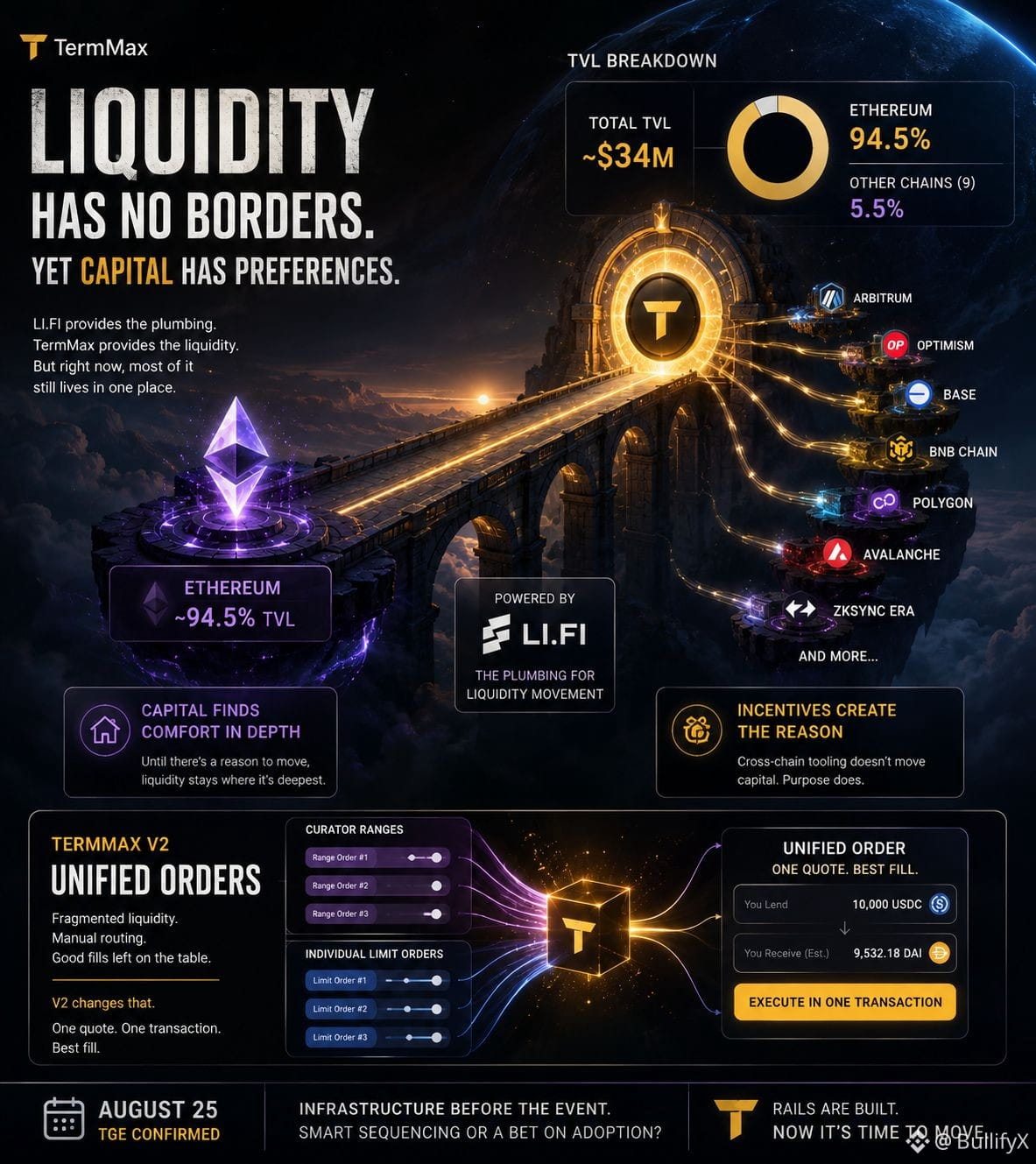
What if the biggest cross-chain problem isn’t the bridge it’s giving capital a reason to move?
That’s what caught my attention with @TermMax
LI.FI can make TMX liquidity portable across ~8–10 chains, but portability isn’t the same as adoption. Ethereum reportedly still accounts for ~94.5% of TermMax’s ~$34M TVL.
The plumbing is ready. The liquidity just hasn’t started behaving cross-chain yet.
And the timing makes this more interesting: with the Aug 25 TGE approaching, TermMax is putting the rails in place before the liquidity event rather than waiting for demand to appear first.
V2 is tackling fragmentation on the execution side too. Unified Orders can pull from curator ranges and individual limit orders and combine them into one transaction turning “find the best liquidity yourself” into a single quote.
Maybe that’s the real sequence: build the rails first, then give capital a reason to travel.
#TermMax #termmax @TermMax
That’s what caught my attention with @TermMax
LI.FI can make TMX liquidity portable across ~8–10 chains, but portability isn’t the same as adoption. Ethereum reportedly still accounts for ~94.5% of TermMax’s ~$34M TVL.
The plumbing is ready. The liquidity just hasn’t started behaving cross-chain yet.
And the timing makes this more interesting: with the Aug 25 TGE approaching, TermMax is putting the rails in place before the liquidity event rather than waiting for demand to appear first.
V2 is tackling fragmentation on the execution side too. Unified Orders can pull from curator ranges and individual limit orders and combine them into one transaction turning “find the best liquidity yourself” into a single quote.
Maybe that’s the real sequence: build the rails first, then give capital a reason to travel.
#TermMax #termmax @TermMax
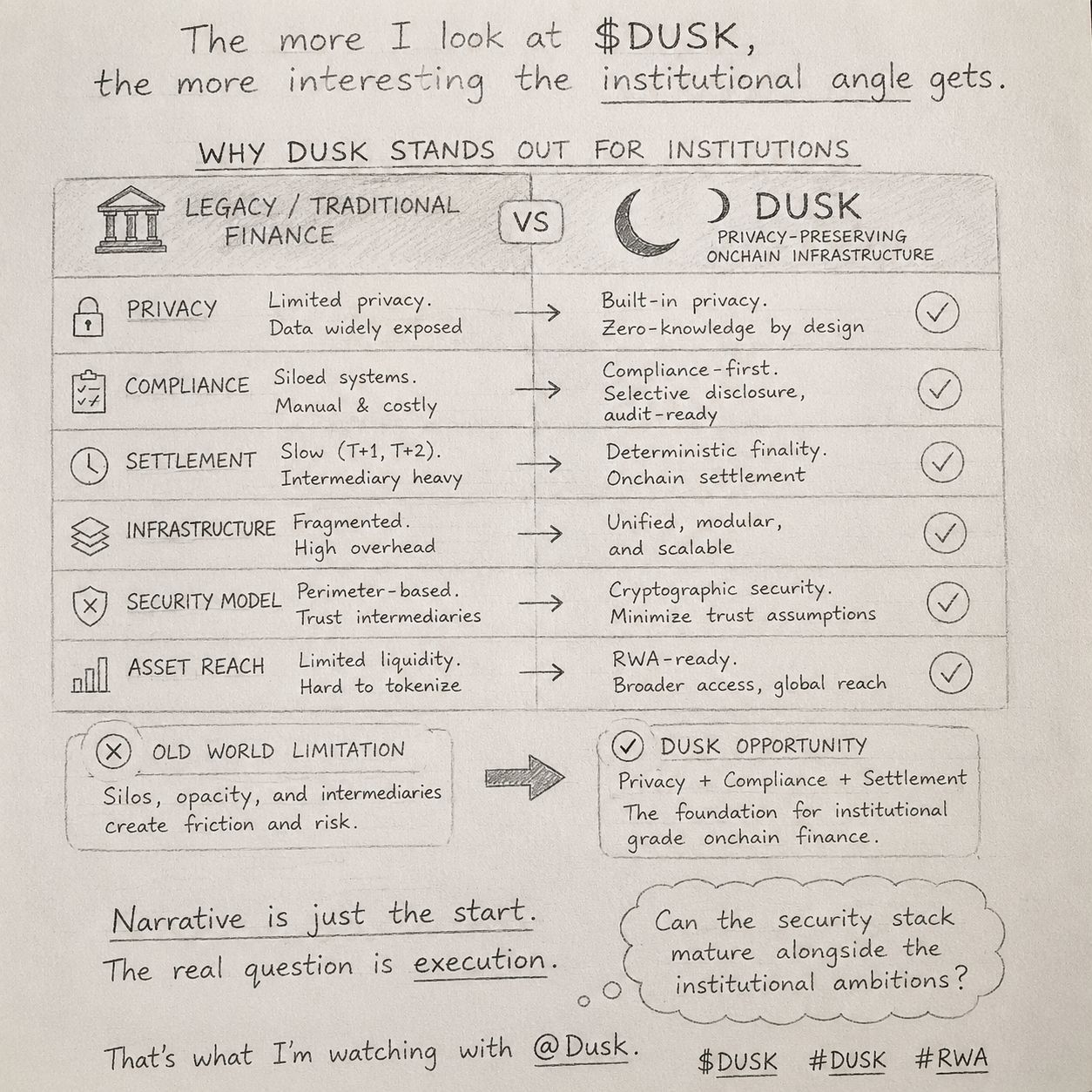
The institutional angle around $DUSK
is becoming harder to ignore.
If RWAs are going to move deeper onchain, infrastructure will need more than speed and narratives. Privacy, compliance, secure execution, and settlement all have to work together.
That’s where Dusk gets interesting.
The bigger question now is whether its security stack can scale alongside those institutional ambitions.
That’s what I’m watching with @Dusk
$DUSK #DUSK @Dusk #dusk
is becoming harder to ignore.
If RWAs are going to move deeper onchain, infrastructure will need more than speed and narratives. Privacy, compliance, secure execution, and settlement all have to work together.
That’s where Dusk gets interesting.
The bigger question now is whether its security stack can scale alongside those institutional ambitions.
That’s what I’m watching with @Dusk
$DUSK #DUSK @Dusk #dusk
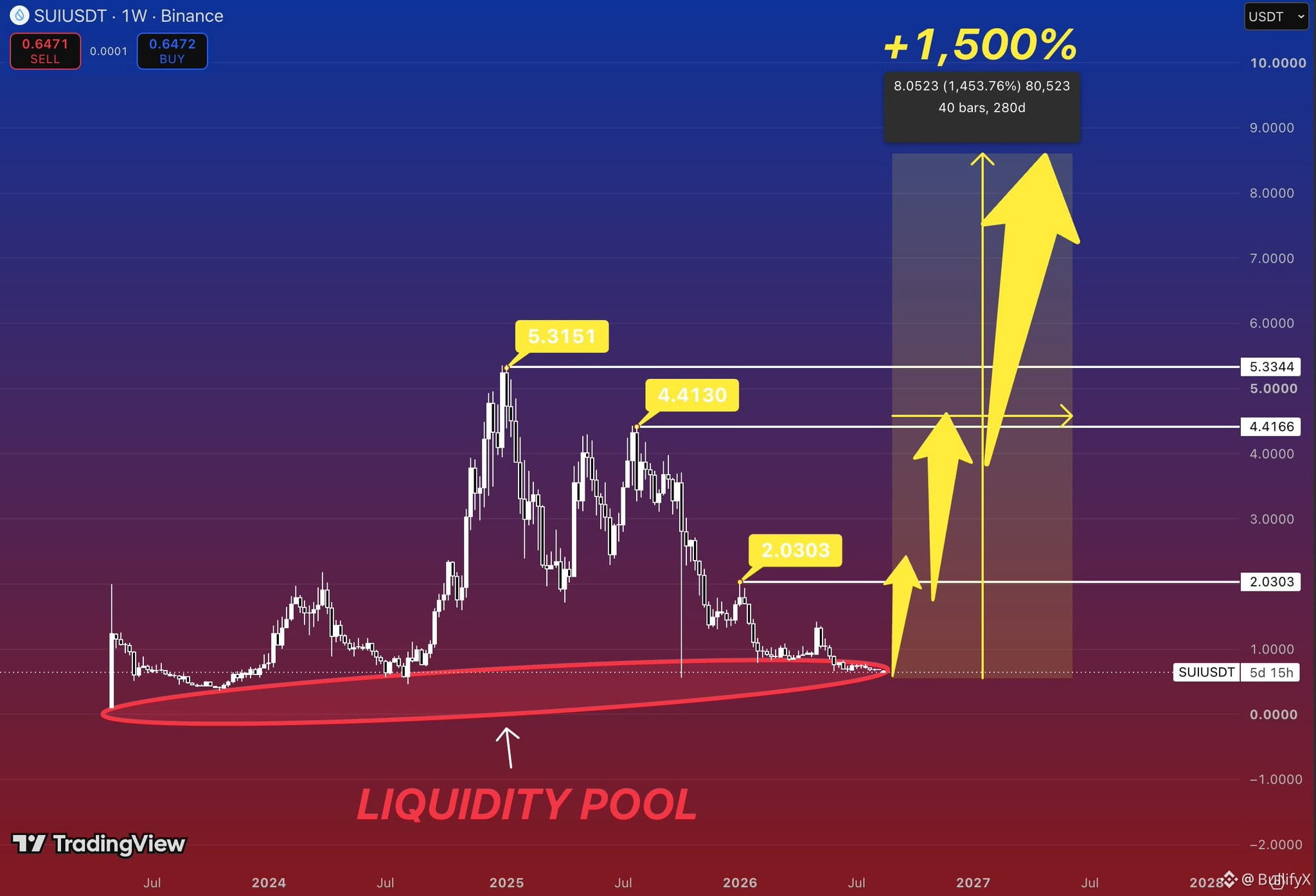
$SUI at these levels feels almost illegal.
Everyone wanted it above $4.
Now that it’s near the lows?
Silence.
My roadmap:
$2 → attention returns
$4.4 → FOMO kicks in
$5.3 → old highs are back in play
$8 → price discovery
And the funny part?
If $SUI ever hits $8, everyone will explain why it was “obvious.”
At $0.67, nobody wants to hear the thesis.
#SUI #binance #crypto #Write2Earn
Everyone wanted it above $4.
Now that it’s near the lows?
Silence.
My roadmap:
$2 → attention returns
$4.4 → FOMO kicks in
$5.3 → old highs are back in play
$8 → price discovery
And the funny part?
If $SUI ever hits $8, everyone will explain why it was “obvious.”
At $0.67, nobody wants to hear the thesis.
#SUI #binance #crypto #Write2Earn
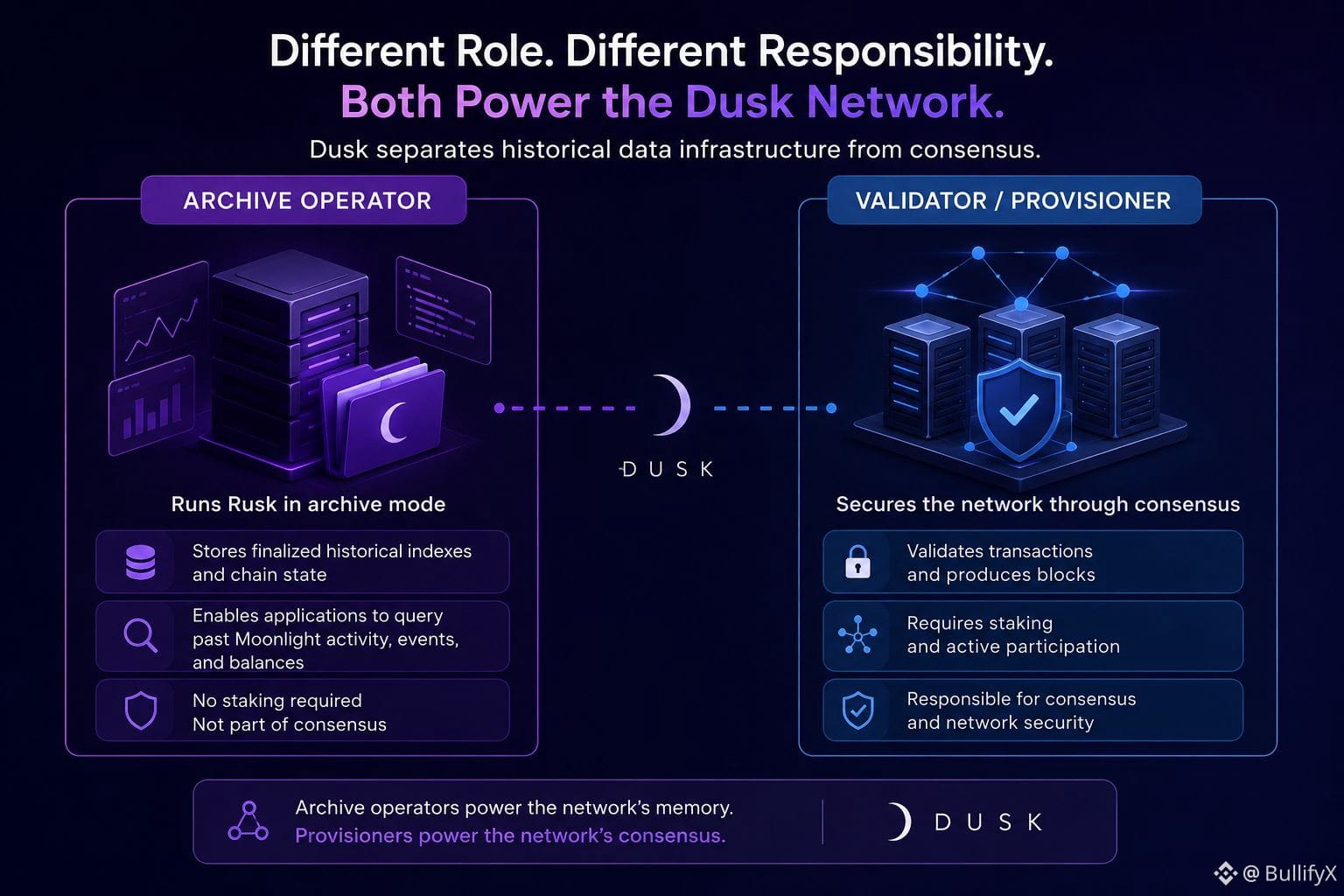
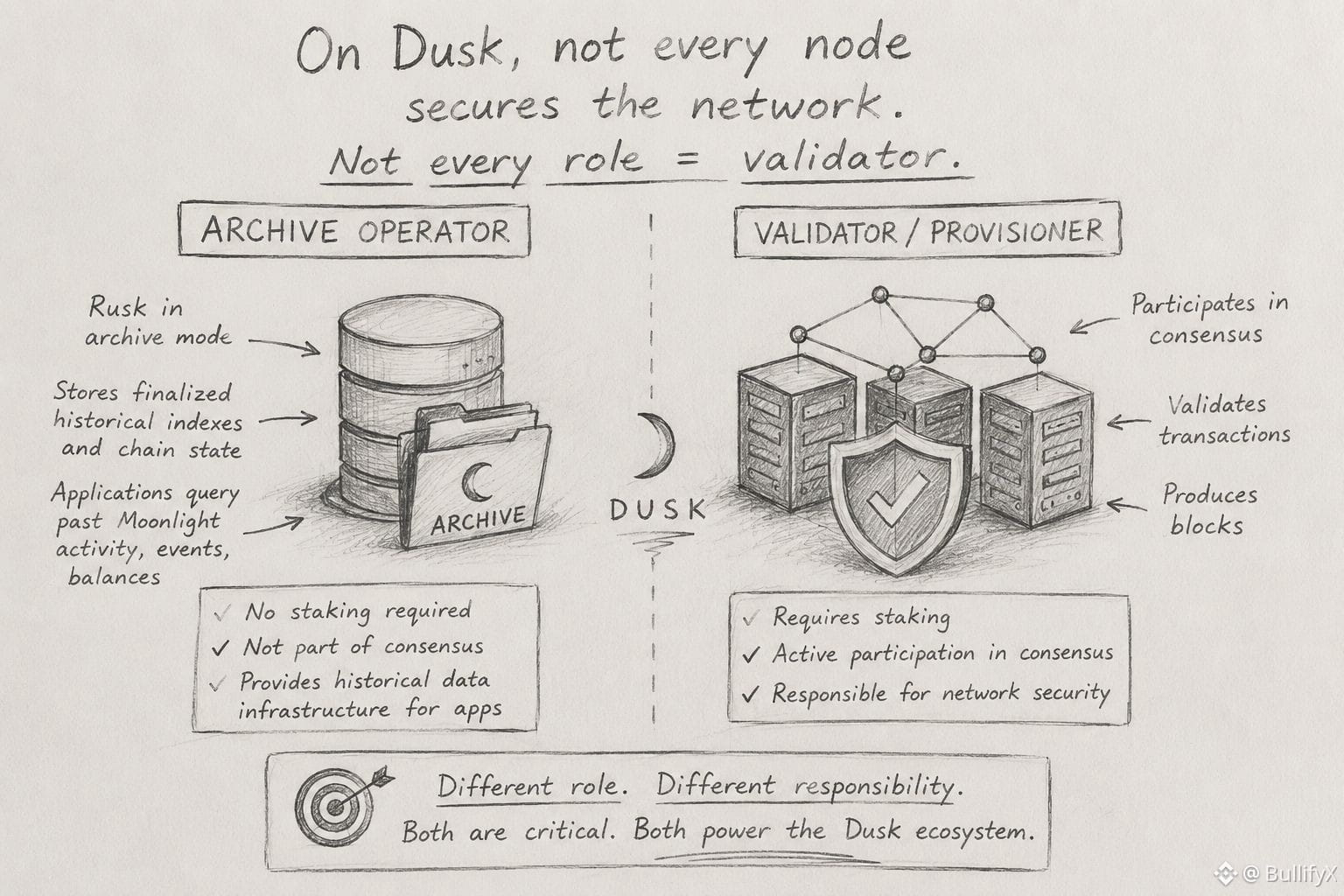
There’s an important difference between operating blockchain infrastructure and securing consensus.
On #Dusk , Rusk archive nodes can preserve finalized historical data and make it available for applications querying past Moonlight activity, balances, and events—without requiring the operator to stake or join consensus.
That makes the archive role more application focused than validator-focused.
It also explains why separating API infrastructure from provisioner duties makes sense: heavy historical queries and archive upkeep can be handled independently, while provisioners remain focused on consensus.
In other words, a Dusk node can serve as reliable historical infrastructure without being responsible for network consensus.
Different role. Different responsibility. Still critical infrastructure.
@Dusk $DUSK #Dusk #dusk
On #Dusk , Rusk archive nodes can preserve finalized historical data and make it available for applications querying past Moonlight activity, balances, and events—without requiring the operator to stake or join consensus.
That makes the archive role more application focused than validator-focused.
It also explains why separating API infrastructure from provisioner duties makes sense: heavy historical queries and archive upkeep can be handled independently, while provisioners remain focused on consensus.
In other words, a Dusk node can serve as reliable historical infrastructure without being responsible for network consensus.
Different role. Different responsibility. Still critical infrastructure.
@Dusk $DUSK #Dusk #dusk
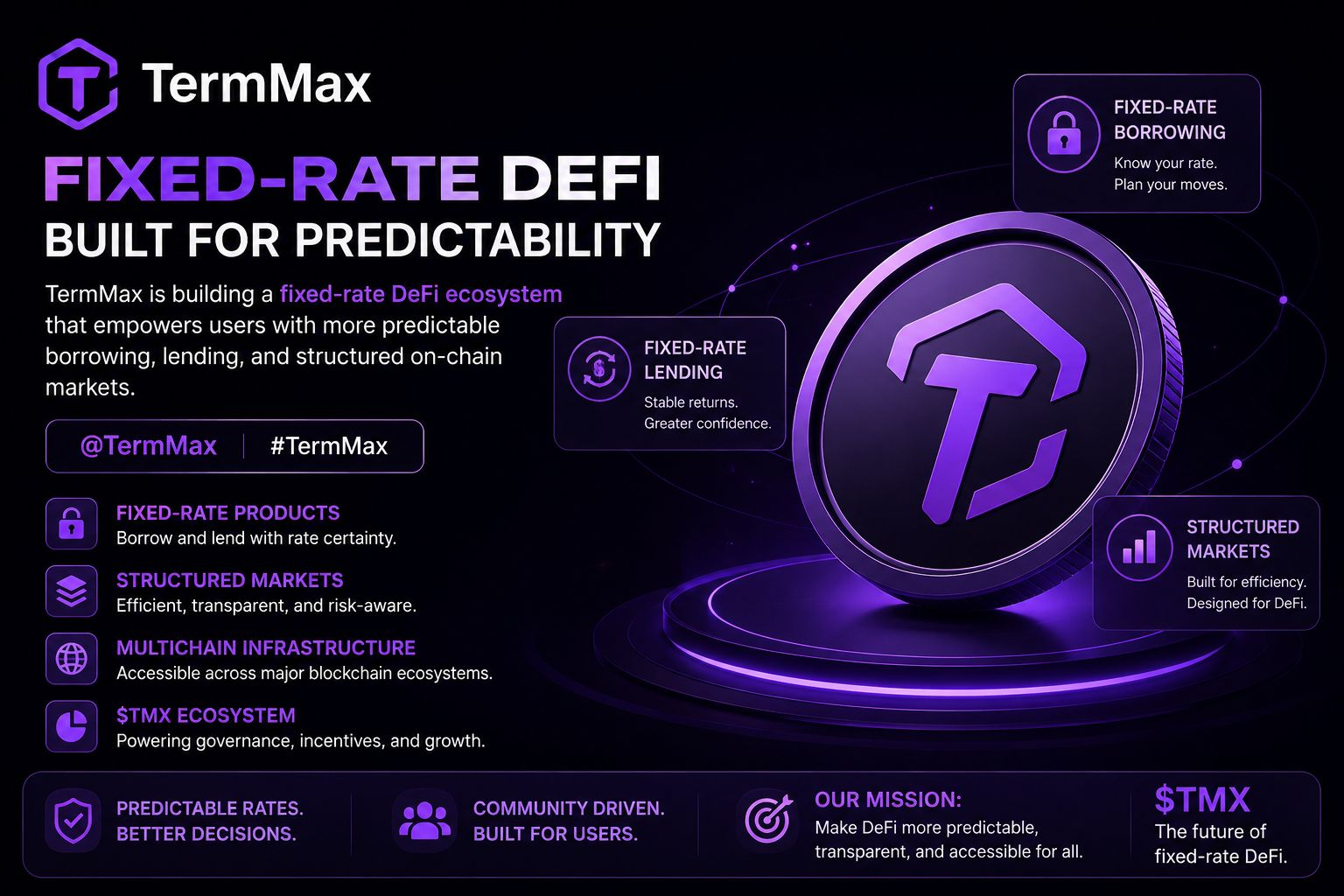
#TermMax is an interesting project focused on bringing more predictability to DeFi through fixed rate borrowing, lending, and structured on chain markets.
@TermMax is working toward a more transparent and flexible financial experience, helping users better understand and manage rate exposure instead of relying entirely on constantly changing variable rates.
I’m looking forward to seeing how TermMax continues to develop its products, ecosystem, and real.world DeFi use cases. #TermMax
@TermMax is working toward a more transparent and flexible financial experience, helping users better understand and manage rate exposure instead of relying entirely on constantly changing variable rates.
I’m looking forward to seeing how TermMax continues to develop its products, ecosystem, and real.world DeFi use cases. #TermMax
Log in to explore more content