
TopCryptoNews
10.1k පෝස්ටු

TopCryptoNews
 Binance චතුරශ්ර සත්යාපිත+
වාර්තා කරන්න
පරිශීලක අවහිර කරන්න
Lastest News | Technical Analysis | Signals | Web3 | Advertise | Top News on Crypto World | Projects | Business Offer

Creator Awards 2024

#BinanceTurns7

Excellence Award (Top Voice)
35 හඹා යමින්
292.8K+ හඹා යන්නන්
339.3K+ කැමති විය
7 ලාංජනය
පෝස්ටු
සියල්ල
උපුටා දැක්වීම්
වීඩියෝ
සජීවි
අමුණා ඇත
🔴 රුසියානු FSB විසින් පාවෙල් දුරොව්ට ජාත්යන්තර අත්අඩංගුවට ගැනීමේ වරෙන්තුවක් නිකුත් කරලා
ටෙලිග්රාම් නිර්මාතෘ පාවෙල් දුරොව්ට ත්රස්තවාදයට සහාය දැක්වීම හේතුවෙන් ජාත්යන්තර අත්අඩංගුවට ගැනීමේ වරෙන්තුවක් නිකුත් කර ඇති බව රුසියානු FSB ආයතනය උපුටා දක්වමින් මාධ්ය වාර්තා කරයි.
FSB හි සඳහන් පරිදි, යුක්රේන විශේෂ සේවාවන් ටෙලිග්රාම් චැට් බොට් භාවිතා කර රුසියානු පුරවැසියන් බඳවා ගැනීමට ඇතැයි කියයි. තහනම් කළ සම්පත් ලේඛනයට ඇතුළත් වූ පසු ඒ සේවාව ඉවත් නොකිරීමට ටෙලිග්රාම් පරිපාලනය කටයුතු නොකළ බව එම ආයතනය ප්රකාශ කරයි; එයම චෝදනා සඳහා පදනම වී ඇත.
පළ කිරීමේ අවස්ථාවේදී පාවෙල් දුරොව්ගෙන් නිල ප්රකාශ කිසිවක් ලැබී තිබුණේ නැත.
#PavelDurov | #TON | $TON
🔴 රුසියානු FSB විසින් පාවෙල් දුරොව්ට ජාත්යන්තර අත්අඩංගුවට ගැනීමේ වරෙන්තුවක් නිකුත් කරලා
ටෙලිග්රාම් නිර්මාතෘ පාවෙල් දුරොව්ට ත්රස්තවාදයට සහාය දැක්වීම හේතුවෙන් ජාත්යන්තර අත්අඩංගුවට ගැනීමේ වරෙන්තුවක් නිකුත් කර ඇති බව රුසියානු FSB ආයතනය උපුටා දක්වමින් මාධ්ය වාර්තා කරයි.
FSB හි සඳහන් පරිදි, යුක්රේන විශේෂ සේවාවන් ටෙලිග්රාම් චැට් බොට් භාවිතා කර රුසියානු පුරවැසියන් බඳවා ගැනීමට ඇතැයි කියයි. තහනම් කළ සම්පත් ලේඛනයට ඇතුළත් වූ පසු ඒ සේවාව ඉවත් නොකිරීමට ටෙලිග්රාම් පරිපාලනය කටයුතු නොකළ බව එම ආයතනය ප්රකාශ කරයි; එයම චෝදනා සඳහා පදනම වී ඇත.
පළ කිරීමේ අවස්ථාවේදී පාවෙල් දුරොව්ගෙන් නිල ප්රකාශ කිසිවක් ලැබී තිබුණේ නැත.
#PavelDurov | #TON | $TON
ටෙලිග්රාම් නිර්මාතෘ පාවෙල් දුරොව්ට ත්රස්තවාදයට සහාය දැක්වීම හේතුවෙන් ජාත්යන්තර අත්අඩංගුවට ගැනීමේ වරෙන්තුවක් නිකුත් කර ඇති බව රුසියානු FSB ආයතනය උපුටා දක්වමින් මාධ්ය වාර්තා කරයි.
FSB හි සඳහන් පරිදි, යුක්රේන විශේෂ සේවාවන් ටෙලිග්රාම් චැට් බොට් භාවිතා කර රුසියානු පුරවැසියන් බඳවා ගැනීමට ඇතැයි කියයි. තහනම් කළ සම්පත් ලේඛනයට ඇතුළත් වූ පසු ඒ සේවාව ඉවත් නොකිරීමට ටෙලිග්රාම් පරිපාලනය කටයුතු නොකළ බව එම ආයතනය ප්රකාශ කරයි; එයම චෝදනා සඳහා පදනම වී ඇත.
පළ කිරීමේ අවස්ථාවේදී පාවෙල් දුරොව්ගෙන් නිල ප්රකාශ කිසිවක් ලැබී තිබුණේ නැත.
#PavelDurov | #TON | $TON

26
8
202
434k
අමුණා ඇත
සත්යායනය කළ
🌕 CZ සතු Trust Wallet විසින් ක්රිප්ටෝ ගනුදෙනු ක්රියාත්මක කළ හැකි AI නියෝජිතයන් (agents) දියත් කරයි
බිනාන්ස් නිර්මාතෘ Changpeng Zhao සතු ඩිජිටල් මුදල් පසුම්බියක් වන මෙය, මිලියන 220 කට අධික පාරිභෝගිකයන් සංඛ්යාවක් ඇති අතර, එහි පරිශීලකයන්ට විවිධ ක්රිප්ටෝ ගනුදෙනු කිරීමට දැන් කෘත්රිම බුද්ධියෙන් බලගැන්වූ නියෝජිතයන් භාවිතා කළ හැකි බව බ්රහස්පතින්දා ප්රකාශ කළේය.
සමාගම බ්ලොග් සටහනක ලියා තිබුණේ මෙසේය: "අද Trust Wallet විසින් Trust Wallet Agent Kit (TWAK) — පරිශීලකයන් විසින් නිර්වචනය කර පාලනය කරන නීති මත, තාක්ෂණමය (AI) නියෝජිතයන්ට සැබෑ ක්රිප්ටෝ ගනුදෙනු ක්රියාත්මක කිරීමට ඉඩ සලසන යටිතල (infrastructure) — දියත් කරයි. එම නියෝජිතයන්ට Solana සහ Bitcoin ඇතුළු ජාල කිහිපයක හරහා cross-chain swaps හැසිරවීමටද, නැවත නැවත කරන මිලදී ගැනීම් (recurring buys) කළමනාකරණය කිරීමටද හැකියාව ඇත."
ක්රිප්ටෝ සමාගම් AI-බලැති ස්වයංක්රීයකරණය (automation) සොයා බැලීමට වැඩි වැඩියෙන් කටයුතු කරන අතර, පරිශීලකයන්ට තමන්ගේ වත්කම් කළමනාකරණය සක්රීයව සිදු කර වෙළඳාම් ක්රියාත්මක කරන නියෝජිතයන් වෙත යොමු කිරීමට හැකි වනු ඇතැයි ඔවුන් අපේක්ෂා කරයි.
නව මෙවලම් කට්ටලය ක්රියාත්මක වීමේ ක්රම දෙකක් ඉදිරිපත් කරයි: එකකදී AI නියෝජිතයාට තමන්ගේ මුදල් පසුම්බියක් (wallet) ඇති අතර, සකස් කර ඇති නීති මත ගනුදෙනු ස්වයංක්රීයව ක්රියාත්මක කරයි; අනෙක්කදී එය ගනුදෙනු යෝජනා කරන අතර, පරිශීලකයන්ට ඒවා අනුමත කිරීමට අවශ්ය වේ.
"Trust Wallet මෙතෙක් ගොඩනැගී ඇත්තේ එකම මූලධර්මයක් මතයි: ඔබගේ යතුරු, ඔබගේ ක්රිප්ටෝ. TWAK එම මූලධර්මය AI නියෝජිතයන්ගේ යුගයට දිගු කරයි," බ්ලොග් සටහනකට අනුවද සඳහන් වේ. "WalletConnect මාදිලියේදී, AI ඔබේ පෝට්ෆෝලියෝවට අනුව ක්රියා කිරීමට ඔබට උදව් කළ හැක — පර්යේෂණ කරන්න, යෝජනා කරන්න, ක්රියාත්මක කරන්න — ඔබ කිසිවිටෙක ඔබගේ යතුරු තබා නොගෙන. ඔබ පාලනයේ තබා ගනී."
අරම්භයේදී එය 2018 වසරේ Trust Wallet මිලදී ගත්තද, එතැන් සිට එය දැන් ස්වාධීන සමාගමක් ලෙස ක්රියාත්මක වේ.
#CZ | #AI
🌕 CZ සතු Trust Wallet විසින් ක්රිප්ටෝ ගනුදෙනු ක්රියාත්මක කළ හැකි AI නියෝජිතයන් (agents) දියත් කරයි
බිනාන්ස් නිර්මාතෘ Changpeng Zhao සතු ඩිජිටල් මුදල් පසුම්බියක් වන මෙය, මිලියන 220 කට අධික පාරිභෝගිකයන් සංඛ්යාවක් ඇති අතර, එහි පරිශීලකයන්ට විවිධ ක්රිප්ටෝ ගනුදෙනු කිරීමට දැන් කෘත්රිම බුද්ධියෙන් බලගැන්වූ නියෝජිතයන් භාවිතා කළ හැකි බව බ්රහස්පතින්දා ප්රකාශ කළේය.
සමාගම බ්ලොග් සටහනක ලියා තිබුණේ මෙසේය: "අද Trust Wallet විසින් Trust Wallet Agent Kit (TWAK) — පරිශීලකයන් විසින් නිර්වචනය කර පාලනය කරන නීති මත, තාක්ෂණමය (AI) නියෝජිතයන්ට සැබෑ ක්රිප්ටෝ ගනුදෙනු ක්රියාත්මක කිරීමට ඉඩ සලසන යටිතල (infrastructure) — දියත් කරයි. එම නියෝජිතයන්ට Solana සහ Bitcoin ඇතුළු ජාල කිහිපයක හරහා cross-chain swaps හැසිරවීමටද, නැවත නැවත කරන මිලදී ගැනීම් (recurring buys) කළමනාකරණය කිරීමටද හැකියාව ඇත."
ක්රිප්ටෝ සමාගම් AI-බලැති ස්වයංක්රීයකරණය (automation) සොයා බැලීමට වැඩි වැඩියෙන් කටයුතු කරන අතර, පරිශීලකයන්ට තමන්ගේ වත්කම් කළමනාකරණය සක්රීයව සිදු කර වෙළඳාම් ක්රියාත්මක කරන නියෝජිතයන් වෙත යොමු කිරීමට හැකි වනු ඇතැයි ඔවුන් අපේක්ෂා කරයි.
නව මෙවලම් කට්ටලය ක්රියාත්මක වීමේ ක්රම දෙකක් ඉදිරිපත් කරයි: එකකදී AI නියෝජිතයාට තමන්ගේ මුදල් පසුම්බියක් (wallet) ඇති අතර, සකස් කර ඇති නීති මත ගනුදෙනු ස්වයංක්රීයව ක්රියාත්මක කරයි; අනෙක්කදී එය ගනුදෙනු යෝජනා කරන අතර, පරිශීලකයන්ට ඒවා අනුමත කිරීමට අවශ්ය වේ.
"Trust Wallet මෙතෙක් ගොඩනැගී ඇත්තේ එකම මූලධර්මයක් මතයි: ඔබගේ යතුරු, ඔබගේ ක්රිප්ටෝ. TWAK එම මූලධර්මය AI නියෝජිතයන්ගේ යුගයට දිගු කරයි," බ්ලොග් සටහනකට අනුවද සඳහන් වේ. "WalletConnect මාදිලියේදී, AI ඔබේ පෝට්ෆෝලියෝවට අනුව ක්රියා කිරීමට ඔබට උදව් කළ හැක — පර්යේෂණ කරන්න, යෝජනා කරන්න, ක්රියාත්මක කරන්න — ඔබ කිසිවිටෙක ඔබගේ යතුරු තබා නොගෙන. ඔබ පාලනයේ තබා ගනී."
අරම්භයේදී එය 2018 වසරේ Trust Wallet මිලදී ගත්තද, එතැන් සිට එය දැන් ස්වාධීන සමාගමක් ලෙස ක්රියාත්මක වේ.
#CZ | #AI
බිනාන්ස් නිර්මාතෘ Changpeng Zhao සතු ඩිජිටල් මුදල් පසුම්බියක් වන මෙය, මිලියන 220 කට අධික පාරිභෝගිකයන් සංඛ්යාවක් ඇති අතර, එහි පරිශීලකයන්ට විවිධ ක්රිප්ටෝ ගනුදෙනු කිරීමට දැන් කෘත්රිම බුද්ධියෙන් බලගැන්වූ නියෝජිතයන් භාවිතා කළ හැකි බව බ්රහස්පතින්දා ප්රකාශ කළේය.
සමාගම බ්ලොග් සටහනක ලියා තිබුණේ මෙසේය: "අද Trust Wallet විසින් Trust Wallet Agent Kit (TWAK) — පරිශීලකයන් විසින් නිර්වචනය කර පාලනය කරන නීති මත, තාක්ෂණමය (AI) නියෝජිතයන්ට සැබෑ ක්රිප්ටෝ ගනුදෙනු ක්රියාත්මක කිරීමට ඉඩ සලසන යටිතල (infrastructure) — දියත් කරයි. එම නියෝජිතයන්ට Solana සහ Bitcoin ඇතුළු ජාල කිහිපයක හරහා cross-chain swaps හැසිරවීමටද, නැවත නැවත කරන මිලදී ගැනීම් (recurring buys) කළමනාකරණය කිරීමටද හැකියාව ඇත."
ක්රිප්ටෝ සමාගම් AI-බලැති ස්වයංක්රීයකරණය (automation) සොයා බැලීමට වැඩි වැඩියෙන් කටයුතු කරන අතර, පරිශීලකයන්ට තමන්ගේ වත්කම් කළමනාකරණය සක්රීයව සිදු කර වෙළඳාම් ක්රියාත්මක කරන නියෝජිතයන් වෙත යොමු කිරීමට හැකි වනු ඇතැයි ඔවුන් අපේක්ෂා කරයි.
නව මෙවලම් කට්ටලය ක්රියාත්මක වීමේ ක්රම දෙකක් ඉදිරිපත් කරයි: එකකදී AI නියෝජිතයාට තමන්ගේ මුදල් පසුම්බියක් (wallet) ඇති අතර, සකස් කර ඇති නීති මත ගනුදෙනු ස්වයංක්රීයව ක්රියාත්මක කරයි; අනෙක්කදී එය ගනුදෙනු යෝජනා කරන අතර, පරිශීලකයන්ට ඒවා අනුමත කිරීමට අවශ්ය වේ.
"Trust Wallet මෙතෙක් ගොඩනැගී ඇත්තේ එකම මූලධර්මයක් මතයි: ඔබගේ යතුරු, ඔබගේ ක්රිප්ටෝ. TWAK එම මූලධර්මය AI නියෝජිතයන්ගේ යුගයට දිගු කරයි," බ්ලොග් සටහනකට අනුවද සඳහන් වේ. "WalletConnect මාදිලියේදී, AI ඔබේ පෝට්ෆෝලියෝවට අනුව ක්රියා කිරීමට ඔබට උදව් කළ හැක — පර්යේෂණ කරන්න, යෝජනා කරන්න, ක්රියාත්මක කරන්න — ඔබ කිසිවිටෙක ඔබගේ යතුරු තබා නොගෙන. ඔබ පාලනයේ තබා ගනී."
අරම්භයේදී එය 2018 වසරේ Trust Wallet මිලදී ගත්තද, එතැන් සිට එය දැන් ස්වාධීන සමාගමක් ලෙස ක්රියාත්මක වේ.
#CZ | #AI
113
46
449
100.4k
·
--
උසබ තත්ත්වය
සත්යායනය කළ
🟦 $0.20 ආධාරකය දුර්වල වෙද්දී Cardano හට 1,085% ද්රවීකරණ උත්පාතයක්
Cardano (ADA) විසින් අඛණ්ඩ විකිණීම් හේතුවෙන් ලීවර දමා මිල ඉහළ යනු ඇතැයි ඔට්ටු දුන් වෙළඳුන්ව බලහත්කාරයෙන් ඔවුන්ගේ ස්ථානවලින් ඉවත් කරනු ලැබීමෙන් පසු 1,085% ක ද්රවීකරණ අසමතුලිතතාවක් ඇති විය.
ලියන අවස්ථාවේදී, Cardano පසුගිය පැය 24 තුළ 1.64%කින් පහළ ගොස් $0.20 ට අගයක් ගත් අතර, මිල පහත වැටීම මිල ඉහළ යනු ඇතැයි බලාපොරොත්තු වූ වෙළඳුන්ට නොපැහැදිලි ලෙස අහුවුණි.
පසුගිය පැය 24 තුළ ලීවර Cardano ස්ථාන මිලියන 2.06ක පමණ ද්රවීකරණය වූ අතර, එයින් මිලියන 1.89ක් දිගු (long) ස්ථානවලින්ද, ඩොලර් 174,080ක් කෙටි (short) ස්ථානවලින්ද විය. long සහ short ස්ථාන අතර ඇති ප්රතිශත අසමතුලිතතාව 1,085% ක් ලෙස ගණනය කරයි.
ෆෙඩරල් බැංකුව පොලී අනුපාත ඉහළ දැමිය හැකි බවට වැඩි වන අපේක්ෂාවන් සමඟ නැවත ඇති වූ උද්ධමන කනස්සල්ලන් හේතුවෙන් වෙළඳපොලවල selloff එකක් ඇති වී තිබුණු අතර, Cardano ද ඒ සමඟම පහළ ගියේය.
Cardano සැප්තැම්බර් 7 සිට 10 දක්වා වූ සතිය තුළ දින හතරක් අඛණ්ඩව පහළ ගොස්, 2026 සිකුරාදා උදෑසන $0.20 දක්වා අඩුම මට්ටමට ළඟා වෙමින්, පසුව එම මට්ටමෙන් නැවත ඉහළට පැමිණියේය. අගෝස්තුවේ එක්සත් ජනපද උද්ධමන දත්ත සාමාන්යයෙන් ඇස්තමේන්තු සමඟ ගැළපුණි.
අගෝස්තු 2026 දී Consumer Price Index (CPI) 0.4%කින් ඉහළ ගියේය; එය ආර්ථික විද්යාඥයන්ගේ 0.4% පුරෝකථනයන් සහ ජූලි මාසයේ 0.1% ඉහළ යෑම සමඟ ගැළපේ. ෆෙඩරල් බැංකුව ඊළඟ සතියේ සිය ප්රතිපත්ති රැස්වීම පවත්වීමට පෙර දැකීමට නියමිත අවසන් ප්රධාන උද්ධමන දර්ශකය මෙයයි.
🔸 Cardano උත්ශ්රේණි කිරීම්ට වැඩි ප්රබලත්වයක්
Dijkstra සූදානම්කිරීම් දිගටම සිදු වෙමින් පවතී; Node 11.2 ඒකාබද්ධ කිරීම සිදුවෙමින් ඇති අතර එය මුල් Dijkstra පරීක්ෂණ සඳහා පදනම ලබා දෙනු ඇත.
Cardano-node-11.1.1 ඉක්මනින් mainnet සඳහා සූදානම්වීමට නියමිත අතර, එය Dijkstra Pre-Release ලෙස ටැග් කර ඇත. මෙම නිකුතුව V1 LedgerDB සහ LMDB storage backend ඉවත් කර, ledger snapshots වඩාත් පුරෝකථනය කළ හැකි සහ Mithril-සහාය වන ලෙස සකස් කරයි; ඒ නිසා snapshots නෝඩ් අතර සැසඳිය හැකි සහ බෙදාගත හැකි වේ.
11.2 ඒකාබද්ධ කිරීම දැනටමත් ක්රියාත්මක වෙමින් පවතින අතර, ඉදිරි සති කිහිපය ඇතුළත සම්පූර්ණ වීමට අපේක්ෂා කෙරේ. මෙය Leios නොමැතිව නව block format ඇතුළු Dijkstra විශේෂාංග සමූහය ගෙන එයි. 11.2 ක් දෘඪ fork සිද්ධියට ඔරොත්තු දිය හැකි ලෙස සැලකිය නොහැකි බවත් සඳහන් විය යුතුය.
#ADA | #Cardano | $ADA
{spot}(ADAUSDT)
🟦 $0.20 ආධාරකය දුර්වල වෙද්දී Cardano හට 1,085% ද්රවීකරණ උත්පාතයක්
Cardano (ADA) විසින් අඛණ්ඩ විකිණීම් හේතුවෙන් ලීවර දමා මිල ඉහළ යනු ඇතැයි ඔට්ටු දුන් වෙළඳුන්ව බලහත්කාරයෙන් ඔවුන්ගේ ස්ථානවලින් ඉවත් කරනු ලැබීමෙන් පසු 1,085% ක ද්රවීකරණ අසමතුලිතතාවක් ඇති විය.
ලියන අවස්ථාවේදී, Cardano පසුගිය පැය 24 තුළ 1.64%කින් පහළ ගොස් $0.20 ට අගයක් ගත් අතර, මිල පහත වැටීම මිල ඉහළ යනු ඇතැයි බලාපොරොත්තු වූ වෙළඳුන්ට නොපැහැදිලි ලෙස අහුවුණි.
පසුගිය පැය 24 තුළ ලීවර Cardano ස්ථාන මිලියන 2.06ක පමණ ද්රවීකරණය වූ අතර, එයින් මිලියන 1.89ක් දිගු (long) ස්ථානවලින්ද, ඩොලර් 174,080ක් කෙටි (short) ස්ථානවලින්ද විය. long සහ short ස්ථාන අතර ඇති ප්රතිශත අසමතුලිතතාව 1,085% ක් ලෙස ගණනය කරයි.
ෆෙඩරල් බැංකුව පොලී අනුපාත ඉහළ දැමිය හැකි බවට වැඩි වන අපේක්ෂාවන් සමඟ නැවත ඇති වූ උද්ධමන කනස්සල්ලන් හේතුවෙන් වෙළඳපොලවල selloff එකක් ඇති වී තිබුණු අතර, Cardano ද ඒ සමඟම පහළ ගියේය.
Cardano සැප්තැම්බර් 7 සිට 10 දක්වා වූ සතිය තුළ දින හතරක් අඛණ්ඩව පහළ ගොස්, 2026 සිකුරාදා උදෑසන $0.20 දක්වා අඩුම මට්ටමට ළඟා වෙමින්, පසුව එම මට්ටමෙන් නැවත ඉහළට පැමිණියේය. අගෝස්තුවේ එක්සත් ජනපද උද්ධමන දත්ත සාමාන්යයෙන් ඇස්තමේන්තු සමඟ ගැළපුණි.
අගෝස්තු 2026 දී Consumer Price Index (CPI) 0.4%කින් ඉහළ ගියේය; එය ආර්ථික විද්යාඥයන්ගේ 0.4% පුරෝකථනයන් සහ ජූලි මාසයේ 0.1% ඉහළ යෑම සමඟ ගැළපේ. ෆෙඩරල් බැංකුව ඊළඟ සතියේ සිය ප්රතිපත්ති රැස්වීම පවත්වීමට පෙර දැකීමට නියමිත අවසන් ප්රධාන උද්ධමන දර්ශකය මෙයයි.
🔸 Cardano උත්ශ්රේණි කිරීම්ට වැඩි ප්රබලත්වයක්
Dijkstra සූදානම්කිරීම් දිගටම සිදු වෙමින් පවතී; Node 11.2 ඒකාබද්ධ කිරීම සිදුවෙමින් ඇති අතර එය මුල් Dijkstra පරීක්ෂණ සඳහා පදනම ලබා දෙනු ඇත.
Cardano-node-11.1.1 ඉක්මනින් mainnet සඳහා සූදානම්වීමට නියමිත අතර, එය Dijkstra Pre-Release ලෙස ටැග් කර ඇත. මෙම නිකුතුව V1 LedgerDB සහ LMDB storage backend ඉවත් කර, ledger snapshots වඩාත් පුරෝකථනය කළ හැකි සහ Mithril-සහාය වන ලෙස සකස් කරයි; ඒ නිසා snapshots නෝඩ් අතර සැසඳිය හැකි සහ බෙදාගත හැකි වේ.
11.2 ඒකාබද්ධ කිරීම දැනටමත් ක්රියාත්මක වෙමින් පවතින අතර, ඉදිරි සති කිහිපය ඇතුළත සම්පූර්ණ වීමට අපේක්ෂා කෙරේ. මෙය Leios නොමැතිව නව block format ඇතුළු Dijkstra විශේෂාංග සමූහය ගෙන එයි. 11.2 ක් දෘඪ fork සිද්ධියට ඔරොත්තු දිය හැකි ලෙස සැලකිය නොහැකි බවත් සඳහන් විය යුතුය.
#ADA | #Cardano | $ADA
Cardano (ADA) විසින් අඛණ්ඩ විකිණීම් හේතුවෙන් ලීවර දමා මිල ඉහළ යනු ඇතැයි ඔට්ටු දුන් වෙළඳුන්ව බලහත්කාරයෙන් ඔවුන්ගේ ස්ථානවලින් ඉවත් කරනු ලැබීමෙන් පසු 1,085% ක ද්රවීකරණ අසමතුලිතතාවක් ඇති විය.
ලියන අවස්ථාවේදී, Cardano පසුගිය පැය 24 තුළ 1.64%කින් පහළ ගොස් $0.20 ට අගයක් ගත් අතර, මිල පහත වැටීම මිල ඉහළ යනු ඇතැයි බලාපොරොත්තු වූ වෙළඳුන්ට නොපැහැදිලි ලෙස අහුවුණි.
පසුගිය පැය 24 තුළ ලීවර Cardano ස්ථාන මිලියන 2.06ක පමණ ද්රවීකරණය වූ අතර, එයින් මිලියන 1.89ක් දිගු (long) ස්ථානවලින්ද, ඩොලර් 174,080ක් කෙටි (short) ස්ථානවලින්ද විය. long සහ short ස්ථාන අතර ඇති ප්රතිශත අසමතුලිතතාව 1,085% ක් ලෙස ගණනය කරයි.
ෆෙඩරල් බැංකුව පොලී අනුපාත ඉහළ දැමිය හැකි බවට වැඩි වන අපේක්ෂාවන් සමඟ නැවත ඇති වූ උද්ධමන කනස්සල්ලන් හේතුවෙන් වෙළඳපොලවල selloff එකක් ඇති වී තිබුණු අතර, Cardano ද ඒ සමඟම පහළ ගියේය.
Cardano සැප්තැම්බර් 7 සිට 10 දක්වා වූ සතිය තුළ දින හතරක් අඛණ්ඩව පහළ ගොස්, 2026 සිකුරාදා උදෑසන $0.20 දක්වා අඩුම මට්ටමට ළඟා වෙමින්, පසුව එම මට්ටමෙන් නැවත ඉහළට පැමිණියේය. අගෝස්තුවේ එක්සත් ජනපද උද්ධමන දත්ත සාමාන්යයෙන් ඇස්තමේන්තු සමඟ ගැළපුණි.
අගෝස්තු 2026 දී Consumer Price Index (CPI) 0.4%කින් ඉහළ ගියේය; එය ආර්ථික විද්යාඥයන්ගේ 0.4% පුරෝකථනයන් සහ ජූලි මාසයේ 0.1% ඉහළ යෑම සමඟ ගැළපේ. ෆෙඩරල් බැංකුව ඊළඟ සතියේ සිය ප්රතිපත්ති රැස්වීම පවත්වීමට පෙර දැකීමට නියමිත අවසන් ප්රධාන උද්ධමන දර්ශකය මෙයයි.
🔸 Cardano උත්ශ්රේණි කිරීම්ට වැඩි ප්රබලත්වයක්
Dijkstra සූදානම්කිරීම් දිගටම සිදු වෙමින් පවතී; Node 11.2 ඒකාබද්ධ කිරීම සිදුවෙමින් ඇති අතර එය මුල් Dijkstra පරීක්ෂණ සඳහා පදනම ලබා දෙනු ඇත.
Cardano-node-11.1.1 ඉක්මනින් mainnet සඳහා සූදානම්වීමට නියමිත අතර, එය Dijkstra Pre-Release ලෙස ටැග් කර ඇත. මෙම නිකුතුව V1 LedgerDB සහ LMDB storage backend ඉවත් කර, ledger snapshots වඩාත් පුරෝකථනය කළ හැකි සහ Mithril-සහාය වන ලෙස සකස් කරයි; ඒ නිසා snapshots නෝඩ් අතර සැසඳිය හැකි සහ බෙදාගත හැකි වේ.
11.2 ඒකාබද්ධ කිරීම දැනටමත් ක්රියාත්මක වෙමින් පවතින අතර, ඉදිරි සති කිහිපය ඇතුළත සම්පූර්ණ වීමට අපේක්ෂා කෙරේ. මෙය Leios නොමැතිව නව block format ඇතුළු Dijkstra විශේෂාංග සමූහය ගෙන එයි. 11.2 ක් දෘඪ fork සිද්ධියට ඔරොත්තු දිය හැකි ලෙස සැලකිය නොහැකි බවත් සඳහන් විය යුතුය.
#ADA | #Cardano | $ADA

1
5
2.4k
·
--
උසබ තත්ත්වය
සත්යායනය කළ
📊 CPI එකෙන් ප්රතිපත්ති අනුපාත වැඩි කිරීමකට (Rate Hike) හේතුවක් වෙයිද?
CPI යනු Consumer Price Index—ඇමරිකාවේ පාරිභෝගික භාණ්ඩ/සේවා මිල ඉහළ යෑම (consumer-price inflation) මැනීමට ප්රධාන මිනුමයි.
මෙහි “CPI මාසිකව 0.4% වැඩි වීම (month over month)” කියන්නේ—අගෝස්තු මාසයේ සාමාන්යයෙන් දෛනික මිල ගණන් ජූලිට වඩා 0.4% වැඩි වුණු බවයි. වාර්ෂික CPI අනුපාතය 3.4% කියන්නේ—මිල ගණන් වසරකට පෙරට වඩා 3.4% වැඩි වුණු බවයි.
Fed මේක බලන්නේ දිගටම මිල ඉහළ යෑම සිදුවුවහොත් ඉල්ලුම (demand) සිසිල් කිරීමට පොලී අනුපාත වැඩි කරන්නට එයට තල්ලුවක් විය හැකි නිසාය. “Core CPI” යනු ආහාර සහ බලශක්තිය (food සහ energy) ඉවත් කරන්නේ—ඒවාට වඩා තදින්/අස්ථාවර ලෙස පියවර ගන්නට හැකි නිසා—මුල් (underlying) උද්ධමනය වඩා පැහැදිලිව පෙන්වීමටයි.
🔸 Nonfarm payrolls අපේක්ෂාවන් ඉක්මවූ අතර, අගෝස්තු CPI එකත් උද්ධමන ගැටලුව තවදුරටත් සජීවව තබාගෙන ඇත.
රැකියා 162Kකින් ඉහළ ගිය අතර, ඒ බව අපේක්ෂා කළේ ආසන්න වශයෙන් 53Kක් ලෙසයි; එසේම CPI මාසිකව 0.4%කින් වේගවත් විය. Core උද්ධමනය වාර්ෂික පදනමට අනුව සිසිල් වුණත්, headline එකේ ප්රතිප්රමාණය යළි ඉහළ යෑම සහ නැවත බලශක්ති පීඩනය වැඩිවීම Fed හට ජයග්රහණය ප්රකාශ කිරීමට සීමිත ඉඩක් ඉතිරි කරයි.
මගේ මූලික අනුමානය: ලබන සතියේ රැස්වීමේදී 25 bpක අනුපාත වැඩි කිරීමක්. ඒ එක් payroll වාර්තාවක් හෝ එක් CPI ප්රකාශනයක් නිසා නොව—මෙම සංයෝගය “hold” (අත්හිටුවීම) තර්කය ආරක්ෂක ස්ථානයට තල්ලු කර තබාගෙන යන බැවිනි.
ප්රධාන වෙනස: මෙය ආක්රමණශීලී (aggressive) අනුපාත වැඩි කිරීමේ චක්රයක් ආරම්භ වන බවට සංඥාවක් නොවේ. මෙය විශ්වාසනීයත්වය (credibility) පිළිබඳ පියවරක්. Fedට වරක් අනුපාත වැඩි කළ හැකි අතර, “optionalty” රඳවා ගෙන, උද්ධමනයේ ප්රගතිය තවමත් ආරක්ෂා කළ යුතු බව පැහැදිලි කරයි.
ඊළඟ ප්රකාශය සහ ප්රක්ෂේපණ (projections) බලන්න: විශාල වෙළඳපොළ ප්රශ්නය “වැඩි කරයිද නැද්ද” පමණක් නොව—මෙය එක්වර රක්ෂණ පියවරක් ලෙස Fed ඉදිරිපත් කරනවාද, නැත්නම් වඩා සීමාකාරී මාර්ගයක් ආරම්භයේ සංඥාවක් ලෙසද යන්නයි.
🔸 නවතම රැකියා හා උද්ධමන දත්තෙන් පසු බුලිෂ්ද බෙයරිෂ්ද?
රැකියා දත්ත අපේක්ෂාවට වඩා ශක්තිමත් ලෙස පැමිණි අතර, CPI එකෙන් උද්ධමනය තවමත් සම්පූර්ණයෙන් පාලනය යටතේ නැති බව පෙන්වුණි. ඒ නිසා Fedට අමාරු තත්ත්වයක්: hold කරලා උද්ධමනය උච්චත්වයේම පවතින අවදානම, නැත්නම් hike කරලා වෙළඳපොළ තවදුරටත් පීඩනයට පත් කිරීම.
මගේ අදහස: කෙටි කාලයේදී සතරසීරු (cautious).
අනුපාත වැඩිවීමේ අපේක්ෂා ඉහළ යන අතරතුර, මම ඉහළ වර්ධන (high-growth) කොටස් පසුපස දුවන්නේ නැහැ. වැඩි අනුපාත සාමාන්යයෙන් මිල අධික ඇගයීම් (expensive valuations) සඳහා පීඩනයක් වෙනවා—විශේෂයෙන් tech වගේ, අනුපාතයට සංවේදී (rate-sensitive) නාමවල.
#CPIWatch
{future}(XAUUSDT)
📊 CPI එකෙන් ප්රතිපත්ති අනුපාත වැඩි කිරීමකට (Rate Hike) හේතුවක් වෙයිද?
CPI යනු Consumer Price Index—ඇමරිකාවේ පාරිභෝගික භාණ්ඩ/සේවා මිල ඉහළ යෑම (consumer-price inflation) මැනීමට ප්රධාන මිනුමයි.
මෙහි “CPI මාසිකව 0.4% වැඩි වීම (month over month)” කියන්නේ—අගෝස්තු මාසයේ සාමාන්යයෙන් දෛනික මිල ගණන් ජූලිට වඩා 0.4% වැඩි වුණු බවයි. වාර්ෂික CPI අනුපාතය 3.4% කියන්නේ—මිල ගණන් වසරකට පෙරට වඩා 3.4% වැඩි වුණු බවයි.
Fed මේක බලන්නේ දිගටම මිල ඉහළ යෑම සිදුවුවහොත් ඉල්ලුම (demand) සිසිල් කිරීමට පොලී අනුපාත වැඩි කරන්නට එයට තල්ලුවක් විය හැකි නිසාය. “Core CPI” යනු ආහාර සහ බලශක්තිය (food සහ energy) ඉවත් කරන්නේ—ඒවාට වඩා තදින්/අස්ථාවර ලෙස පියවර ගන්නට හැකි නිසා—මුල් (underlying) උද්ධමනය වඩා පැහැදිලිව පෙන්වීමටයි.
🔸 Nonfarm payrolls අපේක්ෂාවන් ඉක්මවූ අතර, අගෝස්තු CPI එකත් උද්ධමන ගැටලුව තවදුරටත් සජීවව තබාගෙන ඇත.
රැකියා 162Kකින් ඉහළ ගිය අතර, ඒ බව අපේක්ෂා කළේ ආසන්න වශයෙන් 53Kක් ලෙසයි; එසේම CPI මාසිකව 0.4%කින් වේගවත් විය. Core උද්ධමනය වාර්ෂික පදනමට අනුව සිසිල් වුණත්, headline එකේ ප්රතිප්රමාණය යළි ඉහළ යෑම සහ නැවත බලශක්ති පීඩනය වැඩිවීම Fed හට ජයග්රහණය ප්රකාශ කිරීමට සීමිත ඉඩක් ඉතිරි කරයි.
මගේ මූලික අනුමානය: ලබන සතියේ රැස්වීමේදී 25 bpක අනුපාත වැඩි කිරීමක්. ඒ එක් payroll වාර්තාවක් හෝ එක් CPI ප්රකාශනයක් නිසා නොව—මෙම සංයෝගය “hold” (අත්හිටුවීම) තර්කය ආරක්ෂක ස්ථානයට තල්ලු කර තබාගෙන යන බැවිනි.
ප්රධාන වෙනස: මෙය ආක්රමණශීලී (aggressive) අනුපාත වැඩි කිරීමේ චක්රයක් ආරම්භ වන බවට සංඥාවක් නොවේ. මෙය විශ්වාසනීයත්වය (credibility) පිළිබඳ පියවරක්. Fedට වරක් අනුපාත වැඩි කළ හැකි අතර, “optionalty” රඳවා ගෙන, උද්ධමනයේ ප්රගතිය තවමත් ආරක්ෂා කළ යුතු බව පැහැදිලි කරයි.
ඊළඟ ප්රකාශය සහ ප්රක්ෂේපණ (projections) බලන්න: විශාල වෙළඳපොළ ප්රශ්නය “වැඩි කරයිද නැද්ද” පමණක් නොව—මෙය එක්වර රක්ෂණ පියවරක් ලෙස Fed ඉදිරිපත් කරනවාද, නැත්නම් වඩා සීමාකාරී මාර්ගයක් ආරම්භයේ සංඥාවක් ලෙසද යන්නයි.
🔸 නවතම රැකියා හා උද්ධමන දත්තෙන් පසු බුලිෂ්ද බෙයරිෂ්ද?
රැකියා දත්ත අපේක්ෂාවට වඩා ශක්තිමත් ලෙස පැමිණි අතර, CPI එකෙන් උද්ධමනය තවමත් සම්පූර්ණයෙන් පාලනය යටතේ නැති බව පෙන්වුණි. ඒ නිසා Fedට අමාරු තත්ත්වයක්: hold කරලා උද්ධමනය උච්චත්වයේම පවතින අවදානම, නැත්නම් hike කරලා වෙළඳපොළ තවදුරටත් පීඩනයට පත් කිරීම.
මගේ අදහස: කෙටි කාලයේදී සතරසීරු (cautious).
අනුපාත වැඩිවීමේ අපේක්ෂා ඉහළ යන අතරතුර, මම ඉහළ වර්ධන (high-growth) කොටස් පසුපස දුවන්නේ නැහැ. වැඩි අනුපාත සාමාන්යයෙන් මිල අධික ඇගයීම් (expensive valuations) සඳහා පීඩනයක් වෙනවා—විශේෂයෙන් tech වගේ, අනුපාතයට සංවේදී (rate-sensitive) නාමවල.
#CPIWatch
CPI යනු Consumer Price Index—ඇමරිකාවේ පාරිභෝගික භාණ්ඩ/සේවා මිල ඉහළ යෑම (consumer-price inflation) මැනීමට ප්රධාන මිනුමයි.
මෙහි “CPI මාසිකව 0.4% වැඩි වීම (month over month)” කියන්නේ—අගෝස්තු මාසයේ සාමාන්යයෙන් දෛනික මිල ගණන් ජූලිට වඩා 0.4% වැඩි වුණු බවයි. වාර්ෂික CPI අනුපාතය 3.4% කියන්නේ—මිල ගණන් වසරකට පෙරට වඩා 3.4% වැඩි වුණු බවයි.
Fed මේක බලන්නේ දිගටම මිල ඉහළ යෑම සිදුවුවහොත් ඉල්ලුම (demand) සිසිල් කිරීමට පොලී අනුපාත වැඩි කරන්නට එයට තල්ලුවක් විය හැකි නිසාය. “Core CPI” යනු ආහාර සහ බලශක්තිය (food සහ energy) ඉවත් කරන්නේ—ඒවාට වඩා තදින්/අස්ථාවර ලෙස පියවර ගන්නට හැකි නිසා—මුල් (underlying) උද්ධමනය වඩා පැහැදිලිව පෙන්වීමටයි.
🔸 Nonfarm payrolls අපේක්ෂාවන් ඉක්මවූ අතර, අගෝස්තු CPI එකත් උද්ධමන ගැටලුව තවදුරටත් සජීවව තබාගෙන ඇත.
රැකියා 162Kකින් ඉහළ ගිය අතර, ඒ බව අපේක්ෂා කළේ ආසන්න වශයෙන් 53Kක් ලෙසයි; එසේම CPI මාසිකව 0.4%කින් වේගවත් විය. Core උද්ධමනය වාර්ෂික පදනමට අනුව සිසිල් වුණත්, headline එකේ ප්රතිප්රමාණය යළි ඉහළ යෑම සහ නැවත බලශක්ති පීඩනය වැඩිවීම Fed හට ජයග්රහණය ප්රකාශ කිරීමට සීමිත ඉඩක් ඉතිරි කරයි.
මගේ මූලික අනුමානය: ලබන සතියේ රැස්වීමේදී 25 bpක අනුපාත වැඩි කිරීමක්. ඒ එක් payroll වාර්තාවක් හෝ එක් CPI ප්රකාශනයක් නිසා නොව—මෙම සංයෝගය “hold” (අත්හිටුවීම) තර්කය ආරක්ෂක ස්ථානයට තල්ලු කර තබාගෙන යන බැවිනි.
ප්රධාන වෙනස: මෙය ආක්රමණශීලී (aggressive) අනුපාත වැඩි කිරීමේ චක්රයක් ආරම්භ වන බවට සංඥාවක් නොවේ. මෙය විශ්වාසනීයත්වය (credibility) පිළිබඳ පියවරක්. Fedට වරක් අනුපාත වැඩි කළ හැකි අතර, “optionalty” රඳවා ගෙන, උද්ධමනයේ ප්රගතිය තවමත් ආරක්ෂා කළ යුතු බව පැහැදිලි කරයි.
ඊළඟ ප්රකාශය සහ ප්රක්ෂේපණ (projections) බලන්න: විශාල වෙළඳපොළ ප්රශ්නය “වැඩි කරයිද නැද්ද” පමණක් නොව—මෙය එක්වර රක්ෂණ පියවරක් ලෙස Fed ඉදිරිපත් කරනවාද, නැත්නම් වඩා සීමාකාරී මාර්ගයක් ආරම්භයේ සංඥාවක් ලෙසද යන්නයි.
🔸 නවතම රැකියා හා උද්ධමන දත්තෙන් පසු බුලිෂ්ද බෙයරිෂ්ද?
රැකියා දත්ත අපේක්ෂාවට වඩා ශක්තිමත් ලෙස පැමිණි අතර, CPI එකෙන් උද්ධමනය තවමත් සම්පූර්ණයෙන් පාලනය යටතේ නැති බව පෙන්වුණි. ඒ නිසා Fedට අමාරු තත්ත්වයක්: hold කරලා උද්ධමනය උච්චත්වයේම පවතින අවදානම, නැත්නම් hike කරලා වෙළඳපොළ තවදුරටත් පීඩනයට පත් කිරීම.
මගේ අදහස: කෙටි කාලයේදී සතරසීරු (cautious).
අනුපාත වැඩිවීමේ අපේක්ෂා ඉහළ යන අතරතුර, මම ඉහළ වර්ධන (high-growth) කොටස් පසුපස දුවන්නේ නැහැ. වැඩි අනුපාත සාමාන්යයෙන් මිල අධික ඇගයීම් (expensive valuations) සඳහා පීඩනයක් වෙනවා—විශේෂයෙන් tech වගේ, අනුපාතයට සංවේදී (rate-sensitive) නාමවල.
#CPIWatch

5
1
9
5.6k
🤔සැප්තැම්බර් 15 වැනිදා ගොනු වෙළඳපොළ ආරම්භ වේද?
SEC සභාපති පෝල් ඇට්කින්ස්, Clarity Act එක සැප්තැම්බර් 15 වනදාට සම්මත වීමට අපේක්ෂා කරනවා 🔜
මෙය, පෙර පරිපාලනය විසින් අදාළව ක්රිප්ටෝ සමාගම්වලට අメリකාවට නැවත ගෙන ඒමට හොඳ පියවරක් විය හැකියි.
කෙසේ වෙතත්, ඊළඟ දවසේ (සැප්තැම්බර් 16) ෆෙඩ් රැස්වීම පැවැත්වීමට අපේක්ෂා කරන බව මතක තබාගැනීම වටී; එය ද වෙළඳපොළට තදින් බලපානවා 🕯
#Crypto | #SEC
🤔සැප්තැම්බර් 15 වැනිදා ගොනු වෙළඳපොළ ආරම්භ වේද?
SEC සභාපති පෝල් ඇට්කින්ස්, Clarity Act එක සැප්තැම්බර් 15 වනදාට සම්මත වීමට අපේක්ෂා කරනවා 🔜
මෙය, පෙර පරිපාලනය විසින් අදාළව ක්රිප්ටෝ සමාගම්වලට අメリකාවට නැවත ගෙන ඒමට හොඳ පියවරක් විය හැකියි.
කෙසේ වෙතත්, ඊළඟ දවසේ (සැප්තැම්බර් 16) ෆෙඩ් රැස්වීම පැවැත්වීමට අපේක්ෂා කරන බව මතක තබාගැනීම වටී; එය ද වෙළඳපොළට තදින් බලපානවා 🕯
#Crypto | #SEC
SEC සභාපති පෝල් ඇට්කින්ස්, Clarity Act එක සැප්තැම්බර් 15 වනදාට සම්මත වීමට අපේක්ෂා කරනවා 🔜
මෙය, පෙර පරිපාලනය විසින් අදාළව ක්රිප්ටෝ සමාගම්වලට අメリකාවට නැවත ගෙන ඒමට හොඳ පියවරක් විය හැකියි.
කෙසේ වෙතත්, ඊළඟ දවසේ (සැප්තැම්බර් 16) ෆෙඩ් රැස්වීම පැවැත්වීමට අපේක්ෂා කරන බව මතක තබාගැනීම වටී; එය ද වෙළඳපොළට තදින් බලපානවා 🕯
#Crypto | #SEC

1
12
3.4k
·
--
උසබ තත්ත්වය
🚀 බිට්කොයින් (BTC) තීරණාත්මක මංසන්ධියක: ඊළඟ පියවර $80K වෙත එනවාද?
විශාලතම සහ ප්රමුඛතම වත්කම වන බිට්කොයින් (BTC) දැනට $77,578 ක මිලකට වෙළෙඳාම කරමින් පවතින අතර, පැය 24ක පරාසය $76,297 සිට $77,830 දක්වාත්, දින 7ක පරාසය $76,297 සිට $81,281 දක්වාත් විහිදෙයි. එසේම එහි වටිනාකම (වොලුම්) $26.79 බිලියනක් ලෙස පවතී. $76K සිට ඇති නැවත ඉහළ යාම සැලකිය යුතුය.
$79,500 යනු BTC යළි නිවැරදිව නැවත අත්පත් කරගැනීමට බහු වාර ගණනක් අසමත් වූ ප්රතිරෝධයයි—එය $80Kට ඉහළට බිඳ දැමූ පසුත්. සෑම උත්සාහයක්ම එම මට්ටම ආරක්ෂා කරන විකුණන්නන් හමුවී ඇත. BTC $79.5Kට බිඳලා එය 4-පැය චාර්ට් එකේ රඳවා ගන්නා තෙක්, මෙම ප්රතිසාධනය තහවුරු නොවෙයි.
මෑත කාලීන වකවානුවේ head and shoulders (හිස-උරස්) ආකෘතියක් සෑදී ඇති බව පෙනේ. මිල දැනටමත් neckline (ඉහළ-පහළ සීමා රේඛාව) අහිමි කර ඇති අතර, එය නැවත පරීක්ෂා කිරීමට උත්සාහ කරමින් තිබේ. neckline వద్ద සිදුවන ප්රතික්ෂේපය $71K දෙසට දොර විවර කළ හැක. Bitcoin neckline නැවත ලබාගෙන එහි ඉහළින් රඳවා ගන්නේ නම් පමණක් මෙම සැකසුම (setup) අවලංගු වේ.
🔸 මේ ඉදිරියට තීරණය කරන BTC මිල මට්ටම්
$79,500 කලාපය බිඳිය යුතු ප්රතිරෝධයයි. එයට ඉහළින් පැහැදිලි 4-පැය වසා දැමීමක් (close) ලැබුණහොත්, $80K ඉක්මවා යාම පහසු වේ. එයට ඉහළින් ඇති ඊළඟ ඉලක්ක $81K–$82K වේ. $80K අසල ඇති descending trendline (බෑවුම් පහළට යන රේඛාව) බහු වාර ගණනක් පරීක්ෂා කර ඇති අතර, දැන්ටත් ශක්තිමත් බාධකයක් ලෙස ක්රියා කරමින් පවතී.
තවද, රඳවා ගත යුතු ආධාරකය $76K වේ. එය නැති වුණොත්, චාර්ට් එක දැනට වඩා සුවදායක නොවන ලෙස පෙනෙන්න පටන් ගනී. $76Kට පහළින්, නිරීක්ෂණ කලාපය $72K–$70K දක්වා පහතට වැටෙන අතර, එහි ඊළඟ වැදගත් ආධාරකය පිහිටයි.
කෙටි කාලීන නිවැරදි කිරීම සඳහා, $75,800 මට්ටම DCA සමඟ $75,000 පරාසයේ මිලදී ගැනීමේ අවස්ථාවක් ලෙස සැලකේ. $73Kට පහතට යාම චක්රයේ තියුණු පහත වැටීමක් සංඥා කරයි; එවැනි අවස්ථාවක දිගුකාලීන අපේක්ෂාවන් $68,000 දක්වා යොමු කරයි.
මෙම සැකසුම තුළ ඇති විශාලතම විකුණුම් කලාපය $83,000–$85,000 ලෙස පෙනේ—පැරැණිව පතුලේ පැතිරුණු $92,000 සහ $105,000 ඉලක්කවලට වඩා වඩා යථාර්ථවාදී සීමාවක්. BTC තවමත් $78K–$76K කලාපයෙන් පසුව කෙටි කාලීන නිවැරදි කිරීමේ (short-term correction) අදියරෙහි පවතින අතර, දැනට $77Kට ආසන්න මිල එම නිවැරදි කිරීමේ ආසන්න වශයෙන් මැද කොටස (halfway point) වේ.
#BTC | #Bitcoin | $BTC
{spot}(BTCUSDT)
🚀 බිට්කොයින් (BTC) තීරණාත්මක මංසන්ධියක: ඊළඟ පියවර $80K වෙත එනවාද?
විශාලතම සහ ප්රමුඛතම වත්කම වන බිට්කොයින් (BTC) දැනට $77,578 ක මිලකට වෙළෙඳාම කරමින් පවතින අතර, පැය 24ක පරාසය $76,297 සිට $77,830 දක්වාත්, දින 7ක පරාසය $76,297 සිට $81,281 දක්වාත් විහිදෙයි. එසේම එහි වටිනාකම (වොලුම්) $26.79 බිලියනක් ලෙස පවතී. $76K සිට ඇති නැවත ඉහළ යාම සැලකිය යුතුය.
$79,500 යනු BTC යළි නිවැරදිව නැවත අත්පත් කරගැනීමට බහු වාර ගණනක් අසමත් වූ ප්රතිරෝධයයි—එය $80Kට ඉහළට බිඳ දැමූ පසුත්. සෑම උත්සාහයක්ම එම මට්ටම ආරක්ෂා කරන විකුණන්නන් හමුවී ඇත. BTC $79.5Kට බිඳලා එය 4-පැය චාර්ට් එකේ රඳවා ගන්නා තෙක්, මෙම ප්රතිසාධනය තහවුරු නොවෙයි.
මෑත කාලීන වකවානුවේ head and shoulders (හිස-උරස්) ආකෘතියක් සෑදී ඇති බව පෙනේ. මිල දැනටමත් neckline (ඉහළ-පහළ සීමා රේඛාව) අහිමි කර ඇති අතර, එය නැවත පරීක්ෂා කිරීමට උත්සාහ කරමින් තිබේ. neckline వద్ద සිදුවන ප්රතික්ෂේපය $71K දෙසට දොර විවර කළ හැක. Bitcoin neckline නැවත ලබාගෙන එහි ඉහළින් රඳවා ගන්නේ නම් පමණක් මෙම සැකසුම (setup) අවලංගු වේ.
🔸 මේ ඉදිරියට තීරණය කරන BTC මිල මට්ටම්
$79,500 කලාපය බිඳිය යුතු ප්රතිරෝධයයි. එයට ඉහළින් පැහැදිලි 4-පැය වසා දැමීමක් (close) ලැබුණහොත්, $80K ඉක්මවා යාම පහසු වේ. එයට ඉහළින් ඇති ඊළඟ ඉලක්ක $81K–$82K වේ. $80K අසල ඇති descending trendline (බෑවුම් පහළට යන රේඛාව) බහු වාර ගණනක් පරීක්ෂා කර ඇති අතර, දැන්ටත් ශක්තිමත් බාධකයක් ලෙස ක්රියා කරමින් පවතී.
තවද, රඳවා ගත යුතු ආධාරකය $76K වේ. එය නැති වුණොත්, චාර්ට් එක දැනට වඩා සුවදායක නොවන ලෙස පෙනෙන්න පටන් ගනී. $76Kට පහළින්, නිරීක්ෂණ කලාපය $72K–$70K දක්වා පහතට වැටෙන අතර, එහි ඊළඟ වැදගත් ආධාරකය පිහිටයි.
කෙටි කාලීන නිවැරදි කිරීම සඳහා, $75,800 මට්ටම DCA සමඟ $75,000 පරාසයේ මිලදී ගැනීමේ අවස්ථාවක් ලෙස සැලකේ. $73Kට පහතට යාම චක්රයේ තියුණු පහත වැටීමක් සංඥා කරයි; එවැනි අවස්ථාවක දිගුකාලීන අපේක්ෂාවන් $68,000 දක්වා යොමු කරයි.
මෙම සැකසුම තුළ ඇති විශාලතම විකුණුම් කලාපය $83,000–$85,000 ලෙස පෙනේ—පැරැණිව පතුලේ පැතිරුණු $92,000 සහ $105,000 ඉලක්කවලට වඩා වඩා යථාර්ථවාදී සීමාවක්. BTC තවමත් $78K–$76K කලාපයෙන් පසුව කෙටි කාලීන නිවැරදි කිරීමේ (short-term correction) අදියරෙහි පවතින අතර, දැනට $77Kට ආසන්න මිල එම නිවැරදි කිරීමේ ආසන්න වශයෙන් මැද කොටස (halfway point) වේ.
#BTC | #Bitcoin | $BTC
විශාලතම සහ ප්රමුඛතම වත්කම වන බිට්කොයින් (BTC) දැනට $77,578 ක මිලකට වෙළෙඳාම කරමින් පවතින අතර, පැය 24ක පරාසය $76,297 සිට $77,830 දක්වාත්, දින 7ක පරාසය $76,297 සිට $81,281 දක්වාත් විහිදෙයි. එසේම එහි වටිනාකම (වොලුම්) $26.79 බිලියනක් ලෙස පවතී. $76K සිට ඇති නැවත ඉහළ යාම සැලකිය යුතුය.
$79,500 යනු BTC යළි නිවැරදිව නැවත අත්පත් කරගැනීමට බහු වාර ගණනක් අසමත් වූ ප්රතිරෝධයයි—එය $80Kට ඉහළට බිඳ දැමූ පසුත්. සෑම උත්සාහයක්ම එම මට්ටම ආරක්ෂා කරන විකුණන්නන් හමුවී ඇත. BTC $79.5Kට බිඳලා එය 4-පැය චාර්ට් එකේ රඳවා ගන්නා තෙක්, මෙම ප්රතිසාධනය තහවුරු නොවෙයි.
මෑත කාලීන වකවානුවේ head and shoulders (හිස-උරස්) ආකෘතියක් සෑදී ඇති බව පෙනේ. මිල දැනටමත් neckline (ඉහළ-පහළ සීමා රේඛාව) අහිමි කර ඇති අතර, එය නැවත පරීක්ෂා කිරීමට උත්සාහ කරමින් තිබේ. neckline వద్ద සිදුවන ප්රතික්ෂේපය $71K දෙසට දොර විවර කළ හැක. Bitcoin neckline නැවත ලබාගෙන එහි ඉහළින් රඳවා ගන්නේ නම් පමණක් මෙම සැකසුම (setup) අවලංගු වේ.
🔸 මේ ඉදිරියට තීරණය කරන BTC මිල මට්ටම්
$79,500 කලාපය බිඳිය යුතු ප්රතිරෝධයයි. එයට ඉහළින් පැහැදිලි 4-පැය වසා දැමීමක් (close) ලැබුණහොත්, $80K ඉක්මවා යාම පහසු වේ. එයට ඉහළින් ඇති ඊළඟ ඉලක්ක $81K–$82K වේ. $80K අසල ඇති descending trendline (බෑවුම් පහළට යන රේඛාව) බහු වාර ගණනක් පරීක්ෂා කර ඇති අතර, දැන්ටත් ශක්තිමත් බාධකයක් ලෙස ක්රියා කරමින් පවතී.
තවද, රඳවා ගත යුතු ආධාරකය $76K වේ. එය නැති වුණොත්, චාර්ට් එක දැනට වඩා සුවදායක නොවන ලෙස පෙනෙන්න පටන් ගනී. $76Kට පහළින්, නිරීක්ෂණ කලාපය $72K–$70K දක්වා පහතට වැටෙන අතර, එහි ඊළඟ වැදගත් ආධාරකය පිහිටයි.
කෙටි කාලීන නිවැරදි කිරීම සඳහා, $75,800 මට්ටම DCA සමඟ $75,000 පරාසයේ මිලදී ගැනීමේ අවස්ථාවක් ලෙස සැලකේ. $73Kට පහතට යාම චක්රයේ තියුණු පහත වැටීමක් සංඥා කරයි; එවැනි අවස්ථාවක දිගුකාලීන අපේක්ෂාවන් $68,000 දක්වා යොමු කරයි.
මෙම සැකසුම තුළ ඇති විශාලතම විකුණුම් කලාපය $83,000–$85,000 ලෙස පෙනේ—පැරැණිව පතුලේ පැතිරුණු $92,000 සහ $105,000 ඉලක්කවලට වඩා වඩා යථාර්ථවාදී සීමාවක්. BTC තවමත් $78K–$76K කලාපයෙන් පසුව කෙටි කාලීන නිවැරදි කිරීමේ (short-term correction) අදියරෙහි පවතින අතර, දැනට $77Kට ආසන්න මිල එම නිවැරදි කිරීමේ ආසන්න වශයෙන් මැද කොටස (halfway point) වේ.
#BTC | #Bitcoin | $BTC
6
3.7k
🦊 සැප්තැම්බර් ආරම්භයේදී මන්දගාමීව SHIB මිලියන 3.59ක් දහනය වුණා
Shibburn වෙබ් අඩවියට අනුව, සැප්තැම්බර් ආරම්භයේදී SHIB මිලියන 3.59ක් දහනය කර තිබුණා. එය පොදුවේ අවදානම් වත්කම් සඳහා “poor” (අසාර්ථක) යැයි සැලකෙන මාසයක් ලෙස හැඳින්වෙයි. මෙය දෛනික දහන අනුපාතයේ 49.90% ක අඩුවීමක් නියෝජනය කළා.
පසුගිය පැය 24 තුළ දහනය කළ SHIB මිලියන 3.59ක් මුදල් වශයෙන් $18ක් වටිනාකමක් වූ අතර, එය Shiba Inu ටෝකන් සැපයුම මන්දගාමීව නමුත් ස්ථිරව විනාශ කරන ක්රියාවලියක් ලෙස පෙනේ.
පසුගිය දින 7 තුළ SHIB මිලියන 51.02ක් දහනය කර තිබුණා—සතිපතා දහන අනුපාතය 119%ක වැඩිවීමක්. මෙය පසුගිය දින 30 තුළ SHIB මිලියන 417.02ක් ලෙස එකතුවට එක් වේ.
දෛනික SHIB දහනය අඩුවීම, වෙළඳපොළේ මිල ගණන් පහත වැටීමක් සමඟ සමපාත වුණා. Shiba Inu ඇතුළු බොහෝ ක්රිප්ටෝ වත්කම් රතු අගයන් තුළ වෙළඳාම් වෙමින් තිබුණා. ලියන අවස්ථාවේදී, SHIB පසුගිය පැය 24 තුළ 1.06%කින් පහත වැටී $0.0000051ක් වූ අතර සතිපතා 3.51%කින් ද පහත වැටී තිබුණා.
CoinGlass දත්ත අනුව, පසුගිය පැය 24 තුළ ප්රධාන ක්රිප්ටෝ මුදල් වත්කම් බිඳ වැටීමක් සිදු වූ අතර, සමස්ත වෙළඳපොළ liquidations $366 මිලියනක් ලෙස වාර්තා වුණා. Longs $295 මිලියනක් ලෙස වැඩි කොටසක් දරද්දී, shorts $71 මිලියනක් වශයෙන් පැමිණියා.
අනුපාත අපේක්ෂාවන්—ක්රිප්ටෝ ඇතුළු—වෙළඳපොළවලට පීඩනයක් එල්ල කරමින් තිබේ. විශේෂයෙන්ම Fed Chair Kevin Warsh විසින් පසුගිය සිකුරාදා කළ hawkish Jackson Hole කතාවෙන් ඉහළ දර්ශකයට එල්ලා ඇති උද්ධමනයක් ගෝලීය බොන්ඩ් විකුණාදැමීමකට දායක වීමෙන් පැහැදිලි වූ ප්රබල පසුබෑම් පසුබිමක් පවතී. Traders, CME FedWatch මෙවලම හරහා, ෆෙඩරල් රිසර්ව් සැප්තැම්බර් රැස්වීමේදී hike එකක් සඳහා ඇති අවස්ථාව 66%ක් ලෙස තබා තිබෙන අතර එය කලින් තිබූ ආසන්න 40% වලින් වැඩිවීමකි.
🔸 Shiba Inu September Jinx එකම අභිබවා යයිද?
ක්රිප්ටෝ “Rektember” ලෙස සාමාන්යයෙන් හඳුන්වන කාලයට ඇතුල් වන බැවින් traders නිරීක්ෂණය කරමින් සිටී. 2013 සිට සැප්තැම්බර් සාමාන්යයෙන් Bitcoin සඳහාම අවම ක්රියාකාරී මාසය බව පෙනේ. එය සාමාන්යයෙන් ආසන්න 3%ක පාඩුවක් ලබාදෙන අතර ධනාත්මක මාසික ප්රතිලාභ ලබාදෙනුයේ මාස 5ක් පමණයි.
Shiba Inu සඳහා සැප්තැම්බර් සාමාන්යයෙන්ද අහිතකර මාසයක් වී ඇත. 2022 සිට වසර හතරෙන් වසර තුනකදී අලාභ සනිටුහන් කරමින් September Jinx එකක් ලෙස පැවතුණා. 2024 සැප්තැම්බරයේදී පමණක් ව්යතිරේකයක් වූ අතර Shiba Inu 26.97%කින් ඉහළ ගියා.
#SHIB | #ShibaInu | $SHIB
{spot}(SHIBUSDT)
🦊 සැප්තැම්බර් ආරම්භයේදී මන්දගාමීව SHIB මිලියන 3.59ක් දහනය වුණා
Shibburn වෙබ් අඩවියට අනුව, සැප්තැම්බර් ආරම්භයේදී SHIB මිලියන 3.59ක් දහනය කර තිබුණා. එය පොදුවේ අවදානම් වත්කම් සඳහා “poor” (අසාර්ථක) යැයි සැලකෙන මාසයක් ලෙස හැඳින්වෙයි. මෙය දෛනික දහන අනුපාතයේ 49.90% ක අඩුවීමක් නියෝජනය කළා.
පසුගිය පැය 24 තුළ දහනය කළ SHIB මිලියන 3.59ක් මුදල් වශයෙන් $18ක් වටිනාකමක් වූ අතර, එය Shiba Inu ටෝකන් සැපයුම මන්දගාමීව නමුත් ස්ථිරව විනාශ කරන ක්රියාවලියක් ලෙස පෙනේ.
පසුගිය දින 7 තුළ SHIB මිලියන 51.02ක් දහනය කර තිබුණා—සතිපතා දහන අනුපාතය 119%ක වැඩිවීමක්. මෙය පසුගිය දින 30 තුළ SHIB මිලියන 417.02ක් ලෙස එකතුවට එක් වේ.
දෛනික SHIB දහනය අඩුවීම, වෙළඳපොළේ මිල ගණන් පහත වැටීමක් සමඟ සමපාත වුණා. Shiba Inu ඇතුළු බොහෝ ක්රිප්ටෝ වත්කම් රතු අගයන් තුළ වෙළඳාම් වෙමින් තිබුණා. ලියන අවස්ථාවේදී, SHIB පසුගිය පැය 24 තුළ 1.06%කින් පහත වැටී $0.0000051ක් වූ අතර සතිපතා 3.51%කින් ද පහත වැටී තිබුණා.
CoinGlass දත්ත අනුව, පසුගිය පැය 24 තුළ ප්රධාන ක්රිප්ටෝ මුදල් වත්කම් බිඳ වැටීමක් සිදු වූ අතර, සමස්ත වෙළඳපොළ liquidations $366 මිලියනක් ලෙස වාර්තා වුණා. Longs $295 මිලියනක් ලෙස වැඩි කොටසක් දරද්දී, shorts $71 මිලියනක් වශයෙන් පැමිණියා.
අනුපාත අපේක්ෂාවන්—ක්රිප්ටෝ ඇතුළු—වෙළඳපොළවලට පීඩනයක් එල්ල කරමින් තිබේ. විශේෂයෙන්ම Fed Chair Kevin Warsh විසින් පසුගිය සිකුරාදා කළ hawkish Jackson Hole කතාවෙන් ඉහළ දර්ශකයට එල්ලා ඇති උද්ධමනයක් ගෝලීය බොන්ඩ් විකුණාදැමීමකට දායක වීමෙන් පැහැදිලි වූ ප්රබල පසුබෑම් පසුබිමක් පවතී. Traders, CME FedWatch මෙවලම හරහා, ෆෙඩරල් රිසර්ව් සැප්තැම්බර් රැස්වීමේදී hike එකක් සඳහා ඇති අවස්ථාව 66%ක් ලෙස තබා තිබෙන අතර එය කලින් තිබූ ආසන්න 40% වලින් වැඩිවීමකි.
🔸 Shiba Inu September Jinx එකම අභිබවා යයිද?
ක්රිප්ටෝ “Rektember” ලෙස සාමාන්යයෙන් හඳුන්වන කාලයට ඇතුල් වන බැවින් traders නිරීක්ෂණය කරමින් සිටී. 2013 සිට සැප්තැම්බර් සාමාන්යයෙන් Bitcoin සඳහාම අවම ක්රියාකාරී මාසය බව පෙනේ. එය සාමාන්යයෙන් ආසන්න 3%ක පාඩුවක් ලබාදෙන අතර ධනාත්මක මාසික ප්රතිලාභ ලබාදෙනුයේ මාස 5ක් පමණයි.
Shiba Inu සඳහා සැප්තැම්බර් සාමාන්යයෙන්ද අහිතකර මාසයක් වී ඇත. 2022 සිට වසර හතරෙන් වසර තුනකදී අලාභ සනිටුහන් කරමින් September Jinx එකක් ලෙස පැවතුණා. 2024 සැප්තැම්බරයේදී පමණක් ව්යතිරේකයක් වූ අතර Shiba Inu 26.97%කින් ඉහළ ගියා.
#SHIB | #ShibaInu | $SHIB
Shibburn වෙබ් අඩවියට අනුව, සැප්තැම්බර් ආරම්භයේදී SHIB මිලියන 3.59ක් දහනය කර තිබුණා. එය පොදුවේ අවදානම් වත්කම් සඳහා “poor” (අසාර්ථක) යැයි සැලකෙන මාසයක් ලෙස හැඳින්වෙයි. මෙය දෛනික දහන අනුපාතයේ 49.90% ක අඩුවීමක් නියෝජනය කළා.
පසුගිය පැය 24 තුළ දහනය කළ SHIB මිලියන 3.59ක් මුදල් වශයෙන් $18ක් වටිනාකමක් වූ අතර, එය Shiba Inu ටෝකන් සැපයුම මන්දගාමීව නමුත් ස්ථිරව විනාශ කරන ක්රියාවලියක් ලෙස පෙනේ.
පසුගිය දින 7 තුළ SHIB මිලියන 51.02ක් දහනය කර තිබුණා—සතිපතා දහන අනුපාතය 119%ක වැඩිවීමක්. මෙය පසුගිය දින 30 තුළ SHIB මිලියන 417.02ක් ලෙස එකතුවට එක් වේ.
දෛනික SHIB දහනය අඩුවීම, වෙළඳපොළේ මිල ගණන් පහත වැටීමක් සමඟ සමපාත වුණා. Shiba Inu ඇතුළු බොහෝ ක්රිප්ටෝ වත්කම් රතු අගයන් තුළ වෙළඳාම් වෙමින් තිබුණා. ලියන අවස්ථාවේදී, SHIB පසුගිය පැය 24 තුළ 1.06%කින් පහත වැටී $0.0000051ක් වූ අතර සතිපතා 3.51%කින් ද පහත වැටී තිබුණා.
CoinGlass දත්ත අනුව, පසුගිය පැය 24 තුළ ප්රධාන ක්රිප්ටෝ මුදල් වත්කම් බිඳ වැටීමක් සිදු වූ අතර, සමස්ත වෙළඳපොළ liquidations $366 මිලියනක් ලෙස වාර්තා වුණා. Longs $295 මිලියනක් ලෙස වැඩි කොටසක් දරද්දී, shorts $71 මිලියනක් වශයෙන් පැමිණියා.
අනුපාත අපේක්ෂාවන්—ක්රිප්ටෝ ඇතුළු—වෙළඳපොළවලට පීඩනයක් එල්ල කරමින් තිබේ. විශේෂයෙන්ම Fed Chair Kevin Warsh විසින් පසුගිය සිකුරාදා කළ hawkish Jackson Hole කතාවෙන් ඉහළ දර්ශකයට එල්ලා ඇති උද්ධමනයක් ගෝලීය බොන්ඩ් විකුණාදැමීමකට දායක වීමෙන් පැහැදිලි වූ ප්රබල පසුබෑම් පසුබිමක් පවතී. Traders, CME FedWatch මෙවලම හරහා, ෆෙඩරල් රිසර්ව් සැප්තැම්බර් රැස්වීමේදී hike එකක් සඳහා ඇති අවස්ථාව 66%ක් ලෙස තබා තිබෙන අතර එය කලින් තිබූ ආසන්න 40% වලින් වැඩිවීමකි.
🔸 Shiba Inu September Jinx එකම අභිබවා යයිද?
ක්රිප්ටෝ “Rektember” ලෙස සාමාන්යයෙන් හඳුන්වන කාලයට ඇතුල් වන බැවින් traders නිරීක්ෂණය කරමින් සිටී. 2013 සිට සැප්තැම්බර් සාමාන්යයෙන් Bitcoin සඳහාම අවම ක්රියාකාරී මාසය බව පෙනේ. එය සාමාන්යයෙන් ආසන්න 3%ක පාඩුවක් ලබාදෙන අතර ධනාත්මක මාසික ප්රතිලාභ ලබාදෙනුයේ මාස 5ක් පමණයි.
Shiba Inu සඳහා සැප්තැම්බර් සාමාන්යයෙන්ද අහිතකර මාසයක් වී ඇත. 2022 සිට වසර හතරෙන් වසර තුනකදී අලාභ සනිටුහන් කරමින් September Jinx එකක් ලෙස පැවතුණා. 2024 සැප්තැම්බරයේදී පමණක් ව්යතිරේකයක් වූ අතර Shiba Inu 26.97%කින් ඉහළ ගියා.
#SHIB | #ShibaInu | $SHIB

3
1
30
28.4k
සත්යායනය කළ
📊 ICP මිල ප්රධාන $2.48 පරීක්ෂණය වෙත ළඟා වෙයි—UNDP-DFINITY හවුල්කාරිත්වය ජාල ක්රියාකාරකම් ඉහළ දමන අතර
මෑත UNDP-DFINITY වර්ධනයන් ශක්තිමත් තල්මසුන් (whale) රැස්කිරීම සහ ඉහළ යන ජාල ක්රියාකාරකම් සමඟ සමපාත වන නිසා, ICP මිල ප්රධාන තාක්ෂණික මට්ටමක් වෙත ළඟා වෙමින් පවතී. මෙම හවුල්කාරිත්වය මහජන සේවාවන් සඳහා පාලනීය (sovereign) ක්ලවුඩ් සහ agentic AI පයිලට් හඳුන්වා දෙයි. එසේම OpenSaaS මගින් පරිසර පද්ධතියේ ව්යාපාරික මෘදුකාංග ලබාදීම පුළුල් කරයි. මෙම වර්ධනයන් ICP දරන්නන්ගේ (holders) හැසිරීමේ කැපී පෙනෙන වෙනස්කම් සමඟද බැඳී තිබේ.
🔸 UNDP සහ DFINITY මහජන-සේවා සැලසුම් පුළුල් කරයි
අගෝස්තු 25 දින UN Development Programme (UNDP) සහ DFINITY Foundation විසින් මහජන සේවාවලට පාලනීය ක්ලවුඩ් සහ agentic AI හැකියාවන් ගෙන ඒම ඉලක්ක කරගත් ගිවිසුමක් ප්රකාශයට පත් කරන ලදී. UNDP මිටියාවත් රටවල් 170කට අධික සංඛ්යාවක් පුරා ක්රියාත්මක වන අතර, රටවල් 25කට අධික සංඛ්යාවක ඩිජිටල් මහජන යටිතල පහසුකම් (digital public infrastructure) මුලපිරීම් සඳහා සහාය ලබා දී ඇත.
ඉදිරි මාස 12 තුළ, DFINITY විසින් UNDP රට කාර්යාල (Country Offices) සහ සිවිල් සමාජ සංවිධාන හරහා තාක්ෂණය පයිලට් කිරීම සැලසුම් කරයි; එම අතර රජයන් සමඟ co-design පයිලට් හරහාද කටයුතු කරනු ඇත. මෙම මුලපිරීම Cloud Engines මත ක්රියාත්මක වීමට නියමිත අතර, OpenSaaS මෘදුකාංගය Caffeine, Claude Code, Codex සහ Perplexity ඇතුළු මෙවලම් සමඟ ලබා ගත හැක.
දින දෙකකට පසුව, DFINITY විසින් OpenSaaS ව්යාපාරික මෘදුකාංග කට්ටලයක් ලෙස හඳුන්වා දුන්නේ—ඒ සඳහා per-seat ගාස්තු අය නොකිරීම අරමුණු කරගෙනය. මෙම වේදිකාව සදාකාලිකව නොමිලේ (free forever), remix කළ හැකි (remixable) සහ AI උපදෙස් හරහා පරිශීලකයන්ට යෙදුම් වෙනස් කිරීමට හැකියාව ඇති බව ලෙස විස්තර කර ඇත.
🔸 ICP දරන්නන්ගේ රැස්කිරීම ශක්තිමත් වෙයි
මේ අතර, on-chain ව්යාප්ති (distribution) දත්ත ආයෝජක හැසිරීම් වෙනස් වෙමින් පවතින බව පෙන්වයි. 1K-10K ICP කණ්ඩායම (cohort) සාමාන්යයෙන් 2026 මුල් භාගයේ සිට ඉහළ ගොස් ඇති අතර, 10K-100K කණ්ඩායම මීට පෙර පහළ ගොස් තිබූ නමුත් අගෝස්තු මැද/අග භාගයේදී කැපී පෙනෙන රැස්කිරීමේ උච්චාවචනයක් (accumulation spike) පෙන්වීය.
එසේම, 100K-1M ICP කණ්ඩායම 2026 මුල් භාගයේ සිට දිගටම පහළ ගොස් ඇත. නමුත් 1M-10M ICP පරාසයේ විශාල දරන්නන් (large holders) දිගටම රැස්කරමින් සිටි අතර, අගෝස්තු අගය දෙසට තවත් වර්ධනයක් පෙනෙන්නට තිබේ.
#ICP | #InternetComputer | $ICP
{spot}(ICPUSDT)
📊 ICP මිල ප්රධාන $2.48 පරීක්ෂණය වෙත ළඟා වෙයි—UNDP-DFINITY හවුල්කාරිත්වය ජාල ක්රියාකාරකම් ඉහළ දමන අතර
මෑත UNDP-DFINITY වර්ධනයන් ශක්තිමත් තල්මසුන් (whale) රැස්කිරීම සහ ඉහළ යන ජාල ක්රියාකාරකම් සමඟ සමපාත වන නිසා, ICP මිල ප්රධාන තාක්ෂණික මට්ටමක් වෙත ළඟා වෙමින් පවතී. මෙම හවුල්කාරිත්වය මහජන සේවාවන් සඳහා පාලනීය (sovereign) ක්ලවුඩ් සහ agentic AI පයිලට් හඳුන්වා දෙයි. එසේම OpenSaaS මගින් පරිසර පද්ධතියේ ව්යාපාරික මෘදුකාංග ලබාදීම පුළුල් කරයි. මෙම වර්ධනයන් ICP දරන්නන්ගේ (holders) හැසිරීමේ කැපී පෙනෙන වෙනස්කම් සමඟද බැඳී තිබේ.
🔸 UNDP සහ DFINITY මහජන-සේවා සැලසුම් පුළුල් කරයි
අගෝස්තු 25 දින UN Development Programme (UNDP) සහ DFINITY Foundation විසින් මහජන සේවාවලට පාලනීය ක්ලවුඩ් සහ agentic AI හැකියාවන් ගෙන ඒම ඉලක්ක කරගත් ගිවිසුමක් ප්රකාශයට පත් කරන ලදී. UNDP මිටියාවත් රටවල් 170කට අධික සංඛ්යාවක් පුරා ක්රියාත්මක වන අතර, රටවල් 25කට අධික සංඛ්යාවක ඩිජිටල් මහජන යටිතල පහසුකම් (digital public infrastructure) මුලපිරීම් සඳහා සහාය ලබා දී ඇත.
ඉදිරි මාස 12 තුළ, DFINITY විසින් UNDP රට කාර්යාල (Country Offices) සහ සිවිල් සමාජ සංවිධාන හරහා තාක්ෂණය පයිලට් කිරීම සැලසුම් කරයි; එම අතර රජයන් සමඟ co-design පයිලට් හරහාද කටයුතු කරනු ඇත. මෙම මුලපිරීම Cloud Engines මත ක්රියාත්මක වීමට නියමිත අතර, OpenSaaS මෘදුකාංගය Caffeine, Claude Code, Codex සහ Perplexity ඇතුළු මෙවලම් සමඟ ලබා ගත හැක.
දින දෙකකට පසුව, DFINITY විසින් OpenSaaS ව්යාපාරික මෘදුකාංග කට්ටලයක් ලෙස හඳුන්වා දුන්නේ—ඒ සඳහා per-seat ගාස්තු අය නොකිරීම අරමුණු කරගෙනය. මෙම වේදිකාව සදාකාලිකව නොමිලේ (free forever), remix කළ හැකි (remixable) සහ AI උපදෙස් හරහා පරිශීලකයන්ට යෙදුම් වෙනස් කිරීමට හැකියාව ඇති බව ලෙස විස්තර කර ඇත.
🔸 ICP දරන්නන්ගේ රැස්කිරීම ශක්තිමත් වෙයි
මේ අතර, on-chain ව්යාප්ති (distribution) දත්ත ආයෝජක හැසිරීම් වෙනස් වෙමින් පවතින බව පෙන්වයි. 1K-10K ICP කණ්ඩායම (cohort) සාමාන්යයෙන් 2026 මුල් භාගයේ සිට ඉහළ ගොස් ඇති අතර, 10K-100K කණ්ඩායම මීට පෙර පහළ ගොස් තිබූ නමුත් අගෝස්තු මැද/අග භාගයේදී කැපී පෙනෙන රැස්කිරීමේ උච්චාවචනයක් (accumulation spike) පෙන්වීය.
එසේම, 100K-1M ICP කණ්ඩායම 2026 මුල් භාගයේ සිට දිගටම පහළ ගොස් ඇත. නමුත් 1M-10M ICP පරාසයේ විශාල දරන්නන් (large holders) දිගටම රැස්කරමින් සිටි අතර, අගෝස්තු අගය දෙසට තවත් වර්ධනයක් පෙනෙන්නට තිබේ.
#ICP | #InternetComputer | $ICP
මෑත UNDP-DFINITY වර්ධනයන් ශක්තිමත් තල්මසුන් (whale) රැස්කිරීම සහ ඉහළ යන ජාල ක්රියාකාරකම් සමඟ සමපාත වන නිසා, ICP මිල ප්රධාන තාක්ෂණික මට්ටමක් වෙත ළඟා වෙමින් පවතී. මෙම හවුල්කාරිත්වය මහජන සේවාවන් සඳහා පාලනීය (sovereign) ක්ලවුඩ් සහ agentic AI පයිලට් හඳුන්වා දෙයි. එසේම OpenSaaS මගින් පරිසර පද්ධතියේ ව්යාපාරික මෘදුකාංග ලබාදීම පුළුල් කරයි. මෙම වර්ධනයන් ICP දරන්නන්ගේ (holders) හැසිරීමේ කැපී පෙනෙන වෙනස්කම් සමඟද බැඳී තිබේ.
🔸 UNDP සහ DFINITY මහජන-සේවා සැලසුම් පුළුල් කරයි
අගෝස්තු 25 දින UN Development Programme (UNDP) සහ DFINITY Foundation විසින් මහජන සේවාවලට පාලනීය ක්ලවුඩ් සහ agentic AI හැකියාවන් ගෙන ඒම ඉලක්ක කරගත් ගිවිසුමක් ප්රකාශයට පත් කරන ලදී. UNDP මිටියාවත් රටවල් 170කට අධික සංඛ්යාවක් පුරා ක්රියාත්මක වන අතර, රටවල් 25කට අධික සංඛ්යාවක ඩිජිටල් මහජන යටිතල පහසුකම් (digital public infrastructure) මුලපිරීම් සඳහා සහාය ලබා දී ඇත.
ඉදිරි මාස 12 තුළ, DFINITY විසින් UNDP රට කාර්යාල (Country Offices) සහ සිවිල් සමාජ සංවිධාන හරහා තාක්ෂණය පයිලට් කිරීම සැලසුම් කරයි; එම අතර රජයන් සමඟ co-design පයිලට් හරහාද කටයුතු කරනු ඇත. මෙම මුලපිරීම Cloud Engines මත ක්රියාත්මක වීමට නියමිත අතර, OpenSaaS මෘදුකාංගය Caffeine, Claude Code, Codex සහ Perplexity ඇතුළු මෙවලම් සමඟ ලබා ගත හැක.
දින දෙකකට පසුව, DFINITY විසින් OpenSaaS ව්යාපාරික මෘදුකාංග කට්ටලයක් ලෙස හඳුන්වා දුන්නේ—ඒ සඳහා per-seat ගාස්තු අය නොකිරීම අරමුණු කරගෙනය. මෙම වේදිකාව සදාකාලිකව නොමිලේ (free forever), remix කළ හැකි (remixable) සහ AI උපදෙස් හරහා පරිශීලකයන්ට යෙදුම් වෙනස් කිරීමට හැකියාව ඇති බව ලෙස විස්තර කර ඇත.
🔸 ICP දරන්නන්ගේ රැස්කිරීම ශක්තිමත් වෙයි
මේ අතර, on-chain ව්යාප්ති (distribution) දත්ත ආයෝජක හැසිරීම් වෙනස් වෙමින් පවතින බව පෙන්වයි. 1K-10K ICP කණ්ඩායම (cohort) සාමාන්යයෙන් 2026 මුල් භාගයේ සිට ඉහළ ගොස් ඇති අතර, 10K-100K කණ්ඩායම මීට පෙර පහළ ගොස් තිබූ නමුත් අගෝස්තු මැද/අග භාගයේදී කැපී පෙනෙන රැස්කිරීමේ උච්චාවචනයක් (accumulation spike) පෙන්වීය.
එසේම, 100K-1M ICP කණ්ඩායම 2026 මුල් භාගයේ සිට දිගටම පහළ ගොස් ඇත. නමුත් 1M-10M ICP පරාසයේ විශාල දරන්නන් (large holders) දිගටම රැස්කරමින් සිටි අතර, අගෝස්තු අගය දෙසට තවත් වර්ධනයක් පෙනෙන්නට තිබේ.
#ICP | #InternetComputer | $ICP
1
6
3.9k
🟠 බිට්කොයින් මිල පුරෝකථනය: විශේෂඥයෙකු කියන්නේ $100K පහළ සීමාවක් ඉදිරියේ එන බවයි
වාණිජ නඩුකරන්නෙකු වන ජෝ කාර්ලසාර් (Joe Carlasare), බිට්කොයින් ආධාරකරුවෙක් සහ “Unconfiscatable” කෘතියේ කතුවරයා පැවසුවේ බිට්කොයින් මෑතකදී $60,000ට පහළින් ගිය අඩුවීම පැවතියේ ආසන්න වශයෙන් පැය 72කට පමණක් බවයි. ඔහු එය දකින්නේ, අඩු මිල මට්ටම්වලදී වෙළෙඳපොළෙන් විකුණන්නන් බොහෝ දුරට අතුරුදහන් වී ඇති බවට ශක්තිමත් සාක්ෂියක් ලෙසය.
🔸 $60Kට පහළින් පැවති කෙටි අඩුවීම වැදගත් වන්නේ ඇයි
කාර්ලසාර් පැවසුවේ එම ප්රතිසාධනය වේගවත් වීම, අඩු මිලට තම කාසි විකිණීමට කැමති විකුණන්නන්ගේ සංචිතය අඩුවෙමින් පවතින බවට පෙන්වන ලකුණක් බවයි. එහිදී බොහෝ විට දිගුකාලීන රඳවාගන්නන් පමණක්, මෑත පහළ මට්ටම්වලට සමීප කිසිදු මිලකට විකිණීමට අකැමති ව සිටීම හේතුවයි.
“විකුණන්නන් හිඟයි—පහළම තැනට හිටපු දුර්වල නොවන අය (diamond-handed) පමණයි,” කාර්ලසාර් පැවසීය. “ඔවුන් කිසිම වෙලාවක විකිණීමට හිටියේ නැහැ.”
ඔහු තර්ක කළේ එම ගතිකත්වය බිට්කොයින්ගේ “ඵලදායී” මිල පහළ සීමාව ක්රමයෙන් ඉහළට තල්ලු කරන බවයි. ඒකට අමතරව, $100,000ට පහළින් විකිණීමට ආයෝජකයන්ට වැඩි වශයෙන් දුෂ්කර වෙමින් යන කාලපරිච්ඡේදයක් ඉදිරියේ ඇති බව ඔහු පුරෝකථනය කළේය. එම මානසික සීමාව පහළ සීමාවක් ලෙස ස්ථිරව පිහිටුවෙන්නට පටන්ගත් පසු, කාර්ලසාර් පැවසුවේ එයට ඉහළින් ඇති සෑම ගුණකයක්—$200,000, $300,000, $400,000, $500,000—පහළින් බලන විට සාපේක්ෂව ලාභදායී ලෙස පෙනෙන්නට පටන් ගන්නා බවයි.
🔸 මෙම අභව්ය වෙළෙඳපොළ (Bear Market) පසුගිය චක්රවලට වඩා සැහැල්ලු ඇයි
මෘදු පසුබෑම ඔහු සම්බන්ධ කළේ, මෑත කාලීන ඉහළ යෑම අතරතුර බිට්කොයින් “අතිශය දිගුකිරීමකට” (unreasonably stretched) ලක් නොවූ බවට ඇති අදහසටයි. පෙර චක්රවලදී තියුණු ලෙස “blow-off tops” වැනි අතිශය ඉහළවීම් පසුව තියුණු 70–80% පමණ නිවැරදි කිරීම් සිදුවූ බව ඔහු සඳහන් කළේය.
රබර් පටියක් (rubber band) වැනි උපමාවක් භාවිතා කරමින් ඔහු පැහැදිලි කළේ අතිශය දිගු නොවන වෙළෙඳපොළවල් පහලට එන විට අධික බලයකින්ම “ඇදෙන්න” නැති බවයි. “මම හිතන්නේ බිට්කොයින් වෙළෙඳපොළක් ලෙස දිගුකරලා තිබුණේ නෑ,” ඔහු පැවසීය. සැබෑ blow-off top එකක් නොතිබීම, මෙම පහළ බැසීම සාපේක්ෂව අඩු මට්ටමකින් පැවතීම පැහැදිලි කිරීමට උපකාරී වන්නේද යන්නත් ඔහු එකතු කළේය.
🔸 පුපුරා යන නැගීමකට වඩා සෙමින්, ස්ථාවර ලෙස වර්ධනයකට කැමැත්ත
ඔහු දිගුකාලීන ඉලක්ක ඉහළ මට්ටමකින් දකින බව තිබියදීත්, කාර්ලසාර් පැවසුවේ තමාට පුද්ගලිකව බිට්කොයින් $300,000-$400,000 දෙසට තියුණු, උද්දීපන (euphoric) නැගීමක් වළක්වාගෙන මන්දගාමී ලෙස ඉදිරියට යාමට කැමති බවයි.
#BTC | #Bitcoin | $BTC
{spot}(BTCUSDT)
🟠 බිට්කොයින් මිල පුරෝකථනය: විශේෂඥයෙකු කියන්නේ $100K පහළ සීමාවක් ඉදිරියේ එන බවයි
වාණිජ නඩුකරන්නෙකු වන ජෝ කාර්ලසාර් (Joe Carlasare), බිට්කොයින් ආධාරකරුවෙක් සහ “Unconfiscatable” කෘතියේ කතුවරයා පැවසුවේ බිට්කොයින් මෑතකදී $60,000ට පහළින් ගිය අඩුවීම පැවතියේ ආසන්න වශයෙන් පැය 72කට පමණක් බවයි. ඔහු එය දකින්නේ, අඩු මිල මට්ටම්වලදී වෙළෙඳපොළෙන් විකුණන්නන් බොහෝ දුරට අතුරුදහන් වී ඇති බවට ශක්තිමත් සාක්ෂියක් ලෙසය.
🔸 $60Kට පහළින් පැවති කෙටි අඩුවීම වැදගත් වන්නේ ඇයි
කාර්ලසාර් පැවසුවේ එම ප්රතිසාධනය වේගවත් වීම, අඩු මිලට තම කාසි විකිණීමට කැමති විකුණන්නන්ගේ සංචිතය අඩුවෙමින් පවතින බවට පෙන්වන ලකුණක් බවයි. එහිදී බොහෝ විට දිගුකාලීන රඳවාගන්නන් පමණක්, මෑත පහළ මට්ටම්වලට සමීප කිසිදු මිලකට විකිණීමට අකැමති ව සිටීම හේතුවයි.
“විකුණන්නන් හිඟයි—පහළම තැනට හිටපු දුර්වල නොවන අය (diamond-handed) පමණයි,” කාර්ලසාර් පැවසීය. “ඔවුන් කිසිම වෙලාවක විකිණීමට හිටියේ නැහැ.”
ඔහු තර්ක කළේ එම ගතිකත්වය බිට්කොයින්ගේ “ඵලදායී” මිල පහළ සීමාව ක්රමයෙන් ඉහළට තල්ලු කරන බවයි. ඒකට අමතරව, $100,000ට පහළින් විකිණීමට ආයෝජකයන්ට වැඩි වශයෙන් දුෂ්කර වෙමින් යන කාලපරිච්ඡේදයක් ඉදිරියේ ඇති බව ඔහු පුරෝකථනය කළේය. එම මානසික සීමාව පහළ සීමාවක් ලෙස ස්ථිරව පිහිටුවෙන්නට පටන්ගත් පසු, කාර්ලසාර් පැවසුවේ එයට ඉහළින් ඇති සෑම ගුණකයක්—$200,000, $300,000, $400,000, $500,000—පහළින් බලන විට සාපේක්ෂව ලාභදායී ලෙස පෙනෙන්නට පටන් ගන්නා බවයි.
🔸 මෙම අභව්ය වෙළෙඳපොළ (Bear Market) පසුගිය චක්රවලට වඩා සැහැල්ලු ඇයි
මෘදු පසුබෑම ඔහු සම්බන්ධ කළේ, මෑත කාලීන ඉහළ යෑම අතරතුර බිට්කොයින් “අතිශය දිගුකිරීමකට” (unreasonably stretched) ලක් නොවූ බවට ඇති අදහසටයි. පෙර චක්රවලදී තියුණු ලෙස “blow-off tops” වැනි අතිශය ඉහළවීම් පසුව තියුණු 70–80% පමණ නිවැරදි කිරීම් සිදුවූ බව ඔහු සඳහන් කළේය.
රබර් පටියක් (rubber band) වැනි උපමාවක් භාවිතා කරමින් ඔහු පැහැදිලි කළේ අතිශය දිගු නොවන වෙළෙඳපොළවල් පහලට එන විට අධික බලයකින්ම “ඇදෙන්න” නැති බවයි. “මම හිතන්නේ බිට්කොයින් වෙළෙඳපොළක් ලෙස දිගුකරලා තිබුණේ නෑ,” ඔහු පැවසීය. සැබෑ blow-off top එකක් නොතිබීම, මෙම පහළ බැසීම සාපේක්ෂව අඩු මට්ටමකින් පැවතීම පැහැදිලි කිරීමට උපකාරී වන්නේද යන්නත් ඔහු එකතු කළේය.
🔸 පුපුරා යන නැගීමකට වඩා සෙමින්, ස්ථාවර ලෙස වර්ධනයකට කැමැත්ත
ඔහු දිගුකාලීන ඉලක්ක ඉහළ මට්ටමකින් දකින බව තිබියදීත්, කාර්ලසාර් පැවසුවේ තමාට පුද්ගලිකව බිට්කොයින් $300,000-$400,000 දෙසට තියුණු, උද්දීපන (euphoric) නැගීමක් වළක්වාගෙන මන්දගාමී ලෙස ඉදිරියට යාමට කැමති බවයි.
#BTC | #Bitcoin | $BTC
වාණිජ නඩුකරන්නෙකු වන ජෝ කාර්ලසාර් (Joe Carlasare), බිට්කොයින් ආධාරකරුවෙක් සහ “Unconfiscatable” කෘතියේ කතුවරයා පැවසුවේ බිට්කොයින් මෑතකදී $60,000ට පහළින් ගිය අඩුවීම පැවතියේ ආසන්න වශයෙන් පැය 72කට පමණක් බවයි. ඔහු එය දකින්නේ, අඩු මිල මට්ටම්වලදී වෙළෙඳපොළෙන් විකුණන්නන් බොහෝ දුරට අතුරුදහන් වී ඇති බවට ශක්තිමත් සාක්ෂියක් ලෙසය.
🔸 $60Kට පහළින් පැවති කෙටි අඩුවීම වැදගත් වන්නේ ඇයි
කාර්ලසාර් පැවසුවේ එම ප්රතිසාධනය වේගවත් වීම, අඩු මිලට තම කාසි විකිණීමට කැමති විකුණන්නන්ගේ සංචිතය අඩුවෙමින් පවතින බවට පෙන්වන ලකුණක් බවයි. එහිදී බොහෝ විට දිගුකාලීන රඳවාගන්නන් පමණක්, මෑත පහළ මට්ටම්වලට සමීප කිසිදු මිලකට විකිණීමට අකැමති ව සිටීම හේතුවයි.
“විකුණන්නන් හිඟයි—පහළම තැනට හිටපු දුර්වල නොවන අය (diamond-handed) පමණයි,” කාර්ලසාර් පැවසීය. “ඔවුන් කිසිම වෙලාවක විකිණීමට හිටියේ නැහැ.”
ඔහු තර්ක කළේ එම ගතිකත්වය බිට්කොයින්ගේ “ඵලදායී” මිල පහළ සීමාව ක්රමයෙන් ඉහළට තල්ලු කරන බවයි. ඒකට අමතරව, $100,000ට පහළින් විකිණීමට ආයෝජකයන්ට වැඩි වශයෙන් දුෂ්කර වෙමින් යන කාලපරිච්ඡේදයක් ඉදිරියේ ඇති බව ඔහු පුරෝකථනය කළේය. එම මානසික සීමාව පහළ සීමාවක් ලෙස ස්ථිරව පිහිටුවෙන්නට පටන්ගත් පසු, කාර්ලසාර් පැවසුවේ එයට ඉහළින් ඇති සෑම ගුණකයක්—$200,000, $300,000, $400,000, $500,000—පහළින් බලන විට සාපේක්ෂව ලාභදායී ලෙස පෙනෙන්නට පටන් ගන්නා බවයි.
🔸 මෙම අභව්ය වෙළෙඳපොළ (Bear Market) පසුගිය චක්රවලට වඩා සැහැල්ලු ඇයි
මෘදු පසුබෑම ඔහු සම්බන්ධ කළේ, මෑත කාලීන ඉහළ යෑම අතරතුර බිට්කොයින් “අතිශය දිගුකිරීමකට” (unreasonably stretched) ලක් නොවූ බවට ඇති අදහසටයි. පෙර චක්රවලදී තියුණු ලෙස “blow-off tops” වැනි අතිශය ඉහළවීම් පසුව තියුණු 70–80% පමණ නිවැරදි කිරීම් සිදුවූ බව ඔහු සඳහන් කළේය.
රබර් පටියක් (rubber band) වැනි උපමාවක් භාවිතා කරමින් ඔහු පැහැදිලි කළේ අතිශය දිගු නොවන වෙළෙඳපොළවල් පහලට එන විට අධික බලයකින්ම “ඇදෙන්න” නැති බවයි. “මම හිතන්නේ බිට්කොයින් වෙළෙඳපොළක් ලෙස දිගුකරලා තිබුණේ නෑ,” ඔහු පැවසීය. සැබෑ blow-off top එකක් නොතිබීම, මෙම පහළ බැසීම සාපේක්ෂව අඩු මට්ටමකින් පැවතීම පැහැදිලි කිරීමට උපකාරී වන්නේද යන්නත් ඔහු එකතු කළේය.
🔸 පුපුරා යන නැගීමකට වඩා සෙමින්, ස්ථාවර ලෙස වර්ධනයකට කැමැත්ත
ඔහු දිගුකාලීන ඉලක්ක ඉහළ මට්ටමකින් දකින බව තිබියදීත්, කාර්ලසාර් පැවසුවේ තමාට පුද්ගලිකව බිට්කොයින් $300,000-$400,000 දෙසට තියුණු, උද්දීපන (euphoric) නැගීමක් වළක්වාගෙන මන්දගාමී ලෙස ඉදිරියට යාමට කැමති බවයි.
#BTC | #Bitcoin | $BTC
9
3.3k
·
--
උසබ තත්ත්වය
🏎️ මෙම රැලියේදී Solana මිල කෙතරම් ඉහළට යා හැකිද?
Solana දැනට $105.23 හි වෙළෙඳාම් කරයි; පසුගිය සතිය තුළ 12.3% ක ඉහළ යාමක් සමඟ. $110 ඉලක්කයෙහි ප්රතික්ෂේප වීමකට මුහුණ දුන් පසුවයි; එය විශ්ලේෂකයන් පෙරින්ම ටෝකනයේ පළමු ප්රධාන ප්රතිරෝධ කලාපයක් ලෙස සලකලා තිබුණා.
විශේෂඥයන් අනුව, $110 සිට Solana ගේ පසුබෑම ආරම්භ වූයේ පසුගිය දවස තුළ; Bitcoin හි චාර්ට් එකේ දැනටමත් සිදුවෙමින් තිබූ සමාන ආපසු-පරීක්ෂාවකට වඩා පසුගෙනයි. මෙම පියවර පුළුල් ඉහළ යාමේ (uptrend) තුළ ඇති අභ්යන්තර සංශෝධනයක් ලෙස සලකනු ලබයි—මාරුවක් (reversal) නොවෙයි—ඉදිරියට ඇතැම් නිශ්චිත මිල තට්ටු (price floors) තබාගෙන යන්නේ නම්.
සහාය (support) කලාප දෙකක් අවධානයට ලක්වෙයි. පළමුවැන්න, දුර්වල ලෙස විස්තර කර ඇති අතර ප්රධාන වශයෙන් දින තුළ (intraday) චලනයන්ට අදාළයි; $102.57 සිට $106.76 අතර පිහිටයි. තවත් වැදගත් කලාපයක් $90.46 සිට $94.83 අතර පවතිනවා; එය Fibonacci retracement භාවිතයෙන් ගණනය කර ඇත—Solana හි අගෝස්තු 16 දින වාර්තා වූ පහළ මට්ටමෙන් මේ සතියේ ඉහළ මට්ටම දක්වා.
විශ්ලේෂකයන් පැවසුවේ, දුර්වල ඉහළ සහාය (upper support) බිඳ වැටුණහොත් පහළ කලාපය වෙත පීඩනය වැඩි වන බවත්, එවිට අගෝස්තු 26 swing low මට්ටම අසල මිල ස්ථාවර කරගෙන සිටිය යුතු බවත් bullish ව්යුහය (bullish structure) ආරක්ෂා කරගන්නට. $90.46 ට වඩා පහළට බිඳ වැටුණොත්, ඔවුන්ගේ bullish තර්කය සම්පූර්ණයෙන්ම ඉවත් වී, සරල intraday පහත වැටීමකට වඩා පුළුල් කෙටි කාලීන downside එකක් සඳහා දොර විවෘත වීමට ඉඩ ඇත.
ඉහළ පැත්තෙන් බලන විට, එම කණ්ඩායමගේ Fibonacci ප්රතිරෝධ (resistance) ප්රක්ෂේපනය Solana හි ඊළඟ ඉලක්කය ආසන්න වශයෙන් $133 ලෙස දක්වයි; එය pullback කාලය තුළ වත්මන් සහාය ව්යුහය පවත්වාගෙන යන්නේද යන්න මත රඳා පවතී.
ඉහළ යාමේ බලය (upside momentum) දැනටමත් මන්දගාමී වීමට පටන්ගෙන ඇත; $110 ට පහළින් මිල චලනයන් වඩා කඩාවැටෙන/අස්ථිර ලෙස (choppier) හැරී තිබෙන අතර, පටිගත කිරීමේ මොහොතේදී ක්ෂණික මයික්රෝ සහාය මට්ටම තවමත් බිඳ වැටී නොතිබියද, සති අන්තය දක්වා ගැඹුරු pullback එකක් වීම බලාපොරොත්තු විය.
🔸 වෙළෙඳුන්ට (Traders) එයින් අදහස් වන්නේ කුමක්ද?
Solana හි ඊළඟ පියවර තීරණය වන්නේ $102 සිට $95 දක්වා වූ පටු කලාපයක් (narrow band) මතයි. එය ඉහළින් තබාගත්තොත් $133 වෙත යන මාර්ගය විවෘතව පවතී. එය අහිමි වුවහොත් අවධානය $90 කලාපය වෙත මාරු වන අතර, එයට පහළට බිඳ වැටීම ටෝකනය සඳහා ප්රවණතාවයේ (trend) වඩා වැදගත් වෙනසක් සනිටුහන් කරයි.
#SOL | #Solana | $SOL
{spot}(SOLUSDT)
🏎️ මෙම රැලියේදී Solana මිල කෙතරම් ඉහළට යා හැකිද?
Solana දැනට $105.23 හි වෙළෙඳාම් කරයි; පසුගිය සතිය තුළ 12.3% ක ඉහළ යාමක් සමඟ. $110 ඉලක්කයෙහි ප්රතික්ෂේප වීමකට මුහුණ දුන් පසුවයි; එය විශ්ලේෂකයන් පෙරින්ම ටෝකනයේ පළමු ප්රධාන ප්රතිරෝධ කලාපයක් ලෙස සලකලා තිබුණා.
විශේෂඥයන් අනුව, $110 සිට Solana ගේ පසුබෑම ආරම්භ වූයේ පසුගිය දවස තුළ; Bitcoin හි චාර්ට් එකේ දැනටමත් සිදුවෙමින් තිබූ සමාන ආපසු-පරීක්ෂාවකට වඩා පසුගෙනයි. මෙම පියවර පුළුල් ඉහළ යාමේ (uptrend) තුළ ඇති අභ්යන්තර සංශෝධනයක් ලෙස සලකනු ලබයි—මාරුවක් (reversal) නොවෙයි—ඉදිරියට ඇතැම් නිශ්චිත මිල තට්ටු (price floors) තබාගෙන යන්නේ නම්.
සහාය (support) කලාප දෙකක් අවධානයට ලක්වෙයි. පළමුවැන්න, දුර්වල ලෙස විස්තර කර ඇති අතර ප්රධාන වශයෙන් දින තුළ (intraday) චලනයන්ට අදාළයි; $102.57 සිට $106.76 අතර පිහිටයි. තවත් වැදගත් කලාපයක් $90.46 සිට $94.83 අතර පවතිනවා; එය Fibonacci retracement භාවිතයෙන් ගණනය කර ඇත—Solana හි අගෝස්තු 16 දින වාර්තා වූ පහළ මට්ටමෙන් මේ සතියේ ඉහළ මට්ටම දක්වා.
විශ්ලේෂකයන් පැවසුවේ, දුර්වල ඉහළ සහාය (upper support) බිඳ වැටුණහොත් පහළ කලාපය වෙත පීඩනය වැඩි වන බවත්, එවිට අගෝස්තු 26 swing low මට්ටම අසල මිල ස්ථාවර කරගෙන සිටිය යුතු බවත් bullish ව්යුහය (bullish structure) ආරක්ෂා කරගන්නට. $90.46 ට වඩා පහළට බිඳ වැටුණොත්, ඔවුන්ගේ bullish තර්කය සම්පූර්ණයෙන්ම ඉවත් වී, සරල intraday පහත වැටීමකට වඩා පුළුල් කෙටි කාලීන downside එකක් සඳහා දොර විවෘත වීමට ඉඩ ඇත.
ඉහළ පැත්තෙන් බලන විට, එම කණ්ඩායමගේ Fibonacci ප්රතිරෝධ (resistance) ප්රක්ෂේපනය Solana හි ඊළඟ ඉලක්කය ආසන්න වශයෙන් $133 ලෙස දක්වයි; එය pullback කාලය තුළ වත්මන් සහාය ව්යුහය පවත්වාගෙන යන්නේද යන්න මත රඳා පවතී.
ඉහළ යාමේ බලය (upside momentum) දැනටමත් මන්දගාමී වීමට පටන්ගෙන ඇත; $110 ට පහළින් මිල චලනයන් වඩා කඩාවැටෙන/අස්ථිර ලෙස (choppier) හැරී තිබෙන අතර, පටිගත කිරීමේ මොහොතේදී ක්ෂණික මයික්රෝ සහාය මට්ටම තවමත් බිඳ වැටී නොතිබියද, සති අන්තය දක්වා ගැඹුරු pullback එකක් වීම බලාපොරොත්තු විය.
🔸 වෙළෙඳුන්ට (Traders) එයින් අදහස් වන්නේ කුමක්ද?
Solana හි ඊළඟ පියවර තීරණය වන්නේ $102 සිට $95 දක්වා වූ පටු කලාපයක් (narrow band) මතයි. එය ඉහළින් තබාගත්තොත් $133 වෙත යන මාර්ගය විවෘතව පවතී. එය අහිමි වුවහොත් අවධානය $90 කලාපය වෙත මාරු වන අතර, එයට පහළට බිඳ වැටීම ටෝකනය සඳහා ප්රවණතාවයේ (trend) වඩා වැදගත් වෙනසක් සනිටුහන් කරයි.
#SOL | #Solana | $SOL
Solana දැනට $105.23 හි වෙළෙඳාම් කරයි; පසුගිය සතිය තුළ 12.3% ක ඉහළ යාමක් සමඟ. $110 ඉලක්කයෙහි ප්රතික්ෂේප වීමකට මුහුණ දුන් පසුවයි; එය විශ්ලේෂකයන් පෙරින්ම ටෝකනයේ පළමු ප්රධාන ප්රතිරෝධ කලාපයක් ලෙස සලකලා තිබුණා.
විශේෂඥයන් අනුව, $110 සිට Solana ගේ පසුබෑම ආරම්භ වූයේ පසුගිය දවස තුළ; Bitcoin හි චාර්ට් එකේ දැනටමත් සිදුවෙමින් තිබූ සමාන ආපසු-පරීක්ෂාවකට වඩා පසුගෙනයි. මෙම පියවර පුළුල් ඉහළ යාමේ (uptrend) තුළ ඇති අභ්යන්තර සංශෝධනයක් ලෙස සලකනු ලබයි—මාරුවක් (reversal) නොවෙයි—ඉදිරියට ඇතැම් නිශ්චිත මිල තට්ටු (price floors) තබාගෙන යන්නේ නම්.
සහාය (support) කලාප දෙකක් අවධානයට ලක්වෙයි. පළමුවැන්න, දුර්වල ලෙස විස්තර කර ඇති අතර ප්රධාන වශයෙන් දින තුළ (intraday) චලනයන්ට අදාළයි; $102.57 සිට $106.76 අතර පිහිටයි. තවත් වැදගත් කලාපයක් $90.46 සිට $94.83 අතර පවතිනවා; එය Fibonacci retracement භාවිතයෙන් ගණනය කර ඇත—Solana හි අගෝස්තු 16 දින වාර්තා වූ පහළ මට්ටමෙන් මේ සතියේ ඉහළ මට්ටම දක්වා.
විශ්ලේෂකයන් පැවසුවේ, දුර්වල ඉහළ සහාය (upper support) බිඳ වැටුණහොත් පහළ කලාපය වෙත පීඩනය වැඩි වන බවත්, එවිට අගෝස්තු 26 swing low මට්ටම අසල මිල ස්ථාවර කරගෙන සිටිය යුතු බවත් bullish ව්යුහය (bullish structure) ආරක්ෂා කරගන්නට. $90.46 ට වඩා පහළට බිඳ වැටුණොත්, ඔවුන්ගේ bullish තර්කය සම්පූර්ණයෙන්ම ඉවත් වී, සරල intraday පහත වැටීමකට වඩා පුළුල් කෙටි කාලීන downside එකක් සඳහා දොර විවෘත වීමට ඉඩ ඇත.
ඉහළ පැත්තෙන් බලන විට, එම කණ්ඩායමගේ Fibonacci ප්රතිරෝධ (resistance) ප්රක්ෂේපනය Solana හි ඊළඟ ඉලක්කය ආසන්න වශයෙන් $133 ලෙස දක්වයි; එය pullback කාලය තුළ වත්මන් සහාය ව්යුහය පවත්වාගෙන යන්නේද යන්න මත රඳා පවතී.
ඉහළ යාමේ බලය (upside momentum) දැනටමත් මන්දගාමී වීමට පටන්ගෙන ඇත; $110 ට පහළින් මිල චලනයන් වඩා කඩාවැටෙන/අස්ථිර ලෙස (choppier) හැරී තිබෙන අතර, පටිගත කිරීමේ මොහොතේදී ක්ෂණික මයික්රෝ සහාය මට්ටම තවමත් බිඳ වැටී නොතිබියද, සති අන්තය දක්වා ගැඹුරු pullback එකක් වීම බලාපොරොත්තු විය.
🔸 වෙළෙඳුන්ට (Traders) එයින් අදහස් වන්නේ කුමක්ද?
Solana හි ඊළඟ පියවර තීරණය වන්නේ $102 සිට $95 දක්වා වූ පටු කලාපයක් (narrow band) මතයි. එය ඉහළින් තබාගත්තොත් $133 වෙත යන මාර්ගය විවෘතව පවතී. එය අහිමි වුවහොත් අවධානය $90 කලාපය වෙත මාරු වන අතර, එයට පහළට බිඳ වැටීම ටෝකනය සඳහා ප්රවණතාවයේ (trend) වඩා වැදගත් වෙනසක් සනිටුහන් කරයි.
#SOL | #Solana | $SOL
2
12
2.8k
·
--
උසබ තත්ත්වය
🟠 බිට්කොයින්ගේ මෑත රැලිය බුබුලක් ද, නැතිනම් එය තිරසාර ද?
ක්රිප්ටෝ මුදල් වෙළඳපොලවල, බිට්කොයින්ගේ ($BTC) මෑත උත්පාතය—දළ වශයෙන් $63,500 සිට $80,000 ඉක්මවා—ලීවරේජ් වූ වෙළඳාමට වඩා ශක්තිමත් ස්පොට් ඉල්ලුම මගින් තල්ලු වූ බව කියයි.
QCP Capital විසින් ප්රකාශයට පත් කරන ලද තක්සේරුවකට අනුව, බිට්කොයින්ගේ වත්මන් වෙළඳපොල ව්යුහය පෙර අනාවැකිමය උත්පාතයන්ට වඩා සෞඛ්යවත් ලෙස පෙනේ. සමාගම පවසන්නේ $BTC $63,500 වෙතින් ඉහළ යද්දී ස්පොට් බිට්කොයින් ETF වෙත ශුද්ධ ආදානයන් දළ වශයෙන් $2.8 බිලියනක් සිදු වූ බවයි.
ඊට ප්රතිවිරුද්ධව, බිට්කොයින් ෆියුචර්ස් වෙළඳපොලවල තිබෙන විවෘත පوزیشن ප්රමාණය අගෝස්තු මැද දී තිබූ දළ වශයෙන් 646,000 BTC සිට 588,000 BTC දක්වා අඩුවී ඇත. ෆන්ඩින්ග් රේට්ස් සාපේක්ෂව අඩු මට්ටම්වල පවත්වා තිබීමද මිල ඉහළ යාම ආක්රමණශීලී ලෙස ලීවරේජ් කළ දිගු (long) පوزیشن මගින් මෙහෙයවෙමින් නොපවතින බව පෙන්වයි.
QCP පවසන්නේ මෙම දත්තවලින් දැක්වෙන්නේ රැලියේදී ස්පොට් මිලදී ගැනීම් සහ කෙටි (short) පوزیشن වසා දැමීම විශේෂයෙන් කැපී පෙනුණු බවයි. අතිරික්ත ලීවරේජ් එකතු කිරීම සීමිත නිසා බිට්කොයින් සඳහා වැඩි තිරසාර වෙළඳපොල ව්යුහයක් ඇති විය හැකි බව මෙය സൂචනය කරයි.
මැක්රෝ පැත්තෙන්, ෆෙඩරල් රිසර්ව් සහ එක්සත් ජනපද භාණ්ඩාගාරය දැඩි ලෙස නිරීක්ෂණයට ලක්වෙමින් තිබේ.
බිට්කොයින් වෙළඳපොලේ ධනාත්මක තාක්ෂණික ව්යුහය තිබුණද, මැක්රෝ ආර්ථික දෘෂ්ටිකෝණය අනిశචිත ය. ජූලි මාසයේ core PCE උද්ධමනය වසරකට වසර 3.3% ක්ව පවතිද්දී, සැප්තැම්බර් රැස්වීමේදී ෆෙඩරල් රිසර්ව්ව පොයින්ට් 25 කින් පොලී අනුපාත ඉහළ නංවනු ඇතැයි වෙලඳපොලවල 35% සම්භාවිතාවක් මිල ගනිමින් තිබේ.
අනෙක් අතට, දිගුකාලීන බැඳුම්කරවල ද්රවශීලතාවය සහය දීම සඳහා එක්සත් ජනපද භාණ්ඩාගාරයේ ප්රතිමිලදී ගැනීමේ (repurchase) වැඩසටහන පුළුල් වීම ද අවදානම් සහිත වත්කම් සඳහා ආධාරක සාධක අතර වේ.
භාණ්ඩාගාරය නිවේදනය කළේ, සැප්තැම්බර් 9 දා සිට, 10- සිට 30- වසරක බැඳුම්කර සඳහා එක් එක් repurchase මෙහෙයුම්වල ඉහළ සීමාව $2 බිලියන සිට අවම වශයෙන් $4 බිලියන දක්වා ඉහළ නංවන බවයි. මෙම නිවේදනයෙන් පසු දිගුකාලීන බැඳුම්කර yields පහළ ගියා, ඩොලර් දර්ශකය දුර්වල වුණා, ඒ අතරින් රන් සහ බිට්කොයින් මිල ඉහළ ගියා.
#BTC | #Bitcoin | $BTC
{spot}(BTCUSDT)
🟠 බිට්කොයින්ගේ මෑත රැලිය බුබුලක් ද, නැතිනම් එය තිරසාර ද?
ක්රිප්ටෝ මුදල් වෙළඳපොලවල, බිට්කොයින්ගේ ($BTC ) මෑත උත්පාතය—දළ වශයෙන් $63,500 සිට $80,000 ඉක්මවා—ලීවරේජ් වූ වෙළඳාමට වඩා ශක්තිමත් ස්පොට් ඉල්ලුම මගින් තල්ලු වූ බව කියයි.
QCP Capital විසින් ප්රකාශයට පත් කරන ලද තක්සේරුවකට අනුව, බිට්කොයින්ගේ වත්මන් වෙළඳපොල ව්යුහය පෙර අනාවැකිමය උත්පාතයන්ට වඩා සෞඛ්යවත් ලෙස පෙනේ. සමාගම පවසන්නේ $BTC $63,500 වෙතින් ඉහළ යද්දී ස්පොට් බිට්කොයින් ETF වෙත ශුද්ධ ආදානයන් දළ වශයෙන් $2.8 බිලියනක් සිදු වූ බවයි.
ඊට ප්රතිවිරුද්ධව, බිට්කොයින් ෆියුචර්ස් වෙළඳපොලවල තිබෙන විවෘත පوزیشن ප්රමාණය අගෝස්තු මැද දී තිබූ දළ වශයෙන් 646,000 BTC සිට 588,000 BTC දක්වා අඩුවී ඇත. ෆන්ඩින්ග් රේට්ස් සාපේක්ෂව අඩු මට්ටම්වල පවත්වා තිබීමද මිල ඉහළ යාම ආක්රමණශීලී ලෙස ලීවරේජ් කළ දිගු (long) පوزیشن මගින් මෙහෙයවෙමින් නොපවතින බව පෙන්වයි.
QCP පවසන්නේ මෙම දත්තවලින් දැක්වෙන්නේ රැලියේදී ස්පොට් මිලදී ගැනීම් සහ කෙටි (short) පوزیشن වසා දැමීම විශේෂයෙන් කැපී පෙනුණු බවයි. අතිරික්ත ලීවරේජ් එකතු කිරීම සීමිත නිසා බිට්කොයින් සඳහා වැඩි තිරසාර වෙළඳපොල ව්යුහයක් ඇති විය හැකි බව මෙය സൂචනය කරයි.
මැක්රෝ පැත්තෙන්, ෆෙඩරල් රිසර්ව් සහ එක්සත් ජනපද භාණ්ඩාගාරය දැඩි ලෙස නිරීක්ෂණයට ලක්වෙමින් තිබේ.
බිට්කොයින් වෙළඳපොලේ ධනාත්මක තාක්ෂණික ව්යුහය තිබුණද, මැක්රෝ ආර්ථික දෘෂ්ටිකෝණය අනిశචිත ය. ජූලි මාසයේ core PCE උද්ධමනය වසරකට වසර 3.3% ක්ව පවතිද්දී, සැප්තැම්බර් රැස්වීමේදී ෆෙඩරල් රිසර්ව්ව පොයින්ට් 25 කින් පොලී අනුපාත ඉහළ නංවනු ඇතැයි වෙලඳපොලවල 35% සම්භාවිතාවක් මිල ගනිමින් තිබේ.
අනෙක් අතට, දිගුකාලීන බැඳුම්කරවල ද්රවශීලතාවය සහය දීම සඳහා එක්සත් ජනපද භාණ්ඩාගාරයේ ප්රතිමිලදී ගැනීමේ (repurchase) වැඩසටහන පුළුල් වීම ද අවදානම් සහිත වත්කම් සඳහා ආධාරක සාධක අතර වේ.
භාණ්ඩාගාරය නිවේදනය කළේ, සැප්තැම්බර් 9 දා සිට, 10- සිට 30- වසරක බැඳුම්කර සඳහා එක් එක් repurchase මෙහෙයුම්වල ඉහළ සීමාව $2 බිලියන සිට අවම වශයෙන් $4 බිලියන දක්වා ඉහළ නංවන බවයි. මෙම නිවේදනයෙන් පසු දිගුකාලීන බැඳුම්කර yields පහළ ගියා, ඩොලර් දර්ශකය දුර්වල වුණා, ඒ අතරින් රන් සහ බිට්කොයින් මිල ඉහළ ගියා.
#BTC | #Bitcoin | $BTC
ක්රිප්ටෝ මුදල් වෙළඳපොලවල, බිට්කොයින්ගේ ($BTC ) මෑත උත්පාතය—දළ වශයෙන් $63,500 සිට $80,000 ඉක්මවා—ලීවරේජ් වූ වෙළඳාමට වඩා ශක්තිමත් ස්පොට් ඉල්ලුම මගින් තල්ලු වූ බව කියයි.
QCP Capital විසින් ප්රකාශයට පත් කරන ලද තක්සේරුවකට අනුව, බිට්කොයින්ගේ වත්මන් වෙළඳපොල ව්යුහය පෙර අනාවැකිමය උත්පාතයන්ට වඩා සෞඛ්යවත් ලෙස පෙනේ. සමාගම පවසන්නේ $BTC $63,500 වෙතින් ඉහළ යද්දී ස්පොට් බිට්කොයින් ETF වෙත ශුද්ධ ආදානයන් දළ වශයෙන් $2.8 බිලියනක් සිදු වූ බවයි.
ඊට ප්රතිවිරුද්ධව, බිට්කොයින් ෆියුචර්ස් වෙළඳපොලවල තිබෙන විවෘත පوزیشن ප්රමාණය අගෝස්තු මැද දී තිබූ දළ වශයෙන් 646,000 BTC සිට 588,000 BTC දක්වා අඩුවී ඇත. ෆන්ඩින්ග් රේට්ස් සාපේක්ෂව අඩු මට්ටම්වල පවත්වා තිබීමද මිල ඉහළ යාම ආක්රමණශීලී ලෙස ලීවරේජ් කළ දිගු (long) පوزیشن මගින් මෙහෙයවෙමින් නොපවතින බව පෙන්වයි.
QCP පවසන්නේ මෙම දත්තවලින් දැක්වෙන්නේ රැලියේදී ස්පොට් මිලදී ගැනීම් සහ කෙටි (short) පوزیشن වසා දැමීම විශේෂයෙන් කැපී පෙනුණු බවයි. අතිරික්ත ලීවරේජ් එකතු කිරීම සීමිත නිසා බිට්කොයින් සඳහා වැඩි තිරසාර වෙළඳපොල ව්යුහයක් ඇති විය හැකි බව මෙය സൂචනය කරයි.
මැක්රෝ පැත්තෙන්, ෆෙඩරල් රිසර්ව් සහ එක්සත් ජනපද භාණ්ඩාගාරය දැඩි ලෙස නිරීක්ෂණයට ලක්වෙමින් තිබේ.
බිට්කොයින් වෙළඳපොලේ ධනාත්මක තාක්ෂණික ව්යුහය තිබුණද, මැක්රෝ ආර්ථික දෘෂ්ටිකෝණය අනిశචිත ය. ජූලි මාසයේ core PCE උද්ධමනය වසරකට වසර 3.3% ක්ව පවතිද්දී, සැප්තැම්බර් රැස්වීමේදී ෆෙඩරල් රිසර්ව්ව පොයින්ට් 25 කින් පොලී අනුපාත ඉහළ නංවනු ඇතැයි වෙලඳපොලවල 35% සම්භාවිතාවක් මිල ගනිමින් තිබේ.
අනෙක් අතට, දිගුකාලීන බැඳුම්කරවල ද්රවශීලතාවය සහය දීම සඳහා එක්සත් ජනපද භාණ්ඩාගාරයේ ප්රතිමිලදී ගැනීමේ (repurchase) වැඩසටහන පුළුල් වීම ද අවදානම් සහිත වත්කම් සඳහා ආධාරක සාධක අතර වේ.
භාණ්ඩාගාරය නිවේදනය කළේ, සැප්තැම්බර් 9 දා සිට, 10- සිට 30- වසරක බැඳුම්කර සඳහා එක් එක් repurchase මෙහෙයුම්වල ඉහළ සීමාව $2 බිලියන සිට අවම වශයෙන් $4 බිලියන දක්වා ඉහළ නංවන බවයි. මෙම නිවේදනයෙන් පසු දිගුකාලීන බැඳුම්කර yields පහළ ගියා, ඩොලර් දර්ශකය දුර්වල වුණා, ඒ අතරින් රන් සහ බිට්කොයින් මිල ඉහළ ගියා.
#BTC | #Bitcoin | $BTC
8
1.9k
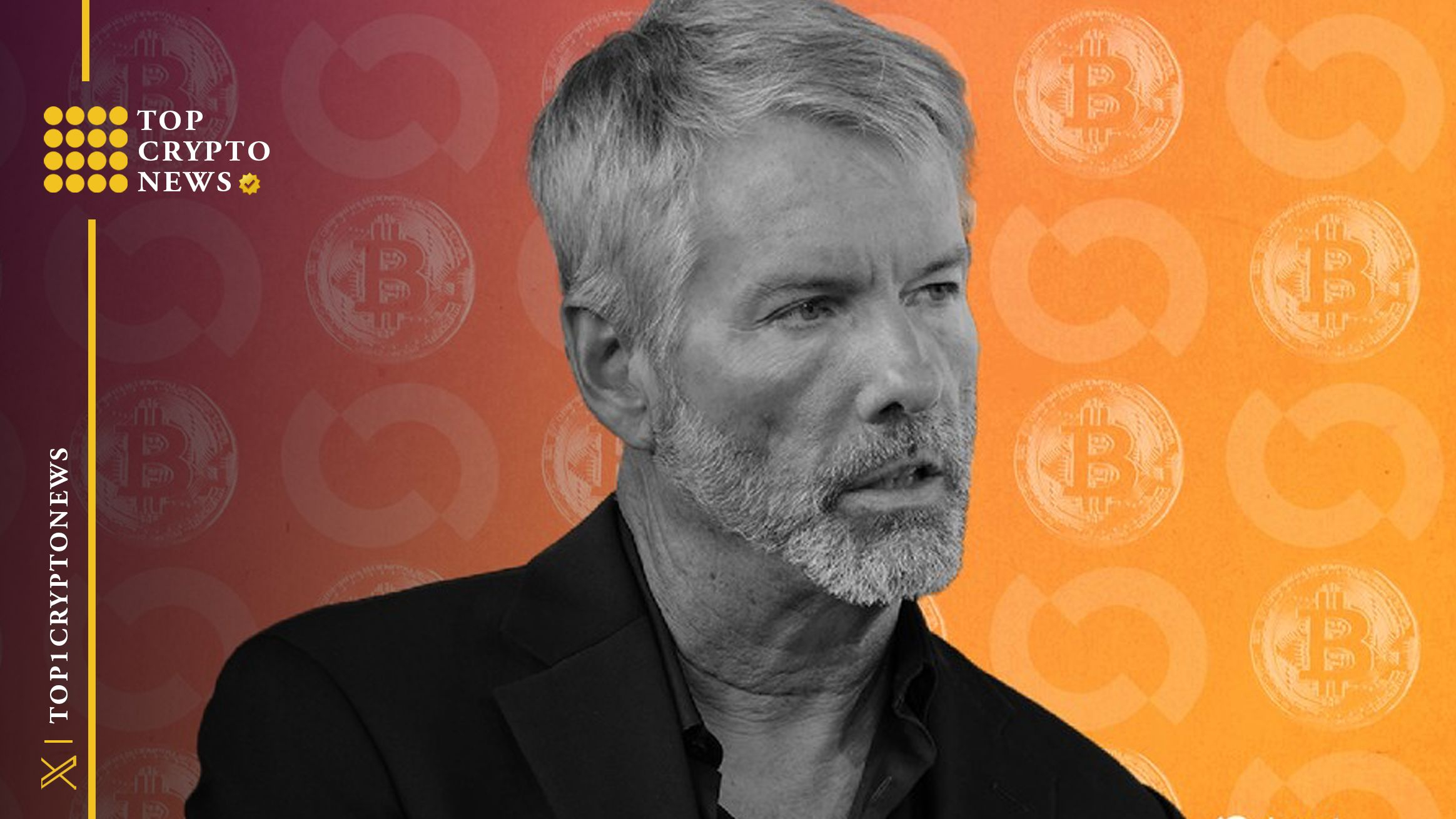
🟠 බිට්කොයින් ඉතිහාසයේ විශාලතම සතිපතා ඉටිපන්දම වසා දැමීය.
BTC ඩොලර් 78,000 දක්වා ඉහළ ගිය අතර, මෙම පසුබිමෙහි තුළ Strategy Sailor නැවතත් සිය ස්ථාන වලදී ධනාත්මක ලෙසට හැරුණි. එම සතිපතා ඉටිපන්දම බිට්කොයින්හි සම්පූර්ණ ඉතිහාසයේම නාමික වශයෙන් වැඩිම පරිමාවෙන් යුත් විශාලතම එක බවට පත්විය.
ඇල්ට්කොයින්වල ද පසුගාමී වුණේ නැත: ප්රධාන වෙළඳපොළ ප්රතිස්ථාපන තත්ත්වයක් අතරතුර ඉහළ 10 කාසිවල වර්ධනය 50%ට වඩා වැඩි විය.
#BTC | #Bitcoin | $BTC
{spot}(BTCUSDT)
🟠 බිට්කොයින් ඉතිහාසයේ විශාලතම සතිපතා ඉටිපන්දම වසා දැමීය.
BTC ඩොලර් 78,000 දක්වා ඉහළ ගිය අතර, මෙම පසුබිමෙහි තුළ Strategy Sailor නැවතත් සිය ස්ථාන වලදී ධනාත්මක ලෙසට හැරුණි. එම සතිපතා ඉටිපන්දම බිට්කොයින්හි සම්පූර්ණ ඉතිහාසයේම නාමික වශයෙන් වැඩිම පරිමාවෙන් යුත් විශාලතම එක බවට පත්විය.
ඇල්ට්කොයින්වල ද පසුගාමී වුණේ නැත: ප්රධාන වෙළඳපොළ ප්රතිස්ථාපන තත්ත්වයක් අතරතුර ඉහළ 10 කාසිවල වර්ධනය 50%ට වඩා වැඩි විය.
#BTC | #Bitcoin | $BTC
BTC ඩොලර් 78,000 දක්වා ඉහළ ගිය අතර, මෙම පසුබිමෙහි තුළ Strategy Sailor නැවතත් සිය ස්ථාන වලදී ධනාත්මක ලෙසට හැරුණි. එම සතිපතා ඉටිපන්දම බිට්කොයින්හි සම්පූර්ණ ඉතිහාසයේම නාමික වශයෙන් වැඩිම පරිමාවෙන් යුත් විශාලතම එක බවට පත්විය.
ඇල්ට්කොයින්වල ද පසුගාමී වුණේ නැත: ප්රධාන වෙළඳපොළ ප්රතිස්ථාපන තත්ත්වයක් අතරතුර ඉහළ 10 කාසිවල වර්ධනය 50%ට වඩා වැඩි විය.
#BTC | #Bitcoin | $BTC
1
7
4.1k
සත්යායනය කළ
🪙 XRP සඳහා Nasdaq හි උද්යෝගය: SEC විසින් XRP-අදාළ නිකුතුවට අනුමැතිය! විස්තර මෙන්න
Bitcoin සහ altcoin වල මිල ඉහළ යාම වෙළෙඳපොළට උද්යෝගයක් එක් කරමින් සිටින අතර, XRP සඳහාද ධනාත්මක වර්ධනයන් සිදුවෙමින් පවතී. මේ සන්දර්භය තුළ XRP භාණ්ඩාගාර සමාගමක් වන Evernorth, Nasdaq SPAC ලැයිස්තුගත කිරීමක් වෙත තවත් පියවරක් ඉදිරියට ගෙන තිබේ. මෙම වර්ධනය සමඟින්, Evernorth සිය Nasdaq ලැයිස්තුගත කිරීමේ ඉලක්කය කරා යන ගමනේ තවත් වැදගත් අදියරක් සම්පූර්ණ කර ඇත.
XRP භාණ්ඩාගාර සමාගම වන Evernorth Holdings විසින්, විශේෂ අරමුණක් ඇති අත්පත් කරගැනීම් සමාගමක් (special purpose acquisition company) වන Armada Acquisition Corp. II සමඟ සිදු කරන ඒකාබද්ධ කිරීම සඳහා, එක්සත් ජනපද කොටස් හා විනිමය කොමිෂන් සභාව (SEC) වෙත ඉදිරිපත් කළ Form S-4 ලියාපදිංචි ගොනු කිරීම ක්රියාත්මක වී ඇති බව නිවේදනය කර ඇත. Armada Acquisition Corp. II සමඟ සිදු කරන මෙම ඒකාබද්ධ කිරීම පිළිබඳ කොටස් හිමියන්ගේ ඡන්දය 2026 සැප්තැම්බර් 30 දිනට සැලසුම් කර ඇත.
🔸 භාණ්ඩාගාර සමාගමක් ලෙස XRP ලැයිස්තුගත වීමට අපේක්ෂා කෙරේ!
මෙම වර්ධනය ඒකාබද්ධ කිරීමේ ක්රියාවලිය තුළ වැදගත් සන්ධිස්ථානයක් සනිටුහන් කරමින්, Evernorth හි Nasdaq ඉලක්කයට මඟ පෑදෙයි.
මෙම අවස්ථාවේදී, කොටස් හිමියන් විසින් ඒකාබද්ධ කිරීම අනුමත කර අනෙක් සියලුම අවසන් කිරීමේ කොන්දේසි සපුරාලන්නේ නම්, එමගින් නිර්මාණය වන නව සමාගම “XRPN” යන ටිකර් සංකේතය යටතේ $XRP කේන්ද්ර කරගත් භාණ්ඩාගාර සමාගමක් ලෙස Nasdaq හි වෙළෙඳාම් කිරීමට අපේක්ෂා කෙරේ.
Evernorth හි නිර්මාතෘ සහ CEO Asheesh Birla පැවසුවේ, “අප යෝජනා කළ ව්යාපාර ඒකාබද්ධ කිරීම සම්පූර්ණ කිරීම වෙත ළඟා වීම සඳහා අද වැදගත් සන්ධිස්ථානයකි. අපේ ඉලක්කය වූයේ පොදු වෙළෙඳපොළවලින් ඉල්ලා සිටින විනිවිදභාවය සහ පාලනය සහිතව ක්රියාකාරීව කළමනාකරණය කරන XRP භාණ්ඩාගාරයක් නිර්මාණය කිරීමයි. ලියාපදිංචි ප්රකාශය ක්රියාත්මක වීමත් සමඟ, අපේ දැක්ම සැබෑ කර ගැනීමට අපි තවත් එක් පියවරක් ඉදිරියට ගොස් ඇත.”
Evernorth හි ප්රධාන ආයෝජකයින් අතර Ripple, SBI Group, Pantera Capital, Kraken, GSR, සහ Arrington Capital ඇතුළත් වන අතර, සමාගම විසින් ආයෝජකයන්ගෙන් ලබාගෙන ඇති දළ ප්රතිපාදන $1 බිලියනයකට අධික මුදලක් සහ කැප වූ ප්රාග්ධනයක් සුරක්ෂිත කර ඇති බව සඳහන් කර ඇත.
#XRP | #Ripple | $XRP
{spot}(XRPUSDT)
🪙 XRP සඳහා Nasdaq හි උද්යෝගය: SEC විසින් XRP-අදාළ නිකුතුවට අනුමැතිය! විස්තර මෙන්න
Bitcoin සහ altcoin වල මිල ඉහළ යාම වෙළෙඳපොළට උද්යෝගයක් එක් කරමින් සිටින අතර, XRP සඳහාද ධනාත්මක වර්ධනයන් සිදුවෙමින් පවතී. මේ සන්දර්භය තුළ XRP භාණ්ඩාගාර සමාගමක් වන Evernorth, Nasdaq SPAC ලැයිස්තුගත කිරීමක් වෙත තවත් පියවරක් ඉදිරියට ගෙන තිබේ. මෙම වර්ධනය සමඟින්, Evernorth සිය Nasdaq ලැයිස්තුගත කිරීමේ ඉලක්කය කරා යන ගමනේ තවත් වැදගත් අදියරක් සම්පූර්ණ කර ඇත.
XRP භාණ්ඩාගාර සමාගම වන Evernorth Holdings විසින්, විශේෂ අරමුණක් ඇති අත්පත් කරගැනීම් සමාගමක් (special purpose acquisition company) වන Armada Acquisition Corp. II සමඟ සිදු කරන ඒකාබද්ධ කිරීම සඳහා, එක්සත් ජනපද කොටස් හා විනිමය කොමිෂන් සභාව (SEC) වෙත ඉදිරිපත් කළ Form S-4 ලියාපදිංචි ගොනු කිරීම ක්රියාත්මක වී ඇති බව නිවේදනය කර ඇත. Armada Acquisition Corp. II සමඟ සිදු කරන මෙම ඒකාබද්ධ කිරීම පිළිබඳ කොටස් හිමියන්ගේ ඡන්දය 2026 සැප්තැම්බර් 30 දිනට සැලසුම් කර ඇත.
🔸 භාණ්ඩාගාර සමාගමක් ලෙස XRP ලැයිස්තුගත වීමට අපේක්ෂා කෙරේ!
මෙම වර්ධනය ඒකාබද්ධ කිරීමේ ක්රියාවලිය තුළ වැදගත් සන්ධිස්ථානයක් සනිටුහන් කරමින්, Evernorth හි Nasdaq ඉලක්කයට මඟ පෑදෙයි.
මෙම අවස්ථාවේදී, කොටස් හිමියන් විසින් ඒකාබද්ධ කිරීම අනුමත කර අනෙක් සියලුම අවසන් කිරීමේ කොන්දේසි සපුරාලන්නේ නම්, එමගින් නිර්මාණය වන නව සමාගම “XRPN” යන ටිකර් සංකේතය යටතේ $XRP කේන්ද්ර කරගත් භාණ්ඩාගාර සමාගමක් ලෙස Nasdaq හි වෙළෙඳාම් කිරීමට අපේක්ෂා කෙරේ.
Evernorth හි නිර්මාතෘ සහ CEO Asheesh Birla පැවසුවේ, “අප යෝජනා කළ ව්යාපාර ඒකාබද්ධ කිරීම සම්පූර්ණ කිරීම වෙත ළඟා වීම සඳහා අද වැදගත් සන්ධිස්ථානයකි. අපේ ඉලක්කය වූයේ පොදු වෙළෙඳපොළවලින් ඉල්ලා සිටින විනිවිදභාවය සහ පාලනය සහිතව ක්රියාකාරීව කළමනාකරණය කරන XRP භාණ්ඩාගාරයක් නිර්මාණය කිරීමයි. ලියාපදිංචි ප්රකාශය ක්රියාත්මක වීමත් සමඟ, අපේ දැක්ම සැබෑ කර ගැනීමට අපි තවත් එක් පියවරක් ඉදිරියට ගොස් ඇත.”
Evernorth හි ප්රධාන ආයෝජකයින් අතර Ripple, SBI Group, Pantera Capital, Kraken, GSR, සහ Arrington Capital ඇතුළත් වන අතර, සමාගම විසින් ආයෝජකයන්ගෙන් ලබාගෙන ඇති දළ ප්රතිපාදන $1 බිලියනයකට අධික මුදලක් සහ කැප වූ ප්රාග්ධනයක් සුරක්ෂිත කර ඇති බව සඳහන් කර ඇත.
#XRP | #Ripple | $XRP
Bitcoin සහ altcoin වල මිල ඉහළ යාම වෙළෙඳපොළට උද්යෝගයක් එක් කරමින් සිටින අතර, XRP සඳහාද ධනාත්මක වර්ධනයන් සිදුවෙමින් පවතී. මේ සන්දර්භය තුළ XRP භාණ්ඩාගාර සමාගමක් වන Evernorth, Nasdaq SPAC ලැයිස්තුගත කිරීමක් වෙත තවත් පියවරක් ඉදිරියට ගෙන තිබේ. මෙම වර්ධනය සමඟින්, Evernorth සිය Nasdaq ලැයිස්තුගත කිරීමේ ඉලක්කය කරා යන ගමනේ තවත් වැදගත් අදියරක් සම්පූර්ණ කර ඇත.
XRP භාණ්ඩාගාර සමාගම වන Evernorth Holdings විසින්, විශේෂ අරමුණක් ඇති අත්පත් කරගැනීම් සමාගමක් (special purpose acquisition company) වන Armada Acquisition Corp. II සමඟ සිදු කරන ඒකාබද්ධ කිරීම සඳහා, එක්සත් ජනපද කොටස් හා විනිමය කොමිෂන් සභාව (SEC) වෙත ඉදිරිපත් කළ Form S-4 ලියාපදිංචි ගොනු කිරීම ක්රියාත්මක වී ඇති බව නිවේදනය කර ඇත. Armada Acquisition Corp. II සමඟ සිදු කරන මෙම ඒකාබද්ධ කිරීම පිළිබඳ කොටස් හිමියන්ගේ ඡන්දය 2026 සැප්තැම්බර් 30 දිනට සැලසුම් කර ඇත.
🔸 භාණ්ඩාගාර සමාගමක් ලෙස XRP ලැයිස්තුගත වීමට අපේක්ෂා කෙරේ!
මෙම වර්ධනය ඒකාබද්ධ කිරීමේ ක්රියාවලිය තුළ වැදගත් සන්ධිස්ථානයක් සනිටුහන් කරමින්, Evernorth හි Nasdaq ඉලක්කයට මඟ පෑදෙයි.
මෙම අවස්ථාවේදී, කොටස් හිමියන් විසින් ඒකාබද්ධ කිරීම අනුමත කර අනෙක් සියලුම අවසන් කිරීමේ කොන්දේසි සපුරාලන්නේ නම්, එමගින් නිර්මාණය වන නව සමාගම “XRPN” යන ටිකර් සංකේතය යටතේ $XRP කේන්ද්ර කරගත් භාණ්ඩාගාර සමාගමක් ලෙස Nasdaq හි වෙළෙඳාම් කිරීමට අපේක්ෂා කෙරේ.
Evernorth හි නිර්මාතෘ සහ CEO Asheesh Birla පැවසුවේ, “අප යෝජනා කළ ව්යාපාර ඒකාබද්ධ කිරීම සම්පූර්ණ කිරීම වෙත ළඟා වීම සඳහා අද වැදගත් සන්ධිස්ථානයකි. අපේ ඉලක්කය වූයේ පොදු වෙළෙඳපොළවලින් ඉල්ලා සිටින විනිවිදභාවය සහ පාලනය සහිතව ක්රියාකාරීව කළමනාකරණය කරන XRP භාණ්ඩාගාරයක් නිර්මාණය කිරීමයි. ලියාපදිංචි ප්රකාශය ක්රියාත්මක වීමත් සමඟ, අපේ දැක්ම සැබෑ කර ගැනීමට අපි තවත් එක් පියවරක් ඉදිරියට ගොස් ඇත.”
Evernorth හි ප්රධාන ආයෝජකයින් අතර Ripple, SBI Group, Pantera Capital, Kraken, GSR, සහ Arrington Capital ඇතුළත් වන අතර, සමාගම විසින් ආයෝජකයන්ගෙන් ලබාගෙන ඇති දළ ප්රතිපාදන $1 බිලියනයකට අධික මුදලක් සහ කැප වූ ප්රාග්ධනයක් සුරක්ෂිත කර ඇති බව සඳහන් කර ඇත.
#XRP | #Ripple | $XRP
5
2.8k
සත්යායනය කළ
🔥 Solana හි $100 බිඳවැටීම මෙතැනයි — නමුත් ඊට වඩා විශාල කතාව තවම ආරම්භ වෙමින් පවතී
Solana මිල තීරණාත්මක ලෙස $100 සීමාව ඉහළට බිඳ දමා ඇත. එය වසර ගණනාවකට පසු එහි ශක්තිමත්ම මාසික වර්ධනය දිගු කරමින් පවතින්නේ ආයතනික ප්රවේශය, ETF ක්රියාකාරීත්වය සහ SOL වටා වෙනස් වන ටෝකෙනොමික්ස් එකට එකතු වෙද්දීය. මෙම බිඳවැටීම මාස ගණනාවක් තිස්සේ මනෝවිද්යාත්මක මට්ටමට පහළින් පැවති ප්රතිරෝධය මතින් පසුය. එම නිසා $110-$120 කලාපය නැවතත් වෙළෙඳුන්ගේ අවධානයට දැඩි ලෙස පැමිණ ඇත.
🔸 Schwab හි SOL ව්යාප්තිය ආයතනික ප්රවේශය පුළුල් කරයි
මෙම නව පියවර Charles Schwab විසින් ඉදිරි මාස කිහිපය තුළ Schwab Crypto වෙත Solana, Avalanche සහ Chainlink එක් කිරීමට ගත් තීරණය සමඟ සමාන වේ. බ්රෝකරිජ් ආයතනය පසුගිය මැයි මාසයේදී සෘජු Bitcoin සහ Ethereum වෙළඳාම ආරම්භ කරමින් සිටි අතර, සැලසුම් කළ SOL එකතු කිරීම BTC සහ ETH හැර ලොව ප්රධානම ක්රිප්ටෝ මුදල් තුනක් සඳහා එහි ඩිජිටල්-වාත්තු සපයන ප්රවේශය පුළුල් කරයි.
මෙහි වැදගත්කම බෙදාහැරීමේ නාලිකාවයි: Solana ක්රිප්ටෝ-ස්වදේශීය එක්ස්චේන්ජ් එකක් භාවිතා කිරීමට අතුරු මග අවශ්ය නොවී, දැනටමත් සාම්ප්රදායික බ්රෝකරිජ් පරිසරය තුළ ක්රියාත්මක වන ආයෝජකයන් වෙත සමීප වෙමින් පවතී. ETF ක්රියාකාරීත්වය ආයතනික ඉල්ලුම පිළිබඳ වෙනම දර්ශකයක්ද සපයයි. එක්සත් ජනපදයේ Solana සම්බන්ධ නිෂ්පාදන දිගුකාලීන ආදානයන් වාර්තා කර ඇත. තවද Bitwise හි BSOL staking ETF අගෝස්තු 27 දින දෛනික වෙළඳ පරිමාව ඩොලර් මිලියන 126 ක වාර්තාවක් තබා තිබුණි.
🔸 Solana හි සැපයුම් වක්රය ආයෝජන කතාවට කොටසක් වෙමින් පවතී
ඉල්ලුම් පැත්තේ සිදුවීම්, $SOL හි අනාගත සැපයුමට ඇති විය හැකි වැදගත් වෙනසක් සමඟ එකට ගමන් කරයි. Solana validator පුරෝකථනයන් SGP-0002 සහ SGP-0003 පිළිබඳව ඡන්දය දක්වමින් සිටී. මේවා disinflation වේගවත් කිරීමටත්, ගනුදෙනු-සම්බන්ධ ගාස්තු ප්රමාණයක් ස්ථිර ලෙස සංසරණයෙන් ඉවත් කිරීමටත් අදහස් කරන යෝජනා වේ.
SGP-0002 මඟින් වාර්ෂික disinflation අනුපාතය 15% සිට 30% දක්වා ඉහළ නංවනු ඇත. ඒ අනුව Solana එහි 1.5% අවසාන (terminal) උද්ධමන අනුපාතය වෙත සැලකිය යුතු ලෙස වේගවත් ලෙස ළඟා කරවමින්, ඉදිරි වසර හය තුළ පුරෝකථනය කරන නිකුතුව SOL මිලියන 18.9ක් පමණ අඩු කරයි. SGP-0003 මඟින් දායකත්වය මත පදනම් වූ ගාස්තුවක් හඳුන්වා දෙනු ඇත. එම ගාස්තුව දහනය (burn) කරනු ලබන අතර, දැනට පවතින ක්රියාකාරී මට්ටම් යටතේ දෛනික SOL burn ප්රමාණය දළ වශයෙන් 600-800 සිට 7,500-9,000 SOL පමණ දක්වා ඉහළ යා හැකි බවට ඇස්තමේන්තු පවතී.
#SOL | #Solana | $SOL
{spot}(SOLUSDT)
🔥 Solana හි $100 බිඳවැටීම මෙතැනයි — නමුත් ඊට වඩා විශාල කතාව තවම ආරම්භ වෙමින් පවතී
Solana මිල තීරණාත්මක ලෙස $100 සීමාව ඉහළට බිඳ දමා ඇත. එය වසර ගණනාවකට පසු එහි ශක්තිමත්ම මාසික වර්ධනය දිගු කරමින් පවතින්නේ ආයතනික ප්රවේශය, ETF ක්රියාකාරීත්වය සහ SOL වටා වෙනස් වන ටෝකෙනොමික්ස් එකට එකතු වෙද්දීය. මෙම බිඳවැටීම මාස ගණනාවක් තිස්සේ මනෝවිද්යාත්මක මට්ටමට පහළින් පැවති ප්රතිරෝධය මතින් පසුය. එම නිසා $110-$120 කලාපය නැවතත් වෙළෙඳුන්ගේ අවධානයට දැඩි ලෙස පැමිණ ඇත.
🔸 Schwab හි SOL ව්යාප්තිය ආයතනික ප්රවේශය පුළුල් කරයි
මෙම නව පියවර Charles Schwab විසින් ඉදිරි මාස කිහිපය තුළ Schwab Crypto වෙත Solana, Avalanche සහ Chainlink එක් කිරීමට ගත් තීරණය සමඟ සමාන වේ. බ්රෝකරිජ් ආයතනය පසුගිය මැයි මාසයේදී සෘජු Bitcoin සහ Ethereum වෙළඳාම ආරම්භ කරමින් සිටි අතර, සැලසුම් කළ SOL එකතු කිරීම BTC සහ ETH හැර ලොව ප්රධානම ක්රිප්ටෝ මුදල් තුනක් සඳහා එහි ඩිජිටල්-වාත්තු සපයන ප්රවේශය පුළුල් කරයි.
මෙහි වැදගත්කම බෙදාහැරීමේ නාලිකාවයි: Solana ක්රිප්ටෝ-ස්වදේශීය එක්ස්චේන්ජ් එකක් භාවිතා කිරීමට අතුරු මග අවශ්ය නොවී, දැනටමත් සාම්ප්රදායික බ්රෝකරිජ් පරිසරය තුළ ක්රියාත්මක වන ආයෝජකයන් වෙත සමීප වෙමින් පවතී. ETF ක්රියාකාරීත්වය ආයතනික ඉල්ලුම පිළිබඳ වෙනම දර්ශකයක්ද සපයයි. එක්සත් ජනපදයේ Solana සම්බන්ධ නිෂ්පාදන දිගුකාලීන ආදානයන් වාර්තා කර ඇත. තවද Bitwise හි BSOL staking ETF අගෝස්තු 27 දින දෛනික වෙළඳ පරිමාව ඩොලර් මිලියන 126 ක වාර්තාවක් තබා තිබුණි.
🔸 Solana හි සැපයුම් වක්රය ආයෝජන කතාවට කොටසක් වෙමින් පවතී
ඉල්ලුම් පැත්තේ සිදුවීම්, $SOL හි අනාගත සැපයුමට ඇති විය හැකි වැදගත් වෙනසක් සමඟ එකට ගමන් කරයි. Solana validator පුරෝකථනයන් SGP-0002 සහ SGP-0003 පිළිබඳව ඡන්දය දක්වමින් සිටී. මේවා disinflation වේගවත් කිරීමටත්, ගනුදෙනු-සම්බන්ධ ගාස්තු ප්රමාණයක් ස්ථිර ලෙස සංසරණයෙන් ඉවත් කිරීමටත් අදහස් කරන යෝජනා වේ.
SGP-0002 මඟින් වාර්ෂික disinflation අනුපාතය 15% සිට 30% දක්වා ඉහළ නංවනු ඇත. ඒ අනුව Solana එහි 1.5% අවසාන (terminal) උද්ධමන අනුපාතය වෙත සැලකිය යුතු ලෙස වේගවත් ලෙස ළඟා කරවමින්, ඉදිරි වසර හය තුළ පුරෝකථනය කරන නිකුතුව SOL මිලියන 18.9ක් පමණ අඩු කරයි. SGP-0003 මඟින් දායකත්වය මත පදනම් වූ ගාස්තුවක් හඳුන්වා දෙනු ඇත. එම ගාස්තුව දහනය (burn) කරනු ලබන අතර, දැනට පවතින ක්රියාකාරී මට්ටම් යටතේ දෛනික SOL burn ප්රමාණය දළ වශයෙන් 600-800 සිට 7,500-9,000 SOL පමණ දක්වා ඉහළ යා හැකි බවට ඇස්තමේන්තු පවතී.
#SOL | #Solana | $SOL
Solana මිල තීරණාත්මක ලෙස $100 සීමාව ඉහළට බිඳ දමා ඇත. එය වසර ගණනාවකට පසු එහි ශක්තිමත්ම මාසික වර්ධනය දිගු කරමින් පවතින්නේ ආයතනික ප්රවේශය, ETF ක්රියාකාරීත්වය සහ SOL වටා වෙනස් වන ටෝකෙනොමික්ස් එකට එකතු වෙද්දීය. මෙම බිඳවැටීම මාස ගණනාවක් තිස්සේ මනෝවිද්යාත්මක මට්ටමට පහළින් පැවති ප්රතිරෝධය මතින් පසුය. එම නිසා $110-$120 කලාපය නැවතත් වෙළෙඳුන්ගේ අවධානයට දැඩි ලෙස පැමිණ ඇත.
🔸 Schwab හි SOL ව්යාප්තිය ආයතනික ප්රවේශය පුළුල් කරයි
මෙම නව පියවර Charles Schwab විසින් ඉදිරි මාස කිහිපය තුළ Schwab Crypto වෙත Solana, Avalanche සහ Chainlink එක් කිරීමට ගත් තීරණය සමඟ සමාන වේ. බ්රෝකරිජ් ආයතනය පසුගිය මැයි මාසයේදී සෘජු Bitcoin සහ Ethereum වෙළඳාම ආරම්භ කරමින් සිටි අතර, සැලසුම් කළ SOL එකතු කිරීම BTC සහ ETH හැර ලොව ප්රධානම ක්රිප්ටෝ මුදල් තුනක් සඳහා එහි ඩිජිටල්-වාත්තු සපයන ප්රවේශය පුළුල් කරයි.
මෙහි වැදගත්කම බෙදාහැරීමේ නාලිකාවයි: Solana ක්රිප්ටෝ-ස්වදේශීය එක්ස්චේන්ජ් එකක් භාවිතා කිරීමට අතුරු මග අවශ්ය නොවී, දැනටමත් සාම්ප්රදායික බ්රෝකරිජ් පරිසරය තුළ ක්රියාත්මක වන ආයෝජකයන් වෙත සමීප වෙමින් පවතී. ETF ක්රියාකාරීත්වය ආයතනික ඉල්ලුම පිළිබඳ වෙනම දර්ශකයක්ද සපයයි. එක්සත් ජනපදයේ Solana සම්බන්ධ නිෂ්පාදන දිගුකාලීන ආදානයන් වාර්තා කර ඇත. තවද Bitwise හි BSOL staking ETF අගෝස්තු 27 දින දෛනික වෙළඳ පරිමාව ඩොලර් මිලියන 126 ක වාර්තාවක් තබා තිබුණි.
🔸 Solana හි සැපයුම් වක්රය ආයෝජන කතාවට කොටසක් වෙමින් පවතී
ඉල්ලුම් පැත්තේ සිදුවීම්, $SOL හි අනාගත සැපයුමට ඇති විය හැකි වැදගත් වෙනසක් සමඟ එකට ගමන් කරයි. Solana validator පුරෝකථනයන් SGP-0002 සහ SGP-0003 පිළිබඳව ඡන්දය දක්වමින් සිටී. මේවා disinflation වේගවත් කිරීමටත්, ගනුදෙනු-සම්බන්ධ ගාස්තු ප්රමාණයක් ස්ථිර ලෙස සංසරණයෙන් ඉවත් කිරීමටත් අදහස් කරන යෝජනා වේ.
SGP-0002 මඟින් වාර්ෂික disinflation අනුපාතය 15% සිට 30% දක්වා ඉහළ නංවනු ඇත. ඒ අනුව Solana එහි 1.5% අවසාන (terminal) උද්ධමන අනුපාතය වෙත සැලකිය යුතු ලෙස වේගවත් ලෙස ළඟා කරවමින්, ඉදිරි වසර හය තුළ පුරෝකථනය කරන නිකුතුව SOL මිලියන 18.9ක් පමණ අඩු කරයි. SGP-0003 මඟින් දායකත්වය මත පදනම් වූ ගාස්තුවක් හඳුන්වා දෙනු ඇත. එම ගාස්තුව දහනය (burn) කරනු ලබන අතර, දැනට පවතින ක්රියාකාරී මට්ටම් යටතේ දෛනික SOL burn ප්රමාණය දළ වශයෙන් 600-800 සිට 7,500-9,000 SOL පමණ දක්වා ඉහළ යා හැකි බවට ඇස්තමේන්තු පවතී.
#SOL | #Solana | $SOL
5
1.7k
·
--
උසබ තත්ත්වය
සත්යායනය කළ
🚀 ෂිබා ඉනු පුවත්: අද SHIB මිල ඉහළ යන්නේ ඇයි?
හොඳින් ප්රකට meme-coin එකක් වන Shiba Inu (SHIB) අද සිය මිලේ තියුණු ඉහළ යෑමක් දක්වමින් සිටී. පසුගිය පැය 24 තුළ එය 5.19% කින් ඉහළ යමින් $0.00000567 දක්වාත්, මේ සතිය තුළදී ආසන්න වශයෙන් 28% කින්ත් ඉහළ ගොස් ඇත. මෙම රැලිය ජපානයේ FSA විසින් SHIB සහ අනෙකුත් ප්රධාන සාධක සමඟින් ටෝකනයේ මිල ඉහළ යාමට හේතු වන නව වෙළඳපොලක් විවෘත කිරීමත් සමඟින් පැමිණෙයි.
අද Shib මිල ඉහළ යන්නේ ප්රධාන හේතුව සහ ඊළඟට කොතැනට යයිද කියලා බලමු.
🔸 SHIB ජපානයේ තේරී ලත් Crypto ලැයිස්තුවට Bitcoin සහ XRP සමඟ එක්වෙයි
මෑත කාලීනව Shiba Inu ටෝකන මිල ඉහළ යෑමට ඇති විශාල හේතුවක් වන්නේ ජපානය තුළ SHIB වර්ධනය වෙමින් තිබීමයි.
Nomura ආධාරයෙන් ක්රියාත්මක Laser Digital Japan, ජපානයේ Financial Services Agency වෙතින් අනුමැතිය ලැබීමෙන් පසු, තම වේදිකාවට සහය දක්වන ක්රිප්ටෝ මුදල් හයක් අතරට SHIB ද ඇතුළත් කර ඇත. අනෙක් වත්කම්වලට Bitcoin, Ethereum, XRP, Bitcoin Cash සහ Litecoin ඇතුළත් වේ.
මූලාශ්රය: ජපානයේ නිල FSA ලේඛනය, අගෝස්තු 21 දින යාවත්කාලීන කළ එක. Laser Digital Japan තම සහය දක්වන වත්කම් හය අතර SHIB සමඟ ලැයිස්තුගතව ඇත. 🇯🇵 — Shib (@Shibtoken) අගෝස්තු 22, 2026
මෙය වැදගත් වන්නේ Laser Digital ආයතනික ගනුදෙනුකරුවන් වෙත අවධානය යොමු කරන අතර ජපන් ක්රිප්ටෝ වේදිකාවලට තොග-මට්ටමේ (wholesale) ද්රවශීලතාව සැපයීමට සැලසුම් කර තිබීමයි. එමගින් SHIB හට සාමාන්යයෙන් meme-coin trading පදනමට අමතරව වෙනස් ආකාරයේ වෙළඳපොළ නිරාවරණයක් ලැබේ.
🔸 SHIB Burns අනුපාතය ඉහළ යයි, එහෙත් Exchange inflow පහළ යයි
මිලට සහය දෙන තවත් සාධකයක් වන්නේ මෑතකාලීන SHIB burns (දැවී යාම්) ඉහළ යාමයි. Shibburn දත්තවලට අනුව පසුගිය පැය 24 තුළ burn rate 441%කට වඩා ඉහළ ගොස් ඇත. එහිදී ආසන්න වශයෙන් 41.8 මිලියන SHIB දැවී යන (dead) wallet වෙත යවා, සංසරණයෙන් ස්ථිරවම ඉවත් කර ඇත.
බැහැර කිරීම් (burns) පමණක් නොවන්නට ඉඩ ඇත, මන්ද SHIB ට්රිලියන ගණනක් තවමත් සංසරණයේ පවතින නිසා සැපයුම් “shock” එකක් විශාල ලෙස ඇති කර නොතිබෙන්නට පුළුවන්.
ඒ අතරම, වාර්තා කරන්නේ SHIB exchange netflow එක තියුණු ලෙස පහළ බැස 212.3 බිලියන ටෝකන දක්වා අඩුවී ඇති බවයි—ඒ ඉහතට වඩා 1 ට්රිලියනයකට වැඩි ප්රමාණයකින්. මෙයින් පෙන්වෙන්නේ විශාල හිමිකරුවන් (large holders) විසින් billions of SHIB exchanges වලින් ඉවත් කර පුද්ගලික wallet වලට මාරු කරමින් පවතින බවයි.
#SHİB | #ShibaInu | $SHIB
{spot}(SHIBUSDT)
🚀 ෂිබා ඉනු පුවත්: අද SHIB මිල ඉහළ යන්නේ ඇයි?
හොඳින් ප්රකට meme-coin එකක් වන Shiba Inu (SHIB) අද සිය මිලේ තියුණු ඉහළ යෑමක් දක්වමින් සිටී. පසුගිය පැය 24 තුළ එය 5.19% කින් ඉහළ යමින් $0.00000567 දක්වාත්, මේ සතිය තුළදී ආසන්න වශයෙන් 28% කින්ත් ඉහළ ගොස් ඇත. මෙම රැලිය ජපානයේ FSA විසින් SHIB සහ අනෙකුත් ප්රධාන සාධක සමඟින් ටෝකනයේ මිල ඉහළ යාමට හේතු වන නව වෙළඳපොලක් විවෘත කිරීමත් සමඟින් පැමිණෙයි.
අද Shib මිල ඉහළ යන්නේ ප්රධාන හේතුව සහ ඊළඟට කොතැනට යයිද කියලා බලමු.
🔸 SHIB ජපානයේ තේරී ලත් Crypto ලැයිස්තුවට Bitcoin සහ XRP සමඟ එක්වෙයි
මෑත කාලීනව Shiba Inu ටෝකන මිල ඉහළ යෑමට ඇති විශාල හේතුවක් වන්නේ ජපානය තුළ SHIB වර්ධනය වෙමින් තිබීමයි.
Nomura ආධාරයෙන් ක්රියාත්මක Laser Digital Japan, ජපානයේ Financial Services Agency වෙතින් අනුමැතිය ලැබීමෙන් පසු, තම වේදිකාවට සහය දක්වන ක්රිප්ටෝ මුදල් හයක් අතරට SHIB ද ඇතුළත් කර ඇත. අනෙක් වත්කම්වලට Bitcoin, Ethereum, XRP, Bitcoin Cash සහ Litecoin ඇතුළත් වේ.
මූලාශ්රය: ජපානයේ නිල FSA ලේඛනය, අගෝස්තු 21 දින යාවත්කාලීන කළ එක. Laser Digital Japan තම සහය දක්වන වත්කම් හය අතර SHIB සමඟ ලැයිස්තුගතව ඇත. 🇯🇵 — Shib (@Shibtoken) අගෝස්තු 22, 2026
මෙය වැදගත් වන්නේ Laser Digital ආයතනික ගනුදෙනුකරුවන් වෙත අවධානය යොමු කරන අතර ජපන් ක්රිප්ටෝ වේදිකාවලට තොග-මට්ටමේ (wholesale) ද්රවශීලතාව සැපයීමට සැලසුම් කර තිබීමයි. එමගින් SHIB හට සාමාන්යයෙන් meme-coin trading පදනමට අමතරව වෙනස් ආකාරයේ වෙළඳපොළ නිරාවරණයක් ලැබේ.
🔸 SHIB Burns අනුපාතය ඉහළ යයි, එහෙත් Exchange inflow පහළ යයි
මිලට සහය දෙන තවත් සාධකයක් වන්නේ මෑතකාලීන SHIB burns (දැවී යාම්) ඉහළ යාමයි. Shibburn දත්තවලට අනුව පසුගිය පැය 24 තුළ burn rate 441%කට වඩා ඉහළ ගොස් ඇත. එහිදී ආසන්න වශයෙන් 41.8 මිලියන SHIB දැවී යන (dead) wallet වෙත යවා, සංසරණයෙන් ස්ථිරවම ඉවත් කර ඇත.
බැහැර කිරීම් (burns) පමණක් නොවන්නට ඉඩ ඇත, මන්ද SHIB ට්රිලියන ගණනක් තවමත් සංසරණයේ පවතින නිසා සැපයුම් “shock” එකක් විශාල ලෙස ඇති කර නොතිබෙන්නට පුළුවන්.
ඒ අතරම, වාර්තා කරන්නේ SHIB exchange netflow එක තියුණු ලෙස පහළ බැස 212.3 බිලියන ටෝකන දක්වා අඩුවී ඇති බවයි—ඒ ඉහතට වඩා 1 ට්රිලියනයකට වැඩි ප්රමාණයකින්. මෙයින් පෙන්වෙන්නේ විශාල හිමිකරුවන් (large holders) විසින් billions of SHIB exchanges වලින් ඉවත් කර පුද්ගලික wallet වලට මාරු කරමින් පවතින බවයි.
#SHİB | #ShibaInu | $SHIB
හොඳින් ප්රකට meme-coin එකක් වන Shiba Inu (SHIB) අද සිය මිලේ තියුණු ඉහළ යෑමක් දක්වමින් සිටී. පසුගිය පැය 24 තුළ එය 5.19% කින් ඉහළ යමින් $0.00000567 දක්වාත්, මේ සතිය තුළදී ආසන්න වශයෙන් 28% කින්ත් ඉහළ ගොස් ඇත. මෙම රැලිය ජපානයේ FSA විසින් SHIB සහ අනෙකුත් ප්රධාන සාධක සමඟින් ටෝකනයේ මිල ඉහළ යාමට හේතු වන නව වෙළඳපොලක් විවෘත කිරීමත් සමඟින් පැමිණෙයි.
අද Shib මිල ඉහළ යන්නේ ප්රධාන හේතුව සහ ඊළඟට කොතැනට යයිද කියලා බලමු.
🔸 SHIB ජපානයේ තේරී ලත් Crypto ලැයිස්තුවට Bitcoin සහ XRP සමඟ එක්වෙයි
මෑත කාලීනව Shiba Inu ටෝකන මිල ඉහළ යෑමට ඇති විශාල හේතුවක් වන්නේ ජපානය තුළ SHIB වර්ධනය වෙමින් තිබීමයි.
Nomura ආධාරයෙන් ක්රියාත්මක Laser Digital Japan, ජපානයේ Financial Services Agency වෙතින් අනුමැතිය ලැබීමෙන් පසු, තම වේදිකාවට සහය දක්වන ක්රිප්ටෝ මුදල් හයක් අතරට SHIB ද ඇතුළත් කර ඇත. අනෙක් වත්කම්වලට Bitcoin, Ethereum, XRP, Bitcoin Cash සහ Litecoin ඇතුළත් වේ.
මූලාශ්රය: ජපානයේ නිල FSA ලේඛනය, අගෝස්තු 21 දින යාවත්කාලීන කළ එක. Laser Digital Japan තම සහය දක්වන වත්කම් හය අතර SHIB සමඟ ලැයිස්තුගතව ඇත. 🇯🇵 — Shib (@Shibtoken) අගෝස්තු 22, 2026
මෙය වැදගත් වන්නේ Laser Digital ආයතනික ගනුදෙනුකරුවන් වෙත අවධානය යොමු කරන අතර ජපන් ක්රිප්ටෝ වේදිකාවලට තොග-මට්ටමේ (wholesale) ද්රවශීලතාව සැපයීමට සැලසුම් කර තිබීමයි. එමගින් SHIB හට සාමාන්යයෙන් meme-coin trading පදනමට අමතරව වෙනස් ආකාරයේ වෙළඳපොළ නිරාවරණයක් ලැබේ.
🔸 SHIB Burns අනුපාතය ඉහළ යයි, එහෙත් Exchange inflow පහළ යයි
මිලට සහය දෙන තවත් සාධකයක් වන්නේ මෑතකාලීන SHIB burns (දැවී යාම්) ඉහළ යාමයි. Shibburn දත්තවලට අනුව පසුගිය පැය 24 තුළ burn rate 441%කට වඩා ඉහළ ගොස් ඇත. එහිදී ආසන්න වශයෙන් 41.8 මිලියන SHIB දැවී යන (dead) wallet වෙත යවා, සංසරණයෙන් ස්ථිරවම ඉවත් කර ඇත.
බැහැර කිරීම් (burns) පමණක් නොවන්නට ඉඩ ඇත, මන්ද SHIB ට්රිලියන ගණනක් තවමත් සංසරණයේ පවතින නිසා සැපයුම් “shock” එකක් විශාල ලෙස ඇති කර නොතිබෙන්නට පුළුවන්.
ඒ අතරම, වාර්තා කරන්නේ SHIB exchange netflow එක තියුණු ලෙස පහළ බැස 212.3 බිලියන ටෝකන දක්වා අඩුවී ඇති බවයි—ඒ ඉහතට වඩා 1 ට්රිලියනයකට වැඩි ප්රමාණයකින්. මෙයින් පෙන්වෙන්නේ විශාල හිමිකරුවන් (large holders) විසින් billions of SHIB exchanges වලින් ඉවත් කර පුද්ගලික wallet වලට මාරු කරමින් පවතින බවයි.
#SHİB | #ShibaInu | $SHIB
1
21
6k
🪙 ඉතිහාසය නැවතත් පුනරුච්චාරණය වේ
අපි 2022 දී ඇති වූ එම රටාවම අනුගමනය කරනවා.
🔴 2022 ජූනි පහළය → අගෝස්තු පම්ප් +43% → $16k හි සැබෑ පහළය.
🔴 2026 ජූනි පහළය → අගෝස්තු පම්ප් +37% → ??? හි සැබෑ පහළය
‼️ පසුගිය වාරෙදීත්, හැමෝම පම්ප් ආරම්භය ගැන බෙහෙවින් කෑගැසුවා.
🕯 මීට පෙර සිදු වූයේ වසර 4කට පෙර වූ වලස් වෙළඳපොළ කාලයේ දී වගේම ඉතා සමාන චලනයක්.
#BTC | #Bitcoin | $BTC
🪙 ඉතිහාසය නැවතත් පුනරුච්චාරණය වේ
අපි 2022 දී ඇති වූ එම රටාවම අනුගමනය කරනවා.
🔴 2022 ජූනි පහළය → අගෝස්තු පම්ප් +43% → $16k හි සැබෑ පහළය.
🔴 2026 ජූනි පහළය → අගෝස්තු පම්ප් +37% → ??? හි සැබෑ පහළය
‼️ පසුගිය වාරෙදීත්, හැමෝම පම්ප් ආරම්භය ගැන බෙහෙවින් කෑගැසුවා.
🕯 මීට පෙර සිදු වූයේ වසර 4කට පෙර වූ වලස් වෙළඳපොළ කාලයේ දී වගේම ඉතා සමාන චලනයක්.
#BTC | #Bitcoin | $BTC
අපි 2022 දී ඇති වූ එම රටාවම අනුගමනය කරනවා.
🔴 2022 ජූනි පහළය → අගෝස්තු පම්ප් +43% → $16k හි සැබෑ පහළය.
🔴 2026 ජූනි පහළය → අගෝස්තු පම්ප් +37% → ??? හි සැබෑ පහළය
‼️ පසුගිය වාරෙදීත්, හැමෝම පම්ප් ආරම්භය ගැන බෙහෙවින් කෑගැසුවා.
🕯 මීට පෙර සිදු වූයේ වසර 4කට පෙර වූ වලස් වෙළඳපොළ කාලයේ දී වගේම ඉතා සමාන චලනයක්.
#BTC | #Bitcoin | $BTC
2
41
11.7k
👀 ඩොලර් බිලියන 5ක ද්රවීකරණයන්.
පසුගිය දින තුන තුළ, ක්රිප්ටෝ වෙළඳපොලේ ඩොලර් බිලියන 5ක වටිනාකමකින් යුතු ස්ථාන ද්රවීකරණය කර ඇත.
සාපේක්ෂව කෙටි කාලයක් තුළදී වෙළඳපොලෙන් විශාල ප්රමාණයේ ද්රවීකරණයන් මකා දැමී තිබුණා. වෙළඳපොලේ ගමන්වීම පහළට නොව ඉහළට තිබියදීත් මෙවැනි දෙයක් බොහෝ කාලයකට පසුවයි සිදුවෙලා තියෙන්නේ.
ඉහළ යාමෙන් ඔබට ලාභ ලැබුණද?
#Crypto
👀 ඩොලර් බිලියන 5ක ද්රවීකරණයන්.
පසුගිය දින තුන තුළ, ක්රිප්ටෝ වෙළඳපොලේ ඩොලර් බිලියන 5ක වටිනාකමකින් යුතු ස්ථාන ද්රවීකරණය කර ඇත.
සාපේක්ෂව කෙටි කාලයක් තුළදී වෙළඳපොලෙන් විශාල ප්රමාණයේ ද්රවීකරණයන් මකා දැමී තිබුණා. වෙළඳපොලේ ගමන්වීම පහළට නොව ඉහළට තිබියදීත් මෙවැනි දෙයක් බොහෝ කාලයකට පසුවයි සිදුවෙලා තියෙන්නේ.
ඉහළ යාමෙන් ඔබට ලාභ ලැබුණද?
#Crypto
පසුගිය දින තුන තුළ, ක්රිප්ටෝ වෙළඳපොලේ ඩොලර් බිලියන 5ක වටිනාකමකින් යුතු ස්ථාන ද්රවීකරණය කර ඇත.
සාපේක්ෂව කෙටි කාලයක් තුළදී වෙළඳපොලෙන් විශාල ප්රමාණයේ ද්රවීකරණයන් මකා දැමී තිබුණා. වෙළඳපොලේ ගමන්වීම පහළට නොව ඉහළට තිබියදීත් මෙවැනි දෙයක් බොහෝ කාලයකට පසුවයි සිදුවෙලා තියෙන්නේ.
ඉහළ යාමෙන් ඔබට ලාභ ලැබුණද?
#Crypto
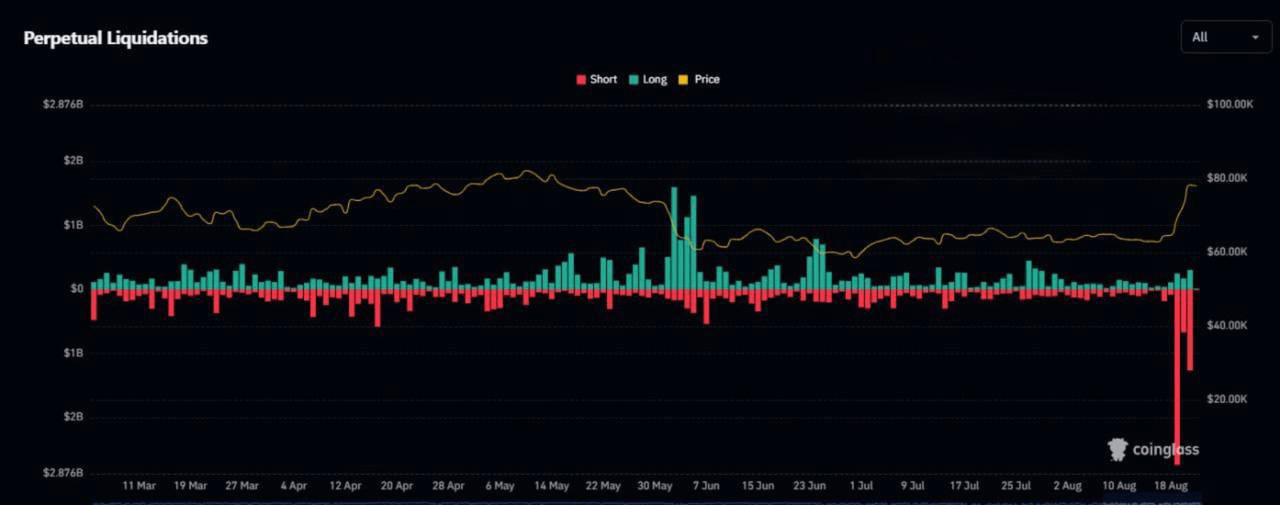
4
8
6.8k
📊 Bitcoin සහ Ether කෙටි පීඩනයක් ඇති කරයි — සතිපතා සාරාංශය
පසුගිය සතියේදී, ක්රිප්ටෝ වෙළඳපොලේ මාස කිහිපයකින් පළමු වරට වඩාත් ශක්තිමත් වර්ධනයක් වාර්තා විය. මෙම උද්ධමනයට ප්රධාන හේතු තුනක් බලපෑවේය: එක්සත් ජනපද භාණ්ඩාගාර දෙපාර්තමේන්තුවේ මැදිහත්වීම, නියාමන වෙනස්කම්, සහ $BTC සහ $ETH හි බෙයාරිෂ් (විරෝධී) ස්ථාන විනාශ කළ විශාල කෙටි පීඩනයක් (short squeeze).
මේ අතර, බැංකු සහ තාක්ෂණ සමාගම් stablecoins තුළට තවදුරටත් සම්බන්ධ වීම ගැඹුරු කරමින් පවතී. Elon Musk ගේ X (පෙර Twitter) විසින් නිර්මාණකරුවන්ට stablecoins වලින් ගෙවීම ගැන සොයා බලමින් සිටී.
#ETH | #BTC | #Bitcoin | #Ethereum
📊 Bitcoin සහ Ether කෙටි පීඩනයක් ඇති කරයි — සතිපතා සාරාංශය
පසුගිය සතියේදී, ක්රිප්ටෝ වෙළඳපොලේ මාස කිහිපයකින් පළමු වරට වඩාත් ශක්තිමත් වර්ධනයක් වාර්තා විය. මෙම උද්ධමනයට ප්රධාන හේතු තුනක් බලපෑවේය: එක්සත් ජනපද භාණ්ඩාගාර දෙපාර්තමේන්තුවේ මැදිහත්වීම, නියාමන වෙනස්කම්, සහ $BTC සහ $ETH හි බෙයාරිෂ් (විරෝධී) ස්ථාන විනාශ කළ විශාල කෙටි පීඩනයක් (short squeeze).
මේ අතර, බැංකු සහ තාක්ෂණ සමාගම් stablecoins තුළට තවදුරටත් සම්බන්ධ වීම ගැඹුරු කරමින් පවතී. Elon Musk ගේ X (පෙර Twitter) විසින් නිර්මාණකරුවන්ට stablecoins වලින් ගෙවීම ගැන සොයා බලමින් සිටී.
#ETH | #BTC | #Bitcoin | #Ethereum
පසුගිය සතියේදී, ක්රිප්ටෝ වෙළඳපොලේ මාස කිහිපයකින් පළමු වරට වඩාත් ශක්තිමත් වර්ධනයක් වාර්තා විය. මෙම උද්ධමනයට ප්රධාන හේතු තුනක් බලපෑවේය: එක්සත් ජනපද භාණ්ඩාගාර දෙපාර්තමේන්තුවේ මැදිහත්වීම, නියාමන වෙනස්කම්, සහ $BTC සහ $ETH හි බෙයාරිෂ් (විරෝධී) ස්ථාන විනාශ කළ විශාල කෙටි පීඩනයක් (short squeeze).
මේ අතර, බැංකු සහ තාක්ෂණ සමාගම් stablecoins තුළට තවදුරටත් සම්බන්ධ වීම ගැඹුරු කරමින් පවතී. Elon Musk ගේ X (පෙර Twitter) විසින් නිර්මාණකරුවන්ට stablecoins වලින් ගෙවීම ගැන සොයා බලමින් සිටී.
#ETH | #BTC | #Bitcoin | #Ethereum
2
3
6.7k
ඓතිහාසික ආධාරක රේඛාවක් පරීක්ෂා කිරීමෙන් පසුව ETH ආපසු හැරිණි. ඊළඟ ඉලක්කය – $5k 🧪
අදාළ මට්ටම ඩොලර් $1,922 කි. මෙය ඉතිහාසයේ 4වන පරීක්ෂාවයි. කලින් අවස්ථාවලදී, මෙම මට්ටමෙන් පසු ETH +229%, +176%, සහ +236% ලෙස ඉහළ ගියේය. මේ වාරයේදීද සමාන ඉලක්කයක් ආසන්න වශයෙන් ඩොලර් $5,700 (+283%) ලබා දෙනු ඇත.
$ETH | #ETH | #Ethereum
ඓතිහාසික ආධාරක රේඛාවක් පරීක්ෂා කිරීමෙන් පසුව ETH ආපසු හැරිණි. ඊළඟ ඉලක්කය – $5k 🧪
අදාළ මට්ටම ඩොලර් $1,922 කි. මෙය ඉතිහාසයේ 4වන පරීක්ෂාවයි. කලින් අවස්ථාවලදී, මෙම මට්ටමෙන් පසු ETH +229%, +176%, සහ +236% ලෙස ඉහළ ගියේය. මේ වාරයේදීද සමාන ඉලක්කයක් ආසන්න වශයෙන් ඩොලර් $5,700 (+283%) ලබා දෙනු ඇත.
$ETH | #ETH | #Ethereum
අදාළ මට්ටම ඩොලර් $1,922 කි. මෙය ඉතිහාසයේ 4වන පරීක්ෂාවයි. කලින් අවස්ථාවලදී, මෙම මට්ටමෙන් පසු ETH +229%, +176%, සහ +236% ලෙස ඉහළ ගියේය. මේ වාරයේදීද සමාන ඉලක්කයක් ආසන්න වශයෙන් ඩොලර් $5,700 (+283%) ලබා දෙනු ඇත.
$ETH | #ETH | #Ethereum
9
3.6k
තවත් අන්තර්ගතයන් ගවේෂණය කිරීමට ඇතුල් වන්න
Binance චතුරශ්රය හි ගෝලීය ක්රිප්ටෝ පරිශීලකයින් හා එක්වන්න
⚡️ ක්රිප්ටෝ පිළිබඳ නවතම සහ ප්රයෝජනවත් තොරතුරු ලබා ගන්න.
💬 ලොව විශාලතම ක්රිප්ටෝ හුවමාරුව මගින් විශ්වාස කෙරේ.
👍 සත්යායනය කරන ලද නිර්මාණකරුවන්ගෙන් සැබෑ විදසුන් සොයා ගන්න.
විද්යුත් තැපෑල / දුරකථන අංකය
නැගී එන මාතෘකා
ClarityActFacesProceduralVoteSept15
67,594 views
889 සාකච්ඡා කරමින්
Guys, මෙන්න ලබන සතිය සඳහා $BTC සහ ප්රධාන වශයෙන්, වෙළඳ කලාප, සහ චලනයක් ඇති කිරීමට හේතු වන දත්ත යාවත්කාලීන කිරීම!
මම සෑම මට්ටමක්ම පැහැදිලි කරන්නම්: අපට ඒ තැනට යන්න පුළුවන් වන්නේ ඇයි, BTC සඳහා $50,000ට පහළින් පතුලක් යම් දුරකින් තිබිය හැකි බවට මම තවමත් කියන්නේ ඇයි, එතරම් දරුණු (explosive) චලනයකට පසුවත් මම තවමත් BTC ගැන bullish නැත්තේ ඇයි!
BTC සඳහා, මගේ චාර්ටයේ ඔබට පෙනෙන පරිදි, retracement මට්ටම් සොයන්න මම Fibonacci භාවිතා කරනවා. කනගාටු නොවන්න—මම Fib බොහෝ කලක සිට භාවිතා කරනවා, පරීක්ෂා කර තිබෙනවා, මේ මට්ටම්වලට මම විශ්වාස කරනවා.
ඉදිරි bullish අවස්ථාව තමයි වෙළඳපොළ 0.5 හෝ 0.618 Fib මට්ටම්වලට ළඟාවීම. BTC සඳහා මේ මට්ටම් දෙක ආසන්න වශයෙන් $72,500 සහ $70,100. BTCට explosive move එකක් කරන්නත්, මේ bullish surge එක validate කරන්නත්, මේ කලාපය නැවත retrace විය යුතුයි.
තාක්ෂණික පැත්ත බලද්දී, fundamentals පැත්තත් එනවා!
මෙන්න CLARITY Act එක.
සැප්තැම්බර් 15 odds දැනට 80%කටත් වැඩියි. නමුත් සලකා බලමු—එය අනුමත වුණොත්.
Act එක සම්මත වුණොත් මම බලන උපරිම මට්ටම ඉක්මන් candle එකකින් $84,000–$86,000 දක්වා.
නමුත් ඊළඟ දවසේ September 16 වෙන FOMC එකක් තියෙනවා—මම පුද්ගලිකව විශ්වාස කරන්නේ එය hike එකක් ගෙන එන්න පුළුවන් කියලා.
මේ වෙලාවෙ easing සඳහා යන්න විදිහක් නෑ. ඒ අය monetary tightening සඳහා යන්නම ඕන. 25 bps hike එකක් ලබා දිය යුතුයි. මෙය සටහන් කරගන්න!
බලපෑම කුමක් වෙයිදැයි කල්පනා කරනවාද?
එක දවසේම (September 16) 7–10% කඩාවැටීමක් (crash) අනිවාර්යයෙන්!
ඒකෙන් නතර වෙන්නේ නැහැ. September 18 වෙන BOJ rate decision එකත් තියෙනවා—ඒකත් 25 bps hike එකක් ගෙන එන්න පුළුවන්.
මෙම සිදුවීම් දෙකම අපව $60,000 ට පහළට පහසුවෙන්ම ඇදගෙන යන්න පුළුවන්.
හේතුව? Yen carry trade.
ඔවුන් stocks වලින් liquidity sweep කරන්න පුළුවන්—ඒක risky assets වලට සෘජු බලපෑමක්.
මේ දෙකම… නොමැරෙයි (free fall) කරන්න යනවා.
ඒ නිසා නිගමනය: මම මේක තව දිගටම කරන්න කැමති නැහැ.
CLARITY ACT REJECTED → $70K–$72.5K RANGE
CLARITY ACT PASSED → $84K–$86K MAXIMUM
මේවා නිශ්චිත හේතුයි—ඒ නිසාත් මම ප්රධාන (majors) වලට bearish තවමත්. ඉතිරිව, higher time frames වල structure එක තවමත් bullish ලෙස shift වෙලා නැහැ.
LIKE එකක් දාලා යන්න!
#ClarityActFacesProceduralVoteSept15
$ETH etfs inflow! සටහන් කරන්න: eth ගැන shorts වලට යන්න එපා!
Crypto_LUX
·10 කැමත්ත දැක්වීම්
·3.5k views
US2YearYieldRisesTo4.61%
42,137 views
748 සාකච්ඡා කරමින්
US10YearTreasuryYieldNears5%
26,307 views
453 සාකච්ඡා කරමින්