
Palatuu
970 පෝස්ටු

Palatuu
වාර්තා කරන්න
පරිශීලක අවහිර කරන්න
Anyone welcome
විවෘත වෙළෙඳාම
අධි-සංඛ්යාත වෙළෙන්දා
{වේලාව} වසර
66 හඹා යමින්
6.9K+ හඹා යන්නන්
2.7K+ කැමති විය
පෝස්ටු
ආයෝජන කළඹ
සියල්ල
උපුටා දැක්වීම්
අමුණා ඇත
·
--
ලිපිය
පරිවර්තනය බලන්න
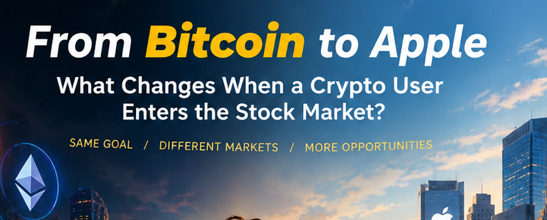
From Bitcoin to Apple: How Crypto Users Can Explore Stocks and bStocks on BinanceIf you already understand Bitcoin, Ethereum, or other crypto assets, you might think you understand investing.
Then you look at a stock such as Apple, Nvidia, or Tesla and suddenly the questions change.
What exactly am I buying? Why does the price move? What is P/E? What are earnings? Why does the market close? And how is owning a stock different from holding a cryptocurrency?
This is where the journey from crypto to stocks becomes interesting.
As a crypto user, I’m used to watching charts move 24/7. I’m familiar with volatility, market sentiment, narratives, liquidity, and the impact of major news. But stocks introduce another layer: companies, financial performance, earnings, economic conditions, and the underlying business itself.
Crypto and Stocks: Similar Market, Different Story
At first glance, crypto and stocks can look surprisingly similar.
Both have prices that move up and down. Both have buyers and sellers. Both can be traded through online platforms. Both can be affected by market sentiment and global events.
But the story behind the asset can be very different.
When you buy a stock, you are generally buying an ownership interest in a company. The company’s revenue, profits, growth expectations, competitive position, management decisions, and broader economic environment can all influence how investors value it.
Crypto assets work differently. Their value can be influenced by factors such as adoption, network activity, token economics, liquidity, technology, market sentiment, and broader crypto cycles.
That means a crypto user entering the stock market needs to learn a slightly different way of looking at charts.
A chart tells you what happened to the price.
The business can help explain why the market may value that stock the way it does.
From “What’s Trending?” to “What’s the Business?”
One of the biggest mindset changes is moving beyond price action.
In crypto, it is common to see an asset become popular because of a new narrative, ecosystem trend, technological development, or community attention.
In stocks, company fundamentals can play a much more direct role in how investors evaluate an opportunity.
For example, beginners may encounter terms such as:
Revenue — the money a company generates from its business.
Earnings — a measure related to the company’s profit after expenses.
EPS — earnings per share.
P/E ratio — a valuation measure comparing a company’s share price with its earnings per share.
Dividend — a distribution that some companies make to shareholders.
These terms may sound complicated at first, but they are simply tools that investors can use to understand a company and its valuation.
What About BStocks?
For crypto-native users, BStocks can make the transition into the world of stocks particularly interesting.
Instead of thinking of Stocks and Crypto as completely separate worlds, Binance provides an environment where users can explore different types of financial assets within the broader Binance ecosystem.
For someone who has spent years looking at crypto charts, learning about stocks through Binance can feel like adding another chapter to an existing investment education journey.
But accessibility does not remove risk.
A familiar interface does not mean every asset behaves the same way. Before trading or investing, users should understand the product, fees, trading conditions, market hours, risks, and applicable restrictions.
The Beginner’s Checklist
If you are a crypto user considering learning about US Stocks or BStocks, here is a simple starting checklist:
1. Understand what you are buying.
Know whether you are dealing with a stock, a BStock product, or another type of asset.
2. Learn the basic financial terms.
Revenue, earnings, EPS, P/E, market capitalization, dividends, and volatility are useful starting points.
3. Look beyond the chart.
Ask what the company actually does and what factors could affect its business.
4. Understand market hours.
Unlike crypto, traditional US stock markets do not operate continuously 24/7.
5. Consider risk before returns.
Past performance does not guarantee future results. Every investment can involve losses.
6. Start with education.
You do not need to understand everything on day one. Learning progressively can be more useful than jumping into a position because a stock is trending.
From Crypto Trader to Multi-Asset Learner
The most interesting part of moving from crypto to stocks is not choosing one market over the other.
It is learning how different markets work.
Crypto can teach you about volatility, market cycles, liquidity, narratives, and rapidly changing technology.
Stocks can teach you about businesses, financial statements, valuation, earnings, dividends, and the relationship between companies and the wider economy.
Learning both can broaden the way you think about markets.
And perhaps that is the real opportunity.
You don’t have to stop being a crypto user to learn about stocks.
You can simply become a more informed market participant.
For me, the journey is not really “Crypto versus Stocks.”
It is:
Crypto → Stocks → More knowledge → Better questions.
Because the goal of investing education isn’t to predict every price movement.
It is to understand what you are buying, know the risks you are taking, and make decisions based on your own goals and circumstances.
If you are a crypto user who has always wondered what happens on the other side of the market, maybe this is the time to open the next chapter.
From Bitcoin to Apple. From tokens to companies. From one market to many.
The journey starts with learning.
#SEABstock #SEAstock
From Bitcoin to Apple: How Crypto Users Can Explore Stocks and bStocks on Binance
If you already understand Bitcoin, Ethereum, or other crypto assets, you might think you understand investing.
Then you look at a stock such as Apple, Nvidia, or Tesla and suddenly the questions change.
What exactly am I buying? Why does the price move? What is P/E? What are earnings? Why does the market close? And how is owning a stock different from holding a cryptocurrency?
This is where the journey from crypto to stocks becomes interesting.
As a crypto user, I’m used to watching charts move 24/7. I’m familiar with volatility, market sentiment, narratives, liquidity, and the impact of major news. But stocks introduce another layer: companies, financial performance, earnings, economic conditions, and the underlying business itself.
Crypto and Stocks: Similar Market, Different Story
At first glance, crypto and stocks can look surprisingly similar.
Both have prices that move up and down. Both have buyers and sellers. Both can be traded through online platforms. Both can be affected by market sentiment and global events.
But the story behind the asset can be very different.
When you buy a stock, you are generally buying an ownership interest in a company. The company’s revenue, profits, growth expectations, competitive position, management decisions, and broader economic environment can all influence how investors value it.
Crypto assets work differently. Their value can be influenced by factors such as adoption, network activity, token economics, liquidity, technology, market sentiment, and broader crypto cycles.
That means a crypto user entering the stock market needs to learn a slightly different way of looking at charts.
A chart tells you what happened to the price.
The business can help explain why the market may value that stock the way it does.
From “What’s Trending?” to “What’s the Business?”
One of the biggest mindset changes is moving beyond price action.
In crypto, it is common to see an asset become popular because of a new narrative, ecosystem trend, technological development, or community attention.
In stocks, company fundamentals can play a much more direct role in how investors evaluate an opportunity.
For example, beginners may encounter terms such as:
Revenue — the money a company generates from its business.
Earnings — a measure related to the company’s profit after expenses.
EPS — earnings per share.
P/E ratio — a valuation measure comparing a company’s share price with its earnings per share.
Dividend — a distribution that some companies make to shareholders.
These terms may sound complicated at first, but they are simply tools that investors can use to understand a company and its valuation.
What About BStocks?
For crypto-native users, BStocks can make the transition into the world of stocks particularly interesting.
Instead of thinking of Stocks and Crypto as completely separate worlds, Binance provides an environment where users can explore different types of financial assets within the broader Binance ecosystem.
For someone who has spent years looking at crypto charts, learning about stocks through Binance can feel like adding another chapter to an existing investment education journey.
But accessibility does not remove risk.
A familiar interface does not mean every asset behaves the same way. Before trading or investing, users should understand the product, fees, trading conditions, market hours, risks, and applicable restrictions.
The Beginner’s Checklist
If you are a crypto user considering learning about US Stocks or BStocks, here is a simple starting checklist:
1. Understand what you are buying.
Know whether you are dealing with a stock, a BStock product, or another type of asset.
2. Learn the basic financial terms.
Revenue, earnings, EPS, P/E, market capitalization, dividends, and volatility are useful starting points.
3. Look beyond the chart.
Ask what the company actually does and what factors could affect its business.
4. Understand market hours.
Unlike crypto, traditional US stock markets do not operate continuously 24/7.
5. Consider risk before returns.
Past performance does not guarantee future results. Every investment can involve losses.
6. Start with education.
You do not need to understand everything on day one. Learning progressively can be more useful than jumping into a position because a stock is trending.
From Crypto Trader to Multi-Asset Learner
The most interesting part of moving from crypto to stocks is not choosing one market over the other.
It is learning how different markets work.
Crypto can teach you about volatility, market cycles, liquidity, narratives, and rapidly changing technology.
Stocks can teach you about businesses, financial statements, valuation, earnings, dividends, and the relationship between companies and the wider economy.
Learning both can broaden the way you think about markets.
And perhaps that is the real opportunity.
You don’t have to stop being a crypto user to learn about stocks.
You can simply become a more informed market participant.
For me, the journey is not really “Crypto versus Stocks.”
It is:
Crypto → Stocks → More knowledge → Better questions.
Because the goal of investing education isn’t to predict every price movement.
It is to understand what you are buying, know the risks you are taking, and make decisions based on your own goals and circumstances.
If you are a crypto user who has always wondered what happens on the other side of the market, maybe this is the time to open the next chapter.
From Bitcoin to Apple. From tokens to companies. From one market to many.
The journey starts with learning.
#SEABstock #SEAstock
Then you look at a stock such as Apple, Nvidia, or Tesla and suddenly the questions change.
What exactly am I buying? Why does the price move? What is P/E? What are earnings? Why does the market close? And how is owning a stock different from holding a cryptocurrency?
This is where the journey from crypto to stocks becomes interesting.
As a crypto user, I’m used to watching charts move 24/7. I’m familiar with volatility, market sentiment, narratives, liquidity, and the impact of major news. But stocks introduce another layer: companies, financial performance, earnings, economic conditions, and the underlying business itself.
Crypto and Stocks: Similar Market, Different Story
At first glance, crypto and stocks can look surprisingly similar.
Both have prices that move up and down. Both have buyers and sellers. Both can be traded through online platforms. Both can be affected by market sentiment and global events.
But the story behind the asset can be very different.
When you buy a stock, you are generally buying an ownership interest in a company. The company’s revenue, profits, growth expectations, competitive position, management decisions, and broader economic environment can all influence how investors value it.
Crypto assets work differently. Their value can be influenced by factors such as adoption, network activity, token economics, liquidity, technology, market sentiment, and broader crypto cycles.
That means a crypto user entering the stock market needs to learn a slightly different way of looking at charts.
A chart tells you what happened to the price.
The business can help explain why the market may value that stock the way it does.
From “What’s Trending?” to “What’s the Business?”
One of the biggest mindset changes is moving beyond price action.
In crypto, it is common to see an asset become popular because of a new narrative, ecosystem trend, technological development, or community attention.
In stocks, company fundamentals can play a much more direct role in how investors evaluate an opportunity.
For example, beginners may encounter terms such as:
Revenue — the money a company generates from its business.
Earnings — a measure related to the company’s profit after expenses.
EPS — earnings per share.
P/E ratio — a valuation measure comparing a company’s share price with its earnings per share.
Dividend — a distribution that some companies make to shareholders.
These terms may sound complicated at first, but they are simply tools that investors can use to understand a company and its valuation.
What About BStocks?
For crypto-native users, BStocks can make the transition into the world of stocks particularly interesting.
Instead of thinking of Stocks and Crypto as completely separate worlds, Binance provides an environment where users can explore different types of financial assets within the broader Binance ecosystem.
For someone who has spent years looking at crypto charts, learning about stocks through Binance can feel like adding another chapter to an existing investment education journey.
But accessibility does not remove risk.
A familiar interface does not mean every asset behaves the same way. Before trading or investing, users should understand the product, fees, trading conditions, market hours, risks, and applicable restrictions.
The Beginner’s Checklist
If you are a crypto user considering learning about US Stocks or BStocks, here is a simple starting checklist:
1. Understand what you are buying.
Know whether you are dealing with a stock, a BStock product, or another type of asset.
2. Learn the basic financial terms.
Revenue, earnings, EPS, P/E, market capitalization, dividends, and volatility are useful starting points.
3. Look beyond the chart.
Ask what the company actually does and what factors could affect its business.
4. Understand market hours.
Unlike crypto, traditional US stock markets do not operate continuously 24/7.
5. Consider risk before returns.
Past performance does not guarantee future results. Every investment can involve losses.
6. Start with education.
You do not need to understand everything on day one. Learning progressively can be more useful than jumping into a position because a stock is trending.
From Crypto Trader to Multi-Asset Learner
The most interesting part of moving from crypto to stocks is not choosing one market over the other.
It is learning how different markets work.
Crypto can teach you about volatility, market cycles, liquidity, narratives, and rapidly changing technology.
Stocks can teach you about businesses, financial statements, valuation, earnings, dividends, and the relationship between companies and the wider economy.
Learning both can broaden the way you think about markets.
And perhaps that is the real opportunity.
You don’t have to stop being a crypto user to learn about stocks.
You can simply become a more informed market participant.
For me, the journey is not really “Crypto versus Stocks.”
It is:
Crypto → Stocks → More knowledge → Better questions.
Because the goal of investing education isn’t to predict every price movement.
It is to understand what you are buying, know the risks you are taking, and make decisions based on your own goals and circumstances.
If you are a crypto user who has always wondered what happens on the other side of the market, maybe this is the time to open the next chapter.
From Bitcoin to Apple. From tokens to companies. From one market to many.
The journey starts with learning.
#SEABstock #SEAstock
2
2
1
238
අමුණා ඇත
·
--

ලිපිය
🌍 တစ်ယောက်ကစတဲ့ သန့်ရှင်းတဲ့ ကမ္ဘာတစ်ခါတလေ ကမ္ဘာကြီးကို ပြောင်းလဲဖို့ဆိုတာ အရမ်းကြီးမားတဲ့ ကိစ္စလို့ ထင်တတ်ကြပါတယ်။ “ငါတစ်ယောက်တည်း ဘာများ ထူးခြားသွားမှာလဲ” လို့လည်း တွေးမိနိုင်ပါတယ်။ ဒါပေမဲ့ ကြီးမားတဲ့ ပြောင်းလဲမှုတိုင်းဟာ လူတစ်ယောက်ရဲ့ သေးငယ်တဲ့ လုပ်ဆောင်ချက် ကနေပဲ စတင်တာပါ။
🌍 တစ်ယောက်ကစတဲ့ သန့်ရှင်းတဲ့ ကမ္ဘာ
တစ်ခါတလေ ကမ္ဘာကြီးကို ပြောင်းလဲဖို့ဆိုတာ အရမ်းကြီးမားတဲ့ ကိစ္စလို့ ထင်တတ်ကြပါတယ်။ “ငါတစ်ယောက်တည်း ဘာများ ထူးခြားသွားမှာလဲ” လို့လည်း တွေးမိနိုင်ပါတယ်။ ဒါပေမဲ့ ကြီးမားတဲ့ ပြောင်းလဲမှုတိုင်းဟာ လူတစ်ယောက်ရဲ့ သေးငယ်တဲ့ လုပ်ဆောင်ချက် ကနေပဲ စတင်တာပါ။
11
2
7
210
·
--
සත්යායනය කළ
අගෝස්තු මූලික CPI 0.3% MoM අගයට ළඟා වීමෙන්, 25bps ෆෙඩ් අනුපාත වැඩි කිරීමක් සඳහා ඇති අවස්ථාව ~90% දක්වා තල්ලු වුණා. මෙන්න මැක්රෝ සැකසුම සහ වෙළඳ දැක්ම:
අනුපාත දැක්ම: වෙනස් කරලා නැවත නවත්වන්නද?
25bps වැඩි කිරීමක් කිරීමට ඉඩ වැඩියි, නමුත් දිගුකාලීන චක්රයක් ආරම්භ කිරීමක් ලෙස නොව පූර්වාරක්ෂක පියවරක් ලෙස. Dot Plot ඉදිරියට තවත් වැඩි කිරීම් සංඥා කළහොත් මිස, වෙළඳපොළට එය අවශෝෂණය කරගන්න පුළුවන්.
වත්කම් කාණ්ඩ දැක්ම
* BTC: සැබෑ අනුපාත ඉහළ යාම නිසා කෙටි කාලීන පහලට අස්ථිරතාව (downside volatility) ඇති විය හැක; නමුත් දිගුකාලීන ව්යුහමය සහය ඉතිරිව පවතියි.
* තාක්ෂණික කොටස්: වැඩි ණය ගැනීමේ පිරිවැය සහ වර්ධන අගයන්ට (growth valuations) ඉහළ තැන්පතු අනුපාතික හේතුවෙන් දරුණු පීඩනයක්.
* රන්: USD ශක්තිය නිසා තාවකාලික පීඩනයක්; නමුත් දිගුකාලීන උද්ධමන (inflation) සහ භූ-දේශපාලනික ආරක්ෂාව (geopolitical hedging) මගින් ආධාර වේ.
වෙළඳ උපාය
* BTC: මූලික spot long රඳවාගෙන; “knee-jerk” පහල වැටීම් දක්නට ලැබුනොත් තවත් එකතු කරන්න (scale in) බලා සිටිනවා.
* කොටස්: මුදල් බහුල, ආරක්ෂිත (defensive) තාක්ෂණය වෙත මාරු වෙමින්.
* රන්: yield-පරිපාලිත pullbacks මත එකතු කරමින්.
මේ සතියේ ඔබේ පියවර කුමක්ද? පහතින් ඔබේ වෙළඳාම් බෙදාගන්න! 👇
#FedRateWatch
අගෝස්තු මූලික CPI 0.3% MoM අගයට ළඟා වීමෙන්, 25bps ෆෙඩ් අනුපාත වැඩි කිරීමක් සඳහා ඇති අවස්ථාව ~90% දක්වා තල්ලු වුණා. මෙන්න මැක්රෝ සැකසුම සහ වෙළඳ දැක්ම:
අනුපාත දැක්ම: වෙනස් කරලා නැවත නවත්වන්නද?
25bps වැඩි කිරීමක් කිරීමට ඉඩ වැඩියි, නමුත් දිගුකාලීන චක්රයක් ආරම්භ කිරීමක් ලෙස නොව පූර්වාරක්ෂක පියවරක් ලෙස. Dot Plot ඉදිරියට තවත් වැඩි කිරීම් සංඥා කළහොත් මිස, වෙළඳපොළට එය අවශෝෂණය කරගන්න පුළුවන්.
වත්කම් කාණ්ඩ දැක්ම
* BTC: සැබෑ අනුපාත ඉහළ යාම නිසා කෙටි කාලීන පහලට අස්ථිරතාව (downside volatility) ඇති විය හැක; නමුත් දිගුකාලීන ව්යුහමය සහය ඉතිරිව පවතියි.
* තාක්ෂණික කොටස්: වැඩි ණය ගැනීමේ පිරිවැය සහ වර්ධන අගයන්ට (growth valuations) ඉහළ තැන්පතු අනුපාතික හේතුවෙන් දරුණු පීඩනයක්.
* රන්: USD ශක්තිය නිසා තාවකාලික පීඩනයක්; නමුත් දිගුකාලීන උද්ධමන (inflation) සහ භූ-දේශපාලනික ආරක්ෂාව (geopolitical hedging) මගින් ආධාර වේ.
වෙළඳ උපාය
* BTC: මූලික spot long රඳවාගෙන; “knee-jerk” පහල වැටීම් දක්නට ලැබුනොත් තවත් එකතු කරන්න (scale in) බලා සිටිනවා.
* කොටස්: මුදල් බහුල, ආරක්ෂිත (defensive) තාක්ෂණය වෙත මාරු වෙමින්.
* රන්: yield-පරිපාලිත pullbacks මත එකතු කරමින්.
මේ සතියේ ඔබේ පියවර කුමක්ද? පහතින් ඔබේ වෙළඳාම් බෙදාගන්න! 👇
#FedRateWatch
අනුපාත දැක්ම: වෙනස් කරලා නැවත නවත්වන්නද?
25bps වැඩි කිරීමක් කිරීමට ඉඩ වැඩියි, නමුත් දිගුකාලීන චක්රයක් ආරම්භ කිරීමක් ලෙස නොව පූර්වාරක්ෂක පියවරක් ලෙස. Dot Plot ඉදිරියට තවත් වැඩි කිරීම් සංඥා කළහොත් මිස, වෙළඳපොළට එය අවශෝෂණය කරගන්න පුළුවන්.
වත්කම් කාණ්ඩ දැක්ම
* BTC: සැබෑ අනුපාත ඉහළ යාම නිසා කෙටි කාලීන පහලට අස්ථිරතාව (downside volatility) ඇති විය හැක; නමුත් දිගුකාලීන ව්යුහමය සහය ඉතිරිව පවතියි.
* තාක්ෂණික කොටස්: වැඩි ණය ගැනීමේ පිරිවැය සහ වර්ධන අගයන්ට (growth valuations) ඉහළ තැන්පතු අනුපාතික හේතුවෙන් දරුණු පීඩනයක්.
* රන්: USD ශක්තිය නිසා තාවකාලික පීඩනයක්; නමුත් දිගුකාලීන උද්ධමන (inflation) සහ භූ-දේශපාලනික ආරක්ෂාව (geopolitical hedging) මගින් ආධාර වේ.
වෙළඳ උපාය
* BTC: මූලික spot long රඳවාගෙන; “knee-jerk” පහල වැටීම් දක්නට ලැබුනොත් තවත් එකතු කරන්න (scale in) බලා සිටිනවා.
* කොටස්: මුදල් බහුල, ආරක්ෂිත (defensive) තාක්ෂණය වෙත මාරු වෙමින්.
* රන්: yield-පරිපාලිත pullbacks මත එකතු කරමින්.
මේ සතියේ ඔබේ පියවර කුමක්ද? පහතින් ඔබේ වෙළඳාම් බෙදාගන්න! 👇
#FedRateWatch
76
·
--
හෙලෝ මගේ යහළුවන්,
අද මට Binance Discord lemonade game ත්යාගයක් ලැබුණා.
මට කොපමණ USDC ලැබුණාද?
කමෙන්ට් එකේ පිළිතුරු දීලා USDC බොක්ස් එක ලබා ගන්න.
ස්තුතියි!
මෙන්න, Like කරන්නත් මගේ pinned post එකට comment කරන්නත් අමතක නොකරන්න. මම සියලු කමෙන්ට් සහ liked යහළුවන්ට තවත් දේවල් සකස් කරලා දෙන්නම්.
#Binance
#DiscordLemonade
#Reward
#RedPacket
හෙලෝ මගේ යහළුවන්,
අද මට Binance Discord lemonade game ත්යාගයක් ලැබුණා.
මට කොපමණ USDC ලැබුණාද?
කමෙන්ට් එකේ පිළිතුරු දීලා USDC බොක්ස් එක ලබා ගන්න.
ස්තුතියි!
මෙන්න, Like කරන්නත් මගේ pinned post එකට comment කරන්නත් අමතක නොකරන්න. මම සියලු කමෙන්ට් සහ liked යහළුවන්ට තවත් දේවල් සකස් කරලා දෙන්නම්.
#Binance
#DiscordLemonade
#Reward
#RedPacket
අද මට Binance Discord lemonade game ත්යාගයක් ලැබුණා.
මට කොපමණ USDC ලැබුණාද?
කමෙන්ට් එකේ පිළිතුරු දීලා USDC බොක්ස් එක ලබා ගන්න.
ස්තුතියි!
මෙන්න, Like කරන්නත් මගේ pinned post එකට comment කරන්නත් අමතක නොකරන්න. මම සියලු කමෙන්ට් සහ liked යහළුවන්ට තවත් දේවල් සකස් කරලා දෙන්නම්.
#Binance
#DiscordLemonade
#Reward
#RedPacket
29
2
29
·
--
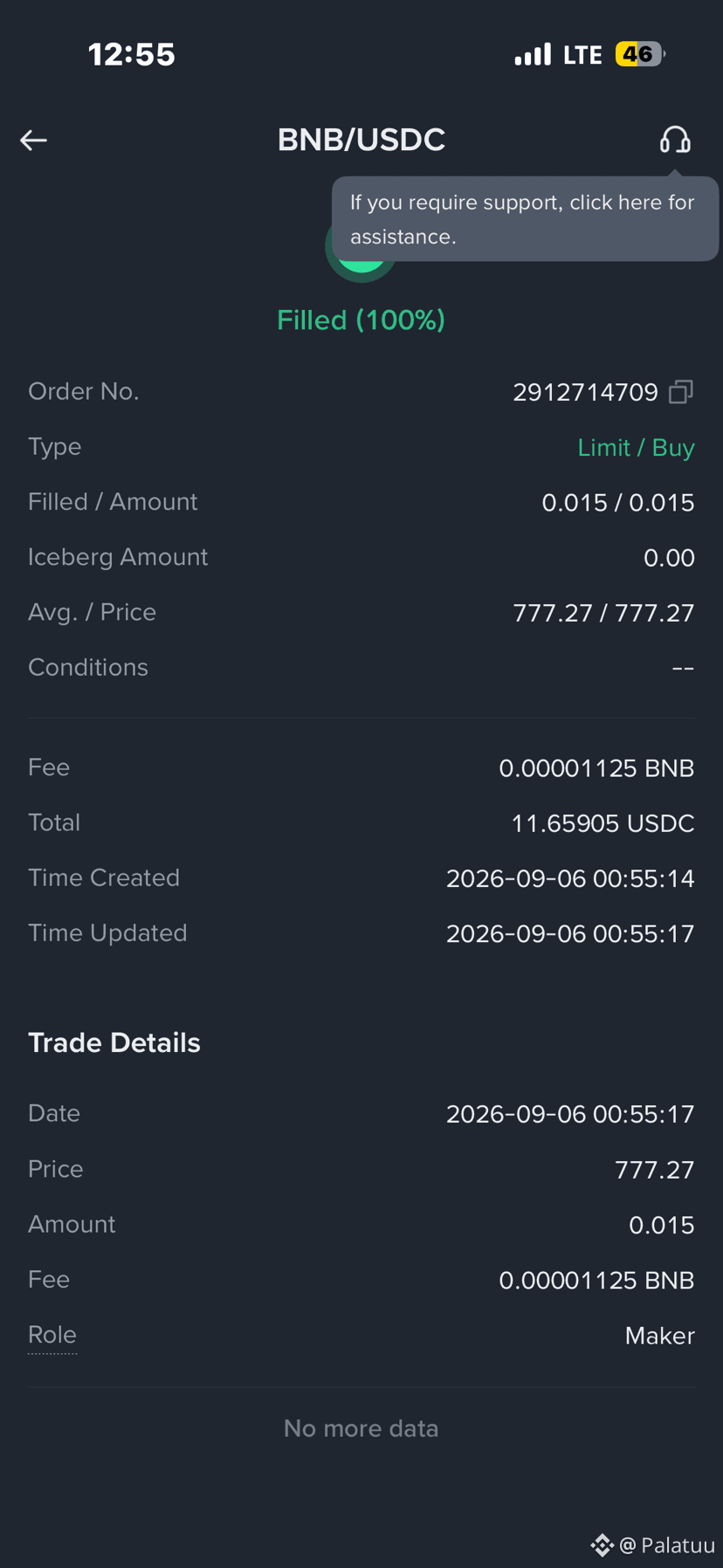
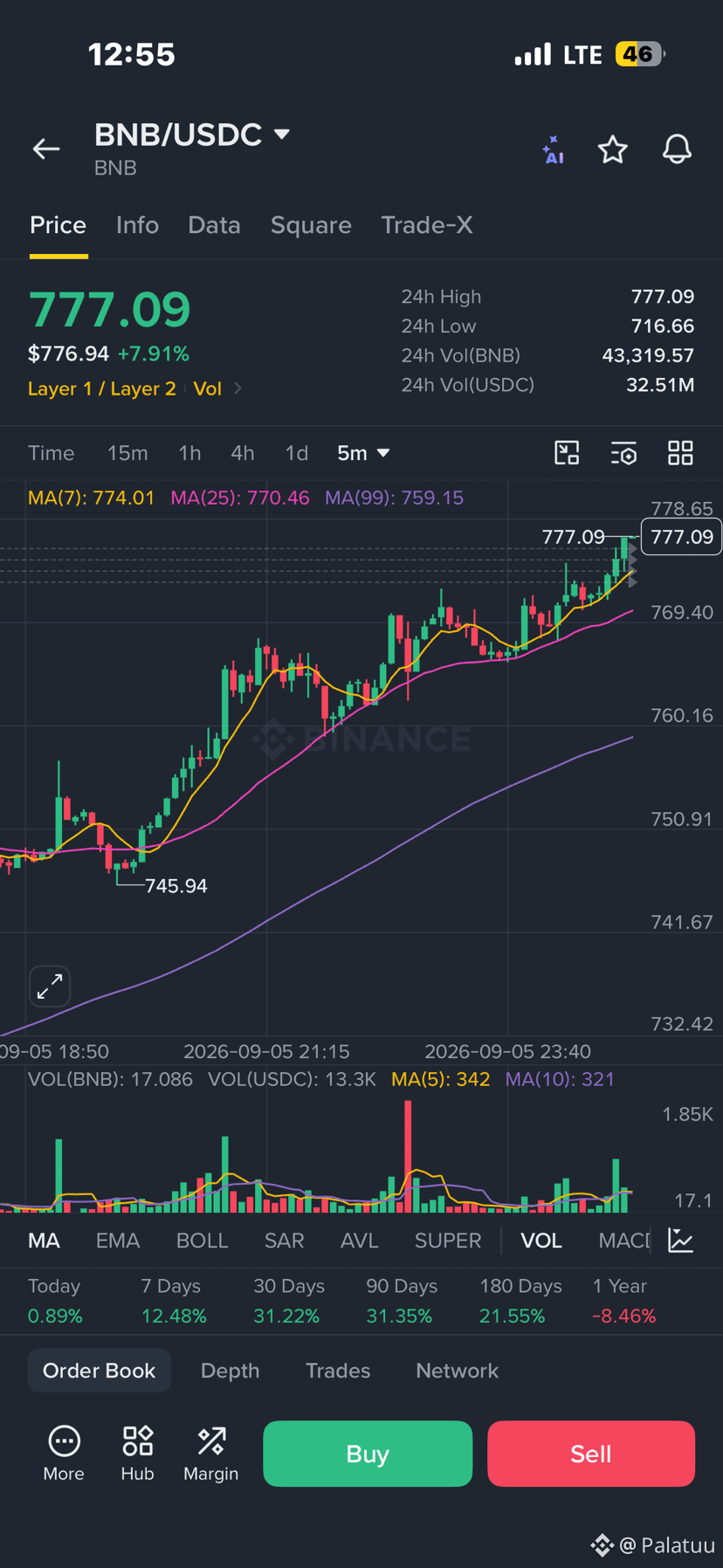
BNB වලට මම කැමතියි, මන්ද එයට සැබෑ ප්රයෝජනයක් (utility), ශක්තිමත් අනුග්රහයක්/පිළිගැනීමක් (adoption) තියෙනවා, තවද එය ටෝකනයක් වීමෙන් එහාටත් දිගටම වර්ධනය වෙමින් පවතින නිසා. 🚀
#724966153
#BNBMM
#BNB777
BNB වලට මම කැමතියි, මන්ද එයට සැබෑ ප්රයෝජනයක් (utility), ශක්තිමත් අනුග්රහයක්/පිළිගැනීමක් (adoption) තියෙනවා, තවද එය ටෝකනයක් වීමෙන් එහාටත් දිගටම වර්ධනය වෙමින් පවතින නිසා. 🚀
#724966153
#BNBMM
#BNB777
#724966153
#BNBMM
#BNB777
121
·
--
වත්මන් $DUSK මිලက ဇာတ်လမ်းတစ်ခုလုံးကို ပြောမပြနိုင်ပါဘူး။
တိုတောင်းတဲ့ ပြန်လှန်ချိန်များက သာမန်ဖြစ်ပါတယ်။ ကျွန်တော်အတွက် အရေးကြီးတာကတော့ စီမံကိန်းက ရေရှည်လိုအပ်ချက်ကို ထောက်ခံနိုင်ဖို့ လုံလောက်တဲ့ တကယ့်အသုံးဝင်မှုကို တည်ဆောက်နေသလားဆိုတာပါပဲ။
Dusk ရဲ့ အဓိကအာရုံက စည်းကမ်းတကျ ဘဏ္ဍာရေးအတွက် လုံခြုံရေးကို ကာကွယ်ပေးတဲ့ အခြေခံအဆောက်အအုံပေါ်မှာ ဖြစ်တာကြောင့် သာမန်အနက်နှိုင်းစဥ်းစားမှုထက်ကျော်လွန်တဲ့ ရည်ရွယ်ချက်တစ်ခု ရှိနေပါတယ်။ အခုတော့ စမ်းသပ်မှုအစစ်က လက်ခံအသုံးပြုမှုပါပဲ—တည်ဆောက်သူများ ပိုများလာခြင်း၊ တကယ့်ဘဏ္ဍာရေးအသုံးပြုကိစ္စများ၊ tokenized အက်ဆက်များ၊ နဲ့ တကယ့်ကွန်ရက်လုပ်ဆောင်မှုတွေ။
ကျွန်တော်က ပုံကားကိုသာ မကြည့်နေပါဘူး။ စီမံကိန်းက ၎င်းရဲ့နည်းပညာကို တကယ့်လိုအပ်ချက်အဖြစ် ပြောင်းလဲနိုင်မလားဆိုတာကို စောင့်ကြည့်နေပါတယ်။
@Dusk_Foundation #dusk $DUSK
වත්මන් $DUSK මිලက ဇာတ်လမ်းတစ်ခုလုံးကို ပြောမပြနိုင်ပါဘူး။
တိုတောင်းတဲ့ ပြန်လှန်ချိန်များက သာမန်ဖြစ်ပါတယ်။ ကျွန်တော်အတွက် အရေးကြီးတာကတော့ စီမံကိန်းက ရေရှည်လိုအပ်ချက်ကို ထောက်ခံနိုင်ဖို့ လုံလောက်တဲ့ တကယ့်အသုံးဝင်မှုကို တည်ဆောက်နေသလားဆိုတာပါပဲ။
Dusk ရဲ့ အဓိကအာရုံက စည်းကမ်းတကျ ဘဏ္ဍာရေးအတွက် လုံခြုံရေးကို ကာကွယ်ပေးတဲ့ အခြေခံအဆောက်အအုံပေါ်မှာ ဖြစ်တာကြောင့် သာမန်အနက်နှိုင်းစဥ်းစားမှုထက်ကျော်လွန်တဲ့ ရည်ရွယ်ချက်တစ်ခု ရှိနေပါတယ်။ အခုတော့ စမ်းသပ်မှုအစစ်က လက်ခံအသုံးပြုမှုပါပဲ—တည်ဆောက်သူများ ပိုများလာခြင်း၊ တကယ့်ဘဏ္ဍာရေးအသုံးပြုကိစ္စများ၊ tokenized အက်ဆက်များ၊ နဲ့ တကယ့်ကွန်ရက်လုပ်ဆောင်မှုတွေ။
ကျွန်တော်က ပုံကားကိုသာ မကြည့်နေပါဘူး။ စီမံကိန်းက ၎င်းရဲ့နည်းပညာကို တကယ့်လိုအပ်ချက်အဖြစ် ပြောင်းလဲနိုင်မလားဆိုတာကို စောင့်ကြည့်နေပါတယ်။
@Dusk #dusk $DUSK
တိုတောင်းတဲ့ ပြန်လှန်ချိန်များက သာမန်ဖြစ်ပါတယ်။ ကျွန်တော်အတွက် အရေးကြီးတာကတော့ စီမံကိန်းက ရေရှည်လိုအပ်ချက်ကို ထောက်ခံနိုင်ဖို့ လုံလောက်တဲ့ တကယ့်အသုံးဝင်မှုကို တည်ဆောက်နေသလားဆိုတာပါပဲ။
Dusk ရဲ့ အဓိကအာရုံက စည်းကမ်းတကျ ဘဏ္ဍာရေးအတွက် လုံခြုံရေးကို ကာကွယ်ပေးတဲ့ အခြေခံအဆောက်အအုံပေါ်မှာ ဖြစ်တာကြောင့် သာမန်အနက်နှိုင်းစဥ်းစားမှုထက်ကျော်လွန်တဲ့ ရည်ရွယ်ချက်တစ်ခု ရှိနေပါတယ်။ အခုတော့ စမ်းသပ်မှုအစစ်က လက်ခံအသုံးပြုမှုပါပဲ—တည်ဆောက်သူများ ပိုများလာခြင်း၊ တကယ့်ဘဏ္ဍာရေးအသုံးပြုကိစ္စများ၊ tokenized အက်ဆက်များ၊ နဲ့ တကယ့်ကွန်ရက်လုပ်ဆောင်မှုတွေ။
ကျွန်တော်က ပုံကားကိုသာ မကြည့်နေပါဘူး။ စီမံကိန်းက ၎င်းရဲ့နည်းပညာကို တကယ့်လိုအပ်ချက်အဖြစ် ပြောင်းလဲနိုင်မလားဆိုတာကို စောင့်ကြည့်နေပါတယ်။
@Dusk #dusk $DUSK
80
·
--
@Dusk_Foundation နှင့်ပတ်သက်ပြီး စိတ်ဝင်စားစရာကောင်းတာတစ်ခုကတော့ privacy ကို compliance နဲ့တကွအလုပ်လုပ်နိုင်အောင် ဒီဇိုင်းလုပ်ထားတာဖြစ်ပြီး အဲဒါကို ဆန့်ကျင်ဖို့မဟုတ်ပါဘူး။
“လုံးဝအများပြန်လည်ထုတ်ဖော်” နဲ့ “လုံးဝပုန်းကွယ်” ဆိုတဲ့အကြားကို ရွေးချယ်ဖို့မဟုတ်ဘဲ၊ မလိုအပ်တဲ့ဒေတာတွေကို မထုတ်ဖော်ဘဲ သီးခြားအချက်အလက်တွေကို သက်သေပြနိုင်ဖို့ဆိုတာက ရည်မှန်းချက်ပါ။
ဒါက လက်တွေ့ကမ္ဘာက ပိုင်ဆိုင်မှုတွေ၊ စည်းမျဉ်းပြည့်ဝတဲ့ ဘဏ္ဍာရေးလုပ်ငန်းတွေ၊ verification လိုအပ်ချက်တွေကို ဖြည့်ဆည်းရင်းနဲ့ privacy လည်းလိုတဲ့ အဖွဲ့အစည်းတွေမှာ အရေးကြီးနိုင်ပါတယ်။
ကျွန်တော့်အတွက်တော့ အဲဒါကြောင့် @Dusk_Foundation က ပုံမှန် “private blockchain” ဇာတ်ကြောင်းထက်ပိုပြီး စိတ်ဝင်စားစရာကောင်းတာပါ။
#dusk $DUSK
@Dusk နှင့်ပတ်သက်ပြီး စိတ်ဝင်စားစရာကောင်းတာတစ်ခုကတော့ privacy ကို compliance နဲ့တကွအလုပ်လုပ်နိုင်အောင် ဒီဇိုင်းလုပ်ထားတာဖြစ်ပြီး အဲဒါကို ဆန့်ကျင်ဖို့မဟုတ်ပါဘူး။
“လုံးဝအများပြန်လည်ထုတ်ဖော်” နဲ့ “လုံးဝပုန်းကွယ်” ဆိုတဲ့အကြားကို ရွေးချယ်ဖို့မဟုတ်ဘဲ၊ မလိုအပ်တဲ့ဒေတာတွေကို မထုတ်ဖော်ဘဲ သီးခြားအချက်အလက်တွေကို သက်သေပြနိုင်ဖို့ဆိုတာက ရည်မှန်းချက်ပါ။
ဒါက လက်တွေ့ကမ္ဘာက ပိုင်ဆိုင်မှုတွေ၊ စည်းမျဉ်းပြည့်ဝတဲ့ ဘဏ္ဍာရေးလုပ်ငန်းတွေ၊ verification လိုအပ်ချက်တွေကို ဖြည့်ဆည်းရင်းနဲ့ privacy လည်းလိုတဲ့ အဖွဲ့အစည်းတွေမှာ အရေးကြီးနိုင်ပါတယ်။
ကျွန်တော့်အတွက်တော့ အဲဒါကြောင့် @Dusk က ပုံမှန် “private blockchain” ဇာတ်ကြောင်းထက်ပိုပြီး စိတ်ဝင်စားစရာကောင်းတာပါ။
#dusk $DUSK
“လုံးဝအများပြန်လည်ထုတ်ဖော်” နဲ့ “လုံးဝပုန်းကွယ်” ဆိုတဲ့အကြားကို ရွေးချယ်ဖို့မဟုတ်ဘဲ၊ မလိုအပ်တဲ့ဒေတာတွေကို မထုတ်ဖော်ဘဲ သီးခြားအချက်အလက်တွေကို သက်သေပြနိုင်ဖို့ဆိုတာက ရည်မှန်းချက်ပါ။
ဒါက လက်တွေ့ကမ္ဘာက ပိုင်ဆိုင်မှုတွေ၊ စည်းမျဉ်းပြည့်ဝတဲ့ ဘဏ္ဍာရေးလုပ်ငန်းတွေ၊ verification လိုအပ်ချက်တွေကို ဖြည့်ဆည်းရင်းနဲ့ privacy လည်းလိုတဲ့ အဖွဲ့အစည်းတွေမှာ အရေးကြီးနိုင်ပါတယ်။
ကျွန်တော့်အတွက်တော့ အဲဒါကြောင့် @Dusk က ပုံမှန် “private blockchain” ဇာတ်ကြောင်းထက်ပိုပြီး စိတ်ဝင်စားစရာကောင်းတာပါ။
#dusk $DUSK
115
·
--
අර්ධ වශයෙන් සත්යයි
Dusk’s ලේඛන සමාලෝචනය කිරීමෙන් block proposal සඳහා අලංකාර ලෙස සැකසූ ප්රවේශයක් පෙනෙන්නට තිබේ; එහෙත් එය අධික ලෙස fine-tuned system parameters මත රඳා පවතී.
Provisionsers සඳහා ඇතුළත් වීමේ අවශ්යතා දැඩිව සීමා කර ඇත: අවම stake 1000 DUSKක් සහ blocks තුළ 0 සිට M දක්වා වූ වයස් පැතිකඩක්. ප්රොපෝසර්වරයෙකු තෝරාගත යුතු වෙලාවේ DS engine එක, node එකේ public key, පෙර block hash, සහ stake ප්රමාණය deterministic score එකකට මිශ්ර කරයි. වැඩිම score එක ඇති තැනැත්තාට block එක propose කිරීමට හිමිකම ලැබේ.
Validation සිදුවන්නේ වෙනම අදියරවලිනි:
Candidate blocks පළමු validation අදියරෙන් ඉදිරියට යාමට සරල බහුතර ඡන්දයක් අවශ්ය වේ.
Finality ලබාගැනීම සඳහා ratification අවස්ථාවේ supermajority ඡන්දයක් අවශ්ය වන අතර, ඒඟින් ඊළඟ set of provisioners සවි කරයි.
ප්රධාන අවදානම පවතින්නේ parameter vulnerability තුළය. \bm{M} සීමාව හෝ stake floor වෙනස් කිරීමෙන්, පැහැදිලි බාහිර අනතුරු ඇඟවීම් නොමැතිවම provisioner pool එක කේන්ද්රගත කිරීමට හැකියාව ඇත. තවද, exploit එකක් යමෙකුට DS score එක හැසිරවීමට ඉඩ දෙන්නේ නම්, block එක attestation වෙත පත්වූ පසු ledger එක නිවැරදි කිරීම සංකීර්ණ අභියෝගයක් ලෙස පවතී.
මෙම consensus threshold අවශ්යතාවයන්ගේ ප්රතිරෝධය පිළිබඳව ඔබේ අදහස් මොනවාද?
#dusk $DUSK @Dusk
#dusk $DUSK @Dusk_Foundation
Dusk’s ලේඛන සමාලෝචනය කිරීමෙන් block proposal සඳහා අලංකාර ලෙස සැකසූ ප්රවේශයක් පෙනෙන්නට තිබේ; එහෙත් එය අධික ලෙස fine-tuned system parameters මත රඳා පවතී.
Provisionsers සඳහා ඇතුළත් වීමේ අවශ්යතා දැඩිව සීමා කර ඇත: අවම stake 1000 DUSKක් සහ blocks තුළ 0 සිට M දක්වා වූ වයස් පැතිකඩක්. ප්රොපෝසර්වරයෙකු තෝරාගත යුතු වෙලාවේ DS engine එක, node එකේ public key, පෙර block hash, සහ stake ප්රමාණය deterministic score එකකට මිශ්ර කරයි. වැඩිම score එක ඇති තැනැත්තාට block එක propose කිරීමට හිමිකම ලැබේ.
Validation සිදුවන්නේ වෙනම අදියරවලිනි:
Candidate blocks පළමු validation අදියරෙන් ඉදිරියට යාමට සරල බහුතර ඡන්දයක් අවශ්ය වේ.
Finality ලබාගැනීම සඳහා ratification අවස්ථාවේ supermajority ඡන්දයක් අවශ්ය වන අතර, ඒඟින් ඊළඟ set of provisioners සවි කරයි.
ප්රධාන අවදානම පවතින්නේ parameter vulnerability තුළය. \bm{M} සීමාව හෝ stake floor වෙනස් කිරීමෙන්, පැහැදිලි බාහිර අනතුරු ඇඟවීම් නොමැතිවම provisioner pool එක කේන්ද්රගත කිරීමට හැකියාව ඇත. තවද, exploit එකක් යමෙකුට DS score එක හැසිරවීමට ඉඩ දෙන්නේ නම්, block එක attestation වෙත පත්වූ පසු ledger එක නිවැරදි කිරීම සංකීර්ණ අභියෝගයක් ලෙස පවතී.
මෙම consensus threshold අවශ්යතාවයන්ගේ ප්රතිරෝධය පිළිබඳව ඔබේ අදහස් මොනවාද?
#dusk $DUSK @Dusk
#dusk $DUSK @Dusk
Provisionsers සඳහා ඇතුළත් වීමේ අවශ්යතා දැඩිව සීමා කර ඇත: අවම stake 1000 DUSKක් සහ blocks තුළ 0 සිට M දක්වා වූ වයස් පැතිකඩක්. ප්රොපෝසර්වරයෙකු තෝරාගත යුතු වෙලාවේ DS engine එක, node එකේ public key, පෙර block hash, සහ stake ප්රමාණය deterministic score එකකට මිශ්ර කරයි. වැඩිම score එක ඇති තැනැත්තාට block එක propose කිරීමට හිමිකම ලැබේ.
Validation සිදුවන්නේ වෙනම අදියරවලිනි:
Candidate blocks පළමු validation අදියරෙන් ඉදිරියට යාමට සරල බහුතර ඡන්දයක් අවශ්ය වේ.
Finality ලබාගැනීම සඳහා ratification අවස්ථාවේ supermajority ඡන්දයක් අවශ්ය වන අතර, ඒඟින් ඊළඟ set of provisioners සවි කරයි.
ප්රධාන අවදානම පවතින්නේ parameter vulnerability තුළය. \bm{M} සීමාව හෝ stake floor වෙනස් කිරීමෙන්, පැහැදිලි බාහිර අනතුරු ඇඟවීම් නොමැතිවම provisioner pool එක කේන්ද්රගත කිරීමට හැකියාව ඇත. තවද, exploit එකක් යමෙකුට DS score එක හැසිරවීමට ඉඩ දෙන්නේ නම්, block එක attestation වෙත පත්වූ පසු ledger එක නිවැරදි කිරීම සංකීර්ණ අභියෝගයක් ලෙස පවතී.
මෙම consensus threshold අවශ්යතාවයන්ගේ ප්රතිරෝධය පිළිබඳව ඔබේ අදහස් මොනවාද?
#dusk $DUSK @Dusk
#dusk $DUSK @Dusk
3
2
54
·
--
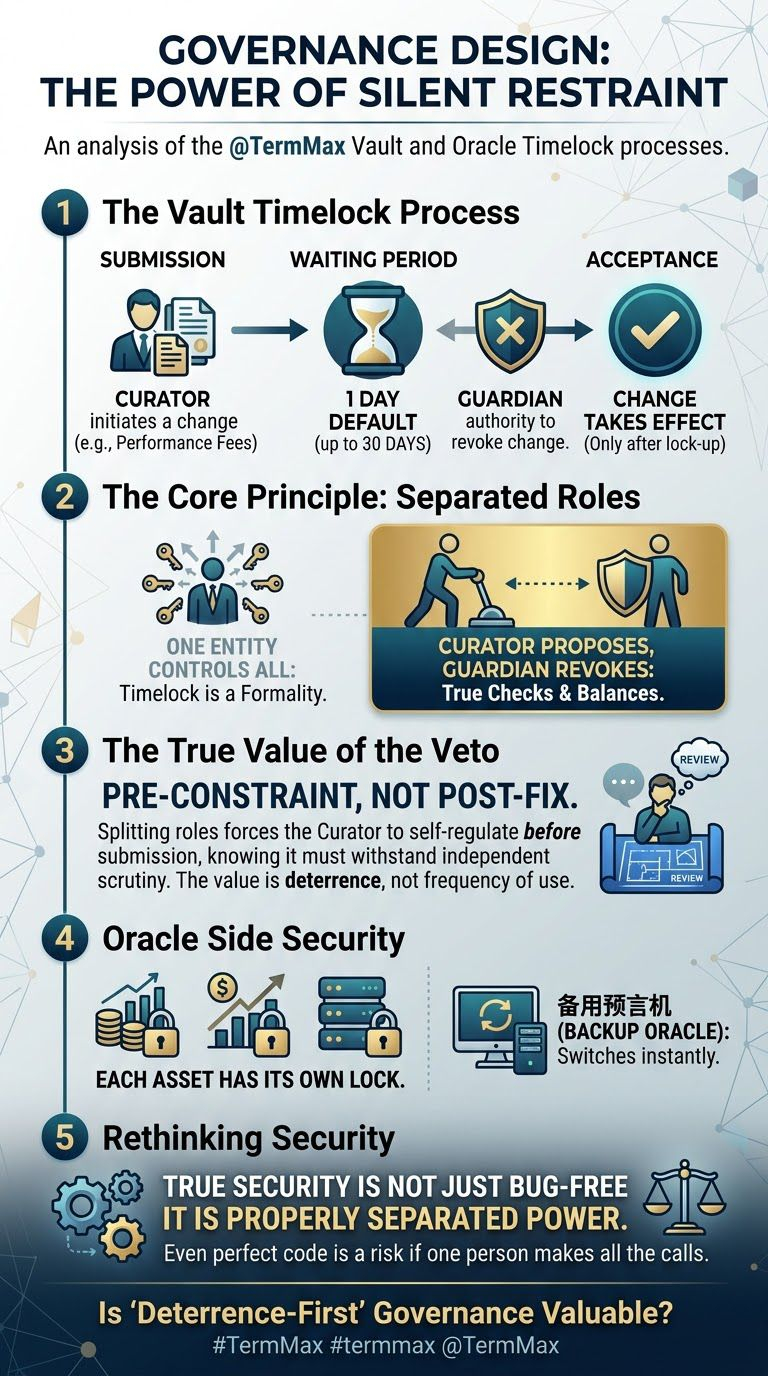
@termmax Timelock යාන්ත්රණයන් පිළිබඳව ගැඹුරින් සොයා බැලීමෙන් පද්ධති ආරක්ෂාව ගැන අප සිතන ආකාරය වෙනස් වෙනවා.
TermMax Vault පරාමිතිය යාවත්කාලීන කිරීමේ පයිප්ලයිනය සරලයි:
Curator විසින් යෝජනාව ඉදිරිපත් කරයි (කාර්ය සාධන ගාස්තු වෙනස් කිරීමක් වැනි)
පද්ධතිය 1 සිට 30 දක්වා වූ ලොක්-අප් අදියරකට ඇතුල් වේ
ලොක්-අප් අවසන් වීමෙන් පසු වෙනස පිළිගනු ලැබේ
ඒ අතර බලා සිටින කාලය තුළ Guardian විසින් මැදිහත් වී එම වෙනස මරා දා හැක.
කපටි කොටස බලා සිටි කාලය නොව—බලය බෙදීමයි. යෝජනා කිරීම සහ ක්රියාත්මක කිරීමේ අයිතීන් එක තැනක එකට එකතු කිරීමෙන් timelocks අසාර්ථක වෙනවා. ඒවා වෙන් කිරීමෙන් veto බලය මානසිකව ක්රියා කරයි: Curatorට ඉදිරිපත් කිරීමට පෙර තමන්ගේම නරක අදහස් තහනම් කරගන්න කියා බල කරනවා. නිවැරදි කිරීමට වඩා වැළැක්වීම.
මෙය ඔවුන්ගේ Oracle සැකසුමටද අදාළ වෙනවා—එතැනදී එක් එක් වත්කම සඳහා වූ asset locks වලට අත්යවශ්යයෙන් ඉක්මන් අනුවර්තනය සඳහා කැපවූ backup oracles බැඳෙනවා.
ඔබගේ පාලනය “සම්පූර්ණ අධිකාරියක්” මත රඳා පවතින්නේ නම් බග්-රහිත කේතය බොහෝ දේ අදහස් නොකරන බවට මෙය පැහැදිලි මතක් කිරීමකි. ව්යුහාත්මක ආරක්ෂාවට පරීක්ෂා කිරීම් සහ තුලනයන් අවශ්ය වේ.
“deterrence-first” පාලන ආකෘතිය දිගුකාලීන DeFi ප්රොටෝකෝල ප්රතිරෝධයට සුදුසුද? #TermMax #termmax @termmax
@TermMax Timelock යාන්ත්රණයන් පිළිබඳව ගැඹුරින් සොයා බැලීමෙන් පද්ධති ආරක්ෂාව ගැන අප සිතන ආකාරය වෙනස් වෙනවා.
TermMax Vault පරාමිතිය යාවත්කාලීන කිරීමේ පයිප්ලයිනය සරලයි:
Curator විසින් යෝජනාව ඉදිරිපත් කරයි (කාර්ය සාධන ගාස්තු වෙනස් කිරීමක් වැනි)
පද්ධතිය 1 සිට 30 දක්වා වූ ලොක්-අප් අදියරකට ඇතුල් වේ
ලොක්-අප් අවසන් වීමෙන් පසු වෙනස පිළිගනු ලැබේ
ඒ අතර බලා සිටින කාලය තුළ Guardian විසින් මැදිහත් වී එම වෙනස මරා දා හැක.
කපටි කොටස බලා සිටි කාලය නොව—බලය බෙදීමයි. යෝජනා කිරීම සහ ක්රියාත්මක කිරීමේ අයිතීන් එක තැනක එකට එකතු කිරීමෙන් timelocks අසාර්ථක වෙනවා. ඒවා වෙන් කිරීමෙන් veto බලය මානසිකව ක්රියා කරයි: Curatorට ඉදිරිපත් කිරීමට පෙර තමන්ගේම නරක අදහස් තහනම් කරගන්න කියා බල කරනවා. නිවැරදි කිරීමට වඩා වැළැක්වීම.
මෙය ඔවුන්ගේ Oracle සැකසුමටද අදාළ වෙනවා—එතැනදී එක් එක් වත්කම සඳහා වූ asset locks වලට අත්යවශ්යයෙන් ඉක්මන් අනුවර්තනය සඳහා කැපවූ backup oracles බැඳෙනවා.
ඔබගේ පාලනය “සම්පූර්ණ අධිකාරියක්” මත රඳා පවතින්නේ නම් බග්-රහිත කේතය බොහෝ දේ අදහස් නොකරන බවට මෙය පැහැදිලි මතක් කිරීමකි. ව්යුහාත්මක ආරක්ෂාවට පරීක්ෂා කිරීම් සහ තුලනයන් අවශ්ය වේ.
“deterrence-first” පාලන ආකෘතිය දිගුකාලීන DeFi ප්රොටෝකෝල ප්රතිරෝධයට සුදුසුද? #TermMax #termmax @TermMax
TermMax Vault පරාමිතිය යාවත්කාලීන කිරීමේ පයිප්ලයිනය සරලයි:
Curator විසින් යෝජනාව ඉදිරිපත් කරයි (කාර්ය සාධන ගාස්තු වෙනස් කිරීමක් වැනි)
පද්ධතිය 1 සිට 30 දක්වා වූ ලොක්-අප් අදියරකට ඇතුල් වේ
ලොක්-අප් අවසන් වීමෙන් පසු වෙනස පිළිගනු ලැබේ
ඒ අතර බලා සිටින කාලය තුළ Guardian විසින් මැදිහත් වී එම වෙනස මරා දා හැක.
කපටි කොටස බලා සිටි කාලය නොව—බලය බෙදීමයි. යෝජනා කිරීම සහ ක්රියාත්මක කිරීමේ අයිතීන් එක තැනක එකට එකතු කිරීමෙන් timelocks අසාර්ථක වෙනවා. ඒවා වෙන් කිරීමෙන් veto බලය මානසිකව ක්රියා කරයි: Curatorට ඉදිරිපත් කිරීමට පෙර තමන්ගේම නරක අදහස් තහනම් කරගන්න කියා බල කරනවා. නිවැරදි කිරීමට වඩා වැළැක්වීම.
මෙය ඔවුන්ගේ Oracle සැකසුමටද අදාළ වෙනවා—එතැනදී එක් එක් වත්කම සඳහා වූ asset locks වලට අත්යවශ්යයෙන් ඉක්මන් අනුවර්තනය සඳහා කැපවූ backup oracles බැඳෙනවා.
ඔබගේ පාලනය “සම්පූර්ණ අධිකාරියක්” මත රඳා පවතින්නේ නම් බග්-රහිත කේතය බොහෝ දේ අදහස් නොකරන බවට මෙය පැහැදිලි මතක් කිරීමකි. ව්යුහාත්මක ආරක්ෂාවට පරීක්ෂා කිරීම් සහ තුලනයන් අවශ්ය වේ.
“deterrence-first” පාලන ආකෘතිය දිගුකාලීන DeFi ප්රොටෝකෝල ප්රතිරෝධයට සුදුසුද? #TermMax #termmax @TermMax
1
65
·
--
“எல்லாவற்றையும் மறைப்பது” பற்றி யோசிப்பதை நிறுத்தும்போது, ஒரு தனியுரிமை பிளாக்செயின் இன்னும் அதிகமாக 흥미க்குரியதாக மாறுகிறது.
@Dusk_Foundation உடன், எனது கவனத்தை ஈர்த்த கருத்து தேர்ந்தெடுக்கப்பட்ட வெளிப்படுத்தல் (selective disclosure): தேவையானதை மட்டும் நிரூபித்து, தேவையற்ற தகவலை தனிப்பட்டதாக வைத்திருப்பது.
நிஜ உலக நிதி பயன்பாட்டு நிலைகளில், எல்லாவற்றையும் கண்ணுக்கு தெரியாமல் செய்வதை விட இது மிகப் பயனுள்ளதாக இருக்கலாம்.
$DUSK #dusk
“எல்லாவற்றையும் மறைப்பது” பற்றி யோசிப்பதை நிறுத்தும்போது, ஒரு தனியுரிமை பிளாக்செயின் இன்னும் அதிகமாக 흥미க்குரியதாக மாறுகிறது.
@Dusk உடன், எனது கவனத்தை ஈர்த்த கருத்து தேர்ந்தெடுக்கப்பட்ட வெளிப்படுத்தல் (selective disclosure): தேவையானதை மட்டும் நிரூபித்து, தேவையற்ற தகவலை தனிப்பட்டதாக வைத்திருப்பது.
நிஜ உலக நிதி பயன்பாட்டு நிலைகளில், எல்லாவற்றையும் கண்ணுக்கு தெரியாமல் செய்வதை விட இது மிகப் பயனுள்ளதாக இருக்கலாம்.
$DUSK #dusk
@Dusk உடன், எனது கவனத்தை ஈர்த்த கருத்து தேர்ந்தெடுக்கப்பட்ட வெளிப்படுத்தல் (selective disclosure): தேவையானதை மட்டும் நிரூபித்து, தேவையற்ற தகவலை தனிப்பட்டதாக வைத்திருப்பது.
நிஜ உலக நிதி பயன்பாட்டு நிலைகளில், எல்லாவற்றையும் கண்ணுக்கு தெரியாமல் செய்வதை விட இது மிகப் பயனுள்ளதாக இருக்கலாம்.
$DUSK #dusk
81
·
--
@termmax ගැන මට රසවත් ලෙස පෙනෙන්නේ එක් කරුණක්—ස්ථාවර-අනුපාතික DeFi යනු වැඩි අස්වැන්නක් පසුපස හඹා යාම පමණක් නොවෙයි.
එය ණය ගැනීමත් ණය දීමත් වඩාත් පුරෝකථනය කළ හැකි කර ගැනීම ගැනයි.
වෙළඳපොළ අනුපාතික නිරන්තරයෙන් වෙනස් වන විට, ඔබගේ අරමුදල් පිරිවැය හෝ අපේක්ෂිත ප්රතිලාභය කලින්ම දැන ගැනීම අගෞතන සැලසුම් කිරීම ඉතා පහසු කරයි. එම පුරෝකථනය විය හැක්කේ—on-chain තුළ වඩාත් සංවිධිත මූල්ය උපාය මාර්ග ගෙන ඒමට දායක විය හැකි ප්රධාන කොටස් වලින් එකක්.
#TermMax
@TermMax ගැන මට රසවත් ලෙස පෙනෙන්නේ එක් කරුණක්—ස්ථාවර-අනුපාතික DeFi යනු වැඩි අස්වැන්නක් පසුපස හඹා යාම පමණක් නොවෙයි.
එය ණය ගැනීමත් ණය දීමත් වඩාත් පුරෝකථනය කළ හැකි කර ගැනීම ගැනයි.
වෙළඳපොළ අනුපාතික නිරන්තරයෙන් වෙනස් වන විට, ඔබගේ අරමුදල් පිරිවැය හෝ අපේක්ෂිත ප්රතිලාභය කලින්ම දැන ගැනීම අගෞතන සැලසුම් කිරීම ඉතා පහසු කරයි. එම පුරෝකථනය විය හැක්කේ—on-chain තුළ වඩාත් සංවිධිත මූල්ය උපාය මාර්ග ගෙන ඒමට දායක විය හැකි ප්රධාන කොටස් වලින් එකක්.
#TermMax
එය ණය ගැනීමත් ණය දීමත් වඩාත් පුරෝකථනය කළ හැකි කර ගැනීම ගැනයි.
වෙළඳපොළ අනුපාතික නිරන්තරයෙන් වෙනස් වන විට, ඔබගේ අරමුදල් පිරිවැය හෝ අපේක්ෂිත ප්රතිලාභය කලින්ම දැන ගැනීම අගෞතන සැලසුම් කිරීම ඉතා පහසු කරයි. එම පුරෝකථනය විය හැක්කේ—on-chain තුළ වඩාත් සංවිධිත මූල්ය උපාය මාර්ග ගෙන ඒමට දායක විය හැකි ප්රධාන කොටස් වලින් එකක්.
#TermMax
99
·
--
#dusk $DUSK @Dusk_Foundation
Dusk ကို ನನಗೆ ಆಸಕ್ತಿಕರವಾಗಿಸುವ ಮತ್ತೊಂದು ವಿಷಯವೆಂದರೆ, ಆರ್ಥಿಕ ಗೌಪ್ಯತೆ ಎಂದರೆ ಎಲ್ಲವನ್ನೂ ಮರೆಮಾಡಬೇಕೆನ್ನುವುದಲ್ಲ ಎಂಬ ಕಲ್ಪನೆ.
Moonlight ಮತ್ತು Phoenix ವ್ಯವಹಾರಗಳ ಕಡೆಗೆ ಬೇರೆ ಬೇರೆ ದೃಷ್ಠಿಕೋಣಗಳನ್ನು ಬಳಸುತ್ತವೆ; ಇದು ತರ್ಕಸಮ್ಮತ, ಏಕೆಂದರೆ ವಾಸ್ತವ ಜಗತ್ತಿನ ಹಣಕಾಸು ಎಲ್ಲರಿಗೂ ಒಂದೇ ರೀತಿಯಲ್ಲ.
ಕೆಲವೊಮ್ಮೆ ಮಾಹಿತಿ ಸಾರ್ವಜನಿಕವಾಗಿರಬೇಕು. ಕೆಲವೊಮ್ಮೆ ಅದು ಸಾಬೀತುಪಡಿಸಬಹುದಾದಷ್ಟರವರೆಗೆ ಮಾತ್ರ ಇರಬೇಕು. ಇನ್ನೊಮ್ಮೆ 그것은 ಖಾಸಗಿಯಾಗಿ ಉಳಿಯಬೇಕು.
ಈ ಬಹಿರಂಗಪಡಿಸುವಿಕೆಯನ್ನು ನಿಯಂತ್ರಿಸುವ ಸಾಮರ್ಥ್ಯವೇ Dusk ಹಿಂದೆ ಇರುವ ಅತ್ಯಂತ ಪ್ರಮುಖ ಆಲೋಚನೆಗಳಲ್ಲಿ ಒಂದಾಗಿರಬಹುದು.
@Dusk_Foundation #dusk $DUSK
#dusk $DUSK @Dusk
Dusk ကို ನನಗೆ ಆಸಕ್ತಿಕರವಾಗಿಸುವ ಮತ್ತೊಂದು ವಿಷಯವೆಂದರೆ, ಆರ್ಥಿಕ ಗೌಪ್ಯತೆ ಎಂದರೆ ಎಲ್ಲವನ್ನೂ ಮರೆಮಾಡಬೇಕೆನ್ನುವುದಲ್ಲ ಎಂಬ ಕಲ್ಪನೆ.
Moonlight ಮತ್ತು Phoenix ವ್ಯವಹಾರಗಳ ಕಡೆಗೆ ಬೇರೆ ಬೇರೆ ದೃಷ್ಠಿಕೋಣಗಳನ್ನು ಬಳಸುತ್ತವೆ; ಇದು ತರ್ಕಸಮ್ಮತ, ಏಕೆಂದರೆ ವಾಸ್ತವ ಜಗತ್ತಿನ ಹಣಕಾಸು ಎಲ್ಲರಿಗೂ ಒಂದೇ ರೀತಿಯಲ್ಲ.
ಕೆಲವೊಮ್ಮೆ ಮಾಹಿತಿ ಸಾರ್ವಜನಿಕವಾಗಿರಬೇಕು. ಕೆಲವೊಮ್ಮೆ ಅದು ಸಾಬೀತುಪಡಿಸಬಹುದಾದಷ್ಟರವರೆಗೆ ಮಾತ್ರ ಇರಬೇಕು. ಇನ್ನೊಮ್ಮೆ 그것은 ಖಾಸಗಿಯಾಗಿ ಉಳಿಯಬೇಕು.
ಈ ಬಹಿರಂಗಪಡಿಸುವಿಕೆಯನ್ನು ನಿಯಂತ್ರಿಸುವ ಸಾಮರ್ಥ್ಯವೇ Dusk ಹಿಂದೆ ಇರುವ ಅತ್ಯಂತ ಪ್ರಮುಖ ಆಲೋಚನೆಗಳಲ್ಲಿ ಒಂದಾಗಿರಬಹುದು.
@Dusk #dusk $DUSK
Dusk ကို ನನಗೆ ಆಸಕ್ತಿಕರವಾಗಿಸುವ ಮತ್ತೊಂದು ವಿಷಯವೆಂದರೆ, ಆರ್ಥಿಕ ಗೌಪ್ಯತೆ ಎಂದರೆ ಎಲ್ಲವನ್ನೂ ಮರೆಮಾಡಬೇಕೆನ್ನುವುದಲ್ಲ ಎಂಬ ಕಲ್ಪನೆ.
Moonlight ಮತ್ತು Phoenix ವ್ಯವಹಾರಗಳ ಕಡೆಗೆ ಬೇರೆ ಬೇರೆ ದೃಷ್ಠಿಕೋಣಗಳನ್ನು ಬಳಸುತ್ತವೆ; ಇದು ತರ್ಕಸಮ್ಮತ, ಏಕೆಂದರೆ ವಾಸ್ತವ ಜಗತ್ತಿನ ಹಣಕಾಸು ಎಲ್ಲರಿಗೂ ಒಂದೇ ರೀತಿಯಲ್ಲ.
ಕೆಲವೊಮ್ಮೆ ಮಾಹಿತಿ ಸಾರ್ವಜನಿಕವಾಗಿರಬೇಕು. ಕೆಲವೊಮ್ಮೆ ಅದು ಸಾಬೀತುಪಡಿಸಬಹುದಾದಷ್ಟರವರೆಗೆ ಮಾತ್ರ ಇರಬೇಕು. ಇನ್ನೊಮ್ಮೆ 그것은 ಖಾಸಗಿಯಾಗಿ ಉಳಿಯಬೇಕು.
ಈ ಬಹಿರಂಗಪಡಿಸುವಿಕೆಯನ್ನು ನಿಯಂತ್ರಿಸುವ ಸಾಮರ್ಥ್ಯವೇ Dusk ಹಿಂದೆ ಇರುವ ಅತ್ಯಂತ ಪ್ರಮುಖ ಆಲೋಚನೆಗಳಲ್ಲಿ ಒಂದಾಗಿರಬಹುದು.
@Dusk #dusk $DUSK
78
·
--
බ්ලොක්චේන් පෞද්ගලිකත්වය ගැන සැබෑ ප්රශ්නය “සෑම දෙයක්ම සැඟවිය යුතුද?” යන්නම පමණක් නොවෙයි කියලා මම හිතන්නේ.
ඊට වඩා හොඳ ප්රශ්නය විය හැකිය: ඇත්තටම කාට මොන දේ දැකීමට අවශ්යද?
සාමාන්ය මූල්ය ගනුදෙනුවක් ගන්න. මුදල් යවන්නාට විස්තර දැන ගන්න පුළුවන්. ගනුදෙනුව ක්රියාත්මක කිරීමට බැංකුවට යම් තොරතුරු අවශ්ය විය හැක. නියාමකයෙකුට ගනුදෙනුව නීති අනුගමනය කරලා තියෙන බවට සාක්ෂියක් පමණක් අවශ්ය විය හැක.
නමුත් බොහෝ පොදු බ්ලොක්චේන් වල, මෙම ප්රවේශ මට්ටම් අතර දැඩි වෙන්වීමක් නැහැ.
ඒක නිසා තමයි Dusk මගේ අවධානයට ලක් වුණේ.
සෑම ගනුදෙනුවක්ම එකම ආකාරයට බල කිරීමට වෙනුවට, එහි ව්යුහය විවිධ අවශ්යතා සඳහා විවිධ ආකෘති ගවේෂණය කරනවා. Moonlight ගිණුම්-පාදක ආකෘතියක් අනුගමනය කරන අතර, Phoenix පෞද්ගලික ගනුදෙනු සහ ශුන්ය-දැනුම (zero-knowledge) සාක්ෂි වටා නිර්මාණය කර ඇති UTXO ආකෘතියක් භාවිතා කරයි.
මට නම්, මෙය සැබෑ ලෝකයේ මූල්යකරණය ගැන වැදගත් දෙයක් පෙන්වනවා: හැම ගනුදෙනුවක්ම එකම දෘශ්යතාවක් (visibility) තිබිය යුතු නැහැ.
සමහර දේවල් පොදු විය යුතුයි.
සමහර දේවල් පරීක්ෂා කළ හැකි වීම පමණක් අවශ්යයි.
තවත් සමහර දේවල් නම්, ඒවා හෙළි කිරීමට නීත්යානුකූල හේතුවක් නැති තාක් පෞද්ගලිකව තබාගත යුතුයි.
ඒ නිසාම පෞද්ගලිකත්වය පමණක් නොව, තෝරාගත් හෙළිදරව් (selective disclosure) මට වඩා වැදගත් වන්නේ.
Dusk සඳහා රසවත් අභියෝගය වන්නේ, මෙම නම්යශීලීභාවය තාක්ෂණික විශේෂාංගයක් පමණක් නොව, මූල්ය ආයතනවලට සැබවින්ම ගොඩනගා ගත හැකි යටිතල පහසුකමක් බවට පත් කරගත හැකිද යන්නයි—එනම්, තොරතුරු නිවැරදි පාර්ශ්වයට, නිවැරදි වේලාවට, නිවැරදි හේතුවක් සඳහා හෙළි කිරීමට ඉඩ දෙන යටිතලයක්.
එය ක්රියාත්මක වුණොත්, $DUSK ගනුදෙනු සැඟවීමකට වඩා බොහෝ දේ ගැන විය හැකිය.
එය මූල්යකරණයට ලැබෙන්නේ, කුමක් හෙළිවන්නේද, කාට දකින්නද, සහ ඇයි කියලා යන දේවල් පිළිබඳව වඩා හොඳ පාලනයක්.
@Dusk_Foundation #dusk $DUSK
බ්ලොක්චේන් පෞද්ගලිකත්වය ගැන සැබෑ ප්රශ්නය “සෑම දෙයක්ම සැඟවිය යුතුද?” යන්නම පමණක් නොවෙයි කියලා මම හිතන්නේ.
ඊට වඩා හොඳ ප්රශ්නය විය හැකිය: ඇත්තටම කාට මොන දේ දැකීමට අවශ්යද?
සාමාන්ය මූල්ය ගනුදෙනුවක් ගන්න. මුදල් යවන්නාට විස්තර දැන ගන්න පුළුවන්. ගනුදෙනුව ක්රියාත්මක කිරීමට බැංකුවට යම් තොරතුරු අවශ්ය විය හැක. නියාමකයෙකුට ගනුදෙනුව නීති අනුගමනය කරලා තියෙන බවට සාක්ෂියක් පමණක් අවශ්ය විය හැක.
නමුත් බොහෝ පොදු බ්ලොක්චේන් වල, මෙම ප්රවේශ මට්ටම් අතර දැඩි වෙන්වීමක් නැහැ.
ඒක නිසා තමයි Dusk මගේ අවධානයට ලක් වුණේ.
සෑම ගනුදෙනුවක්ම එකම ආකාරයට බල කිරීමට වෙනුවට, එහි ව්යුහය විවිධ අවශ්යතා සඳහා විවිධ ආකෘති ගවේෂණය කරනවා. Moonlight ගිණුම්-පාදක ආකෘතියක් අනුගමනය කරන අතර, Phoenix පෞද්ගලික ගනුදෙනු සහ ශුන්ය-දැනුම (zero-knowledge) සාක්ෂි වටා නිර්මාණය කර ඇති UTXO ආකෘතියක් භාවිතා කරයි.
මට නම්, මෙය සැබෑ ලෝකයේ මූල්යකරණය ගැන වැදගත් දෙයක් පෙන්වනවා: හැම ගනුදෙනුවක්ම එකම දෘශ්යතාවක් (visibility) තිබිය යුතු නැහැ.
සමහර දේවල් පොදු විය යුතුයි.
සමහර දේවල් පරීක්ෂා කළ හැකි වීම පමණක් අවශ්යයි.
තවත් සමහර දේවල් නම්, ඒවා හෙළි කිරීමට නීත්යානුකූල හේතුවක් නැති තාක් පෞද්ගලිකව තබාගත යුතුයි.
ඒ නිසාම පෞද්ගලිකත්වය පමණක් නොව, තෝරාගත් හෙළිදරව් (selective disclosure) මට වඩා වැදගත් වන්නේ.
Dusk සඳහා රසවත් අභියෝගය වන්නේ, මෙම නම්යශීලීභාවය තාක්ෂණික විශේෂාංගයක් පමණක් නොව, මූල්ය ආයතනවලට සැබවින්ම ගොඩනගා ගත හැකි යටිතල පහසුකමක් බවට පත් කරගත හැකිද යන්නයි—එනම්, තොරතුරු නිවැරදි පාර්ශ්වයට, නිවැරදි වේලාවට, නිවැරදි හේතුවක් සඳහා හෙළි කිරීමට ඉඩ දෙන යටිතලයක්.
එය ක්රියාත්මක වුණොත්, $DUSK ගනුදෙනු සැඟවීමකට වඩා බොහෝ දේ ගැන විය හැකිය.
එය මූල්යකරණයට ලැබෙන්නේ, කුමක් හෙළිවන්නේද, කාට දකින්නද, සහ ඇයි කියලා යන දේවල් පිළිබඳව වඩා හොඳ පාලනයක්.
@Dusk #dusk $DUSK
ඊට වඩා හොඳ ප්රශ්නය විය හැකිය: ඇත්තටම කාට මොන දේ දැකීමට අවශ්යද?
සාමාන්ය මූල්ය ගනුදෙනුවක් ගන්න. මුදල් යවන්නාට විස්තර දැන ගන්න පුළුවන්. ගනුදෙනුව ක්රියාත්මක කිරීමට බැංකුවට යම් තොරතුරු අවශ්ය විය හැක. නියාමකයෙකුට ගනුදෙනුව නීති අනුගමනය කරලා තියෙන බවට සාක්ෂියක් පමණක් අවශ්ය විය හැක.
නමුත් බොහෝ පොදු බ්ලොක්චේන් වල, මෙම ප්රවේශ මට්ටම් අතර දැඩි වෙන්වීමක් නැහැ.
ඒක නිසා තමයි Dusk මගේ අවධානයට ලක් වුණේ.
සෑම ගනුදෙනුවක්ම එකම ආකාරයට බල කිරීමට වෙනුවට, එහි ව්යුහය විවිධ අවශ්යතා සඳහා විවිධ ආකෘති ගවේෂණය කරනවා. Moonlight ගිණුම්-පාදක ආකෘතියක් අනුගමනය කරන අතර, Phoenix පෞද්ගලික ගනුදෙනු සහ ශුන්ය-දැනුම (zero-knowledge) සාක්ෂි වටා නිර්මාණය කර ඇති UTXO ආකෘතියක් භාවිතා කරයි.
මට නම්, මෙය සැබෑ ලෝකයේ මූල්යකරණය ගැන වැදගත් දෙයක් පෙන්වනවා: හැම ගනුදෙනුවක්ම එකම දෘශ්යතාවක් (visibility) තිබිය යුතු නැහැ.
සමහර දේවල් පොදු විය යුතුයි.
සමහර දේවල් පරීක්ෂා කළ හැකි වීම පමණක් අවශ්යයි.
තවත් සමහර දේවල් නම්, ඒවා හෙළි කිරීමට නීත්යානුකූල හේතුවක් නැති තාක් පෞද්ගලිකව තබාගත යුතුයි.
ඒ නිසාම පෞද්ගලිකත්වය පමණක් නොව, තෝරාගත් හෙළිදරව් (selective disclosure) මට වඩා වැදගත් වන්නේ.
Dusk සඳහා රසවත් අභියෝගය වන්නේ, මෙම නම්යශීලීභාවය තාක්ෂණික විශේෂාංගයක් පමණක් නොව, මූල්ය ආයතනවලට සැබවින්ම ගොඩනගා ගත හැකි යටිතල පහසුකමක් බවට පත් කරගත හැකිද යන්නයි—එනම්, තොරතුරු නිවැරදි පාර්ශ්වයට, නිවැරදි වේලාවට, නිවැරදි හේතුවක් සඳහා හෙළි කිරීමට ඉඩ දෙන යටිතලයක්.
එය ක්රියාත්මක වුණොත්, $DUSK ගනුදෙනු සැඟවීමකට වඩා බොහෝ දේ ගැන විය හැකිය.
එය මූල්යකරණයට ලැබෙන්නේ, කුමක් හෙළිවන්නේද, කාට දකින්නද, සහ ඇයි කියලා යන දේවල් පිළිබඳව වඩා හොඳ පාලනයක්.
@Dusk #dusk $DUSK
84
·
--
இப்போது TermMax இன் தலைப்பு எண்களைவிட, ஒரு நிலை (position) முதிர்ந்த பிறகு என்ன நடக்கிறது என்பதில் நான் அதிக ஆர்வம் கொள்கிறேன்.
1.5M வாலெட்டுகள் மற்றும் $90M TVL சேர்ந்து பிரமிப்பாக தோன்றலாம்; ஆனால் சராசரிகள் உண்மையான கேள்வியை மறைத்துவிடலாம்: உண்மையில் அந்த புரோட்டோகாலுடன் எவ்வளவு மூலதனம் ஈடுபட்டுள்ளது?
பயனர்கள் முதிர்ச்சிக்குப் பிறகும் திரும்பி வருகிறார்களா?
அவர்கள் இன்னொரு நிலையான வட்டி (fixed-rate) நிலைக்குள் மாறுகிறார்களா (roll over) ?
காலம் முடிந்தபோது கடன் பெறுபவர்களும் கடன் வழங்குபவர்களும் சந்தையைத் தொடர்ந்து தேர்ந்தெடுக்கிறார்களா?
அப்படியான நடத்தையைத்தான் நான் கவனிப்பேன்.
நிலையான 1B TMX வழங்கல் (supply) இருப்பதால் வழங்கல் பக்கம் புரிந்துகொள்ள எளிது. கடினமான பகுதி என்னவெனில், தேவை (demand) நிகழ்வு சார்ந்ததாக மட்டும் இல்லாமல் மீண்டும் மீண்டும் வரும் வகையில் இருப்பதை நிரூபிப்பதே.
மல்டிசெயின் (Multichain) டெப்ளாய்மெண்டும் இதேபோல. 10 EVM சங்கிலிகளில் இருப்பது அடைவைக் (reach) விரிவாக்கும்; ஆனால் நிலையான வட்டி லிக்விடிட்டிக்கு (liquidity) ஒருமித்த தன்மை (concentration) பயனளிக்கும். மேலும் பல சங்கிலிகள், லிக்விடிட்டியை மெல்லியதாகப் பரப்புவதற்கு பதிலாக அர்த்தமுள்ள மீள்மீள்விளைவு (recurring) செயல்பாட்டை கொண்டுவரினால் மட்டுமே உதவும்.
வால்ட்களுக்காக (vaults), செயலற்ற மூலதனத்துக்கும் கவனம் தேவை. வெளிப்புற கடன் வழங்கும் புரோட்டோகால்கள் (external lending protocols) மூலதன திறனை (capital efficiency) மேம்படுத்தலாம்; ஆனால் அதிக அளவு மூலதனம் TermMax இன் சொந்த சந்தைகளுக்கு வெளியேதான் இருந்தால், தவிர்க்க முடியாத கேள்வி எழுகிறது: மிக வலுவான இயற்கையான (organic) தேவை உண்மையில் எங்கிருந்து வருகிறது?
எனக்குப் மிகவும் பயனுள்ள அளவுகோல் (metric) வெறும் வாலெட் எண்ணிக்கை அல்லது TVL மட்டும் அல்ல.
முதிர்ச்சிக்குப் பிறகு மூலதனம் மீண்டும் மீண்டும் திரும்பி வருகிறதா என்பதுதான்.
அப்பொழுதுதான் வளர்ச்சி ஒரு தலைப்பு செய்தியாக மட்டும் இல்லாமல் பழக்கமாக மாறத் தொடங்கும்.
@termmax $TMx #TermMax
இப்போது TermMax இன் தலைப்பு எண்களைவிட, ஒரு நிலை (position) முதிர்ந்த பிறகு என்ன நடக்கிறது என்பதில் நான் அதிக ஆர்வம் கொள்கிறேன்.
1.5M வாலெட்டுகள் மற்றும் $90M TVL சேர்ந்து பிரமிப்பாக தோன்றலாம்; ஆனால் சராசரிகள் உண்மையான கேள்வியை மறைத்துவிடலாம்: உண்மையில் அந்த புரோட்டோகாலுடன் எவ்வளவு மூலதனம் ஈடுபட்டுள்ளது?
பயனர்கள் முதிர்ச்சிக்குப் பிறகும் திரும்பி வருகிறார்களா?
அவர்கள் இன்னொரு நிலையான வட்டி (fixed-rate) நிலைக்குள் மாறுகிறார்களா (roll over) ?
காலம் முடிந்தபோது கடன் பெறுபவர்களும் கடன் வழங்குபவர்களும் சந்தையைத் தொடர்ந்து தேர்ந்தெடுக்கிறார்களா?
அப்படியான நடத்தையைத்தான் நான் கவனிப்பேன்.
நிலையான 1B TMX வழங்கல் (supply) இருப்பதால் வழங்கல் பக்கம் புரிந்துகொள்ள எளிது. கடினமான பகுதி என்னவெனில், தேவை (demand) நிகழ்வு சார்ந்ததாக மட்டும் இல்லாமல் மீண்டும் மீண்டும் வரும் வகையில் இருப்பதை நிரூபிப்பதே.
மல்டிசெயின் (Multichain) டெப்ளாய்மெண்டும் இதேபோல. 10 EVM சங்கிலிகளில் இருப்பது அடைவைக் (reach) விரிவாக்கும்; ஆனால் நிலையான வட்டி லிக்விடிட்டிக்கு (liquidity) ஒருமித்த தன்மை (concentration) பயனளிக்கும். மேலும் பல சங்கிலிகள், லிக்விடிட்டியை மெல்லியதாகப் பரப்புவதற்கு பதிலாக அர்த்தமுள்ள மீள்மீள்விளைவு (recurring) செயல்பாட்டை கொண்டுவரினால் மட்டுமே உதவும்.
வால்ட்களுக்காக (vaults), செயலற்ற மூலதனத்துக்கும் கவனம் தேவை. வெளிப்புற கடன் வழங்கும் புரோட்டோகால்கள் (external lending protocols) மூலதன திறனை (capital efficiency) மேம்படுத்தலாம்; ஆனால் அதிக அளவு மூலதனம் TermMax இன் சொந்த சந்தைகளுக்கு வெளியேதான் இருந்தால், தவிர்க்க முடியாத கேள்வி எழுகிறது: மிக வலுவான இயற்கையான (organic) தேவை உண்மையில் எங்கிருந்து வருகிறது?
எனக்குப் மிகவும் பயனுள்ள அளவுகோல் (metric) வெறும் வாலெட் எண்ணிக்கை அல்லது TVL மட்டும் அல்ல.
முதிர்ச்சிக்குப் பிறகு மூலதனம் மீண்டும் மீண்டும் திரும்பி வருகிறதா என்பதுதான்.
அப்பொழுதுதான் வளர்ச்சி ஒரு தலைப்பு செய்தியாக மட்டும் இல்லாமல் பழக்கமாக மாறத் தொடங்கும்.
@TermMax $TMx #TermMax
1.5M வாலெட்டுகள் மற்றும் $90M TVL சேர்ந்து பிரமிப்பாக தோன்றலாம்; ஆனால் சராசரிகள் உண்மையான கேள்வியை மறைத்துவிடலாம்: உண்மையில் அந்த புரோட்டோகாலுடன் எவ்வளவு மூலதனம் ஈடுபட்டுள்ளது?
பயனர்கள் முதிர்ச்சிக்குப் பிறகும் திரும்பி வருகிறார்களா?
அவர்கள் இன்னொரு நிலையான வட்டி (fixed-rate) நிலைக்குள் மாறுகிறார்களா (roll over) ?
காலம் முடிந்தபோது கடன் பெறுபவர்களும் கடன் வழங்குபவர்களும் சந்தையைத் தொடர்ந்து தேர்ந்தெடுக்கிறார்களா?
அப்படியான நடத்தையைத்தான் நான் கவனிப்பேன்.
நிலையான 1B TMX வழங்கல் (supply) இருப்பதால் வழங்கல் பக்கம் புரிந்துகொள்ள எளிது. கடினமான பகுதி என்னவெனில், தேவை (demand) நிகழ்வு சார்ந்ததாக மட்டும் இல்லாமல் மீண்டும் மீண்டும் வரும் வகையில் இருப்பதை நிரூபிப்பதே.
மல்டிசெயின் (Multichain) டெப்ளாய்மெண்டும் இதேபோல. 10 EVM சங்கிலிகளில் இருப்பது அடைவைக் (reach) விரிவாக்கும்; ஆனால் நிலையான வட்டி லிக்விடிட்டிக்கு (liquidity) ஒருமித்த தன்மை (concentration) பயனளிக்கும். மேலும் பல சங்கிலிகள், லிக்விடிட்டியை மெல்லியதாகப் பரப்புவதற்கு பதிலாக அர்த்தமுள்ள மீள்மீள்விளைவு (recurring) செயல்பாட்டை கொண்டுவரினால் மட்டுமே உதவும்.
வால்ட்களுக்காக (vaults), செயலற்ற மூலதனத்துக்கும் கவனம் தேவை. வெளிப்புற கடன் வழங்கும் புரோட்டோகால்கள் (external lending protocols) மூலதன திறனை (capital efficiency) மேம்படுத்தலாம்; ஆனால் அதிக அளவு மூலதனம் TermMax இன் சொந்த சந்தைகளுக்கு வெளியேதான் இருந்தால், தவிர்க்க முடியாத கேள்வி எழுகிறது: மிக வலுவான இயற்கையான (organic) தேவை உண்மையில் எங்கிருந்து வருகிறது?
எனக்குப் மிகவும் பயனுள்ள அளவுகோல் (metric) வெறும் வாலெட் எண்ணிக்கை அல்லது TVL மட்டும் அல்ல.
முதிர்ச்சிக்குப் பிறகு மூலதனம் மீண்டும் மீண்டும் திரும்பி வருகிறதா என்பதுதான்.
அப்பொழுதுதான் வளர்ச்சி ஒரு தலைப்பு செய்தியாக மட்டும் இல்லாமல் பழக்கமாக மாறத் தொடங்கும்.
@TermMax $TMx #TermMax
11
·
--
#dusk $DUSK @Dusk_Foundation
මුලින් බැලූ විට Dusk තුළ Zedger සහ Hedger දෙකම තිබීම අනවශ්ය සංකීර්ණතාවක් ලෙස පෙනෙන්නට පුළුවන්. නමුත් ඔවුන්ගේ විවිධ භූමිකාවන් දෙස වැඩි වැඩියෙන් බැලූ විට, එම සැලසුම තේරුම් ගැනීමට පහසු විය.
Zedger ගොඩනඟා ඇත්තේ UTXO ආකෘතිය වටා වන අතර, ලිපින සහ මුදල් වැනි සංවේදී විස්තර සඟවා තබමින් ශක්තිමත් ගනුදෙනු රහස්යතාව කෙරෙහි අවධානය යොමු කරයි. Hedger වෙනස් ආකාරයකට EVM අනුකූලතාව සමඟින් ක්රියා කරයි. එහි අරමුණ වන්නේ, මූල්ය යෙදුම්වලට අවශ්ය විය හැකි අනුකූලතා වර්ගය සහාය දෙන අතරම, ස්මාර්ට් කොන්ත්රාත් පරිසරයන් තුළ රහස්යතාවට මඟ පෑමයි.
මෙම වෙනස වැදගත්ය.
UTXO පුද්ගලික වත්කම් මාරු කිරීම් සඳහා ඉතා හොඳයි, නමුත් ඒ වටා ඉතා සංකලිත (highly composable) DeFi යෙදුම් ගොඩනැගීම අසීරුය. අනෙක් පැත්තෙන්, ස්මාර්ට් කොන්ත්රාත් සහ යෙදුම් සංවර්ධනයේදී EVM ට විශාල වාසියක් තිබේ. නමුත් සාම්ප්රදායික ගිණුම්-පාදක (account-based) පද්ධති ගැඹුරු රහස්යතාව ඉතා අභියෝගාත්මක කරයි.
ඒ නිසා සෑම භාවිත අවස්ථාවක්ම එක් ආකෘතියකට බලහත්කාරයෙන් යෙදවීමට වඩා, Dusk එම කාර්යයන් වෙන් කර ඇති බවක් පෙනේ.
පුද්ගලික ස්වදේශීය ගනුදෙනු සඳහා Zedger ප්රයෝජනවත් විය හැකි අතර, රහස්යතාවට ප්රමුඛතාව දෙන මූල්ය යෙදුම් Hedger භාවිතා කළ හැක. එකක් ගනුදෙනු රහස්යතාව කේන්ද්ර කරගෙන සකස් කර ඇත; අනෙක යෙදුමක් සහ අනුකූලතා සන්දර්භයක් තුළ රහස්යතාව වඩාත් ප්රායෝගික කර ගන්නා ආකාරයට නිර්මාණය කර ඇත.
මට වැදගත් වන ප්රශ්නය නම්, Dusk හට මූලිකව මෙම ආකාර දෙකම අවශ්ය වන්නේ මන්දැයි නොව, ජාලය සම්පූර්ණයෙන්ම සජීවී වන විට මේ පරිසර දෙකම අවසානයේ එකට සුමටව වැඩ කළ හැකිද යන්නයි.
එසේ කළ හැකි නම්, එය අතිරික්තතාවට වඩා, නිවැරදි වත්කම් වර්ගය හෝ නිවැරදි යෙදුම් වර්ගය සඳහා නිවැරදි රහස්යතා ගෘහ නිර්මාණය තෝරා ගැනීම විය හැක.
ඔබට අවශ්ය වන්නේ සියල්ලටම එක් රහස්යතා ආකෘතියක්ද, නැතිනම් විවිධ භාවිත අවස්ථා සඳහා ප්රශස්ත කරන ලද වෙනස් ආකෘතිද?
@Dusk_Foundation $DUSK #dusk
#dusk $DUSK @Dusk
මුලින් බැලූ විට Dusk තුළ Zedger සහ Hedger දෙකම තිබීම අනවශ්ය සංකීර්ණතාවක් ලෙස පෙනෙන්නට පුළුවන්. නමුත් ඔවුන්ගේ විවිධ භූමිකාවන් දෙස වැඩි වැඩියෙන් බැලූ විට, එම සැලසුම තේරුම් ගැනීමට පහසු විය.
Zedger ගොඩනඟා ඇත්තේ UTXO ආකෘතිය වටා වන අතර, ලිපින සහ මුදල් වැනි සංවේදී විස්තර සඟවා තබමින් ශක්තිමත් ගනුදෙනු රහස්යතාව කෙරෙහි අවධානය යොමු කරයි. Hedger වෙනස් ආකාරයකට EVM අනුකූලතාව සමඟින් ක්රියා කරයි. එහි අරමුණ වන්නේ, මූල්ය යෙදුම්වලට අවශ්ය විය හැකි අනුකූලතා වර්ගය සහාය දෙන අතරම, ස්මාර්ට් කොන්ත්රාත් පරිසරයන් තුළ රහස්යතාවට මඟ පෑමයි.
මෙම වෙනස වැදගත්ය.
UTXO පුද්ගලික වත්කම් මාරු කිරීම් සඳහා ඉතා හොඳයි, නමුත් ඒ වටා ඉතා සංකලිත (highly composable) DeFi යෙදුම් ගොඩනැගීම අසීරුය. අනෙක් පැත්තෙන්, ස්මාර්ට් කොන්ත්රාත් සහ යෙදුම් සංවර්ධනයේදී EVM ට විශාල වාසියක් තිබේ. නමුත් සාම්ප්රදායික ගිණුම්-පාදක (account-based) පද්ධති ගැඹුරු රහස්යතාව ඉතා අභියෝගාත්මක කරයි.
ඒ නිසා සෑම භාවිත අවස්ථාවක්ම එක් ආකෘතියකට බලහත්කාරයෙන් යෙදවීමට වඩා, Dusk එම කාර්යයන් වෙන් කර ඇති බවක් පෙනේ.
පුද්ගලික ස්වදේශීය ගනුදෙනු සඳහා Zedger ප්රයෝජනවත් විය හැකි අතර, රහස්යතාවට ප්රමුඛතාව දෙන මූල්ය යෙදුම් Hedger භාවිතා කළ හැක. එකක් ගනුදෙනු රහස්යතාව කේන්ද්ර කරගෙන සකස් කර ඇත; අනෙක යෙදුමක් සහ අනුකූලතා සන්දර්භයක් තුළ රහස්යතාව වඩාත් ප්රායෝගික කර ගන්නා ආකාරයට නිර්මාණය කර ඇත.
මට වැදගත් වන ප්රශ්නය නම්, Dusk හට මූලිකව මෙම ආකාර දෙකම අවශ්ය වන්නේ මන්දැයි නොව, ජාලය සම්පූර්ණයෙන්ම සජීවී වන විට මේ පරිසර දෙකම අවසානයේ එකට සුමටව වැඩ කළ හැකිද යන්නයි.
එසේ කළ හැකි නම්, එය අතිරික්තතාවට වඩා, නිවැරදි වත්කම් වර්ගය හෝ නිවැරදි යෙදුම් වර්ගය සඳහා නිවැරදි රහස්යතා ගෘහ නිර්මාණය තෝරා ගැනීම විය හැක.
ඔබට අවශ්ය වන්නේ සියල්ලටම එක් රහස්යතා ආකෘතියක්ද, නැතිනම් විවිධ භාවිත අවස්ථා සඳහා ප්රශස්ත කරන ලද වෙනස් ආකෘතිද?
@Dusk $DUSK #dusk
මුලින් බැලූ විට Dusk තුළ Zedger සහ Hedger දෙකම තිබීම අනවශ්ය සංකීර්ණතාවක් ලෙස පෙනෙන්නට පුළුවන්. නමුත් ඔවුන්ගේ විවිධ භූමිකාවන් දෙස වැඩි වැඩියෙන් බැලූ විට, එම සැලසුම තේරුම් ගැනීමට පහසු විය.
Zedger ගොඩනඟා ඇත්තේ UTXO ආකෘතිය වටා වන අතර, ලිපින සහ මුදල් වැනි සංවේදී විස්තර සඟවා තබමින් ශක්තිමත් ගනුදෙනු රහස්යතාව කෙරෙහි අවධානය යොමු කරයි. Hedger වෙනස් ආකාරයකට EVM අනුකූලතාව සමඟින් ක්රියා කරයි. එහි අරමුණ වන්නේ, මූල්ය යෙදුම්වලට අවශ්ය විය හැකි අනුකූලතා වර්ගය සහාය දෙන අතරම, ස්මාර්ට් කොන්ත්රාත් පරිසරයන් තුළ රහස්යතාවට මඟ පෑමයි.
මෙම වෙනස වැදගත්ය.
UTXO පුද්ගලික වත්කම් මාරු කිරීම් සඳහා ඉතා හොඳයි, නමුත් ඒ වටා ඉතා සංකලිත (highly composable) DeFi යෙදුම් ගොඩනැගීම අසීරුය. අනෙක් පැත්තෙන්, ස්මාර්ට් කොන්ත්රාත් සහ යෙදුම් සංවර්ධනයේදී EVM ට විශාල වාසියක් තිබේ. නමුත් සාම්ප්රදායික ගිණුම්-පාදක (account-based) පද්ධති ගැඹුරු රහස්යතාව ඉතා අභියෝගාත්මක කරයි.
ඒ නිසා සෑම භාවිත අවස්ථාවක්ම එක් ආකෘතියකට බලහත්කාරයෙන් යෙදවීමට වඩා, Dusk එම කාර්යයන් වෙන් කර ඇති බවක් පෙනේ.
පුද්ගලික ස්වදේශීය ගනුදෙනු සඳහා Zedger ප්රයෝජනවත් විය හැකි අතර, රහස්යතාවට ප්රමුඛතාව දෙන මූල්ය යෙදුම් Hedger භාවිතා කළ හැක. එකක් ගනුදෙනු රහස්යතාව කේන්ද්ර කරගෙන සකස් කර ඇත; අනෙක යෙදුමක් සහ අනුකූලතා සන්දර්භයක් තුළ රහස්යතාව වඩාත් ප්රායෝගික කර ගන්නා ආකාරයට නිර්මාණය කර ඇත.
මට වැදගත් වන ප්රශ්නය නම්, Dusk හට මූලිකව මෙම ආකාර දෙකම අවශ්ය වන්නේ මන්දැයි නොව, ජාලය සම්පූර්ණයෙන්ම සජීවී වන විට මේ පරිසර දෙකම අවසානයේ එකට සුමටව වැඩ කළ හැකිද යන්නයි.
එසේ කළ හැකි නම්, එය අතිරික්තතාවට වඩා, නිවැරදි වත්කම් වර්ගය හෝ නිවැරදි යෙදුම් වර්ගය සඳහා නිවැරදි රහස්යතා ගෘහ නිර්මාණය තෝරා ගැනීම විය හැක.
ඔබට අවශ්ය වන්නේ සියල්ලටම එක් රහස්යතා ආකෘතියක්ද, නැතිනම් විවිධ භාවිත අවස්ථා සඳහා ප්රශස්ත කරන ලද වෙනස් ආකෘතිද?
@Dusk $DUSK #dusk
85
·
--

ලිපිය
පෞද්ගලිකත්වය සඳහා වූ බ්ලොක්චේන් එකක් පමණක් නොවිය හැකි Dusk පිළිබඳව හේතුමම @Dusk ගැන වැඩිදුර බලන තරමට, එය බ්ලොක්චේන් වෙතට පෞද්ගලිකත්වය ගෙන එනවා යැයි පමණක් නොව මෙම ව්යාපෘතියේ රසවත් කොටස එයම නොවෙයි කියා මට සිතෙයි.
වැදගත් ප්රශ්නය වන්නේ මෙයයි: බ්ලොක්චේන් යටිතල පහසුකම් සැබෑ මූල්ය වෙළෙඳපොළවල්වට සැලසුම් කර තිබේ නම් පෞද්ගලිකත්වය ඇත්තටම හැකි කරන්නේ කුමක්ද?
ඒ දැනෙන්නේම මට Dusk මගේ අවධානයට ලැබෙන්නේ එතැනයි.
පත්රිකා, අරමුදල් සහ අනෙකුත් නියාමනයට යටත් වූ උපකරණ වැනි සාම්ප්රදායික මූල්ය වත්කම්වලට අවශ්යතා තිබෙන්නේ එකම ටෝකනයක් එක් පසුම්බියකින් තවත් පසුම්බියකට මාරු කිරීම වැනි දෙයක් තරම් සරල දෙයකට සීමා නොවෙයි. වෙළෙඳපොළවලට පුරෝකථනය කළ හැකි ක්රියාත්මක කිරීමක්, විශ්වාසනීය ගනුදෙනු අවසන් කිරීමක්, පාලනය කළ ප්රවේශයක්, අනුකූලතාව (compliance) සහ එකවරම සංවේදී තොරතුරු ආරක්ෂා කිරීම අවශ්ය වේ.
පෞද්ගලිකත්වය සඳහා වූ බ්ලොක්චේන් එකක් පමණක් නොවිය හැකි Dusk පිළිබඳව හේතු
මම @Dusk ගැන වැඩිදුර බලන තරමට, එය බ්ලොක්චේන් වෙතට පෞද්ගලිකත්වය ගෙන එනවා යැයි පමණක් නොව මෙම ව්යාපෘතියේ රසවත් කොටස එයම නොවෙයි කියා මට සිතෙයි.
වැදගත් ප්රශ්නය වන්නේ මෙයයි: බ්ලොක්චේන් යටිතල පහසුකම් සැබෑ මූල්ය වෙළෙඳපොළවල්වට සැලසුම් කර තිබේ නම් පෞද්ගලිකත්වය ඇත්තටම හැකි කරන්නේ කුමක්ද?
ඒ දැනෙන්නේම මට Dusk මගේ අවධානයට ලැබෙන්නේ එතැනයි.
පත්රිකා, අරමුදල් සහ අනෙකුත් නියාමනයට යටත් වූ උපකරණ වැනි සාම්ප්රදායික මූල්ය වත්කම්වලට අවශ්යතා තිබෙන්නේ එකම ටෝකනයක් එක් පසුම්බියකින් තවත් පසුම්බියකට මාරු කිරීම වැනි දෙයක් තරම් සරල දෙයකට සීමා නොවෙයි. වෙළෙඳපොළවලට පුරෝකථනය කළ හැකි ක්රියාත්මක කිරීමක්, විශ්වාසනීය ගනුදෙනු අවසන් කිරීමක්, පාලනය කළ ප්රවේශයක්, අනුකූලතාව (compliance) සහ එකවරම සංවේදී තොරතුරු ආරක්ෂා කිරීම අවශ්ය වේ.
වැදගත් ප්රශ්නය වන්නේ මෙයයි: බ්ලොක්චේන් යටිතල පහසුකම් සැබෑ මූල්ය වෙළෙඳපොළවල්වට සැලසුම් කර තිබේ නම් පෞද්ගලිකත්වය ඇත්තටම හැකි කරන්නේ කුමක්ද?
ඒ දැනෙන්නේම මට Dusk මගේ අවධානයට ලැබෙන්නේ එතැනයි.
පත්රිකා, අරමුදල් සහ අනෙකුත් නියාමනයට යටත් වූ උපකරණ වැනි සාම්ප්රදායික මූල්ය වත්කම්වලට අවශ්යතා තිබෙන්නේ එකම ටෝකනයක් එක් පසුම්බියකින් තවත් පසුම්බියකට මාරු කිරීම වැනි දෙයක් තරම් සරල දෙයකට සීමා නොවෙයි. වෙළෙඳපොළවලට පුරෝකථනය කළ හැකි ක්රියාත්මක කිරීමක්, විශ්වාසනීය ගනුදෙනු අවසන් කිරීමක්, පාලනය කළ ප්රවේශයක්, අනුකූලතාව (compliance) සහ එකවරම සංවේදී තොරතුරු ආරක්ෂා කිරීම අවශ්ය වේ.
64
·
--
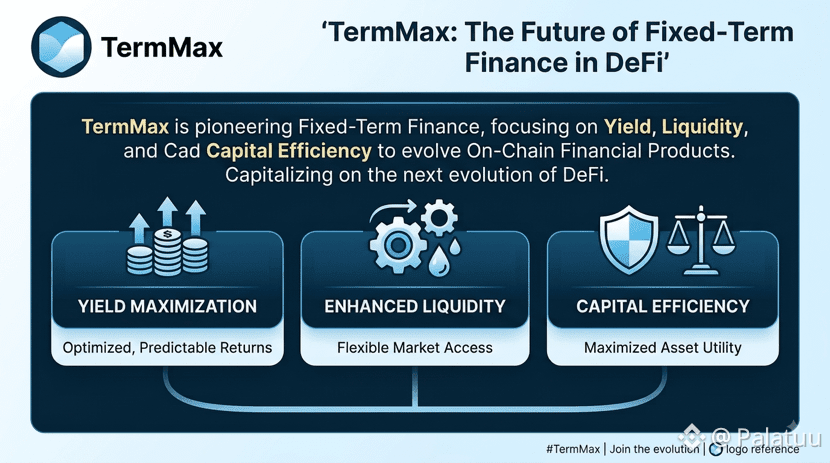
#termmax @termmax
TermMax သည် သက်တမ်းကာလအလိုက် ငွေကြေးဆိုင်ရာ ထုတ်ကုန်များ (fixed-term financial products) များကို အခြေခံပြီး ခိုင်မာတဲ့ DeFi ဂေဟစနစ်တစ်ခု တည်ဆောက်နေပါသည်။ ၎င်းသည် အသုံးပြုသူများအား အမြတ်ငွေ (yield)၊ ငွေကြေးလှုပ်ရှားနိုင်မှု (liquidity) နှင့် အန္တရာယ် (risk) တို့ကို ပိုမိုပြောင်းလွယ်ပြင်လွယ်စွာ စီမံခန့်ခွဲနိုင်ရန် နည်းလမ်းများ ပိုများပေးသည်။ @termmax သည် ၎င်း၏ on-chain ငွေကြေးဆိုင်ရာ အခြေခံအဆောက်အအုံနှင့် ထုတ်ကုန်အတွေ့အကြုံတို့ကို ဆက်လက်တိုးတက်လာမှုကို ကျွန်တော်/ကျွန်မ စောင့်ကြည့်နေပါသည်။ #TermMax
#termmax @TermMax
TermMax သည် သက်တမ်းကာလအလိုက် ငွေကြေးဆိုင်ရာ ထုတ်ကုန်များ (fixed-term financial products) များကို အခြေခံပြီး ခိုင်မာတဲ့ DeFi ဂေဟစနစ်တစ်ခု တည်ဆောက်နေပါသည်။ ၎င်းသည် အသုံးပြုသူများအား အမြတ်ငွေ (yield)၊ ငွေကြေးလှုပ်ရှားနိုင်မှု (liquidity) နှင့် အန္တရာယ် (risk) တို့ကို ပိုမိုပြောင်းလွယ်ပြင်လွယ်စွာ စီမံခန့်ခွဲနိုင်ရန် နည်းလမ်းများ ပိုများပေးသည်။ @TermMax သည် ၎င်း၏ on-chain ငွေကြေးဆိုင်ရာ အခြေခံအဆောက်အအုံနှင့် ထုတ်ကုန်အတွေ့အကြုံတို့ကို ဆက်လက်တိုးတက်လာမှုကို ကျွန်တော်/ကျွန်မ စောင့်ကြည့်နေပါသည်။ #TermMax
TermMax သည် သက်တမ်းကာလအလိုက် ငွေကြေးဆိုင်ရာ ထုတ်ကုန်များ (fixed-term financial products) များကို အခြေခံပြီး ခိုင်မာတဲ့ DeFi ဂေဟစနစ်တစ်ခု တည်ဆောက်နေပါသည်။ ၎င်းသည် အသုံးပြုသူများအား အမြတ်ငွေ (yield)၊ ငွေကြေးလှုပ်ရှားနိုင်မှု (liquidity) နှင့် အန္တရာယ် (risk) တို့ကို ပိုမိုပြောင်းလွယ်ပြင်လွယ်စွာ စီမံခန့်ခွဲနိုင်ရန် နည်းလမ်းများ ပိုများပေးသည်။ @TermMax သည် ၎င်း၏ on-chain ငွေကြေးဆိုင်ရာ အခြေခံအဆောက်အအုံနှင့် ထုတ်ကုန်အတွေ့အကြုံတို့ကို ဆက်လက်တိုးတက်လာမှုကို ကျွန်တော်/ကျွန်မ စောင့်ကြည့်နေပါသည်။ #TermMax
2
82
·
--
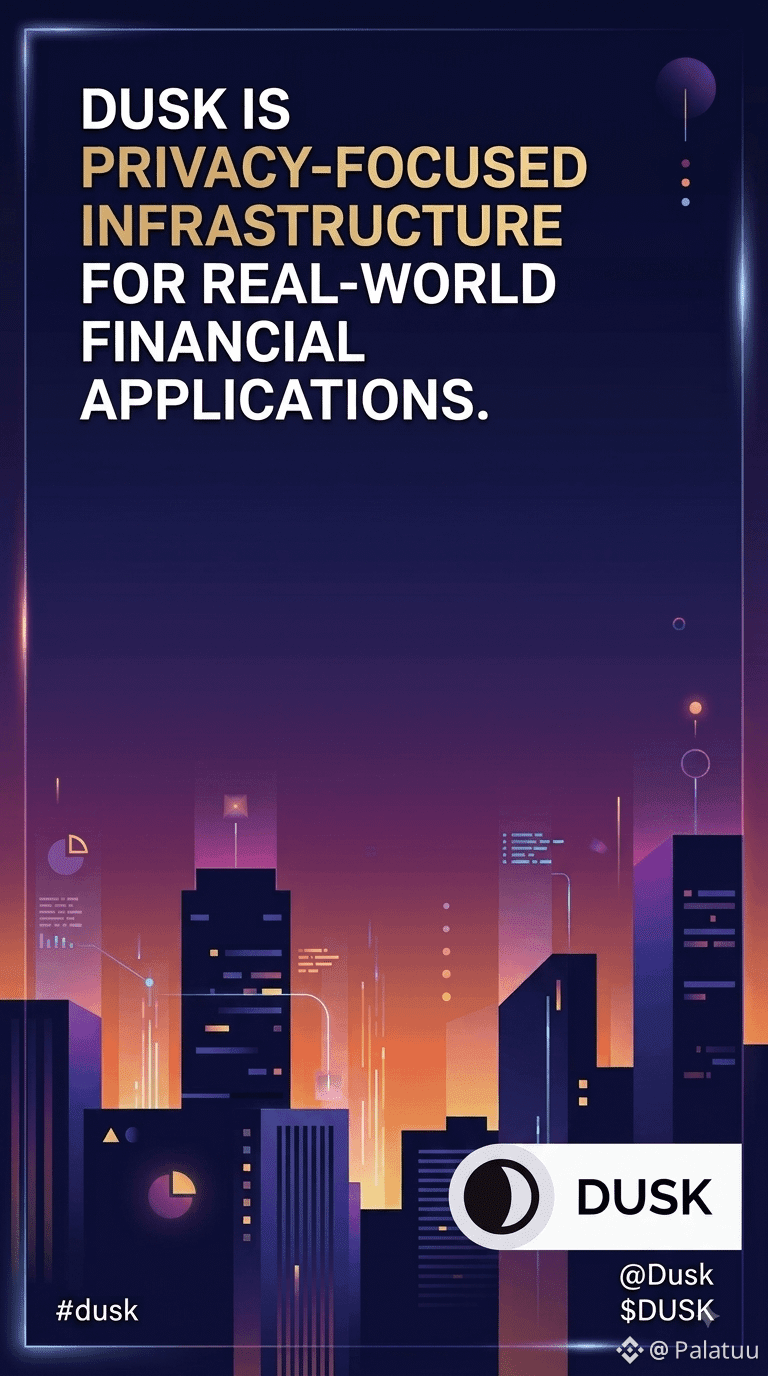
பொது லெட்ஜரில் நிதி தரவுகள் மற்றும் வணிகச் செயல்பாடுகள் முழுமையாக வெளிப்பட வேண்டிய அவசியமில்லாத ஒரு உலகிற்காக, Dusk தனியுரிமை-மையப்பட்ட கட்டமைப்பை உருவாக்கி வருகிறது. தனியுரிமை மற்றும் இணக்கத்தன்மையை கருத்தில் கொண்டு, @Dusk_Foundation நிஜ உலக நிதி பயன்பாடுகளுக்கான மேலும் நடைமுறைபூர்வமான பிளாக்செயின் சூழலினை நோக்கி செயல்படுகிறது. $DUSK #dusk
பொது லெட்ஜரில் நிதி தரவுகள் மற்றும் வணிகச் செயல்பாடுகள் முழுமையாக வெளிப்பட வேண்டிய அவசியமில்லாத ஒரு உலகிற்காக, Dusk தனியுரிமை-மையப்பட்ட கட்டமைப்பை உருவாக்கி வருகிறது. தனியுரிமை மற்றும் இணக்கத்தன்மையை கருத்தில் கொண்டு, @Dusk நிஜ உலக நிதி பயன்பாடுகளுக்கான மேலும் நடைமுறைபூர்வமான பிளாக்செயின் சூழலினை நோக்கி செயல்படுகிறது. $DUSK #dusk
84
·
--
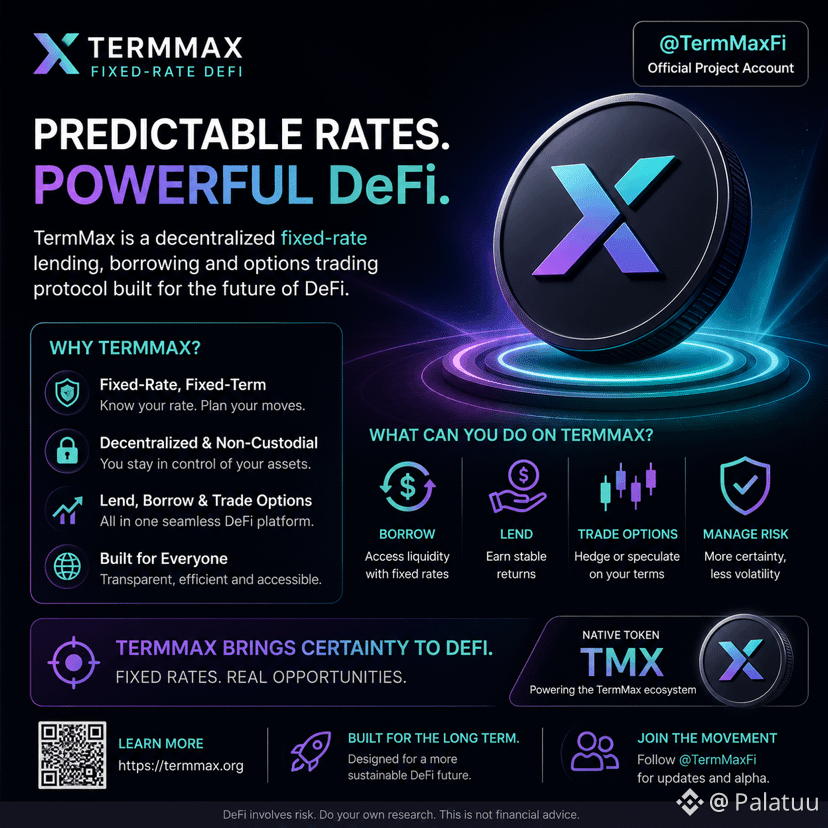
#termmax @termmax
TermMax විසින් ස්ථාවර-අනුපාත ණයදීම සහ ණය ගැනීම සමඟින් වඩාත් පුරෝකථනය කළ හැකි DeFi අත්දැකීමක් ගොඩනඟමින් සිටී. නිරන්තරයෙන් වෙනස් වන අනුපාත සමඟ ගනුදෙනු කිරීමට වඩා, පරිශීලකයින්ට නියමිත කාලපරාසයන් සහ පැහැදිලි පිරිවැයන් මත පදනම්ව තම උපායමාර්ග සැලසුම් කරගත හැක. පුරෝකථනය කළ හැකි බව, ප්රාග්ධන කාර්යක්ෂමතාවය, සහ on-chain නම්යශීලී බව යනුම @termmax නැරඹිය යුතු බවට හේතුවයි. 🚀 #TermMax #TMX #DeFi
#termmax @TermMax
TermMax විසින් ස්ථාවර-අනුපාත ණයදීම සහ ණය ගැනීම සමඟින් වඩාත් පුරෝකථනය කළ හැකි DeFi අත්දැකීමක් ගොඩනඟමින් සිටී. නිරන්තරයෙන් වෙනස් වන අනුපාත සමඟ ගනුදෙනු කිරීමට වඩා, පරිශීලකයින්ට නියමිත කාලපරාසයන් සහ පැහැදිලි පිරිවැයන් මත පදනම්ව තම උපායමාර්ග සැලසුම් කරගත හැක. පුරෝකථනය කළ හැකි බව, ප්රාග්ධන කාර්යක්ෂමතාවය, සහ on-chain නම්යශීලී බව යනුම @TermMax නැරඹිය යුතු බවට හේතුවයි. 🚀 #TermMax #TMX #DeFi
TermMax විසින් ස්ථාවර-අනුපාත ණයදීම සහ ණය ගැනීම සමඟින් වඩාත් පුරෝකථනය කළ හැකි DeFi අත්දැකීමක් ගොඩනඟමින් සිටී. නිරන්තරයෙන් වෙනස් වන අනුපාත සමඟ ගනුදෙනු කිරීමට වඩා, පරිශීලකයින්ට නියමිත කාලපරාසයන් සහ පැහැදිලි පිරිවැයන් මත පදනම්ව තම උපායමාර්ග සැලසුම් කරගත හැක. පුරෝකථනය කළ හැකි බව, ප්රාග්ධන කාර්යක්ෂමතාවය, සහ on-chain නම්යශීලී බව යනුම @TermMax නැරඹිය යුතු බවට හේතුවයි. 🚀 #TermMax #TMX #DeFi
53
තවත් අන්තර්ගතයන් ගවේෂණය කිරීමට ඇතුල් වන්න
Binance චතුරශ්රය හි ගෝලීය ක්රිප්ටෝ පරිශීලකයින් හා එක්වන්න
⚡️ ක්රිප්ටෝ පිළිබඳ නවතම සහ ප්රයෝජනවත් තොරතුරු ලබා ගන්න.
💬 ලොව විශාලතම ක්රිප්ටෝ හුවමාරුව මගින් විශ්වාස කෙරේ.
👍 සත්යායනය කරන ලද නිර්මාණකරුවන්ගෙන් සැබෑ විදසුන් සොයා ගන්න.
විද්යුත් තැපෑල / දුරකථන අංකය
නැගී එන මාතෘකා
BTCBreaks80K
27,325 views
777 සාකච්ඡා කරමින්
එෆ්ඩී (FED) බෝම්බ හෙළීම සහ $80K හි හිස්තැන: බිට්කොයින් හි ද්රවශීලතා උගුල 🐋📊
ෆෙඩරල් රිසර්ව් එකෙන් පැමිණි මැක්රෝ ශබ්දය නිසා වෙළඳපොළ උද්දාමයෙන් පිරී ඇත; එය ඉහළට තල්ලුවක් වගේ හැසිරෙමින් බිට්කොයින්ව $80,989.99 වශයෙන් නිවැරදි උපරිමයට ගෙන ගියා. පුවත් මාර්ගයෙන් මෙවැනි මට්ටමකදී මිලදී ගැනීම කියන්නේ ගණිතමය පැරෂුට් එකක් නොමැතිව වැටෙන වගේ එකක්.
ස්ථිර සංඛ්යාත්මකව ස්කෑනරය පෙන්වන්නේ තීරණාත්මක අධි-විකාශනයක්:
🔥 ප්රමාණාත්මක අවුරීම (4H): උත්ප්රේරක ඉටු කළ ඉන්පටි වෙළඳ දැල්වම ගුරුත්වාකර්ෂණය බිඳ දැමුවා. 4 පැය කාල රාමුවේ KDJ ඕසිලේටරය අතිශය අධික මිලදීගැනීමේ (overbought) තත්ත්වයේ දල්වමින් පවතින අතර 'J' රේඛාව 100.83 සීමාව ඇතුළින් පිපිරෙමින් තිබේ. මිල ප්රාථමික ව්යුහාත්මක ආධාරයෙන් ඉතා අනතුරුදායක ලෙස වෙන් වී සිටී—එනම් EMA 20—එය දැන් $77,270.34 හි ඉතිරිවී තිබේ.
📐 ෆිබොනාචි කූඩුව: $74,967.97 හි impulse පදනමෙන් $80,989.99 දක්වා retrocession එක අඳින්නට ගත් විට, 38.2% ෆිබොනාචි මට්ටම $78,689 හි ඉතා නිවැරදිව එකට ගැටෙයි. අවසාන තහවුරු කිරීම? ඒ මට්ටමම 1H හි SuperTrend හි dynamic کف (floor) එක වන $78,702.50 සමඟ හරියටම ගැළපෙයි.
🩸 කෙටි කාල ඩ්රේනේජ් (1H): ආවේගය (inertia) දැනටමත් කැඩෙන්නට පටන්ගෙන ඇත. 1 පැය KDJ හි 'J' රේඛාව 87.22 දක්වා පසුබැසෙමින් තිබීම පෙන්නුම් කරන්නේ පුවත් වලින් ආ අරමුදල්/ඉන්ධනය ඉවර වෙමින් පවතින බවයි.
මෙවර Sniper Setup (FOMO නොමැතිව):
$80,748 මට්ටම ක්රියාත්මක කරමින්, ඊඑම්ඒ (EMAs) ඩොලර් $3,000කට වඩා දුරින් තබාගෙන වෙළඳාම කිරීම, ඕනෑම රිස්ක් කළමනාකරණයක් සම්පූර්ණයෙන්ම විනාශ කරයි.
🔴 උගුල් කලාපය: වත්මන් මුදුණේ ෆෙඩ් උද්දාමය මිලට ගැනීම යනු, දැනටමත් බෙදාහැරීමට (distribute) පාවිච්චි කරමින් සිටින ආයතනිකයන්ට ද්රවශීලතාව ලබා දීමක් වැනිය.
🟢 ව්යුහාත්මක දඩයම් කලාපය: විනය කියන්නේ mean (සාමාන්යය) වෙත ආපසු යාම බලා සිටීමයි. අපගේ ගණිතමය ෆිෂිං දැල් 38.2% ෆිබොනාචි සහ 1H SuperTrend එක්ක එකට ගැටෙන ස්ථානයේ දිග හැරී, $78,700 හි ආරක්ෂිත බ්ලොක් එක වෙත ඉලක්ක කරයි.
සංඛ්යාලේඛන පුවත් ක්රියාත්මක නොකරයි; එය අතින් ඉතිරි කරන ව්යුහයම ක්රියාත්මක කරයි. 📐
$BTC #BTCBreaks80K
RelatoCriptoPRO
·2 කැමත්ත දැක්වීම්
·1.1k views
比特币突破8万
37,073 views
95 සාකච්ඡා කරමින්
BuffettBecomesBerkshireChairmanEmeritus
3,415 views
209 සාකච්ඡා කරමින්