

Mastering Crypto
16.2k පෝස්ටු
Mastering Crypto
 Binance චතුරශ්ර සත්යාපිත+
වාර්තා කරන්න
පරිශීලක අවහිර කරන්න
Twitter(X) @ MasteringCrypt

Creator Awards 2024

Traders League Badge Expert

#BinanceTurns7 task 2
විවෘත වෙළෙඳාම
අධි-සංඛ්යාත වෙළෙන්දා
{වේලාව} වසර
241 හඹා යමින්
398.8K+ හඹා යන්නන්
241.4K+ කැමති විය
5 ලාංජනය
පෝස්ටු
ආයෝජන කළඹ
සියල්ල
උපුටා දැක්වීම්
වීඩියෝ
සජීවි
අමුණා ඇත
Unlock $1000 USDT Daily With Futures 🗝
Not one… not two…
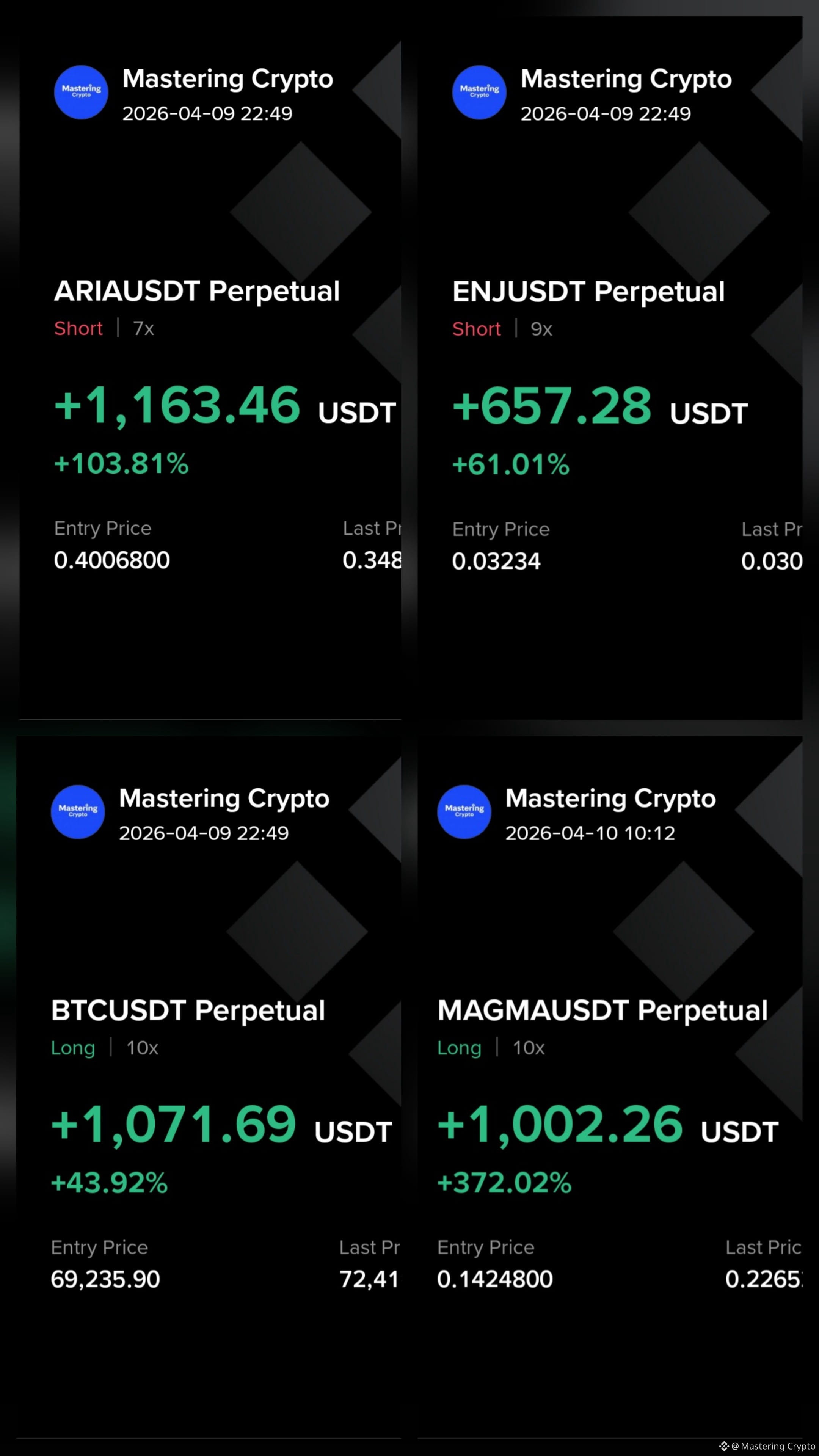
FOUR trades. All were green.💚
[Join My Premium Club For Highly Profitable Trades](https://app.binance.com/uni-qr/group-chat-landing?channelToken=jMv1tS4NA7v8KtC8c1jFqw&type=1&entrySource=sharing_link)
$ARIA short… +$1,163 ✅
$BTC long… +$1,071 ✅
$ENJ short… +$657 ✅
$MAGMA long… +$1,002 ✅
That's over $3,800 in a single day 👀
And every single one of these…
was shared inside my Premium Group
before it happened. 🤝
If you're still trading alone…
still staring at charts for hours…
still ending the day in red…
I want to ask you something honestly…
How long are you going to keep doing this? 💀
Because while you were losing…
my members were printing.
Not because they're lucky…
not because they're experts…
Some of them were complete beginners
just weeks ago 😏
The difference?
They stopped guessing…
and started following a system that works.
Every single day inside my group👇🏻
Real trade setups before the move ✅
Entry, TP, SL… everything clear ✅
Futures trading explained simply ✅
Results like these… daily 💰
No confusion. No noise.
Just clean trades and real profits.
If you're tired of losses…
tired of watching others win…
tired of not knowing what you're doing…
This is your moment 👀
Spots are limited…
and they're filling fast 🚨
The question is simple…
are you going to keep losing alone…
or start winning with us? 💯
{future}(ARIAUSDT)
{future}(BTCUSDT)
{future}(ENJUSDT)
#freedomofmoney #CZonTBPNInterview
Unlock $1000 USDT Daily With Futures 🗝
Not one… not two…
FOUR trades. All were green.💚
Join My Premium Club For Highly Profitable Trades
$ARIA short… +$1,163 ✅
$BTC long… +$1,071 ✅
$ENJ short… +$657 ✅
$MAGMA long… +$1,002 ✅
That's over $3,800 in a single day 👀
And every single one of these…
was shared inside my Premium Group
before it happened. 🤝
If you're still trading alone…
still staring at charts for hours…
still ending the day in red…
I want to ask you something honestly…
How long are you going to keep doing this? 💀
Because while you were losing…
my members were printing.
Not because they're lucky…
not because they're experts…
Some of them were complete beginners
just weeks ago 😏
The difference?
They stopped guessing…
and started following a system that works.
Every single day inside my group👇🏻
Real trade setups before the move ✅
Entry, TP, SL… everything clear ✅
Futures trading explained simply ✅
Results like these… daily 💰
No confusion. No noise.
Just clean trades and real profits.
If you're tired of losses…
tired of watching others win…
tired of not knowing what you're doing…
This is your moment 👀
Spots are limited…
and they're filling fast 🚨
The question is simple…
are you going to keep losing alone…
or start winning with us? 💯
#freedomofmoney #CZonTBPNInterview
Not one… not two…
FOUR trades. All were green.💚
Join My Premium Club For Highly Profitable Trades
$ARIA short… +$1,163 ✅
$BTC long… +$1,071 ✅
$ENJ short… +$657 ✅
$MAGMA long… +$1,002 ✅
That's over $3,800 in a single day 👀
And every single one of these…
was shared inside my Premium Group
before it happened. 🤝
If you're still trading alone…
still staring at charts for hours…
still ending the day in red…
I want to ask you something honestly…
How long are you going to keep doing this? 💀
Because while you were losing…
my members were printing.
Not because they're lucky…
not because they're experts…
Some of them were complete beginners
just weeks ago 😏
The difference?
They stopped guessing…
and started following a system that works.
Every single day inside my group👇🏻
Real trade setups before the move ✅
Entry, TP, SL… everything clear ✅
Futures trading explained simply ✅
Results like these… daily 💰
No confusion. No noise.
Just clean trades and real profits.
If you're tired of losses…
tired of watching others win…
tired of not knowing what you're doing…
This is your moment 👀
Spots are limited…
and they're filling fast 🚨
The question is simple…
are you going to keep losing alone…
or start winning with us? 💯
#freedomofmoney #CZonTBPNInterview
80
3
72
9.1k
අමුණා ඇත
Enjoy high class trading signals and generate more revenue with less risk on Binance Futures. 📈
[Join here 👈](https://app.binance.com/uni-qr/group-chat-landing?channelToken=jMv1tS4NA7v8KtC8c1jFqw&type=1&entrySource=sharing_link)
Join my premium group and support Mastering Crypto Ecosystem on Binance.
You will get all trading related help and early signals to maximize your profits.
Stop losing and start making real cash 💸
Enjoy high class trading signals and generate more revenue with less risk on Binance Futures. 📈
Join here 👈
Join my premium group and support Mastering Crypto Ecosystem on Binance.
You will get all trading related help and early signals to maximize your profits.
Stop losing and start making real cash 💸
Join here 👈
Join my premium group and support Mastering Crypto Ecosystem on Binance.
You will get all trading related help and early signals to maximize your profits.
Stop losing and start making real cash 💸
29
1
45
868
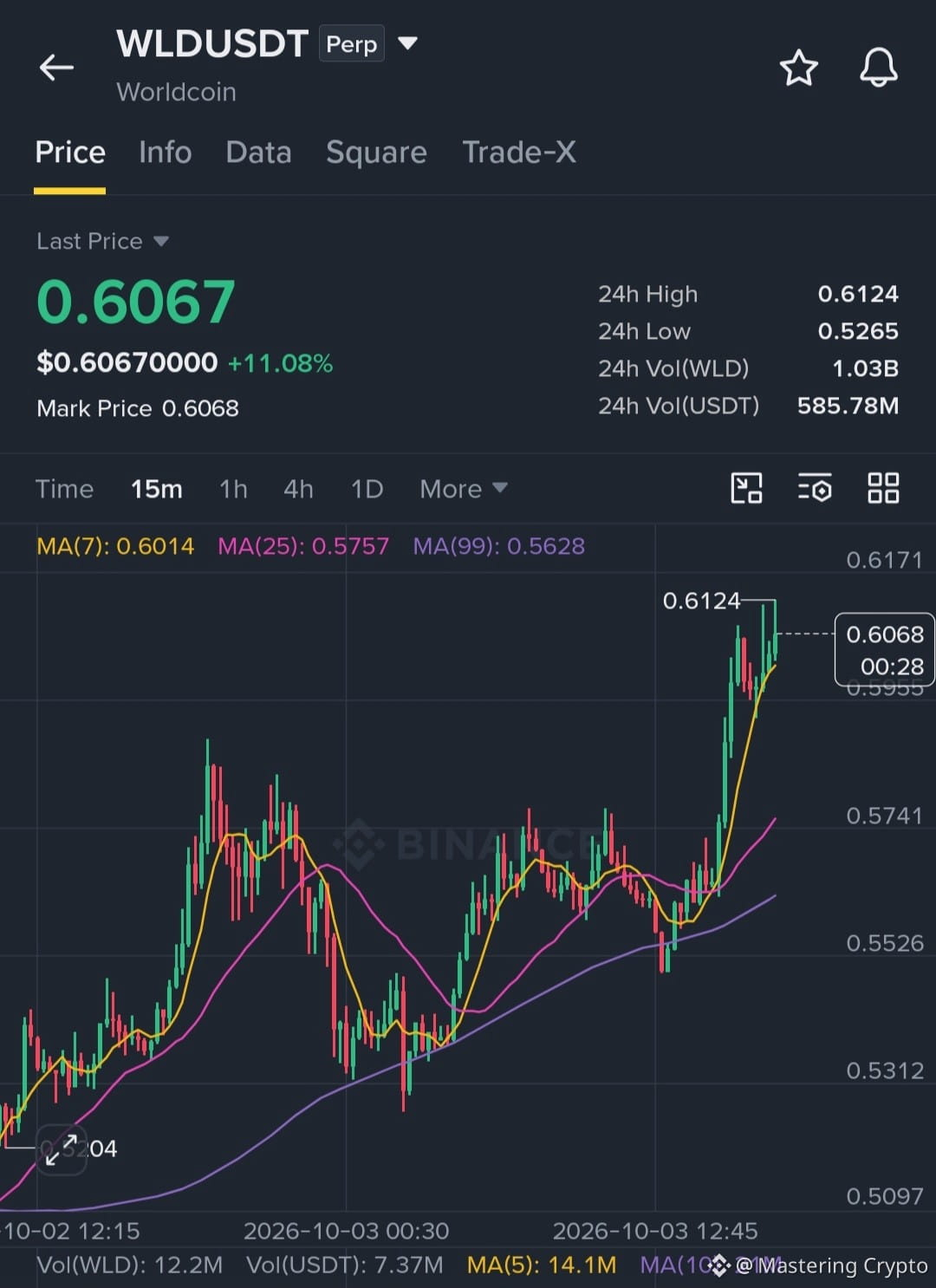
$WLD is pushing higher levels
Long $WLD
Entry: 0.575 – 0.600
SL: 0.555
TP1: 0.6125
TP2: 0.6250
TP3: 0.6450
TP4: 0.6700
🫂 Join my Binance Group Chat and Let's together win every trade.
Trade $WLD here 👇
{future}(WLDUSDT)
$WLD is pushing higher levels
Long $WLD
Entry: 0.575 – 0.600
SL: 0.555
TP1: 0.6125
TP2: 0.6250
TP3: 0.6450
TP4: 0.6700
🫂 Join my Binance Group Chat and Let's together win every trade.
Trade $WLD here 👇
Long $WLD
Entry: 0.575 – 0.600
SL: 0.555
TP1: 0.6125
TP2: 0.6250
TP3: 0.6450
TP4: 0.6700
🫂 Join my Binance Group Chat and Let's together win every trade.
Trade $WLD here 👇
468
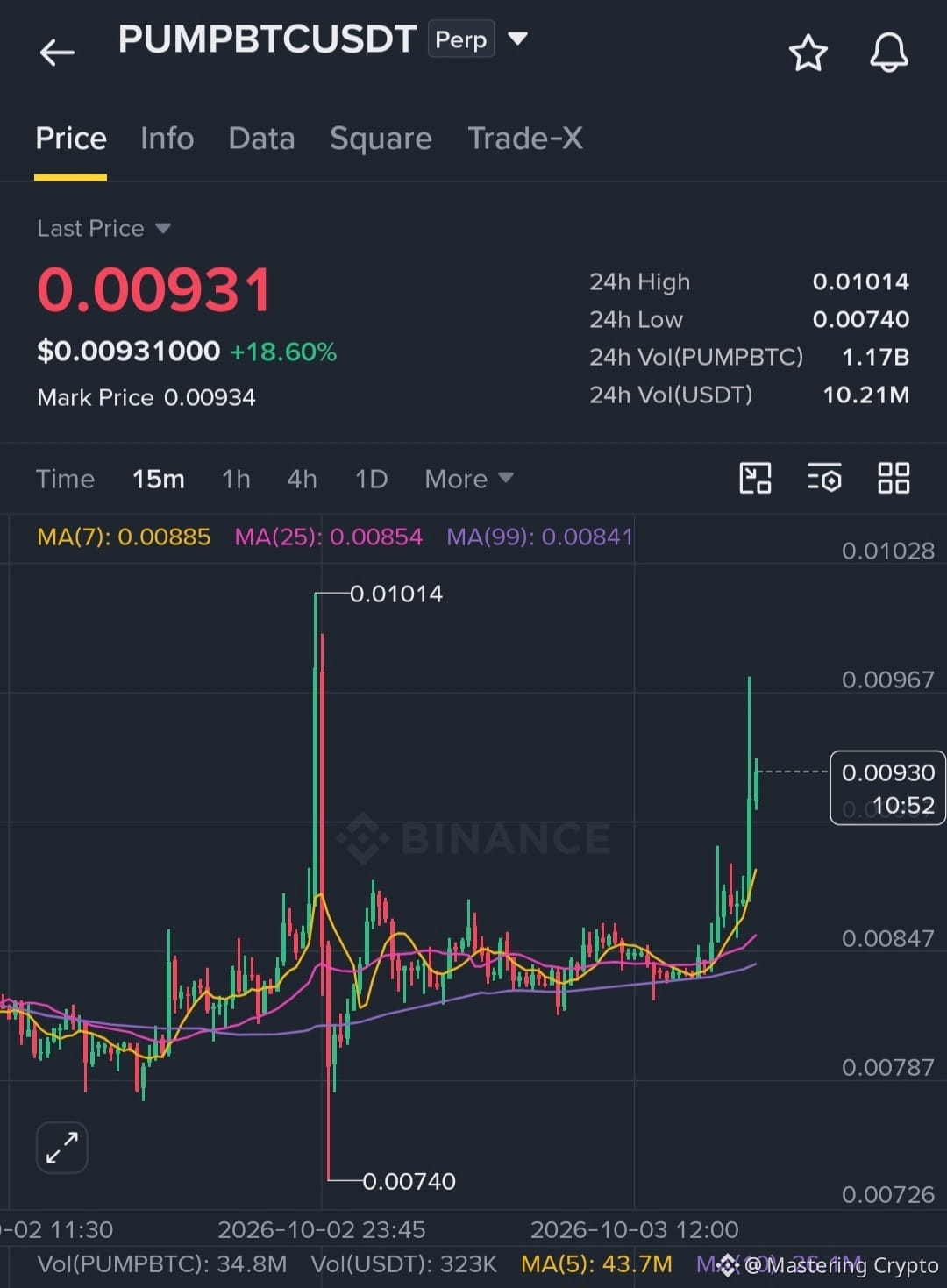
$PUMPBTC Bulls Are Charging Hard
Long $PUMPBTC
Entry: 0.00840 – 0.00880
SL: 0.00800
TP1: 0.00950
TP2: 0.01050
TP3: 0.01100
TP4: 0.01200
🫂 Join my Binance Group Chat and Let's together win every trade.
Trade $PUMPBTC here 👇
{future}(PUMPBTCUSDT)
$PUMPBTC Bulls Are Charging Hard
Long $PUMPBTC
Entry: 0.00840 – 0.00880
SL: 0.00800
TP1: 0.00950
TP2: 0.01050
TP3: 0.01100
TP4: 0.01200
🫂 Join my Binance Group Chat and Let's together win every trade.
Trade $PUMPBTC here 👇
Long $PUMPBTC
Entry: 0.00840 – 0.00880
SL: 0.00800
TP1: 0.00950
TP2: 0.01050
TP3: 0.01100
TP4: 0.01200
🫂 Join my Binance Group Chat and Let's together win every trade.
Trade $PUMPBTC here 👇
456
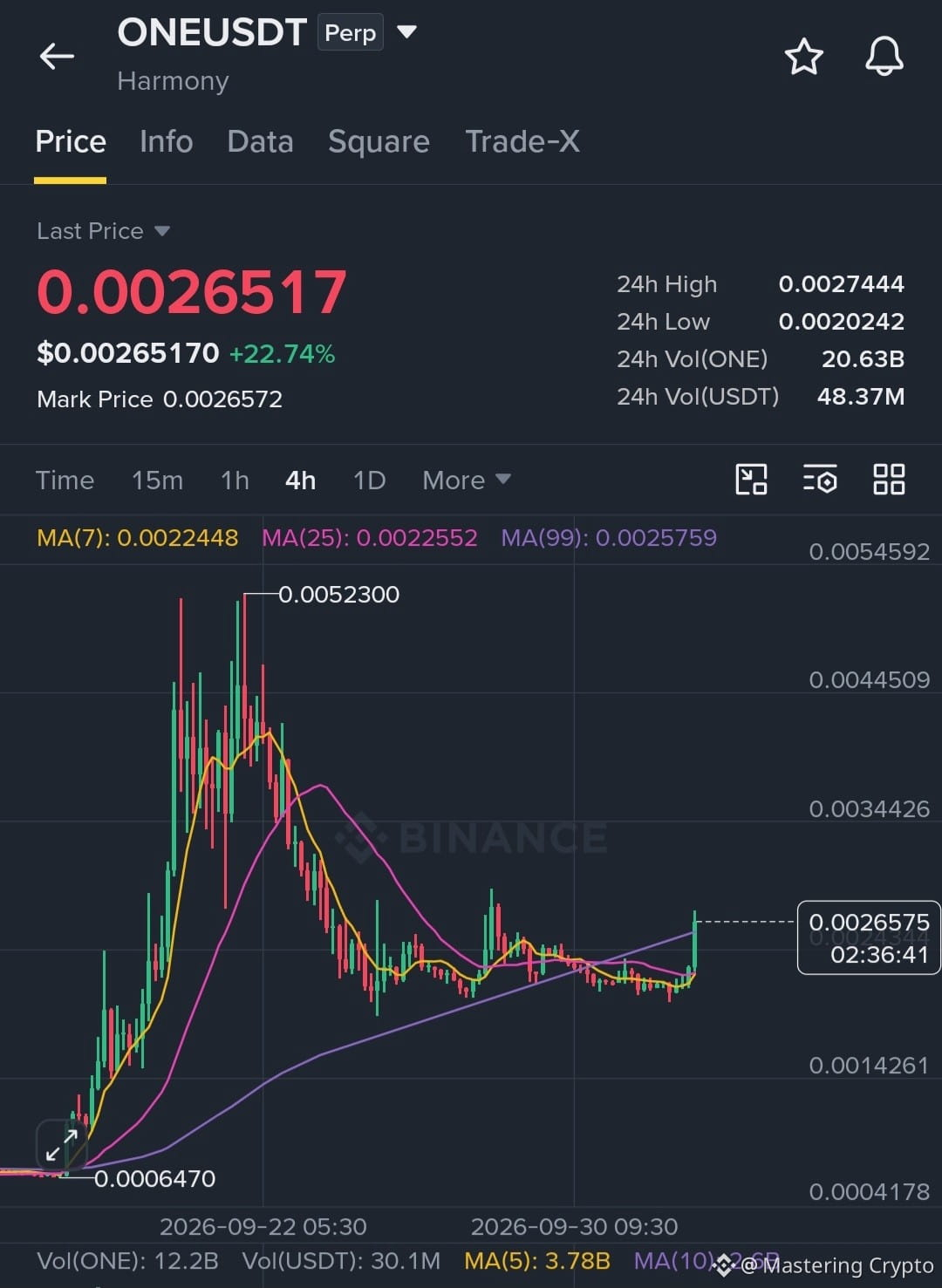
$ONE is setting up big bullish trap
Short $ONE
Entry: 0.00280 – 0.00340
SL: 0.0040
TP1: 0.00255
TP2: 0.00235
TP3: 0.00220
TP4: 0.00200
🫂 Join my Binance Group Chat and Let’s together win every trade.
Trade $ONE here 👇
{future}(ONEUSDT)
$ONE is setting up big bullish trap
Short $ONE
Entry: 0.00280 – 0.00340
SL: 0.0040
TP1: 0.00255
TP2: 0.00235
TP3: 0.00220
TP4: 0.00200
🫂 Join my Binance Group Chat and Let’s together win every trade.
Trade $ONE here 👇
Short $ONE
Entry: 0.00280 – 0.00340
SL: 0.0040
TP1: 0.00255
TP2: 0.00235
TP3: 0.00220
TP4: 0.00200
🫂 Join my Binance Group Chat and Let’s together win every trade.
Trade $ONE here 👇
3
719
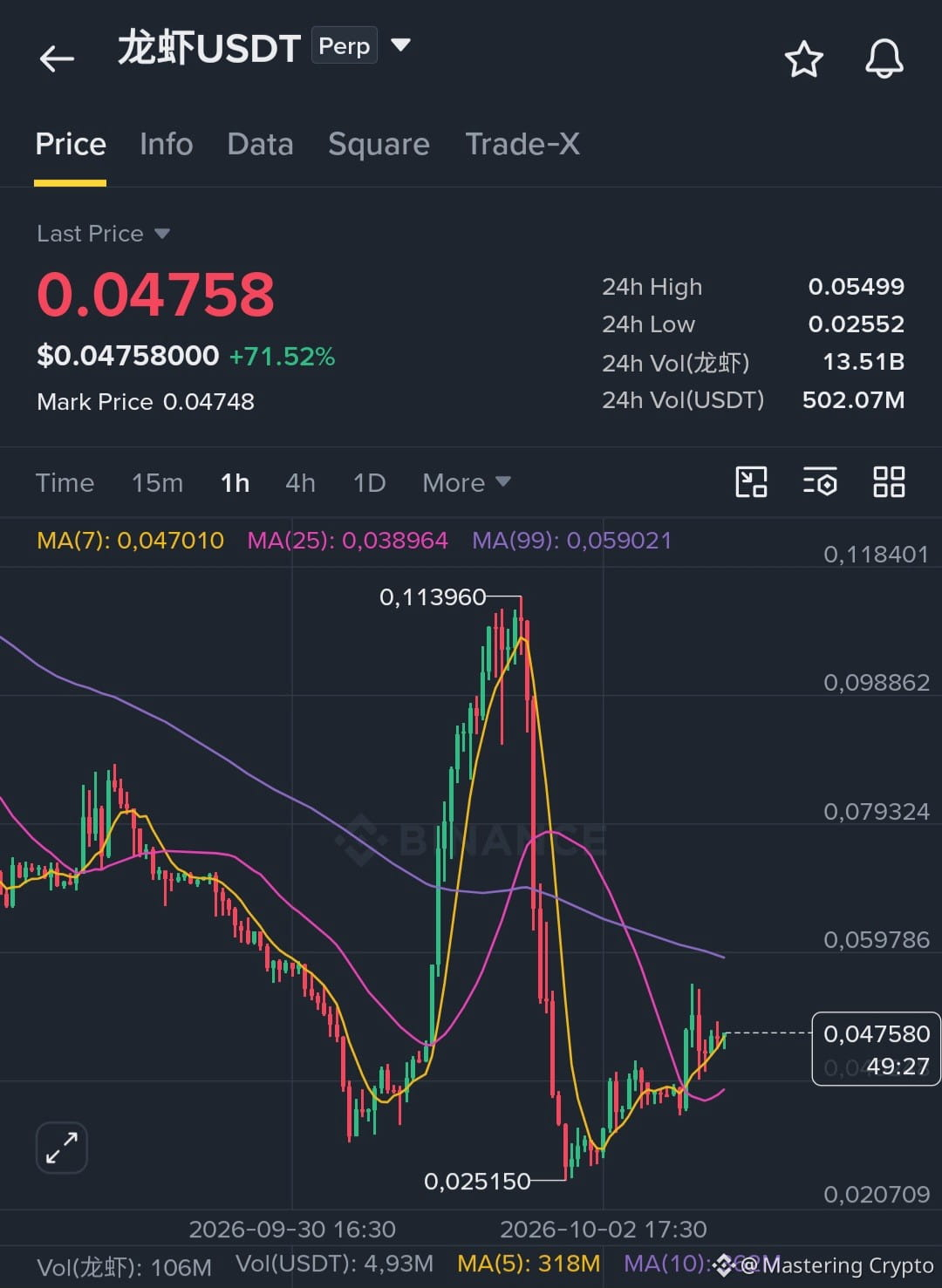
$龙虾 again facing heavy resistance
Short $龙虾
Entry: 0.050 – 0.060
SL: 0.080
TP1: 0.045
TP2: 0.040
TP3: 0.030
TP4: 0.020
🫂 Join my Binance Group Chat and Let’s together win every trade.
Trade $龙虾 here 👇
{future}(龙虾USDT)
$龙虾 again facing heavy resistance
Short $龙虾
Entry: 0.050 – 0.060
SL: 0.080
TP1: 0.045
TP2: 0.040
TP3: 0.030
TP4: 0.020
🫂 Join my Binance Group Chat and Let’s together win every trade.
Trade $龙虾 here 👇
Short $龙虾
Entry: 0.050 – 0.060
SL: 0.080
TP1: 0.045
TP2: 0.040
TP3: 0.030
TP4: 0.020
🫂 Join my Binance Group Chat and Let’s together win every trade.
Trade $龙虾 here 👇
1
3
703
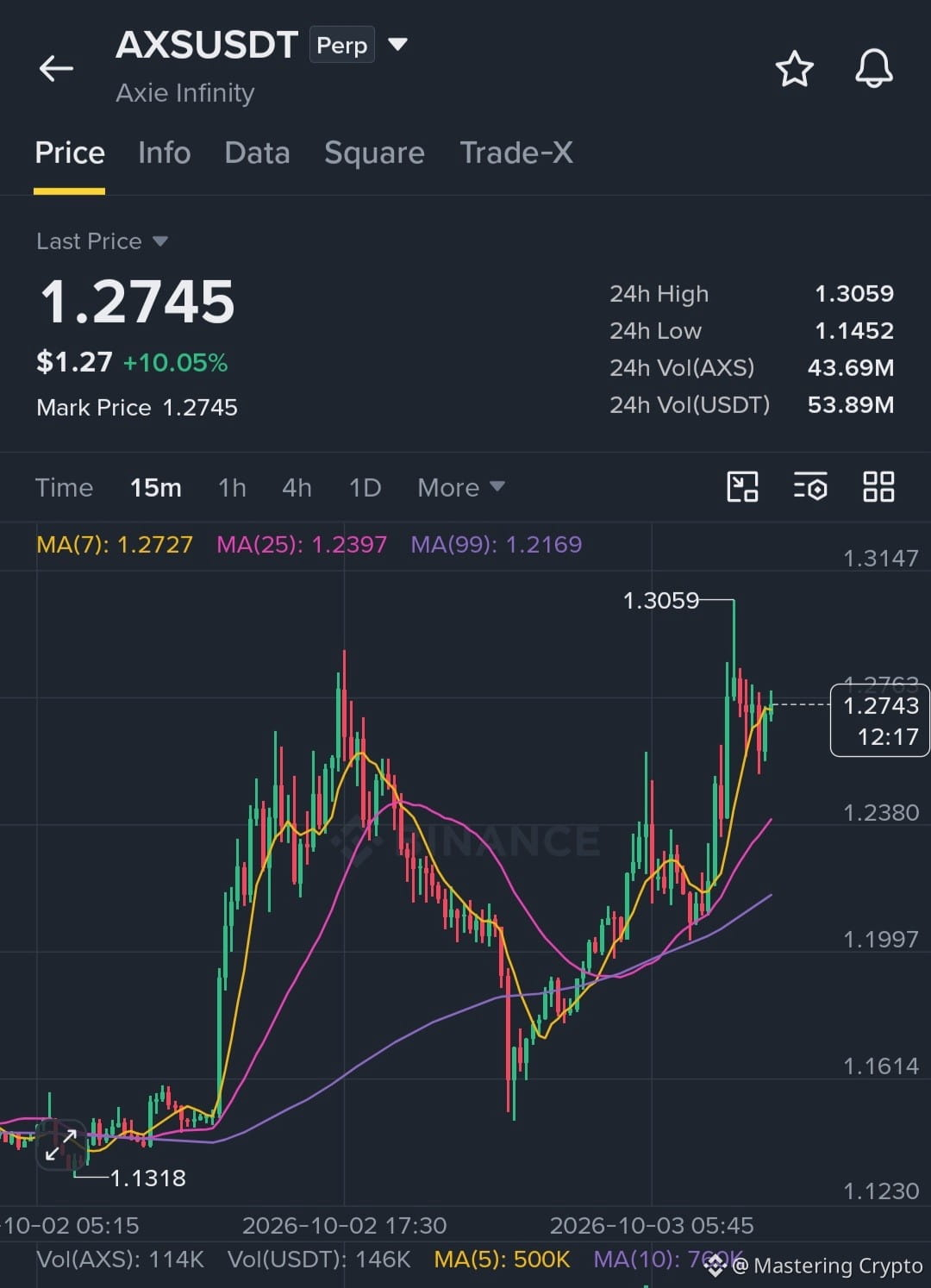
$AXS is cooking something big so Guy's I'm chasing personally long here
Long $AXS
Entry: 1.225 – 1.275
SL: 1.20
TP1: 1.3000
TP2: 1.3300
TP3: 1.3700
TP4: 1.4200
🫂 Join my Binance Group Chat and Let's together win every trade.
Trade $AXS here 👇
{future}(AXSUSDT)
$AXS is cooking something big so Guy's I'm chasing personally long here
Long $AXS
Entry: 1.225 – 1.275
SL: 1.20
TP1: 1.3000
TP2: 1.3300
TP3: 1.3700
TP4: 1.4200
🫂 Join my Binance Group Chat and Let's together win every trade.
Trade $AXS here 👇
Long $AXS
Entry: 1.225 – 1.275
SL: 1.20
TP1: 1.3000
TP2: 1.3300
TP3: 1.3700
TP4: 1.4200
🫂 Join my Binance Group Chat and Let's together win every trade.
Trade $AXS here 👇
3
2
788
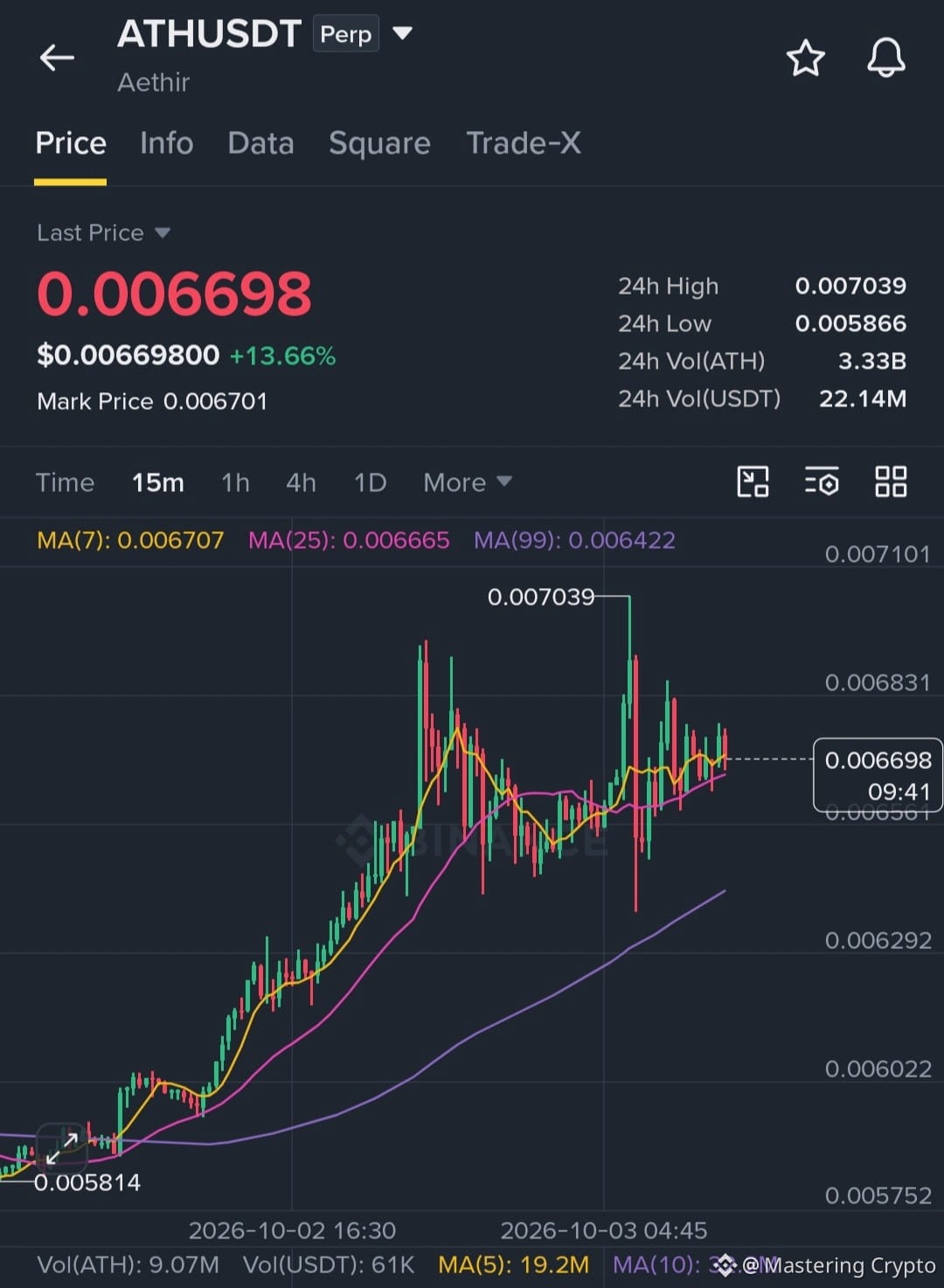
$ATH is slowly reloading the bullish game and this time is eyeing big levels
Long $ATH
Entry: 0.00630 – 0.00660
SL: 0.00590
TP1: 0.00695
TP2: 0.00715
TP3: 0.00740
TP4: 0.00780
🫂 Join my Binance Group Chat and Let's together win every trade.
Trade $ATH here 👇
{future}(ATHUSDT)
$ATH is slowly reloading the bullish game and this time is eyeing big levels
Long $ATH
Entry: 0.00630 – 0.00660
SL: 0.00590
TP1: 0.00695
TP2: 0.00715
TP3: 0.00740
TP4: 0.00780
🫂 Join my Binance Group Chat and Let's together win every trade.
Trade $ATH here 👇
Long $ATH
Entry: 0.00630 – 0.00660
SL: 0.00590
TP1: 0.00695
TP2: 0.00715
TP3: 0.00740
TP4: 0.00780
🫂 Join my Binance Group Chat and Let's together win every trade.
Trade $ATH here 👇
2
562
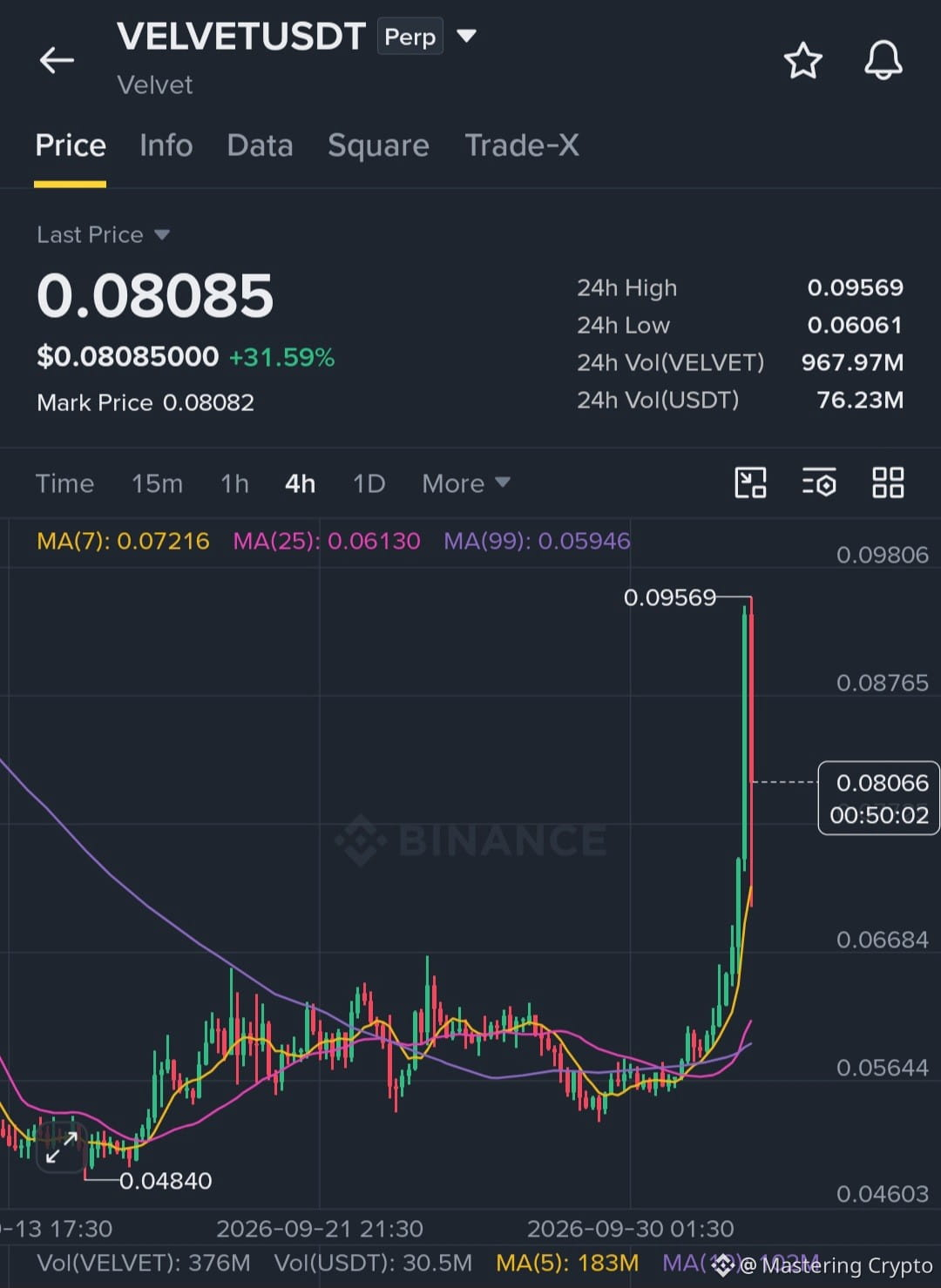
$VELVET is setting up big bullish trap
Short $VELVET
Entry: 0.085 – 0.10
SL: 0.130
TP1: 0.0760
TP2: 0.0710
TP3: 0.0660
TP4: 0.0615
🫂 Join my Binance Group Chat and Let’s together win every trade.
Trade $VELVET here 👇
{future}(VELVETUSDT)
$VELVET is setting up big bullish trap
Short $VELVET
Entry: 0.085 – 0.10
SL: 0.130
TP1: 0.0760
TP2: 0.0710
TP3: 0.0660
TP4: 0.0615
🫂 Join my Binance Group Chat and Let’s together win every trade.
Trade $VELVET here 👇
Short $VELVET
Entry: 0.085 – 0.10
SL: 0.130
TP1: 0.0760
TP2: 0.0710
TP3: 0.0660
TP4: 0.0615
🫂 Join my Binance Group Chat and Let’s together win every trade.
Trade $VELVET here 👇
3
4
918
·
--
බෙයාරිෂ්
🚨 Hip Hip Hurray Guy's 🥳
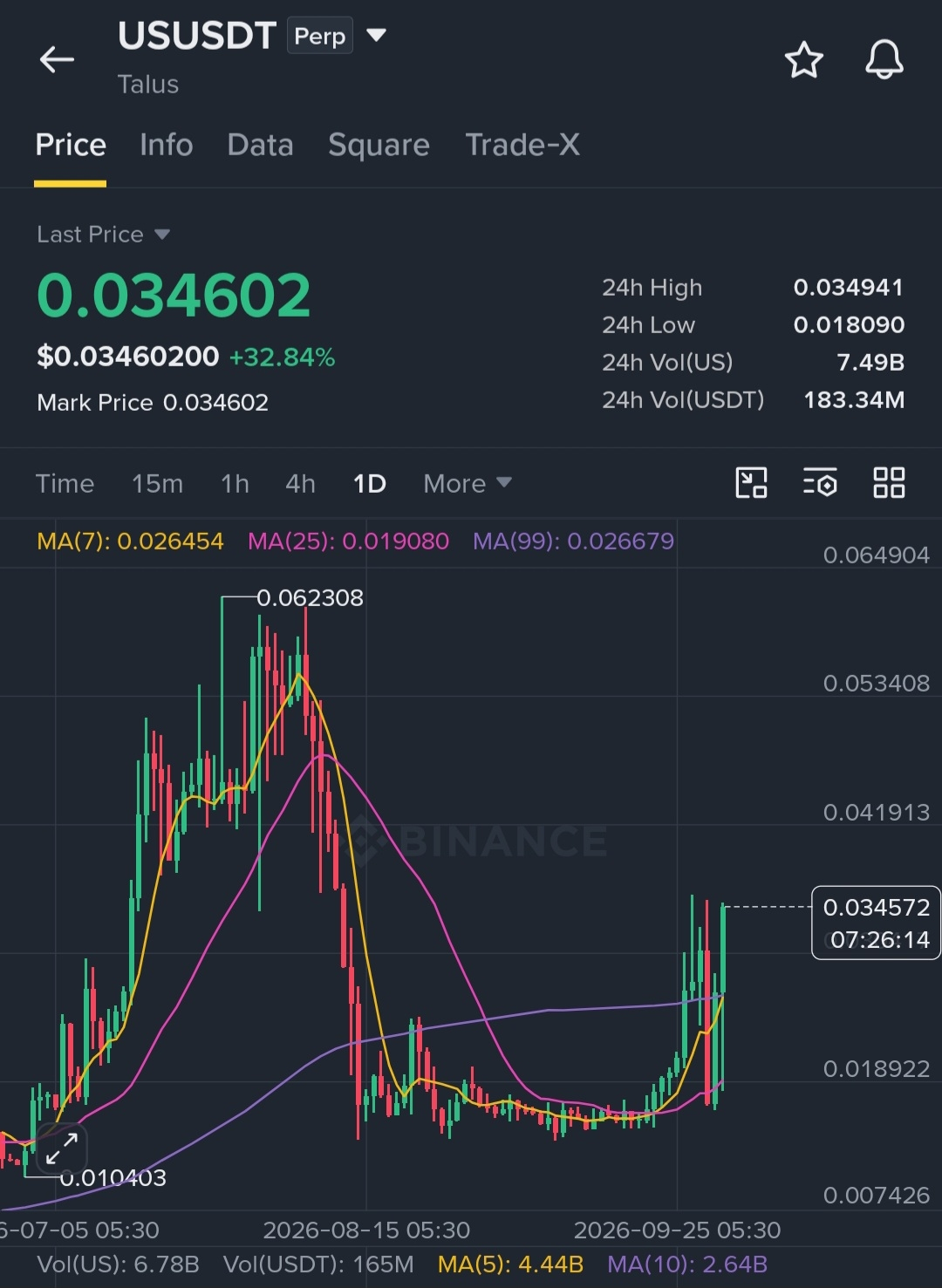
$US short trade hit all TPs successfully and still dumping hard 🤑
Imagine making an entry at 0.04 and taking full profit at 0.024 look how much profit would you have made 🤑
Everyone was giving you the long trade call only Mastering gave you the right short one and see at the results clearly🚀
My Binance Group chat members are growing daily with high quality trade setups like this 👌
Join my Binance group chat and enjoy daily trade setups to grow your capital with proper risk management 🫂
$US is still bearish and next update will be given exclusively in my Binance group chat so better chase now or regret later 💯
Still missing Join $US short trade and my Binance Chat Group here 👇
🚨 Hip Hip Hurray Guy's 🥳
$US short trade hit all TPs successfully and still dumping hard 🤑
Imagine making an entry at 0.04 and taking full profit at 0.024 look how much profit would you have made 🤑
Everyone was giving you the long trade call only Mastering gave you the right short one and see at the results clearly🚀
My Binance Group chat members are growing daily with high quality trade setups like this 👌
Join my Binance group chat and enjoy daily trade setups to grow your capital with proper risk management 🫂
$US is still bearish and next update will be given exclusively in my Binance group chat so better chase now or regret later 💯
Still missing Join $US short trade and my Binance Chat Group here 👇
$US short trade hit all TPs successfully and still dumping hard 🤑
Imagine making an entry at 0.04 and taking full profit at 0.024 look how much profit would you have made 🤑
Everyone was giving you the long trade call only Mastering gave you the right short one and see at the results clearly🚀
My Binance Group chat members are growing daily with high quality trade setups like this 👌
Join my Binance group chat and enjoy daily trade setups to grow your capital with proper risk management 🫂
$US is still bearish and next update will be given exclusively in my Binance group chat so better chase now or regret later 💯
Still missing Join $US short trade and my Binance Chat Group here 👇
Mastering Crypto
·
--
$US is setting up massive bullish trap
Short $US
Entry: 0.0365 – 0.0425
SL: 0.0475
TP1: 0.0315
TP2: 0.0285
TP3: 0.0265
TP4: 0.0230
🫂 Join my Binance Group Chat and Let's together win every trade.
Trade $US here 👇
Short $US
Entry: 0.0365 – 0.0425
SL: 0.0475
TP1: 0.0315
TP2: 0.0285
TP3: 0.0265
TP4: 0.0230
🫂 Join my Binance Group Chat and Let's together win every trade.
Trade $US here 👇
3
1.1k
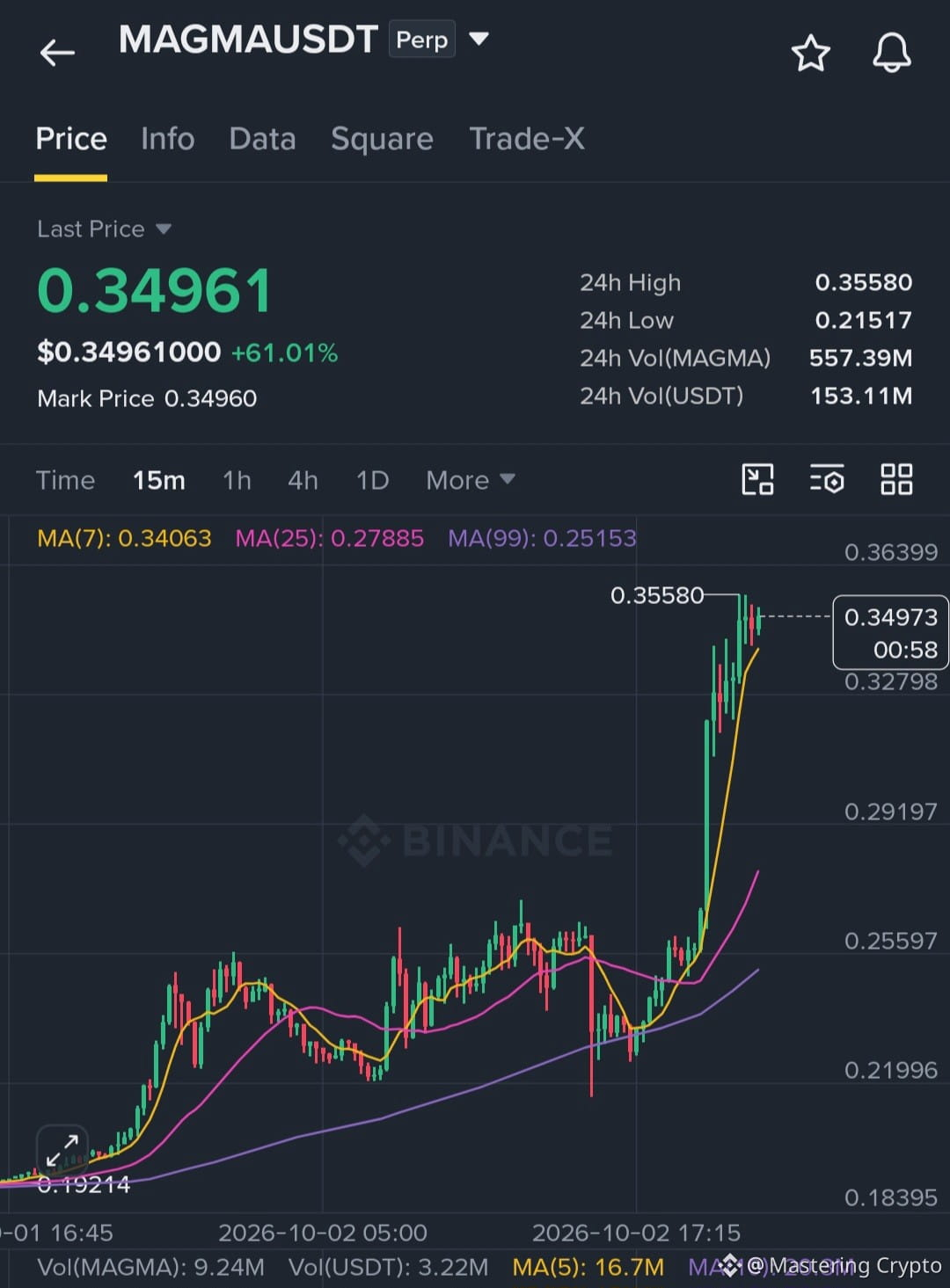
$MAGMA reaching overheated zone
Short $MAGMA
Entry: 0.375 – 0.425
SL: 0.485
TP1: 0.345
TP2: 0.320
TP3: 0.280
TP4: 0.260
🫂 Join my Binance Group Chat and Let’s together win every trade.
Trade $MAGMA here 👇
{future}(MAGMAUSDT)
$MAGMA reaching overheated zone
Short $MAGMA
Entry: 0.375 – 0.425
SL: 0.485
TP1: 0.345
TP2: 0.320
TP3: 0.280
TP4: 0.260
🫂 Join my Binance Group Chat and Let’s together win every trade.
Trade $MAGMA here 👇
Short $MAGMA
Entry: 0.375 – 0.425
SL: 0.485
TP1: 0.345
TP2: 0.320
TP3: 0.280
TP4: 0.260
🫂 Join my Binance Group Chat and Let’s together win every trade.
Trade $MAGMA here 👇
4
6
1.5k
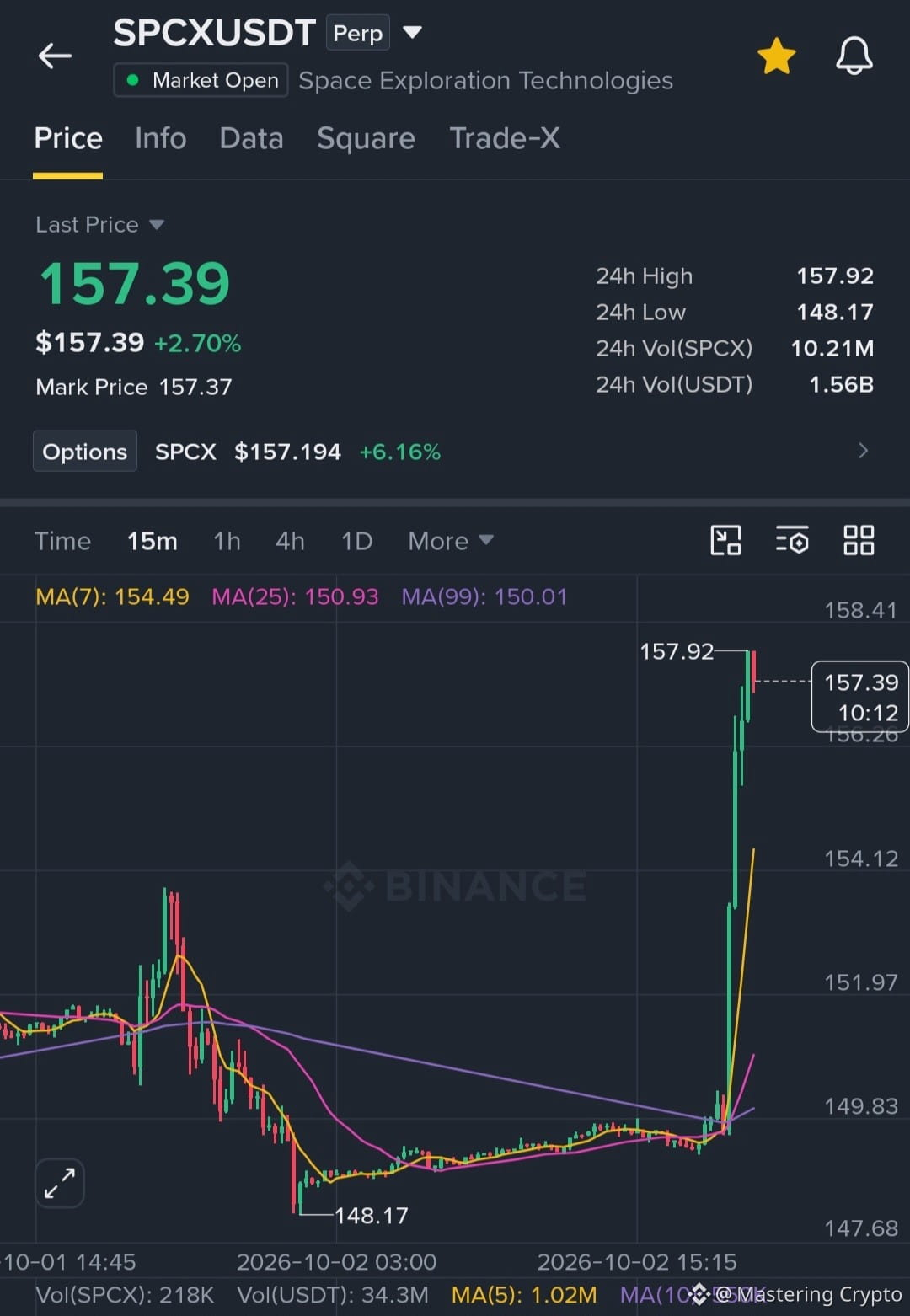
$SPCX non stop liquidity chase 🛸
Long $SPCX
Entry: 154.50 – 157.0
SL: 152.00
TP1: 159.50
TP2: 162.00
TP3: 165.00
TP4: 170.00
🫂 Join my Binance Group Chat and Let's together win every trade.
Trade $SPCX here 👇
{future}(SPCXUSDT)
$SPCX non stop liquidity chase 🛸
Long $SPCX
Entry: 154.50 – 157.0
SL: 152.00
TP1: 159.50
TP2: 162.00
TP3: 165.00
TP4: 170.00
🫂 Join my Binance Group Chat and Let's together win every trade.
Trade $SPCX here 👇
Long $SPCX
Entry: 154.50 – 157.0
SL: 152.00
TP1: 159.50
TP2: 162.00
TP3: 165.00
TP4: 170.00
🫂 Join my Binance Group Chat and Let's together win every trade.
Trade $SPCX here 👇
2
1
4
1k
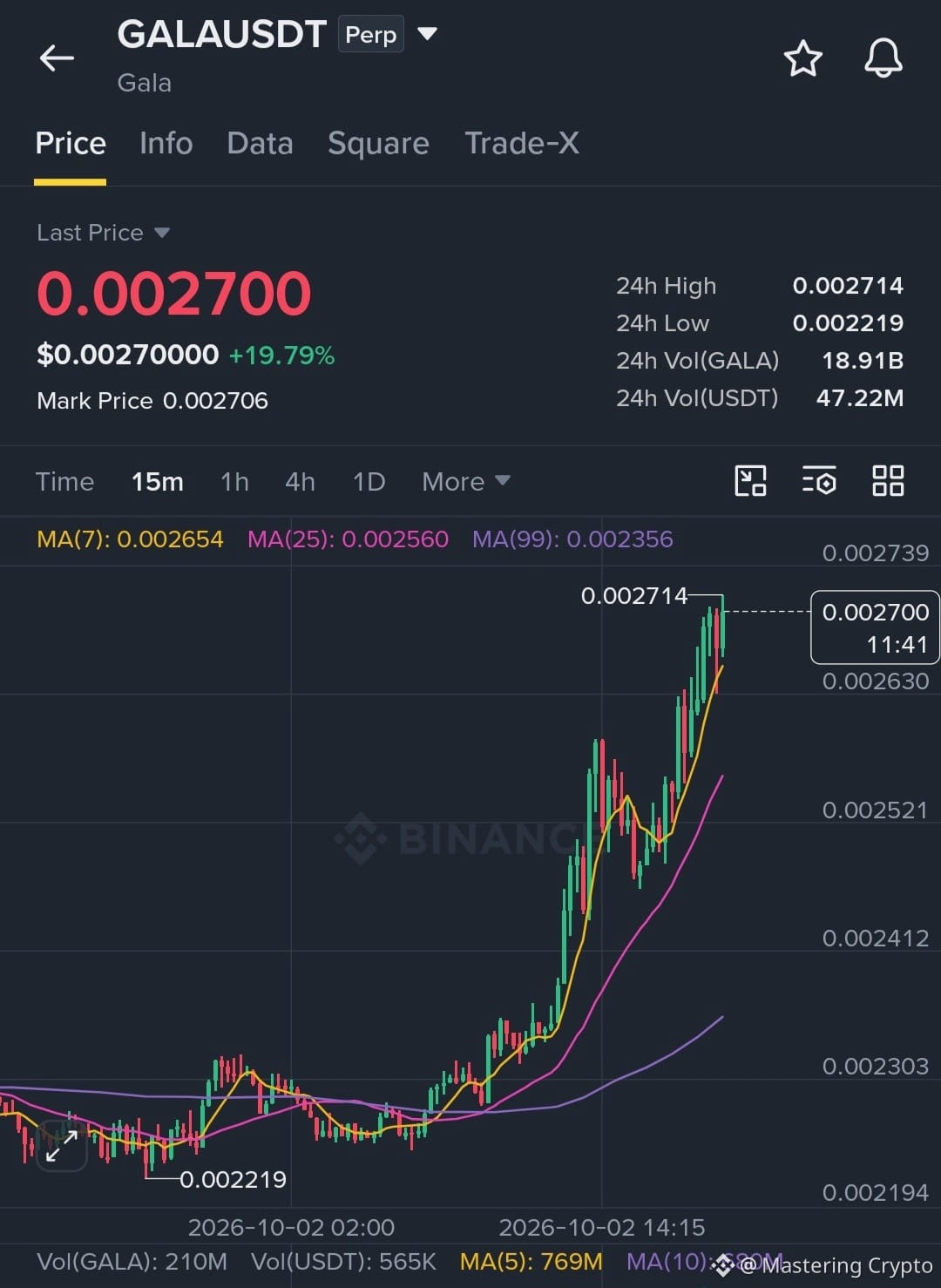
$GALA is cooking something big Guy’s so let's chase big long here
Long $GALA
Entry: 0.00255 – 0.00270
SL: 0.00245
TP1: 0.00280
TP2: 0.00290
TP3: 0.00305
TP4: 0.00320
🫂 Join my Binance Group Chat and Let's together win every trade.
Trade $GALA here 👇
{future}(GALAUSDT)
$GALA is cooking something big Guy’s so let's chase big long here
Long $GALA
Entry: 0.00255 – 0.00270
SL: 0.00245
TP1: 0.00280
TP2: 0.00290
TP3: 0.00305
TP4: 0.00320
🫂 Join my Binance Group Chat and Let's together win every trade.
Trade $GALA here 👇
Long $GALA
Entry: 0.00255 – 0.00270
SL: 0.00245
TP1: 0.00280
TP2: 0.00290
TP3: 0.00305
TP4: 0.00320
🫂 Join my Binance Group Chat and Let's together win every trade.
Trade $GALA here 👇
1
4
711
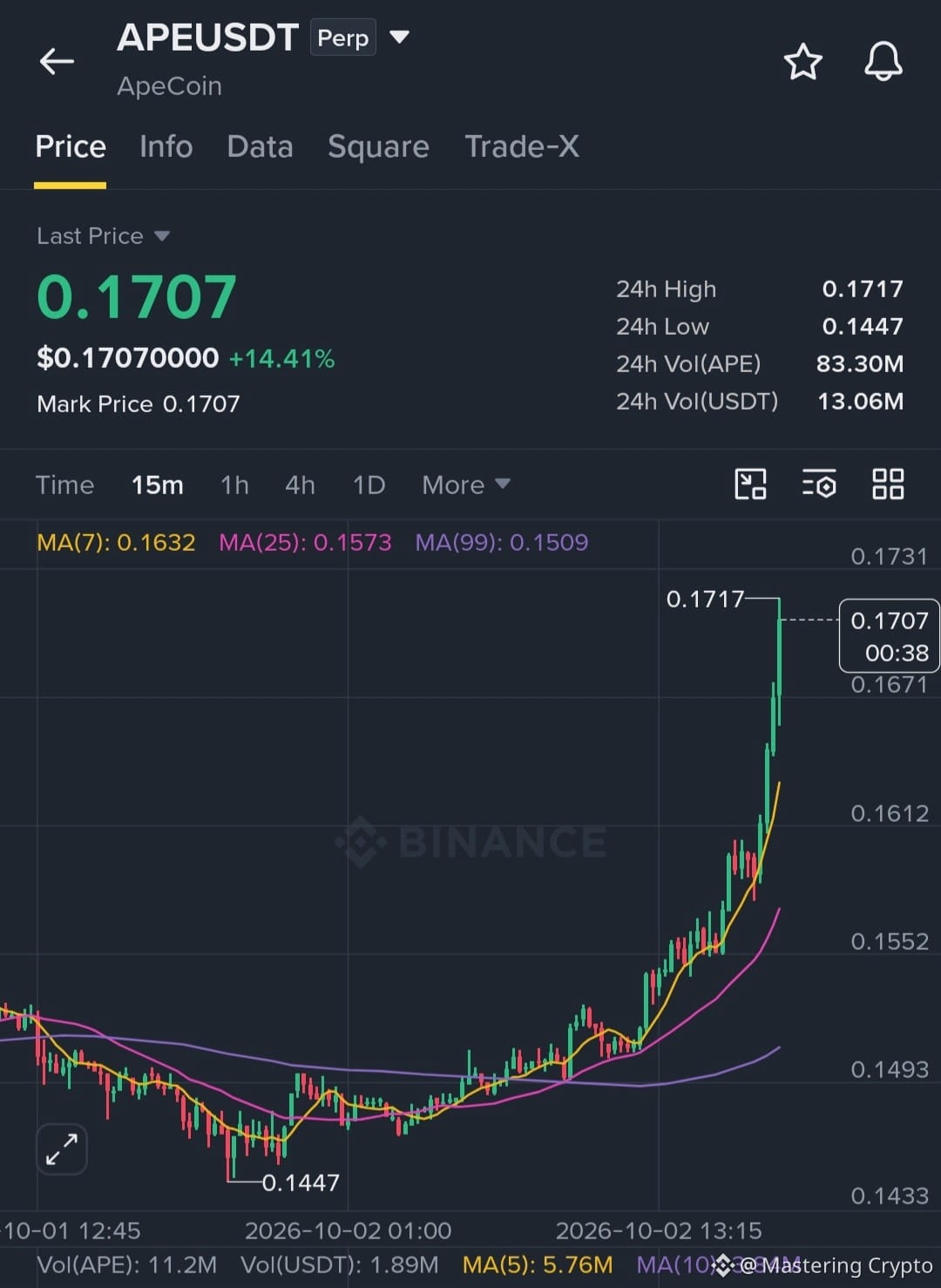
$APE bulls are getting totally out of control
Long $APE
Entry: 0.156 – 0.165
SL: 0.150
TP1: 0.175
TP2: 0.183
TP3: 0.192
TP4: 0.210
🫂 Join my Binance Group Chat and Let's together win every trade.
Trade $APE here 👇
{future}(APEUSDT)
$APE bulls are getting totally out of control
Long $APE
Entry: 0.156 – 0.165
SL: 0.150
TP1: 0.175
TP2: 0.183
TP3: 0.192
TP4: 0.210
🫂 Join my Binance Group Chat and Let's together win every trade.
Trade $APE here 👇
Long $APE
Entry: 0.156 – 0.165
SL: 0.150
TP1: 0.175
TP2: 0.183
TP3: 0.192
TP4: 0.210
🫂 Join my Binance Group Chat and Let's together win every trade.
Trade $APE here 👇
1
4
554
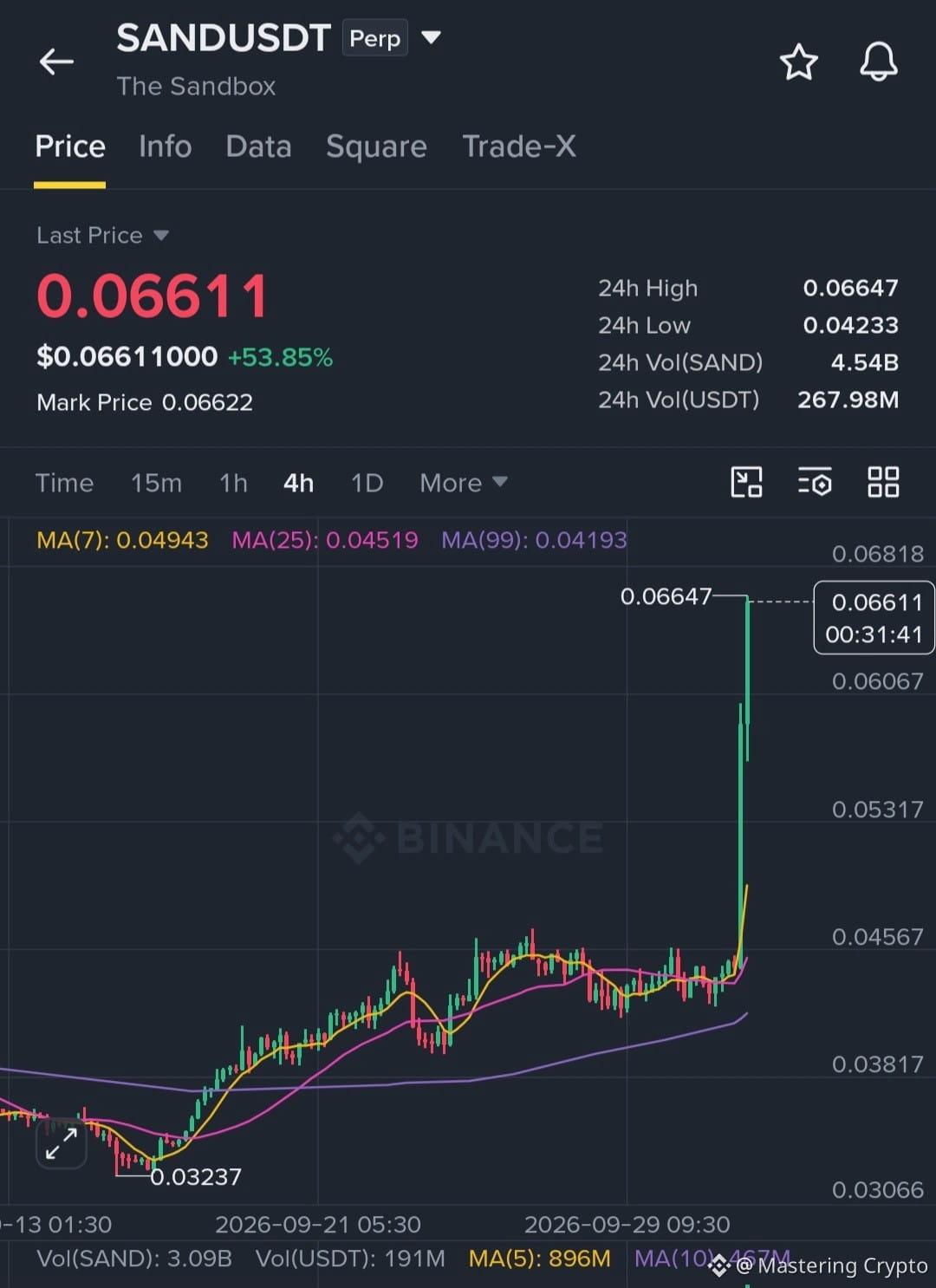
$SAND is facing massive resistance from bears
Short $SAND
Entry: 0.068 – 0.078
SL: 0.088
TP1: 0.0610
TP2: 0.0570
TP3: 0.0530
TP4: 0.0495
🫂 Join my Binance Group Chat and Let’s together win every trade.
Trade $SAND here 👇
{future}(SANDUSDT)
$SAND is facing massive resistance from bears
Short $SAND
Entry: 0.068 – 0.078
SL: 0.088
TP1: 0.0610
TP2: 0.0570
TP3: 0.0530
TP4: 0.0495
🫂 Join my Binance Group Chat and Let’s together win every trade.
Trade $SAND here 👇
Short $SAND
Entry: 0.068 – 0.078
SL: 0.088
TP1: 0.0610
TP2: 0.0570
TP3: 0.0530
TP4: 0.0495
🫂 Join my Binance Group Chat and Let’s together win every trade.
Trade $SAND here 👇
3
1.1k
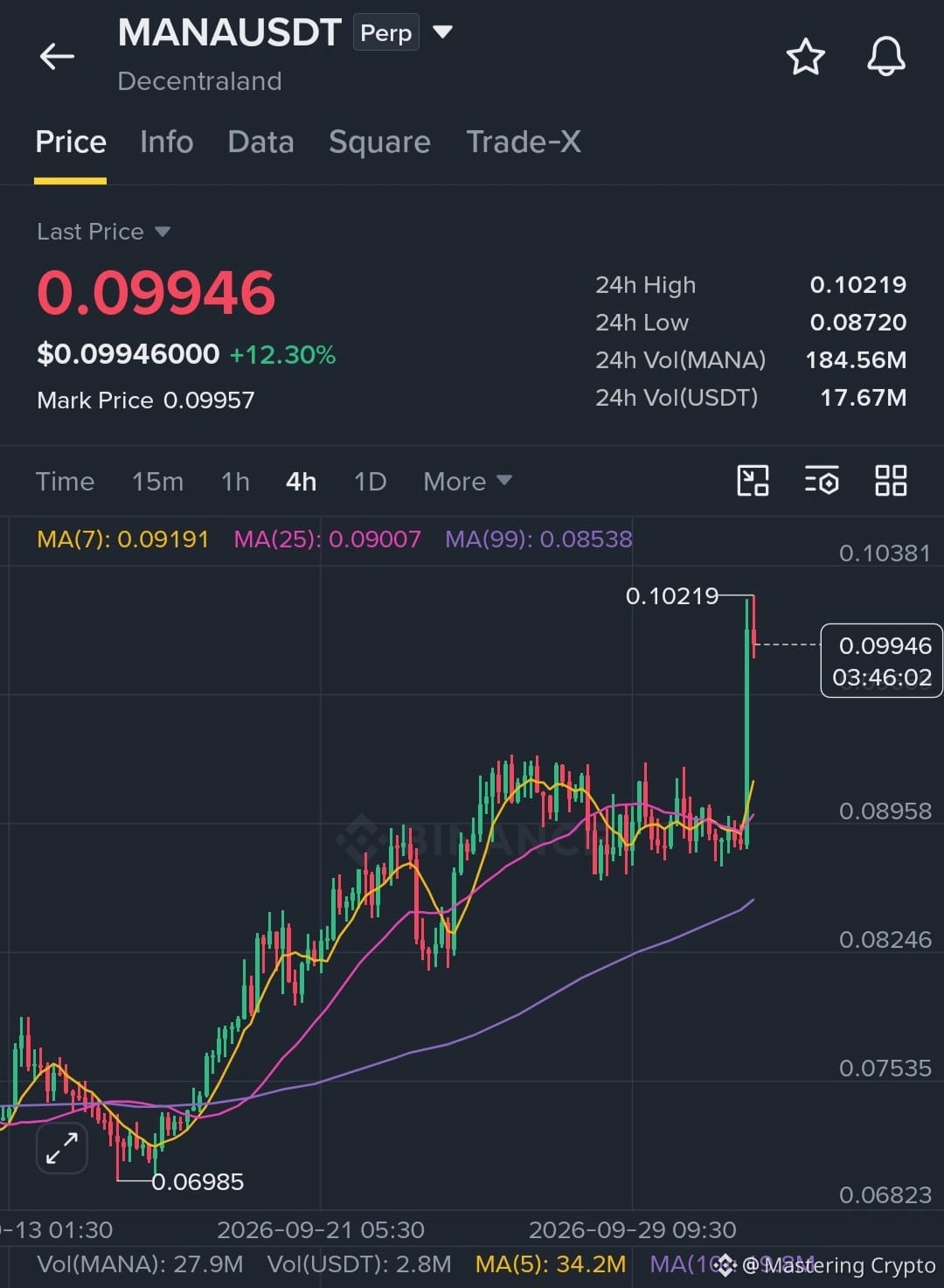
$MANA is getting into the distribution
Short $MANA
Entry: 0.108 – 0.118
SL: 0.135
TP1: 0.0970
TP2: 0.0920
TP3: 0.0850
TP4: 0.0780
🫂 Join my Binance Group Chat and Let's together win every trade.
Trade $MANA here 👇
{future}(MANAUSDT)
$MANA is getting into the distribution
Short $MANA
Entry: 0.108 – 0.118
SL: 0.135
TP1: 0.0970
TP2: 0.0920
TP3: 0.0850
TP4: 0.0780
🫂 Join my Binance Group Chat and Let's together win every trade.
Trade $MANA here 👇
Short $MANA
Entry: 0.108 – 0.118
SL: 0.135
TP1: 0.0970
TP2: 0.0920
TP3: 0.0850
TP4: 0.0780
🫂 Join my Binance Group Chat and Let's together win every trade.
Trade $MANA here 👇
2
2
766
Guy's Go Chase Short on $MOVR now before it dumps hard 🤑
Full $MOVR short trade setup here 👇
Guy's Go Chase Short on $MOVR now before it dumps hard 🤑
Full $MOVR short trade setup here 👇
Full $MOVR short trade setup here 👇
Mastering Crypto
·
--
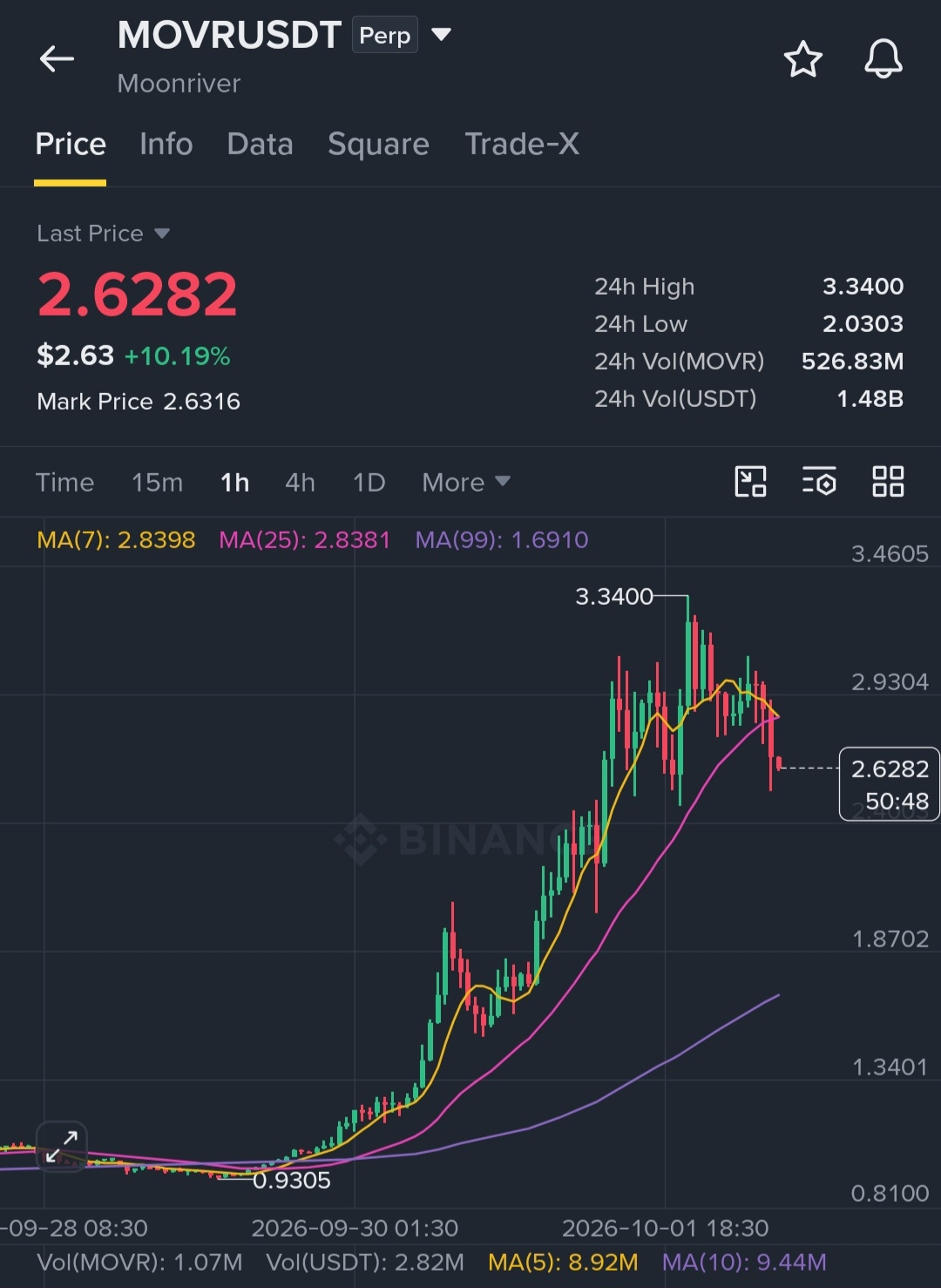
$MOVR slowly losing it's fierce form
Short $MOVR
Entry: 2.70 – 3.1
SL: 3.5
TP1: 2.50
TP2: 2.30
TP3: 2.05
TP4: 1.85
🫂 Join my Binance Group Chat and Let's together win every trade.
Trade $MOVR here 👇
Short $MOVR
Entry: 2.70 – 3.1
SL: 3.5
TP1: 2.50
TP2: 2.30
TP3: 2.05
TP4: 1.85
🫂 Join my Binance Group Chat and Let's together win every trade.
Trade $MOVR here 👇
3
4
2.4k
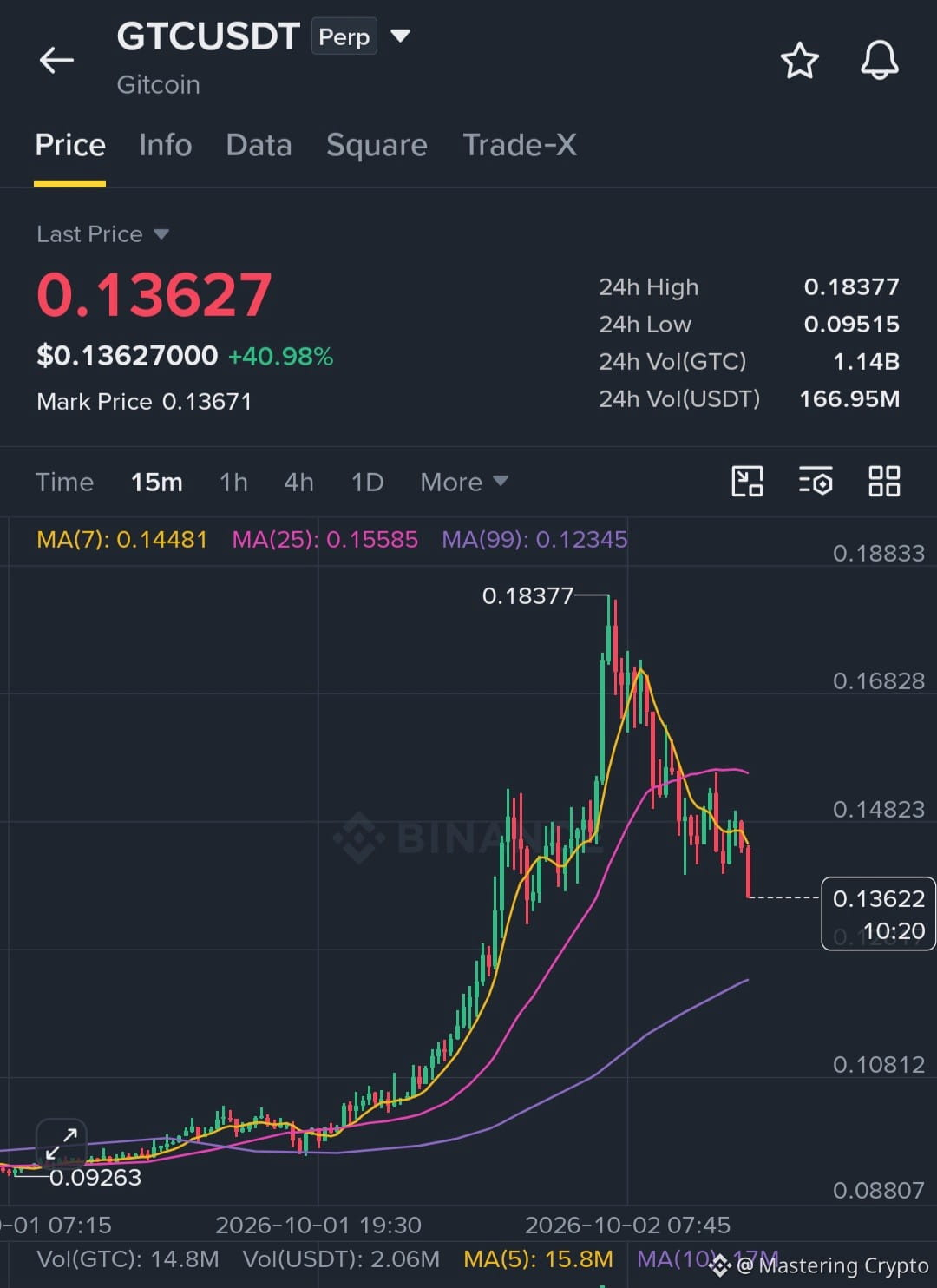
$GTC bull trap looks over and Guy's I'm personally chasing short here
Short $GTC
Entry: 0.140 – 0.160
SL: 0.180
TP1: 0.132
TP2: 0.125
TP3: 0.115
TP4: 0.100
🫂 Join my Binance Group Chat and Let's together win every trade.
Trade $GTC here 👇
{future}(GTCUSDT)
$GTC bull trap looks over and Guy's I'm personally chasing short here
Short $GTC
Entry: 0.140 – 0.160
SL: 0.180
TP1: 0.132
TP2: 0.125
TP3: 0.115
TP4: 0.100
🫂 Join my Binance Group Chat and Let's together win every trade.
Trade $GTC here 👇
Short $GTC
Entry: 0.140 – 0.160
SL: 0.180
TP1: 0.132
TP2: 0.125
TP3: 0.115
TP4: 0.100
🫂 Join my Binance Group Chat and Let's together win every trade.
Trade $GTC here 👇
1
667
🚨 Banger Calls Banger Profits 🌋
$龙虾 short trade hit all TPs successfully and still dumping hard 🤑
Imagine making an entry at 0.11 and taking full profit at 0.3 look how much profit would you have made 🤑
Everyone was giving you the long trade call only Mastering gave you the right short one and see at the results clearly🚀
My Binance Group chat members are growing daily with high quality trade setups like this 👌
Join my Binance group chat and enjoy daily trade setups to grow your capital with proper risk management 🫂
$龙虾 is still bearish and next update will be given exclusively in my Binance group chat so better chase now or regret later 💯
Don't Just Watch But Chase $龙虾 short trade setup and Join my Binance Chat Group here 👇
🚨 Banger Calls Banger Profits 🌋
$龙虾 short trade hit all TPs successfully and still dumping hard 🤑
Imagine making an entry at 0.11 and taking full profit at 0.3 look how much profit would you have made 🤑
Everyone was giving you the long trade call only Mastering gave you the right short one and see at the results clearly🚀
My Binance Group chat members are growing daily with high quality trade setups like this 👌
Join my Binance group chat and enjoy daily trade setups to grow your capital with proper risk management 🫂
$龙虾 is still bearish and next update will be given exclusively in my Binance group chat so better chase now or regret later 💯
Don't Just Watch But Chase $龙虾 short trade setup and Join my Binance Chat Group here 👇
$龙虾 short trade hit all TPs successfully and still dumping hard 🤑
Imagine making an entry at 0.11 and taking full profit at 0.3 look how much profit would you have made 🤑
Everyone was giving you the long trade call only Mastering gave you the right short one and see at the results clearly🚀
My Binance Group chat members are growing daily with high quality trade setups like this 👌
Join my Binance group chat and enjoy daily trade setups to grow your capital with proper risk management 🫂
$龙虾 is still bearish and next update will be given exclusively in my Binance group chat so better chase now or regret later 💯
Don't Just Watch But Chase $龙虾 short trade setup and Join my Binance Chat Group here 👇
Mastering Crypto
·
--
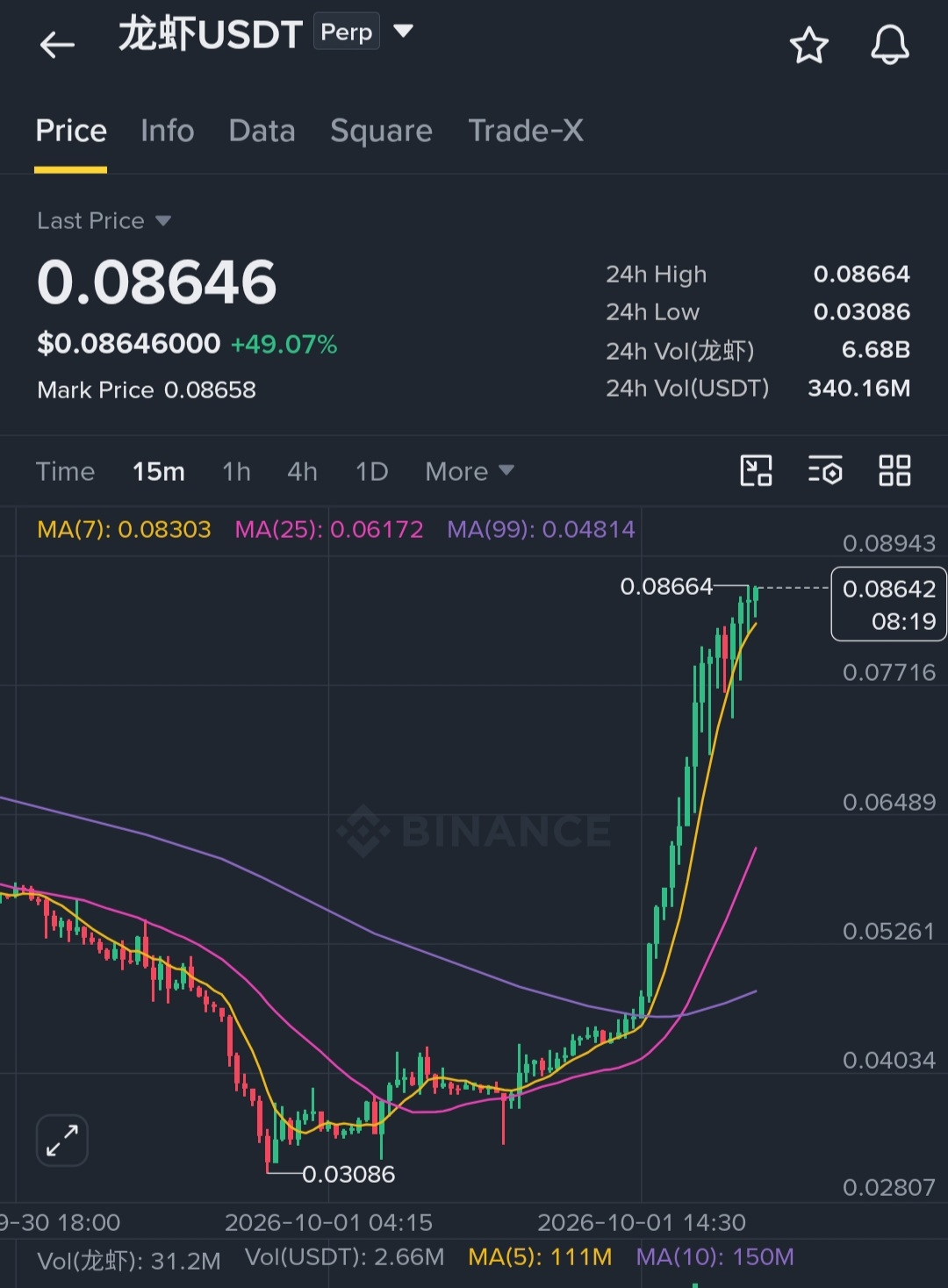
$龙虾 is setting up big bullish trap 💯
Short $龙虾
Entry: 0.095 – 0.115
SL: 0.135
TP1: 0.080
TP2: 0.070
TP3: 0.060
TP4: 0.050
🫂 Join my Binance Group Chat and Let's together win every trade.
Trade $龙虾 here 👇
Short $龙虾
Entry: 0.095 – 0.115
SL: 0.135
TP1: 0.080
TP2: 0.070
TP3: 0.060
TP4: 0.050
🫂 Join my Binance Group Chat and Let's together win every trade.
Trade $龙虾 here 👇
4
961
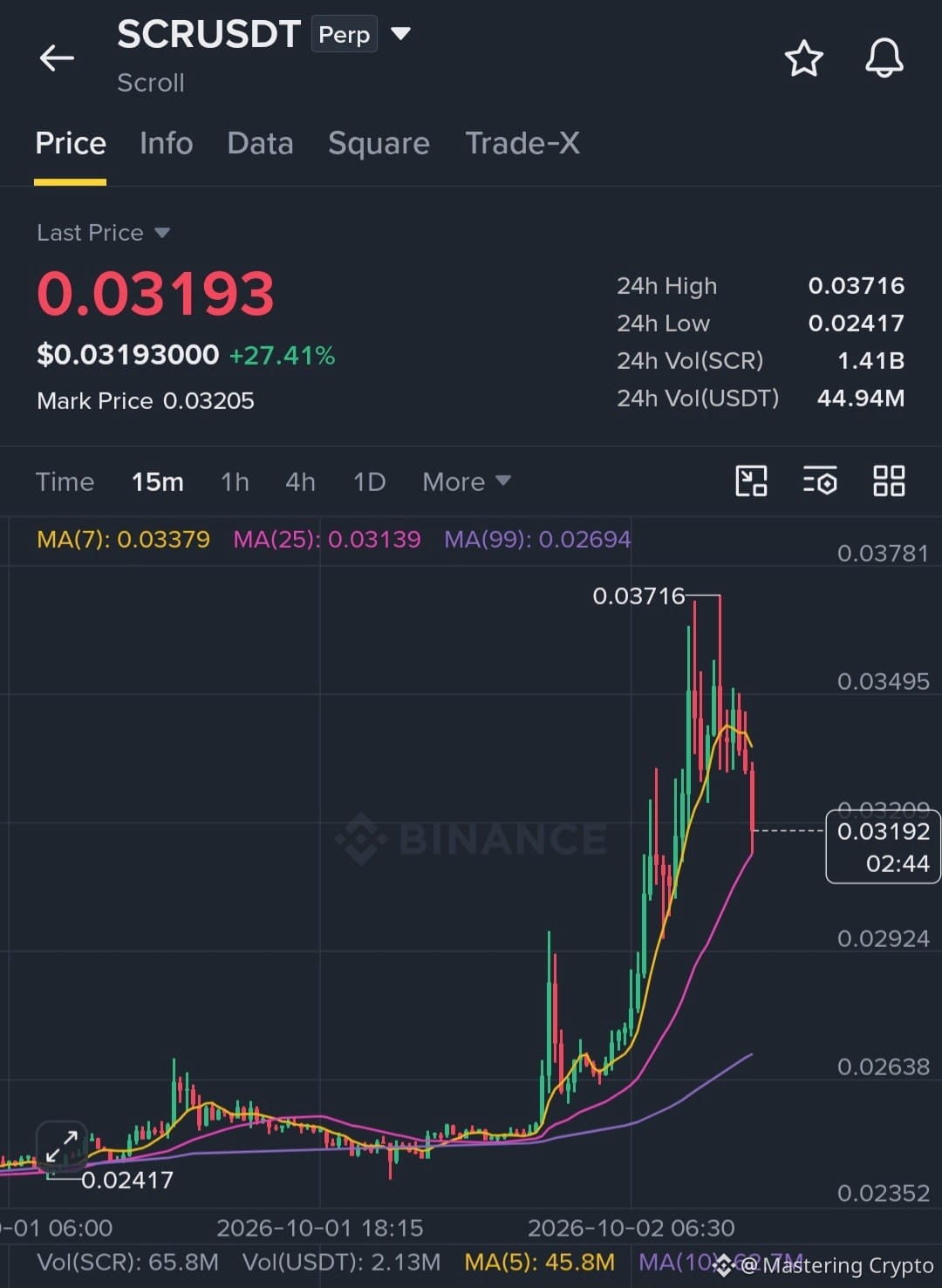
$SCR is losing the momentum hard
Short $SCR
Entry: 0.0320 – 0.0350
SL: 0.040
TP1: 0.0300
TP2: 0.0285
TP3: 0.0260
TP4: 0.0240
🫂 Join my Binance Group Chat and Let's together win every trade.
Trade $SCR here 👇
{future}(SCRUSDT)
$SCR is losing the momentum hard
Short $SCR
Entry: 0.0320 – 0.0350
SL: 0.040
TP1: 0.0300
TP2: 0.0285
TP3: 0.0260
TP4: 0.0240
🫂 Join my Binance Group Chat and Let's together win every trade.
Trade $SCR here 👇
Short $SCR
Entry: 0.0320 – 0.0350
SL: 0.040
TP1: 0.0300
TP2: 0.0285
TP3: 0.0260
TP4: 0.0240
🫂 Join my Binance Group Chat and Let's together win every trade.
Trade $SCR here 👇
3
501
තවත් අන්තර්ගතයන් ගවේෂණය කිරීමට ඇතුල් වන්න
Binance චතුරශ්රය හි ගෝලීය ක්රිප්ටෝ පරිශීලකයින් හා එක්වන්න
⚡️ ක්රිප්ටෝ පිළිබඳ නවතම සහ ප්රයෝජනවත් තොරතුරු ලබා ගන්න.
💬 ලොව විශාලතම ක්රිප්ටෝ හුවමාරුව මගින් විශ්වාස කෙරේ.
👍 සත්යායනය කරන ලද නිර්මාණකරුවන්ගෙන් සැබෑ විදසුන් සොයා ගන්න.
විද්යුත් තැපෑල / දුරකථන අංකය
නැගී එන මාතෘකා
BitcoinRejectedAt$87K
19,515 views
55 සාකච්ඡා කරමින්
$BTC Update 🚨 🐼 Skip THIS Warning at Your Own Risk ⚠️
BTC is knocking on 87K like it already owns the place 😂Bulls are awake… but BTC usually likes to shake a few people out before the real move.
Overall, BTC is breaking out and the higher-timeframe picture is still bullish. The 4H and daily structure are strong, price is holding above the major averages, and momentum is still supporting the move.
83K was honestly a beautiful buy location. That was the area where risk/reward made sense. Anyone who bought there is already sitting enjoying profit
Now come to main
BTC is sitting right under the previous high around 87K. So I would not be surprised if we first see a little downside liquidity grab, flush some late longs, and then BTC decides whether it wants the real breakout.
For today’s scalp, This is my Plan 👇
BTC SHORT scalp Entry: 86,550–86,900
TP1: 85,650
TP2: 84,850
TP3: 84,050
SL: 87,800
I only like this if we get a proper rejection near the highs. No blind shorting.
For the bigger picture, I’m still bullish as long as the 82.5K–83K area keeps holding. If BTC gets a clean breakout and starts accepting above 87.4K, then this whole short idea is invalid and the next bullish leg becomes much more interesting.
SO BASICALLY OCTOBER HISTORICAL IS BULLISH MONTH FOR BITCOIN.
ALWAYS DYOR
Panda Traders
·31 කැමත්ත දැක්වීම්
·12.8k views
FedOctoberRateHikeOddsFallTo17%
14,648 views
278 සාකච්ඡා කරමින්
NvidiaHitsRecordHighUp2.4%
3,111 views
176 සාකච්ඡා කරමින්