
tradingbookshop
535 පෝස්ටු

tradingbookshop
වාර්තා කරන්න
පරිශීලක අවහිර කරන්න
Why you keep losing in trading? I show you the truth. Do not wait foe signals feom others, make yourself a expert in analysimg charts. visit tradingbook.shop
විවෘත වෙළෙඳාම
නිතර වෙළෙන්දා
{වේලාව} වසර
143 හඹා යමින්
225 හඹා යන්නන්
1.1K+ කැමති විය
පෝස්ටු
ආයෝජන කළඹ
සියල්ල
උපුටා දැක්වීම්
පරිවර්තනය බලන්න
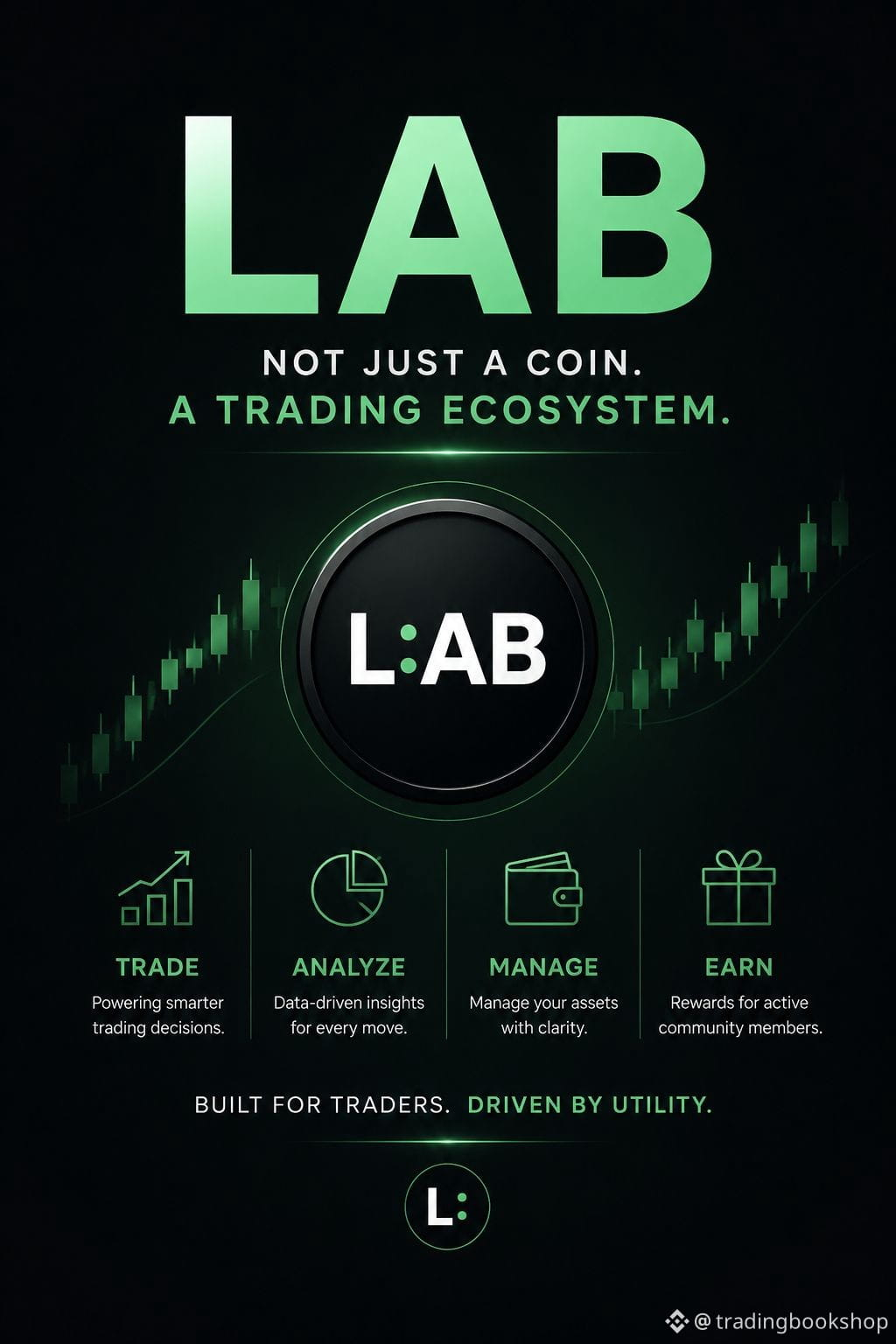
Is $LAB Just Another Pump & Dump Coin?
---------------------------------------
If you've recently noticed LAB trending across exchanges, you might assume it's just another token that skyrocketed overnight because of hype. That's a reasonable first impression—many new tokens do experience sharp rallies driven by speculation.
However, LAB is not marketed as a meme coin. It is positioned as a utility token intended to support a crypto trading ecosystem with features such as trading analytics, portfolio management, and user incentives. Its value proposition is based on building an ecosystem rather than internet memes or viral marketing alone.
So why has LAB's price risen so quickly?
---------------------------------------
The rally appears to have been driven by a combination of increasing exchange exposure, higher trading activity, growing community interest, and speculative momentum. Like many crypto assets, once a token begins attracting attention, new buyers can accelerate price movements through increased demand. That doesn't necessarily mean the project itself lacks substance—but it also doesn't guarantee long-term success.
Does that mean LAB is a safe investment?
-----------------------------------------------
Not automatically. Every emerging crypto project carries risk. The important question isn't whether the price has already gone up—it's whether the project continues to build real adoption, deliver on its roadmap, and attract users over time.
Instead of asking "Can this token go 10x?", experienced investors ask:
Does the project solve a real problem?Is the ecosystem growing?Is the team actively building?Are there upcoming token unlocks?Is adoption increasing?Do the fundamentals support the valuation?
LAB deserves to be evaluated on these questions rather than dismissed solely because of its recent price movement.
The best investors don't buy because a chart is green—they buy because they understand what they're investing in. Whether LAB becomes a long-term success will depend on execution, adoption, and sustained ecosystem growth
Is $LAB Just Another Pump & Dump Coin?
---------------------------------------
If you've recently noticed LAB trending across exchanges, you might assume it's just another token that skyrocketed overnight because of hype. That's a reasonable first impression—many new tokens do experience sharp rallies driven by speculation.
However, LAB is not marketed as a meme coin. It is positioned as a utility token intended to support a crypto trading ecosystem with features such as trading analytics, portfolio management, and user incentives. Its value proposition is based on building an ecosystem rather than internet memes or viral marketing alone.
So why has LAB's price risen so quickly?
---------------------------------------
The rally appears to have been driven by a combination of increasing exchange exposure, higher trading activity, growing community interest, and speculative momentum. Like many crypto assets, once a token begins attracting attention, new buyers can accelerate price movements through increased demand. That doesn't necessarily mean the project itself lacks substance—but it also doesn't guarantee long-term success.
Does that mean LAB is a safe investment?
-----------------------------------------------
Not automatically. Every emerging crypto project carries risk. The important question isn't whether the price has already gone up—it's whether the project continues to build real adoption, deliver on its roadmap, and attract users over time.
Instead of asking "Can this token go 10x?", experienced investors ask:
Does the project solve a real problem?Is the ecosystem growing?Is the team actively building?Are there upcoming token unlocks?Is adoption increasing?Do the fundamentals support the valuation?
LAB deserves to be evaluated on these questions rather than dismissed solely because of its recent price movement.
The best investors don't buy because a chart is green—they buy because they understand what they're investing in. Whether LAB becomes a long-term success will depend on execution, adoption, and sustained ecosystem growth
---------------------------------------
If you've recently noticed LAB trending across exchanges, you might assume it's just another token that skyrocketed overnight because of hype. That's a reasonable first impression—many new tokens do experience sharp rallies driven by speculation.
However, LAB is not marketed as a meme coin. It is positioned as a utility token intended to support a crypto trading ecosystem with features such as trading analytics, portfolio management, and user incentives. Its value proposition is based on building an ecosystem rather than internet memes or viral marketing alone.
So why has LAB's price risen so quickly?
---------------------------------------
The rally appears to have been driven by a combination of increasing exchange exposure, higher trading activity, growing community interest, and speculative momentum. Like many crypto assets, once a token begins attracting attention, new buyers can accelerate price movements through increased demand. That doesn't necessarily mean the project itself lacks substance—but it also doesn't guarantee long-term success.
Does that mean LAB is a safe investment?
-----------------------------------------------
Not automatically. Every emerging crypto project carries risk. The important question isn't whether the price has already gone up—it's whether the project continues to build real adoption, deliver on its roadmap, and attract users over time.
Instead of asking "Can this token go 10x?", experienced investors ask:
Does the project solve a real problem?Is the ecosystem growing?Is the team actively building?Are there upcoming token unlocks?Is adoption increasing?Do the fundamentals support the valuation?
LAB deserves to be evaluated on these questions rather than dismissed solely because of its recent price movement.
The best investors don't buy because a chart is green—they buy because they understand what they're investing in. Whether LAB becomes a long-term success will depend on execution, adoption, and sustained ecosystem growth
192
පරිවර්තනය බලන්න
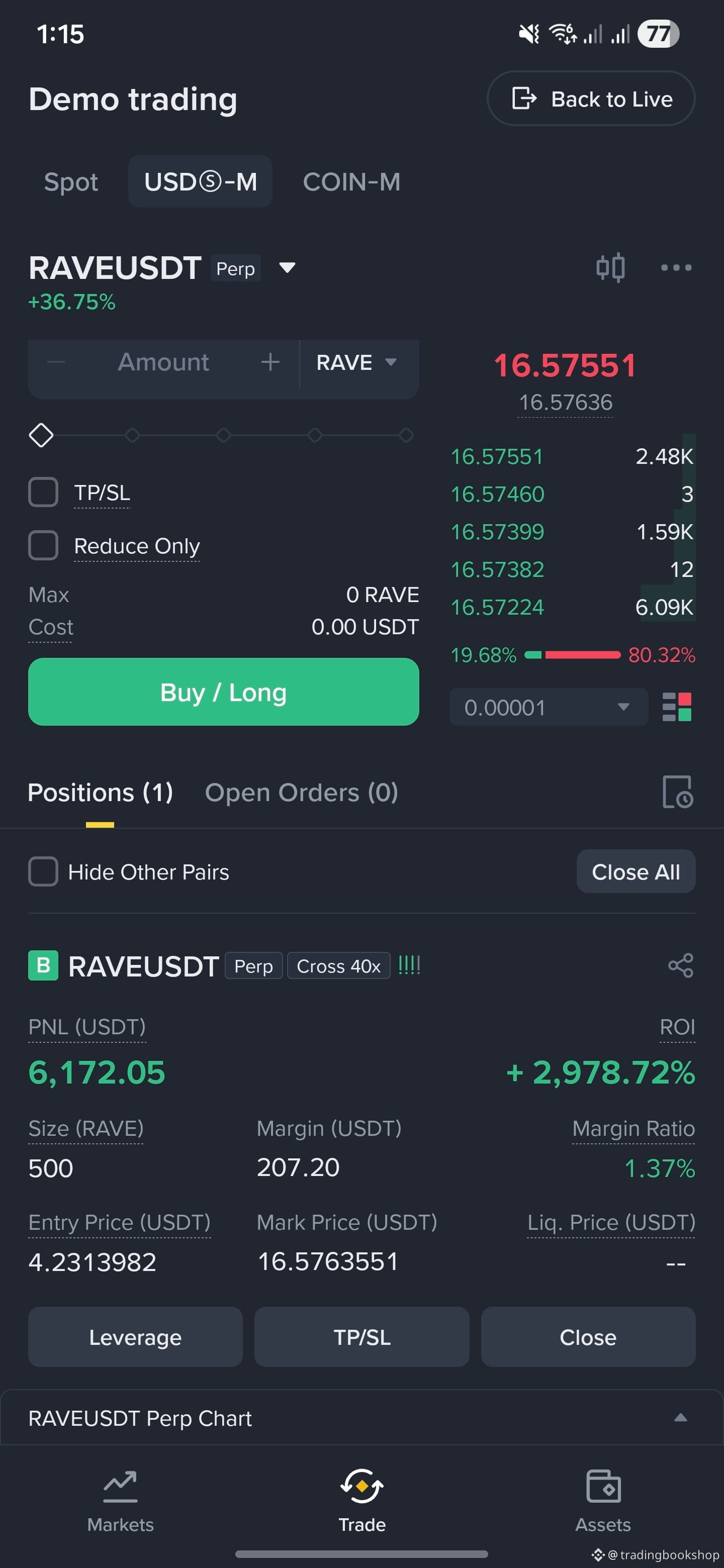
$RAVE Is rising for a reason... Search for LB Bank news ans xomment here if you know why
$RAVE Is rising for a reason... Search for LB Bank news ans xomment here if you know why
333
පරිවර්තනය බලන්න
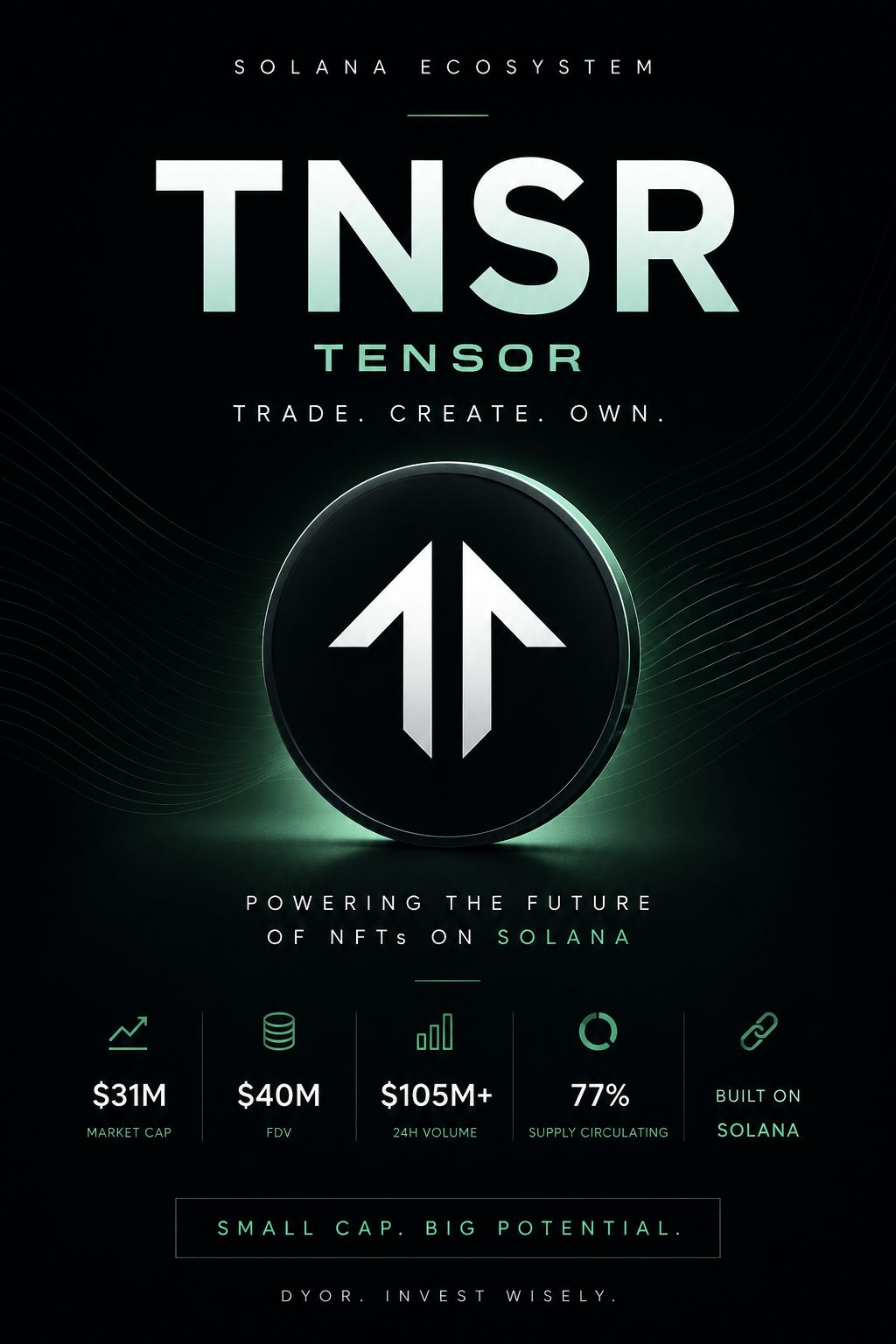
🚀 Is $TNSR One of the Most Undervalued Solana Tokens Right Now?
Tensor (TNSR) has quietly become one of the most interesting small-cap projects in the Solana ecosystem.
📊 Current Snapshot: • Market Cap: ~$31M • FDV: ~$40M • Trading Volume: ~$100M+ • Circulating Supply: ~77%
Unlike many low-cap tokens with massive future unlocks, TNSR already has most of its supply in circulation, reducing dilution risk.
The token is currently trading nearly 98% below its all-time high of $2.45, while the Tensor ecosystem continues to remain one of the notable NFT platforms on Solana.
Why are traders watching TNSR?
✅ Low market cap ✅ Strong liquidity ✅ Healthy tokenomics ✅ Solana ecosystem exposure ✅ Potential upside if NFT activity returns
Of course, TNSR remains a high-risk asset and volatility should be expected. Always do your own research and manage risk accordingly.
Will TNSR become one of the next Solana comeback stories?
#TNSR #Solana #Crypto #Altcoins #BinanceSquare
🚀 Is $TNSR One of the Most Undervalued Solana Tokens Right Now?
Tensor (TNSR) has quietly become one of the most interesting small-cap projects in the Solana ecosystem.
📊 Current Snapshot: • Market Cap: ~$31M • FDV: ~$40M • Trading Volume: ~$100M+ • Circulating Supply: ~77%
Unlike many low-cap tokens with massive future unlocks, TNSR already has most of its supply in circulation, reducing dilution risk.
The token is currently trading nearly 98% below its all-time high of $2.45, while the Tensor ecosystem continues to remain one of the notable NFT platforms on Solana.
Why are traders watching TNSR?
✅ Low market cap ✅ Strong liquidity ✅ Healthy tokenomics ✅ Solana ecosystem exposure ✅ Potential upside if NFT activity returns
Of course, TNSR remains a high-risk asset and volatility should be expected. Always do your own research and manage risk accordingly.
Will TNSR become one of the next Solana comeback stories?
#TNSR #Solana #Crypto #Altcoins #BinanceSquare
Tensor (TNSR) has quietly become one of the most interesting small-cap projects in the Solana ecosystem.
📊 Current Snapshot: • Market Cap: ~$31M • FDV: ~$40M • Trading Volume: ~$100M+ • Circulating Supply: ~77%
Unlike many low-cap tokens with massive future unlocks, TNSR already has most of its supply in circulation, reducing dilution risk.
The token is currently trading nearly 98% below its all-time high of $2.45, while the Tensor ecosystem continues to remain one of the notable NFT platforms on Solana.
Why are traders watching TNSR?
✅ Low market cap ✅ Strong liquidity ✅ Healthy tokenomics ✅ Solana ecosystem exposure ✅ Potential upside if NFT activity returns
Of course, TNSR remains a high-risk asset and volatility should be expected. Always do your own research and manage risk accordingly.
Will TNSR become one of the next Solana comeback stories?
#TNSR #Solana #Crypto #Altcoins #BinanceSquare
150
පරිවර්තනය බලන්න
$BTW with just a 5 minutes it washed out all the Bears
$BTW with just a 5 minutes it washed out all the Bears
1
304
පරිවර්තනය බලන්න
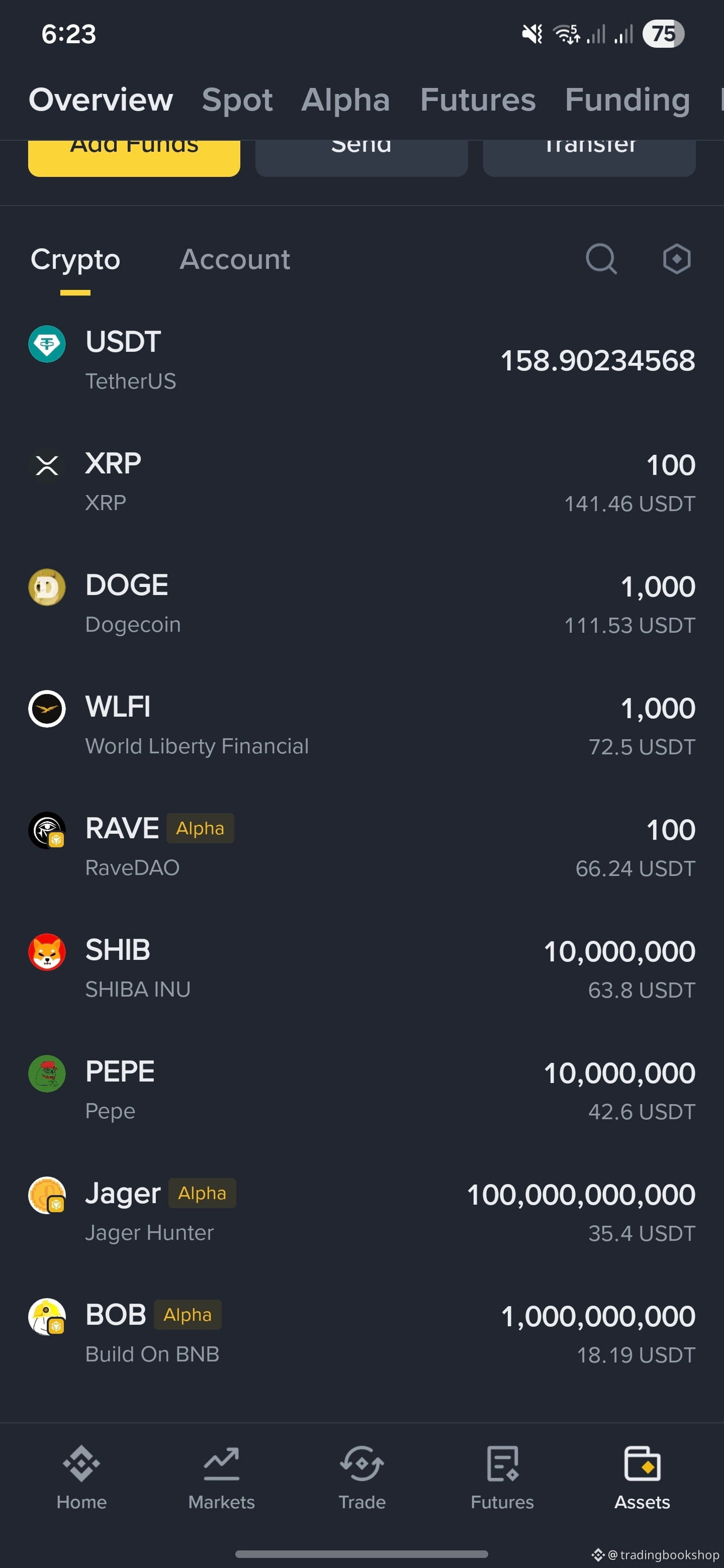
She: Do you have OCD?
Me: See my Binance Portfolio 🤭
She: Do you have OCD?
Me: See my Binance Portfolio 🤭
Me: See my Binance Portfolio 🤭
2
1
361
පරිවර්තනය බලන්න
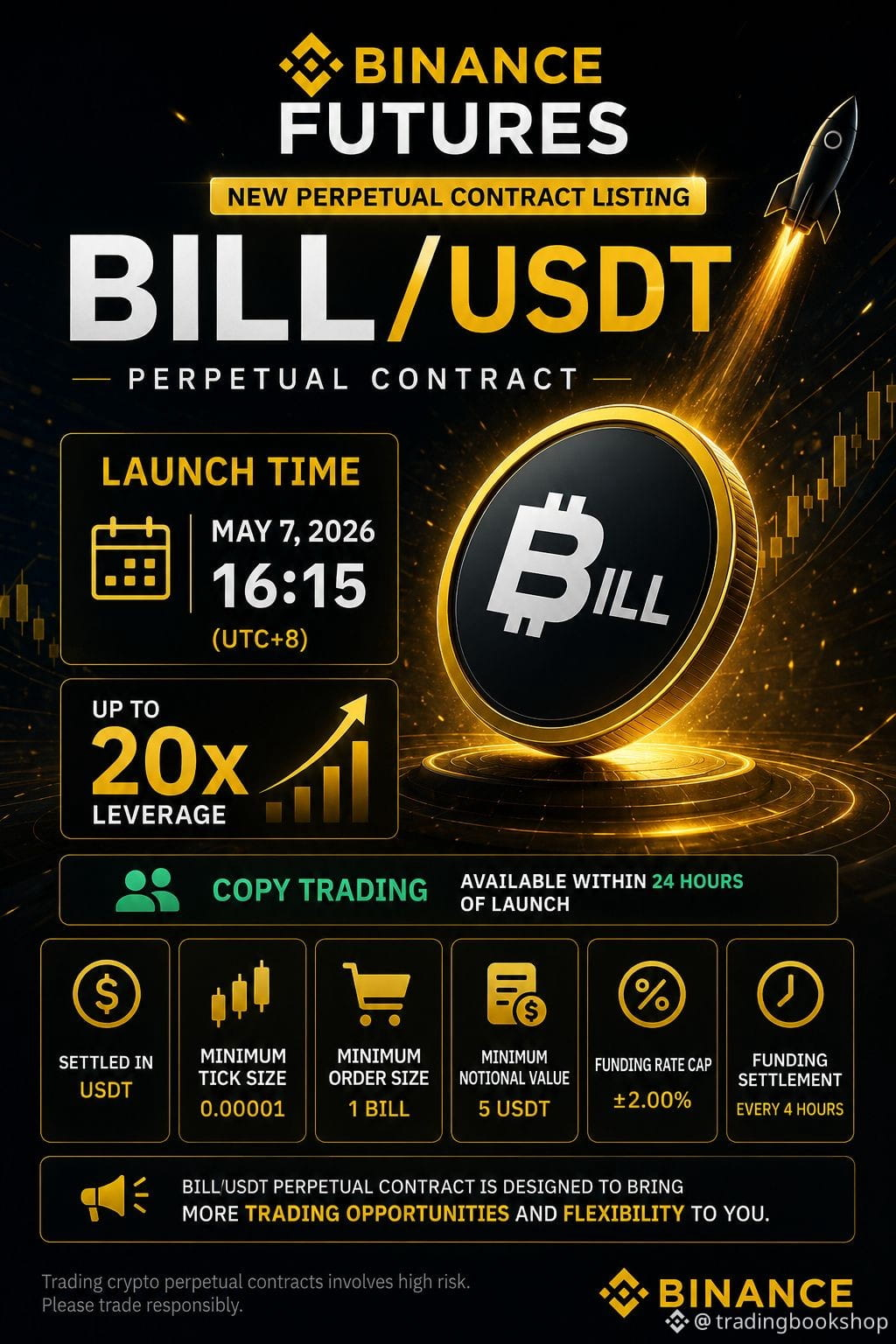
Binance Futures officially announced the launch of the $BILL/USDT perpetual contract with up to 20x leverage, marking a major milestone for the $BILL ecosystem.
The listing is expected to increase liquidity, trading volume, and global visibility for the project.Unlike typical meme coins driven only by hype, BILL is being positioned as a utility-focused and ecosystem-based crypto project. Supporters highlight its growing community, expanding exchange support, structured development plans, and increasing market adoption as key strengths.
The addition of futures trading and copy trading on Binance is seen by many traders as a strong signal of market confidence. However, analysts also warn that futures listings can bring high volatility due to leveraged trading.
Its never late, Buy it now!
Binance Futures officially announced the launch of the $BILL/USDT perpetual contract with up to 20x leverage, marking a major milestone for the $BILL ecosystem.
The listing is expected to increase liquidity, trading volume, and global visibility for the project.Unlike typical meme coins driven only by hype, BILL is being positioned as a utility-focused and ecosystem-based crypto project. Supporters highlight its growing community, expanding exchange support, structured development plans, and increasing market adoption as key strengths.
The addition of futures trading and copy trading on Binance is seen by many traders as a strong signal of market confidence. However, analysts also warn that futures listings can bring high volatility due to leveraged trading.
Its never late, Buy it now!
The listing is expected to increase liquidity, trading volume, and global visibility for the project.Unlike typical meme coins driven only by hype, BILL is being positioned as a utility-focused and ecosystem-based crypto project. Supporters highlight its growing community, expanding exchange support, structured development plans, and increasing market adoption as key strengths.
The addition of futures trading and copy trading on Binance is seen by many traders as a strong signal of market confidence. However, analysts also warn that futures listings can bring high volatility due to leveraged trading.
Its never late, Buy it now!
403
පරිවර්තනය බලන්න
$BILL hearing big news about BILL and loooking at that, thw current price seems very small
$BILL hearing big news about BILL and loooking at that, thw current price seems very small
1
3
292
පරිවර්තනය බලන්න
$BILL remember on thing, Bill is not a meme coin. research it, you will get shocked with the features it offers. and this is relased with just 10B tokens. so there is huge potential for this to overtake XRP which is having 100B tokens
$BILL remember on thing, Bill is not a meme coin. research it, you will get shocked with the features it offers. and this is relased with just 10B tokens. so there is huge potential for this to overtake XRP which is having 100B tokens
5
3
2.5k
පරිවර්තනය බලන්න
$WLFI one thing i always feel looking at this token is... in crypto world even a president of USA cannot survive 😆
$WLFI one thing i always feel looking at this token is... in crypto world even a president of USA cannot survive 😆
1
1
291
පරිවර්තනය බලන්න
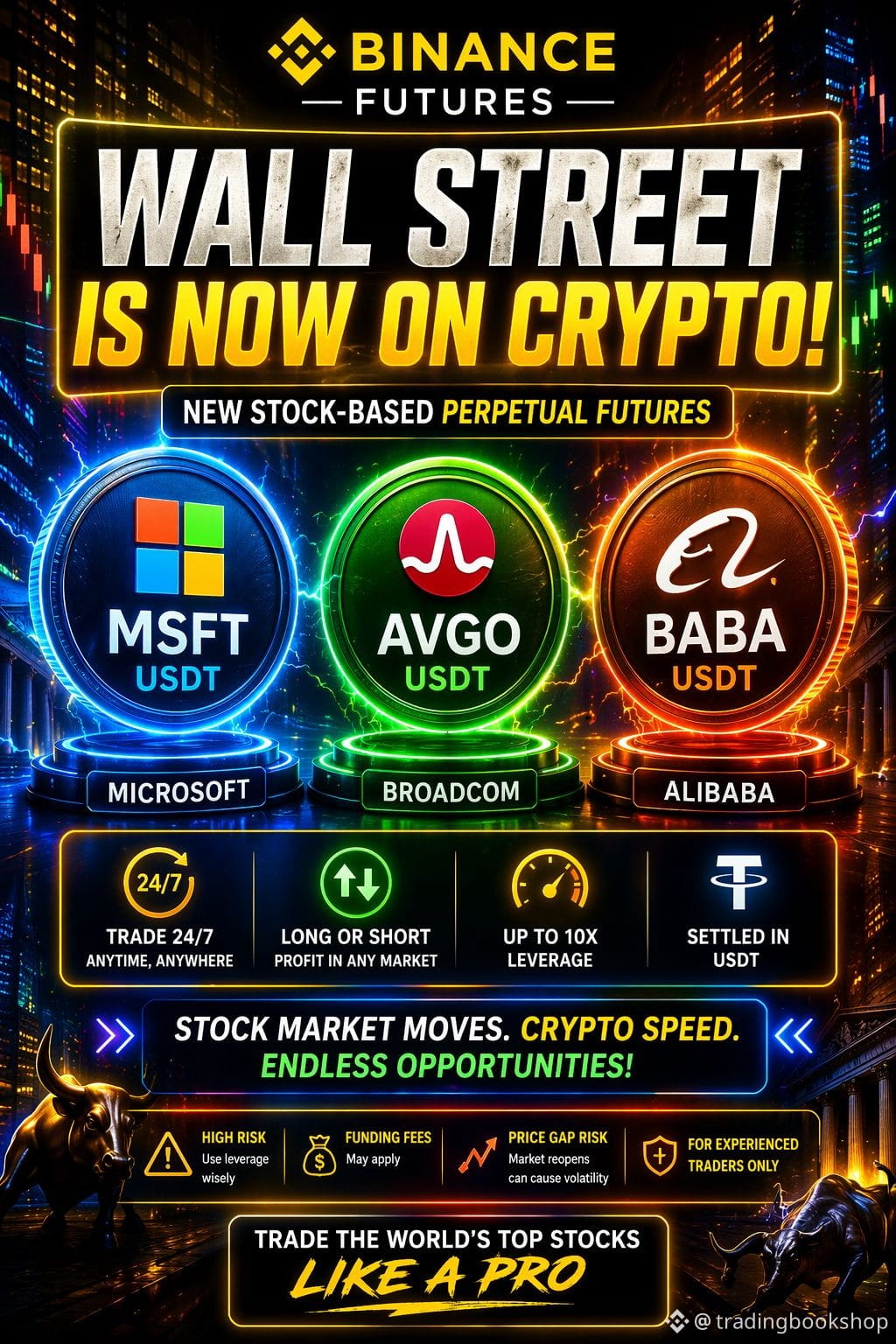
Crypto Meets Wall Street: Binance Lists MSFT, AVGO & BABA Futures
Binance has introduced stock-based perpetual futures—MSFTUSDT, AVGOUSDT, and BABAUSDT—allowing traders to speculate on Microsoft, Broadcom, and Alibaba prices using crypto. These contracts don’t give ownership of shares; instead, they track stock prices and can be traded 24/7 with leverage.
This opens new opportunities for traders to go long or short anytime, even when stock markets are closed. However, risks remain high due to leverage, funding fees, and possible price gaps when real markets reopen. These instruments are best suited for experienced traders looking for short-term strategies rather than long-term investing.
In simple terms, it’s the fusion of crypto flexibility with stock market movements—powerful, but risky if not used carefully.
Crypto Meets Wall Street: Binance Lists MSFT, AVGO & BABA Futures
Binance has introduced stock-based perpetual futures—MSFTUSDT, AVGOUSDT, and BABAUSDT—allowing traders to speculate on Microsoft, Broadcom, and Alibaba prices using crypto. These contracts don’t give ownership of shares; instead, they track stock prices and can be traded 24/7 with leverage.
This opens new opportunities for traders to go long or short anytime, even when stock markets are closed. However, risks remain high due to leverage, funding fees, and possible price gaps when real markets reopen. These instruments are best suited for experienced traders looking for short-term strategies rather than long-term investing.
In simple terms, it’s the fusion of crypto flexibility with stock market movements—powerful, but risky if not used carefully.
Binance has introduced stock-based perpetual futures—MSFTUSDT, AVGOUSDT, and BABAUSDT—allowing traders to speculate on Microsoft, Broadcom, and Alibaba prices using crypto. These contracts don’t give ownership of shares; instead, they track stock prices and can be traded 24/7 with leverage.
This opens new opportunities for traders to go long or short anytime, even when stock markets are closed. However, risks remain high due to leverage, funding fees, and possible price gaps when real markets reopen. These instruments are best suited for experienced traders looking for short-term strategies rather than long-term investing.
In simple terms, it’s the fusion of crypto flexibility with stock market movements—powerful, but risky if not used carefully.
201
පරිවර්තනය බලන්න
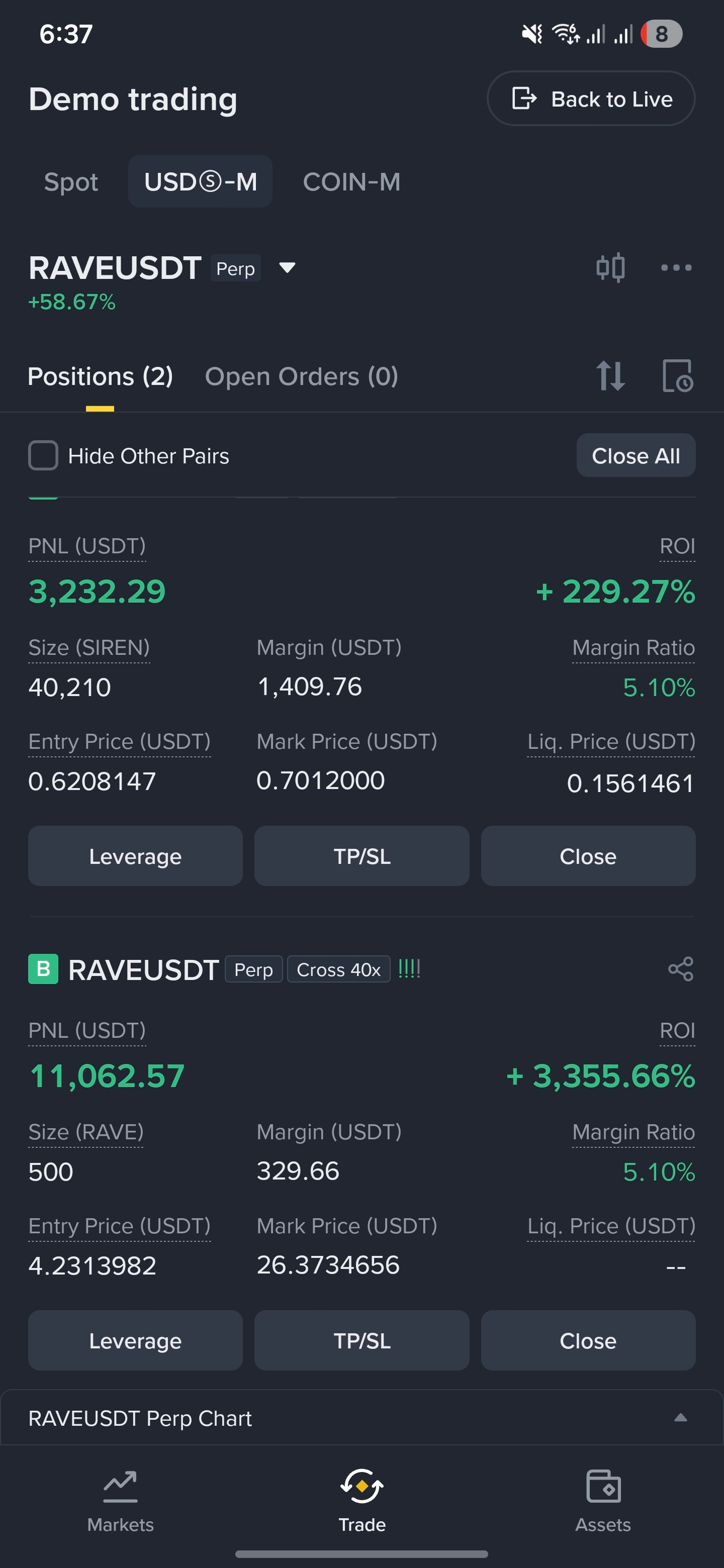
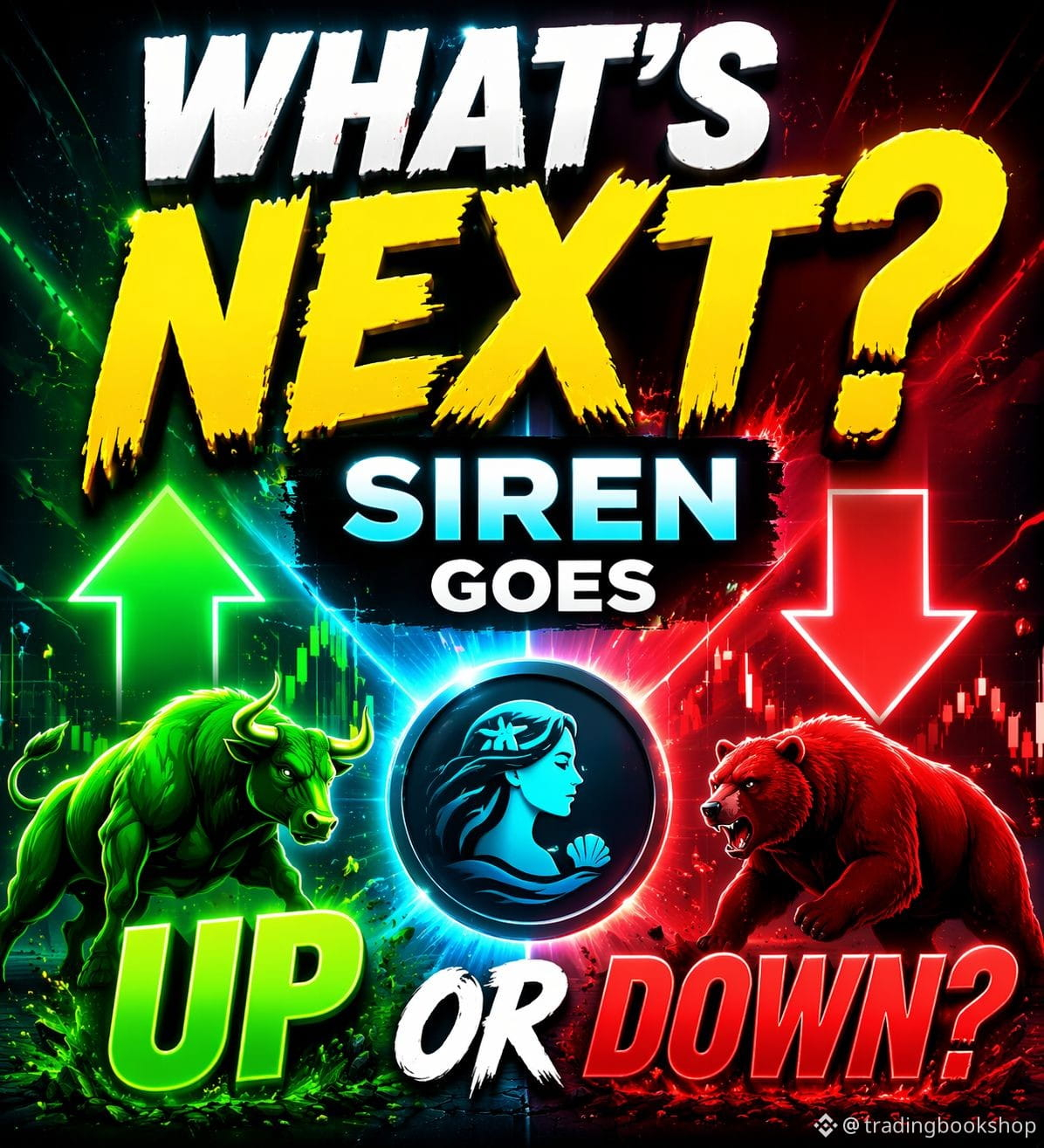
SIRENUSDT recently dropped over 80–90%, followed by a bounce and now trading in a consolidation range between 0.60 (support) and 0.67 (resistance). This phase acts as a liquidity trap where both long and short traders can get caught.
Despite highly negative funding (shorts paying longs), relying on funding is risky as price movement can easily outweigh gains. The market currently shows no clear trend.
A break below 0.60 may lead to further downside, while a break above 0.70 could signal a bullish move. Until then, it remains a range-bound and high-risk setup.
🔴 SHORT (preferred)
Entry: Below 0.60
Target: 0.56 / 0.52
SL: 0.63
🟢 LONG (only if strong breakout)
Entry: Above 0.70 (hold)
Target: 0.75+
SL: 0.66
⚠️ Avoid now (0.62–0.66 zone) — no clear direction
👉 Bias: Slight bearish (short)
Comment your Opinion!
SIRENUSDT recently dropped over 80–90%, followed by a bounce and now trading in a consolidation range between 0.60 (support) and 0.67 (resistance). This phase acts as a liquidity trap where both long and short traders can get caught.
Despite highly negative funding (shorts paying longs), relying on funding is risky as price movement can easily outweigh gains. The market currently shows no clear trend.
A break below 0.60 may lead to further downside, while a break above 0.70 could signal a bullish move. Until then, it remains a range-bound and high-risk setup.
🔴 SHORT (preferred)
Entry: Below 0.60
Target: 0.56 / 0.52
SL: 0.63
🟢 LONG (only if strong breakout)
Entry: Above 0.70 (hold)
Target: 0.75+
SL: 0.66
⚠️ Avoid now (0.62–0.66 zone) — no clear direction
👉 Bias: Slight bearish (short)
Comment your Opinion!
Despite highly negative funding (shorts paying longs), relying on funding is risky as price movement can easily outweigh gains. The market currently shows no clear trend.
A break below 0.60 may lead to further downside, while a break above 0.70 could signal a bullish move. Until then, it remains a range-bound and high-risk setup.
🔴 SHORT (preferred)
Entry: Below 0.60
Target: 0.56 / 0.52
SL: 0.63
🟢 LONG (only if strong breakout)
Entry: Above 0.70 (hold)
Target: 0.75+
SL: 0.66
⚠️ Avoid now (0.62–0.66 zone) — no clear direction
👉 Bias: Slight bearish (short)
Comment your Opinion!
330
100
පරිවර්තනය බලන්න
The crypto journey in India and Pakistan has taken very different directions over the years. In India, a major turning point came in February 2022, when the government introduced a 30% tax on crypto profits, followed by a 1% TDS on every transaction from July 2022. This officially allowed crypto trading but placed it under heavy taxation and strict compliance. Since then, India has continued this approach, focusing more on tracking and regulating user activity rather than expanding adoption.
Pakistan, on the other hand, initially took a restrictive stance with banking limitations introduced in 2018. However, the direction began to shift recently. In 2026, Pakistan made a significant move by allowing banks to work with licensed crypto companies under a regulated framework. This marked a major step toward integrating crypto into the financial system, although full public freedom is still limited.
The key difference lies in approach. India allows retail participation but controls the market through taxation and strict rules, which has impacted trading activity. Pakistan is taking a more cautious route, slowly opening the system by first building regulation and institutional support before allowing wider adoption.
India and Pakistan are not banning crypto, but their strategies are clearly different. India focuses on control through taxation, while Pakistan is gradually building a regulated ecosystem. Both paths show that crypto is being recognized, but the speed and structure of adoption vary significantly.
The crypto journey in India and Pakistan has taken very different directions over the years. In India, a major turning point came in February 2022, when the government introduced a 30% tax on crypto profits, followed by a 1% TDS on every transaction from July 2022. This officially allowed crypto trading but placed it under heavy taxation and strict compliance. Since then, India has continued this approach, focusing more on tracking and regulating user activity rather than expanding adoption.
Pakistan, on the other hand, initially took a restrictive stance with banking limitations introduced in 2018. However, the direction began to shift recently. In 2026, Pakistan made a significant move by allowing banks to work with licensed crypto companies under a regulated framework. This marked a major step toward integrating crypto into the financial system, although full public freedom is still limited.
The key difference lies in approach. India allows retail participation but controls the market through taxation and strict rules, which has impacted trading activity. Pakistan is taking a more cautious route, slowly opening the system by first building regulation and institutional support before allowing wider adoption.
India and Pakistan are not banning crypto, but their strategies are clearly different. India focuses on control through taxation, while Pakistan is gradually building a regulated ecosystem. Both paths show that crypto is being recognized, but the speed and structure of adoption vary significantly.
Pakistan, on the other hand, initially took a restrictive stance with banking limitations introduced in 2018. However, the direction began to shift recently. In 2026, Pakistan made a significant move by allowing banks to work with licensed crypto companies under a regulated framework. This marked a major step toward integrating crypto into the financial system, although full public freedom is still limited.
The key difference lies in approach. India allows retail participation but controls the market through taxation and strict rules, which has impacted trading activity. Pakistan is taking a more cautious route, slowly opening the system by first building regulation and institutional support before allowing wider adoption.
India and Pakistan are not banning crypto, but their strategies are clearly different. India focuses on control through taxation, while Pakistan is gradually building a regulated ecosystem. Both paths show that crypto is being recognized, but the speed and structure of adoption vary significantly.

123
පරිවර්තනය බලන්න
MANTRA (OM) Rebrand: From Volatility to a Stronger Comeback
MANTRA, previously known as OM, has entered a new phase through a strategic rebranding and ecosystem upgrade. This transition reflects the project’s intention to align better with its long-term vision and evolving market positioning. Along with the rebrand, the project introduced a token restructuring, where OM was converted into multiple MANTRA tokens, improving accessibility and supporting broader participation.
The rebranding also marks a shift toward a more utility-driven approach. MANTRA is actively building in the Real World Asset (RWA) space, aiming to connect traditional finance with blockchain technology. With increasing focus on real-world use cases, the project is positioning itself beyond short-term speculation and toward long-term adoption.
Following the recent price volatility, MANTRA co-founder JP Mullin addressed the situation publicly, clarifying that the movement was not related to a rug pull. In his communication, he also mentioned that support measures, including compensation to some affected participants, were considered as part of efforts to maintain trust within the community. This response highlights the team’s intent to remain transparent and engaged during challenging market conditions.
From a market perspective, the price is currently stabilizing after a sharp movement, which is often seen during transition phases. Such consolidation periods can indicate that selling pressure is being absorbed while the market gradually rebuilds confidence. Combined with ongoing development, partnerships, and ecosystem expansion, this phase could represent a foundation for future growth.
MANTRA (OM) Rebrand: From Volatility to a Stronger Comeback
MANTRA, previously known as OM, has entered a new phase through a strategic rebranding and ecosystem upgrade. This transition reflects the project’s intention to align better with its long-term vision and evolving market positioning. Along with the rebrand, the project introduced a token restructuring, where OM was converted into multiple MANTRA tokens, improving accessibility and supporting broader participation.
The rebranding also marks a shift toward a more utility-driven approach. MANTRA is actively building in the Real World Asset (RWA) space, aiming to connect traditional finance with blockchain technology. With increasing focus on real-world use cases, the project is positioning itself beyond short-term speculation and toward long-term adoption.
Following the recent price volatility, MANTRA co-founder JP Mullin addressed the situation publicly, clarifying that the movement was not related to a rug pull. In his communication, he also mentioned that support measures, including compensation to some affected participants, were considered as part of efforts to maintain trust within the community. This response highlights the team’s intent to remain transparent and engaged during challenging market conditions.
From a market perspective, the price is currently stabilizing after a sharp movement, which is often seen during transition phases. Such consolidation periods can indicate that selling pressure is being absorbed while the market gradually rebuilds confidence. Combined with ongoing development, partnerships, and ecosystem expansion, this phase could represent a foundation for future growth.
MANTRA, previously known as OM, has entered a new phase through a strategic rebranding and ecosystem upgrade. This transition reflects the project’s intention to align better with its long-term vision and evolving market positioning. Along with the rebrand, the project introduced a token restructuring, where OM was converted into multiple MANTRA tokens, improving accessibility and supporting broader participation.
The rebranding also marks a shift toward a more utility-driven approach. MANTRA is actively building in the Real World Asset (RWA) space, aiming to connect traditional finance with blockchain technology. With increasing focus on real-world use cases, the project is positioning itself beyond short-term speculation and toward long-term adoption.
Following the recent price volatility, MANTRA co-founder JP Mullin addressed the situation publicly, clarifying that the movement was not related to a rug pull. In his communication, he also mentioned that support measures, including compensation to some affected participants, were considered as part of efforts to maintain trust within the community. This response highlights the team’s intent to remain transparent and engaged during challenging market conditions.
From a market perspective, the price is currently stabilizing after a sharp movement, which is often seen during transition phases. Such consolidation periods can indicate that selling pressure is being absorbed while the market gradually rebuilds confidence. Combined with ongoing development, partnerships, and ecosystem expansion, this phase could represent a foundation for future growth.

94
පරිවර්තනය බලන්න
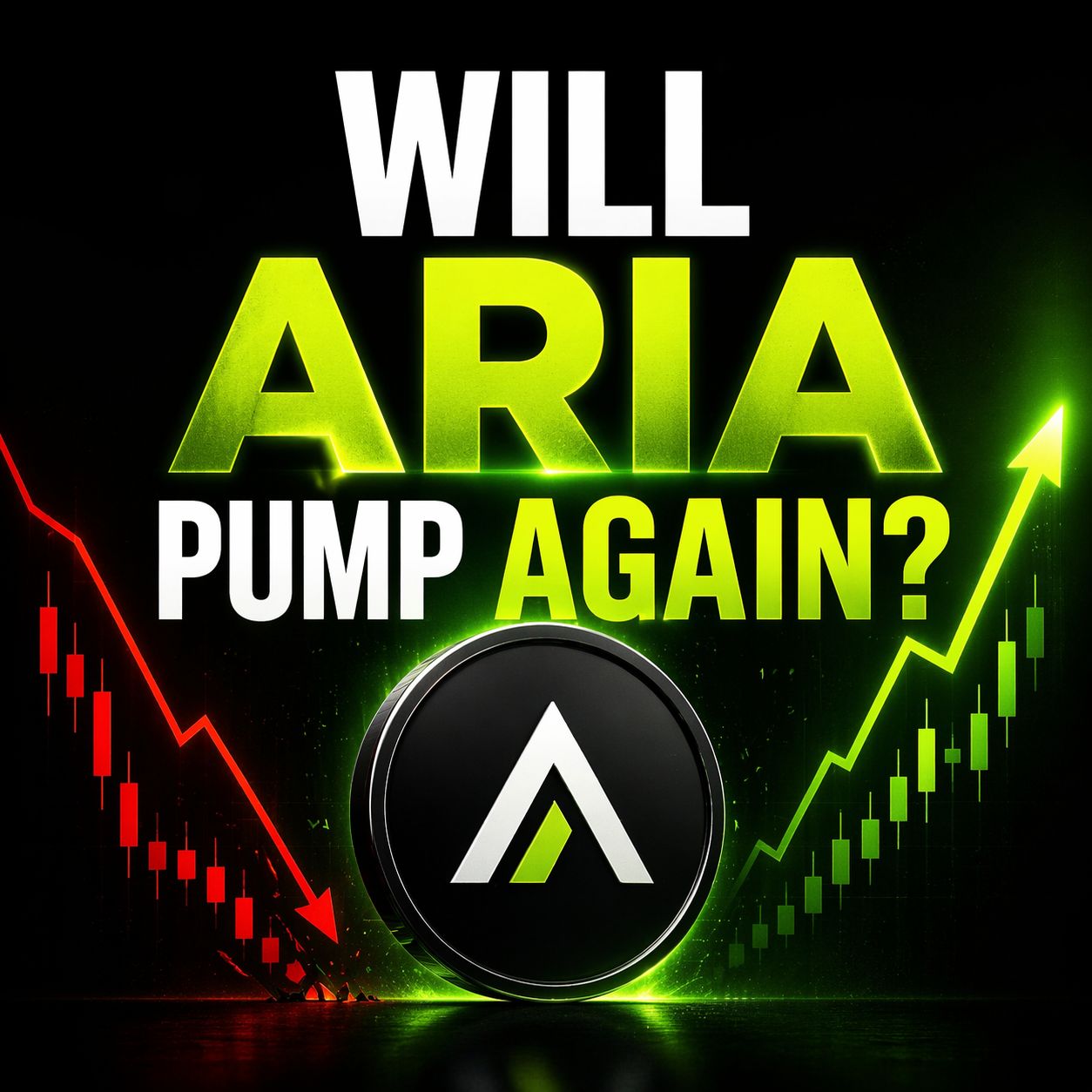
$ARIA After the Crash: Will It Pump Again?
ARIA has recently experienced a sharp rise followed by a steep correction, dropping significantly from its recent highs. This kind of price action is common in highly volatile crypto assets, where rapid expansions are often followed by strong pullbacks.
After the decline, ARIA is now stabilizing near lower levels, showing early signs of consolidation. Such phases usually indicate that the market is absorbing selling pressure and preparing for the next move. However, momentum is currently neutral, and strong bullish confirmation is still missing.
For ARIA to pump again like before, the market would require fresh buying interest, volume expansion, and a clear breakout above nearby resistance zones. Without these factors, price may continue to move sideways or attempt only short-term relief bounces.
$
At the same time, the crypto market is known for unexpected moves. Assets that show strong volatility can regain momentum quickly when sentiment shifts and liquidity returns.
$ARIA After the Crash: Will It Pump Again?
ARIA has recently experienced a sharp rise followed by a steep correction, dropping significantly from its recent highs. This kind of price action is common in highly volatile crypto assets, where rapid expansions are often followed by strong pullbacks.
After the decline, ARIA is now stabilizing near lower levels, showing early signs of consolidation. Such phases usually indicate that the market is absorbing selling pressure and preparing for the next move. However, momentum is currently neutral, and strong bullish confirmation is still missing.
For ARIA to pump again like before, the market would require fresh buying interest, volume expansion, and a clear breakout above nearby resistance zones. Without these factors, price may continue to move sideways or attempt only short-term relief bounces.
$
At the same time, the crypto market is known for unexpected moves. Assets that show strong volatility can regain momentum quickly when sentiment shifts and liquidity returns.
ARIA has recently experienced a sharp rise followed by a steep correction, dropping significantly from its recent highs. This kind of price action is common in highly volatile crypto assets, where rapid expansions are often followed by strong pullbacks.
After the decline, ARIA is now stabilizing near lower levels, showing early signs of consolidation. Such phases usually indicate that the market is absorbing selling pressure and preparing for the next move. However, momentum is currently neutral, and strong bullish confirmation is still missing.
For ARIA to pump again like before, the market would require fresh buying interest, volume expansion, and a clear breakout above nearby resistance zones. Without these factors, price may continue to move sideways or attempt only short-term relief bounces.
$
At the same time, the crypto market is known for unexpected moves. Assets that show strong volatility can regain momentum quickly when sentiment shifts and liquidity returns.
245
පරිවර්තනය බලන්න
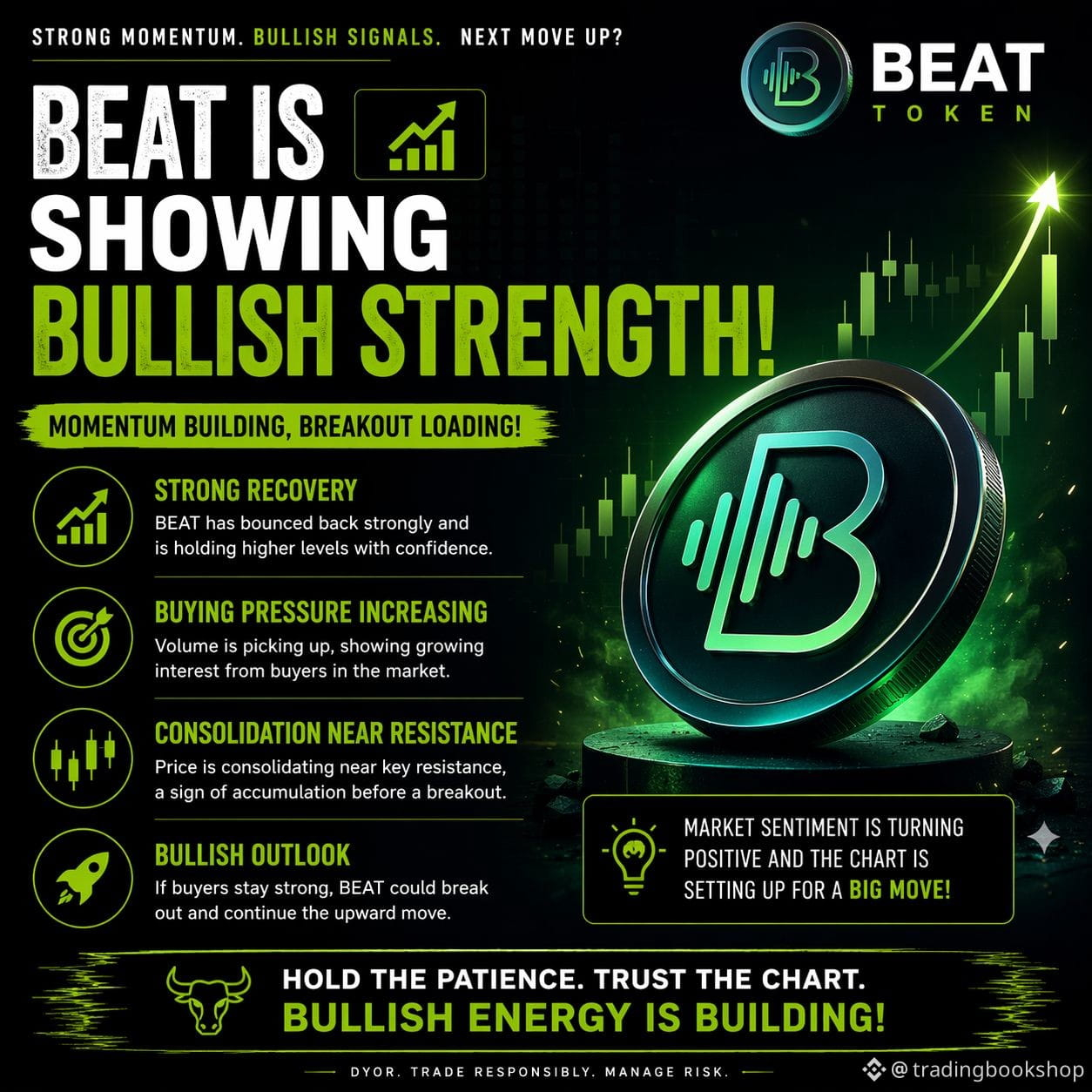
BEATUSDT Showing Bullish Strength — Breakout Incoming?
$BEAT is currently showing strong short-term momentum after bouncing from lower levels and pushing toward key resistance zones. Recent data shows increased buying pressure and volume expansion, which often signals growing market interest and potential continuation.
The price is now consolidating near resistance, a typical sign of accumulation before a breakout. Market sentiment is turning neutral-to-bullish, with multiple green sessions and steady upward movement supporting the trend.
If buyers maintain control, BEAT could attempt a breakout above resistance and continue its upward move.
📊 Trade Setup
Entry Zone: 0.42 – 0.425
Stop Loss: 0.395
Take Profit Targets:
TP1: 0.45
TP2: 0.48
TP3: 0.52
🔥 Why Bullish?
Strong recovery from recent lows
Increasing volume and participation
Consolidation near resistance (bullish sign)
Short-term momentum building
⚠️ Risk Note
BEAT is a high-volatility asset, and price can move sharply in both directions. Proper risk management is essential.
BEATUSDT Showing Bullish Strength — Breakout Incoming?
$BEAT is currently showing strong short-term momentum after bouncing from lower levels and pushing toward key resistance zones. Recent data shows increased buying pressure and volume expansion, which often signals growing market interest and potential continuation.
The price is now consolidating near resistance, a typical sign of accumulation before a breakout. Market sentiment is turning neutral-to-bullish, with multiple green sessions and steady upward movement supporting the trend.
If buyers maintain control, BEAT could attempt a breakout above resistance and continue its upward move.
📊 Trade Setup
Entry Zone: 0.42 – 0.425
Stop Loss: 0.395
Take Profit Targets:
TP1: 0.45
TP2: 0.48
TP3: 0.52
🔥 Why Bullish?
Strong recovery from recent lows
Increasing volume and participation
Consolidation near resistance (bullish sign)
Short-term momentum building
⚠️ Risk Note
BEAT is a high-volatility asset, and price can move sharply in both directions. Proper risk management is essential.
$BEAT is currently showing strong short-term momentum after bouncing from lower levels and pushing toward key resistance zones. Recent data shows increased buying pressure and volume expansion, which often signals growing market interest and potential continuation.
The price is now consolidating near resistance, a typical sign of accumulation before a breakout. Market sentiment is turning neutral-to-bullish, with multiple green sessions and steady upward movement supporting the trend.
If buyers maintain control, BEAT could attempt a breakout above resistance and continue its upward move.
📊 Trade Setup
Entry Zone: 0.42 – 0.425
Stop Loss: 0.395
Take Profit Targets:
TP1: 0.45
TP2: 0.48
TP3: 0.52
🔥 Why Bullish?
Strong recovery from recent lows
Increasing volume and participation
Consolidation near resistance (bullish sign)
Short-term momentum building
⚠️ Risk Note
BEAT is a high-volatility asset, and price can move sharply in both directions. Proper risk management is essential.
223
පරිවර්තනය බලන්න
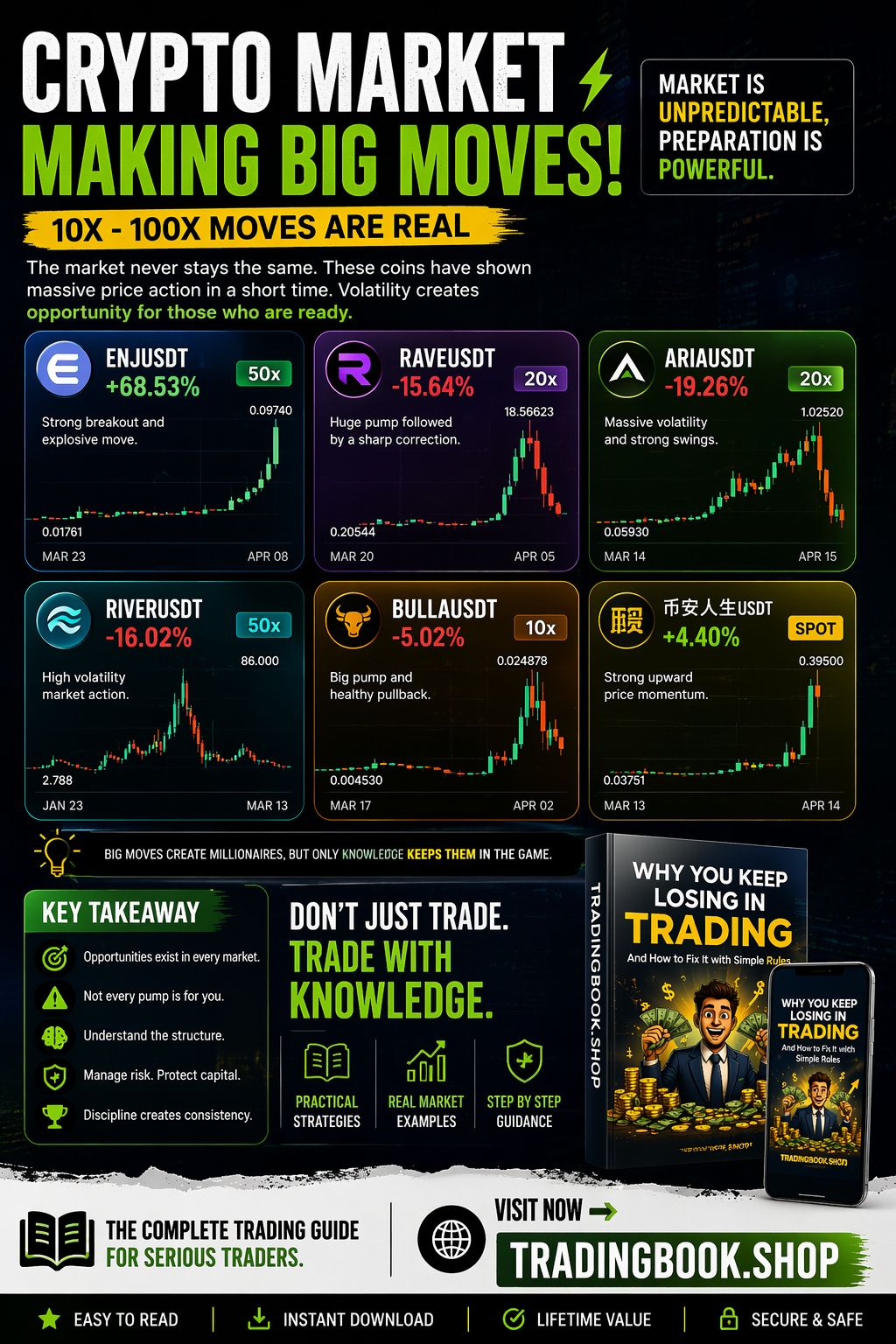
Crypto Market Showing Explosive Moves 🚀
The crypto market is once again proving how fast things can change. Coins like $ENJ, $RAVE, $ARIA, $BULLA, and $RIVER have shown massive price movements in a short time — both upside rallies and sharp corrections.
This kind of volatility highlights one key truth: big opportunities exist, but so do big risks. Many traders enter late during hype and exit during panic, missing the real move.
Markets don’t move randomly — they follow structure, liquidity, and sentiment. Understanding these patterns is what separates consistent traders from those who keep guessing.
The takeaway is simple: the market rewards those who are prepared and empty your entire portfolio when you randomly enter
If you want to understand how these moves actually work and how to trade them with clarity, you can explore more here: tradingbook.shop
Crypto Market Showing Explosive Moves 🚀
The crypto market is once again proving how fast things can change. Coins like $ENJ, $RAVE, $ARIA, $BULLA, and $RIVER have shown massive price movements in a short time — both upside rallies and sharp corrections.
This kind of volatility highlights one key truth: big opportunities exist, but so do big risks. Many traders enter late during hype and exit during panic, missing the real move.
Markets don’t move randomly — they follow structure, liquidity, and sentiment. Understanding these patterns is what separates consistent traders from those who keep guessing.
The takeaway is simple: the market rewards those who are prepared and empty your entire portfolio when you randomly enter
If you want to understand how these moves actually work and how to trade them with clarity, you can explore more here: tradingbook.shop
The crypto market is once again proving how fast things can change. Coins like $ENJ, $RAVE, $ARIA, $BULLA, and $RIVER have shown massive price movements in a short time — both upside rallies and sharp corrections.
This kind of volatility highlights one key truth: big opportunities exist, but so do big risks. Many traders enter late during hype and exit during panic, missing the real move.
Markets don’t move randomly — they follow structure, liquidity, and sentiment. Understanding these patterns is what separates consistent traders from those who keep guessing.
The takeaway is simple: the market rewards those who are prepared and empty your entire portfolio when you randomly enter
If you want to understand how these moves actually work and how to trade them with clarity, you can explore more here: tradingbook.shop
3
1k
පරිවර්තනය බලන්න
U.S. Oil Exports Surge: A Strong Signal for Global Markets
The United States is witnessing a significant rise in crude oil exports, reaching around 5.2 million barrels per day — one of the highest levels in recent months. Growing demand from Asia and Europe is driving this momentum, as global markets actively seek stable and diversified energy sources.
This surge reflects strong supply capabilities and improving global trade flows, positioning the U.S. as a key energy player. Increased exports not only support energy security worldwide but also indicate resilient demand across major economies.
Overall, the trend highlights a positive outlook for global markets, with steady energy supply acting as a foundation for economic stability and growth.
U.S. Oil Exports Surge: A Strong Signal for Global Markets
The United States is witnessing a significant rise in crude oil exports, reaching around 5.2 million barrels per day — one of the highest levels in recent months. Growing demand from Asia and Europe is driving this momentum, as global markets actively seek stable and diversified energy sources.
This surge reflects strong supply capabilities and improving global trade flows, positioning the U.S. as a key energy player. Increased exports not only support energy security worldwide but also indicate resilient demand across major economies.
Overall, the trend highlights a positive outlook for global markets, with steady energy supply acting as a foundation for economic stability and growth.
The United States is witnessing a significant rise in crude oil exports, reaching around 5.2 million barrels per day — one of the highest levels in recent months. Growing demand from Asia and Europe is driving this momentum, as global markets actively seek stable and diversified energy sources.
This surge reflects strong supply capabilities and improving global trade flows, positioning the U.S. as a key energy player. Increased exports not only support energy security worldwide but also indicate resilient demand across major economies.
Overall, the trend highlights a positive outlook for global markets, with steady energy supply acting as a foundation for economic stability and growth.

139
තවත් අන්තර්ගතයන් ගවේෂණය කිරීමට ඇතුල් වන්න
Binance චතුරශ්රය හි ගෝලීය ක්රිප්ටෝ පරිශීලකයින් හා එක්වන්න
⚡️ ක්රිප්ටෝ පිළිබඳ නවතම සහ ප්රයෝජනවත් තොරතුරු ලබා ගන්න.
💬 ලොව විශාලතම ක්රිප්ටෝ හුවමාරුව මගින් විශ්වාස කෙරේ.
👍 සත්යායනය කරන ලද නිර්මාණකරුවන්ගෙන් සැබෑ විදසුන් සොයා ගන්න.
විද්යුත් තැපෑල / දුරකථන අංකය
නැගී එන මාතෘකා
AppleDebutsFoldablePhone
38,413 views
781 සාකච්ඡා කරමින්
ஆப்பிள் மடிக்கக்கூடிய ஐபோனை வெளியிட்டுவிட்டது — சந்தையும் கவனம் செலுத்துகிறது. இது வெறும் இன்னொரு தயாரிப்பு சுழற்சி அல்ல; இது புதிய தயாரிப்பு வகை, மேடையில் புதிய தலைமை செயல் அதிகாரி, மேலும் 1,999 டாலர் விலை $AAPL ஐ மேலும் அல்ட்ரா-ப்ரீமியம் நிலைக்குத் தள்ளுகிறது. மடிக்கக்கூடியவைகள் தான் கதைக்களம்; ஆப்பிள் இப்போது பிரதான தலைப்பு.
#appledebutsfoldablephone #EUExtendsCentralContactPointToCASPs #US10YTreasuryYieldHitsHighestSinceNov2023 #BrentCrudeTops$100 #USTreasuryToBuyBackUpTo$6BLongDatedDebt
KimHotbae
·2 කැමත්ත දැක්වීම්
·2.9k views
TSMCAugustRevenueUp53.3%YoY
7,071 views
228 සාකච්ඡා කරමින්
IranSaysReadyToEscalateWarWithUS
10,412 views
240 සාකච්ඡා කරමින්