

BullifyX
10.2k පෝස්ටු

BullifyX
 Binance චතුරශ්ර සත්යාපිත+
වාර්තා කරන්න
පරිශීලක අවහිර කරන්න
Your Crypto Bestie | Educational Content | Be Creative, Experience and Discipline.

{ටෝකන්} දරන්නා
ඉඳහිට වෙළෙන්දා
{වේලාව} වසර
804 හඹා යමින්
39.1K+ හඹා යන්නන්
56.0K+ කැමති විය
පෝස්ටු
සියල්ල
උපුටා දැක්වීම්
වීඩියෝ
සජීවි
අමුණා ඇත
·
--
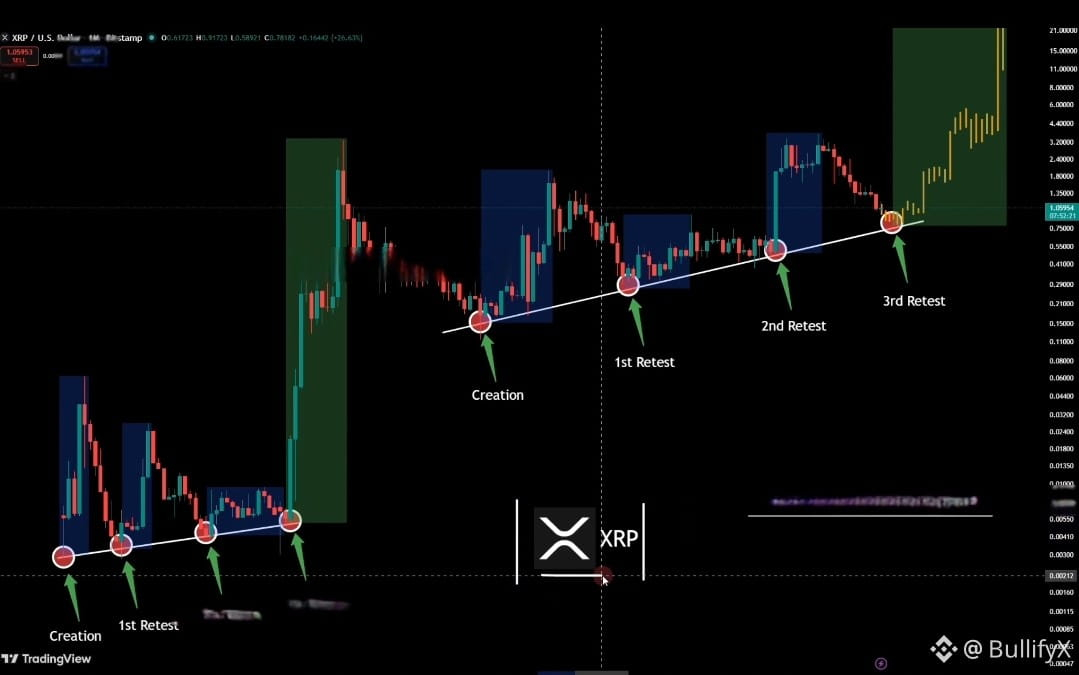
No one is ready for $XRP ’s next move.
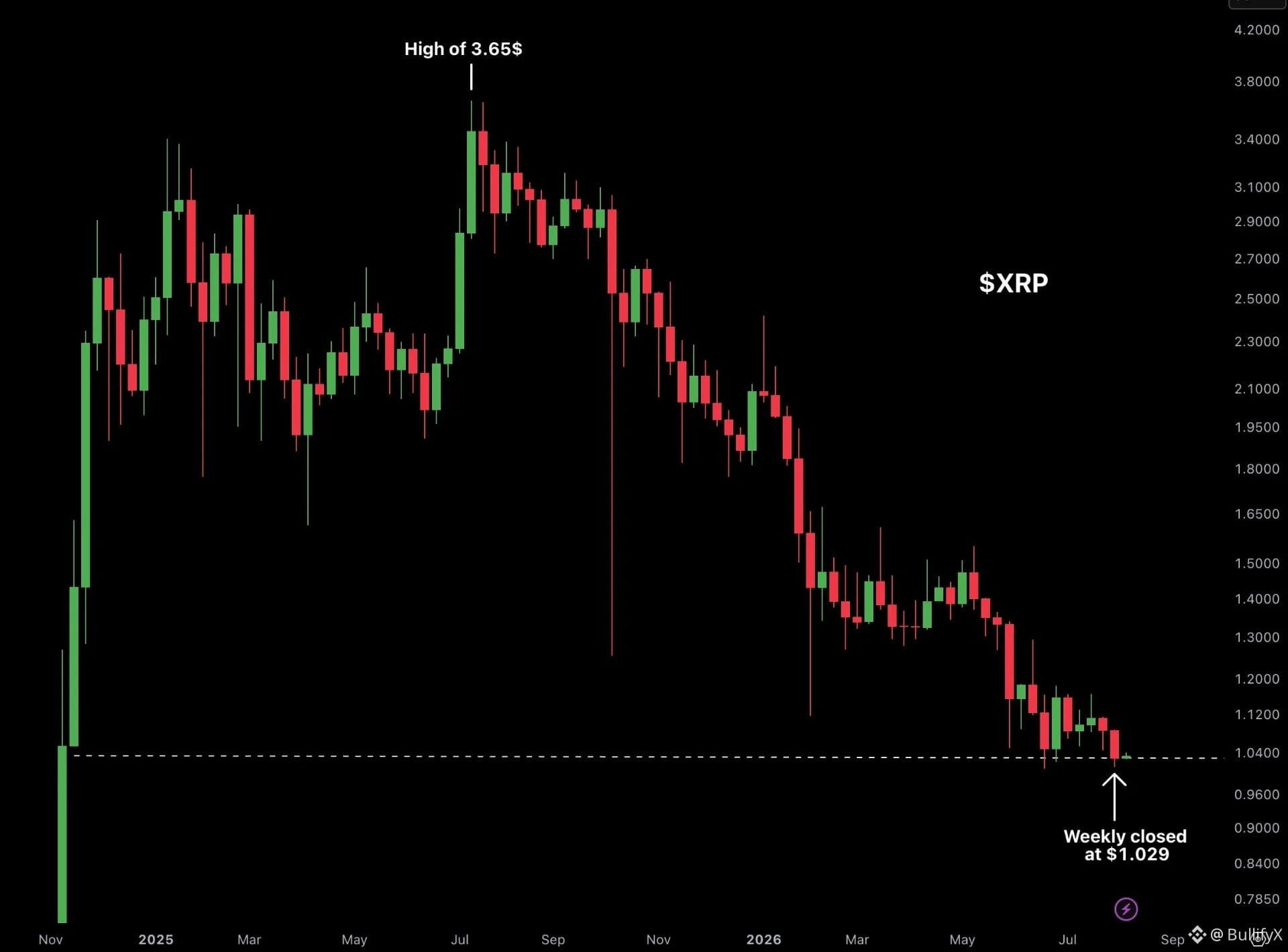
$XRP appears to be replicating the structure of its 2017 trend. The last time this support level held, price went on to surge by more than 60,000%.
My roadmap:
$1.10 → $0.97 → $1.80
$1.80 → $2.70 → $3.20
$3.20 → $6.50 → $13.00
If this support is confirmed for the third time, the next expansion could accelerate significantly.
Watch the levels. Watch the structure. 🚀
#XRP #Ripple #Crypto #Binance #Write2Earn
No one is ready for $XRP ’s next move.
$XRP appears to be replicating the structure of its 2017 trend. The last time this support level held, price went on to surge by more than 60,000%.
My roadmap:
$1.10 → $0.97 → $1.80
$1.80 → $2.70 → $3.20
$3.20 → $6.50 → $13.00
If this support is confirmed for the third time, the next expansion could accelerate significantly.
Watch the levels. Watch the structure. 🚀
#XRP #Ripple #Crypto #Binance #Write2Earn
$XRP appears to be replicating the structure of its 2017 trend. The last time this support level held, price went on to surge by more than 60,000%.
My roadmap:
$1.10 → $0.97 → $1.80
$1.80 → $2.70 → $3.20
$3.20 → $6.50 → $13.00
If this support is confirmed for the third time, the next expansion could accelerate significantly.
Watch the levels. Watch the structure. 🚀
#XRP #Ripple #Crypto #Binance #Write2Earn
40
4
140
185.4k
අමුණා ඇත
·
--
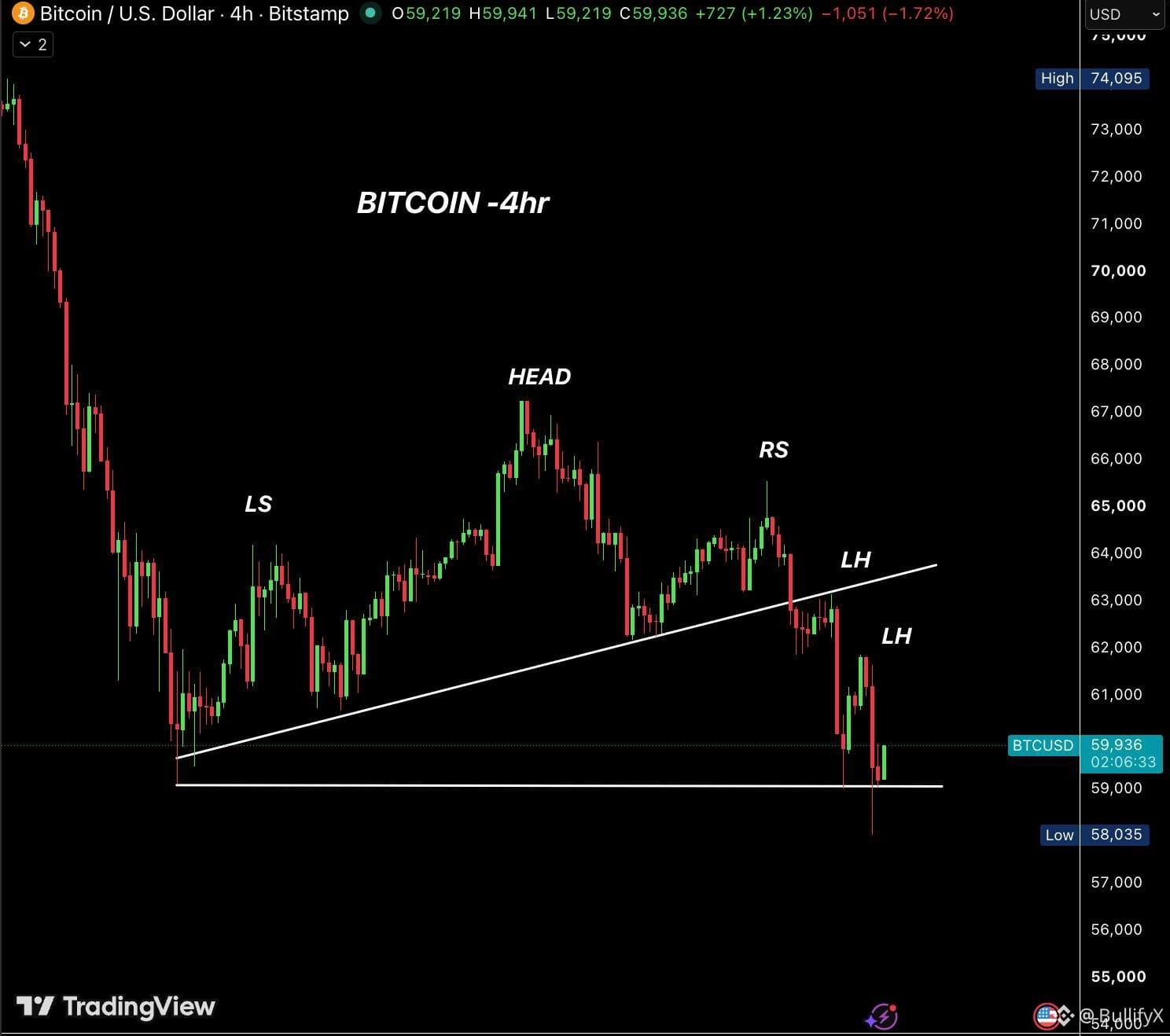
$BTC touched $60k and panic spread fast.
But here's what matters:
#BTC still closed above $61k support.
Bears have the edge for now, but a reclaim of $65.2k could turn this breakdown into a fakeout.
The next few daily closes will be key.
#BTC #Write2Earn #Binance
$BTC touched $60k and panic spread fast.
But here's what matters:
#BTC still closed above $61k support.
Bears have the edge for now, but a reclaim of $65.2k could turn this breakdown into a fakeout.
The next few daily closes will be key.
#BTC #Write2Earn #Binance
But here's what matters:
#BTC still closed above $61k support.
Bears have the edge for now, but a reclaim of $65.2k could turn this breakdown into a fakeout.
The next few daily closes will be key.
#BTC #Write2Earn #Binance
16
88
215.1k
·
--
$XRP Might Be Getting Ready to Fly
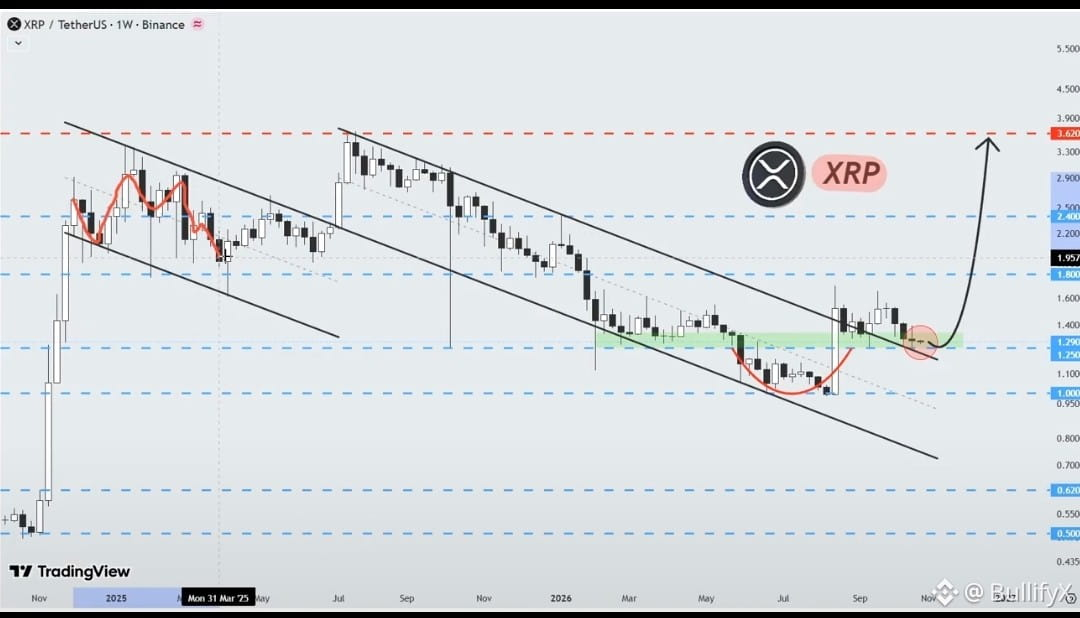
XRP is holding above a key level on the weekly chart, and things are starting to look interesting
If the momentum continues, we could see a move toward these targets:
🎯 $1.80 🎯 $2.40 🎯 $3.62
The setup is building, but can XRP deliver the breakout everyone is waiting for?
#XRP #Crypto #Binance #Write2Earrn
$XRP Might Be Getting Ready to Fly
XRP is holding above a key level on the weekly chart, and things are starting to look interesting
If the momentum continues, we could see a move toward these targets:
🎯 $1.80 🎯 $2.40 🎯 $3.62
The setup is building, but can XRP deliver the breakout everyone is waiting for?
#XRP #Crypto #Binance #Write2Earrn
XRP is holding above a key level on the weekly chart, and things are starting to look interesting
If the momentum continues, we could see a move toward these targets:
🎯 $1.80 🎯 $2.40 🎯 $3.62
The setup is building, but can XRP deliver the breakout everyone is waiting for?
#XRP #Crypto #Binance #Write2Earrn
1
1
5
1.7k
·
--
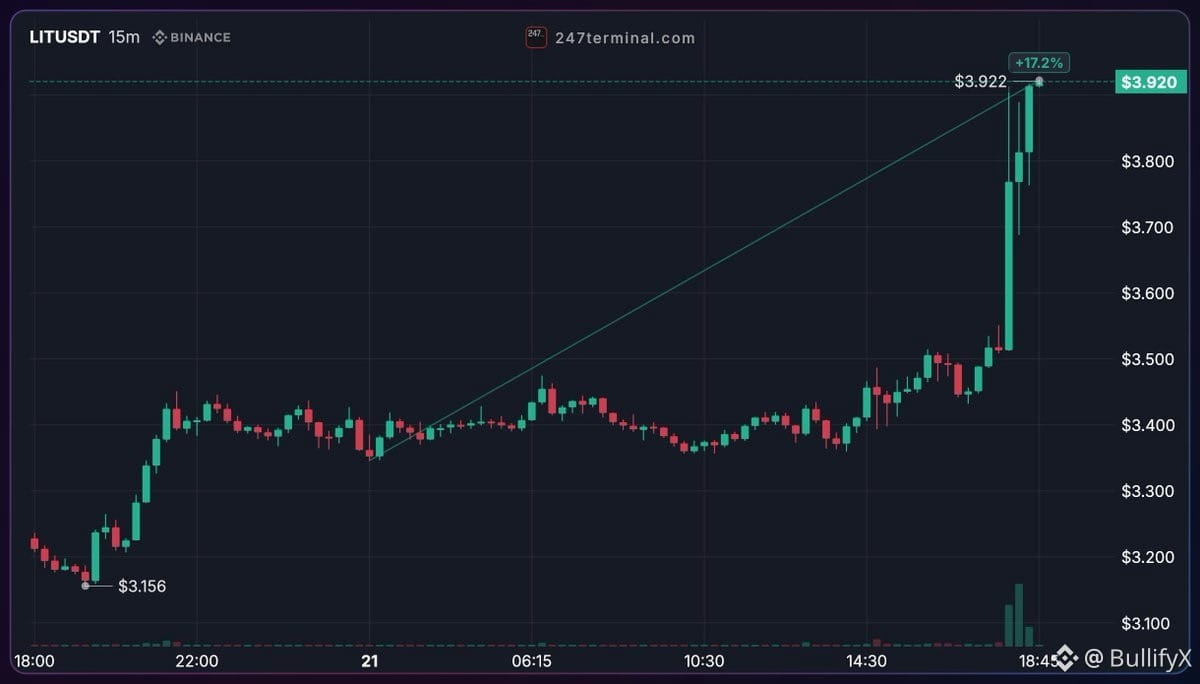
$LITE is back on traders’ radar
The next move depends on how price handles the $4.05–$4.15 area.
Flip it into support, and $5 could be the next level to watch. Lose momentum here, and another pullback is possible.
Let price confirm the move before jumping in.
#LIT 🔵 #Crypto #Binance #Write2Earn
$LITE is back on traders’ radar
The next move depends on how price handles the $4.05–$4.15 area.
Flip it into support, and $5 could be the next level to watch. Lose momentum here, and another pullback is possible.
Let price confirm the move before jumping in.
#LIT 🔵 #Crypto #Binance #Write2Earn
The next move depends on how price handles the $4.05–$4.15 area.
Flip it into support, and $5 could be the next level to watch. Lose momentum here, and another pullback is possible.
Let price confirm the move before jumping in.
#LIT 🔵 #Crypto #Binance #Write2Earn
3
1.3k
·
--
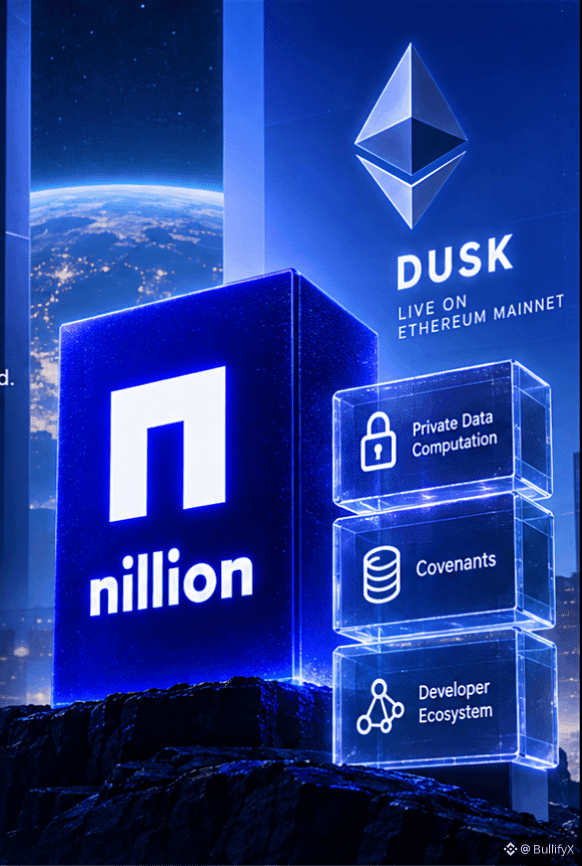
I’ve been paying more attention to @nillionnetwork beyond the token lately, mostly because privacy infrastructure sounds useful in theory but gets harder to evaluate when I ask what developers can actually build with it.
Covenants is the part I’m watching. I like the idea of being able to work with sensitive data without simply exposing the underlying information to every system involved. That could matter for applications handling identity, financial data, or private user inputs. Still, I want to see how much complexity developers have to take on before that privacy becomes practical rather than just an architectural promise.
With DUSK now live on Ethereum mainnet, I’m also curious how the first release translates into actual usage. A launch is one milestone, but repeat activity, integrations, and applications that people have a reason to return to will tell me more. I’d rather watch those signals develop than judge progress from announcements alone.
The other thing I’m keeping in mind is the trade-off between privacy, usability, and performance. If Covenants makes sensitive-data applications easier to build without adding too much friction, that would be meaningful. But I still want clearer evidence of developer adoption and real workloads.
I’m following the Nillion 7-era roadmap with that in mind. What I want to understand next is how quickly #DUSK can demonstrate useful activity and where Covenants fits into it.
#NIL #nil $NIL @nillionnetwork
I’ve been paying more attention to @Nillion beyond the token lately, mostly because privacy infrastructure sounds useful in theory but gets harder to evaluate when I ask what developers can actually build with it.
Covenants is the part I’m watching. I like the idea of being able to work with sensitive data without simply exposing the underlying information to every system involved. That could matter for applications handling identity, financial data, or private user inputs. Still, I want to see how much complexity developers have to take on before that privacy becomes practical rather than just an architectural promise.
With DUSK now live on Ethereum mainnet, I’m also curious how the first release translates into actual usage. A launch is one milestone, but repeat activity, integrations, and applications that people have a reason to return to will tell me more. I’d rather watch those signals develop than judge progress from announcements alone.
The other thing I’m keeping in mind is the trade-off between privacy, usability, and performance. If Covenants makes sensitive-data applications easier to build without adding too much friction, that would be meaningful. But I still want clearer evidence of developer adoption and real workloads.
I’m following the Nillion 7-era roadmap with that in mind. What I want to understand next is how quickly #DUSK can demonstrate useful activity and where Covenants fits into it.
#NIL #nil $NIL @Nillion
Covenants is the part I’m watching. I like the idea of being able to work with sensitive data without simply exposing the underlying information to every system involved. That could matter for applications handling identity, financial data, or private user inputs. Still, I want to see how much complexity developers have to take on before that privacy becomes practical rather than just an architectural promise.
With DUSK now live on Ethereum mainnet, I’m also curious how the first release translates into actual usage. A launch is one milestone, but repeat activity, integrations, and applications that people have a reason to return to will tell me more. I’d rather watch those signals develop than judge progress from announcements alone.
The other thing I’m keeping in mind is the trade-off between privacy, usability, and performance. If Covenants makes sensitive-data applications easier to build without adding too much friction, that would be meaningful. But I still want clearer evidence of developer adoption and real workloads.
I’m following the Nillion 7-era roadmap with that in mind. What I want to understand next is how quickly #DUSK can demonstrate useful activity and where Covenants fits into it.
#NIL #nil $NIL @Nillion
2
16
1.4k
·
--
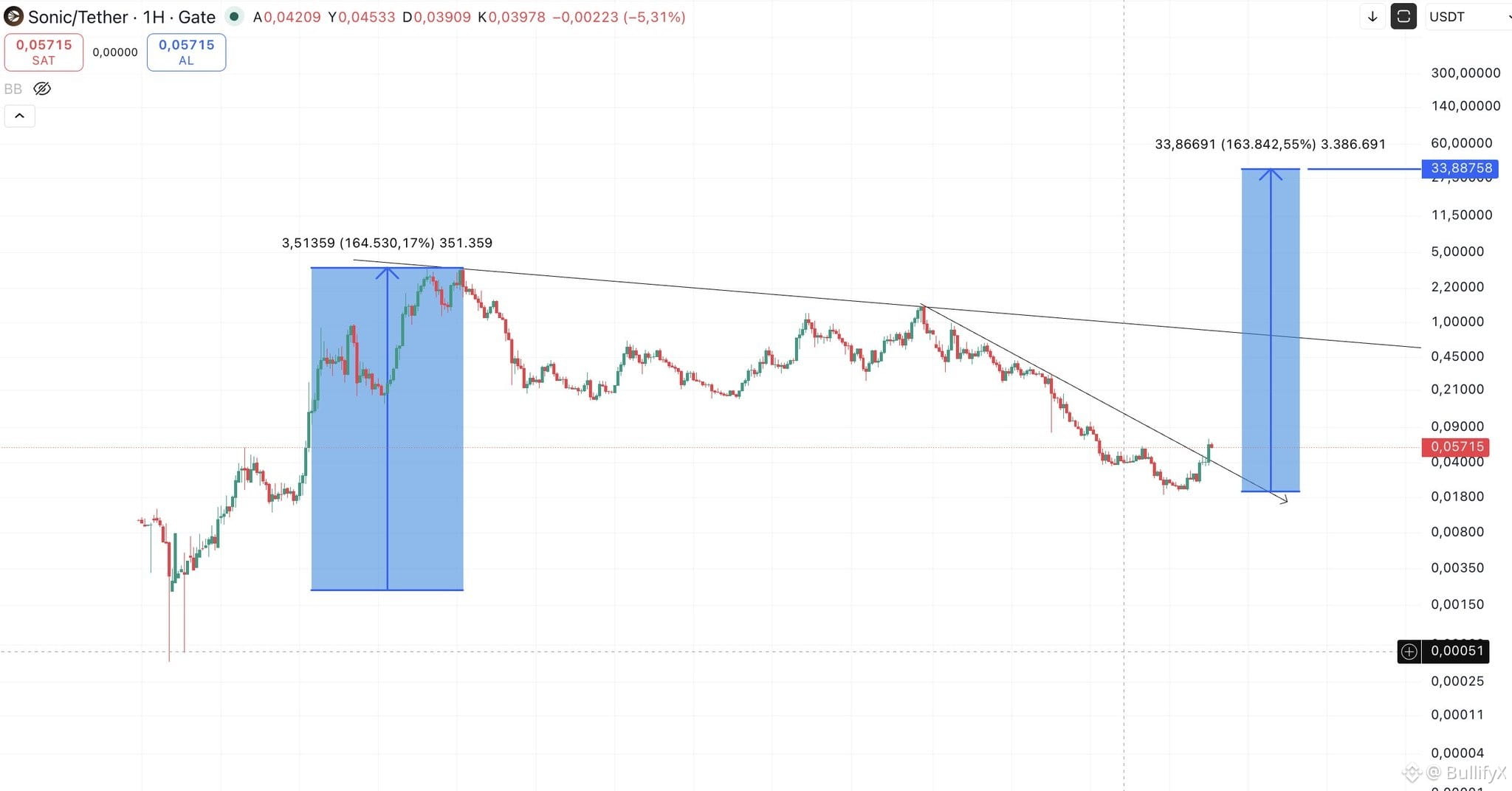
Is $S the next DeFi dark horse?
Sonic isn't just competing on speed. Its real opportunity is attracting developers, liquidity, and users who actually stay.
Strong adoption could make $S a serious L1 contender.
But competition is brutal, and hype alone won't sustain growth.
Are you bullish or bearish on $S?
#Sonic #S #crypto #Write2Earn!
Is $S the next DeFi dark horse?
Sonic isn't just competing on speed. Its real opportunity is attracting developers, liquidity, and users who actually stay.
Strong adoption could make $S a serious L1 contender.
But competition is brutal, and hype alone won't sustain growth.
Are you bullish or bearish on $S?
#Sonic #S #crypto #Write2Earn!
Sonic isn't just competing on speed. Its real opportunity is attracting developers, liquidity, and users who actually stay.
Strong adoption could make $S a serious L1 contender.
But competition is brutal, and hype alone won't sustain growth.
Are you bullish or bearish on $S?
#Sonic #S #crypto #Write2Earn!
4
1.3k
·
--
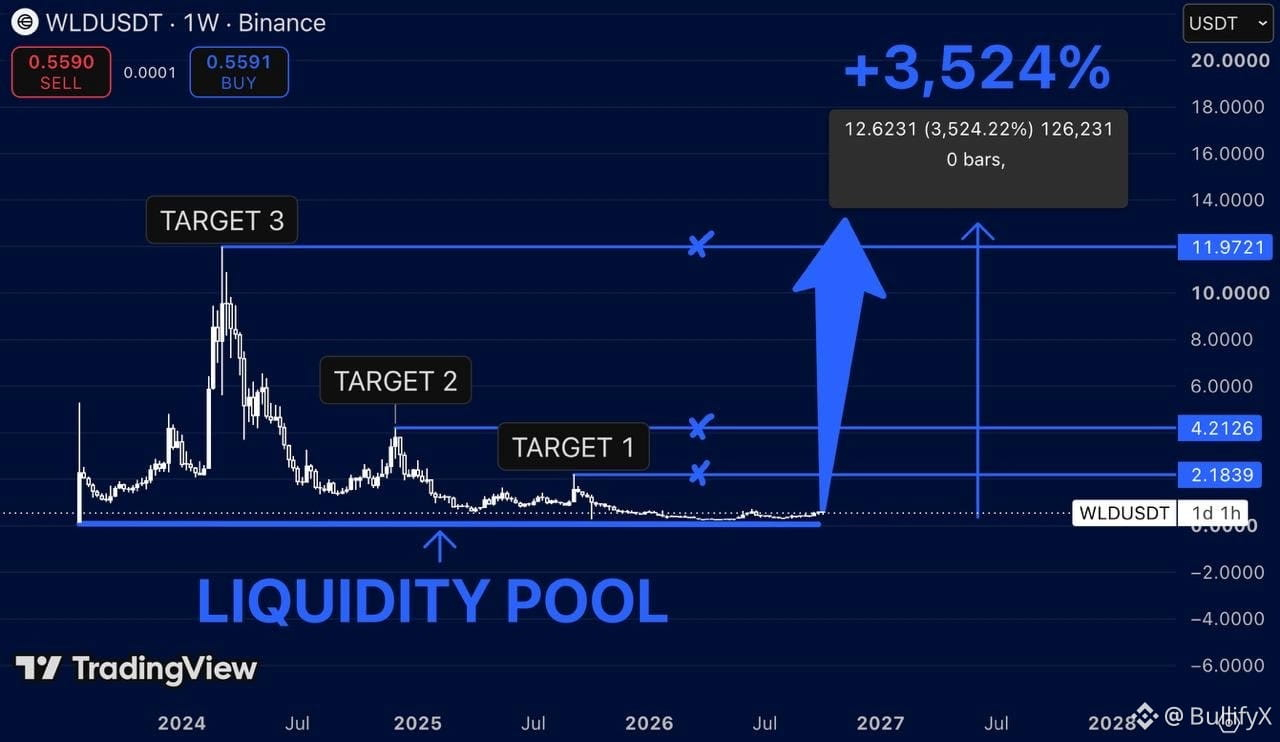
$WLD EYES $0.60?
Worldcoin is showing fresh bullish momentum!
$0.576 — Breakout watch
$0.54 — Key support
$0.60 — Next target
Hold support, and bulls may push higher. Lose it, and $0.51 could come back into play.
Bulls or bears? What’s your $WLD prediction?
#WLD #Binance #Write2Earn
$WLD EYES $0.60?
Worldcoin is showing fresh bullish momentum!
$0.576 — Breakout watch
$0.54 — Key support
$0.60 — Next target
Hold support, and bulls may push higher. Lose it, and $0.51 could come back into play.
Bulls or bears? What’s your $WLD prediction?
#WLD #Binance #Write2Earn
Worldcoin is showing fresh bullish momentum!
$0.576 — Breakout watch
$0.54 — Key support
$0.60 — Next target
Hold support, and bulls may push higher. Lose it, and $0.51 could come back into play.
Bulls or bears? What’s your $WLD prediction?
#WLD #Binance #Write2Earn
12
4.2k
·
--
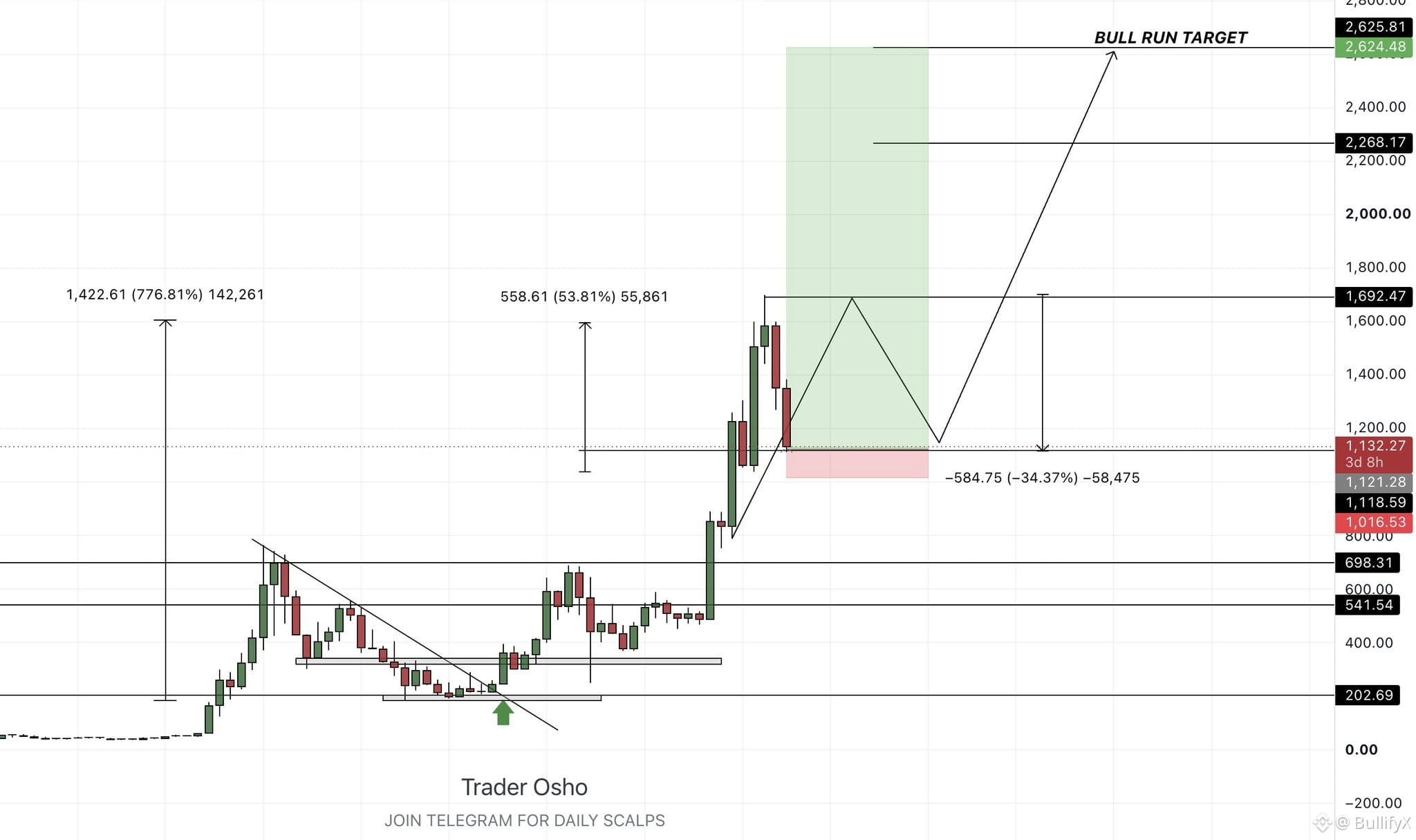
$ZEC
First called it around $200 → rode it to $1,100.
Got it again around $900 with you all → sold everything at $1,690.
Waited for $1,120 and now buying again.
Spot position, SL at $1,016 on weekly close.
Target: $2,600.
Already 9x up on my spot account.
Let’s see if $ZEC gives us another leg.
{spot}(ZECUSDT)
#ZEC #crypto #binance #Write2Earrn
$ZEC
First called it around $200 → rode it to $1,100.
Got it again around $900 with you all → sold everything at $1,690.
Waited for $1,120 and now buying again.
Spot position, SL at $1,016 on weekly close.
Target: $2,600.
Already 9x up on my spot account.
Let’s see if $ZEC gives us another leg.
#ZEC #crypto #binance #Write2Earrn
First called it around $200 → rode it to $1,100.
Got it again around $900 with you all → sold everything at $1,690.
Waited for $1,120 and now buying again.
Spot position, SL at $1,016 on weekly close.
Target: $2,600.
Already 9x up on my spot account.
Let’s see if $ZEC gives us another leg.
#ZEC #crypto #binance #Write2Earrn
6
1.6k
·
--
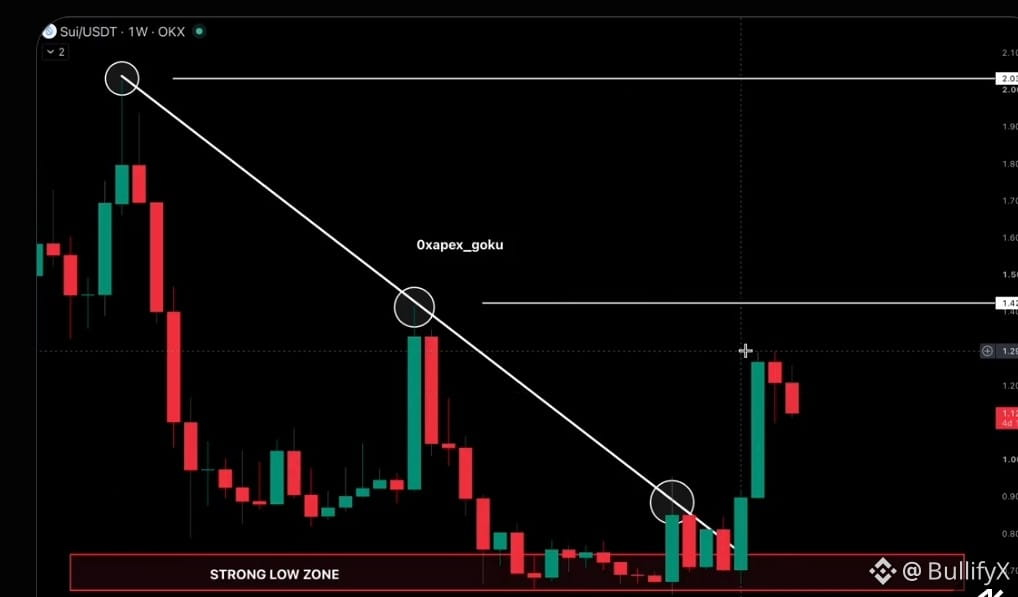
$SUI looks like the bears are losing control.
$0.70 did its job as a strong floor, and now momentum is starting to build from the lows.
$1.42 is the key level I’m watching next.
Clean breakout above it → much more room for the bulls.
#SUI #binance #crypto #Write2Earn
$SUI looks like the bears are losing control.
$0.70 did its job as a strong floor, and now momentum is starting to build from the lows.
$1.42 is the key level I’m watching next.
Clean breakout above it → much more room for the bulls.
#SUI #binance #crypto #Write2Earn
$0.70 did its job as a strong floor, and now momentum is starting to build from the lows.
$1.42 is the key level I’m watching next.
Clean breakout above it → much more room for the bulls.
#SUI #binance #crypto #Write2Earn
5
1.4k
·
--
සත්යායනය කළ
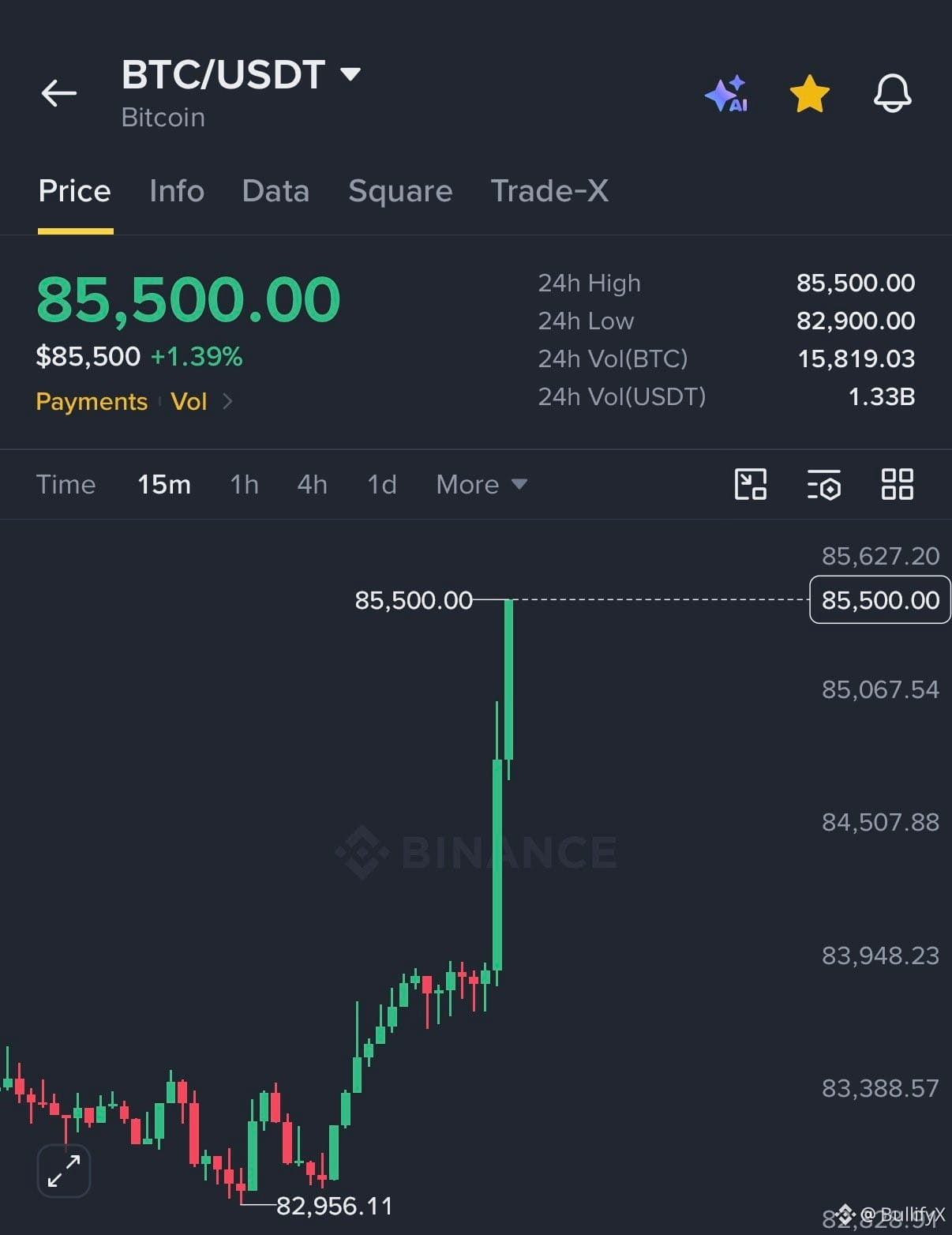
$BTC just moved nearly $1,600 in the last 30 minutes after the latest PCE data.
The reaction is clearly bullish so far.
With the monthly close only a few hours away and October starting tomorrow, this is an interesting setup to watch.
Let’s see if $BTC can hold these gains into the close.
#BTC #Crypto #binance #Write2Earn
$BTC just moved nearly $1,600 in the last 30 minutes after the latest PCE data.
The reaction is clearly bullish so far.
With the monthly close only a few hours away and October starting tomorrow, this is an interesting setup to watch.
Let’s see if $BTC can hold these gains into the close.
#BTC #Crypto #binance #Write2Earn
The reaction is clearly bullish so far.
With the monthly close only a few hours away and October starting tomorrow, this is an interesting setup to watch.
Let’s see if $BTC can hold these gains into the close.
#BTC #Crypto #binance #Write2Earn
1
10
4.5k
·
--
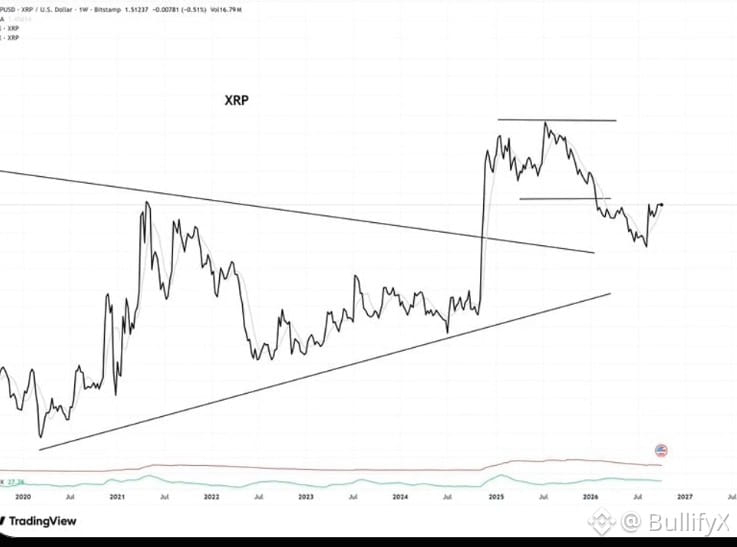
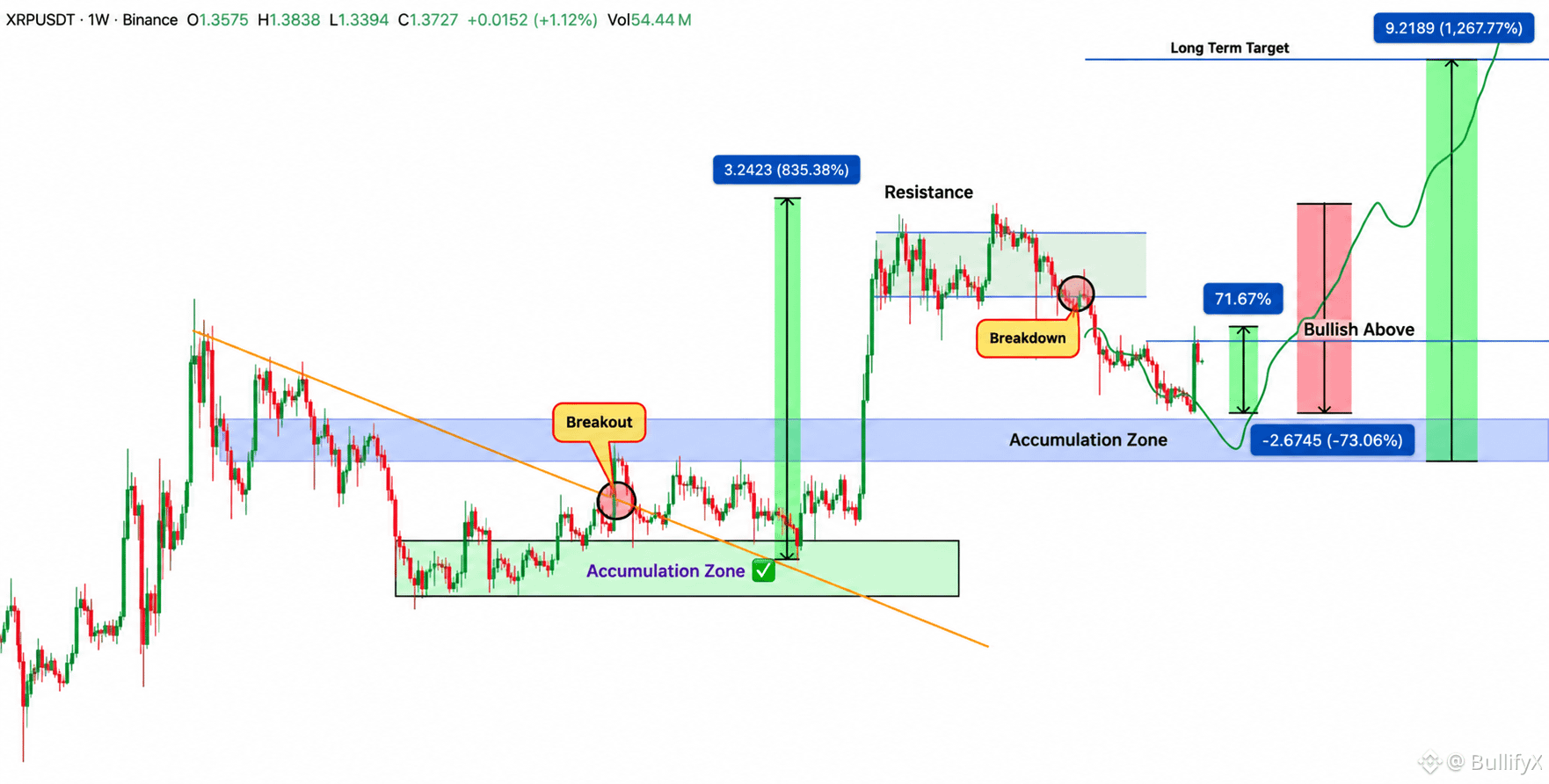
$XRP is at a decision point.
The $1.55 area already showed us there’s real supply above. Price got rejected hard, liquidity was swept, and sellers pushed the move much lower.
For me, the chart isn’t bullish yet.
I want to see $XRP reclaim the key resistance and hold it on the weekly before calling this a real trend shift.
Until then, I’m watching the downside too:
$0.90 → $0.70 is the zone I’d keep on my radar if the current high remains intact.
Long term, $10 isn’t impossible.
But traders don’t get paid for the long term story they get paid for reading the setup in front of them.
Right now, the question is simple:
Breakout and reclaim… or another lower low?
#XRP #Crypto #binance #Write2Earn
$XRP is at a decision point.
The $1.55 area already showed us there’s real supply above. Price got rejected hard, liquidity was swept, and sellers pushed the move much lower.
For me, the chart isn’t bullish yet.
I want to see $XRP reclaim the key resistance and hold it on the weekly before calling this a real trend shift.
Until then, I’m watching the downside too:
$0.90 → $0.70 is the zone I’d keep on my radar if the current high remains intact.
Long term, $10 isn’t impossible.
But traders don’t get paid for the long term story they get paid for reading the setup in front of them.
Right now, the question is simple:
Breakout and reclaim… or another lower low?
#XRP #Crypto #binance #Write2Earn
The $1.55 area already showed us there’s real supply above. Price got rejected hard, liquidity was swept, and sellers pushed the move much lower.
For me, the chart isn’t bullish yet.
I want to see $XRP reclaim the key resistance and hold it on the weekly before calling this a real trend shift.
Until then, I’m watching the downside too:
$0.90 → $0.70 is the zone I’d keep on my radar if the current high remains intact.
Long term, $10 isn’t impossible.
But traders don’t get paid for the long term story they get paid for reading the setup in front of them.
Right now, the question is simple:
Breakout and reclaim… or another lower low?
#XRP #Crypto #binance #Write2Earn
1
8
2.2k
·
--
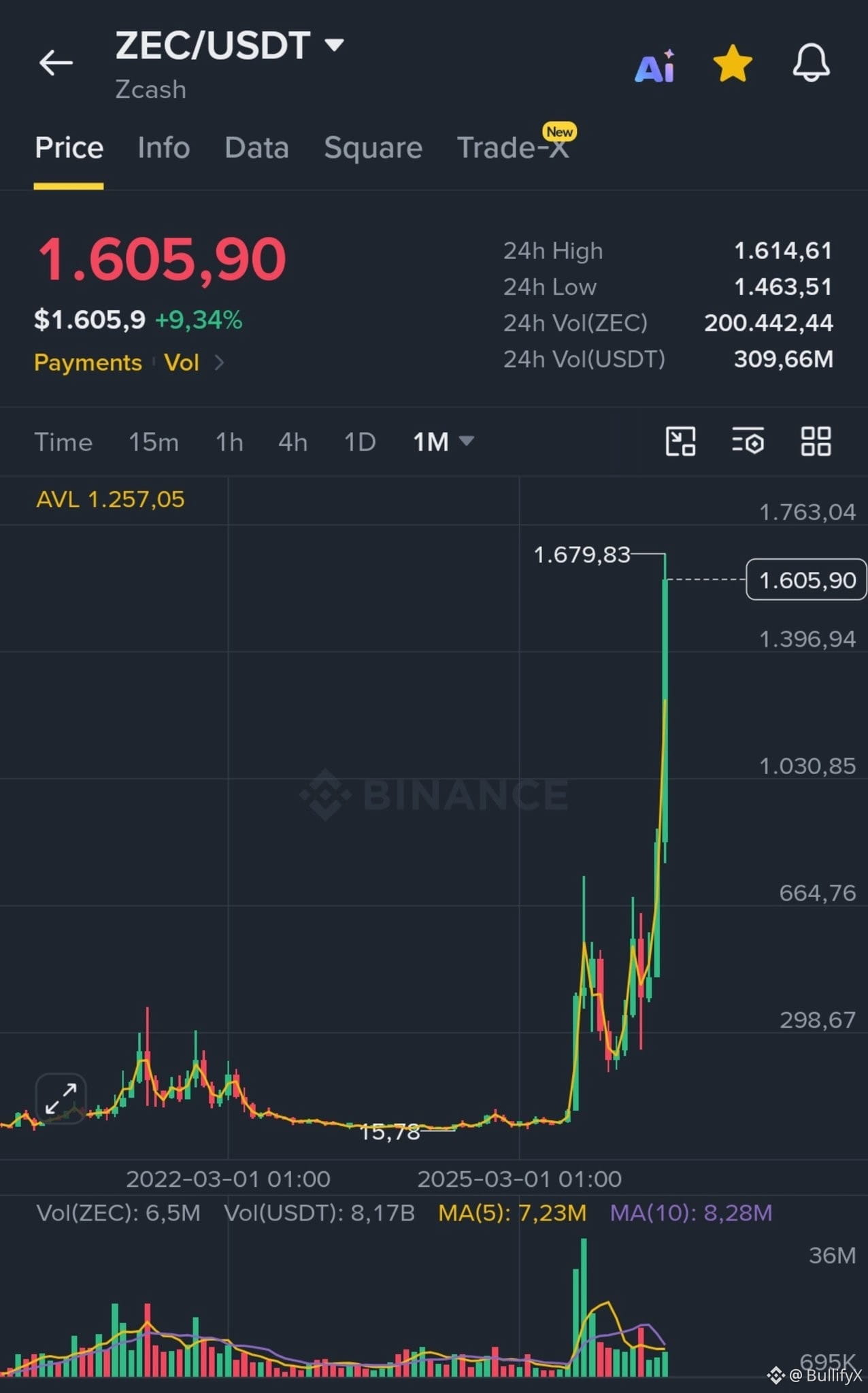
$ZEC JUST GOT WRECKED
One short setup.
One clean rejection.
$50 DOWN in just ONE HOUR.
From $1,595 → $1,545.
The $1,592–$1,610 zone did exactly what we were watching for. 👀
$ZEC #crypto #binance #Write2Earrn
$ZEC JUST GOT WRECKED
One short setup.
One clean rejection.
$50 DOWN in just ONE HOUR.
From $1,595 → $1,545.
The $1,592–$1,610 zone did exactly what we were watching for. 👀
$ZEC #crypto #binance #Write2Earrn
One short setup.
One clean rejection.
$50 DOWN in just ONE HOUR.
From $1,595 → $1,545.
The $1,592–$1,610 zone did exactly what we were watching for. 👀
$ZEC #crypto #binance #Write2Earrn
2
8
1.6k
·
--
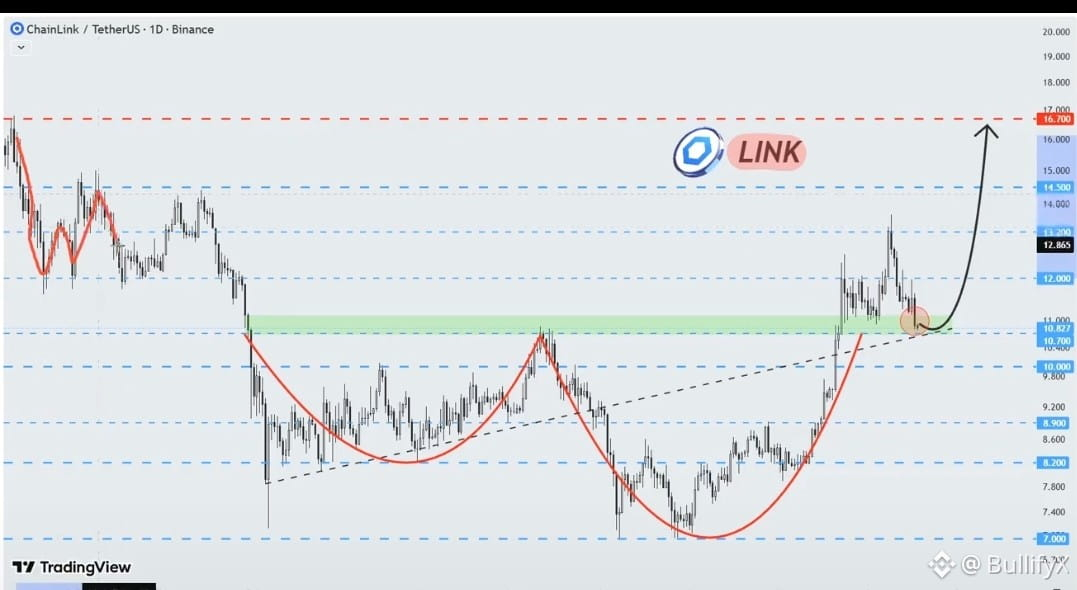
$LINK is starting to wake up. 👀
Trading around $13.79, up 4.34% today, with price pushing into the $13.80 area.
The 2 week setup is still developing, and the confirmed buy signal is still a few days away.
No green trending dot yet but momentum is clearly picking up.
Still early. Still watching.
#LINK #crypto #binance #Write2Earrn
$LINK is starting to wake up. 👀
Trading around $13.79, up 4.34% today, with price pushing into the $13.80 area.
The 2 week setup is still developing, and the confirmed buy signal is still a few days away.
No green trending dot yet but momentum is clearly picking up.
Still early. Still watching.
#LINK #crypto #binance #Write2Earrn
Trading around $13.79, up 4.34% today, with price pushing into the $13.80 area.
The 2 week setup is still developing, and the confirmed buy signal is still a few days away.
No green trending dot yet but momentum is clearly picking up.
Still early. Still watching.
#LINK #crypto #binance #Write2Earrn
16
24
3.6k
·
--
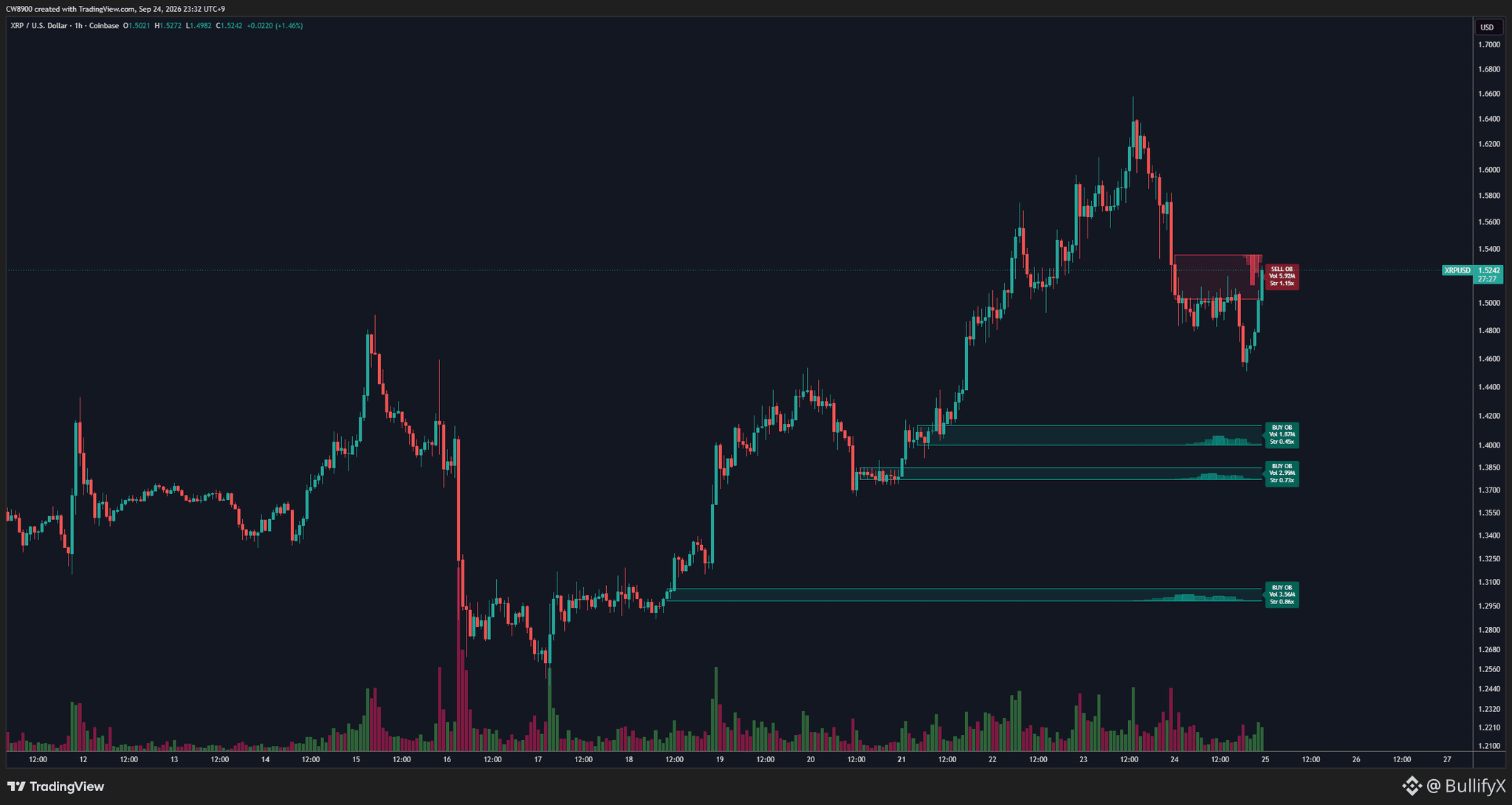
$XRP is at that point where the next move could get interesting. 👀
After the rejection from the $1.60+ area, price has cooled back toward $1.50.
I’m watching $1.40–$1.42 for support and $1.60–$1.66 for the real breakout signal.
If buyers take that resistance back with strength, the bigger targets start coming into play.
For now, I’m not chasing the move I’m watching the levels.
#XRP #Crypto #binance #Write2Earrn
$XRP is at that point where the next move could get interesting. 👀
After the rejection from the $1.60+ area, price has cooled back toward $1.50.
I’m watching $1.40–$1.42 for support and $1.60–$1.66 for the real breakout signal.
If buyers take that resistance back with strength, the bigger targets start coming into play.
For now, I’m not chasing the move I’m watching the levels.
#XRP #Crypto #binance #Write2Earrn
After the rejection from the $1.60+ area, price has cooled back toward $1.50.
I’m watching $1.40–$1.42 for support and $1.60–$1.66 for the real breakout signal.
If buyers take that resistance back with strength, the bigger targets start coming into play.
For now, I’m not chasing the move I’m watching the levels.
#XRP #Crypto #binance #Write2Earrn
16
1
45
27.1k
·
--
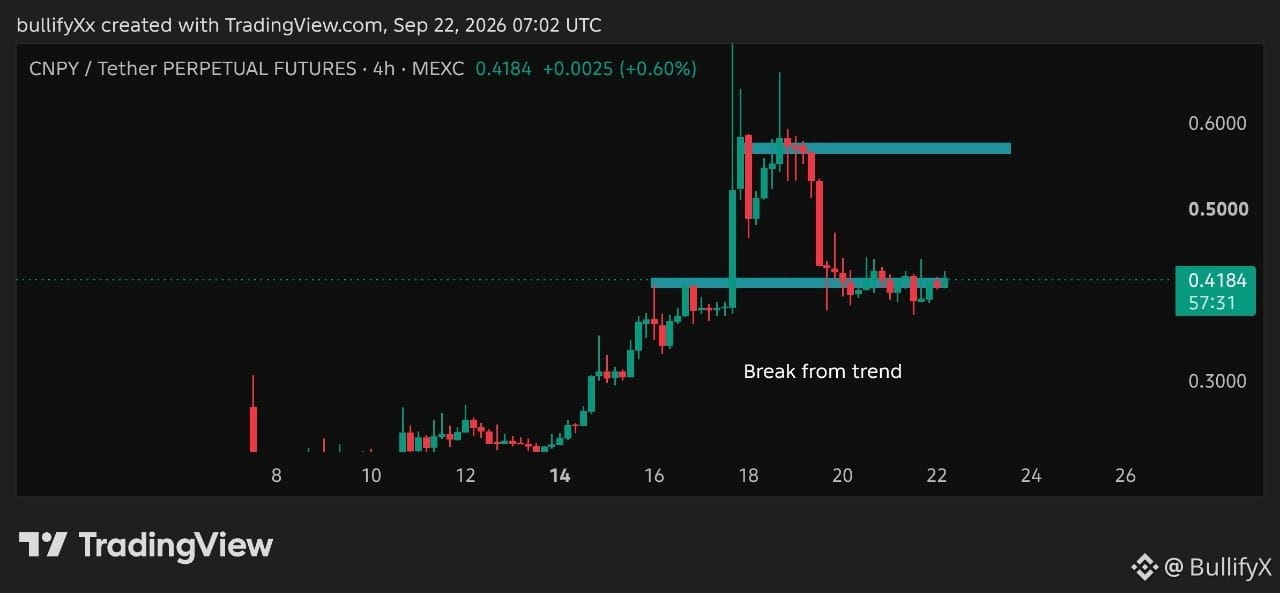
$CNPY is looking pretty interesting here.
After that strong move out of the compression, price has pulled back and is now retesting an important area.
So far, buyers are showing up and the reaction has been solid.
I also like the bigger Canopy story here appchain infrastructure, restaking, and an ecosystem focused on making blockchain development easier.
The open source AI narrative adds another interesting angle.
For me, the key is simple: if this support continues to hold, I’ll be watching for another move higher.
$CNPY #crypto
$CNPY is looking pretty interesting here.
After that strong move out of the compression, price has pulled back and is now retesting an important area.
So far, buyers are showing up and the reaction has been solid.
I also like the bigger Canopy story here appchain infrastructure, restaking, and an ecosystem focused on making blockchain development easier.
The open source AI narrative adds another interesting angle.
For me, the key is simple: if this support continues to hold, I’ll be watching for another move higher.
$CNPY #crypto
After that strong move out of the compression, price has pulled back and is now retesting an important area.
So far, buyers are showing up and the reaction has been solid.
I also like the bigger Canopy story here appchain infrastructure, restaking, and an ecosystem focused on making blockchain development easier.
The open source AI narrative adds another interesting angle.
For me, the key is simple: if this support continues to hold, I’ll be watching for another move higher.
$CNPY #crypto
22
28
4.2k
·
--
$XRP is sitting at a point where patience could matter more than prediction.
Instead of chasing the breakout, I’m watching how price reacts at each major level.
The structure I’m tracking:
• First move: ~$1 → ~$1.80
• Next leg: ~$1.80 → ~$3.20
• If momentum survives the pullbacks: ~$3.20 → $6.50+
• Full upside scenario: ~$13
The key isn't the target.
It’s whether XRP can repeatedly turn previous resistance into support.
Three successful confirmations could completely change the market structure.
Keep this one on your radar.
#XRP #crypto #binance #Write2Earn
$XRP is sitting at a point where patience could matter more than prediction.
Instead of chasing the breakout, I’m watching how price reacts at each major level.
The structure I’m tracking:
• First move: ~$1 → ~$1.80
• Next leg: ~$1.80 → ~$3.20
• If momentum survives the pullbacks: ~$3.20 → $6.50+
• Full upside scenario: ~$13
The key isn't the target.
It’s whether XRP can repeatedly turn previous resistance into support.
Three successful confirmations could completely change the market structure.
Keep this one on your radar.
#XRP #crypto #binance #Write2Earn
Instead of chasing the breakout, I’m watching how price reacts at each major level.
The structure I’m tracking:
• First move: ~$1 → ~$1.80
• Next leg: ~$1.80 → ~$3.20
• If momentum survives the pullbacks: ~$3.20 → $6.50+
• Full upside scenario: ~$13
The key isn't the target.
It’s whether XRP can repeatedly turn previous resistance into support.
Three successful confirmations could completely change the market structure.
Keep this one on your radar.
#XRP #crypto #binance #Write2Earn
12
33
10.9k
·
--
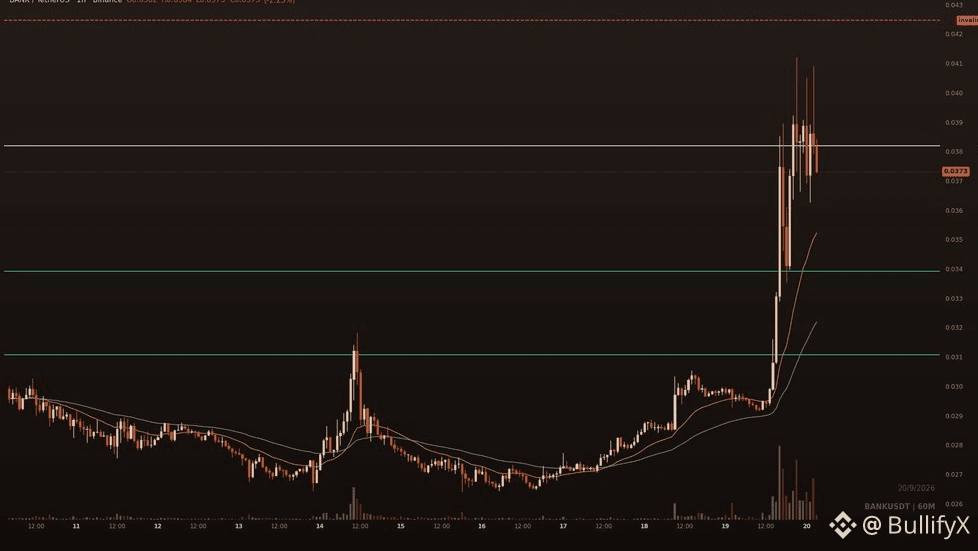
$BANK +26% with 2.27x volume, but the buyers who pushed this move higher aren’t adding anymore.
If momentum flips, that late crowd could become the supply.
0.03392 = trim most of the position.
0.03107 = reassess whether the remainder still makes sense.
If $BANK clears 0.04246, I’m out completely.
#BANK #crypto #binance #Write2Earn!
$BANK +26% with 2.27x volume, but the buyers who pushed this move higher aren’t adding anymore.
If momentum flips, that late crowd could become the supply.
0.03392 = trim most of the position.
0.03107 = reassess whether the remainder still makes sense.
If $BANK clears 0.04246, I’m out completely.
#BANK #crypto #binance #Write2Earn!
If momentum flips, that late crowd could become the supply.
0.03392 = trim most of the position.
0.03107 = reassess whether the remainder still makes sense.
If $BANK clears 0.04246, I’m out completely.
#BANK #crypto #binance #Write2Earn!
13
21
2.6k
·
--
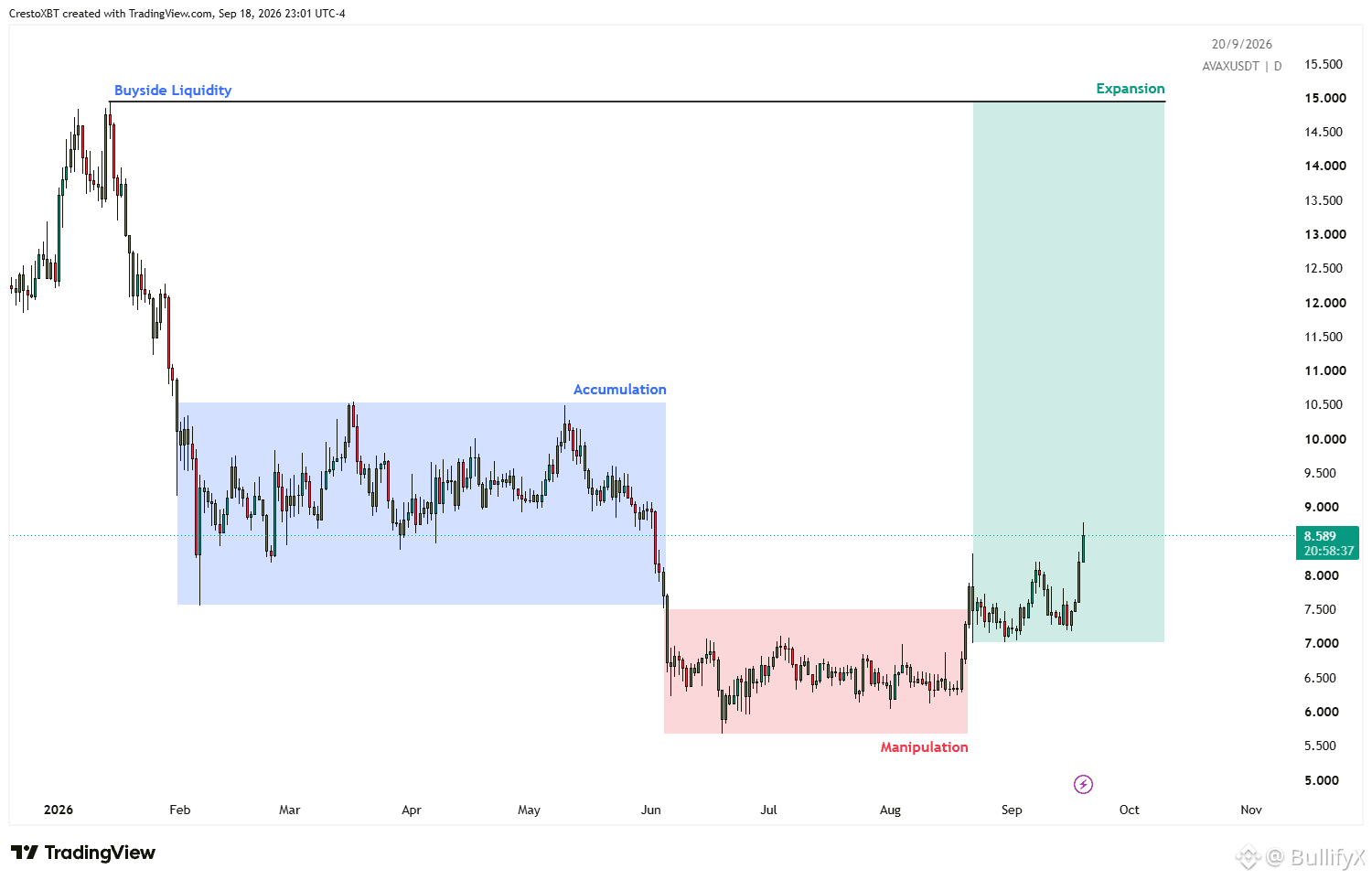
$AVAX is starting to show some serious momentum.
The move from the recent lows has been impressive, but the key now is whether buyers can keep control after this push higher.
I’m keeping a close eye on the $8.7–$8.8 area as the first zone that needs to stay intact.
If momentum continues, the next major hurdle sits around $10.50.
A rejection there could bring some cooling-off action first, which wouldn’t necessarily change the broader setup.
For now, I’d rather watch the key levels than chase candles.
#AVAX #Crypto #Binance #Write2Earn
$AVAX is starting to show some serious momentum.
The move from the recent lows has been impressive, but the key now is whether buyers can keep control after this push higher.
I’m keeping a close eye on the $8.7–$8.8 area as the first zone that needs to stay intact.
If momentum continues, the next major hurdle sits around $10.50.
A rejection there could bring some cooling-off action first, which wouldn’t necessarily change the broader setup.
For now, I’d rather watch the key levels than chase candles.
#AVAX #Crypto #Binance #Write2Earn
The move from the recent lows has been impressive, but the key now is whether buyers can keep control after this push higher.
I’m keeping a close eye on the $8.7–$8.8 area as the first zone that needs to stay intact.
If momentum continues, the next major hurdle sits around $10.50.
A rejection there could bring some cooling-off action first, which wouldn’t necessarily change the broader setup.
For now, I’d rather watch the key levels than chase candles.
#AVAX #Crypto #Binance #Write2Earn
15
44
24.9k
·
--
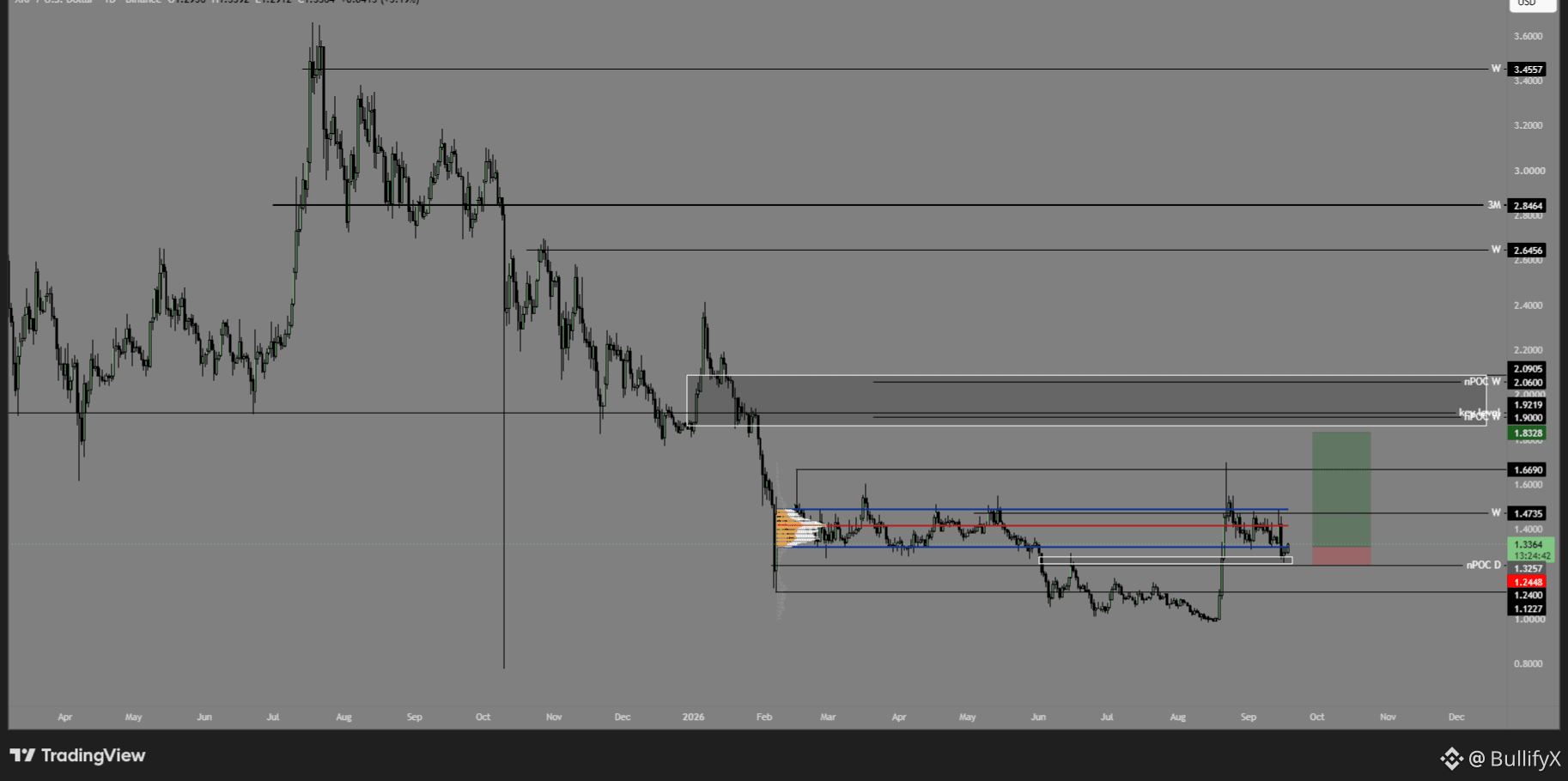
Most major alts $SOL , $BNB and $ETH are pushing back toward their late August local highs.
$XRP is still lagging, but it just reclaimed the range VAL.
That reclaim changes the structure for me.
If the market continues to push higher, I’m looking for a long on $XRP.
Watching the range reclaim + continuation.
#crypto #binance #XRP #Write2Earn
Most major alts $SOL , $BNB and $ETH are pushing back toward their late August local highs.
$XRP is still lagging, but it just reclaimed the range VAL.
That reclaim changes the structure for me.
If the market continues to push higher, I’m looking for a long on $XRP.
Watching the range reclaim + continuation.
#crypto #binance #XRP #Write2Earn
$XRP is still lagging, but it just reclaimed the range VAL.
That reclaim changes the structure for me.
If the market continues to push higher, I’m looking for a long on $XRP.
Watching the range reclaim + continuation.
#crypto #binance #XRP #Write2Earn
7
20
2.8k
තවත් අන්තර්ගතයන් ගවේෂණය කිරීමට ඇතුල් වන්න
Binance චතුරශ්රය හි ගෝලීය ක්රිප්ටෝ පරිශීලකයින් හා එක්වන්න
⚡️ ක්රිප්ටෝ පිළිබඳ නවතම සහ ප්රයෝජනවත් තොරතුරු ලබා ගන්න.
💬 ලොව විශාලතම ක්රිප්ටෝ හුවමාරුව මගින් විශ්වාස කෙරේ.
👍 සත්යායනය කරන ලද නිර්මාණකරුවන්ගෙන් සැබෑ විදසුන් සොයා ගන්න.
විද්යුත් තැපෑල / දුරකථන අංකය
නැගී එන මාතෘකා
BinancePick
3.3M නැරඹීම්
161,158 සාකච්ඡා කරමින්
Join #EarningsSeason: Predict Earnings on Binance Pick, Share Your Take on Binance Square!
Binance Square Official
·417 කැමත්ත දැක්වීම්
·344.5k නැරඹීම්
EarningsSeason
5.4M නැරඹීම්
26,530 සාකච්ඡා කරමින්
StrategySkipsBitcoinPurchasesSpends$205MOnSTRCBuybacks
34 නැරඹීම්
6 සාකච්ඡා කරමින්