
bull_club
2.4k පෝස්ටු

bull_club
වාර්තා කරන්න
පරිශීලක අවහිර කරන්න
Daily crypto articles & market breakdowns
On-chain charts • Weekly recap • Risk-first
විවෘත වෙළෙඳාම
ඉඳහිට වෙළෙන්දා
{වේලාව} වසර
141 හඹා යමින්
26.4K+ හඹා යන්නන්
15.3K+ කැමති විය
පෝස්ටු
ආයෝජන කළඹ
සියල්ල
උපුටා දැක්වීම්
වීඩියෝ
සජීවි
අමුණා ඇත
·
--
උසබ තත්ත්වය
සත්යායනය කළ
සියලු දෙනාටම අහන්න,
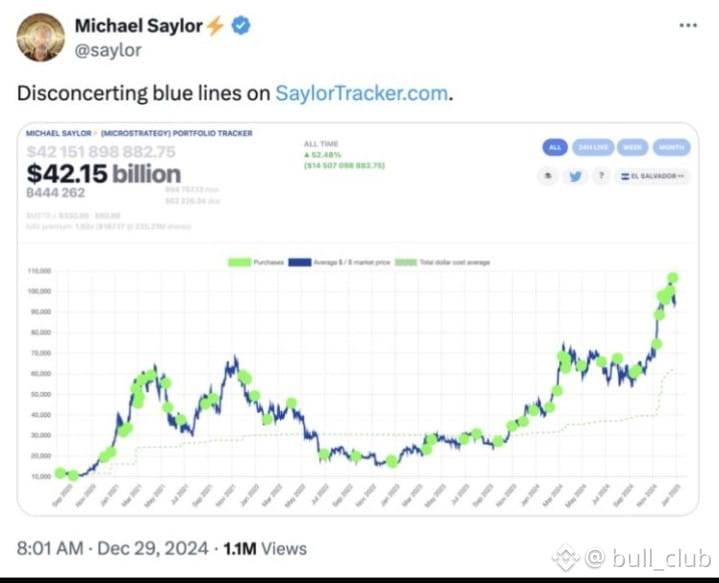
මයිකල් සේලර් පසුගිය අවුරුදු 5 තුළ බිට්කොයින් මිලදී ගැනීමටදළ වශයෙන් ඩොලර් බිලියන 50ක් පමණ වියදම් කරලා, දැන් ඔහු අඩුවී යටත්වෙලා (underwater) ඉන්නවා.
උද්ධමනයට අනුව සකස් කළ විට, ඔහු ඩොලර් බිලියන 10කට පමණ අලාභයකින් සිටිනවා.
වැඩිම ගැටලුව තමයි—මෙම BTC මිලදී ගැනීම්වල විශාල කොටසක් ණය අරගෙන කරපු එක සහ ඒ ණය ආපසු ගෙවන්න තිබීම.
මෙතැනින් තමයි දේවල් ඉතා ඉක්මනින්, ඉතා අවුල් සහගත වෙන්න පුළුවන්.
මම මීට මාසයකටත් වඩා කලින් මේ ගැන වැඩි විස්තර කතා කරලා, අවදානම් ගැන අනතුරු දුන්නා. මේ වගේ අය කේන්ද්රගත වීම (centralization) උත්පාදනය කරනවා—එය බිට්කොයින්ගේ මුල් අරමුණට එරෙහිව යන දෙයක්.
ලීවරය (leverage) සහ සාන්ද්රණය (concentration) වැඩිවෙන තරමට, පද්ධතිය වඩාත් අස්ථිර (fragile) වෙනවා.
ඉදිරි මාස කිහිපය තුළ ඔබට අලුත්ම තොරතුරු දැනුම් දෙන්නම්.
මම නැවතත් බිට්කොයින් මිලදී ගන්න පටන්ගත් විට, ඒක මෙහිම පොදුවේ කියන්නම්.
මේ අනතුරු නොසලකා හැරීමට බොහෝ දෙනාට පසුතැවෙන්න සිදුවේවි.
$BTC
{future}(BTCUSDT)
$XRP
{future}(SOLUSDT)
{future}(XRPUSDT)
$SOL
#StrategyBTCPurchase #AISocialNetworkMoltbook #USCryptoMarketStructureBill #BinanceBitcoinSAFUFund #WhenWillBTCRebound
සියලු දෙනාටම අහන්න,
මයිකල් සේලර් පසුගිය අවුරුදු 5 තුළ බිට්කොයින් මිලදී ගැනීමටදළ වශයෙන් ඩොලර් බිලියන 50ක් පමණ වියදම් කරලා, දැන් ඔහු අඩුවී යටත්වෙලා (underwater) ඉන්නවා.
උද්ධමනයට අනුව සකස් කළ විට, ඔහු ඩොලර් බිලියන 10කට පමණ අලාභයකින් සිටිනවා.
වැඩිම ගැටලුව තමයි—මෙම BTC මිලදී ගැනීම්වල විශාල කොටසක් ණය අරගෙන කරපු එක සහ ඒ ණය ආපසු ගෙවන්න තිබීම.
මෙතැනින් තමයි දේවල් ඉතා ඉක්මනින්, ඉතා අවුල් සහගත වෙන්න පුළුවන්.
මම මීට මාසයකටත් වඩා කලින් මේ ගැන වැඩි විස්තර කතා කරලා, අවදානම් ගැන අනතුරු දුන්නා. මේ වගේ අය කේන්ද්රගත වීම (centralization) උත්පාදනය කරනවා—එය බිට්කොයින්ගේ මුල් අරමුණට එරෙහිව යන දෙයක්.
ලීවරය (leverage) සහ සාන්ද්රණය (concentration) වැඩිවෙන තරමට, පද්ධතිය වඩාත් අස්ථිර (fragile) වෙනවා.
ඉදිරි මාස කිහිපය තුළ ඔබට අලුත්ම තොරතුරු දැනුම් දෙන්නම්.
මම නැවතත් බිට්කොයින් මිලදී ගන්න පටන්ගත් විට, ඒක මෙහිම පොදුවේ කියන්නම්.
මේ අනතුරු නොසලකා හැරීමට බොහෝ දෙනාට පසුතැවෙන්න සිදුවේවි.
$BTC
$XRP
$SOL
#StrategyBTCPurchase #AISocialNetworkMoltbook #USCryptoMarketStructureBill #BinanceBitcoinSAFUFund #WhenWillBTCRebound
මයිකල් සේලර් පසුගිය අවුරුදු 5 තුළ බිට්කොයින් මිලදී ගැනීමටදළ වශයෙන් ඩොලර් බිලියන 50ක් පමණ වියදම් කරලා, දැන් ඔහු අඩුවී යටත්වෙලා (underwater) ඉන්නවා.
උද්ධමනයට අනුව සකස් කළ විට, ඔහු ඩොලර් බිලියන 10කට පමණ අලාභයකින් සිටිනවා.
වැඩිම ගැටලුව තමයි—මෙම BTC මිලදී ගැනීම්වල විශාල කොටසක් ණය අරගෙන කරපු එක සහ ඒ ණය ආපසු ගෙවන්න තිබීම.
මෙතැනින් තමයි දේවල් ඉතා ඉක්මනින්, ඉතා අවුල් සහගත වෙන්න පුළුවන්.
මම මීට මාසයකටත් වඩා කලින් මේ ගැන වැඩි විස්තර කතා කරලා, අවදානම් ගැන අනතුරු දුන්නා. මේ වගේ අය කේන්ද්රගත වීම (centralization) උත්පාදනය කරනවා—එය බිට්කොයින්ගේ මුල් අරමුණට එරෙහිව යන දෙයක්.
ලීවරය (leverage) සහ සාන්ද්රණය (concentration) වැඩිවෙන තරමට, පද්ධතිය වඩාත් අස්ථිර (fragile) වෙනවා.
ඉදිරි මාස කිහිපය තුළ ඔබට අලුත්ම තොරතුරු දැනුම් දෙන්නම්.
මම නැවතත් බිට්කොයින් මිලදී ගන්න පටන්ගත් විට, ඒක මෙහිම පොදුවේ කියන්නම්.
මේ අනතුරු නොසලකා හැරීමට බොහෝ දෙනාට පසුතැවෙන්න සිදුවේවි.
$BTC
$XRP
$SOL
#StrategyBTCPurchase #AISocialNetworkMoltbook #USCryptoMarketStructureBill #BinanceBitcoinSAFUFund #WhenWillBTCRebound
95
48
177
414.3k
·
--
ඔබට නරක දවසක් වගේ දැනෙන්නේ නම්, මෙය මතක තබාගන්න… 😂
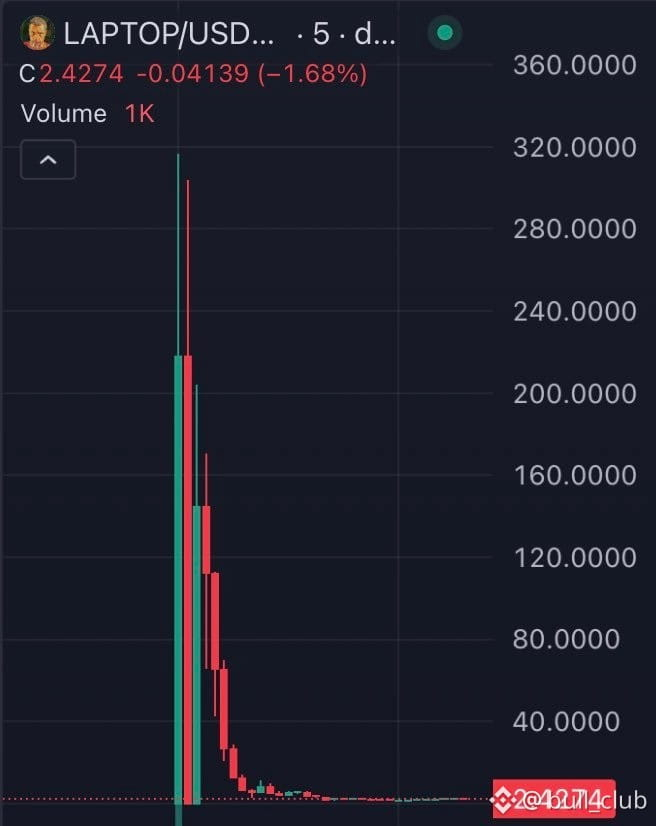
> කවුරුහරි ඩොලර් $255කට $LAPTOP වලින් ඩොලර් $198,000 වටිනාකමක් මිලදී ගත්තා.
දැන් ඒක දළ වශයෙන් $2,100ක් වටිනවා. 💀📉
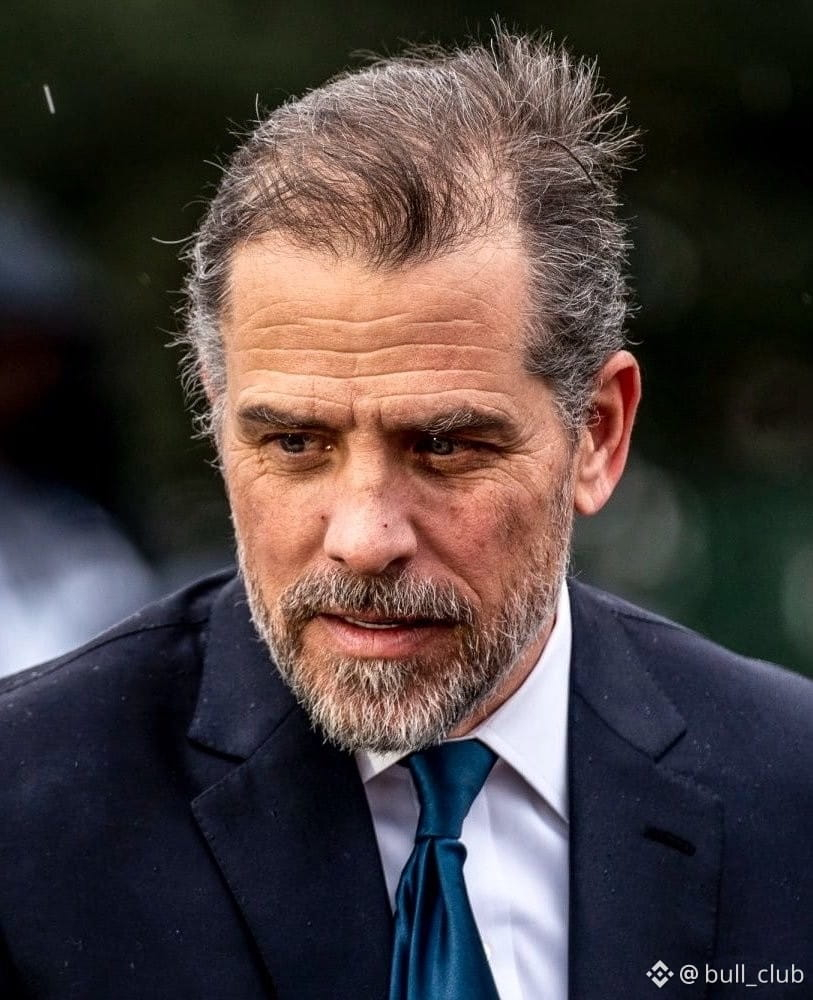
Hunter Bidenගේ $LAPTOP meme coin එක දියත් කළ පැය 2කටත් අඩු කාලයකින්ම 99%ක් කඩා වැටුණා.
> හැඟීම් එක්ක ආයෝජනය කරන්න එපා.
මම හොඳ meme එකක් හඳුනාගන්න radar system එකක් හදමින් ඉන්නේ—මම scan කරන විට හැමෝම scam කරනවා දැක්කම notification එක ආව, ඒ නිසා මම trading කරන්නේ නැහැ. ඉතින් යාළුවනේ, meme coins trade කරන්න එපා.
$TRUMP $MELANIA
ඔබට නරක දවසක් වගේ දැනෙන්නේ නම්, මෙය මතක තබාගන්න… 😂
> කවුරුහරි ඩොලර් $255කට $LAPTOP වලින් ඩොලර් $198,000 වටිනාකමක් මිලදී ගත්තා.
දැන් ඒක දළ වශයෙන් $2,100ක් වටිනවා. 💀📉
Hunter Bidenගේ $LAPTOP meme coin එක දියත් කළ පැය 2කටත් අඩු කාලයකින්ම 99%ක් කඩා වැටුණා.
> හැඟීම් එක්ක ආයෝජනය කරන්න එපා.
මම හොඳ meme එකක් හඳුනාගන්න radar system එකක් හදමින් ඉන්නේ—මම scan කරන විට හැමෝම scam කරනවා දැක්කම notification එක ආව, ඒ නිසා මම trading කරන්නේ නැහැ. ඉතින් යාළුවනේ, meme coins trade කරන්න එපා.
$TRUMP $MELANIA
> කවුරුහරි ඩොලර් $255කට $LAPTOP වලින් ඩොලර් $198,000 වටිනාකමක් මිලදී ගත්තා.
දැන් ඒක දළ වශයෙන් $2,100ක් වටිනවා. 💀📉
Hunter Bidenගේ $LAPTOP meme coin එක දියත් කළ පැය 2කටත් අඩු කාලයකින්ම 99%ක් කඩා වැටුණා.
> හැඟීම් එක්ක ආයෝජනය කරන්න එපා.
මම හොඳ meme එකක් හඳුනාගන්න radar system එකක් හදමින් ඉන්නේ—මම scan කරන විට හැමෝම scam කරනවා දැක්කම notification එක ආව, ඒ නිසා මම trading කරන්නේ නැහැ. ඉතින් යාළුවනේ, meme coins trade කරන්න එපා.
$TRUMP $MELANIA
6
1
4
7.6k
·
--
උසබ තත්ත්වය
BNB පරිසර පද්ධතිය මේ මොහොතේ
$BNB $ASTER $CAKE
BNB පරිසර පද්ධතිය මේ මොහොතේ
$BNB $ASTER $CAKE
$BNB $ASTER $CAKE
1
6
5.7k
·
--
උසබ තත්ත්වය
අර්ධ වශයෙන් සත්යයි
හේයි, යාලුවනේ!
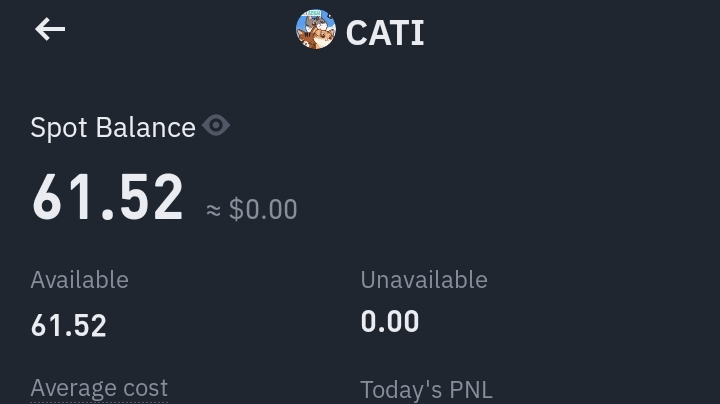
$CATI යනු Binance හි ඉහළම සෙවුමයි
> ඇයි එය ඉහළම සෙවුම වෙන්නේ?
--- නිල කණ්ඩායම $CATI හිමියන් සඳහා හවුල් ක්රීඩා තුළ නව උපයෝගීතාවයක් හඳුන්වා දමමින් සිටී.
Cati ගැන ඔබේ අදහස කුමක්ද?
{future}(CATIUSDT)
හේයි, යාලුවනේ!
$CATI යනු Binance හි ඉහළම සෙවුමයි
> ඇයි එය ඉහළම සෙවුම වෙන්නේ?
--- නිල කණ්ඩායම $CATI හිමියන් සඳහා හවුල් ක්රීඩා තුළ නව උපයෝගීතාවයක් හඳුන්වා දමමින් සිටී.
Cati ගැන ඔබේ අදහස කුමක්ද?
$CATI යනු Binance හි ඉහළම සෙවුමයි
> ඇයි එය ඉහළම සෙවුම වෙන්නේ?
--- නිල කණ්ඩායම $CATI හිමියන් සඳහා හවුල් ක්රීඩා තුළ නව උපයෝගීතාවයක් හඳුන්වා දමමින් සිටී.
Cati ගැන ඔබේ අදහස කුමක්ද?
bull_club
·
--
$Cati මම සතුටින්! ඔබ ද ?
🔔 Catizen හි
සමස්ත යාවත්කාලීනය මොහොතේ! 🔔
➡️ඔවුන්ගේ Airdrop ගැන ඔබ සතුටින්ද නැත්තම් අසතුටින්ද කියා වැදගත් නැහැ. නමුත් ඔබෙන් සහ මෙන් අපට අහස තරම් ඉහළ ලාභ අපේක්ෂා කරන්න බැහැ.
➡️Catizen සම්බන්ධයෙන් පමණක් නොව, සැබවින්ම සියලුම ව්යාපෘති සඳහා සම්මත ලාභය මෙයයි.
CATI ශ්රේණිගත කිරීම: 275
වෙළඳපොළ වටිනාකම: $201,668,027
FDV: $1,000,000,000
ලබාගත හැකි සැපයුම: 206,000,000
උපරිම සැපයුම: 1,000,000,000
මිල USD: $0.9932
➡️Binance හි ඇති ඕනෑම ව්යාපෘතියක් ඇත්තටම මෙම වෙළඳපොළ වටිනාකමෙන්ම වෙළඳාම ආරම්භ කරයි. දැන් ව්යාපෘතිය කොතරම් ශක්තිමත්ද කියා ඉදිරි දින කිහිපයෙන් පෙනේවි.
සමස්ත යාවත්කාලීනය මොහොතේ! 🔔
➡️ඔවුන්ගේ Airdrop ගැන ඔබ සතුටින්ද නැත්තම් අසතුටින්ද කියා වැදගත් නැහැ. නමුත් ඔබෙන් සහ මෙන් අපට අහස තරම් ඉහළ ලාභ අපේක්ෂා කරන්න බැහැ.
➡️Catizen සම්බන්ධයෙන් පමණක් නොව, සැබවින්ම සියලුම ව්යාපෘති සඳහා සම්මත ලාභය මෙයයි.
CATI ශ්රේණිගත කිරීම: 275
වෙළඳපොළ වටිනාකම: $201,668,027
FDV: $1,000,000,000
ලබාගත හැකි සැපයුම: 206,000,000
උපරිම සැපයුම: 1,000,000,000
මිල USD: $0.9932
➡️Binance හි ඇති ඕනෑම ව්යාපෘතියක් ඇත්තටම මෙම වෙළඳපොළ වටිනාකමෙන්ම වෙළඳාම ආරම්භ කරයි. දැන් ව්යාපෘතිය කොතරම් ශක්තිමත්ද කියා ඉදිරි දින කිහිපයෙන් පෙනේවි.
4
2
1.8k
·
--
ආයෙයු, අවධානය!
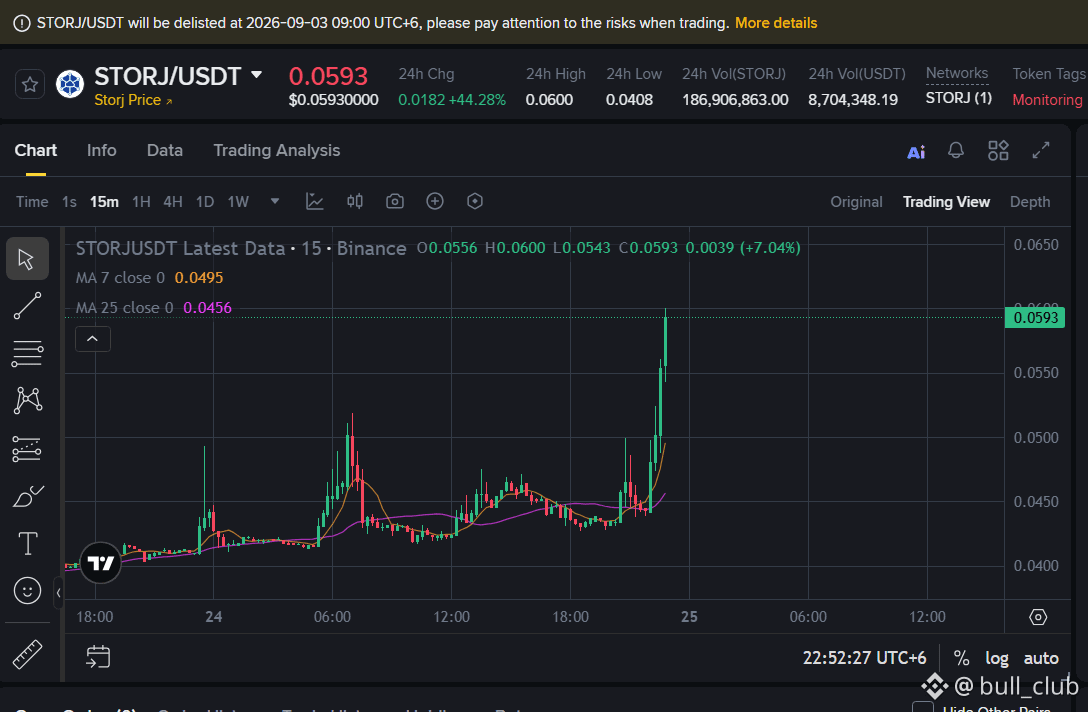
$STORJ දිගු තත්ව (Long position) අරින්න එපා, මොකද ඒක නිරීක්ෂණයේ තියෙනවා
මෙම ටෝකනය කෙටි (short) කරන්න උත්සාහ කරන්න හෝ ඒ ටෝකනයට කලින් ඉන්න
මෙය 09-03-26 දින දලීස්ට් (delisted) කරනු ඇත
ආයෙයු, අවධානය!
$STORJ දිගු තත්ව (Long position) අරින්න එපා, මොකද ඒක නිරීක්ෂණයේ තියෙනවා
මෙම ටෝකනය කෙටි (short) කරන්න උත්සාහ කරන්න හෝ ඒ ටෝකනයට කලින් ඉන්න
මෙය 09-03-26 දින දලීස්ට් (delisted) කරනු ඇත
$STORJ දිගු තත්ව (Long position) අරින්න එපා, මොකද ඒක නිරීක්ෂණයේ තියෙනවා
මෙම ටෝකනය කෙටි (short) කරන්න උත්සාහ කරන්න හෝ ඒ ටෝකනයට කලින් ඉන්න
මෙය 09-03-26 දින දලීස්ට් (delisted) කරනු ඇත
8
8
7.1k
·
--
උසබ තත්ත්වය
நண்பர்களே, ஜிம் நான் இங்கே ஆக்டிவாக இல்லையாம்!
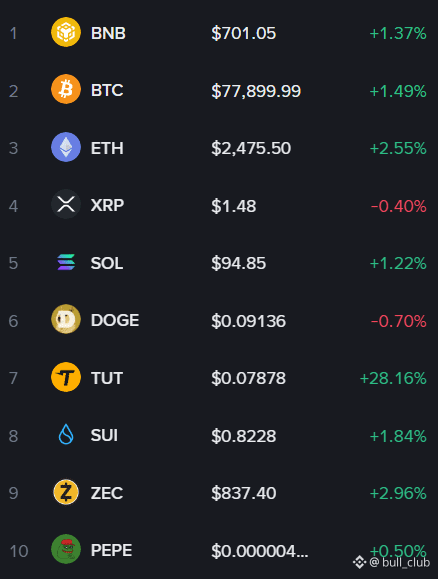
நான் சந்தையின் உணர்வை ஆழமாகப் புரிந்துகொண்டு பார்த்து வருகிறேன்; நான் காணும் வாராந்திர ரெல்லி சந்தை மிகவும் வேகமாக பம்ப் ஆகிறது. உங்களின் கருத்து என்ன?
இந்த ஆய்வுக்கான என் பார்வை இதோ
பயம் → கடுமையான BTC மீட்பு → ஷார்ட்கள் லிக்விடேட் ஆனது → BTC டாமினன்ஸ்/பெரிய கேப்கள் முன்னிலை → உண்மையான ஸ்பாட் டிமாண்ட் தொடர்கிறதா என்பதை சந்தை காத்திருக்கிறது.
நண்பர்களே, அடுத்த 24–48 மணி நேரம் இதைப் பார்ப்பதற்காக நேரம் செலவிடுங்கள்:
BTC $80K பிரேக்அவுட் BTC ETF ப்ளோஸ் ETH/BTC வலிமை BTC டாமினன்ஸ் ஃபண்டிங் ரேட்ஸ் / லீவரேஜ்.
அடுத்த 7 நாட்களுக்கு புல்லிஷ் பையஸ், அதிக வெலாடிலிட்டி.
சுமார் 23% BTC வாராந்திர நகர்வுக்குப் பிறகு, 5–10% புல்பேக் ஆச்சரியப்படத்தக்கது இல்லை; அது புல்லிஷ் அமைப்பை தானாகவே நிராகரிக்காது.
$BTC
$BNB
$ETH
{future}(ETHUSDT)
{future}(BNBUSDT)
நண்பர்களே, ஜிம் நான் இங்கே ஆக்டிவாக இல்லையாம்!
நான் சந்தையின் உணர்வை ஆழமாகப் புரிந்துகொண்டு பார்த்து வருகிறேன்; நான் காணும் வாராந்திர ரெல்லி சந்தை மிகவும் வேகமாக பம்ப் ஆகிறது. உங்களின் கருத்து என்ன?
இந்த ஆய்வுக்கான என் பார்வை இதோ
பயம் → கடுமையான BTC மீட்பு → ஷார்ட்கள் லிக்விடேட் ஆனது → BTC டாமினன்ஸ்/பெரிய கேப்கள் முன்னிலை → உண்மையான ஸ்பாட் டிமாண்ட் தொடர்கிறதா என்பதை சந்தை காத்திருக்கிறது.
நண்பர்களே, அடுத்த 24–48 மணி நேரம் இதைப் பார்ப்பதற்காக நேரம் செலவிடுங்கள்:
BTC $80K பிரேக்அவுட் BTC ETF ப்ளோஸ் ETH/BTC வலிமை BTC டாமினன்ஸ் ஃபண்டிங் ரேட்ஸ் / லீவரேஜ்.
அடுத்த 7 நாட்களுக்கு புல்லிஷ் பையஸ், அதிக வெலாடிலிட்டி.
சுமார் 23% BTC வாராந்திர நகர்வுக்குப் பிறகு, 5–10% புல்பேக் ஆச்சரியப்படத்தக்கது இல்லை; அது புல்லிஷ் அமைப்பை தானாகவே நிராகரிக்காது.
$BTC
$BNB
$ETH
நான் சந்தையின் உணர்வை ஆழமாகப் புரிந்துகொண்டு பார்த்து வருகிறேன்; நான் காணும் வாராந்திர ரெல்லி சந்தை மிகவும் வேகமாக பம்ப் ஆகிறது. உங்களின் கருத்து என்ன?
இந்த ஆய்வுக்கான என் பார்வை இதோ
பயம் → கடுமையான BTC மீட்பு → ஷார்ட்கள் லிக்விடேட் ஆனது → BTC டாமினன்ஸ்/பெரிய கேப்கள் முன்னிலை → உண்மையான ஸ்பாட் டிமாண்ட் தொடர்கிறதா என்பதை சந்தை காத்திருக்கிறது.
நண்பர்களே, அடுத்த 24–48 மணி நேரம் இதைப் பார்ப்பதற்காக நேரம் செலவிடுங்கள்:
BTC $80K பிரேக்அவுட் BTC ETF ப்ளோஸ் ETH/BTC வலிமை BTC டாமினன்ஸ் ஃபண்டிங் ரேட்ஸ் / லீவரேஜ்.
அடுத்த 7 நாட்களுக்கு புல்லிஷ் பையஸ், அதிக வெலாடிலிட்டி.
சுமார் 23% BTC வாராந்திர நகர்வுக்குப் பிறகு, 5–10% புல்பேக் ஆச்சரியப்படத்தக்கது இல்லை; அது புல்லிஷ் அமைப்பை தானாகவே நிராகரிக்காது.
$BTC
$BNB
$ETH
2
3
2.5k
·
--
උසබ තත්ත්වය
සෑම කෙනෙකුටම සුභ උදෑසනක් ☀️
ඔබ අද මොනවාද ට්රේඩ් කරන්නේ?
සෑම කෙනෙකුටම සුභ උදෑසනක් ☀️
ඔබ අද මොනවාද ට්රේඩ් කරන්නේ?
ඔබ අද මොනවාද ට්රේඩ් කරන්නේ?

7
2
6k
·
--
උසබ තත්ත්වය
gm guys
after a long day I AM not bullish on Ethereum $ETH
you want to know why ?
> විශාල $ETH whale එකක් බෑග් එක කපමින් තියෙන වගේ පේනවා. මේ පුද්ගලයා තවත් පැය 6කට පමණ පෙර FalconX වෙත 7,981 ETH ($14.99M) දාලා තියෙන්නේ.
ජූලි මාසයේ සිට මේ වොලට් එකෙන් මුළු 10,735.8 ETHක්, අන්දాజුවට $20.04Mක් වටිනා, FalconX වෙත යවලා තියෙනවා.
බලන්න මේ තමයි Web3 සහ හැම දෙයක්ම chain එකේ සිද්ධ වෙනවා, ඒක transparent
gm guys
after a long day I AM not bullish on Ethereum $ETH
you want to know why ?
> විශාල $ETH whale එකක් බෑග් එක කපමින් තියෙන වගේ පේනවා. මේ පුද්ගලයා තවත් පැය 6කට පමණ පෙර FalconX වෙත 7,981 ETH ($14.99M) දාලා තියෙන්නේ.
ජූලි මාසයේ සිට මේ වොලට් එකෙන් මුළු 10,735.8 ETHක්, අන්දాజුවට $20.04Mක් වටිනා, FalconX වෙත යවලා තියෙනවා.
බලන්න මේ තමයි Web3 සහ හැම දෙයක්ම chain එකේ සිද්ධ වෙනවා, ඒක transparent
after a long day I AM not bullish on Ethereum $ETH
you want to know why ?
> විශාල $ETH whale එකක් බෑග් එක කපමින් තියෙන වගේ පේනවා. මේ පුද්ගලයා තවත් පැය 6කට පමණ පෙර FalconX වෙත 7,981 ETH ($14.99M) දාලා තියෙන්නේ.
ජූලි මාසයේ සිට මේ වොලට් එකෙන් මුළු 10,735.8 ETHක්, අන්දాజුවට $20.04Mක් වටිනා, FalconX වෙත යවලා තියෙනවා.
බලන්න මේ තමයි Web3 සහ හැම දෙයක්ම chain එකේ සිද්ධ වෙනවා, ඒක transparent
17
1
35
58.4k
·
--
උසබ තත්ත්වය
සත්යායනය කළ
හේයි , නවත්වන්න 🛑
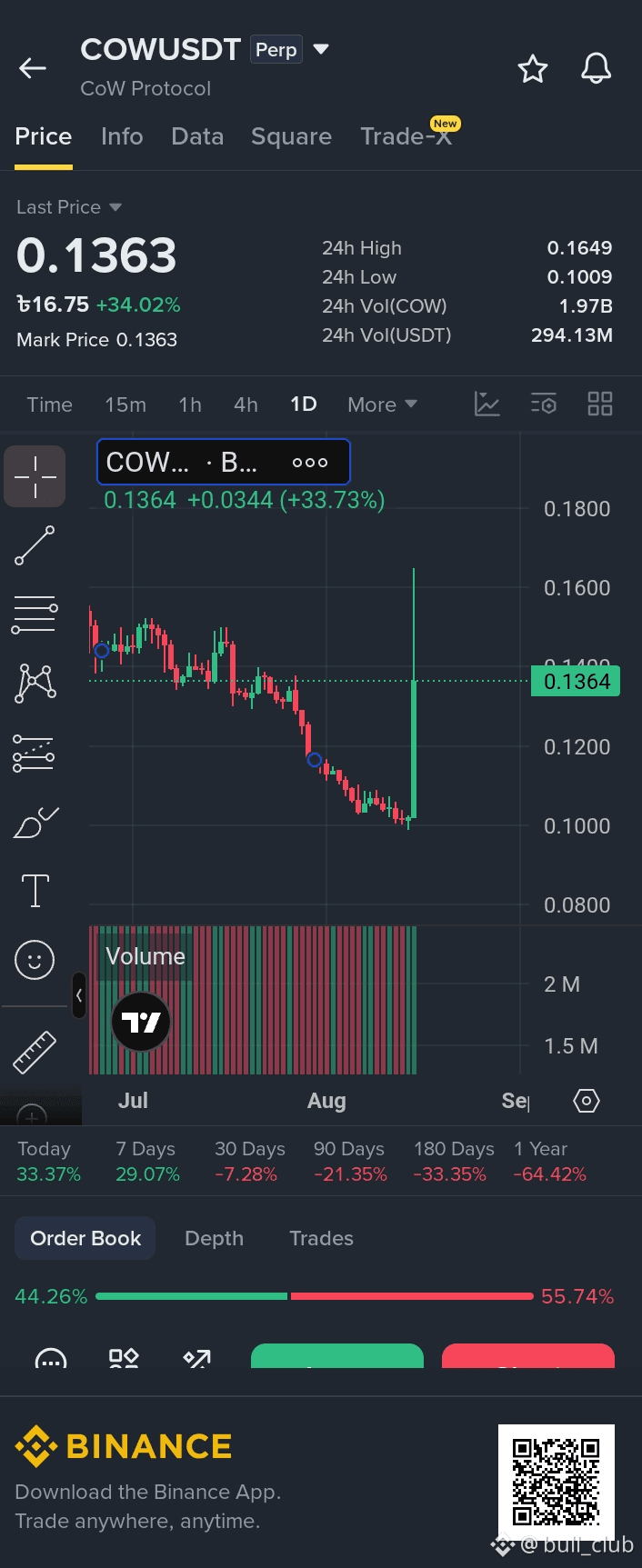
$COW ඇයි පිම්පි යන්නේ කියලා අපි ඉගෙන ගනිමු
ඇත්තටම ,,
> හොඳ ප්රොටෝකෝල අංක: Q2 පරිමාව ~$9.9B, ගාස්තු $5.8M, ආදායම $3.9M, මසකට 56K පරිශීලකයන්, MetaMask Swaps ඒකාබද්ධ කිරීම සහ ක්රියාත්මක වන COW buyback වැඩසටහන්
ඔයා බුලිෂ් ද බෙයරිෂ් ද?
හේයි , නවත්වන්න 🛑
$COW ඇයි පිම්පි යන්නේ කියලා අපි ඉගෙන ගනිමු
ඇත්තටම ,,
> හොඳ ප්රොටෝකෝල අංක: Q2 පරිමාව ~$9.9B, ගාස්තු $5.8M, ආදායම $3.9M, මසකට 56K පරිශීලකයන්, MetaMask Swaps ඒකාබද්ධ කිරීම සහ ක්රියාත්මක වන COW buyback වැඩසටහන්
ඔයා බුලිෂ් ද බෙයරිෂ් ද?
$COW ඇයි පිම්පි යන්නේ කියලා අපි ඉගෙන ගනිමු
ඇත්තටම ,,
> හොඳ ප්රොටෝකෝල අංක: Q2 පරිමාව ~$9.9B, ගාස්තු $5.8M, ආදායම $3.9M, මසකට 56K පරිශීලකයන්, MetaMask Swaps ඒකාබද්ධ කිරීම සහ ක්රියාත්මක වන COW buyback වැඩසටහන්
ඔයා බුලිෂ් ද බෙයරිෂ් ද?
3
4
3.3k
·
--
උසබ තත්ත්වය
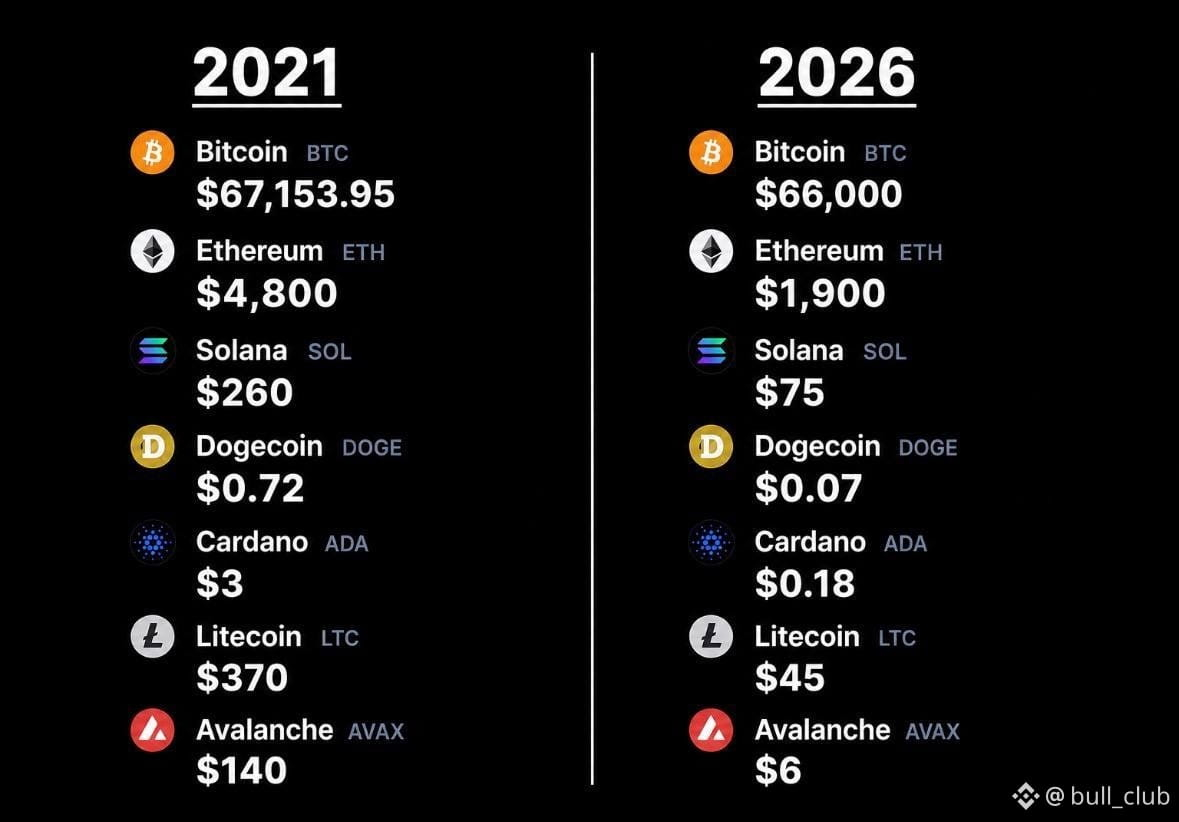
මේ කියන වගේ මේ වසර 6 කාලය !!
බොහෝ අය තම අනාගතය වෙනුවෙන් ක්රිප්ටෝවට විශාල මුදලක් ආයෝජනය කළා ..
නමුත් තවමත් කාටවත්වත් මුදල් ගන්න බැහැ
මොකද දැනටමත් 'whale' 2014 ඉඳන් මෙතන ඉන්නවා, ඒ කාලේ BTC මිල 20K ට අඩුයි. දැන් ඔවුන්ට ලොකු $ ලැබිලා. ඔවුන් කරන්නේ මුද්රණය වගේ ....
මම යෝජනා කරනවා මුදල් ආයෝජනය කරන්න එපා. කෙටි කාලීන trade කරන්න, 1x සහ 2x profit ගන්න
ඉන්පස්සේ market එකෙන් ඉවත්වෙන්න ..
$BTC $BNB $ETH
මේ කියන වගේ මේ වසර 6 කාලය !!
බොහෝ අය තම අනාගතය වෙනුවෙන් ක්රිප්ටෝවට විශාල මුදලක් ආයෝජනය කළා ..
නමුත් තවමත් කාටවත්වත් මුදල් ගන්න බැහැ
මොකද දැනටමත් 'whale' 2014 ඉඳන් මෙතන ඉන්නවා, ඒ කාලේ BTC මිල 20K ට අඩුයි. දැන් ඔවුන්ට ලොකු $ ලැබිලා. ඔවුන් කරන්නේ මුද්රණය වගේ ....
මම යෝජනා කරනවා මුදල් ආයෝජනය කරන්න එපා. කෙටි කාලීන trade කරන්න, 1x සහ 2x profit ගන්න
ඉන්පස්සේ market එකෙන් ඉවත්වෙන්න ..
$BTC $BNB $ETH
බොහෝ අය තම අනාගතය වෙනුවෙන් ක්රිප්ටෝවට විශාල මුදලක් ආයෝජනය කළා ..
නමුත් තවමත් කාටවත්වත් මුදල් ගන්න බැහැ
මොකද දැනටමත් 'whale' 2014 ඉඳන් මෙතන ඉන්නවා, ඒ කාලේ BTC මිල 20K ට අඩුයි. දැන් ඔවුන්ට ලොකු $ ලැබිලා. ඔවුන් කරන්නේ මුද්රණය වගේ ....
මම යෝජනා කරනවා මුදල් ආයෝජනය කරන්න එපා. කෙටි කාලීන trade කරන්න, 1x සහ 2x profit ගන්න
ඉන්පස්සේ market එකෙන් ඉවත්වෙන්න ..
$BTC $BNB $ETH
50
3
125
177.2k
·
--
උසබ තත්ත්වය
හෙයි, Gm !
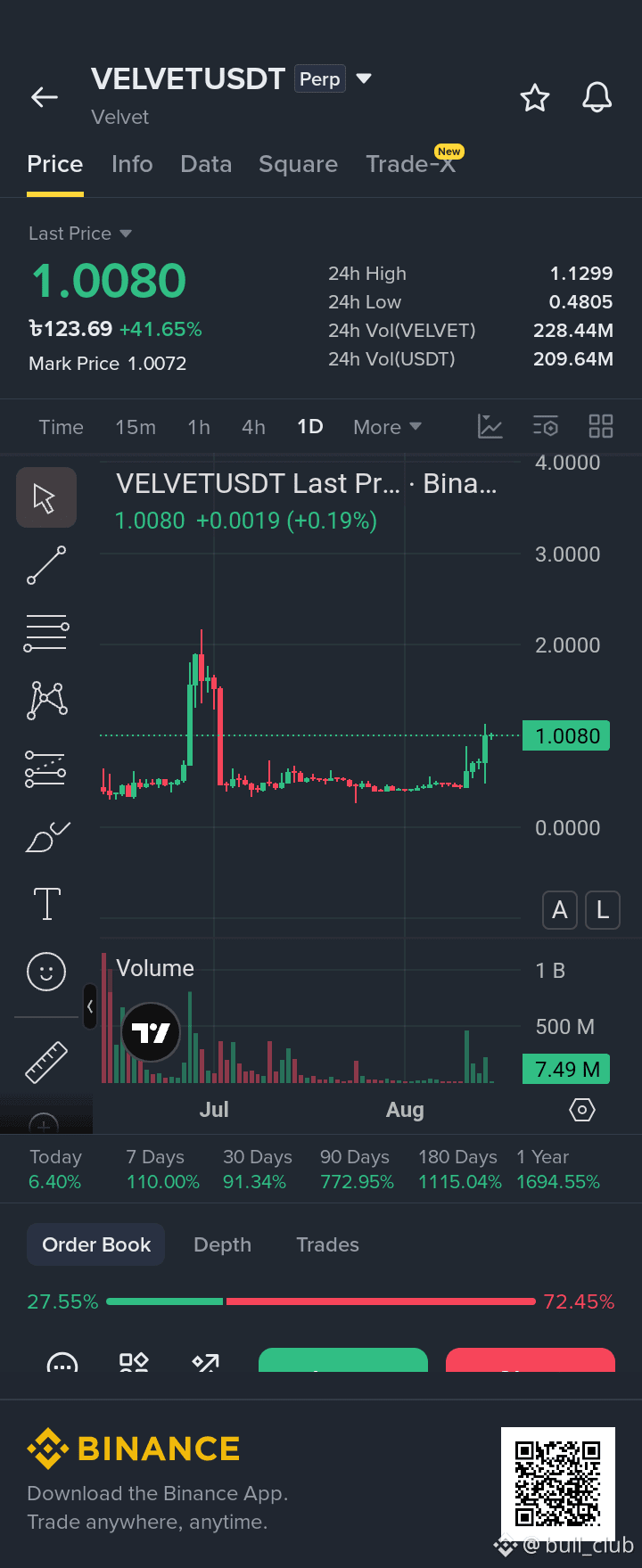
$VELVET ඉතා වේගයෙන් බූම් වගේ ගැසෙමින් පවතිනවා
ඒකටම තමන්ගේ හැකියාවක් තියෙන නිසා තමයි pumping .....
අපි $VELVET ගැන ඉගෙන ගමු 👌
Velvet යනු DeFAI Operating System එකක්; එය onchain research, trading සහ portfolio management පහසු කරමින් streamline කරනවා.
ඊට පස්සේ ඔබ මොනවද හිතන්නේ? ඔබ trade එකට ඇතුල් වෙන්නද ?
හෙයි, Gm !
$VELVET ඉතා වේගයෙන් බූම් වගේ ගැසෙමින් පවතිනවා
ඒකටම තමන්ගේ හැකියාවක් තියෙන නිසා තමයි pumping .....
අපි $VELVET ගැන ඉගෙන ගමු 👌
Velvet යනු DeFAI Operating System එකක්; එය onchain research, trading සහ portfolio management පහසු කරමින් streamline කරනවා.
ඊට පස්සේ ඔබ මොනවද හිතන්නේ? ඔබ trade එකට ඇතුල් වෙන්නද ?
$VELVET ඉතා වේගයෙන් බූම් වගේ ගැසෙමින් පවතිනවා
ඒකටම තමන්ගේ හැකියාවක් තියෙන නිසා තමයි pumping .....
අපි $VELVET ගැන ඉගෙන ගමු 👌
Velvet යනු DeFAI Operating System එකක්; එය onchain research, trading සහ portfolio management පහසු කරමින් streamline කරනවා.
ඊට පස්සේ ඔබ මොනවද හිතන්නේ? ඔබ trade එකට ඇතුල් වෙන්නද ?
1
3.4k
·
--
උසබ තත්ත්වය
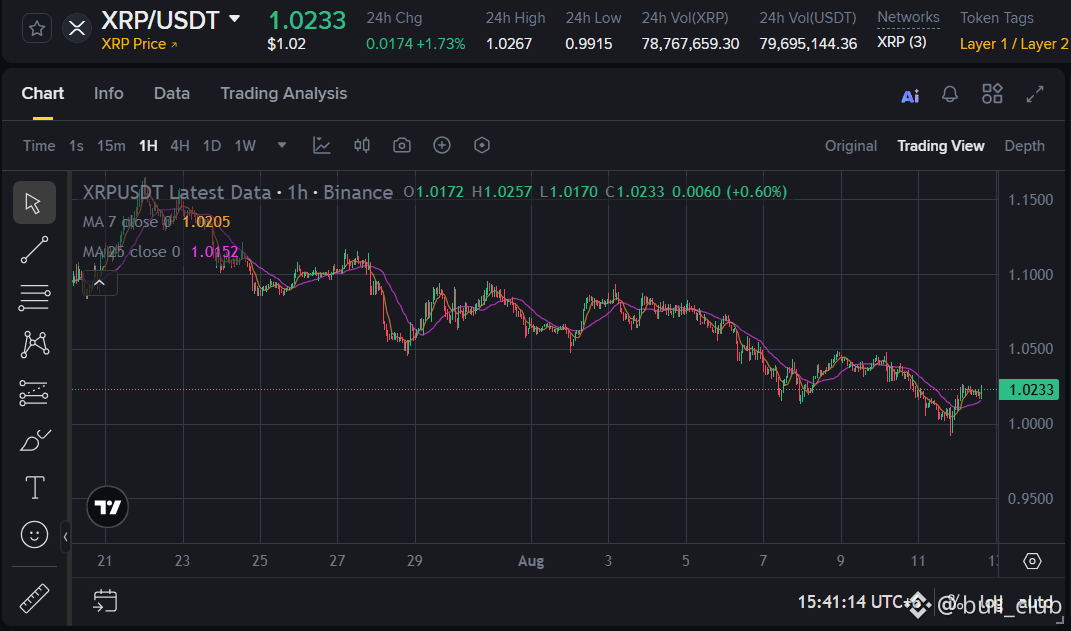
ඊයේ, හැකර්වරයෙකු තවත් Blockchain ජාලයක ව්යාජ $XRP ටෝකන නිර්මාණය කළා. ඉන්පසු එම හැකර්වරයා රක්ෂිතයේ ඇති සැබෑ XRP සමඟ ඒවා හුවමාරු කළා.
ඒ නිසා $XRP ඊයේ ආසන්න වශයෙන් ඩොලර් $0.10 කින් පහත වැටුණු අතර, හැකර්වරයාට සැබෑ ඩොලර් $200,000 ට සමාන ව්යාජ ටෝකන වෙනස් කිරීමට හැකි වුණා.
දැනට, එම පාලම
වසා දමා ඇති අතර, මෙම පාලමේ ක්රියාකරු එක්සත් ජනපදයේ FBI වෙත පැමිණිල්ලක් ගොනු කර තිබෙනවා.
හැකර්වරයෙකු නොවීමෙන් මම මගේ ජීවිතයේ ලොකු වැරැද්දක් කරලා.
ඊයේ, හැකර්වරයෙකු තවත් Blockchain ජාලයක ව්යාජ $XRP ටෝකන නිර්මාණය කළා. ඉන්පසු එම හැකර්වරයා රක්ෂිතයේ ඇති සැබෑ XRP සමඟ ඒවා හුවමාරු කළා.
ඒ නිසා $XRP ඊයේ ආසන්න වශයෙන් ඩොලර් $0.10 කින් පහත වැටුණු අතර, හැකර්වරයාට සැබෑ ඩොලර් $200,000 ට සමාන ව්යාජ ටෝකන වෙනස් කිරීමට හැකි වුණා.
දැනට, එම පාලම
වසා දමා ඇති අතර, මෙම පාලමේ ක්රියාකරු එක්සත් ජනපදයේ FBI වෙත පැමිණිල්ලක් ගොනු කර තිබෙනවා.
හැකර්වරයෙකු නොවීමෙන් මම මගේ ජීවිතයේ ලොකු වැරැද්දක් කරලා.
ඒ නිසා $XRP ඊයේ ආසන්න වශයෙන් ඩොලර් $0.10 කින් පහත වැටුණු අතර, හැකර්වරයාට සැබෑ ඩොලර් $200,000 ට සමාන ව්යාජ ටෝකන වෙනස් කිරීමට හැකි වුණා.
දැනට, එම පාලම
වසා දමා ඇති අතර, මෙම පාලමේ ක්රියාකරු එක්සත් ජනපදයේ FBI වෙත පැමිණිල්ලක් ගොනු කර තිබෙනවා.
හැකර්වරයෙකු නොවීමෙන් මම මගේ ජීවිතයේ ලොකු වැරැද්දක් කරලා.
15
1
21
57.4k
·
--
උසබ තත්ත්වය
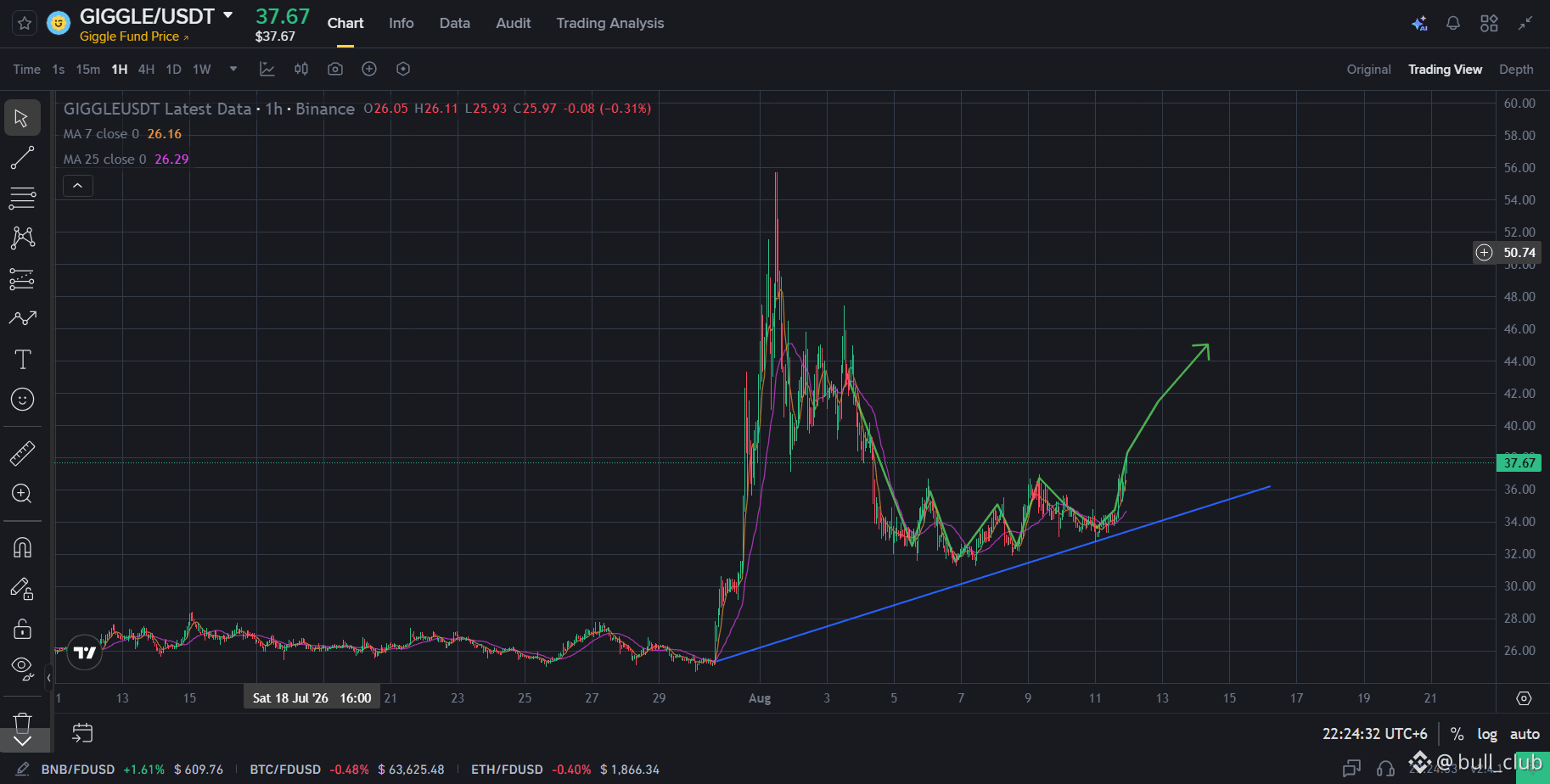
අපි යමු යාලුවනේ!
අපි ඒ වගේම $GIGGLE වගේ පම්පින් කරමින් ඉන්නේ
CZ කියන එකෙන් පස්සේ පම්පින් අරඹලා තවමත් පම්පින් කරමින් ඉන්නේ
ඔයා ඉක්මනින් ආවා නම් ඔයාට වාසනාව
ඔයාගේ entry එක මොකක්ද?
{future}(GIGGLEUSDT)
අපි යමු යාලුවනේ!
අපි ඒ වගේම $GIGGLE වගේ පම්පින් කරමින් ඉන්නේ
CZ කියන එකෙන් පස්සේ පම්පින් අරඹලා තවමත් පම්පින් කරමින් ඉන්නේ
ඔයා ඉක්මනින් ආවා නම් ඔයාට වාසනාව
ඔයාගේ entry එක මොකක්ද?
අපි ඒ වගේම $GIGGLE වගේ පම්පින් කරමින් ඉන්නේ
CZ කියන එකෙන් පස්සේ පම්පින් අරඹලා තවමත් පම්පින් කරමින් ඉන්නේ
ඔයා ඉක්මනින් ආවා නම් ඔයාට වාසනාව
ඔයාගේ entry එක මොකක්ද?
3
11.5k
·
--
උසබ තත්ත්වය
වෙළඳ ලෝකයේ වැදගත් කාර්යභාරයක් නිවැරදිව සහ සාර්ථකව ඉටු කරන්න අවශ්ය නම්, ඔබ කළ වැරදි ගැන පසුතැවෙන්න එපා—ඒවායින් ඉගෙනගන්න💡
වෙළඳ ලෝකයේ සාර්ථකත්වයේ යතුර මොකක්ද කියලා ඔබ දන්නවද?
වැරදි වලින් ඉගෙනගන්න! අපේ වැරදි වලින් ලැබෙන අත්දැකීම් ඇත්තටම අපට ශක්තිමත් වෙළෙන්දන් වීමට අවස්ථාවක් දෙනවා. මේ මාතෘකාවට අදාළ වැදගත් කරුණු කිහිපයක් ගැන කතා කරමු.
පළමුව Smart Risk Management:
--සෑම ගනුදෙනුවක්ම කිරීමට පෙර ඔබට ගත හැකි උපද්රව ප්රමාණයත්, ඔබට දරාගත හැකි stop loss එකත් තීරණය කරලා ඔබගේ Portfolio එක ආරක්ෂිත සහ ස්ථායීව තබාගන්න.
--ඒවා ඔබට විශ්වාසයෙන් ඉදිරියට යන්නත් දිගු කාලයේදී බේරී සිටින්නත් උදව් කරනවා.
දෙවැන්න ඔබගේම Analysis කිරීමට ඉගෙනගන්න:
--කිසිදු ගනුදෙනුවක් කිරීමට පෙර ගැඹුරු විශ්ලේෂණයක් සහ පර්යේෂණයක් කරලා, ඔබගේම තීරණ ගැනීමට ඉගෙනගන්න.
--මෙවලින් ඔබට වෙළඳපොළේ
pump & dump වඩා හොඳින් අවබෝධ කරගන්න පුළුවන් වන අතර, සැබෑ කාලීන අත්දැකීම් මෙහි ලැබෙනවා.
තෙවැන්න හැඟීම් එක්ක වෙළඳාම නවත්වන්න:
--සිත සිහිල්ව, ඔබගේම ඉලක්කය හෝ සැලැස්ම අනුව ගනුදෙනු කරන්න,
--මන්ද වෙළඳපොළේ දී ඔබ හැඟීම් මත තීරණ ගන්නවා හෝ ගනුදෙනු කරනවා නම්, ඒක ඔබගේ විශාල පාඩුවේ හේතුවක් විය හැක.
අවසානයට, කිසියම් ප්රවෘත්තියක් දැක්කම වහා තීරණ නොගන්න:
--Crypto Market තුළ වංචා සහ ගෙවපු ප්රවෘත්ති ගොඩක් තියෙනවා, ඒ නිසා හොඳ හෝ නරක ප්රවෘත්තියක් දැක්කම ඉක්මන් තීරණ නොගන්න.
--ඔබ ප්රවෘත්තියේ දත්ත සහ මූලාශ්ර ගැන ටිකක් පර්යේෂණ කරලා තීරණයක් ගන්න. මෙය ඔබගේ වෙළඳ ගුණාත්මකභාවය වෘත්තීයමය & බලවත් කරාවි. මේ සමඟම, ප්රවෘත්ති විශ්ලේෂණයේ අත්දැකීම්ත් ඔබට ලැබේ.
මෙම වටිනා 4/5 උපදෙස් අනුගමනය කළොත්, ඔබට වැරදි අහුවෙන්නේ නැතිවීම පමණක් නොව, විශ්වාසයෙන් සහ සාර්ථකව වෙළෙන්දෙකු වීමටත් හැකි වේ!
ස්තුතියි
වෙළඳ ලෝකයේ වැදගත් කාර්යභාරයක් නිවැරදිව සහ සාර්ථකව ඉටු කරන්න අවශ්ය නම්, ඔබ කළ වැරදි ගැන පසුතැවෙන්න එපා—ඒවායින් ඉගෙනගන්න💡
වෙළඳ ලෝකයේ සාර්ථකත්වයේ යතුර මොකක්ද කියලා ඔබ දන්නවද?
වැරදි වලින් ඉගෙනගන්න! අපේ වැරදි වලින් ලැබෙන අත්දැකීම් ඇත්තටම අපට ශක්තිමත් වෙළෙන්දන් වීමට අවස්ථාවක් දෙනවා. මේ මාතෘකාවට අදාළ වැදගත් කරුණු කිහිපයක් ගැන කතා කරමු.
පළමුව Smart Risk Management:
--සෑම ගනුදෙනුවක්ම කිරීමට පෙර ඔබට ගත හැකි උපද්රව ප්රමාණයත්, ඔබට දරාගත හැකි stop loss එකත් තීරණය කරලා ඔබගේ Portfolio එක ආරක්ෂිත සහ ස්ථායීව තබාගන්න.
--ඒවා ඔබට විශ්වාසයෙන් ඉදිරියට යන්නත් දිගු කාලයේදී බේරී සිටින්නත් උදව් කරනවා.
දෙවැන්න ඔබගේම Analysis කිරීමට ඉගෙනගන්න:
--කිසිදු ගනුදෙනුවක් කිරීමට පෙර ගැඹුරු විශ්ලේෂණයක් සහ පර්යේෂණයක් කරලා, ඔබගේම තීරණ ගැනීමට ඉගෙනගන්න.
--මෙවලින් ඔබට වෙළඳපොළේ
pump & dump වඩා හොඳින් අවබෝධ කරගන්න පුළුවන් වන අතර, සැබෑ කාලීන අත්දැකීම් මෙහි ලැබෙනවා.
තෙවැන්න හැඟීම් එක්ක වෙළඳාම නවත්වන්න:
--සිත සිහිල්ව, ඔබගේම ඉලක්කය හෝ සැලැස්ම අනුව ගනුදෙනු කරන්න,
--මන්ද වෙළඳපොළේ දී ඔබ හැඟීම් මත තීරණ ගන්නවා හෝ ගනුදෙනු කරනවා නම්, ඒක ඔබගේ විශාල පාඩුවේ හේතුවක් විය හැක.
අවසානයට, කිසියම් ප්රවෘත්තියක් දැක්කම වහා තීරණ නොගන්න:
--Crypto Market තුළ වංචා සහ ගෙවපු ප්රවෘත්ති ගොඩක් තියෙනවා, ඒ නිසා හොඳ හෝ නරක ප්රවෘත්තියක් දැක්කම ඉක්මන් තීරණ නොගන්න.
--ඔබ ප්රවෘත්තියේ දත්ත සහ මූලාශ්ර ගැන ටිකක් පර්යේෂණ කරලා තීරණයක් ගන්න. මෙය ඔබගේ වෙළඳ ගුණාත්මකභාවය වෘත්තීයමය & බලවත් කරාවි. මේ සමඟම, ප්රවෘත්ති විශ්ලේෂණයේ අත්දැකීම්ත් ඔබට ලැබේ.
මෙම වටිනා 4/5 උපදෙස් අනුගමනය කළොත්, ඔබට වැරදි අහුවෙන්නේ නැතිවීම පමණක් නොව, විශ්වාසයෙන් සහ සාර්ථකව වෙළෙන්දෙකු වීමටත් හැකි වේ!
ස්තුතියි
වෙළඳ ලෝකයේ සාර්ථකත්වයේ යතුර මොකක්ද කියලා ඔබ දන්නවද?
වැරදි වලින් ඉගෙනගන්න! අපේ වැරදි වලින් ලැබෙන අත්දැකීම් ඇත්තටම අපට ශක්තිමත් වෙළෙන්දන් වීමට අවස්ථාවක් දෙනවා. මේ මාතෘකාවට අදාළ වැදගත් කරුණු කිහිපයක් ගැන කතා කරමු.
පළමුව Smart Risk Management:
--සෑම ගනුදෙනුවක්ම කිරීමට පෙර ඔබට ගත හැකි උපද්රව ප්රමාණයත්, ඔබට දරාගත හැකි stop loss එකත් තීරණය කරලා ඔබගේ Portfolio එක ආරක්ෂිත සහ ස්ථායීව තබාගන්න.
--ඒවා ඔබට විශ්වාසයෙන් ඉදිරියට යන්නත් දිගු කාලයේදී බේරී සිටින්නත් උදව් කරනවා.
දෙවැන්න ඔබගේම Analysis කිරීමට ඉගෙනගන්න:
--කිසිදු ගනුදෙනුවක් කිරීමට පෙර ගැඹුරු විශ්ලේෂණයක් සහ පර්යේෂණයක් කරලා, ඔබගේම තීරණ ගැනීමට ඉගෙනගන්න.
--මෙවලින් ඔබට වෙළඳපොළේ
pump & dump වඩා හොඳින් අවබෝධ කරගන්න පුළුවන් වන අතර, සැබෑ කාලීන අත්දැකීම් මෙහි ලැබෙනවා.
තෙවැන්න හැඟීම් එක්ක වෙළඳාම නවත්වන්න:
--සිත සිහිල්ව, ඔබගේම ඉලක්කය හෝ සැලැස්ම අනුව ගනුදෙනු කරන්න,
--මන්ද වෙළඳපොළේ දී ඔබ හැඟීම් මත තීරණ ගන්නවා හෝ ගනුදෙනු කරනවා නම්, ඒක ඔබගේ විශාල පාඩුවේ හේතුවක් විය හැක.
අවසානයට, කිසියම් ප්රවෘත්තියක් දැක්කම වහා තීරණ නොගන්න:
--Crypto Market තුළ වංචා සහ ගෙවපු ප්රවෘත්ති ගොඩක් තියෙනවා, ඒ නිසා හොඳ හෝ නරක ප්රවෘත්තියක් දැක්කම ඉක්මන් තීරණ නොගන්න.
--ඔබ ප්රවෘත්තියේ දත්ත සහ මූලාශ්ර ගැන ටිකක් පර්යේෂණ කරලා තීරණයක් ගන්න. මෙය ඔබගේ වෙළඳ ගුණාත්මකභාවය වෘත්තීයමය & බලවත් කරාවි. මේ සමඟම, ප්රවෘත්ති විශ්ලේෂණයේ අත්දැකීම්ත් ඔබට ලැබේ.
මෙම වටිනා 4/5 උපදෙස් අනුගමනය කළොත්, ඔබට වැරදි අහුවෙන්නේ නැතිවීම පමණක් නොව, විශ්වාසයෙන් සහ සාර්ථකව වෙළෙන්දෙකු වීමටත් හැකි වේ!
ස්තුතියි
2
7
2.8k
·
--
උසබ තත්ත්වය
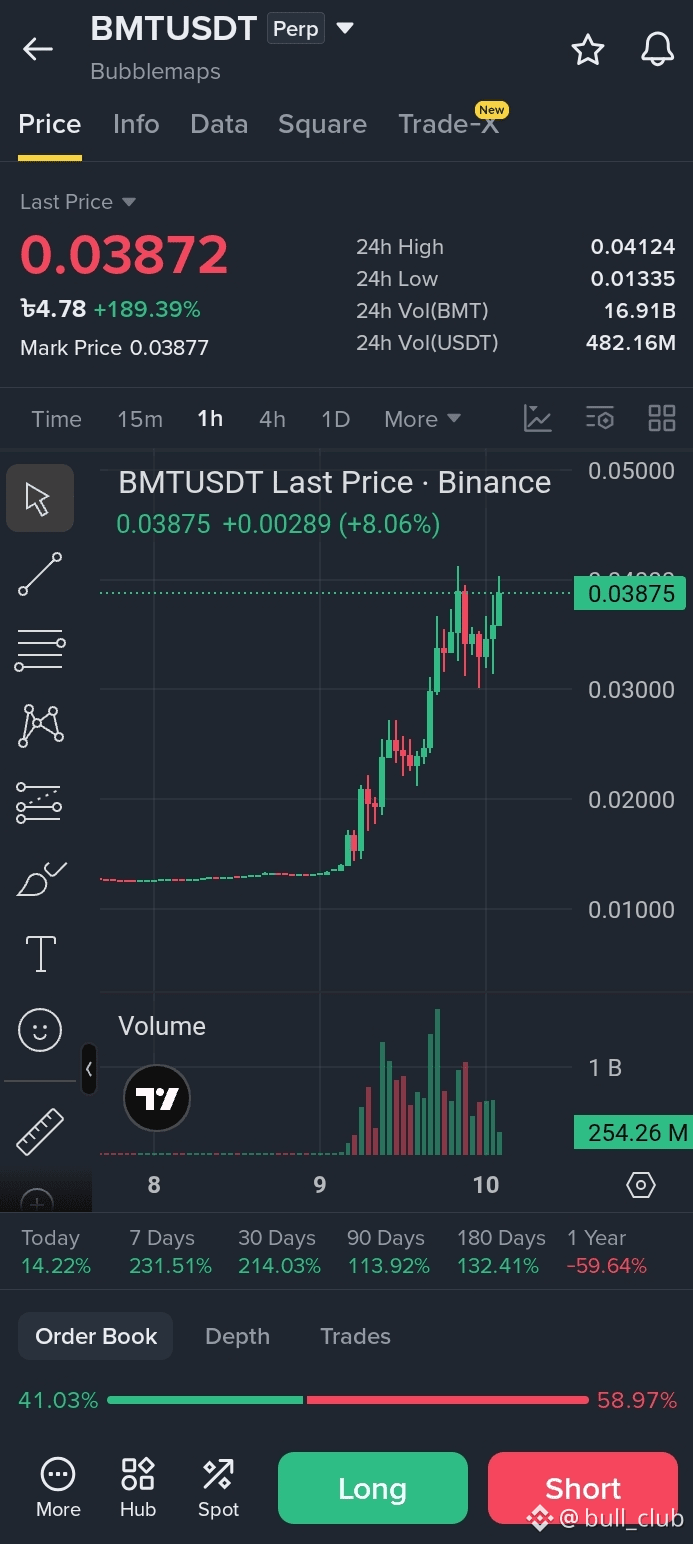
හපෝයි, ඔබට මේ පෝස්ට් එක අමතක කරලා ඉන්න පුළුවන්.
$BMT Pumped 189% Today !
> ඇයි මේ කාසිය පම්ප වෙන්නේ?
> කරුණු ...
1000% Volume pump
180% Token pump
-- ඇත්තටම මෙය ට්රේඩර්ගේ හයිප් එක නිසා තමයි වුණේ.
ආරක්ෂිතව ඉන්න සහ short කරන්න
හපෝයි, ඔබට මේ පෝස්ට් එක අමතක කරලා ඉන්න පුළුවන්.
$BMT Pumped 189% Today !
> ඇයි මේ කාසිය පම්ප වෙන්නේ?
> කරුණු ...
1000% Volume pump
180% Token pump
-- ඇත්තටම මෙය ට්රේඩර්ගේ හයිප් එක නිසා තමයි වුණේ.
ආරක්ෂිතව ඉන්න සහ short කරන්න
$BMT Pumped 189% Today !
> ඇයි මේ කාසිය පම්ප වෙන්නේ?
> කරුණු ...
1000% Volume pump
180% Token pump
-- ඇත්තටම මෙය ට්රේඩර්ගේ හයිප් එක නිසා තමයි වුණේ.
ආරක්ෂිතව ඉන්න සහ short කරන්න
bull_club
·
--
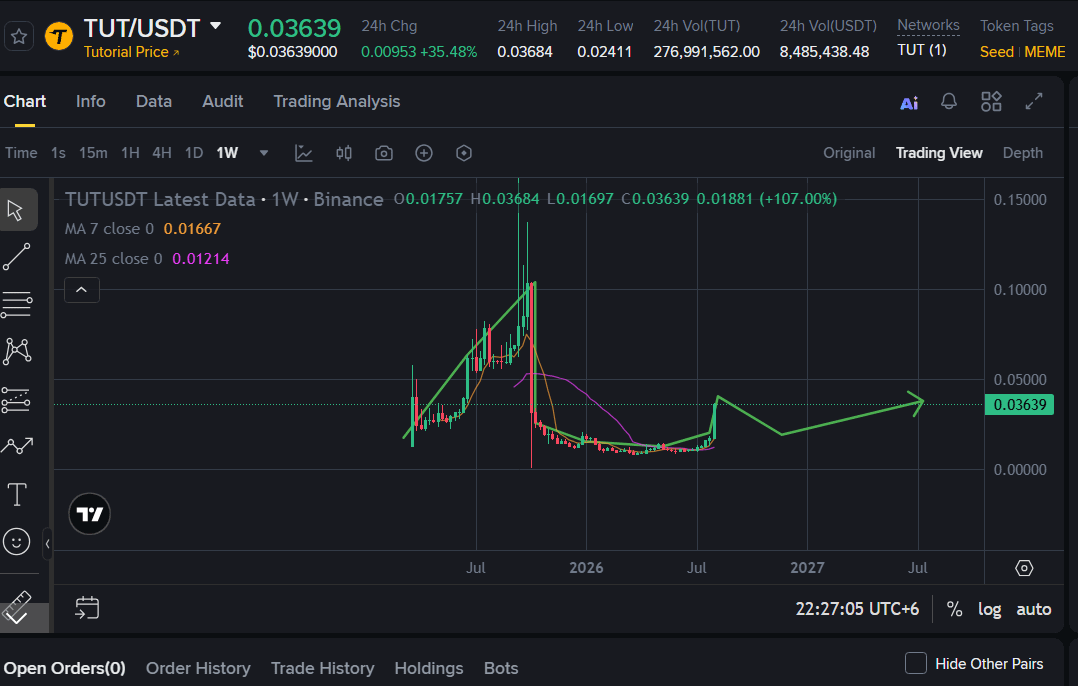
උසබ තත්ත්වය<c>நண்பர்களே, $TUT கிட்டத்தட்ட 36% காட்சியாக உயர்ந்துள்ளது!</c>
1W சார்ட் பார்த்தால், அது அடிப்படை விலையிலிருந்து பம்ப் ஆகவில்லை என்பதை காணலாம்.
> எனவே, இந்த சார்ட்டிற்கு நான் கொஞ்சம் நேர்மறையாக இருக்கிறேன் . இதிலிருந்து தற்போது அடிப்படை/லிஸ்டிங் விலையை மீறி செல்லும் என்று நம்புகிறேன் .
> அதனால், நீங்கள் உண்மையில் இந்த சார்ட்டில் ஆர்வமா இருக்கிறீர்களா என சொல்லுங்கள்
1W சார்ட் பார்த்தால், அது அடிப்படை விலையிலிருந்து பம்ப் ஆகவில்லை என்பதை காணலாம்.
> எனவே, இந்த சார்ட்டிற்கு நான் கொஞ்சம் நேர்மறையாக இருக்கிறேன் . இதிலிருந்து தற்போது அடிப்படை/லிஸ்டிங் விலையை மீறி செல்லும் என்று நம்புகிறேன் .
> அதனால், நீங்கள் உண்மையில் இந்த சார்ட்டில் ஆர்வமா இருக்கிறீர்களா என சொல்லுங்கள்
1
4
8k
·
--
උසබ තත්ත්වය
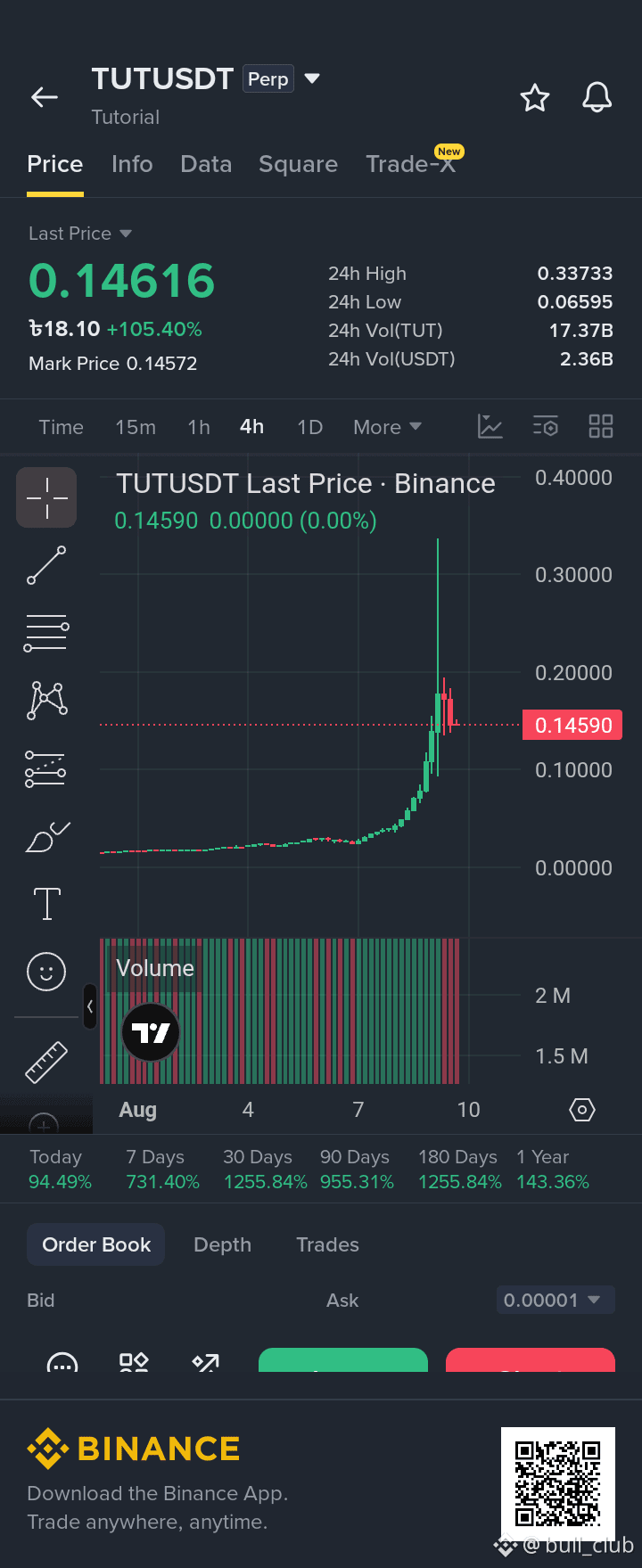
🚨 $TUT SCAM නැතිද? නැතිනම් အလွဲနားလည်မှုလား?
$TUT နဲ့ပတ်သက်တဲ့ ပြင်းထန်တဲ့ လှုပ်ရှားမှုတွေ အပြီးမှာ၊ Tutorial ဟာ speculative token တစ်ခုတည်း ဖြစ်နိုင်သလား ဆိုတာကို အချို့သော trader တွေ စတင်မေးခွန်းထုတ်လာကြပါတယ်။
ဒါပေမယ့် ဒီ project ရဲ့ မူလဇာတ်လမ်းက ပုံမှန် meme coin တစ်ခုနဲ့ မတူပါဘူး။ 👇
1/ TUT ဆိုတာ ဘာလဲ?
Tutorial က BNB Chain ပေါ်မှာ ပညာရေးဆိုင်ရာ စမ်းသပ်မှုတစ်ခုအဖြစ် စတင်ခဲ့ပြီး token တစ်ခုကို စတင် (launch) လို့ရနိုင်ကြောင်း ပြသဖို့ ရည်ရွယ်ဖန်တီးခဲ့တာပါ။
အစပိုင်းမှာ tutorial/demo token အနေနဲ့ စတင်ခဲ့ရာက နောက်ပိုင်းမှာ Tutorial ဖြစ်လာပြီး၊ Web3 ပညာရေး ecosystem တစ်ခုဖြစ်တဲ့ AI-powered education ecosystem အဖြစ် တိုးတက်လာပါတယ်။ blockchain၊ DeFi၊ wallets၊ DEXs နဲ့ smart contracts တွေကို အသုံးပြုသူတွေ နားလည်အောင် ကူညီပေးဖို့ အာရုံစိုက်ထားပါတယ်။
2/ TUT ဘာကြောင့် ရှိနေသလဲ?
ဒီ project ရဲ့ အဓိက အယူအဆက Tutorial Agent — ရှုပ်ထွေးတဲ့ crypto အယူအဆတွေကို လွယ်ကူအောင်လုပ်ပေးပြီး interactive guidance ပေးဖို့ ဒီဇိုင်းထုတ်ထားတဲ့ AI-powered learning assistant ဖြစ်ပါတယ်။
3/ ဒါဆို TUT က scam လား?
မူလဇာတ်လမ်းတစ်ခုတည်းနဲ့ project တစ်ခုဟာ တရားဝင်ကြောင်း သက်သေမပြနိုင်ပါဘူး။ ဒါပေမယ့်လည်း scam လို့ ခေါ်ရဖို့ အကြောင်းပြချက်လည်း မရှိပါဘူး။
အဓိက မေးခွန်းတွေကတော့—
> ထုတ်ကုန် (product) ကို တကယ်တမ်း ဖန်တီး/တိုးတက်နေပြီလား?
> ecosystem က အသုံးပြုသူတွေ ရလာနေသလား?
> $TUT က တည်တံ့တဲ့ utility ရှိနေသလား?
> အသင်းအဖွဲ့၊ tokenomics နဲ့ on-chain လုပ်ဆောင်မှုတွေ ဘယ်လောက် ပွင့်လင်းမြင်သာလဲ?
> စျေးနှုန်းကစားမှု (speculative price action) အပေါ်ကနေ လွဲပြီး လက်ခံအသုံးပြုမှုကို ဆက်ထိန်းနိုင်မလား?
TUT ရဲ့ မူလဇာတ်လမ်းက ထူးခြားပါတယ်၊ ဒါပေမယ့် စျေးနှုန်းမတည်ငြိမ်မှု (price volatility) ≠ scam မဟုတ်ပါဘူး။
ဆုံးဖြတ်ချက်မချခင် ကိုယ့်ဘာသာကိုယ် သုတေသနလုပ်ပါ။
#TUTAlert #Tutorial
DYOR. NFA.
🚨 $TUT SCAM නැතිද? නැතිනම් အလွဲနားလည်မှုလား?
$TUT နဲ့ပတ်သက်တဲ့ ပြင်းထန်တဲ့ လှုပ်ရှားမှုတွေ အပြီးမှာ၊ Tutorial ဟာ speculative token တစ်ခုတည်း ဖြစ်နိုင်သလား ဆိုတာကို အချို့သော trader တွေ စတင်မေးခွန်းထုတ်လာကြပါတယ်။
ဒါပေမယ့် ဒီ project ရဲ့ မူလဇာတ်လမ်းက ပုံမှန် meme coin တစ်ခုနဲ့ မတူပါဘူး။ 👇
1/ TUT ဆိုတာ ဘာလဲ?
Tutorial က BNB Chain ပေါ်မှာ ပညာရေးဆိုင်ရာ စမ်းသပ်မှုတစ်ခုအဖြစ် စတင်ခဲ့ပြီး token တစ်ခုကို စတင် (launch) လို့ရနိုင်ကြောင်း ပြသဖို့ ရည်ရွယ်ဖန်တီးခဲ့တာပါ။
အစပိုင်းမှာ tutorial/demo token အနေနဲ့ စတင်ခဲ့ရာက နောက်ပိုင်းမှာ Tutorial ဖြစ်လာပြီး၊ Web3 ပညာရေး ecosystem တစ်ခုဖြစ်တဲ့ AI-powered education ecosystem အဖြစ် တိုးတက်လာပါတယ်။ blockchain၊ DeFi၊ wallets၊ DEXs နဲ့ smart contracts တွေကို အသုံးပြုသူတွေ နားလည်အောင် ကူညီပေးဖို့ အာရုံစိုက်ထားပါတယ်။
2/ TUT ဘာကြောင့် ရှိနေသလဲ?
ဒီ project ရဲ့ အဓိက အယူအဆက Tutorial Agent — ရှုပ်ထွေးတဲ့ crypto အယူအဆတွေကို လွယ်ကူအောင်လုပ်ပေးပြီး interactive guidance ပေးဖို့ ဒီဇိုင်းထုတ်ထားတဲ့ AI-powered learning assistant ဖြစ်ပါတယ်။
3/ ဒါဆို TUT က scam လား?
မူလဇာတ်လမ်းတစ်ခုတည်းနဲ့ project တစ်ခုဟာ တရားဝင်ကြောင်း သက်သေမပြနိုင်ပါဘူး။ ဒါပေမယ့်လည်း scam လို့ ခေါ်ရဖို့ အကြောင်းပြချက်လည်း မရှိပါဘူး။
အဓိက မေးခွန်းတွေကတော့—
> ထုတ်ကုန် (product) ကို တကယ်တမ်း ဖန်တီး/တိုးတက်နေပြီလား?
> ecosystem က အသုံးပြုသူတွေ ရလာနေသလား?
> $TUT က တည်တံ့တဲ့ utility ရှိနေသလား?
> အသင်းအဖွဲ့၊ tokenomics နဲ့ on-chain လုပ်ဆောင်မှုတွေ ဘယ်လောက် ပွင့်လင်းမြင်သာလဲ?
> စျေးနှုန်းကစားမှု (speculative price action) အပေါ်ကနေ လွဲပြီး လက်ခံအသုံးပြုမှုကို ဆက်ထိန်းနိုင်မလား?
TUT ရဲ့ မူလဇာတ်လမ်းက ထူးခြားပါတယ်၊ ဒါပေမယ့် စျေးနှုန်းမတည်ငြိမ်မှု (price volatility) ≠ scam မဟုတ်ပါဘူး။
ဆုံးဖြတ်ချက်မချခင် ကိုယ့်ဘာသာကိုယ် သုတေသနလုပ်ပါ။
#TUTAlert #Tutorial
DYOR. NFA.
$TUT နဲ့ပတ်သက်တဲ့ ပြင်းထန်တဲ့ လှုပ်ရှားမှုတွေ အပြီးမှာ၊ Tutorial ဟာ speculative token တစ်ခုတည်း ဖြစ်နိုင်သလား ဆိုတာကို အချို့သော trader တွေ စတင်မေးခွန်းထုတ်လာကြပါတယ်။
ဒါပေမယ့် ဒီ project ရဲ့ မူလဇာတ်လမ်းက ပုံမှန် meme coin တစ်ခုနဲ့ မတူပါဘူး။ 👇
1/ TUT ဆိုတာ ဘာလဲ?
Tutorial က BNB Chain ပေါ်မှာ ပညာရေးဆိုင်ရာ စမ်းသပ်မှုတစ်ခုအဖြစ် စတင်ခဲ့ပြီး token တစ်ခုကို စတင် (launch) လို့ရနိုင်ကြောင်း ပြသဖို့ ရည်ရွယ်ဖန်တီးခဲ့တာပါ။
အစပိုင်းမှာ tutorial/demo token အနေနဲ့ စတင်ခဲ့ရာက နောက်ပိုင်းမှာ Tutorial ဖြစ်လာပြီး၊ Web3 ပညာရေး ecosystem တစ်ခုဖြစ်တဲ့ AI-powered education ecosystem အဖြစ် တိုးတက်လာပါတယ်။ blockchain၊ DeFi၊ wallets၊ DEXs နဲ့ smart contracts တွေကို အသုံးပြုသူတွေ နားလည်အောင် ကူညီပေးဖို့ အာရုံစိုက်ထားပါတယ်။
2/ TUT ဘာကြောင့် ရှိနေသလဲ?
ဒီ project ရဲ့ အဓိက အယူအဆက Tutorial Agent — ရှုပ်ထွေးတဲ့ crypto အယူအဆတွေကို လွယ်ကူအောင်လုပ်ပေးပြီး interactive guidance ပေးဖို့ ဒီဇိုင်းထုတ်ထားတဲ့ AI-powered learning assistant ဖြစ်ပါတယ်။
3/ ဒါဆို TUT က scam လား?
မူလဇာတ်လမ်းတစ်ခုတည်းနဲ့ project တစ်ခုဟာ တရားဝင်ကြောင်း သက်သေမပြနိုင်ပါဘူး။ ဒါပေမယ့်လည်း scam လို့ ခေါ်ရဖို့ အကြောင်းပြချက်လည်း မရှိပါဘူး။
အဓိက မေးခွန်းတွေကတော့—
> ထုတ်ကုန် (product) ကို တကယ်တမ်း ဖန်တီး/တိုးတက်နေပြီလား?
> ecosystem က အသုံးပြုသူတွေ ရလာနေသလား?
> $TUT က တည်တံ့တဲ့ utility ရှိနေသလား?
> အသင်းအဖွဲ့၊ tokenomics နဲ့ on-chain လုပ်ဆောင်မှုတွေ ဘယ်လောက် ပွင့်လင်းမြင်သာလဲ?
> စျေးနှုန်းကစားမှု (speculative price action) အပေါ်ကနေ လွဲပြီး လက်ခံအသုံးပြုမှုကို ဆက်ထိန်းနိုင်မလား?
TUT ရဲ့ မူလဇာတ်လမ်းက ထူးခြားပါတယ်၊ ဒါပေမယ့် စျေးနှုန်းမတည်ငြိမ်မှု (price volatility) ≠ scam မဟုတ်ပါဘူး။
ဆုံးဖြတ်ချက်မချခင် ကိုယ့်ဘာသာကိုယ် သုတေသနလုပ်ပါ။
#TUTAlert #Tutorial
DYOR. NFA.
1
503
·
--
උසබ තත්ත්වය
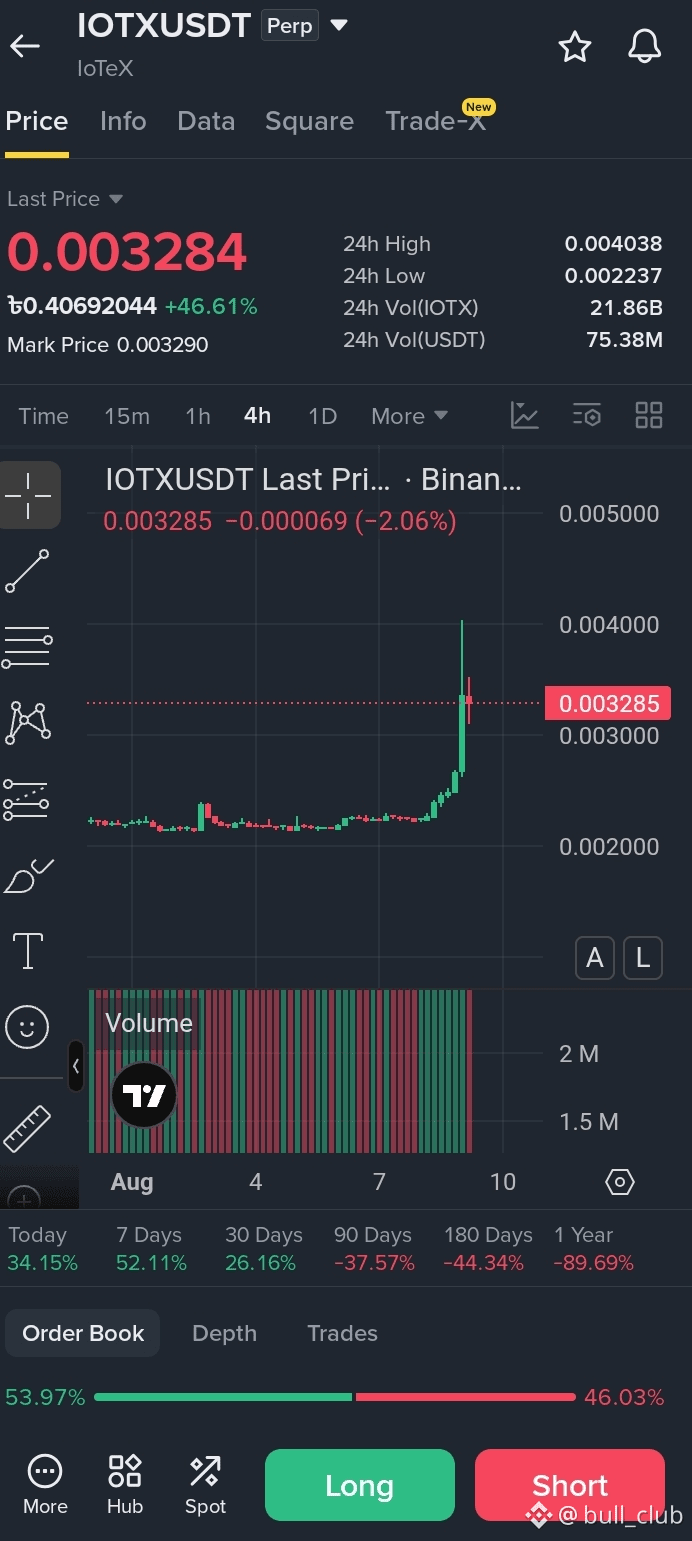
ස్నేహවරුනි, $IOTX පිළිබඳ සත්යයක් කිහිපයක් බෙදාගන්නම්!
දෘශ්යමය වශයෙන්, අපට පෙනෙන්නේ Pump එකක් ~40%ක් බවයි?
> ඒක ඇත්තටම Pump එකක් ද?
- මෙය ටෝකනයක්; වාර්ෂික ROI එක -80% එකක්. එහෙමනම් තවමත් bullish ද කියලා ඔබට හිතන්න පුළුවන්.
ඔබ කැමති නම්, මම ඔබේ හිතුවමට අනුව short කරන්නම්!
NFA
ස్నేహවරුනි, $IOTX පිළිබඳ සත්යයක් කිහිපයක් බෙදාගන්නම්!
දෘශ්යමය වශයෙන්, අපට පෙනෙන්නේ Pump එකක් ~40%ක් බවයි?
> ඒක ඇත්තටම Pump එකක් ද?
- මෙය ටෝකනයක්; වාර්ෂික ROI එක -80% එකක්. එහෙමනම් තවමත් bullish ද කියලා ඔබට හිතන්න පුළුවන්.
ඔබ කැමති නම්, මම ඔබේ හිතුවමට අනුව short කරන්නම්!
NFA
දෘශ්යමය වශයෙන්, අපට පෙනෙන්නේ Pump එකක් ~40%ක් බවයි?
> ඒක ඇත්තටම Pump එකක් ද?
- මෙය ටෝකනයක්; වාර්ෂික ROI එක -80% එකක්. එහෙමනම් තවමත් bullish ද කියලා ඔබට හිතන්න පුළුවන්.
ඔබ කැමති නම්, මම ඔබේ හිතුවමට අනුව short කරන්නම්!
NFA
1
2
3k
·
--
උසබ තත්ත්වය
සත්යායනය කළ
#bnb සමය 🟡
$TUT දින 2ක් තුළ $10M සිට $80M දක්වා වෙළඳපල වටිනාකමට (market cap) ඉහළ ගියා
Binance හි $1B+ පරිමාවක් (volume) සමඟ
BNB විශ්වාස කරගෙන දිගටම ඉදිරියට ගොඩනඟපු සැමට
ඉවසීම වටිනාකමක් දරයි
ඊළඟට කුමක්ද? 👀
#bnb සමය 🟡
$TUT දින 2ක් තුළ $10M සිට $80M දක්වා වෙළඳපල වටිනාකමට (market cap) ඉහළ ගියා
Binance හි $1B+ පරිමාවක් (volume) සමඟ
BNB විශ්වාස කරගෙන දිගටම ඉදිරියට ගොඩනඟපු සැමට
ඉවසීම වටිනාකමක් දරයි
ඊළඟට කුමක්ද? 👀
$TUT දින 2ක් තුළ $10M සිට $80M දක්වා වෙළඳපල වටිනාකමට (market cap) ඉහළ ගියා
Binance හි $1B+ පරිමාවක් (volume) සමඟ
BNB විශ්වාස කරගෙන දිගටම ඉදිරියට ගොඩනඟපු සැමට
ඉවසීම වටිනාකමක් දරයි
ඊළඟට කුමක්ද? 👀
1
2
6.4k
·
--
උසබ තත්ත්වය
ඒ ගයිස් 😁
දෙතුන් දවස්කට පෙර මම $TUT ගැන ටිකක් බුලිෂ් (bullish) වෙලා හිටියා. ඒත් මිනිස්සු ඒක විශ්වාස කළේ නෑ
> මගේ සിഗ්නල් එකෙන් පස්සේ ඒක 30% ඉඳලා 180% දක්වා පම්ප් උනා
දැන් ටිකක් බෙයරිෂ් (bearish) වෙන්න පටන් ගනී
ඔයාට short එකට යන්න පුළුවන්
{future}(TUTUSDT)
ඒ ගයිස් 😁
දෙතුන් දවස්කට පෙර මම $TUT ගැන ටිකක් බුලිෂ් (bullish) වෙලා හිටියා. ඒත් මිනිස්සු ඒක විශ්වාස කළේ නෑ
> මගේ සിഗ්නල් එකෙන් පස්සේ ඒක 30% ඉඳලා 180% දක්වා පම්ප් උනා
දැන් ටිකක් බෙයරිෂ් (bearish) වෙන්න පටන් ගනී
ඔයාට short එකට යන්න පුළුවන්
දෙතුන් දවස්කට පෙර මම $TUT ගැන ටිකක් බුලිෂ් (bullish) වෙලා හිටියා. ඒත් මිනිස්සු ඒක විශ්වාස කළේ නෑ
> මගේ සിഗ්නල් එකෙන් පස්සේ ඒක 30% ඉඳලා 180% දක්වා පම්ප් උනා
දැන් ටිකක් බෙයරිෂ් (bearish) වෙන්න පටන් ගනී
ඔයාට short එකට යන්න පුළුවන්
bull_club
·
--
උසබ තත්ත්වය<c>நண்பர்களே, $TUT கிட்டத்தட்ட 36% காட்சியாக உயர்ந்துள்ளது!</c>
1W சார்ட் பார்த்தால், அது அடிப்படை விலையிலிருந்து பம்ப் ஆகவில்லை என்பதை காணலாம்.
> எனவே, இந்த சார்ட்டிற்கு நான் கொஞ்சம் நேர்மறையாக இருக்கிறேன் . இதிலிருந்து தற்போது அடிப்படை/லிஸ்டிங் விலையை மீறி செல்லும் என்று நம்புகிறேன் .
> அதனால், நீங்கள் உண்மையில் இந்த சார்ட்டில் ஆர்வமா இருக்கிறீர்களா என சொல்லுங்கள்
1W சார்ட் பார்த்தால், அது அடிப்படை விலையிலிருந்து பம்ப் ஆகவில்லை என்பதை காணலாம்.
> எனவே, இந்த சார்ட்டிற்கு நான் கொஞ்சம் நேர்மறையாக இருக்கிறேன் . இதிலிருந்து தற்போது அடிப்படை/லிஸ்டிங் விலையை மீறி செல்லும் என்று நம்புகிறேன் .
> அதனால், நீங்கள் உண்மையில் இந்த சார்ட்டில் ஆர்வமா இருக்கிறீர்களா என சொல்லுங்கள்
8
7
5.3k
තවත් අන්තර්ගතයන් ගවේෂණය කිරීමට ඇතුල් වන්න
Binance චතුරශ්රය හි ගෝලීය ක්රිප්ටෝ පරිශීලකයින් හා එක්වන්න
⚡️ ක්රිප්ටෝ පිළිබඳ නවතම සහ ප්රයෝජනවත් තොරතුරු ලබා ගන්න.
💬 ලොව විශාලතම ක්රිප්ටෝ හුවමාරුව මගින් විශ්වාස කෙරේ.
👍 සත්යායනය කරන ලද නිර්මාණකරුවන්ගෙන් සැබෑ විදසුන් සොයා ගන්න.
විද්යුත් තැපෑල / දුරකථන අංකය
නැගී එන මාතෘකා
AppleDebutsFoldablePhone
18,892 views
383 සාකච්ඡා කරමින්
$BTC
Apple က ခေါက်မျက်နှာပြင်ပါတဲ့ဖုန်းတစ်မျိုး ထုတ်လိုက်ပြီ
iPhone ပရိသတ်တွေက ခွဲသွင်းပေးငွေကို တွက်နေကြ
အဟောင်းဘက်အမြတ်ဟောင်းတွေက BTC ဘယ်နှစ်လုံးလိုမလဲကို တွက်နေကြ
ညီအစ်ကိုတို့
Apple က နောက်ဆုံးတော့ တကယ်ကို ဖိမရလောက်အောင် ထုတ်လိုက်ပြီ
ပထမဆုံး ခေါက်လို့ရတဲ့ မိုဘိုင်းလ်ဖုန်း
iPhone Duo
ပြည်တွင်း(တရုတ်)မှာ 15999 ယွမ်ကနေ စ
အမြင့်ဆုံးဗားရှင်းကိုတော့ 26499 အထိ တန်းတက်
ငါ ဒီစျေးကို ကြည့်ပြီး
စျေးကြီးတယ်လို့ မတွေးတာမဟုတ်ဘူး
အစား အလျင်ဆုံး အရောင်းအဝယ်ဘုတ်(交易所)ကို ဖွင့်ပြီး တွက်လိုက်တာ
အခု ဖြစ်နေတဲ့ ကရင်စီစျေးနှုန်းအတိုင်း
ဒီဖုန်းက ခန့်မှန်းခြေအားဖြင့် 0.025 BTC လောက်ပါ
0.025 BTC
အဲဒါ များမများလားဆိုတော့ များမဟုတ်သလိုထင်မယ်နော်
ဒါပေမယ့် မင်း သမိုင်းကို ပြန်ဖွင့်ကြည့်
အဲဒီတုန်းက iPhone 4s ထုတ်ပြန်တော့
စျေးနှုန်းကို BTC အဖြစ် ပြောင်းတွက်ကြည့်ရင် 162 BTC
iPhone 6 က 1.7 BTC
iPhone 13 က 0.018 BTC
iPhone 17 က 0.007 BTC
ဒီ trend ကို နားလည်မိပြီလား
မင်းလက်ထဲက ပိုက်ဆံတွေ တိုးလာတာမဟုတ်
Bitcoin က Apple ရဲ့ စျေးနှုန်းကို မင်းအတွက် ဖျော့ပေးနေသလိုဖြစ်တယ်
စိတ်ဝင်စားဖို့ကတော့ ပွဲအခမ်းအနားအတွင်းမှာ
Apple ရဲ့ ရှယ်ယာစျေးက တောင်ပေါ်ကနေ ကျသလို၊ ပြန်တက်သလို လုပ်သွားတယ်
စတင်ဖွင့်တော့ အရင် ချလိုက်
နောက်ပိုင်းပြန်ဆွဲတင်
ပိတ်ချိန်မှာတော့ အနည်းငယ် ကျ
ဈေးကြီးတဲ့ ခေါက်ဖုန်းကများများရောင်းနိုင်မလားဆိုတာ
အမြင်ကွဲမှုက မနည်းဘူး 😂😂
ဒါပေမယ့် ညီအစ်ကိုတို့
Apple က ဖုန်းအသစ်ထုတ်တာနဲ့ နည်းပညာအောင်မြင်မှုတွေ အခုတင်ပဲ တက်လာမယ်ဆိုပြီး စိတ်ကူးမထည့်နဲ့
大饼(ဘီနသဘော/Bitcoin) ကလည်း လိုက်တက်ရမယ်ဆိုတာ မဟုတ်ဘူး
Apple နဲ့ crypto လောကကြားမှာ တိုက်ရိုက် ငွေဝင်-ထွက် လမ်းကြောင်းမရှိဘူး
ဖုန်းဘယ်လောက်ပဲ ရောင်းရောင်း
အချိန်မရွေး တစ်ပြားတစ်ချပ်မှ အလိုအလျောက် crypto စျေးကွက်ထဲကို စီးဝင်လာမှာမဟုတ်
ဒါက သုံးစွဲရေးဘက် hardware အကျိုးကျေးဇူးပဲ
大饼 ကို တိုက်ရိုက် စျေးတင်ပေးမယ့် လော့ဂစ်(အဓိကအကြောင်း) မဟုတ်ဘူး
大饼 ရဲ့ စျေးနှုန်းကို ထိန်းချုပ်တဲ့ အဓိကလမ်းကြောင်းကတော့
အမေရိကန် ဗဟိုဘဏ်(Fed) အတိုးနှုန်းလျှော့မလား
အမေရိကန် အစိုးရကြွေးမြီ(美债) အထွက်နှုန်း
ဒီလိုပဲ ဖြစ်နေတုန်းပဲ
Apple ရဲ့ နောက်ဆုံးထုတ် အသစ်ကတော့ စက်မှုကဏ္ဍအတွက် အနည်းငယ် စိတ်ဝင်စားစရာ(小热点) ပဲ
အချိန်တိုအတွင်းမှာသာ အပိုင်းလိုက် စိတ်ဓာတ်ကို လှုံ့ဆော်နိုင်
ကြီးမားတဲ့ စျေးကွက်အလားအလာ(大趋势) ကို မပြောင်းလဲနိုင်ဘူး
မင်းက ဖုန်းအသစ်လဲလှယ်ဖို့ ရှိပြီးသားဆိုရင်
ပြီးတော့ မင်းလက်ထဲမှာ 0.025 BTC လောက်ဆိုတဲ့ အပိုငွေရှိနေတယ်ဆိုရင်
မင်း ဝယ်မလား?
#appledebutsfoldablephone
孔大锤
·3 කැමත්ත දැක්වීම්
·2.4k views
IranSaysReadyToEscalateWarWithUS
147 views
20 සාකච්ඡා කරමින්
EUExtendsCentralContactPointToCASPs
3,733 views
120 සාකච්ඡා කරමින්