

Bobbypk
3.3k පෝස්ටු

Bobbypk
 Binance චතුරශ්ර සත්යාපිත+
වාර්තා කරන්න
පරිශීලක අවහිර කරන්න
Content Creator, Spot Trader, Cryptocurrency market analysis, Market Sentiment motivation & Consultant , instruction to precautions to avoid scammers tactics
විවෘත වෙළෙඳාම
අධි-සංඛ්යාත වෙළෙන්දා
{වේලාව} වසර
311 හඹා යමින්
42.7K+ හඹා යන්නන්
22.8K+ කැමති විය
පෝස්ටු
ආයෝජන කළඹ
සියල්ල
උපුටා දැක්වීම්
සජීවි
අමුණා ඇත
·
--
උසබ තත්ත්වය
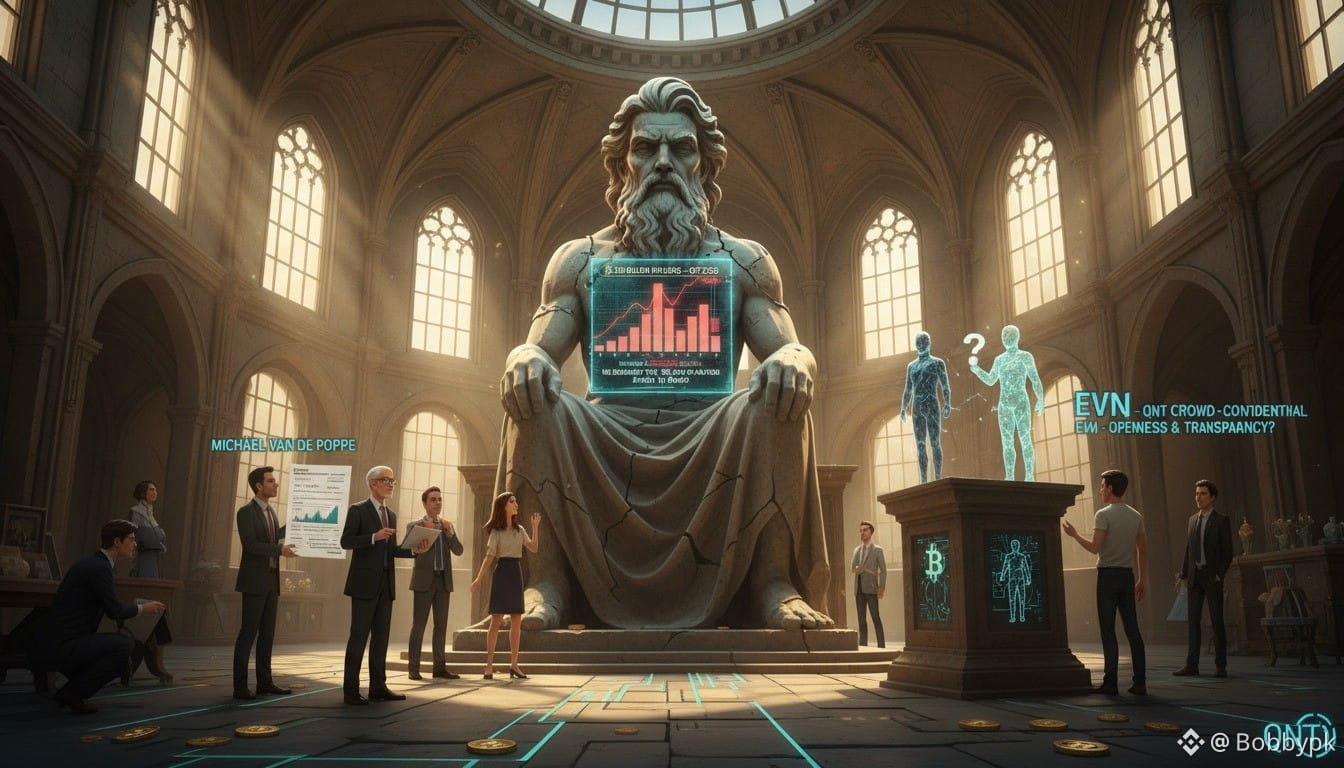
🚨 Bitcoin just logged its biggest ETF inflows since October 2025, $2.39 billion poured in, even though that momentum fizzled by Friday, dropping off nearly 90%. Price action is still stuck just below resistance, so there’s no real breakout yet.
Michaël van de Poppe’s got his eyes on $84,800. If Bitcoin punches through that level, $90,000 isn’t far off. Miss it, and we’re stuck in sideways action.
Everyone’s waiting on the PCE data coming out September 30. Tom Lee says a tweak in the calculation could finally bring core inflation closer to 3%. If that happens, the Fed might take its foot off the brake. It’s a bullish outlook, but we need the data to confirm it.
Bitcoin folks seem to agree on where this is headed, but not on when.
For the QNT crowd: as more institutions step in, what matters more confidential compliance, or sticking with transparent EVM? Is privacy about to have its moment, or does openness stay king? Chime in below.
#QNT
#BTC
{spot}(BTCUSDT)
{spot}(QNTUSDT)
🚨 Bitcoin just logged its biggest ETF inflows since October 2025, $2.39 billion poured in, even though that momentum fizzled by Friday, dropping off nearly 90%. Price action is still stuck just below resistance, so there’s no real breakout yet.
Michaël van de Poppe’s got his eyes on $84,800. If Bitcoin punches through that level, $90,000 isn’t far off. Miss it, and we’re stuck in sideways action.
Everyone’s waiting on the PCE data coming out September 30. Tom Lee says a tweak in the calculation could finally bring core inflation closer to 3%. If that happens, the Fed might take its foot off the brake. It’s a bullish outlook, but we need the data to confirm it.
Bitcoin folks seem to agree on where this is headed, but not on when.
For the QNT crowd: as more institutions step in, what matters more confidential compliance, or sticking with transparent EVM? Is privacy about to have its moment, or does openness stay king? Chime in below.
#QNT
#BTC
Michaël van de Poppe’s got his eyes on $84,800. If Bitcoin punches through that level, $90,000 isn’t far off. Miss it, and we’re stuck in sideways action.
Everyone’s waiting on the PCE data coming out September 30. Tom Lee says a tweak in the calculation could finally bring core inflation closer to 3%. If that happens, the Fed might take its foot off the brake. It’s a bullish outlook, but we need the data to confirm it.
Bitcoin folks seem to agree on where this is headed, but not on when.
For the QNT crowd: as more institutions step in, what matters more confidential compliance, or sticking with transparent EVM? Is privacy about to have its moment, or does openness stay king? Chime in below.
#QNT
#BTC
236
5
13
304
·
--
උසබ තත්ත්වය
🤷Attention dears Beautiful🤩:-
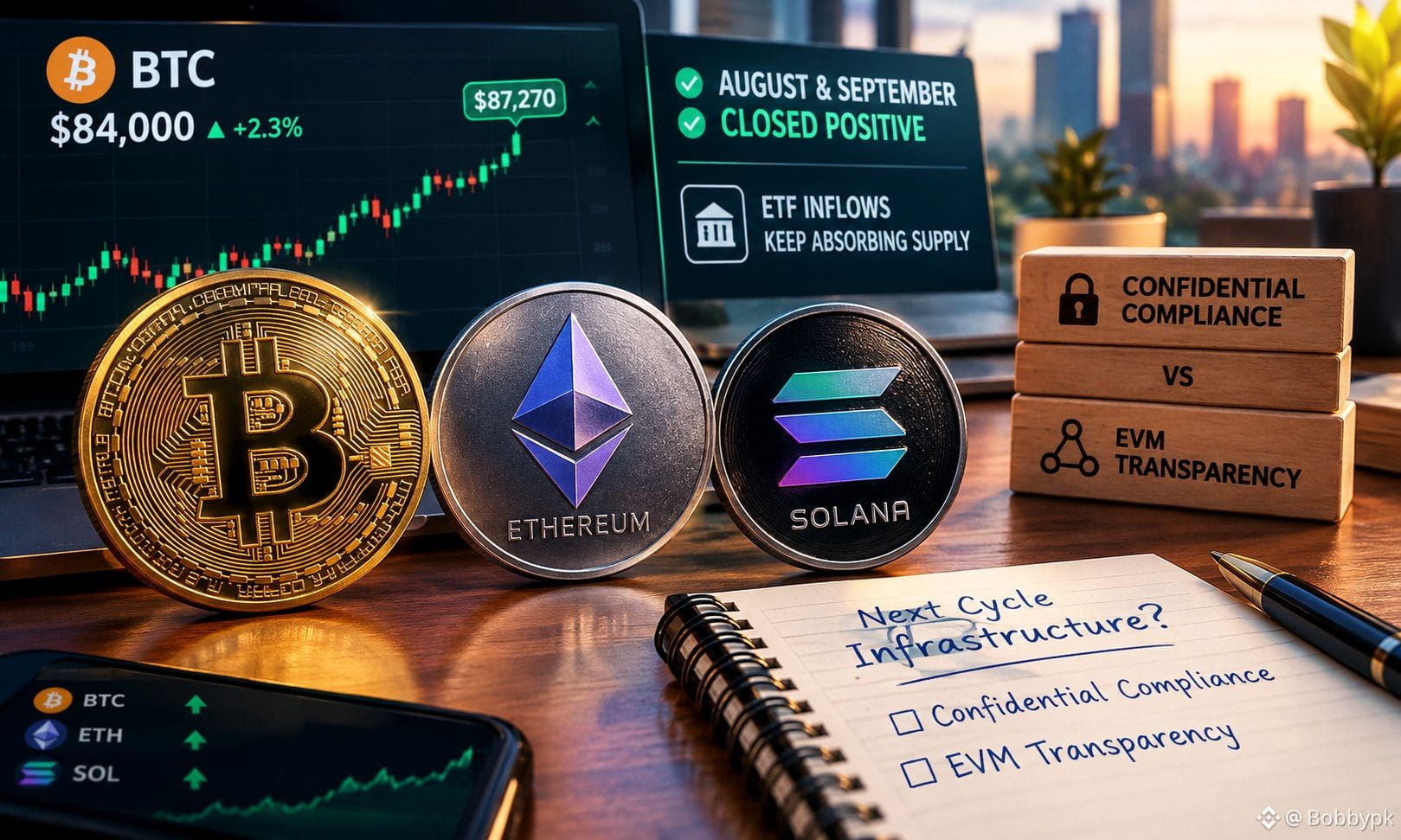
#BTC shot up to $87,270 before slipping back toward $84,000 rising yields didn’t kill the momentum, though. The big picture still looks bullish. It’s the first time since 2013 we’ve seen both August and September close positive, and those ETFs just keep swallowing whatever supply hits the market. Anyone keeping an eye on Bitcoin knows “Uptober” has a reputation.
Ethereum’s not just a blockchain anymore; it’s evolving into a whole multi-layered network. Even when the Clarity Act stalled out, altcoins refused to back down they kept rallying.
Solana? Riding the same wave, risk-on and not looking back.
Now the big question: do you bet on confidential compliance models, or stick with the tried-and-true EVM transparency for the next cycle’s infrastructure? Where do you stand? Drop your thoughts below.
#SOLSpotETFWeeklyInflow$188M @bitcoin #BitwiseFilesFinalNEARSpotETFProspectus
{spot}(SOLUSDT)
{spot}(ETHUSDT)
{spot}(BTCUSDT)
🤷Attention dears Beautiful🤩:-
#BTC shot up to $87,270 before slipping back toward $84,000 rising yields didn’t kill the momentum, though. The big picture still looks bullish. It’s the first time since 2013 we’ve seen both August and September close positive, and those ETFs just keep swallowing whatever supply hits the market. Anyone keeping an eye on Bitcoin knows “Uptober” has a reputation.
Ethereum’s not just a blockchain anymore; it’s evolving into a whole multi-layered network. Even when the Clarity Act stalled out, altcoins refused to back down they kept rallying.
Solana? Riding the same wave, risk-on and not looking back.
Now the big question: do you bet on confidential compliance models, or stick with the tried-and-true EVM transparency for the next cycle’s infrastructure? Where do you stand? Drop your thoughts below.
#SOLSpotETFWeeklyInflow$188M @Bitcoin #BitwiseFilesFinalNEARSpotETFProspectus
#BTC shot up to $87,270 before slipping back toward $84,000 rising yields didn’t kill the momentum, though. The big picture still looks bullish. It’s the first time since 2013 we’ve seen both August and September close positive, and those ETFs just keep swallowing whatever supply hits the market. Anyone keeping an eye on Bitcoin knows “Uptober” has a reputation.
Ethereum’s not just a blockchain anymore; it’s evolving into a whole multi-layered network. Even when the Clarity Act stalled out, altcoins refused to back down they kept rallying.
Solana? Riding the same wave, risk-on and not looking back.
Now the big question: do you bet on confidential compliance models, or stick with the tried-and-true EVM transparency for the next cycle’s infrastructure? Where do you stand? Drop your thoughts below.
#SOLSpotETFWeeklyInflow$188M @Bitcoin #BitwiseFilesFinalNEARSpotETFProspectus
251
·
--
උසබ තත්ත්වය
💦Ethereum isn’t just another blockchain anymore. Vitalik just dropped a roadmap stretching all the way to 2030, and honestly, it changes a lot.
What’s next after Hegota? It’s pretty ambitious. Ethereum’s going hard on recursive STARKs, building in automatic formal verification and quantum-safe cryptography from the ground up. Off-chain aggregated signatures strip out tons of needless data, so the chain won’t get bogged down like before. And with FOCIL, block-building isn’t just one validator’s job it gets handed off to several, which shakes up the old setup.
Here’s something most people miss: zk-SNARKs are already starting to chip away at the old rule that every transaction has to be out in the open. Bring FOCIL and EIP-8288 together, and suddenly, private transactions stop being that weird experiment and start becoming a standard feature.
It used to feel like you had to sacrifice either speed or security for true decentralization. Not anymore. Now, decentralization actually boosts performance, especially for privacy—think both data and metadata running in parallel, not at odds.
But there’s a real tension here. If Ethereum leans further into privacy, do the big institutions finally jump in, or are they always going to want everything out in the open, like with classic transparent EVM chains? Which one is the key to mainstream adoption? I’m curious what you think. Drop your thoughts below.
#BitwiseFilesFinalNEARSpotETFProspectus
#StrategyStriveAdd2305BitcoinThisWeek @Ethereum_official
#Bobbypk
{spot}(ETHUSDT)
{spot}(QNTUSDT)
💦Ethereum isn’t just another blockchain anymore. Vitalik just dropped a roadmap stretching all the way to 2030, and honestly, it changes a lot.
What’s next after Hegota? It’s pretty ambitious. Ethereum’s going hard on recursive STARKs, building in automatic formal verification and quantum-safe cryptography from the ground up. Off-chain aggregated signatures strip out tons of needless data, so the chain won’t get bogged down like before. And with FOCIL, block-building isn’t just one validator’s job it gets handed off to several, which shakes up the old setup.
Here’s something most people miss: zk-SNARKs are already starting to chip away at the old rule that every transaction has to be out in the open. Bring FOCIL and EIP-8288 together, and suddenly, private transactions stop being that weird experiment and start becoming a standard feature.
It used to feel like you had to sacrifice either speed or security for true decentralization. Not anymore. Now, decentralization actually boosts performance, especially for privacy—think both data and metadata running in parallel, not at odds.
But there’s a real tension here. If Ethereum leans further into privacy, do the big institutions finally jump in, or are they always going to want everything out in the open, like with classic transparent EVM chains? Which one is the key to mainstream adoption? I’m curious what you think. Drop your thoughts below.
#BitwiseFilesFinalNEARSpotETFProspectus
#StrategyStriveAdd2305BitcoinThisWeek @Ethereum
#Bobbypk
What’s next after Hegota? It’s pretty ambitious. Ethereum’s going hard on recursive STARKs, building in automatic formal verification and quantum-safe cryptography from the ground up. Off-chain aggregated signatures strip out tons of needless data, so the chain won’t get bogged down like before. And with FOCIL, block-building isn’t just one validator’s job it gets handed off to several, which shakes up the old setup.
Here’s something most people miss: zk-SNARKs are already starting to chip away at the old rule that every transaction has to be out in the open. Bring FOCIL and EIP-8288 together, and suddenly, private transactions stop being that weird experiment and start becoming a standard feature.
It used to feel like you had to sacrifice either speed or security for true decentralization. Not anymore. Now, decentralization actually boosts performance, especially for privacy—think both data and metadata running in parallel, not at odds.
But there’s a real tension here. If Ethereum leans further into privacy, do the big institutions finally jump in, or are they always going to want everything out in the open, like with classic transparent EVM chains? Which one is the key to mainstream adoption? I’m curious what you think. Drop your thoughts below.
#BitwiseFilesFinalNEARSpotETFProspectus
#StrategyStriveAdd2305BitcoinThisWeek @Ethereum
#Bobbypk

1
373
·
--
උසබ තත්ත්වය
All friends are good be patience during trade #QNT
{spot}(BTCUSDT)
{spot}(QNTUSDT)
All friends are good be patience during trade #QNT
Bobbypk
·
--
උසබ තත්ත්වය🚨 Bitcoin just logged its biggest ETF inflows since October 2025, $2.39 billion poured in, even though that momentum fizzled by Friday, dropping off nearly 90%. Price action is still stuck just below resistance, so there’s no real breakout yet.
Michaël van de Poppe’s got his eyes on $84,800. If Bitcoin punches through that level, $90,000 isn’t far off. Miss it, and we’re stuck in sideways action.
Everyone’s waiting on the PCE data coming out September 30. Tom Lee says a tweak in the calculation could finally bring core inflation closer to 3%. If that happens, the Fed might take its foot off the brake. It’s a bullish outlook, but we need the data to confirm it.
Bitcoin folks seem to agree on where this is headed, but not on when.
For the QNT crowd: as more institutions step in, what matters more confidential compliance, or sticking with transparent EVM? Is privacy about to have its moment, or does openness stay king? Chime in below.
#QNT
#BTC
Michaël van de Poppe’s got his eyes on $84,800. If Bitcoin punches through that level, $90,000 isn’t far off. Miss it, and we’re stuck in sideways action.
Everyone’s waiting on the PCE data coming out September 30. Tom Lee says a tweak in the calculation could finally bring core inflation closer to 3%. If that happens, the Fed might take its foot off the brake. It’s a bullish outlook, but we need the data to confirm it.
Bitcoin folks seem to agree on where this is headed, but not on when.
For the QNT crowd: as more institutions step in, what matters more confidential compliance, or sticking with transparent EVM? Is privacy about to have its moment, or does openness stay king? Chime in below.
#QNT
#BTC
388
·
--
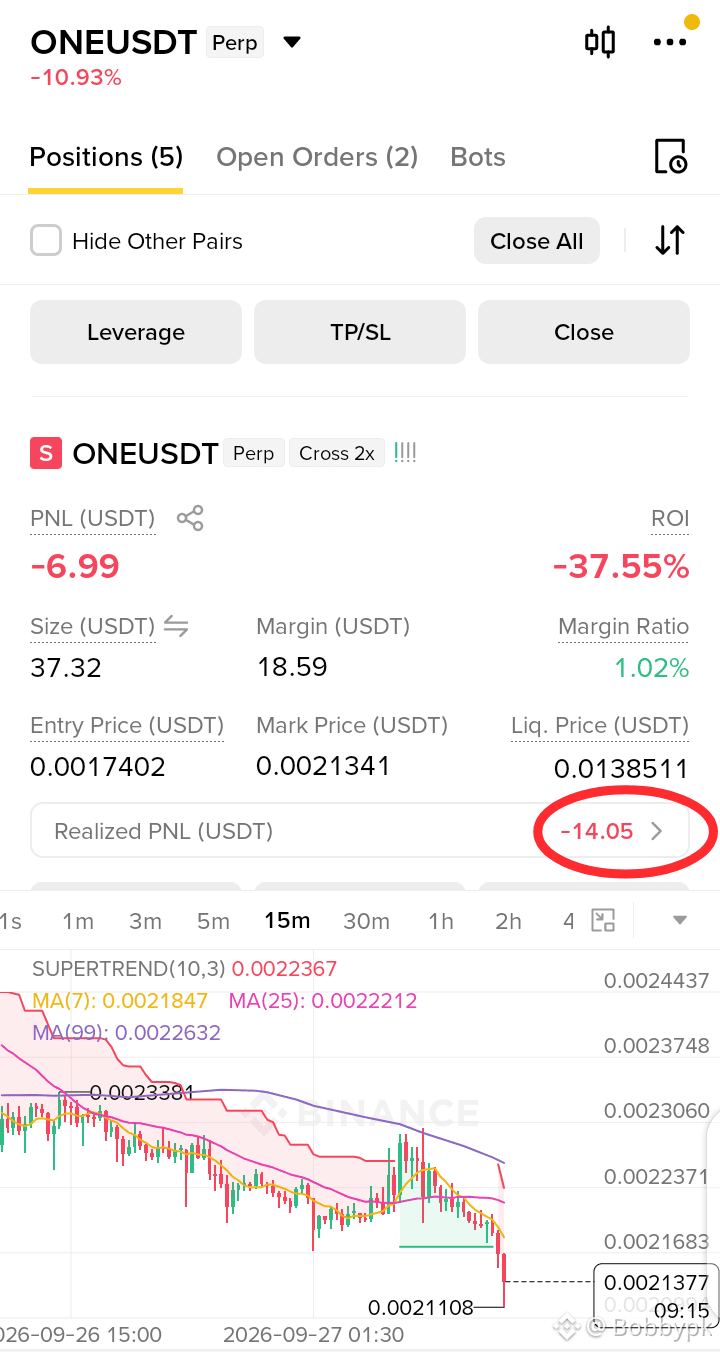
Dear friends bad habit's and conditions of #one For traders . As you can see in screenshot. DYOR 🔥 I think 💬 you understand.
#StrategyStriveAdd2305BitcoinThisWeek
Dear friends bad habit's and conditions of #one For traders . As you can see in screenshot. DYOR 🔥 I think 💬 you understand.
#StrategyStriveAdd2305BitcoinThisWeek
#StrategyStriveAdd2305BitcoinThisWeek
678
·
--
උසබ තත්ත්වය
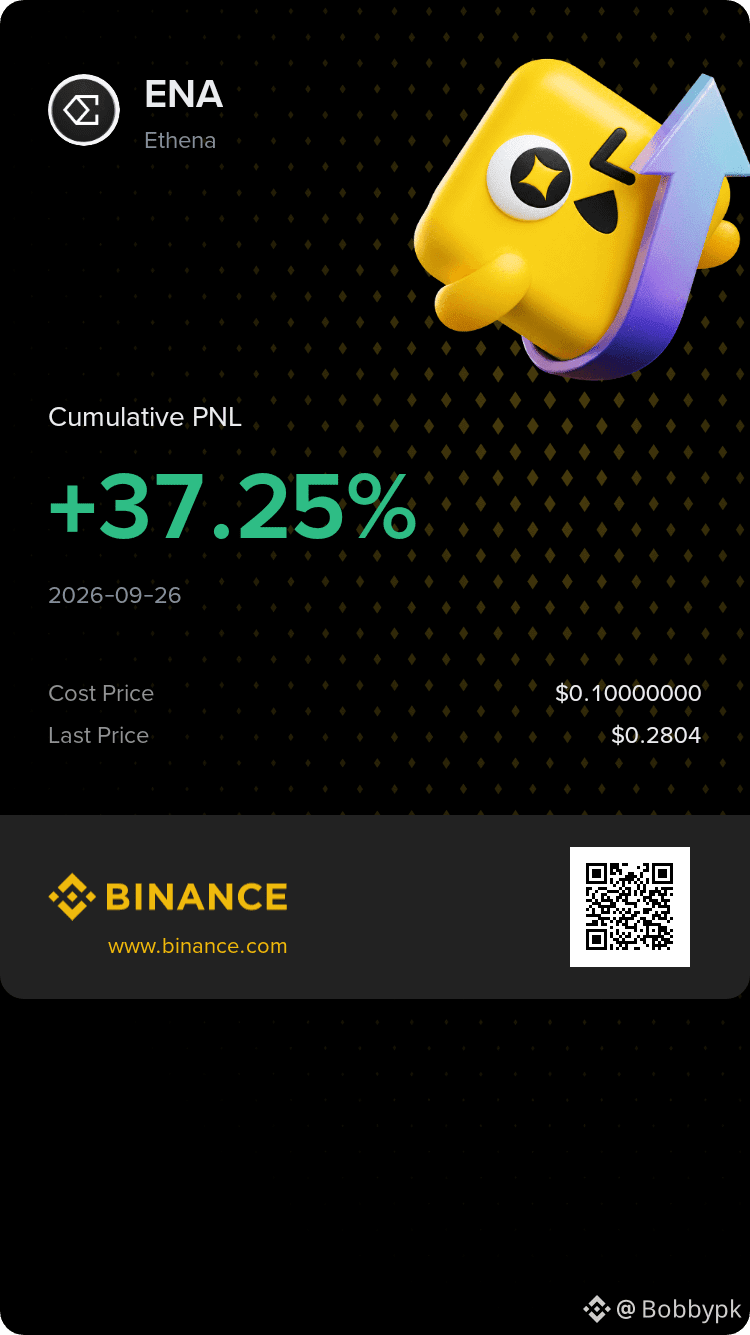
#ENA Performance is good that's great 👍
Good 👍 luck with Best wishes 💕 #CircleMints500MUSDCOnSolana
#PolymarketBankFailureBetsDrawFDICConcern
{spot}(ENAUSDT)
#ENA Performance is good that's great 👍
Good 👍 luck with Best wishes 💕 #CircleMints500MUSDCOnSolana
#PolymarketBankFailureBetsDrawFDICConcern
Good 👍 luck with Best wishes 💕 #CircleMints500MUSDCOnSolana
#PolymarketBankFailureBetsDrawFDICConcern
2
329
·
--
උසබ තත්ත්වය
Bobbypk
·
--
උසබ තත්ත්වය🤷♂️Click Below 👇 Link 🖇️ for Chance to win 30 BNB 💵 #bnb
Click 🔗 Link 30BNB
Click 🔗 Link 30BNB
1
1
576
·
--
උසබ තත්ත්වය
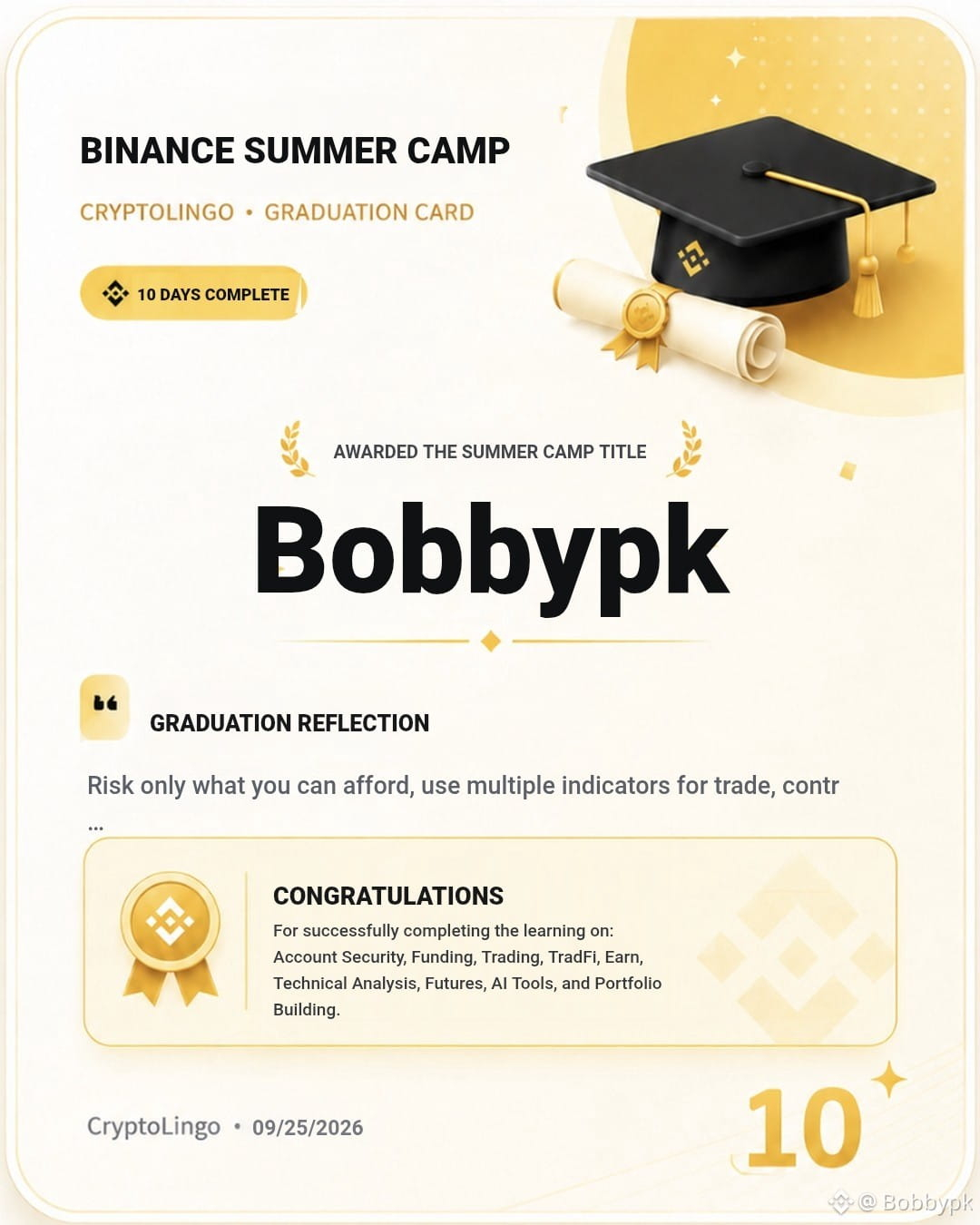
Just finished a 10-day, 10-lesson sprint at Binance Summer Camp. Learned a ton from locking down my account to diving into TradFi, Earn, futures, and playing around with AI tools. The main lesson? Only risk what you’re actually willing to lose, and don’t let one flashy indicator call all the shots.
Discipline always wins over hype. Every. Time.
Anyone else make it to the end? Comments 👇
#BinanceWillListHyperliquid(HYPE)
#FedOctoberRateHikeOddsRiseTo69.7% @Binance_Square_Official
#Saga
#bnb
#Bobbypk
{spot}(BNBUSDT)
{spot}(SAGAUSDT)
Just finished a 10-day, 10-lesson sprint at Binance Summer Camp. Learned a ton from locking down my account to diving into TradFi, Earn, futures, and playing around with AI tools. The main lesson? Only risk what you’re actually willing to lose, and don’t let one flashy indicator call all the shots.
Discipline always wins over hype. Every. Time.
Anyone else make it to the end? Comments 👇
#BinanceWillListHyperliquid(HYPE)
#FedOctoberRateHikeOddsRiseTo69.7% @Binance Square Official
#Saga
#bnb
#Bobbypk
Discipline always wins over hype. Every. Time.
Anyone else make it to the end? Comments 👇
#BinanceWillListHyperliquid(HYPE)
#FedOctoberRateHikeOddsRiseTo69.7% @Binance Square Official
#Saga
#bnb
#Bobbypk
9
2
775
·
--
උසබ තත්ත්වය
අර්ධ වශයෙන් සත්යයි
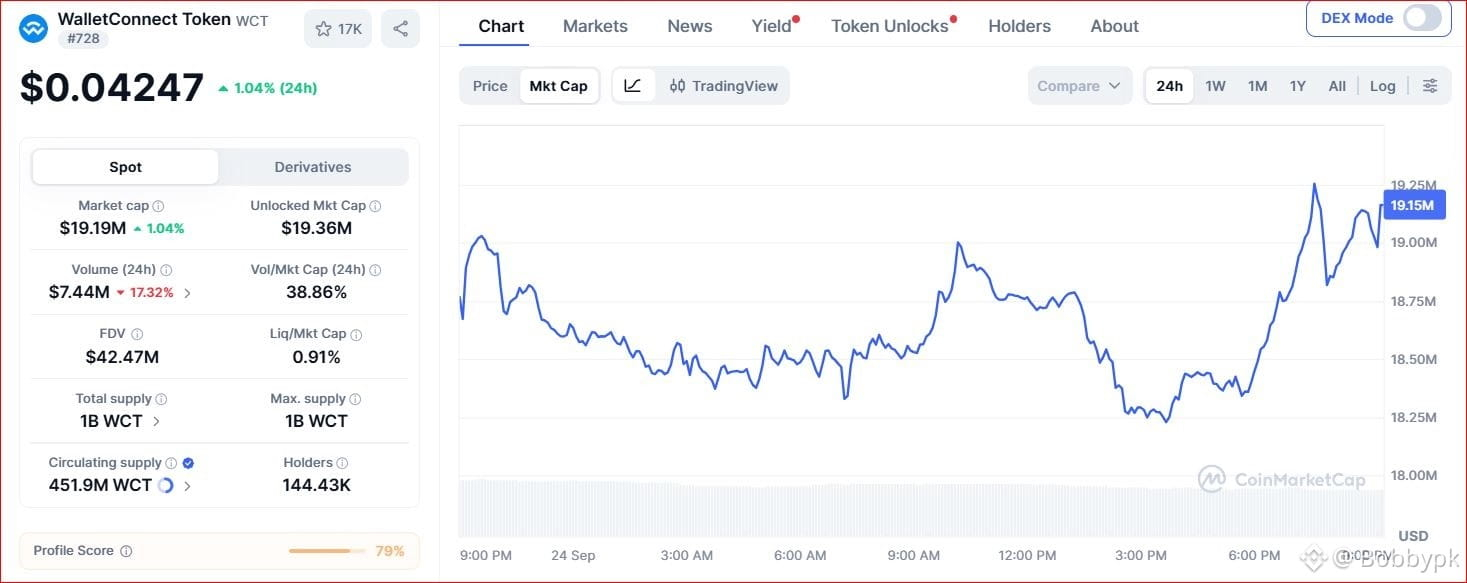
⭐WCT’s up 1% today at $0.0425, but don’t get too excited yet—trading volume just slumped 17%, and liquidity’s still razor-thin at only 0.91% of the market cap. Price moves like this don’t really capture what’s going on.
Here’s what actually matters: 18 million more tokens (worth about $760,000) are about to unlock, and almost half the total supply is already out there. Even so, the WalletConnect team keeps pushing ahead, building out their connectivity infrastructure while everyone’s distracted by short-term noise. That’s the part you want to pay attention to.
👀$WCT token unlock after 7 hours.
Now, big question: Should WalletConnect stick with confidential compliance features, or lean into the typical EVM-style transparency? Where do you stand? Let’s hear it.
#BinanceWillListHyperliquid(HYPE) #Broccoli
{spot}(BROCCOLI714USDT)
{spot}(WCTUSDT)
⭐WCT’s up 1% today at $0.0425, but don’t get too excited yet—trading volume just slumped 17%, and liquidity’s still razor-thin at only 0.91% of the market cap. Price moves like this don’t really capture what’s going on.
Here’s what actually matters: 18 million more tokens (worth about $760,000) are about to unlock, and almost half the total supply is already out there. Even so, the WalletConnect team keeps pushing ahead, building out their connectivity infrastructure while everyone’s distracted by short-term noise. That’s the part you want to pay attention to.
👀$WCT token unlock after 7 hours.
Now, big question: Should WalletConnect stick with confidential compliance features, or lean into the typical EVM-style transparency? Where do you stand? Let’s hear it.
#BinanceWillListHyperliquid(HYPE) #Broccoli
Here’s what actually matters: 18 million more tokens (worth about $760,000) are about to unlock, and almost half the total supply is already out there. Even so, the WalletConnect team keeps pushing ahead, building out their connectivity infrastructure while everyone’s distracted by short-term noise. That’s the part you want to pay attention to.
👀$WCT token unlock after 7 hours.
Now, big question: Should WalletConnect stick with confidential compliance features, or lean into the typical EVM-style transparency? Where do you stand? Let’s hear it.
#BinanceWillListHyperliquid(HYPE) #Broccoli

2
2
777
·
--
උසබ තත්ත්වය
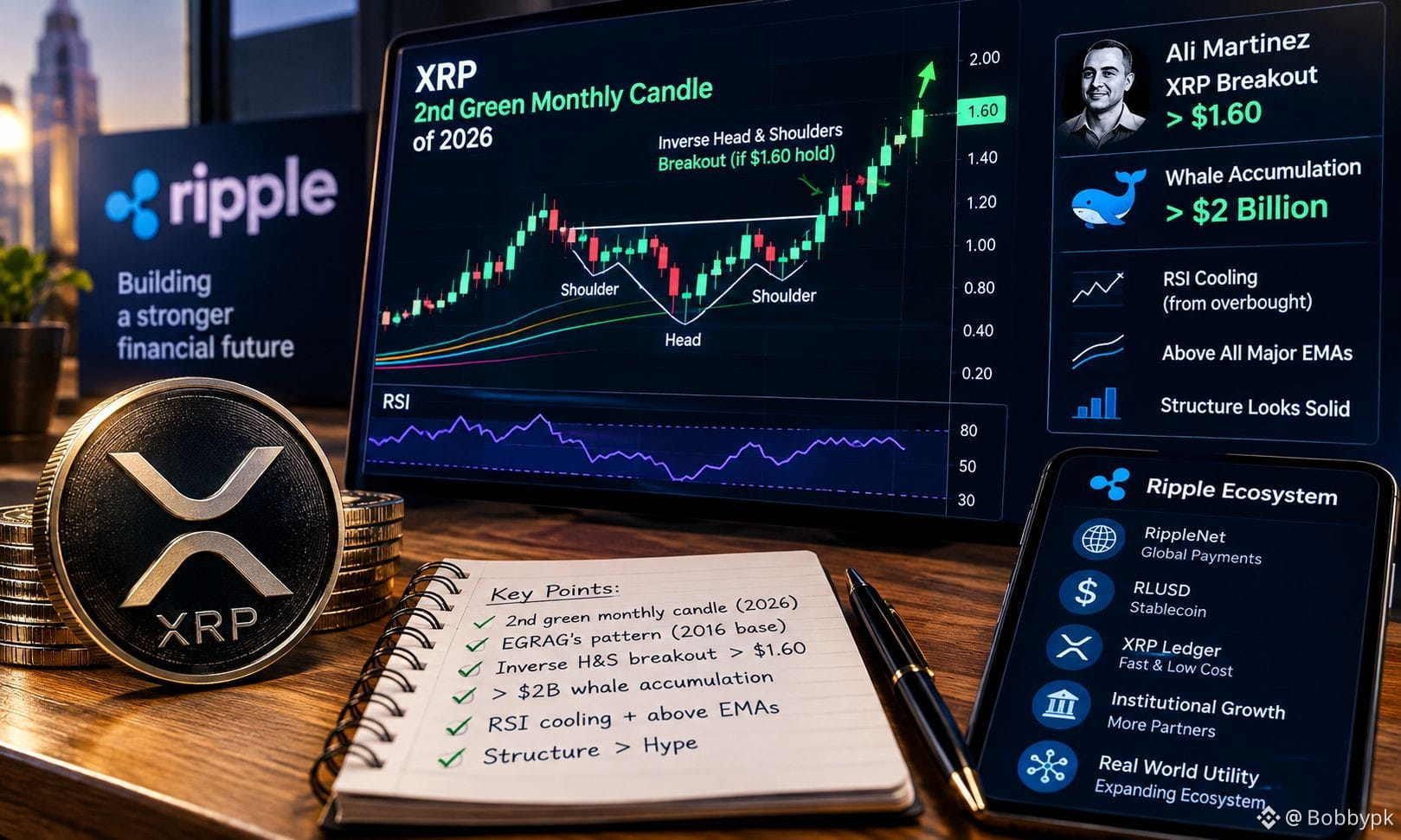
XRP just logged its second green monthly candle of 2026—the same kind of setup EGRAG pointed out right before the 2016 base and that massive 50x rally. If September closes green too, the pattern lines up.
Now, toss in Ali Martinez spotting an inverse head-and-shoulders breakout if XRP clears $1.60, along with more than $2 billion in recent whale accumulation. The momentum’s there—RSI is cooling off from overbought levels, price sits above all the big EMAs, and the chart looks solid.
Still, structure matters more than hype. Confirmation’s what counts.
Meanwhile, Ripple’s ecosystem keeps growing whether or not the chart’s exciting.
So here’s one for you: confidential, compliance-first blockchains versus the usual EVM transparency what do you think institutions will actually trust in the long run?
#AIStocksWhatNext #Saga
{spot}(SAGAUSDT)
{spot}(XRPUSDT)
XRP just logged its second green monthly candle of 2026—the same kind of setup EGRAG pointed out right before the 2016 base and that massive 50x rally. If September closes green too, the pattern lines up.
Now, toss in Ali Martinez spotting an inverse head-and-shoulders breakout if XRP clears $1.60, along with more than $2 billion in recent whale accumulation. The momentum’s there—RSI is cooling off from overbought levels, price sits above all the big EMAs, and the chart looks solid.
Still, structure matters more than hype. Confirmation’s what counts.
Meanwhile, Ripple’s ecosystem keeps growing whether or not the chart’s exciting.
So here’s one for you: confidential, compliance-first blockchains versus the usual EVM transparency what do you think institutions will actually trust in the long run?
#AIStocksWhatNext #Saga
Now, toss in Ali Martinez spotting an inverse head-and-shoulders breakout if XRP clears $1.60, along with more than $2 billion in recent whale accumulation. The momentum’s there—RSI is cooling off from overbought levels, price sits above all the big EMAs, and the chart looks solid.
Still, structure matters more than hype. Confirmation’s what counts.
Meanwhile, Ripple’s ecosystem keeps growing whether or not the chart’s exciting.
So here’s one for you: confidential, compliance-first blockchains versus the usual EVM transparency what do you think institutions will actually trust in the long run?
#AIStocksWhatNext #Saga
4
3
605
·
--
Bitwise’s latest report brings things back down to earth: big institutions still see $ETH and $SOL as risky venture plays, not as real competition for Bitcoin. They don’t have a solid thesis yet on how these assets will actually capture value. For now, they’re tracking stuff like stablecoin activity, DeFi fees, and waiting to see if real usage ever pushes the price up.
What really stands out? Even after a brutal 50% drop between October and April, no one cut their allocations. So, yeah, they still believe—but they won’t stick around forever.
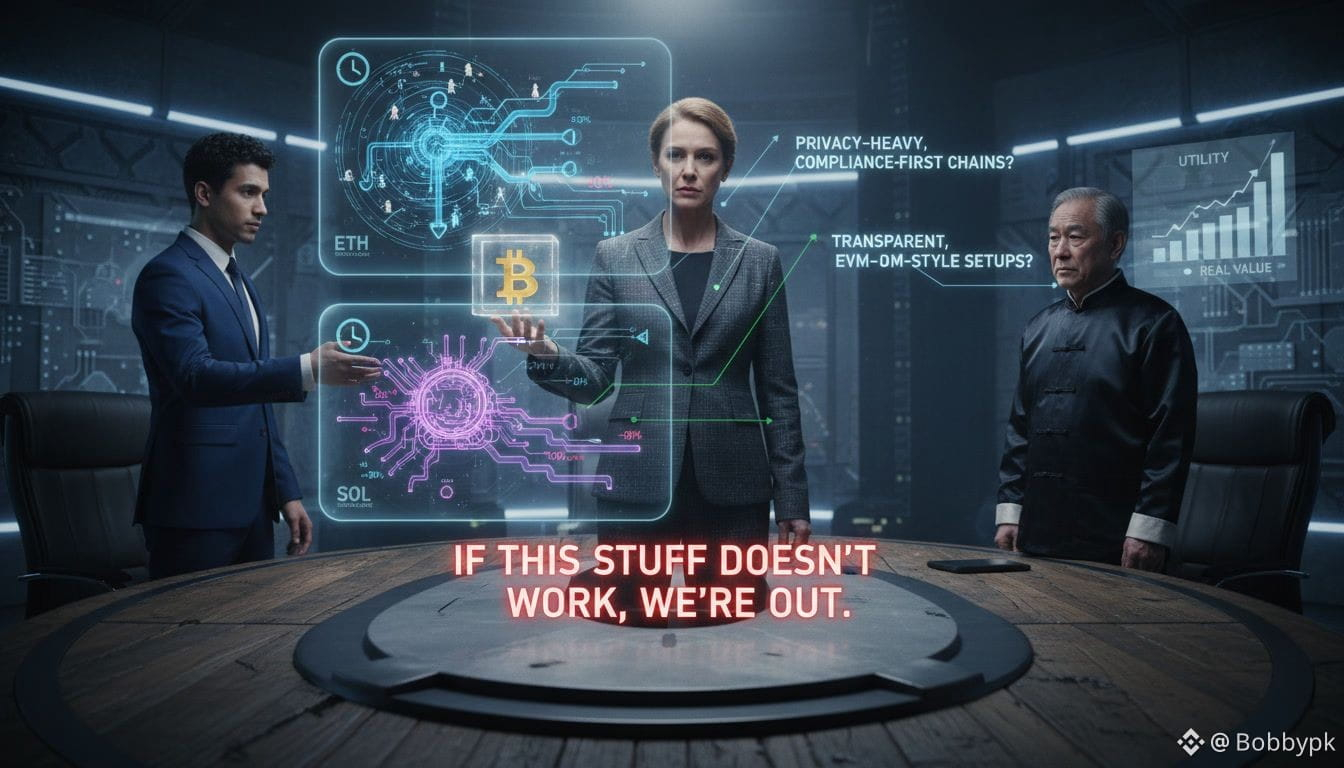
“If this stuff doesn’t work, we’re out.” That’s the clock ticking for both Ethereum and Solana right now.
So utility needs to turn into real value, sooner or later.
What do you think: do institutions want privacy-heavy, compliance-first chains, or do they prefer transparent, EVM-style setups?
#Saga
#AIStocksWhatNext
{spot}(SAGAUSDT)
{spot}(SOLUSDT)
{spot}(ETHUSDT)
Bitwise’s latest report brings things back down to earth: big institutions still see $ETH and $SOL as risky venture plays, not as real competition for Bitcoin. They don’t have a solid thesis yet on how these assets will actually capture value. For now, they’re tracking stuff like stablecoin activity, DeFi fees, and waiting to see if real usage ever pushes the price up.
What really stands out? Even after a brutal 50% drop between October and April, no one cut their allocations. So, yeah, they still believe—but they won’t stick around forever.
“If this stuff doesn’t work, we’re out.” That’s the clock ticking for both Ethereum and Solana right now.
So utility needs to turn into real value, sooner or later.
What do you think: do institutions want privacy-heavy, compliance-first chains, or do they prefer transparent, EVM-style setups?
#Saga
#AIStocksWhatNext
What really stands out? Even after a brutal 50% drop between October and April, no one cut their allocations. So, yeah, they still believe—but they won’t stick around forever.
“If this stuff doesn’t work, we’re out.” That’s the clock ticking for both Ethereum and Solana right now.
So utility needs to turn into real value, sooner or later.
What do you think: do institutions want privacy-heavy, compliance-first chains, or do they prefer transparent, EVM-style setups?
#Saga
#AIStocksWhatNext
2
2
417
·
--
Nine years ago, Cardano’s journey started with its very first block. Fast forward to today, and the numbers are wild: almost 2,900 stake pools, just under 14 million blocks, more than 123 million transactions, and now a fully on-chain constitution.
From those early Byron days to Van Rossem, Cardano hasn’t just survived the ups and downs it’s built governance that most layer-ones are still theorizing about. Now, with Hydra, Leios, and Peras on deck, Cardano’s gearing up to boost throughput somewhere between 10 to 65 times, and settlement speeds are getting snappier too.
ADA doesn’t ride hype waves. It's all about steady infrastructure growth, with upgrades that go through peer review instead of quick fixes.
Happy birthday, Cardano.
So, what’s your opinion? Is a confidential, compliance-centered design the real answer for institutions, or does radical transparency still win out over the typical EVM chain approach?
{spot}(SAGAUSDT)
{spot}(ADAUSDT)
#ADA
Nine years ago, Cardano’s journey started with its very first block. Fast forward to today, and the numbers are wild: almost 2,900 stake pools, just under 14 million blocks, more than 123 million transactions, and now a fully on-chain constitution.
From those early Byron days to Van Rossem, Cardano hasn’t just survived the ups and downs it’s built governance that most layer-ones are still theorizing about. Now, with Hydra, Leios, and Peras on deck, Cardano’s gearing up to boost throughput somewhere between 10 to 65 times, and settlement speeds are getting snappier too.
ADA doesn’t ride hype waves. It's all about steady infrastructure growth, with upgrades that go through peer review instead of quick fixes.
Happy birthday, Cardano.
So, what’s your opinion? Is a confidential, compliance-centered design the real answer for institutions, or does radical transparency still win out over the typical EVM chain approach?
#ADA
From those early Byron days to Van Rossem, Cardano hasn’t just survived the ups and downs it’s built governance that most layer-ones are still theorizing about. Now, with Hydra, Leios, and Peras on deck, Cardano’s gearing up to boost throughput somewhere between 10 to 65 times, and settlement speeds are getting snappier too.
ADA doesn’t ride hype waves. It's all about steady infrastructure growth, with upgrades that go through peer review instead of quick fixes.
Happy birthday, Cardano.
So, what’s your opinion? Is a confidential, compliance-centered design the real answer for institutions, or does radical transparency still win out over the typical EVM chain approach?
#ADA

4
3
523
·
--
උසබ තත්ත්වය
Crypto’s Fear & Greed Index just jumped to 78 solidly in “Greed” territory and honestly, that’s a big leap from 63 only a week ago. Sentiment moved fast. Now, we’re not far from the yearly high of 82 set back in August. You can see this reflected in Bitcoin’s price and trading volume; both ramped up as the index climbed over the past couple days.
One thing to keep in mind: when the index flashes extreme greed, it doesn’t always mean the top is in. Still, it definitely means the room for error gets tight because everyone’s piling in at once.
What’s your take does this run keep pushing toward a new high, or is it time for the sharp money to cash out? Share your thoughts below.
#AIStocksWhatNext
#BitcoinBreaksAboveMayHighNears$86K
#MUBARAK
{spot}(MUBARAKUSDT)
Crypto’s Fear & Greed Index just jumped to 78 solidly in “Greed” territory and honestly, that’s a big leap from 63 only a week ago. Sentiment moved fast. Now, we’re not far from the yearly high of 82 set back in August. You can see this reflected in Bitcoin’s price and trading volume; both ramped up as the index climbed over the past couple days.
One thing to keep in mind: when the index flashes extreme greed, it doesn’t always mean the top is in. Still, it definitely means the room for error gets tight because everyone’s piling in at once.
What’s your take does this run keep pushing toward a new high, or is it time for the sharp money to cash out? Share your thoughts below.
#AIStocksWhatNext
#BitcoinBreaksAboveMayHighNears$86K
#MUBARAK
One thing to keep in mind: when the index flashes extreme greed, it doesn’t always mean the top is in. Still, it definitely means the room for error gets tight because everyone’s piling in at once.
What’s your take does this run keep pushing toward a new high, or is it time for the sharp money to cash out? Share your thoughts below.
#AIStocksWhatNext
#BitcoinBreaksAboveMayHighNears$86K
#MUBARAK

2
251
·
--
උසබ තත්ත්වය
Cypherpunk Technologies just brought Amanda Fabiano onto its board. She brings a ton of hands-on experience from big names like Nakamoto, TeraWulf, Galaxy, and Fidelity. This move comes right after they rolled out a 4.2 GSol/s ZEC mining fleet, which pulled in over 3,000 $ZEC for the treasury during its first two weeks.
It’s interesting to see: big institutional players aren’t just interested in trading privacy assets anymore—they’re actually building real, dedicated infrastructure around them. That’s a big change. It feels like shifting from short-term bets to thinking long haul. You saw Bitcoin lead the way with stacking coins in treasury, now privacy chains are doing something similar.
Here’s the big question: does investing in privacy-first infrastructure like this show where “confidential compliance” is going, or does traditional EVM-style transparency still hold the edge when it comes to winning over institutions? What do you think? Drop your thoughts below.
#AIStocksWhatNext
#MUBARAK
{spot}(MUBARAKUSDT)
{spot}(SOLUSDT)
{spot}(ZECUSDT)
Cypherpunk Technologies just brought Amanda Fabiano onto its board. She brings a ton of hands-on experience from big names like Nakamoto, TeraWulf, Galaxy, and Fidelity. This move comes right after they rolled out a 4.2 GSol/s ZEC mining fleet, which pulled in over 3,000 $ZEC for the treasury during its first two weeks.
It’s interesting to see: big institutional players aren’t just interested in trading privacy assets anymore—they’re actually building real, dedicated infrastructure around them. That’s a big change. It feels like shifting from short-term bets to thinking long haul. You saw Bitcoin lead the way with stacking coins in treasury, now privacy chains are doing something similar.
Here’s the big question: does investing in privacy-first infrastructure like this show where “confidential compliance” is going, or does traditional EVM-style transparency still hold the edge when it comes to winning over institutions? What do you think? Drop your thoughts below.
#AIStocksWhatNext
#MUBARAK
It’s interesting to see: big institutional players aren’t just interested in trading privacy assets anymore—they’re actually building real, dedicated infrastructure around them. That’s a big change. It feels like shifting from short-term bets to thinking long haul. You saw Bitcoin lead the way with stacking coins in treasury, now privacy chains are doing something similar.
Here’s the big question: does investing in privacy-first infrastructure like this show where “confidential compliance” is going, or does traditional EVM-style transparency still hold the edge when it comes to winning over institutions? What do you think? Drop your thoughts below.
#AIStocksWhatNext
#MUBARAK

2
231
·
--
උසබ තත්ත්වය
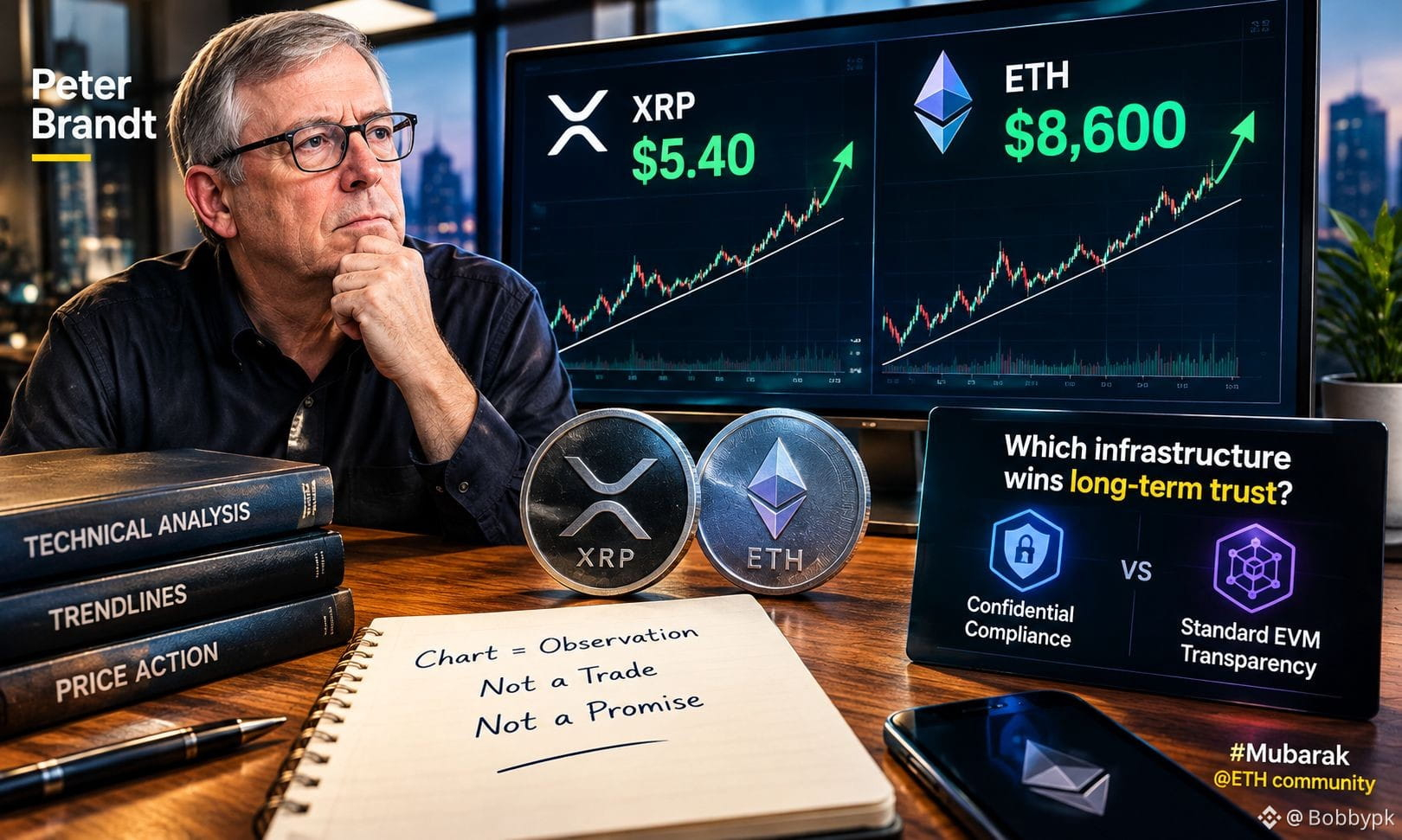
Peter Brandt just published long-term charts projecting $XRP toward $5.40 and $ETH toward $8,600, purely technical, no fundamentals attached. He was careful to note a chart is an observation on probability, not a trade or a promise.
That distinction matters more than the targets themselves. Classical trendline analysis from a trader who predates crypto entirely carries weight, but discipline separates signal from noise here.
#MUBARAK
@Ethereum_official community, beyond price targets, which infrastructure wins long-term trust, confidential compliance or standard EVM transparency? Let's hear it 👇
#AIStocksWhatNext @xrpl
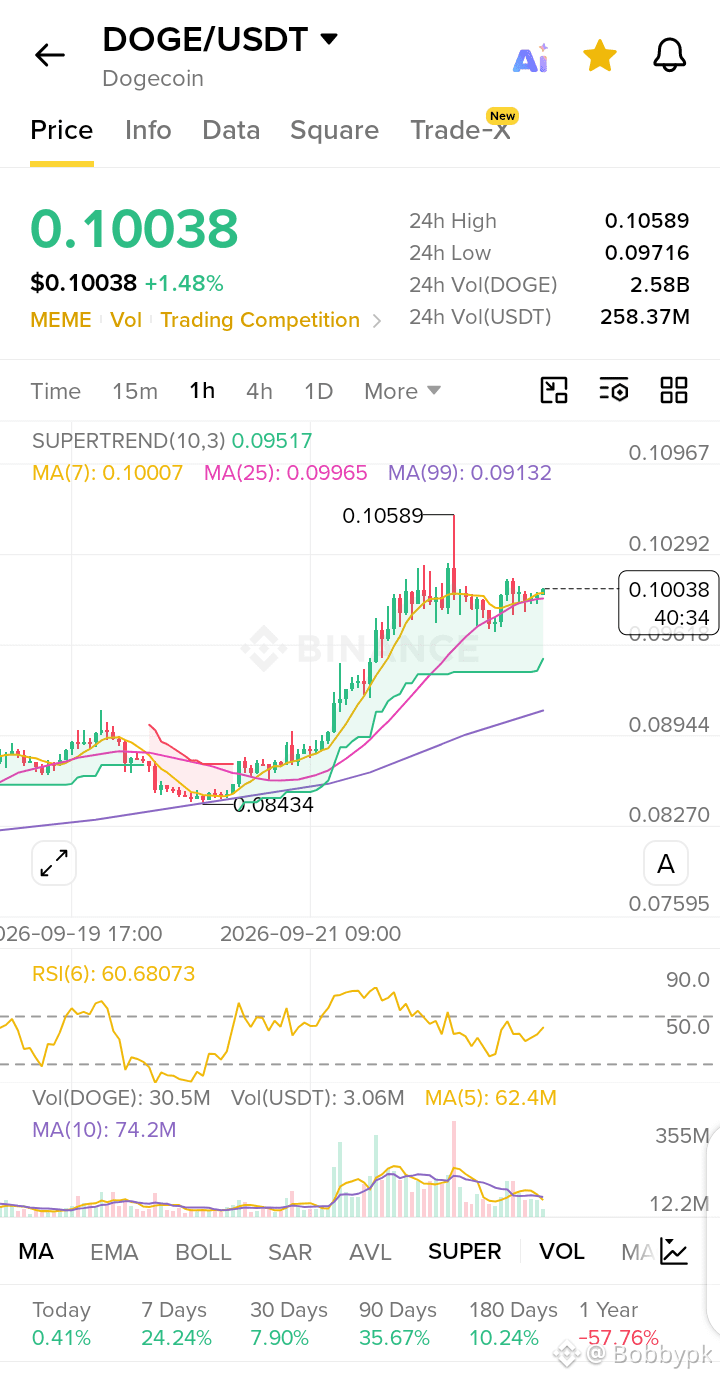
#DogecoinRises15%
#MUBARAK
{spot}(XRPUSDT)
{spot}(ETHUSDT)
{spot}(MUBARAKUSDT)
Peter Brandt just published long-term charts projecting $XRP toward $5.40 and $ETH toward $8,600, purely technical, no fundamentals attached. He was careful to note a chart is an observation on probability, not a trade or a promise.
That distinction matters more than the targets themselves. Classical trendline analysis from a trader who predates crypto entirely carries weight, but discipline separates signal from noise here.
#MUBARAK
@Ethereum community, beyond price targets, which infrastructure wins long-term trust, confidential compliance or standard EVM transparency? Let's hear it 👇
#AIStocksWhatNext @Ripple
#DogecoinRises15%
#MUBARAK
That distinction matters more than the targets themselves. Classical trendline analysis from a trader who predates crypto entirely carries weight, but discipline separates signal from noise here.
#MUBARAK
@Ethereum community, beyond price targets, which infrastructure wins long-term trust, confidential compliance or standard EVM transparency? Let's hear it 👇
#AIStocksWhatNext @Ripple
#DogecoinRises15%
#MUBARAK
3
352
·
--
උසබ තත්ත්වය
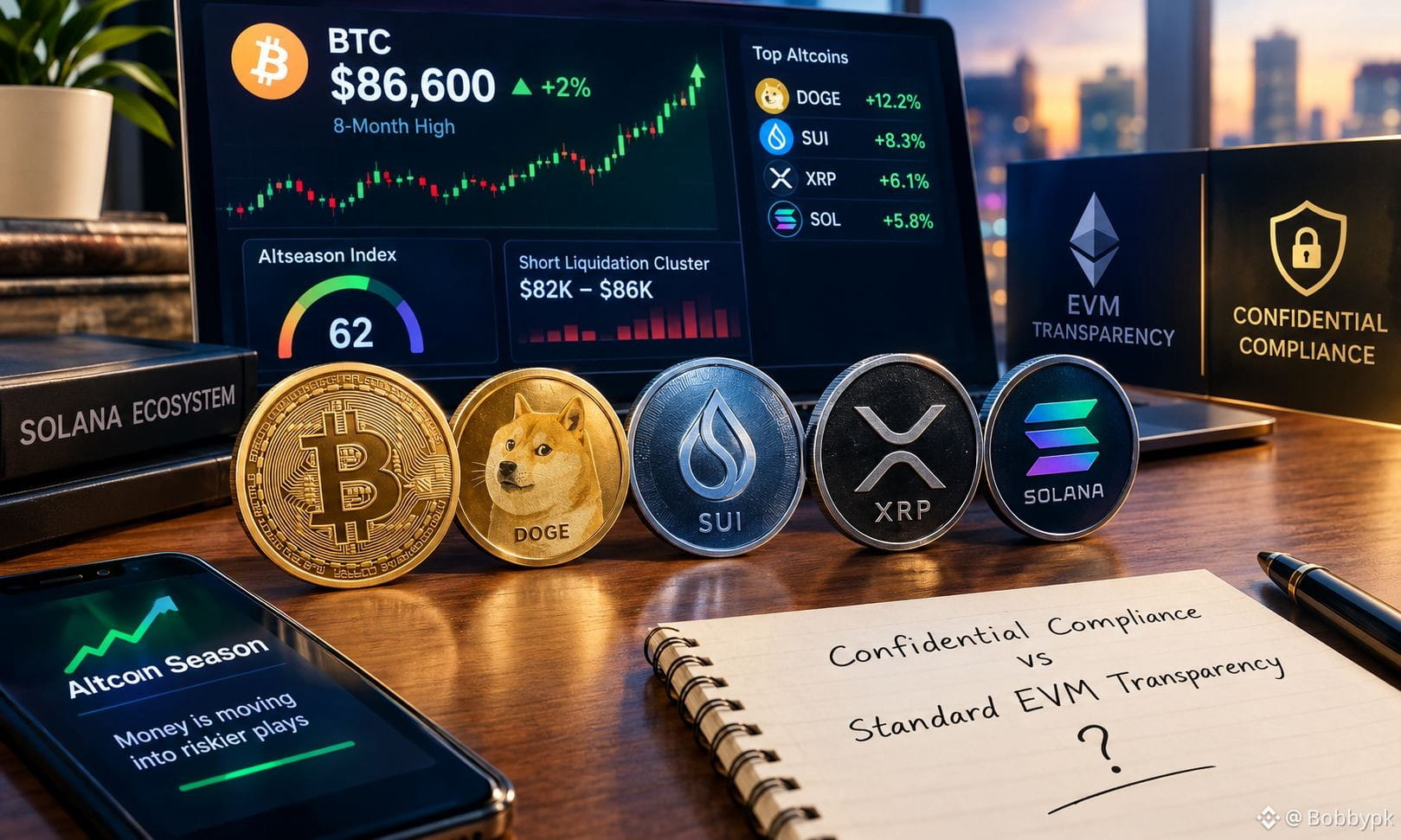
@bitcoin just hit an eight-month high, almost touching $86,600, but let’s be real altcoins stole the spotlight. Dogecoin shot up by 12.2%. Sui climbed 8.3%. XRP and Solana kept right on their heels, all moving way faster than Bitcoin’s modest 2% gain. Glassnode flagged a big cluster of shorts between $82K and $86K
people getting forced to cover their positions helped fuel the rally.
The Altseason Index sits at 62, backing up the numbers: money’s definitely moving into riskier plays as the mood turns optimistic. And if you look at what’s happening in the Solana ecosystem, you can see where a lot of that action’s going.
With altcoin season kicking into gear, there’s one big question for institutional players: What builds more trust, sticking with confidential compliance or going for standard EVM transparency? Let me know what you think below.
#AIStocksWhatNext $XRP #MuseOvertakesChatGPTAsTopFreeIOSApp
{spot}(BTCUSDT)
{spot}(MUBARAKUSDT)
@Bitcoin just hit an eight-month high, almost touching $86,600, but let’s be real altcoins stole the spotlight. Dogecoin shot up by 12.2%. Sui climbed 8.3%. XRP and Solana kept right on their heels, all moving way faster than Bitcoin’s modest 2% gain. Glassnode flagged a big cluster of shorts between $82K and $86K
people getting forced to cover their positions helped fuel the rally.
The Altseason Index sits at 62, backing up the numbers: money’s definitely moving into riskier plays as the mood turns optimistic. And if you look at what’s happening in the Solana ecosystem, you can see where a lot of that action’s going.
With altcoin season kicking into gear, there’s one big question for institutional players: What builds more trust, sticking with confidential compliance or going for standard EVM transparency? Let me know what you think below.
#AIStocksWhatNext $XRP #MuseOvertakesChatGPTAsTopFreeIOSApp
people getting forced to cover their positions helped fuel the rally.
The Altseason Index sits at 62, backing up the numbers: money’s definitely moving into riskier plays as the mood turns optimistic. And if you look at what’s happening in the Solana ecosystem, you can see where a lot of that action’s going.
With altcoin season kicking into gear, there’s one big question for institutional players: What builds more trust, sticking with confidential compliance or going for standard EVM transparency? Let me know what you think below.
#AIStocksWhatNext $XRP #MuseOvertakesChatGPTAsTopFreeIOSApp
2
274
·
--
උසබ තත්ත්වය
Crypto’s total market cap shot past $3 trillion for a bit, mostly thanks to Bitcoin flirting with $86K and altcoins going wild. Perpetual open interest almost hit $160 billion that’s the highest we’ve seen since October 2025. Just on Monday, $920 million in shorts got wiped out. There’s a lot of leverage piling up really quickly. That’s exciting, but it can flip things upside down just as fast.
Bitcoin’s still the anchor. Everything else is just chasing the hype and momentum, especially the smaller coins.
When rallies hit this hard, crypto infrastructure gets stress-tested in real time. I’m curious when leverage drives wild swings, does confidential compliance actually hold up, or does the standard EVM transparency handle it better? What do you think?
#AIStocksWhatNext
#TokenizedStockPlatformsCouldLaunchNextQuarter
@bitcoin
#MUBARAK
Crypto’s total market cap shot past $3 trillion for a bit, mostly thanks to Bitcoin flirting with $86K and altcoins going wild. Perpetual open interest almost hit $160 billion that’s the highest we’ve seen since October 2025. Just on Monday, $920 million in shorts got wiped out. There’s a lot of leverage piling up really quickly. That’s exciting, but it can flip things upside down just as fast.
Bitcoin’s still the anchor. Everything else is just chasing the hype and momentum, especially the smaller coins.
When rallies hit this hard, crypto infrastructure gets stress-tested in real time. I’m curious when leverage drives wild swings, does confidential compliance actually hold up, or does the standard EVM transparency handle it better? What do you think?
#AIStocksWhatNext
#TokenizedStockPlatformsCouldLaunchNextQuarter
@Bitcoin
#MUBARAK
Bitcoin’s still the anchor. Everything else is just chasing the hype and momentum, especially the smaller coins.
When rallies hit this hard, crypto infrastructure gets stress-tested in real time. I’m curious when leverage drives wild swings, does confidential compliance actually hold up, or does the standard EVM transparency handle it better? What do you think?
#AIStocksWhatNext
#TokenizedStockPlatformsCouldLaunchNextQuarter
@Bitcoin
#MUBARAK

2k
43
115
2k
·
--
උසබ තත්ත්වය
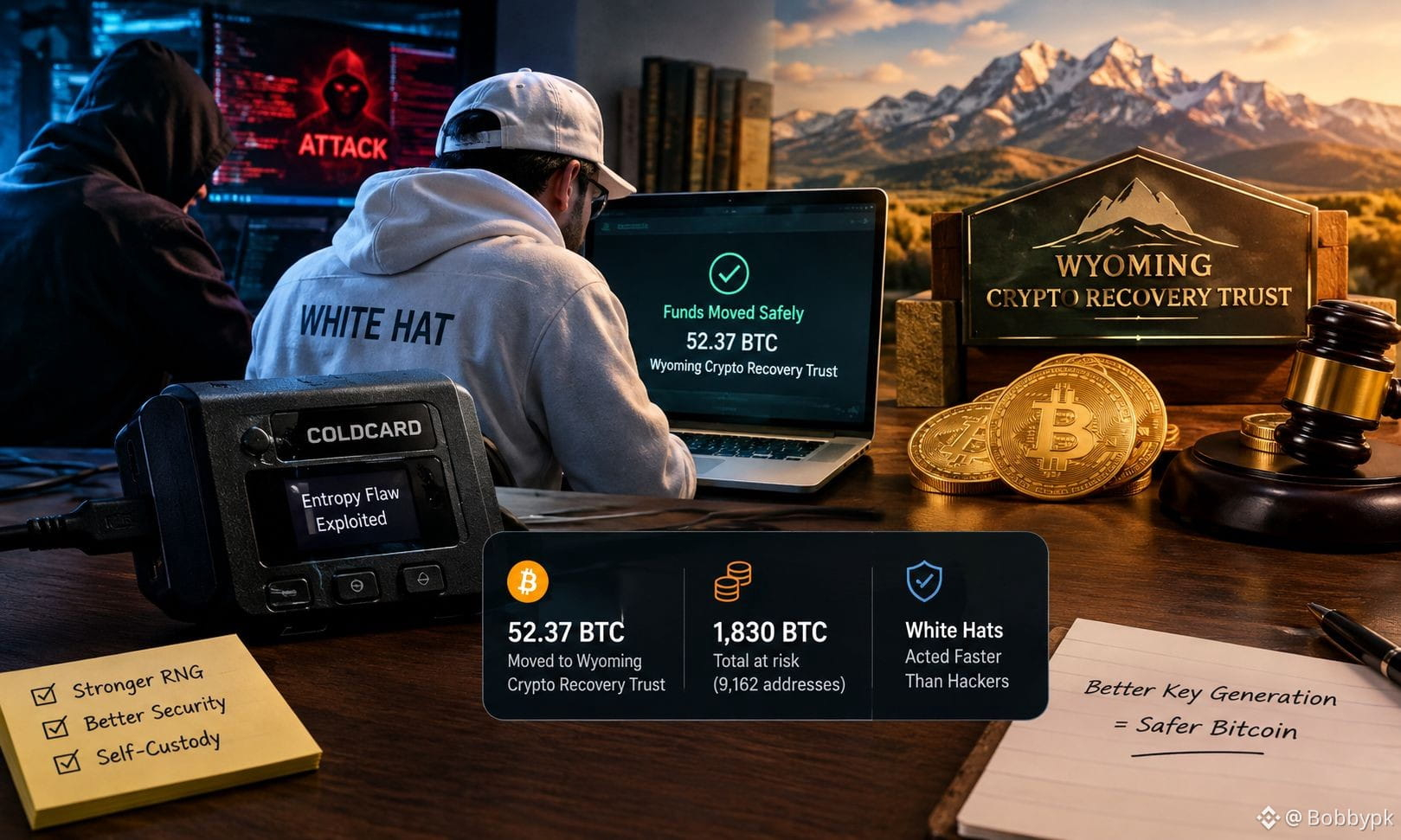
White hats just pulled off a win, beating out attackers trying to exploit a Coldcard entropy flaw. They managed to move 52.37 BTC into Wyoming’s Crypto Recovery Trust before hackers could touch it—this was just a chunk of a much bigger pot totaling 1,830 BTC spread across 9,162 exposed addresses.
This is security changing on the fly. You had the good guys acting faster than the bad guys, and a legal trust now stands by to give the money back to those who lost it. At the end of the day, though, protecting your bitcoin still comes down to how solid your key generation really is. Self-custody is empowering, but it comes with its own headaches if you’re not careful.
Just curious does this kind of quick rescue work better on blockchains where everything’s visible, or does more privacy actually help protect victims? Let’s hear what you think.
#AIStocksWhatNext @bitcoin #StrategyAdds950Bitcoin
#MUBARAK
{spot}(BTCUSDT)
{spot}(MUBARAKUSDT)
White hats just pulled off a win, beating out attackers trying to exploit a Coldcard entropy flaw. They managed to move 52.37 BTC into Wyoming’s Crypto Recovery Trust before hackers could touch it—this was just a chunk of a much bigger pot totaling 1,830 BTC spread across 9,162 exposed addresses.
This is security changing on the fly. You had the good guys acting faster than the bad guys, and a legal trust now stands by to give the money back to those who lost it. At the end of the day, though, protecting your bitcoin still comes down to how solid your key generation really is. Self-custody is empowering, but it comes with its own headaches if you’re not careful.
Just curious does this kind of quick rescue work better on blockchains where everything’s visible, or does more privacy actually help protect victims? Let’s hear what you think.
#AIStocksWhatNext @Bitcoin #StrategyAdds950Bitcoin
#MUBARAK
This is security changing on the fly. You had the good guys acting faster than the bad guys, and a legal trust now stands by to give the money back to those who lost it. At the end of the day, though, protecting your bitcoin still comes down to how solid your key generation really is. Self-custody is empowering, but it comes with its own headaches if you’re not careful.
Just curious does this kind of quick rescue work better on blockchains where everything’s visible, or does more privacy actually help protect victims? Let’s hear what you think.
#AIStocksWhatNext @Bitcoin #StrategyAdds950Bitcoin
#MUBARAK
3
243
තවත් අන්තර්ගතයන් ගවේෂණය කිරීමට ඇතුල් වන්න
Binance චතුරශ්රය හි ගෝලීය ක්රිප්ටෝ පරිශීලකයින් හා එක්වන්න
⚡️ ක්රිප්ටෝ පිළිබඳ නවතම සහ ප්රයෝජනවත් තොරතුරු ලබා ගන්න.
💬 ලොව විශාලතම ක්රිප්ටෝ හුවමාරුව මගින් විශ්වාස කෙරේ.
👍 සත්යායනය කරන ලද නිර්මාණකරුවන්ගෙන් සැබෑ විදසුන් සොයා ගන්න.
විද්යුත් තැපෑල / දුරකථන අංකය
නැගී එන මාතෘකා
BitwiseFilesFinalNEARSpotETFProspectus
12,501 views
447 සාකච්ඡා කරමින්
#bitwisefilesfinalnearspotetfprospectus 🚀
Can the NEAR token reach $562?$NEAR
Bitwise is preparing a spot NEAR ETF, listed under the ticker NRR on NYSE Arca. The manager was already discussing targets of $155, or even $562 by 2030.$RESOLV $DASH
Rajo C
·1 කැමත්ත දැක්වීම්
·2.2k views
BitgetHackerMoves$83MStolenXRP
15,134 views
94 සාකච්ඡා කරමින්
SOLSpotETFWeeklyInflow$188M
6,194 views
71 සාකච්ඡා කරමින්