
#write2earrn
write2earrn
19.2M views
20,119 සාකච්ඡා කරමින්
උණුසුම්
නවතම
·
--
උසබ තත්ත්වය
පරිවර්තනය බලන්න
$NVDAB #Write2Earrn ¿Cómo pueden los principiantes ganar 5$ en un solo día? 🚀💰
¿Eres nuevo en Binance? 👀
Puedes explorar programas como Write to Earn y crear contenido útil y original sobre criptomonedas para tener la oportunidad de ganar recompensas. ✍️🪙
✅ Comparte contenido útil sobre cripto
✅ Mantente activo y constante
✅ Interactúa con la comunidad de Binance
✅ Cumple las reglas y condiciones del programa
🎁 ¡Los usuarios que cumplan los requisitos pueden recibir recompensas de 5$ o más! 💵🔥
⚠️ Las recompensas no están garantizadas. Se aplican las condiciones de elegibilidad, disponibilidad y las reglas del programa. Asegúrate siempre de revisar los detalles oficiales del programa antes de participar.
$MSFTB #Write2Earn! #btc70k
$NVDAB #Write2Earrn ¿Cómo pueden los principiantes ganar 5$ en un solo día? 🚀💰
¿Eres nuevo en Binance? 👀
Puedes explorar programas como Write to Earn y crear contenido útil y original sobre criptomonedas para tener la oportunidad de ganar recompensas. ✍️🪙
✅ Comparte contenido útil sobre cripto
✅ Mantente activo y constante
✅ Interactúa con la comunidad de Binance
✅ Cumple las reglas y condiciones del programa
🎁 ¡Los usuarios que cumplan los requisitos pueden recibir recompensas de 5$ o más! 💵🔥
⚠️ Las recompensas no están garantizadas. Se aplican las condiciones de elegibilidad, disponibilidad y las reglas del programa. Asegúrate siempre de revisar los detalles oficiales del programa antes de participar.
$MSFTB #Write2Earn! #btc70k
¿Eres nuevo en Binance? 👀
Puedes explorar programas como Write to Earn y crear contenido útil y original sobre criptomonedas para tener la oportunidad de ganar recompensas. ✍️🪙
✅ Comparte contenido útil sobre cripto
✅ Mantente activo y constante
✅ Interactúa con la comunidad de Binance
✅ Cumple las reglas y condiciones del programa
🎁 ¡Los usuarios que cumplan los requisitos pueden recibir recompensas de 5$ o más! 💵🔥
⚠️ Las recompensas no están garantizadas. Se aplican las condiciones de elegibilidad, disponibilidad y las reglas del programa. Asegúrate siempre de revisar los detalles oficiales del programa antes de participar.
$MSFTB #Write2Earn! #btc70k
93

·
--
පරිවර්තනය බලන්න
🚀 Write to Earn on Binance Square! 💰
The crypto world is moving fast, and Binance Square is a great place to share your ideas, market insights, and favorite projects. Create original content, grow your audience, and explore exciting Write to Earn opportunities! 🪙📈
Stay consistent, share valuable insights, and keep learning. Your next post could be your biggest one! 🔥
#BinanceSquare #Write2Earrn #Crypto #Bitcoin #BNB #Web3
🚀 Write to Earn on Binance Square! 💰
The crypto world is moving fast, and Binance Square is a great place to share your ideas, market insights, and favorite projects. Create original content, grow your audience, and explore exciting Write to Earn opportunities! 🪙📈
Stay consistent, share valuable insights, and keep learning. Your next post could be your biggest one! 🔥
#BinanceSquare #Write2Earrn #Crypto #Bitcoin #BNB #Web3
The crypto world is moving fast, and Binance Square is a great place to share your ideas, market insights, and favorite projects. Create original content, grow your audience, and explore exciting Write to Earn opportunities! 🪙📈
Stay consistent, share valuable insights, and keep learning. Your next post could be your biggest one! 🔥
#BinanceSquare #Write2Earrn #Crypto #Bitcoin #BNB #Web3
204

·
--
උසබ තත්ත්වය
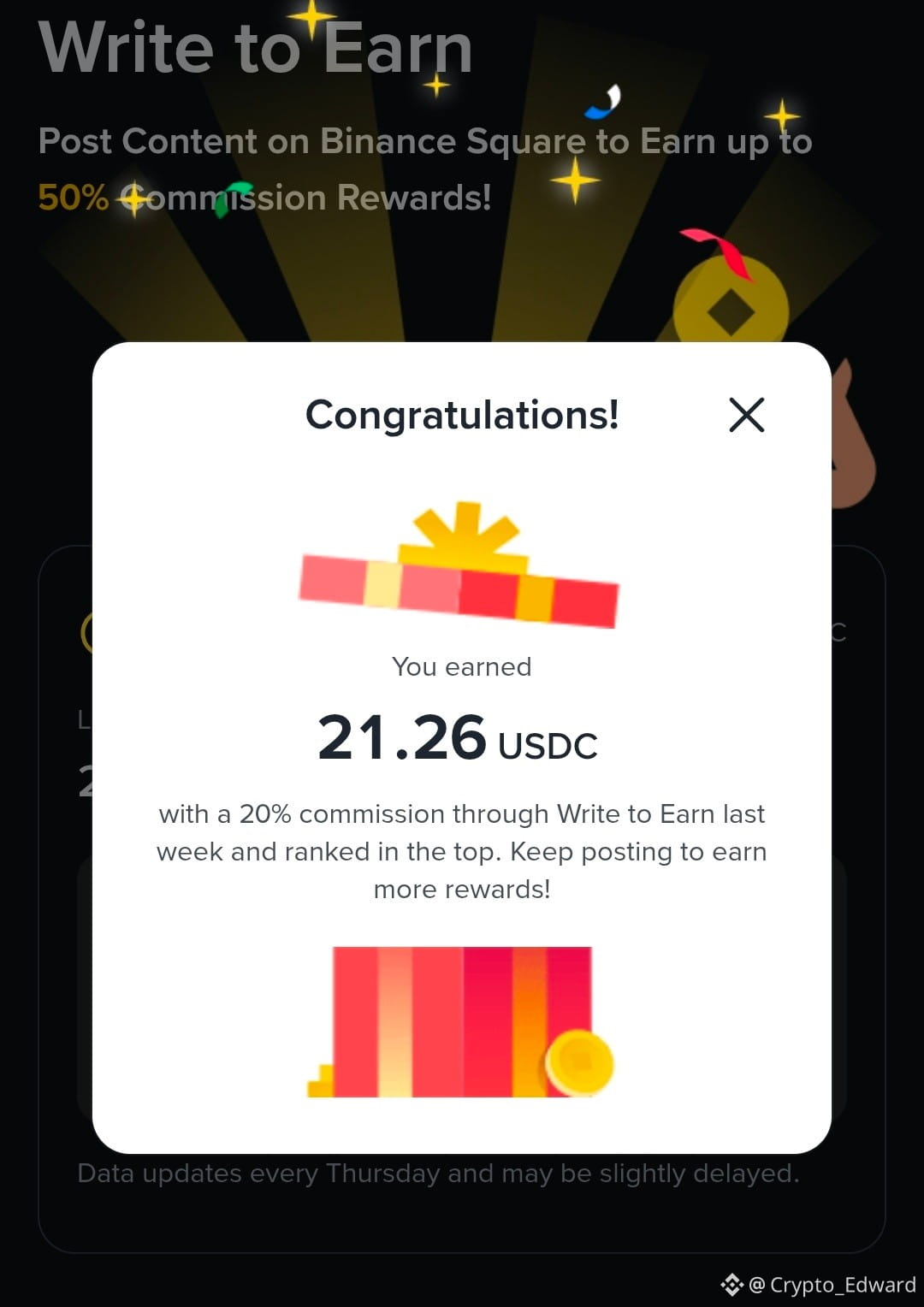
LAST WEEK’S WRITE TO EARN REWARD — 21.26 USDC
နောက်တစ်ပတ်၊ Binance Square မှာ အကြောင်းအရာဖန်တီးပြီး ရရှိတဲ့ နောက်ထပ် ဆုတစ်ခု။
ပြီးခဲ့တဲ့အပတ်က Write to Earn နဲ့ 20% commission ရပြီး 21.26 USDC ရရှိခဲ့ပြီး ထိပ်တန်း ပံ့ပိုးသူတွေထဲမှာ ပါဝင်ခဲ့ပါတယ်။
ကျွန်မအတွက်တော့ ဒါက ဆုတစ်ခုတင်မဟုတ်ပါဘူး။ တည်ငြိမ်နေဖို့၊ အသုံးဝင်တဲ့ crypto အကြောင်းအရာတွေကို မျှဝေဖို့၊ ခိုင်မာတဲ့ အသိုင်းအဝိုင်းတစ်ခု တည်ဆောက်ဖို့၊ ပြီးတော့ ကျွန်မရဲ့ trader တွေနဲ့ follower တွေနဲ့အတူ အတူတကွ တိုးတက်ကြီးထွားဖို့ပါ။
သင်က ကျွန်မရဲ့ပို့စ်တွေကို လိုက်နာနေပြီးသားဆိုရင် ဆက်လက်ဆက်သွယ်နေပြီး ကျွန်မကို ဆက်လက်ထောက်ပံ့ပါ။ သင့် likes, comments, shares, နဲ့ follows တွေက ကျွန်မကို ပိုမိုအကြောင်းအရာတွေ ဆက်လက်ဖန်တီးနိုင်အောင် ကူညီပါတယ်။
ပြီးတော့ သင် ဒီနေရာမှာ အသစ်ဖြစ်နေပါက အခု လိုက်နာပြီး ဒီခရီးကို အတူတူ လျှောက်ကြရအောင်။
ကျွန်မက ဆက်လက် ယူဆောင်လာမယ်—
➡️စျေးကွက် အပ်ဒိတ်များ
➡️Trading setups
➡️AlphaCoin အခွင့်အလမ်းများ
➡️Crypto ထိုးထွင်းသိမြင်မှုများ
လက်ရှိ Profect Performer coin Entries-
$GPS
$ACE
$EUL
အတူတကွ ကြီးထွားကြရအောင်၊ တက်ကြွနေပြီး ပို့စ်တိုင်းမှာ အကျိုးရှိအောင် လုပ်ကြပါစို့။
#Write2Earrn
LAST WEEK’S WRITE TO EARN REWARD — 21.26 USDC
နောက်တစ်ပတ်၊ Binance Square မှာ အကြောင်းအရာဖန်တီးပြီး ရရှိတဲ့ နောက်ထပ် ဆုတစ်ခု။
ပြီးခဲ့တဲ့အပတ်က Write to Earn နဲ့ 20% commission ရပြီး 21.26 USDC ရရှိခဲ့ပြီး ထိပ်တန်း ပံ့ပိုးသူတွေထဲမှာ ပါဝင်ခဲ့ပါတယ်။
ကျွန်မအတွက်တော့ ဒါက ဆုတစ်ခုတင်မဟုတ်ပါဘူး။ တည်ငြိမ်နေဖို့၊ အသုံးဝင်တဲ့ crypto အကြောင်းအရာတွေကို မျှဝေဖို့၊ ခိုင်မာတဲ့ အသိုင်းအဝိုင်းတစ်ခု တည်ဆောက်ဖို့၊ ပြီးတော့ ကျွန်မရဲ့ trader တွေနဲ့ follower တွေနဲ့အတူ အတူတကွ တိုးတက်ကြီးထွားဖို့ပါ။
သင်က ကျွန်မရဲ့ပို့စ်တွေကို လိုက်နာနေပြီးသားဆိုရင် ဆက်လက်ဆက်သွယ်နေပြီး ကျွန်မကို ဆက်လက်ထောက်ပံ့ပါ။ သင့် likes, comments, shares, နဲ့ follows တွေက ကျွန်မကို ပိုမိုအကြောင်းအရာတွေ ဆက်လက်ဖန်တီးနိုင်အောင် ကူညီပါတယ်။
ပြီးတော့ သင် ဒီနေရာမှာ အသစ်ဖြစ်နေပါက အခု လိုက်နာပြီး ဒီခရီးကို အတူတူ လျှောက်ကြရအောင်။
ကျွန်မက ဆက်လက် ယူဆောင်လာမယ်—
➡️စျေးကွက် အပ်ဒိတ်များ
➡️Trading setups
➡️AlphaCoin အခွင့်အလမ်းများ
➡️Crypto ထိုးထွင်းသိမြင်မှုများ
လက်ရှိ Profect Performer coin Entries-
$GPS
$ACE
$EUL
အတူတကွ ကြီးထွားကြရအောင်၊ တက်ကြွနေပြီး ပို့စ်တိုင်းမှာ အကျိုးရှိအောင် လုပ်ကြပါစို့။
#Write2Earrn
နောက်တစ်ပတ်၊ Binance Square မှာ အကြောင်းအရာဖန်တီးပြီး ရရှိတဲ့ နောက်ထပ် ဆုတစ်ခု။
ပြီးခဲ့တဲ့အပတ်က Write to Earn နဲ့ 20% commission ရပြီး 21.26 USDC ရရှိခဲ့ပြီး ထိပ်တန်း ပံ့ပိုးသူတွေထဲမှာ ပါဝင်ခဲ့ပါတယ်။
ကျွန်မအတွက်တော့ ဒါက ဆုတစ်ခုတင်မဟုတ်ပါဘူး။ တည်ငြိမ်နေဖို့၊ အသုံးဝင်တဲ့ crypto အကြောင်းအရာတွေကို မျှဝေဖို့၊ ခိုင်မာတဲ့ အသိုင်းအဝိုင်းတစ်ခု တည်ဆောက်ဖို့၊ ပြီးတော့ ကျွန်မရဲ့ trader တွေနဲ့ follower တွေနဲ့အတူ အတူတကွ တိုးတက်ကြီးထွားဖို့ပါ။
သင်က ကျွန်မရဲ့ပို့စ်တွေကို လိုက်နာနေပြီးသားဆိုရင် ဆက်လက်ဆက်သွယ်နေပြီး ကျွန်မကို ဆက်လက်ထောက်ပံ့ပါ။ သင့် likes, comments, shares, နဲ့ follows တွေက ကျွန်မကို ပိုမိုအကြောင်းအရာတွေ ဆက်လက်ဖန်တီးနိုင်အောင် ကူညီပါတယ်။
ပြီးတော့ သင် ဒီနေရာမှာ အသစ်ဖြစ်နေပါက အခု လိုက်နာပြီး ဒီခရီးကို အတူတူ လျှောက်ကြရအောင်။
ကျွန်မက ဆက်လက် ယူဆောင်လာမယ်—
➡️စျေးကွက် အပ်ဒိတ်များ
➡️Trading setups
➡️AlphaCoin အခွင့်အလမ်းများ
➡️Crypto ထိုးထွင်းသိမြင်မှုများ
လက်ရှိ Profect Performer coin Entries-
$GPS
$ACE
$EUL
အတူတကွ ကြီးထွားကြရအောင်၊ တက်ကြွနေပြီး ပို့စ်တိုင်းမှာ အကျိုးရှိအောင် လုပ်ကြပါစို့။
#Write2Earrn
3
332

මෙහි අලුතින් කන්ටෙන්ට් නිර්මාණය කිරීමට පටන් ගන්නා ඔබ සැමට, 50% කොමිෂන් එක පසුපස යන්නට අවශ්ය නම්, අපි එකට ඉගෙන ගනිමු! Binance මාර්ගෝපදේශ අනුව, අපගේ පෝස්ට් වඩාත් කැපී පෙනෙන ලෙස කිරීමට මේ කිහිපයක් උපදෙස්:
අඛණ්ඩතාවය ප්රධානයි: වෙළඳපොළ (market) පිළිබඳව නියමිත ලෙස යාවත්කාලීන කිරීම කියවන්නන්ට බෙහෙවින් ප්රියයි.
ආකර්ෂණීය මාතෘකාවක් සාදන්න: පළමු වාක్యంలో ඇති hook එකෙන්ම මිනිස්සුන්ට අවසානය දක්වා කියවීමට ආශාව ඇතිවන බවට වග බලා ගන්න.
අන්තර්ක්රියා ගොඩනඟන්න: අදහස් වලට පිළිතුරු දීමට අමතක නොකර, වෙනත් නිර්මාණකරුවන්ගේ පෝස්ට් වලද සක්රීයව සාකච්ඡා කරන්න.
මමත් තවමත් ඉගෙන ගනිමින්, මගේ පළමු reward එක පසුපස යනවා. මෙතැන “suhu” කෙනෙක් තවත් උපක්රම ටිකක් එකතු කරන්න කැමතිද? කරුණාකර අදහස් වලින් ඔබේ අත්දැකීම් බෙදා ගන්න! 🤝📈
#Write2Earrn #cryptouniverseofficial #binancecreator #CuanCrypto
මෙහි අලුතින් කන්ටෙන්ට් නිර්මාණය කිරීමට පටන් ගන්නා ඔබ සැමට, 50% කොමිෂන් එක පසුපස යන්නට අවශ්ය නම්, අපි එකට ඉගෙන ගනිමු! Binance මාර්ගෝපදේශ අනුව, අපගේ පෝස්ට් වඩාත් කැපී පෙනෙන ලෙස කිරීමට මේ කිහිපයක් උපදෙස්:
අඛණ්ඩතාවය ප්රධානයි: වෙළඳපොළ (market) පිළිබඳව නියමිත ලෙස යාවත්කාලීන කිරීම කියවන්නන්ට බෙහෙවින් ප්රියයි.
ආකර්ෂණීය මාතෘකාවක් සාදන්න: පළමු වාක్యంలో ඇති hook එකෙන්ම මිනිස්සුන්ට අවසානය දක්වා කියවීමට ආශාව ඇතිවන බවට වග බලා ගන්න.
අන්තර්ක්රියා ගොඩනඟන්න: අදහස් වලට පිළිතුරු දීමට අමතක නොකර, වෙනත් නිර්මාණකරුවන්ගේ පෝස්ට් වලද සක්රීයව සාකච්ඡා කරන්න.
මමත් තවමත් ඉගෙන ගනිමින්, මගේ පළමු reward එක පසුපස යනවා. මෙතැන “suhu” කෙනෙක් තවත් උපක්රම ටිකක් එකතු කරන්න කැමතිද? කරුණාකර අදහස් වලින් ඔබේ අත්දැකීම් බෙදා ගන්න! 🤝📈
#Write2Earrn #cryptouniverseofficial #binancecreator #CuanCrypto
අඛණ්ඩතාවය ප්රධානයි: වෙළඳපොළ (market) පිළිබඳව නියමිත ලෙස යාවත්කාලීන කිරීම කියවන්නන්ට බෙහෙවින් ප්රියයි.
ආකර්ෂණීය මාතෘකාවක් සාදන්න: පළමු වාක్యంలో ඇති hook එකෙන්ම මිනිස්සුන්ට අවසානය දක්වා කියවීමට ආශාව ඇතිවන බවට වග බලා ගන්න.
අන්තර්ක්රියා ගොඩනඟන්න: අදහස් වලට පිළිතුරු දීමට අමතක නොකර, වෙනත් නිර්මාණකරුවන්ගේ පෝස්ට් වලද සක්රීයව සාකච්ඡා කරන්න.
මමත් තවමත් ඉගෙන ගනිමින්, මගේ පළමු reward එක පසුපස යනවා. මෙතැන “suhu” කෙනෙක් තවත් උපක්රම ටිකක් එකතු කරන්න කැමතිද? කරුණාකර අදහස් වලින් ඔබේ අත්දැකීම් බෙදා ගන්න! 🤝📈
#Write2Earrn #cryptouniverseofficial #binancecreator #CuanCrypto
129
·
--
පරිවර්තනය බලන්න
🚀 Write to Earn on Binance Square! ✍️💰
Create quality content, grow your audience, and unlock exciting earning opportunities! 🌟🔥
Your words can become your rewards! 💛🚀
#BinanceSquareFamily #Write2Earrn #Crypto #Binance $NVDAB
🚀 Write to Earn on Binance Square! ✍️💰
Create quality content, grow your audience, and unlock exciting earning opportunities! 🌟🔥
Your words can become your rewards! 💛🚀
#BinanceSquareFamily #Write2Earrn #Crypto #Binance $NVDAB
Create quality content, grow your audience, and unlock exciting earning opportunities! 🌟🔥
Your words can become your rewards! 💛🚀
#BinanceSquareFamily #Write2Earrn #Crypto #Binance $NVDAB

94
·
--
පරිවර්තනය බලන්න
لا تثق بما تراه ، حتى الملح يبدو كالسُكر
Don't trust what you see ,even salt looks like sugar.
#BinanceSquareFamily #squaredz #blida26 #Write2Earrn #Earncommissions
$HYPE
{future}(HYPEUSDT)
$CL
{future}(CLUSDT)
$BTW
{future}(BTWUSDT)
لا تثق بما تراه ، حتى الملح يبدو كالسُكر
Don't trust what you see ,even salt looks like sugar.
#BinanceSquareFamily #squaredz #blida26 #Write2Earrn #Earncommissions
$HYPE
$CL
$BTW
Don't trust what you see ,even salt looks like sugar.
#BinanceSquareFamily #squaredz #blida26 #Write2Earrn #Earncommissions
$HYPE
$CL
$BTW
1
435

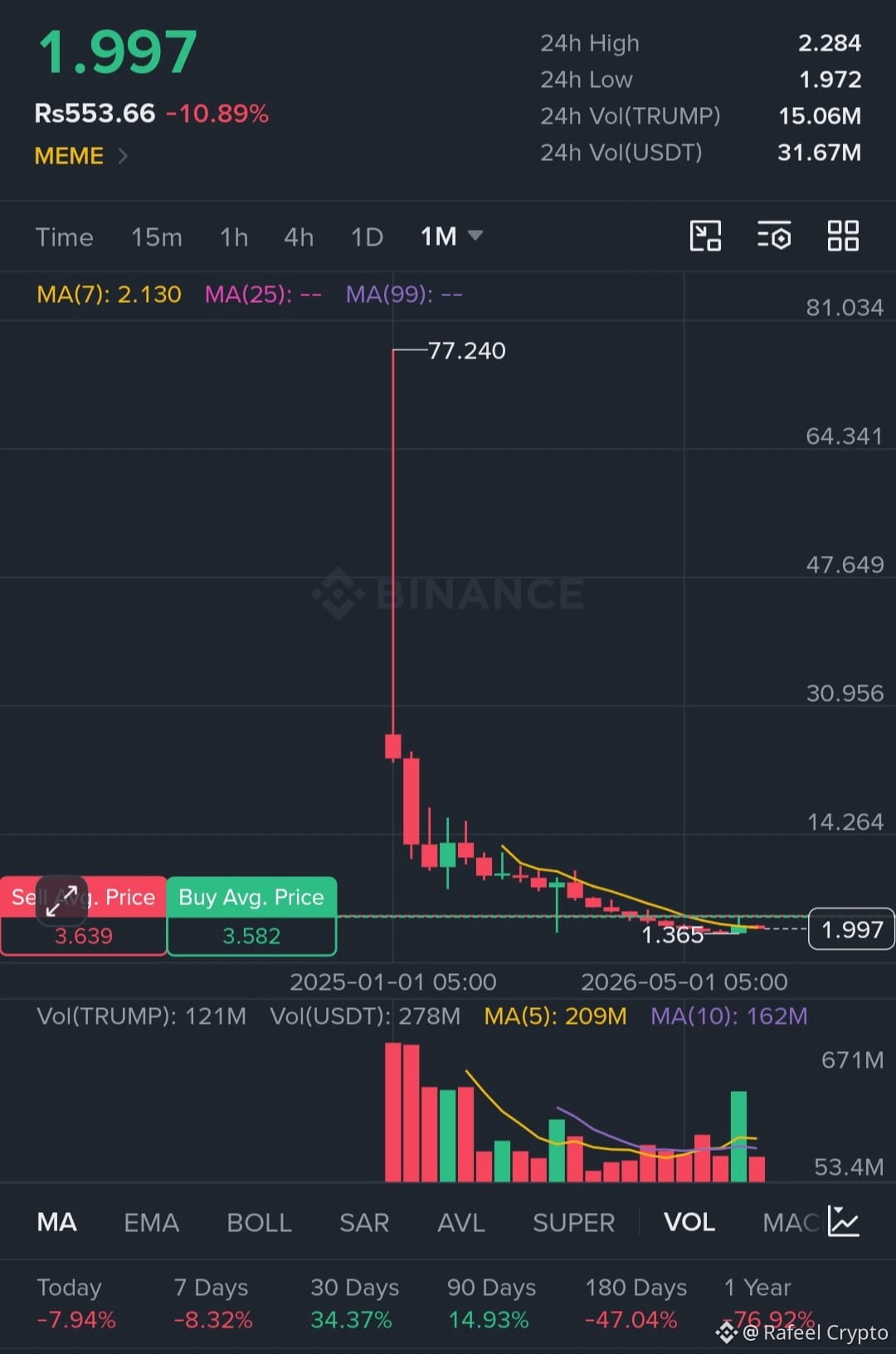
$TRUMP Long Setup Plan 🚀
⛔ දිගු ඇතුළත් වීමේ කලාපය: 1.900 - 1.972
🛑 නවත්වන පාඩුව: 1.850
🎯 ඉලක්ක:
TP1: 2.130 (දින 7 MA)
TP2: 2.284 (පසුගිය පැය 24 හි ඉහළම අගය)
TP3: 2.400+ (බුලිෂ් මොමෙන්ටම් එක දිගටම පවතින්නේ නම්)
#TrumpCrypto #Binance #Write2Earrn
$TRUMP Long Setup Plan 🚀
⛔ දිගු ඇතුළත් වීමේ කලාපය: 1.900 - 1.972
🛑 නවත්වන පාඩුව: 1.850
🎯 ඉලක්ක:
TP1: 2.130 (දින 7 MA)
TP2: 2.284 (පසුගිය පැය 24 හි ඉහළම අගය)
TP3: 2.400+ (බුලිෂ් මොමෙන්ටම් එක දිගටම පවතින්නේ නම්)
#TrumpCrypto #Binance #Write2Earrn
⛔ දිගු ඇතුළත් වීමේ කලාපය: 1.900 - 1.972
🛑 නවත්වන පාඩුව: 1.850
🎯 ඉලක්ක:
TP1: 2.130 (දින 7 MA)
TP2: 2.284 (පසුගිය පැය 24 හි ඉහළම අගය)
TP3: 2.400+ (බුලිෂ් මොමෙන්ටම් එක දිගටම පවතින්නේ නම්)
#TrumpCrypto #Binance #Write2Earrn
1
154

·
--
බෙයාරිෂ්
🚨#BTCBullTrap
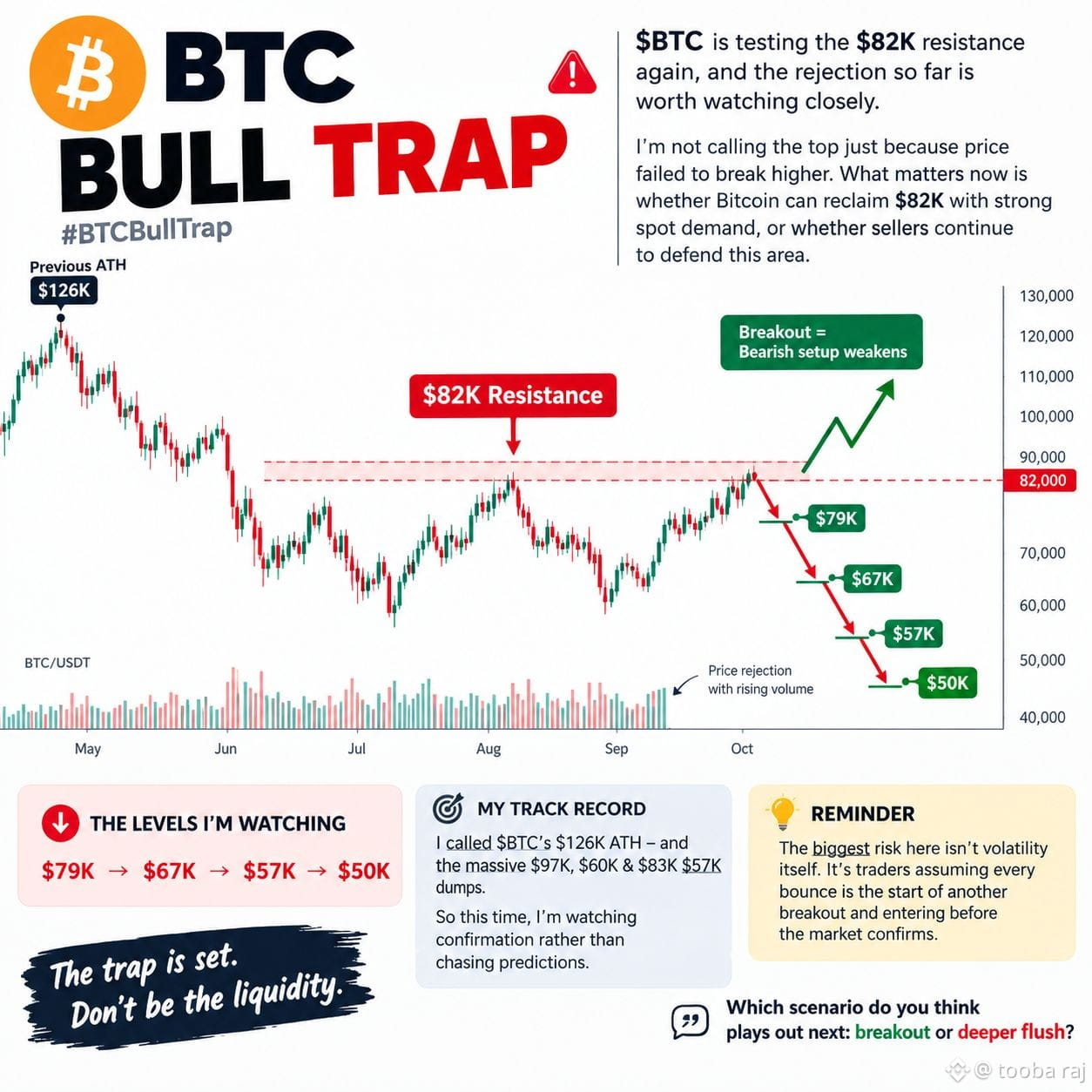
$BTC $82K ခုခံမှုကို නැာက္တစ်ကြိမ် ပြန်စမ်းသပ်နေတယ်၊ මෙအထိ အပယ်ခံမှုတွေကတော့ သေချာစွာ စောင့်ကြည့်ရလောက်အောင် အရေးကြီးပါတယ်။
စျေးနှုန်းက ပိုမိုမြင့်အောင် မချိုးနိုင်လို့ “ထိပ်ဆုံးကို” လို့ မပြောသေးပါဘူး။ အရေးကြီးတာက Bitcoin က $82K ကို အစွမ်းထက်တဲ့ spot demand နဲ့ ပြန်ရယူနိုင်မနိုင်၊ ဒါမှမဟုတ် ဒီနယ်မြေကို စေ့စေ့စပ်စပ် ဆက်လက် ကာကွယ်ထားမလား ဆိုတာပါ။
ဒီအပယ်ခံမှုက ပိုနက်တဲ့ correction တစ်ခုအဖြစ် ဖွံ့ဖြိုးလာခဲ့ရင်၊ ငါ စောင့်ကြည့်နေတဲ့ အဆင့်တွေကတော့—
$79K → $67K → $57K → $50K
အကြီးမားဆုံး အန္တရာယ်ကတော့ volatility ကိုယ်တိုင်မဟုတ်ပါဘူး။ Bounce တိုင်းက နောက်ထပ် breakout စတင်တာပဲ လို့ ယူဆပြီး၊ စျေးကွက်က အတည်ပြုမတိုင်ခင် ဝင်ကုန်တာပါ။
$126K ATH နဲ့ $97K, $83K, $60K, $57K အနီးအနားမှာ ဖြစ်ခဲ့တဲ့ ပြတ်သားတဲ့ ကျဆင်းမှုတွေအပါအဝင်၊ အဓိက အပြောင်းအလဲတွေတစ်လျှောက် Bitcoin ကို ခြေရာခံနေခဲ့ပါတယ်။
ဒါကြောင့် ဒီတစ်ခေါက်မှာတော့ ခန့်မှန်းချက်တွေကို လိုက်မက လိုက်မပြေးဘဲ အတည်ပြုမှုကို စောင့်ကြည့်နေပါတယ်။
$82K က ချိုးပြီး တကယ့်ဝယ်လိုအားနဲ့ ထိန်းနိုင်ခဲ့ရင် ဒီ bearish setup က ပိုအားလျော့လာပါလိမ့်မယ်။
ခုခံမှုက ဆက်လက် ကာကွယ်ထားနိုင်ခဲ့ရင်တော့ အောက်ဖက်အဆင့်တွေက ပိုပြီး အရေးကြီးလာပါလိမ့်မယ်။
နောက်တစ်ခုမှာ ဘယ် scenario က ဖြစ်မယ်လို့ သင်ထင်ပါသလဲ—breakout လား၊ ပိုနက်တဲ့ flush လား?
#btc70k
#Write2Earrn
#BTC突破7万大关
#write2earn🌐💹
$BTC
🚨#BTCBullTrap
$BTC $82K ခုခံမှုကို නැာက္တစ်ကြိမ် ပြန်စမ်းသပ်နေတယ်၊ මෙအထိ အပယ်ခံမှုတွေကတော့ သေချာစွာ စောင့်ကြည့်ရလောက်အောင် အရေးကြီးပါတယ်။
စျေးနှုန်းက ပိုမိုမြင့်အောင် မချိုးနိုင်လို့ “ထိပ်ဆုံးကို” လို့ မပြောသေးပါဘူး။ အရေးကြီးတာက Bitcoin က $82K ကို အစွမ်းထက်တဲ့ spot demand နဲ့ ပြန်ရယူနိုင်မနိုင်၊ ဒါမှမဟုတ် ဒီနယ်မြေကို စေ့စေ့စပ်စပ် ဆက်လက် ကာကွယ်ထားမလား ဆိုတာပါ။
ဒီအပယ်ခံမှုက ပိုနက်တဲ့ correction တစ်ခုအဖြစ် ဖွံ့ဖြိုးလာခဲ့ရင်၊ ငါ စောင့်ကြည့်နေတဲ့ အဆင့်တွေကတော့—
$79K → $67K → $57K → $50K
အကြီးမားဆုံး အန္တရာယ်ကတော့ volatility ကိုယ်တိုင်မဟုတ်ပါဘူး။ Bounce တိုင်းက နောက်ထပ် breakout စတင်တာပဲ လို့ ယူဆပြီး၊ စျေးကွက်က အတည်ပြုမတိုင်ခင် ဝင်ကုန်တာပါ။
$126K ATH နဲ့ $97K, $83K, $60K, $57K အနီးအနားမှာ ဖြစ်ခဲ့တဲ့ ပြတ်သားတဲ့ ကျဆင်းမှုတွေအပါအဝင်၊ အဓိက အပြောင်းအလဲတွေတစ်လျှောက် Bitcoin ကို ခြေရာခံနေခဲ့ပါတယ်။
ဒါကြောင့် ဒီတစ်ခေါက်မှာတော့ ခန့်မှန်းချက်တွေကို လိုက်မက လိုက်မပြေးဘဲ အတည်ပြုမှုကို စောင့်ကြည့်နေပါတယ်။
$82K က ချိုးပြီး တကယ့်ဝယ်လိုအားနဲ့ ထိန်းနိုင်ခဲ့ရင် ဒီ bearish setup က ပိုအားလျော့လာပါလိမ့်မယ်။
ခုခံမှုက ဆက်လက် ကာကွယ်ထားနိုင်ခဲ့ရင်တော့ အောက်ဖက်အဆင့်တွေက ပိုပြီး အရေးကြီးလာပါလိမ့်မယ်။
နောက်တစ်ခုမှာ ဘယ် scenario က ဖြစ်မယ်လို့ သင်ထင်ပါသလဲ—breakout လား၊ ပိုနက်တဲ့ flush လား?
#btc70k
#Write2Earrn
#BTC突破7万大关
#write2earn🌐💹
$BTC
$BTC $82K ခုခံမှုကို නැာက္တစ်ကြိမ် ပြန်စမ်းသပ်နေတယ်၊ මෙအထိ အပယ်ခံမှုတွေကတော့ သေချာစွာ စောင့်ကြည့်ရလောက်အောင် အရေးကြီးပါတယ်။
စျေးနှုန်းက ပိုမိုမြင့်အောင် မချိုးနိုင်လို့ “ထိပ်ဆုံးကို” လို့ မပြောသေးပါဘူး။ အရေးကြီးတာက Bitcoin က $82K ကို အစွမ်းထက်တဲ့ spot demand နဲ့ ပြန်ရယူနိုင်မနိုင်၊ ဒါမှမဟုတ် ဒီနယ်မြေကို စေ့စေ့စပ်စပ် ဆက်လက် ကာကွယ်ထားမလား ဆိုတာပါ။
ဒီအပယ်ခံမှုက ပိုနက်တဲ့ correction တစ်ခုအဖြစ် ဖွံ့ဖြိုးလာခဲ့ရင်၊ ငါ စောင့်ကြည့်နေတဲ့ အဆင့်တွေကတော့—
$79K → $67K → $57K → $50K
အကြီးမားဆုံး အန္တရာယ်ကတော့ volatility ကိုယ်တိုင်မဟုတ်ပါဘူး။ Bounce တိုင်းက နောက်ထပ် breakout စတင်တာပဲ လို့ ယူဆပြီး၊ စျေးကွက်က အတည်ပြုမတိုင်ခင် ဝင်ကုန်တာပါ။
$126K ATH နဲ့ $97K, $83K, $60K, $57K အနီးအနားမှာ ဖြစ်ခဲ့တဲ့ ပြတ်သားတဲ့ ကျဆင်းမှုတွေအပါအဝင်၊ အဓိက အပြောင်းအလဲတွေတစ်လျှောက် Bitcoin ကို ခြေရာခံနေခဲ့ပါတယ်။
ဒါကြောင့် ဒီတစ်ခေါက်မှာတော့ ခန့်မှန်းချက်တွေကို လိုက်မက လိုက်မပြေးဘဲ အတည်ပြုမှုကို စောင့်ကြည့်နေပါတယ်။
$82K က ချိုးပြီး တကယ့်ဝယ်လိုအားနဲ့ ထိန်းနိုင်ခဲ့ရင် ဒီ bearish setup က ပိုအားလျော့လာပါလိမ့်မယ်။
ခုခံမှုက ဆက်လက် ကာကွယ်ထားနိုင်ခဲ့ရင်တော့ အောက်ဖက်အဆင့်တွေက ပိုပြီး အရေးကြီးလာပါလိမ့်မယ်။
နောက်တစ်ခုမှာ ဘယ် scenario က ဖြစ်မယ်လို့ သင်ထင်ပါသလဲ—breakout လား၊ ပိုနက်တဲ့ flush လား?
#btc70k
#Write2Earrn
#BTC突破7万大关
#write2earn🌐💹
$BTC
129

පරිවර්තනය බලන්න
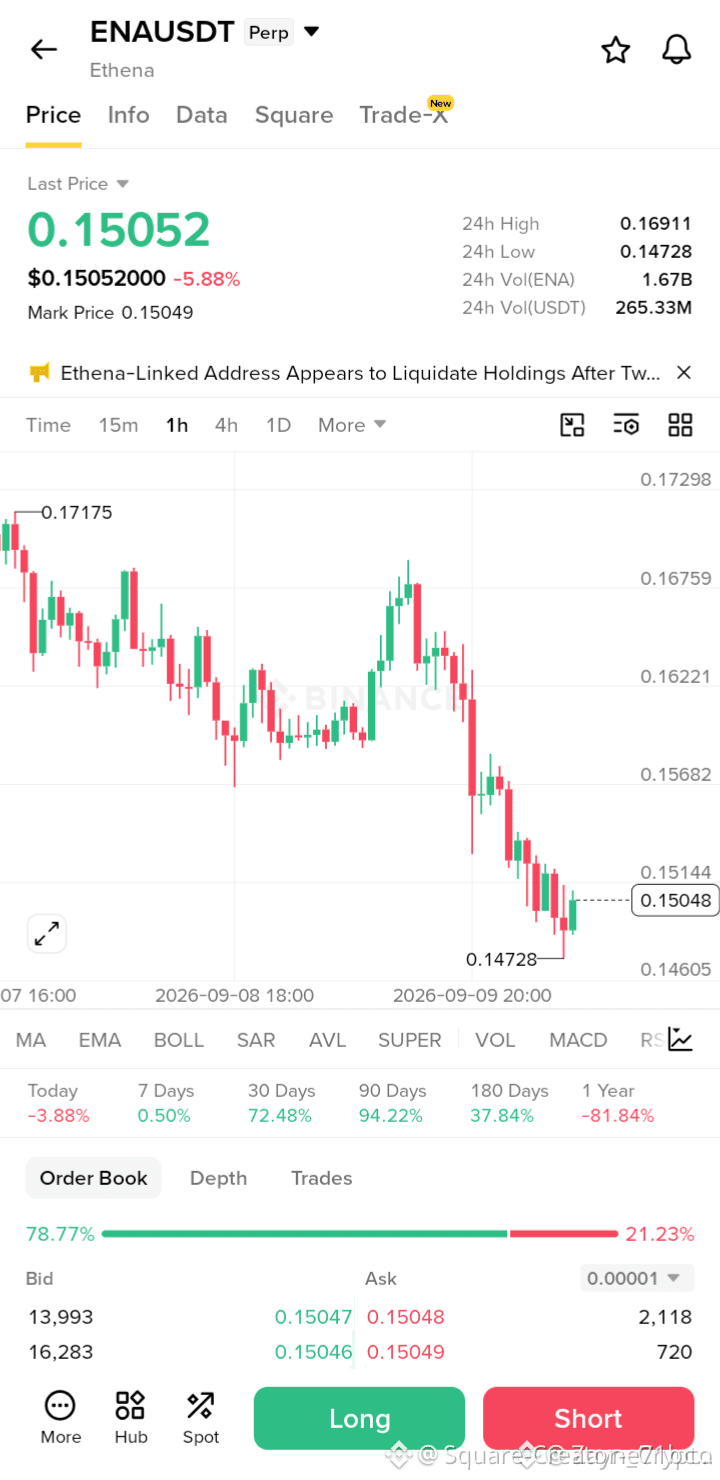
$ENA
ENA
0.1504
-5.46%
BIG SHORT 📉
تستمر الضغوط من جانب الدببة مجددًا بعد الضعف الأخير. إذا بقي السعر تحت منطقة الدخول، فقد يتطور موجة هبوط أخرى.
🔴 SHORT دخول: $0.147–$0.151 وقف الخسارة: $0.162 الهدف 1: $0.144 الهدف 2: $0.139 الهدف 3: $0.135
أدر مخاطرَك وتجنب الإفراط في الرافعة المالية. DYOR.
#Write2Earrn
$ENA
ENA
0.1504
-5.46%
BIG SHORT 📉
تستمر الضغوط من جانب الدببة مجددًا بعد الضعف الأخير. إذا بقي السعر تحت منطقة الدخول، فقد يتطور موجة هبوط أخرى.
🔴 SHORT دخول: $0.147–$0.151 وقف الخسارة: $0.162 الهدف 1: $0.144 الهدف 2: $0.139 الهدف 3: $0.135
أدر مخاطرَك وتجنب الإفراط في الرافعة المالية. DYOR.
#Write2Earrn
ENA
0.1504
-5.46%
BIG SHORT 📉
تستمر الضغوط من جانب الدببة مجددًا بعد الضعف الأخير. إذا بقي السعر تحت منطقة الدخول، فقد يتطور موجة هبوط أخرى.
🔴 SHORT دخول: $0.147–$0.151 وقف الخسارة: $0.162 الهدف 1: $0.144 الهدف 2: $0.139 الهدف 3: $0.135
أدر مخاطرَك وتجنب الإفراط في الرافعة المالية. DYOR.
#Write2Earrn
70

·
--
උසබ තත්ත්වය
පරිවර්තනය බලන්න
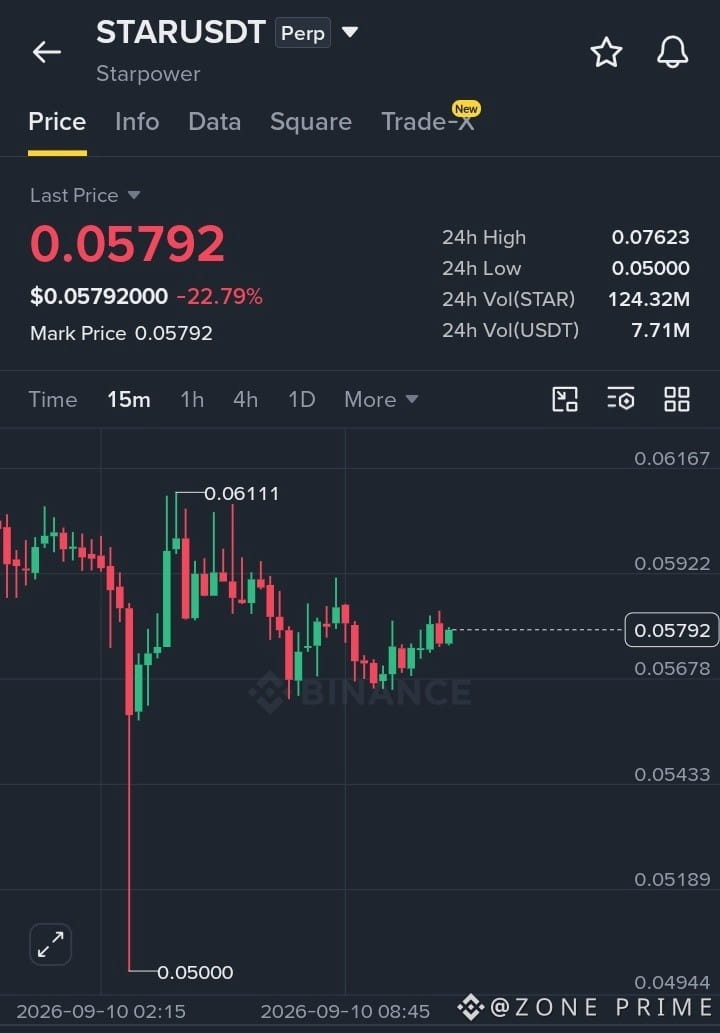
$STAR /USDT — LONG SETUP Go Everyone Fast 📈 🚀 💯 😱
Entry: 0.05000 - 0.05189
TP1: 0.05433
TP2: 0.05678
TP3: 0.05792
Stop: 0.04944
Deep liquidity sweep retesting major bottom demand.
Solid buyer defense off the low floor offers an optimal risk-to-reward bounce entry. 🚀
#star #starusdt #starpower #crypto #Write2Earrn $STAR
{future}(STARUSDT)
$STAR /USDT — LONG SETUP Go Everyone Fast 📈 🚀 💯 😱
Entry: 0.05000 - 0.05189
TP1: 0.05433
TP2: 0.05678
TP3: 0.05792
Stop: 0.04944
Deep liquidity sweep retesting major bottom demand.
Solid buyer defense off the low floor offers an optimal risk-to-reward bounce entry. 🚀
#star #starusdt #starpower #crypto #Write2Earrn $STAR
Entry: 0.05000 - 0.05189
TP1: 0.05433
TP2: 0.05678
TP3: 0.05792
Stop: 0.04944
Deep liquidity sweep retesting major bottom demand.
Solid buyer defense off the low floor offers an optimal risk-to-reward bounce entry. 🚀
#star #starusdt #starpower #crypto #Write2Earrn $STAR
195

·
--
#AppleDebutsFoldablePhone
Apple ၏ foldables ထဲသို့ ဝင်ရောက်မှုက ဖန်ကိုကွေးတာနဲ့ပဲ မကန့်သတ်ပါ—multi-device workflow တစ်ခုကို သင့်ခံစားချက်အရ တကယ်လိုခံစားနိုင်အောင် ပြန်လည်ပုံဖော်ခြင်းအကြောင်းပါ။
ခေါက်ရာကင်းတဲ့ display နဲ့ hybrid OS အကြောင်း ကောလဟာလတွေ မှန်ခဲ့မယ်ဆိုရင် ဒါဟာ ခေါက်တဲ့ဖုန်းတင် မဟုတ်ပါဘူး—အလုပ်လုပ်တဲ့ split-screen productivity အတွက် တကယ့်စိတ်ကြိုက်တင်ထားတဲ့ pocket-sized iPad တစ်လုံး ဖြစ်လာနိုင်ပါတယ်။ Apple က ဟာ့ဒ်ဝဲရင့်ကျက်လာတဲ့အထိ စောင့်ခဲ့ပြီး စျေးကွက်ထဲကို အရင်ဆုံးရောက်အောင် လုပ်တာထက် တာရှည်ခံနိုင်မှုနဲ့ ဆက်စပ်မှု hinge စက်မှုလက်ရာတွေကို ဦးစားပေးခဲ့ပါတယ်။
သင် သွားရင်းလာရင်းမှာ ပြင်ဆင်နေတာပဲဖြစ်ဖြစ်၊ app တွေအကြား multitasking လုပ်နေတာပဲဖြစ်ဖြစ်၊ တကယ့်စမ်းသပ်မှုက daily use ထဲမှာ သဘာဝကျကျ ကိုက်ညီလာတာပါ။ foldable hardware အတွက် စံသတ်မှတ်မှုကို အခုမှတင် သတ်မှတ်လိုက်ပြီ။
အဲ့ဒီအပေါ် သင့်အမြင်ကဘာလဲ—launch day မှာ အဆင့်မြှင့်မလား၊ version 2.0 အထိ စောင့်မလား?
$BULLA =မီးလောင်နေပြီ
$AAPL.US
$M
#Write2Earrn
#BankOfAmericaGroupPilotsUSBDCStablecoin
#LAPTOPFoundationXAccountSuspended
#AppleDebutsFoldablePhone
Apple ၏ foldables ထဲသို့ ဝင်ရောက်မှုက ဖန်ကိုကွေးတာနဲ့ပဲ မကန့်သတ်ပါ—multi-device workflow တစ်ခုကို သင့်ခံစားချက်အရ တကယ်လိုခံစားနိုင်အောင် ပြန်လည်ပုံဖော်ခြင်းအကြောင်းပါ။
ခေါက်ရာကင်းတဲ့ display နဲ့ hybrid OS အကြောင်း ကောလဟာလတွေ မှန်ခဲ့မယ်ဆိုရင် ဒါဟာ ခေါက်တဲ့ဖုန်းတင် မဟုတ်ပါဘူး—အလုပ်လုပ်တဲ့ split-screen productivity အတွက် တကယ့်စိတ်ကြိုက်တင်ထားတဲ့ pocket-sized iPad တစ်လုံး ဖြစ်လာနိုင်ပါတယ်။ Apple က ဟာ့ဒ်ဝဲရင့်ကျက်လာတဲ့အထိ စောင့်ခဲ့ပြီး စျေးကွက်ထဲကို အရင်ဆုံးရောက်အောင် လုပ်တာထက် တာရှည်ခံနိုင်မှုနဲ့ ဆက်စပ်မှု hinge စက်မှုလက်ရာတွေကို ဦးစားပေးခဲ့ပါတယ်။
သင် သွားရင်းလာရင်းမှာ ပြင်ဆင်နေတာပဲဖြစ်ဖြစ်၊ app တွေအကြား multitasking လုပ်နေတာပဲဖြစ်ဖြစ်၊ တကယ့်စမ်းသပ်မှုက daily use ထဲမှာ သဘာဝကျကျ ကိုက်ညီလာတာပါ။ foldable hardware အတွက် စံသတ်မှတ်မှုကို အခုမှတင် သတ်မှတ်လိုက်ပြီ။
အဲ့ဒီအပေါ် သင့်အမြင်ကဘာလဲ—launch day မှာ အဆင့်မြှင့်မလား၊ version 2.0 အထိ စောင့်မလား?
$BULLA =မီးလောင်နေပြီ
$AAPL.US
$M
#Write2Earrn
#BankOfAmericaGroupPilotsUSBDCStablecoin
#LAPTOPFoundationXAccountSuspended
Apple ၏ foldables ထဲသို့ ဝင်ရောက်မှုက ဖန်ကိုကွေးတာနဲ့ပဲ မကန့်သတ်ပါ—multi-device workflow တစ်ခုကို သင့်ခံစားချက်အရ တကယ်လိုခံစားနိုင်အောင် ပြန်လည်ပုံဖော်ခြင်းအကြောင်းပါ။
ခေါက်ရာကင်းတဲ့ display နဲ့ hybrid OS အကြောင်း ကောလဟာလတွေ မှန်ခဲ့မယ်ဆိုရင် ဒါဟာ ခေါက်တဲ့ဖုန်းတင် မဟုတ်ပါဘူး—အလုပ်လုပ်တဲ့ split-screen productivity အတွက် တကယ့်စိတ်ကြိုက်တင်ထားတဲ့ pocket-sized iPad တစ်လုံး ဖြစ်လာနိုင်ပါတယ်။ Apple က ဟာ့ဒ်ဝဲရင့်ကျက်လာတဲ့အထိ စောင့်ခဲ့ပြီး စျေးကွက်ထဲကို အရင်ဆုံးရောက်အောင် လုပ်တာထက် တာရှည်ခံနိုင်မှုနဲ့ ဆက်စပ်မှု hinge စက်မှုလက်ရာတွေကို ဦးစားပေးခဲ့ပါတယ်။
သင် သွားရင်းလာရင်းမှာ ပြင်ဆင်နေတာပဲဖြစ်ဖြစ်၊ app တွေအကြား multitasking လုပ်နေတာပဲဖြစ်ဖြစ်၊ တကယ့်စမ်းသပ်မှုက daily use ထဲမှာ သဘာဝကျကျ ကိုက်ညီလာတာပါ။ foldable hardware အတွက် စံသတ်မှတ်မှုကို အခုမှတင် သတ်မှတ်လိုက်ပြီ။
အဲ့ဒီအပေါ် သင့်အမြင်ကဘာလဲ—launch day မှာ အဆင့်မြှင့်မလား၊ version 2.0 အထိ စောင့်မလား?
$BULLA =မီးလောင်နေပြီ
$AAPL.US
$M
#Write2Earrn
#BankOfAmericaGroupPilotsUSBDCStablecoin
#LAPTOPFoundationXAccountSuspended
2
326
$NEWT
{future}(NEWTUSDT)
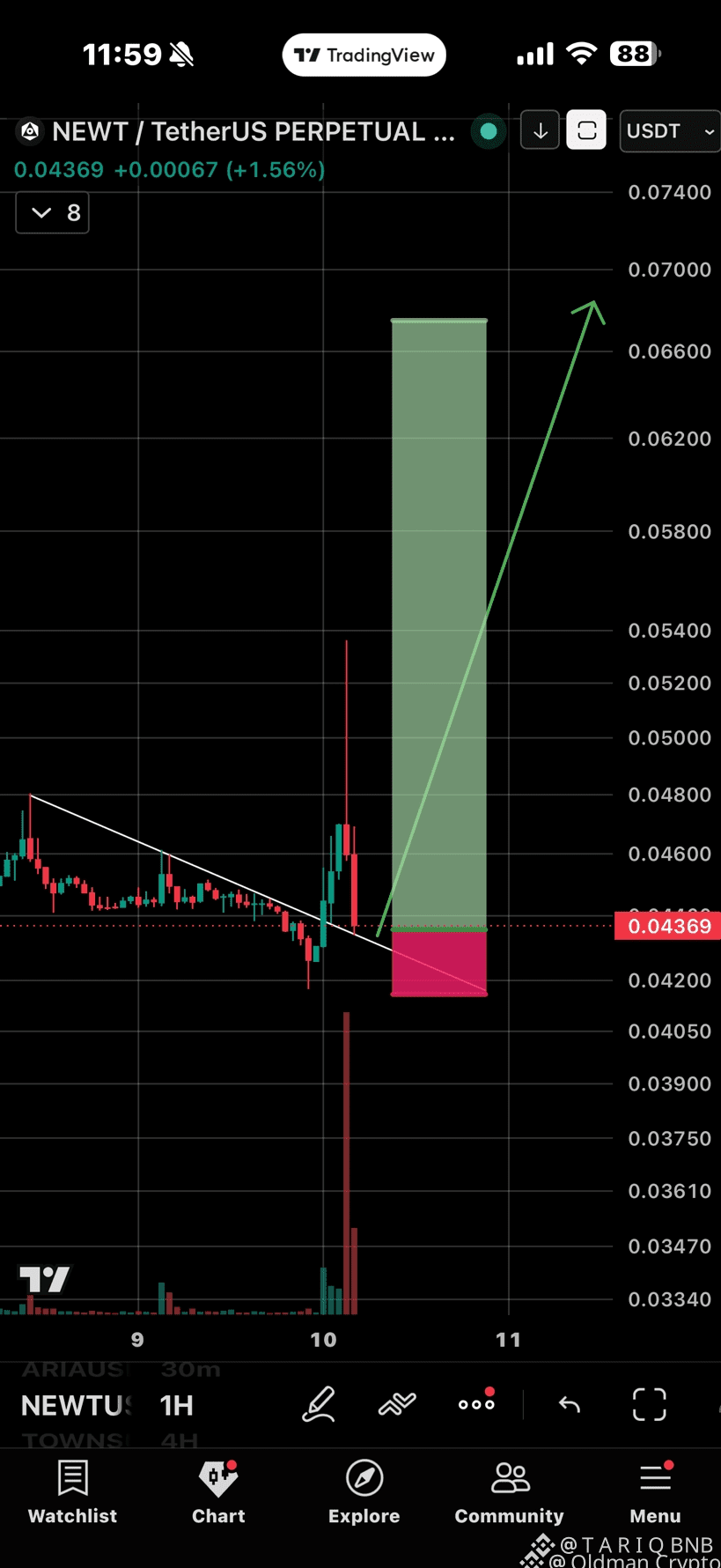
1H ප්රස්ථාරයේ බිඳුම් කලාපය නැවත පරීක්ෂා කරමින් සිටී. මුලින්ම 0.054 දක්වා ගිය පීඩනය ශක්තිමත් ගැනුම්කරු උනන්දුවක් පෙන්වූ අතර, මේ මොහොතේ 0.04369 මට්ටම ප්රමුඛ ඇතුල්වීමක් (entry) වේ. ඉහළ වෙළඳ පරිමාව මෙම සැකසුම තහවුරු කරයි. ඉලක්කය: 0.067 | නවතුම් ස්ථානය (Stop): 0.0415 (~1:6 R:R). දෙවැනි අදියර පැටවීම. (මූල්ය උපදෙස් නොවේ, DYOR)$NEWT #Newt #Write2Earrn
$NEWT
1H ප්රස්ථාරයේ බිඳුම් කලාපය නැවත පරීක්ෂා කරමින් සිටී. මුලින්ම 0.054 දක්වා ගිය පීඩනය ශක්තිමත් ගැනුම්කරු උනන්දුවක් පෙන්වූ අතර, මේ මොහොතේ 0.04369 මට්ටම ප්රමුඛ ඇතුල්වීමක් (entry) වේ. ඉහළ වෙළඳ පරිමාව මෙම සැකසුම තහවුරු කරයි. ඉලක්කය: 0.067 | නවතුම් ස්ථානය (Stop): 0.0415 (~1:6 R:R). දෙවැනි අදියර පැටවීම. (මූල්ය උපදෙස් නොවේ, DYOR)$NEWT #Newt #Write2Earrn
1H ප්රස්ථාරයේ බිඳුම් කලාපය නැවත පරීක්ෂා කරමින් සිටී. මුලින්ම 0.054 දක්වා ගිය පීඩනය ශක්තිමත් ගැනුම්කරු උනන්දුවක් පෙන්වූ අතර, මේ මොහොතේ 0.04369 මට්ටම ප්රමුඛ ඇතුල්වීමක් (entry) වේ. ඉහළ වෙළඳ පරිමාව මෙම සැකසුම තහවුරු කරයි. ඉලක්කය: 0.067 | නවතුම් ස්ථානය (Stop): 0.0415 (~1:6 R:R). දෙවැනි අදියර පැටවීම. (මූල්ය උපදෙස් නොවේ, DYOR)$NEWT #Newt #Write2Earrn
1
206
·
--
බෙයාරිෂ්
පරිවර්තනය බලන්න
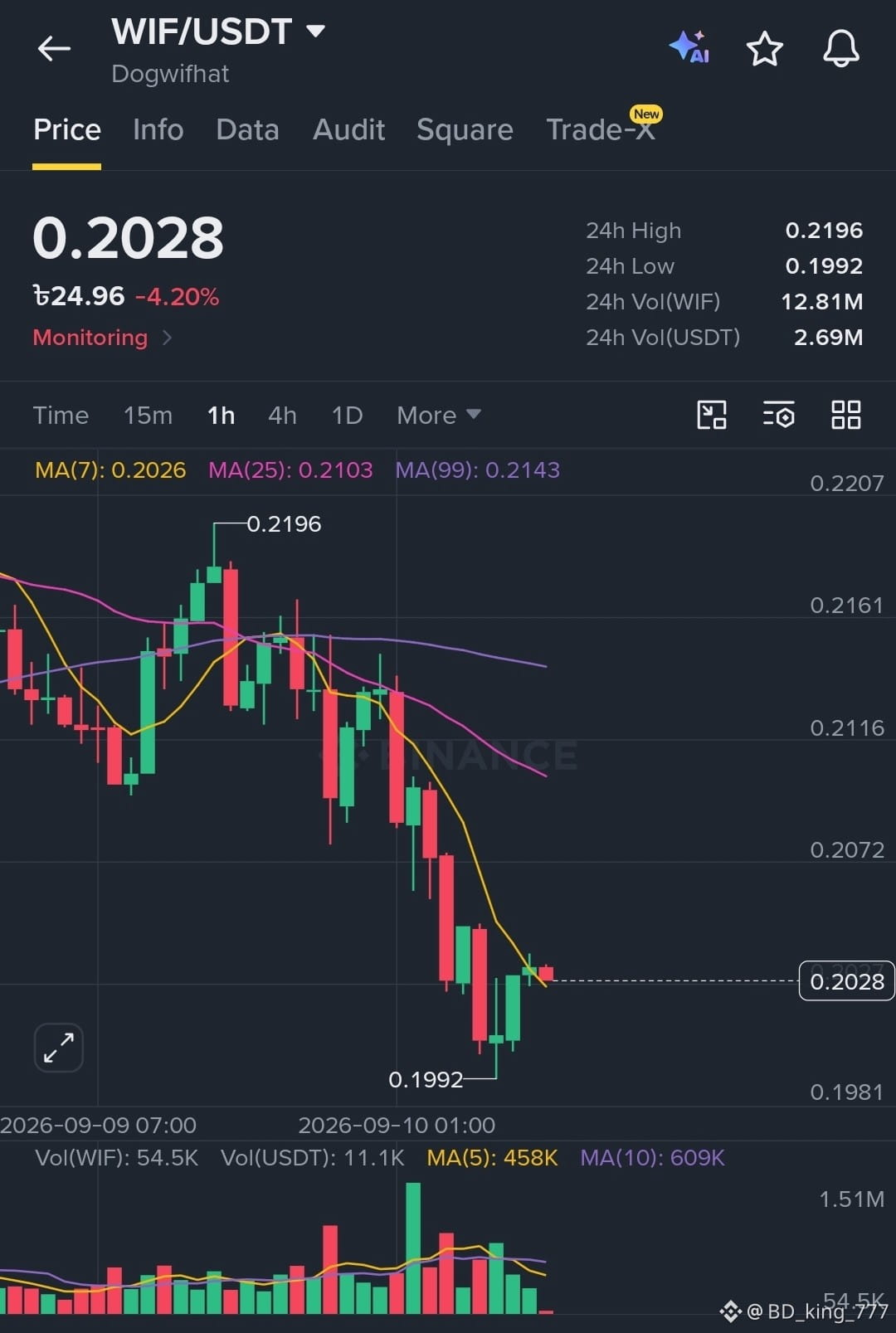
$WIF /USDT - SHORT
Trade Plan:
Entry: 0.2122317 – 0.2131683
SL: 0.2251667
TP1: 0.2033500
TP2: 0.1971167
TP3: 0.1877667
Trade and buy here..👇👇$WIF
{future}(WIFUSDT)
#WIF #Market_Update #Write2Earrn #BinanceSquareFamily
$WIF /USDT - SHORT
Trade Plan:
Entry: 0.2122317 – 0.2131683
SL: 0.2251667
TP1: 0.2033500
TP2: 0.1971167
TP3: 0.1877667
Trade and buy here..👇👇$WIF
#WIF #Market_Update #Write2Earrn #BinanceSquareFamily
Trade Plan:
Entry: 0.2122317 – 0.2131683
SL: 0.2251667
TP1: 0.2033500
TP2: 0.1971167
TP3: 0.1877667
Trade and buy here..👇👇$WIF
#WIF #Market_Update #Write2Earrn #BinanceSquareFamily
1
47
·
--
උසබ තත්ත්වය
පරිවර්තනය බලන්න
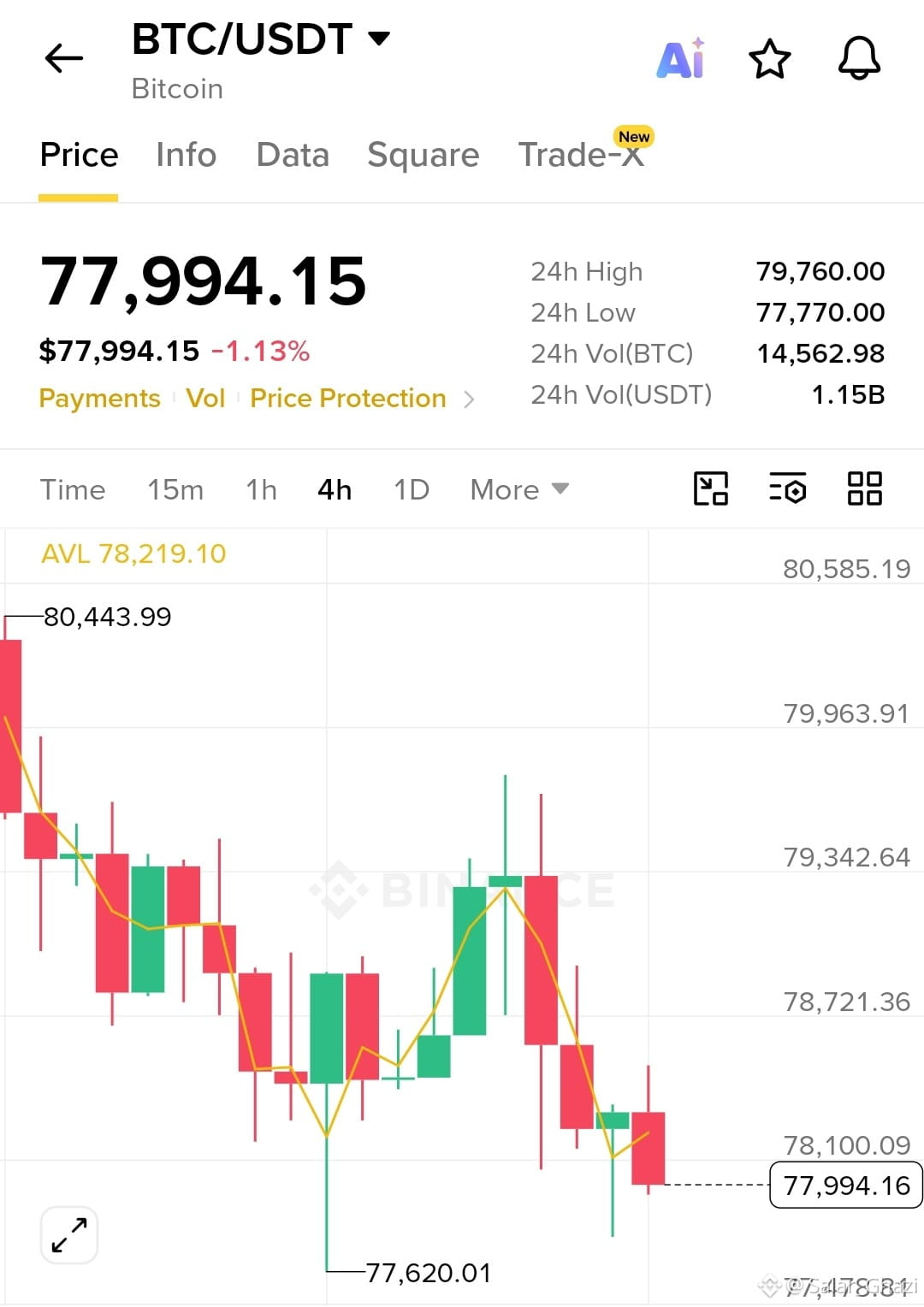
Guys, $BTC is sitting at a key level.
Price: $77,994
Support: $77,600–$77,800
Resistance: $78,700–$79,350
If BTC holds the support zone and reclaims $78.7K, we could see a push toward $79.3K+.
But if $77.6K breaks, downside pressure can accelerate.
Watch the levels, not the noise.
#Write2Earrn
Guys, $BTC is sitting at a key level.
Price: $77,994
Support: $77,600–$77,800
Resistance: $78,700–$79,350
If BTC holds the support zone and reclaims $78.7K, we could see a push toward $79.3K+.
But if $77.6K breaks, downside pressure can accelerate.
Watch the levels, not the noise.
#Write2Earrn
Price: $77,994
Support: $77,600–$77,800
Resistance: $78,700–$79,350
If BTC holds the support zone and reclaims $78.7K, we could see a push toward $79.3K+.
But if $77.6K breaks, downside pressure can accelerate.
Watch the levels, not the noise.
#Write2Earrn
1
88
·
--
බෙයාරිෂ්
පරිවර්තනය බලන්න
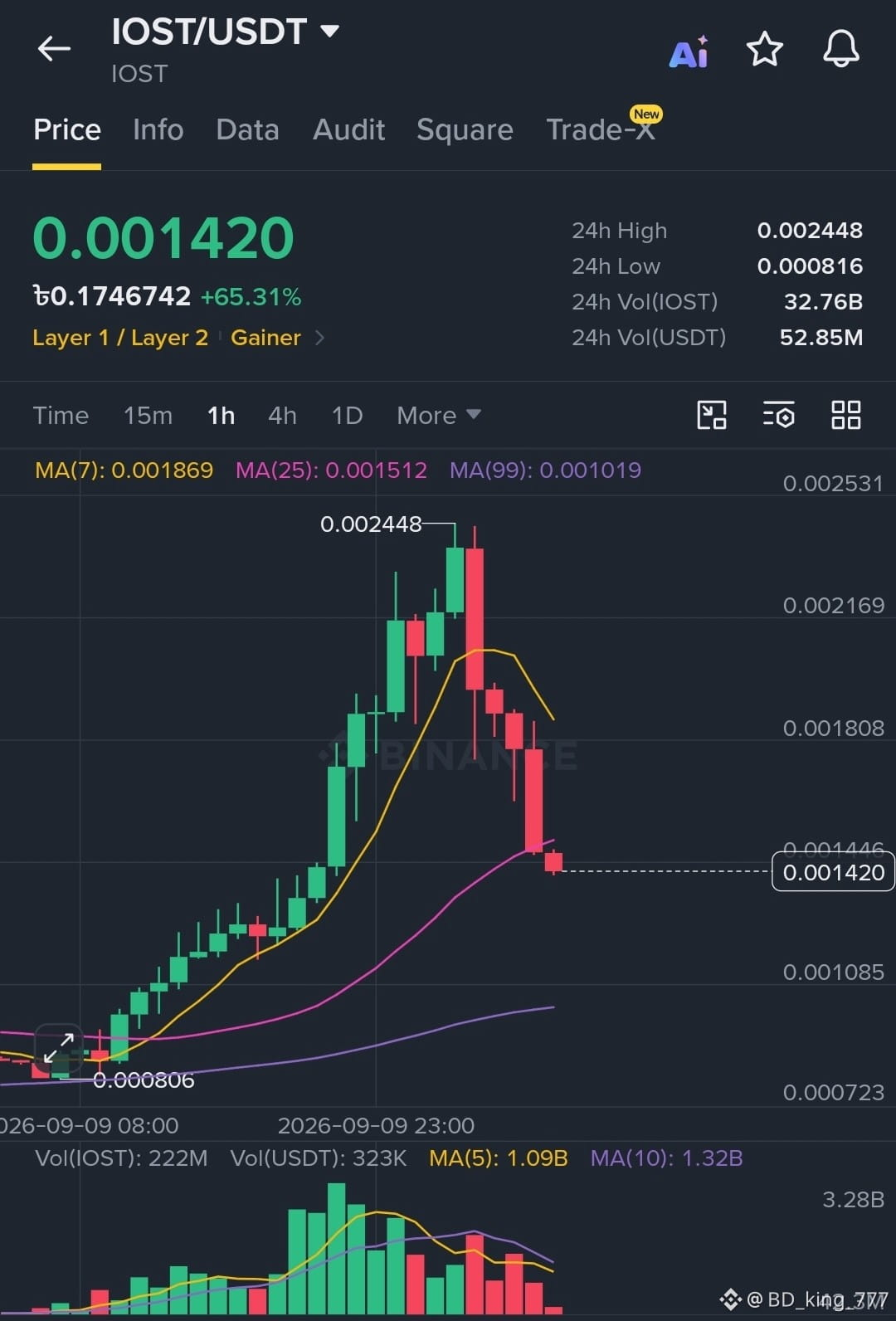
$IOST - Short
EP : 0.001420 - 0.001410
TP 1 : 0.001310
TP 2 : 0.001200
TP 3 : 0.001085
SL : 0.001808
Trade Here..👇👇$IOST
{future}(IOSTUSDT)
#iostusdt #Write2Earrn #Market_Update #BinanceSquareFamily
$IOST - Short
EP : 0.001420 - 0.001410
TP 1 : 0.001310
TP 2 : 0.001200
TP 3 : 0.001085
SL : 0.001808
Trade Here..👇👇$IOST
#iostusdt #Write2Earrn #Market_Update #BinanceSquareFamily
EP : 0.001420 - 0.001410
TP 1 : 0.001310
TP 2 : 0.001200
TP 3 : 0.001085
SL : 0.001808
Trade Here..👇👇$IOST
#iostusdt #Write2Earrn #Market_Update #BinanceSquareFamily
1
69
·
--
බෙයාරිෂ්
පරිවර්තනය බලන්න
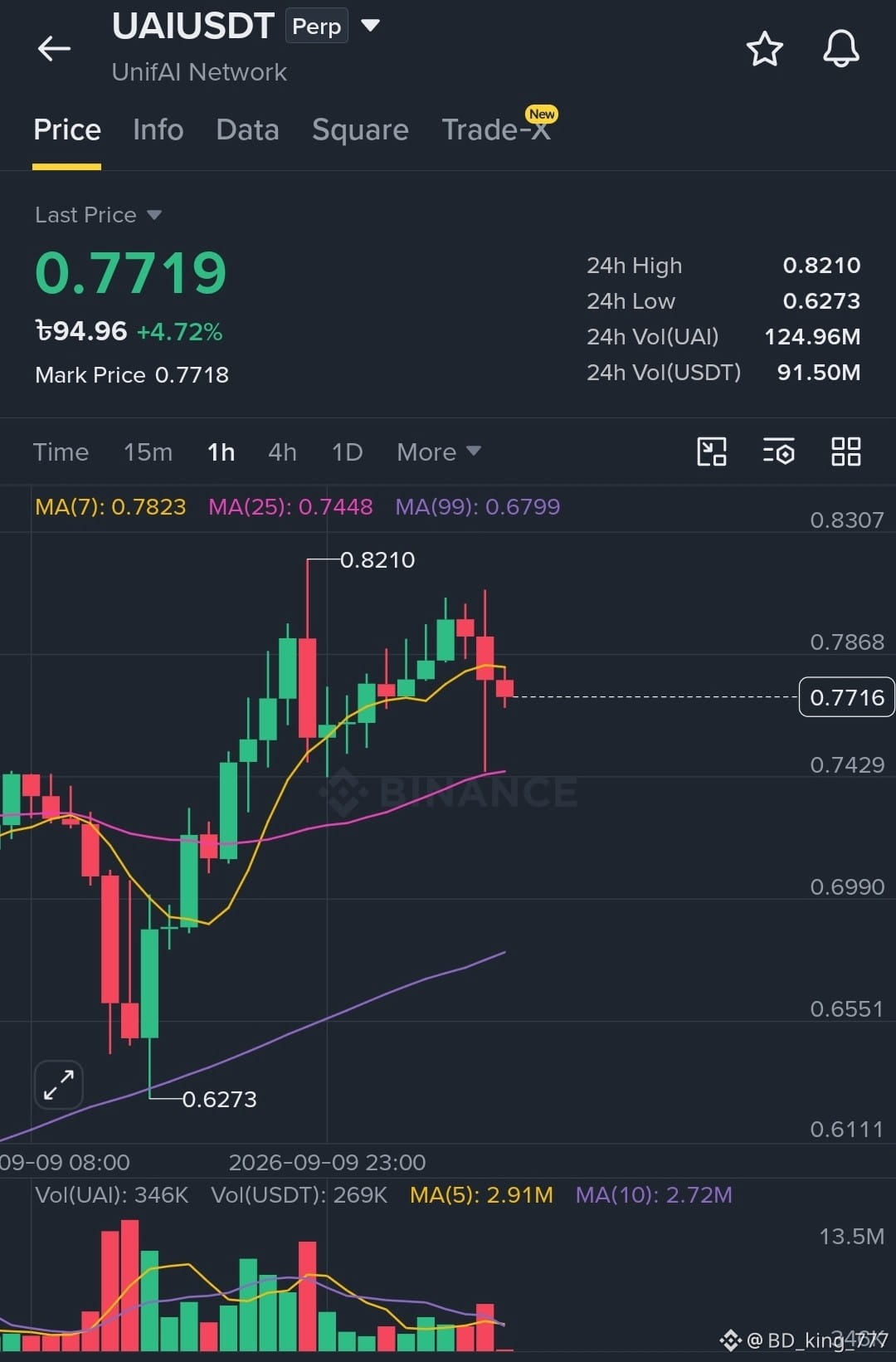
$UAI - Short📉
EP : 0.775 - 0.780
TP 1 : 0.755
TP 2 : 0.743
TP 3 : 0.730
SL : 0.801
Trade Here..👇👇
{future}(UAIUSDT)
#UAI #Market_Update #Write2Earrn #BinanceSquareFamily
$UAI - Short📉
EP : 0.775 - 0.780
TP 1 : 0.755
TP 2 : 0.743
TP 3 : 0.730
SL : 0.801
Trade Here..👇👇
#UAI #Market_Update #Write2Earrn #BinanceSquareFamily
EP : 0.775 - 0.780
TP 1 : 0.755
TP 2 : 0.743
TP 3 : 0.730
SL : 0.801
Trade Here..👇👇
#UAI #Market_Update #Write2Earrn #BinanceSquareFamily
2
77

·
--
ලිපිය
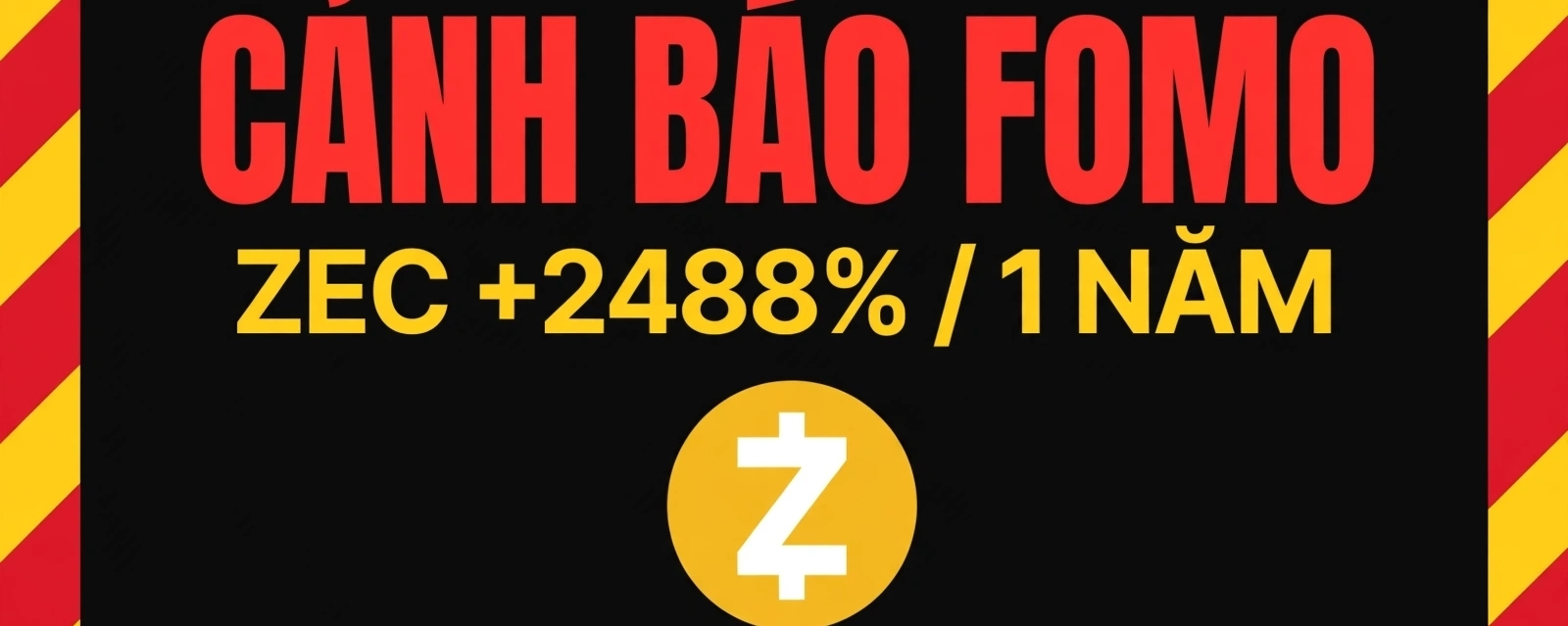
VÌ SAO ZEC COIN TĂNG ? CẢNH BÁOZEC đang là con điên nhất thị trường tuần này. Phân tích nhanh cho Anh Em hiểu.
1. Tình trạng hiện tại - Chỉ số đang cực nóng
Giá hiện tại: ∼1,231 USD, trong ngày dao động 1,171 - 1,296 USD.
Hiệu suất cực khủng:
• 5 ngày: +21.12% • 1 tháng: +149.62% • 6 tháng: +456.5% • 1 năm: +2,488%
Vốn hóa ~ 18,9 tỷ USD, lượng lưu hành 16M/21M ZEC. Tuần trước ZEC đã tăng 32% và đạt đỉnh gần 1,249 USD vào 7/9, nên đây là nhịp tiếp diễn.
VÌ SAO ZEC COIN TĂNG ? CẢNH BÁO
ZEC đang là con điên nhất thị trường tuần này. Phân tích nhanh cho Anh Em hiểu.
1. Tình trạng hiện tại - Chỉ số đang cực nóng
Giá hiện tại: ∼1,231 USD, trong ngày dao động 1,171 - 1,296 USD.
Hiệu suất cực khủng:
• 5 ngày: +21.12% • 1 tháng: +149.62% • 6 tháng: +456.5% • 1 năm: +2,488%
Vốn hóa ~ 18,9 tỷ USD, lượng lưu hành 16M/21M ZEC. Tuần trước ZEC đã tăng 32% và đạt đỉnh gần 1,249 USD vào 7/9, nên đây là nhịp tiếp diễn.
1. Tình trạng hiện tại - Chỉ số đang cực nóng
Giá hiện tại: ∼1,231 USD, trong ngày dao động 1,171 - 1,296 USD.
Hiệu suất cực khủng:
• 5 ngày: +21.12% • 1 tháng: +149.62% • 6 tháng: +456.5% • 1 năm: +2,488%
Vốn hóa ~ 18,9 tỷ USD, lượng lưu hành 16M/21M ZEC. Tuần trước ZEC đã tăng 32% và đạt đỉnh gần 1,249 USD vào 7/9, nên đây là nhịp tiếp diễn.
379
·
--
බෙයාරිෂ්
කෙසේ වෙතත්, මම Bitcoin එකකින් මුදල් අහිමි වුණොත් පස්සේ පසුතැවෙන්නේ නැහැ. නමුත් memecoin එකකින් මුදල් අහිමි වුණොත් නම් පස්සේ අනිවාර්යයෙන්ම පසුතැවෙනවා—ඒකෙ ආයෝජනය කරපු එක ගැන. “මම ඒ memecoin එකට කවදාවත් ආයෝජනය කරලා නෑනම් හොඳයි. මෙහෙම වෙන්නේ නෑනේ.” කියලා හිතමින්. මෙහෙම දෙයක් ඔබටත් වෙන්නෙද?
ඒ වගේම, ඔව්—මේක බොහෝ විට මගේ අවසාන වාරයමයි. මම බොහෝ වාරයක් කියලා තියෙනවා, එවැනි නරක projects වලට නැවත ආයෝජනය කරන්නෙ නැහැ කියලා. එක ඩොලර් එකක් වුනත්, ඒකත් වැදගත් නිසා. මට එක් එක් ඩොලර් එක වැදගත්. දහසක් වුණත්, සියයක් වුණත්, නැත්තම් ඩොලර් එකක් වුණත්—හැම මුදල් ප්රමාණයක්ම මට වැදගත්.
නමුත් අන්තිමේදී, මම මේක අනිවාර්යයෙන්ම කියනවා: memecoin නිර්මාතෘවරුන් සියල්ලටම, ඔබ හැමෝටම මගෙන් විශේෂ ශාපයක්.$IOST $TAC $VVV #Write2Earrn
කෙසේ වෙතත්, මම Bitcoin එකකින් මුදල් අහිමි වුණොත් පස්සේ පසුතැවෙන්නේ නැහැ. නමුත් memecoin එකකින් මුදල් අහිමි වුණොත් නම් පස්සේ අනිවාර්යයෙන්ම පසුතැවෙනවා—ඒකෙ ආයෝජනය කරපු එක ගැන. “මම ඒ memecoin එකට කවදාවත් ආයෝජනය කරලා නෑනම් හොඳයි. මෙහෙම වෙන්නේ නෑනේ.” කියලා හිතමින්. මෙහෙම දෙයක් ඔබටත් වෙන්නෙද?
ඒ වගේම, ඔව්—මේක බොහෝ විට මගේ අවසාන වාරයමයි. මම බොහෝ වාරයක් කියලා තියෙනවා, එවැනි නරක projects වලට නැවත ආයෝජනය කරන්නෙ නැහැ කියලා. එක ඩොලර් එකක් වුනත්, ඒකත් වැදගත් නිසා. මට එක් එක් ඩොලර් එක වැදගත්. දහසක් වුණත්, සියයක් වුණත්, නැත්තම් ඩොලර් එකක් වුණත්—හැම මුදල් ප්රමාණයක්ම මට වැදගත්.
නමුත් අන්තිමේදී, මම මේක අනිවාර්යයෙන්ම කියනවා: memecoin නිර්මාතෘවරුන් සියල්ලටම, ඔබ හැමෝටම මගෙන් විශේෂ ශාපයක්.$IOST $TAC $VVV #Write2Earrn
ඒ වගේම, ඔව්—මේක බොහෝ විට මගේ අවසාන වාරයමයි. මම බොහෝ වාරයක් කියලා තියෙනවා, එවැනි නරක projects වලට නැවත ආයෝජනය කරන්නෙ නැහැ කියලා. එක ඩොලර් එකක් වුනත්, ඒකත් වැදගත් නිසා. මට එක් එක් ඩොලර් එක වැදගත්. දහසක් වුණත්, සියයක් වුණත්, නැත්තම් ඩොලර් එකක් වුණත්—හැම මුදල් ප්රමාණයක්ම මට වැදගත්.
නමුත් අන්තිමේදී, මම මේක අනිවාර්යයෙන්ම කියනවා: memecoin නිර්මාතෘවරුන් සියල්ලටම, ඔබ හැමෝටම මගෙන් විශේෂ ශාපයක්.$IOST $TAC $VVV #Write2Earrn
AayanNoman اعیان نعمان :
ooh 😲
2
464
·
--
පරිවර්තනය බලන්න
Bitcoin ($BTC) Rejected 4 Times at $82K — Two September Catalysts Decide Everything"
Built for maximum commissions: TL;DR hook box, trade-levels table, bull/bear scenarios tied to real events, 4 cashtags ($BTC, $ETH, $SOL, $BNB) each paired with reasoning, engagement CTA, and SEO keywords (bitcoin price today, Fed rate decision, CLARITY Act). It includes a full posting checklist and a ready-made follow-up post for Monday.
#BTC #ETFvsBTC #ETH🔥🔥🔥🔥🔥🔥 #BinanceSquareTalks #Write2Earrn
$ETH $BTC $NVDAB
Bitcoin ($BTC ) Rejected 4 Times at $82K — Two September Catalysts Decide Everything"
Built for maximum commissions: TL;DR hook box, trade-levels table, bull/bear scenarios tied to real events, 4 cashtags ($BTC , $ETH , $SOL, $BNB) each paired with reasoning, engagement CTA, and SEO keywords (bitcoin price today, Fed rate decision, CLARITY Act). It includes a full posting checklist and a ready-made follow-up post for Monday.
#BTC #ETFvsBTC #ETH🔥🔥🔥🔥🔥🔥 #BinanceSquareTalks #Write2Earrn
$ETH $BTC $NVDAB
Built for maximum commissions: TL;DR hook box, trade-levels table, bull/bear scenarios tied to real events, 4 cashtags ($BTC , $ETH , $SOL, $BNB) each paired with reasoning, engagement CTA, and SEO keywords (bitcoin price today, Fed rate decision, CLARITY Act). It includes a full posting checklist and a ready-made follow-up post for Monday.
#BTC #ETFvsBTC #ETH🔥🔥🔥🔥🔥🔥 #BinanceSquareTalks #Write2Earrn
$ETH $BTC $NVDAB
16
·
--
පරිවර්තනය බලන්න
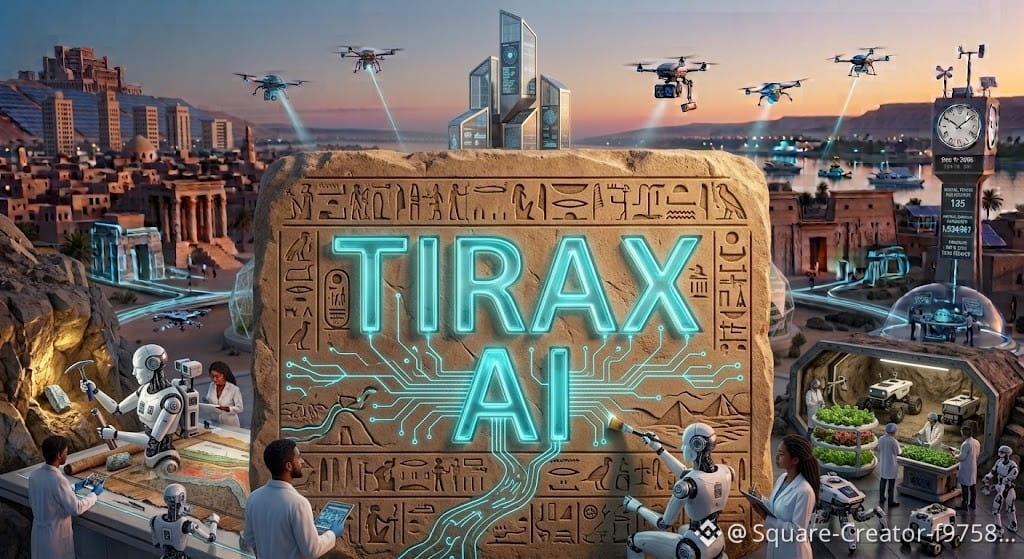
$TIRAX AI
🛡️ إدارة المخاطر هي مفتاح النجاح مع $TIRAX AI!
تظهر الحركة السعرية فرصة ممتازة للمتابعة والدخول عند مستويات الدعم الحالية مع الالتزام بالخطة:
سعر الشراء: $0.000066
الهدف الأول: $0.000100
الهدف الثاني: $0.000200
الهدف الثالث: $0.000500
💬 شارك البوست مع أصدقائك المهتمين بالعملات الرقمية!
#Write2Earrn #USStrikesTargetsNearHormuzAndJask #OilRisesToHighestSinceJuly #CryptoCommunity #tradingStrategy
$TIRAX AI
🛡️ إدارة المخاطر هي مفتاح النجاح مع $TIRAX AI!
تظهر الحركة السعرية فرصة ممتازة للمتابعة والدخول عند مستويات الدعم الحالية مع الالتزام بالخطة:
سعر الشراء: $0.000066
الهدف الأول: $0.000100
الهدف الثاني: $0.000200
الهدف الثالث: $0.000500
💬 شارك البوست مع أصدقائك المهتمين بالعملات الرقمية!
#Write2Earrn #USStrikesTargetsNearHormuzAndJask #OilRisesToHighestSinceJuly #CryptoCommunity #tradingStrategy
🛡️ إدارة المخاطر هي مفتاح النجاح مع $TIRAX AI!
تظهر الحركة السعرية فرصة ممتازة للمتابعة والدخول عند مستويات الدعم الحالية مع الالتزام بالخطة:
سعر الشراء: $0.000066
الهدف الأول: $0.000100
الهدف الثاني: $0.000200
الهدف الثالث: $0.000500
💬 شارك البوست مع أصدقائك المهتمين بالعملات الرقمية!
#Write2Earrn #USStrikesTargetsNearHormuzAndJask #OilRisesToHighestSinceJuly #CryptoCommunity #tradingStrategy
1
50
තවත් අන්තර්ගතයන් ගවේෂණය කිරීමට ඇතුල් වන්න
Binance චතුරශ්රය හි ගෝලීය ක්රිප්ටෝ පරිශීලකයින් හා එක්වන්න
⚡️ ක්රිප්ටෝ පිළිබඳ නවතම සහ ප්රයෝජනවත් තොරතුරු ලබා ගන්න.
💬 ලොව විශාලතම ක්රිප්ටෝ හුවමාරුව මගින් විශ්වාස කෙරේ.
👍 සත්යායනය කරන ලද නිර්මාණකරුවන්ගෙන් සැබෑ විදසුන් සොයා ගන්න.
විද්යුත් තැපෑල / දුරකථන අංකය
නැගී එන මාතෘකා
1
#USAugustPPIRisesLessThanExpected
16,624 views
430 සාකච්ඡා කරමින්
2
#SECApprovesNasdaqTexasCommodityTrustRule
12,452 views
386 සාකච්ඡා කරමින්
3
#ECBRaisesRatesSecondTimeTo2.5%
8,858 views
274 සාකච්ඡා කරමින්
4
#USContinuingJoblessClaims1.774M
15,046 views
366 සාකච්ඡා කරමින්
5
#USAugustPPIYoYRisesTo5.4%
14,950 views
286 සාකච්ඡා කරමින්
6
#AppleDebutsFoldablePhone
85,053 views
1,375 සාකච්ඡා කරමින්
7
#TSMCAugustRevenueUp53.3%YoY
20,740 views
510 සාකච්ඡා කරමින්
8
#IranSaysReadyToEscalateWarWithUS
30,460 views
509 සාකච්ඡා කරමින්
9
#EUExtendsCentralContactPointToCASPs
25,629 views
513 සාකච්ඡා කරමින්
10
#US10YTreasuryYieldHitsHighestSinceNov2023
56,377 views
781 සාකච්ඡා කරමින්