

#macrocrypto
macrocrypto
197,662 නැරඹීම්
1,561 සාකච්ඡා කරමින්
උණුසුම්
නවතම

欧盟统计局最新公布了9月份欧元区终值通胀数据,整体调和CPI年率最终确认为3.8%,月率录得0.6%,双双完全符合市场预期并与前值持平。同时,9月核心CPI年率维持在2.2%,月率录得0.2%,核心通胀指标未见任何反弹迹象,技术面呈现出极其稳定的筑顶回落形态。
从宏观对比来看,欧元区通胀数据完全落在市场共识之内,有效消除了前期因个别国家(如意大利9月CPI微升至4.2%)带来的二次通胀恐慌。核心指标2.2%的读数显示通胀粘性已被有效压制,这为欧洲央行在后续利率决议中维持当前政策中枢提供了强有力的基本面支撑,大幅降低了欧央行再度激进加息的尾部风险。
该数据出炉后,外汇与债券市场波动率显著收敛。欧洲主要国债收益率维持盘整走势,美元指数上行动能受到压制,全球风险资产的流动性压力获得进一步释放。通胀路径的高度可预测性正促使宏观资金从防御性避险资产转向流动性更充裕的市场,整体宏观环境对多头结构十分有利。
对于加密资产而言,核心通胀降至2.2%附近意味着全球主要经济体政策紧缩周期正进入尾声。这为 $BTC 提供了极佳的宏观安全垫,链上资金有望在风险偏好回暖的推动下持续流入主流资产,为行情向上突破关键阻力位积蓄充沛动能。📈
#EurozoneCPI #InflationData #MacroCrypto
欧盟统计局最新公布了9月份欧元区终值通胀数据,整体调和CPI年率最终确认为3.8%,月率录得0.6%,双双完全符合市场预期并与前值持平。同时,9月核心CPI年率维持在2.2%,月率录得0.2%,核心通胀指标未见任何反弹迹象,技术面呈现出极其稳定的筑顶回落形态。
从宏观对比来看,欧元区通胀数据完全落在市场共识之内,有效消除了前期因个别国家(如意大利9月CPI微升至4.2%)带来的二次通胀恐慌。核心指标2.2%的读数显示通胀粘性已被有效压制,这为欧洲央行在后续利率决议中维持当前政策中枢提供了强有力的基本面支撑,大幅降低了欧央行再度激进加息的尾部风险。
该数据出炉后,外汇与债券市场波动率显著收敛。欧洲主要国债收益率维持盘整走势,美元指数上行动能受到压制,全球风险资产的流动性压力获得进一步释放。通胀路径的高度可预测性正促使宏观资金从防御性避险资产转向流动性更充裕的市场,整体宏观环境对多头结构十分有利。
对于加密资产而言,核心通胀降至2.2%附近意味着全球主要经济体政策紧缩周期正进入尾声。这为 $BTC 提供了极佳的宏观安全垫,链上资金有望在风险偏好回暖的推动下持续流入主流资产,为行情向上突破关键阻力位积蓄充沛动能。📈
#EurozoneCPI #InflationData #MacroCrypto
从宏观对比来看,欧元区通胀数据完全落在市场共识之内,有效消除了前期因个别国家(如意大利9月CPI微升至4.2%)带来的二次通胀恐慌。核心指标2.2%的读数显示通胀粘性已被有效压制,这为欧洲央行在后续利率决议中维持当前政策中枢提供了强有力的基本面支撑,大幅降低了欧央行再度激进加息的尾部风险。
该数据出炉后,外汇与债券市场波动率显著收敛。欧洲主要国债收益率维持盘整走势,美元指数上行动能受到压制,全球风险资产的流动性压力获得进一步释放。通胀路径的高度可预测性正促使宏观资金从防御性避险资产转向流动性更充裕的市场,整体宏观环境对多头结构十分有利。
对于加密资产而言,核心通胀降至2.2%附近意味着全球主要经济体政策紧缩周期正进入尾声。这为 $BTC 提供了极佳的宏观安全垫,链上资金有望在风险偏好回暖的推动下持续流入主流资产,为行情向上突破关键阻力位积蓄充沛动能。📈
#EurozoneCPI #InflationData #MacroCrypto
59

China released its September trade balance data today, revealing an impressive trade surplus of $1,335.3 billion. This figure comfortably surpassed market expectations of $1,181 billion and improved from the previous month's reading of $1,190.9 billion. Notably, exports denominated in USD surged 36.3% year-over-year, well above the 25% forecast, while USD imports rose 31% against an anticipated 24.3%.
This significant outperformance highlights robust external demand alongside resilient domestic activity in the world's second-largest economy. The sharp acceleration in both import and export growth defies earlier concerns of a synchronized global slowdown, pointing to renewed manufacturing momentum.
Across broader financial markets, strong Chinese trade figures tend to boost global risk sentiment and support commodity prices. A healthier global trade engine can also temper immediate expectations for aggressive stimulus, stabilizing sovereign bond yields and commodity-linked currencies.
For digital assets, solid macro fundamentals in Asia generally bolster cross-border liquidity and improve market confidence. As macroeconomic tailwinds support overall liquidity, risk assets including $BTC could experience constructive buying pressure. #ChinaTrade #GlobalEconomy #MacroCrypto
China released its September trade balance data today, revealing an impressive trade surplus of $1,335.3 billion. This figure comfortably surpassed market expectations of $1,181 billion and improved from the previous month's reading of $1,190.9 billion. Notably, exports denominated in USD surged 36.3% year-over-year, well above the 25% forecast, while USD imports rose 31% against an anticipated 24.3%.
This significant outperformance highlights robust external demand alongside resilient domestic activity in the world's second-largest economy. The sharp acceleration in both import and export growth defies earlier concerns of a synchronized global slowdown, pointing to renewed manufacturing momentum.
Across broader financial markets, strong Chinese trade figures tend to boost global risk sentiment and support commodity prices. A healthier global trade engine can also temper immediate expectations for aggressive stimulus, stabilizing sovereign bond yields and commodity-linked currencies.
For digital assets, solid macro fundamentals in Asia generally bolster cross-border liquidity and improve market confidence. As macroeconomic tailwinds support overall liquidity, risk assets including $BTC could experience constructive buying pressure. #ChinaTrade #GlobalEconomy #MacroCrypto
This significant outperformance highlights robust external demand alongside resilient domestic activity in the world's second-largest economy. The sharp acceleration in both import and export growth defies earlier concerns of a synchronized global slowdown, pointing to renewed manufacturing momentum.
Across broader financial markets, strong Chinese trade figures tend to boost global risk sentiment and support commodity prices. A healthier global trade engine can also temper immediate expectations for aggressive stimulus, stabilizing sovereign bond yields and commodity-linked currencies.
For digital assets, solid macro fundamentals in Asia generally bolster cross-border liquidity and improve market confidence. As macroeconomic tailwinds support overall liquidity, risk assets including $BTC could experience constructive buying pressure. #ChinaTrade #GlobalEconomy #MacroCrypto
62

⚡ OIL ANCHORED AT $100 SENDS SHOCKWAVES INTO $W AND $RSR RISK APPETITE! 🌊
Macro headwinds are colliding with crypto order flow as sticky $100 crude forces institutional desks to reassess their inflation playbook. 📊 While energy dominance puts pressure on broader market liquidity, capital is already scouting which high-beta setups can decouple from the macro noise.
When broader consensus crowds into defensive fear, order books often thin out just enough to trigger aggressive counter-trend moves. 💡
🤔 Are you positioning for a relief squeeze here or waiting for the macro dust to settle?
⚠️ Not financial advice. Always manage your risk. 🛡️
🏷️ #W #RSR #MacroCrypto #Altcoins #Crypto
🔥 ⚡
⚡ OIL ANCHORED AT $100 SENDS SHOCKWAVES INTO $W AND $RSR RISK APPETITE! 🌊
Macro headwinds are colliding with crypto order flow as sticky $100 crude forces institutional desks to reassess their inflation playbook. 📊 While energy dominance puts pressure on broader market liquidity, capital is already scouting which high-beta setups can decouple from the macro noise.
When broader consensus crowds into defensive fear, order books often thin out just enough to trigger aggressive counter-trend moves. 💡
🤔 Are you positioning for a relief squeeze here or waiting for the macro dust to settle?
⚠️ Not financial advice. Always manage your risk. 🛡️
🏷️ #W #RSR #MacroCrypto #Altcoins #Crypto
🔥 ⚡
Macro headwinds are colliding with crypto order flow as sticky $100 crude forces institutional desks to reassess their inflation playbook. 📊 While energy dominance puts pressure on broader market liquidity, capital is already scouting which high-beta setups can decouple from the macro noise.
When broader consensus crowds into defensive fear, order books often thin out just enough to trigger aggressive counter-trend moves. 💡
🤔 Are you positioning for a relief squeeze here or waiting for the macro dust to settle?
⚠️ Not financial advice. Always manage your risk. 🛡️
🏷️ #W #RSR #MacroCrypto #Altcoins #Crypto
🔥 ⚡
150

#usweeklyjoblessclaimsfallto197000
انخفضت طلبات إعانة البطالة في الولايات المتحدة إلى 197,000، ما يعني أن سوق العمل قوي جدًا! 🤯 خبر جيد آخر للاحتياطي الفيدرالي وكيفن وورش، لكنه صداع لخفض الفائدة.
بفضل ذلك، احتمال رفع الفائدة في أكتوبر على منصة CME FedWatch قد اهتزّ، ويبلغ حوالي 47.1%. العوائد ترتفع بسرعة، وتراجع البيتكوين إلى 83.5 ألف دولار. أيها المتداولون، استعدوا لبيانات الوظائف غير الزراعية يوم الجمعة. راقبوا مؤشر الدولار واثبتوا نقاط وقف الخسارة! 📉💸
⚠️ ليس نصيحة استثمارية. ابحث بنفسك (DYOR)!
متابعة من فضلكم
$BTC
$ETH
$SOL
#FedWatch #MacroCrypto #joblessclaims #CryptoTrading
#usweeklyjoblessclaimsfallto197000
انخفضت طلبات إعانة البطالة في الولايات المتحدة إلى 197,000، ما يعني أن سوق العمل قوي جدًا! 🤯 خبر جيد آخر للاحتياطي الفيدرالي وكيفن وورش، لكنه صداع لخفض الفائدة.
بفضل ذلك، احتمال رفع الفائدة في أكتوبر على منصة CME FedWatch قد اهتزّ، ويبلغ حوالي 47.1%. العوائد ترتفع بسرعة، وتراجع البيتكوين إلى 83.5 ألف دولار. أيها المتداولون، استعدوا لبيانات الوظائف غير الزراعية يوم الجمعة. راقبوا مؤشر الدولار واثبتوا نقاط وقف الخسارة! 📉💸
⚠️ ليس نصيحة استثمارية. ابحث بنفسك (DYOR)!
متابعة من فضلكم
$BTC
$ETH
$SOL
#FedWatch #MacroCrypto #joblessclaims #CryptoTrading
انخفضت طلبات إعانة البطالة في الولايات المتحدة إلى 197,000، ما يعني أن سوق العمل قوي جدًا! 🤯 خبر جيد آخر للاحتياطي الفيدرالي وكيفن وورش، لكنه صداع لخفض الفائدة.
بفضل ذلك، احتمال رفع الفائدة في أكتوبر على منصة CME FedWatch قد اهتزّ، ويبلغ حوالي 47.1%. العوائد ترتفع بسرعة، وتراجع البيتكوين إلى 83.5 ألف دولار. أيها المتداولون، استعدوا لبيانات الوظائف غير الزراعية يوم الجمعة. راقبوا مؤشر الدولار واثبتوا نقاط وقف الخسارة! 📉💸
⚠️ ليس نصيحة استثمارية. ابحث بنفسك (DYOR)!
متابعة من فضلكم
$BTC
$ETH
$SOL
#FedWatch #MacroCrypto #joblessclaims #CryptoTrading
1
105
#dollarindexhitshighestsincemay2025
عودة King Dollar من جديد، وهو الآن يضرب مستوى ضخم عند 101.81 على مؤشر DXY—أعلى مستوى منذ مايو 2025! 💸
حتى مع أرقام تضخم PCE الضعيفة، تجاهل الدولار تمامًا الاحتياطي الفيدرالي وقرر الضخ على أي حال. هل هذا يعني أن عملاتك المستقرة المدعومة بالدولار ستحصل على “قوى خارقة”؟ حسنًا، 1 USDC لا يزال يساوي 1 USDC، لكن قوتك الشرائية بالتأكيد تشعر بثِقل أكبر بينما تتنفس سوق الكريبتو قليلًا.
أيها المتداولون، عندما يقفز مؤشر الدولار، عادةً ما تتعرّض الأصول ذات المخاطر للضغط. ثبّت مراكزك، لا تُبالغ في الرافعة المالية، وتابع مخطط DXY بعين صقر! 🦅
⚠️ تنبيه: ليس نصيحة مالية. قم بالبحث الخاص بك!
لا تدَع تيار الاقتصاد الكلي يتركك خلف الركب! سجّل الآن باستخدام الرمز VINHTOCDO أو عبر هذا الرابط
متابعة من فضلكم
$BTC
$BNB
$ETH
#DXYPump #MacroCrypto #Stablecoins #CryptoTrading
#dollarindexhitshighestsincemay2025
عودة King Dollar من جديد، وهو الآن يضرب مستوى ضخم عند 101.81 على مؤشر DXY—أعلى مستوى منذ مايو 2025! 💸
حتى مع أرقام تضخم PCE الضعيفة، تجاهل الدولار تمامًا الاحتياطي الفيدرالي وقرر الضخ على أي حال. هل هذا يعني أن عملاتك المستقرة المدعومة بالدولار ستحصل على “قوى خارقة”؟ حسنًا، 1 USDC لا يزال يساوي 1 USDC، لكن قوتك الشرائية بالتأكيد تشعر بثِقل أكبر بينما تتنفس سوق الكريبتو قليلًا.
أيها المتداولون، عندما يقفز مؤشر الدولار، عادةً ما تتعرّض الأصول ذات المخاطر للضغط. ثبّت مراكزك، لا تُبالغ في الرافعة المالية، وتابع مخطط DXY بعين صقر! 🦅
⚠️ تنبيه: ليس نصيحة مالية. قم بالبحث الخاص بك!
لا تدَع تيار الاقتصاد الكلي يتركك خلف الركب! سجّل الآن باستخدام الرمز VINHTOCDO أو عبر هذا الرابط
متابعة من فضلكم
$BTC
$BNB
$ETH
#DXYPump #MacroCrypto #Stablecoins #CryptoTrading
عودة King Dollar من جديد، وهو الآن يضرب مستوى ضخم عند 101.81 على مؤشر DXY—أعلى مستوى منذ مايو 2025! 💸
حتى مع أرقام تضخم PCE الضعيفة، تجاهل الدولار تمامًا الاحتياطي الفيدرالي وقرر الضخ على أي حال. هل هذا يعني أن عملاتك المستقرة المدعومة بالدولار ستحصل على “قوى خارقة”؟ حسنًا، 1 USDC لا يزال يساوي 1 USDC، لكن قوتك الشرائية بالتأكيد تشعر بثِقل أكبر بينما تتنفس سوق الكريبتو قليلًا.
أيها المتداولون، عندما يقفز مؤشر الدولار، عادةً ما تتعرّض الأصول ذات المخاطر للضغط. ثبّت مراكزك، لا تُبالغ في الرافعة المالية، وتابع مخطط DXY بعين صقر! 🦅
⚠️ تنبيه: ليس نصيحة مالية. قم بالبحث الخاص بك!
لا تدَع تيار الاقتصاد الكلي يتركك خلف الركب! سجّل الآن باستخدام الرمز VINHTOCDO أو عبر هذا الرابط
متابعة من فضلكم
$BTC
$BNB
$ETH
#DXYPump #MacroCrypto #Stablecoins #CryptoTrading
1
69

·
--
🚨 $BTC CLEARS LIQUIDITY TO $85.5K AFTER COOLER US PCE INFLATION DATA FLUSHES SHORTS! ⚡
Entry: 84,000 ⚡
Target: 87,000 🚀
The lower-than-forecast US PCE print sparked an immediate macro reaction, sending $BTC printing a local high of $85,598 as over $75 million in short liquidity was swept. 📊 Lower yield pressure off the 10-year Treasury provided initial tailwinds, but the impulse stalled near key supply, pulling price action back into the $84,000 consolidation range. 🔍
While core inflation easing to 3.0% fuels speculation of a Fed rate pause, structural overhead remains firm. Institutional order flow is currently re-evaluating whether this expansion was a true imbalance fill or an engineered liquidity raid. ⚡ The critical structural pivot to reclaim remains the $87,000 level for sustained upside expansion. 📌
💬 Do you view this pullback to $84,000 as smart money re-accumulation or a bull trap ahead of upcoming jobs data? 👇
⚠️ Not financial advice. Always manage your risk. 🛡️
🏷️ #BTC #MarketStructure #LiquiditySweep #MacroCrypto
🦈 🎯
🚨 $BTC CLEARS LIQUIDITY TO $85.5K AFTER COOLER US PCE INFLATION DATA FLUSHES SHORTS! ⚡
Entry: 84,000 ⚡
Target: 87,000 🚀
The lower-than-forecast US PCE print sparked an immediate macro reaction, sending $BTC printing a local high of $85,598 as over $75 million in short liquidity was swept. 📊 Lower yield pressure off the 10-year Treasury provided initial tailwinds, but the impulse stalled near key supply, pulling price action back into the $84,000 consolidation range. 🔍
While core inflation easing to 3.0% fuels speculation of a Fed rate pause, structural overhead remains firm. Institutional order flow is currently re-evaluating whether this expansion was a true imbalance fill or an engineered liquidity raid. ⚡ The critical structural pivot to reclaim remains the $87,000 level for sustained upside expansion. 📌
💬 Do you view this pullback to $84,000 as smart money re-accumulation or a bull trap ahead of upcoming jobs data? 👇
⚠️ Not financial advice. Always manage your risk. 🛡️
🏷️ #BTC #MarketStructure #LiquiditySweep #MacroCrypto
🦈 🎯
Entry: 84,000 ⚡
Target: 87,000 🚀
The lower-than-forecast US PCE print sparked an immediate macro reaction, sending $BTC printing a local high of $85,598 as over $75 million in short liquidity was swept. 📊 Lower yield pressure off the 10-year Treasury provided initial tailwinds, but the impulse stalled near key supply, pulling price action back into the $84,000 consolidation range. 🔍
While core inflation easing to 3.0% fuels speculation of a Fed rate pause, structural overhead remains firm. Institutional order flow is currently re-evaluating whether this expansion was a true imbalance fill or an engineered liquidity raid. ⚡ The critical structural pivot to reclaim remains the $87,000 level for sustained upside expansion. 📌
💬 Do you view this pullback to $84,000 as smart money re-accumulation or a bull trap ahead of upcoming jobs data? 👇
⚠️ Not financial advice. Always manage your risk. 🛡️
🏷️ #BTC #MarketStructure #LiquiditySweep #MacroCrypto
🦈 🎯
21
Суверенные фонды продают золото и покупают Bitcoin — это не гипотеза, это тренд, который фиксирует Bitwise. Когда государственные балансы начинают ротацию из тысячелетнего актива в цифровой, макро-нарратив BTC меняется необратимо. Следующая волна спроса придёт не от ритейла.
$BTC $XAUT #Bitcoin #MacroCrypto
Суверенные фонды продают золото и покупают Bitcoin — это не гипотеза, это тренд, который фиксирует Bitwise. Когда государственные балансы начинают ротацию из тысячелетнего актива в цифровой, макро-нарратив BTC меняется необратимо. Следующая волна спроса придёт не от ритейла.
$BTC $XAUT #Bitcoin #MacroCrypto
$BTC $XAUT #Bitcoin #MacroCrypto
71
ලිපිය
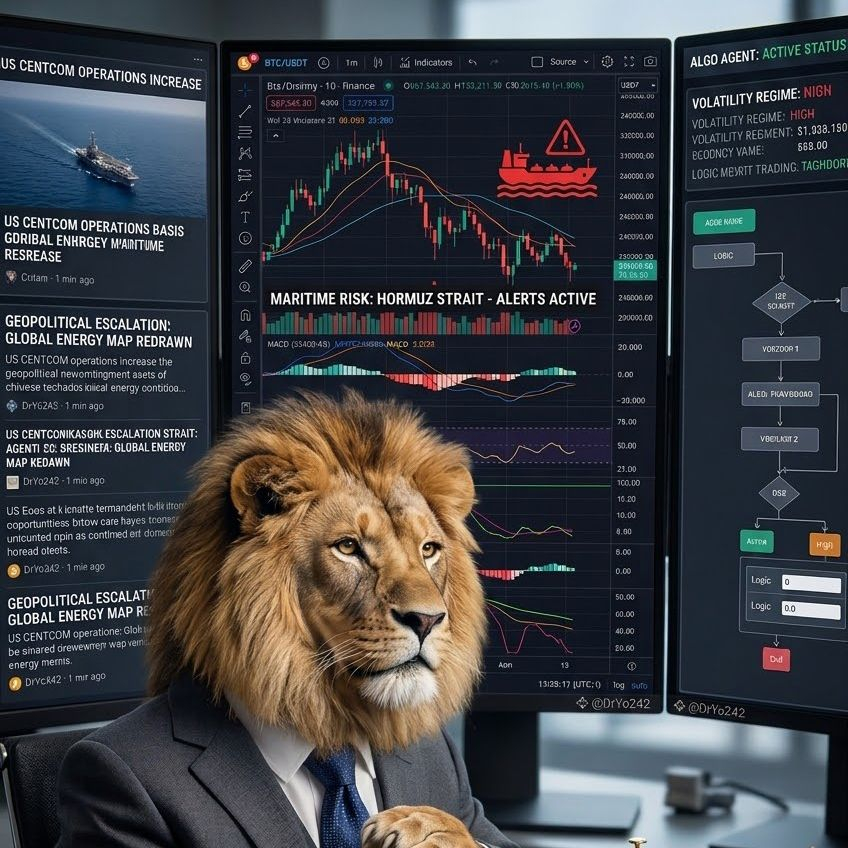
LE PIÈGE DES 84K : BTC RECLAIM MAIS LE MACRO TIRE LA SONNETTE🚨 BTC a retouché 85K pour la 1ère fois en 280 jours... et a REFLUÉ. Pourquoi ce rallye ne tient pas ?
• ETF BTC : +98M entrées nettes le 21 sept (BlackRock/Fidelity) — achat spot MASSIF, pas du levier. Pourtant BTC stagne à 4.3K.
• 10Y US à 5.11% (pic 2007) + FOMC hawkish 3.75-4.00% = coût de l'argent trop élevé pour risque. Les institutionnels absorbent l'offre, les yields absorbent l'appétit.
• Fear & Greed 71 (Greed ↓ de 78) — euphorie qui s'essouffle. Liquidations 48M longs hier. Le marché est LONG mais nerveux.
❓ PENSEZ-VOUS QUE BTC CASSE 85K DURABLEMENT AVANT LE PROCHAIN CPI, OU LE 10Y À 5%+ LE BLOQUE JUSQU'À LA FED ?
🔔 Suivez pour l'analyse quotidienne sans filtre — macro, on-chain, flux ETF.
#Bitcoin #MacroCrypto
LE PIÈGE DES 84K : BTC RECLAIM MAIS LE MACRO TIRE LA SONNETTE
🚨 BTC a retouché 85K pour la 1ère fois en 280 jours... et a REFLUÉ. Pourquoi ce rallye ne tient pas ?
• ETF BTC : +98M entrées nettes le 21 sept (BlackRock/Fidelity) — achat spot MASSIF, pas du levier. Pourtant BTC stagne à 4.3K.
• 10Y US à 5.11% (pic 2007) + FOMC hawkish 3.75-4.00% = coût de l'argent trop élevé pour risque. Les institutionnels absorbent l'offre, les yields absorbent l'appétit.
• Fear & Greed 71 (Greed ↓ de 78) — euphorie qui s'essouffle. Liquidations 48M longs hier. Le marché est LONG mais nerveux.
❓ PENSEZ-VOUS QUE BTC CASSE 85K DURABLEMENT AVANT LE PROCHAIN CPI, OU LE 10Y À 5%+ LE BLOQUE JUSQU'À LA FED ?
🔔 Suivez pour l'analyse quotidienne sans filtre — macro, on-chain, flux ETF.
#Bitcoin #MacroCrypto
• ETF BTC : +98M entrées nettes le 21 sept (BlackRock/Fidelity) — achat spot MASSIF, pas du levier. Pourtant BTC stagne à 4.3K.
• 10Y US à 5.11% (pic 2007) + FOMC hawkish 3.75-4.00% = coût de l'argent trop élevé pour risque. Les institutionnels absorbent l'offre, les yields absorbent l'appétit.
• Fear & Greed 71 (Greed ↓ de 78) — euphorie qui s'essouffle. Liquidations 48M longs hier. Le marché est LONG mais nerveux.
❓ PENSEZ-VOUS QUE BTC CASSE 85K DURABLEMENT AVANT LE PROCHAIN CPI, OU LE 10Y À 5%+ LE BLOQUE JUSQU'À LA FED ?
🔔 Suivez pour l'analyse quotidienne sans filtre — macro, on-chain, flux ETF.
#Bitcoin #MacroCrypto
BTC-0.17%
IEFETF-0.15%
85
#us30yearyieldhighestsince2004
📈 انتظر ماذا?! #us30yearyieldhighestsince2004 تتجه إلى الأعلى بنسبة مجنونة وصلت إلى 5.44%! 🤯
مرة أخرى?! عوائد سندات الخزانة الأمريكية لأجل 30 سنة للتو سجلت أعلى مستوى لها منذ 22 عامًا! هل أزمة مالية تطرق أبوابنا؟ 🚨 وانتظر... "بيع السندات"؟ هل الناس يتداولون السندات الآن مثلما يتداولون الميم كوينز؟ 😂
اتضح أن التضخم المرتفع وارتفاع أسعار النفط بشكل صاروخي يجعلان المستثمرين في حالة هلع فيبيعون السندات طويلة الأجل، مما يدفع العوائد إلى القمر! 🚀
ماذا يجب أن يفعل متداولو العملات الرقمية؟
1️⃣ لا تُهلَع! النقد ينزف، لكن الكريبتو مُصمم لهذا. 🧠
2️⃣ انتبه لتقلبات السوق. 📉📈
3️⃣ قم بالبحث بنفسك (DYOR)! هذا ليس نصيحة مالية! 👀
متابعة من فضلكم
$BTC
$BNB
$ETH
#YieldsRising #BondSellOff #MacroCrypto #CryptoNews #FinancialCrisis
#us30yearyieldhighestsince2004
📈 انتظر ماذا?! #us30yearyieldhighestsince2004 تتجه إلى الأعلى بنسبة مجنونة وصلت إلى 5.44%! 🤯
مرة أخرى?! عوائد سندات الخزانة الأمريكية لأجل 30 سنة للتو سجلت أعلى مستوى لها منذ 22 عامًا! هل أزمة مالية تطرق أبوابنا؟ 🚨 وانتظر... "بيع السندات"؟ هل الناس يتداولون السندات الآن مثلما يتداولون الميم كوينز؟ 😂
اتضح أن التضخم المرتفع وارتفاع أسعار النفط بشكل صاروخي يجعلان المستثمرين في حالة هلع فيبيعون السندات طويلة الأجل، مما يدفع العوائد إلى القمر! 🚀
ماذا يجب أن يفعل متداولو العملات الرقمية؟
1️⃣ لا تُهلَع! النقد ينزف، لكن الكريبتو مُصمم لهذا. 🧠
2️⃣ انتبه لتقلبات السوق. 📉📈
3️⃣ قم بالبحث بنفسك (DYOR)! هذا ليس نصيحة مالية! 👀
متابعة من فضلكم
$BTC
$BNB
$ETH
#YieldsRising #BondSellOff #MacroCrypto #CryptoNews #FinancialCrisis
📈 انتظر ماذا?! #us30yearyieldhighestsince2004 تتجه إلى الأعلى بنسبة مجنونة وصلت إلى 5.44%! 🤯
مرة أخرى?! عوائد سندات الخزانة الأمريكية لأجل 30 سنة للتو سجلت أعلى مستوى لها منذ 22 عامًا! هل أزمة مالية تطرق أبوابنا؟ 🚨 وانتظر... "بيع السندات"؟ هل الناس يتداولون السندات الآن مثلما يتداولون الميم كوينز؟ 😂
اتضح أن التضخم المرتفع وارتفاع أسعار النفط بشكل صاروخي يجعلان المستثمرين في حالة هلع فيبيعون السندات طويلة الأجل، مما يدفع العوائد إلى القمر! 🚀
ماذا يجب أن يفعل متداولو العملات الرقمية؟
1️⃣ لا تُهلَع! النقد ينزف، لكن الكريبتو مُصمم لهذا. 🧠
2️⃣ انتبه لتقلبات السوق. 📉📈
3️⃣ قم بالبحث بنفسك (DYOR)! هذا ليس نصيحة مالية! 👀
متابعة من فضلكم
$BTC
$BNB
$ETH
#YieldsRising #BondSellOff #MacroCrypto #CryptoNews #FinancialCrisis
2
5k
සත්යායනය කළ
#fedoctoberratehikeoddsriseto69.7%
🎲 يا له من مظهر! انظر إلى كرة البلور! 🔮
CME FedWatch يصرخ بنسبة 69.7% لاحتمال رفع سعر الفائدة بمقدار 25 نقطة أساس في أكتوبر. انتظر... بعد رفع سبتمبر، سوق العملات المشفرة انفجر، أليس كذلك؟ إذن، هل يمكن لمجلس الاحتياطي الفيدرالي أن يضخ +25 نقطة أساس بشكل عابر كل شهر وكأنه اشتراك مدفوع؟ 😂 للأسف، الاقتصاد الكلي لا يعمل مثل اشتراك نتفليكس شهري يا صديقي! الضغوط بدأت تصبح حقيقية! 📈
ماذا يجب على المتداولين فعله؟
1️⃣ راقب مخطط النقاط (dot plot) الخاص بالاحتياطي الفيدرالي عن كثب. 📅
2️⃣ أدرِك رافعتك المالية، الأمور بدأت تشتعل! 🛡️
3️⃣ قم بالبحث بنفسك (DYOR)! هذا ليس نصيحة مالية! 👀
متابعة من فضلكم
$BTC
$BNB
$ETH
#FedRateHike #CMEFedWatch #MacroCrypto #CryptoTrading #BinanceSquare
#fedoctoberratehikeoddsriseto69.7%
🎲 يا له من مظهر! انظر إلى كرة البلور! 🔮
CME FedWatch يصرخ بنسبة 69.7% لاحتمال رفع سعر الفائدة بمقدار 25 نقطة أساس في أكتوبر. انتظر... بعد رفع سبتمبر، سوق العملات المشفرة انفجر، أليس كذلك؟ إذن، هل يمكن لمجلس الاحتياطي الفيدرالي أن يضخ +25 نقطة أساس بشكل عابر كل شهر وكأنه اشتراك مدفوع؟ 😂 للأسف، الاقتصاد الكلي لا يعمل مثل اشتراك نتفليكس شهري يا صديقي! الضغوط بدأت تصبح حقيقية! 📈
ماذا يجب على المتداولين فعله؟
1️⃣ راقب مخطط النقاط (dot plot) الخاص بالاحتياطي الفيدرالي عن كثب. 📅
2️⃣ أدرِك رافعتك المالية، الأمور بدأت تشتعل! 🛡️
3️⃣ قم بالبحث بنفسك (DYOR)! هذا ليس نصيحة مالية! 👀
متابعة من فضلكم
$BTC
$BNB
$ETH
#FedRateHike #CMEFedWatch #MacroCrypto #CryptoTrading #BinanceSquare
🎲 يا له من مظهر! انظر إلى كرة البلور! 🔮
CME FedWatch يصرخ بنسبة 69.7% لاحتمال رفع سعر الفائدة بمقدار 25 نقطة أساس في أكتوبر. انتظر... بعد رفع سبتمبر، سوق العملات المشفرة انفجر، أليس كذلك؟ إذن، هل يمكن لمجلس الاحتياطي الفيدرالي أن يضخ +25 نقطة أساس بشكل عابر كل شهر وكأنه اشتراك مدفوع؟ 😂 للأسف، الاقتصاد الكلي لا يعمل مثل اشتراك نتفليكس شهري يا صديقي! الضغوط بدأت تصبح حقيقية! 📈
ماذا يجب على المتداولين فعله؟
1️⃣ راقب مخطط النقاط (dot plot) الخاص بالاحتياطي الفيدرالي عن كثب. 📅
2️⃣ أدرِك رافعتك المالية، الأمور بدأت تشتعل! 🛡️
3️⃣ قم بالبحث بنفسك (DYOR)! هذا ليس نصيحة مالية! 👀
متابعة من فضلكم
$BTC
$BNB
$ETH
#FedRateHike #CMEFedWatch #MacroCrypto #CryptoTrading #BinanceSquare
2
1.7k

🏦 BTC cae 1.7% tras bajar las apuestas de Clarity Act
El precio de Bitcoin ha retrocedido un 1.7% desde la medianoche UTC, alcanzando los $76,862, tras revertir un rally de la jornada. La caída se debió a que las probabilidades en Polymarket sobre la ley Clarity Act han disminuido a la mitad.
¿Creés que esto impactará en el precio de Bitcoin? 👇
$BTC #MacroCrypto
Contenido informativo. No constituye asesoría financiera.
🏦 BTC cae 1.7% tras bajar las apuestas de Clarity Act
El precio de Bitcoin ha retrocedido un 1.7% desde la medianoche UTC, alcanzando los $76,862, tras revertir un rally de la jornada. La caída se debió a que las probabilidades en Polymarket sobre la ley Clarity Act han disminuido a la mitad.
¿Creés que esto impactará en el precio de Bitcoin? 👇
$BTC #MacroCrypto
Contenido informativo. No constituye asesoría financiera.
El precio de Bitcoin ha retrocedido un 1.7% desde la medianoche UTC, alcanzando los $76,862, tras revertir un rally de la jornada. La caída se debió a que las probabilidades en Polymarket sobre la ley Clarity Act han disminuido a la mitad.
¿Creés que esto impactará en el precio de Bitcoin? 👇
$BTC #MacroCrypto
Contenido informativo. No constituye asesoría financiera.
30

·
--
Where we are in the rate cycle matters more for crypto than most traders acknowledge.
Rate hikes: liquidity tightens, risk assets reprice lower. 2022 was a clean example.
Rate cuts: liquidity expands, capital flows back into risk. 2020 and early 2023 showed the effect.
The current setup: rates still restrictive, cuts being priced in for later this year. That's the anticipation phase: markets price the cut before it happens.
If cuts are delayed, that anticipation unwinds. That's the primary macro risk for crypto right now.
#MacroCrypto #Bitcoin #BTC
Where we are in the rate cycle matters more for crypto than most traders acknowledge.
Rate hikes: liquidity tightens, risk assets reprice lower. 2022 was a clean example.
Rate cuts: liquidity expands, capital flows back into risk. 2020 and early 2023 showed the effect.
The current setup: rates still restrictive, cuts being priced in for later this year. That's the anticipation phase: markets price the cut before it happens.
If cuts are delayed, that anticipation unwinds. That's the primary macro risk for crypto right now.
#MacroCrypto #Bitcoin #BTC
Rate hikes: liquidity tightens, risk assets reprice lower. 2022 was a clean example.
Rate cuts: liquidity expands, capital flows back into risk. 2020 and early 2023 showed the effect.
The current setup: rates still restrictive, cuts being priced in for later this year. That's the anticipation phase: markets price the cut before it happens.
If cuts are delayed, that anticipation unwinds. That's the primary macro risk for crypto right now.
#MacroCrypto #Bitcoin #BTC
27

·
--
La inflación global y las políticas monetarias restrictivas para controlarla impactan en crypto. Al reducir la liquidez y aumentar el costo del capital, los inversores tienden a reevaluar activos de riesgo, ejerciendo presión a la baja sobre los precios de las criptomonedas. Su sensibilidad macroeconómica es evidente. #MacroCrypto #CriptoEconomia
📊 https://quant-fin.online
📢 @QuantF
━━━━━━━━━━━━━━━━━━
QuantFin — Protocolo RUF-Flow v7
Powered by Nexus Flow Dynamics
© 2026 QuantFin. Trading conlleva riesgo.
La inflación global y las políticas monetarias restrictivas para controlarla impactan en crypto. Al reducir la liquidez y aumentar el costo del capital, los inversores tienden a reevaluar activos de riesgo, ejerciendo presión a la baja sobre los precios de las criptomonedas. Su sensibilidad macroeconómica es evidente. #MacroCrypto #CriptoEconomia
📊 https://quant-fin.online
📢 @QuantF
━━━━━━━━━━━━━━━━━━
QuantFin — Protocolo RUF-Flow v7
Powered by Nexus Flow Dynamics
© 2026 QuantFin. Trading conlleva riesgo.
📊 https://quant-fin.online
📢 @QuantF
━━━━━━━━━━━━━━━━━━
QuantFin — Protocolo RUF-Flow v7
Powered by Nexus Flow Dynamics
© 2026 QuantFin. Trading conlleva riesgo.
44

·
--
everyone thinks $btc dumps are just whale games, but actually this case shows the yen carry trade can smack your portfolio harder than a bad entry.
the mistake is staring at candles only while macro liquidity is getting pulled in the background. that’s how traders fomo buy “support” at $62.5k, then panic if the next liquidity pocket is closer to $50k.
look at the setup: $BTC is hovering near $62,500, around 50% below its oct 2025 peak of $126,198. every major correction in this case lines up with japan defending the yen, not just crypto-native drama.
tokyo and washington also pulled off their first joint yen intervention since 1998, with $59b deployed and $32b dumped in just one week. when the yen carry trade unwinds, risk assets can get hit fast because leveraged money has to de-risk, and that can spill into $ETH, $SOL, and basically anything with beta.
ngl ser, the warning here is simple: if you’re trading crypto while ignoring yen moves, bond yields, and intervention headlines, you’re playing half the board. what’s your take on $BTC from here, bounce zone or $50k magnet?
#Bitcoin #CryptoTrading #MacroCrypto
everyone thinks $btc dumps are just whale games, but actually this case shows the yen carry trade can smack your portfolio harder than a bad entry.
the mistake is staring at candles only while macro liquidity is getting pulled in the background. that’s how traders fomo buy “support” at $62.5k, then panic if the next liquidity pocket is closer to $50k.
look at the setup: $BTC is hovering near $62,500, around 50% below its oct 2025 peak of $126,198. every major correction in this case lines up with japan defending the yen, not just crypto-native drama.
tokyo and washington also pulled off their first joint yen intervention since 1998, with $59b deployed and $32b dumped in just one week. when the yen carry trade unwinds, risk assets can get hit fast because leveraged money has to de-risk, and that can spill into $ETH , $SOL , and basically anything with beta.
ngl ser, the warning here is simple: if you’re trading crypto while ignoring yen moves, bond yields, and intervention headlines, you’re playing half the board. what’s your take on $BTC from here, bounce zone or $50k magnet?
#Bitcoin #CryptoTrading #MacroCrypto
the mistake is staring at candles only while macro liquidity is getting pulled in the background. that’s how traders fomo buy “support” at $62.5k, then panic if the next liquidity pocket is closer to $50k.
look at the setup: $BTC is hovering near $62,500, around 50% below its oct 2025 peak of $126,198. every major correction in this case lines up with japan defending the yen, not just crypto-native drama.
tokyo and washington also pulled off their first joint yen intervention since 1998, with $59b deployed and $32b dumped in just one week. when the yen carry trade unwinds, risk assets can get hit fast because leveraged money has to de-risk, and that can spill into $ETH , $SOL , and basically anything with beta.
ngl ser, the warning here is simple: if you’re trading crypto while ignoring yen moves, bond yields, and intervention headlines, you’re playing half the board. what’s your take on $BTC from here, bounce zone or $50k magnet?
#Bitcoin #CryptoTrading #MacroCrypto
47
·
--
A diplomatic headline can move $BTC faster than a chart pattern: today, “advanced” Iran-Oman talks over the Strait of Hormuz helped Bitcoin reclaim $64K before slipping back near $63.5K.
If you’ve ever chased a green candle and watched it fade within hours, this is why macro matters. Crypto traders don’t just trade charts. We trade fear, oil, war risk, liquidity, and positioning.
$BTC moved roughly 0.8% higher, trading between $63.7K and $64.25K as volume jumped 42%, then gave back part of the move over the last 4 hours. That’s not random noise. It’s the market repricing geopolitical risk in real time.
Oil told the same story, but louder. It dropped more than 2% back below $82 as war-risk premium cooled, then spiked above $88 again when uncertainty returned. In past cycles, I’ve seen this pattern many times: less conflict risk often means lower oil pressure, softer inflation fears, and a better mood for risk assets like $BTC, $ETH, and $BNB.
The lesson is simple. When headlines drive the move, entries need patience. A calmer macro backdrop can support crypto, but headline rallies can reverse fast when fear comes back into the room.
Are you treating this $BTC move as a real risk-on signal, or just another headline-driven trap?
#Bitcoin #CryptoTrading #MacroCrypto
A diplomatic headline can move $BTC faster than a chart pattern: today, “advanced” Iran-Oman talks over the Strait of Hormuz helped Bitcoin reclaim $64K before slipping back near $63.5K.
If you’ve ever chased a green candle and watched it fade within hours, this is why macro matters. Crypto traders don’t just trade charts. We trade fear, oil, war risk, liquidity, and positioning.
$BTC moved roughly 0.8% higher, trading between $63.7K and $64.25K as volume jumped 42%, then gave back part of the move over the last 4 hours. That’s not random noise. It’s the market repricing geopolitical risk in real time.
Oil told the same story, but louder. It dropped more than 2% back below $82 as war-risk premium cooled, then spiked above $88 again when uncertainty returned. In past cycles, I’ve seen this pattern many times: less conflict risk often means lower oil pressure, softer inflation fears, and a better mood for risk assets like $BTC , $ETH , and $BNB .
The lesson is simple. When headlines drive the move, entries need patience. A calmer macro backdrop can support crypto, but headline rallies can reverse fast when fear comes back into the room.
Are you treating this $BTC move as a real risk-on signal, or just another headline-driven trap?
#Bitcoin #CryptoTrading #MacroCrypto
If you’ve ever chased a green candle and watched it fade within hours, this is why macro matters. Crypto traders don’t just trade charts. We trade fear, oil, war risk, liquidity, and positioning.
$BTC moved roughly 0.8% higher, trading between $63.7K and $64.25K as volume jumped 42%, then gave back part of the move over the last 4 hours. That’s not random noise. It’s the market repricing geopolitical risk in real time.
Oil told the same story, but louder. It dropped more than 2% back below $82 as war-risk premium cooled, then spiked above $88 again when uncertainty returned. In past cycles, I’ve seen this pattern many times: less conflict risk often means lower oil pressure, softer inflation fears, and a better mood for risk assets like $BTC , $ETH , and $BNB .
The lesson is simple. When headlines drive the move, entries need patience. A calmer macro backdrop can support crypto, but headline rallies can reverse fast when fear comes back into the room.
Are you treating this $BTC move as a real risk-on signal, or just another headline-driven trap?
#Bitcoin #CryptoTrading #MacroCrypto
38
·
--
Here’s what happened when geopolitics, oil, and $BTC all moved in the same conversation.
Crypto traders know this pain too well: you see Bitcoin reclaim $64K, FOMO kicks in, and then it slips back toward $63.5K before you can even decide if it’s a breakout or a trap. Macro headlines can turn a clean setup into noise fast.
In this case, $BTC bounced after Qatar said Iran-Oman talks over the Strait of Hormuz had reached an “advanced” stage. That mattered because the Strait is a major oil chokepoint, and lower war risk usually cools oil pressure. Bitcoin traded between roughly $63.7K and $64.25K, up about 0.8%, while volume jumped 42% before the move faded over the next few hours.
We’ve seen this movie before. During past Middle East tension spikes and the Russia-Ukraine shock, oil often reacts first, then risk assets like $BTC and $ETH follow the mood shift. When oil dropped more than 2% below $82, the market briefly read it as relief. But the later jump back above $88 showed how fragile that relief can be.
The lesson is simple: macro-driven pumps are not the same as strong trend reversals. If the headline risk fades, $BNB and broader crypto can catch a bid. If the oil market stays jumpy, traders may keep selling rallies instead of chasing them.
What’s your take: is Bitcoin reacting to real risk relief here, or just another headline-driven fakeout?
#Bitcoin #CryptoMarkets #MacroCrypto
Here’s what happened when geopolitics, oil, and $BTC all moved in the same conversation.
Crypto traders know this pain too well: you see Bitcoin reclaim $64K, FOMO kicks in, and then it slips back toward $63.5K before you can even decide if it’s a breakout or a trap. Macro headlines can turn a clean setup into noise fast.
In this case, $BTC bounced after Qatar said Iran-Oman talks over the Strait of Hormuz had reached an “advanced” stage. That mattered because the Strait is a major oil chokepoint, and lower war risk usually cools oil pressure. Bitcoin traded between roughly $63.7K and $64.25K, up about 0.8%, while volume jumped 42% before the move faded over the next few hours.
We’ve seen this movie before. During past Middle East tension spikes and the Russia-Ukraine shock, oil often reacts first, then risk assets like $BTC and $ETH follow the mood shift. When oil dropped more than 2% below $82, the market briefly read it as relief. But the later jump back above $88 showed how fragile that relief can be.
The lesson is simple: macro-driven pumps are not the same as strong trend reversals. If the headline risk fades, $BNB and broader crypto can catch a bid. If the oil market stays jumpy, traders may keep selling rallies instead of chasing them.
What’s your take: is Bitcoin reacting to real risk relief here, or just another headline-driven fakeout?
#Bitcoin #CryptoMarkets #MacroCrypto
Crypto traders know this pain too well: you see Bitcoin reclaim $64K, FOMO kicks in, and then it slips back toward $63.5K before you can even decide if it’s a breakout or a trap. Macro headlines can turn a clean setup into noise fast.
In this case, $BTC bounced after Qatar said Iran-Oman talks over the Strait of Hormuz had reached an “advanced” stage. That mattered because the Strait is a major oil chokepoint, and lower war risk usually cools oil pressure. Bitcoin traded between roughly $63.7K and $64.25K, up about 0.8%, while volume jumped 42% before the move faded over the next few hours.
We’ve seen this movie before. During past Middle East tension spikes and the Russia-Ukraine shock, oil often reacts first, then risk assets like $BTC and $ETH follow the mood shift. When oil dropped more than 2% below $82, the market briefly read it as relief. But the later jump back above $88 showed how fragile that relief can be.
The lesson is simple: macro-driven pumps are not the same as strong trend reversals. If the headline risk fades, $BNB and broader crypto can catch a bid. If the oil market stays jumpy, traders may keep selling rallies instead of chasing them.
What’s your take: is Bitcoin reacting to real risk relief here, or just another headline-driven fakeout?
#Bitcoin #CryptoMarkets #MacroCrypto
31

特朗普公开表态支持后,Dell 股价单日拉升 4.4%。
这波异动的信号价值大于涨幅本身——政治站台正在成为美股定价的一个显性变量,从关税豁免到AI硬件供应链,白宫的态度直接影响资金对个股的重定价节奏。
对加密市场的映射也值得留意:
1)AI基建叙事里,Dell 是英伟达服务器的核心分销方,传统AI硬件走强通常带动链上AI板块情绪共振;
2)特朗普交易(Trump Trade)重新激活,风险资产的政策beta在放大,BTC 与美股科技股的相关性可能进一步走高;
3)当政治因素成为主导变量,纯技术面分析的边际作用下降,宏观-政策-流动性的三重框架更实用。
短期看,跟随政策叙事的板块轮动会加快,链上AI、RWA、以及与美国本土合规挂钩的标的更容易吃到溢价。
#TrumpTrade #AI #MacroCrypto
特朗普公开表态支持后,Dell 股价单日拉升 4.4%。
这波异动的信号价值大于涨幅本身——政治站台正在成为美股定价的一个显性变量,从关税豁免到AI硬件供应链,白宫的态度直接影响资金对个股的重定价节奏。
对加密市场的映射也值得留意:
1)AI基建叙事里,Dell 是英伟达服务器的核心分销方,传统AI硬件走强通常带动链上AI板块情绪共振;
2)特朗普交易(Trump Trade)重新激活,风险资产的政策beta在放大,BTC 与美股科技股的相关性可能进一步走高;
3)当政治因素成为主导变量,纯技术面分析的边际作用下降,宏观-政策-流动性的三重框架更实用。
短期看,跟随政策叙事的板块轮动会加快,链上AI、RWA、以及与美国本土合规挂钩的标的更容易吃到溢价。
#TrumpTrade #AI #MacroCrypto
这波异动的信号价值大于涨幅本身——政治站台正在成为美股定价的一个显性变量,从关税豁免到AI硬件供应链,白宫的态度直接影响资金对个股的重定价节奏。
对加密市场的映射也值得留意:
1)AI基建叙事里,Dell 是英伟达服务器的核心分销方,传统AI硬件走强通常带动链上AI板块情绪共振;
2)特朗普交易(Trump Trade)重新激活,风险资产的政策beta在放大,BTC 与美股科技股的相关性可能进一步走高;
3)当政治因素成为主导变量,纯技术面分析的边际作用下降,宏观-政策-流动性的三重框架更实用。
短期看,跟随政策叙事的板块轮动会加快,链上AI、RWA、以及与美国本土合规挂钩的标的更容易吃到溢价。
#TrumpTrade #AI #MacroCrypto
117

·
--
🚨🔥BITCOIN HOLDING $59K — BUT THURSDAY'S PCE DATA COULD BREAK EVERYTHING.
Bitcoin has bounced from $59,000 multiple times in June. That level has replaced $60K as the real support. Wednesday's dip touched $59K again before recovering to $61K — the same pattern that triggered a rally to $67K on June 5.
→ $59K is now the line. Below it, sentiment flips fast.
→ Thursday PCE data (the Fed's preferred inflation gauge) prints tonight — core PCE expected at 3.3–3.4%, highest since October 2023
→ Hot print = dollar strengthens, crypto gets pressured. Cool print = $59K bounce case gets stronger
One data point. Two completely different outcomes for Bitcoin tonight.
Are you buying the $59K support or waiting for PCE first?
"The support is holding. But one number tonight could change everything." — CoinbroNews Analysis
#Bitcoin #BTC #PCE #FederalReserve #CryptoTrading #MacroCrypto
CoinbroNews | coinbronews.com
🚨🔥BITCOIN HOLDING $59K — BUT THURSDAY'S PCE DATA COULD BREAK EVERYTHING.
Bitcoin has bounced from $59,000 multiple times in June. That level has replaced $60K as the real support. Wednesday's dip touched $59K again before recovering to $61K — the same pattern that triggered a rally to $67K on June 5.
→ $59K is now the line. Below it, sentiment flips fast.
→ Thursday PCE data (the Fed's preferred inflation gauge) prints tonight — core PCE expected at 3.3–3.4%, highest since October 2023
→ Hot print = dollar strengthens, crypto gets pressured. Cool print = $59K bounce case gets stronger
One data point. Two completely different outcomes for Bitcoin tonight.
Are you buying the $59K support or waiting for PCE first?
"The support is holding. But one number tonight could change everything." — CoinbroNews Analysis
#Bitcoin #BTC #PCE #FederalReserve #CryptoTrading #MacroCrypto
CoinbroNews | coinbronews.com
Bitcoin has bounced from $59,000 multiple times in June. That level has replaced $60K as the real support. Wednesday's dip touched $59K again before recovering to $61K — the same pattern that triggered a rally to $67K on June 5.
→ $59K is now the line. Below it, sentiment flips fast.
→ Thursday PCE data (the Fed's preferred inflation gauge) prints tonight — core PCE expected at 3.3–3.4%, highest since October 2023
→ Hot print = dollar strengthens, crypto gets pressured. Cool print = $59K bounce case gets stronger
One data point. Two completely different outcomes for Bitcoin tonight.
Are you buying the $59K support or waiting for PCE first?
"The support is holding. But one number tonight could change everything." — CoinbroNews Analysis
#Bitcoin #BTC #PCE #FederalReserve #CryptoTrading #MacroCrypto
CoinbroNews | coinbronews.com
183
·
--
ලිපිය
Goldman Sachs Exits Altcoins: The Real Reason Behind the MoveThe institutional narrative just took a massive hit. Goldman Sachs officially closed down its specialized investment vehicles for $XRP and $SOL . This isn't a routine portfolio adjustment; it is a direct response to a tightening macro environment where global liquidity is drying up fast.
With the US dollar remaining near multi-month highs and Treasury yields locked at elevated levels, major investment banks are choosing to aggressively de-risk. For retail traders, this institutional retreat indicates that altcoin upside will remain heavily restricted until the broader macroeconomic outlook turns accommodating again.
#Solana #XRP #GoldmanSachs #MacroCrypto
{future}(XRPUSDT)
{future}(SOLUSDT)
Goldman Sachs Exits Altcoins: The Real Reason Behind the Move
The institutional narrative just took a massive hit. Goldman Sachs officially closed down its specialized investment vehicles for $XRP and $SOL . This isn't a routine portfolio adjustment; it is a direct response to a tightening macro environment where global liquidity is drying up fast.
With the US dollar remaining near multi-month highs and Treasury yields locked at elevated levels, major investment banks are choosing to aggressively de-risk. For retail traders, this institutional retreat indicates that altcoin upside will remain heavily restricted until the broader macroeconomic outlook turns accommodating again.
#Solana #XRP #GoldmanSachs #MacroCrypto
With the US dollar remaining near multi-month highs and Treasury yields locked at elevated levels, major investment banks are choosing to aggressively de-risk. For retail traders, this institutional retreat indicates that altcoin upside will remain heavily restricted until the broader macroeconomic outlook turns accommodating again.
#Solana #XRP #GoldmanSachs #MacroCrypto
298

·
--
Des États qui intègrent Bitcoin dans leurs réserves. En 2026, c'est réel.
El Salvador : pionnier. Bitcoin comme monnaie légale depuis 2021.
Les réserves souveraines de quelques pays émergents intègrent du BTC.
Plusieurs fonds souverains ont des mandats d'exposition crypto indirecte via ETF.
Pourquoi c'est important pour l'investisseur individuel :
→ La demande institutionnelle et souveraine crée un plancher de prix structurel
→ Elle réduit la probabilité d'interdiction totale dans les économies majeures
→ Elle légitime Bitcoin comme classe d'actif dans la conversation financière mondiale
Ce n'est pas une raison d'acheter aveuglément.
C'est un contexte à intégrer dans sa thèse d'investissement long terme.
#BitcoinEtat
#RéservesSouveraines
#AdoptionInstitutionnelle
#MacroCrypto
Des États qui intègrent Bitcoin dans leurs réserves. En 2026, c'est réel.
El Salvador : pionnier. Bitcoin comme monnaie légale depuis 2021.
Les réserves souveraines de quelques pays émergents intègrent du BTC.
Plusieurs fonds souverains ont des mandats d'exposition crypto indirecte via ETF.
Pourquoi c'est important pour l'investisseur individuel :
→ La demande institutionnelle et souveraine crée un plancher de prix structurel
→ Elle réduit la probabilité d'interdiction totale dans les économies majeures
→ Elle légitime Bitcoin comme classe d'actif dans la conversation financière mondiale
Ce n'est pas une raison d'acheter aveuglément.
C'est un contexte à intégrer dans sa thèse d'investissement long terme.
#BitcoinEtat
#RéservesSouveraines
#AdoptionInstitutionnelle
#MacroCrypto
El Salvador : pionnier. Bitcoin comme monnaie légale depuis 2021.
Les réserves souveraines de quelques pays émergents intègrent du BTC.
Plusieurs fonds souverains ont des mandats d'exposition crypto indirecte via ETF.
Pourquoi c'est important pour l'investisseur individuel :
→ La demande institutionnelle et souveraine crée un plancher de prix structurel
→ Elle réduit la probabilité d'interdiction totale dans les économies majeures
→ Elle légitime Bitcoin comme classe d'actif dans la conversation financière mondiale
Ce n'est pas une raison d'acheter aveuglément.
C'est un contexte à intégrer dans sa thèse d'investissement long terme.
#BitcoinEtat
#RéservesSouveraines
#AdoptionInstitutionnelle
#MacroCrypto
89
තවත් අන්තර්ගතයන් ගවේෂණය කිරීමට ඇතුල් වන්න
Binance චතුරශ්රය හි ගෝලීය ක්රිප්ටෝ පරිශීලකයින් හා එක්වන්න
⚡️ ක්රිප්ටෝ පිළිබඳ නවතම සහ ප්රයෝජනවත් තොරතුරු ලබා ගන්න.
💬 ලොව විශාලතම ක්රිප්ටෝ හුවමාරුව මගින් විශ්වාස කෙරේ.
👍 සත්යායනය කරන ලද නිර්මාණකරුවන්ගෙන් සැබෑ විදසුන් සොයා ගන්න.
විද්යුත් තැපෑල / දුරකථන අංකය
නැගී එන මාතෘකා
1
#BinancePick
1.8M නැරඹීම්
110,776 සාකච්ඡා කරමින්
2
#EarningsSeason
4.4M නැරඹීම්
20,933 සාකච්ඡා කරමින්
3
#SouthKoreaDelaysCryptoIncomeTax
11,787 නැරඹීම්
178 සාකච්ඡා කරමින්
4
#ElectrumFixesHighRiskExploitInVersionsBefore4.8.3
8,248 නැරඹීම්
190 සාකච්ඡා කරමින්
5
#SouthKoreaPlansToRegulateStablecoinsUnderFXLaw
14,114 නැරඹීම්
261 සාකච්ඡා කරමින්
6
#UKAlgorithmicCryptoTradingAppsMayNeedFCAAuthorization
4,852 නැරඹීම්
120 සාකච්ඡා කරමින්
7
#DowDrops653Points
88,966 නැරඹීම්
1,058 සාකච්ඡා කරමින්
8
#MarketsPriceJust10%ChanceOfFedHikeNextWeek
69,696 නැරඹීම්
774 සාකච්ඡා කරමින්
9
#OCCRemovesStablecoinSevenDayRedemptionExtension
32,401 නැරඹීම්
517 සාකච්ඡා කරමින්
10
#USConsumerSentimentHoldsAtSecondLowestOnRecord
35,289 නැරඹීම්
328 සාකච්ඡා කරමින්