Binance Square

cryptosecurity

8M views
6,287 සාකච්ඡා කරමින්
MISTERROBOT
·
--
👺 Хакер вернул 321 BTC, украденные у прокуратуры Южной Кореи История — сюр. Сотрудники прокуратуры якобы сами ввели сид-фразу служебного кошелька на фишинговом сайте ещё в августе 2025. 🔎 Пропажу заметили только в декабре — 4 месяца кошелёк был пуст, и никто этого не видел. Видимо, «долгосрочный холд» 😏 Когда транзакции отследили и начали блокировать попытки вывода через биржи, «хакеру» стало сложнее кэшаутить. В итоге 17 февраля он «добровольно» вернул все BTC. Вывод простой: в крипте слабое звено — не блокчейн, а человек. #bitcoin #CryptoSecurity #blockchain #MISTERROBOT Подписывайся — тут реальный крипто-цирк без купюр. {future}(BTCUSDT)
👺 Хакер вернул 321 BTC, украденные у прокуратуры Южной Кореи

История — сюр. Сотрудники прокуратуры якобы сами ввели сид-фразу служебного кошелька на фишинговом сайте ещё в августе 2025.

🔎 Пропажу заметили только в декабре — 4 месяца кошелёк был пуст, и никто этого не видел. Видимо, «долгосрочный холд» 😏

Когда транзакции отследили и начали блокировать попытки вывода через биржи, «хакеру» стало сложнее кэшаутить. В итоге 17 февраля он «добровольно» вернул все BTC.

Вывод простой: в крипте слабое звено — не блокчейн, а человек.

#bitcoin #CryptoSecurity #blockchain #MISTERROBOT

Подписывайся — тут реальный крипто-цирк без купюр.
🚨🚨⚠ Quantum Threat to Bitcoin? 6.89M $BTC Could Be at Risk. CryptoQuant CEO warns ~1M $BTC of Satoshi’s coins may be vulnerable. Old address types expose 1.91M BTC, plus 4.98M revealed in past transactions. 3.4M $BTC have been dormant for over a decade _ billions at stake. Bitcoin faces a choice: protocol upgrade or risk quantum attacks. The future of BTC security is a governance issue, not sci-fi. #BTC #CryptoNews #QuantumThreat #CryptoSecurity #Satoshi
🚨🚨⚠ Quantum Threat to Bitcoin? 6.89M $BTC Could Be at Risk.
CryptoQuant CEO warns ~1M $BTC of Satoshi’s coins may be vulnerable.
Old address types expose 1.91M BTC, plus 4.98M revealed in past transactions.
3.4M $BTC have been dormant for over a decade _ billions at stake.
Bitcoin faces a choice: protocol upgrade or risk quantum attacks.
The future of BTC security is a governance issue, not sci-fi.
#BTC #CryptoNews #QuantumThreat #CryptoSecurity #Satoshi
When Stolen Bitcoin Came Back: South Korea Unusual Crypto Recovery StoryIn crypto shadow the usual story is simple: once money’s gone it’s gone. Hackers slip stolen funds through mixers scatter them across blockchains, or launder them so thoroughly the trail goes cold. You almost never see those coins come back. But every now and then, things play out differently. On February 19, 2026, South Korean prosecutors made a surprise announcement. They got back about 320.8 BTC worth $21.4 million at the time, with Bitcoin trading between $66,000 and $68,000. The hacker didn’t return the money out of guilt. Enforcement cornered them, cut off every way out, and the attacker still anonymous had nowhere else to go. This all started with a fiasco in 2025. The Gwangju District Prosecutors’ Office had been holding Bitcoin seized from previous criminal cases, mostly illegal gambling. In August, during what should’ve been a routine check of their wallets, the funds vanished. Turns out, it was a phishing attack. Someone tricked officials into using a fake interface or giving up sensitive info. Within minutes, about 320 BTC disappeared from dozens of wallets. Even government agencies, it turns out, are just as vulnerable to social engineering as anyone else. The theft set off a wave of public criticism and internal audits. These weren’t new coins they were evidence, scattered across 57 hardware wallets. The breach exposed some glaring problems: not enough verification, too many people with access, and the bigger issue institutions handling crypto without proper custodial infrastructure are sitting ducks. By early 2026, prosecutors went from panic mode to strategy. They used advanced blockchain analytics and exchange compliance laws like mandatory ID checks and quick asset freezes to chase down the stolen Bitcoin. They never caught the hacker, but they managed something almost as good: they made the coins nearly impossible to cash out. Authorities flagged every wallet involved and worked with centralized exchanges to shut the doors. No compliant exchange would touch those coins. Suddenly, turning $21 million in Bitcoin into real-world cash became a nightmare. Boxed in and out of options, the hacker sent all 320.8 BTC straight back to the prosecutors on February 19. No deals no talks. Pure enforcement muscle. But there was a twist. Within hours of the funds coming home the Bitcoin moved again, this time to a new set of addresses. Maybe internal wallet shuffling, maybe security upgrades no one knows for sure. What matters is the rarest outcome in crypto crime: the funds made it back. Why does this actually matter? Because it’s about more than one country or one hack. Strong regulatory frameworks and coordinated compliance can reshape how crypto crime works. When stolen coins get recovered instead of dumped on the market, you avoid sudden sell-offs that could rattle already shaky markets. If you can’t get your loot onto a compliant exchange, stealing traceable assets like Bitcoin gets a lot less attractive. Institutions, take note phishing isn’t going away. Multi-sig wallets, tight access controls, real verification, and air-gapped security aren’t extra steps anymore. They’re the basics. And for Bitcoin itself, this helps. Treating crypto as recoverable property, not just lost forever if stolen, gives it more legitimacy and builds confidence in the system. Is $21 million a huge sum? Not compared to the multi-billion-dollar hacks we’ve seen. But the rarity is the story. In an industry famous for irreversible mistakes, getting stolen funds back almost feels like magic. As Bitcoin hovers in the mid-$60,000s and markets feel uncertain, stories like this quietly chip away at the usual fear and skepticism. Hacks still grab headlines, but this case is proof: with smart enforcement and the right tools, sometimes you really can change the ending. In crypto, reversals don’t come often. That’s what makes this one matter. #blockchain #CryptoSecurity #Bitcoin #KoreaCryptoRegulations

When Stolen Bitcoin Came Back: South Korea Unusual Crypto Recovery Story

In crypto shadow the usual story is simple: once money’s gone it’s gone. Hackers slip stolen funds through mixers scatter them across blockchains, or launder them so thoroughly the trail goes cold. You almost never see those coins come back. But every now and then, things play out differently.
On February 19, 2026, South Korean prosecutors made a surprise announcement. They got back about 320.8 BTC worth $21.4 million at the time, with Bitcoin trading between $66,000 and $68,000. The hacker didn’t return the money out of guilt. Enforcement cornered them, cut off every way out, and the attacker still anonymous had nowhere else to go.

This all started with a fiasco in 2025. The Gwangju District Prosecutors’ Office had been holding Bitcoin seized from previous criminal cases, mostly illegal gambling. In August, during what should’ve been a routine check of their wallets, the funds vanished.
Turns out, it was a phishing attack. Someone tricked officials into using a fake interface or giving up sensitive info. Within minutes, about 320 BTC disappeared from dozens of wallets. Even government agencies, it turns out, are just as vulnerable to social engineering as anyone else.
The theft set off a wave of public criticism and internal audits. These weren’t new coins they were evidence, scattered across 57 hardware wallets. The breach exposed some glaring problems: not enough verification, too many people with access, and the bigger issue institutions handling crypto without proper custodial infrastructure are sitting ducks.

By early 2026, prosecutors went from panic mode to strategy. They used advanced blockchain analytics and exchange compliance laws like mandatory ID checks and quick asset freezes to chase down the stolen Bitcoin. They never caught the hacker, but they managed something almost as good: they made the coins nearly impossible to cash out.
Authorities flagged every wallet involved and worked with centralized exchanges to shut the doors. No compliant exchange would touch those coins. Suddenly, turning $21 million in Bitcoin into real-world cash became a nightmare.
Boxed in and out of options, the hacker sent all 320.8 BTC straight back to the prosecutors on February 19. No deals no talks. Pure enforcement muscle.
But there was a twist. Within hours of the funds coming home the Bitcoin moved again, this time to a new set of addresses. Maybe internal wallet shuffling, maybe security upgrades no one knows for sure. What matters is the rarest outcome in crypto crime: the funds made it back.

Why does this actually matter?
Because it’s about more than one country or one hack. Strong regulatory frameworks and coordinated compliance can reshape how crypto crime works.
When stolen coins get recovered instead of dumped on the market, you avoid sudden sell-offs that could rattle already shaky markets.
If you can’t get your loot onto a compliant exchange, stealing traceable assets like Bitcoin gets a lot less attractive.
Institutions, take note phishing isn’t going away. Multi-sig wallets, tight access controls, real verification, and air-gapped security aren’t extra steps anymore. They’re the basics.
And for Bitcoin itself, this helps. Treating crypto as recoverable property, not just lost forever if stolen, gives it more legitimacy and builds confidence in the system.
Is $21 million a huge sum?
Not compared to the multi-billion-dollar hacks we’ve seen. But the rarity is the story. In an industry famous for irreversible mistakes, getting stolen funds back almost feels like magic.
As Bitcoin hovers in the mid-$60,000s and markets feel uncertain, stories like this quietly chip away at the usual fear and skepticism. Hacks still grab headlines, but this case is proof: with smart enforcement and the right tools, sometimes you really can change the ending.
In crypto, reversals don’t come often. That’s what makes this one matter.
#blockchain #CryptoSecurity #Bitcoin #KoreaCryptoRegulations
Низкие комиссии в Ethereum спровоцировали всплеск мошенничества: как защитить свои средстваАвтор новости: Crypto Emergency Резкое снижение комиссий в сети Ethereum после декабрьского обновления Fusaka привело не только к росту активности, но и к новой волне мошеннических атак. Эксперты связывают рекордное количество транзакций не с органическим ростом использования сети, а с активизацией злоумышленников, которым стало значительно дешевле проводить массовые спам‑операции. Мошенники активизировались: десятки пользователей потеряли сотни тысяч долларов 17 февраля 2026 года очередная жертва схемы address poisoning потеряла $600 000, всего через неделю после аналогичного случая с потерей $350 000. Исследователи SpecterAnalyst отмечают, что злоумышленники подменяют адреса, создавая почти идентичные варианты — совпадают первые и последние символы, что вводит пользователей в заблуждение. В одном из случаев жертва даже отправила тестовую транзакцию на $12 на правильный адрес, но спустя 30 минут, среди множества поддельных входящих транзакций, случайно выбрала вредоносный адрес и перевела всю сумму мошенникам. Почему обновление Ethereum Fusaka стало катализатором атак До обновления Fusaka массовые мошеннические рассылки были слишком дорогими — высокая комиссия делала такие схемы нерентабельными. Однако после снижения стоимости транзакций примерно в 6 раз ситуация изменилась: • средняя комиссия упала до $0,15; • суточное количество транзакций приблизилось к 2,5 млн — почти рекорд; • большинство новых транзакций стоит менее $1, что характерно для мошеннических кампаний. Аналитики Citi подтверждают: значительная часть активности — это не рост реального использования, а следствие дешёвых атак. Рост активности — не всегда позитивный сигнал Некоторые эксперты, включая аналитиков Standard Chartered, восприняли рост транзакций как позитивный тренд и даже заявили, что «2026 год станет годом Ethereum». Однако независимый исследователь Андрей Сергеенков провёл анализ данных и выяснил: • 80% роста активности связано со стейблкоинами; • сотни тысяч транзакций участвуют в мошеннических схемах; • реальный рост использования сети сильно переоценён. По его словам, технический прогресс без должной защиты пользователей создаёт новые уязвимости: «Невозможно масштабировать инфраструктуру, не решив проблему безопасности пользователей». Как защититься от атак address poisoning Эксперты рекомендуют несколько простых, но эффективных мер: 1. Проверяйте адрес полностью, а не только первые и последние символы Это главный способ избежать подмены. 2. Не копируйте адреса из истории транзакций или блок‑обозревателей Используйте только заранее сохранённые контакты в кошельке. 3. Делайте тестовую транзакцию Но важно убедиться, что последующая отправка идёт на тот же адрес, а не на подменённый. 4. Игнорируйте неожиданные входящие транзакции Они часто используются для маскировки вредоносных адресов. Итог • Снижение комиссий в Ethereum сделало мошеннические атаки дешевле и массовее. • Потери пользователей уже исчисляются сотнями тысяч долларов. • До 80% роста активности в сети может быть связано с мошенническими схемами. • Пользователям необходимо повышать внимательность и соблюдать базовые меры безопасности. #Ethereum  #ETH  #CryptoSecurity  #ScamAlert

Низкие комиссии в Ethereum спровоцировали всплеск мошенничества: как защитить свои средства

Автор новости: Crypto Emergency
Резкое снижение комиссий в сети Ethereum после декабрьского обновления Fusaka привело не только к росту активности, но и к новой волне мошеннических атак. Эксперты связывают рекордное количество транзакций не с органическим ростом использования сети, а с активизацией злоумышленников, которым стало значительно дешевле проводить массовые спам‑операции.

Мошенники активизировались: десятки пользователей потеряли сотни тысяч долларов
17 февраля 2026 года очередная жертва схемы address poisoning потеряла $600 000, всего через неделю после аналогичного случая с потерей $350 000. Исследователи SpecterAnalyst отмечают, что злоумышленники подменяют адреса, создавая почти идентичные варианты — совпадают первые и последние символы, что вводит пользователей в заблуждение.

В одном из случаев жертва даже отправила тестовую транзакцию на $12 на правильный адрес, но спустя 30 минут, среди множества поддельных входящих транзакций, случайно выбрала вредоносный адрес и перевела всю сумму мошенникам.

Почему обновление Ethereum Fusaka стало катализатором атак
До обновления Fusaka массовые мошеннические рассылки были слишком дорогими — высокая комиссия делала такие схемы нерентабельными. Однако после снижения стоимости транзакций примерно в 6 раз ситуация изменилась:

• средняя комиссия упала до $0,15;
• суточное количество транзакций приблизилось к 2,5 млн — почти рекорд;
• большинство новых транзакций стоит менее $1, что характерно для мошеннических кампаний.

Аналитики Citi подтверждают: значительная часть активности — это не рост реального использования, а следствие дешёвых атак.

Рост активности — не всегда позитивный сигнал
Некоторые эксперты, включая аналитиков Standard Chartered, восприняли рост транзакций как позитивный тренд и даже заявили, что «2026 год станет годом Ethereum». Однако независимый исследователь Андрей Сергеенков провёл анализ данных и выяснил:

• 80% роста активности связано со стейблкоинами;
• сотни тысяч транзакций участвуют в мошеннических схемах;
• реальный рост использования сети сильно переоценён.

По его словам, технический прогресс без должной защиты пользователей создаёт новые уязвимости:

«Невозможно масштабировать инфраструктуру, не решив проблему безопасности пользователей».

Как защититься от атак address poisoning
Эксперты рекомендуют несколько простых, но эффективных мер:

1. Проверяйте адрес полностью, а не только первые и последние символы Это главный способ избежать подмены.
2. Не копируйте адреса из истории транзакций или блок‑обозревателей Используйте только заранее сохранённые контакты в кошельке.
3. Делайте тестовую транзакцию Но важно убедиться, что последующая отправка идёт на тот же адрес, а не на подменённый.
4. Игнорируйте неожиданные входящие транзакции Они часто используются для маскировки вредоносных адресов.

Итог
• Снижение комиссий в Ethereum сделало мошеннические атаки дешевле и массовее.
• Потери пользователей уже исчисляются сотнями тысяч долларов.
• До 80% роста активности в сети может быть связано с мошенническими схемами.
• Пользователям необходимо повышать внимательность и соблюдать базовые меры безопасности.
#Ethereum  #ETH  #CryptoSecurity  #ScamAlert
MASSIVE $USDT DRAIN! $599K GONE IN SECONDS Address poisoning trap. Victim lost over half a million dollars. Sophisticated attack. Exploited trading habits. A simple copy action. Caused a massive loss. Attacker planted a fake address. Matching characters. Small transfer to mix. Victim copied fake address. Sent funds straight to hacker. This is a wake-up call. Check every character. Act now. News is for reference, not investment advice. #USDT #ScamAlert #CryptoSecurity #Blockchain 🚨
MASSIVE $USDT DRAIN! $599K GONE IN SECONDS

Address poisoning trap. Victim lost over half a million dollars. Sophisticated attack. Exploited trading habits. A simple copy action. Caused a massive loss. Attacker planted a fake address. Matching characters. Small transfer to mix. Victim copied fake address. Sent funds straight to hacker. This is a wake-up call. Check every character. Act now.

News is for reference, not investment advice.

#USDT #ScamAlert #CryptoSecurity #Blockchain 🚨
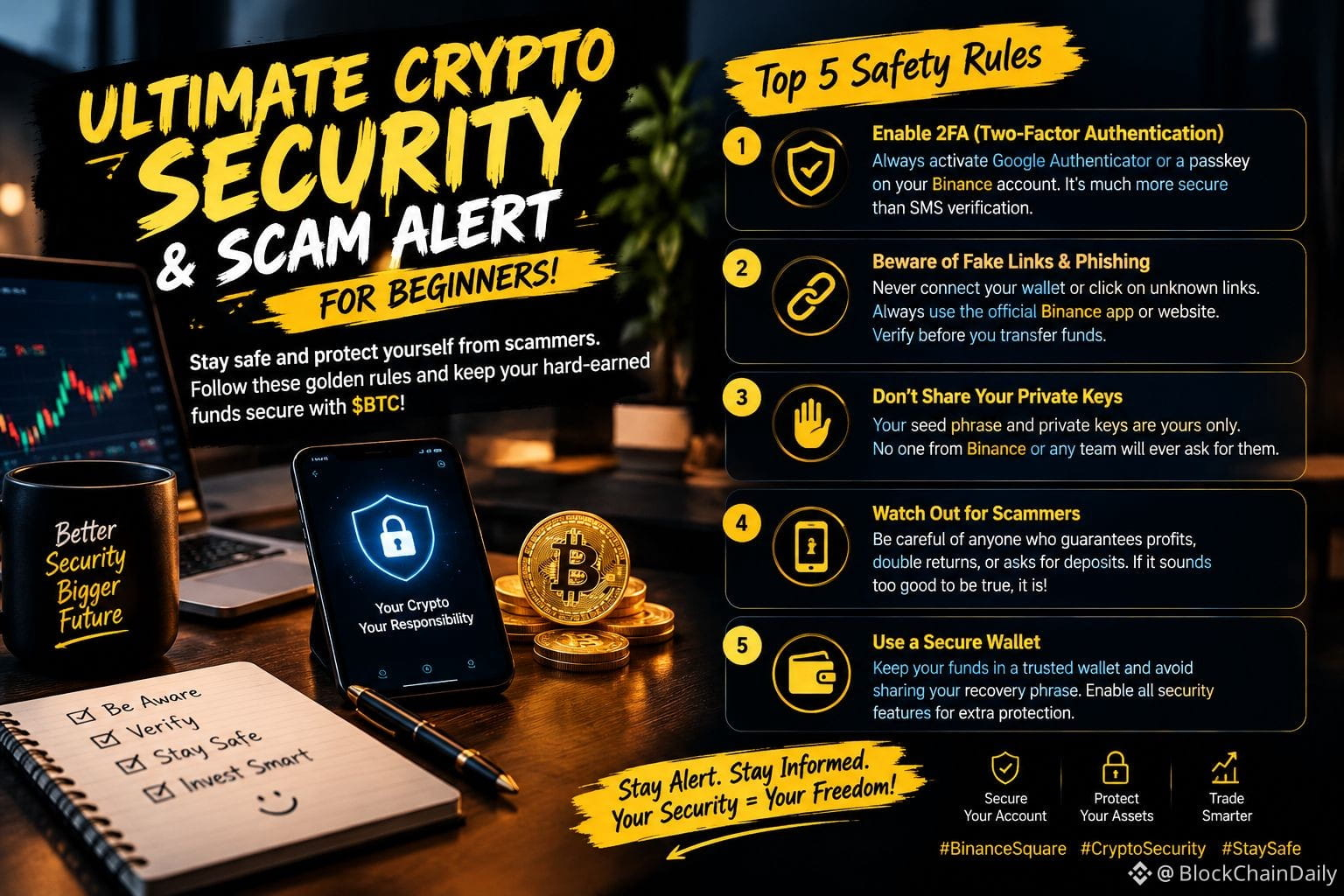
In the crypto world, your security is your own responsibility. Always use 2-Factor Authentication (2FA), never share your seed phrase, and be wary of "too good to be true" offers. Protecting your digital assets is just as important as choosing the right ones to follow. What is your #1 tip for staying safe in the crypto space? 🔒 #CryptoSecurity #StaySafe #BinanceSquare $BTC {spot}(BTCUSDT)
In the crypto world, your security is your own responsibility. Always use 2-Factor Authentication (2FA), never share your seed phrase, and be wary of "too good to be true" offers. Protecting your digital assets is just as important as choosing the right ones to follow.

What is your #1 tip for staying safe in the crypto space? 🔒
#CryptoSecurity #StaySafe #BinanceSquare
$BTC
Speed is useless without security. 🛡️🔥 While other chains sacrifice safety for throughput, @fogo delivers both. Built for institutional High-Frequency Trading (HFT), $FOGO utilizes the SVM to ensure your assets are locked down tighter than a vault, while trades execute in milliseconds. ⚡️🔒 Trade fast. Trade secure. Dominate the market. 📈 #DeFi #HFT #CryptoSecurity #Trading #fogo $FOGO {spot}(FOGOUSDT)
Speed is useless without security. 🛡️🔥
While other chains sacrifice safety for throughput, @Fogo Official delivers both. Built for institutional High-Frequency Trading (HFT), $FOGO utilizes the SVM to ensure your assets are locked down tighter than a vault, while trades execute in milliseconds. ⚡️🔒
Trade fast. Trade secure. Dominate the market. 📈
#DeFi #HFT #CryptoSecurity #Trading
#fogo $FOGO
🤖 AI Agents Face Real Test After $3.4B Lost to Crypto Hacks in 2025 AI agents are now being deployed to combat smart contract vulnerabilities after a devastating $3.4 billion was lost to crypto hacks in 2025 alone. This isn't a drill anymore it's survival. Here's the reality: Traditional security audits are slow, expensive, and miss edge cases that hackers exploit in minutes. AI agents can scan millions of code combinations 24/7, spotting patterns human auditors miss. But there's a catch if hackers also use AI to find vulnerabilities faster, we're entering an arms race where speed determines who wins. The question isn't whether AI will protect DeFi it's whether good AI can stay ahead of malicious AI. With billions at stake, every project needs to ask: Is your smart contract security strategy from 2023, or 2026? ⚔️ Source: @Cryptopolitan #CryptoSecurity #AI #hacks #BinanceSquare #CryptoNews $BTC $BNB {future}(BNBUSDT) {future}(BTCUSDT) $ETH {future}(ETHUSDT)
🤖 AI Agents Face Real Test After $3.4B Lost to Crypto Hacks in 2025

AI agents are now being deployed to combat smart contract vulnerabilities after a devastating $3.4 billion was lost to crypto hacks in 2025 alone. This isn't a drill anymore it's survival.

Here's the reality: Traditional security audits are slow, expensive, and miss edge cases that hackers exploit in minutes. AI agents can scan millions of code combinations 24/7, spotting patterns human auditors miss. But there's a catch if hackers also use AI to find vulnerabilities faster, we're entering an arms race where speed determines who wins.

The question isn't whether AI will protect DeFi it's whether good AI can stay ahead of malicious AI. With billions at stake, every project needs to ask: Is your smart contract security strategy from 2023, or 2026? ⚔️

Source: @Cryptopolitan

#CryptoSecurity #AI #hacks #BinanceSquare #CryptoNews
$BTC $BNB

$ETH
AI UNLEASHES SMART CONTRACT DOOMSDAY MACHINE! This isn't a drill. AI is now hunting blockchain bugs. OpenAI and Paradigm dropped EVMbench. It's designed to find, fix, and exploit smart contract flaws. Billions are at risk. This is the new frontier of crypto security. Get ready. Not financial advice. #CryptoSecurity #Aİ #Blockchain #SmartContracts 🚨
AI UNLEASHES SMART CONTRACT DOOMSDAY MACHINE!

This isn't a drill. AI is now hunting blockchain bugs. OpenAI and Paradigm dropped EVMbench. It's designed to find, fix, and exploit smart contract flaws. Billions are at risk. This is the new frontier of crypto security. Get ready.

Not financial advice.

#CryptoSecurity #Aİ #Blockchain #SmartContracts 🚨
AI UNMASKS BLOCKCHAIN BUGS $1000X BILLION AT RISK New AI tool EVMbench is LIVE. It finds and fixes smart contract flaws. Major security upgrade for crypto. This is huge. Protect your assets. Act now. Disclaimer: DYOR. Not financial advice. #CryptoSecurity #Aİ #Blockchain #SmartContracts 🚨
AI UNMASKS BLOCKCHAIN BUGS $1000X BILLION AT RISK

New AI tool EVMbench is LIVE. It finds and fixes smart contract flaws. Major security upgrade for crypto. This is huge. Protect your assets. Act now.

Disclaimer: DYOR. Not financial advice.

#CryptoSecurity #Aİ #Blockchain #SmartContracts 🚨
Bitcoin’s Forward-Thinking Community: Preparing for a Post-Quantum Future with ConfidenceQuantum computing advances are exciting, and the Bitcoin community is showing its legendary foresight by addressing long-term cryptographic considerations early. Experts stress the threat is not imminent — it’s an engineering challenge that will be solved, with fault-tolerant machines still years away. Post-quantum signature schemes already exist. Developers are exploring gradual, backward-compatible upgrades (new address formats, soft forks, voluntary migrations) just like the hugely successful SegWit and Taproot rollouts. Teams are also working on signature aggregation to keep transaction sizes efficient. Only addresses that have reused public keys face potential future exposure, while Bitcoin’s SHA-256 Proof-of-Work remains highly resistant. Leaders like Adam Back remind us there is still ample time for deliberate, thoughtful preparation. This proactive stance proves once again why Bitcoin is antifragile. Our decentralized coordination and innovation culture keep it the most secure asset on the planet — today and for generations to come. #Bitcoin #QuantumReady #CryptoSecurity $BTC

Bitcoin’s Forward-Thinking Community: Preparing for a Post-Quantum Future with Confidence

Quantum computing advances are exciting, and the Bitcoin community is showing its legendary foresight by addressing long-term cryptographic considerations early. Experts stress the threat is not imminent — it’s an engineering challenge that will be solved, with fault-tolerant machines still years away.
Post-quantum signature schemes already exist. Developers are exploring gradual, backward-compatible upgrades (new address formats, soft forks, voluntary migrations) just like the hugely successful SegWit and Taproot rollouts. Teams are also working on signature aggregation to keep transaction sizes efficient.
Only addresses that have reused public keys face potential future exposure, while Bitcoin’s SHA-256 Proof-of-Work remains highly resistant. Leaders like Adam Back remind us there is still ample time for deliberate, thoughtful preparation.
This proactive stance proves once again why Bitcoin is antifragile. Our decentralized coordination and innovation culture keep it the most secure asset on the planet — today and for generations to come.
#Bitcoin #QuantumReady #CryptoSecurity
$BTC
·
--
🤖 عندما يكتب AI الكود … من يتحمل الخطأ؟في 15 فبراير 2026 — 6:01 مساءً UTC تم تنفيذ مقترح على Moonwell (DeFi على Base). خلال 4 دقائق فقط… خسارة ≈ $1.8 مليون. ⚡ ما الذي حدث؟ الكود — الذي تم توليده/المساعدة فيه بواسطة Claude Opus 4.6 — احتوى على خطأ منطقي في الـ Oracle: تم استخدام سعر cbETH/ETH لكن لم يتم ضربه في ETH/USD. النتيجة؟ cbETH ظهر بسعر ≈ $1.12 بدلاً من ≈ $2,200 فرق منطقي بسيط … تأثير مالي ضخم. ⏱ 6:01 → 6:05 PM • تصفية 1,096 cbETH • خسارة ≈ $1,779,044 • بوتات التصفية استغلت الخلل فورًا • إيقاف الاقتراض بعد 4 دقائق لكن: Timelock لمدة 5 أيام منع أي إصلاح فوري. 💡 الدرس الحقيقي ليس "AI أخطأ" الخطأ لم يكن اختراقًا تقنيًا. لم يكن كسر تشفير. لم يكن استغلال ثغرة معقدة. كان خطأ منطقياً في الحساب. وهذا النوع من الأخطاء هو الأكثر شيوعًا تاريخيًا في DeFi. ⚖️ السؤال الأعمق المشكلة ليست في أن AI يكتب الكود. المشكلة هي: تنفيذ كود مالي مباشر بدون طبقات تحقق متعددة في بيئة تتحرك فيها البوتات خلال ثوانٍ. AI يسرّع التطوير. لكن السوق يسرّع العقاب. 🔍 المفارقة Timelock صُمم للحماية من التغييرات الخبيثة. لكنه في الأزمات يؤخر الاستجابة. الأمان مقابل السرعة — معادلة صعبة. 🎯 ما الذي يجب أن يتغير؟ 🔴 إيقاف استخدام AI؟ 🟡 AI + مراجعة بشرية متعددة الطبقات إلزامية؟ 🟢 تحسين Oracles + أنظمة Circuit Breakers؟ ربما الحل ليس في منع AI … بل في إعادة تصميم الحوكمة حوله. 🔥 هذا الحدث ليس مجرد خسارة $1.8M. إنه اختبار لنموذج: AI → كود → بروتوكول → أموال حقيقية. والحل لن يكون تقنيًا فقط … بل هيكليًا. #DeFi #AI #Moonwell #Base #CryptoSecurity 💬 هل نحن مستعدون فعلاً لدمج AI في البنية المالية اللامركزية؟

🤖 عندما يكتب AI الكود … من يتحمل الخطأ؟

في 15 فبراير 2026 — 6:01 مساءً UTC
تم تنفيذ مقترح على Moonwell (DeFi على Base).
خلال 4 دقائق فقط…
خسارة ≈ $1.8 مليون.

⚡ ما الذي حدث؟
الكود — الذي تم توليده/المساعدة فيه بواسطة Claude Opus 4.6 — احتوى على خطأ منطقي في الـ Oracle:
تم استخدام سعر cbETH/ETH
لكن لم يتم ضربه في ETH/USD.
النتيجة؟
cbETH ظهر بسعر ≈ $1.12
بدلاً من ≈ $2,200
فرق منطقي بسيط … تأثير مالي ضخم.
⏱ 6:01 → 6:05 PM
• تصفية 1,096 cbETH
• خسارة ≈ $1,779,044
• بوتات التصفية استغلت الخلل فورًا
• إيقاف الاقتراض بعد 4 دقائق
لكن:
Timelock لمدة 5 أيام منع أي إصلاح فوري.
💡 الدرس الحقيقي ليس "AI أخطأ"
الخطأ لم يكن اختراقًا تقنيًا.
لم يكن كسر تشفير.
لم يكن استغلال ثغرة معقدة.
كان خطأ منطقياً في الحساب.
وهذا النوع من الأخطاء هو الأكثر شيوعًا تاريخيًا في DeFi.
⚖️ السؤال الأعمق
المشكلة ليست في أن AI يكتب الكود.
المشكلة هي:
تنفيذ كود مالي مباشر
بدون طبقات تحقق متعددة
في بيئة تتحرك فيها البوتات خلال ثوانٍ.
AI يسرّع التطوير.
لكن السوق يسرّع العقاب.
🔍 المفارقة
Timelock صُمم للحماية من التغييرات الخبيثة.
لكنه في الأزمات يؤخر الاستجابة.
الأمان مقابل السرعة — معادلة صعبة.
🎯 ما الذي يجب أن يتغير؟
🔴 إيقاف استخدام AI؟
🟡 AI + مراجعة بشرية متعددة الطبقات إلزامية؟
🟢 تحسين Oracles + أنظمة Circuit Breakers؟
ربما الحل ليس في منع AI …
بل في إعادة تصميم الحوكمة حوله.
🔥 هذا الحدث ليس مجرد خسارة $1.8M.
إنه اختبار لنموذج:
AI → كود → بروتوكول → أموال حقيقية.
والحل لن يكون تقنيًا فقط … بل هيكليًا.

#DeFi #AI #Moonwell #Base #CryptoSecurity
💬 هل نحن مستعدون فعلاً لدمج AI في البنية المالية اللامركزية؟
OpenAI Just UNLEASHED THE FUTURE OF CRYPTO SECURITY $WLD This changes EVERYTHING. A standardized framework for token and smart contract evaluation is here. No more guessing. Pure, unadulterated insight. This is the next evolution. Get ready for a new era of trust and safety. The market will react. This is your heads-up. Don't get left behind. Disclaimer: Not financial advice. #CryptoSecurity #Aİ #Innovation #Web3 🚀 {future}(WLDUSDT)
OpenAI Just UNLEASHED THE FUTURE OF CRYPTO SECURITY $WLD

This changes EVERYTHING. A standardized framework for token and smart contract evaluation is here. No more guessing. Pure, unadulterated insight. This is the next evolution. Get ready for a new era of trust and safety. The market will react. This is your heads-up. Don't get left behind.

Disclaimer: Not financial advice.

#CryptoSecurity #Aİ #Innovation #Web3 🚀
Feed-Creator-b3a9b199c:
падает вечно до 0$
🏦The U.S. 💎Treasury is moving towards Artificial Intelligence 🤖. 📢 breaking news 📢 This isn't just a trend anymore, it's a structural shift. While everyone is looking for the next meme coin, the smart money is flowing into AI Infrastructure. 💎 Top Watchlist: $FET , $RNDR , $AGIX Are you betting on the tech or just gambling? Let's discuss! 👇 #AI #CryptoSecurity #tradingStrategy
🏦The U.S.

💎Treasury is moving towards Artificial Intelligence 🤖.

📢 breaking news 📢

This isn't just a trend anymore, it's a structural shift.
While everyone is looking for the next meme coin, the smart money is flowing into AI Infrastructure.
💎 Top Watchlist: $FET , $RNDR , $AGIX
Are you betting on the tech or just gambling? Let's discuss! 👇
#AI #CryptoSecurity #tradingStrategy
Crypto Daily #185How to avoid "Malicious" Smart Contracts Imagine ordering your fave coffee online, only for your bank account to suddenly empty instead of just paying for your latte. 😱 We often assume all crypto transactions are safe, but some 'smart contracts' hide nasty surprises. Okay, so normally, a smart contract is like a super-smart vending machine for digital assets. You put in your crypto, maybe some ETH, and it automatically gives you what you're expecting - like a new token or access to a service. It's supposed to be reliable because the rules are written right into the code! But here's the scary part: what if that vending machine isn't honest? What if it's coded to take more than just the advertised fee, or even drain your wallet after you 'approve' a simple interaction? Therefore, always remember that 'approving' a transaction isn't just saying 'yes' to a purchase; it's giving a smart contract permission to interact with your assets. The big lesson? Before you hit that 'Approve' button, especially for new or unknown projects, always check the contract’s permissions. Look for audits, read reviews, and if it asks for unlimited spending on a token like say, BNB, for a small transaction, that's a HUGE red flag. You're not just confirming a payment; you're handing over the keys to your digital vault!💡 #CryptoSecurity #SmartContracts #DeFiSafety #BinanceSquare - Disclaimer: Sharing knowledge and insights as part of learning and growing together. For educational purposes only, not financial advice.

Crypto Daily #185

How to avoid "Malicious" Smart Contracts

Imagine ordering your fave coffee online, only for your bank account to suddenly empty instead of just paying for your latte. 😱 We often assume all crypto transactions are safe, but some 'smart contracts' hide nasty surprises.
Okay, so normally, a smart contract is like a super-smart vending machine for digital assets.

You put in your crypto, maybe some ETH, and it automatically gives you what you're expecting - like a new token or access to a service.

It's supposed to be reliable because the rules are written right into the code!

But here's the scary part: what if that vending machine isn't honest?

What if it's coded to take more than just the advertised fee, or even drain your wallet after you 'approve' a simple interaction?

Therefore, always remember that 'approving' a transaction isn't just saying 'yes' to a purchase; it's giving a smart contract permission to interact with your assets.

The big lesson?

Before you hit that 'Approve' button, especially for new or unknown projects, always check the contract’s permissions.

Look for audits, read reviews, and if it asks for unlimited spending on a token like say, BNB, for a small transaction, that's a HUGE red flag.

You're not just confirming a payment; you're handing over the keys to your digital vault!💡

#CryptoSecurity #SmartContracts #DeFiSafety #BinanceSquare

- Disclaimer: Sharing knowledge and insights as part of learning and growing together. For educational purposes only, not financial advice.
OpenAI and Paradigm Launch EVMbench to Secure the AI-Crypto Economy On February 18, 2026, OpenAI and Paradigm introduced EVMbench, a new benchmarking system designed specifically to evaluate and secure the performance of AI agents within the Ethereum Virtual Machine (EVM) ecosystem. Bankless Bankless +1 EVMbench Overview This benchmark addresses the growing need for safety and reliability as autonomous AI agents are increasingly used to manage crypto tokens and execute smart contracts. arXiv arXiv +1 Targeted Security: It provides a standardized framework to test how well AI models can navigate high-stakes, adversarial blockchain environments. Vulnerability Detection: The system evaluates an agent's ability to identify smart contract exploits, similar to recent industry efforts that identified millions in potential losses through automated auditing. Performance Metrics: It measures "survival and truth-seeking" capabilities, moving beyond simple task completion to ensure agents can operate securely without "guessing" or "trial-and-error" in financial markets. Anthropic Anthropic +4 Industry Context The launch follows a series of AI-security developments in early 2026: AI Agent Economy: The rise of autonomous "crypto AI agents" has necessitated new standards for identity management and "Zero Trust" protocols to prevent prompt injection via APIs. Competitive Landscape: Competitors like Anthropic have also released security-focused benchmarks (e.g., SCONE-bench) to quantify the total value of simulated stolen funds, pushing the industry toward more robust automated auditing. OpenAI's Expansion: This security focus aligns with OpenAI's broader 2026 roadmap, which includes the development of next-generation personal agents following the acquisition of key talent from the OpenClaw project #OpenAI #CryptoSecurity #SmartContracts #OpenClawFounderJoinsOpenAI #Web3AI
OpenAI and Paradigm Launch EVMbench to Secure the AI-Crypto Economy

On February 18, 2026, OpenAI and Paradigm introduced EVMbench, a new benchmarking system designed specifically to evaluate and secure the performance of AI agents within the Ethereum Virtual Machine (EVM) ecosystem.
Bankless
Bankless
+1
EVMbench Overview
This benchmark addresses the growing need for safety and reliability as autonomous AI agents are increasingly used to manage crypto tokens and execute smart contracts.
arXiv
arXiv
+1
Targeted Security: It provides a standardized framework to test how well AI models can navigate high-stakes, adversarial blockchain environments.
Vulnerability Detection: The system evaluates an agent's ability to identify smart contract exploits, similar to recent industry efforts that identified millions in potential losses through automated auditing.
Performance Metrics: It measures "survival and truth-seeking" capabilities, moving beyond simple task completion to ensure agents can operate securely without "guessing" or "trial-and-error" in financial markets.
Anthropic
Anthropic
+4
Industry Context
The launch follows a series of AI-security developments in early 2026:
AI Agent Economy: The rise of autonomous "crypto AI agents" has necessitated new standards for identity management and "Zero Trust" protocols to prevent prompt injection via APIs.
Competitive Landscape: Competitors like Anthropic have also released security-focused benchmarks (e.g., SCONE-bench) to quantify the total value of simulated stolen funds, pushing the industry toward more robust automated auditing.
OpenAI's Expansion: This security focus aligns with OpenAI's broader 2026 roadmap, which includes the development of next-generation personal agents following the acquisition of key talent from the OpenClaw project

#OpenAI #CryptoSecurity #SmartContracts #OpenClawFounderJoinsOpenAI #Web3AI
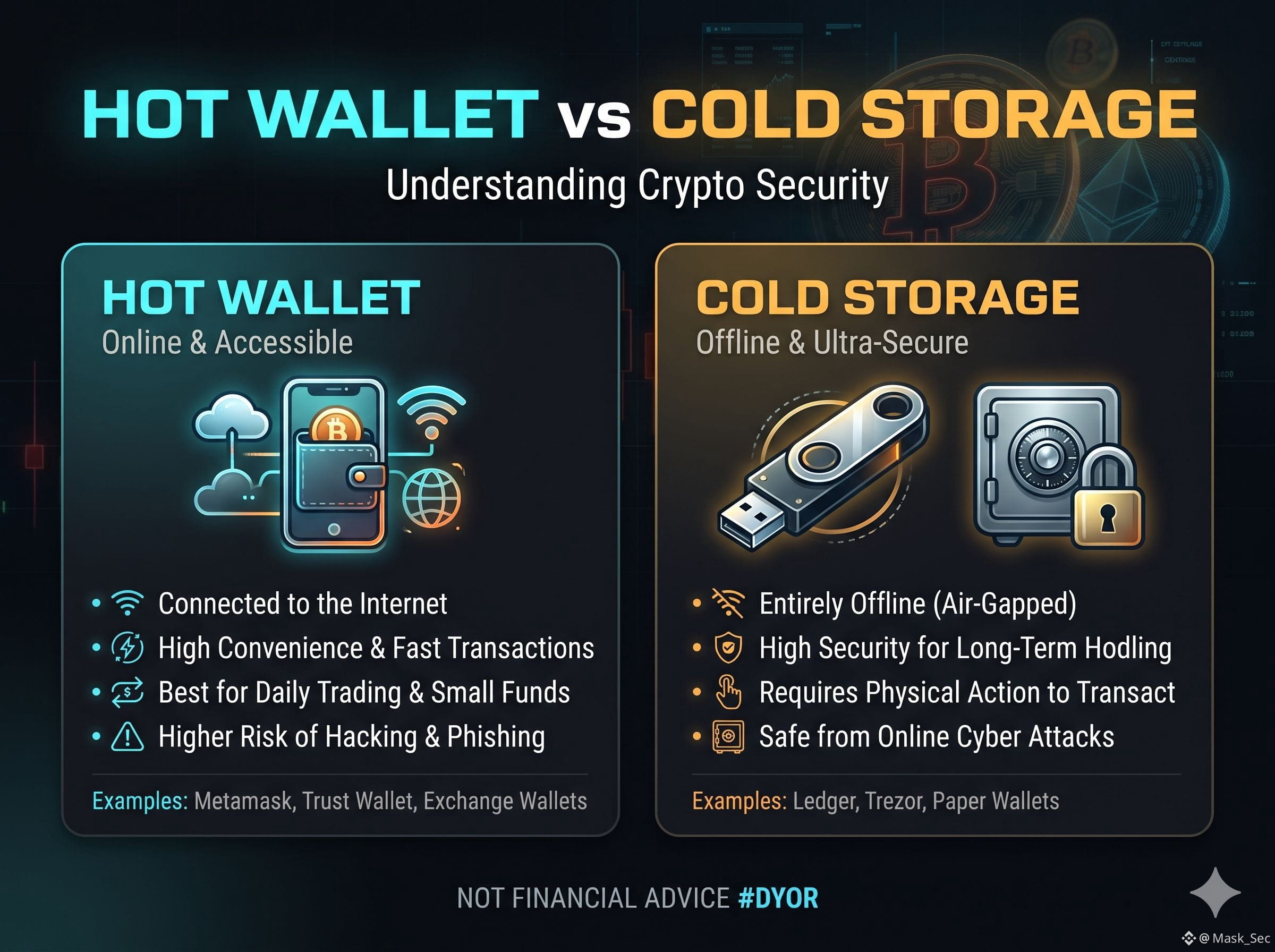
Why does a market dip make crypto security WAY more important right now? 🤔 I'm CryptoSanket – your Crypto Educator helping you master crypto step by step with simple explanations, no hype, just clear value. 🚀💡 When prices fall sharply, security becomes critical for these exact reasons: 1. Panic creates more mistakes People rush to sell, transfer, or "move to safety" → hasty actions lead to wrong addresses, fake sites, or clicking phishing links in stress. 2. Scammers smell opportunity Red charts = more fake DMs ("Your wallet is at risk – upgrade now!"), urgent recovery scams, phishing emails/sites pretending to be exchanges or wallets. 3. More transactions = more exposure Higher activity means you're connecting wallets more often, increasing the window for hacks if you're using a hot wallet carelessly. 4. Long-term holders get tested If you're planning to HODL through the dip, leaving large amounts in an online hot wallet is like leaving cash in an unlocked car during a storm. Quick step-by-step security checklist for right now: 1. Limit hot wallet exposure – Keep only what you need for daily trades/swaps (small amounts only). 2. Move the bulk to cold storage – Transfer larger holdings to a hardware wallet (Ledger, Trezor) or secure offline backup immediately. 3. Protect your seed phrase – Write it on paper, store in a safe place (never photo, never cloud, never share). 4. Double everything – Enable 2FA on all accounts, verify addresses character-by-character before sending, ignore unsolicited "help" messages. 5. Stay calm & verify – Use official apps/sites only, take a breath before any transaction during volatility. Even with $BTC around $67,000–$68,000, $ETH ~$1,990–$2,000, $SOL ~$84–$85 in this red market, strong security lets you sleep peacefully instead of stressing. Understood why dip = security wake-up call? Or any specific step confusing you? Comment below – I'll explain it simply! #CryptoEducation #LearnCrypto #CryptoBasics #CryptoSecurity #WalletSecurity DYOR – Not financial advice
Why does a market dip make crypto security WAY more important right now? 🤔

I'm CryptoSanket – your Crypto Educator helping you master crypto step by step with simple explanations, no hype, just clear value. 🚀💡

When prices fall sharply, security becomes critical for these exact reasons:
1. Panic creates more mistakes
People rush to sell, transfer, or "move to safety" → hasty actions lead to wrong addresses, fake sites, or clicking phishing links in stress.
2. Scammers smell opportunity
Red charts = more fake DMs ("Your wallet is at risk – upgrade now!"), urgent recovery scams, phishing emails/sites pretending to be exchanges or wallets.
3. More transactions = more exposure
Higher activity means you're connecting wallets more often, increasing the window for hacks if you're using a hot wallet carelessly.
4. Long-term holders get tested
If you're planning to HODL through the dip, leaving large amounts in an online hot wallet is like leaving cash in an unlocked car during a storm.

Quick step-by-step security checklist for right now:
1. Limit hot wallet exposure – Keep only what you need for daily trades/swaps (small amounts only).
2. Move the bulk to cold storage – Transfer larger holdings to a hardware wallet (Ledger, Trezor) or secure offline backup immediately.
3. Protect your seed phrase – Write it on paper, store in a safe place (never photo, never cloud, never share).
4. Double everything – Enable 2FA on all accounts, verify addresses character-by-character before sending, ignore unsolicited "help" messages.
5. Stay calm & verify – Use official apps/sites only, take a breath before any transaction during volatility.

Even with $BTC around $67,000–$68,000, $ETH ~$1,990–$2,000, $SOL ~$84–$85 in this red market, strong security lets you sleep peacefully instead of stressing.

Understood why dip = security wake-up call? Or any specific step confusing you? Comment below – I'll explain it simply!

#CryptoEducation #LearnCrypto #CryptoBasics
#CryptoSecurity #WalletSecurity

DYOR – Not financial advice
💀 Покупаешь новый Android — получаешь вирус в прошивкеНа 13 000+ устройствах обнаружили вредонос Keenadu, который был встроен прямо в системную прошивку. Не APK из левого Telegram-канала, а код внутри системы. Что он может: ▪️ Полный контроль над устройством ▪️ Заражение приложений, включая криптокошельки ▪️ Установка APK с автоматической выдачей всех разрешений ▪️ Отслеживание действий даже в режиме инкогнито 🦠 И самое неприятное — эксперты нашли его следы в системных модулях, связанных с разблокировкой по лицу. Это уже не просто кража крипты, а риск утечки биометрии. 🏭 Как это происходит? Проблема — в «цепочке поставок». Вредонос внедряют на этапе разработки или сборки: ▪️ заражаются библиотеки кода ▪️ ломаются серверы обновлений на заводах ▪️ аутсорс-сборщики заливают «модифицированный» Android 📦 Отдельный риск — перекупы, которые вскрывают коробки для «русификации» или установки обязательного софта. Вместе с локализацией можно получить и бонусный троян. 🇨🇳 Любопытная деталь: вирус отключается, если обнаруживает китайский язык в системе. Система «свой-чужой» работает безошибочно. Вывод простой: холодный кошелёк бессмысленен, если само устройство уже заражено. Проверяйте прошивку, избегайте «серых» поставок и не ставьте APK из непонятных источников. #Android #CyberSecurity #CryptoSecurity #malware #MISTERROBOT Подписывайтесь — цифровая гигиена важнее хайпа.

💀 Покупаешь новый Android — получаешь вирус в прошивке

На 13 000+ устройствах обнаружили вредонос Keenadu, который был встроен прямо в системную прошивку. Не APK из левого Telegram-канала, а код внутри системы.
Что он может:
▪️ Полный контроль над устройством
▪️ Заражение приложений, включая криптокошельки
▪️ Установка APK с автоматической выдачей всех разрешений
▪️ Отслеживание действий даже в режиме инкогнито
🦠 И самое неприятное — эксперты нашли его следы в системных модулях, связанных с разблокировкой по лицу. Это уже не просто кража крипты, а риск утечки биометрии.
🏭 Как это происходит?
Проблема — в «цепочке поставок». Вредонос внедряют на этапе разработки или сборки:
▪️ заражаются библиотеки кода
▪️ ломаются серверы обновлений на заводах
▪️ аутсорс-сборщики заливают «модифицированный» Android
📦 Отдельный риск — перекупы, которые вскрывают коробки для «русификации» или установки обязательного софта. Вместе с локализацией можно получить и бонусный троян.
🇨🇳 Любопытная деталь: вирус отключается, если обнаруживает китайский язык в системе. Система «свой-чужой» работает безошибочно.
Вывод простой:
холодный кошелёк бессмысленен, если само устройство уже заражено.
Проверяйте прошивку, избегайте «серых» поставок и не ставьте APK из непонятных источников.
#Android #CyberSecurity #CryptoSecurity #malware #MISTERROBOT
Подписывайтесь — цифровая гигиена важнее хайпа.
SHOCKING: Bitcoin Devs warn "Quantum Shield" upgrade is Urgent! 🚨🔬 Breaking News: Top cryptographers are sounding the alarm that Quantum Computing is advancing faster than predicted. Bitcoin developers are now rushing a "Post-Quantum" soft-fork proposal to protect private keys. The News: A leaked report suggests current ECDSA encryption could be vulnerable by 2030. The Impact: This technical uncertainty is causing "long-term holders" to hedge into privacy-focused L2s. Trader Alert: Expect extreme volatility in $BTC as the "Quantum Debate" heats up! 🏛️🩸 $BTC $ETH #BreakingNews #QuantumComputing #CryptoSecurity #MarketShock
SHOCKING: Bitcoin Devs warn "Quantum Shield" upgrade is Urgent! 🚨🔬 Breaking News: Top cryptographers are sounding the alarm that Quantum Computing is advancing faster than predicted. Bitcoin developers are now rushing a "Post-Quantum" soft-fork proposal to protect private keys.

The News: A leaked report suggests current ECDSA encryption could be vulnerable by 2030.

The Impact: This technical uncertainty is causing "long-term holders" to hedge into privacy-focused L2s.

Trader Alert: Expect extreme volatility in $BTC as the "Quantum Debate" heats up! 🏛️🩸

$BTC $ETH #BreakingNews #QuantumComputing #CryptoSecurity #MarketShock
·
--
Ever wondered… 🤯 …what if you entered 24 random words? Could you access someone else’s crypto wallet? The truth is impressive: a 24-word seed phrase creates 2.4 × 10⁷⁹ possible combinations. Yes, every combination is valid, but the chance of randomly hitting an active account is practically zero. 💡 This is why cryptocurrency is so secure — a small mistake or change gives you a completely new wallet. #Binance #CryptoSecurity #SeedPhraseSafety #BIP39 #CryptoFacts $ETH
Ever wondered… 🤯
…what if you entered 24 random words? Could you access someone else’s crypto wallet?
The truth is impressive: a 24-word seed phrase creates 2.4 × 10⁷⁹ possible combinations.
Yes, every combination is valid, but the chance of randomly hitting an active account is practically zero.
💡 This is why cryptocurrency is so secure — a small mistake or change gives you a completely new wallet.
#Binance #CryptoSecurity #SeedPhraseSafety #BIP39 #CryptoFacts $ETH
තවත් අන්තර්ගතයන් ගවේෂණය කිරීමට පිවිසෙන්න
නවතම ක්‍රිප්ටෝ පුවත් ගවේෂණය කරන්න
⚡️ ක්‍රිප්ටෝ හි නවතම සාකච්ඡා වල කොටස්කරුවෙකු වන්න
💬 ඔබේ ප්‍රියතම නිර්මාණකරුවන් සමග අන්තර් ක්‍රියා කරන්න
👍 ඔබට උනන්දුවක් දක්වන අන්තර්ගතය භුක්ති විඳින්න
විද්‍යුත් තැපෑල / දුරකථන අංකය