
#builtonsolayer
builtonsolayer
18M නැරඹීම්
62,920 සාකච්ඡා කරමින්
උණුසුම්
නවතම

@solayer_labs $LAYER là một giao thức restaking được phát triển trên blockchain Solana, cho phép người dùng sử dụng SOL hoặc các token LST (Liquid Staking Token) trên Solana để kiếm lợi nhuận bằng cách hỗ trợ bảo mật cho các AVS và các giải pháp liên quan trên blockchain Solana.
Không giống như EigenLayer trên Ethereum, nơi restaking được sử dụng để cung cấp bảo mật cho các mạng lưới và giao thức bên ngoài Ethereum, Solayer lại chọn một hướng đi khác biệt khi chỉ tập trung hỗ trợ các mạng lưới và giao thức được xây dựng ngay trong hệ sinh thái Solana, giúp chúng mở rộng quy mô và gia tăng tính linh hoạt một cách hiệu quả. Điều này không chỉ tối ưu hóa việc sử dụng vốn mà còn thúc đẩy sự phát triển bền vững của hệ sinh thái Solana. #BuiltonSolayer
@Solayer $LAYER là một giao thức restaking được phát triển trên blockchain Solana, cho phép người dùng sử dụng SOL hoặc các token LST (Liquid Staking Token) trên Solana để kiếm lợi nhuận bằng cách hỗ trợ bảo mật cho các AVS và các giải pháp liên quan trên blockchain Solana.
Không giống như EigenLayer trên Ethereum, nơi restaking được sử dụng để cung cấp bảo mật cho các mạng lưới và giao thức bên ngoài Ethereum, Solayer lại chọn một hướng đi khác biệt khi chỉ tập trung hỗ trợ các mạng lưới và giao thức được xây dựng ngay trong hệ sinh thái Solana, giúp chúng mở rộng quy mô và gia tăng tính linh hoạt một cách hiệu quả. Điều này không chỉ tối ưu hóa việc sử dụng vốn mà còn thúc đẩy sự phát triển bền vững của hệ sinh thái Solana. #BuiltonSolayer
Không giống như EigenLayer trên Ethereum, nơi restaking được sử dụng để cung cấp bảo mật cho các mạng lưới và giao thức bên ngoài Ethereum, Solayer lại chọn một hướng đi khác biệt khi chỉ tập trung hỗ trợ các mạng lưới và giao thức được xây dựng ngay trong hệ sinh thái Solana, giúp chúng mở rộng quy mô và gia tăng tính linh hoạt một cách hiệu quả. Điều này không chỉ tối ưu hóa việc sử dụng vốn mà còn thúc đẩy sự phát triển bền vững của hệ sinh thái Solana. #BuiltonSolayer
278


·
--
උසබ තත්ත්වය
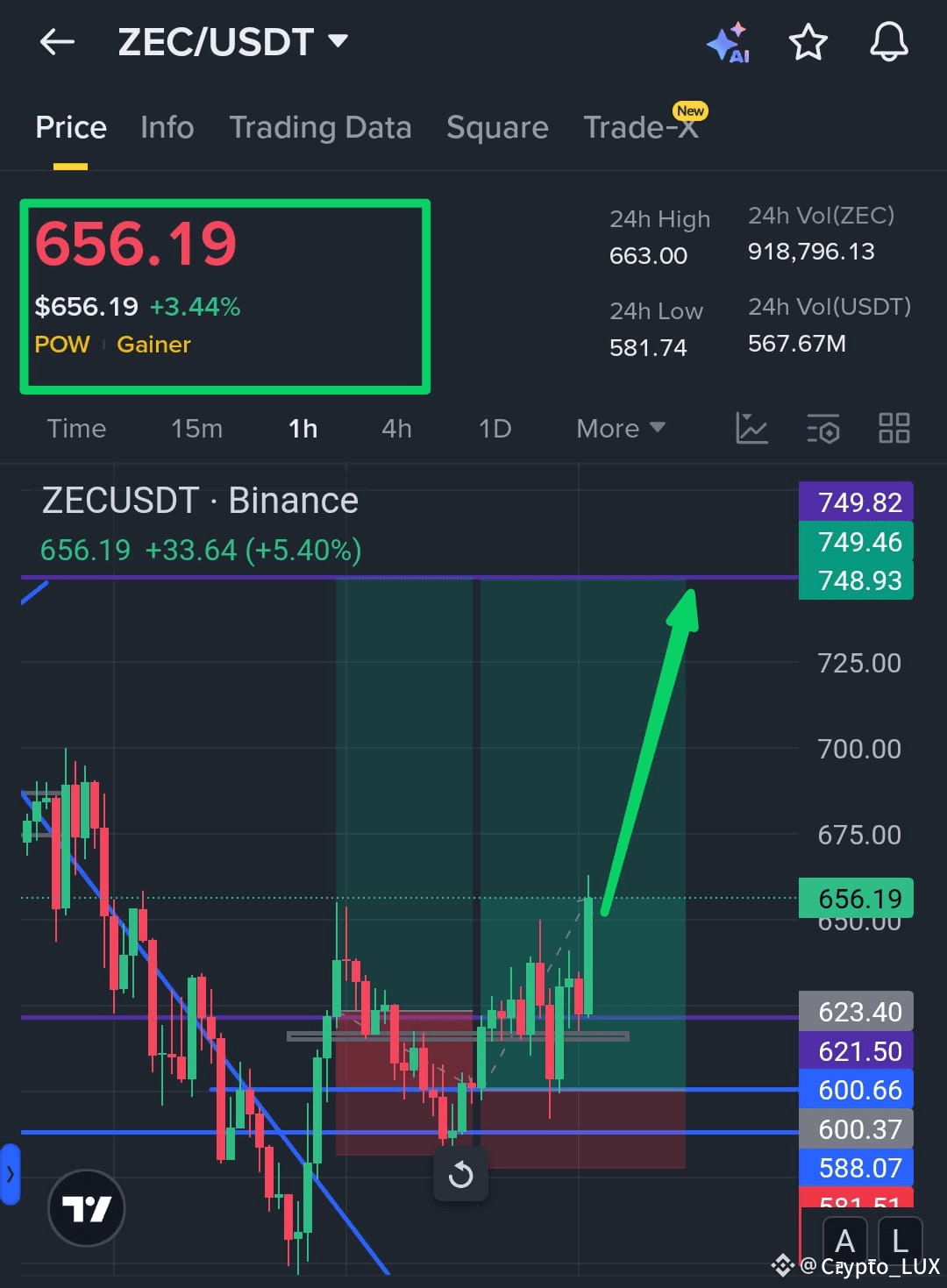
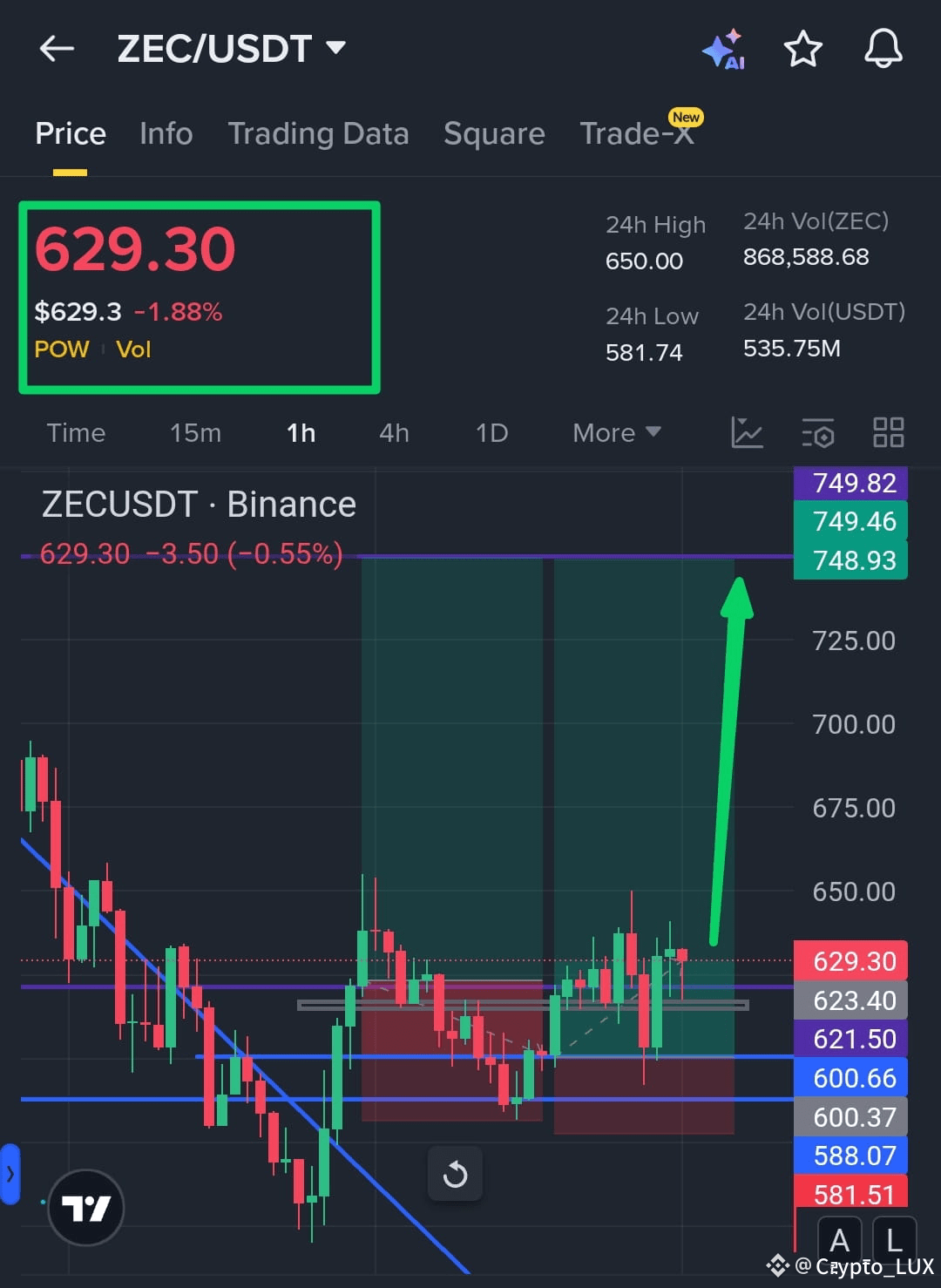
That’s exactly what I was talking about.
$ZEC finally picked up the momentum and the move is now getting stronger.
Even if you missed the first entry, it’s still not too late, the setup is pushing clean and bulls are stepping in with force.
Secure your positions now and ride this move toward $749 – $750 with confidence.
No rush, no fear — just let the momentum work liek $BTC and $PIEVERSE
Let’s go traders.
#BTC90kBreakingPoint #StrategyBTCPurchase #BuiltonSolayer
7
2.4k

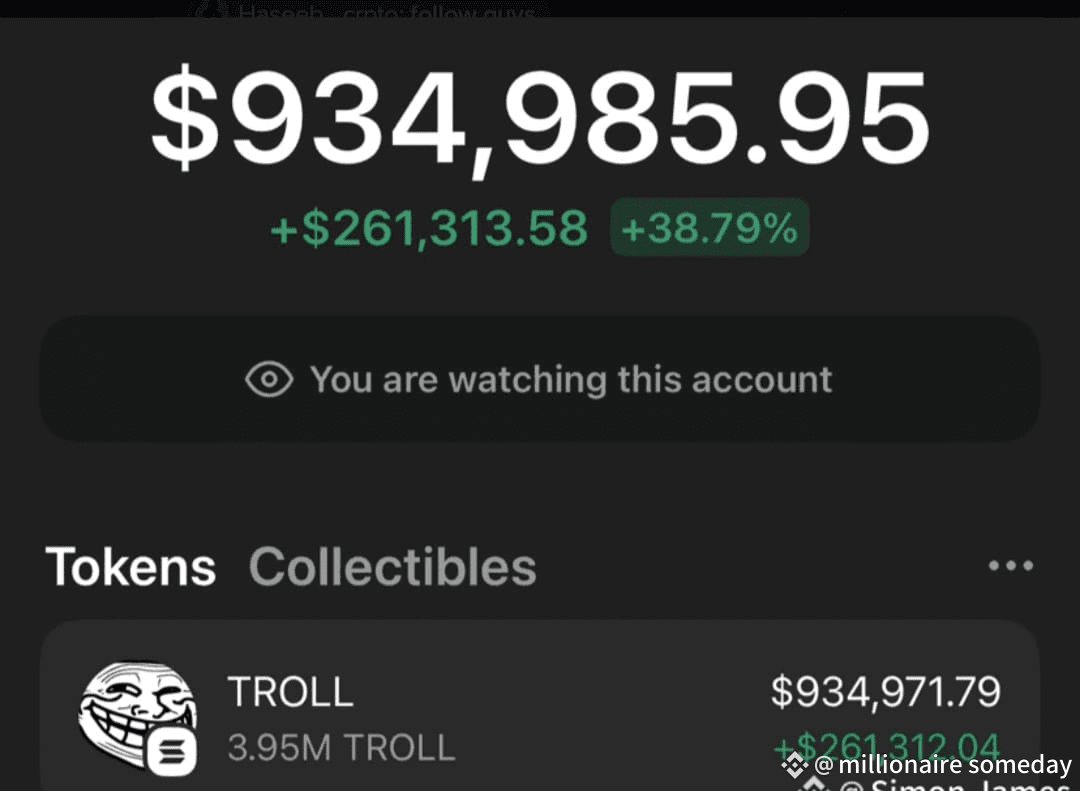
imagine someone say it's real and you can also get it #BuiltonSolayer #TROLL because I'm not seen any profit
{alpha}(CT_5015UUH9RTDiSpq6HKS6bp4NdU9PNJpXRXuiw6ShBTBhgH2)
imagine someone say it's real and you can also get it #BuiltonSolayer #TROLL because I'm not seen any profit
7

·
--
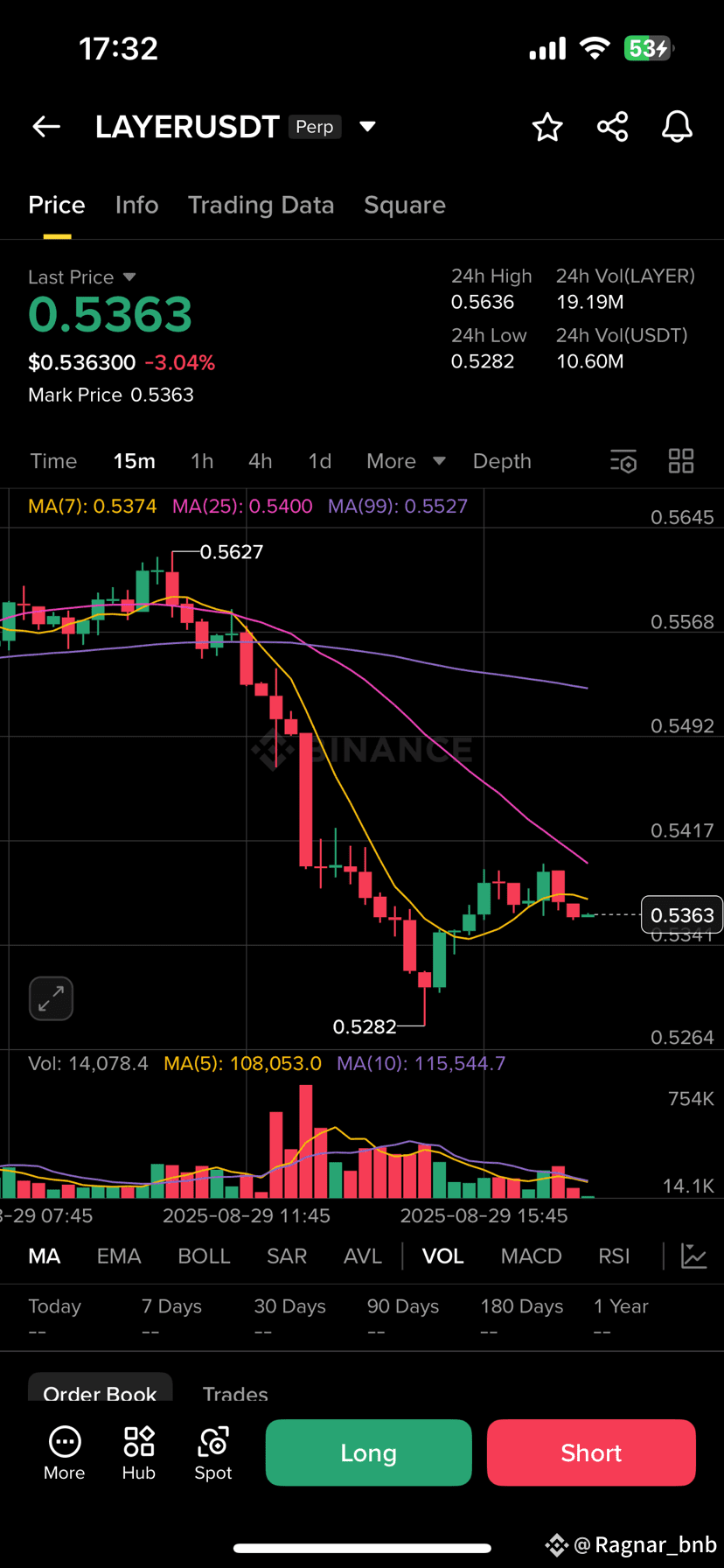
$LAYER is trading around $0.54.
If it holds above $0.53 support, it could rise toward $0.56 and possibly $0.60.
A drop below $0.53 may push it back toward $0.50.
Short-term trend is slightly bullish if buying pressure continues.
@solayer_labs #BuiltonSolayer
$LAYER is trading around $0.54.
If it holds above $0.53 support, it could rise toward $0.56 and possibly $0.60.
A drop below $0.53 may push it back toward $0.50.
Short-term trend is slightly bullish if buying pressure continues.
@Solayer #BuiltonSolayer
If it holds above $0.53 support, it could rise toward $0.56 and possibly $0.60.
A drop below $0.53 may push it back toward $0.50.
Short-term trend is slightly bullish if buying pressure continues.
@Solayer #BuiltonSolayer
3
53

·
--
《LAYER后空投时代:代币价值的支撑力从何而来?》
当空投红利的热度渐退,市场对LAYER的关注正从短期涨幅转向其长期价值逻辑——这套精心设计的代币经济学,或许才是关键答案:
解锁机制采用分阶段释放(当前流通仅21%,未来12月将释放6000万枚空投及3.4亿枚团队/投资者代币),既规避短期抛压,又以持续激励维持社区活力;质押收益采用「通胀-使用」联动——当前18%年化率将随TVL破百亿美元降至8%,转而靠手续费与sUSD收益反哺价值;51.23%代币投向社区与生态(含34.23%开发者激励、14%覆盖12类用户),让价值与生态深度绑定。
空投红利退潮后,LAYER价值转向「真实使用」:sSOL质押衍生品APY达23%,sUSD借贷抵押率稳定在110%;Solayer计划将其作为InfiniSVM网络唯一Gas代币,日活破50万时,手续费将覆盖通胀,形成「使用驱动通缩」循环。
在Layer1竞赛中,Solayer以「硬件重构+金融全栈」突围,LAYER作为生态载体,正从「技术叙事」迈向「经济闭环」。
#BuiltonSolayer @solayer_labs $LAYER
{future}(LAYERUSDT)
《LAYER后空投时代:代币价值的支撑力从何而来?》
当空投红利的热度渐退,市场对LAYER的关注正从短期涨幅转向其长期价值逻辑——这套精心设计的代币经济学,或许才是关键答案:
解锁机制采用分阶段释放(当前流通仅21%,未来12月将释放6000万枚空投及3.4亿枚团队/投资者代币),既规避短期抛压,又以持续激励维持社区活力;质押收益采用「通胀-使用」联动——当前18%年化率将随TVL破百亿美元降至8%,转而靠手续费与sUSD收益反哺价值;51.23%代币投向社区与生态(含34.23%开发者激励、14%覆盖12类用户),让价值与生态深度绑定。
空投红利退潮后,LAYER价值转向「真实使用」:sSOL质押衍生品APY达23%,sUSD借贷抵押率稳定在110%;Solayer计划将其作为InfiniSVM网络唯一Gas代币,日活破50万时,手续费将覆盖通胀,形成「使用驱动通缩」循环。
在Layer1竞赛中,Solayer以「硬件重构+金融全栈」突围,LAYER作为生态载体,正从「技术叙事」迈向「经济闭环」。
#BuiltonSolayer @Solayer $LAYER
259
131
35
443

·
--
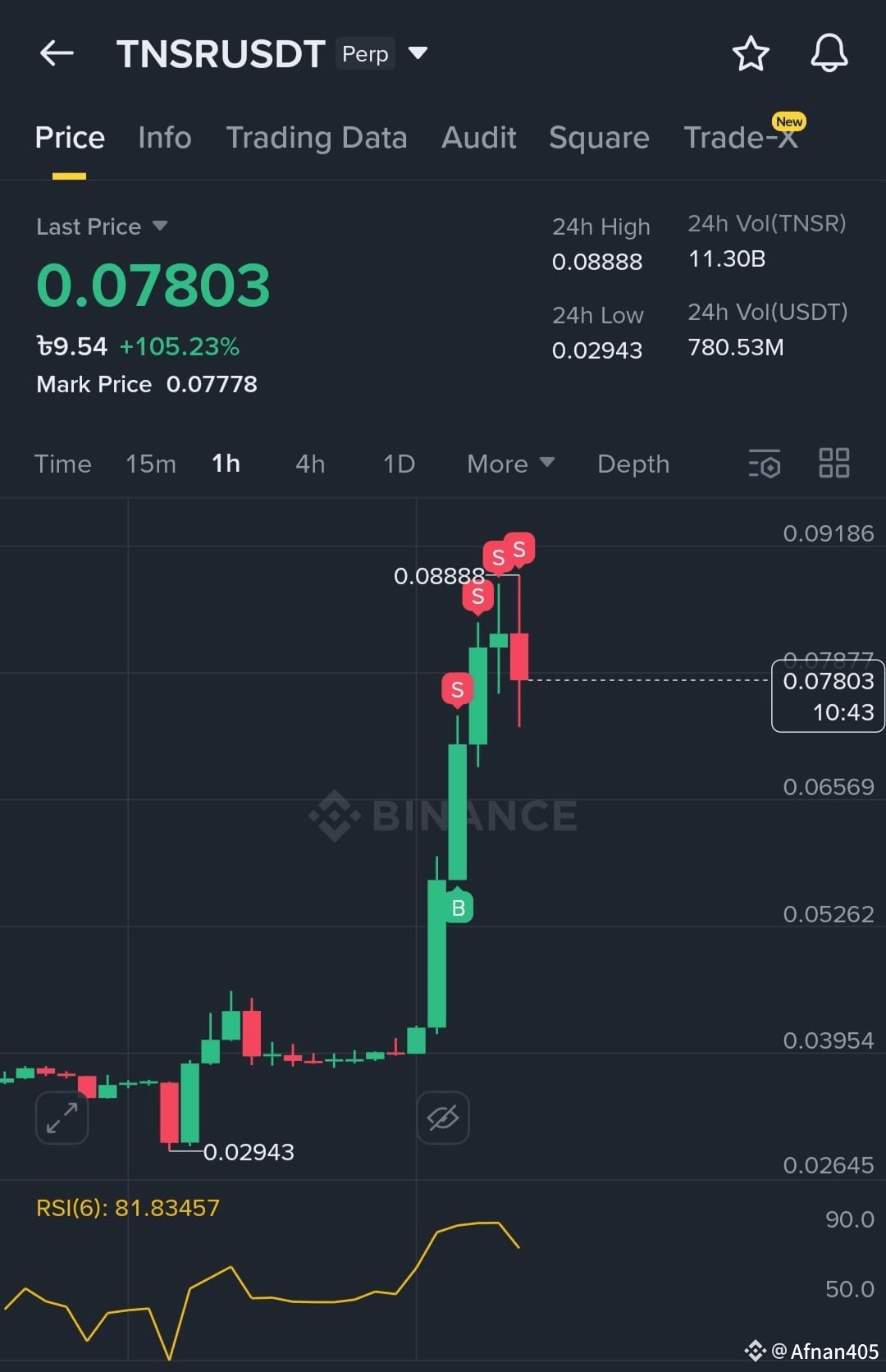
$TNSR Playing with manipulators is really tough. If you look at the short-term charts, you’ll see how they’re celebrating liquidation events and SL hunts. Such a f***ing mess. I’m not letting you go that easily. I want to see the end—I want to see how far you can go. I’ll fight you till the very end.
In the end i will win,,, 💪
#BuiltonSolayer
#USStocksForecast2026
#StrategyBTCPurchase
#BuiltonSolayer
In the end i will win,,, 💪
#BuiltonSolayer
#USStocksForecast2026
#StrategyBTCPurchase
#BuiltonSolayer
22
8
14
26k


·
--
උසබ තත්ත්වය
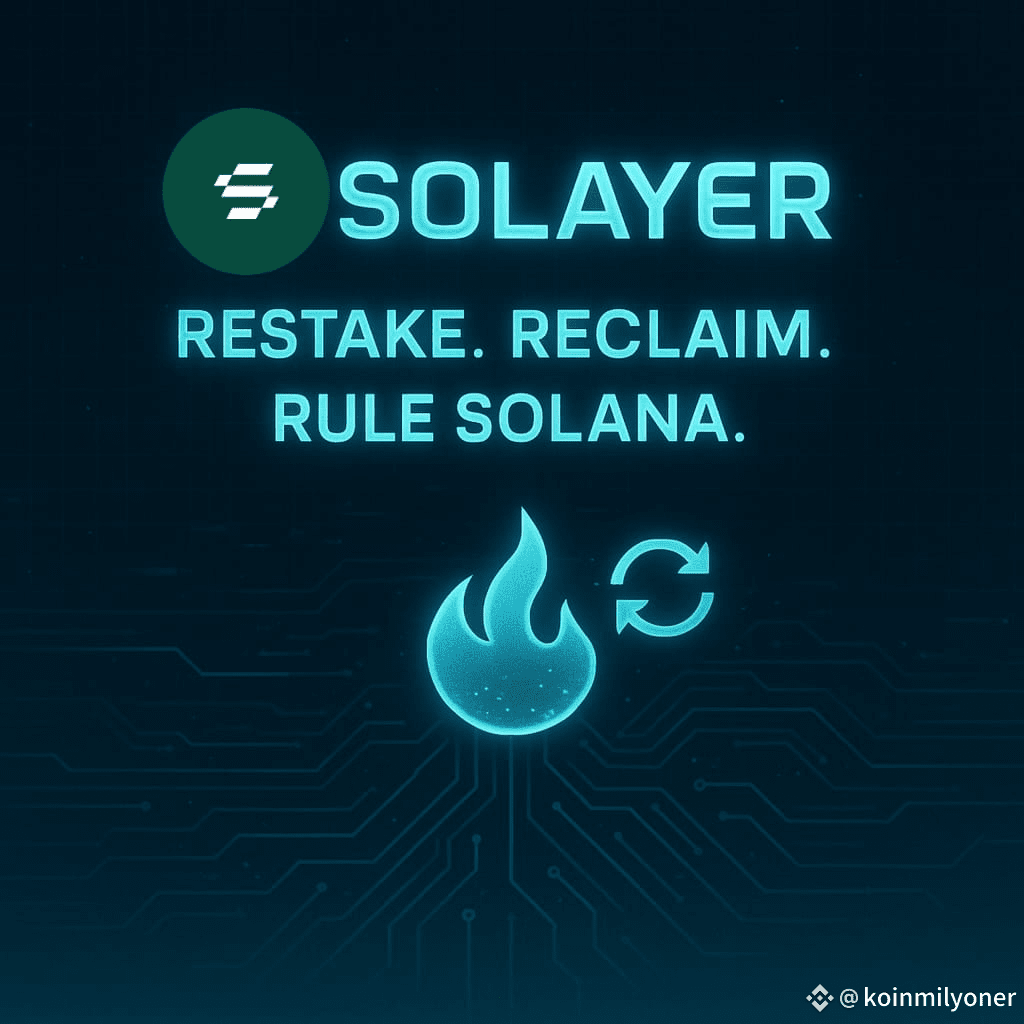
⚙️ @solayer_labs : Restake. Reclaim. Rule Solana. 🔁🔥
Welcome to the restaking revolution on Solana!
#BuiltonSolayer lets you go beyond basic staking—stake your SOL or Solana-based LSTs and unlock turbocharged rewards. 💥💧
What makes it epic? RDMA-powered architecture, AVS support, and liquid restaking that multiplies your yield while keeping assets flexible.
This isn’t your average yield farm— $LAYER is a high-performance engine designed for modular blockchains and serious Solana devs. 🧠⚙️
It’s fast. It’s fluid. It’s the future of Solana infrastructure.
You’re not just staking here—you’re fueling the next-gen of Web3.
🛠️ Tech-driven. Degen-approved.
⏳ Don’t miss this train—it’s moving fast. 🚄
Restake like a pro. Be the Solana layer king. 👑
⚙️ @Solayer : Restake. Reclaim. Rule Solana. 🔁🔥
Welcome to the restaking revolution on Solana!
#BuiltonSolayer lets you go beyond basic staking—stake your SOL or Solana-based LSTs and unlock turbocharged rewards. 💥💧
What makes it epic? RDMA-powered architecture, AVS support, and liquid restaking that multiplies your yield while keeping assets flexible.
This isn’t your average yield farm— $LAYER is a high-performance engine designed for modular blockchains and serious Solana devs. 🧠⚙️
It’s fast. It’s fluid. It’s the future of Solana infrastructure.
You’re not just staking here—you’re fueling the next-gen of Web3.
🛠️ Tech-driven. Degen-approved.
⏳ Don’t miss this train—it’s moving fast. 🚄
Restake like a pro. Be the Solana layer king. 👑
10
42.6k

·
--
උසබ තත්ත්වය
🔹 Future Prospects of #BuiltonSolayer
Solayer lets you earn more, stay liquid, and support multiple networks at once — positioning itself as a backbone for Solana’s growing DeFi and infrastructure ecosystem.
#BuiltonSolayer $LAYER
Bigger Yields for Users – As more AVS and blockchain solutions join the Solayer ecosystem, restakers will have more revenue sources.
Multi-Service Security – One stake can protect multiple networks, making Solayer a key infrastructure layer for Solana’s future.
DeFi Integration – Liquid restaking tokens could become major collateral in lending, derivatives, and other DeFi protocols.
Ecosystem Growth – With Solana’s rising adoption, Solayer could be a hub for yield optimization and network coordination.
Institutional Adoption – Capital-efficient staking could attract funds and institutions looking for yield with liquidity.
🔹 How Solayer Works
@solayer_labs is a restaking and liquid restaking protocol on #Solana.
Stake $SOL or LSTs – Users deposit their SOL or Solana-based Liquid Staking Tokens.
Restaking Layer – These staked assets are re-used to support AVS (Active Validation Services) and other blockchain solutions, securing multiple networks at once.
Liquid Restaking – You get a token representing your staked position, which you can still use in Solana DeFi for lending, trading, or yield farming.
Rewards – Earn standard staking rewards plus extra incentives from AVS participation.
🔹 Future Prospects of #BuiltonSolayer
Solayer lets you earn more, stay liquid, and support multiple networks at once — positioning itself as a backbone for Solana’s growing DeFi and infrastructure ecosystem.
#BuiltonSolayer $LAYER
Bigger Yields for Users – As more AVS and blockchain solutions join the Solayer ecosystem, restakers will have more revenue sources.
Multi-Service Security – One stake can protect multiple networks, making Solayer a key infrastructure layer for Solana’s future.
DeFi Integration – Liquid restaking tokens could become major collateral in lending, derivatives, and other DeFi protocols.
Ecosystem Growth – With Solana’s rising adoption, Solayer could be a hub for yield optimization and network coordination.
Institutional Adoption – Capital-efficient staking could attract funds and institutions looking for yield with liquidity.
🔹 How Solayer Works
@Solayer is a restaking and liquid restaking protocol on #Solana.
Stake $SOL or LSTs – Users deposit their SOL or Solana-based Liquid Staking Tokens.
Restaking Layer – These staked assets are re-used to support AVS (Active Validation Services) and other blockchain solutions, securing multiple networks at once.
Liquid Restaking – You get a token representing your staked position, which you can still use in Solana DeFi for lending, trading, or yield farming.
Rewards – Earn standard staking rewards plus extra incentives from AVS participation.
3
1
4
555

·
--
$Jager Tokenomics You Can’t Ignore
Most people skip the fine print. That’s where the real edge is.
The Big Numbers:
Total Supply: 14.6 Quadrillion tokens
Circulating Supply: ~9.5%
Burns: Trillions already removed from supply
Buy Fee: 6%
Sell Fee: 6%
Why it matters:
A shrinking supply + high burn rate can put long-term pressure on price. But the 12% total fee means you need bigger moves to profit so plan trades accordingly.
Always confirm details from official sources before you buy.
Smart money double-checks. Lazy money gets burned.
#Jager #Notcoin #BuiltonSolayer #IPOWave #BTCUnbound

308
149
40
696

·
--
ලිපිය
Solayer: Turning Your SOL Into a Powerhouse
💥What if your staked SOL could earn more than the usual rewards? That’s where Solayer comes in. It’s a restaking platform on Solana that lets your SOL or liquid staking tokens (LSTs) work across multiple services—helping you earn extra rewards while also boosting Solana’s security.
Why @solayer_labs is Different
1. Flexible Staking Options
You can stake regular SOL or LSTs like mSOL, bSOL, JitoSOL, and INF. The best part? LSTs remain usable in DeFi while still generating more rewards.
2. Powering the Solana Network
By restaking, you’re not just earning—you’re also helping run important services like oracles, bridges, and other tools through something called AVS (Actively Validated Services).
3. Faster Tech with InfiniSVM
Solayer is building InfiniSVM, a high-speed layer designed for ultra-low latency and massive scalability, making Solana even stronger for developers.
What You Get
sSOL → A token you receive when you restake. It can be used in Solayer for rewards or governance.
sUSD → A yield-bearing stablecoin backed by U.S. Treasuries. Earn safe returns while keeping liquidity.
For Builders
Developers can create their own AVS, tap into restaked assets, and build scalable apps with stronger security.
Why It Matters
Solayer creates a win-win: users earn more, developers build better, and Solana grows stronger. It’s about making your SOL work harder, not just sit idle.
🔹 $LAYER
🔹 #BuiltonSolayer
Solayer: Turning Your SOL Into a Powerhouse 💥
What if your staked SOL could earn more than the usual rewards? That’s where Solayer comes in. It’s a restaking platform on Solana that lets your SOL or liquid staking tokens (LSTs) work across multiple services—helping you earn extra rewards while also boosting Solana’s security.
Why @Solayer is Different
1. Flexible Staking Options
You can stake regular SOL or LSTs like mSOL, bSOL, JitoSOL, and INF. The best part? LSTs remain usable in DeFi while still generating more rewards.
2. Powering the Solana Network
By restaking, you’re not just earning—you’re also helping run important services like oracles, bridges, and other tools through something called AVS (Actively Validated Services).
3. Faster Tech with InfiniSVM
Solayer is building InfiniSVM, a high-speed layer designed for ultra-low latency and massive scalability, making Solana even stronger for developers.
What You Get
sSOL → A token you receive when you restake. It can be used in Solayer for rewards or governance.
sUSD → A yield-bearing stablecoin backed by U.S. Treasuries. Earn safe returns while keeping liquidity.
For Builders
Developers can create their own AVS, tap into restaked assets, and build scalable apps with stronger security.
Why It Matters
Solayer creates a win-win: users earn more, developers build better, and Solana grows stronger. It’s about making your SOL work harder, not just sit idle.
🔹 $LAYER
🔹 #BuiltonSolayer
15
17.7k

·
--

ලිපිය
Solayer: Turning Staking Into Something Bigger on SolanaIn crypto, things move fast. Just when you get used to one big idea, another one shows up and flips the game. First, it was staking — you lock your tokens, help run the network, and earn a bit of yield. Then came liquid staking, which made your stake flexible by giving you a token you could still use in DeFi.
Now the spotlight is on something new: restaking. And on Solana, the project leading that charge is @solayer_labs .
So, what’s the big deal?
Imagine you already staked your SOL or hold a token like mSOL or jitoSOL. Normally, you’d just collect your staking rewards and call it a day. With Solayer, those same tokens can do double duty:
✅ Keep earning the usual staking rewards.
✅ At the same time, help secure other services like bridges, oracles, or even new Solana-based apps.
✅ Collect extra rewards from those services on top of what you’d normally get.
And the best part? You don’t lose flexibility. When you deposit, Solayer gives you back a liquid token (like sSOL) that grows in value as rewards pile up. You can still trade it, lend it, or use it in DeFi while your stake works overtime in the background.
Why it matters
New projects often struggle with one big problem: security. They need validators and stakers to keep them safe, but starting from zero is tough. Restaking fixes that. Instead of building their own security, projects can tap into Solayer’s shared pool.
That’s a win-win:
Projects get reliable security without reinventing the wheel.
Stakers like you earn more for the same capital.
Under the hood (but keeping it simple)
Solayer isn’t just a vault for tokens. It’s building some serious tech to make this all run smoothly:
InfiniSVM → a turbocharged engine that helps process workloads faster and cheaper.
Mega Validator → think of it like a performance booster for Solana’s validators, reducing delays and handling bigger loads.
Builder tools → Solayer even gives developers ready-made kits so they can plug in and request security easily.
You don’t need to know the nuts and bolts, but the takeaway is clear: this isn’t just about yield farming. It’s infrastructure for the next wave of Solana growth.
The sweet side for users
If you’re holding SOL or LSTs, Solayer means:
More yield — beyond just staking.
Flexibility — your token stays liquid and usable.
Ecosystem support — your stake helps secure real projects on Solana.
Basically, your money doesn’t just sit there — it works harder.
But let’s be real: the risks
Every shiny new thing in DeFi comes with its shadows. With Solayer, you’ve got to keep in mind:
Smart contract bugs could hurt funds.
Each service (AVS) you back has its own risks. Some are safer, some riskier.
Unstaking isn’t always instant — depending on what your tokens are backing, you may need to wait.
Systemic risk — if something big breaks in the restaking layer, it could ripple across many projects.
That’s why the golden rule applies: don’t put in more than you’re ready to risk.
Why people are excited
Solana is already known for speed and scale. But until now, it didn’t have its own native restaking layer. Solayer changes that. If it gains traction the way EigenLayer did on Ethereum, it could become one of the backbone protocols for Solana’s future.
The mix of higher rewards, liquidity, and shared security is powerful. For users, it’s about making your SOL work harder. For builders, it’s a ready-made safety net. And for Solana as a whole, it could fuel faster, safer growth.
Final thoughts
Solayer isn’t just about chasing higher yields. It’s about turning staking into a foundation that other projects can stand on. If Solana is the high-speed train of crypto, then Solayer might be the extra engine that makes sure the ride never slows down.
It’s new, it’s bold, and it’s definitely one to watch.
$LAYER
{spot}(LAYERUSDT)
#BuiltonSolayer r
Solayer: Turning Staking Into Something Bigger on Solana
In crypto, things move fast. Just when you get used to one big idea, another one shows up and flips the game. First, it was staking — you lock your tokens, help run the network, and earn a bit of yield. Then came liquid staking, which made your stake flexible by giving you a token you could still use in DeFi.
Now the spotlight is on something new: restaking. And on Solana, the project leading that charge is @Solayer .
So, what’s the big deal?
Imagine you already staked your SOL or hold a token like mSOL or jitoSOL. Normally, you’d just collect your staking rewards and call it a day. With Solayer, those same tokens can do double duty:
✅ Keep earning the usual staking rewards.
✅ At the same time, help secure other services like bridges, oracles, or even new Solana-based apps.
✅ Collect extra rewards from those services on top of what you’d normally get.
And the best part? You don’t lose flexibility. When you deposit, Solayer gives you back a liquid token (like sSOL) that grows in value as rewards pile up. You can still trade it, lend it, or use it in DeFi while your stake works overtime in the background.
Why it matters
New projects often struggle with one big problem: security. They need validators and stakers to keep them safe, but starting from zero is tough. Restaking fixes that. Instead of building their own security, projects can tap into Solayer’s shared pool.
That’s a win-win:
Projects get reliable security without reinventing the wheel.
Stakers like you earn more for the same capital.
Under the hood (but keeping it simple)
Solayer isn’t just a vault for tokens. It’s building some serious tech to make this all run smoothly:
InfiniSVM → a turbocharged engine that helps process workloads faster and cheaper.
Mega Validator → think of it like a performance booster for Solana’s validators, reducing delays and handling bigger loads.
Builder tools → Solayer even gives developers ready-made kits so they can plug in and request security easily.
You don’t need to know the nuts and bolts, but the takeaway is clear: this isn’t just about yield farming. It’s infrastructure for the next wave of Solana growth.
The sweet side for users
If you’re holding SOL or LSTs, Solayer means:
More yield — beyond just staking.
Flexibility — your token stays liquid and usable.
Ecosystem support — your stake helps secure real projects on Solana.
Basically, your money doesn’t just sit there — it works harder.
But let’s be real: the risks
Every shiny new thing in DeFi comes with its shadows. With Solayer, you’ve got to keep in mind:
Smart contract bugs could hurt funds.
Each service (AVS) you back has its own risks. Some are safer, some riskier.
Unstaking isn’t always instant — depending on what your tokens are backing, you may need to wait.
Systemic risk — if something big breaks in the restaking layer, it could ripple across many projects.
That’s why the golden rule applies: don’t put in more than you’re ready to risk.
Why people are excited
Solana is already known for speed and scale. But until now, it didn’t have its own native restaking layer. Solayer changes that. If it gains traction the way EigenLayer did on Ethereum, it could become one of the backbone protocols for Solana’s future.
The mix of higher rewards, liquidity, and shared security is powerful. For users, it’s about making your SOL work harder. For builders, it’s a ready-made safety net. And for Solana as a whole, it could fuel faster, safer growth.
Final thoughts
Solayer isn’t just about chasing higher yields. It’s about turning staking into a foundation that other projects can stand on. If Solana is the high-speed train of crypto, then Solayer might be the extra engine that makes sure the ride never slows down.
It’s new, it’s bold, and it’s definitely one to watch.
$LAYER
#BuiltonSolayer r
4
555


·
--
උසබ තත්ත්වය
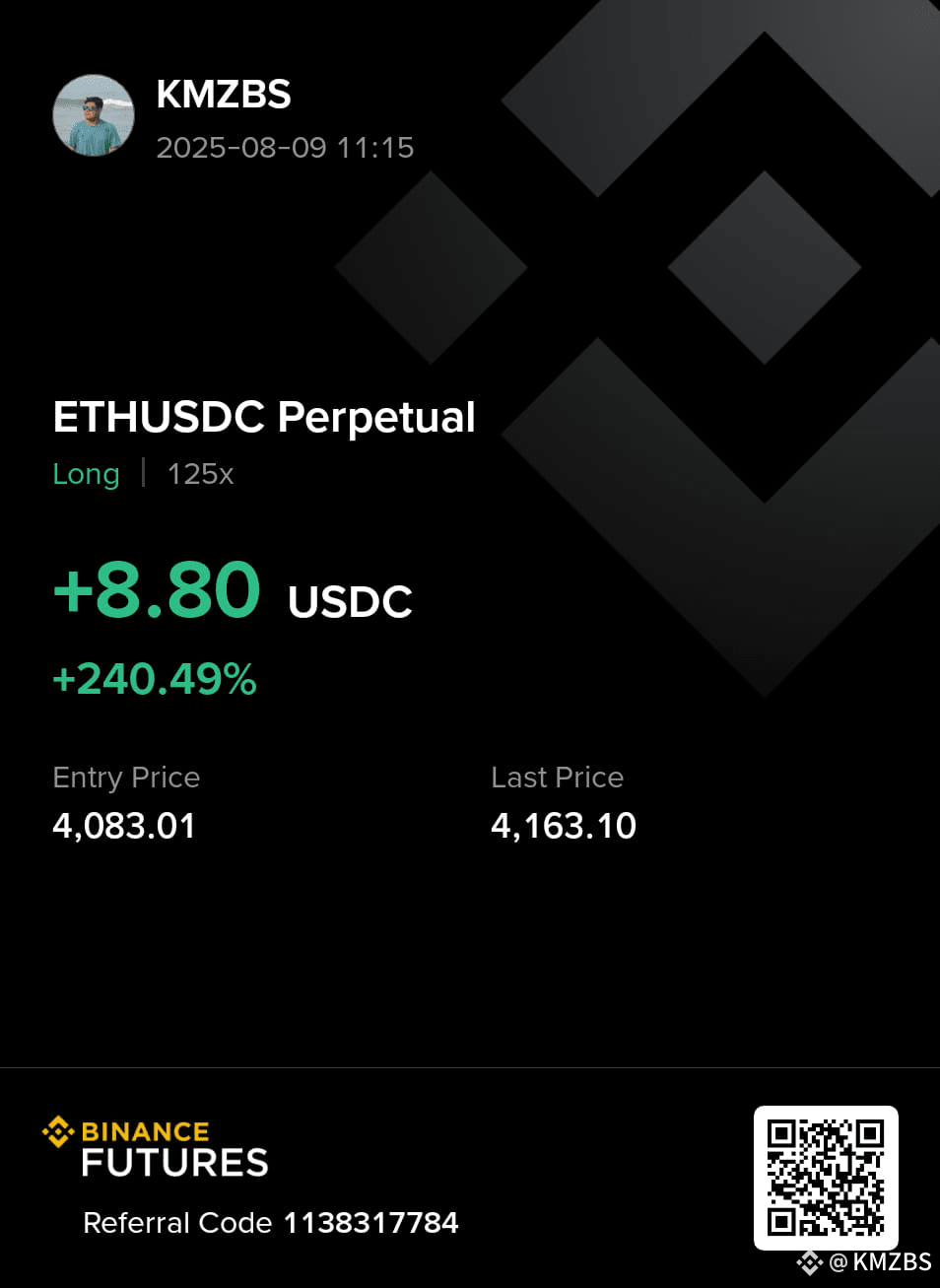
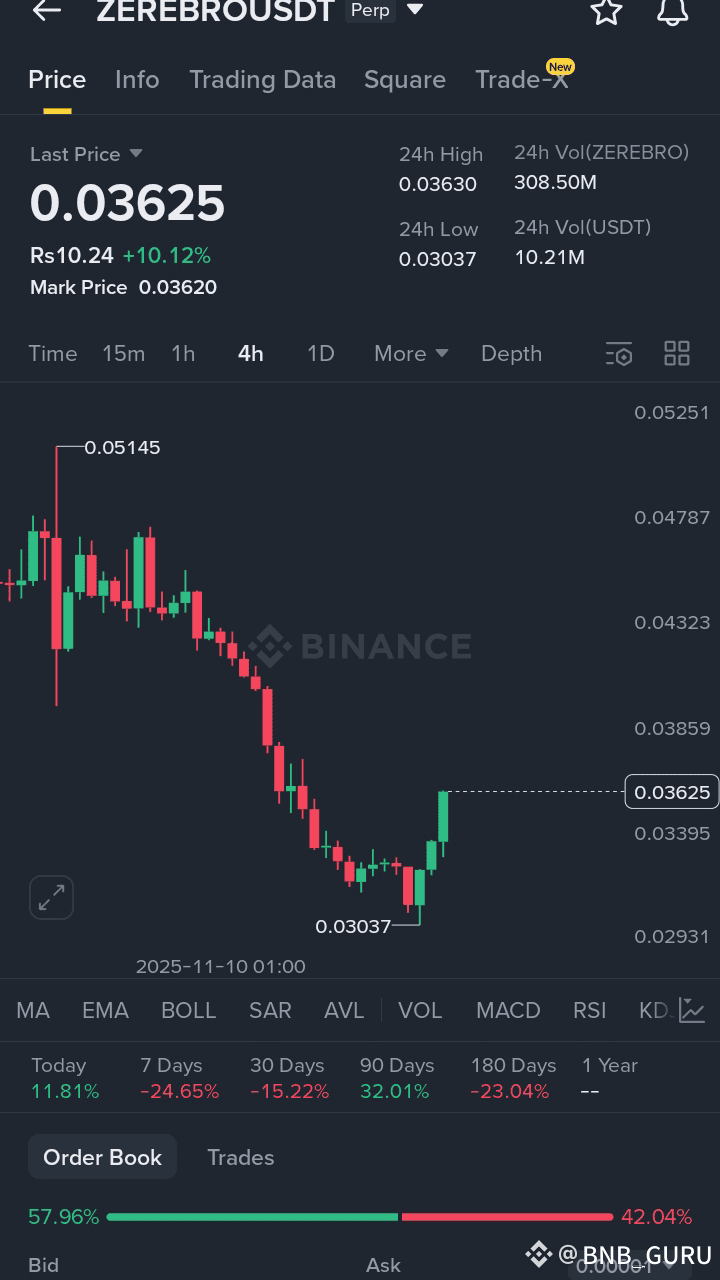
$ZEREBRO LONG 🟢 NOW 📈 IF you want to turn 5$ into 50$ LONG NOW $ZEREBRO 🚀
Price just made a strong reversal — this is the perfect time to LONG 💪
Don’t miss it when it takes off toward $0.10$+ 💰
Stay patient, stay strong — the move is near!
#StrategyBTCPurchase #USGovShutdownEnd? #BinanceHODLerALLO #BuiltonSolayer #AltcoinMarketRecovery
Price just made a strong reversal — this is the perfect time to LONG 💪
Don’t miss it when it takes off toward $0.10$+ 💰
Stay patient, stay strong — the move is near!
#StrategyBTCPurchase #USGovShutdownEnd? #BinanceHODLerALLO #BuiltonSolayer #AltcoinMarketRecovery
2
1
5
2.7k

·
--
🔍 Market Status
The global cryptocurrency market cap is ~$3.69 trillion, up about 1.3% over the last 24 hours.
Bitcoin is trading in the ~$108,000–$110,000 range.
Ethereum is around ~$3,850 and showing muted movement.
Many major altcoins are relatively flat for now, with overall momentum fading.
On-chain data suggest demand may be weakening: analysts note signs of “demand exhaustion and fading momentum.”
#MarketPullback #USBitcoinReservesSurge #StrategyBTCPurchase #BuiltonSolayer #CPIWatch
3
9
17.9k

High-frequency applications demand high-performance infrastructure.
Solayer delivers this through InfiniSVM, its execution engine.
With millions of TPS capacity and sub-millisecond confirmation times, InfiniSVM powers use cases that traditional blockchains cannot handle.
This includes AI-driven dApps, real-time gaming, and DeFi platforms requiring instant settlement.
Performance is only part of the story.
Solayer combines this with modular features like governance, staking, and cross-chain tools, giving developers a complete toolkit.
By balancing technology, ecosystem expansion, and user benefits, Solayer is more than a protocol — it is the foundation for Solana’s next growth phase.
@solayer_labs #BuiltonSolayer $LAYER
High-frequency applications demand high-performance infrastructure.
Solayer delivers this through InfiniSVM, its execution engine.
With millions of TPS capacity and sub-millisecond confirmation times, InfiniSVM powers use cases that traditional blockchains cannot handle.
This includes AI-driven dApps, real-time gaming, and DeFi platforms requiring instant settlement.
Performance is only part of the story.
Solayer combines this with modular features like governance, staking, and cross-chain tools, giving developers a complete toolkit.
By balancing technology, ecosystem expansion, and user benefits, Solayer is more than a protocol — it is the foundation for Solana’s next growth phase.
@Solayer #BuiltonSolayer $LAYER
4
442

·
--

ලිපිය
Solayer Restaking and Liquid Restaking Power for the Solana Ecosystem$LAYER #BuiltonSolayer
Staking has always been at the heart of blockchain security and rewards but in its traditional form staking often leaves assets idle and locked which limits both user earning potential and ecosystem productivity While staking secures a network and generates rewards for users it traditionally comes with the trade off of illiquidity and single purpose usage Restaking and liquid restaking change this paradigm entirely by allowing the same staked assets to secure the network while simultaneously powering additional blockchain services and generating extra yield
Solayer brings this innovation to the Solana ecosystem enabling holders of SOL and Solana based Liquid Staking Tokens LSTs to restake their assets earn multiple layers of rewards and contribute to the growth of Active Validation Services AVS This creates a more dynamic secure and profitable environment for both users and the Solana blockchain itself
What is Solayer
Solayer is a restaking and liquid restaking protocol built natively on Solana designed to maximize capital efficiency security and scalability in the ecosystem It allows users to stake their SOL or deposit Solana based LSTs such as mSOL and jitoSOL restake these assets to secure AVS and other critical blockchain services and earn additional rewards on top of standard staking yields
By turning staked assets into productive capital Solayer helps users achieve higher returns while providing Solana with stronger security infrastructure and decentralized services This model benefits everyone involved users enjoy better yields developers gain more robust building blocks for applications and Solana as a whole grows more resilient and capable
Who Founded Solayer
Solayer was created by a team of developers blockchain researchers and Solana ecosystem contributors committed to improving network security liquidity and scalability through innovative staking mechanisms The team recognized that while Solana already offered high speed low cost transactions it needed better ways to keep staked capital active flexible and integrated into decentralized finance DeFi and other blockchain services
While the founding members remain focused on building technology rather than personal publicity their collective experience spans decentralized finance liquid staking protocols and infrastructure development within the Solana ecosystem Their goal has always been to ensure that staked assets do not sit idle but instead power the next generation of decentralized applications cross chain services and validation layers on Solana
The Aim of Solayer
The mission of Solayer is clear it seeks to combine staking restaking and liquidity into one unified system that benefits users developers and the Solana network itself Traditional staking creates security but it also locks assets away reducing their utility in the broader ecosystem Solayer changes this by allowing assets to be staked once and then reused to secure multiple services across Solana
Key objectives of Solayer include
Making staking more rewarding by enabling multiple layers of yield generation on the same underlying assets
Supporting Active Validation Services AVS to strengthen Solana’s infrastructure beyond basic transaction validation
Improving capital efficiency by turning staked assets into liquid tokens that can be traded used in DeFi or integrated into other applications
Driving ecosystem growth by giving developers secure infrastructure and users more opportunities for participation
Establishing decentralized governance through the LAYER token so that the community helps shape Solayer’s evolution
By meeting these goals Solayer positions itself as a cornerstone protocol for Solana combining security scalability liquidity and user empowerment
The Concept of Restaking
Traditional staking involves locking tokens with validators to secure the network and earn rewards The downside is that while staked tokens help secure the blockchain they cannot be used elsewhere Restaking solves this by allowing the same tokens to secure additional services beyond the base layer These services might include oracles cross chain bridges data availability layers or decentralized storage
For users this means higher yields since the same assets now earn rewards from multiple sources For the network it means stronger infrastructure because more services gain security from the economic weight of staked assets Restaking essentially multiplies the utility of every token creating a more secure and capital efficient blockchain environment
Liquid Restaking Innovation
One major problem with traditional staking is illiquidity Once tokens are staked they become locked and cannot be used until the staking period ends Liquid restaking solves this problem elegantly When users stake or restake on Solayer they receive a liquid token representing their staked position This token can be freely traded used as collateral in DeFi or integrated into other applications across the Solana ecosystem
This approach ensures that assets remain both productive and flexible Users continue earning rewards from staking and AVS participation while retaining the ability to move deploy or trade their positions at any time Liquid restaking effectively combines security yield generation and liquidity into one seamless experience
How Solayer Works
The process behind Solayer is simple yet powerful Users stake SOL or deposit LSTs such as mSOL or jitoSOL into the Solayer protocol The protocol then allocates these assets to validators securing both the Solana network and additional AVS services
In return users receive liquid tokens representing their staked positions These tokens can be used across DeFi platforms traded on decentralized exchanges or held for yield aggregation Rewards from both standard staking and AVS participation are collected by the protocol and distributed back to users creating a multi layer income system on top of a single staking action
This model turns Solayer into a central hub where staking liquidity security and DeFi integration meet providing users with maximum capital efficiency and flexibility
Why Solayer Matters
Solayer is more than just another staking protocol because it solves multiple problems at once It delivers higher yields for users by layering rewards from different sources It unlocks liquidity for staked assets allowing them to stay productive in DeFi ecosystems It strengthens Solana’s infrastructure by securing AVS and other essential services
For developers Solayer provides reliable decentralized infrastructure to build on For users it offers financial freedom and flexibility For the Solana ecosystem it brings scalability productivity and stronger security guarantees As blockchain adoption accelerates protocols like Solayer ensure that networks remain efficient decentralized and economically sustainable
Active Validation Services AVS
At the core of Solayer’s vision are Active Validation Services AVS These services extend Solana’s capabilities beyond basic transaction validation to include advanced features like cross chain bridges decentralized data layers real world data oracles and more By restaking assets to secure AVS Solayer ensures these services remain reliable decentralized and well incentivized
This architecture transforms Solana from a fast blockchain into a full scale decentralized infrastructure layer capable of supporting sophisticated applications enterprises and cross chain ecosystems
The Role of the LAYER Token
The LAYER token powers the entire Solayer ecosystem It serves multiple purposes including governance staking rewards and utility across integrated applications Token holders can vote on protocol upgrades AVS integrations and ecosystem initiatives ensuring that Solayer evolves in a decentralized community driven manner
As adoption grows demand for the LAYER token increases because it underpins governance liquidity and reward distribution within the Solayer protocol Long term this creates strong alignment between users developers and the ecosystem itself
Advantages for People Now
Solayer already offers several immediate benefits to users developers and the Solana network
Higher Yields Users earn rewards not just from basic staking but also from securing AVS and other services multiplying their income potential
Liquidity Freedom Liquid restaking tokens ensure that assets remain tradable and usable across DeFi even while staked
Ecosystem Integration Developers gain access to secure decentralized infrastructure for building scalable applications
Decentralized Governance The LAYER token allows the community to shape the protocol’s future through proposals and voting
Capital Efficiency Staked assets work in multiple places at once improving both user returns and network security
Advantages for People in the Future
Looking ahead Solayer promises even greater benefits as adoption grows and integrations expand
DeFi Expansion Liquid staking tokens from Solayer could become key building blocks for lending markets decentralized exchanges and yield aggregators on Solana
Cross Chain Services By securing bridges and interoperability layers Solayer could help connect Solana to other ecosystems enabling seamless multi chain applications
Enterprise Adoption Reliable AVS infrastructure could attract enterprises requiring secure scalable decentralized services
Stronger Governance As more users hold LAYER tokens decision making power becomes increasingly decentralized and community driven
Long Term Value Creation As restaking adoption accelerates early participants and LAYER holders benefit from ecosystem growth network effects and expanding integrations
Future Outlook
The roadmap for Solayer includes expanding AVS integrations building partnerships across the Solana ecosystem enabling more DeFi use cases for liquid staking tokens and strengthening community governance As Solana adoption accelerates globally Solayer’s role in providing security liquidity and infrastructure will become even more essential
By combining restaking liquid restaking and AVS support into one unified protocol Solayer positions itself as a cornerstone of Solana’s long term growth strategy
Why Hold LAYER
Holding the LAYER token offers multiple benefits including governance rights staking rewards and exposure to one of the most innovative protocols in the Solana ecosystem As more services integrate with Solayer and restaking adoption grows demand for LAYER naturally increases aligning user incentives with protocol success
Long term LAYER holders stand to benefit from both ecosystem participation and the expanding utility of the token across Solana and beyond
Conclusion
Solayer transforms traditional staking by combining restaking liquid restaking and Active Validation Services into a single powerful protocol for the Solana ecosystem It enables assets to earn multiple layers of rewards stay liquid for DeFi usage and secure critical decentralized infrastructure With the LAYER token at its core Solayer offers governance rights financial incentives and long term value creation opportunities
By turning staked assets into productive capital Solayer strengthens Solana’s security scalability and ecosystem growth potential positioning itself as a key driver of Web3 innovation and decentralized finance adoption in the years to come
@solayer_labs
Solayer Restaking and Liquid Restaking Power for the Solana Ecosystem
$LAYER #BuiltonSolayer
Staking has always been at the heart of blockchain security and rewards but in its traditional form staking often leaves assets idle and locked which limits both user earning potential and ecosystem productivity While staking secures a network and generates rewards for users it traditionally comes with the trade off of illiquidity and single purpose usage Restaking and liquid restaking change this paradigm entirely by allowing the same staked assets to secure the network while simultaneously powering additional blockchain services and generating extra yield
Solayer brings this innovation to the Solana ecosystem enabling holders of SOL and Solana based Liquid Staking Tokens LSTs to restake their assets earn multiple layers of rewards and contribute to the growth of Active Validation Services AVS This creates a more dynamic secure and profitable environment for both users and the Solana blockchain itself
What is Solayer
Solayer is a restaking and liquid restaking protocol built natively on Solana designed to maximize capital efficiency security and scalability in the ecosystem It allows users to stake their SOL or deposit Solana based LSTs such as mSOL and jitoSOL restake these assets to secure AVS and other critical blockchain services and earn additional rewards on top of standard staking yields
By turning staked assets into productive capital Solayer helps users achieve higher returns while providing Solana with stronger security infrastructure and decentralized services This model benefits everyone involved users enjoy better yields developers gain more robust building blocks for applications and Solana as a whole grows more resilient and capable
Who Founded Solayer
Solayer was created by a team of developers blockchain researchers and Solana ecosystem contributors committed to improving network security liquidity and scalability through innovative staking mechanisms The team recognized that while Solana already offered high speed low cost transactions it needed better ways to keep staked capital active flexible and integrated into decentralized finance DeFi and other blockchain services
While the founding members remain focused on building technology rather than personal publicity their collective experience spans decentralized finance liquid staking protocols and infrastructure development within the Solana ecosystem Their goal has always been to ensure that staked assets do not sit idle but instead power the next generation of decentralized applications cross chain services and validation layers on Solana
The Aim of Solayer
The mission of Solayer is clear it seeks to combine staking restaking and liquidity into one unified system that benefits users developers and the Solana network itself Traditional staking creates security but it also locks assets away reducing their utility in the broader ecosystem Solayer changes this by allowing assets to be staked once and then reused to secure multiple services across Solana
Key objectives of Solayer include
Making staking more rewarding by enabling multiple layers of yield generation on the same underlying assets
Supporting Active Validation Services AVS to strengthen Solana’s infrastructure beyond basic transaction validation
Improving capital efficiency by turning staked assets into liquid tokens that can be traded used in DeFi or integrated into other applications
Driving ecosystem growth by giving developers secure infrastructure and users more opportunities for participation
Establishing decentralized governance through the LAYER token so that the community helps shape Solayer’s evolution
By meeting these goals Solayer positions itself as a cornerstone protocol for Solana combining security scalability liquidity and user empowerment
The Concept of Restaking
Traditional staking involves locking tokens with validators to secure the network and earn rewards The downside is that while staked tokens help secure the blockchain they cannot be used elsewhere Restaking solves this by allowing the same tokens to secure additional services beyond the base layer These services might include oracles cross chain bridges data availability layers or decentralized storage
For users this means higher yields since the same assets now earn rewards from multiple sources For the network it means stronger infrastructure because more services gain security from the economic weight of staked assets Restaking essentially multiplies the utility of every token creating a more secure and capital efficient blockchain environment
Liquid Restaking Innovation
One major problem with traditional staking is illiquidity Once tokens are staked they become locked and cannot be used until the staking period ends Liquid restaking solves this problem elegantly When users stake or restake on Solayer they receive a liquid token representing their staked position This token can be freely traded used as collateral in DeFi or integrated into other applications across the Solana ecosystem
This approach ensures that assets remain both productive and flexible Users continue earning rewards from staking and AVS participation while retaining the ability to move deploy or trade their positions at any time Liquid restaking effectively combines security yield generation and liquidity into one seamless experience
How Solayer Works
The process behind Solayer is simple yet powerful Users stake SOL or deposit LSTs such as mSOL or jitoSOL into the Solayer protocol The protocol then allocates these assets to validators securing both the Solana network and additional AVS services
In return users receive liquid tokens representing their staked positions These tokens can be used across DeFi platforms traded on decentralized exchanges or held for yield aggregation Rewards from both standard staking and AVS participation are collected by the protocol and distributed back to users creating a multi layer income system on top of a single staking action
This model turns Solayer into a central hub where staking liquidity security and DeFi integration meet providing users with maximum capital efficiency and flexibility
Why Solayer Matters
Solayer is more than just another staking protocol because it solves multiple problems at once It delivers higher yields for users by layering rewards from different sources It unlocks liquidity for staked assets allowing them to stay productive in DeFi ecosystems It strengthens Solana’s infrastructure by securing AVS and other essential services
For developers Solayer provides reliable decentralized infrastructure to build on For users it offers financial freedom and flexibility For the Solana ecosystem it brings scalability productivity and stronger security guarantees As blockchain adoption accelerates protocols like Solayer ensure that networks remain efficient decentralized and economically sustainable
Active Validation Services AVS
At the core of Solayer’s vision are Active Validation Services AVS These services extend Solana’s capabilities beyond basic transaction validation to include advanced features like cross chain bridges decentralized data layers real world data oracles and more By restaking assets to secure AVS Solayer ensures these services remain reliable decentralized and well incentivized
This architecture transforms Solana from a fast blockchain into a full scale decentralized infrastructure layer capable of supporting sophisticated applications enterprises and cross chain ecosystems
The Role of the LAYER Token
The LAYER token powers the entire Solayer ecosystem It serves multiple purposes including governance staking rewards and utility across integrated applications Token holders can vote on protocol upgrades AVS integrations and ecosystem initiatives ensuring that Solayer evolves in a decentralized community driven manner
As adoption grows demand for the LAYER token increases because it underpins governance liquidity and reward distribution within the Solayer protocol Long term this creates strong alignment between users developers and the ecosystem itself
Advantages for People Now
Solayer already offers several immediate benefits to users developers and the Solana network
Higher Yields Users earn rewards not just from basic staking but also from securing AVS and other services multiplying their income potential
Liquidity Freedom Liquid restaking tokens ensure that assets remain tradable and usable across DeFi even while staked
Ecosystem Integration Developers gain access to secure decentralized infrastructure for building scalable applications
Decentralized Governance The LAYER token allows the community to shape the protocol’s future through proposals and voting
Capital Efficiency Staked assets work in multiple places at once improving both user returns and network security
Advantages for People in the Future
Looking ahead Solayer promises even greater benefits as adoption grows and integrations expand
DeFi Expansion Liquid staking tokens from Solayer could become key building blocks for lending markets decentralized exchanges and yield aggregators on Solana
Cross Chain Services By securing bridges and interoperability layers Solayer could help connect Solana to other ecosystems enabling seamless multi chain applications
Enterprise Adoption Reliable AVS infrastructure could attract enterprises requiring secure scalable decentralized services
Stronger Governance As more users hold LAYER tokens decision making power becomes increasingly decentralized and community driven
Long Term Value Creation As restaking adoption accelerates early participants and LAYER holders benefit from ecosystem growth network effects and expanding integrations
Future Outlook
The roadmap for Solayer includes expanding AVS integrations building partnerships across the Solana ecosystem enabling more DeFi use cases for liquid staking tokens and strengthening community governance As Solana adoption accelerates globally Solayer’s role in providing security liquidity and infrastructure will become even more essential
By combining restaking liquid restaking and AVS support into one unified protocol Solayer positions itself as a cornerstone of Solana’s long term growth strategy
Why Hold LAYER
Holding the LAYER token offers multiple benefits including governance rights staking rewards and exposure to one of the most innovative protocols in the Solana ecosystem As more services integrate with Solayer and restaking adoption grows demand for LAYER naturally increases aligning user incentives with protocol success
Long term LAYER holders stand to benefit from both ecosystem participation and the expanding utility of the token across Solana and beyond
Conclusion
Solayer transforms traditional staking by combining restaking liquid restaking and Active Validation Services into a single powerful protocol for the Solana ecosystem It enables assets to earn multiple layers of rewards stay liquid for DeFi usage and secure critical decentralized infrastructure With the LAYER token at its core Solayer offers governance rights financial incentives and long term value creation opportunities
By turning staked assets into productive capital Solayer strengthens Solana’s security scalability and ecosystem growth potential positioning itself as a key driver of Web3 innovation and decentralized finance adoption in the years to come
@Solayer
2
291


·
--
ලිපිය
Solayer: The Hardware Story in One Breath, SmartNICs, FPGAs, RDMA, SchedulerIf you zoom in on what Solayer is actually building under the hood, the pitch is pretty clear: push dumb, repetitive work into hardware and let CPUs focus on the Solana Virtual Machine (SVM). That means SmartNICs doing verification and ingress filtering, FPGAs accelerating “megaleader” paths to sequence batches and route conflicts, and then multiple CPU executors stitched together over RDMA so they feel like one giant box.
The goal here isn’t just peak TPS bragging rights. It’s about higher sustained throughput and lower tail latency. By offloading packet chores, CPUs free up cycles to do real SVM execution, which is what developers care about. Pre-execution clusters simulate and tag non-overlapping transactions, while an SDN switch steers flows and keeps a local cache for quick version checks. In plain English: hardware handles the stateless grunt work, while CPUs take care of the flexible, stateful execution layer.
Now, the claims go as high as 1M+ TPS, but that’s an architectural target. Lab numbers during devnet writeups cited more realistic ranges of 250k–340k TPS. Those are still serious figures, but we both know benchmarks move as offload tuning, batch scheduling, and congestion controls mature.
Here’s what I’d watch instead of headline TPS: the p99 latency under burst load with mixed read/write sets. That’s where systems usually break, and RDMA should cut down jitter if it’s tuned properly. The real choke point might not be the hardware at all, but whether batch assembly turns into a new bottleneck.
My take: the mapping of stages to hardware is smart and pragmatic. The unsolved question is failure handling and backpressure. What happens when the “simple path” breaks mid-flight? That’s the make-or-break for whether this hardware-accelerated SVM pipeline becomes production-ready or just a fancy demo.
$LAYER
{future}(LAYERUSDT)
@solayer_labs #BuiltonSolayer
Solayer: The Hardware Story in One Breath, SmartNICs, FPGAs, RDMA, Scheduler
If you zoom in on what Solayer is actually building under the hood, the pitch is pretty clear: push dumb, repetitive work into hardware and let CPUs focus on the Solana Virtual Machine (SVM). That means SmartNICs doing verification and ingress filtering, FPGAs accelerating “megaleader” paths to sequence batches and route conflicts, and then multiple CPU executors stitched together over RDMA so they feel like one giant box.
The goal here isn’t just peak TPS bragging rights. It’s about higher sustained throughput and lower tail latency. By offloading packet chores, CPUs free up cycles to do real SVM execution, which is what developers care about. Pre-execution clusters simulate and tag non-overlapping transactions, while an SDN switch steers flows and keeps a local cache for quick version checks. In plain English: hardware handles the stateless grunt work, while CPUs take care of the flexible, stateful execution layer.
Now, the claims go as high as 1M+ TPS, but that’s an architectural target. Lab numbers during devnet writeups cited more realistic ranges of 250k–340k TPS. Those are still serious figures, but we both know benchmarks move as offload tuning, batch scheduling, and congestion controls mature.
Here’s what I’d watch instead of headline TPS: the p99 latency under burst load with mixed read/write sets. That’s where systems usually break, and RDMA should cut down jitter if it’s tuned properly. The real choke point might not be the hardware at all, but whether batch assembly turns into a new bottleneck.
My take: the mapping of stages to hardware is smart and pragmatic. The unsolved question is failure handling and backpressure. What happens when the “simple path” breaks mid-flight? That’s the make-or-break for whether this hardware-accelerated SVM pipeline becomes production-ready or just a fancy demo.
$LAYER
@Solayer #BuiltonSolayer
1
1
11
1.3k

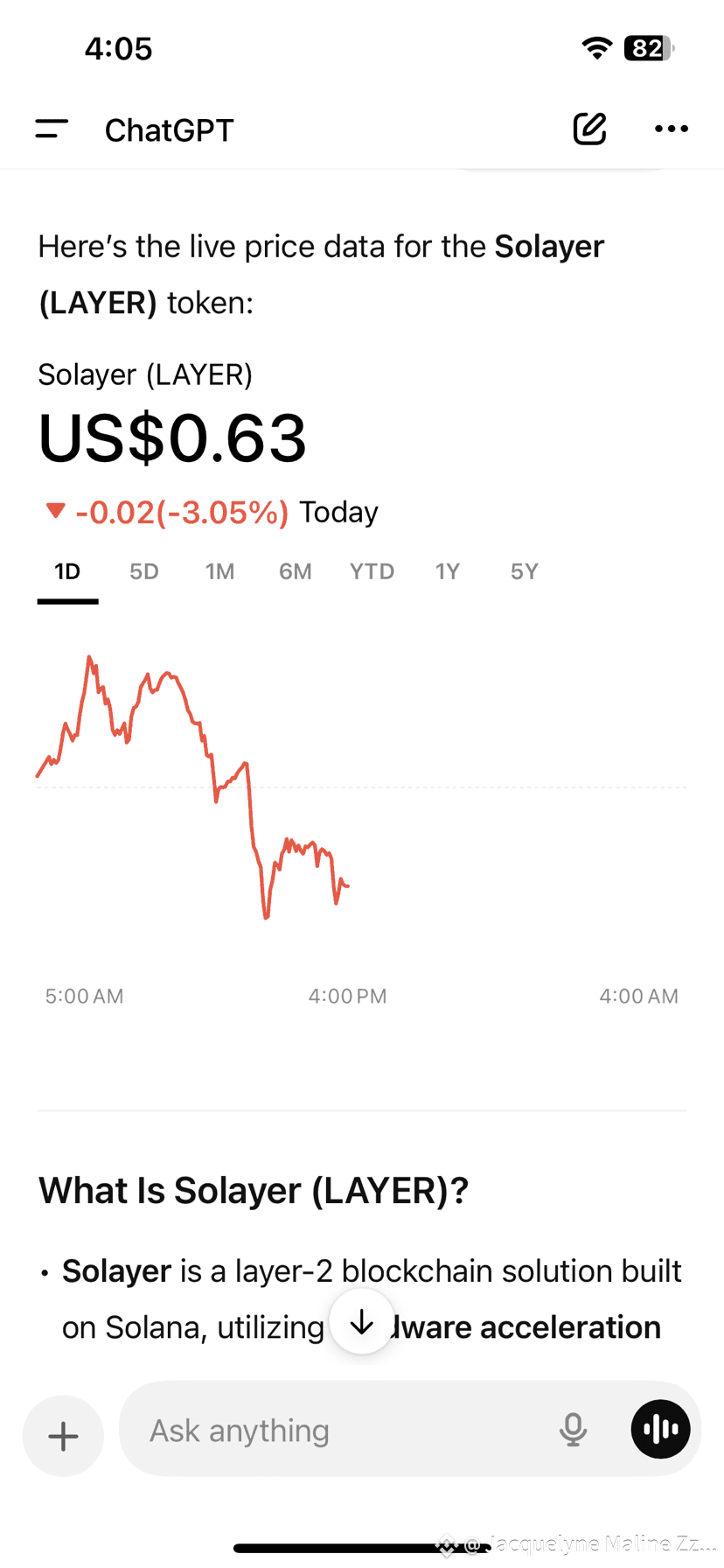
#builtonsolayer @solayer_labs Solayer is a layer-2 blockchain solution built on Solana, utilizing hardware acceleration and InfiniBand RDMA networking to minimize latency and maximize throughput. It enables a multi-execution SVM (Solidity Virtual Machine) architecture for scalability and high-speed transactions  .
• The LAYER token is the native token used for governance and protocol-level decisions—covering upgrades, treasury, and ecosystem initiatives .
⸻
Market Snapshot (as of August 10, 2025):
• Price: Approximately $0.63 per LAYER (slight variations across platforms)  All-Time High (ATH): Around $3.39, reached in early May 2025—meaning the token is currently down ~80–81% from that peak    .
• 24-Hour Trading Volume: Ranges from $36M to $53M, depending on the exchange    .
• Market Capitalization: Estimated at ~$180M USD with a circulating supply of around 283 million LAYER tokens   .
Technology
Hardware-accelerated blockchain leveraging multi-execution SVM and RDMA connectivity
Use Case
Governance token for Solayer’s scalable infrastructure
Performance
Significant drop from ATH; currently ~80% below peak
Liquidity
Active trading, with ~$40–50M daily volume
Token Supply
Circulating: ~283M; Max: ~1B (fully diluted value not fully realized yet)
#builtonsolayer @Solayer Solayer is a layer-2 blockchain solution built on Solana, utilizing hardware acceleration and InfiniBand RDMA networking to minimize latency and maximize throughput. It enables a multi-execution SVM (Solidity Virtual Machine) architecture for scalability and high-speed transactions  .
• The LAYER token is the native token used for governance and protocol-level decisions—covering upgrades, treasury, and ecosystem initiatives .
⸻
Market Snapshot (as of August 10, 2025):
• Price: Approximately $0.63 per LAYER (slight variations across platforms)  All-Time High (ATH): Around $3.39, reached in early May 2025—meaning the token is currently down ~80–81% from that peak    .
• 24-Hour Trading Volume: Ranges from $36M to $53M, depending on the exchange    .
• Market Capitalization: Estimated at ~$180M USD with a circulating supply of around 283 million LAYER tokens   .
Technology
Hardware-accelerated blockchain leveraging multi-execution SVM and RDMA connectivity
Use Case
Governance token for Solayer’s scalable infrastructure
Performance
Significant drop from ATH; currently ~80% below peak
Liquidity
Active trading, with ~$40–50M daily volume
Token Supply
Circulating: ~283M; Max: ~1B (fully diluted value not fully realized yet)
42
තවත් අන්තර්ගතයන් ගවේෂණය කිරීමට ඇතුල් වන්න
Binance චතුරශ්රය හි ගෝලීය ක්රිප්ටෝ පරිශීලකයින් හා එක්වන්න
⚡️ ක්රිප්ටෝ පිළිබඳ නවතම සහ ප්රයෝජනවත් තොරතුරු ලබා ගන්න.
💬 ලොව විශාලතම ක්රිප්ටෝ හුවමාරුව මගින් විශ්වාස කෙරේ.
👍 සත්යායනය කරන ලද නිර්මාණකරුවන්ගෙන් සැබෑ විදසුන් සොයා ගන්න.
විද්යුත් තැපෑල / දුරකථන අංකය
නැගී එන මාතෘකා
1
#NVIDIAReinstatesJensenHuangasCEO
85,087 නැරඹීම්
858 සාකච්ඡා කරමින්
2
#WillMarketsStageAThanksgivingReliefRally?
190,800 නැරඹීම්
1,861 සාකච්ඡා කරමින්
3
#WillOctCorePCEShiftFedHikeExpectations?
69,317 නැරඹීම්
788 සාකච්ඡා කරමින්
4
#BitcoinEndsRecord17DayStreakOfLowerHighs
27,823 නැරඹීම්
299 සාකච්ඡා කරමින්
5
#TradersPriceOut50bpDecemberFedHike
16,183 නැරඹීම්
186 සාකච්ඡා කරමින්
6
#EvolveAtBinanceBlockchainWeek
148,738 නැරඹීම්
1,063 සාකච්ඡා කරමින්
7
#TrumpBackedAmericanBitcoinRaisesHoldingsToOver8500BTC
1,896 නැරඹීම්
37 සාකච්ඡා කරමින්
8
#MuskWarnsOfAICashCrunch
81,450 නැරඹීම්
720 සාකච්ඡා කරමින්
9
#TradFiForBeginners
1.1M නැරඹීම්
6,047 සාකච්ඡා කරමින්
10
#SkyPSMUSDCLiquidityReboundsTo$1.77B
1,196 නැරඹීම්
17 සාකච්ඡා කරමින්