
#etf
etf
1G views
5.7M සාකච්ඡා කරමින්
උණුසුම්
නවතම


·
--
සත්යායනය කළ
Zcash現物ETFの月間純流入が2.3億ドルを突破!プライバシー分野が突然爆発
Zcash現物ETFの資金流入はさらに加速中!
最新データによると、Zcash現物ETFの直近の取引日における純流入は約4660万ドルで、今月の累計純流入は2.3億ドルを超えました。
さらに驚くべきは:
8月25日に正式に上場
1か月も経たずに、累計純流入がすでに2.33億ドル超
ファンドの純資産規模はすでに約8.9億ドルに接近
累計取引額はさらに110億ドル超。
これは何を意味するのか?
これまでZcashは、市場で主に「プライバシーコイン」として語られてきましたが、現物ETFが登場したことで、より従来型の機関投資家の資金流入経路を持つようになりました。
そしてこの資金流入は、ETH現物ETFで連続して資金流出が発生している局面で起きています。
資金が暗号資産市場から離れたわけではなく、別の資産の間で再び機会を探しているのです。
プライバシー技術からETF、そして機関資金へ――Zcashは市場でのポジショニングが変わる局面を迎えています。
次に注目すべきは「1日でどれだけ流入したか」ではなく:
2.3億ドルの後も、資金がさらに流入し続けられるかどうか?
もしETFが強い純流入を維持するなら、「プライバシー資産」という分野への機関の関心は、さらに高まる可能性があります。
#zcash #zec #etf #zcash现货etf月度净流入超2.3亿美元
Zcash現物ETFの月間純流入が2.3億ドルを突破!プライバシー分野が突然爆発
Zcash現物ETFの資金流入はさらに加速中!
最新データによると、Zcash現物ETFの直近の取引日における純流入は約4660万ドルで、今月の累計純流入は2.3億ドルを超えました。
さらに驚くべきは:
8月25日に正式に上場
1か月も経たずに、累計純流入がすでに2.33億ドル超
ファンドの純資産規模はすでに約8.9億ドルに接近
累計取引額はさらに110億ドル超。
これは何を意味するのか?
これまでZcashは、市場で主に「プライバシーコイン」として語られてきましたが、現物ETFが登場したことで、より従来型の機関投資家の資金流入経路を持つようになりました。
そしてこの資金流入は、ETH現物ETFで連続して資金流出が発生している局面で起きています。
資金が暗号資産市場から離れたわけではなく、別の資産の間で再び機会を探しているのです。
プライバシー技術からETF、そして機関資金へ――Zcashは市場でのポジショニングが変わる局面を迎えています。
次に注目すべきは「1日でどれだけ流入したか」ではなく:
2.3億ドルの後も、資金がさらに流入し続けられるかどうか?
もしETFが強い純流入を維持するなら、「プライバシー資産」という分野への機関の関心は、さらに高まる可能性があります。
#zcash #zec #etf #zcash现货etf月度净流入超2.3亿美元
Zcash現物ETFの資金流入はさらに加速中!
最新データによると、Zcash現物ETFの直近の取引日における純流入は約4660万ドルで、今月の累計純流入は2.3億ドルを超えました。
さらに驚くべきは:
8月25日に正式に上場
1か月も経たずに、累計純流入がすでに2.33億ドル超
ファンドの純資産規模はすでに約8.9億ドルに接近
累計取引額はさらに110億ドル超。
これは何を意味するのか?
これまでZcashは、市場で主に「プライバシーコイン」として語られてきましたが、現物ETFが登場したことで、より従来型の機関投資家の資金流入経路を持つようになりました。
そしてこの資金流入は、ETH現物ETFで連続して資金流出が発生している局面で起きています。
資金が暗号資産市場から離れたわけではなく、別の資産の間で再び機会を探しているのです。
プライバシー技術からETF、そして機関資金へ――Zcashは市場でのポジショニングが変わる局面を迎えています。
次に注目すべきは「1日でどれだけ流入したか」ではなく:
2.3億ドルの後も、資金がさらに流入し続けられるかどうか?
もしETFが強い純流入を維持するなら、「プライバシー資産」という分野への機関の関心は、さらに高まる可能性があります。
#zcash #zec #etf #zcash现货etf月度净流入超2.3亿美元
3
6.2k
·
--
සත්යායනය කළ
Zcash现货ETF月度净流入超2.3亿美元,隐私赛道突然火了!
Zcash现货ETF近期资金流入持续升温。
最新数据显示,Zcash现货ETF本月累计净流入已经超过2.3亿美元,仅最新一个交易日就吸引了近 4700万美元资金流入。
更值得注意的是:
Zcash现货ETF于 8月25日正式上市
不到一个月,累计净流入已超过2.3亿美元
资金流入速度明显加快
此前8月份的完整统计中,Zcash相关产品单月净流入甚至达到 3.264亿美元,在当月全球数字资产投资产品中排名靠前。
这背后反映出的一个变化是:
机构资金开始通过传统金融产品接触隐私资产。
过去市场讨论Zcash,更多集中在隐私支付、零知识证明和加密技术。
现在随着现货ETF出现,ZEC又多了一条连接传统资金的渠道。
ETF解决的是“怎么买”,而Zcash解决的是“如何保护交易隐私”。
接下来真正值得关注的,是这波ETF资金流入能否持续,以及Zcash能否把短期资金热度转化为长期生态需求。
#zcash #zec #etf #zcash现货etf月度净流入超2.3亿美元
Zcash现货ETF月度净流入超2.3亿美元,隐私赛道突然火了!
Zcash现货ETF近期资金流入持续升温。
最新数据显示,Zcash现货ETF本月累计净流入已经超过2.3亿美元,仅最新一个交易日就吸引了近 4700万美元资金流入。
更值得注意的是:
Zcash现货ETF于 8月25日正式上市
不到一个月,累计净流入已超过2.3亿美元
资金流入速度明显加快
此前8月份的完整统计中,Zcash相关产品单月净流入甚至达到 3.264亿美元,在当月全球数字资产投资产品中排名靠前。
这背后反映出的一个变化是:
机构资金开始通过传统金融产品接触隐私资产。
过去市场讨论Zcash,更多集中在隐私支付、零知识证明和加密技术。
现在随着现货ETF出现,ZEC又多了一条连接传统资金的渠道。
ETF解决的是“怎么买”,而Zcash解决的是“如何保护交易隐私”。
接下来真正值得关注的,是这波ETF资金流入能否持续,以及Zcash能否把短期资金热度转化为长期生态需求。
#zcash #zec #etf #zcash现货etf月度净流入超2.3亿美元
Zcash现货ETF近期资金流入持续升温。
最新数据显示,Zcash现货ETF本月累计净流入已经超过2.3亿美元,仅最新一个交易日就吸引了近 4700万美元资金流入。
更值得注意的是:
Zcash现货ETF于 8月25日正式上市
不到一个月,累计净流入已超过2.3亿美元
资金流入速度明显加快
此前8月份的完整统计中,Zcash相关产品单月净流入甚至达到 3.264亿美元,在当月全球数字资产投资产品中排名靠前。
这背后反映出的一个变化是:
机构资金开始通过传统金融产品接触隐私资产。
过去市场讨论Zcash,更多集中在隐私支付、零知识证明和加密技术。
现在随着现货ETF出现,ZEC又多了一条连接传统资金的渠道。
ETF解决的是“怎么买”,而Zcash解决的是“如何保护交易隐私”。
接下来真正值得关注的,是这波ETF资金流入能否持续,以及Zcash能否把短期资金热度转化为长期生态需求。
#zcash #zec #etf #zcash现货etf月度净流入超2.3亿美元
5
4.5k

·
--
අර්ධ වශයෙන් සත්යයි
පරිවර්තනය බලන්න
ZEC还在刷高
9月19日,$ZEC 继续在约 1550–1580 美元一带波动,有口径触及阶段新高。灰度等 Zcash 现货产品 9 月 18 日单日净流入约 3767 万美元,当周加密 ETF 里隐私主题吸金靠前。
ETF 把「可审计的可选隐私」送进券商账户,社区又留下减半机制,供给故事和通道叠在一起。合约持仓仍高,涨得快时杠杆一样密。巨鲸地址近日有大额转移,不等于立刻变成集中抛压,但盘口会更敏感。
现在买的人,买的是「隐私可以进传统账户」这件事被重新定价,不是买到了整条隐私赛道一起飞。ETF 有申购,现货就有承接;杠杆堆高了,回撤也会被放大。更稳妥的看法是:龙头可以继续交易,第二第三只隐私币仓位要比它严,整数关口附近别把一天新高当成不会回头。
#ZEC #ETF #隐私
{spot}(ZECUSDT)
不构成投资建议
ZEC还在刷高
9月19日,$ZEC 继续在约 1550–1580 美元一带波动,有口径触及阶段新高。灰度等 Zcash 现货产品 9 月 18 日单日净流入约 3767 万美元,当周加密 ETF 里隐私主题吸金靠前。
ETF 把「可审计的可选隐私」送进券商账户,社区又留下减半机制,供给故事和通道叠在一起。合约持仓仍高,涨得快时杠杆一样密。巨鲸地址近日有大额转移,不等于立刻变成集中抛压,但盘口会更敏感。
现在买的人,买的是「隐私可以进传统账户」这件事被重新定价,不是买到了整条隐私赛道一起飞。ETF 有申购,现货就有承接;杠杆堆高了,回撤也会被放大。更稳妥的看法是:龙头可以继续交易,第二第三只隐私币仓位要比它严,整数关口附近别把一天新高当成不会回头。
#ZEC #ETF #隐私
不构成投资建议
9月19日,$ZEC 继续在约 1550–1580 美元一带波动,有口径触及阶段新高。灰度等 Zcash 现货产品 9 月 18 日单日净流入约 3767 万美元,当周加密 ETF 里隐私主题吸金靠前。
ETF 把「可审计的可选隐私」送进券商账户,社区又留下减半机制,供给故事和通道叠在一起。合约持仓仍高,涨得快时杠杆一样密。巨鲸地址近日有大额转移,不等于立刻变成集中抛压,但盘口会更敏感。
现在买的人,买的是「隐私可以进传统账户」这件事被重新定价,不是买到了整条隐私赛道一起飞。ETF 有申购,现货就有承接;杠杆堆高了,回撤也会被放大。更稳妥的看法是:龙头可以继续交易,第二第三只隐私币仓位要比它严,整数关口附近别把一天新高当成不会回头。
#ZEC #ETF #隐私
不构成投资建议

1
590

·
--
🚨 $SOL JUST GOT A BIG INSTITUTIONAL SIGNAL
စက်တင်ဘာ ၁၈ ရက်နေ့မှာ ခန့်မှန်းအားဖြင့် $101.6 ကနေ တက်ပြီးနောက် SOL အခု $112.7 ဝန်းကျင်ကို ပြန်ရောက်နေပါပြီ။
ဒါပေမယ့် စျေးနှုန်း လှုပ်ရှားမှုက တစ်ခုတည်းက စိတ်ဝင်စားစရာ မဟုတ်ပါဘူး။
Spot Solana ETFs တွေဟာ စက်တင်ဘာ ၁၈ ရက်နေ့မှာ $47.62M ခန့် Net inflows ရရှိခဲ့ပြီး အဲဒီအချိန်အတွင်း စက်တင်ဘာလအတွင်း အပြင်းထန်ဆုံး နေ့စဉ် ဝင်ငွေပါ။
ဒါက အရေးကြီးတဲ့ setup တစ်ခုကို ဖန်တီးလိုက်ပါတယ်—
စျေးနှုန်းက ပိုမြင့်လာနေတယ်။
Capital က ETFs ထဲကို ဝင်လာနေတယ်။
အခုတော့ စျေးကွက်က ဒီလှုပ်ရှားမှုမှာ follow-through ရှိတယ်ဆိုတာ သက်သေပြရမယ်။
📊 LEVELS I’M WATCHING
🟢 ~$110 → အနီးကပ် support
🔴 ~$114 → ချက်ချင်း resistance
🚨 ~$100 → ပိုကြီးတဲ့ downside reference
SOL က $110 အထက်မှာ ဆက်ထိန်းပြီး မကြာသေးခင် ~$114 နေရာကို ဖြတ်ကျော်နိုင်မယ်ဆိုရင် recovery က ပိုပြီး မယုံကြည်လောက်အောင် ဖြစ်လာဖို့ တင့်တယ်ပါတယ်။
စျေးနှုန်းက $110 ကို ဆုံးရှုံးသွားရင်တော့ ဝယ်သူတွေ ပြန်ဝင်လာမလာကို သေချာကြည့်ချင်ပါတယ်၊ ဒါမှမဟုတ် ဒီလှုပ်ရှားမှုက မှေးမှိန်စတင်လာသလားဆိုတာကိုပါ။
ကျွန်တော့်အမြင်—
ETF flows တွေက အားပေးစရာပါ။
ဒါပေမယ့် inflows တစ်ရက်တည်း အပြင်းထန်တာက မတည်မြဲတဲ့ trend ကို အတည်ပြုဖို့ မလုံလောက်ပါဘူး။
စျေးနှုန်း + flows + follow-through.
အဲဒီပေါင်းစပ်မှုကို ကျွန်တော် စောင့်ကြည့်နေပါတယ်။ 👀
$SOL က နောက်တစ်ပတ်အတွင်း ဒီ momentum ကို ဆက်ထိန်းနိုင်မယ်လို့ သင်ထင်ပါသလား?
နေ့စဉ် crypto market intelligence အတွက် QuantVanta ကို follow လုပ်ပါ။
$SOL
{future}(SOLUSDT)
#sol #crypto #altcoins #CryptoMarket #etf
🚨 $SOL JUST GOT A BIG INSTITUTIONAL SIGNAL
စက်တင်ဘာ ၁၈ ရက်နေ့မှာ ခန့်မှန်းအားဖြင့် $101.6 ကနေ တက်ပြီးနောက် SOL အခု $112.7 ဝန်းကျင်ကို ပြန်ရောက်နေပါပြီ။
ဒါပေမယ့် စျေးနှုန်း လှုပ်ရှားမှုက တစ်ခုတည်းက စိတ်ဝင်စားစရာ မဟုတ်ပါဘူး။
Spot Solana ETFs တွေဟာ စက်တင်ဘာ ၁၈ ရက်နေ့မှာ $47.62M ခန့် Net inflows ရရှိခဲ့ပြီး အဲဒီအချိန်အတွင်း စက်တင်ဘာလအတွင်း အပြင်းထန်ဆုံး နေ့စဉ် ဝင်ငွေပါ။
ဒါက အရေးကြီးတဲ့ setup တစ်ခုကို ဖန်တီးလိုက်ပါတယ်—
စျေးနှုန်းက ပိုမြင့်လာနေတယ်။
Capital က ETFs ထဲကို ဝင်လာနေတယ်။
အခုတော့ စျေးကွက်က ဒီလှုပ်ရှားမှုမှာ follow-through ရှိတယ်ဆိုတာ သက်သေပြရမယ်။
📊 LEVELS I’M WATCHING
🟢 ~$110 → အနီးကပ် support
🔴 ~$114 → ချက်ချင်း resistance
🚨 ~$100 → ပိုကြီးတဲ့ downside reference
SOL က $110 အထက်မှာ ဆက်ထိန်းပြီး မကြာသေးခင် ~$114 နေရာကို ဖြတ်ကျော်နိုင်မယ်ဆိုရင် recovery က ပိုပြီး မယုံကြည်လောက်အောင် ဖြစ်လာဖို့ တင့်တယ်ပါတယ်။
စျေးနှုန်းက $110 ကို ဆုံးရှုံးသွားရင်တော့ ဝယ်သူတွေ ပြန်ဝင်လာမလာကို သေချာကြည့်ချင်ပါတယ်၊ ဒါမှမဟုတ် ဒီလှုပ်ရှားမှုက မှေးမှိန်စတင်လာသလားဆိုတာကိုပါ။
ကျွန်တော့်အမြင်—
ETF flows တွေက အားပေးစရာပါ။
ဒါပေမယ့် inflows တစ်ရက်တည်း အပြင်းထန်တာက မတည်မြဲတဲ့ trend ကို အတည်ပြုဖို့ မလုံလောက်ပါဘူး။
စျေးနှုန်း + flows + follow-through.
အဲဒီပေါင်းစပ်မှုကို ကျွန်တော် စောင့်ကြည့်နေပါတယ်။ 👀
$SOL က နောက်တစ်ပတ်အတွင်း ဒီ momentum ကို ဆက်ထိန်းနိုင်မယ်လို့ သင်ထင်ပါသလား?
နေ့စဉ် crypto market intelligence အတွက် QuantVanta ကို follow လုပ်ပါ။
$SOL
#sol #crypto #altcoins #CryptoMarket #etf
စက်တင်ဘာ ၁၈ ရက်နေ့မှာ ခန့်မှန်းအားဖြင့် $101.6 ကနေ တက်ပြီးနောက် SOL အခု $112.7 ဝန်းကျင်ကို ပြန်ရောက်နေပါပြီ။
ဒါပေမယ့် စျေးနှုန်း လှုပ်ရှားမှုက တစ်ခုတည်းက စိတ်ဝင်စားစရာ မဟုတ်ပါဘူး။
Spot Solana ETFs တွေဟာ စက်တင်ဘာ ၁၈ ရက်နေ့မှာ $47.62M ခန့် Net inflows ရရှိခဲ့ပြီး အဲဒီအချိန်အတွင်း စက်တင်ဘာလအတွင်း အပြင်းထန်ဆုံး နေ့စဉ် ဝင်ငွေပါ။
ဒါက အရေးကြီးတဲ့ setup တစ်ခုကို ဖန်တီးလိုက်ပါတယ်—
စျေးနှုန်းက ပိုမြင့်လာနေတယ်။
Capital က ETFs ထဲကို ဝင်လာနေတယ်။
အခုတော့ စျေးကွက်က ဒီလှုပ်ရှားမှုမှာ follow-through ရှိတယ်ဆိုတာ သက်သေပြရမယ်။
📊 LEVELS I’M WATCHING
🟢 ~$110 → အနီးကပ် support
🔴 ~$114 → ချက်ချင်း resistance
🚨 ~$100 → ပိုကြီးတဲ့ downside reference
SOL က $110 အထက်မှာ ဆက်ထိန်းပြီး မကြာသေးခင် ~$114 နေရာကို ဖြတ်ကျော်နိုင်မယ်ဆိုရင် recovery က ပိုပြီး မယုံကြည်လောက်အောင် ဖြစ်လာဖို့ တင့်တယ်ပါတယ်။
စျေးနှုန်းက $110 ကို ဆုံးရှုံးသွားရင်တော့ ဝယ်သူတွေ ပြန်ဝင်လာမလာကို သေချာကြည့်ချင်ပါတယ်၊ ဒါမှမဟုတ် ဒီလှုပ်ရှားမှုက မှေးမှိန်စတင်လာသလားဆိုတာကိုပါ။
ကျွန်တော့်အမြင်—
ETF flows တွေက အားပေးစရာပါ။
ဒါပေမယ့် inflows တစ်ရက်တည်း အပြင်းထန်တာက မတည်မြဲတဲ့ trend ကို အတည်ပြုဖို့ မလုံလောက်ပါဘူး။
စျေးနှုန်း + flows + follow-through.
အဲဒီပေါင်းစပ်မှုကို ကျွန်တော် စောင့်ကြည့်နေပါတယ်။ 👀
$SOL က နောက်တစ်ပတ်အတွင်း ဒီ momentum ကို ဆက်ထိန်းနိုင်မယ်လို့ သင်ထင်ပါသလား?
နေ့စဉ် crypto market intelligence အတွက် QuantVanta ကို follow လုပ်ပါ။
$SOL
#sol #crypto #altcoins #CryptoMarket #etf

UAE1:
👍
1
2
156

·
--
පරිවර්තනය බලන්න
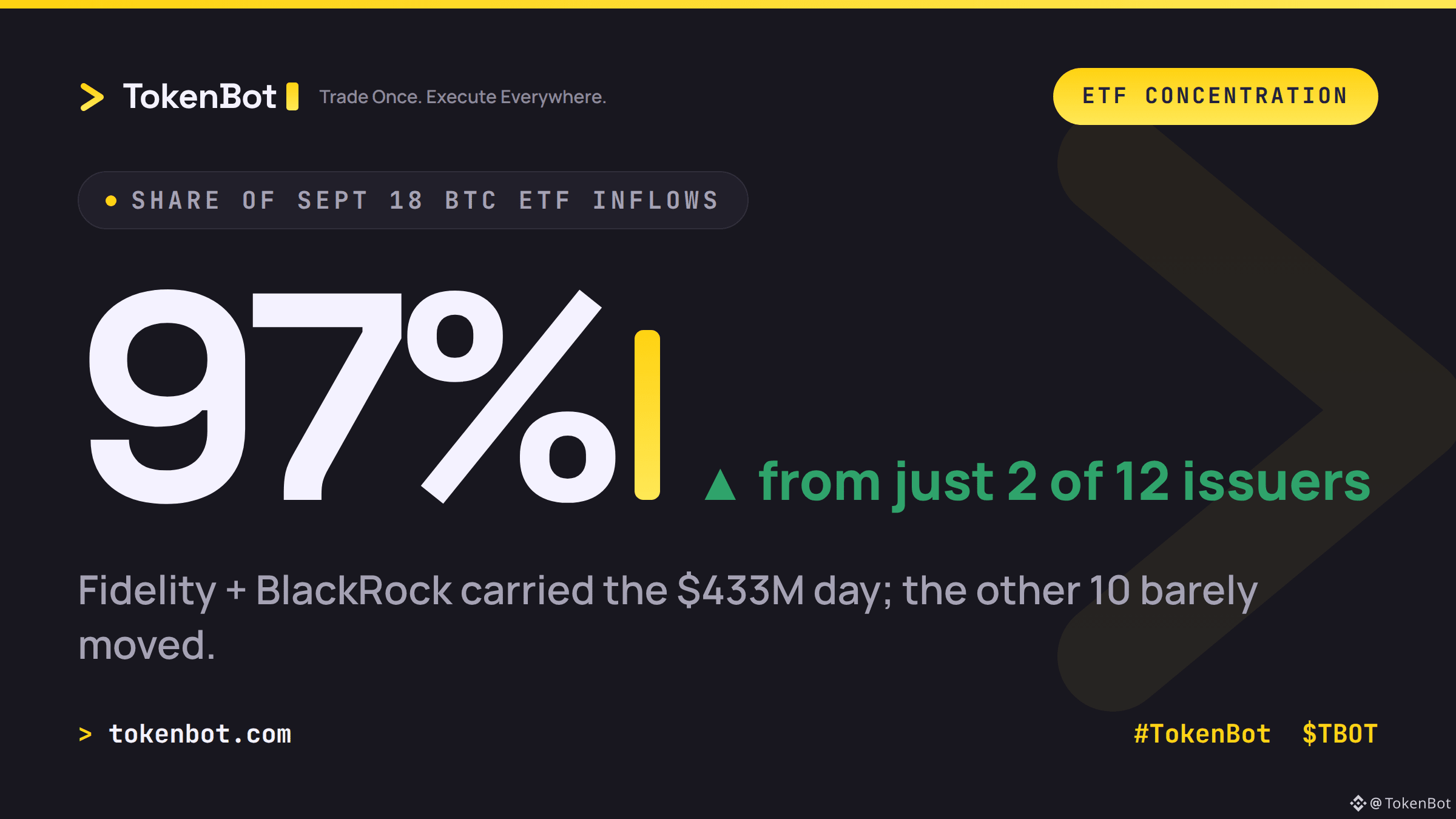
Bitcoin spot ETFs added $433M on September 18, the biggest single-day haul in weeks. But the breakdown isn't broad-based: Fidelity's FBTC took $311M and BlackRock's IBIT added $108M. Together that's $419M, roughly 97% of the entire day's inflow, from just 2 of the 12 approved issuers.
That concentration matters if you're modeling the ETF bid as a support level. A duopoly flow isn't the same signal as broad demand spread across ARKB, BITB, HODL, and the rest of the pack. If either Fidelity or BlackRock pauses allocation for a session, the "ETF support" narrative can thin out fast. BTC recovered to roughly $81K on the back of this inflow, after a midweek selloff.
Is anyone tracking issuer concentration as a fragility signal, or is 2-issuer dominance just normal at this stage of the ETF market?
$BTC $TBOT #Bitcoin #ETF #TokenBot
Bitcoin spot ETFs added $433M on September 18, the biggest single-day haul in weeks. But the breakdown isn't broad-based: Fidelity's FBTC took $311M and BlackRock's IBIT added $108M. Together that's $419M, roughly 97% of the entire day's inflow, from just 2 of the 12 approved issuers.
That concentration matters if you're modeling the ETF bid as a support level. A duopoly flow isn't the same signal as broad demand spread across ARKB, BITB, HODL, and the rest of the pack. If either Fidelity or BlackRock pauses allocation for a session, the "ETF support" narrative can thin out fast. BTC recovered to roughly $81K on the back of this inflow, after a midweek selloff.
Is anyone tracking issuer concentration as a fragility signal, or is 2-issuer dominance just normal at this stage of the ETF market?
$BTC $TBOT #Bitcoin #ETF #TokenBot
That concentration matters if you're modeling the ETF bid as a support level. A duopoly flow isn't the same signal as broad demand spread across ARKB, BITB, HODL, and the rest of the pack. If either Fidelity or BlackRock pauses allocation for a session, the "ETF support" narrative can thin out fast. BTC recovered to roughly $81K on the back of this inflow, after a midweek selloff.
Is anyone tracking issuer concentration as a fragility signal, or is 2-issuer dominance just normal at this stage of the ETF market?
$BTC $TBOT #Bitcoin #ETF #TokenBot
341

පරිවර්තනය බලන්න
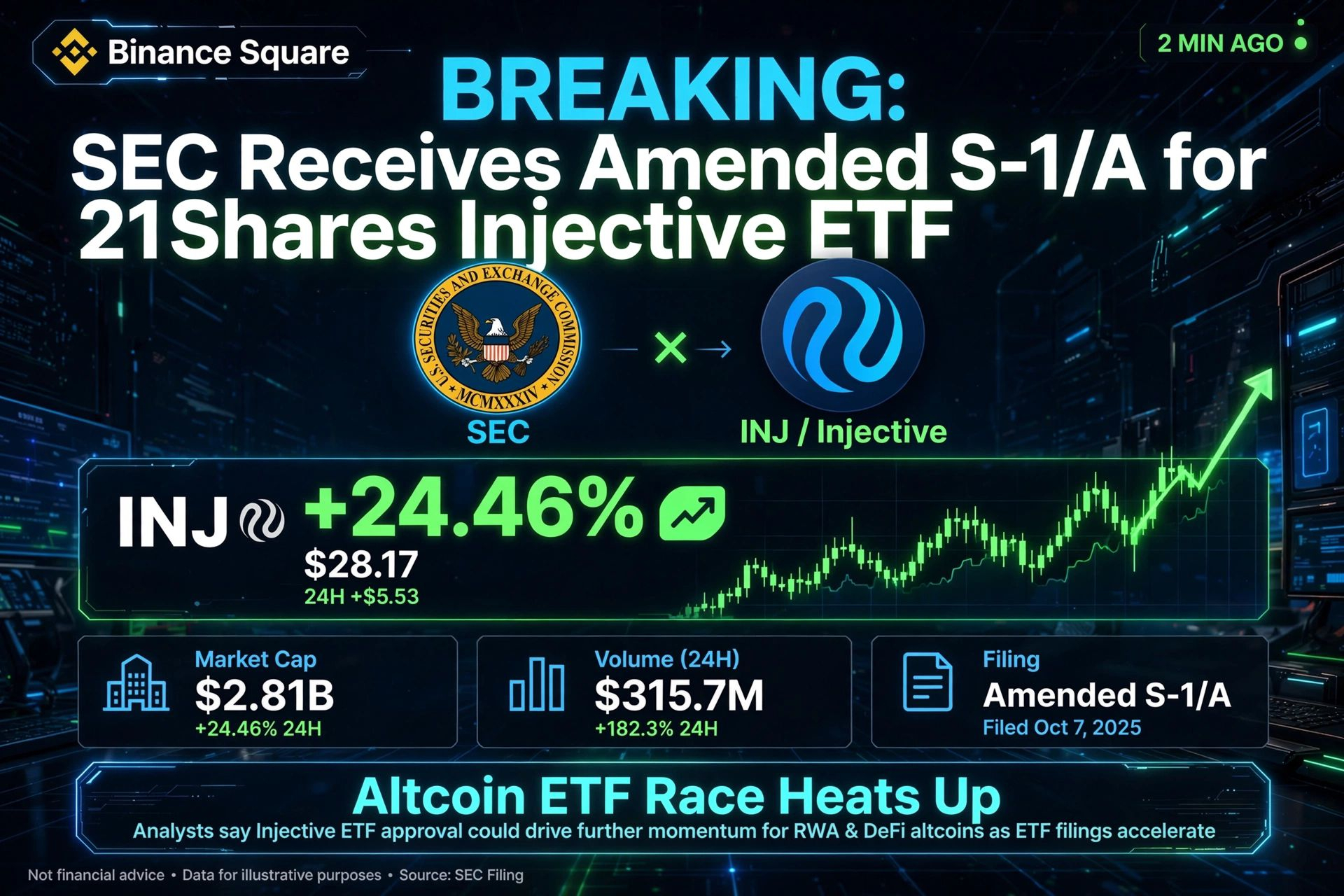
🚀 BREAKING: $INJ ETF +24.46%!
SEC just received Amended S-1/A for 21Shares Injective ETF!
✅ SEC filing moving closer to approval
✅ $INJ pumping +24.46% today
✅ Volume exploding +182%
✅ Altcoin ETF race HEATS UP — after $BTC $ETH, now $INJ?
$ETH also reclaims $2,600 while fees drop to $0.095
Is INJ the next ETF to be approved? If yes, $40+ coming fast?
$INJ #INJUSDT #ETH #INJ #ETF
🚀 BREAKING: $INJ ETF +24.46%!
SEC just received Amended S-1/A for 21Shares Injective ETF!
✅ SEC filing moving closer to approval
✅ $INJ pumping +24.46% today
✅ Volume exploding +182%
✅ Altcoin ETF race HEATS UP — after $BTC $ETH, now $INJ ?
$ETH also reclaims $2,600 while fees drop to $0.095
Is INJ the next ETF to be approved? If yes, $40+ coming fast?
$INJ #INJUSDT #ETH #INJ #ETF
SEC just received Amended S-1/A for 21Shares Injective ETF!
✅ SEC filing moving closer to approval
✅ $INJ pumping +24.46% today
✅ Volume exploding +182%
✅ Altcoin ETF race HEATS UP — after $BTC $ETH, now $INJ ?
$ETH also reclaims $2,600 while fees drop to $0.095
Is INJ the next ETF to be approved? If yes, $40+ coming fast?
$INJ #INJUSDT #ETH #INJ #ETF
1
209

පරිවර්තනය බලන්න
$ZEC
{future}(ZECUSDT)
is on fire! 🔥
Grayscale Zcash ETF $ZCSH hits $914.53M in assets — just $85M away from $1B in less than a month since Aug 25 launch.
ZEC ~ $1,540 | OI $3.5B | Volume $10B+ [NS3.AI - Sept 19]
Plus 3-for-1 split coming Sept 30.
Privacy coins are back?
#ZEC #Zcash #Grayscale #etf
$ZEC
is on fire! 🔥
Grayscale Zcash ETF $ZCSH hits $914.53M in assets — just $85M away from $1B in less than a month since Aug 25 launch.
ZEC ~ $1,540 | OI $3.5B | Volume $10B+ [NS3.AI - Sept 19]
Plus 3-for-1 split coming Sept 30.
Privacy coins are back?
#ZEC #Zcash #Grayscale #etf
is on fire! 🔥
Grayscale Zcash ETF $ZCSH hits $914.53M in assets — just $85M away from $1B in less than a month since Aug 25 launch.
ZEC ~ $1,540 | OI $3.5B | Volume $10B+ [NS3.AI - Sept 19]
Plus 3-for-1 split coming Sept 30.
Privacy coins are back?
#ZEC #Zcash #Grayscale #etf
1
217

පරිවර්තනය බලන්න
🚨 ZEC涨破1500美元,灰度ETF逼近亿美元 🧠
📊 | $BTC | $ETH | $BNB |
- 请关注、点赞并在下方留言分享您的看法 📈
- ZEC价格自年初以来翻倍,突破1500美元关键阻力位
- Grayscale的Zcash ETF净资产接近10亿美元,仅差约8500万美元
- 基金将实施1:3拆分,持有人每持有1份将获3份新股,投资价值不变
- 市场对ETF规模提升表现积极,出现上行波动和资金流入 🔥
- 若ZEC继续保持强势,ETF规模可能突破10亿美元大关,提升市场信心
- 短期内上行波动或将吸引更多机构资金,提升流动性
- 大额鲸鱼账户已出现累计买入迹象,表明智能资金提前布局
- 预计近期价格波动将保持在1500美元至1700美元区间,短线看涨
- 您认为ZEC的后续走势会否继续突破新高?欢迎留言讨论
- 关注我们获取更多加密市场深度分析,期待您的评论
#Crypto #ETF #Zcash #Whales #Altcoins
🚨 ZEC涨破1500美元,灰度ETF逼近亿美元 🧠
📊 | $BTC | $ETH | $BNB |
- 请关注、点赞并在下方留言分享您的看法 📈
- ZEC价格自年初以来翻倍,突破1500美元关键阻力位
- Grayscale的Zcash ETF净资产接近10亿美元,仅差约8500万美元
- 基金将实施1:3拆分,持有人每持有1份将获3份新股,投资价值不变
- 市场对ETF规模提升表现积极,出现上行波动和资金流入 🔥
- 若ZEC继续保持强势,ETF规模可能突破10亿美元大关,提升市场信心
- 短期内上行波动或将吸引更多机构资金,提升流动性
- 大额鲸鱼账户已出现累计买入迹象,表明智能资金提前布局
- 预计近期价格波动将保持在1500美元至1700美元区间,短线看涨
- 您认为ZEC的后续走势会否继续突破新高?欢迎留言讨论
- 关注我们获取更多加密市场深度分析,期待您的评论
#Crypto #ETF #Zcash #Whales #Altcoins
📊 | $BTC | $ETH | $BNB |
- 请关注、点赞并在下方留言分享您的看法 📈
- ZEC价格自年初以来翻倍,突破1500美元关键阻力位
- Grayscale的Zcash ETF净资产接近10亿美元,仅差约8500万美元
- 基金将实施1:3拆分,持有人每持有1份将获3份新股,投资价值不变
- 市场对ETF规模提升表现积极,出现上行波动和资金流入 🔥
- 若ZEC继续保持强势,ETF规模可能突破10亿美元大关,提升市场信心
- 短期内上行波动或将吸引更多机构资金,提升流动性
- 大额鲸鱼账户已出现累计买入迹象,表明智能资金提前布局
- 预计近期价格波动将保持在1500美元至1700美元区间,短线看涨
- 您认为ZEC的后续走势会否继续突破新高?欢迎留言讨论
- 关注我们获取更多加密市场深度分析,期待您的评论
#Crypto #ETF #Zcash #Whales #Altcoins
1
386
පරිවර්තනය බලන්න
🚨 比特币ETF周五流入3.246亿美元 📈 富达领跑 🧠
📊 | $BTC | $ETH | $BNB |
- 请关注我们,点赞并留言分享您的看法。 📈
- 本周五,比特币ETF净流入约3.246亿美元。
- 富达资产在本次资金流入中占比最高,领跑所有基金。
- 市场情绪偏多,推动比特币价格出现上行波动。 🔥
- 若资金继续涌入,比特币短期内可能突破近期高点。
- 大户鲸鱼可能已在低位布局,后续或将加码。
- 预计本周内波动性将提升,短线交易机会增多。
- 您认为本轮ETF资金流入会对比特币价格产生多大影响?
- 欢迎关注,留言分享您的投资策略。
- #Bitcoin #ETF #Crypto #Whales #Trading
🚨 比特币ETF周五流入3.246亿美元 📈 富达领跑 🧠
📊 | $BTC | $ETH | $BNB |
- 请关注我们,点赞并留言分享您的看法。 📈
- 本周五,比特币ETF净流入约3.246亿美元。
- 富达资产在本次资金流入中占比最高,领跑所有基金。
- 市场情绪偏多,推动比特币价格出现上行波动。 🔥
- 若资金继续涌入,比特币短期内可能突破近期高点。
- 大户鲸鱼可能已在低位布局,后续或将加码。
- 预计本周内波动性将提升,短线交易机会增多。
- 您认为本轮ETF资金流入会对比特币价格产生多大影响?
- 欢迎关注,留言分享您的投资策略。
- #Bitcoin #ETF #Crypto #Whales #Trading
📊 | $BTC | $ETH | $BNB |
- 请关注我们,点赞并留言分享您的看法。 📈
- 本周五,比特币ETF净流入约3.246亿美元。
- 富达资产在本次资金流入中占比最高,领跑所有基金。
- 市场情绪偏多,推动比特币价格出现上行波动。 🔥
- 若资金继续涌入,比特币短期内可能突破近期高点。
- 大户鲸鱼可能已在低位布局,后续或将加码。
- 预计本周内波动性将提升,短线交易机会增多。
- 您认为本轮ETF资金流入会对比特币价格产生多大影响?
- 欢迎关注,留言分享您的投资策略。
- #Bitcoin #ETF #Crypto #Whales #Trading
8

INJ තවත් වැදගත් ETF සංඥාවක් දැන්ම ලැබුණා, නමුත් වෙළඳපොළ දැනටමත් වේගයෙන් ගමන් කරමින් තිබේ. 👀
21Shares Injective ETF සඳහා යෝජිත ගොනු කිරීමක් (amended filing) SEC වෙත ලැබී තිබෙන අතර, එය Nasdaq හි ටිකර් TINJ යටතේ දියත් කිරීමට සැලසුම් කර ඇත. මෙම නිෂ්පාදනය FTSE Injective Index එක තැළී අනුගමනය කරන අතර staking exposure ද ඇතුළත් වේ. නමුත් මෙම ගොනු කිරීම තවමත් අනුමැතියක් නොවේ.
INJ සඳහා, කාලය සිත්ගන්නාසුලුයි. මිල $6.86 ආසන්නයේ තිබෙන අතර, $5.40 කලාපයෙන් දැඩි ලෙස ඉහළ ගමනකට පසු මෙයයි. සැප්තැම්බර් 18 දින spot volume ආසන්න වශයෙන් $183.8M වූ අතර, futures volume දළ වශයෙන් $266M දක්වා ඉහළ ගිය අතර open interest ආසන්න වශයෙන් $107.7M දක්වා ඉහළ ගියේය.
Funding ධනාත්මකයි—longs ගෙවමින් සිටින බව පෙන්නුම් කරයි—ඒ නිසා leverage ගොඩනැගෙමින් තිබේ. එය momentum එකට සහාය විය හැකි නමුත්, crowded longs පිරිසක් closing කරන්නට පටන් ගියොත් pullback එකක් දැඩි විය හැකි බවත් අදහස් කරයි.
මගේ අදහස: ETF ප්රගතිය INJ සඳහා වැදගත් ආයතනික-ප්රවේශ (institutional-access) කතාන්දරයක්, නමුත් පළමු spike එක පසුපස හඹා නොයා මිල තහවුරු වීම (price confirmation) ගැන බලා සිටීම හොඳයි. මෑත breakout zone එකේ රැඳී සිටීම momentum එකට හිතකරව තබාගනී.
INJ මෙතැන consolidate වෙයිද නැත්තම් තවත් breakout එකක් සඳහා ඉදිරියට යයිද ඔබට දැකීමට කැමතිද?
$INJ $AVA #ETF
#SECReceivesAmendedInjectiveETFFiling
INJ තවත් වැදගත් ETF සංඥාවක් දැන්ම ලැබුණා, නමුත් වෙළඳපොළ දැනටමත් වේගයෙන් ගමන් කරමින් තිබේ. 👀
21Shares Injective ETF සඳහා යෝජිත ගොනු කිරීමක් (amended filing) SEC වෙත ලැබී තිබෙන අතර, එය Nasdaq හි ටිකර් TINJ යටතේ දියත් කිරීමට සැලසුම් කර ඇත. මෙම නිෂ්පාදනය FTSE Injective Index එක තැළී අනුගමනය කරන අතර staking exposure ද ඇතුළත් වේ. නමුත් මෙම ගොනු කිරීම තවමත් අනුමැතියක් නොවේ.
INJ සඳහා, කාලය සිත්ගන්නාසුලුයි. මිල $6.86 ආසන්නයේ තිබෙන අතර, $5.40 කලාපයෙන් දැඩි ලෙස ඉහළ ගමනකට පසු මෙයයි. සැප්තැම්බර් 18 දින spot volume ආසන්න වශයෙන් $183.8M වූ අතර, futures volume දළ වශයෙන් $266M දක්වා ඉහළ ගිය අතර open interest ආසන්න වශයෙන් $107.7M දක්වා ඉහළ ගියේය.
Funding ධනාත්මකයි—longs ගෙවමින් සිටින බව පෙන්නුම් කරයි—ඒ නිසා leverage ගොඩනැගෙමින් තිබේ. එය momentum එකට සහාය විය හැකි නමුත්, crowded longs පිරිසක් closing කරන්නට පටන් ගියොත් pullback එකක් දැඩි විය හැකි බවත් අදහස් කරයි.
මගේ අදහස: ETF ප්රගතිය INJ සඳහා වැදගත් ආයතනික-ප්රවේශ (institutional-access) කතාන්දරයක්, නමුත් පළමු spike එක පසුපස හඹා නොයා මිල තහවුරු වීම (price confirmation) ගැන බලා සිටීම හොඳයි. මෑත breakout zone එකේ රැඳී සිටීම momentum එකට හිතකරව තබාගනී.
INJ මෙතැන consolidate වෙයිද නැත්තම් තවත් breakout එකක් සඳහා ඉදිරියට යයිද ඔබට දැකීමට කැමතිද?
$INJ $AVA #ETF
#SECReceivesAmendedInjectiveETFFiling
21Shares Injective ETF සඳහා යෝජිත ගොනු කිරීමක් (amended filing) SEC වෙත ලැබී තිබෙන අතර, එය Nasdaq හි ටිකර් TINJ යටතේ දියත් කිරීමට සැලසුම් කර ඇත. මෙම නිෂ්පාදනය FTSE Injective Index එක තැළී අනුගමනය කරන අතර staking exposure ද ඇතුළත් වේ. නමුත් මෙම ගොනු කිරීම තවමත් අනුමැතියක් නොවේ.
INJ සඳහා, කාලය සිත්ගන්නාසුලුයි. මිල $6.86 ආසන්නයේ තිබෙන අතර, $5.40 කලාපයෙන් දැඩි ලෙස ඉහළ ගමනකට පසු මෙයයි. සැප්තැම්බර් 18 දින spot volume ආසන්න වශයෙන් $183.8M වූ අතර, futures volume දළ වශයෙන් $266M දක්වා ඉහළ ගිය අතර open interest ආසන්න වශයෙන් $107.7M දක්වා ඉහළ ගියේය.
Funding ධනාත්මකයි—longs ගෙවමින් සිටින බව පෙන්නුම් කරයි—ඒ නිසා leverage ගොඩනැගෙමින් තිබේ. එය momentum එකට සහාය විය හැකි නමුත්, crowded longs පිරිසක් closing කරන්නට පටන් ගියොත් pullback එකක් දැඩි විය හැකි බවත් අදහස් කරයි.
මගේ අදහස: ETF ප්රගතිය INJ සඳහා වැදගත් ආයතනික-ප්රවේශ (institutional-access) කතාන්දරයක්, නමුත් පළමු spike එක පසුපස හඹා නොයා මිල තහවුරු වීම (price confirmation) ගැන බලා සිටීම හොඳයි. මෑත breakout zone එකේ රැඳී සිටීම momentum එකට හිතකරව තබාගනී.
INJ මෙතැන consolidate වෙයිද නැත්තම් තවත් breakout එකක් සඳහා ඉදිරියට යයිද ඔබට දැකීමට කැමතිද?
$INJ $AVA #ETF
#SECReceivesAmendedInjectiveETFFiling

1
187

·
--
🚨 මුදල් බිට්කොයින් වෙත දුවනවා. එහෙත් එතීරියම් සහ XRP හි ETF-යන් පිටාර ගලනවා
ගෘප්: [点击进入玖玖的粉丝群](https://app.binance.com/uni-qr/YXXQJrPb)
මෙම සතියේ වඩාත්ම හිතන්න වටින දේ බිට්කොයින් කොච්චර ඉහළ ගියාද යන්න නෙවෙයි. එකම වෙළඳපොලේම මුදල් දිශාව දෙකට කැඩී යන එක.
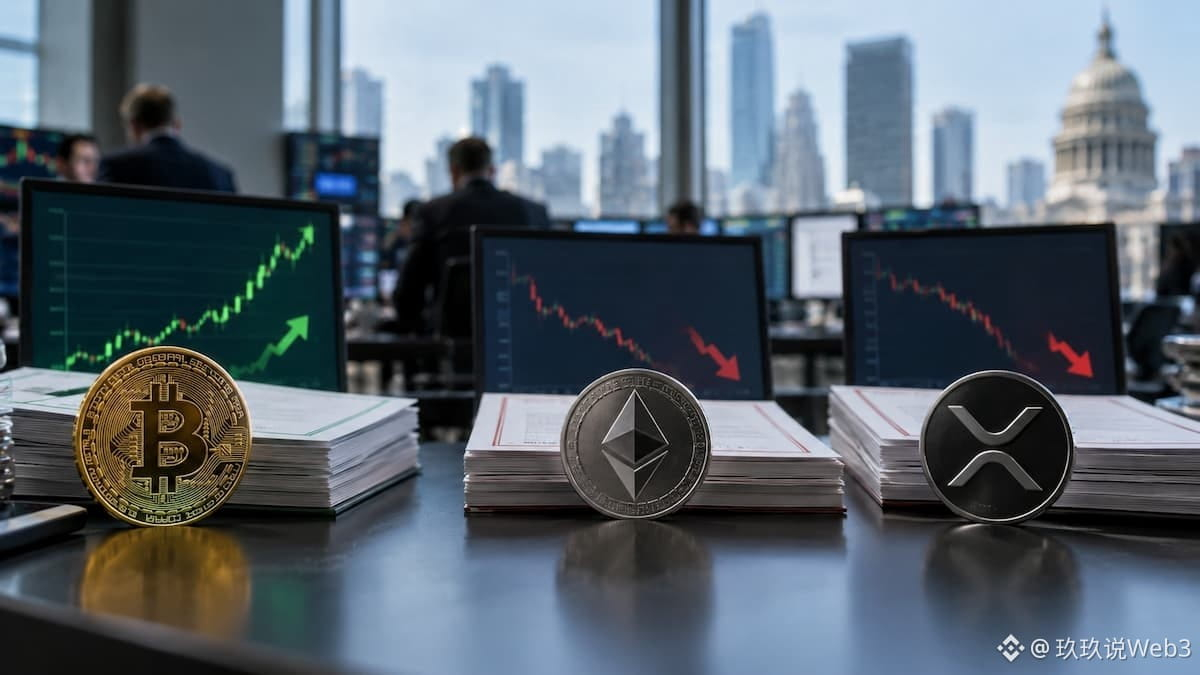
දත්ත මෙන්න. එතීරියම් හා XRP හි spot ETF මෙම සතියේ දෙකම එකට ශුද්ධයෙන් outflow (පිටතට ගලායාම) වාර්තා කළා. ඒ අතර බිට්කොයින් ETF එකම කාලයේ මුදල් ආකර්ෂණය කරමින් (inflow) ගියා. BTC නැවතත් ඩොලර් 80,000 ඉක්මවා නැග්ගා. එක පැත්තක් ඇතුළට, තවත් පැත්තක් පිටතට—එයත් එක දවසේම සිදු වුණා.📉
පසුගිය රටාවට අනුව, එතීරියම් ETF සාමාන්යයෙන් බිට්කොයින්ගේ රිද්මයට අඩි කිහිපයක් පස්සෙන් යනවා. එවිට මුදල් දෙමූල්ය අතර ආපසු හැරවෙනවා. මේ සතියේ රටාව බිඳුණා. අලුතින් මුදල් ආවේ නැහැ. ඒ වෙනුවට එතීරියම් සහ XRP වලින් මුදල් ගලවාගෙන සෘජුවම බිට්කොයින් වෙත යොමු කරලා.
මෙම විස්තරය—මිල අනාවැකි වලට වඩා වැදගත්. ඒකෙන් පේනවා ආයතන “ක්රිප්ටෝ ඇසට්” කියන එකම විශාල කාණ්ඩයම මිලදී ගන්නෙම නැහැ කියලා. ඔවුන් මිලදී ගන්නේ බිට්කොයින්. XRP හි ETF ආරම්භ වෙලා මාස කිහිපයක් විතරයි—විශාල redemption එකක්ම දවස පුරා දත්ත උඩු යටිකුරු කරන්න පුළුවන්. අස්ථාවරත්වය (volatility) තමයි එහි “අතුරු ගමන් බලපත්රය”.
කෙසේ වෙතත් කියන්නම්—පසුගිය මාස හයෙන් එතීරියම් ETF හිමියන් එකම දේ කරමින් සිටිනවා. ඔවුන්ගේ positions සෙමින් බිට්කොයින් වෙත මාරු කරනවා. ආයෝජනය ගැන විශ්වාස නැහැ කියලා නෙවෙයි. ඒකෙන් ලැබෙන්නේ අඩු “සැහැල්ලු බවක්” (අතින් කරදර නැති බවක්) නැති නිසා.
ඇත්තෙන්ම තවත් අය කියනවා—සතිපතා දත්තවල ශබ්දය (noise) වැඩි. එක දිනක පිටවීමකින් නිර್ಣය කරන්නේ මොනවත් නැහැ කියලා.
මම එක අර්ධයකට එකඟයි. දිශාව (direction) වැදගත්, විශාලත්වය (magnitude) නොවෙයි. “ඩිජිටල් ඇසට්” කියන සංකල්පය “බිට්කොයින්” සහ “වෙනත් දේ” ලෙස දෙකකට බෙදෙන විට, කුඩා කාසිවල (small coins) වටිනාකම් කතාව නැවත ලිවිය යුතුයි.
ඒ නිසා සැබවින්ම බලන්න තියෙන්නේ එතීරියම් 2,800 ඉක්මවා යයිද කියන එක නෙවෙයි. ආයතන “බිට්කොයින් නොවන” දේ සඳහා කොච්චර premium එකක් ගෙවන්න සූදානම් ද කියන එකයි. වර්තමාන පිළිතුර නම්—දැනට නම් එතරම් කැමැත්තක් නැහැ. ඒක අනිවාර්යයෙන්ම නරක දෙයක් නොවෙයි. නමුත් වෙනසක් තියෙනවා. “අනෙක් කතාවක්” නිසා කුඩා කාසිවලට ආයතන මුදල් ලබාගන්න තවදුරටත් ලේසි නැහැ.
එක පැත්තක් කියනවා—මෙය rotation එකට පෙර ගොඩනැගීමක් කියලා. තවත් පැත්තක් කියනවා—මුදල් කුංචනය වෙමින් (contraction) යනවා කියලා. ඔබ කාගේ පැත්තෙද? comment වලින් කියන්න👇
පික්චර්/අයිකනය එබීමෙන් live එක බලන්න + දෛනික strategy ලබාගන්න 玖玖 chat group එකට එක්වන්න 🚀
#以太坊 #ETH #ETF #xrp
🚨 මුදල් බිට්කොයින් වෙත දුවනවා. එහෙත් එතීරියම් සහ XRP හි ETF-යන් පිටාර ගලනවා
ගෘප්: 点击进入玖玖的粉丝群
මෙම සතියේ වඩාත්ම හිතන්න වටින දේ බිට්කොයින් කොච්චර ඉහළ ගියාද යන්න නෙවෙයි. එකම වෙළඳපොලේම මුදල් දිශාව දෙකට කැඩී යන එක.
දත්ත මෙන්න. එතීරියම් හා XRP හි spot ETF මෙම සතියේ දෙකම එකට ශුද්ධයෙන් outflow (පිටතට ගලායාම) වාර්තා කළා. ඒ අතර බිට්කොයින් ETF එකම කාලයේ මුදල් ආකර්ෂණය කරමින් (inflow) ගියා. BTC නැවතත් ඩොලර් 80,000 ඉක්මවා නැග්ගා. එක පැත්තක් ඇතුළට, තවත් පැත්තක් පිටතට—එයත් එක දවසේම සිදු වුණා.📉
පසුගිය රටාවට අනුව, එතීරියම් ETF සාමාන්යයෙන් බිට්කොයින්ගේ රිද්මයට අඩි කිහිපයක් පස්සෙන් යනවා. එවිට මුදල් දෙමූල්ය අතර ආපසු හැරවෙනවා. මේ සතියේ රටාව බිඳුණා. අලුතින් මුදල් ආවේ නැහැ. ඒ වෙනුවට එතීරියම් සහ XRP වලින් මුදල් ගලවාගෙන සෘජුවම බිට්කොයින් වෙත යොමු කරලා.
මෙම විස්තරය—මිල අනාවැකි වලට වඩා වැදගත්. ඒකෙන් පේනවා ආයතන “ක්රිප්ටෝ ඇසට්” කියන එකම විශාල කාණ්ඩයම මිලදී ගන්නෙම නැහැ කියලා. ඔවුන් මිලදී ගන්නේ බිට්කොයින්. XRP හි ETF ආරම්භ වෙලා මාස කිහිපයක් විතරයි—විශාල redemption එකක්ම දවස පුරා දත්ත උඩු යටිකුරු කරන්න පුළුවන්. අස්ථාවරත්වය (volatility) තමයි එහි “අතුරු ගමන් බලපත්රය”.
කෙසේ වෙතත් කියන්නම්—පසුගිය මාස හයෙන් එතීරියම් ETF හිමියන් එකම දේ කරමින් සිටිනවා. ඔවුන්ගේ positions සෙමින් බිට්කොයින් වෙත මාරු කරනවා. ආයෝජනය ගැන විශ්වාස නැහැ කියලා නෙවෙයි. ඒකෙන් ලැබෙන්නේ අඩු “සැහැල්ලු බවක්” (අතින් කරදර නැති බවක්) නැති නිසා.
ඇත්තෙන්ම තවත් අය කියනවා—සතිපතා දත්තවල ශබ්දය (noise) වැඩි. එක දිනක පිටවීමකින් නිර್ಣය කරන්නේ මොනවත් නැහැ කියලා.
මම එක අර්ධයකට එකඟයි. දිශාව (direction) වැදගත්, විශාලත්වය (magnitude) නොවෙයි. “ඩිජිටල් ඇසට්” කියන සංකල්පය “බිට්කොයින්” සහ “වෙනත් දේ” ලෙස දෙකකට බෙදෙන විට, කුඩා කාසිවල (small coins) වටිනාකම් කතාව නැවත ලිවිය යුතුයි.
ඒ නිසා සැබවින්ම බලන්න තියෙන්නේ එතීරියම් 2,800 ඉක්මවා යයිද කියන එක නෙවෙයි. ආයතන “බිට්කොයින් නොවන” දේ සඳහා කොච්චර premium එකක් ගෙවන්න සූදානම් ද කියන එකයි. වර්තමාන පිළිතුර නම්—දැනට නම් එතරම් කැමැත්තක් නැහැ. ඒක අනිවාර්යයෙන්ම නරක දෙයක් නොවෙයි. නමුත් වෙනසක් තියෙනවා. “අනෙක් කතාවක්” නිසා කුඩා කාසිවලට ආයතන මුදල් ලබාගන්න තවදුරටත් ලේසි නැහැ.
එක පැත්තක් කියනවා—මෙය rotation එකට පෙර ගොඩනැගීමක් කියලා. තවත් පැත්තක් කියනවා—මුදල් කුංචනය වෙමින් (contraction) යනවා කියලා. ඔබ කාගේ පැත්තෙද? comment වලින් කියන්න👇
පික්චර්/අයිකනය එබීමෙන් live එක බලන්න + දෛනික strategy ලබාගන්න 玖玖 chat group එකට එක්වන්න 🚀
#以太坊 #ETH #ETF #xrp
ගෘප්: 点击进入玖玖的粉丝群
මෙම සතියේ වඩාත්ම හිතන්න වටින දේ බිට්කොයින් කොච්චර ඉහළ ගියාද යන්න නෙවෙයි. එකම වෙළඳපොලේම මුදල් දිශාව දෙකට කැඩී යන එක.
දත්ත මෙන්න. එතීරියම් හා XRP හි spot ETF මෙම සතියේ දෙකම එකට ශුද්ධයෙන් outflow (පිටතට ගලායාම) වාර්තා කළා. ඒ අතර බිට්කොයින් ETF එකම කාලයේ මුදල් ආකර්ෂණය කරමින් (inflow) ගියා. BTC නැවතත් ඩොලර් 80,000 ඉක්මවා නැග්ගා. එක පැත්තක් ඇතුළට, තවත් පැත්තක් පිටතට—එයත් එක දවසේම සිදු වුණා.📉
පසුගිය රටාවට අනුව, එතීරියම් ETF සාමාන්යයෙන් බිට්කොයින්ගේ රිද්මයට අඩි කිහිපයක් පස්සෙන් යනවා. එවිට මුදල් දෙමූල්ය අතර ආපසු හැරවෙනවා. මේ සතියේ රටාව බිඳුණා. අලුතින් මුදල් ආවේ නැහැ. ඒ වෙනුවට එතීරියම් සහ XRP වලින් මුදල් ගලවාගෙන සෘජුවම බිට්කොයින් වෙත යොමු කරලා.
මෙම විස්තරය—මිල අනාවැකි වලට වඩා වැදගත්. ඒකෙන් පේනවා ආයතන “ක්රිප්ටෝ ඇසට්” කියන එකම විශාල කාණ්ඩයම මිලදී ගන්නෙම නැහැ කියලා. ඔවුන් මිලදී ගන්නේ බිට්කොයින්. XRP හි ETF ආරම්භ වෙලා මාස කිහිපයක් විතරයි—විශාල redemption එකක්ම දවස පුරා දත්ත උඩු යටිකුරු කරන්න පුළුවන්. අස්ථාවරත්වය (volatility) තමයි එහි “අතුරු ගමන් බලපත්රය”.
කෙසේ වෙතත් කියන්නම්—පසුගිය මාස හයෙන් එතීරියම් ETF හිමියන් එකම දේ කරමින් සිටිනවා. ඔවුන්ගේ positions සෙමින් බිට්කොයින් වෙත මාරු කරනවා. ආයෝජනය ගැන විශ්වාස නැහැ කියලා නෙවෙයි. ඒකෙන් ලැබෙන්නේ අඩු “සැහැල්ලු බවක්” (අතින් කරදර නැති බවක්) නැති නිසා.
ඇත්තෙන්ම තවත් අය කියනවා—සතිපතා දත්තවල ශබ්දය (noise) වැඩි. එක දිනක පිටවීමකින් නිර್ಣය කරන්නේ මොනවත් නැහැ කියලා.
මම එක අර්ධයකට එකඟයි. දිශාව (direction) වැදගත්, විශාලත්වය (magnitude) නොවෙයි. “ඩිජිටල් ඇසට්” කියන සංකල්පය “බිට්කොයින්” සහ “වෙනත් දේ” ලෙස දෙකකට බෙදෙන විට, කුඩා කාසිවල (small coins) වටිනාකම් කතාව නැවත ලිවිය යුතුයි.
ඒ නිසා සැබවින්ම බලන්න තියෙන්නේ එතීරියම් 2,800 ඉක්මවා යයිද කියන එක නෙවෙයි. ආයතන “බිට්කොයින් නොවන” දේ සඳහා කොච්චර premium එකක් ගෙවන්න සූදානම් ද කියන එකයි. වර්තමාන පිළිතුර නම්—දැනට නම් එතරම් කැමැත්තක් නැහැ. ඒක අනිවාර්යයෙන්ම නරක දෙයක් නොවෙයි. නමුත් වෙනසක් තියෙනවා. “අනෙක් කතාවක්” නිසා කුඩා කාසිවලට ආයතන මුදල් ලබාගන්න තවදුරටත් ලේසි නැහැ.
එක පැත්තක් කියනවා—මෙය rotation එකට පෙර ගොඩනැගීමක් කියලා. තවත් පැත්තක් කියනවා—මුදල් කුංචනය වෙමින් (contraction) යනවා කියලා. ඔබ කාගේ පැත්තෙද? comment වලින් කියන්න👇
පික්චර්/අයිකනය එබීමෙන් live එක බලන්න + දෛනික strategy ලබාගන්න 玖玖 chat group එකට එක්වන්න 🚀
#以太坊 #ETH #ETF #xrp
408
පරිවර්තනය බලන්න
🚨 摩根士丹利比特币ETF本月未出现净流出 🧠
📊 | $BTC | $ETH | $BNB |
- 请关注、点赞并留言分享您的看法 📈
- 摩根士丹利比特币ETF本月净流出为零,未出现赎回。
- 链上数据显示该基金持仓未出现减少,资金保持稳定。
- 市场情绪偏多,价格出现上行波动并伴随流动性流入。 🔥
- 由于资金未流出,短期内比特币可能继续受到机构支撑。
- 若大额鲸鱼继续积累,价格或将进一步上扬。
- 预计本周内波动率将保持在高位,交易量预计上升。
- 短期看跌仓位压力减轻,市场或将保持多头主导。
- 您认为接下来比特币的走势会受到哪些因素的主导?
- 欢迎继续关注我们的深度分析,期待您的评论。
- #Bitcoin #ETF #Whales #Crypto #Trading
🚨 摩根士丹利比特币ETF本月未出现净流出 🧠
📊 | $BTC | $ETH | $BNB |
- 请关注、点赞并留言分享您的看法 📈
- 摩根士丹利比特币ETF本月净流出为零,未出现赎回。
- 链上数据显示该基金持仓未出现减少,资金保持稳定。
- 市场情绪偏多,价格出现上行波动并伴随流动性流入。 🔥
- 由于资金未流出,短期内比特币可能继续受到机构支撑。
- 若大额鲸鱼继续积累,价格或将进一步上扬。
- 预计本周内波动率将保持在高位,交易量预计上升。
- 短期看跌仓位压力减轻,市场或将保持多头主导。
- 您认为接下来比特币的走势会受到哪些因素的主导?
- 欢迎继续关注我们的深度分析,期待您的评论。
- #Bitcoin #ETF #Whales #Crypto #Trading
📊 | $BTC | $ETH | $BNB |
- 请关注、点赞并留言分享您的看法 📈
- 摩根士丹利比特币ETF本月净流出为零,未出现赎回。
- 链上数据显示该基金持仓未出现减少,资金保持稳定。
- 市场情绪偏多,价格出现上行波动并伴随流动性流入。 🔥
- 由于资金未流出,短期内比特币可能继续受到机构支撑。
- 若大额鲸鱼继续积累,价格或将进一步上扬。
- 预计本周内波动率将保持在高位,交易量预计上升。
- 短期看跌仓位压力减轻,市场或将保持多头主导。
- 您认为接下来比特币的走势会受到哪些因素的主导?
- 欢迎继续关注我们的深度分析,期待您的评论。
- #Bitcoin #ETF #Whales #Crypto #Trading
11

පරිවර්තනය බලන්න
#etf
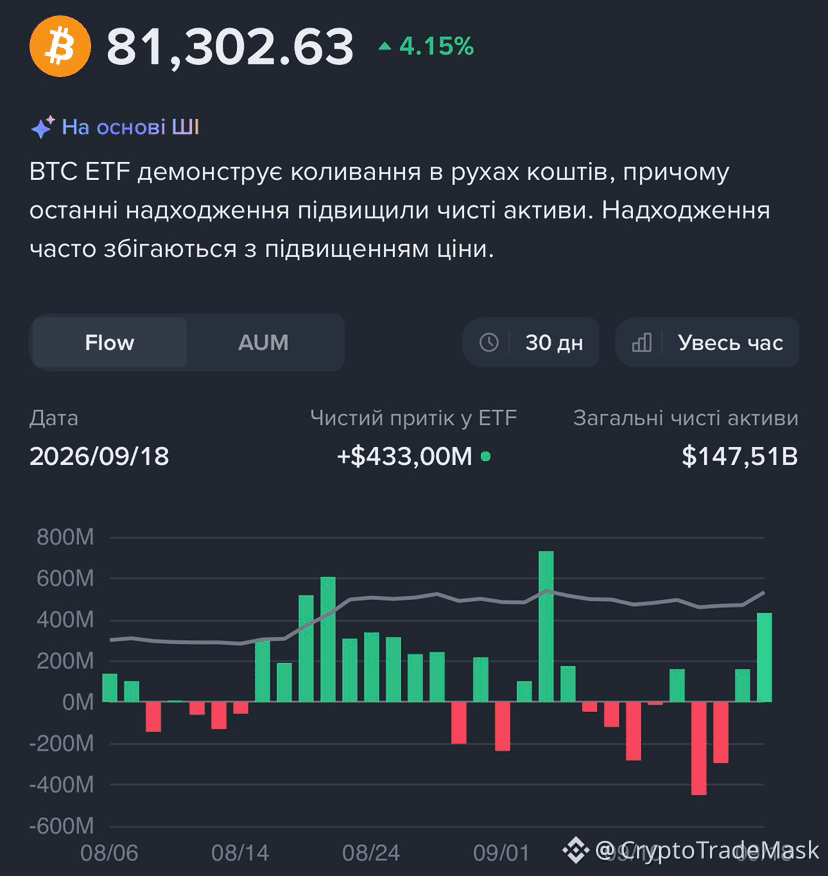
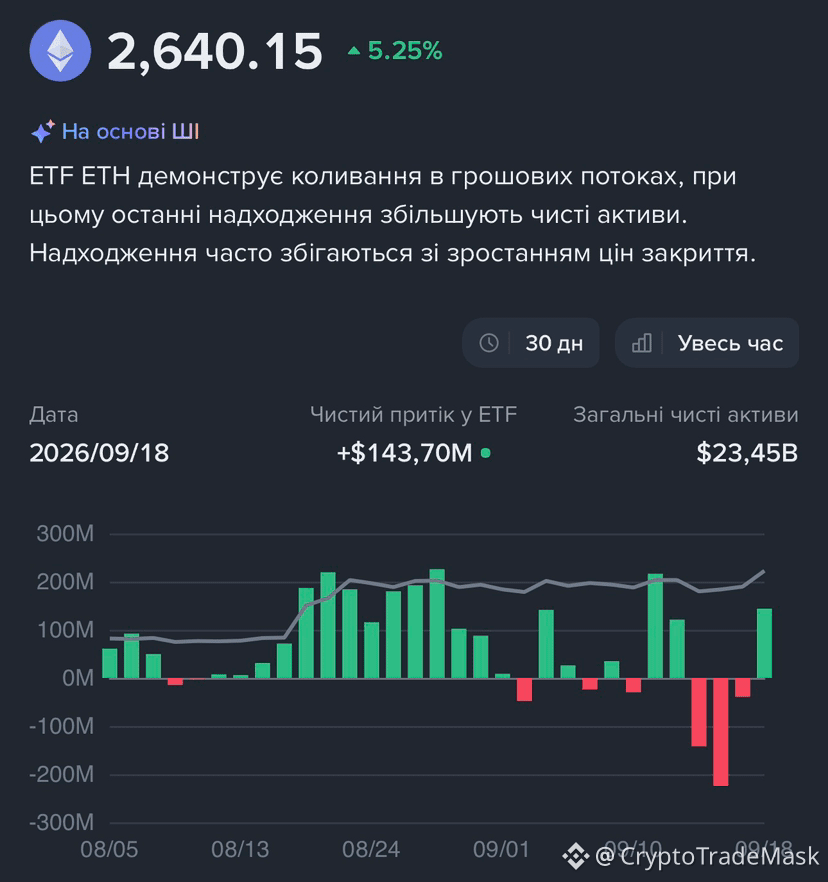
🚀 Positive momentum in the spot ETF market: Ethereum and Bitcoin see capital inflows return!
As of September 18, there has been a significant rise in inflows into crypto ETFs:
{future}(ETHUSDT)
#Ethereum ETFs:
$ETH Price: $2,640.15 (+5.25%)
Daily net inflow: +$143.70M
Total net assets: $23.45B
{future}(BTCUSDT)
#bitcoin ETFs:
$BTC Price: $81,302.63 (+4.15%)
Daily net inflow: +$433.00M
Total net assets: $147.51B
⚠️ After a period of outflows, institutional investors are actively rebuilding their positions, positively impacting the value of major cryptocurrencies.
#etf
🚀 Positive momentum in the spot ETF market: Ethereum and Bitcoin see capital inflows return!
As of September 18, there has been a significant rise in inflows into crypto ETFs:
#Ethereum ETFs:
$ETH Price: $2,640.15 (+5.25%)
Daily net inflow: +$143.70M
Total net assets: $23.45B
#bitcoin ETFs:
$BTC Price: $81,302.63 (+4.15%)
Daily net inflow: +$433.00M
Total net assets: $147.51B
⚠️ After a period of outflows, institutional investors are actively rebuilding their positions, positively impacting the value of major cryptocurrencies.
🚀 Positive momentum in the spot ETF market: Ethereum and Bitcoin see capital inflows return!
As of September 18, there has been a significant rise in inflows into crypto ETFs:
#Ethereum ETFs:
$ETH Price: $2,640.15 (+5.25%)
Daily net inflow: +$143.70M
Total net assets: $23.45B
#bitcoin ETFs:
$BTC Price: $81,302.63 (+4.15%)
Daily net inflow: +$433.00M
Total net assets: $147.51B
⚠️ After a period of outflows, institutional investors are actively rebuilding their positions, positively impacting the value of major cryptocurrencies.
33
·
--
🚨 දිනකට ඩොලර් මිලියන 433 කට වඩා බිට්කොයින් ETF වෙත ගලා එයි; ඒත් ඉන් 72%ක්ම ගියා ඇත්තේ එකම “පොකුරකට”
කාණ්ඩය: [点击进入玖玖的粉丝群](https://app.binance.com/uni-qr/YXXQJrPb)
පළමුවෙන්ම, තීරණය: මම මේ අංකය දකින පළමු ප්රතිචාරය “ආයතන නැවත ආවා” කියන එක නෙවෙයි; “මුදල් එක පමණක් කට හඳුනාගනී” කියන එකයි.
සැප්තැම්බර් 18 දා, එක්සත් ජනපදයේ ස්පොට් බිට්කොයින් ETF වල ශුද්ධ ගලායාම ඩොලර් මිලියන 433 කි. Fidelity හි FBTC පමණක් ඩොලර් මිලියන 310.72 ක් අරගෙන, දවසේ මුළු 72%ක් වෙන් කරගෙන. Fidelity + BlackRock එක්ව සම්පූර්ණයෙන්ම ආසන්න 97%ක්. ඉතිරි නිෂ්පාදන දහයකට වැඩි ප්රමාණයක් ඉතිරි 3% කුඩා කොටස බෙදා ගන්නවා.📊
මෙම “කේන්ද්රගතභාවය” ගලායාමට වඩා සොයා බැලීමට වටිනවා.
ETF කියන්නේ මූලික වශයෙන් විහිදුනු මුදල් එක නළයකට දමන ක්රමයක්. නළය කොටු වන තරමට, ප්රවාහයේ අන්ත සීමා වෙනස්වීම් වැඩි ලෙස උද්දීපනය වෙයි. අද මිලියන 433 ක් මිල ඉහළට තල්ලු කරන්න පුළුවන්ද? හෙටත් එම මිලියන 433ම පිටට යද්දී, වැටෙන වේගයත් ඒම තරම්ම වේගවත්. වෙළඳපොලට අද එන්නේ විසිරුණු මිලදී ගැනීම් එකතුවක් නෙවෙයි; එය එක් පටු පාලමක් වගේ.
ඇත්තටම, කෙනෙක් කියනවා මුල් කොටස කේන්ද්රගත වීම ETF වල සාමාන්ය තත්ත්වයයි—පරිමාණ ආදායම්, ද්රවශීලතාව, වෙළඳ නාමය; කුඩා නිෂ්පාදනවලට තරඟ කරන්න බැහැ—ඒක සාමාන්යයි. මම ඒකත් පිළිගන්නවා. නමුත් ඔබට පැහැදිලිව හිතන්න තියෙන එක ප්රශ්නයක් තියෙනවා: ඔබ මිලදී ගන්නෙ “බිට්කොයින්”ද? නැත්නම් “යම් එක් ආයතනයක ලාංඡනය”ද?
සාමාන්ය පුද්ගලයෙකුට වෙනස එතරම්ම නැහැ. මුළු වෙළඳපොළට වෙනස ඉතා විශාලයි. ඉහළ යන මුදල් එන්නේ ප්රධාන ඇතුල්වීම් දෙක තුනකින් පමණක් නම්, වෙළඳපොලේ ස්ථිරතාවය රඳා තියෙන්නේ අතලොස්සක් මුදල් කණ්ඩායම්වල මනෝභාවය මතයි; සුළඟක් ආවත් සෙලවෙයි.
ඒ නිසා සැබෑවටම අල්ලා බැලිය යුතු එක අංකය 433 මිලියන නොවෙයි; ගලායාමේ “පළල” (width) එක. පළල වැඩිවෙන්න බැරි නම්, “ආයතනික එළඹීම්” කියන එකට ඇත්තේ රෝදය එකක්ම කැරකෙනවා පමණයි. මේ දෙදෙනාගේ උපාය ටිකක් වෙනස් වුණාම, ගලායාම වහාම ආපසු හැරෙන්න පුළුවන්; ඒකට වෙළඳපොළට බෆරයක්වත් නැහැ.
එක් පැත්තකින් කියන්නේ මෙය දිගුකාලීන වෙන් කිරීම ආරම්භයයි; අනෙක් පැත්තකින් කියන්නේ මෙය “එකතු වී උණුසුම බේරා ගැනීම” පමණයි. ඔබ ඉන්නේ කොතැනද?👇 අදහස් කොටසේ කතා කරමු.
මෙම ඇවටරය මත ක්ලික් කරලා සජීවී විකාශය බලන්න + 玖玖 චැට් කණ්ඩායමට එකතු වී දිනපතා උපාය ලබා ගන්න 🚀
#比特币 #BTC #ETF #机构资金
🚨 දිනකට ඩොලර් මිලියන 433 කට වඩා බිට්කොයින් ETF වෙත ගලා එයි; ඒත් ඉන් 72%ක්ම ගියා ඇත්තේ එකම “පොකුරකට”
කාණ්ඩය: 点击进入玖玖的粉丝群
පළමුවෙන්ම, තීරණය: මම මේ අංකය දකින පළමු ප්රතිචාරය “ආයතන නැවත ආවා” කියන එක නෙවෙයි; “මුදල් එක පමණක් කට හඳුනාගනී” කියන එකයි.
සැප්තැම්බර් 18 දා, එක්සත් ජනපදයේ ස්පොට් බිට්කොයින් ETF වල ශුද්ධ ගලායාම ඩොලර් මිලියන 433 කි. Fidelity හි FBTC පමණක් ඩොලර් මිලියන 310.72 ක් අරගෙන, දවසේ මුළු 72%ක් වෙන් කරගෙන. Fidelity + BlackRock එක්ව සම්පූර්ණයෙන්ම ආසන්න 97%ක්. ඉතිරි නිෂ්පාදන දහයකට වැඩි ප්රමාණයක් ඉතිරි 3% කුඩා කොටස බෙදා ගන්නවා.📊
මෙම “කේන්ද්රගතභාවය” ගලායාමට වඩා සොයා බැලීමට වටිනවා.
ETF කියන්නේ මූලික වශයෙන් විහිදුනු මුදල් එක නළයකට දමන ක්රමයක්. නළය කොටු වන තරමට, ප්රවාහයේ අන්ත සීමා වෙනස්වීම් වැඩි ලෙස උද්දීපනය වෙයි. අද මිලියන 433 ක් මිල ඉහළට තල්ලු කරන්න පුළුවන්ද? හෙටත් එම මිලියන 433ම පිටට යද්දී, වැටෙන වේගයත් ඒම තරම්ම වේගවත්. වෙළඳපොලට අද එන්නේ විසිරුණු මිලදී ගැනීම් එකතුවක් නෙවෙයි; එය එක් පටු පාලමක් වගේ.
ඇත්තටම, කෙනෙක් කියනවා මුල් කොටස කේන්ද්රගත වීම ETF වල සාමාන්ය තත්ත්වයයි—පරිමාණ ආදායම්, ද්රවශීලතාව, වෙළඳ නාමය; කුඩා නිෂ්පාදනවලට තරඟ කරන්න බැහැ—ඒක සාමාන්යයි. මම ඒකත් පිළිගන්නවා. නමුත් ඔබට පැහැදිලිව හිතන්න තියෙන එක ප්රශ්නයක් තියෙනවා: ඔබ මිලදී ගන්නෙ “බිට්කොයින්”ද? නැත්නම් “යම් එක් ආයතනයක ලාංඡනය”ද?
සාමාන්ය පුද්ගලයෙකුට වෙනස එතරම්ම නැහැ. මුළු වෙළඳපොළට වෙනස ඉතා විශාලයි. ඉහළ යන මුදල් එන්නේ ප්රධාන ඇතුල්වීම් දෙක තුනකින් පමණක් නම්, වෙළඳපොලේ ස්ථිරතාවය රඳා තියෙන්නේ අතලොස්සක් මුදල් කණ්ඩායම්වල මනෝභාවය මතයි; සුළඟක් ආවත් සෙලවෙයි.
ඒ නිසා සැබෑවටම අල්ලා බැලිය යුතු එක අංකය 433 මිලියන නොවෙයි; ගලායාමේ “පළල” (width) එක. පළල වැඩිවෙන්න බැරි නම්, “ආයතනික එළඹීම්” කියන එකට ඇත්තේ රෝදය එකක්ම කැරකෙනවා පමණයි. මේ දෙදෙනාගේ උපාය ටිකක් වෙනස් වුණාම, ගලායාම වහාම ආපසු හැරෙන්න පුළුවන්; ඒකට වෙළඳපොළට බෆරයක්වත් නැහැ.
එක් පැත්තකින් කියන්නේ මෙය දිගුකාලීන වෙන් කිරීම ආරම්භයයි; අනෙක් පැත්තකින් කියන්නේ මෙය “එකතු වී උණුසුම බේරා ගැනීම” පමණයි. ඔබ ඉන්නේ කොතැනද?👇 අදහස් කොටසේ කතා කරමු.
මෙම ඇවටරය මත ක්ලික් කරලා සජීවී විකාශය බලන්න + 玖玖 චැට් කණ්ඩායමට එකතු වී දිනපතා උපාය ලබා ගන්න 🚀
#比特币 #BTC #ETF #机构资金
කාණ්ඩය: 点击进入玖玖的粉丝群
පළමුවෙන්ම, තීරණය: මම මේ අංකය දකින පළමු ප්රතිචාරය “ආයතන නැවත ආවා” කියන එක නෙවෙයි; “මුදල් එක පමණක් කට හඳුනාගනී” කියන එකයි.
සැප්තැම්බර් 18 දා, එක්සත් ජනපදයේ ස්පොට් බිට්කොයින් ETF වල ශුද්ධ ගලායාම ඩොලර් මිලියන 433 කි. Fidelity හි FBTC පමණක් ඩොලර් මිලියන 310.72 ක් අරගෙන, දවසේ මුළු 72%ක් වෙන් කරගෙන. Fidelity + BlackRock එක්ව සම්පූර්ණයෙන්ම ආසන්න 97%ක්. ඉතිරි නිෂ්පාදන දහයකට වැඩි ප්රමාණයක් ඉතිරි 3% කුඩා කොටස බෙදා ගන්නවා.📊
මෙම “කේන්ද්රගතභාවය” ගලායාමට වඩා සොයා බැලීමට වටිනවා.
ETF කියන්නේ මූලික වශයෙන් විහිදුනු මුදල් එක නළයකට දමන ක්රමයක්. නළය කොටු වන තරමට, ප්රවාහයේ අන්ත සීමා වෙනස්වීම් වැඩි ලෙස උද්දීපනය වෙයි. අද මිලියන 433 ක් මිල ඉහළට තල්ලු කරන්න පුළුවන්ද? හෙටත් එම මිලියන 433ම පිටට යද්දී, වැටෙන වේගයත් ඒම තරම්ම වේගවත්. වෙළඳපොලට අද එන්නේ විසිරුණු මිලදී ගැනීම් එකතුවක් නෙවෙයි; එය එක් පටු පාලමක් වගේ.
ඇත්තටම, කෙනෙක් කියනවා මුල් කොටස කේන්ද්රගත වීම ETF වල සාමාන්ය තත්ත්වයයි—පරිමාණ ආදායම්, ද්රවශීලතාව, වෙළඳ නාමය; කුඩා නිෂ්පාදනවලට තරඟ කරන්න බැහැ—ඒක සාමාන්යයි. මම ඒකත් පිළිගන්නවා. නමුත් ඔබට පැහැදිලිව හිතන්න තියෙන එක ප්රශ්නයක් තියෙනවා: ඔබ මිලදී ගන්නෙ “බිට්කොයින්”ද? නැත්නම් “යම් එක් ආයතනයක ලාංඡනය”ද?
සාමාන්ය පුද්ගලයෙකුට වෙනස එතරම්ම නැහැ. මුළු වෙළඳපොළට වෙනස ඉතා විශාලයි. ඉහළ යන මුදල් එන්නේ ප්රධාන ඇතුල්වීම් දෙක තුනකින් පමණක් නම්, වෙළඳපොලේ ස්ථිරතාවය රඳා තියෙන්නේ අතලොස්සක් මුදල් කණ්ඩායම්වල මනෝභාවය මතයි; සුළඟක් ආවත් සෙලවෙයි.
ඒ නිසා සැබෑවටම අල්ලා බැලිය යුතු එක අංකය 433 මිලියන නොවෙයි; ගලායාමේ “පළල” (width) එක. පළල වැඩිවෙන්න බැරි නම්, “ආයතනික එළඹීම්” කියන එකට ඇත්තේ රෝදය එකක්ම කැරකෙනවා පමණයි. මේ දෙදෙනාගේ උපාය ටිකක් වෙනස් වුණාම, ගලායාම වහාම ආපසු හැරෙන්න පුළුවන්; ඒකට වෙළඳපොළට බෆරයක්වත් නැහැ.
එක් පැත්තකින් කියන්නේ මෙය දිගුකාලීන වෙන් කිරීම ආරම්භයයි; අනෙක් පැත්තකින් කියන්නේ මෙය “එකතු වී උණුසුම බේරා ගැනීම” පමණයි. ඔබ ඉන්නේ කොතැනද?👇 අදහස් කොටසේ කතා කරමු.
මෙම ඇවටරය මත ක්ලික් කරලා සජීවී විකාශය බලන්න + 玖玖 චැට් කණ්ඩායමට එකතු වී දිනපතා උපාය ලබා ගන්න 🚀
#比特币 #BTC #ETF #机构资金
151
පරිවර්තනය බලන්න
🚨 上周资金流入最多的加密ETF非比特币非以太坊 🧠
📊 | $BTC | $ETH | $BNB |
- 请关注、点赞并留言,分享您的看法 📈
- ZEC 现货ETF在截至9月18日的一周内净流入9820万美元,居14种加密产品之首。
- 以太坊ETF出现1.4亿美元净流出,为本周唯一流出。
- 比特币ETF本周中段出现明显抛售,但整体仍保持正流入。
- 整体加密ETF本周呈现波动性回转,资金进出呈现显著轮动。 🔥
- ZEC 受机构鲸鱼累积关注,可能带动短期内进一步资金流入。
- 以太坊资金外流或将促使价格短期回调,预计波动加剧。
- 比特币ETF的中期抛售若持续,短线可能出现回撤压力。
- 整体市场流动性提升,短期预计将维持上行波动,适合关注资产配置机会。
- 您认为ZEC ETF的强劲流入会否改变主流加密资产的资金分布?
- 欢迎继续关注我们的深度分析,期待您的评论与互动。
#Crypto #ETF #Altcoins #Whales #Trading
🚨 上周资金流入最多的加密ETF非比特币非以太坊 🧠
📊 | $BTC | $ETH | $BNB |
- 请关注、点赞并留言,分享您的看法 📈
- ZEC 现货ETF在截至9月18日的一周内净流入9820万美元,居14种加密产品之首。
- 以太坊ETF出现1.4亿美元净流出,为本周唯一流出。
- 比特币ETF本周中段出现明显抛售,但整体仍保持正流入。
- 整体加密ETF本周呈现波动性回转,资金进出呈现显著轮动。 🔥
- ZEC 受机构鲸鱼累积关注,可能带动短期内进一步资金流入。
- 以太坊资金外流或将促使价格短期回调,预计波动加剧。
- 比特币ETF的中期抛售若持续,短线可能出现回撤压力。
- 整体市场流动性提升,短期预计将维持上行波动,适合关注资产配置机会。
- 您认为ZEC ETF的强劲流入会否改变主流加密资产的资金分布?
- 欢迎继续关注我们的深度分析,期待您的评论与互动。
#Crypto #ETF #Altcoins #Whales #Trading
📊 | $BTC | $ETH | $BNB |
- 请关注、点赞并留言,分享您的看法 📈
- ZEC 现货ETF在截至9月18日的一周内净流入9820万美元,居14种加密产品之首。
- 以太坊ETF出现1.4亿美元净流出,为本周唯一流出。
- 比特币ETF本周中段出现明显抛售,但整体仍保持正流入。
- 整体加密ETF本周呈现波动性回转,资金进出呈现显著轮动。 🔥
- ZEC 受机构鲸鱼累积关注,可能带动短期内进一步资金流入。
- 以太坊资金外流或将促使价格短期回调,预计波动加剧。
- 比特币ETF的中期抛售若持续,短线可能出现回撤压力。
- 整体市场流动性提升,短期预计将维持上行波动,适合关注资产配置机会。
- 您认为ZEC ETF的强劲流入会否改变主流加密资产的资金分布?
- 欢迎继续关注我们的深度分析,期待您的评论与互动。
#Crypto #ETF #Altcoins #Whales #Trading
353

·
--
පරිවර්තනය බලන්න
$BTC $ETH
昨晚这根别装看不见,主流资金又杀回来了🔥
Binance 现货这边,$BTC 现在 81356 附近,24H 拉了 4.27%,高点摸到 81741;$ETH 更猛,2651 附近,24H 6.10%,从 2494 低点一路打到 2662。不是小币自嗨,是主流币先把方向抢回来了。
更狠的是 ETF 流。Farside 9 月 18 日数据,BTC 现货 ETF 净流入 4.33 亿美元,ETH ETF 净流入 1.437 亿美元,前两天还在被吓走的钱,转头又开始回补。这个位置我不想喊谁追高,但资金重新进门,盘面就不能再用熊市眼光看。
接下来 15 天,我盯两件事:BTC 能不能稳在 8 万上方,ETH 能不能把 2600 变成支撑。回踩不破,分批比情绪化追单舒服;一旦放量跌回去,别嘴硬,先保命。
你觉得这波是 ETF 真回流,还是诱多一日游?评论区直接吵起来👇
#BTC #ETH #ETF
$BTC $ETH
昨晚这根别装看不见,主流资金又杀回来了🔥
Binance 现货这边,$BTC 现在 81356 附近,24H 拉了 4.27%,高点摸到 81741;$ETH 更猛,2651 附近,24H 6.10%,从 2494 低点一路打到 2662。不是小币自嗨,是主流币先把方向抢回来了。
更狠的是 ETF 流。Farside 9 月 18 日数据,BTC 现货 ETF 净流入 4.33 亿美元,ETH ETF 净流入 1.437 亿美元,前两天还在被吓走的钱,转头又开始回补。这个位置我不想喊谁追高,但资金重新进门,盘面就不能再用熊市眼光看。
接下来 15 天,我盯两件事:BTC 能不能稳在 8 万上方,ETH 能不能把 2600 变成支撑。回踩不破,分批比情绪化追单舒服;一旦放量跌回去,别嘴硬,先保命。
你觉得这波是 ETF 真回流,还是诱多一日游?评论区直接吵起来👇
#BTC #ETH #ETF
昨晚这根别装看不见,主流资金又杀回来了🔥
Binance 现货这边,$BTC 现在 81356 附近,24H 拉了 4.27%,高点摸到 81741;$ETH 更猛,2651 附近,24H 6.10%,从 2494 低点一路打到 2662。不是小币自嗨,是主流币先把方向抢回来了。
更狠的是 ETF 流。Farside 9 月 18 日数据,BTC 现货 ETF 净流入 4.33 亿美元,ETH ETF 净流入 1.437 亿美元,前两天还在被吓走的钱,转头又开始回补。这个位置我不想喊谁追高,但资金重新进门,盘面就不能再用熊市眼光看。
接下来 15 天,我盯两件事:BTC 能不能稳在 8 万上方,ETH 能不能把 2600 变成支撑。回踩不破,分批比情绪化追单舒服;一旦放量跌回去,别嘴硬,先保命。
你觉得这波是 ETF 真回流,还是诱多一日游?评论区直接吵起来👇
#BTC #ETH #ETF
291


ලිපිය
පරිවර්තනය බලන්න
Injective ETF Filing Updated: Could $INJ Be Next?🚨 Injective just caught Wall Street’s attention. 👀🔥
The SEC received an amended filing for the proposed Injective ETF.
The product could include INJ staking rewards if approved. 📈
But approval has not happened yet.
🔥 Could this be the catalyst $INJ needs?
$INJ
#Injective
{spot}(INJUSDT)
#İNJ #Crypto #ETF
Injective ETF Filing Updated: Could $INJ Be Next?
🚨 Injective just caught Wall Street’s attention. 👀🔥
The SEC received an amended filing for the proposed Injective ETF.
The product could include INJ staking rewards if approved. 📈
But approval has not happened yet.
🔥 Could this be the catalyst $INJ needs?
$INJ
#Injective
#İNJ #Crypto #ETF
The SEC received an amended filing for the proposed Injective ETF.
The product could include INJ staking rewards if approved. 📈
But approval has not happened yet.
🔥 Could this be the catalyst $INJ needs?
$INJ
#Injective
#İNJ #Crypto #ETF
98


·
--
ලිපිය
පරිවර්තනය බලන්න
69

·
--
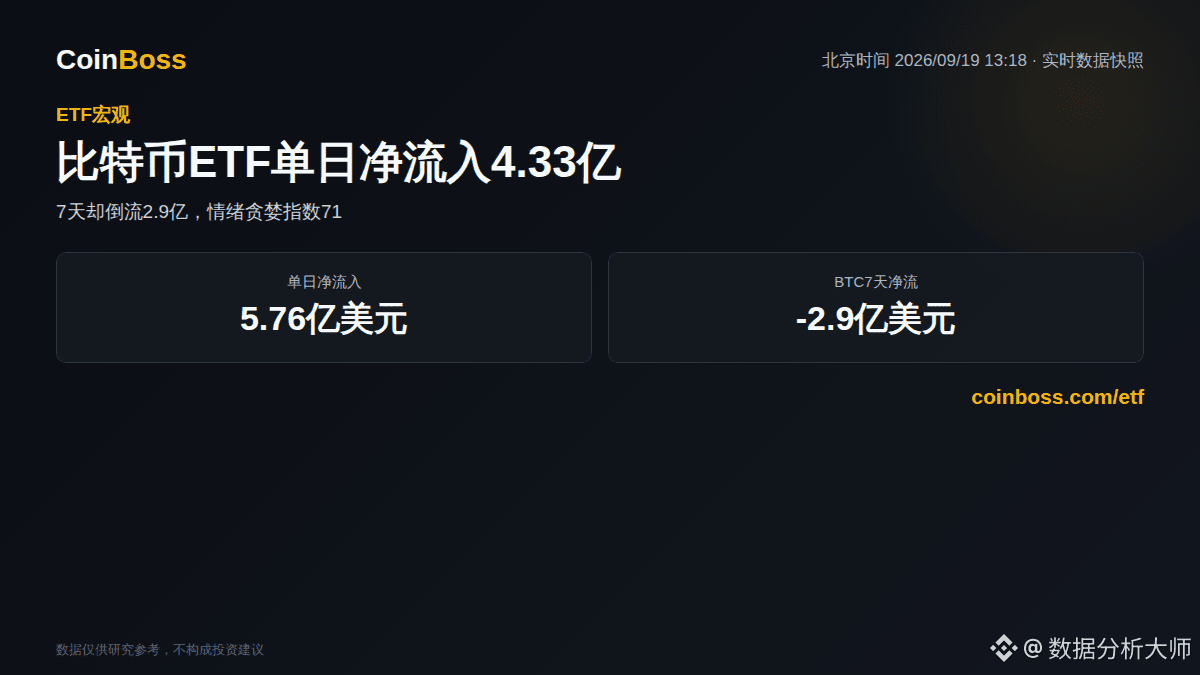
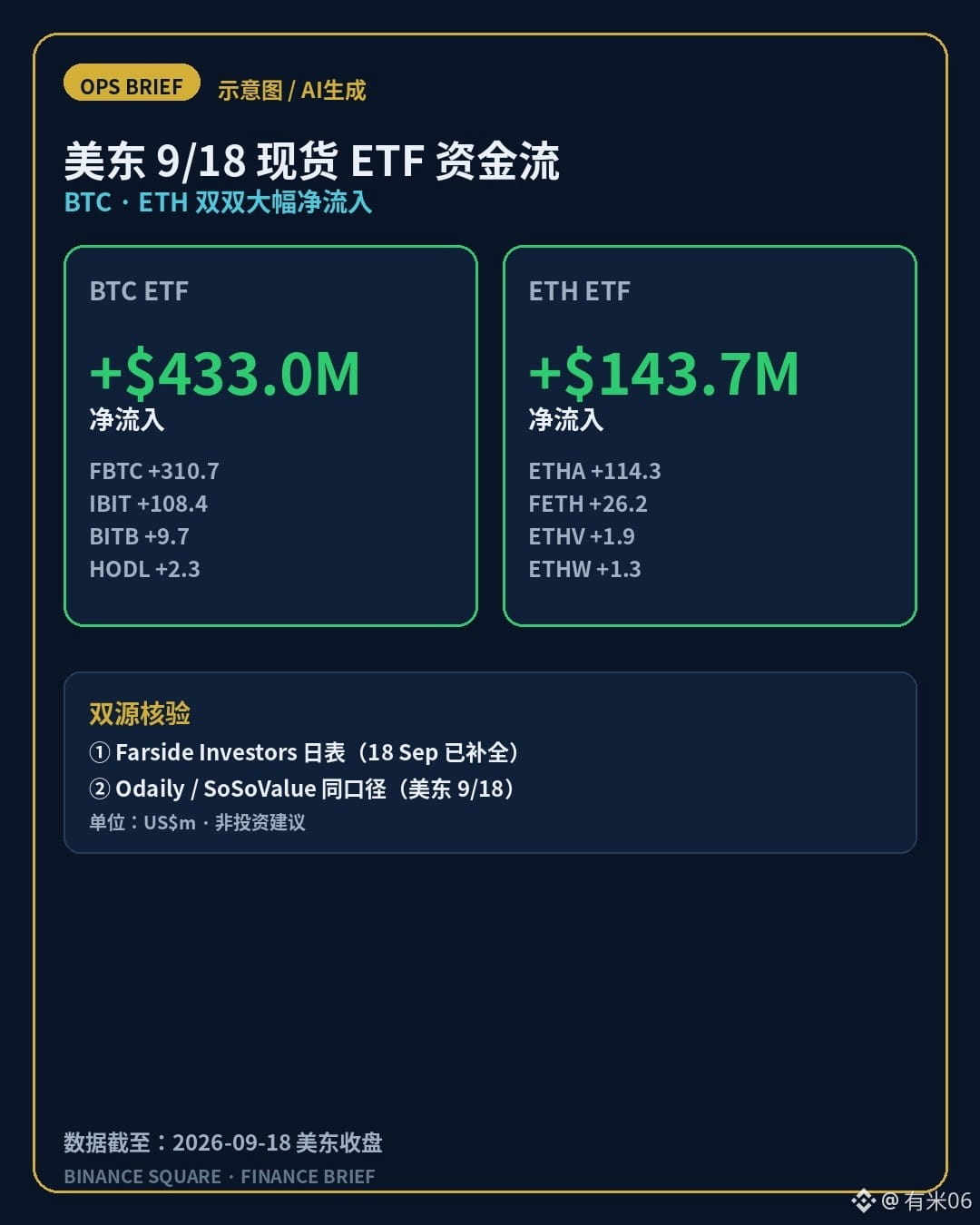
အမေရိကအရှေ့ပိုင်း 9/18 အဲဒီနေ့—လက်ရှိ BTC နဲ့ ETH ETF တွေက တစ်ပြိုင်နက်တည်း အပြင်းအထန် ဝင်လာခဲ့တာပါ—သေးငယ်တဲ့ ပြန်တက်မှုမျိုး မဟုတ်ဘူး။
Farside Investors ရဲ့နေ့စဉ်ဇယားအတိုင်း (အမေရိကအရှေ့ပိုင်း 9/18၊ ယူနစ် US$m) - BTC စုစုပေါင်း ခန့် +433.0 (FBTC +310.7၊ IBIT +108.4၊ BITB +9.7၊ HODL +2.3);ETH စုစုပေါင်း ခန့် +143.7 (ETHA +114.3၊ FETH +26.2၊ ETHV +1.9၊ ETHW +1.3)။ Odaily က SoSoValue ကို ကိုးကားထားတဲ့ တူညီတဲ့တိုင်းတာမှုအတိုင်း—BTC ခန့် +4.33 ဘီလီယံ (FBTC ခန့် +3.11 ဘီလီယံ၊ IBIT ခန့် +1.08 ဘီလီယံ)၊ ETH ခန့် +1.44 ဘီလီယံ (ETHA ခန့် +1.14 ဘီလီယံ၊ FETH ခန့် +2624 သန်း)။ မနေ့က IBIT ကွက်လပ်ကို စဉ်းစားနေကြသေးတဲ့အခါ ဒီနေ့တော့ ဇယားက ပြည့်စုံသွားပြီ။
ဒေတာအဆုံးသတ်ချိန်—2026-09-18 အမေရိကအရှေ့ပိုင်း စျေးပိတ်ချိန် (Farside နေ့စဉ်ဇယား;Odaily/SoSoValue ကို 2026-09-19 12:02 (အရှေ့ဘက် 8 ဇုန်) တွင် ပြန်လည်စစ်ဆေးပြီးပါပြီ)။
ပုံမှာ သရုပ်ဖော်/AI ဖန်တီးမှုသာဖြစ်ပြီး စျေးကွက်ဓာတ်ပုံမဟုတ်ပါ။
သတင်းအချက်အလက်မျှဝေရန်သာဖြစ်ပြီး ရင်းနှီးမြှုပ်နှံမှု အကြံပေးချက် မဟုတ်ပါ။
$BTC $ETH
#ETF #比特币 #အီသာ
အမေရိကအရှေ့ပိုင်း 9/18 အဲဒီနေ့—လက်ရှိ BTC နဲ့ ETH ETF တွေက တစ်ပြိုင်နက်တည်း အပြင်းအထန် ဝင်လာခဲ့တာပါ—သေးငယ်တဲ့ ပြန်တက်မှုမျိုး မဟုတ်ဘူး။
Farside Investors ရဲ့နေ့စဉ်ဇယားအတိုင်း (အမေရိကအရှေ့ပိုင်း 9/18၊ ယူနစ် US$m) - BTC စုစုပေါင်း ခန့် +433.0 (FBTC +310.7၊ IBIT +108.4၊ BITB +9.7၊ HODL +2.3);ETH စုစုပေါင်း ခန့် +143.7 (ETHA +114.3၊ FETH +26.2၊ ETHV +1.9၊ ETHW +1.3)။ Odaily က SoSoValue ကို ကိုးကားထားတဲ့ တူညီတဲ့တိုင်းတာမှုအတိုင်း—BTC ခန့် +4.33 ဘီလီယံ (FBTC ခန့် +3.11 ဘီလီယံ၊ IBIT ခန့် +1.08 ဘီလီယံ)၊ ETH ခန့် +1.44 ဘီလီယံ (ETHA ခန့် +1.14 ဘီလီယံ၊ FETH ခန့် +2624 သန်း)။ မနေ့က IBIT ကွက်လပ်ကို စဉ်းစားနေကြသေးတဲ့အခါ ဒီနေ့တော့ ဇယားက ပြည့်စုံသွားပြီ။
ဒေတာအဆုံးသတ်ချိန်—2026-09-18 အမေရိကအရှေ့ပိုင်း စျေးပိတ်ချိန် (Farside နေ့စဉ်ဇယား;Odaily/SoSoValue ကို 2026-09-19 12:02 (အရှေ့ဘက် 8 ဇုန်) တွင် ပြန်လည်စစ်ဆေးပြီးပါပြီ)။
ပုံမှာ သရုပ်ဖော်/AI ဖန်တီးမှုသာဖြစ်ပြီး စျေးကွက်ဓာတ်ပုံမဟုတ်ပါ။
သတင်းအချက်အလက်မျှဝေရန်သာဖြစ်ပြီး ရင်းနှီးမြှုပ်နှံမှု အကြံပေးချက် မဟုတ်ပါ။
$BTC $ETH
#ETF #比特币 #အီသာ
Farside Investors ရဲ့နေ့စဉ်ဇယားအတိုင်း (အမေရိကအရှေ့ပိုင်း 9/18၊ ယူနစ် US$m) - BTC စုစုပေါင်း ခန့် +433.0 (FBTC +310.7၊ IBIT +108.4၊ BITB +9.7၊ HODL +2.3);ETH စုစုပေါင်း ခန့် +143.7 (ETHA +114.3၊ FETH +26.2၊ ETHV +1.9၊ ETHW +1.3)။ Odaily က SoSoValue ကို ကိုးကားထားတဲ့ တူညီတဲ့တိုင်းတာမှုအတိုင်း—BTC ခန့် +4.33 ဘီလီယံ (FBTC ခန့် +3.11 ဘီလီယံ၊ IBIT ခန့် +1.08 ဘီလီယံ)၊ ETH ခန့် +1.44 ဘီလီယံ (ETHA ခန့် +1.14 ဘီလီယံ၊ FETH ခန့် +2624 သန်း)။ မနေ့က IBIT ကွက်လပ်ကို စဉ်းစားနေကြသေးတဲ့အခါ ဒီနေ့တော့ ဇယားက ပြည့်စုံသွားပြီ။
ဒေတာအဆုံးသတ်ချိန်—2026-09-18 အမေရိကအရှေ့ပိုင်း စျေးပိတ်ချိန် (Farside နေ့စဉ်ဇယား;Odaily/SoSoValue ကို 2026-09-19 12:02 (အရှေ့ဘက် 8 ဇုန်) တွင် ပြန်လည်စစ်ဆေးပြီးပါပြီ)။
ပုံမှာ သရုပ်ဖော်/AI ဖန်တီးမှုသာဖြစ်ပြီး စျေးကွက်ဓာတ်ပုံမဟုတ်ပါ။
သတင်းအချက်အလက်မျှဝေရန်သာဖြစ်ပြီး ရင်းနှီးမြှုပ်နှံမှု အကြံပေးချက် မဟုတ်ပါ။
$BTC $ETH
#ETF #比特币 #အီသာ
1
240
තවත් අන්තර්ගතයන් ගවේෂණය කිරීමට ඇතුල් වන්න
Binance චතුරශ්රය හි ගෝලීය ක්රිප්ටෝ පරිශීලකයින් හා එක්වන්න
⚡️ ක්රිප්ටෝ පිළිබඳ නවතම සහ ප්රයෝජනවත් තොරතුරු ලබා ගන්න.
💬 ලොව විශාලතම ක්රිප්ටෝ හුවමාරුව මගින් විශ්වාස කෙරේ.
👍 සත්යායනය කරන ලද නිර්මාණකරුවන්ගෙන් සැබෑ විදසුන් සොයා ගන්න.
විද්යුත් තැපෑල / දුරකථන අංකය
නැගී එන මාතෘකා
1
#BOJRaisesRatesTo31YearHigh
15,167 views
477 සාකච්ඡා කරමින්
2
#BuffettStepsDownAsBerkshireChairman
2,823 views
151 සාකච්ඡා කරමින්
3
#XRPExchangeReservesHitSevenYearLow
5,953 views
191 සාකච්ඡා කරමින්
4
#HKCompletesFirstHKDStablecoinUseCase
33,691 views
738 සාකච්ඡා කරමින්
5
#VietnamPlansFirstCryptoLicensesIn2026
24,986 views
504 සාකච්ඡා කරමින්
6
#BTCBreaks80K
268,970 views
3,982 සාකච්ඡා කරමින්
7
#比特币突破8万
142,045 views
441 සාකච්ඡා කරමින්
8
#BitcoinMarketCapTopsTesla
41,030 views
826 සාකච්ඡා කරමින්
9
#SOLJumpsAbout10%
54,895 views
855 සාකච්ඡා කරමින්
10
#EthereumReclaims$2600
4,700 views
99 සාකච්ඡා කරමින්