
Bitcoinworld
69k Публикации

Bitcoinworld
 Square Verified+
Отправить жалобу
Заблокировать пользователя
BitcoinWorld is a leading media publication bringing the latest happenings in the Blockchain and Crypto Space.

#BinanceTurns7

Excellence Award (Market Buzz)

Creator of the Year
2 подписок(и/а)
100.6K+ подписчиков(а)
287.3K+ понравилось
4 Значки
Посты
Все
Видео
Активно
·
--
Статья
Девять месяцев, семь претендентов, нулевые лицензии: криптоожидание ВьетнамаBitcoinWorld
Девять месяцев, семь претендентов, нулевые лицензии: криптоожидание Вьетнама
Ключевые выводы
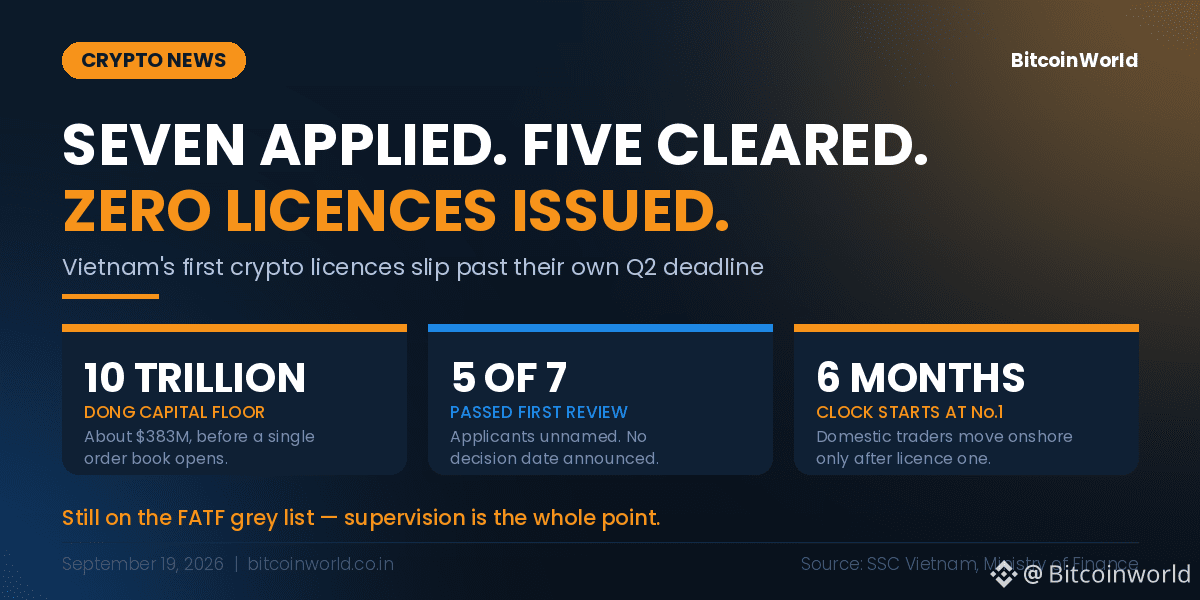
Ханой заявляет, что первые криптолицензии поступят в 2026 году. Срок во втором квартале для неё самой уже наступил и прошёл.
Подали заявки семь компаний. Пять прошли первый раунд. Никому не выдали одобрение.
Правила копируют рекомендации ФАТФ и европейский надзор по вполне определённой причине — не имеющей отношения к внешнему виду и показной стороне.
В день, когда подписывают первую лицензию, запускается шестимесячный отсчёт, который будет вытягивать вьетнамских трейдеров с зарубежных платформ.
Заместитель министра финансов Нгуен Дык Чи находился в Вене 15 сентября: он сидел напротив Марианы Кюхнель, которая руководит Финансовым регулятором Австрии. Он привёз председателя Государственной комиссии по ценным бумагам, посла и высокопоставленных представителей Вьетнамской фондовой биржи и клиринговой корпорации. Это внушительная делегация для встречи, оформленной как обмен мнениями.
Девять месяцев, семь претендентов, нулевые лицензии: криптоожидание Вьетнама
BitcoinWorld
Девять месяцев, семь претендентов, нулевые лицензии: криптоожидание Вьетнама
Ключевые выводы
Ханой заявляет, что первые криптолицензии поступят в 2026 году. Срок во втором квартале для неё самой уже наступил и прошёл.
Подали заявки семь компаний. Пять прошли первый раунд. Никому не выдали одобрение.
Правила копируют рекомендации ФАТФ и европейский надзор по вполне определённой причине — не имеющей отношения к внешнему виду и показной стороне.
В день, когда подписывают первую лицензию, запускается шестимесячный отсчёт, который будет вытягивать вьетнамских трейдеров с зарубежных платформ.
Заместитель министра финансов Нгуен Дык Чи находился в Вене 15 сентября: он сидел напротив Марианы Кюхнель, которая руководит Финансовым регулятором Австрии. Он привёз председателя Государственной комиссии по ценным бумагам, посла и высокопоставленных представителей Вьетнамской фондовой биржи и клиринговой корпорации. Это внушительная делегация для встречи, оформленной как обмен мнениями.
Девять месяцев, семь претендентов, нулевые лицензии: криптоожидание Вьетнама
Ключевые выводы
Ханой заявляет, что первые криптолицензии поступят в 2026 году. Срок во втором квартале для неё самой уже наступил и прошёл.
Подали заявки семь компаний. Пять прошли первый раунд. Никому не выдали одобрение.
Правила копируют рекомендации ФАТФ и европейский надзор по вполне определённой причине — не имеющей отношения к внешнему виду и показной стороне.
В день, когда подписывают первую лицензию, запускается шестимесячный отсчёт, который будет вытягивать вьетнамских трейдеров с зарубежных платформ.
Заместитель министра финансов Нгуен Дык Чи находился в Вене 15 сентября: он сидел напротив Марианы Кюхнель, которая руководит Финансовым регулятором Австрии. Он привёз председателя Государственной комиссии по ценным бумагам, посла и высокопоставленных представителей Вьетнамской фондовой биржи и клиринговой корпорации. Это внушительная делегация для встречи, оформленной как обмен мнениями.
1
72
·
--
Статья
ARTPRICE НОВОСТИ: КНИГА МИРОВОГО МАСШТАБА СТАНОВИТСЯ ЗЕРКАЛОМ ДЛЯ ИСКУССТВЕННОГО ИНТЕЛЛЕКТАBitcoinWorld
ARTPRICE НОВОСТИ: КНИГА МИРОВОГО МАСШТАБА СТАНОВИТСЯ ЗЕРКАЛОМ ДЛЯ ИСКУССТВЕННОГО ИНТЕЛЛЕКТА
OpenAI/Astra, Perplexity, DeepSeek, Google Gemini и xAI/Grok сталкиваются с одной и той же работой: мета-чтение превращает литературную критику в сравнительную лабораторию для искусственного интеллекта.
ПАРИЖ, 18 сентября 2026 г. /PRNewswire/ — А что если, чтобы понять искусственные интеллекты, мы дали им ровно одну и ту же книгу для чтения?
Теперь это тот эксперимент, который сопровождает «Диалог между мыслителем и ИИ».
ARTPRICE НОВОСТИ: КНИГА МИРОВОГО МАСШТАБА СТАНОВИТСЯ ЗЕРКАЛОМ ДЛЯ ИСКУССТВЕННОГО ИНТЕЛЛЕКТА
BitcoinWorld
ARTPRICE НОВОСТИ: КНИГА МИРОВОГО МАСШТАБА СТАНОВИТСЯ ЗЕРКАЛОМ ДЛЯ ИСКУССТВЕННОГО ИНТЕЛЛЕКТА
OpenAI/Astra, Perplexity, DeepSeek, Google Gemini и xAI/Grok сталкиваются с одной и той же работой: мета-чтение превращает литературную критику в сравнительную лабораторию для искусственного интеллекта.
ПАРИЖ, 18 сентября 2026 г. /PRNewswire/ — А что если, чтобы понять искусственные интеллекты, мы дали им ровно одну и ту же книгу для чтения?
Теперь это тот эксперимент, который сопровождает «Диалог между мыслителем и ИИ».
ARTPRICE НОВОСТИ: КНИГА МИРОВОГО МАСШТАБА СТАНОВИТСЯ ЗЕРКАЛОМ ДЛЯ ИСКУССТВЕННОГО ИНТЕЛЛЕКТА
OpenAI/Astra, Perplexity, DeepSeek, Google Gemini и xAI/Grok сталкиваются с одной и той же работой: мета-чтение превращает литературную критику в сравнительную лабораторию для искусственного интеллекта.
ПАРИЖ, 18 сентября 2026 г. /PRNewswire/ — А что если, чтобы понять искусственные интеллекты, мы дали им ровно одну и ту же книгу для чтения?
Теперь это тот эксперимент, который сопровождает «Диалог между мыслителем и ИИ».
162
·
--
Статья
Награды BC.GAME’s BC Engine превысили 8,6 млн долларов США по мере ускорения роста экосистемыBitcoinWorld
Награды BC.GAME’s BC Engine превысили 8,6 млн долларов США по мере ускорения роста экосистемы
Вознаграждения BC Engine в совокупности выросли более чем в четыре раза с конца мая, при этом средний дневной темп накопления вознаграждений увеличился примерно на 46% по сравнению с предыдущим периодом.
БЕЛИЗ-СИТИ, Белиз, 18 сентября 2026 г. /PRNewswire/ — BC.GAME’s BC Engine достиг очередной крупной вехи: совокупные вознаграждения, заработанные соответствующими требованиям держателями $BC, превысили 8,6 млн BCD — что эквивалентно более чем 8,6 млн долларов США.
Награды BC.GAME’s BC Engine превысили 8,6 млн долларов США по мере ускорения роста экосистемы
BitcoinWorld
Награды BC.GAME’s BC Engine превысили 8,6 млн долларов США по мере ускорения роста экосистемы
Вознаграждения BC Engine в совокупности выросли более чем в четыре раза с конца мая, при этом средний дневной темп накопления вознаграждений увеличился примерно на 46% по сравнению с предыдущим периодом.
БЕЛИЗ-СИТИ, Белиз, 18 сентября 2026 г. /PRNewswire/ — BC.GAME’s BC Engine достиг очередной крупной вехи: совокупные вознаграждения, заработанные соответствующими требованиям держателями $BC, превысили 8,6 млн BCD — что эквивалентно более чем 8,6 млн долларов США.
Награды BC.GAME’s BC Engine превысили 8,6 млн долларов США по мере ускорения роста экосистемы
Вознаграждения BC Engine в совокупности выросли более чем в четыре раза с конца мая, при этом средний дневной темп накопления вознаграждений увеличился примерно на 46% по сравнению с предыдущим периодом.
БЕЛИЗ-СИТИ, Белиз, 18 сентября 2026 г. /PRNewswire/ — BC.GAME’s BC Engine достиг очередной крупной вехи: совокупные вознаграждения, заработанные соответствующими требованиям держателями $BC, превысили 8,6 млн BCD — что эквивалентно более чем 8,6 млн долларов США.
2
358
·
--
Статья
ИИ взломал нацистский шифр. Криптотриттеры перепугались зря.BitcoinWorld
ИИ взломал нацистский шифр. Криптотриттеры перепугались зря.
Ключевые выводы
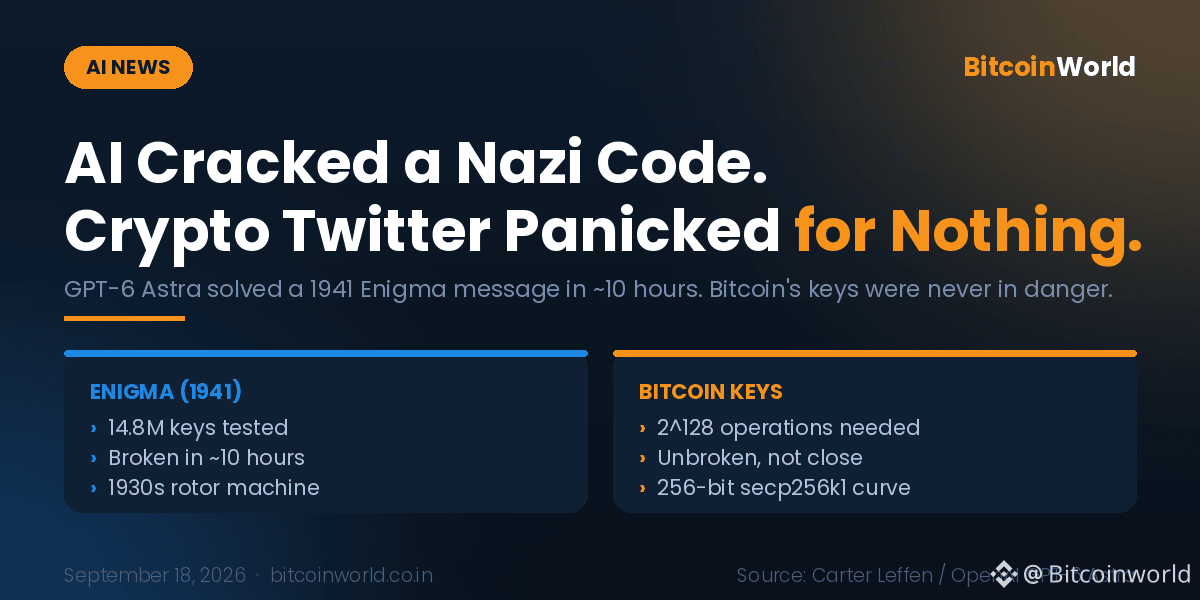
ИИ только что взломал сообщение «Энигмы» 1941 года из Германии, которое никто не мог решить вот уже 83 года.
Это заняло примерно десять часов. Парень, который не является криптографом, прогнал всё это.
С вашим биткоином всё в порядке. «Энигма» и шифрование биткоина — это не одна и та же вселенная.
Страшная часть — не взлом шифров. Страшно то, что теперь ИИ может самостоятельно выполнять полноценную работу в области исследований.
10 июля 1941 года немецкий солдат отправил короткое радиосообщение. Восемьдесят два символа. Он хотел узнать, какой дорогой идти, сказал, что находится в городе под названием Розенов, и попросил ответ как можно быстрее.
ИИ взломал нацистский шифр. Криптотриттеры перепугались зря.
BitcoinWorld
ИИ взломал нацистский шифр. Криптотриттеры перепугались зря.
Ключевые выводы
ИИ только что взломал сообщение «Энигмы» 1941 года из Германии, которое никто не мог решить вот уже 83 года.
Это заняло примерно десять часов. Парень, который не является криптографом, прогнал всё это.
С вашим биткоином всё в порядке. «Энигма» и шифрование биткоина — это не одна и та же вселенная.
Страшная часть — не взлом шифров. Страшно то, что теперь ИИ может самостоятельно выполнять полноценную работу в области исследований.
10 июля 1941 года немецкий солдат отправил короткое радиосообщение. Восемьдесят два символа. Он хотел узнать, какой дорогой идти, сказал, что находится в городе под названием Розенов, и попросил ответ как можно быстрее.
ИИ взломал нацистский шифр. Криптотриттеры перепугались зря.
Ключевые выводы
ИИ только что взломал сообщение «Энигмы» 1941 года из Германии, которое никто не мог решить вот уже 83 года.
Это заняло примерно десять часов. Парень, который не является криптографом, прогнал всё это.
С вашим биткоином всё в порядке. «Энигма» и шифрование биткоина — это не одна и та же вселенная.
Страшная часть — не взлом шифров. Страшно то, что теперь ИИ может самостоятельно выполнять полноценную работу в области исследований.
10 июля 1941 года немецкий солдат отправил короткое радиосообщение. Восемьдесят два символа. Он хотел узнать, какой дорогой идти, сказал, что находится в городе под названием Розенов, и попросил ответ как можно быстрее.
272
·
--
Проверено
Статья
Интервью с Animoca BrandsBitcoinWorld
Интервью с Animoca Brands
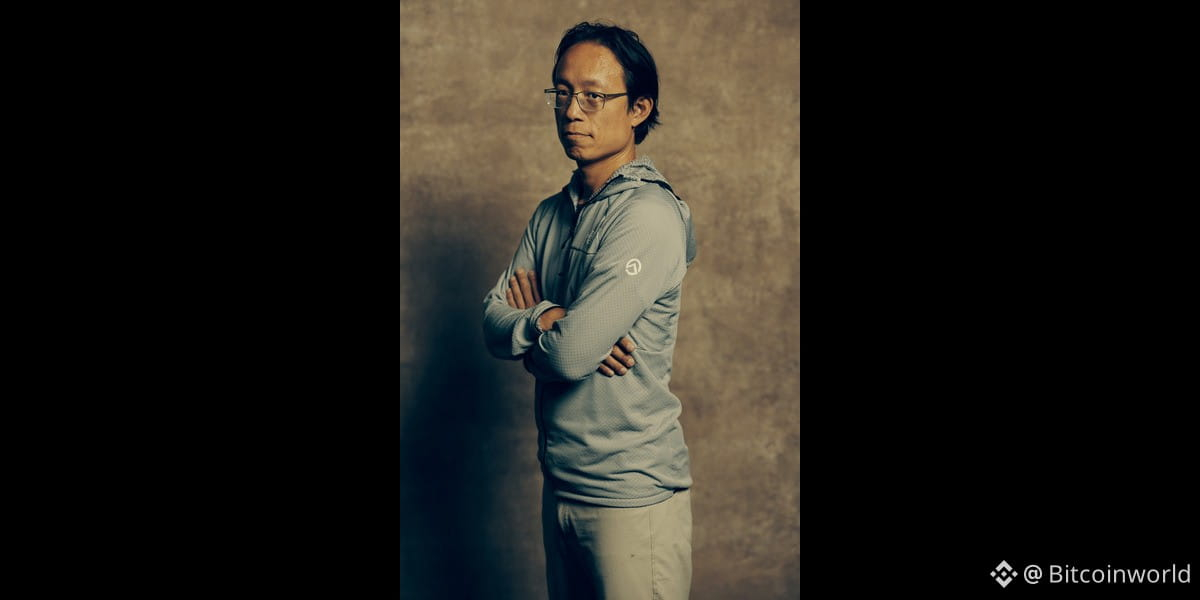
Йат Сиу, исполнительный председатель и сооснователь Animoca Brands, о правах на цифровую собственность, регулируемых стейблкоинах, ончейн-студенческих кредитах и о том, почему агентная сеть изменит то, как обычные люди используют криптовалюту.
По версии Bitcoin World | 14 сентября 2026 | Эксклюзивное интервью
Йат Сиу, исполнительный председатель и сооснователь, Animoca Brands
Немногие компании так широко повлияли на ландшафт Web3, как Animoca Brands. От The Sandbox и Open Campus до лицензированного совместного предприятия по стейблкоинам в Гонконге и, самое недавно, платформы AI-агентов под названием Minds — группа неизменно делает ставку на то, что людям должны принадлежать их цифровые активы, идентичности и данные, а не «сдавать» их в аренду платформам.
Интервью с Animoca Brands
BitcoinWorld
Интервью с Animoca Brands
Йат Сиу, исполнительный председатель и сооснователь Animoca Brands, о правах на цифровую собственность, регулируемых стейблкоинах, ончейн-студенческих кредитах и о том, почему агентная сеть изменит то, как обычные люди используют криптовалюту.
По версии Bitcoin World | 14 сентября 2026 | Эксклюзивное интервью
Йат Сиу, исполнительный председатель и сооснователь, Animoca Brands
Немногие компании так широко повлияли на ландшафт Web3, как Animoca Brands. От The Sandbox и Open Campus до лицензированного совместного предприятия по стейблкоинам в Гонконге и, самое недавно, платформы AI-агентов под названием Minds — группа неизменно делает ставку на то, что людям должны принадлежать их цифровые активы, идентичности и данные, а не «сдавать» их в аренду платформам.
Интервью с Animoca Brands
Йат Сиу, исполнительный председатель и сооснователь Animoca Brands, о правах на цифровую собственность, регулируемых стейблкоинах, ончейн-студенческих кредитах и о том, почему агентная сеть изменит то, как обычные люди используют криптовалюту.
По версии Bitcoin World | 14 сентября 2026 | Эксклюзивное интервью
Йат Сиу, исполнительный председатель и сооснователь, Animoca Brands
Немногие компании так широко повлияли на ландшафт Web3, как Animoca Brands. От The Sandbox и Open Campus до лицензированного совместного предприятия по стейблкоинам в Гонконге и, самое недавно, платформы AI-агентов под названием Minds — группа неизменно делает ставку на то, что людям должны принадлежать их цифровые активы, идентичности и данные, а не «сдавать» их в аренду платформам.
649
·
--

Статья
AML RightSource отмечена премией CobraSight за экспертность в комплаенсе для цифровых активовBitcoinWorld
AML RightSource отмечена премией CobraSight за экспертность в комплаенсе для цифровых активов
Признание отраслью отмечает опыт AML RightSource в помощи организациям при навигации по меняющимся правилам в сфере крипто- и цифровых активов
ХАЙЛЭНД ХИЛЛЗ, Огайо, 17 сентября 2026 г. /PRNewswire/ — AML RightSource, глобальный поставщик экспертных решений для управляемых услуг и консультаций по комплаенсу в сфере финансовых преступлений, был отмечен CobraSight премией 2026 Crypto & Digital Assets Growth Partner Award в категории «Лицензирование и комплаенс». Премия присуждается компаниям, которые демонстрируют глубокие знания, специализацию и опыт поддержки организаций, работающих в экосистеме цифровых активов.
AML RightSource отмечена премией CobraSight за экспертность в комплаенсе для цифровых активов
BitcoinWorld
AML RightSource отмечена премией CobraSight за экспертность в комплаенсе для цифровых активов
Признание отраслью отмечает опыт AML RightSource в помощи организациям при навигации по меняющимся правилам в сфере крипто- и цифровых активов
ХАЙЛЭНД ХИЛЛЗ, Огайо, 17 сентября 2026 г. /PRNewswire/ — AML RightSource, глобальный поставщик экспертных решений для управляемых услуг и консультаций по комплаенсу в сфере финансовых преступлений, был отмечен CobraSight премией 2026 Crypto & Digital Assets Growth Partner Award в категории «Лицензирование и комплаенс». Премия присуждается компаниям, которые демонстрируют глубокие знания, специализацию и опыт поддержки организаций, работающих в экосистеме цифровых активов.
AML RightSource отмечена премией CobraSight за экспертность в комплаенсе для цифровых активов
Признание отраслью отмечает опыт AML RightSource в помощи организациям при навигации по меняющимся правилам в сфере крипто- и цифровых активов
ХАЙЛЭНД ХИЛЛЗ, Огайо, 17 сентября 2026 г. /PRNewswire/ — AML RightSource, глобальный поставщик экспертных решений для управляемых услуг и консультаций по комплаенсу в сфере финансовых преступлений, был отмечен CobraSight премией 2026 Crypto & Digital Assets Growth Partner Award в категории «Лицензирование и комплаенс». Премия присуждается компаниям, которые демонстрируют глубокие знания, специализацию и опыт поддержки организаций, работающих в экосистеме цифровых активов.
190
·
--
Статья
Prosper связывает верифицируемые данные onchain о результативности с независимо оцененными криптоактивамиBitcoinWorld
Prosper связывает верифицируемые данные onchain о результативности с независимо оцененными криптоактивами
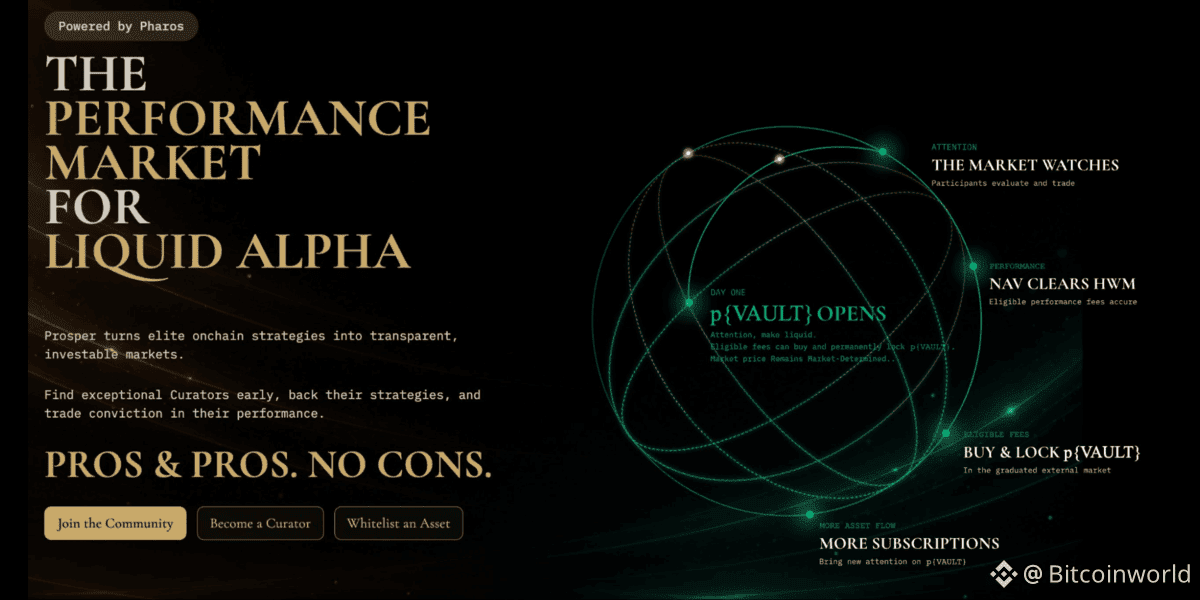
Криптовалютные рынки всегда процветали на нарративах и спекуляциях. Цены часто резко растут из‑за ажиотажа в сообществе или настроений в социальных сетях, а не на основе измеримых экономических результатов. Новый запуск в сети Pharos пытается полностью изменить эту динамику.
17 сентября Prosper официально представила свою структуру Performance Markets. Новая модель вводит концепцию, которую компания называет MemeRWA. Она связывает независимо верифицируемые onchain-инвестиционные стратегии напрямую с нативными для криптовалют рыночными механизмами. И самое главное — делает это без фактической токенизации права собственности на базовые активы.
Prosper связывает верифицируемые данные onchain о результативности с независимо оцененными криптоактивами
BitcoinWorld
Prosper связывает верифицируемые данные onchain о результативности с независимо оцененными криптоактивами
Криптовалютные рынки всегда процветали на нарративах и спекуляциях. Цены часто резко растут из‑за ажиотажа в сообществе или настроений в социальных сетях, а не на основе измеримых экономических результатов. Новый запуск в сети Pharos пытается полностью изменить эту динамику.
17 сентября Prosper официально представила свою структуру Performance Markets. Новая модель вводит концепцию, которую компания называет MemeRWA. Она связывает независимо верифицируемые onchain-инвестиционные стратегии напрямую с нативными для криптовалют рыночными механизмами. И самое главное — делает это без фактической токенизации права собственности на базовые активы.
Prosper связывает верифицируемые данные onchain о результативности с независимо оцененными криптоактивами
Криптовалютные рынки всегда процветали на нарративах и спекуляциях. Цены часто резко растут из‑за ажиотажа в сообществе или настроений в социальных сетях, а не на основе измеримых экономических результатов. Новый запуск в сети Pharos пытается полностью изменить эту динамику.
17 сентября Prosper официально представила свою структуру Performance Markets. Новая модель вводит концепцию, которую компания называет MemeRWA. Она связывает независимо верифицируемые onchain-инвестиционные стратегии напрямую с нативными для криптовалют рыночными механизмами. И самое главное — делает это без фактической токенизации права собственности на базовые активы.
172
·
--
Статья
Большой свод правил по криптовалютам только что провалили на голосовании — вот что на самом деле произошлоBitcoinWorld
Большой свод правил по криптовалютам только что провалили на голосовании — вот что на самом деле произошло
Краткие выводы
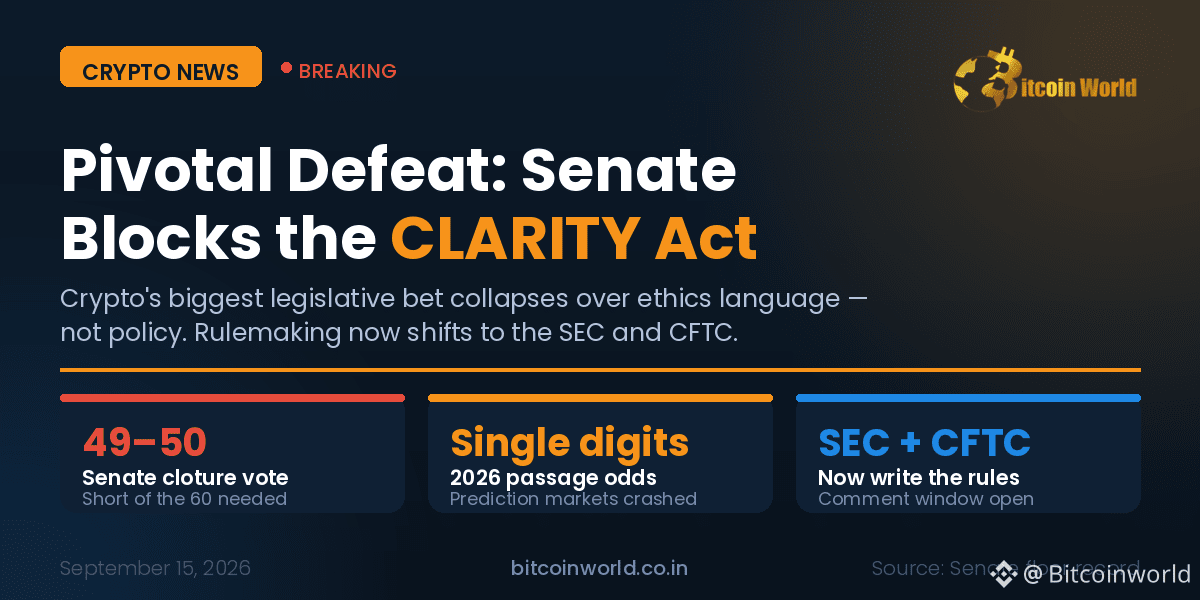
15 сентября 2026 года Сенат отказался продвигать законопроект CLARITY вперед. Голосование было 49–50 — до нужных 60 не хватило даже близко.
Это не проиграло из‑за «криптовалютной» темы. Оно проиграло из‑за спора о том, что Трамп и его семья зарабатывают деньги на криптовалюте.
На этот год законопроект фактически уже готов. Сайты для ставок теперь дают ему лишь шанс в однозначном диапазоне.
Раз правила застряли в Конгрессе, SEC и CFTC начнут писать свои собственные.
Большой свод правил по криптовалютам только что провалили на голосовании — вот что на самом деле произошло
BitcoinWorld
Большой свод правил по криптовалютам только что провалили на голосовании — вот что на самом деле произошло
Краткие выводы
15 сентября 2026 года Сенат отказался продвигать законопроект CLARITY вперед. Голосование было 49–50 — до нужных 60 не хватило даже близко.
Это не проиграло из‑за «криптовалютной» темы. Оно проиграло из‑за спора о том, что Трамп и его семья зарабатывают деньги на криптовалюте.
На этот год законопроект фактически уже готов. Сайты для ставок теперь дают ему лишь шанс в однозначном диапазоне.
Раз правила застряли в Конгрессе, SEC и CFTC начнут писать свои собственные.
Большой свод правил по криптовалютам только что провалили на голосовании — вот что на самом деле произошло
Краткие выводы
15 сентября 2026 года Сенат отказался продвигать законопроект CLARITY вперед. Голосование было 49–50 — до нужных 60 не хватило даже близко.
Это не проиграло из‑за «криптовалютной» темы. Оно проиграло из‑за спора о том, что Трамп и его семья зарабатывают деньги на криптовалюте.
На этот год законопроект фактически уже готов. Сайты для ставок теперь дают ему лишь шанс в однозначном диапазоне.
Раз правила застряли в Конгрессе, SEC и CFTC начнут писать свои собственные.
1
334
·
--

Статья
За неделю до SPiCE Central Asia 2026: ключевые события рынка и будут отмечены лидеры игрового сектораBitcoinWorld
За неделю до SPiCE Central Asia 2026: ключевые события рынка и будут отмечены лидеры игрового сектора
На следующей неделе 3-я ежегодная SPiCE Central Asia 2026 возвращается в отель The Biltmore Hotel Tbilisi (Грузия) 24–25 сентября. Мероприятие соберёт ведущих операторов, поставщиков технологий и экспертов игрового рынка со всего Центральной Азии и Кавказа. Специалисты по ИИ, маркетингу и комплаенсу, а также руководители отрасли поделятся практическими выводами из своего опыта работы в регионе.
С учётом таких ключевых аспектов для бизнеса, как регулирование, комплаенс, платежи, локализация и выход на рынок, обсуждения в течение двух дней будут сосредоточены на реальных практических условиях работы в разнообразных рынках. Также вечером 24 сентября состоится долгожданная церемония SPiCE Central Asia Awards 2026, которая отметит выдающихся профессионалов и организации в игровой индустрии региона.
За неделю до SPiCE Central Asia 2026: ключевые события рынка и будут отмечены лидеры игрового сектора
BitcoinWorld
За неделю до SPiCE Central Asia 2026: ключевые события рынка и будут отмечены лидеры игрового сектора
На следующей неделе 3-я ежегодная SPiCE Central Asia 2026 возвращается в отель The Biltmore Hotel Tbilisi (Грузия) 24–25 сентября. Мероприятие соберёт ведущих операторов, поставщиков технологий и экспертов игрового рынка со всего Центральной Азии и Кавказа. Специалисты по ИИ, маркетингу и комплаенсу, а также руководители отрасли поделятся практическими выводами из своего опыта работы в регионе.
С учётом таких ключевых аспектов для бизнеса, как регулирование, комплаенс, платежи, локализация и выход на рынок, обсуждения в течение двух дней будут сосредоточены на реальных практических условиях работы в разнообразных рынках. Также вечером 24 сентября состоится долгожданная церемония SPiCE Central Asia Awards 2026, которая отметит выдающихся профессионалов и организации в игровой индустрии региона.
За неделю до SPiCE Central Asia 2026: ключевые события рынка и будут отмечены лидеры игрового сектора
На следующей неделе 3-я ежегодная SPiCE Central Asia 2026 возвращается в отель The Biltmore Hotel Tbilisi (Грузия) 24–25 сентября. Мероприятие соберёт ведущих операторов, поставщиков технологий и экспертов игрового рынка со всего Центральной Азии и Кавказа. Специалисты по ИИ, маркетингу и комплаенсу, а также руководители отрасли поделятся практическими выводами из своего опыта работы в регионе.
С учётом таких ключевых аспектов для бизнеса, как регулирование, комплаенс, платежи, локализация и выход на рынок, обсуждения в течение двух дней будут сосредоточены на реальных практических условиях работы в разнообразных рынках. Также вечером 24 сентября состоится долгожданная церемония SPiCE Central Asia Awards 2026, которая отметит выдающихся профессионалов и организации в игровой индустрии региона.
152
·
--

Статья
Саммит BiG Africa Summit 2027 возвращается в Ботсвану на свое 13-е изданиеBitcoinWorld
Саммит BiG Africa Summit 2027 возвращается в Ботсвану на свое 13-е издание
Саммит BiG Africa Summit 2027 вернется в Габороне, Ботсвана, с 1 по 4 февраля 2027 года в рамках своего 13-го ежегодного выпуска, принимая регуляторов, операторов и высокопоставленных представителей отрасли из всего Африканского сектора ставок и iGaming в The Grand Palm Hotel Casino and Convention Resort. Саммит BiG Africa Summit 2027 возвращается в Ботсвану на свое 13-е издание
С момента запуска в 2014 году саммит BiG Africa Summit вырос в устоявшуюся площадку для игровой индустрии континента. Это мероприятие продолжительностью в четыре дня объединяет ключевых заинтересованных участников для целенаправленного обсуждения, получения рыночной информации и дальнейших действий.
Саммит BiG Africa Summit 2027 возвращается в Ботсвану на свое 13-е издание
BitcoinWorld
Саммит BiG Africa Summit 2027 возвращается в Ботсвану на свое 13-е издание
Саммит BiG Africa Summit 2027 вернется в Габороне, Ботсвана, с 1 по 4 февраля 2027 года в рамках своего 13-го ежегодного выпуска, принимая регуляторов, операторов и высокопоставленных представителей отрасли из всего Африканского сектора ставок и iGaming в The Grand Palm Hotel Casino and Convention Resort. Саммит BiG Africa Summit 2027 возвращается в Ботсвану на свое 13-е издание
С момента запуска в 2014 году саммит BiG Africa Summit вырос в устоявшуюся площадку для игровой индустрии континента. Это мероприятие продолжительностью в четыре дня объединяет ключевых заинтересованных участников для целенаправленного обсуждения, получения рыночной информации и дальнейших действий.
Саммит BiG Africa Summit 2027 возвращается в Ботсвану на свое 13-е издание
Саммит BiG Africa Summit 2027 вернется в Габороне, Ботсвана, с 1 по 4 февраля 2027 года в рамках своего 13-го ежегодного выпуска, принимая регуляторов, операторов и высокопоставленных представителей отрасли из всего Африканского сектора ставок и iGaming в The Grand Palm Hotel Casino and Convention Resort. Саммит BiG Africa Summit 2027 возвращается в Ботсвану на свое 13-е издание
С момента запуска в 2014 году саммит BiG Africa Summit вырос в устоявшуюся площадку для игровой индустрии континента. Это мероприятие продолжительностью в четыре дня объединяет ключевых заинтересованных участников для целенаправленного обсуждения, получения рыночной информации и дальнейших действий.
250
·
--
Статья
Bybit отмечена Корейским национальным полицейским агентством за вклад в реагирование на киберпреступления и сотрудничество в области безопасн...BitcoinWorld
Bybit отмечена Корейским национальным полицейским агентством за вклад в реагирование на киберпреступления и сотрудничество в области безопасности
Признание на ISCR 2026 подчеркивает продолжающееся сотрудничество Bybit с правоохранительными органами и регуляторами по отслеживанию незаконных средств, обмену информацией и укреплению глобального реагирования на крипто-ассоциированные киберпреступления
ДУБАЙ, ОАЭ, 16 сентября 2026 г. /PRNewswire/ — Bybit, вторая по величине в мире криптовалютная биржа по объему торгов, была отмечена Корейским национальным полицейским агентством (KNPA) за вклад в расследование киберпреступлений и международное сотрудничество. На 27-й Международной конференции по реагированию на киберпреступления (ISCR 2026), прошедшей в Сеуле 27–28 августа, KNPA вручило Bybit Сертификат признательности за вклад в укрепление сотрудничества между двумя организациями, в частности в расследовании киберпреступлений. Сертификат на сцене вручил Ю Джэ-сон (Yoo Jae-seong), исполняющий обязанности Генерального комиссара Корейского национального полицейского агентства, а от имени Bybit его приняла Коко Хенг (Coco Heng), руководитель отдела правоприменения в Bybit.
Bybit отмечена Корейским национальным полицейским агентством за вклад в реагирование на киберпреступления и сотрудничество в области безопасн...
BitcoinWorld
Bybit отмечена Корейским национальным полицейским агентством за вклад в реагирование на киберпреступления и сотрудничество в области безопасности
Признание на ISCR 2026 подчеркивает продолжающееся сотрудничество Bybit с правоохранительными органами и регуляторами по отслеживанию незаконных средств, обмену информацией и укреплению глобального реагирования на крипто-ассоциированные киберпреступления
ДУБАЙ, ОАЭ, 16 сентября 2026 г. /PRNewswire/ — Bybit, вторая по величине в мире криптовалютная биржа по объему торгов, была отмечена Корейским национальным полицейским агентством (KNPA) за вклад в расследование киберпреступлений и международное сотрудничество. На 27-й Международной конференции по реагированию на киберпреступления (ISCR 2026), прошедшей в Сеуле 27–28 августа, KNPA вручило Bybit Сертификат признательности за вклад в укрепление сотрудничества между двумя организациями, в частности в расследовании киберпреступлений. Сертификат на сцене вручил Ю Джэ-сон (Yoo Jae-seong), исполняющий обязанности Генерального комиссара Корейского национального полицейского агентства, а от имени Bybit его приняла Коко Хенг (Coco Heng), руководитель отдела правоприменения в Bybit.
Bybit отмечена Корейским национальным полицейским агентством за вклад в реагирование на киберпреступления и сотрудничество в области безопасности
Признание на ISCR 2026 подчеркивает продолжающееся сотрудничество Bybit с правоохранительными органами и регуляторами по отслеживанию незаконных средств, обмену информацией и укреплению глобального реагирования на крипто-ассоциированные киберпреступления
ДУБАЙ, ОАЭ, 16 сентября 2026 г. /PRNewswire/ — Bybit, вторая по величине в мире криптовалютная биржа по объему торгов, была отмечена Корейским национальным полицейским агентством (KNPA) за вклад в расследование киберпреступлений и международное сотрудничество. На 27-й Международной конференции по реагированию на киберпреступления (ISCR 2026), прошедшей в Сеуле 27–28 августа, KNPA вручило Bybit Сертификат признательности за вклад в укрепление сотрудничества между двумя организациями, в частности в расследовании киберпреступлений. Сертификат на сцене вручил Ю Джэ-сон (Yoo Jae-seong), исполняющий обязанности Генерального комиссара Корейского национального полицейского агентства, а от имени Bybit его приняла Коко Хенг (Coco Heng), руководитель отдела правоприменения в Bybit.
256
·
--
Статья
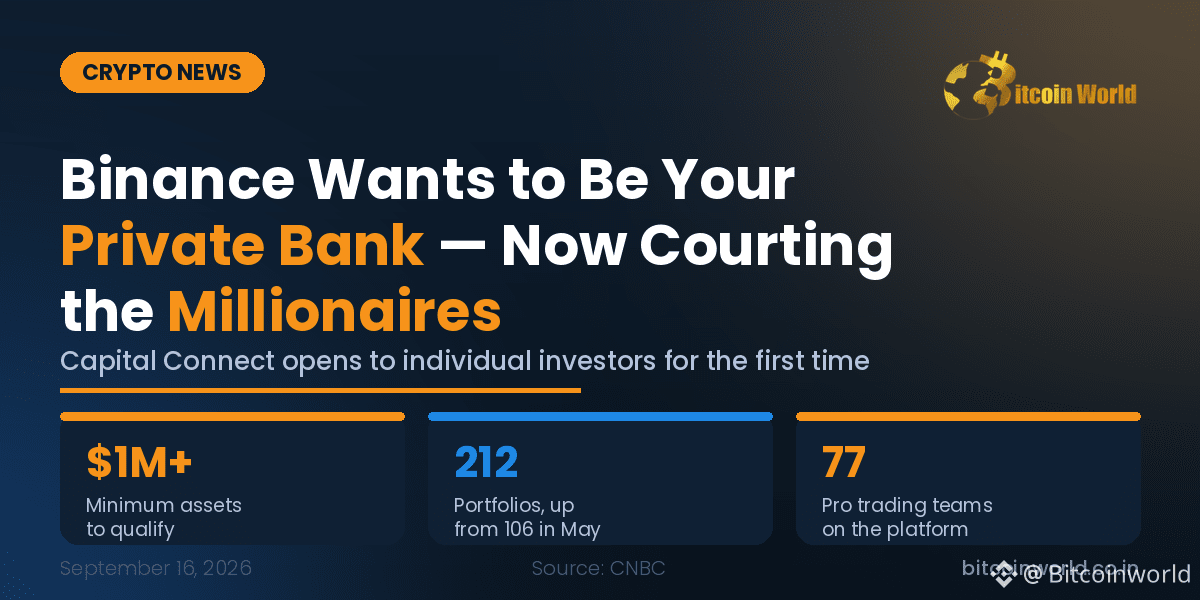
Binance хочет стать вашим частным банком уже сейчас — и она идет за миллионерамиBitcoinWorld
Binance хочет стать вашим частным банком уже сейчас — и она идет за миллионерами
Ключевые выводы
Binance впервые открывает доступ индивидуальным инвесторам к Capital Connect — платформе, которая раньше была только для учреждений.
Чтобы попасть внутрь, нужно иметь как минимум $1 млн активов (или статус VIP 3 на бирже).
Оказавшись внутри, вы можете «покупать» с помощью профессиональных торговых стратегий и направлять свои деньги в те из них, которые вам нравятся — примерно как выбирать управляющего фондом.
Главная сенсация: крупнейшая криптовалютная биржа теперь нацелилась на состоятельных клиентов, которых частные банки всегда считали «своими».
Binance хочет стать вашим частным банком уже сейчас — и она идет за миллионерами
BitcoinWorld
Binance хочет стать вашим частным банком уже сейчас — и она идет за миллионерами
Ключевые выводы
Binance впервые открывает доступ индивидуальным инвесторам к Capital Connect — платформе, которая раньше была только для учреждений.
Чтобы попасть внутрь, нужно иметь как минимум $1 млн активов (или статус VIP 3 на бирже).
Оказавшись внутри, вы можете «покупать» с помощью профессиональных торговых стратегий и направлять свои деньги в те из них, которые вам нравятся — примерно как выбирать управляющего фондом.
Главная сенсация: крупнейшая криптовалютная биржа теперь нацелилась на состоятельных клиентов, которых частные банки всегда считали «своими».
Binance хочет стать вашим частным банком уже сейчас — и она идет за миллионерами
Ключевые выводы
Binance впервые открывает доступ индивидуальным инвесторам к Capital Connect — платформе, которая раньше была только для учреждений.
Чтобы попасть внутрь, нужно иметь как минимум $1 млн активов (или статус VIP 3 на бирже).
Оказавшись внутри, вы можете «покупать» с помощью профессиональных торговых стратегий и направлять свои деньги в те из них, которые вам нравятся — примерно как выбирать управляющего фондом.
Главная сенсация: крупнейшая криптовалютная биржа теперь нацелилась на состоятельных клиентов, которых частные банки всегда считали «своими».
194
·
--
Статья
KuCoin выходит в эфир на Arc при запуске основной сети (mainnet), расширяя доступ к onchain-финансамBitcoinWorld
KuCoin выходит в эфир на Arc при запуске основной сети (mainnet), расширяя доступ к onchain-финансам
ПРОВИДЕНСИАЛЕС, Тёркс и Кайкос, 16 сентября 2026 /PRNewswire/ — KuCoin, ведущая глобальная криптоплатформа, созданная на основе доверия, сегодня объявила, что она работает на Arc в качестве партнёра по запуску основной сети (mainnet), позволяя соответствующим требованиям пользователям с первого дня напрямую переводить USDC между KuCoin и Arc.
Поскольку реальные финансовые операции смещаются в onchain, биржи всё чаще играют ключевую роль в соединении устоявшихся рынков с развивающимися финансовыми сетями. Поддержав Arc на старте, KuCoin расширяет доступные для USDC варианты сети и обеспечивает практическую точку входа в экосистему, построенную вокруг платежей, управления казначейством, токенизированных активов и программируемых финансов.
KuCoin выходит в эфир на Arc при запуске основной сети (mainnet), расширяя доступ к onchain-финансам
BitcoinWorld
KuCoin выходит в эфир на Arc при запуске основной сети (mainnet), расширяя доступ к onchain-финансам
ПРОВИДЕНСИАЛЕС, Тёркс и Кайкос, 16 сентября 2026 /PRNewswire/ — KuCoin, ведущая глобальная криптоплатформа, созданная на основе доверия, сегодня объявила, что она работает на Arc в качестве партнёра по запуску основной сети (mainnet), позволяя соответствующим требованиям пользователям с первого дня напрямую переводить USDC между KuCoin и Arc.
Поскольку реальные финансовые операции смещаются в onchain, биржи всё чаще играют ключевую роль в соединении устоявшихся рынков с развивающимися финансовыми сетями. Поддержав Arc на старте, KuCoin расширяет доступные для USDC варианты сети и обеспечивает практическую точку входа в экосистему, построенную вокруг платежей, управления казначейством, токенизированных активов и программируемых финансов.
KuCoin выходит в эфир на Arc при запуске основной сети (mainnet), расширяя доступ к onchain-финансам
ПРОВИДЕНСИАЛЕС, Тёркс и Кайкос, 16 сентября 2026 /PRNewswire/ — KuCoin, ведущая глобальная криптоплатформа, созданная на основе доверия, сегодня объявила, что она работает на Arc в качестве партнёра по запуску основной сети (mainnet), позволяя соответствующим требованиям пользователям с первого дня напрямую переводить USDC между KuCoin и Arc.
Поскольку реальные финансовые операции смещаются в onchain, биржи всё чаще играют ключевую роль в соединении устоявшихся рынков с развивающимися финансовыми сетями. Поддержав Arc на старте, KuCoin расширяет доступные для USDC варианты сети и обеспечивает практическую точку входа в экосистему, построенную вокруг платежей, управления казначейством, токенизированных активов и программируемых финансов.
2
1
175
·
--
Статья
CoinDCX сотрудничает с Tether Gold, чтобы вывести токенизированное золото XAUT на индийских инвесторов; запускает SIP ...BitcoinWorld
CoinDCX сотрудничает с Tether Gold, чтобы вывести токенизированное золото XAUT на индийских инвесторов; запускает SIP от INR 100
Бенгалуру, штат Карнатака, Индия
CoinDCX, крупнейшая в Индии криптобиржа, сегодня объявила о стратегическом сотрудничестве с Tether Gold (XAUT), крупнейшим в мире токенизированным продуктом на золото по рыночной капитализации, чтобы сделать токенизированное золото более доступным для индийских инвесторов. В рамках сотрудничества XAUT теперь доступен для торговли на CoinDCX, а также запущен SIP XAUT, позволяющий пользователям начать инвестировать в токенизированное золото, начиная всего с INR 100.
CoinDCX сотрудничает с Tether Gold, чтобы вывести токенизированное золото XAUT на индийских инвесторов; запускает SIP ...
BitcoinWorld
CoinDCX сотрудничает с Tether Gold, чтобы вывести токенизированное золото XAUT на индийских инвесторов; запускает SIP от INR 100
Бенгалуру, штат Карнатака, Индия
CoinDCX, крупнейшая в Индии криптобиржа, сегодня объявила о стратегическом сотрудничестве с Tether Gold (XAUT), крупнейшим в мире токенизированным продуктом на золото по рыночной капитализации, чтобы сделать токенизированное золото более доступным для индийских инвесторов. В рамках сотрудничества XAUT теперь доступен для торговли на CoinDCX, а также запущен SIP XAUT, позволяющий пользователям начать инвестировать в токенизированное золото, начиная всего с INR 100.
CoinDCX сотрудничает с Tether Gold, чтобы вывести токенизированное золото XAUT на индийских инвесторов; запускает SIP от INR 100
Бенгалуру, штат Карнатака, Индия
CoinDCX, крупнейшая в Индии криптобиржа, сегодня объявила о стратегическом сотрудничестве с Tether Gold (XAUT), крупнейшим в мире токенизированным продуктом на золото по рыночной капитализации, чтобы сделать токенизированное золото более доступным для индийских инвесторов. В рамках сотрудничества XAUT теперь доступен для торговли на CoinDCX, а также запущен SIP XAUT, позволяющий пользователям начать инвестировать в токенизированное золото, начиная всего с INR 100.
209
·
--
Статья
ViaBTC объединяется с Mempool, чтобы расширить доступ к услугам ускорения BTC-транзакцийBitcoinWorld
ViaBTC объединяется с Mempool для расширения доступа к услугам ускорения BTC-транзакций
ГОНКОНГ, 16 сентября 2026 г. /PRNewswire/ — ViaBTC, ведущий глобальный пул для майнинга мультикриптовалют, сегодня объявил о партнерстве с Mempool, чтобы расширить доступ к услугам ускорения транзакций биткоина. В рамках партнерства ViaBTC будет использовать инфраструктуру своего майнингового пула Bitcoin и опыт в построении блоков и обработке транзакций для ускорения соответствующих требованиям транзакций, помогая большему числу пользователей подтверждать свои биткоин-транзакции раньше.
ViaBTC объединяется с Mempool, чтобы расширить доступ к услугам ускорения BTC-транзакций
BitcoinWorld
ViaBTC объединяется с Mempool для расширения доступа к услугам ускорения BTC-транзакций
ГОНКОНГ, 16 сентября 2026 г. /PRNewswire/ — ViaBTC, ведущий глобальный пул для майнинга мультикриптовалют, сегодня объявил о партнерстве с Mempool, чтобы расширить доступ к услугам ускорения транзакций биткоина. В рамках партнерства ViaBTC будет использовать инфраструктуру своего майнингового пула Bitcoin и опыт в построении блоков и обработке транзакций для ускорения соответствующих требованиям транзакций, помогая большему числу пользователей подтверждать свои биткоин-транзакции раньше.
ViaBTC объединяется с Mempool для расширения доступа к услугам ускорения BTC-транзакций
ГОНКОНГ, 16 сентября 2026 г. /PRNewswire/ — ViaBTC, ведущий глобальный пул для майнинга мультикриптовалют, сегодня объявил о партнерстве с Mempool, чтобы расширить доступ к услугам ускорения транзакций биткоина. В рамках партнерства ViaBTC будет использовать инфраструктуру своего майнингового пула Bitcoin и опыт в построении блоков и обработке транзакций для ускорения соответствующих требованиям транзакций, помогая большему числу пользователей подтверждать свои биткоин-транзакции раньше.
177
·
--
Статья
ARTPRICE NEWS: 18-я Лионская биеннале современного искусства открыта сейчасBitcoinWorld
ARTPRICE NEWS: 18-я Лионская биеннале современного искусства открыта сейчас
Passer d’un rêve à l’autre — Переход от одной мечты к другой
19 сентября — 13 декабря 2026 г. 11 площадок • 120 художников • почти 400 работ
ПАРИЖ, 15 сентября 2026 г. /PRNewswire/ — Начиная с субботы, 19 сентября, двери 18-й Лионской биеннале современного искусства открываются для публики. До 13 декабря 2026 года Passer d’un rêve à l’autre (Переход от одной мечты к другой) приглашает всех испытать щедрую Биеннале, разворачивающуюся на 11 площадках в Лионе и его агломерации, объединяя 120 художников и почти 400 работ.
ARTPRICE NEWS: 18-я Лионская биеннале современного искусства открыта сейчас
BitcoinWorld
ARTPRICE NEWS: 18-я Лионская биеннале современного искусства открыта сейчас
Passer d’un rêve à l’autre — Переход от одной мечты к другой
19 сентября — 13 декабря 2026 г. 11 площадок • 120 художников • почти 400 работ
ПАРИЖ, 15 сентября 2026 г. /PRNewswire/ — Начиная с субботы, 19 сентября, двери 18-й Лионской биеннале современного искусства открываются для публики. До 13 декабря 2026 года Passer d’un rêve à l’autre (Переход от одной мечты к другой) приглашает всех испытать щедрую Биеннале, разворачивающуюся на 11 площадках в Лионе и его агломерации, объединяя 120 художников и почти 400 работ.
ARTPRICE NEWS: 18-я Лионская биеннале современного искусства открыта сейчас
Passer d’un rêve à l’autre — Переход от одной мечты к другой
19 сентября — 13 декабря 2026 г. 11 площадок • 120 художников • почти 400 работ
ПАРИЖ, 15 сентября 2026 г. /PRNewswire/ — Начиная с субботы, 19 сентября, двери 18-й Лионской биеннале современного искусства открываются для публики. До 13 декабря 2026 года Passer d’un rêve à l’autre (Переход от одной мечты к другой) приглашает всех испытать щедрую Биеннале, разворачивающуюся на 11 площадках в Лионе и его агломерации, объединяя 120 художников и почти 400 работ.
205
·
--
Статья
Кошелёк Gnosis Safe потерял $7,7 млн, и хакерам не пришлось его взламыватьBitcoinWorld
Кошелёк Gnosis Safe потерял $7,7 млн, и хакерам не пришлось его взламывать
Ключевые выводы
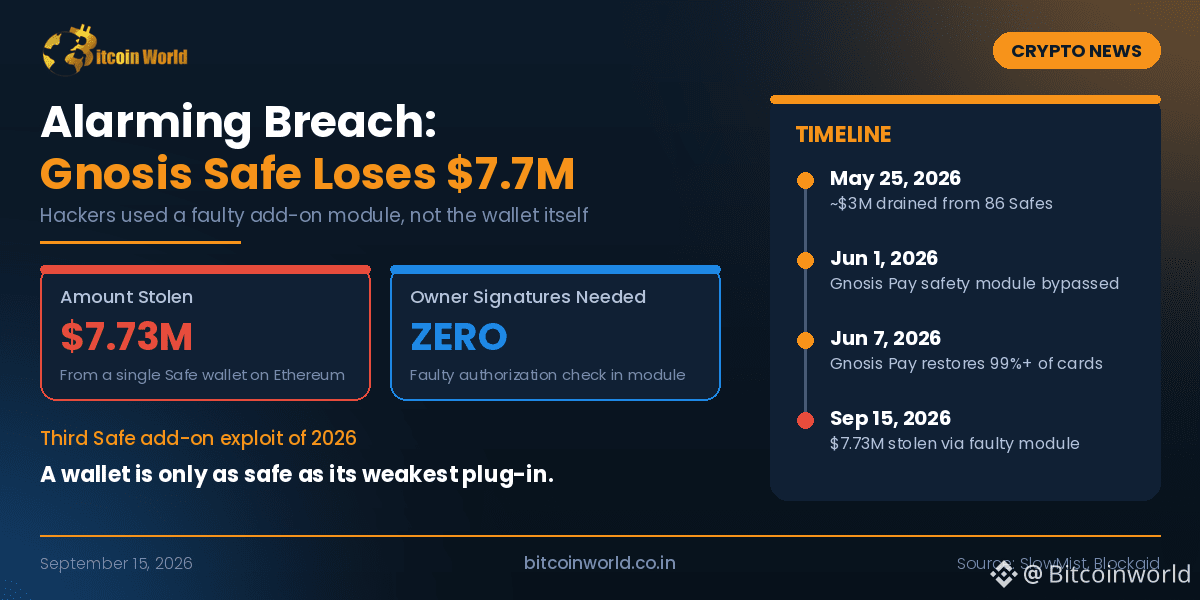
Хакеры украли около $7,73 млн у одного кошелька Gnosis Safe 15 сентября 2026 года.
Они не взламывали сам кошелёк. Они проникли через надстройку, подключённую к нему.
Украденные деньги переводили через торговый пул, который хакеры настроили, из-за чего стало сложнее отследить происхождение средств.
Это уже третий раз в этом году, когда надстройки для Safe Wallet использовали, чтобы украсть средства.
Во-первых, что такое Gnosis Safe?
Представьте Gnosis Safe как банковский сейф, который открывается несколькими ключами. Компании, криптофонды и состоятельные инвесторы используют его, потому что никто не может в одиночку перевести деньги. Именно поэтому у него репутация одного из самых безопасных мест для хранения криптовалюты.
Кошелёк Gnosis Safe потерял $7,7 млн, и хакерам не пришлось его взламывать
BitcoinWorld
Кошелёк Gnosis Safe потерял $7,7 млн, и хакерам не пришлось его взламывать
Ключевые выводы
Хакеры украли около $7,73 млн у одного кошелька Gnosis Safe 15 сентября 2026 года.
Они не взламывали сам кошелёк. Они проникли через надстройку, подключённую к нему.
Украденные деньги переводили через торговый пул, который хакеры настроили, из-за чего стало сложнее отследить происхождение средств.
Это уже третий раз в этом году, когда надстройки для Safe Wallet использовали, чтобы украсть средства.
Во-первых, что такое Gnosis Safe?
Представьте Gnosis Safe как банковский сейф, который открывается несколькими ключами. Компании, криптофонды и состоятельные инвесторы используют его, потому что никто не может в одиночку перевести деньги. Именно поэтому у него репутация одного из самых безопасных мест для хранения криптовалюты.
Кошелёк Gnosis Safe потерял $7,7 млн, и хакерам не пришлось его взламывать
Ключевые выводы
Хакеры украли около $7,73 млн у одного кошелька Gnosis Safe 15 сентября 2026 года.
Они не взламывали сам кошелёк. Они проникли через надстройку, подключённую к нему.
Украденные деньги переводили через торговый пул, который хакеры настроили, из-за чего стало сложнее отследить происхождение средств.
Это уже третий раз в этом году, когда надстройки для Safe Wallet использовали, чтобы украсть средства.
Во-первых, что такое Gnosis Safe?
Представьте Gnosis Safe как банковский сейф, который открывается несколькими ключами. Компании, криптофонды и состоятельные инвесторы используют его, потому что никто не может в одиночку перевести деньги. Именно поэтому у него репутация одного из самых безопасных мест для хранения криптовалюты.
201
·
--
Статья
RedotPay закрывает дверь в Южной Корее по мере того, как тикают часы криптоналоговBitcoinWorld
RedotPay прекращает работу в Южной Корее, пока тикают часы криптоналогов
Ключевые выводы
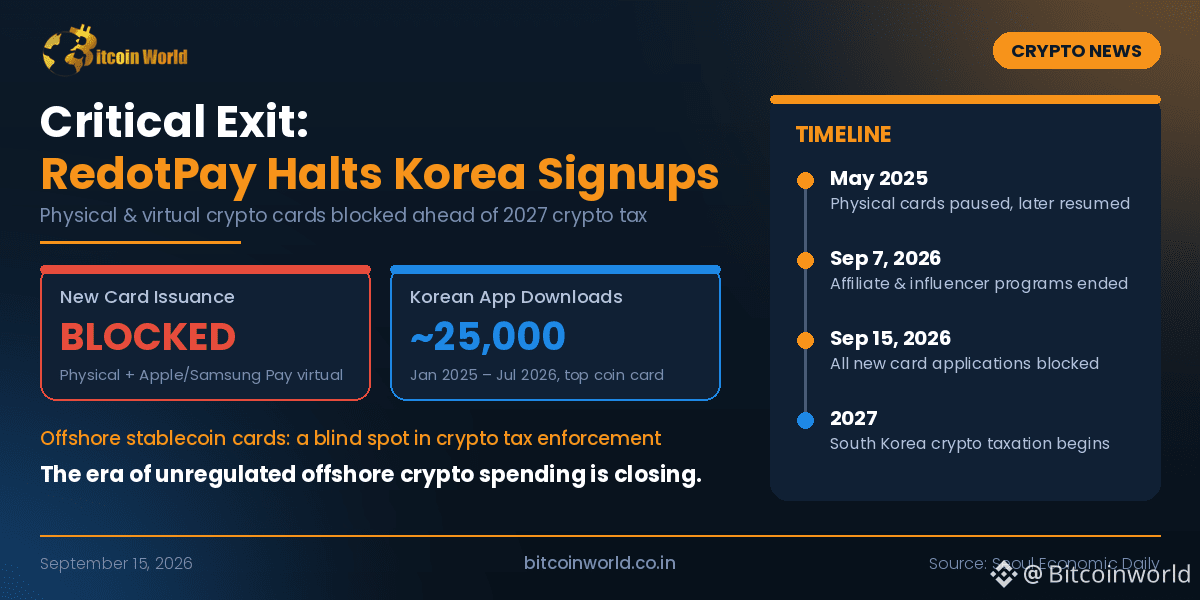
Компания прекратила выпуск как физических, так и виртуальных криптокарт для новых пользователей в Южной Корее.
Компания завершила корейскую партнерскую и реферальную программы для инфлюенсеров 7 сентября — за несколько дней до того, как всплыл блок.
Это второй корейский откат платформы. Первый — в мае 2025 года — затрагивал только физические карты.
Решение принято всего через несколько месяцев до начала режима налогообложения криптовалют в Южной Корее, а офшорные карты со стейблкоинами были отмечены как пробел в механизмах налогового контроля.
RedotPay закрывает дверь в Южной Корее по мере того, как тикают часы криптоналогов
BitcoinWorld
RedotPay прекращает работу в Южной Корее, пока тикают часы криптоналогов
Ключевые выводы
Компания прекратила выпуск как физических, так и виртуальных криптокарт для новых пользователей в Южной Корее.
Компания завершила корейскую партнерскую и реферальную программы для инфлюенсеров 7 сентября — за несколько дней до того, как всплыл блок.
Это второй корейский откат платформы. Первый — в мае 2025 года — затрагивал только физические карты.
Решение принято всего через несколько месяцев до начала режима налогообложения криптовалют в Южной Корее, а офшорные карты со стейблкоинами были отмечены как пробел в механизмах налогового контроля.
RedotPay прекращает работу в Южной Корее, пока тикают часы криптоналогов
Ключевые выводы
Компания прекратила выпуск как физических, так и виртуальных криптокарт для новых пользователей в Южной Корее.
Компания завершила корейскую партнерскую и реферальную программы для инфлюенсеров 7 сентября — за несколько дней до того, как всплыл блок.
Это второй корейский откат платформы. Первый — в мае 2025 года — затрагивал только физические карты.
Решение принято всего через несколько месяцев до начала режима налогообложения криптовалют в Южной Корее, а офшорные карты со стейблкоинами были отмечены как пробел в механизмах налогового контроля.
1
197
·
--
Статья
Криптоналоговый законопроект Вашингтона нацелен на проблему комиссии за газ в $2 и откладывает более жесткие мерыBitcoinWorld
Криптоналоговый законопроект Вашингтона нацелен на проблему комиссии за газ в $2 и откладывает более жесткие меры
Ключевые выводы
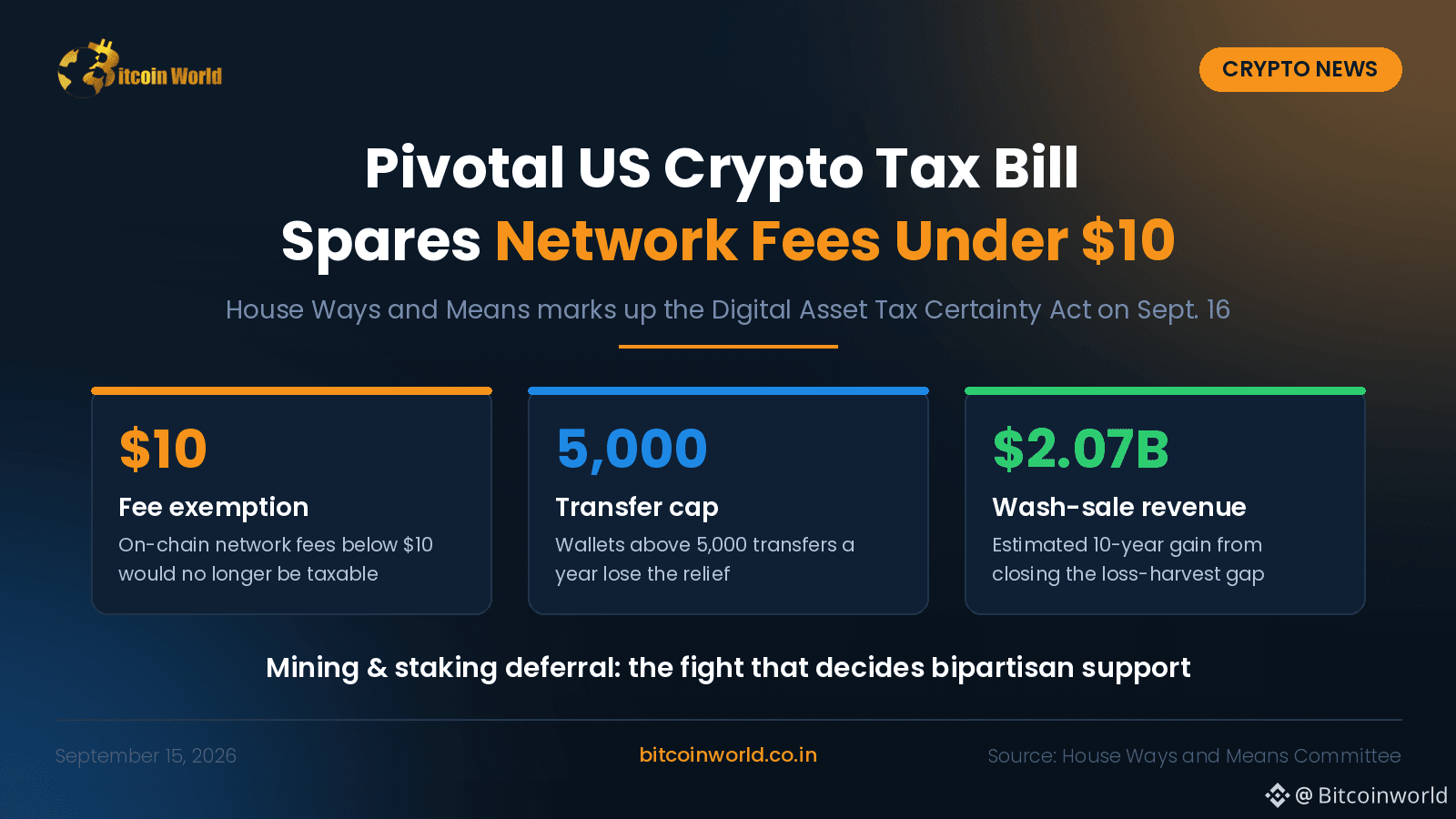
Комитет Палаты представителей по методам и средствам обнародовал H.R. 10357 — 114-страничный Закон о налоговой определенности для цифровых активов, и внесет в него правки 16 сентября.
Плата за транзакции в блокчейн-сетях менее $10 больше не будет считаться налогооблагаемым событием, однако кошельки с более чем 5 000 переводов за предшествующий год не получат это послабление.
Закрытие пробела в правилах «крипто-налоговых умывательных» сделок увеличило бы поступления, а отсрочка налогообложения доходов от майнинга и стейкинга — уменьшила бы их. Наиболее вероятно, что эта отсрочка будет исключена.
Криптоналоговый законопроект Вашингтона нацелен на проблему комиссии за газ в $2 и откладывает более жесткие меры
BitcoinWorld
Криптоналоговый законопроект Вашингтона нацелен на проблему комиссии за газ в $2 и откладывает более жесткие меры
Ключевые выводы
Комитет Палаты представителей по методам и средствам обнародовал H.R. 10357 — 114-страничный Закон о налоговой определенности для цифровых активов, и внесет в него правки 16 сентября.
Плата за транзакции в блокчейн-сетях менее $10 больше не будет считаться налогооблагаемым событием, однако кошельки с более чем 5 000 переводов за предшествующий год не получат это послабление.
Закрытие пробела в правилах «крипто-налоговых умывательных» сделок увеличило бы поступления, а отсрочка налогообложения доходов от майнинга и стейкинга — уменьшила бы их. Наиболее вероятно, что эта отсрочка будет исключена.
Криптоналоговый законопроект Вашингтона нацелен на проблему комиссии за газ в $2 и откладывает более жесткие меры
Ключевые выводы
Комитет Палаты представителей по методам и средствам обнародовал H.R. 10357 — 114-страничный Закон о налоговой определенности для цифровых активов, и внесет в него правки 16 сентября.
Плата за транзакции в блокчейн-сетях менее $10 больше не будет считаться налогооблагаемым событием, однако кошельки с более чем 5 000 переводов за предшествующий год не получат это послабление.
Закрытие пробела в правилах «крипто-налоговых умывательных» сделок увеличило бы поступления, а отсрочка налогообложения доходов от майнинга и стейкинга — уменьшила бы их. Наиболее вероятно, что эта отсрочка будет исключена.
242
·
--

Статья
Декларация БРИКС Дели 2026: я прочитал все 120 параграфов, чтобы вам не пришлосьBitcoinWorld
Декларация БРИКС Дели 2026: я прочитал все 120 параграфов, чтобы вам не пришлось
Основные выводы
Лидеры подписали Декларацию Нью-Дели 12 сентября 2026 года, при этом председательствовала Индия.
Индия потратила месяцы на продвижение связи с ЦБЦ. Слова «ЦБЦ» нет в итоговом тексте.
Параграф 42 следует за незаконными потоками виртуальных активов и мошенническими схемами.
Параграф 95 поднимает вопрос о квантовых вычислениях для финансового сектора — о чём пока никто не говорит.
Все спрашивают меня, что такое Декларация Дели, так что вот она — просто и по делу. Это совместное заявление глав государств БРИКС, которое они согласовали в Бхарат-Мандапаме, с темой «Созидание устойчивости, инноваций, сотрудничества и устойчивого развития». Она длинная, скучная и задаёт позицию блока на ближайшие двенадцать месяцев. Поэтому я прочитал её нормально, а не реагировал на заголовки.
Декларация БРИКС Дели 2026: я прочитал все 120 параграфов, чтобы вам не пришлось
BitcoinWorld
Декларация БРИКС Дели 2026: я прочитал все 120 параграфов, чтобы вам не пришлось
Основные выводы
Лидеры подписали Декларацию Нью-Дели 12 сентября 2026 года, при этом председательствовала Индия.
Индия потратила месяцы на продвижение связи с ЦБЦ. Слова «ЦБЦ» нет в итоговом тексте.
Параграф 42 следует за незаконными потоками виртуальных активов и мошенническими схемами.
Параграф 95 поднимает вопрос о квантовых вычислениях для финансового сектора — о чём пока никто не говорит.
Все спрашивают меня, что такое Декларация Дели, так что вот она — просто и по делу. Это совместное заявление глав государств БРИКС, которое они согласовали в Бхарат-Мандапаме, с темой «Созидание устойчивости, инноваций, сотрудничества и устойчивого развития». Она длинная, скучная и задаёт позицию блока на ближайшие двенадцать месяцев. Поэтому я прочитал её нормально, а не реагировал на заголовки.
Декларация БРИКС Дели 2026: я прочитал все 120 параграфов, чтобы вам не пришлось
Основные выводы
Лидеры подписали Декларацию Нью-Дели 12 сентября 2026 года, при этом председательствовала Индия.
Индия потратила месяцы на продвижение связи с ЦБЦ. Слова «ЦБЦ» нет в итоговом тексте.
Параграф 42 следует за незаконными потоками виртуальных активов и мошенническими схемами.
Параграф 95 поднимает вопрос о квантовых вычислениях для финансового сектора — о чём пока никто не говорит.
Все спрашивают меня, что такое Декларация Дели, так что вот она — просто и по делу. Это совместное заявление глав государств БРИКС, которое они согласовали в Бхарат-Мандапаме, с темой «Созидание устойчивости, инноваций, сотрудничества и устойчивого развития». Она длинная, скучная и задаёт позицию блока на ближайшие двенадцать месяцев. Поэтому я прочитал её нормально, а не реагировал на заголовки.
1
510
Войдите, чтобы посмотреть больше материала
Присоединяйтесь к пользователям криптовалют по всему миру на Binance Square
⚡️ Получайте новейшую и полезную информацию о криптоактивах.
💬 Нам доверяет крупнейшая в мире криптобиржа.
👍 Получите достоверные аналитические данные от верифицированных создателей контента.
Эл. почта/номер телефона
В тренде
fomcотслеживание
Просмотров: 30,376
306 обсуждают
🚨 Сегодня FOMC — ждите волатильность 🚨
16 сентября Федеральная резервная система объявит решение по ставке.
⏰ Решение: 18:00 UTC
🎙️ Пресс-конференция: 18:30 UTC
Рынок уже заложил повышение на 0.25%. Главное — не само решение, а тон комментариев ФРС.
- Более «ястребиный» тон → давление на $BTC и альты
- Более мягкий тон → возможен отскок «на облегчении»
Важно:
• Не гонитесь за первой свечой
• Держите плечо низким
• Следите за BTC, DXY и доходностями
• Дождитесь, пока рынок успокоится после пресс-конференции
Дни FOMC — это про терпение, а не про FOMO.#ПротоколFOMC #fomcотслеживание #MSTRTradingVolumeSurpassesMorganStanley
Pandas
·Лайков: 2
·Просмотров: 121
ПротоколFOMC
Просмотров: 25,364
100 обсуждают
BOJRaisesRatesTo31YearHigh
Просмотров: 210
53 обсуждают