

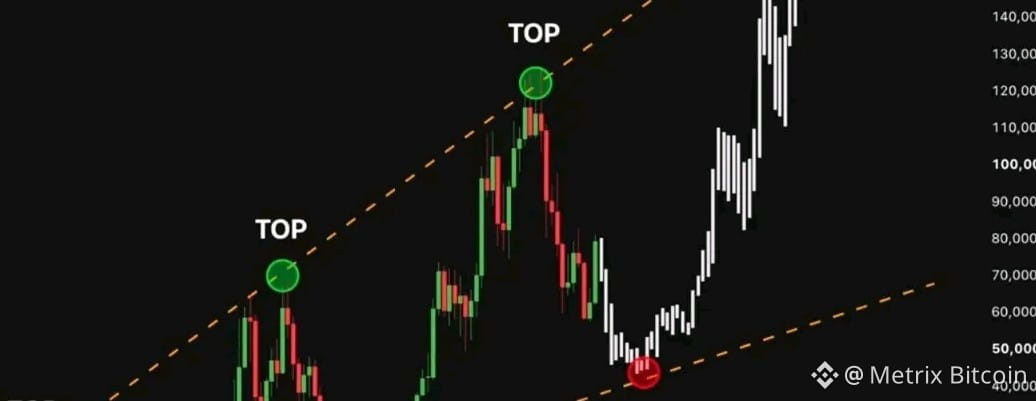

Более десяти лет биткоин подвергался критике, сомнениям и бесчисленным предсказаниям о его крахе. От регуляторных жестких мер и коллапсов бирж до медвежьих рынков, которые стерли триллионы долларов рыночной стоимости, многие верили, что каждый крупный спад станет концом первой в мире криптовалюты.
Однако история рассказывает другую историю.
Каждый цикл порождал знакомый паттерн:
Цены стремительно растут до новых максимумов.
Рынки переживают резкие коррекции.
Заголовки в СМИ объявляют биткоин мертвым.
Биткоин восстанавливается и достигает нового уровня оценки.
Этот повторяющийся цикл превратил Биткоин из нишевого эксперимента, оцененного лишь в считанные центы, в один из самых узнаваемых финансовых активов на планете.
История устойчивости
Путь Биткоина определялся волатильностью, но также и исключительной способностью восстанавливаться.
Ключевые вехи
📈 2010: ~$0,10
📈 2011: ~$1
📈 2013: ~$50
📈 2015: ~$200
📈 2018: ~$3 000
📈 2022: ~$15 000
📈 2024: ~$39 000
📈 2026: ~$60 000+
На каждом этапе критики утверждали, что последняя распродажа доказывает провал Биткоина. Вместо этого каждый медвежий рынок становился фундаментом для следующего этапа роста.
Психология за циклами Биткоина
Движения цены Биткоина обусловлены не только технологией или экономикой. Важную роль играет человеческая психология.
Во время бычьих рынков:
✅ Господствует оптимизм
✅ Институциональное внедрение ускоряется
✅ Инвесторы боятся упустить выгоду (FOMO)
Во время медвежьих рынков:
❌ Страх заменяет уверенность
❌ Слабые руки выходят из рынка
❌ Медийные нарративы становятся чрезмерно негативными
Исторически эти периоды страха часто совпадали с одними из самых больших долгосрочных возможностей для терпеливых инвесторов.
Восходящий канал роста
На графике показана долгосрочная восходящая структура, где и рыночные вершины, и дна со временем последовательно смещались выше.
Каждый цикл закрепил следующее:
Более высокие максимумы
Более высокие минимумы
Рост глобального внедрения
Большее участие институциональных игроков
Хотя краткосрочная волатильность остается значительной, более широкий тренд демонстрирует, как Биткоин продолжает расширять диапазон своей оценки, проходя через несколько рыночных циклов.
Почему Биткоин продолжает возвращаться
Несколько фундаментальных факторов помогают объяснить устойчивость Биткоина:
1. Скудность (дефицит)
Поставки Биткоина ограничены 21 миллионом монет, что делает его одним из самых дефицитных цифровых активов, когда-либо созданных.
2. Децентрализация
Ни одно правительство, корпорация или отдельный человек не контролирует сеть Биткоина.
3. Глобальное внедрение
Миллионы пользователей, тысячи компаний и растущее участие институциональных игроков продолжают укреплять экосистему.
4. Эффект сети
По мере роста внедрения Биткоин становится все более ценной и его все труднее заменить.
5. Нарратив «Запас стоимости»
Многие инвесторы теперь рассматривают Биткоин как форму «цифрового золота» и хедж на случай обесценивания валют.
Важная реальность
Прошлые результаты не гарантируют будущие.
Биткоин остается крайне волатильным активом, способным переживать:
Глубокие коррекции
Медвежьи рынки на протяжении многих лет
Регуляторная неопределенность
Давление со стороны макроэкономики
Дорога вперед, вероятно, будет включать периоды значительной турбулентности.
Однако история снова и снова показывает, что писать Биткоину «обит» — опасная ставка.
Финальные мысли
Каждое крупное обрушение меняло нарратив.
Каждая коррекция проверяла убежденность.
Каждый цикл порождал новое поколение скептиков.
И каждый цикл Биткоин возвращался более сильным, чем ожидало большинство.
Вывод не в том, что Биткоин может только расти. Рынки никогда не движутся по прямой.
Урок в том, что на протяжении всей своей истории Биткоин демонстрировал исключительную способность выживать, адаптироваться и возвращать более выгодные позиции.
$btc