#dusk @Dusk $DUSK
Прозрачность и доверие долгое время считались синонимами в публичных блокчейнах. В ранних разработках предполагалось, что если все данные реестра остаются открытыми для всеобщей проверки, доверие возникает само собой. Однако при переносе в регулируемые финансовые рынки это допущение оказывается недостаточным. Институциональным финансам необходима конфиденциальность, чтобы предотвратить утечки стратегии, фронтраннинг и нарушения глобальных законов о защите данных. Реальная задача для on-chain финансов заключается не в выборе между полной прозрачностью и абсолютной анонимностью, а в управлении контекстным доступом к данным — определении того, кто может видеть конкретную информацию, при каких условиях.
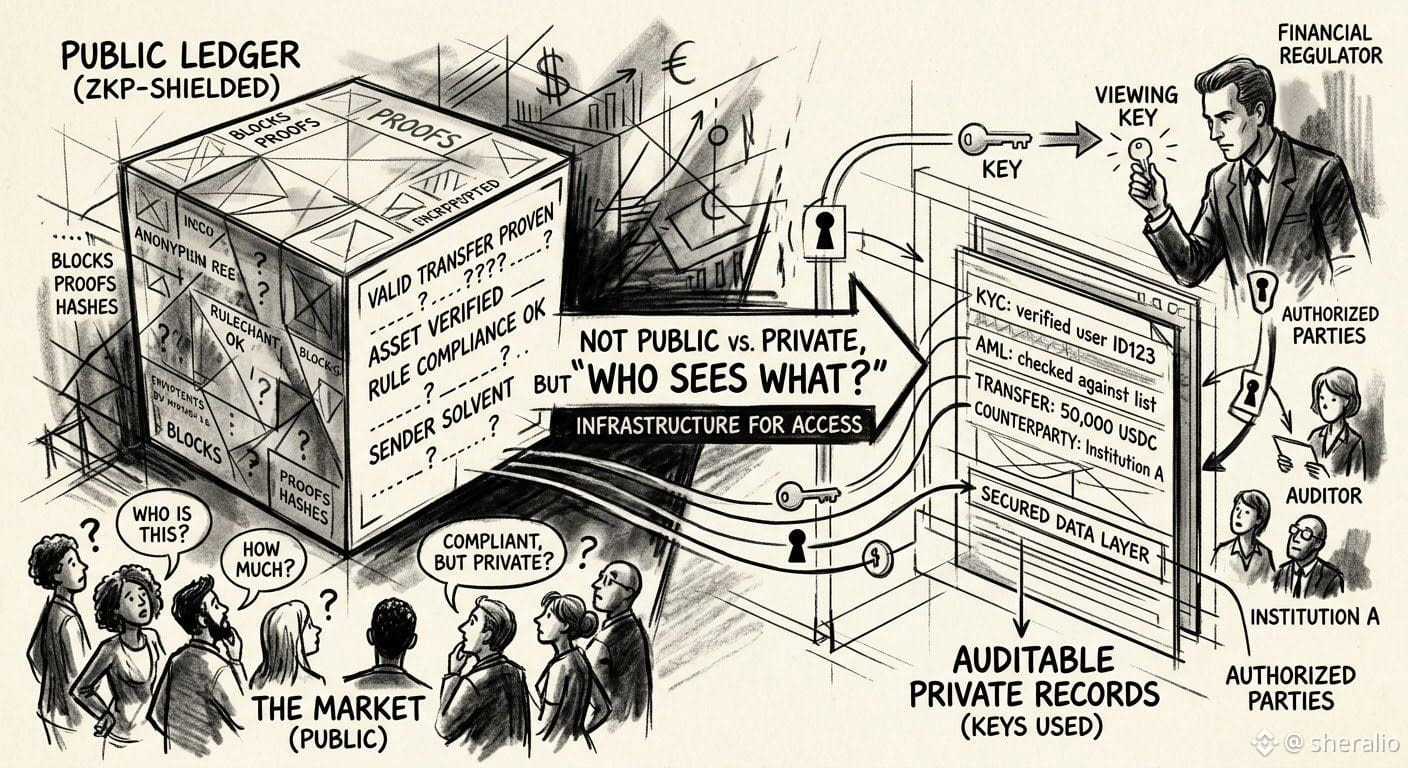
Селективное раскрытие решает эту задачу, встраивая приватность непосредственно в инфраструктуру сети. С помощью доказательств с нулевым разглашением транзакции подтверждают свою корректность, подлинность активов и соответствие требованиям регулирования, не раскрывая чувствительные детали, такие как балансы кошельков или суммы сделок, широкой публике. При этом более широкий рынок верифицирует, что правила протокола соблюдены, а конфиденциальные торговые данные остаются полностью защищёнными от публичного просмотра.
Эта модель обеспечивает аудитируемую приватность, устраняя разрыв между публичной проверяемостью и требованиями институционального уровня. Информация скрыта от участников общей сети, но уполномоченные организации — например, регуляторы или аудиторы по комплаенсу — могут расшифровать необходимые записи, используя назначенные ключи просмотра. Встроенные функции комплаенса также автоматически обеспечивают соблюдение KYC, AML и ограничений на переводы на уровне активов, устраняя ручное трение после сделки.
Вывод реальных активов on-chain требует балансировки целостности публичного реестра и операционной приватности. По мере роста институционального внедрения селективное раскрытие предоставляет ту основу, которая необходима для выполнения строгих требований комплаенса при работе в децентрализованной инфраструктуре.
Прозрачность и доверие долгое время считались синонимами в публичных блокчейнах. В ранних разработках предполагалось, что если все данные реестра остаются открытыми для всеобщей проверки, доверие возникает само собой. Однако при переносе в регулируемые финансовые рынки это допущение оказывается недостаточным. Институциональным финансам необходима конфиденциальность, чтобы предотвратить утечки стратегии, фронтраннинг и нарушения глобальных законов о защите данных. Реальная задача для on-chain финансов заключается не в выборе между полной прозрачностью и абсолютной анонимностью, а в управлении контекстным доступом к данным — определении того, кто может видеть конкретную информацию, при каких условиях.
Селективное раскрытие решает эту задачу, встраивая приватность непосредственно в инфраструктуру сети. С помощью доказательств с нулевым разглашением транзакции подтверждают свою корректность, подлинность активов и соответствие требованиям регулирования, не раскрывая чувствительные детали, такие как балансы кошельков или суммы сделок, широкой публике. При этом более широкий рынок верифицирует, что правила протокола соблюдены, а конфиденциальные торговые данные остаются полностью защищёнными от публичного просмотра.
Эта модель обеспечивает аудитируемую приватность, устраняя разрыв между публичной проверяемостью и требованиями институционального уровня. Информация скрыта от участников общей сети, но уполномоченные организации — например, регуляторы или аудиторы по комплаенсу — могут расшифровать необходимые записи, используя назначенные ключи просмотра. Встроенные функции комплаенса также автоматически обеспечивают соблюдение KYC, AML и ограничений на переводы на уровне активов, устраняя ручное трение после сделки.
Вывод реальных активов on-chain требует балансировки целостности публичного реестра и операционной приватности. По мере роста институционального внедрения селективное раскрытие предоставляет ту основу, которая необходима для выполнения строгих требований комплаенса при работе в децентрализованной инфраструктуре.