

Bitcoin hovering around 92-93k should feel like an opportunity, yet for many, it triggers hesitation instead of action. This reaction isn’t new. In every cycle, the majority buys during excitement and sells during fear. The pattern repeats not because the market changes, but because human behavior doesn’t.
Right now, the most common reason people avoid buying is simple: fear of another drop. The thought that Bitcoin might fall further creates paralysis. Ironically, this same fear disappears when price is pushing new highs, replaced by urgency and FOMO. By then, risk is higher, not lower.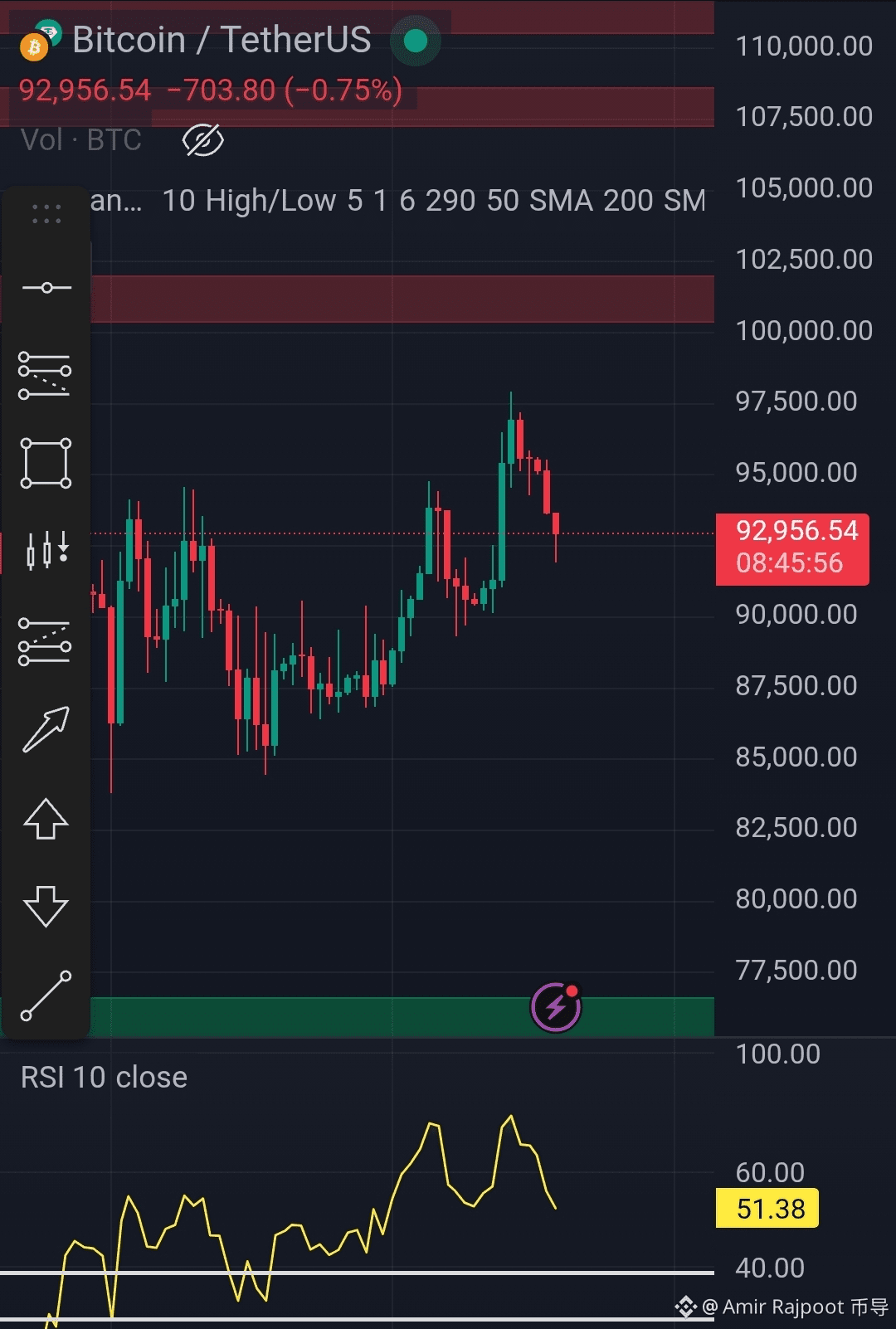
Step back and look at your own long-term view. Many investors believe Bitcoin has the potential to reach $150,000 to $200,000 over time. If that conviction exists, then the exact short-term bottom matters far less than people think. Waiting for the “perfect” entry often results in no entry at all.
This is where gradual allocation changes the game. No one knows the bottom with certainty, but that doesn’t mean you do nothing. Allocating capital over time allows you to manage risk while still participating in the upside. It removes the emotional pressure of timing the market and replaces it with a process.
Strong positions are rarely built in moments of comfort. They’re built when sentiment is mixed, when fear is present, and when patience is required. The crowd waits for clarity. Long-term winners accept uncertainty and act with discipline.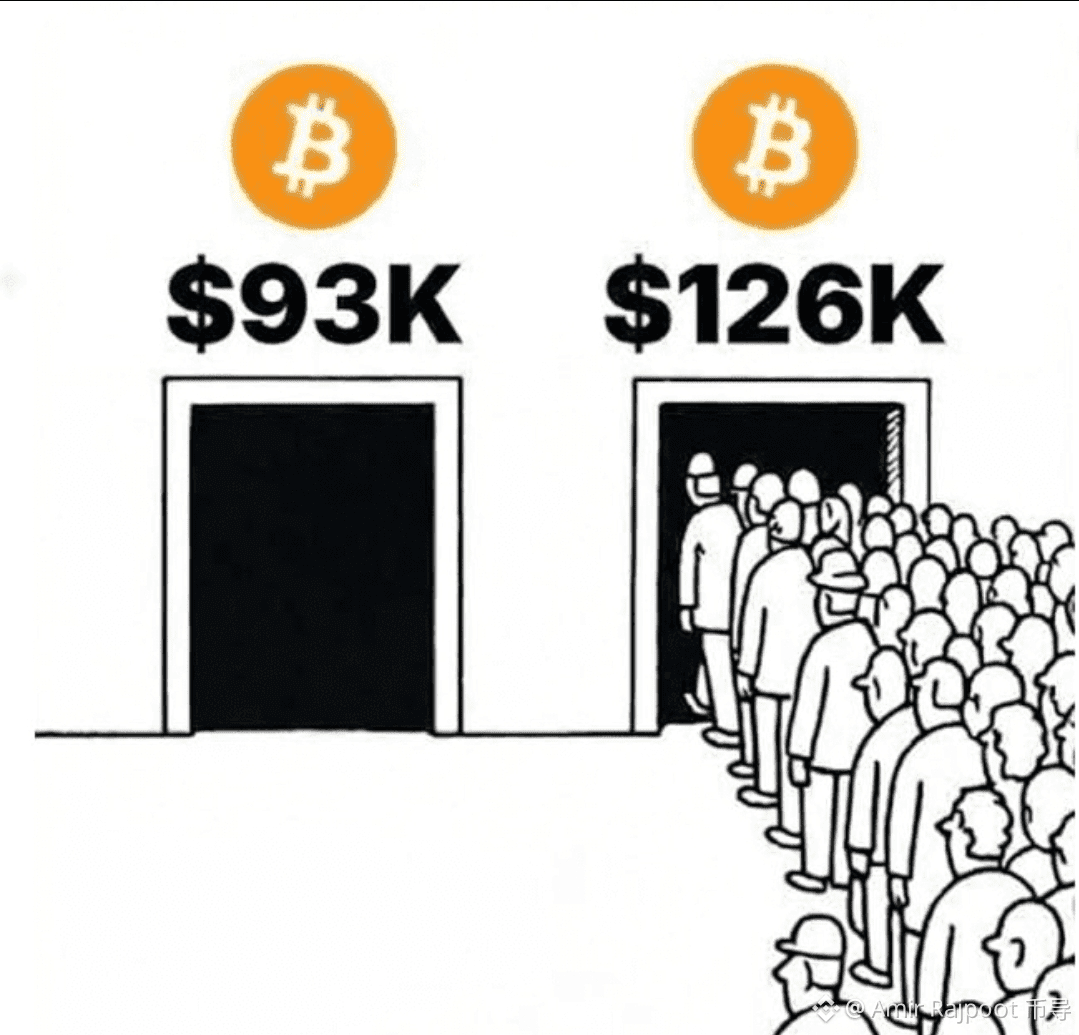
#Bitcoin doesn’t reward emotional decisions. It rewards consistency, conviction, and time. The question isn’t whether price might dip further in the short term. The real question is whether you’re positioning yourself for where you believe #BTC100kNext?
