
Russia isn't just targeting soldiers anymore. It is systematically trying to cripple Ukraine's ability to survive the winter.
Missile strikes are escalating. Energy infrastructure is once again in the crosshairs. Power plants, substations, and critical facilities remain priority targets. The objective is brutally simple: leave millions without electricity, heat, and stability when temperatures collapse.
Ukraine knows exactly what's coming.
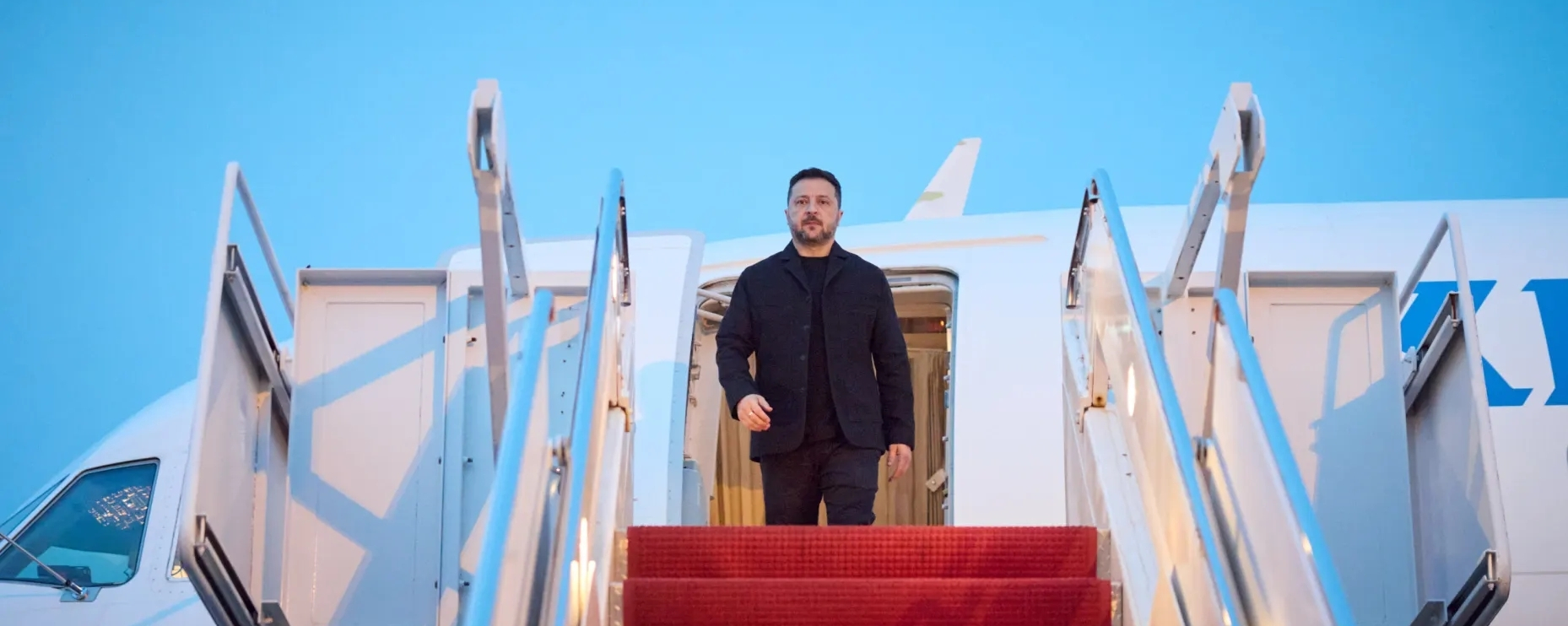
President Volodymyr Zelenskyy has spent months warning that protecting the country's energy system before winter is a matter of national survival. The appointment of former Naftogaz CEO Sergii Koretskyi as prime minister reflects that urgency. Keeping the lights on is now as important as holding the front line.
But there is an even bigger problem.
Ukraine remains heavily dependent on U.S.-made Patriot PAC-3 systems to intercept Russian ballistic missiles. Those interceptors are limited, expensive, and increasingly difficult to replace.
Meanwhile, Ukrainian defense companies are racing to build their own missile-defense technology. According to Fire Point CEO Iryna Terekh, they are trying to compress what normally takes 20 to 30 years of development into just a few years. That is an extraordinary challenge—and one that cannot be solved before winter arrives.
Then comes the political uncertainty.
President Donald Trump has not committed to allowing Ukraine to manufacture Patriot surface-to-air interceptors domestically. That hesitation leaves Kyiv facing another winter with uncertainty hanging over one of its most critical defense needs.
This is no longer just a battlefield war.
It is a war against electricity.
A war against heating.
A war against infrastructure.
A war against civilian endurance.
If Russia succeeds in overwhelming Ukraine's air defenses, entire cities could once again face rolling blackouts, damaged infrastructure, freezing temperatures, and immense humanitarian pressure.
The coming winter may prove that wars are not won only by tanks and missiles.
Sometimes they are decided by who can keep the lights on when everything else goes dark.
