

Most people believe blockchain competition happens at the level of ecosystems, tokens, or developer adoption. But the real bottleneck in crypto has always been execution speed — the layer where transactions are processed, validated, and finalized.
This is where Fogo is quietly introducing a structural shift. Instead of trying to be just another Layer-1, Fogo is positioning itself as a purpose-built execution layer designed to remove the performance ceiling that limits decentralized systems today.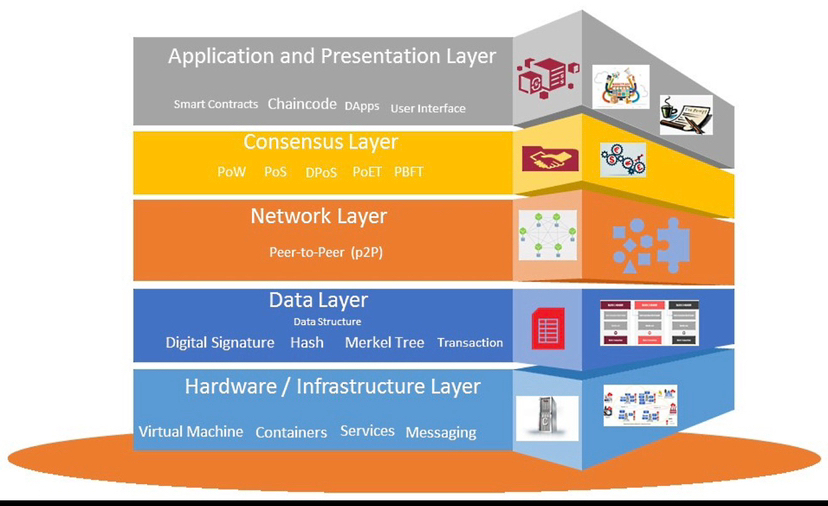
1. The Real Problem in Crypto Isn’t Adoption — It’s Execution Latency
Every blockchain operation goes through execution. Whether it’s a swap, mint, transfer, or smart contract interaction, execution determines how fast and efficiently the network responds.
Traditional blockchains suffer from three structural execution limitations:
• Slow state access due to inefficient storage architecture
• Sequential processing that prevents parallel efficiency
• Network communication delays between validators
These limitations create latency. Latency reduces efficiency. And inefficiency limits scalability.
This is why many applications feel slower on-chain compared to centralized systems.
Fogo addresses this problem at the architectural level.
2. Fogo Is Built Specifically as an Execution-Optimized Blockchain
Unlike traditional chains that try to balance everything equally, Fogo prioritizes execution as its core design objective.
Its architecture is optimized around three execution principles:
• Fast state access
• Efficient validator communication
• Deterministic execution flow
This allows Fogo to process transactions with significantly lower execution overhead.
Instead of execution being a bottleneck, execution becomes an advantage.
This is a fundamental shift in blockchain design philosophy.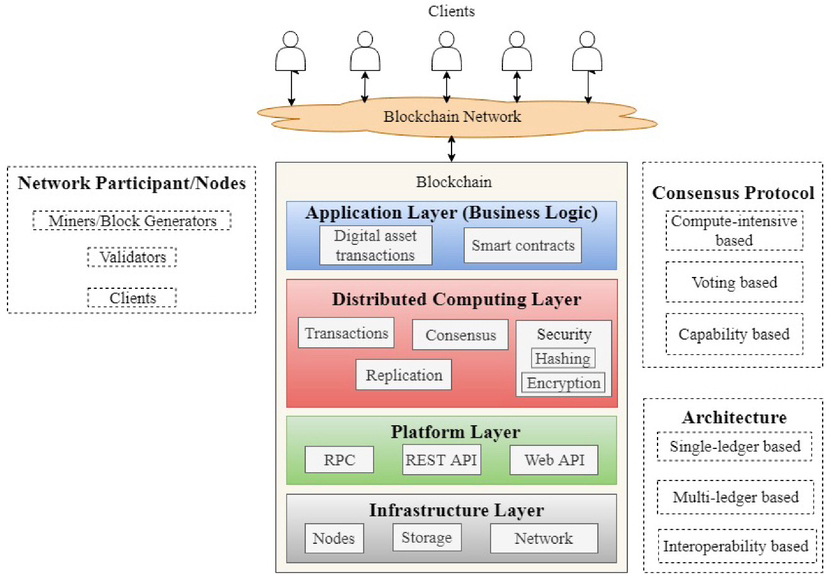
3. Deterministic Execution Removes Uncertainty From the System
One of the hidden inefficiencies in traditional blockchain execution is unpredictability. Execution time varies depending on network congestion, validator load, and state complexity.
Fogo introduces deterministic execution behavior.
This means:
• Execution time becomes predictable
• Validators process transactions consistently
• Network performance remains stable under load
Predictability is critical for advanced applications like:
• AI-driven on-chain systems
• High-frequency trading protocols
• Real-time financial infrastructure
Deterministic execution transforms blockchain from a probabilistic system into a reliable execution environment.
4. Validator Coordination Is Optimized for Speed and Efficiency
In most blockchains, validators spend significant time coordinating consensus and synchronizing state.
This creates communication overhead.
Fogo reduces validator communication inefficiencies by optimizing validator coordination pathways.
This leads to:
• Faster block propagation
• Lower confirmation latency
• Reduced synchronization delays
The network spends less time coordinating and more time executing.
This improves overall system throughput.
5. Execution Efficiency Is Becoming the Most Valuable Infrastructure Layer
Crypto is evolving beyond simple token transfers. Modern blockchain applications require high-performance execution environments.
Examples include:
• AI agents performing automated transactions
• Real-time decentralized trading systems
• Large-scale on-chain gaming environments
• Complex financial settlement systems
These applications cannot operate efficiently on slow execution layers.
Execution speed is becoming the new competitive frontier.
Fogo is built specifically for this future.
